
Adult tricycles offer incredible stability, comfort, and a fantastic way to enjoy the outdoors. Whether you use yours for morning exercise, running errands, or adaptive mobility, a great trike opens up the world.
However, there is one major hurdle every trike owner eventually faces: How on earth do you transport it?
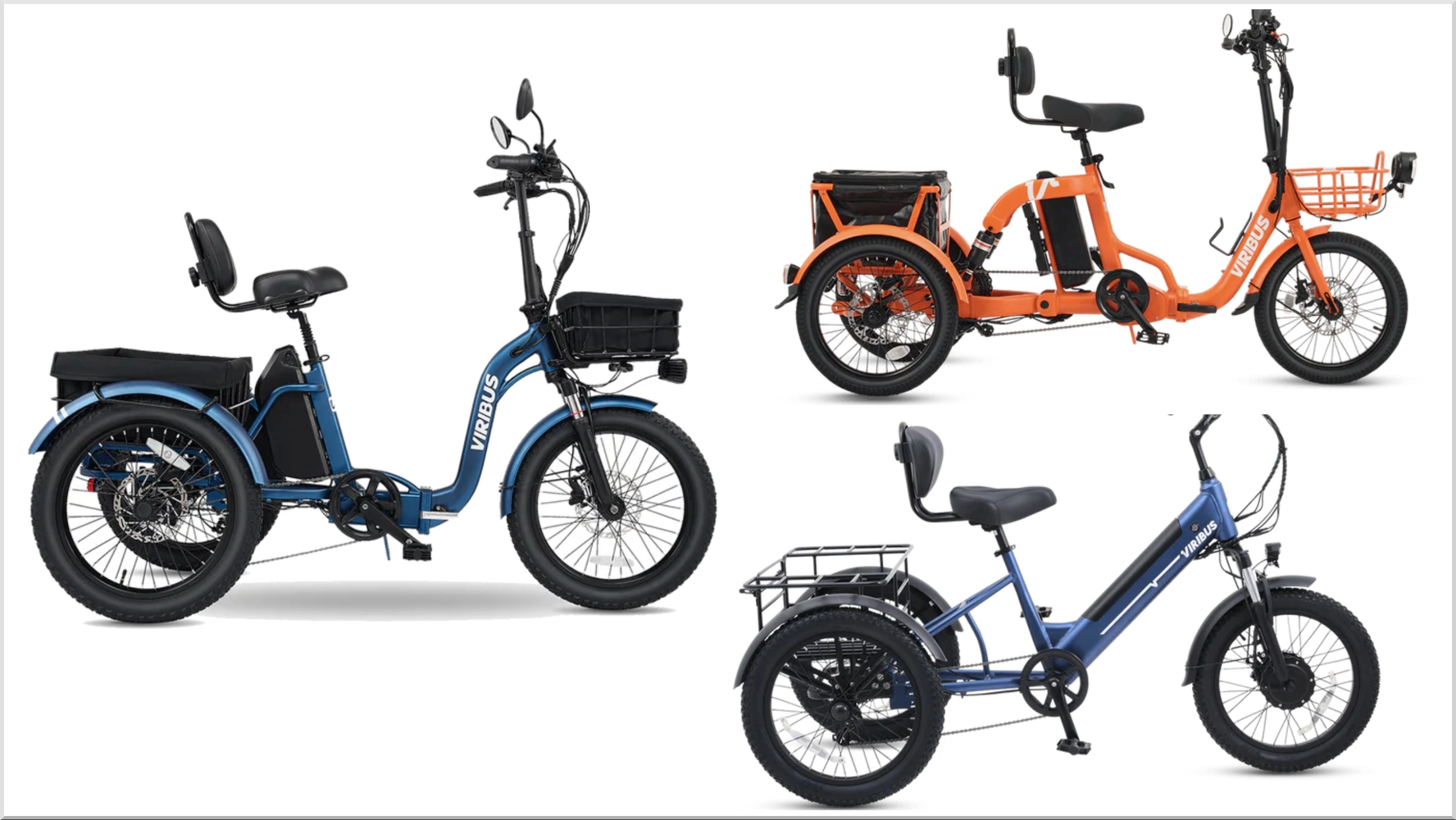
Unlike traditional two-wheeled bicycles, standard bike racks won’t accommodate the wide, three-wheeled footprint of a tricycle. They are wider, longer, and significantly heavier—especially if you ride a 3 wheel tricycle, which can easily tip the scales between 70 to 100 pounds.
If you don't own a massive pickup truck, getting your trike to a beautiful distant trail can feel like solving a frustrating geometric puzzle. Don’t leave your favorite ride gathering dust in the garage just yet. Here is a breakdown of the most effective, real-world methods to safely transport an adult tricycle using your car, SUV, or minivan.
1. The Fold-and-Go Method (If Your Trike Folds)
If you haven’t purchased a tricycle yet, or if you specifically bought a model with travel in mind, check to see if your frame folds. Many modern upright trikes and recumbent models feature a central hinge or a quick-release mechanism that allows the frame to fold in half.
How to Do It:
- Engage the parking brake: Before unlocking any latches, lock your trike’s brakes so it doesn't roll away while you’re folding it.
- Collapse the frame: Drop the handlebars, lower the seat, and release the main frame hinge (some require a 6mm Allen key, while others use a tool-free quick-release lever).
- Protect your interior: Lay down a thick furniture blanket or heavy-duty yoga mat across your car's trunk or folded seats. Metal pedals and greasy chains love to tear upholstery and scratch plastic panels.
- The Safe Lift: Bend your knees! Folded trikes are more compact, but they are still heavy. If you are handling an e-trike, remove the battery first to drop 8 to 12 pounds instantly. If possible, lift with a partner.
Pros: Fits inside many standard SUVs, hatchbacks, and minivans without needing external racks. Safe from weather and theft.
Cons: Still heavy and awkward to lift; might still be too wide for compact sedans.
2. In-Vehicle Loading (SUVs, Minivans, and Large Hatchbacks)
If your tricycle has a solid, non-folding frame, you can still transport it completely inside your vehicle if you drive an SUV, minivan, or station wagon. Most standard adult trikes measure roughly 30 inches wide by 70 inches long.
Step-by-Step Internal Loading:
To make this process as painless as possible, follow this exact sequence to avoid throwing out your back or jamming the trike against your car ceiling.
1.Maximize Your Space:Requires 2-3 mins.
Fold your rear seats completely flat. Remove any loose cargo covers or headrests that might snag on the handlebars.
2.Prepare the Trike:Lighten the load.
If it's an electric trike, remove the battery. If your trike has a quick-release front wheel or an easily removable seat, take them off now to gain extra vertical clearance.
3.Angle and Roll:Back wheels first.
Back the tricycle up to the rear opening of your car. The easiest method is to lift the heavy rear end (the two wheels) into the cargo area first, keeping the single front wheel on the ground outside.
4.Pivot and Slide:The final push.
Lift the front wheel, twist the handlebars sideways so they lay flat, and slide the entire trike forward. If your vehicle's ceiling is low, you can safely tilt the entire tricycle onto its side once it is inside.
Pro-Tip: Use Rolling Ramps
If lifting the trike is physically restrictive or uncomfortable, invest in a set of portable aluminum telescoping ramps. You can hook the ramps onto your trunk lip and simply roll the tricycle up into your vehicle without lifting the full weight all at once.
3. Dedicated Hitch-Mounted Trike Racks
For frequent riders or those who drive smaller cars, loading a trike into the cabin simply isn't practical. This is where a specialized hitch-mounted trike rack comes in.
Let's be completely clear: A standard hanging or platform bike rack will not work. You need a specialty platform rack designed specifically for three wheels (offered by brands like Hollywood Racks, CycleSimplex, or Alpaca).
[ Your Car ]
||
============== <- Hitch Receiver
| || |
O || O <- Wide Rear Wheel Trays
||
O <- Front Wheel Tray
What to Look For in a Hitch Rack:
- Receiver Size: These heavy-duty racks typically require a Class II or Class III 2-inch hitch receiver welded to your car's frame. Make sure your vehicle is rated for this type of hitch.
- Adjustable Wheel Trays: Trikes vary drastically in "track" (the width between the two rear wheels) and "wheelbase" (the distance between front and rear axles). Look for a rack with independent, adjustable trays.
- Tilt-Down Functionality: High-quality trike racks feature a tilting mechanism. This allows you to tilt the entire empty rack up against your car when you aren’t carrying the trike, or tilt it downward to access your trunk when the trike is loaded.
Choosing the Best Method For Your Vehicle
Every car and rider setup is slightly different. Use this quick comparison table to help determine which approach aligns best with your lifestyle and budget:
Transport Method | Best Suited For | Est. Cost | Major Benefit | Biggest Drawback |
Folded in Trunk | Hatchbacks, Crossovers | $0 | Completely free; safe from weather | Requires heavy lifting and folding time |
In-Cabin (Unfolded) | Minivans, Large SUVs | $0 - $50 (for ramps) | Maximum security; no extra equipment | Eats up all your passenger/cargo space |
Hitch platform Rack | Sedans, SUVs, Crossovers | $400 - $800 | Easiest to load; keeps car interior clean | Expensive; requires a 2" hitch receiver |
Utility Trailer | Any car with a tow package | $800+ | Can carry multiple trikes and extra gear | Difficult to park; requires registration |
4. Crucial Safety and Legal Checklist
Before you hit the highway with your tricycle, take a moment to double-check these vital safety measures:
- Lock the Brakes: Whether your trike is inside your vehicle or on an exterior rack, use a heavy-duty velcro strap or a thick rubber band to tightly lock the handbrake lever. This prevents the wheels from spinning or rolling during sudden stops.
- Mind Your License Plate and Tail Lights: Exterior hitch racks are wide and often block your rear license plate or tail lights. In many jurisdictions, this can earn you a traffic ticket. Look for a rack that allows you to mount a secondary license plate bracket or integrated auxiliary LED lights.
- Tie It Down Tightly: If the trike is inside an SUV or minivan, use ratchet straps anchored to the vehicle’s floor tie-down loops. In a collision or hard braking event, an unsecured 80-pound trike can become a dangerous projectile.
- Watch Your Road Clearance: If you are using a hitch rack on a lower sedan, make sure the rack sits at least 12 to 16 inches off the ground. Scraping against speed bumps or steep driveway dips can severely damage your expensive rack or trike frame.
Summary
Transporting an adult tricycle takes a little more planning than moving a standard bicycle, but it doesn't have to keep you stranded at home. If you have the budget, a dedicated hitch platform rack offers unparalleled convenience. If you prefer to keep things simple and cost-free, investing in a thick furniture blanket and perfecting your "back-wheels-first" rolling technique inside an SUV works beautifully.
Pick the method that best matches your strength, vehicle type, and budget, and get ready to explore some new horizons!
Image gallery
- Add new comment
- 175 views