Table of Contents
- The Importance of Regular Car Maintenance
- Key Components of Vehicle Health
- Simple DIY Maintenance Checks
- Professional Services: When to Seek Help
- Seasonal Car Care Tips
- Top Safety Tips for Every Driver
- Technological Advances in Automotive Safety
- Planning for Long Road Trips
Maintaining your car extends its life and enhances safety and efficiency on the road. Understanding essential maintenance tasks for drivers can differentiate between a smooth ride and unexpected downtime. Knowing the basics is crucial whether you're looking into a reliable service from https://blueridgeauto.co/ or considering DIY tasks. A well-maintained vehicle promises longevity and guarantees your safety and that of your passengers, minimizing the likelihood of mechanical breakdowns that might cause accidents.
Regular checks and professional care ensure that your vehicle performs optimally. Routine maintenance helps catch minor, manageable issues before they escalate into significant problems. This proactive approach can save you considerable repair costs in the long run and minimizes the risk of being stranded on the road due to unforeseen breakdowns. Discover key insights into vehicle maintenance and safety that can help prevent costly repairs and potentially dangerous situations.
The Importance of Regular Car Maintenance
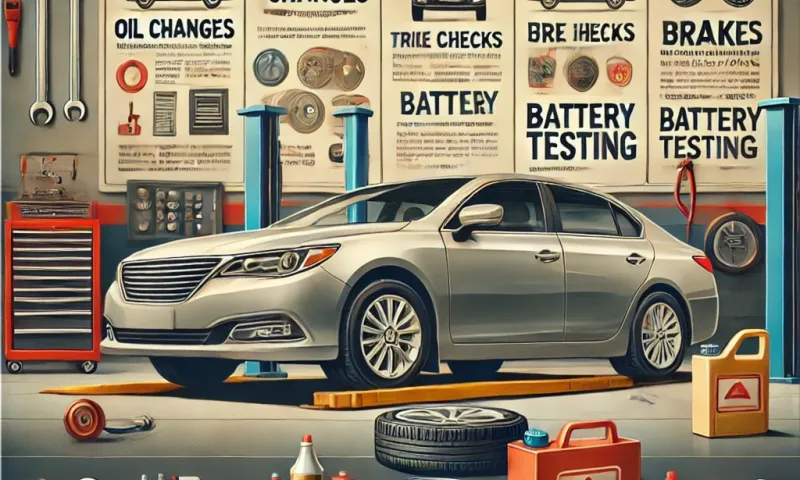
Routine maintenance is vital for every vehicle owner. It improves fuel efficiency, enhances performance, and reduces the likelihood of breakdowns. Regular upkeep involves a series of simple checks and tasks that ensure your car runs smoothly. It guards against natural wear and tear that occurs with everyday use. Minor issues can escalate into costly repairs without regular care, compromising your car's safety and longevity. Ensuring your vehicle is in top condition also boosts resale value, giving you a higher return when it's time to upgrade.
Key Components of Vehicle Health
Engine Health
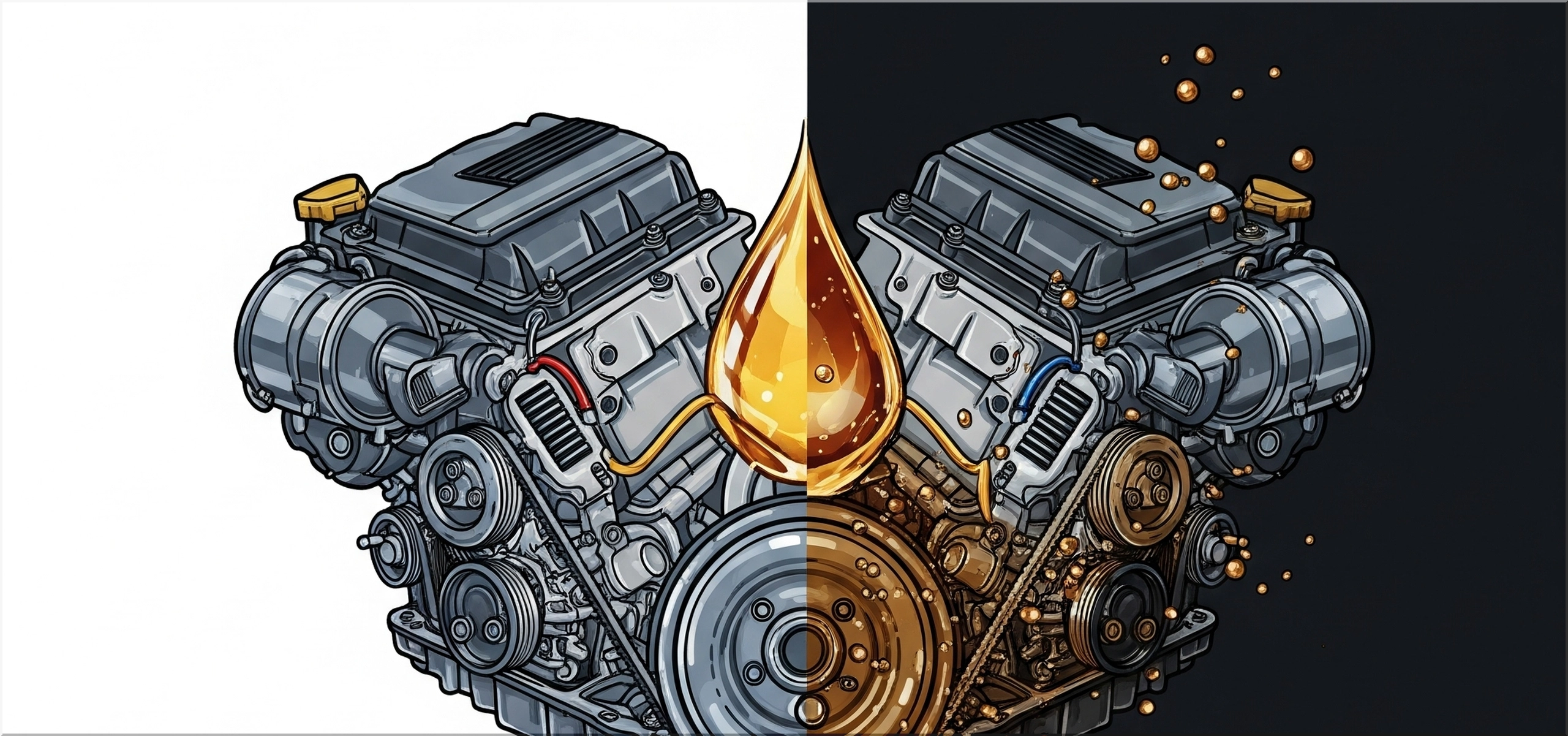
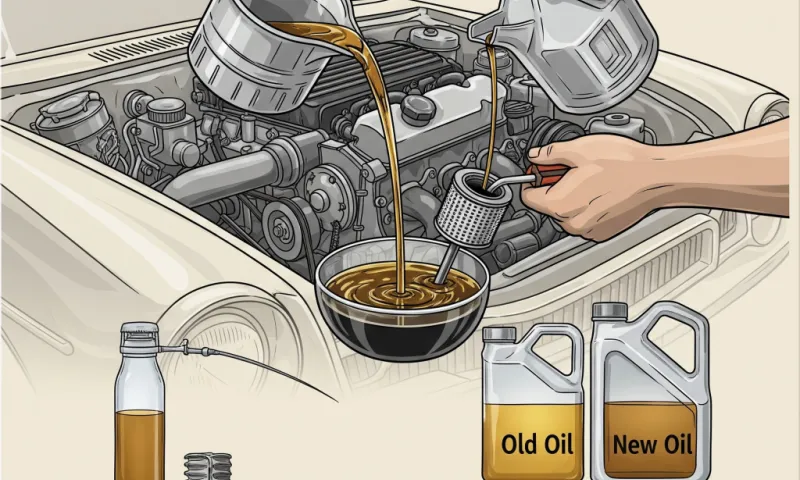
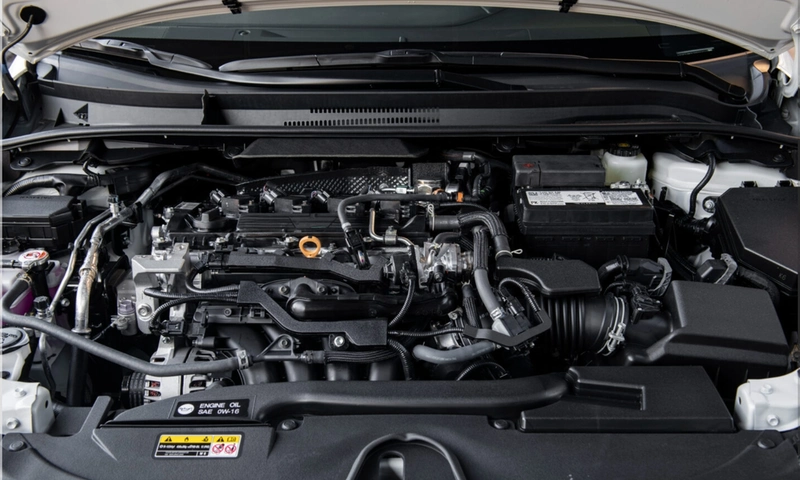
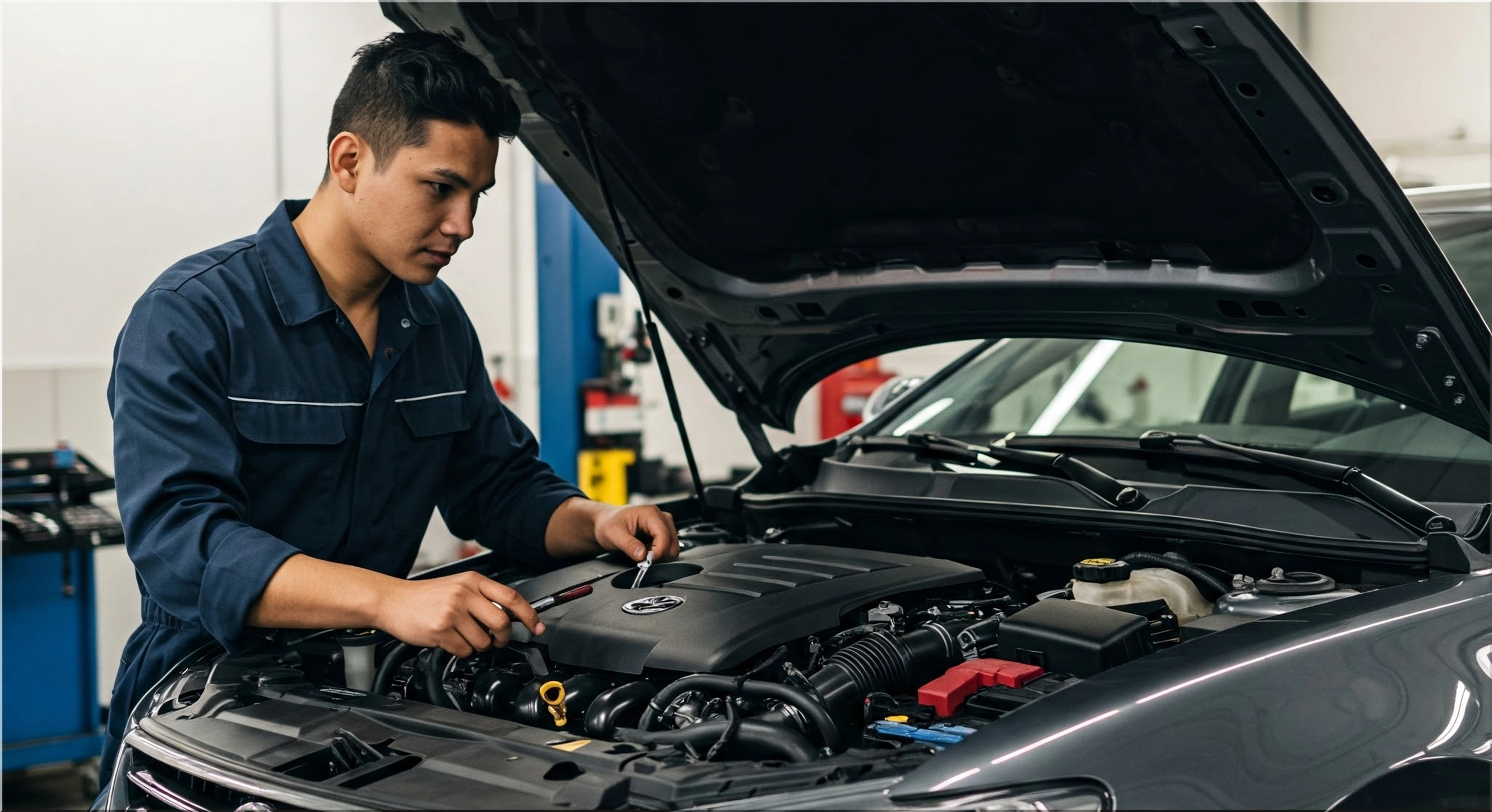
Engine maintenance, including regular oil changes, is fundamental. A well-cared-for engine performs better and lasts longer. Consistent oil changes prevent sludge build-up, which can damage the engine over time. An engine that runs on clean oil is more efficient and performs optimally, burning less fuel and producing lower emissions. By maintaining your engine, you're ensuring your vehicle remains a reliable companion for the foreseeable future.
Brakes and Tires
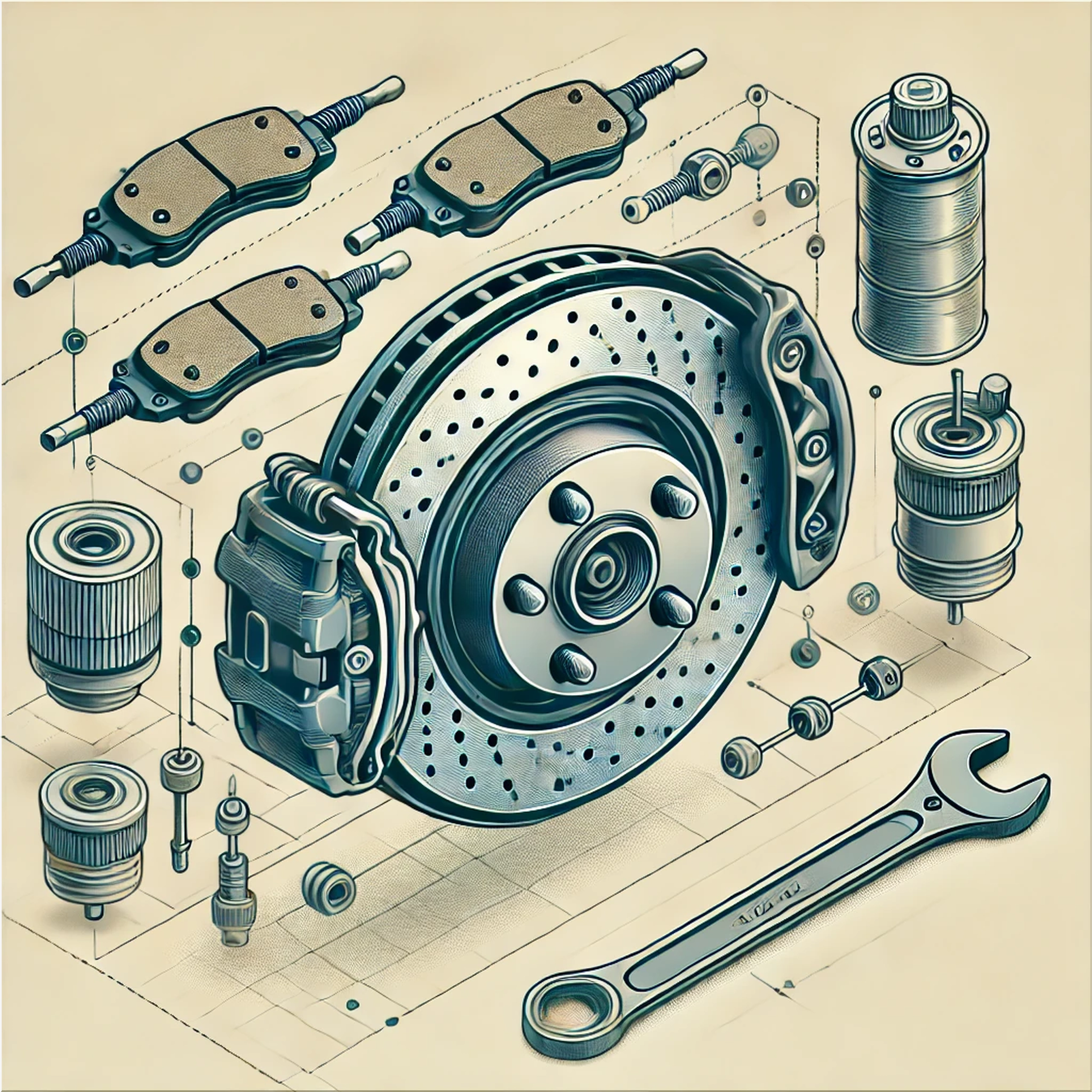
Brakes and tire health cannot be overstated. The brakes are crucial for safety, while adequately aligned and inflated tires improve fuel efficiency and ensure a smoother drive. Properly maintained tires can drastically impact vehicle handling, especially in adverse weather conditions. Organizations emphasize the significance of these elements in their comprehensive car maintenance guide. Regularly checking tire tread, rotating tires, and ensuring proper alignment can avoid accidents and improve the longevity of your tires.
Simple DIY Maintenance Checks
Oil Levels
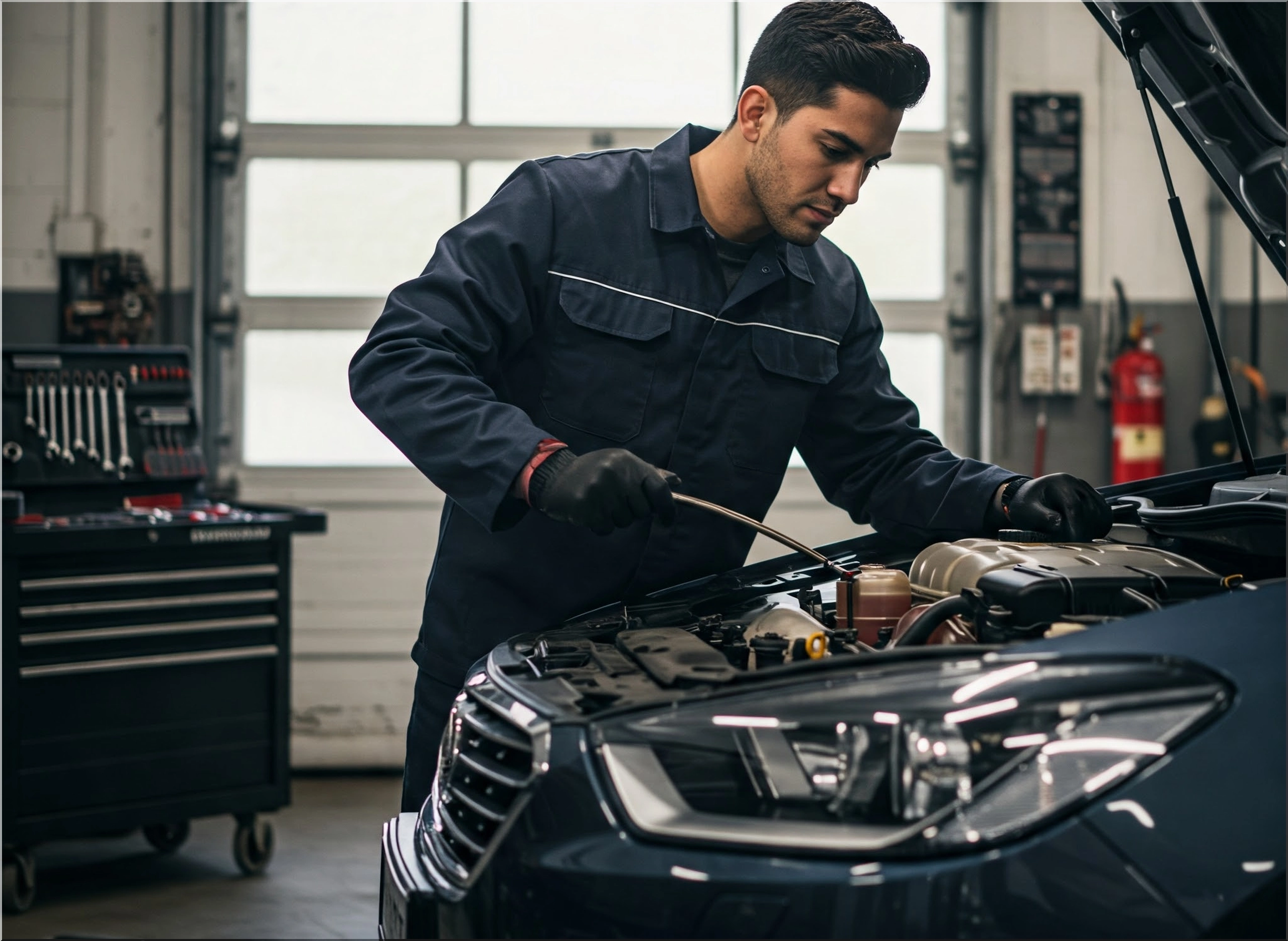
Checking and refilling engine oil is a simple yet crucial task. It guarantees the engine operates seamlessly and avoids wear and tear. Routine oil checks can help you spot leaks early, preventing further complications. By ensuring that the oil level is adequate, the engine's movable parts are protected from friction, reducing overall wear.
Tire Pressure
Maintain proper tire pressure using a gauge. This simple check enhances safety, improves fuel economy, and extends tire life. Under-inflated tires result in higher fuel consumption and can lead to uneven tire wear, making them prone to blowouts. Maintaining your tires at the proper inflation level ensures your vehicle handles precisely, improving safety, especially during emergency maneuvers.
Battery Health
Clean battery terminals regularly and check the charge. A well-maintained battery prevents unexpected failures, especially in extreme weather. Cold temperatures can significantly affect battery performance, making regular checks essential as the seasons change. Ensuring connections are solid and terminals are corrosion-free will keep the electrical systems functioning without hitches.
Professional Services: When to Seek Help
While DIY tasks are essential, certain services require professionals. Complex repairs, detailed diagnostics, and scheduled maintenance might necessitate expert intervention. Recognizing when a problem is beyond your capability to fix and seeking professional assistance is essential. Doing so saves time and ensures the job is done correctly the first time.
Seasonal Car Care Tips
Winter Preparation
Prepare your vehicle for winter by inspecting antifreeze levels and battery condition and ensuring all-weather tires are fitted. Cold weather impacts every vehicle component, so proper preparation is crucial to avoid performance issues. Windshield wipers should also be checked, as visibility is often compromised during snowstorms.
Summer Tips
In summer, protect your vehicle from overheating. Regularly check coolant levels and try using sunshades to minimize interior heat damage. The heat can also affect tire pressure, causing them to lose air quickly. Also, consider checking your air conditioning system to ensure comfort during hot summer drives.
Top Safety Tips for Every Driver
Adopting safe driving habits can drastically reduce accidents. Follow speed limits, maintain safe distances, and always remain alert. Abstaining from distractions like mobile phones is integral to safe driving. Being proactive about your driving habits ensures your safety and the safety of others on the road.
Technological Advances in Automotive Safety
Today's vehicles have advanced safety features like lane-keeping assistance and automatic emergency braking systems. These technologies are pivotal in reducing accident risk and offering additional safety while traveling. They serve as a second pair of eyes, assisting drivers in making decisions during critical situations and continuously evolving to provide better safety and protection.
Planning for Long Road Trips
Pre-Trip Checklist
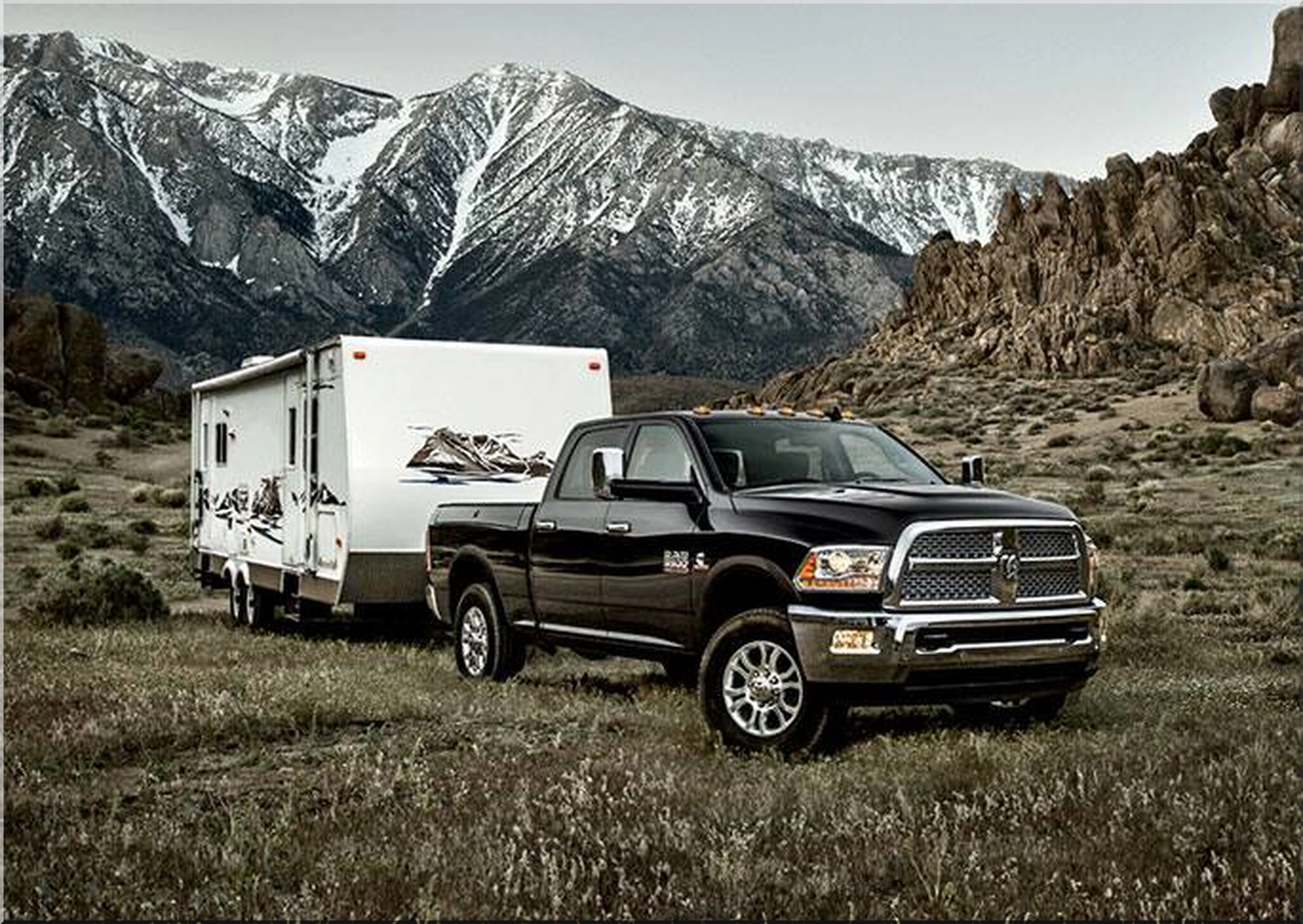
Before setting out on a long journey, inspect your vehicle thoroughly. Check tire pressure and oil levels, and pack an emergency kit. This kit should include essentials such as a spare tire, flashlight, first aid kit, and essential tools. Thorough preparation ensures you're equipped to handle minor emergencies on the road.
Safety Considerations
Take regular breaks, stay hydrated on long trips, and rotate drivers if possible. These practices help maintain alertness and ensure a safe journey for everyone. Planning your route and sharing your itinerary with someone ensures that help can reach you quickly in an emergency. It's always better to be cautious and over-prepared than to be at the mercy of an unforeseen problem during your travels.
Image gallery
- Add new comment
- 165 views