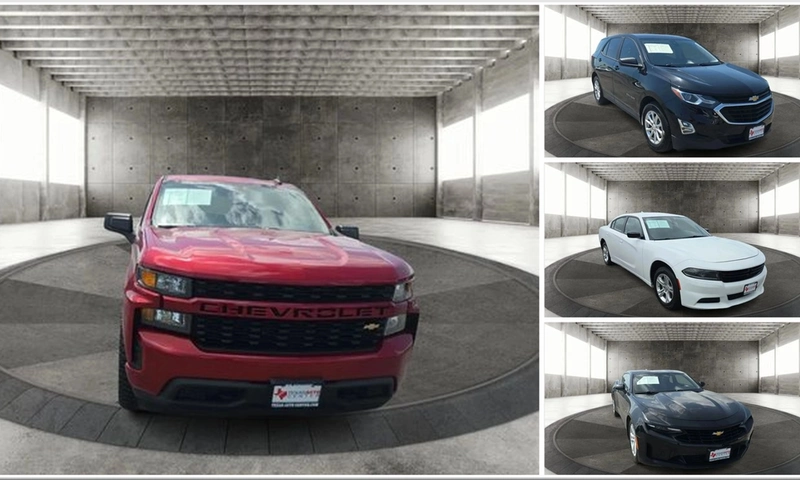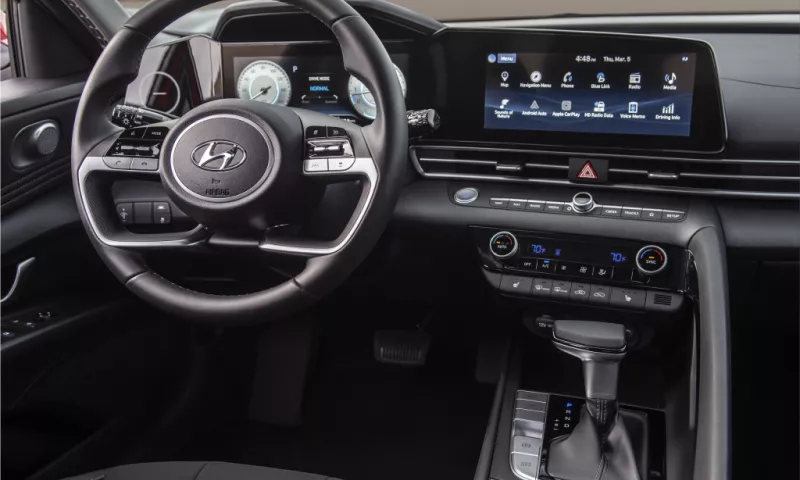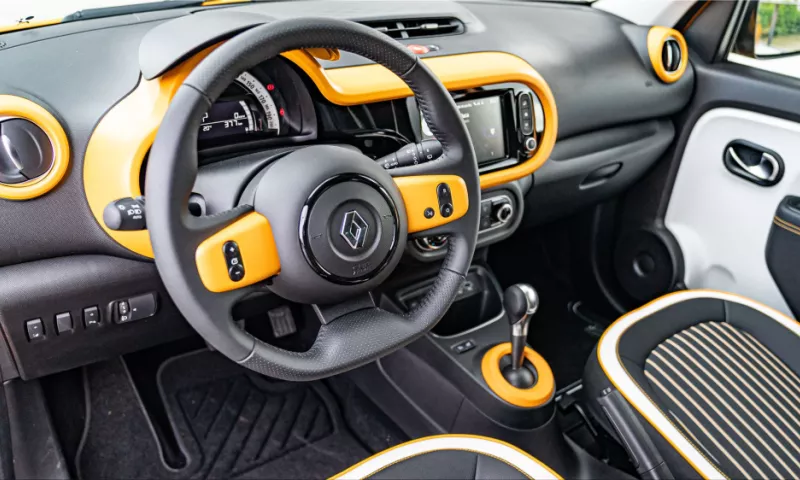

If you’re going to be investing thousands of pounds in a single asset, then it’s important to ensure that you’ve done all of the necessary research. There are few better examples of this than the purchase of a car.
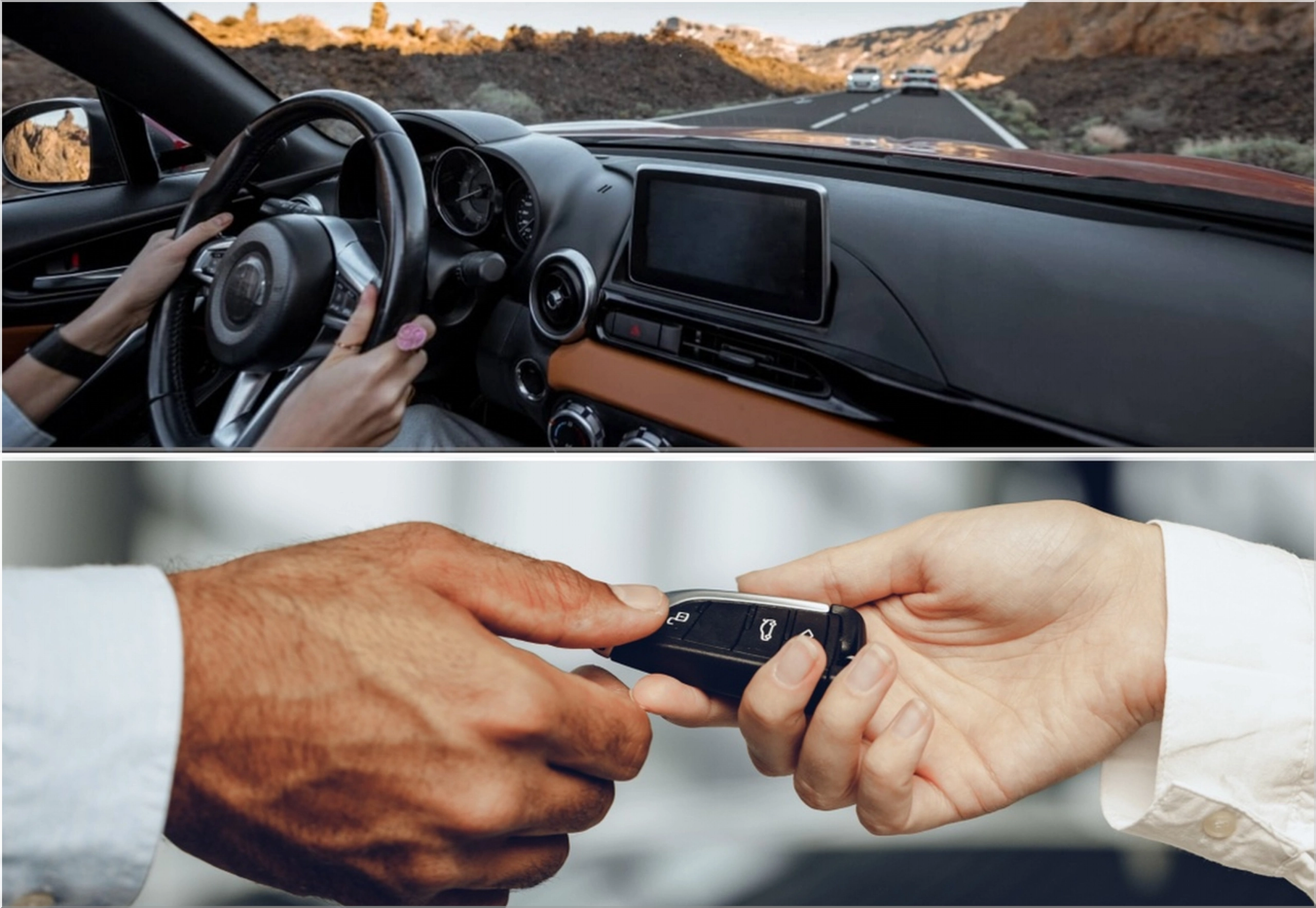
If you’re looking at buying a car, then you might already have looked at reviews, statistics, and lists of features. But if you really want to know what the experience behind the wheel is going to be like, it’s essential that you test-drive the vehicle.
But exactly how can we ensure that a test drive is a good source of insight? There are a few key principles worth abiding by. Let’s consider them.
Before the drive
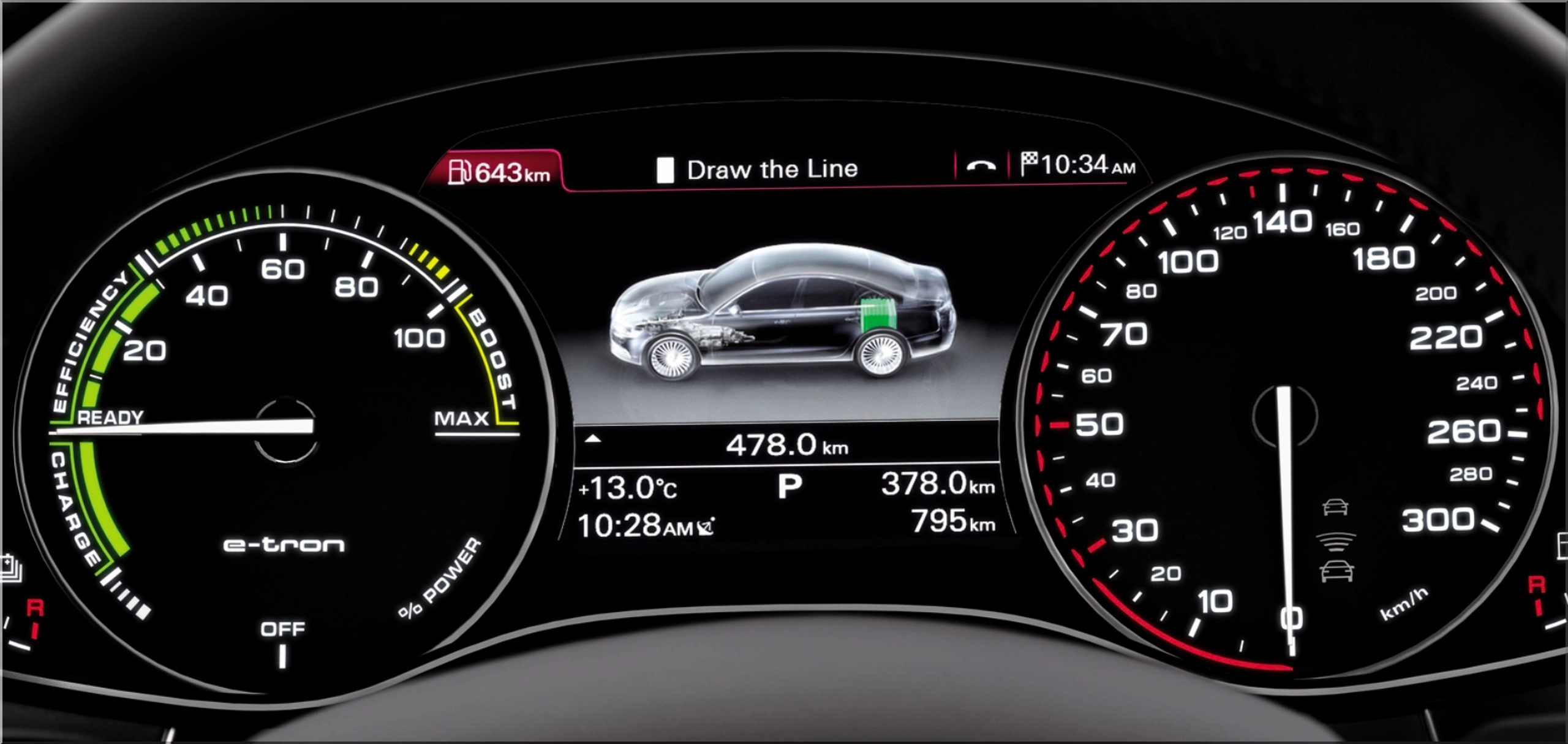
Before you visit the car and drive it, you’ll want to know what you’re looking for. Develop a good knowledge of the features, and think about what you expect from them. This will allow you to figure out what you’re going to look at and how you’re going to assess the condition of this particular vehicle. You’ll also want to check the vehicle’s registration number and make yourself aware of any problems with it.
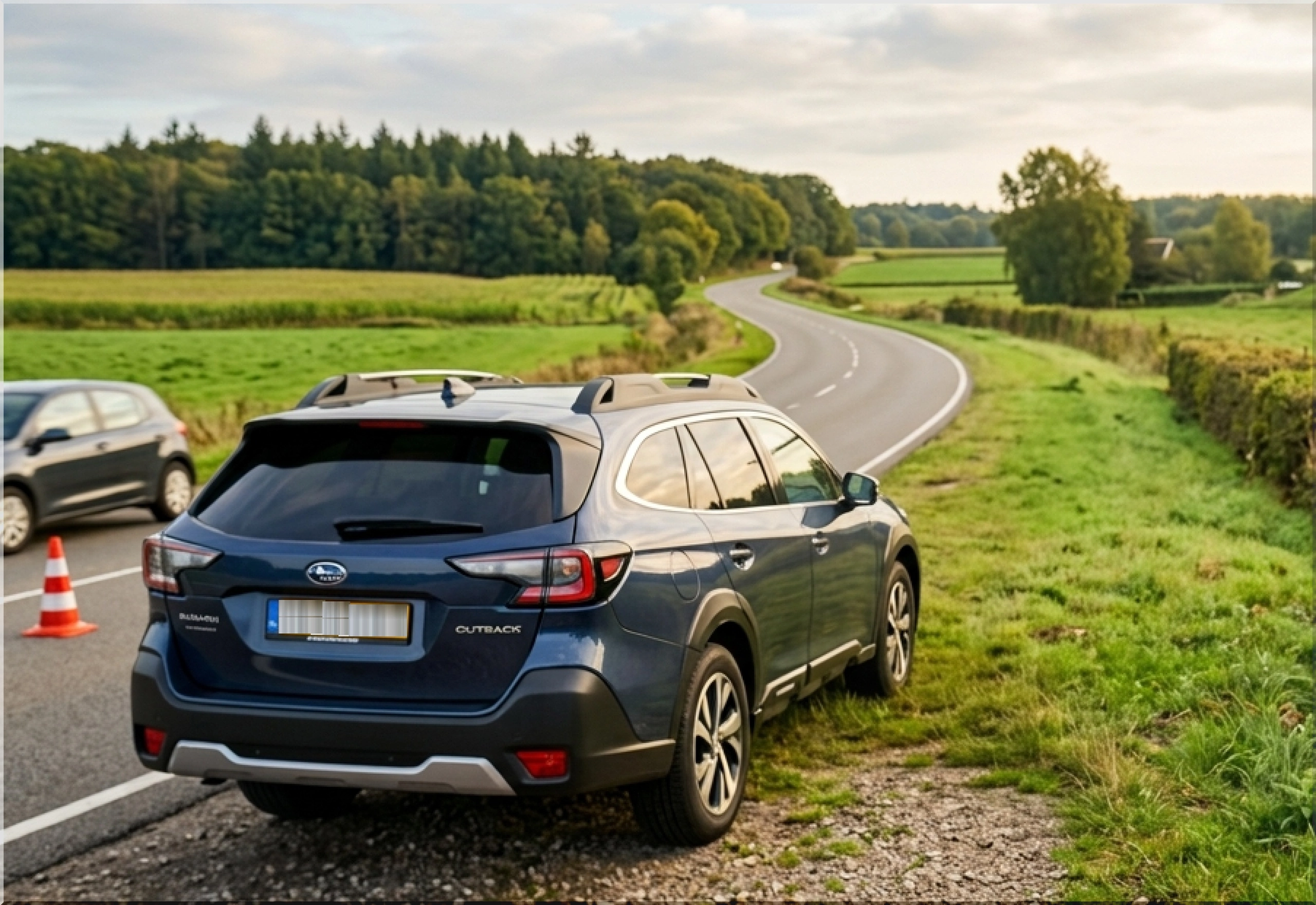
Before you get in the car, you’ll want to physically inspect it. Make sure there’s no physical damage, and that you understand where crucial controls like lights, indicators, and gears are. It might also be worth taking out temporary car insurance, so that you have peace of mind throughout the test drive.
During the drive
Where should you drive the car? Your options may be limited by what’s nearby and convenient. Generally speaking, it’s a good idea to test the car on a variety of different roads, including narrow streets and sprawling ring-roads. Make sure that the car reacts to acceleration and braking, and to changes in the road surface. If there are any unusual noises or odours, take note of them.
Remember that you’re probably going to be driving this vehicle for hundreds, or even thousands, of hours. If you find that you’re not a good match for it, then it might be a good idea to simply walk away. After all, you’ll face additional stress and hassle if you come to sell it after just a few years.
After the drive
Once you’ve driven the vehicle, it’s worth taking a few moments to reflect on your experience. How did it feel? Were there any problems? How did the vehicle match up to what was described in the advert?
It’s worth coming up with a few questions to ask the seller. If you did find faults, or the car didn’t match your expectations in some vague way, then you might use this as a basis for negotiating a discount. Or, you might leave the car where it is, mull over your experience, and then return with an offer later on.
Image gallery

- Add new comment
- 207 views