
A Focused Approach to Shape and Function
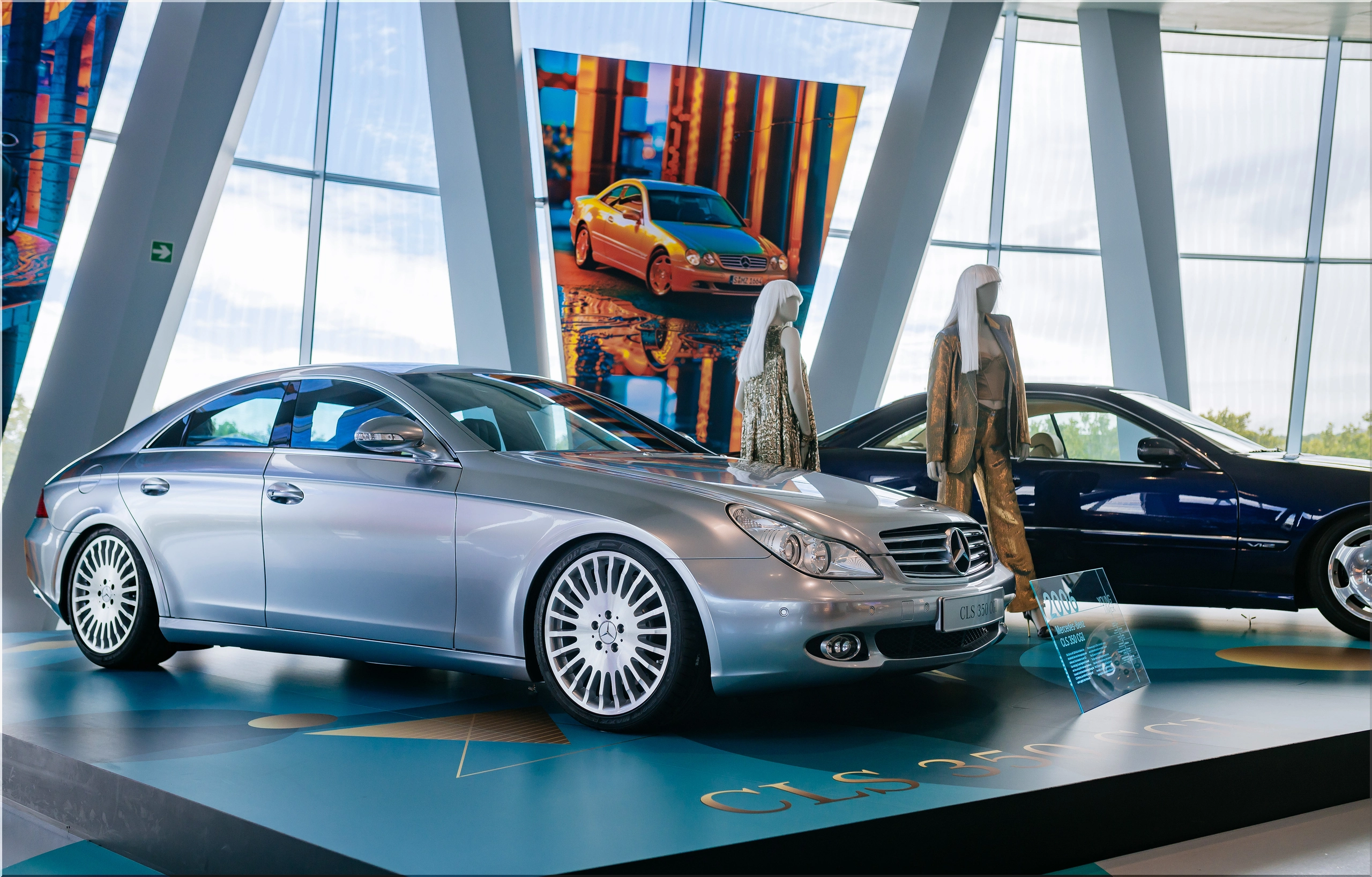
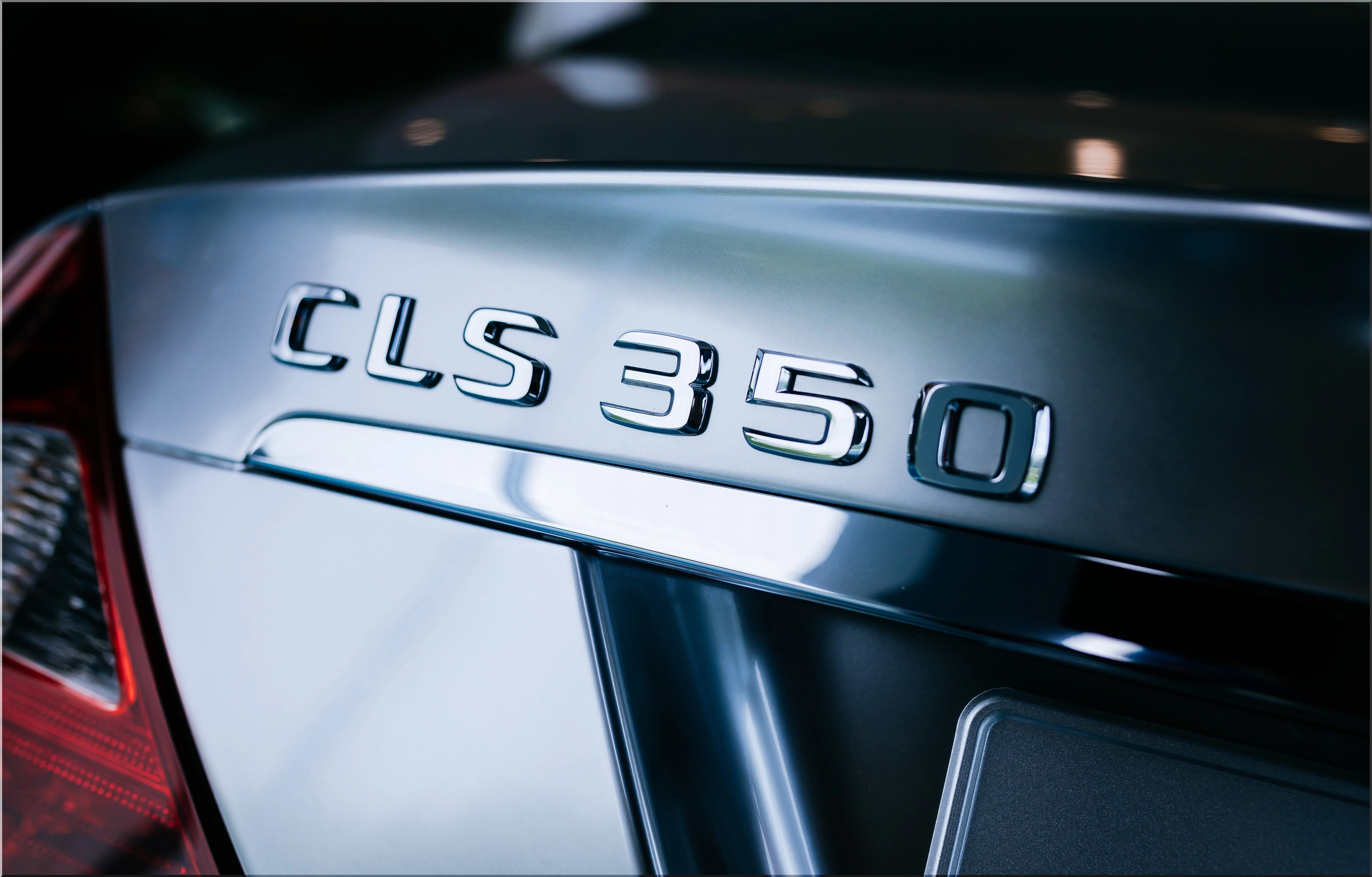
Mercedes-Benz introduced the CLS 350 CGI to push design and efficiency into a single package. The car delivered a slimmer profile than typical sedans and set a clear direction for future models. The exterior featured Satin alubeam silver paint, developed only for show vehicles, and applied to very few units. The finish produced tight reflections and gave the surface a dense metallic tone.
19-inch multi-spoke wheels supported the design message. Their size reduced sidewall height and improved stance. The car projected intent without extra visual noise. Mercedes-Benz used this model to test buyer demand for slimmer sedans that still offered daily usability. The test succeeded.
Image
Design Choices That Shaped Buyer Behavior
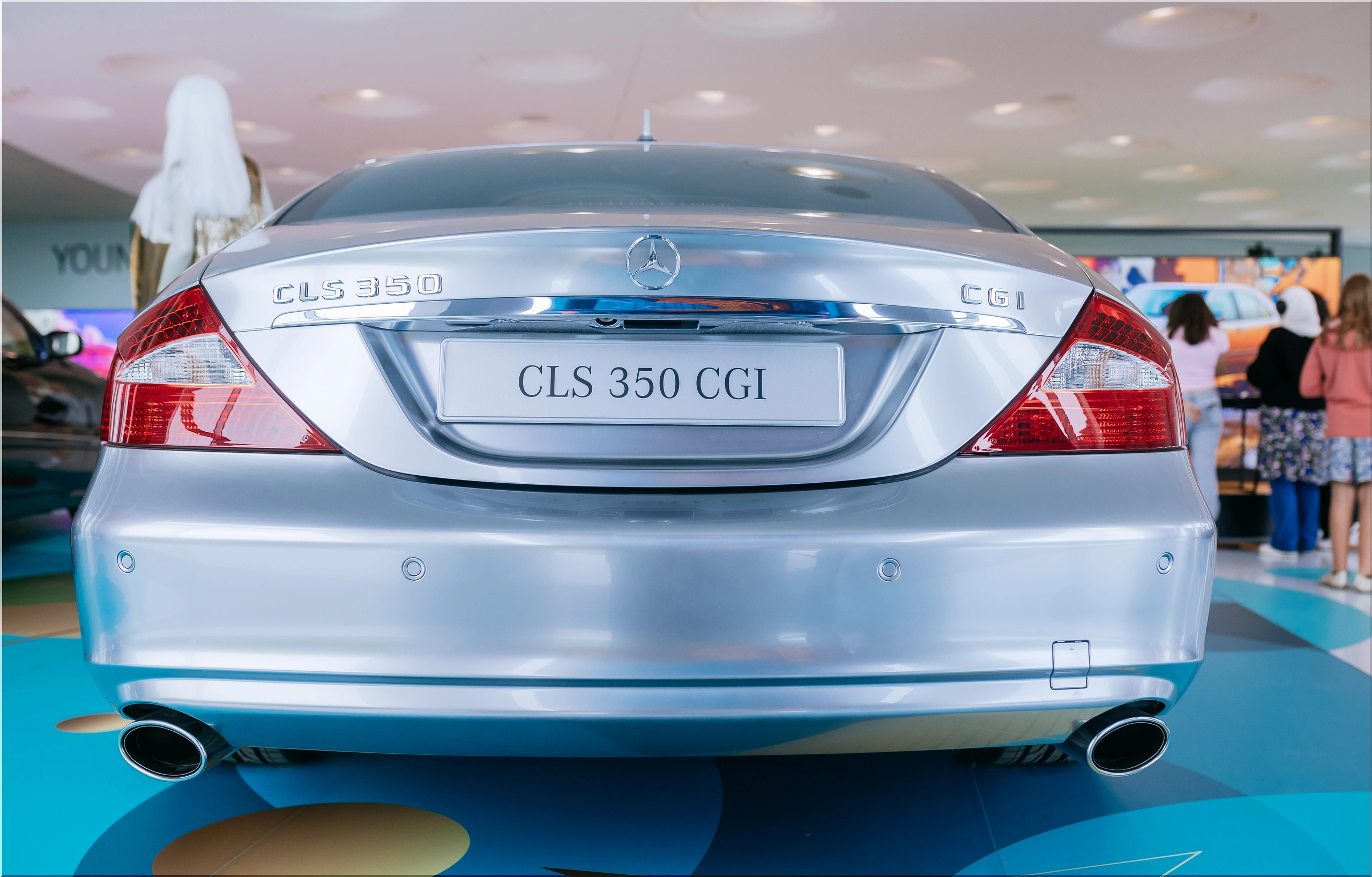
Mercedes-Benz aimed for a sedan that looked sharper and moved air efficiently. The CLS 350 CGI delivered both. The roofline cut down mass. The fenders created a stable base. The greenhouse sat low and directed focus toward the wheel arches. Each decision controlled reflections and kept the surface clean.
The car produced strong showroom pull for three reasons:
- A low roof reduced drag and improved highway stability.
- Clean panels supported a clear visual message.
- A wide track helped the wheels fill the body volume.
The brand recognized that design could influence purchase decisions as much as output or features. The CLS proved that theory.
Cabin Strategy That Supported the Concept
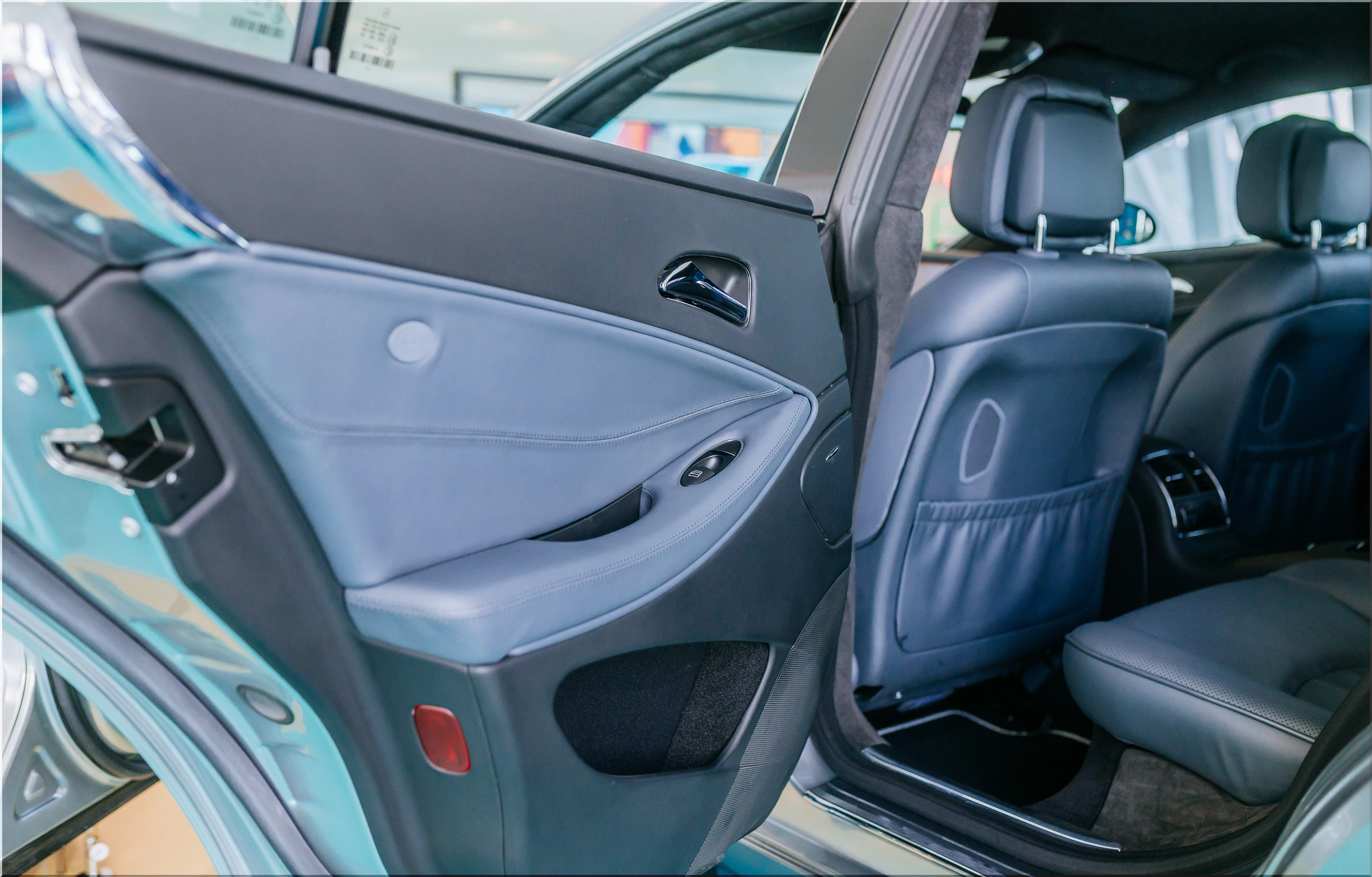
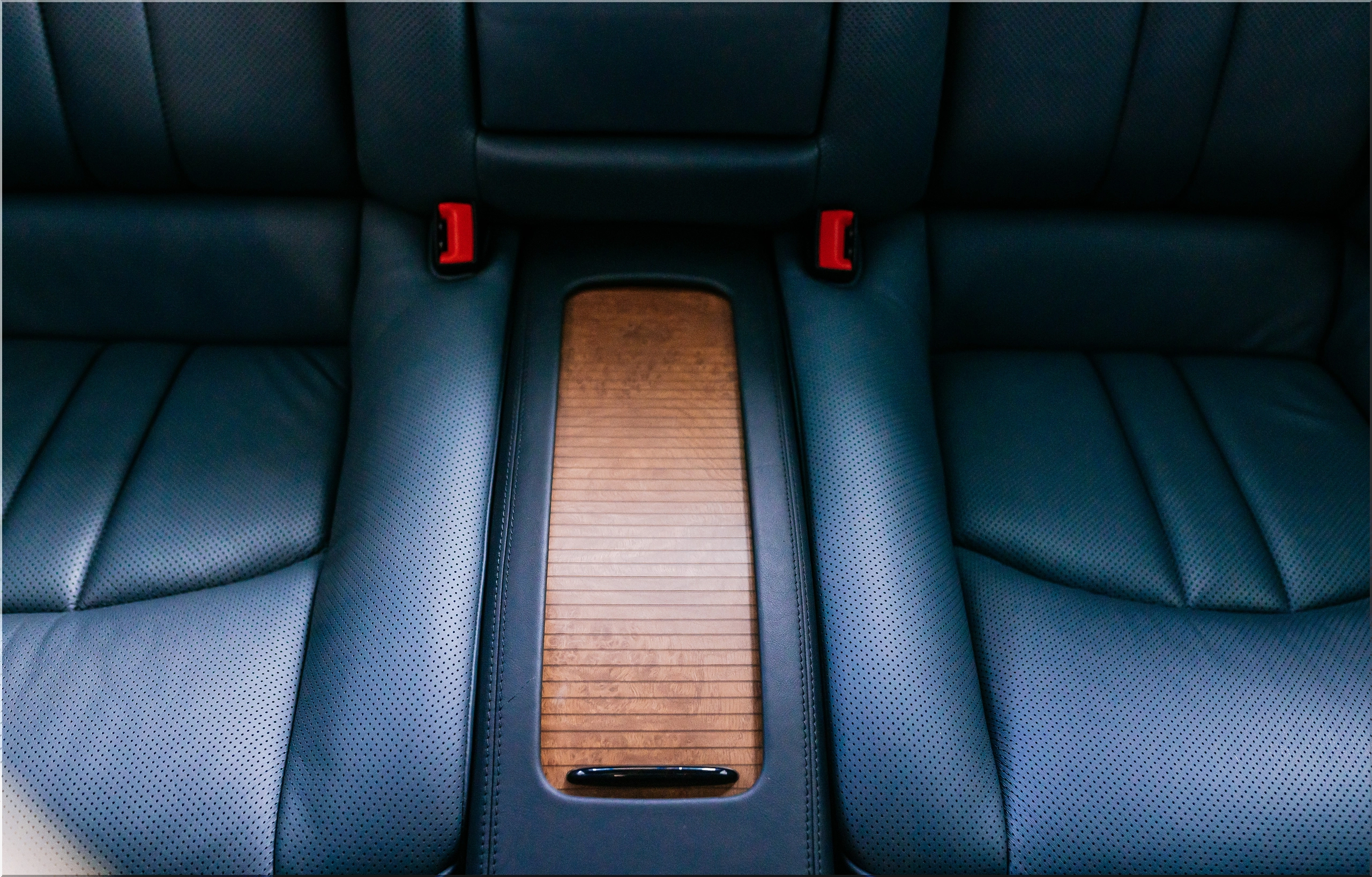
The interior used Semianiline Nappa leather in a dark tone that supported long-term wear. The seats held shape under repeated use. Wood trim added material contrast and marked control areas. The cabin stayed quiet at speed due to tight sealing and narrow gaps across the structure.
The layout kept controls simple. The center stack placed the COMAND interface within easy reach. Switch count stayed low. Each button controlled one task. That structure reduced driver load and trimmed learning time. Mercedes-Benz targeted a fast hand-to-control path for all common functions.
Technology That Defined the Model
The Charged Gasoline Injection (CGI) system gave the engine stronger output and lower fuel use. The V6 engine produced 292 hp from 3.5 liters and reached a limited 155 mph. The system injected fuel directly into the chamber at high pressure to improve combustion control. The setup tightened fuel management during partial load and raised torque response during wide-open throttle.
Key system gains included:
- Faster throttle reaction.
- Lower fuel burn during steady driving.
- More stable ignition under variable conditions.
The system later entered broader production. Mercedes-Benz used data from this early setup to refine future engines and reduce calibration time across the lineup.
Image
How the CLS Influenced Market Strategy
The CLS 350 CGI helped demonstrate that a narrow visual profile could support strong demand. Many brands followed the concept with their own four-door coupés. The market saw rising interest from buyers who wanted shape priority without giving up rear seats.
The model also showed the impact of color technology. The Satin alubeam silver finish helped draw attention without complex body lines. The paint reflected light at tight angles, which reduced shadow depth and sharpened the shape. The effect raised the perceived precision of each panel.
Mercedes-Benz confirmed that appearance could drive early leads. The company used these findings for later sedans and electric models.
Key Measurements and System Data
The table below outlines core data points that shaped user experience:
| Feature | Value |
|---|---|
| Engine | 3.5L V6 with CGI injection |
| Output | 292 hp |
| Top Speed | 155 mph (limited) |
| Wheels | 19-inch multi-spoke alloy |
| Paint | Satin alubeam silver |
| Seating | Leather with wood trim accents |
The numbers supported the broader goal: combine shape, performance, and efficient fuel control.
Market Insight Driven by the Model
Mercedes-Benz used the CLS 350 CGI to test demand for slimmer sedans and new injection technology. The results shaped future product plans. Buyers showed interest in design-led sedans with controlled panel surfaces. Engineers confirmed that improved combustion control could support higher output without raising fuel consumption.
The CLS gained early traction because it addressed two needs at once:
- Strong identity in a crowded showroom.
- Efficient output backed by new injection hardware.
The data also revealed that buyers accepted reduced rear headroom if the car provided a clear visual advantage. That insight influenced several future models.
Image gallery



Why the Model Still Matters
The CLS 350 CGI still serves as a reference for design-led engineering. The car balanced shape and technical function without extra mass. The V6 engine showed that direct injection could scale across a full lineup. The cabin design kept controls simple and placed each function with intent.
Mercedes-Benz validated a design path that influenced sedans for years. The company gained insight into buyer preferences, airflow control, and material selection. The model helped push future programs toward cleaner surfaces and sharper tool edges.
Pricing Context in Today’s Market
In 2006, similar high-spec sedans sat near $70,000 USD. A show car with special paint would have held a higher theoretical value. If offered today, this finish would add thousands in production cost due to its controlled pigment process and manual application.
Image gallery


Final Take
The Mercedes-Benz CLS 350 CGI delivered measurable gains in design influence, fuel strategy, and brand direction. The model proved that shape, technology, and driver focus could work together. The data justified future development and confirmed that buyers valued precision in both appearance and operation.
- Add new comment
- 184 views