A family SUV has to work on ordinary days: loading bags, parking near shops, carrying passengers comfortably and handling the roads you travel most. The Mazda CX-5 may appear in adverts with different engines, drive systems and levels of equipment, so the name alone is not enough to choose well. A clean exterior cannot tell you how the car has been maintained or whether its size feels right on your driveway. This guide offers a practical way to compare used examples in Kenya, examine their histories and test the features that will matter after the purchase.
Registration and transfer requirements may change. Confirm the current process with Kenya's National Transport and Safety Authority or a qualified professional before completing a sale.
Image
Define the family's actual space needs
Count the people who regularly ride together and the items they bring. If you use child seats, fit them during a viewing and check how much space remains for the front passengers. Try the boot with a pushchair, sports bag or suitcase that represents your normal load. The position of the opening, boot floor and rear seats affects usefulness more than a broad claim that a car is spacious. Ask passengers to sit in the back and judge comfort on a real journey rather than a quick glance.
Consider entry and exit as well. Children, older relatives and anyone with limited mobility may find a particular seat height easier or harder. Check door openings in the narrow spaces where you park. If your usual route includes rough roads, think about tyres and suspension condition, but avoid assuming that an SUV shape makes every surface suitable. Your routine should lead the shortlist.
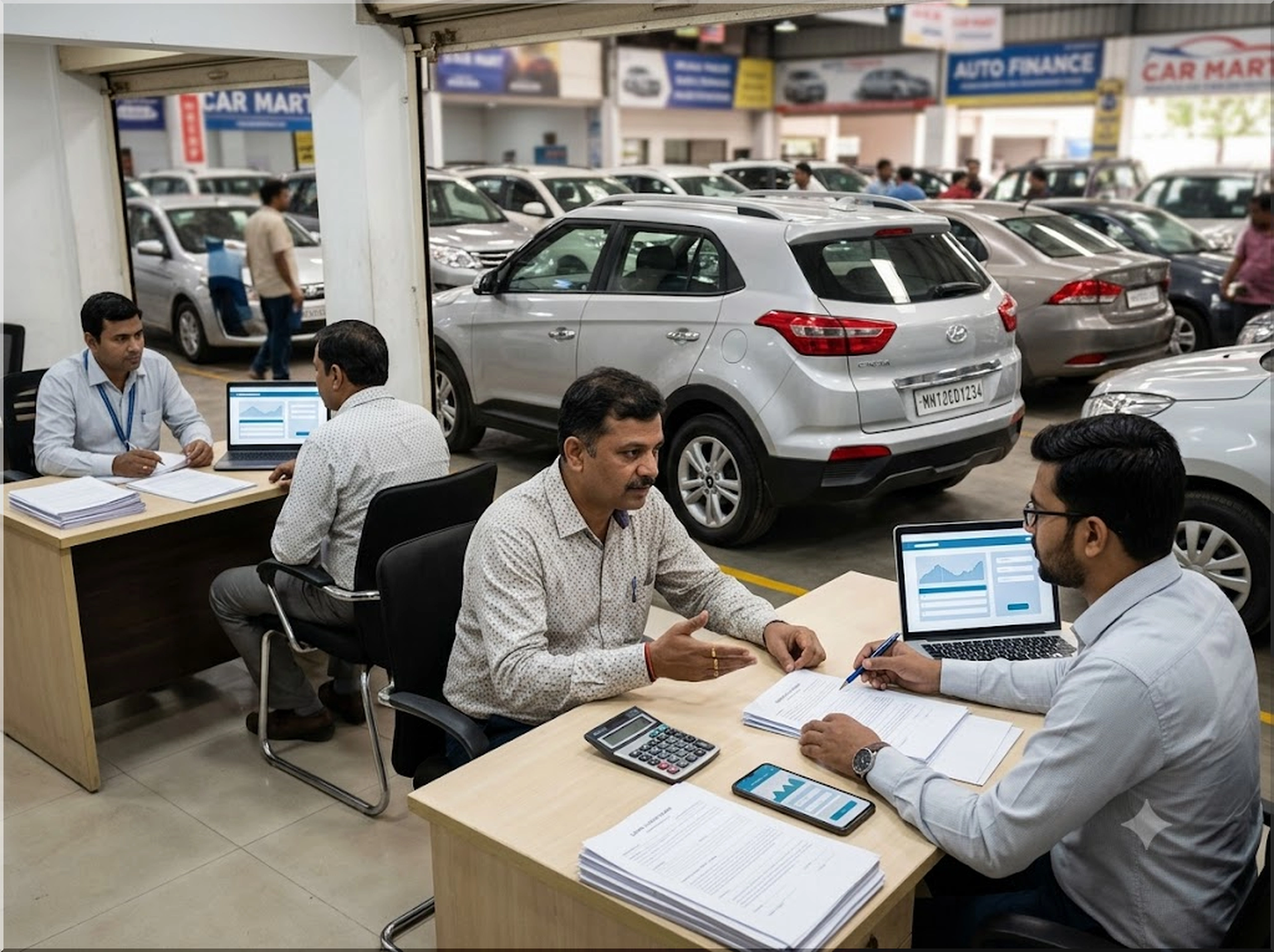
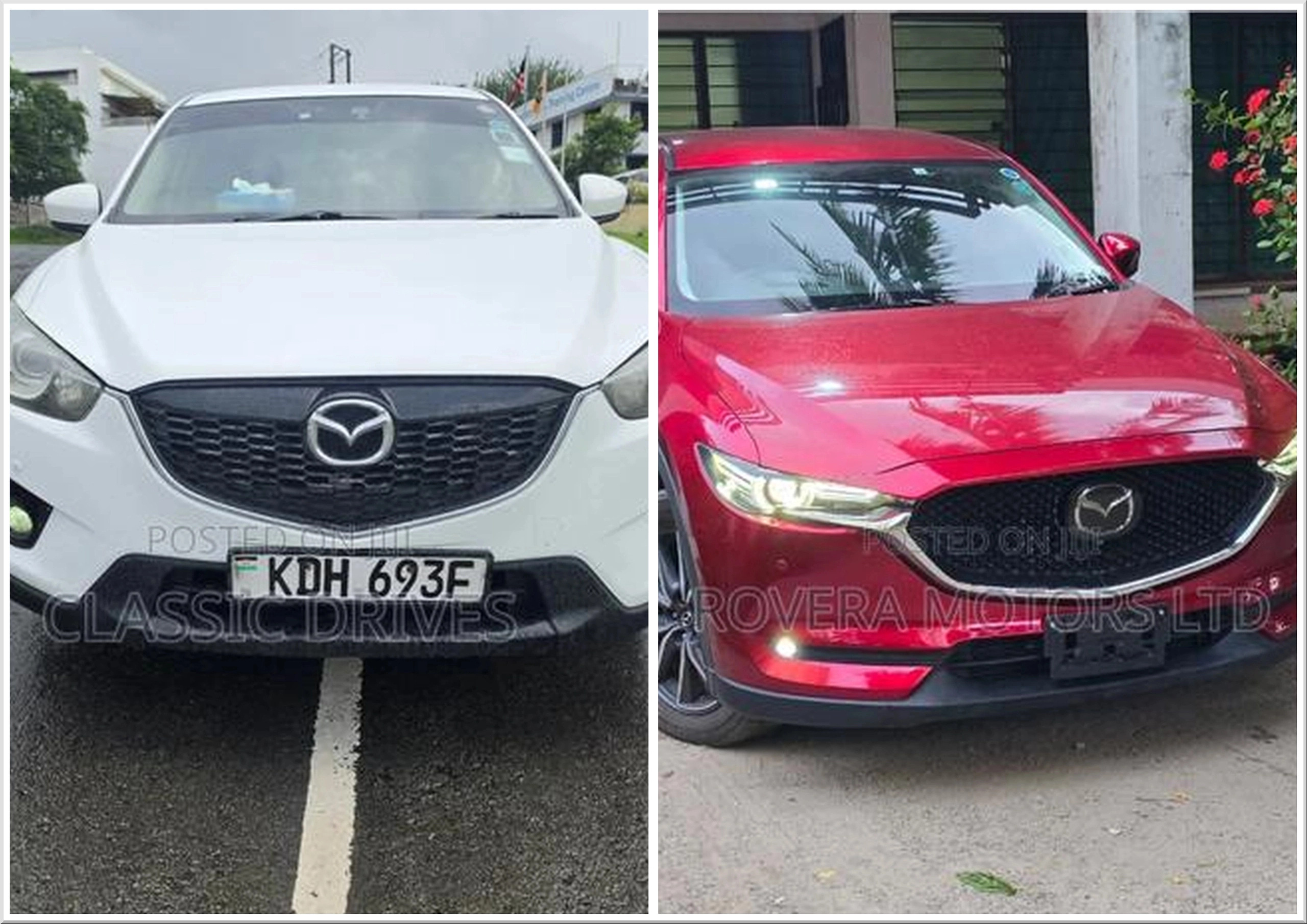
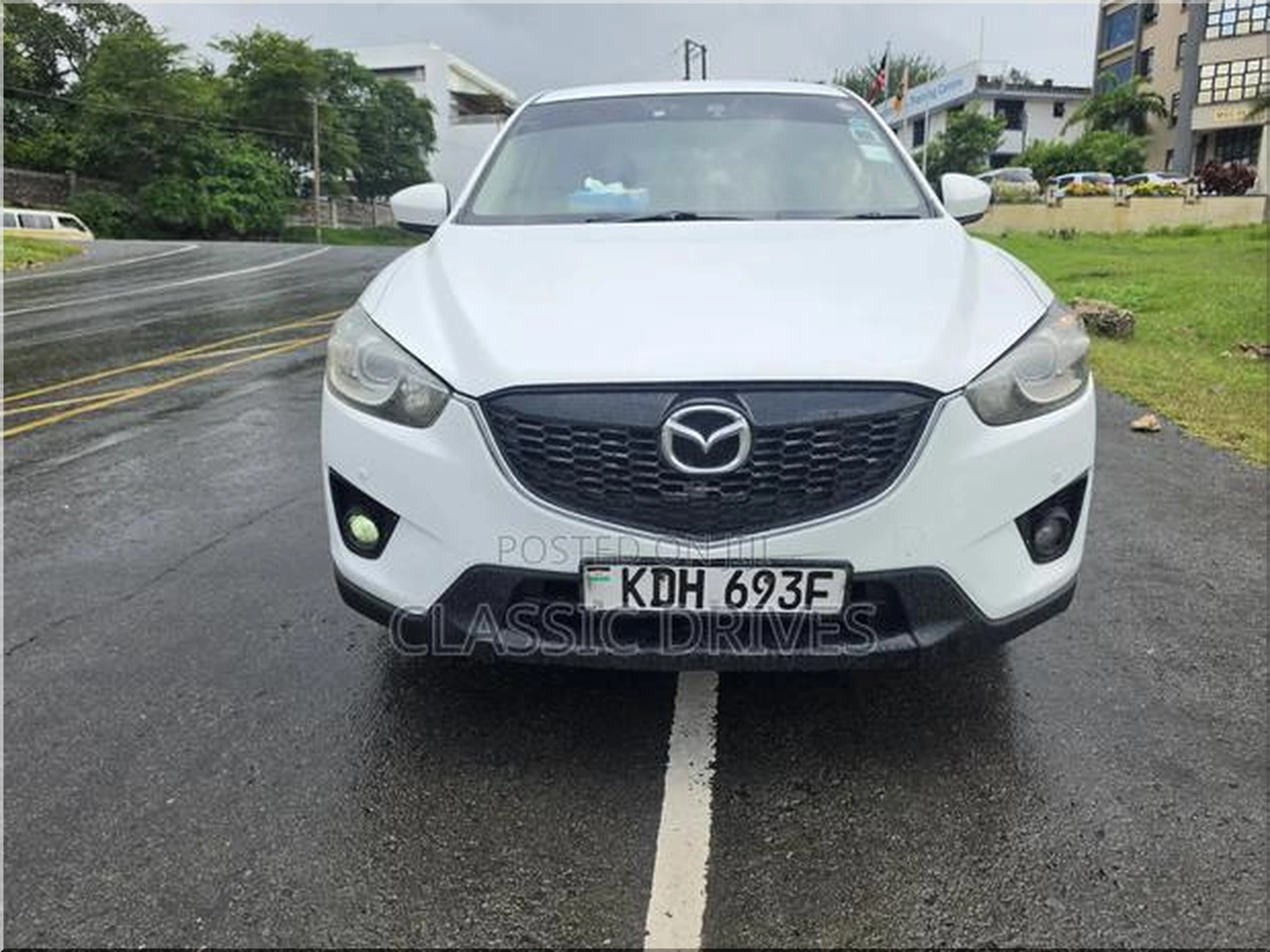
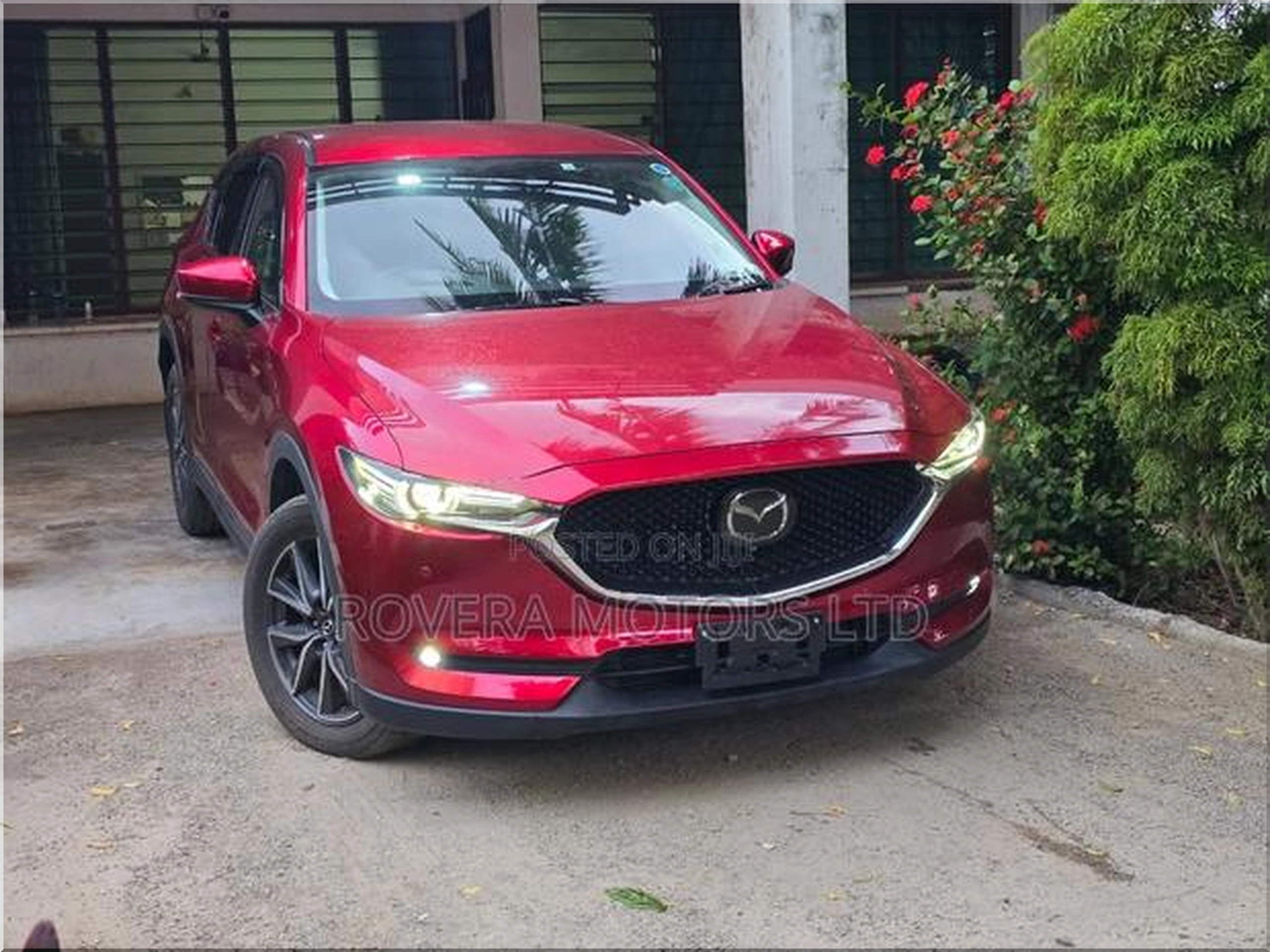
Browsing CX5 listings lets you compare years and advertised versions before visiting cars. Ask each seller for the exact engine, transmission and drive system, along with service records and a list of known faults. The listing may say simply “CX-5” even when another detail changes maintenance or driving feel. Treat the advert as a route to a proper inspection.
Confirm the exact engine and drive system
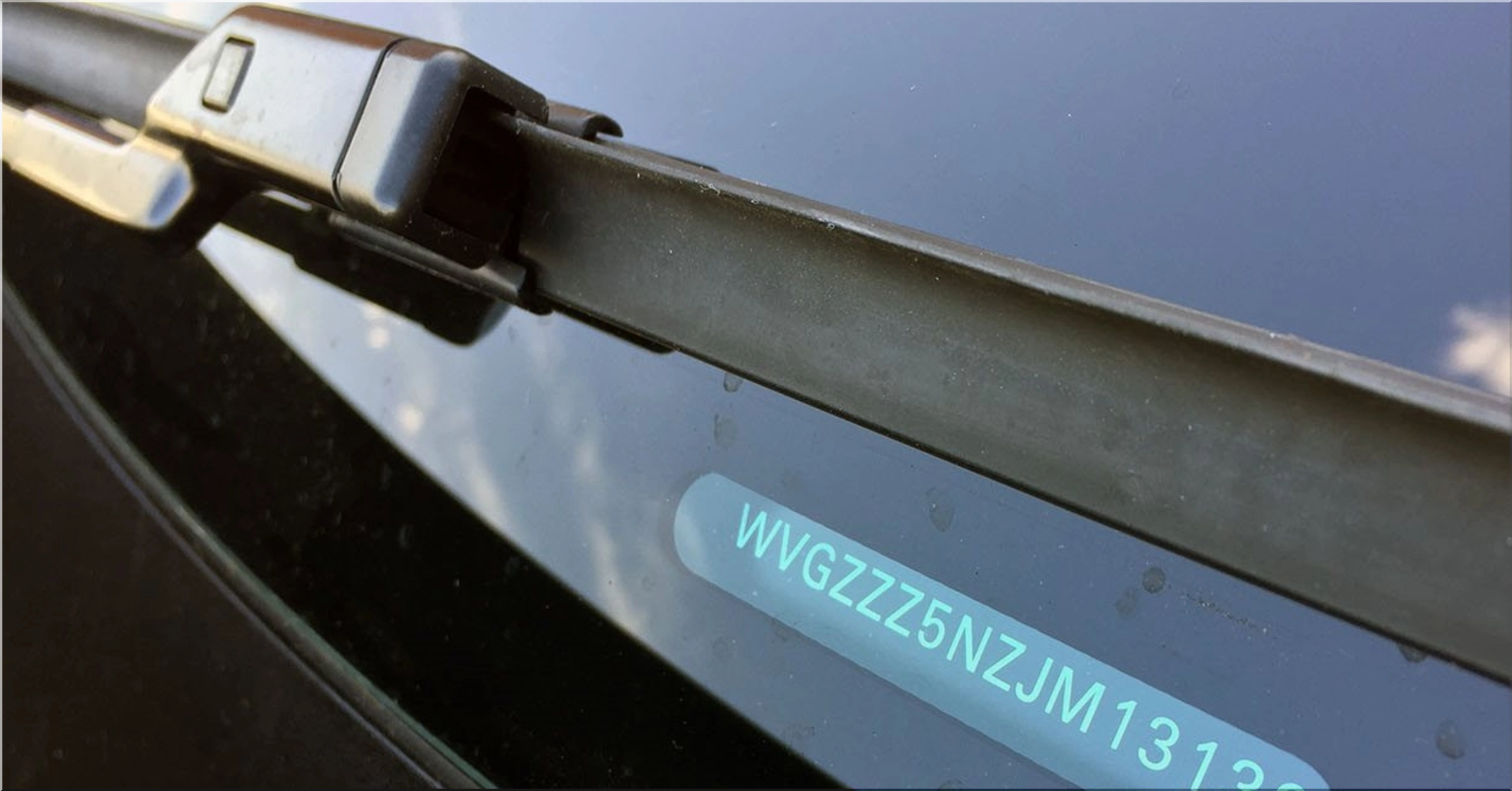
Used CX-5 adverts can describe petrol and diesel versions, and some specify different drive systems. Confirm the actual configuration from the vehicle identification details and documentation. Do not infer it from a badge or a seller's memory. Ask a mechanic familiar with the version you are considering to explain its maintenance schedule and the checks most relevant to its age and use. A claimed fuel advantage is not meaningful without considering condition and the routes you drive.
If a particular drive system is important for your journeys, test the actual car and ask the specialist to inspect its components. Tyre type and condition also matter to traction and comfort. Avoid paying for a feature you do not need or assuming that a version with more equipment will automatically be cheaper to maintain. Compare the full ownership picture.
Look for a continuous maintenance story
Request dated invoices, inspection reports and records of previous repairs. Compare them with the odometer and visible wear in the cabin. A gap in paperwork is not proof of neglect, but it creates a question that a deeper inspection should address. Ask when scheduled items such as fluids, filters, brakes and tyres were last changed, using guidance for the exact variant. A recently serviced car should have evidence showing what work was done.
Check how the vehicle was used. Long journeys, repeated short trips and rough access roads can wear different parts. The seller's account should be consistent with the car's condition. If the vehicle has been imported, ask for available records before and after arrival. A claim of low distance travelled deserves the same scrutiny as any other figure in an advert.
Inspect the exterior, cabin and safety items
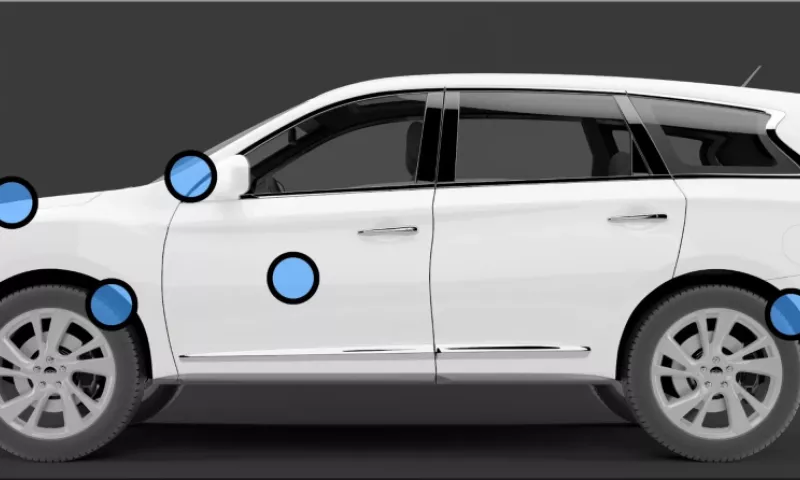
View the car in daylight and walk around it slowly. Look at panel gaps, paint texture, lights, glass and the alignment of doors and tailgate. Check the tyres for uneven wear or damage; uneven wear needs a diagnosis, not a guess. Examine the underside for leaks or obvious impact damage. If the car has had bodywork, ask what happened and have a competent inspector assess the repair.
Inside, test every seat belt, door lock, window and climate control. Look for damp carpets, water stains and persistent odours. Check the rear seats and cargo area for damage from heavy use. If cameras, parking sensors or driver assistance are advertised, confirm the exact features fitted and see them operate. Safety equipment must be judged by its condition and proper function, not by the number of icons on the dashboard.
Image
Test it on the roads you will use
Ask to start the engine from cold. Notice rough running, smoke, leaks or warning messages. Drive in slow traffic and at normal cruising speed, and include turns, braking and a surface similar to your regular route. The steering should feel predictable and the brakes should slow the car smoothly. Listen for suspension knocks and note any vibration or hesitation in the drivetrain. If a fault appears only after warming up, a short loop might never reveal it.
Try parking at a realistic destination. Check visibility through the windows and mirrors, then assess any camera as an aid. Make sure you can open the tailgate where you normally park. At the end of the drive, inspect for fresh leaks and ask about any unexpected smell or message. Write down your observations before comparing the next car.
Use an independent inspection
Have a qualified mechanic inspect the engine, transmission, steering, suspension, brakes, cooling system and underside. Ask for a diagnostic scan alongside a physical assessment. If a version has a feature central to your decision, ask that it be tested specifically. A written report should separate immediate safety work from routine maintenance and cosmetic concerns. This makes the likely starting cost much clearer.
Obtain estimates for any significant faults before negotiating. Ask whether suitable parts and service expertise are available for the exact version in the area where you live. An inspection cannot guarantee a problem-free future, but it can prevent you from accepting a risk you did not understand. If a seller will not allow a reasonable independent check, consider another vehicle.
Compare total ownership costs
Include insurance, fuel, servicing, tyres, repairs and parking in your budget. A newer-looking car may need work that changes its value; an older one with clear records may be easier to plan for. Ask an insurer for a quote on the exact vehicle and intended use. Do not base the decision on a universal fuel-consumption claim, because traffic, load, driving habits and condition affect what you will spend.
Think about downtime as well. If the car is needed for school runs or work every day, make sure you can manage scheduled maintenance and unexpected repair. A practical ownership plan includes a reserve and a reliable workshop, not just enough to pay the seller. Keep the inspection report so you know which items deserve attention first.
Verify ownership before money changes hands
Match identifying details on the car with official registration records and check that the seller can transfer ownership. The NTSA service portal provides registration services and logbook verification. Ask about outstanding finance or restrictions and follow the current transfer process. Put the car's identity, condition, included equipment and agreed payment terms in writing.
Meet where the vehicle and documents can be inspected safely. Be cautious about a request to pay a deposit before seeing the actual car, or an explanation that missing paperwork will be supplied later. Use a traceable payment method and keep copies of the agreement and inspection. A patient process helps you judge the car on evidence rather than urgency.
If a seller offers a warranty, request its written terms. Check which components it covers, where repairs must be carried out and how a claim is made. A broad promise in conversation may offer little help when a fault appears. Include the warranty's real scope in your comparison instead of treating the word alone as reassurance.
Care for the car after purchase
Follow the maintenance schedule for the exact version and keep receipts. Check tyre pressure and wear, watch fluid levels where appropriate and respond promptly to warning messages. Clean the cabin and boot regularly so leaks or damage are noticed early. If several people drive the car, encourage everyone to report changes in braking, steering or starting rather than waiting for the next service. Those simple habits support safety and protect resale value.
The bottom line
Choose a Mazda CX-5 by fitting the actual car to your family, routes and parking, then verifying its version and maintenance story. Test drive it properly, commission an independent inspection and check ownership through official channels. The best candidate is the one whose space, condition and likely running costs make sense together.
Image gallery
- Add new comment
- 17 views