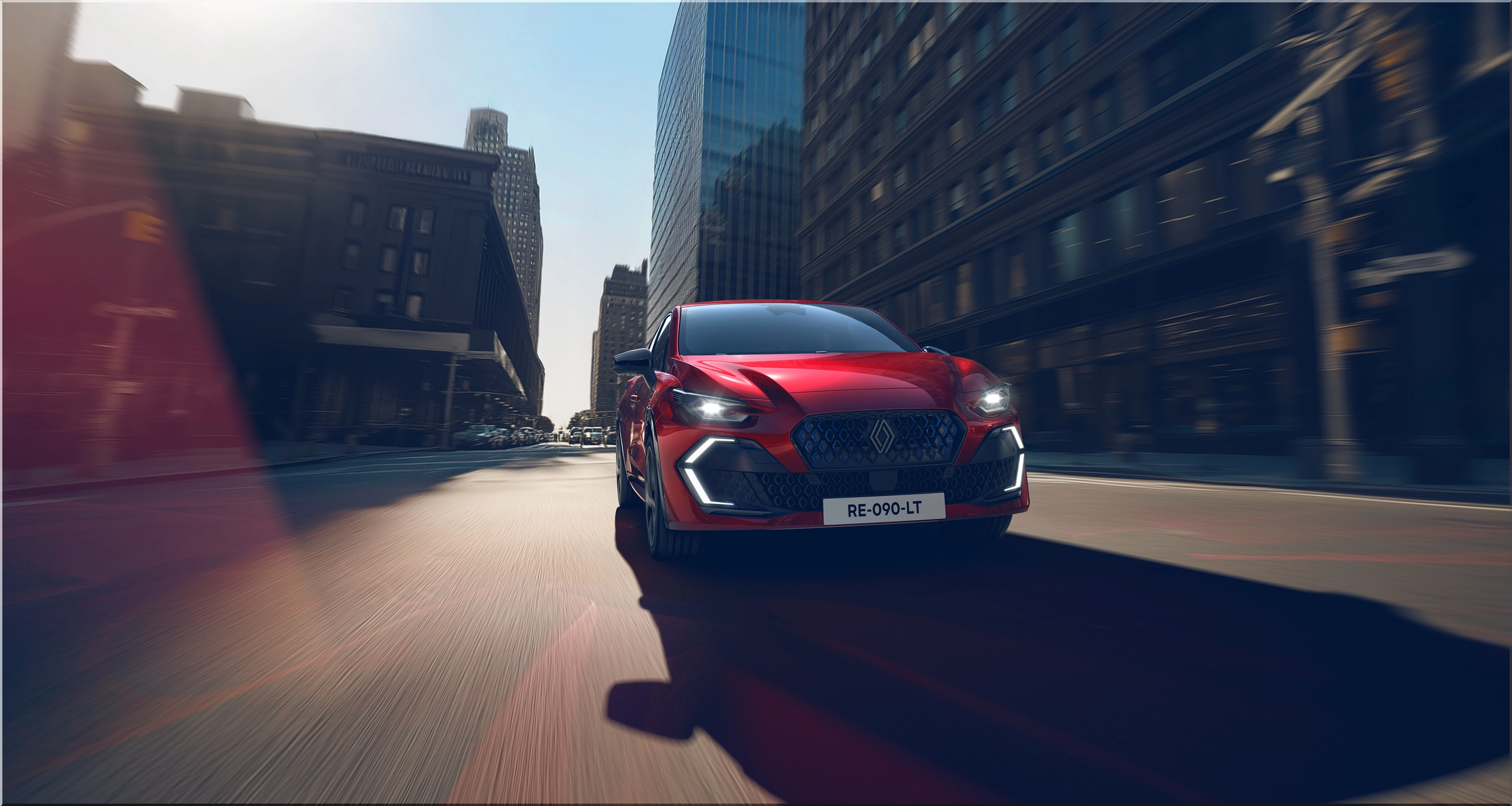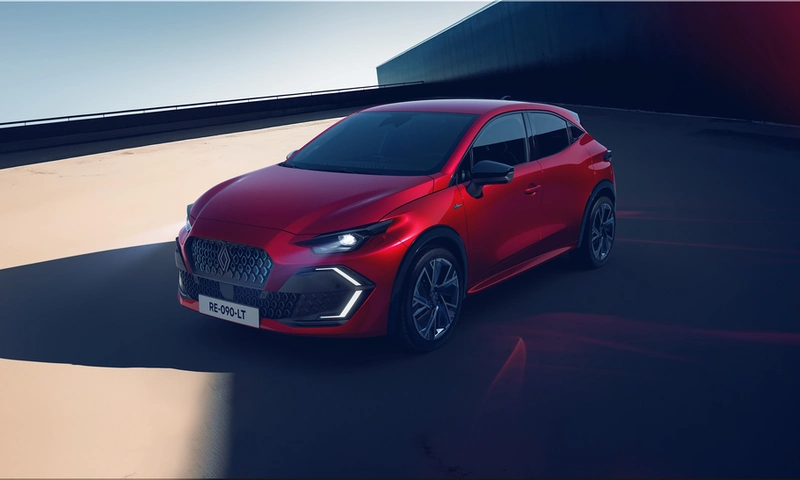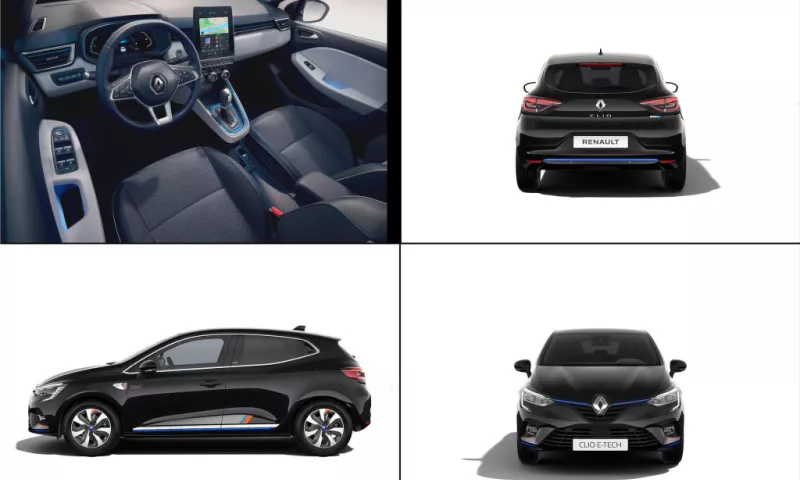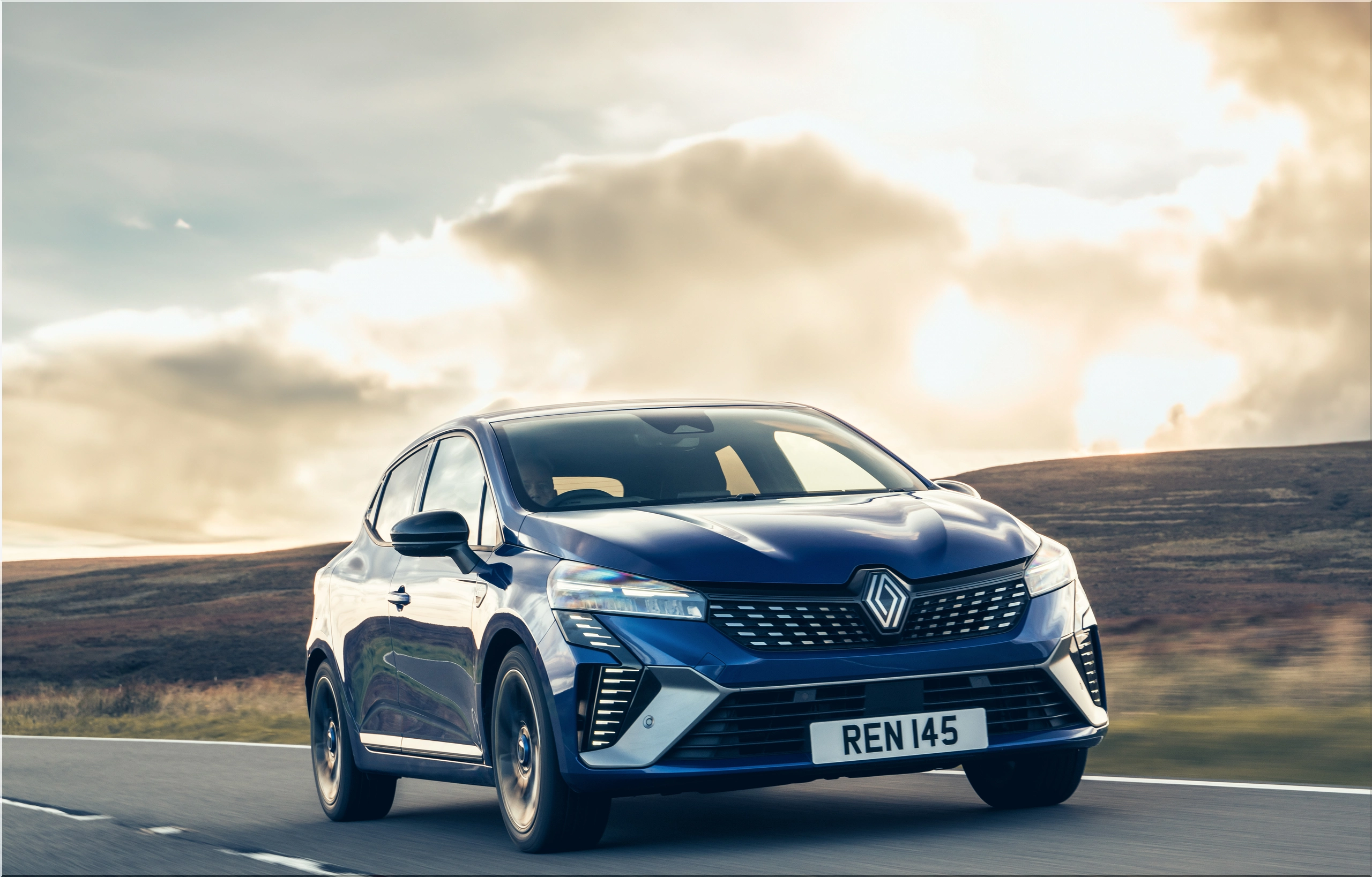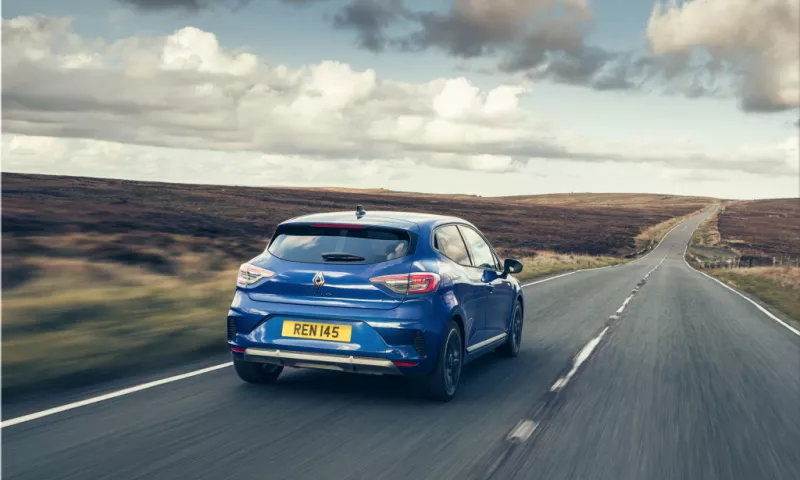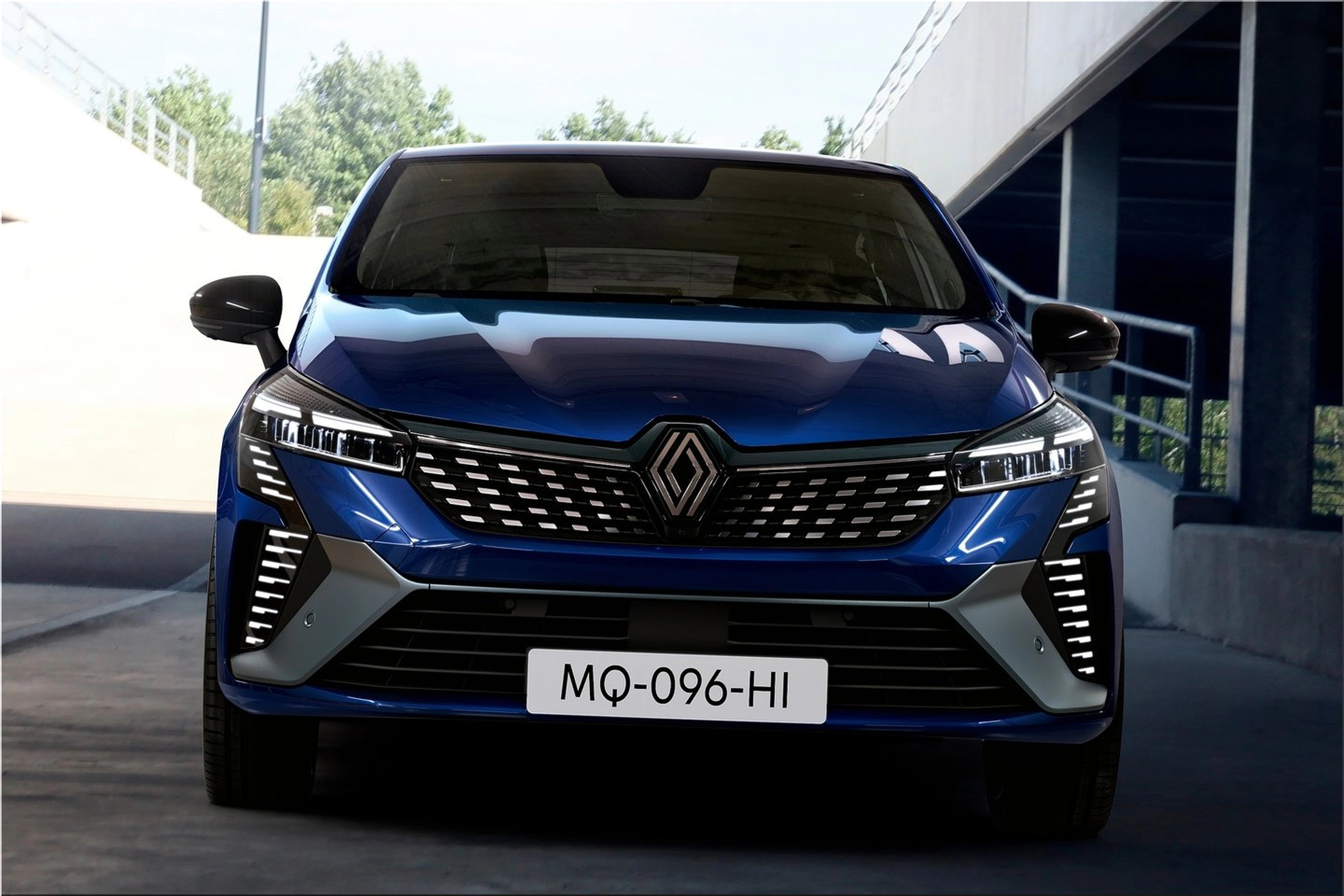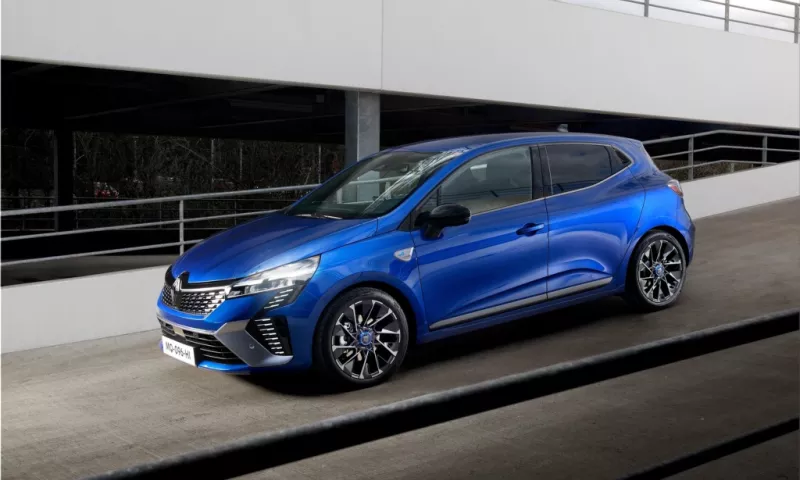
The new Renault Clio enters its sixth generation with a sharper design, advanced hybrid powertrains, and a technology package that pushes the B-segment standard higher. Renault’s best-seller, with more than 17 million units sold worldwide, remains central to the brand’s lineup. Here is a breakdown of what makes the new Clio relevant to both individual buyers and fleet operators.
Clio at a Glance
- First launched: 1990
- Generations: 6
- Global sales: 17 million units
- Markets: 120 countries
- Production: Bursa, Turkey – over 5 million units built
- Top-selling car in Europe: First half of 2025
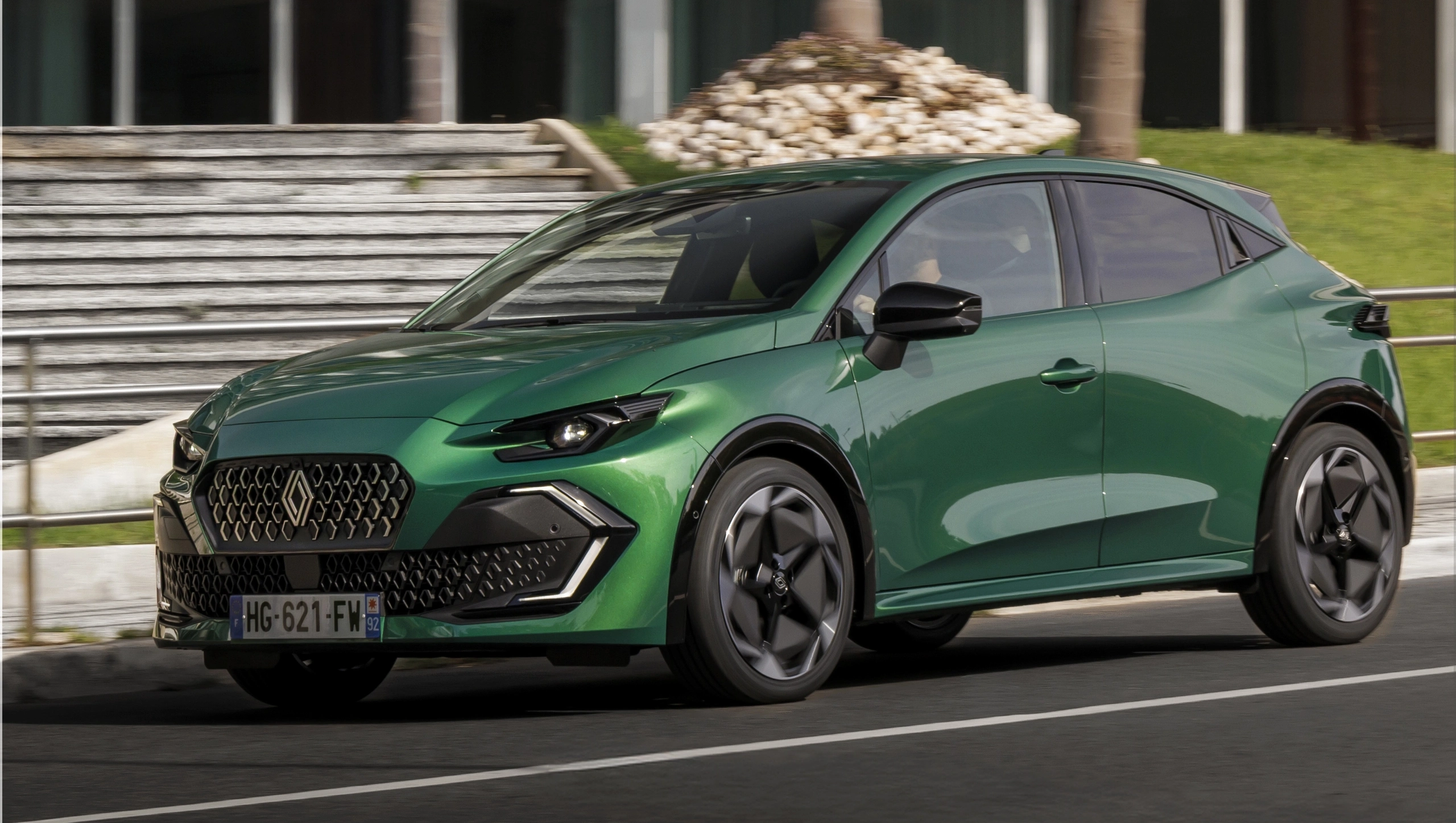
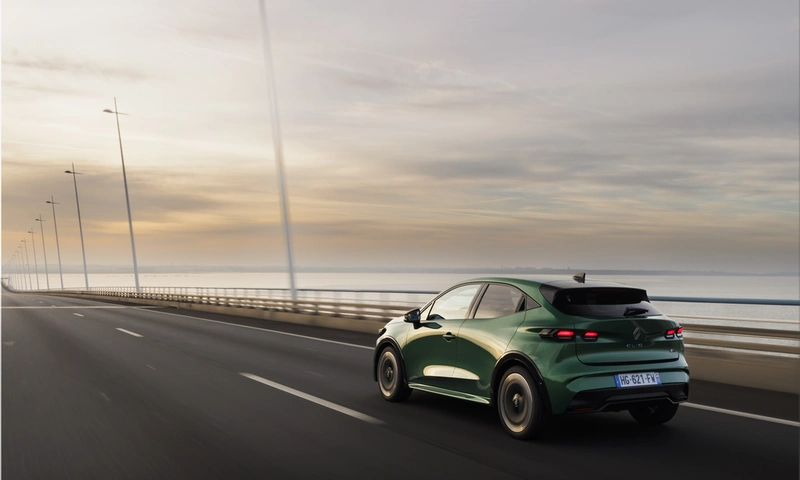
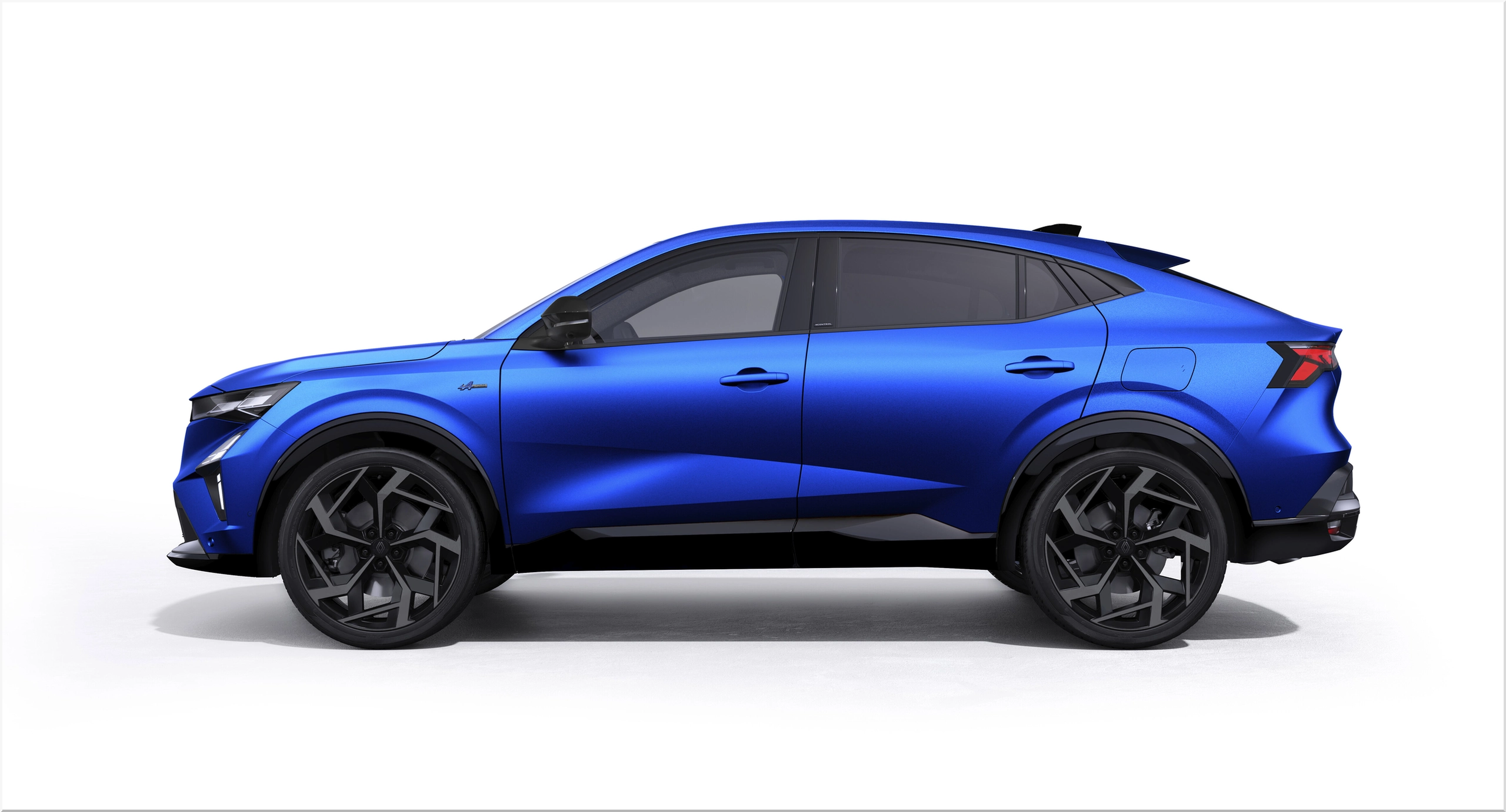
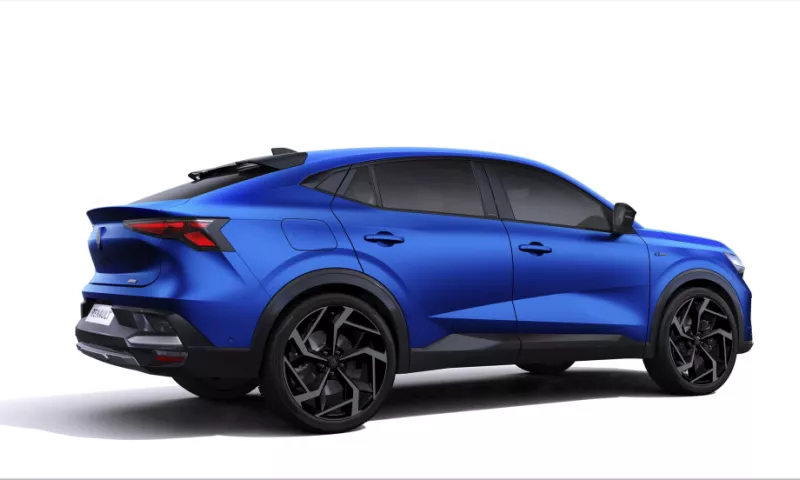
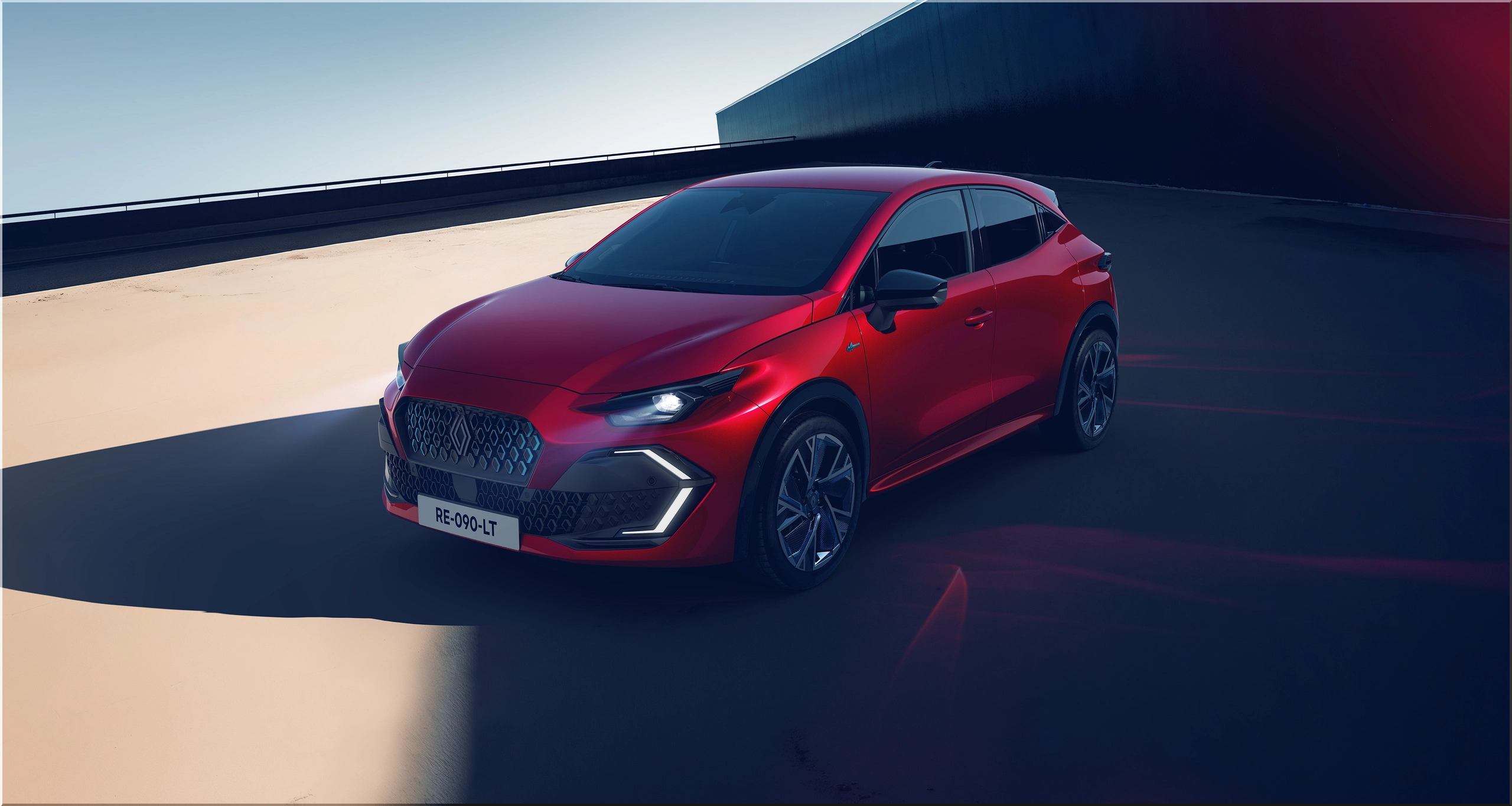
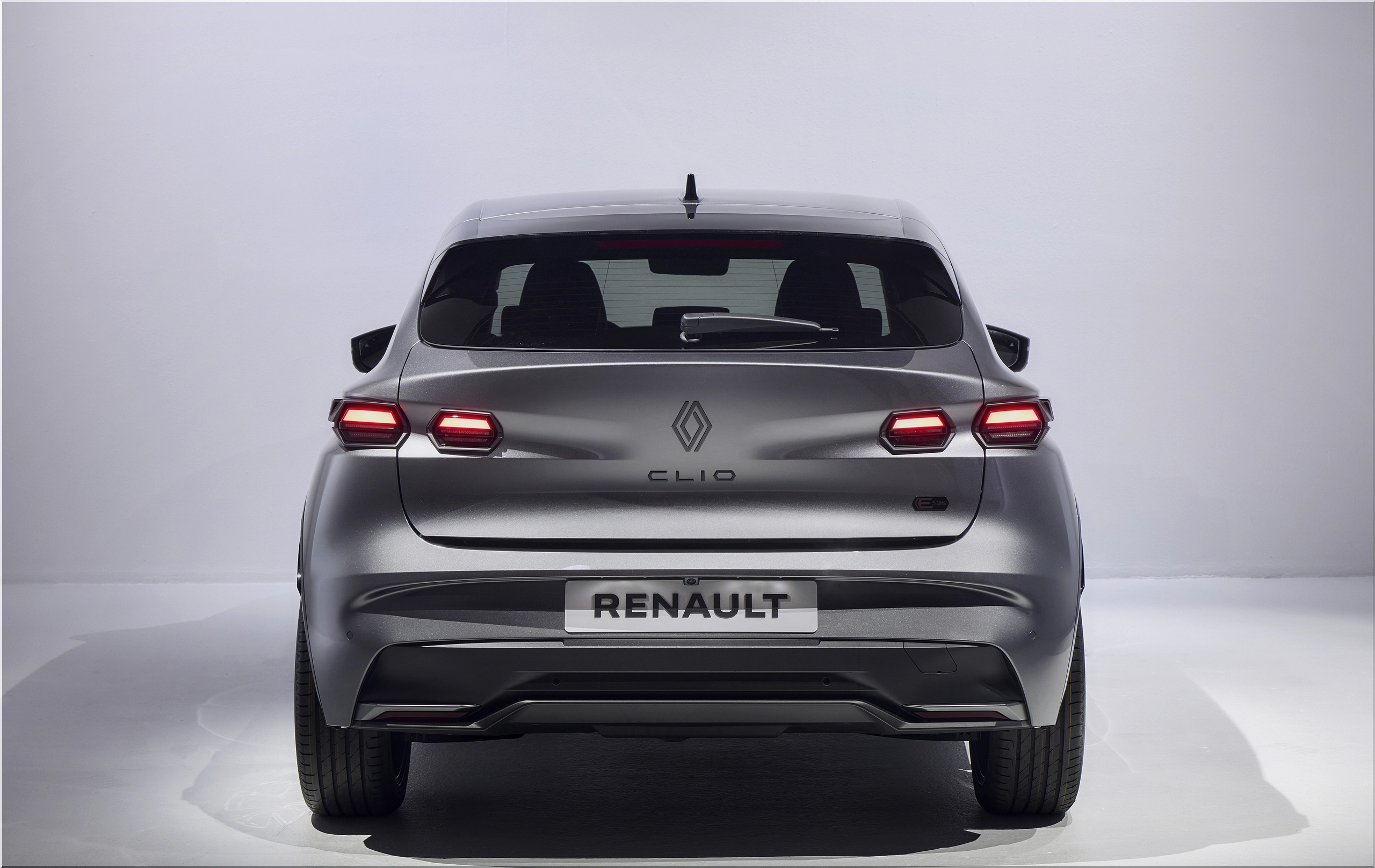
Exterior Design: Bigger, Sharper, Stronger
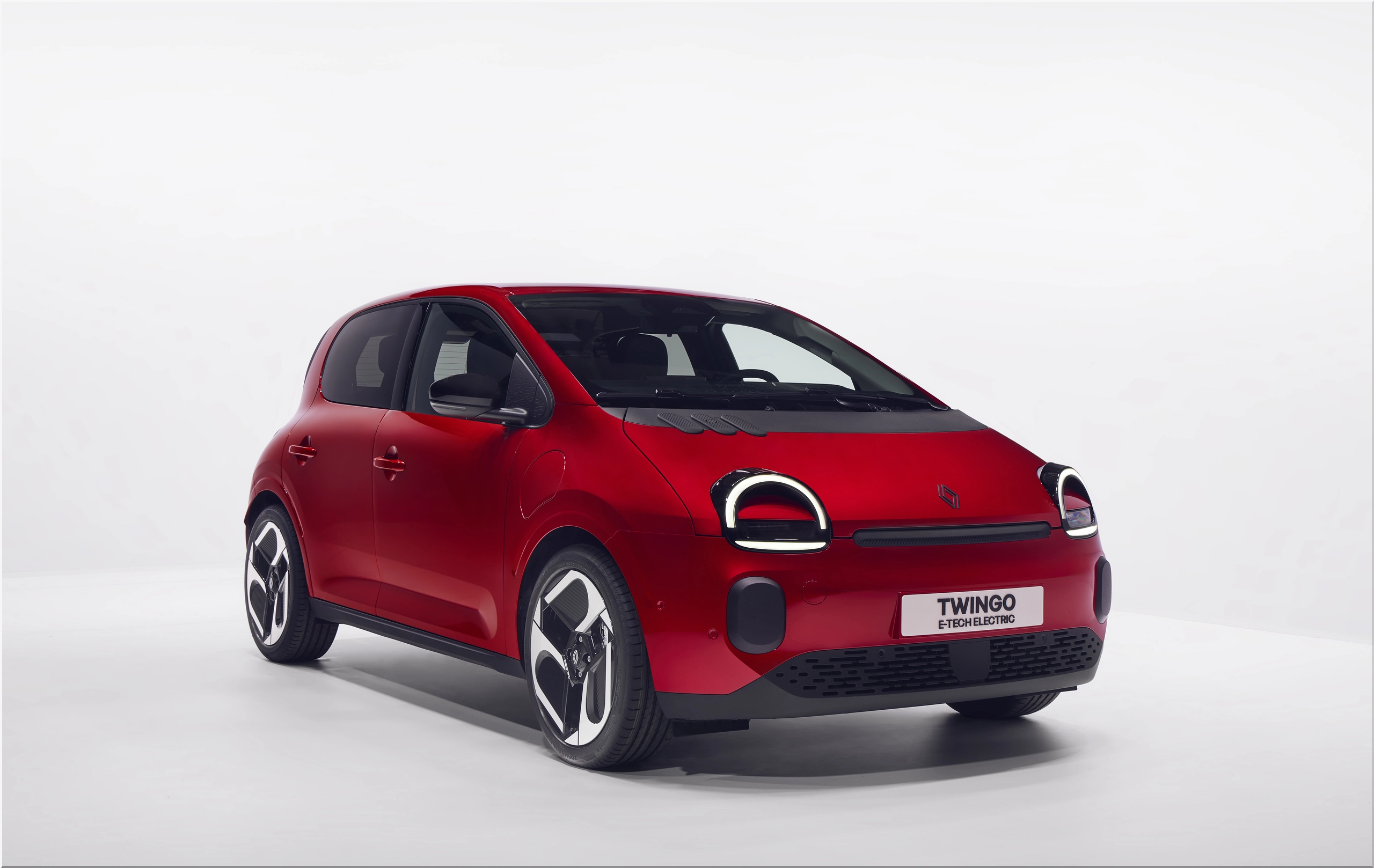
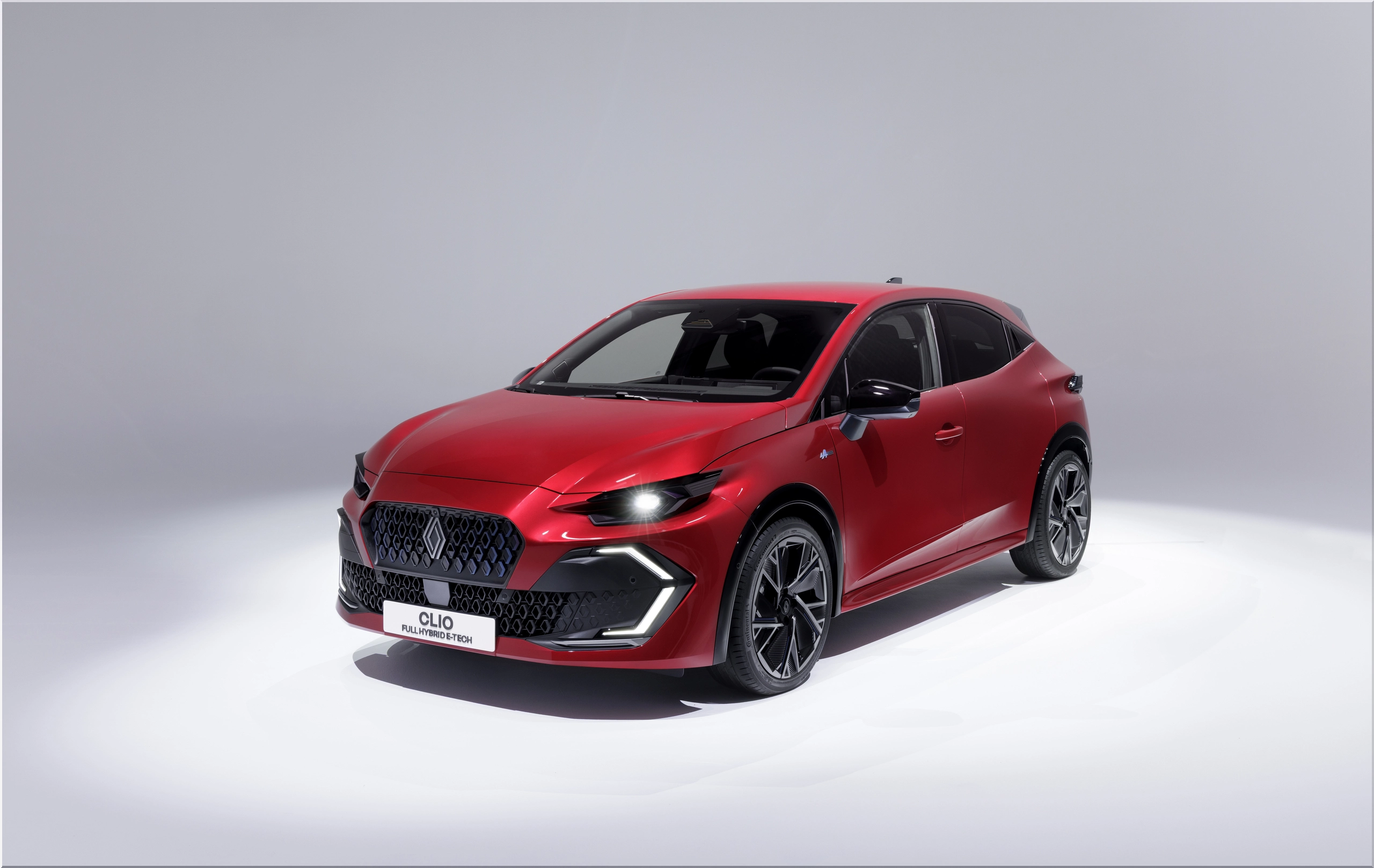
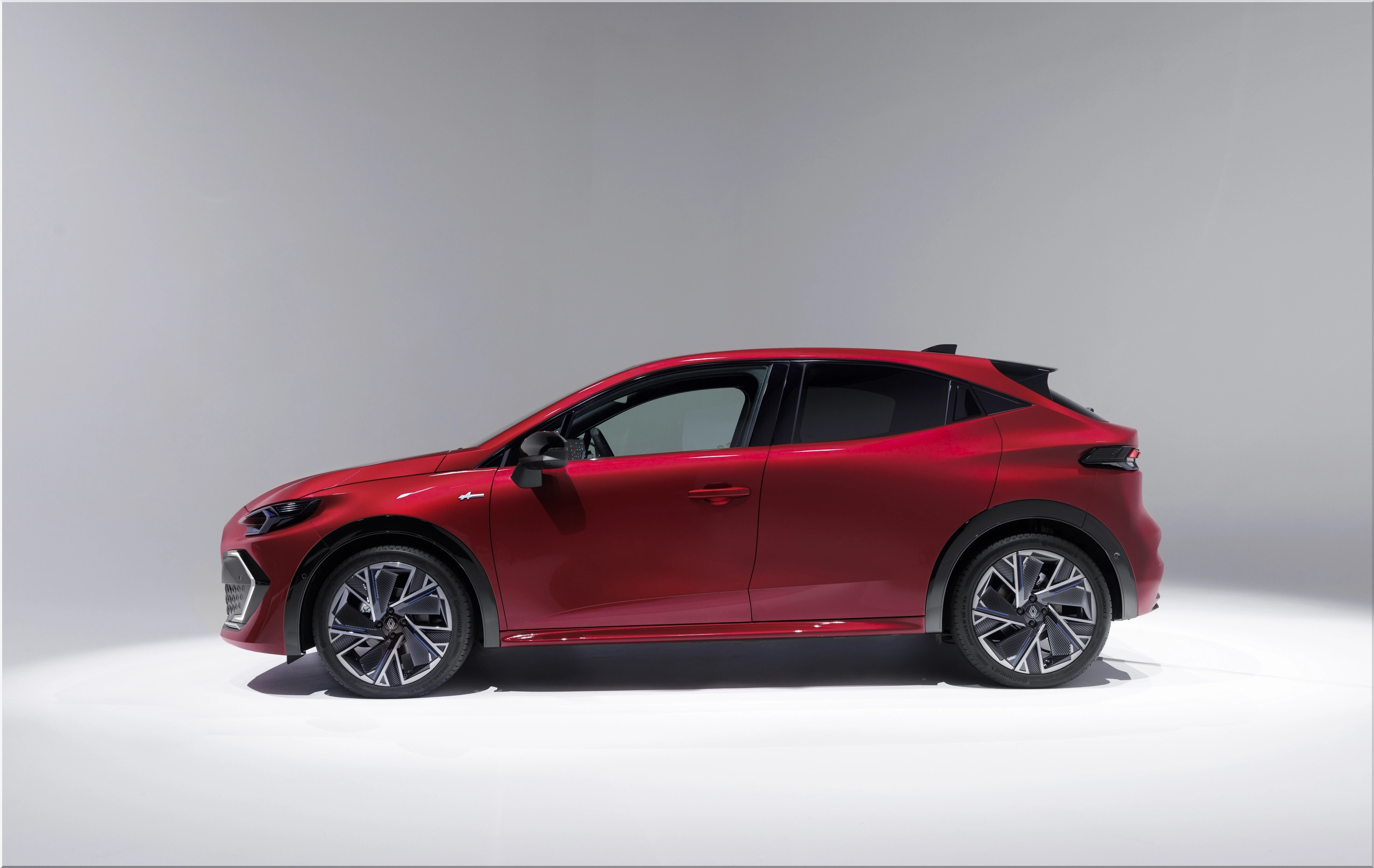
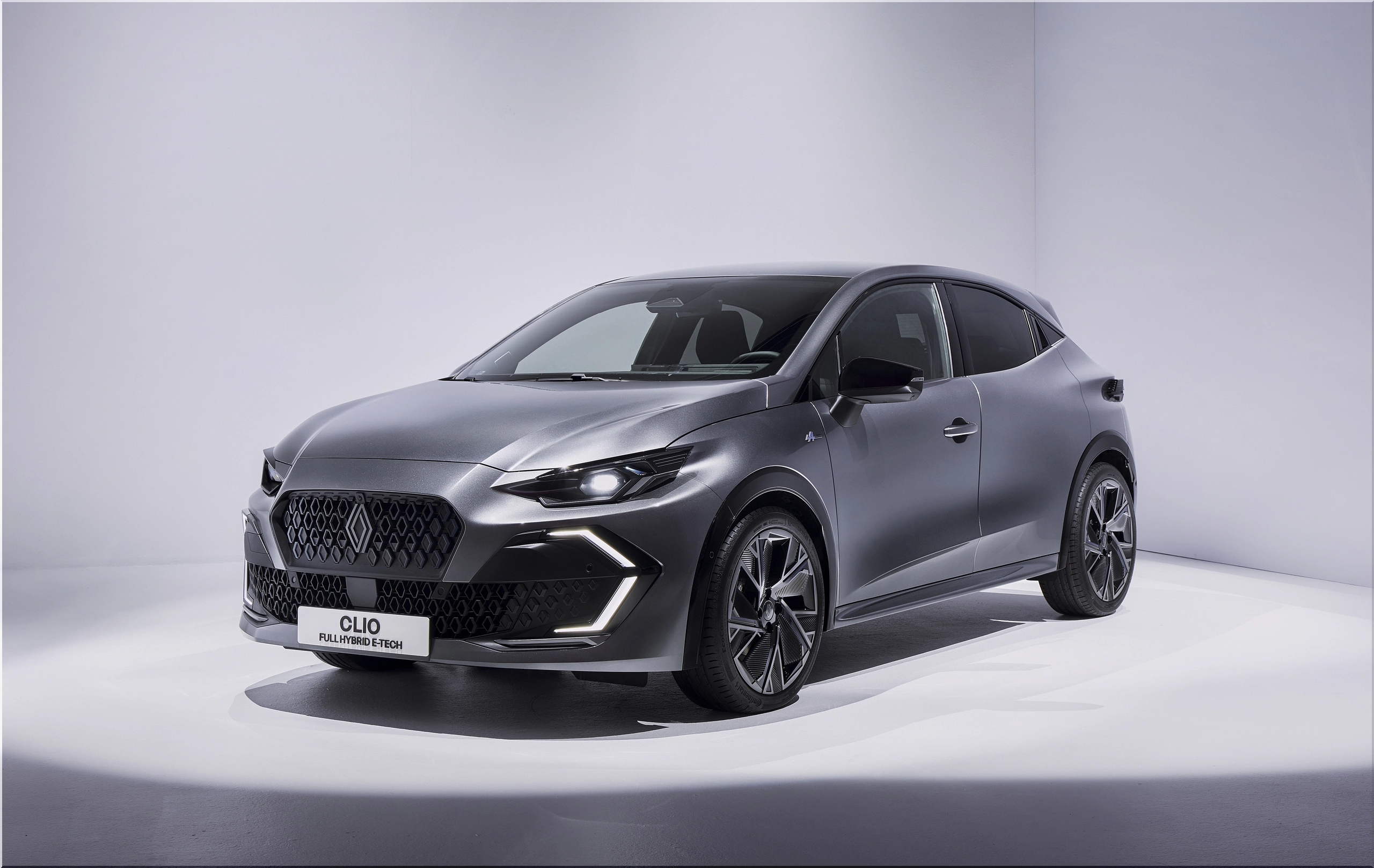
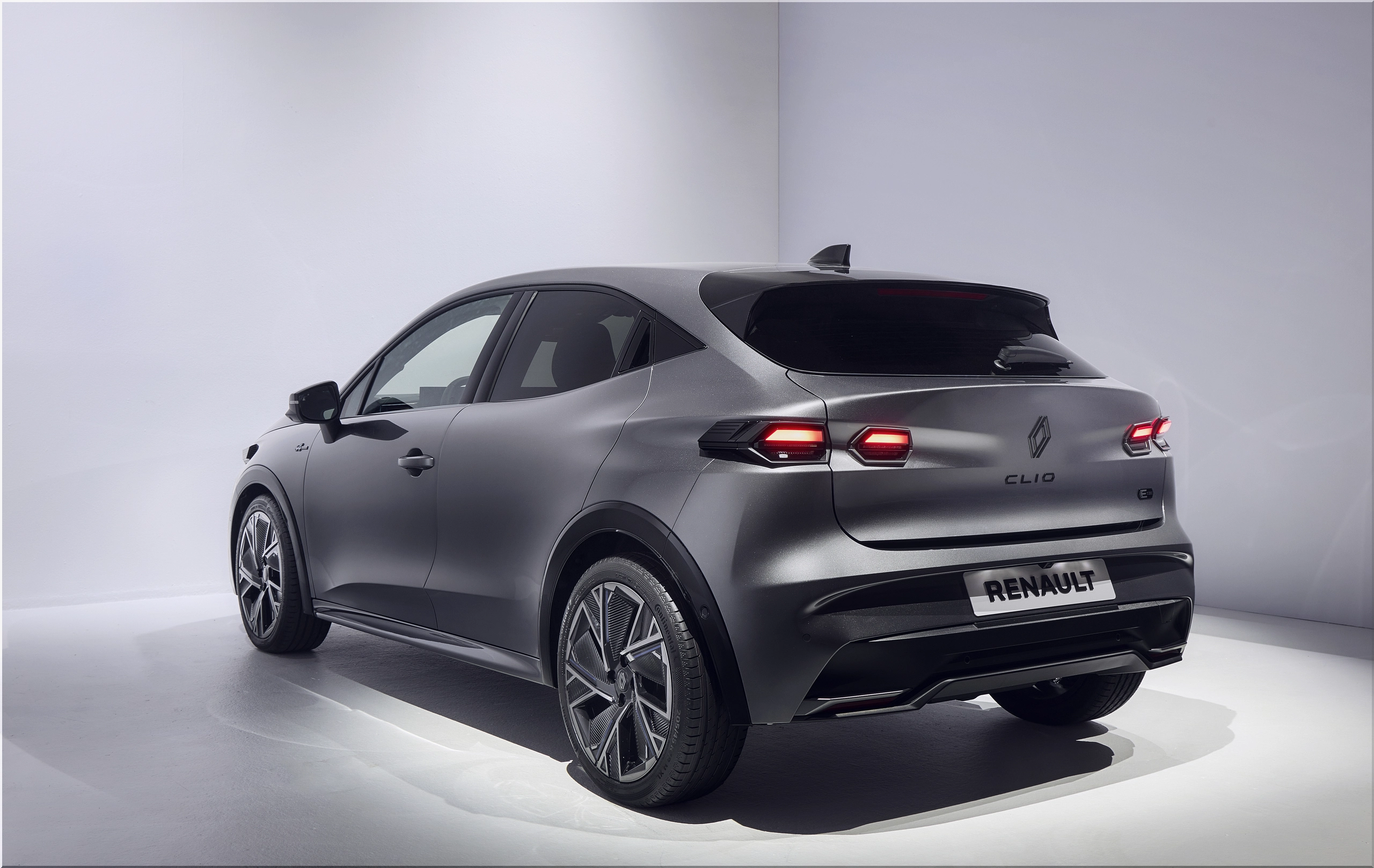
The 2026 Renault Clio grows in size and presence:
- Length: 4.12 m (+67 mm)
- Width: 1.77 m (+39 mm)
- Height: 1.45 m (+11 mm)
- Wheelbase: 2.59 m
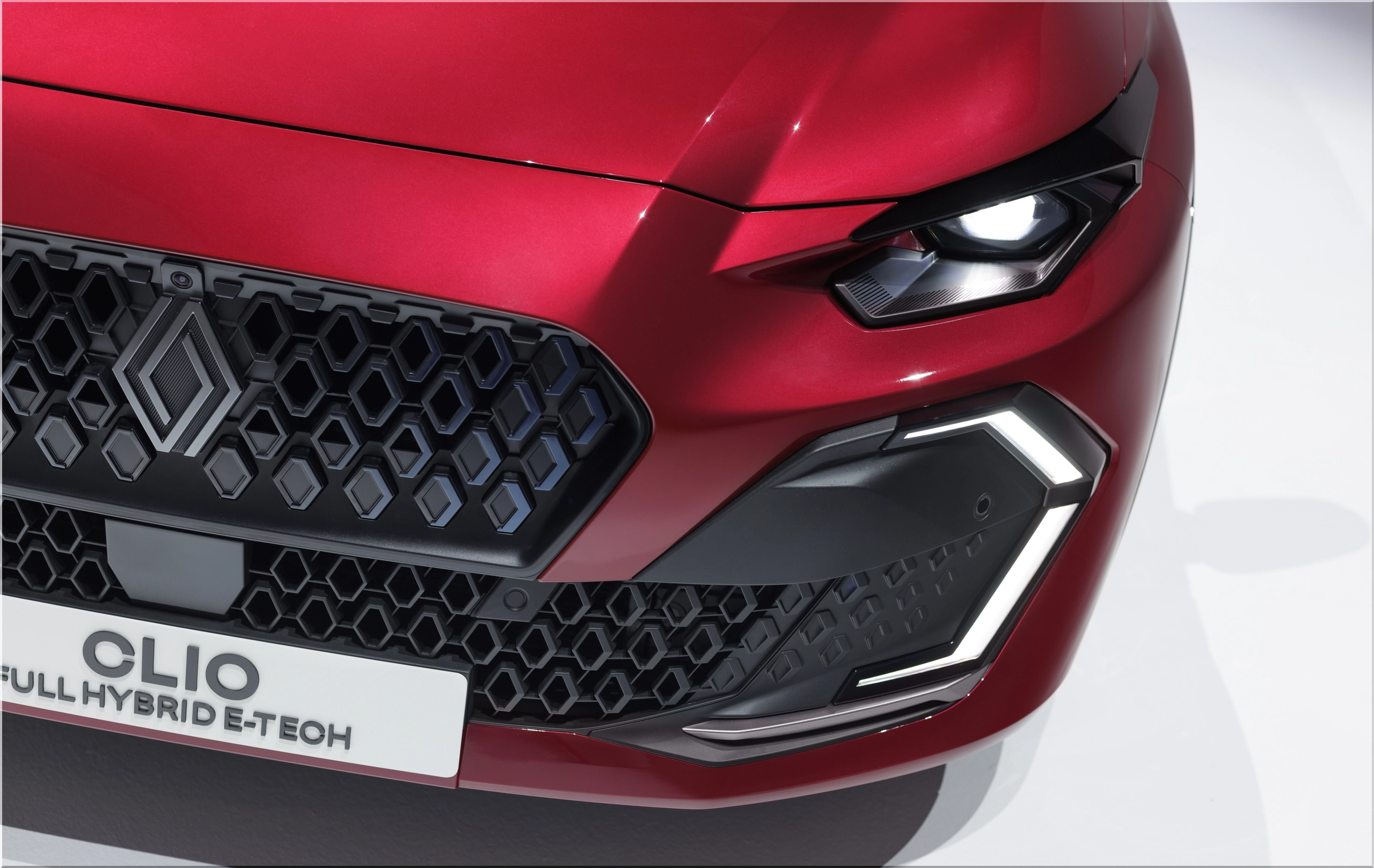
Key exterior updates:
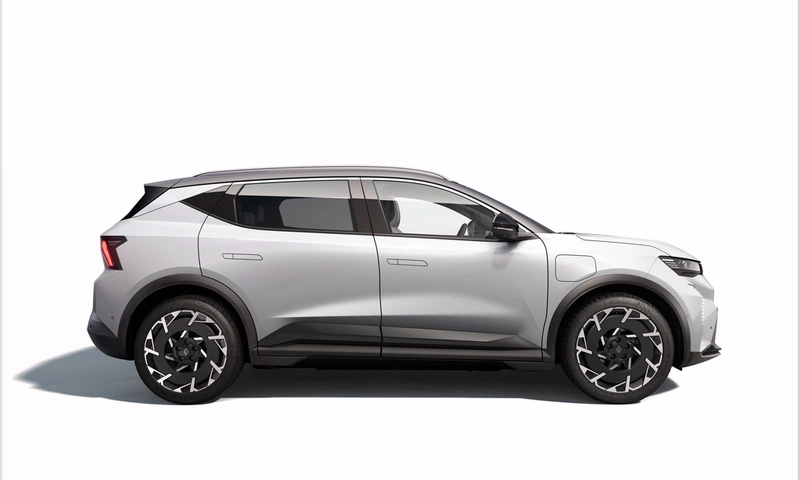
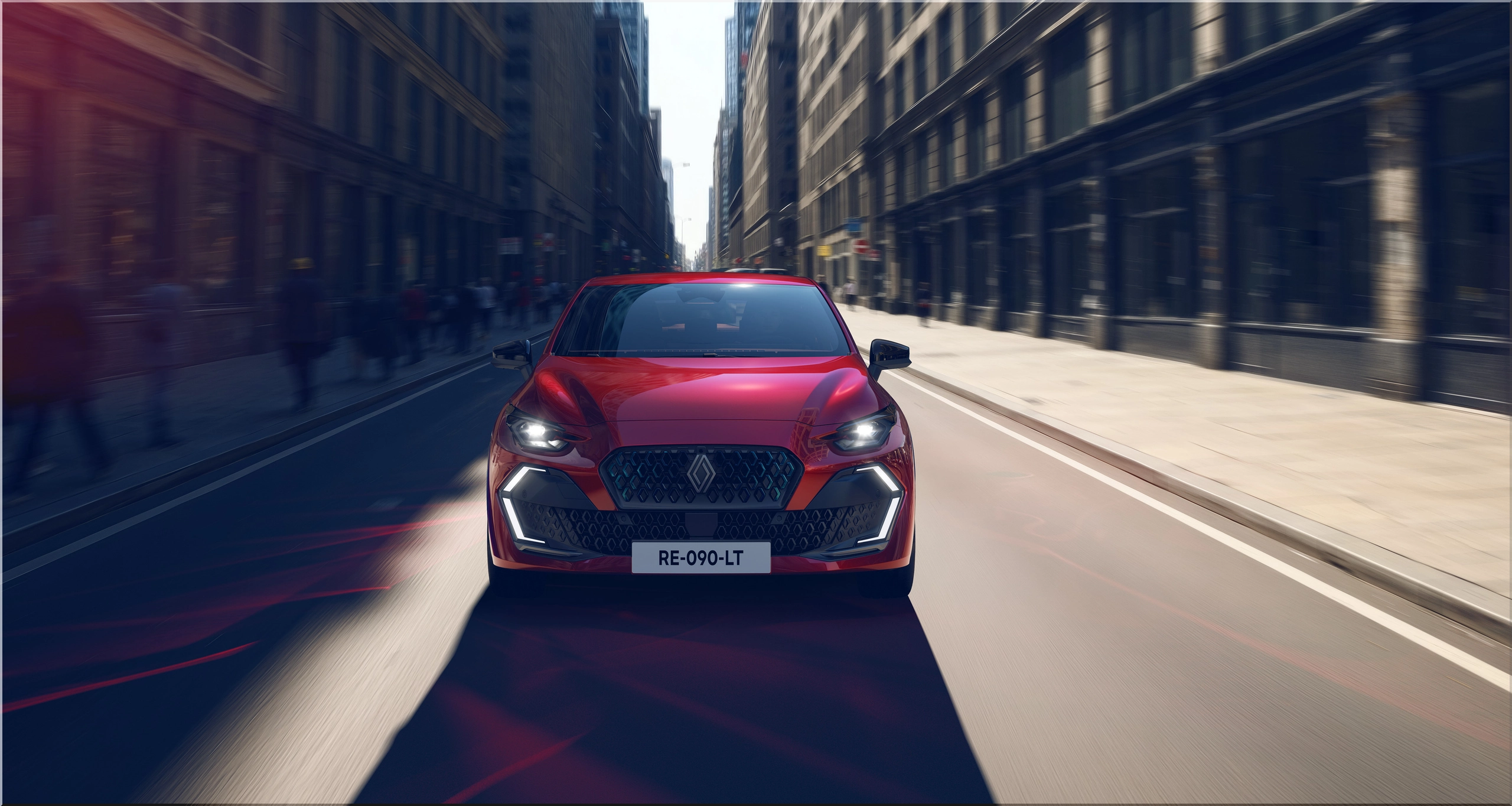
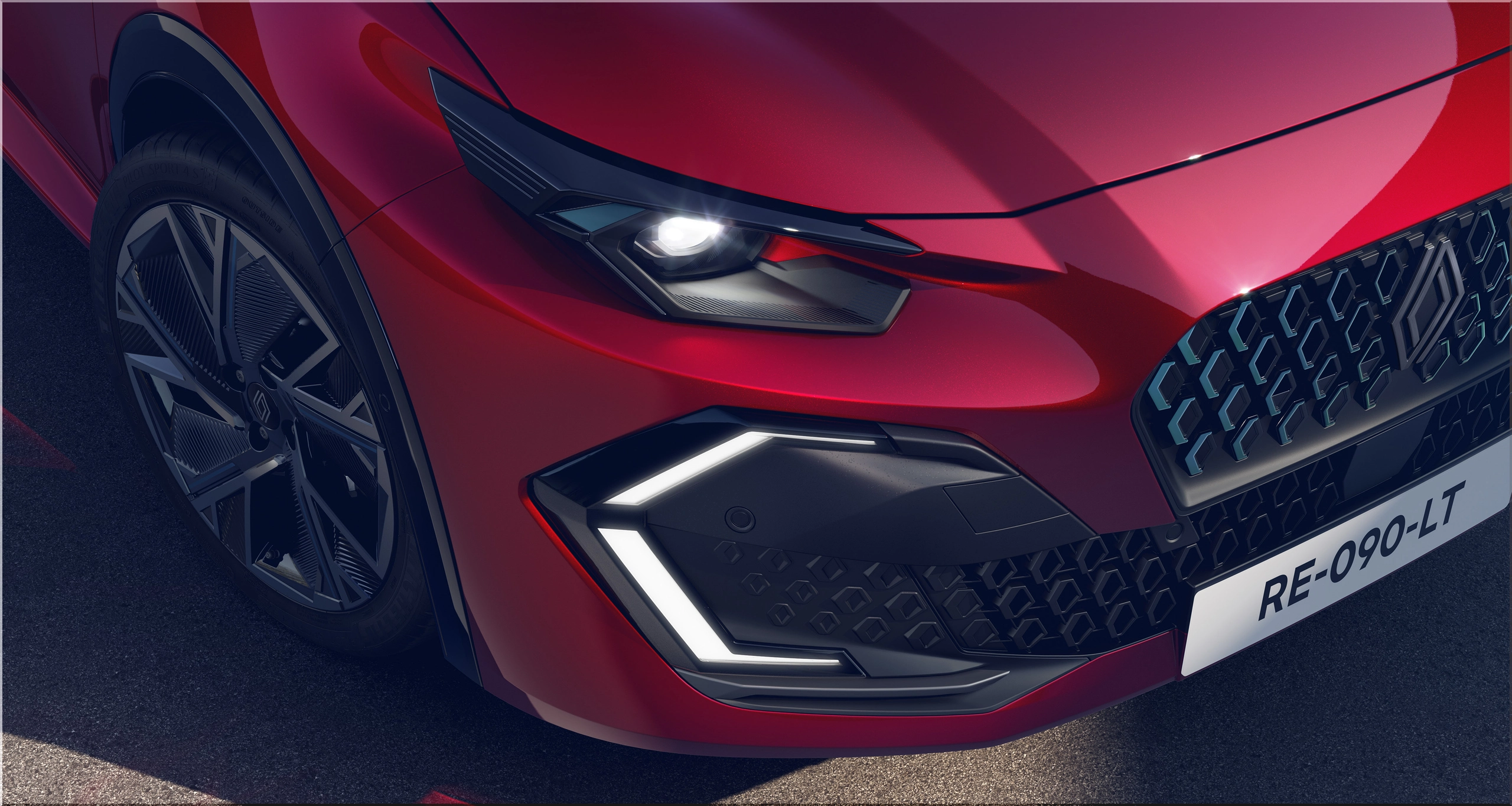
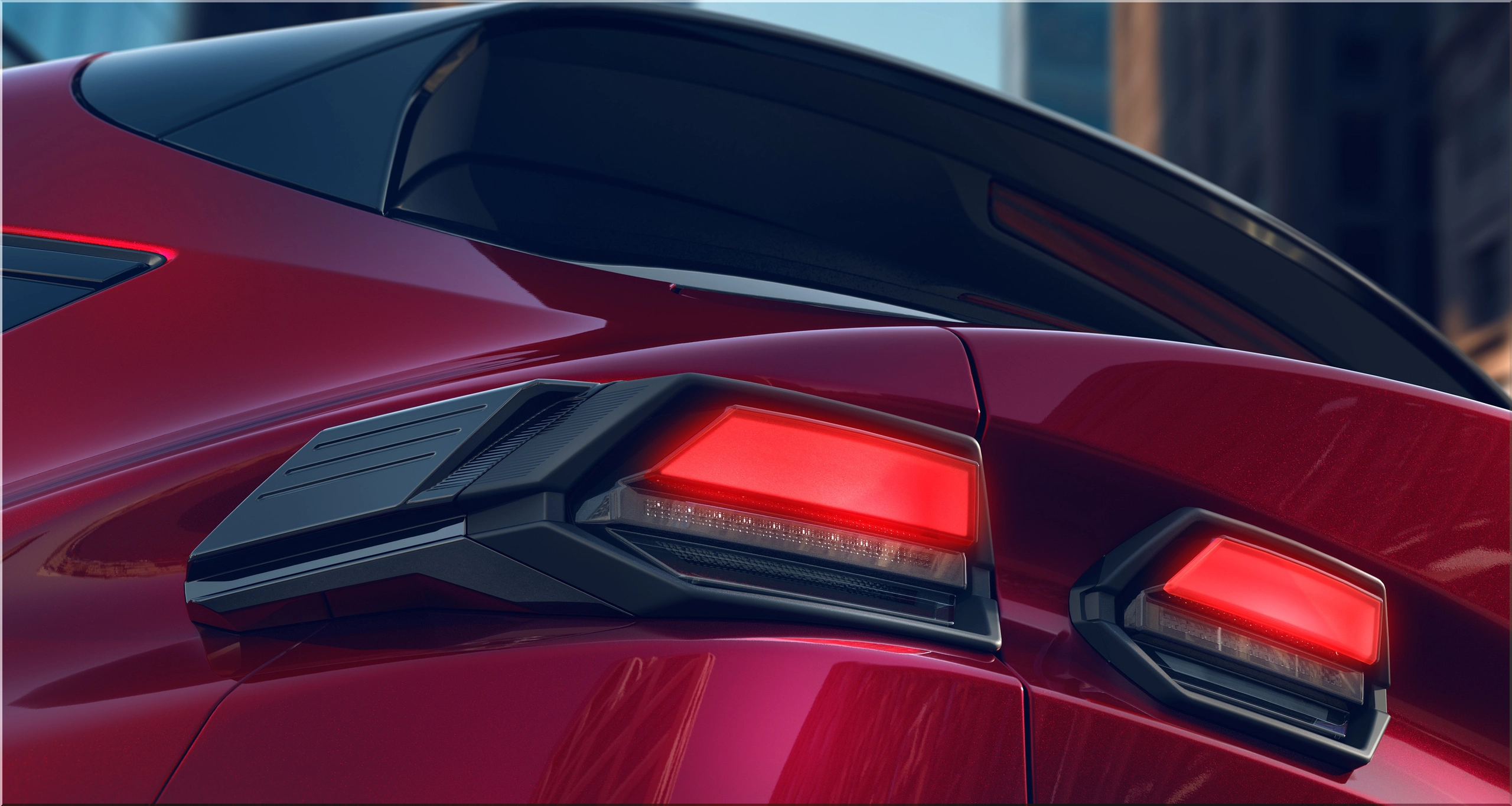
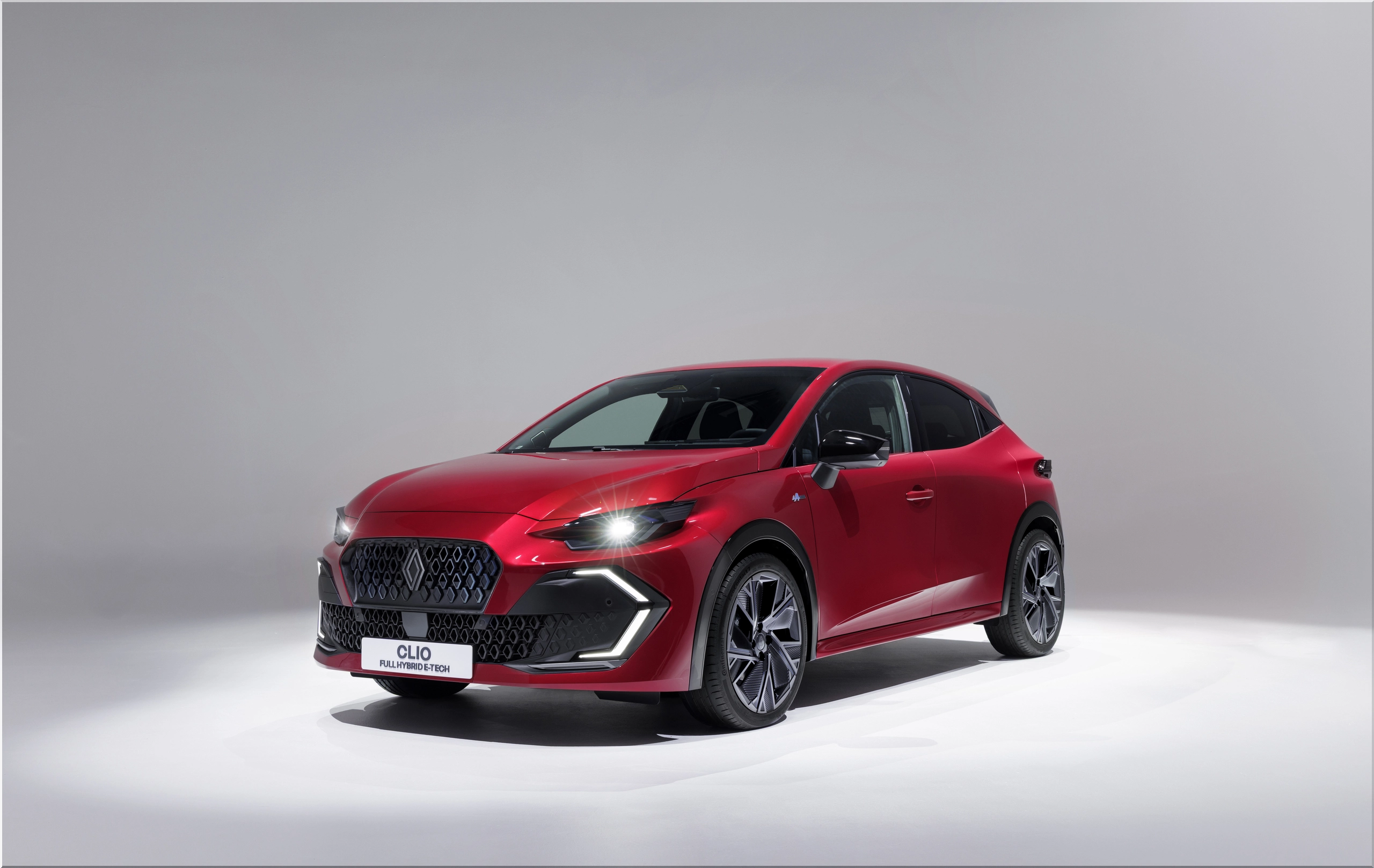
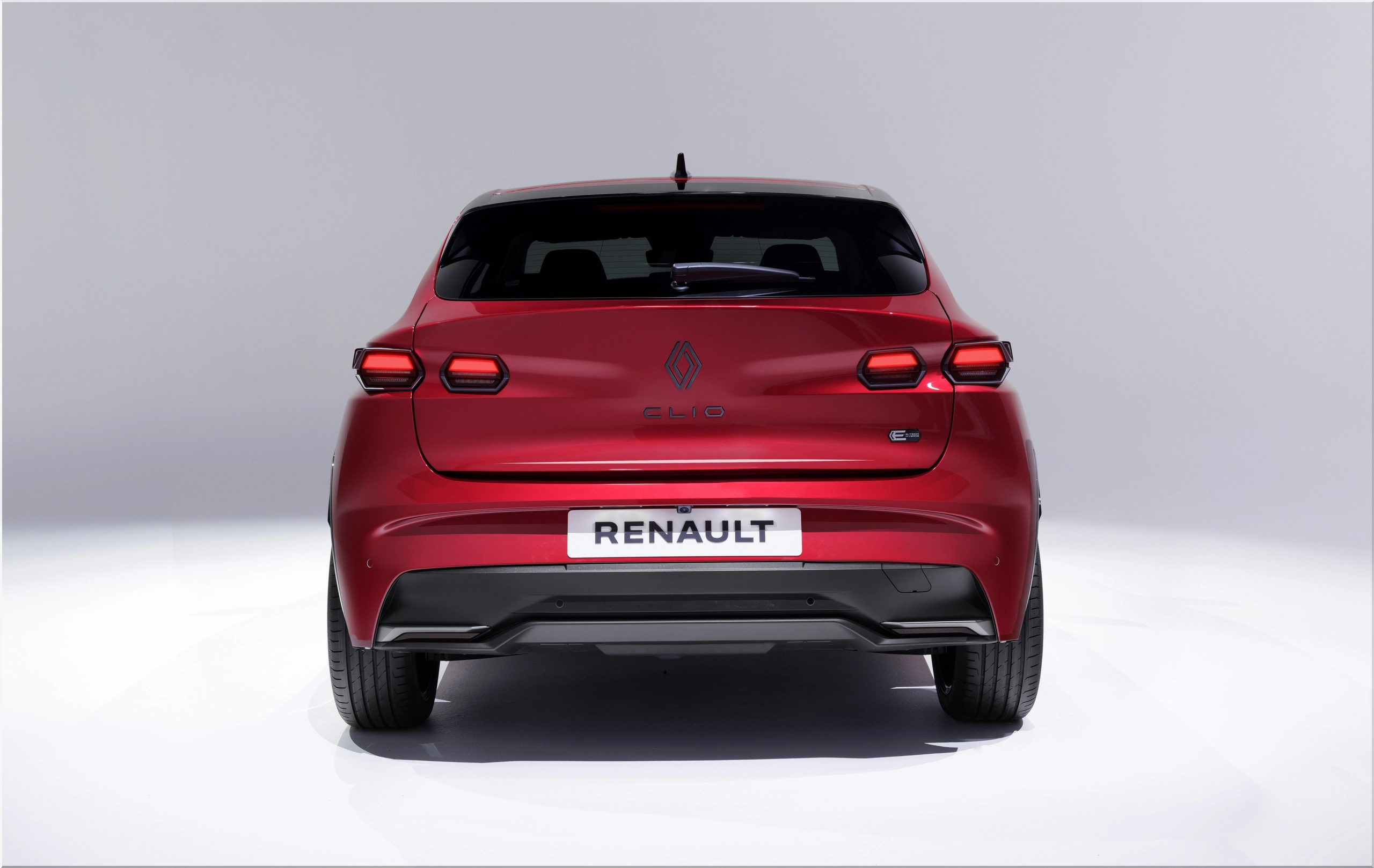
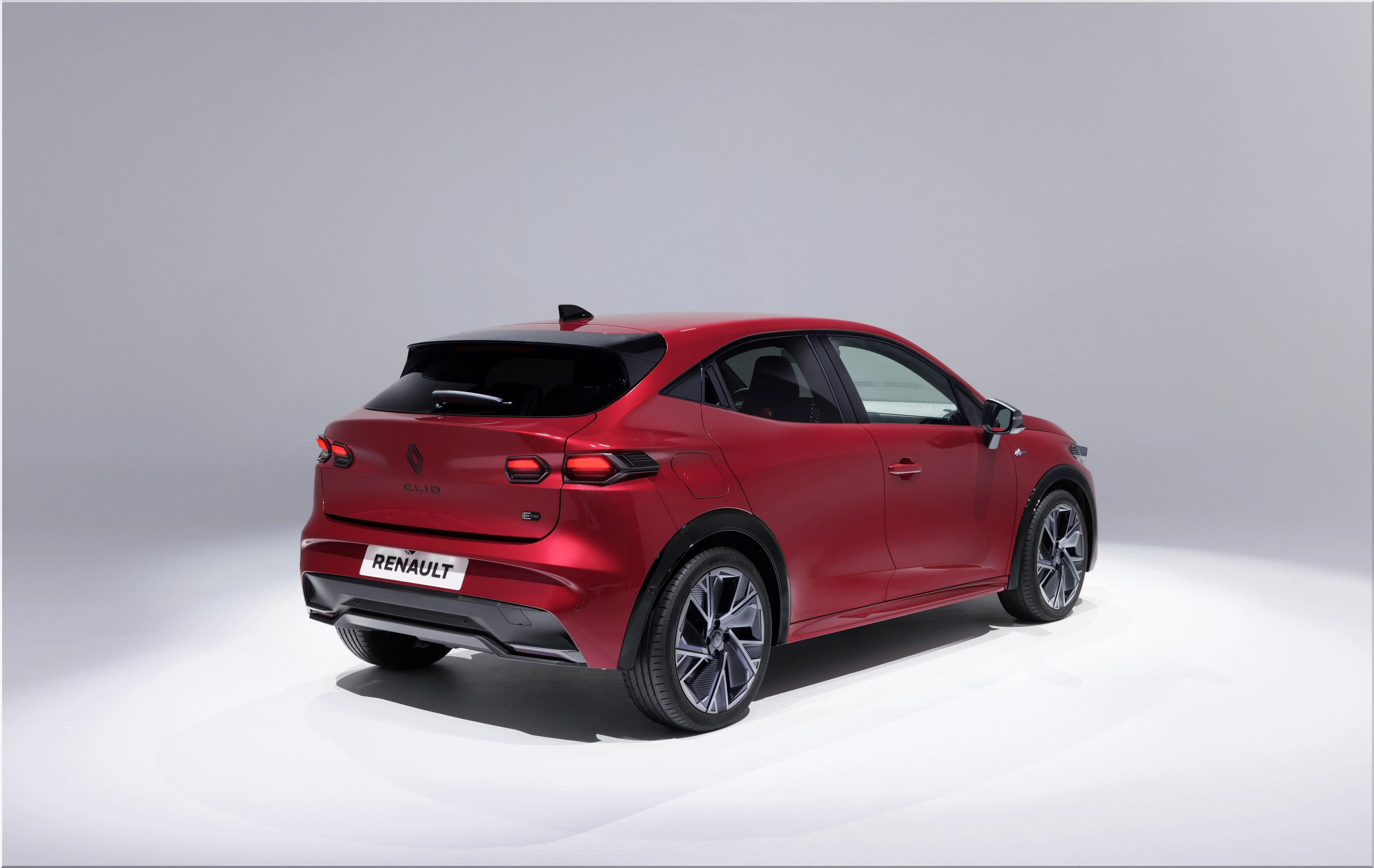
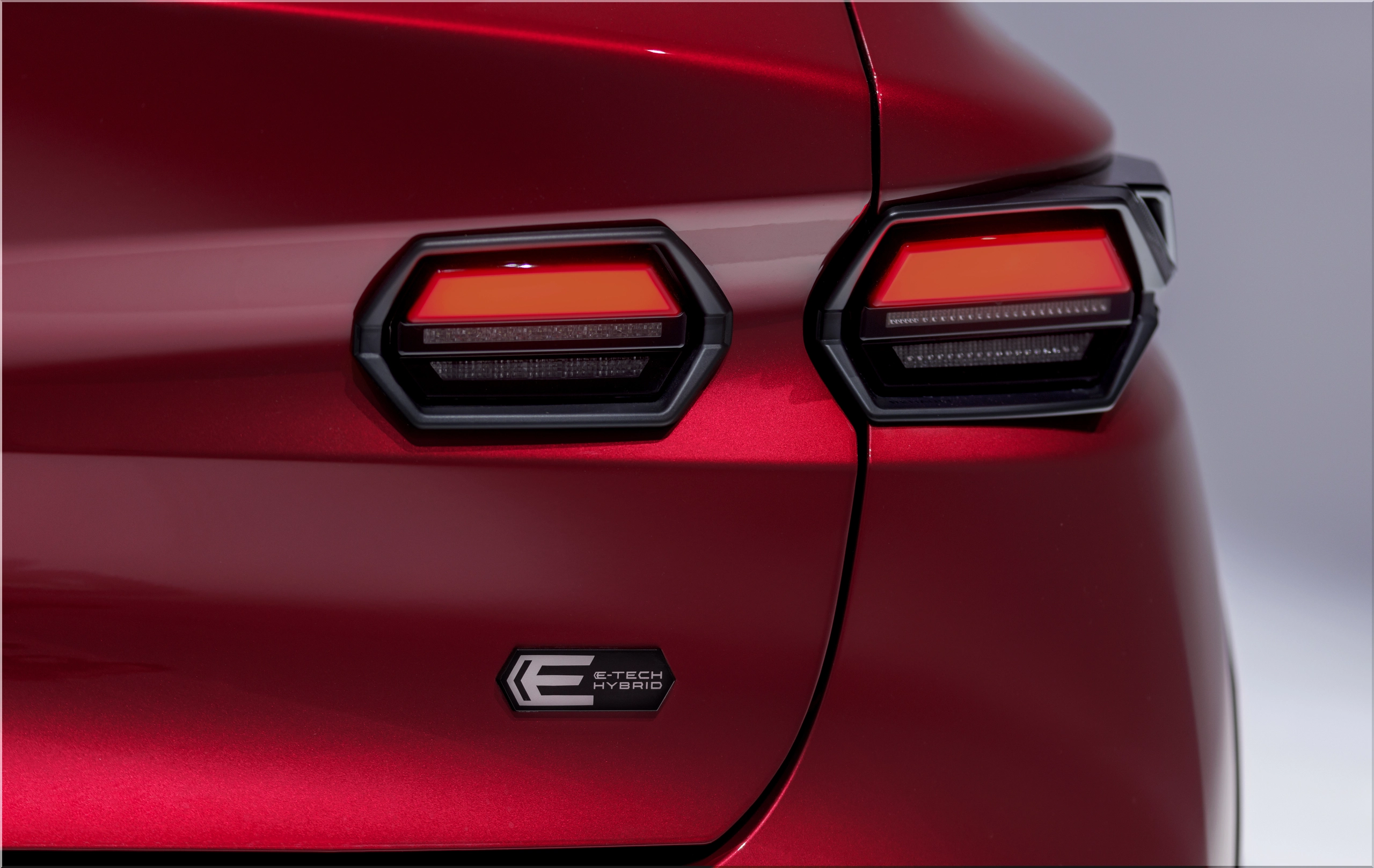
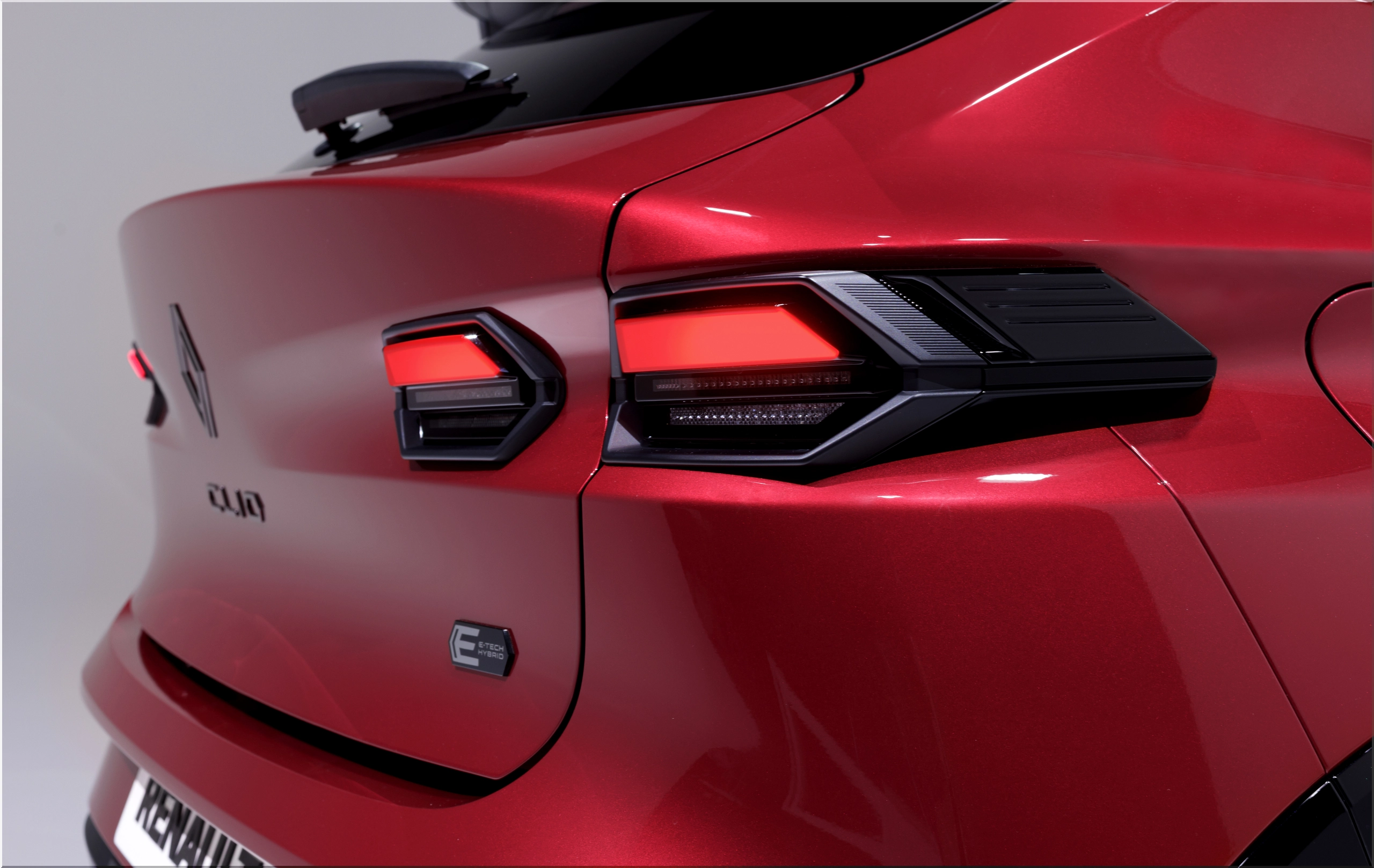
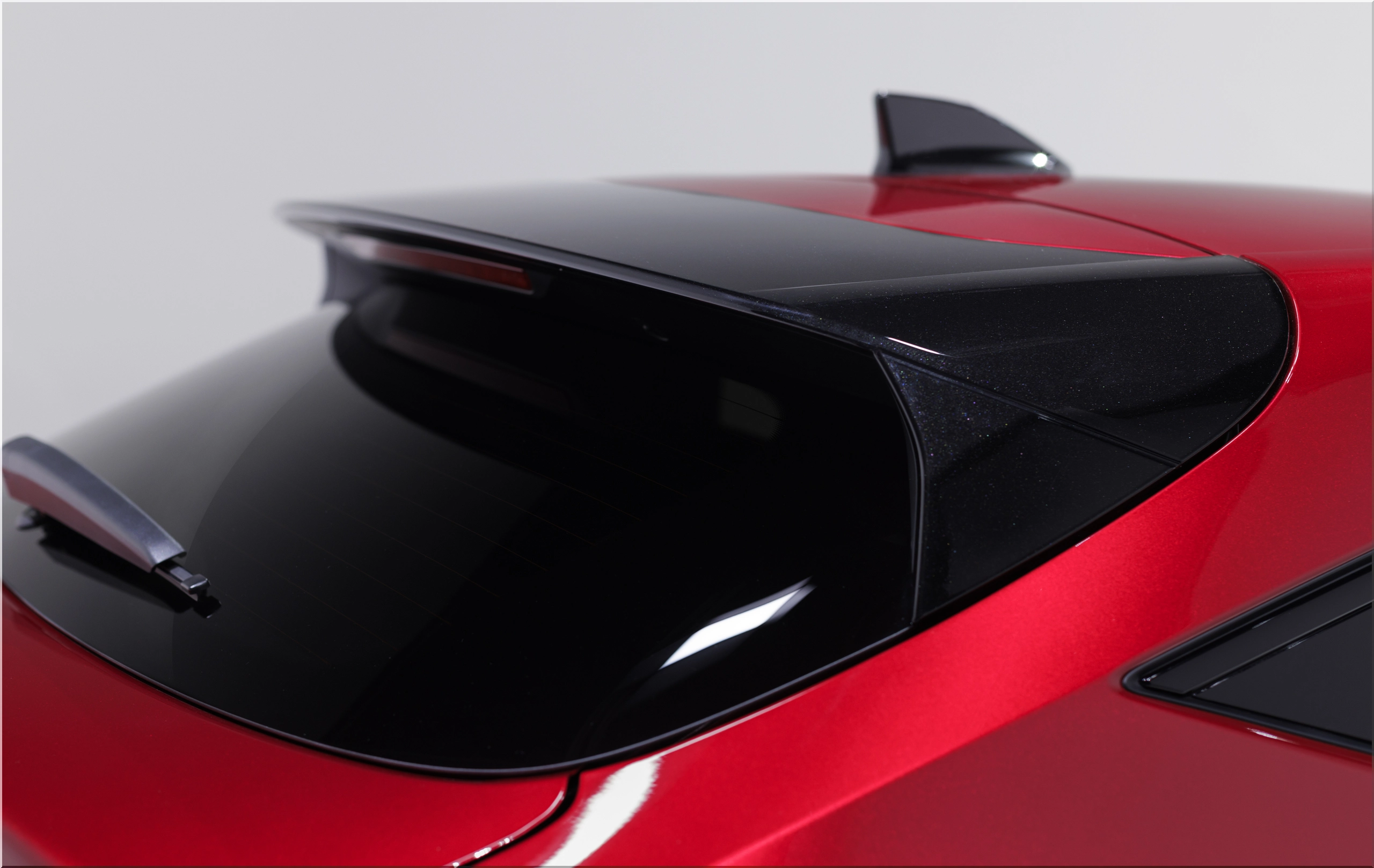
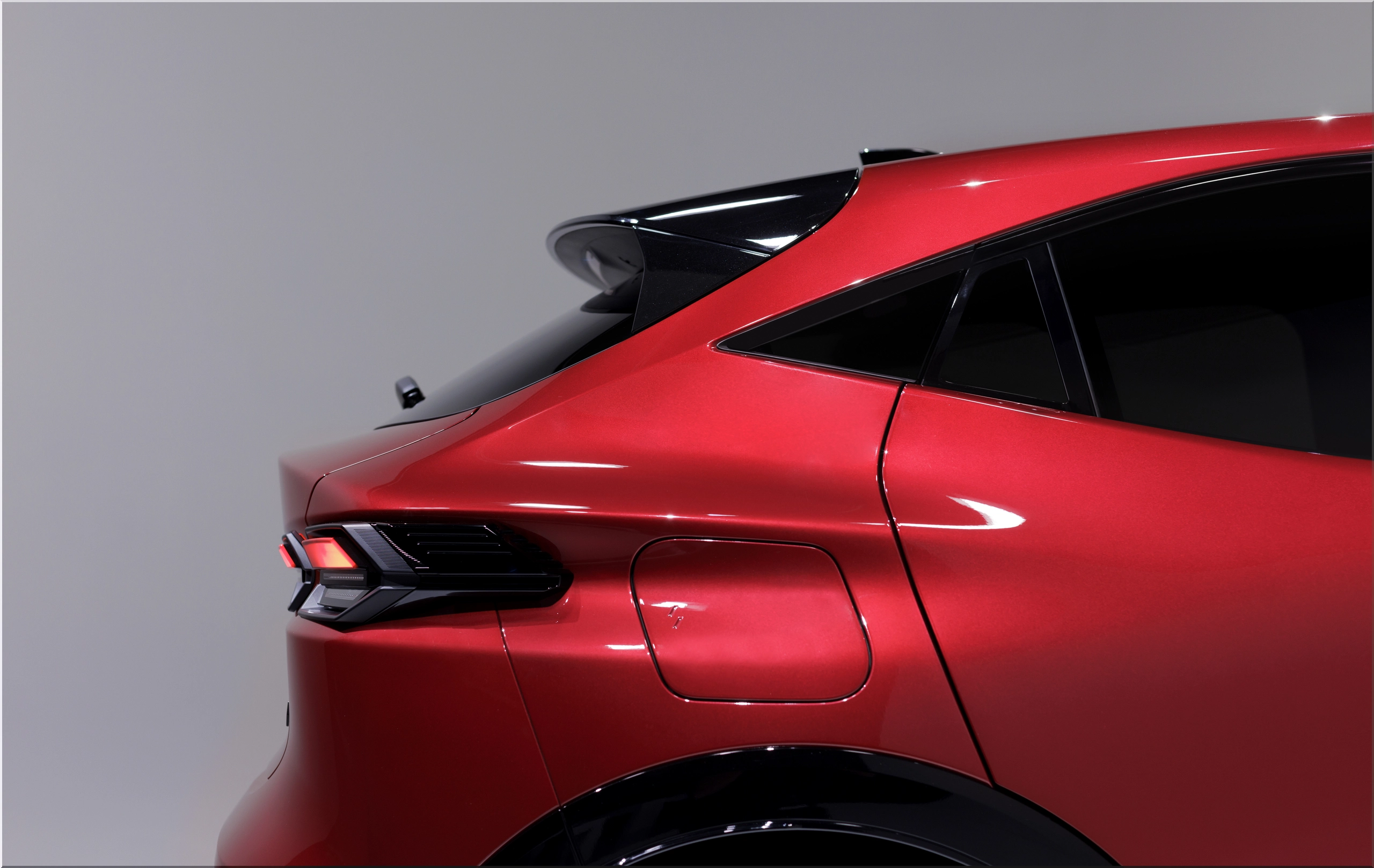
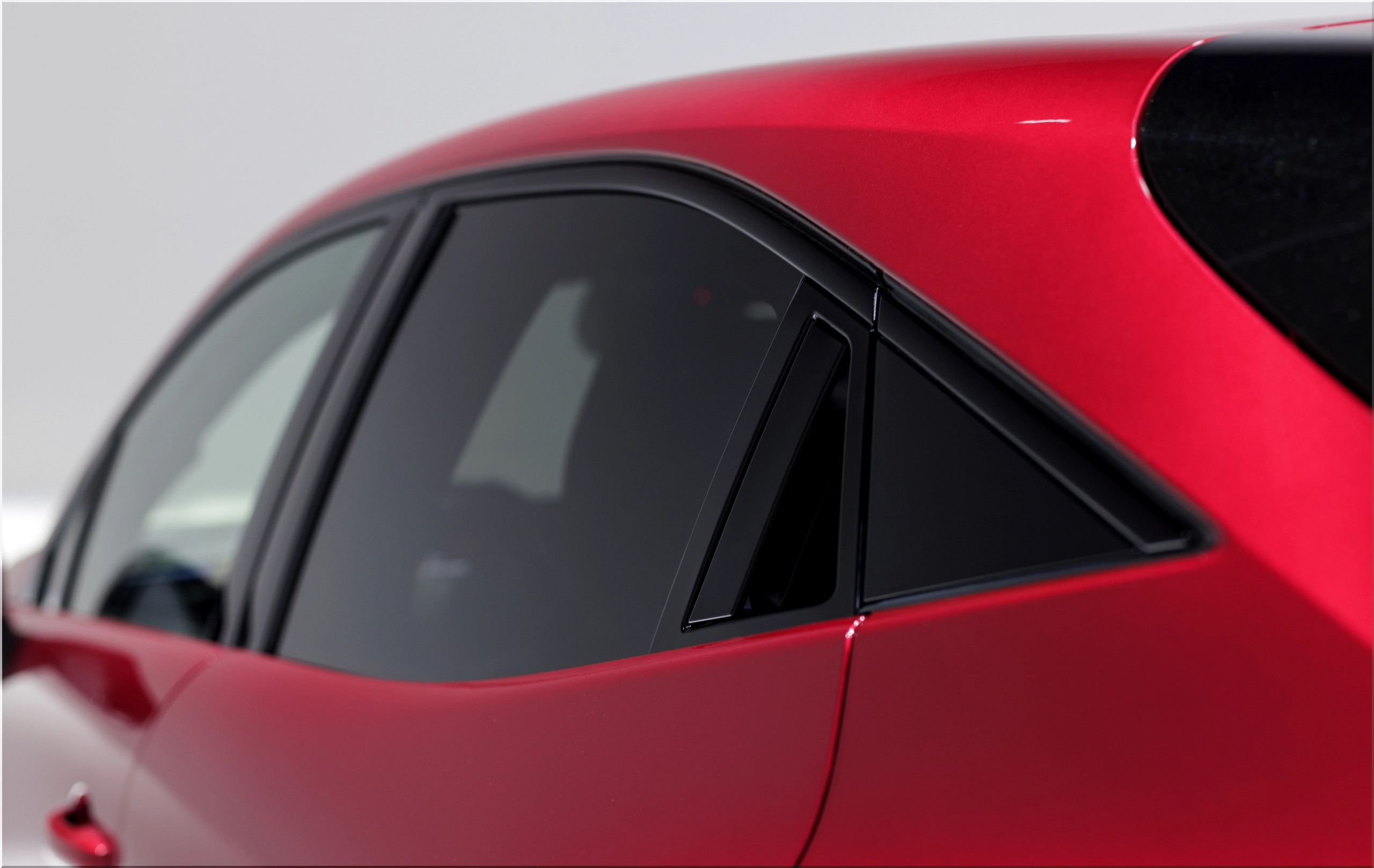
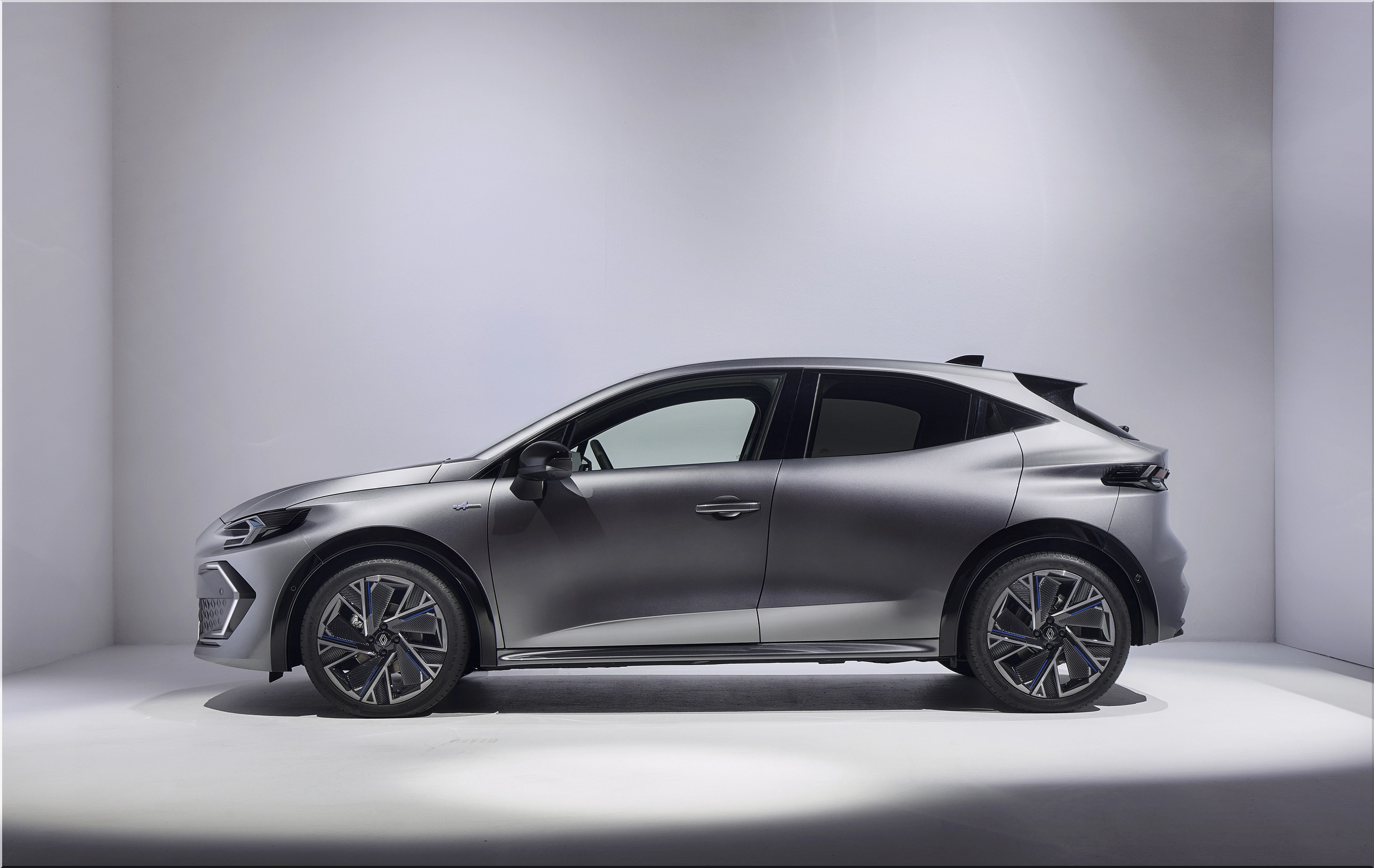
- More sculpted body lines with dynamic tension.
- Extended bonnet and coupe-like roofline.
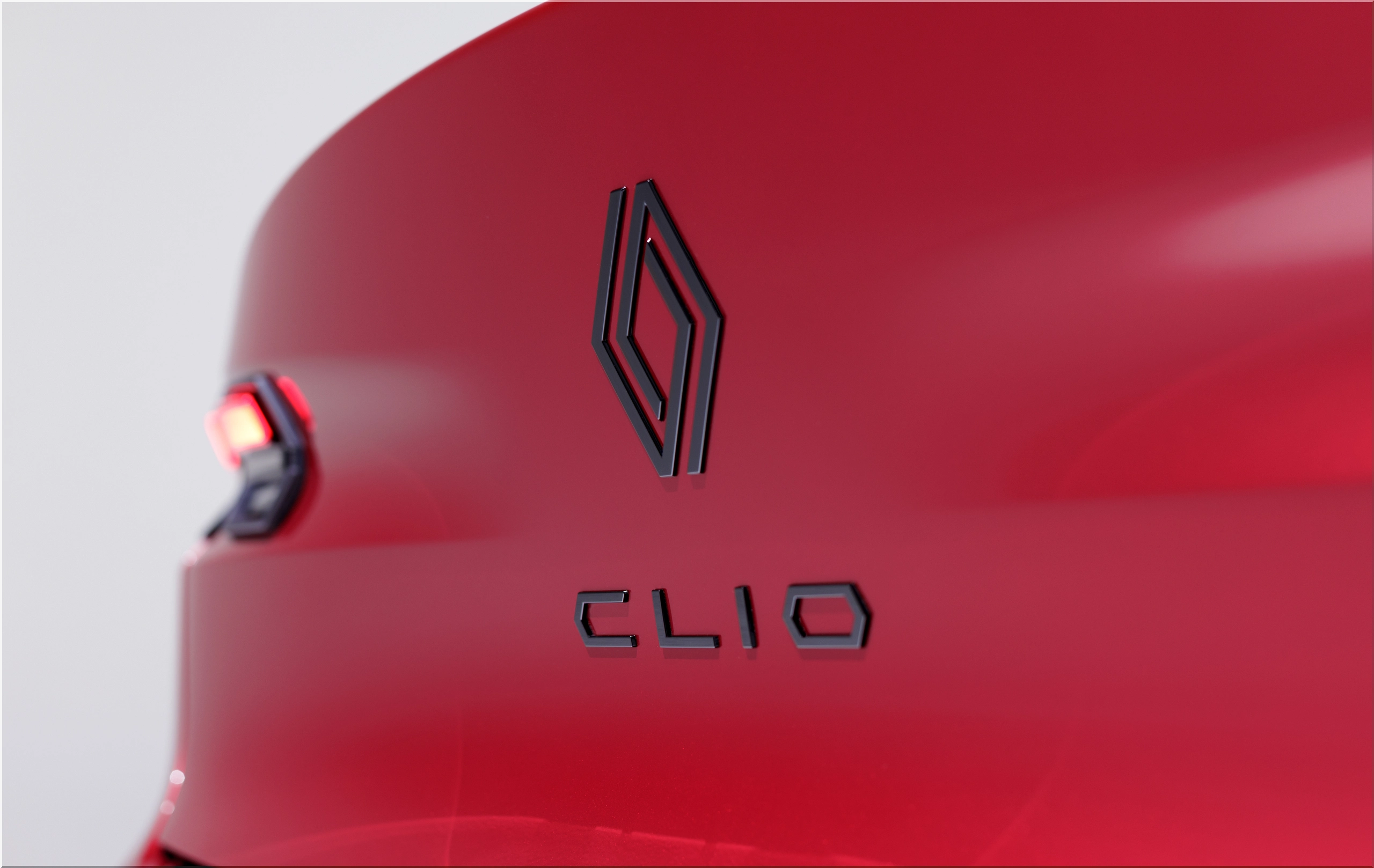
- LED daytime running lights integrated with Renault’s diamond logo.
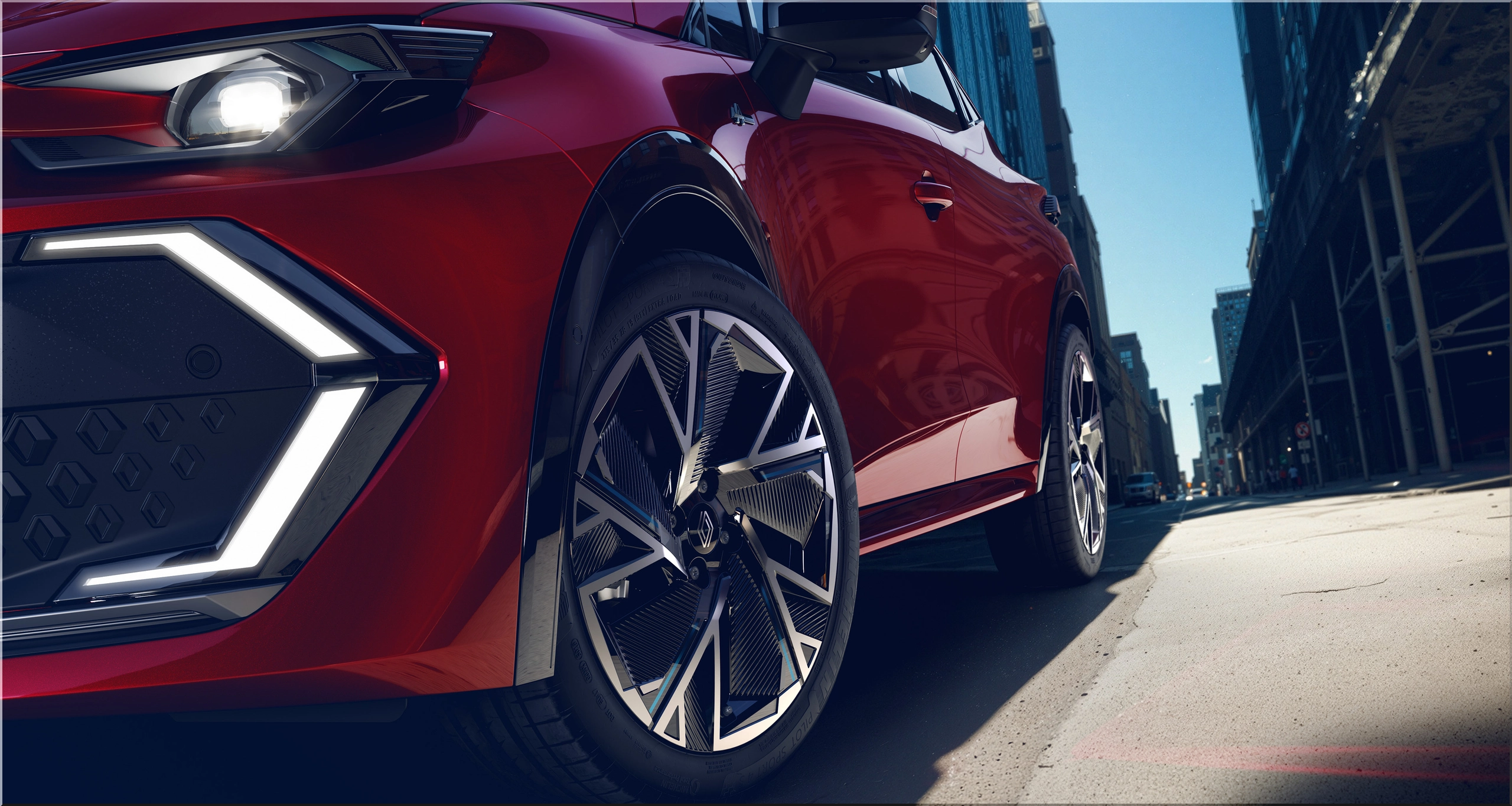
- 18-inch alloy wheels available on higher trims.
- Seven body colors, including new Absolute Red and Absolute Green.
Result: A hatchback with proportions and stance resembling a compact coupe, targeting buyers who want sharper road presence.
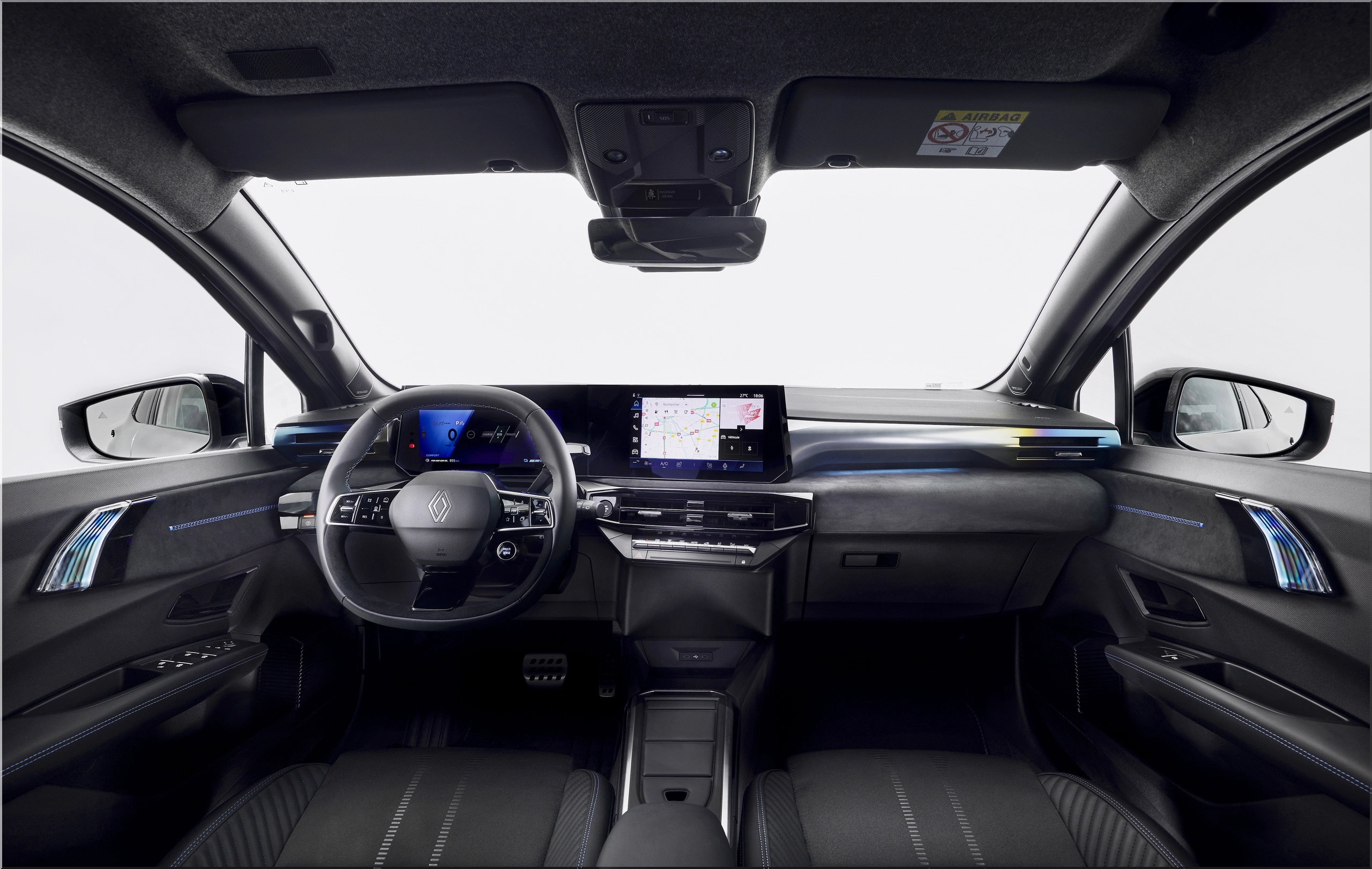
Interior: Tech-Driven and Practical
Renault focused on materials, tech, and storage:
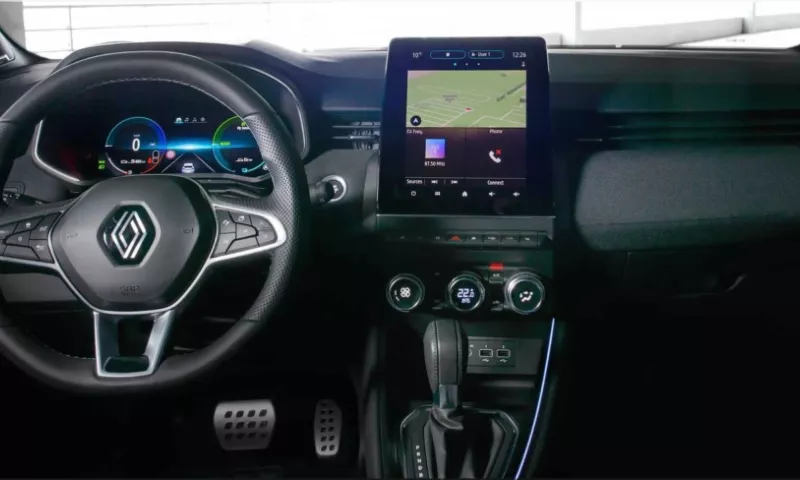
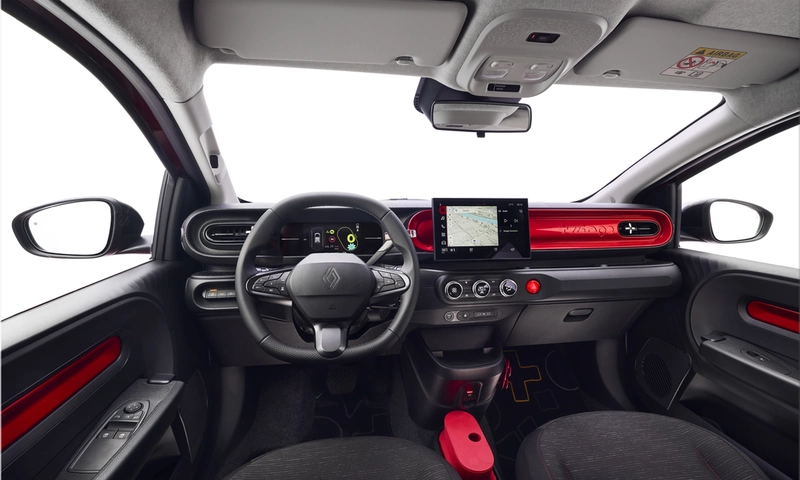
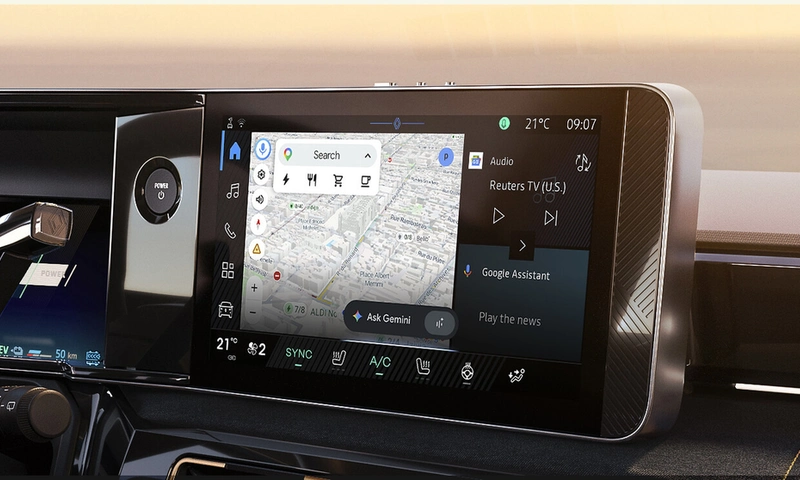
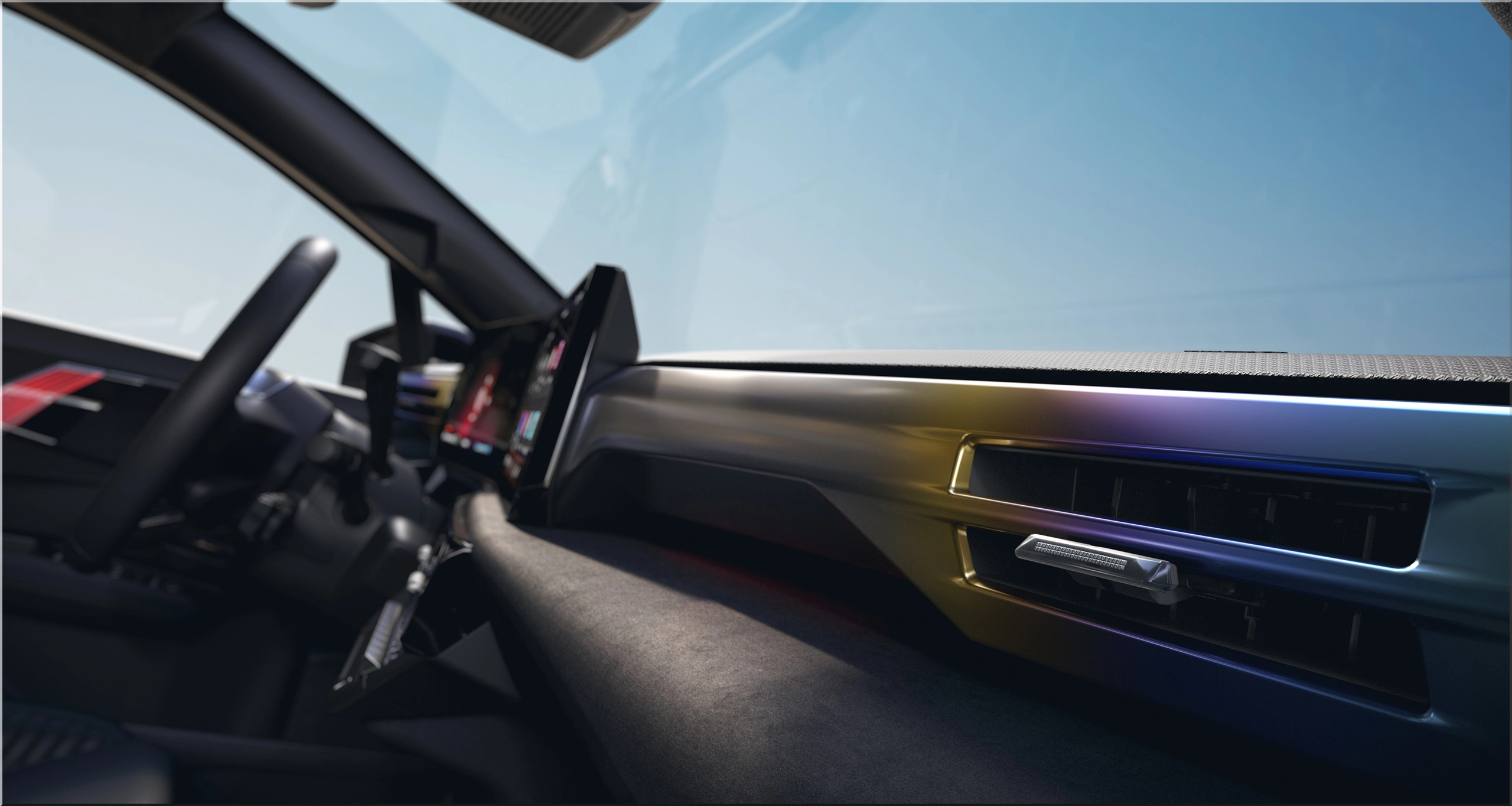
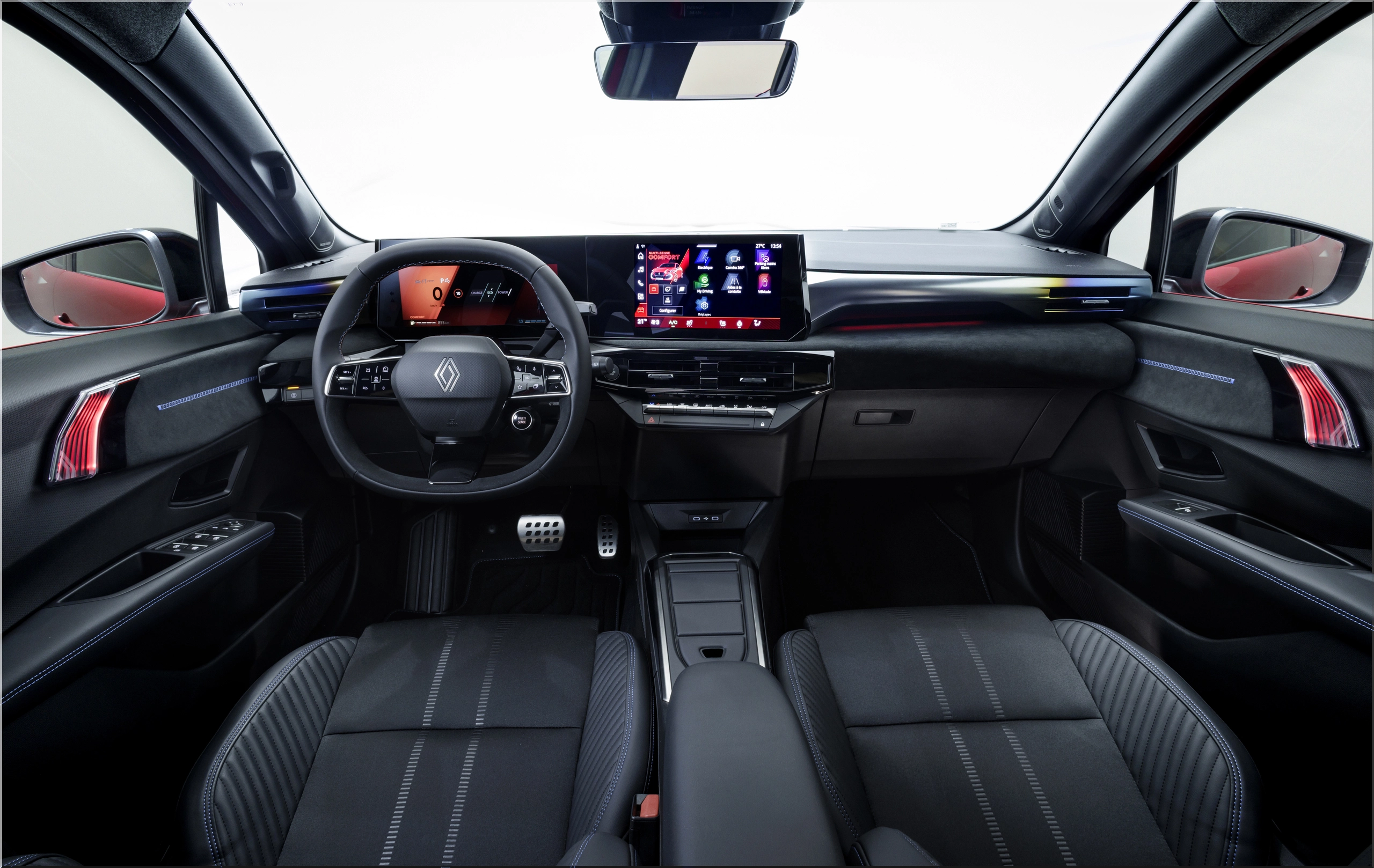
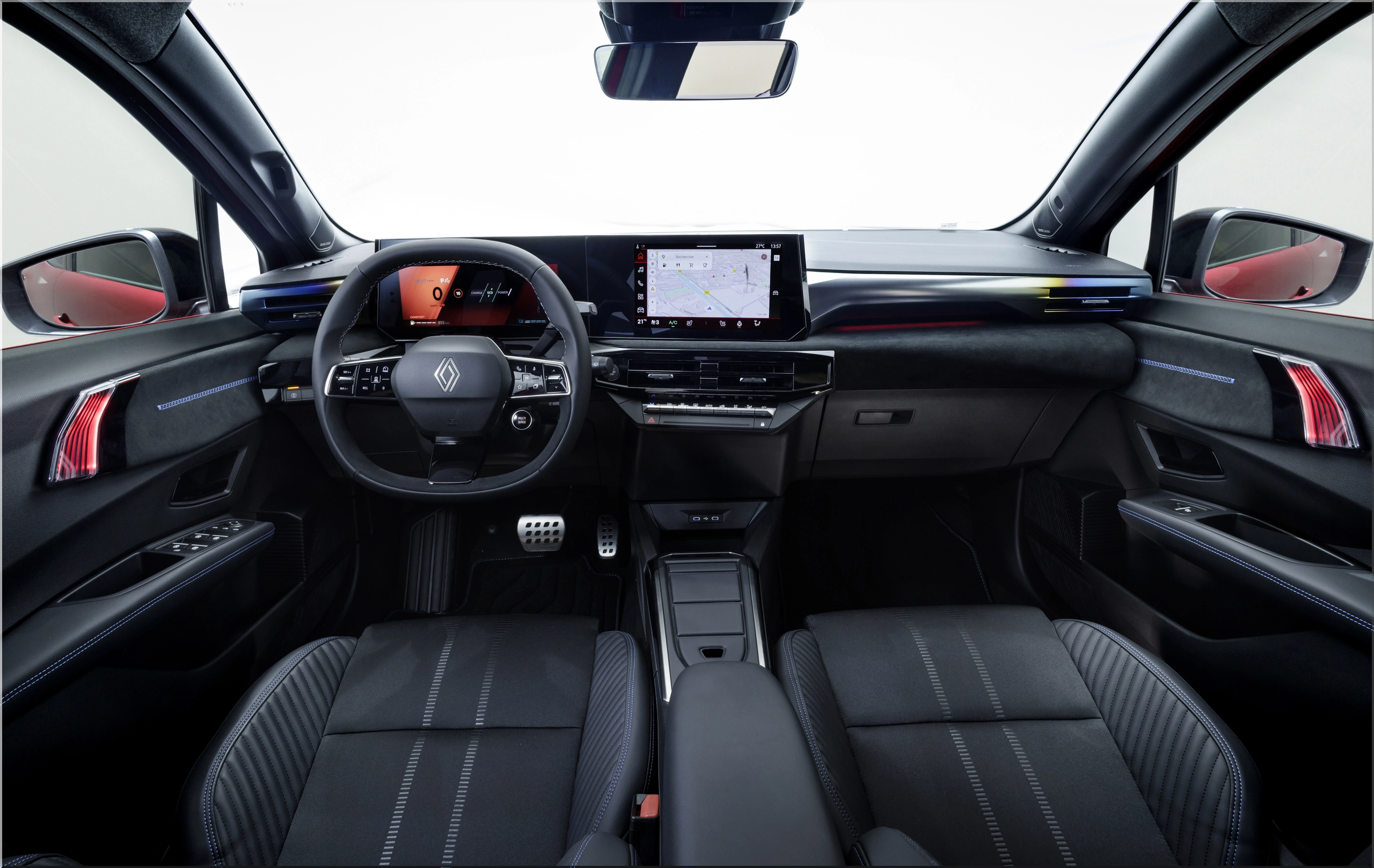
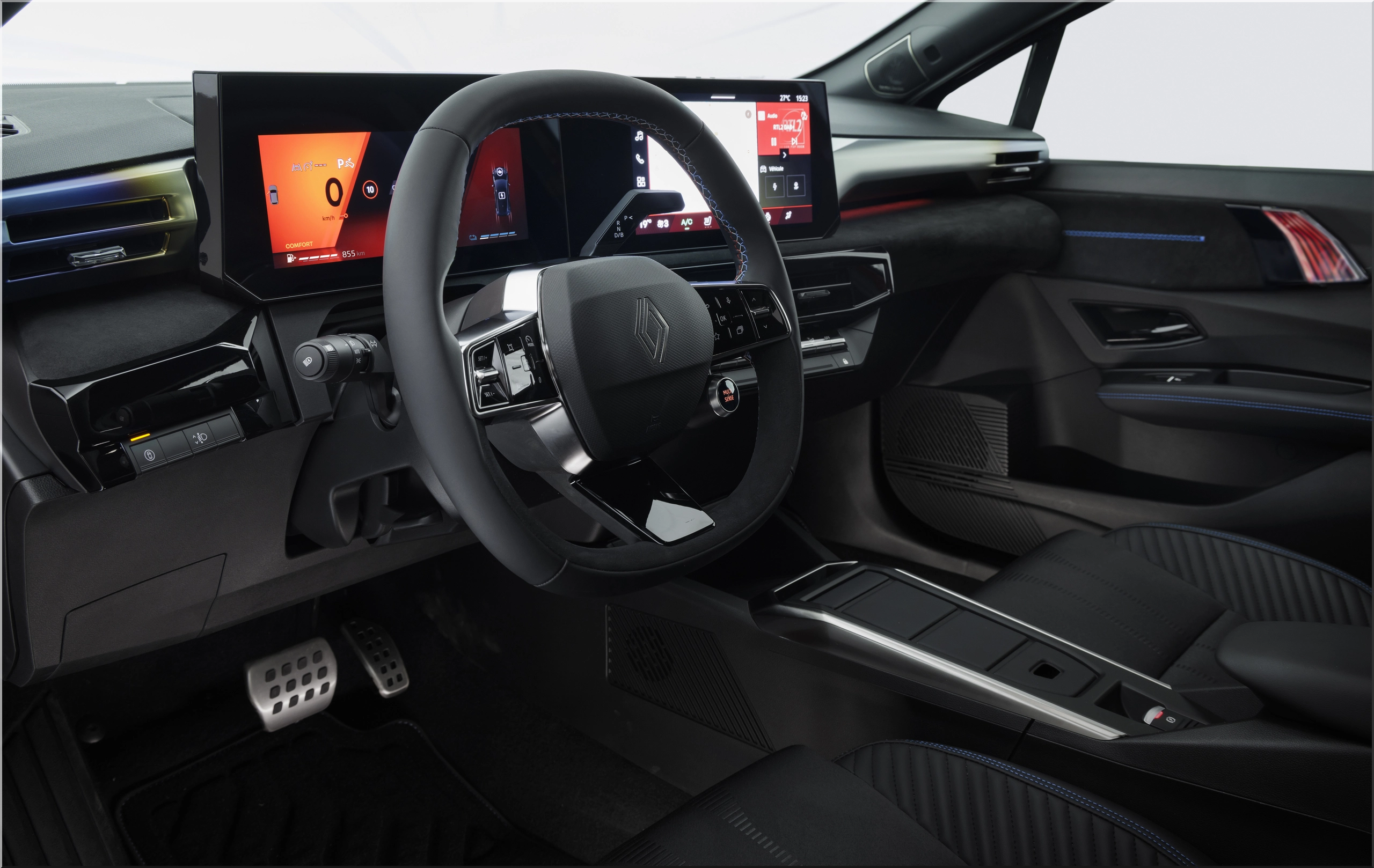
- Dual 10.1-inch screens (depending on trim) in a V-shape toward the driver.
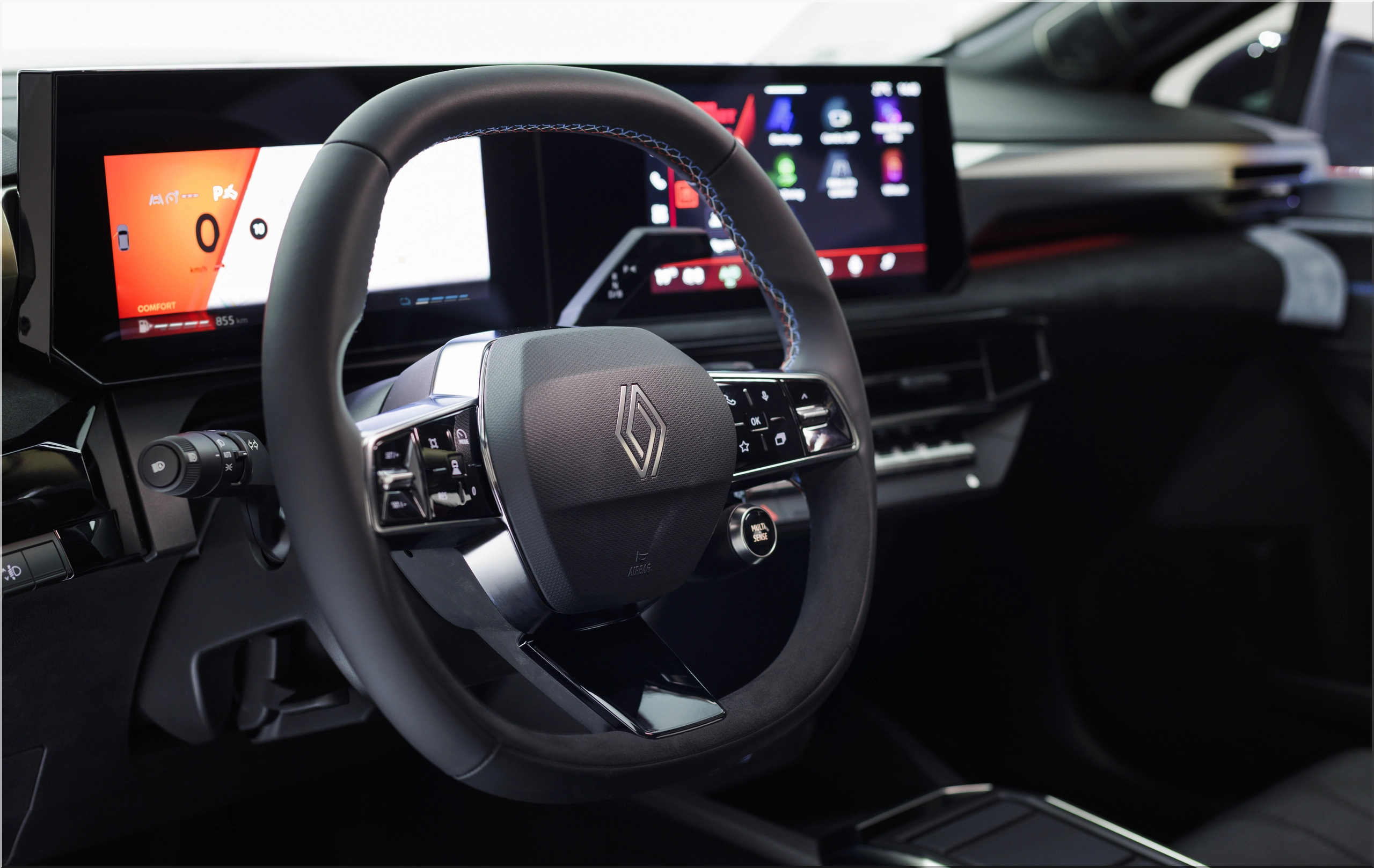
- New compact steering wheel from higher-segment models.
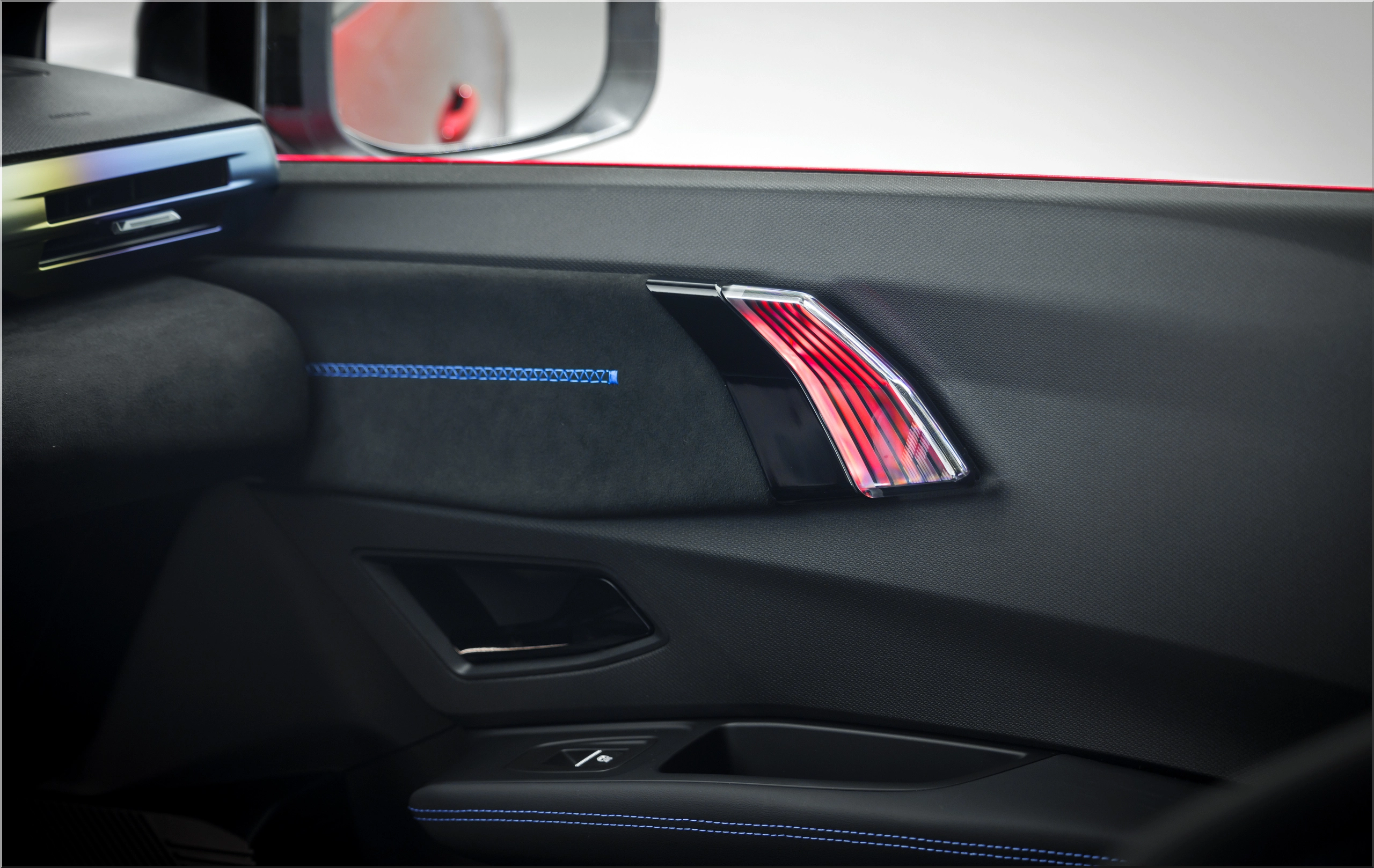
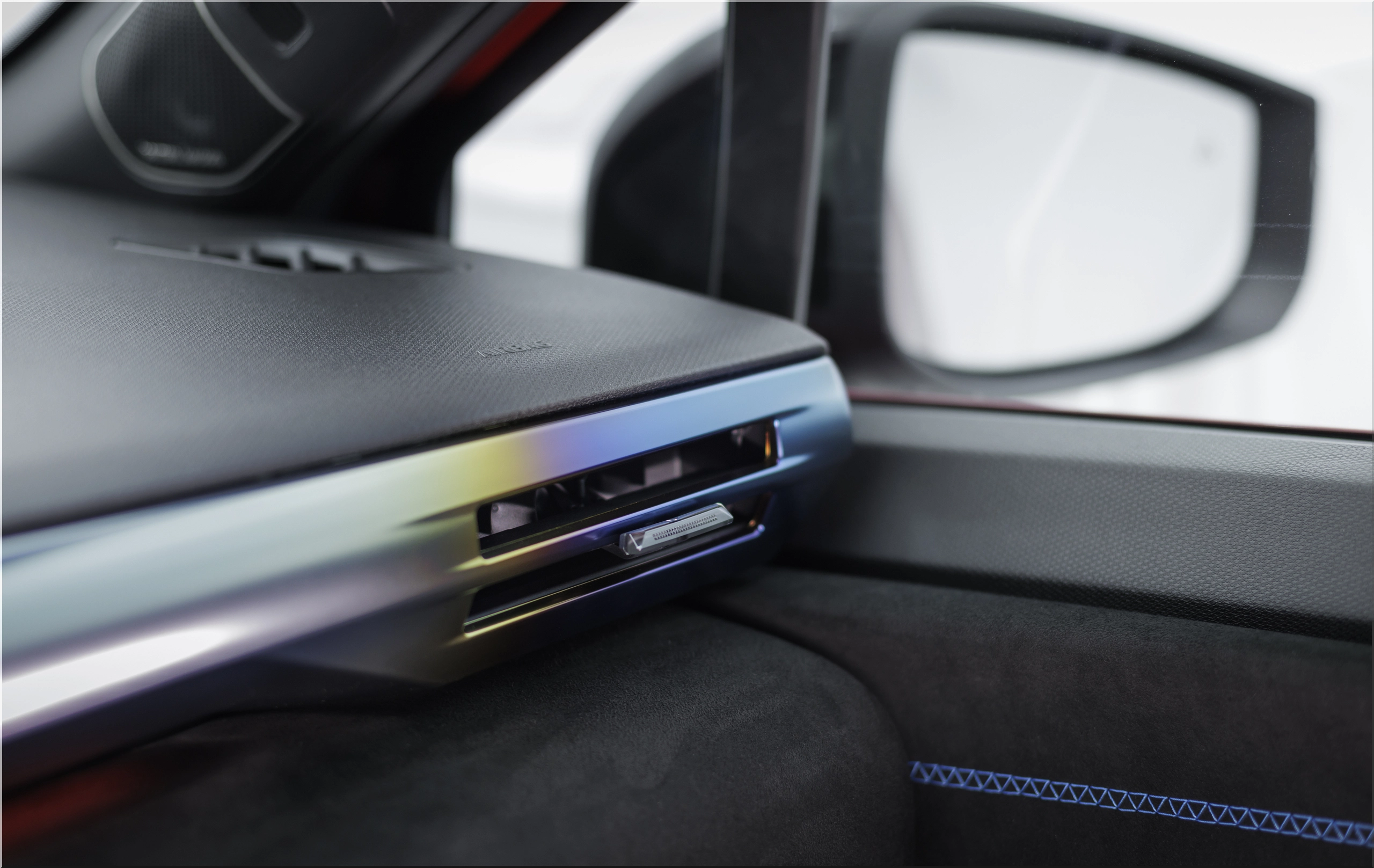
- Ambient lighting with 48 color options.
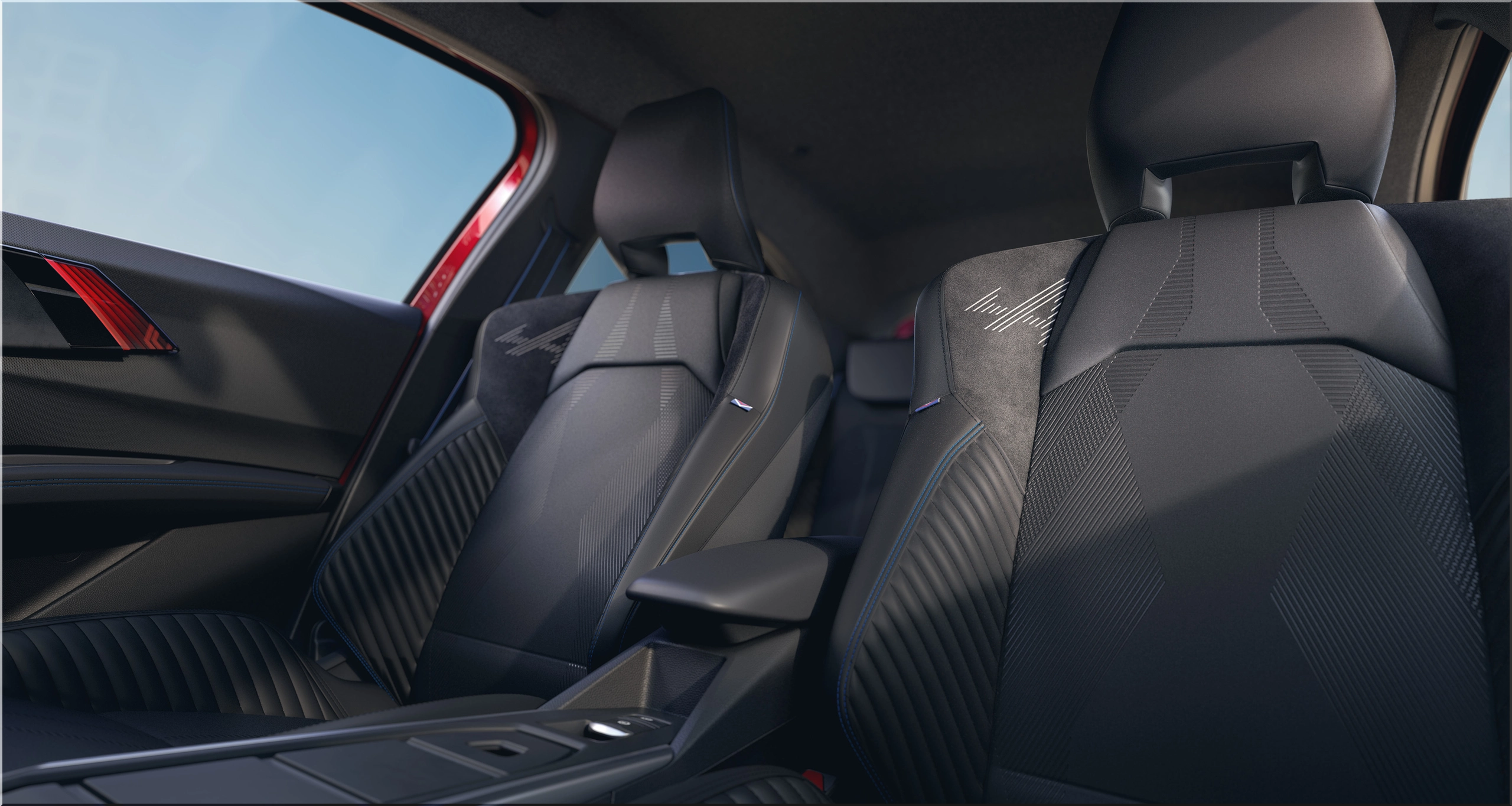
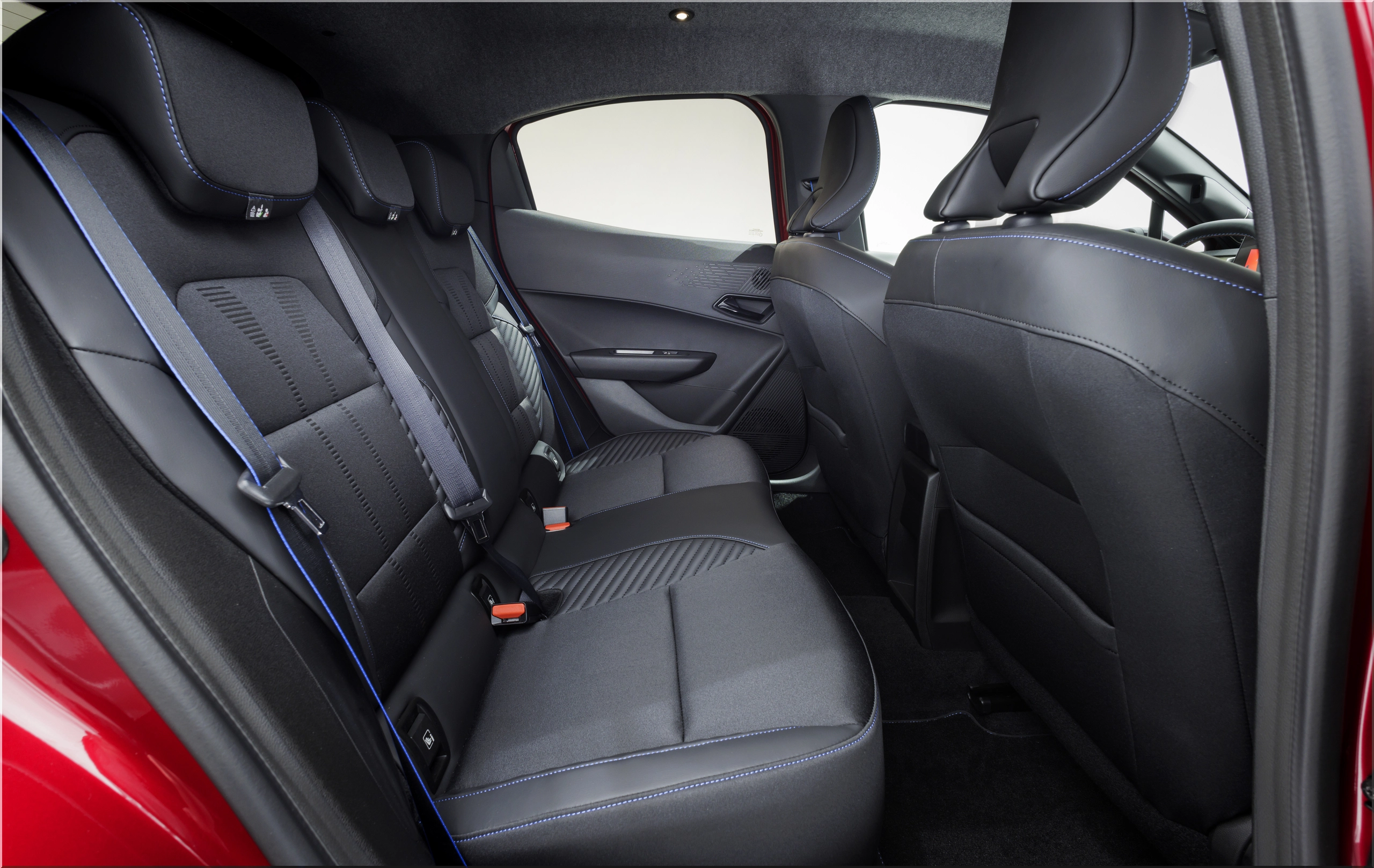
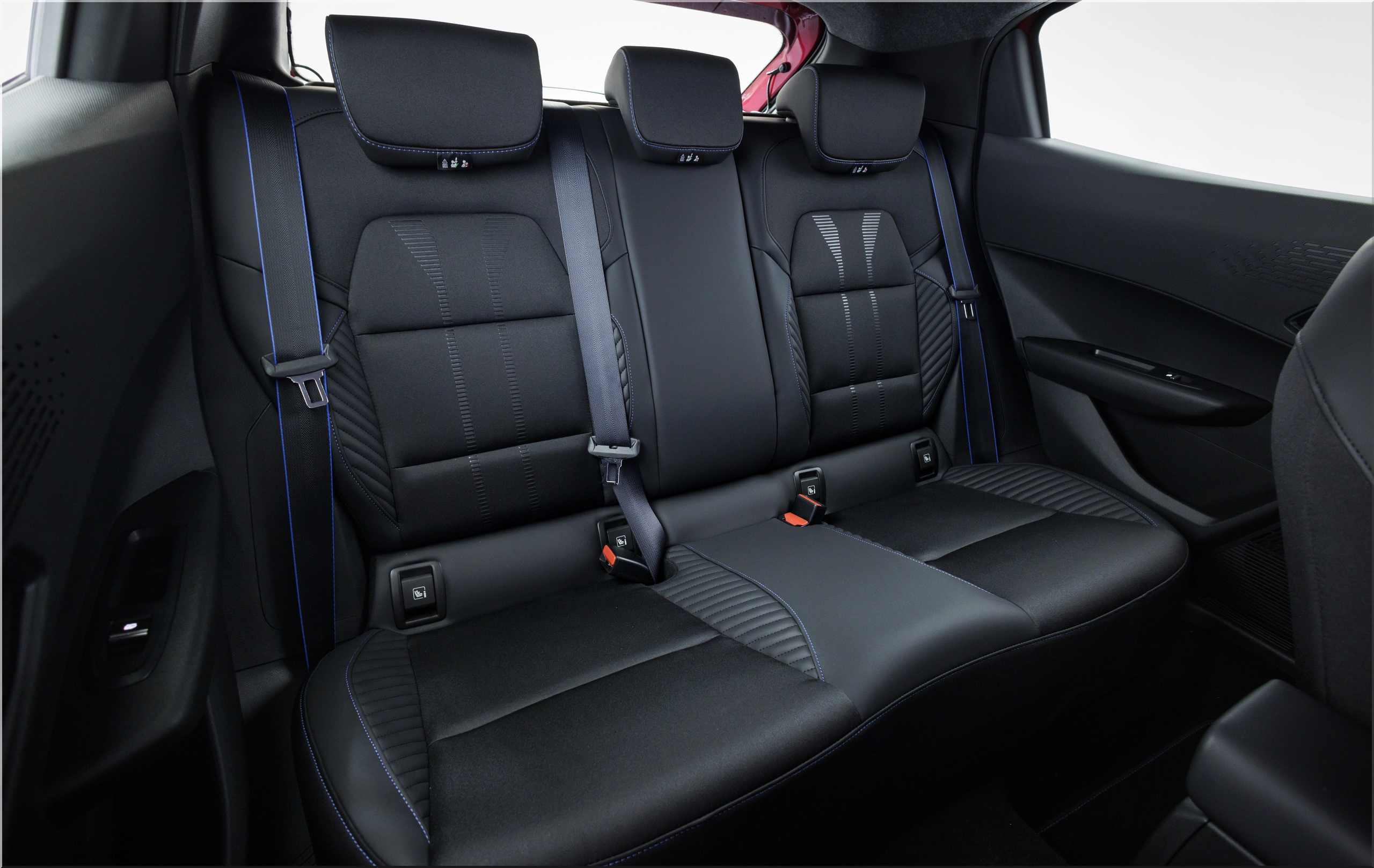
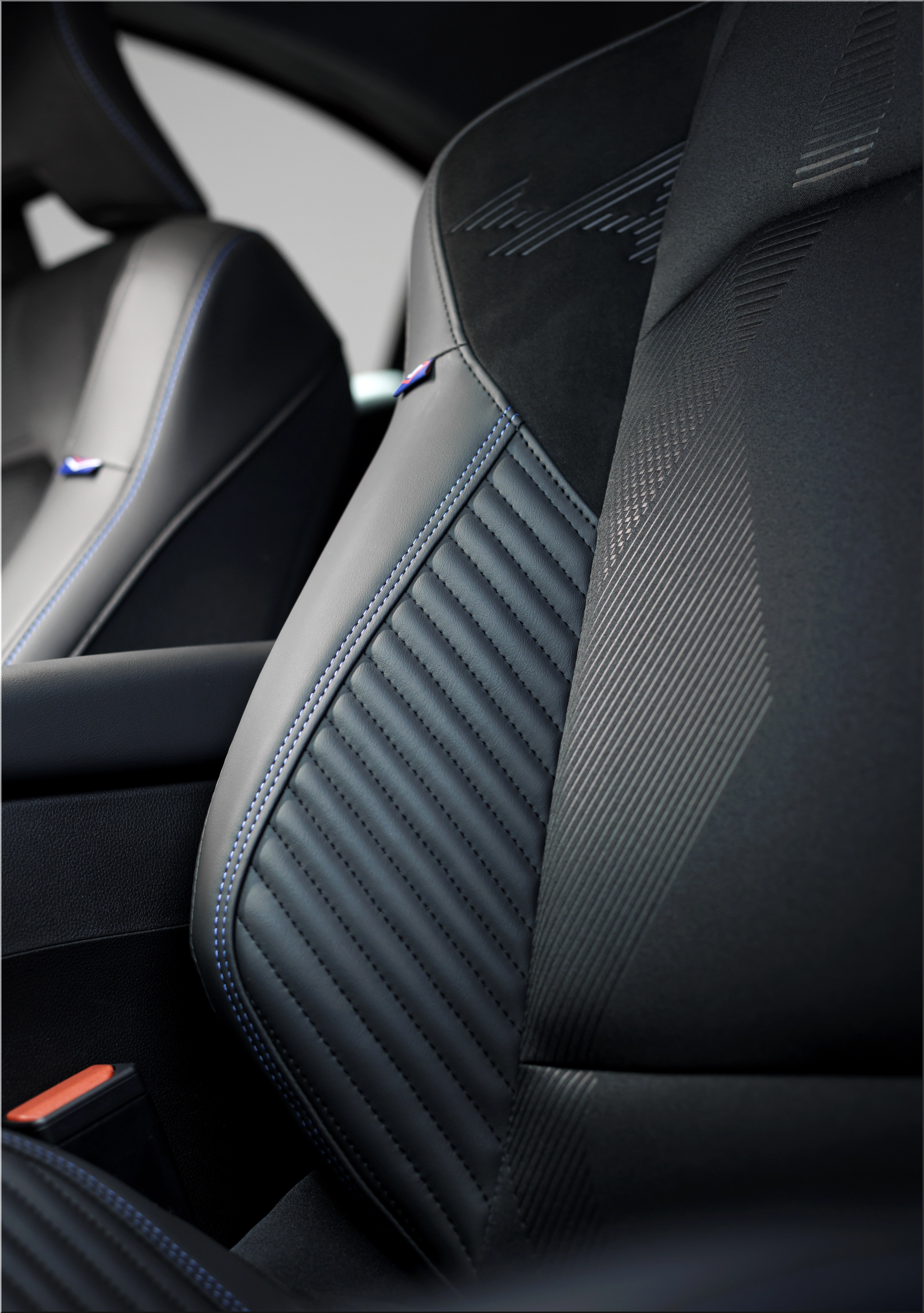
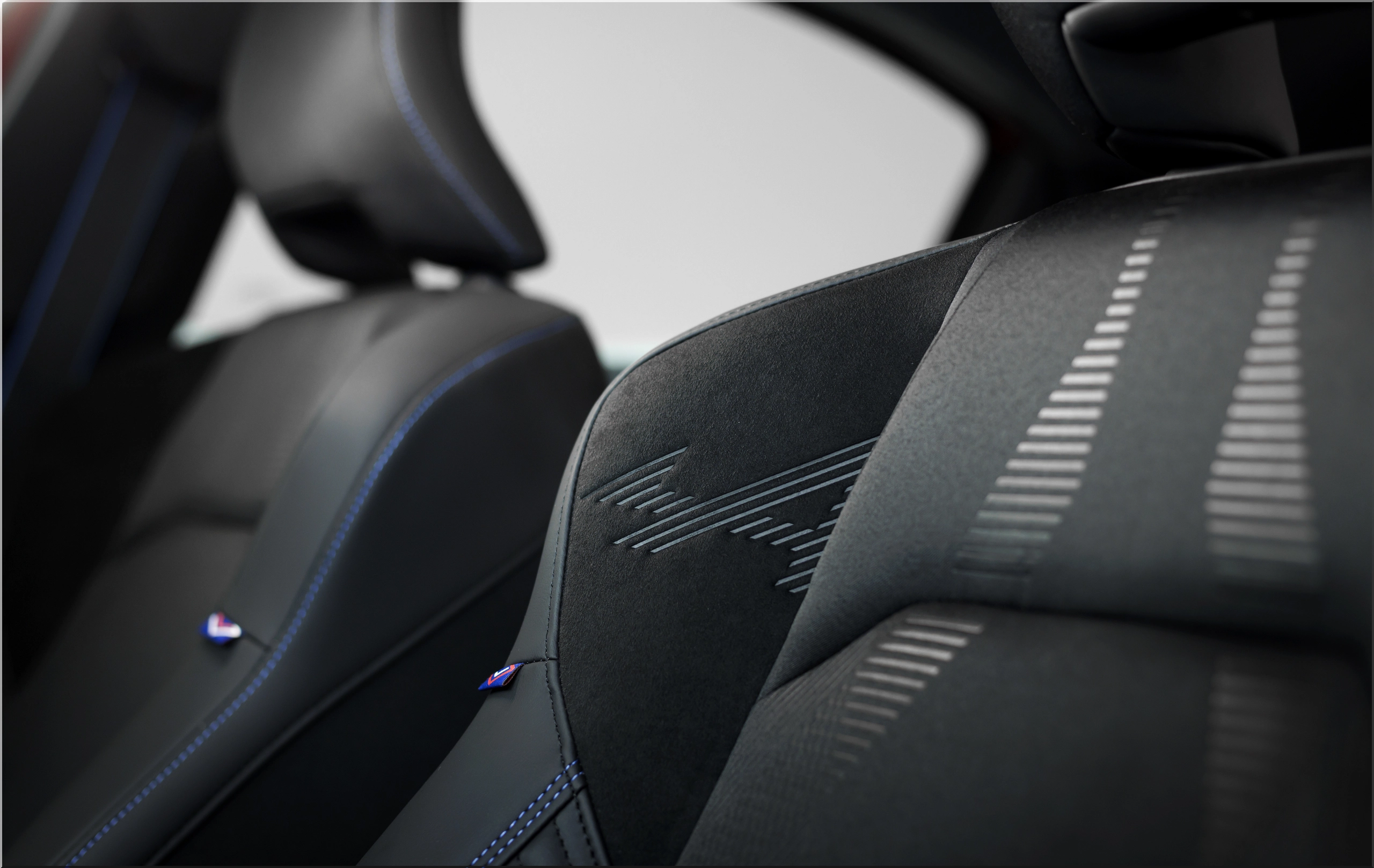
- New seats with recycled materials and Alcantara (Esprit Alpine trim).
- Storage upgrades: central console with lid, multiple USB-C ports, wireless charging pad.
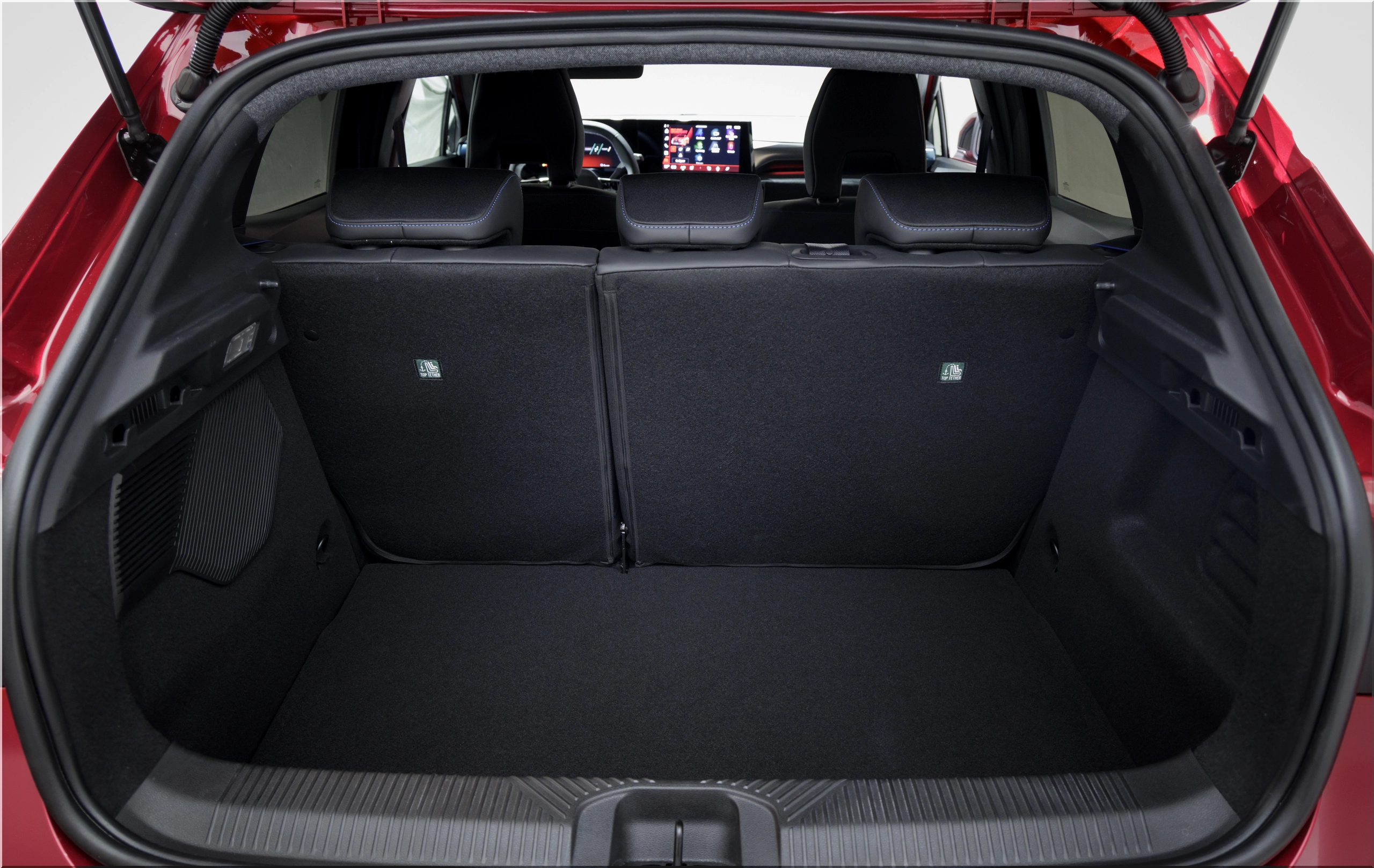
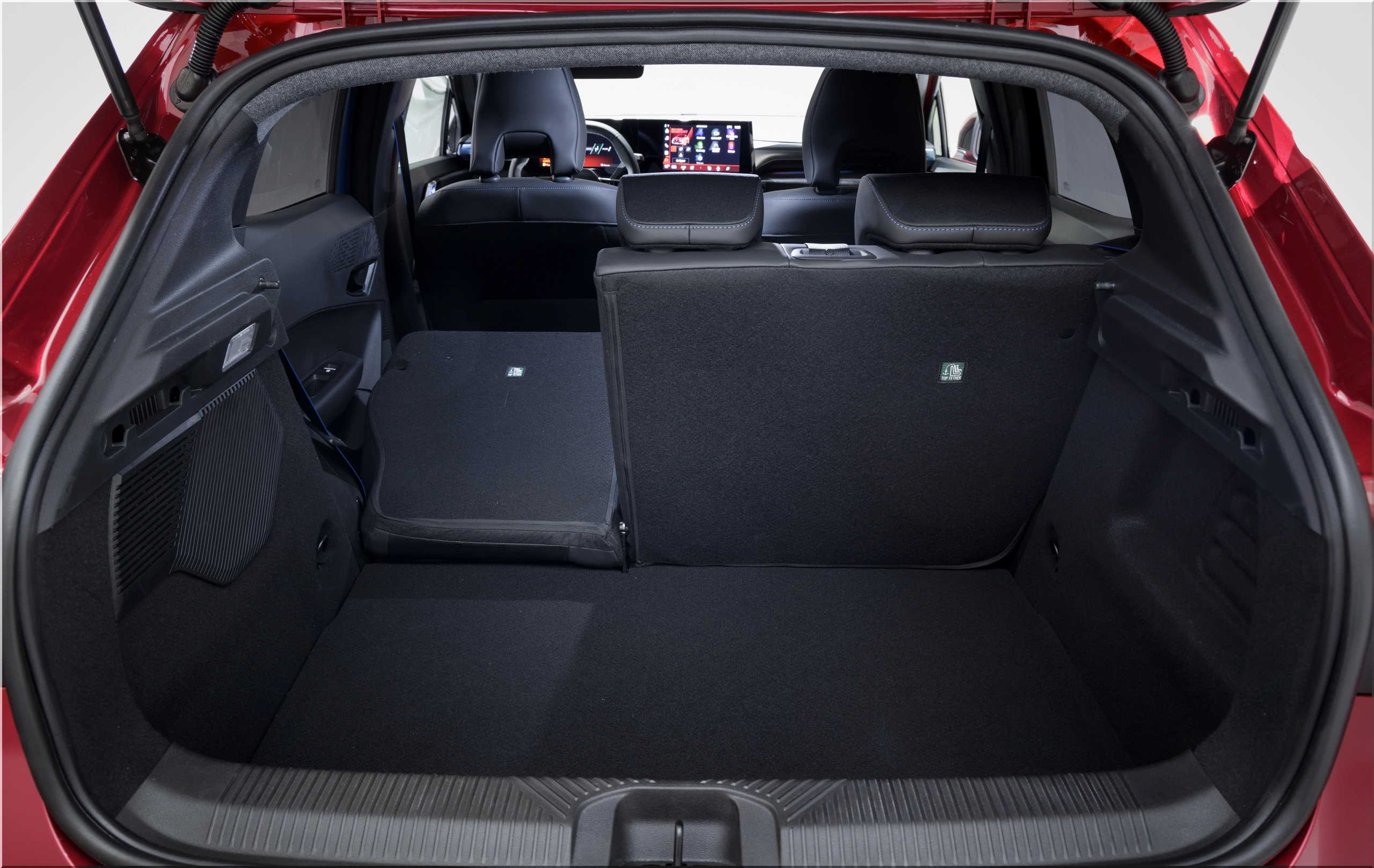
- Boot capacity: up to 391 liters, with a lower sill for easier loading.
The cabin positions the Clio closer to premium hatchbacks in technology and ergonomics.
Powertrains: Performance Meets Efficiency
Renault offers four powertrain options to fit different markets and customer needs.
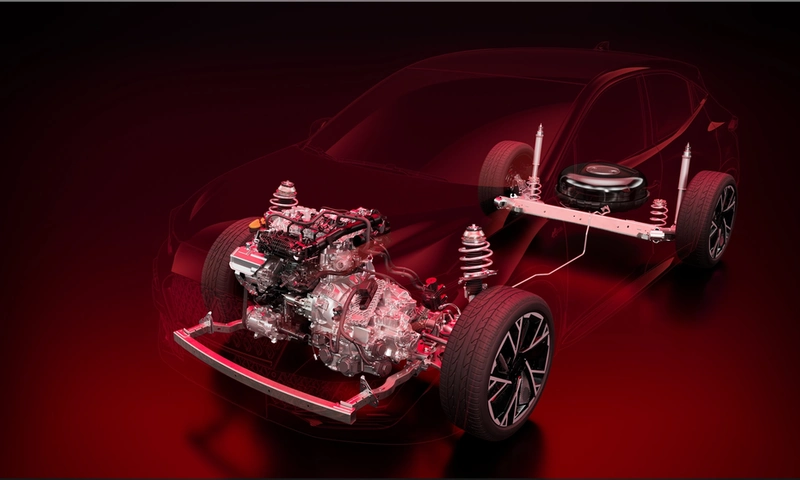
E-Tech Full Hybrid 160 hp
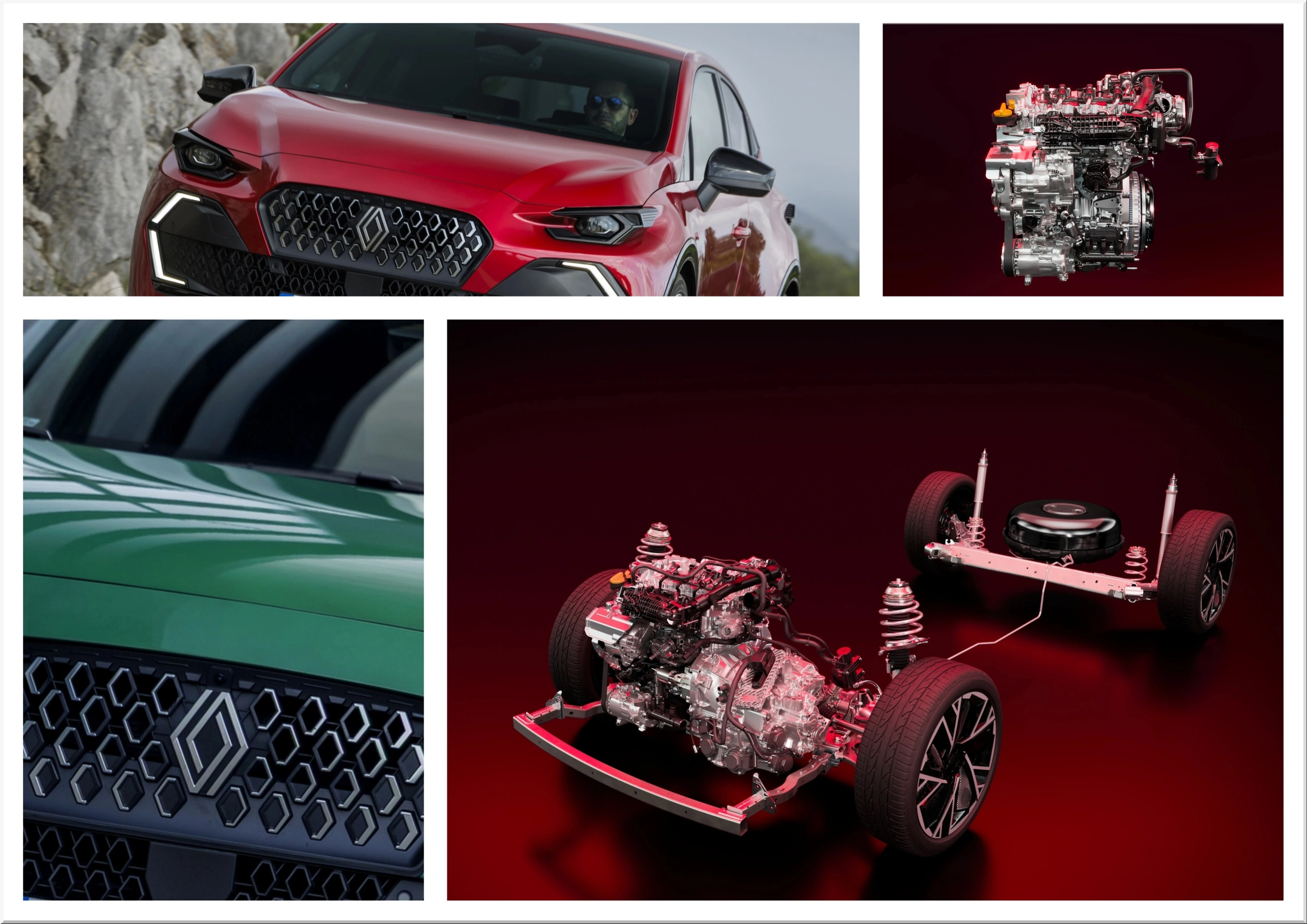
- Engine: 1.8L Atkinson-cycle 4-cylinder + 2 electric motors
- Output: 160 hp
- Torque: 172 Nm (engine) + 205 Nm (motor)
- 0–100 km/h: 8.3 seconds
- Fuel consumption: 3.9 L/100 km
- CO2 emissions: 89 g/km
- Urban driving: Up to 80% in all-electric mode
- Range: ~1,000 km on motorways
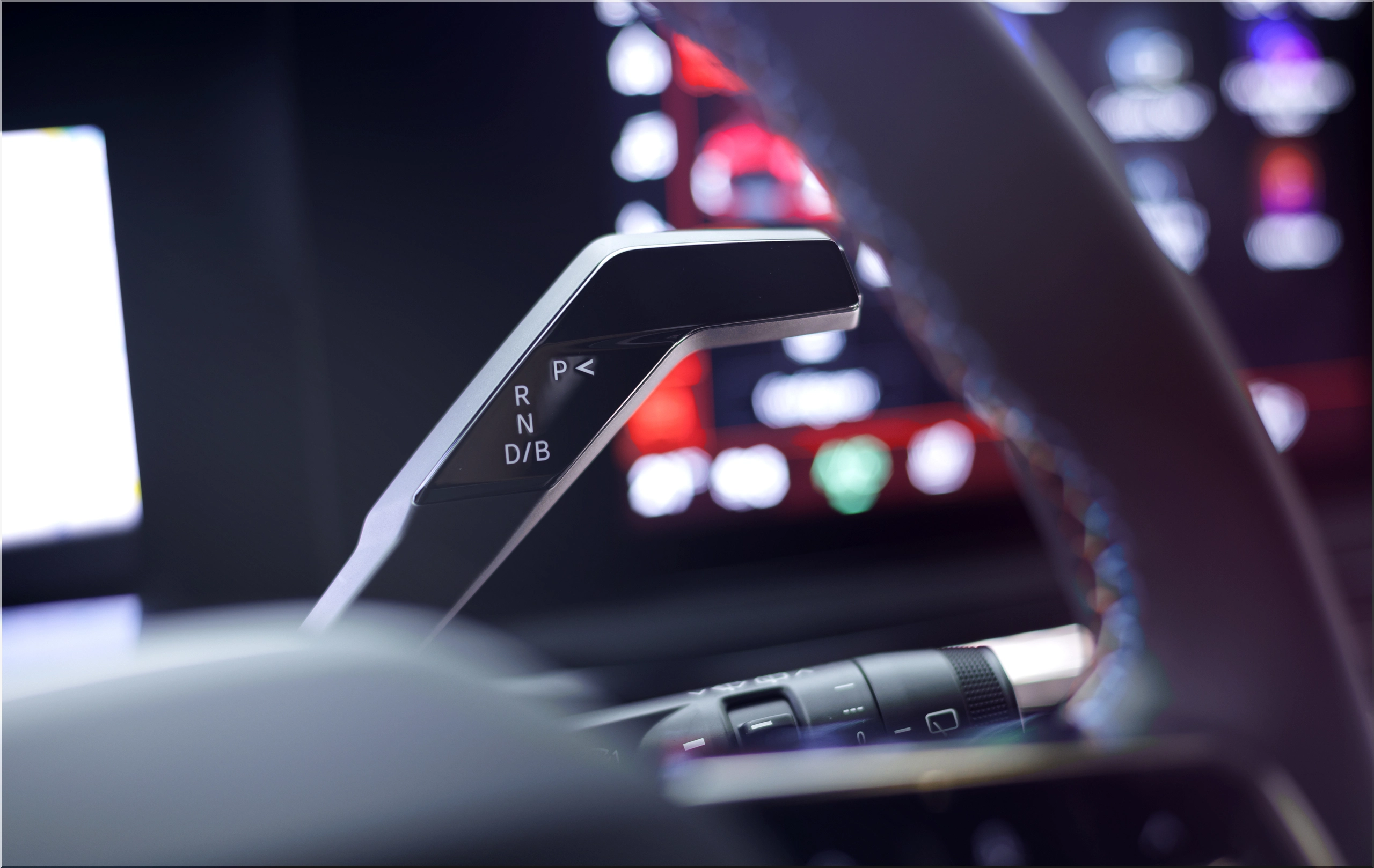
Technology: multimode intelligent gearbox with Formula 1-inspired design, allowing 15 motor-engine pairings.
TCe 115 hp
- Engine: 1.2L 3-cylinder turbocharged petrol
- Transmission: 6-speed manual or EDC dual-clutch automatic
- 0–100 km/h: 10.1 seconds
- Fuel consumption: 5.0–5.1 L/100 km
- CO2 emissions: 114–116 g/km
Eco-G 120 hp (Dual Fuel Petrol + LPG)
- Engine: 1.2L 3-cylinder dual-fuel
- Transmission: EDC automatic
- 0–100 km/h: 10.1 seconds
- Fuel consumption: 6.9 L/100 km
- CO2 emissions: ~107 g/km
This variant offers lower running costs and longer driving range.
E-Tech 145 hp (previous generation, now phased out)
- Still available in some markets but superseded by the 160 hp version.
Trims and Equipment
Renault simplifies the lineup into three trims:
Evolution (Entry)
- Adaptive cruise control
- Lane keep assist, driver monitoring
- 10-inch central screen
- Air conditioning
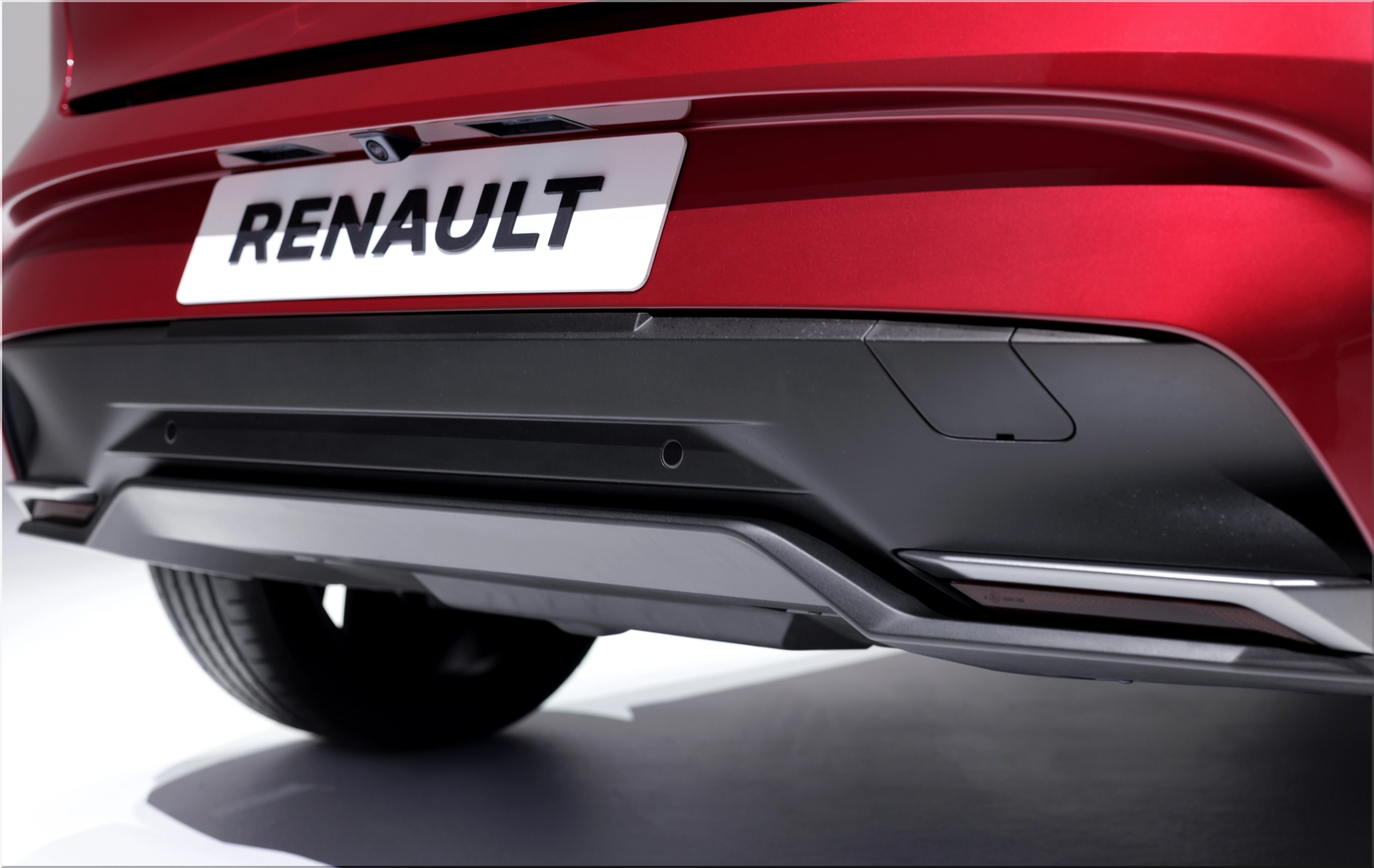
- Rear parking sensors
Techno
- OpenR Link with Google built-in (Maps, Assistant, Play)
- Automatic climate control
- LED ambient lighting
- 16-inch alloy wheels
- Hands-free key card
- Reversing camera
Esprit Alpine (Top)
- Alcantara seats, aluminum pedals
- 18-inch alloy wheels with blue highlights
- Intelligent adaptive cruise control
- Blind spot warning, rear cross-traffic alert
- Exclusive Alpine-inspired design
Technology and Connectivity
- OpenR Link infotainment with Google built-in:
- Navigation via Google Maps
- Voice commands with Google Assistant
- Google Play app access
- 2 GB/month free data package for 3 years (supports 40 hours of music streaming or 3 hours of video).
- Over-the-air software updates and connected maintenance.
- Optional Harman Kardon system: 410 watts, 10 channels, 5 soundscapes created with Jean-Michel Jarre.
Video title
Renault Clio E-Tech Full Hybrid 2026
Safety and Driver Assistance
Up to 29 ADAS features available, including:
- Intelligent adaptive cruise control
- Automatic emergency braking (forward and reverse)
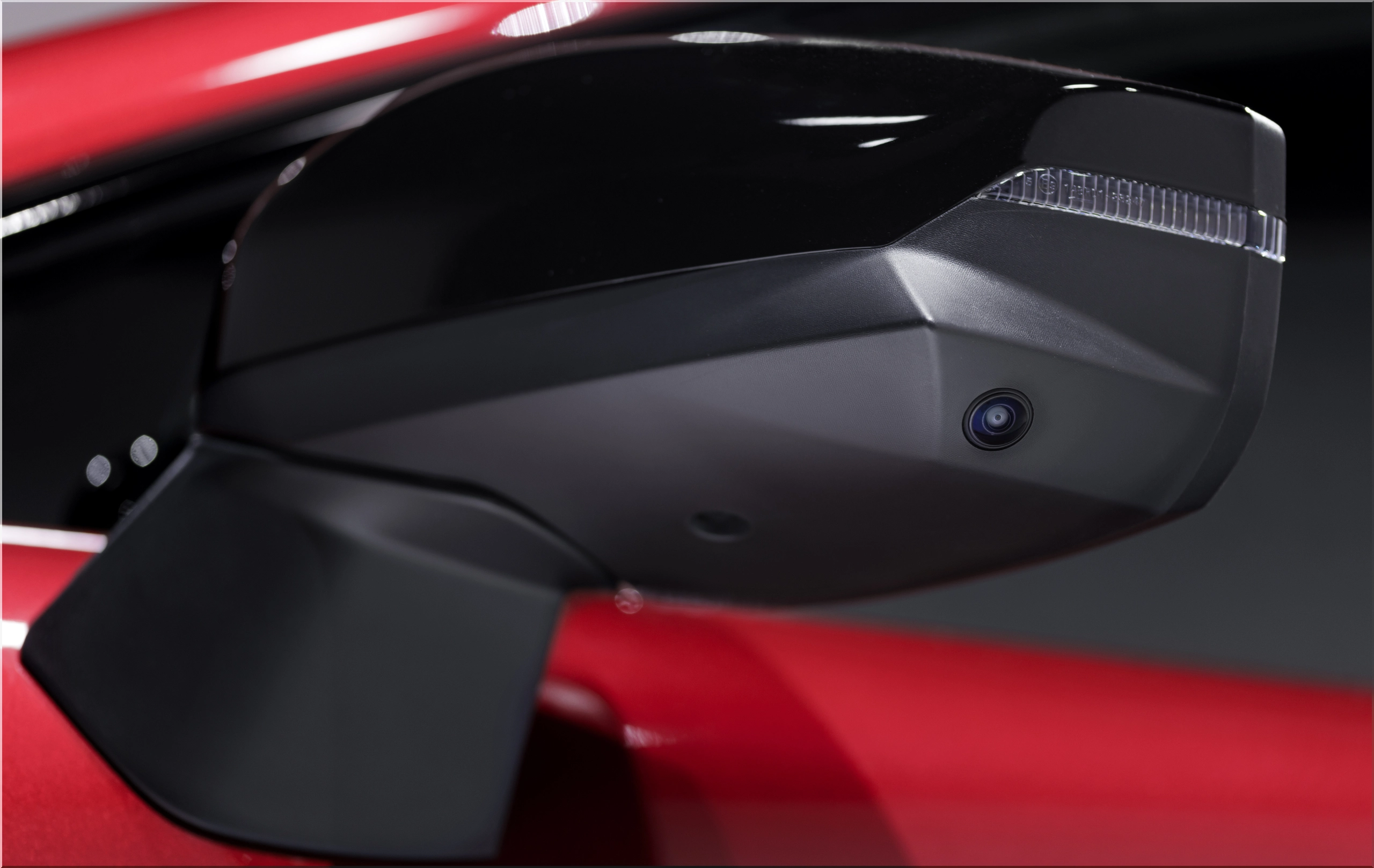
- 360° HD camera
- Lane keeping assist
- Safe-exit alert
- Emergency stop assist
Renault’s Human First program integrates advanced monitoring systems:
- Driver camera for distraction and drowsiness detection.
- Safety Score and Safety Coach provide feedback and safety tips.
- QRescue QR code for emergency services.
Production and Market Position
- Manufactured in Bursa, Turkey, at Renault’s largest plant.
- Plant produces over 1,000 units per day.
- Over 5 million Clios built at Bursa to date.
- Exports cover Europe, Mediterranean, and Middle East markets.
Renault positions the Clio as part of a complementary B-segment strategy, alongside:
- Renault 5 E-Tech electric (compact hatchback)
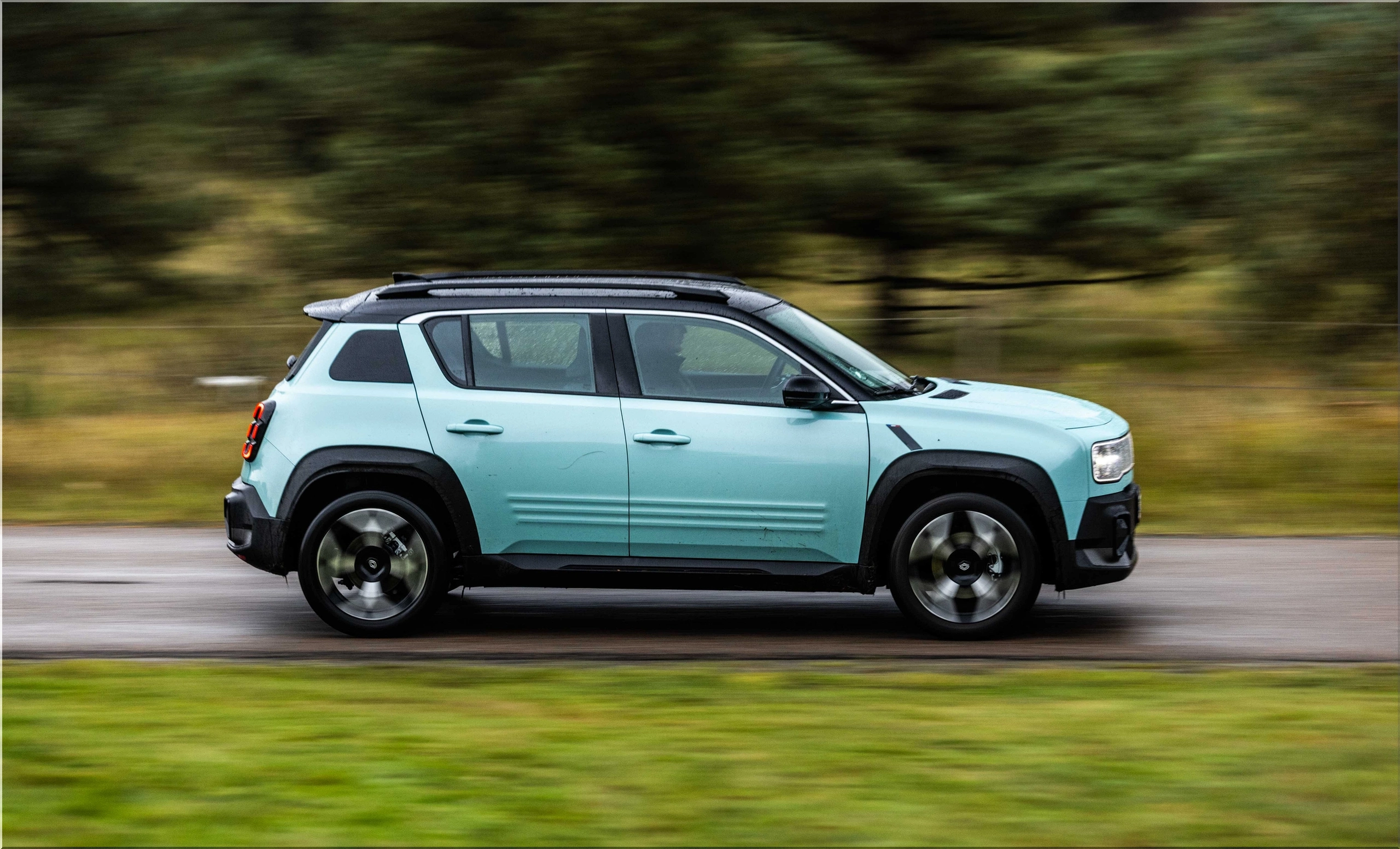
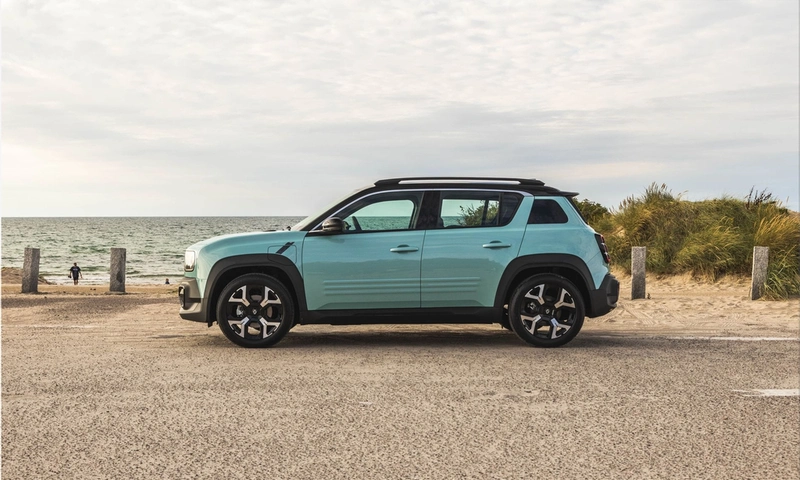
- Renault 4 E-Tech electric (raised driving position)
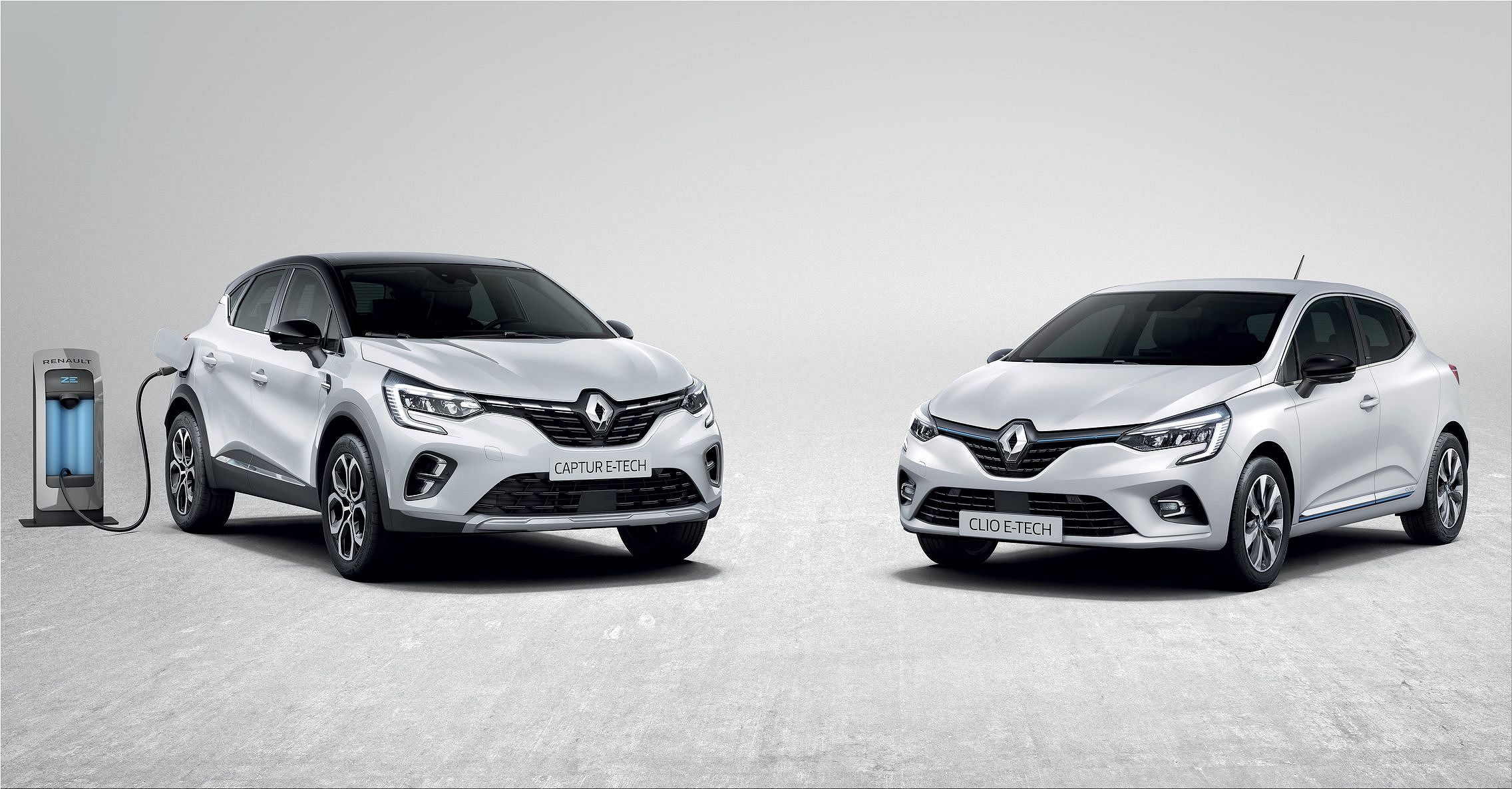
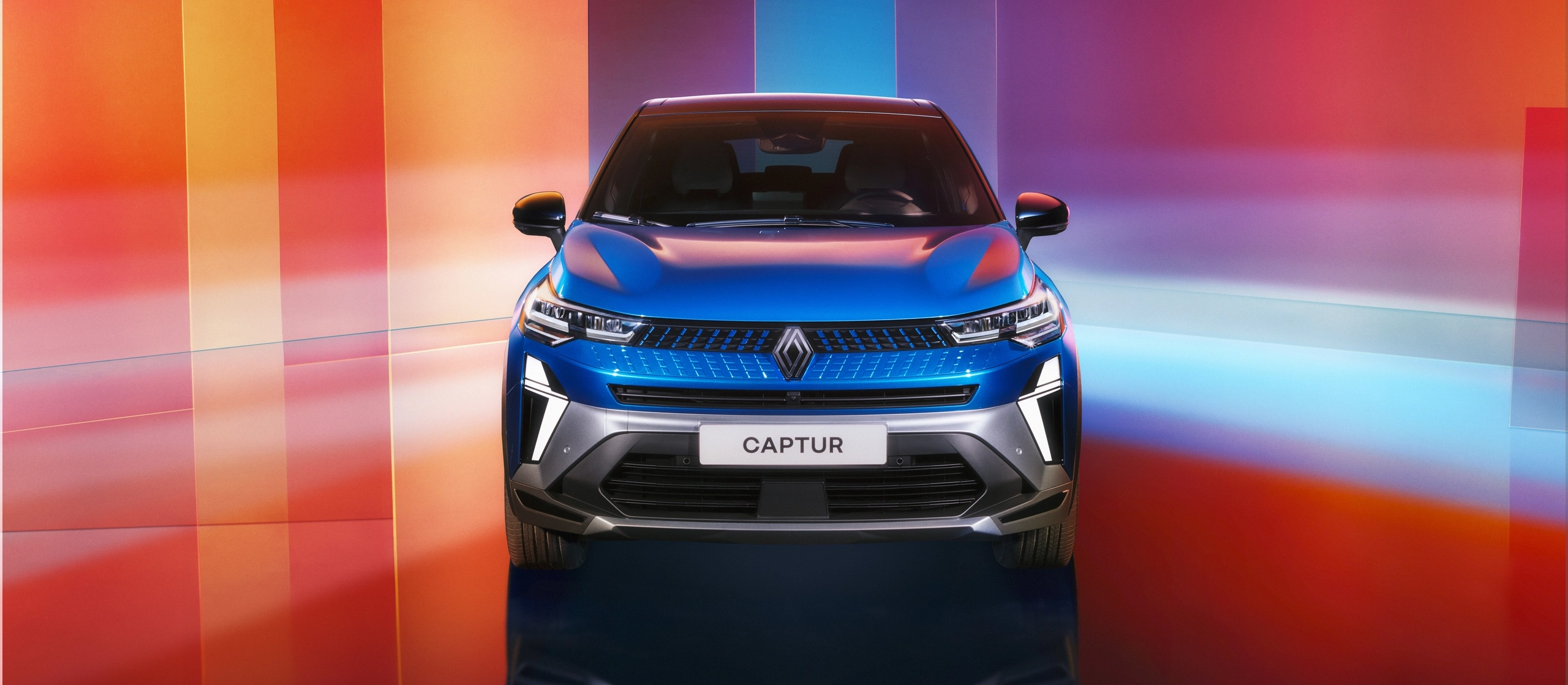
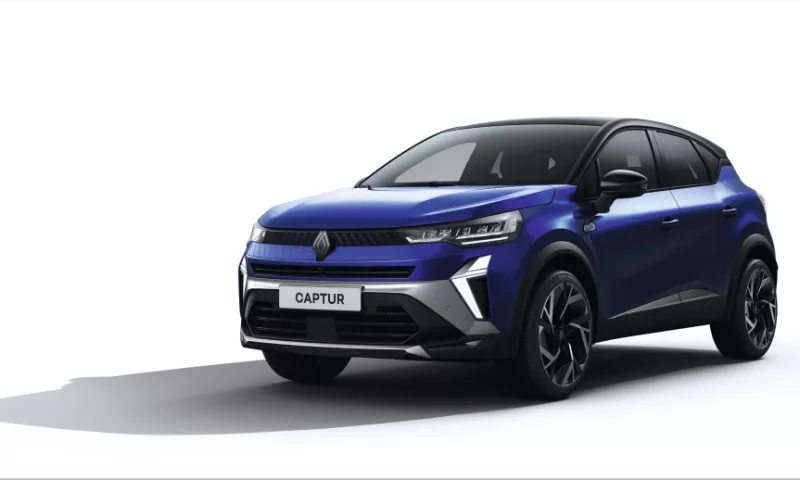
- Captur hybrid
Competitive Analysis
The 2026 Renault Clio competes in a crowded European B-segment. Key rivals:
| Model | Powertrain Options | Hybrid Tech | Length | Starting Price (USD, est.) |
|---|---|---|---|---|
| Renault Clio | Petrol, LPG, Hybrid 160 hp | Full hybrid | 4.12 m | ~$23,000 |
| Peugeot 208 | Petrol, Hybrid, EV | Mild/full | 4.05 m | ~$24,000 |
| Toyota Yaris Hybrid | Petrol hybrid only | Full hybrid | 3.94 m | ~$25,000 |
| VW Polo | Petrol only | No hybrid | 4.07 m | ~$24,500 |
Takeaway: Clio delivers best-in-class hybrid efficiency (3.9 L/100 km) with lower CO2 emissions than rivals, while undercutting some on pricing.
Image gallery


Key Takeaways
- The Clio remains Europe’s top-selling car in 2025, proving demand is strong.
- The E-Tech 160 hybrid offers 40% fuel savings compared to petrol engines.
- Renault integrates Google services into the B-segment for the first time.
- Buyers get 29 ADAS options, more than most rivals in this category.
- Production scale ensures availability and competitive pricing.
Image gallery

Conclusion
The 2026 Renault Clio shows why the nameplate continues to dominate European sales. With record-low emissions, smarter hybrid performance, and Google-powered tech, it keeps Renault ahead in the B-segment race. The numbers suggest a clear outcome: the Clio is designed to stay on top by combining efficiency, affordability, and features that previously belonged to larger cars.
- Add new comment
- 400 views