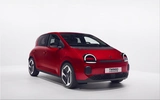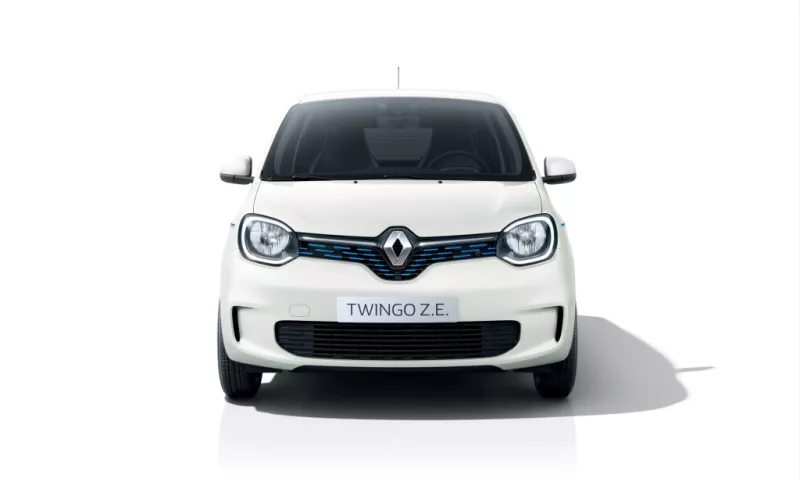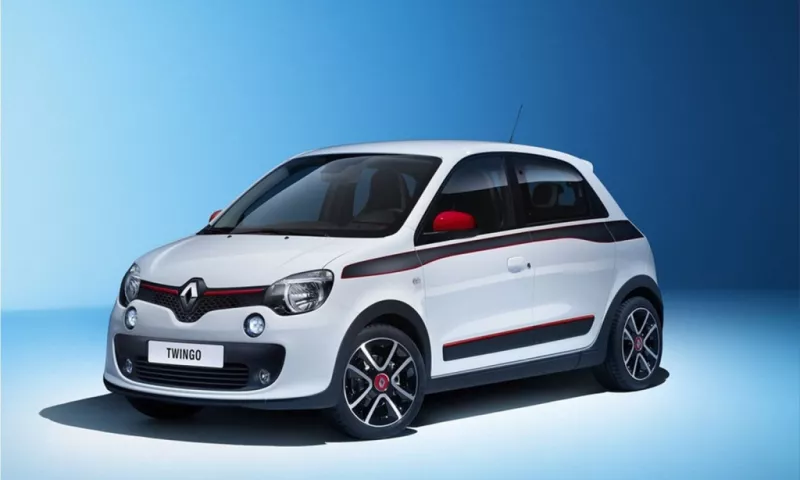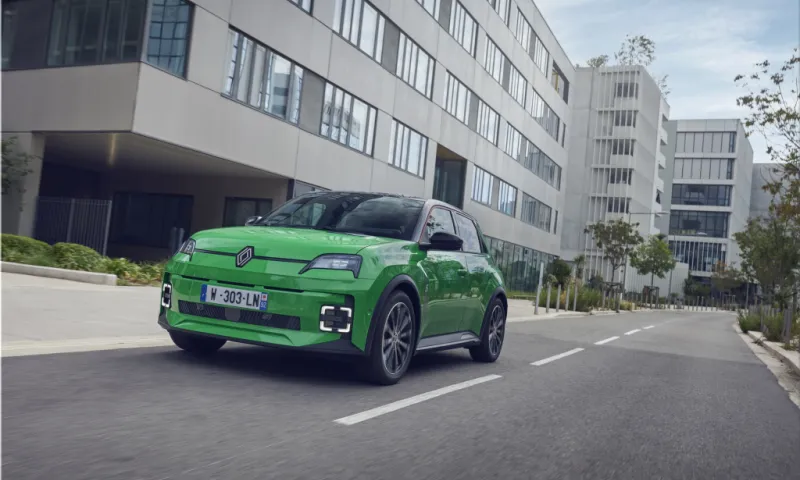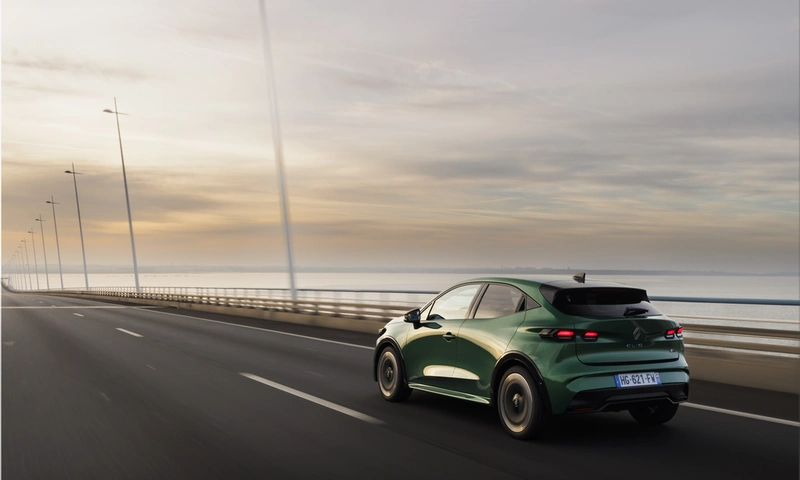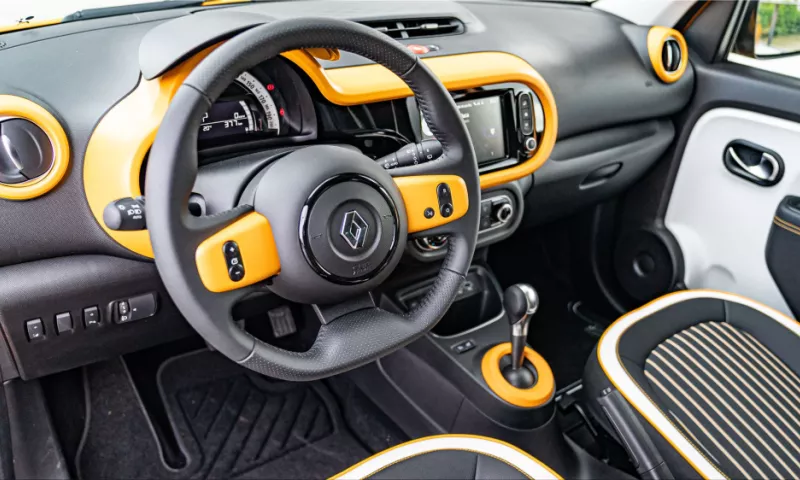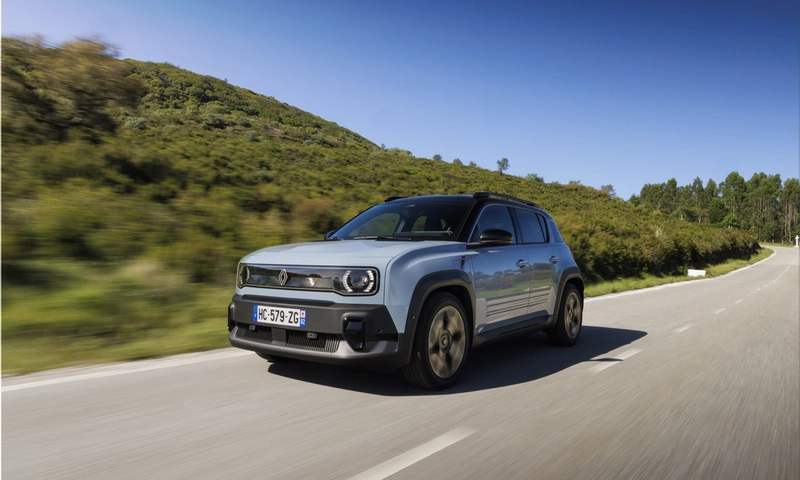
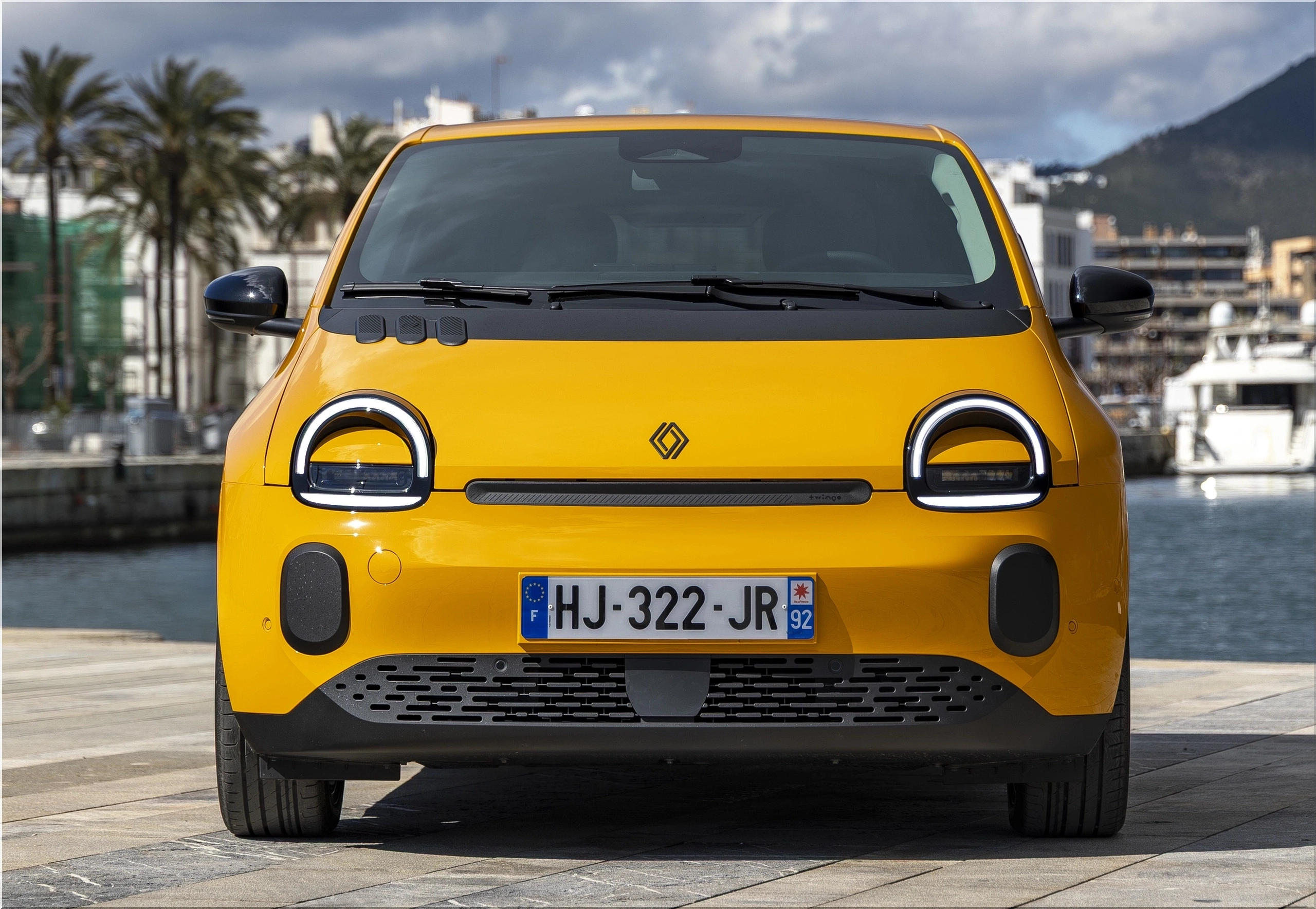
The new Renault Twingo E-Tech electric attacks the small-EV problem from the right end. It does not chase headline power, giant battery capacity, or crossover bulk. It goes after the city-car brief with hard numbers: a 27.5 kWh LFP battery, 175 Nm of torque, 262 to 263 km of WLTP range, a 9.9 m turning circle, and a base Dutch on-road price of about $24,340.
Image
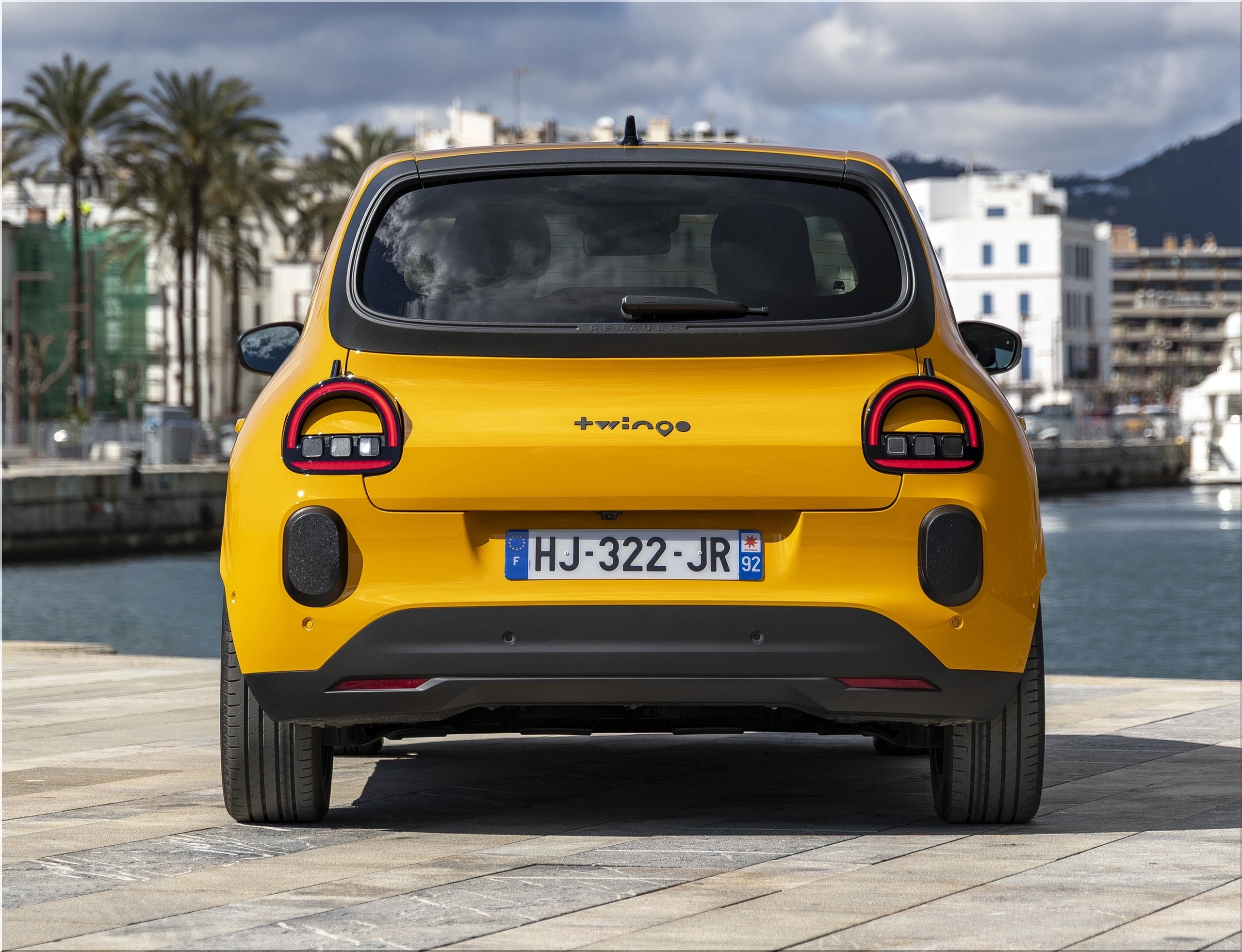
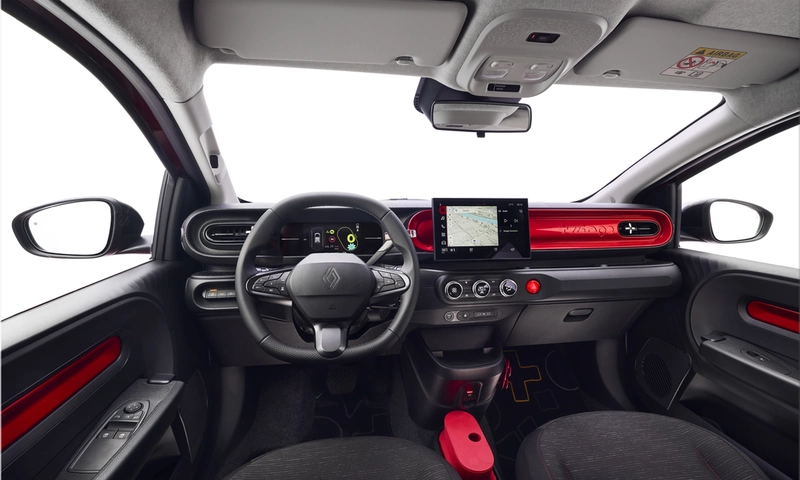
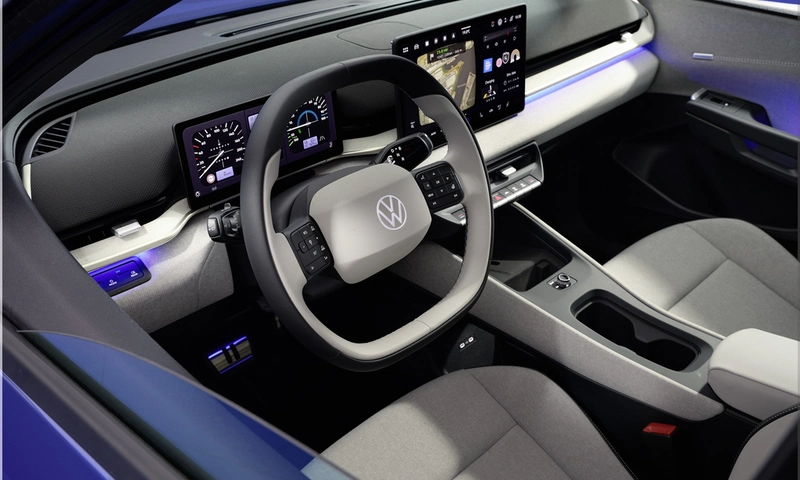
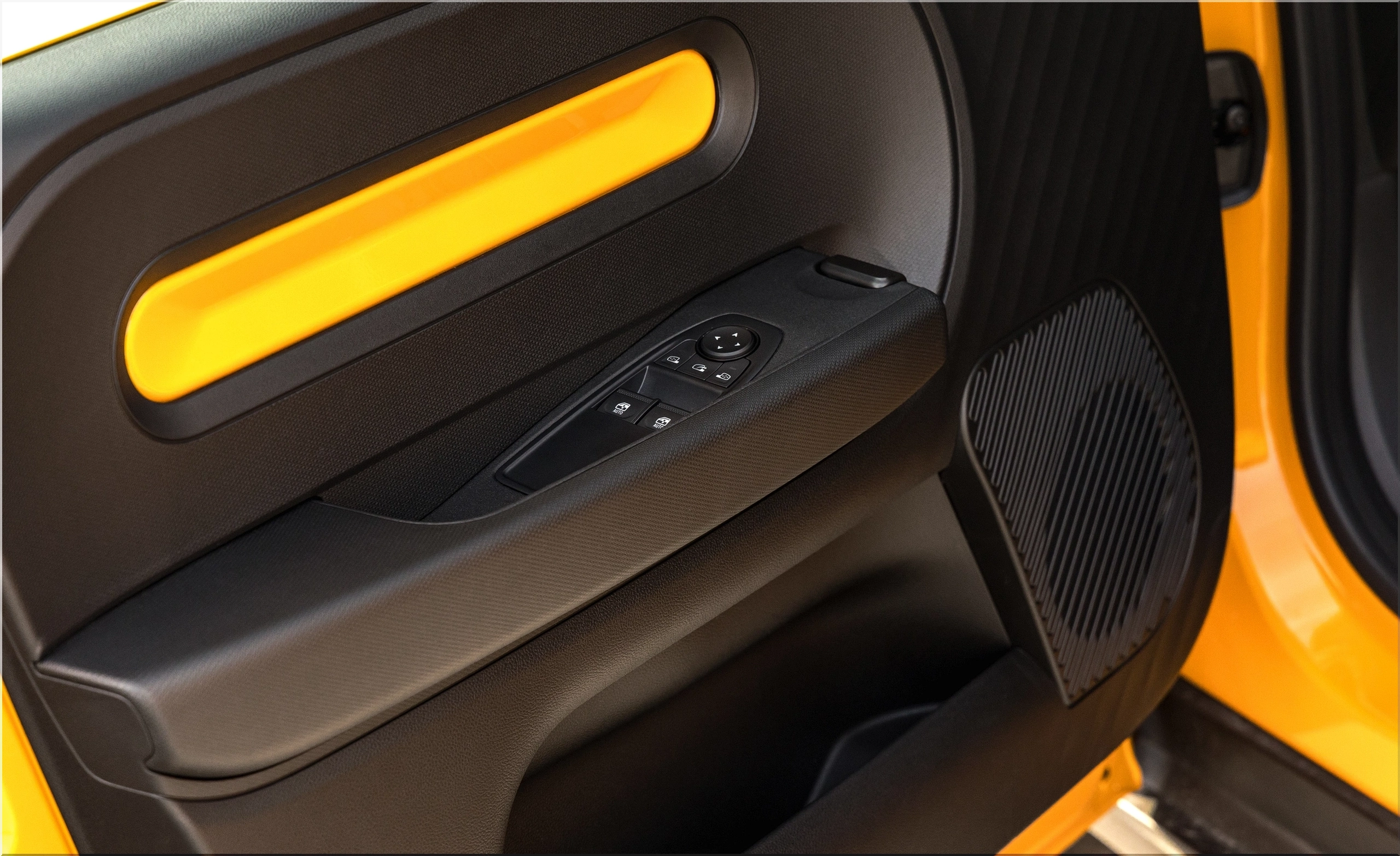
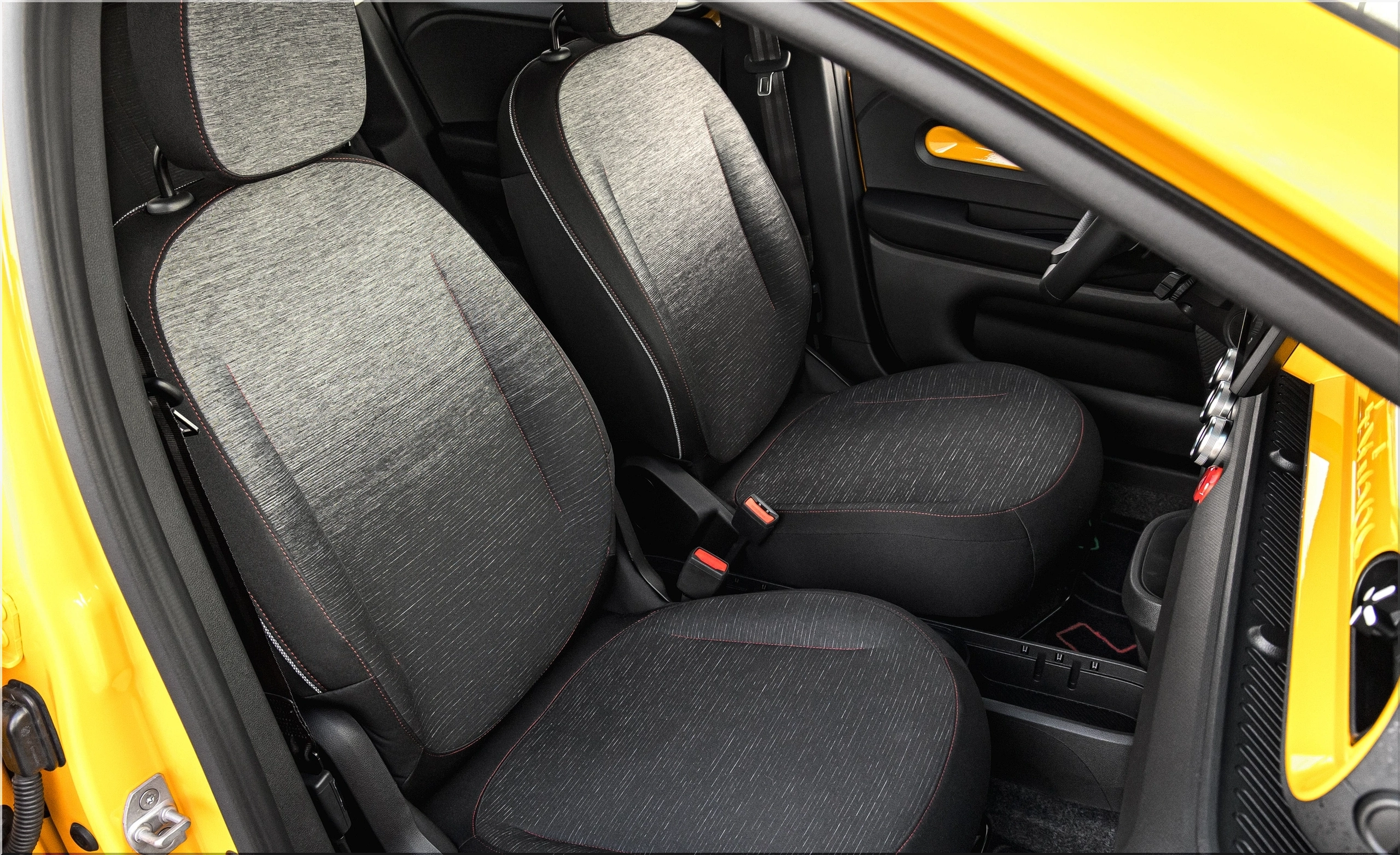
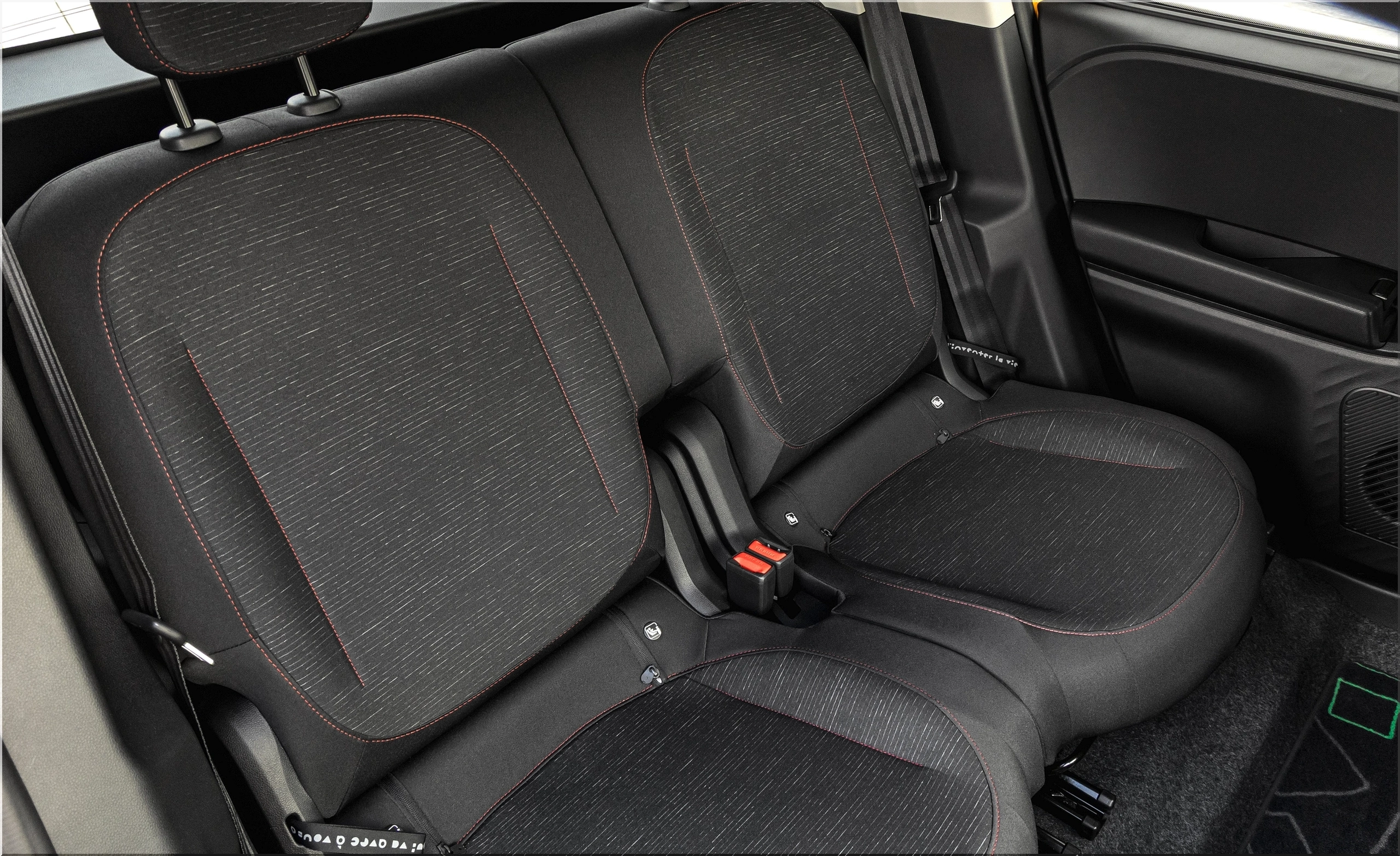
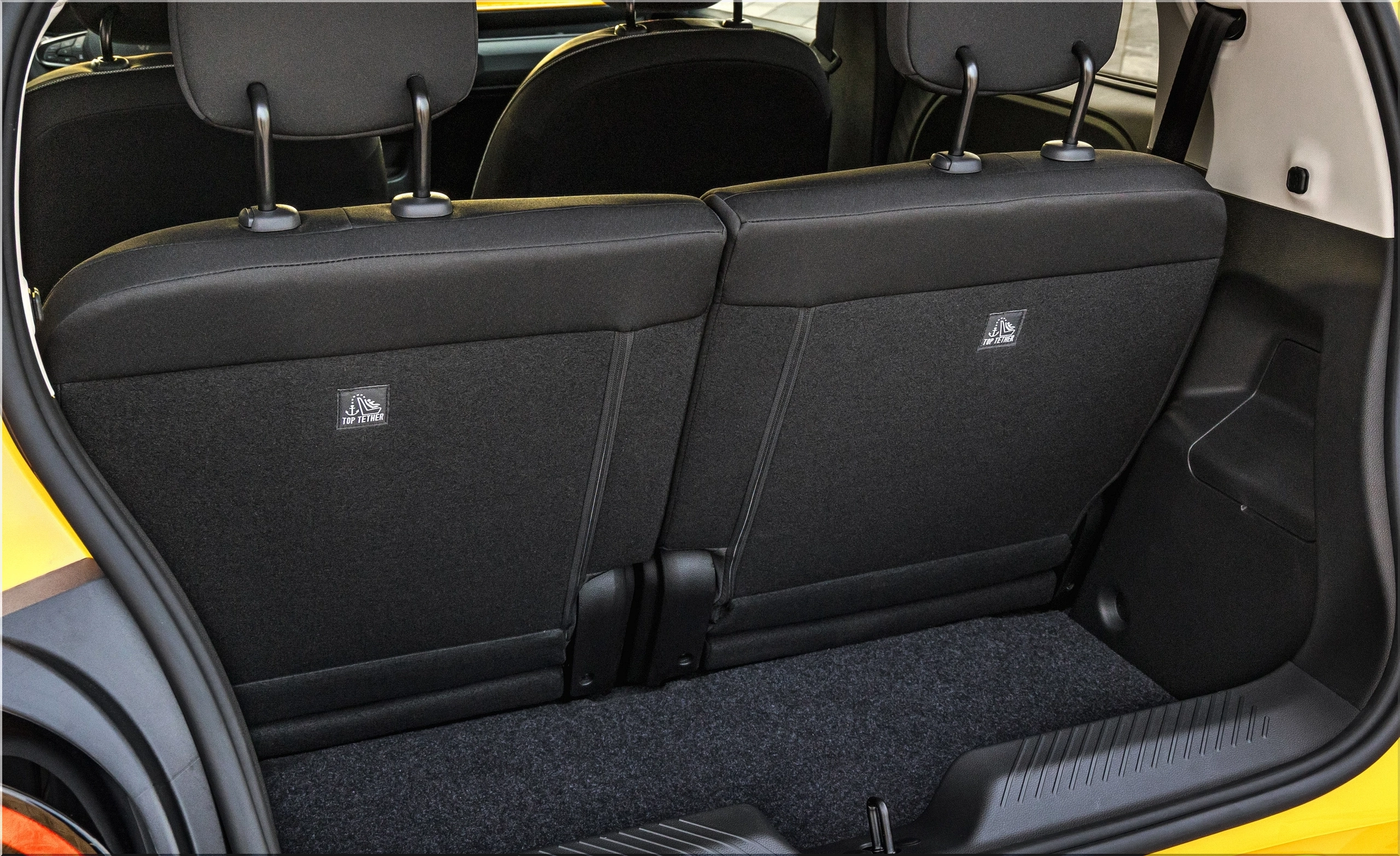
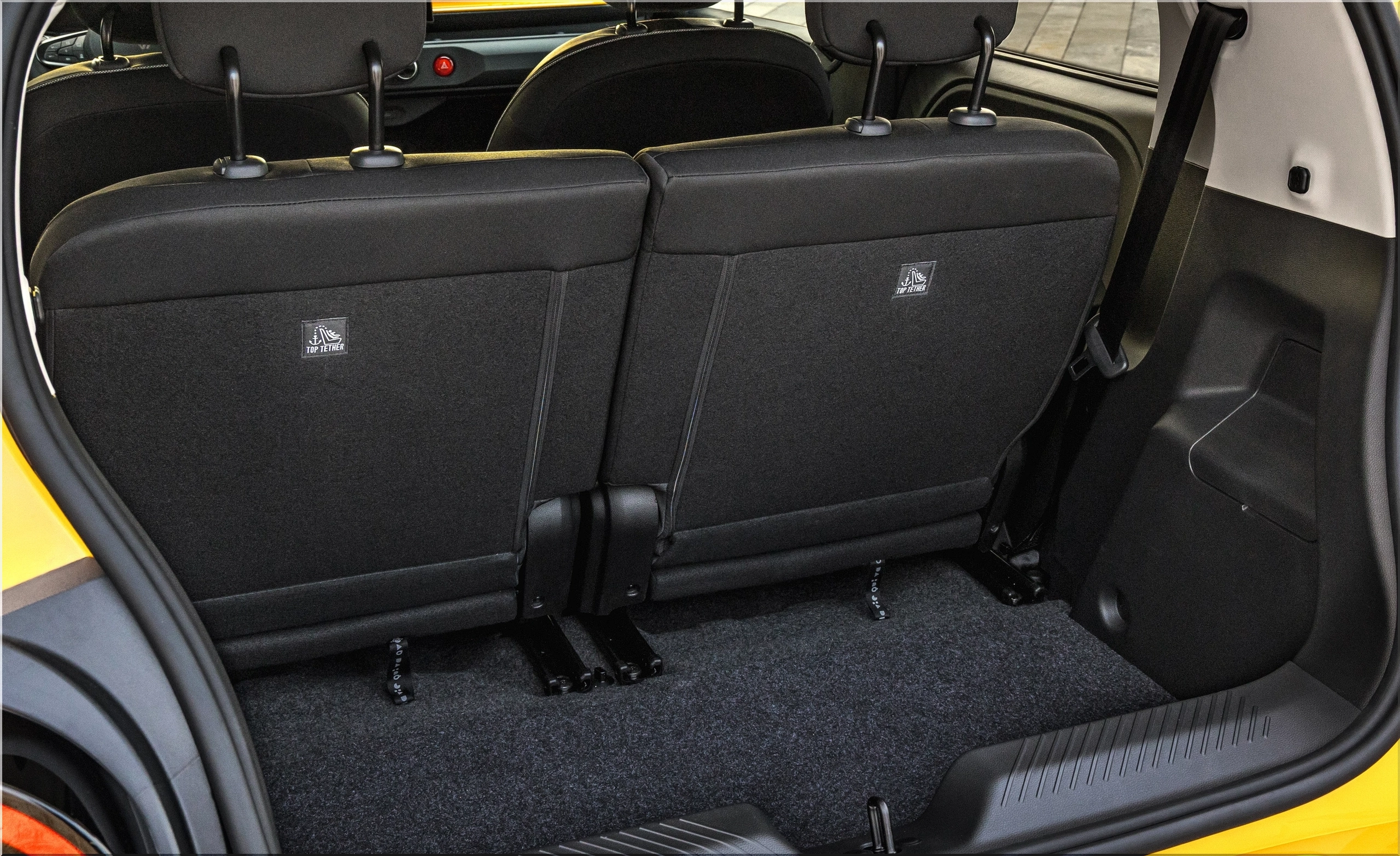
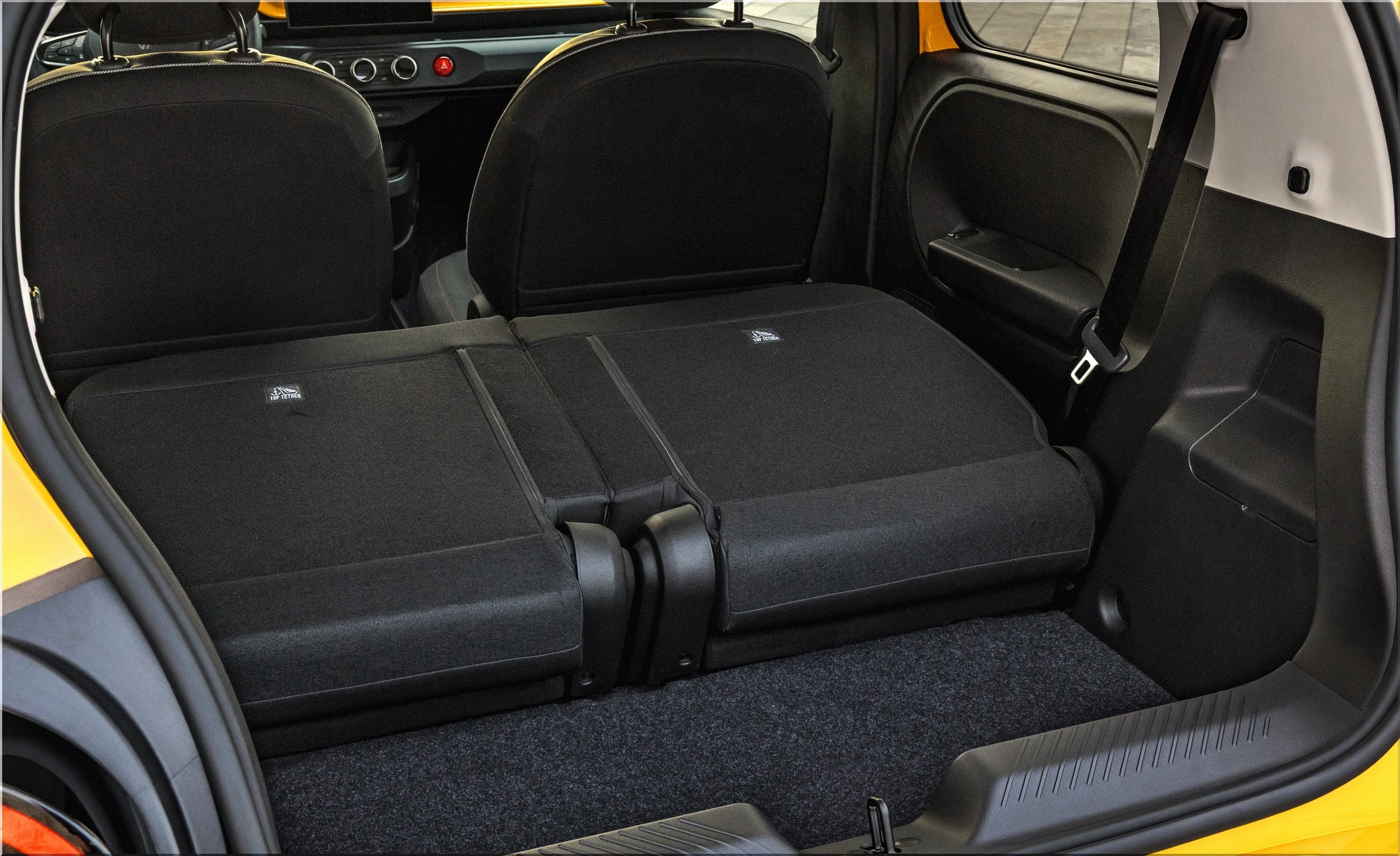
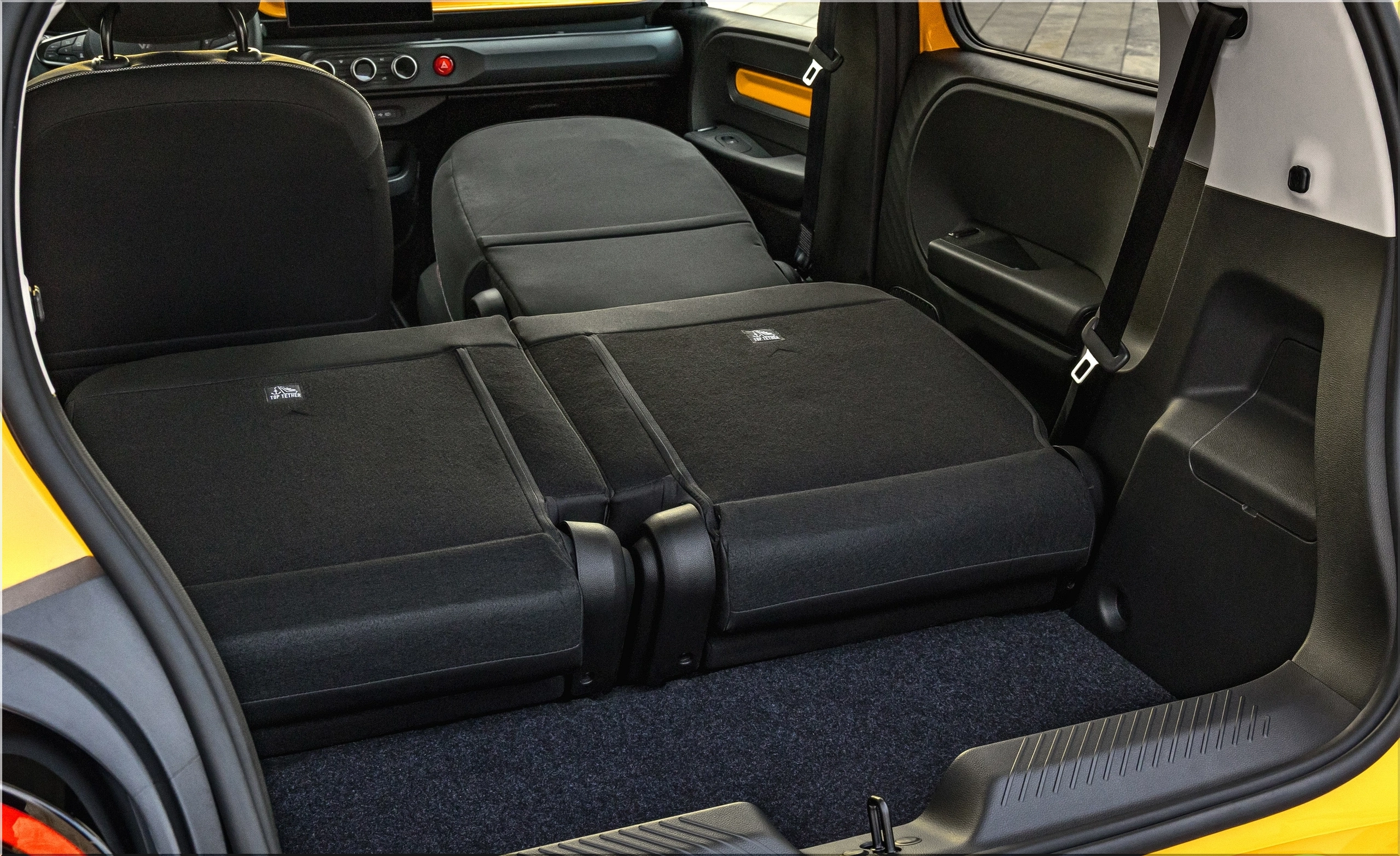
That formula works because Renault kept the car tight where buyers need tight, then spent money where daily use hurts most. Specifically, the cabin gets five doors, two independent sliding rear seats, a folding passenger seat, and cargo flexibility that stretches from 260 liters to 1,010 liters. Looking at the data, the Twingo does not try to be a mini family SUV. It tries to be the smartest urban electric car in Europe under the psychological $25,000 line.
Why the new Twingo matters
Renault knows this badge. The original Twingo built its name on packaging efficiency, and the new car follows the same script with electric hardware and tighter cost control.
Three numbers frame the whole pitch:
- 3,789 mm / 149.2 in overall length
- 2,493 mm / 98.1 in wheelbase
- 1,275 kg / 2,811 lb curb-ready mass
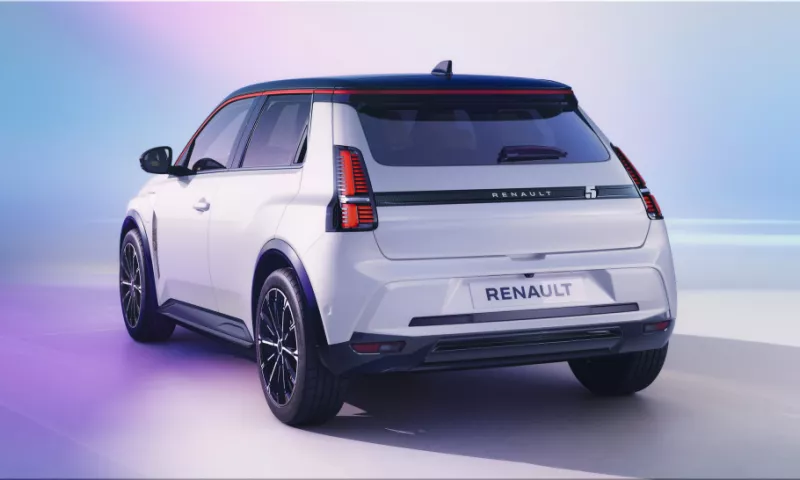
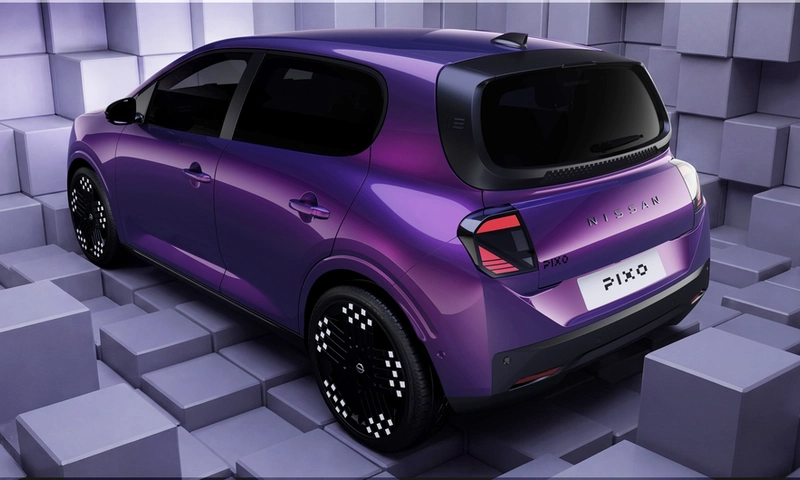
That wheelbase-to-length ratio tells the story. Renault pushed the cabin far into the footprint, then added sliding rear seats and a flat-fold passenger seat so the Twingo can carry four adults or swallow long cargo up to 2 meters / 78.7 inches. By comparison, plenty of cheap EVs force buyers to pick one strength: low price, rear-seat room, or usable trunk space. The Twingo tries to hold all three.
Image
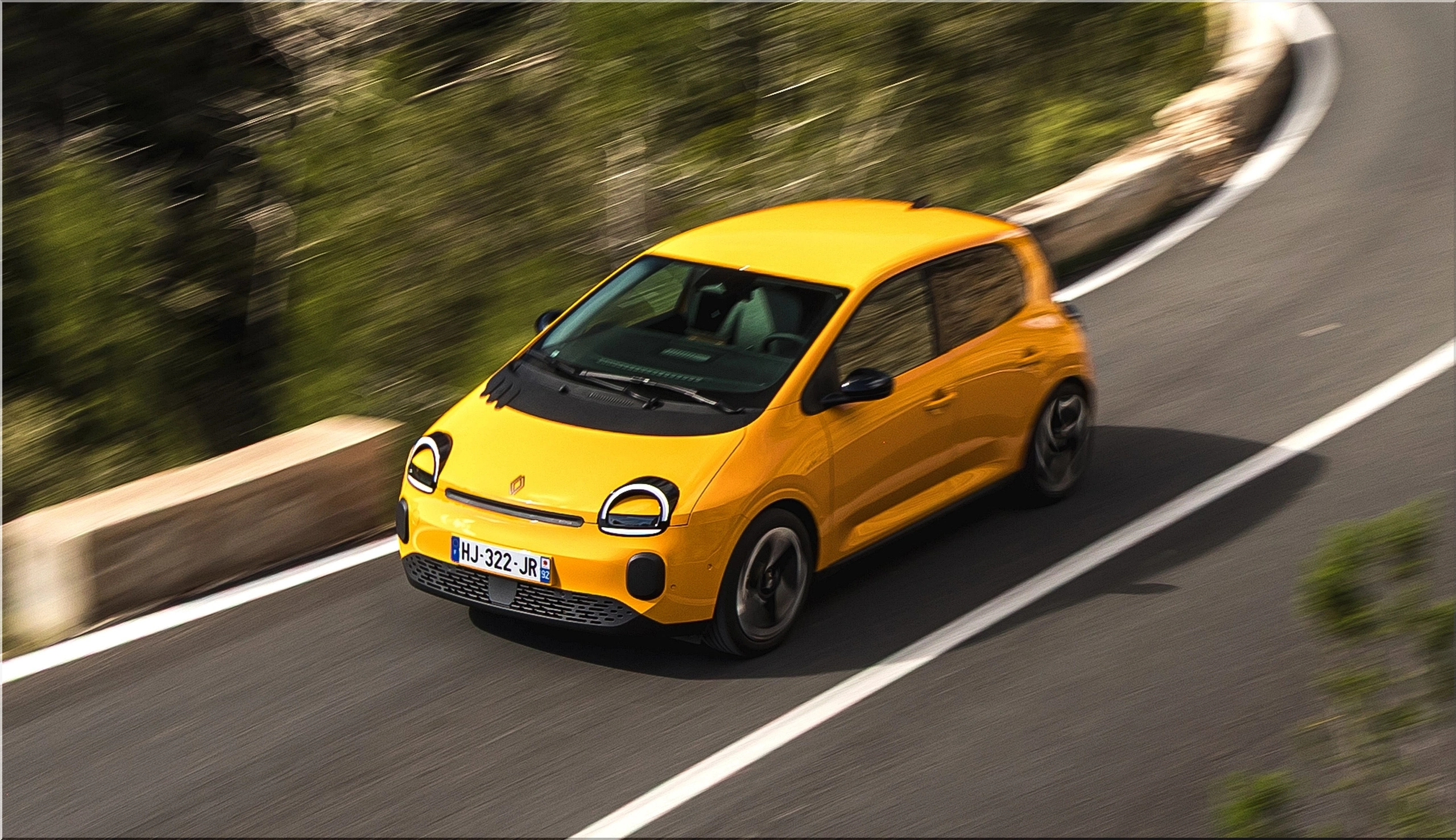
Renault Twingo E-Tech electric specs that actually count
| Spec | Renault Twingo E-Tech electric |
|---|---|
| Battery | 27.5 kWh LFP |
| Motor output | 60 kW / 82 hp |
| Torque | 175 Nm / 129 lb-ft |
| WLTP range | 262-263 km / about 163 mi |
| Energy use | 12.2-13.0 kWh/100 km |
| AC charging | 11 kW |
| DC fast charging | 50 kW |
| DC charge time | 10-80% in 30 minutes |
| 0-100 km/h | 12.1 seconds |
| Top speed | 130 km/h / 80.8 mph |
| Length | 3,789 mm / 149.2 in |
| Width | 1,720 mm / 67.7 in |
| Height | 1,491 mm / 58.7 in |
| Wheelbase | 2,493 mm / 98.1 in |
| Turning circle | 9.9 m / 32.5 ft |
| Cargo space | 260-1,010 L / 9.2-35.7 cu ft |
| Seats | 4 |
From an expert perspective, the efficiency figure may be the biggest win here. A claimed 12.2 kWh/100 km works out to roughly 5.1 mi/kWh, which sits right where a well-sorted city EV should land. That lets Renault keep the battery small, the weight down, and the sticker lower than larger EVs that brute-force range with more cells.
Video title
Renault Twingo E-Tech Electric 2026
The engineering choices make sense
Renault did not arrive here by accident. It made a series of disciplined calls.
- It chose an LFP battery and a cell-to-pack layout to cut battery cost by about 20%.
- It kept output at 60 kW because city driving rewards response and efficiency more than top-end shove.
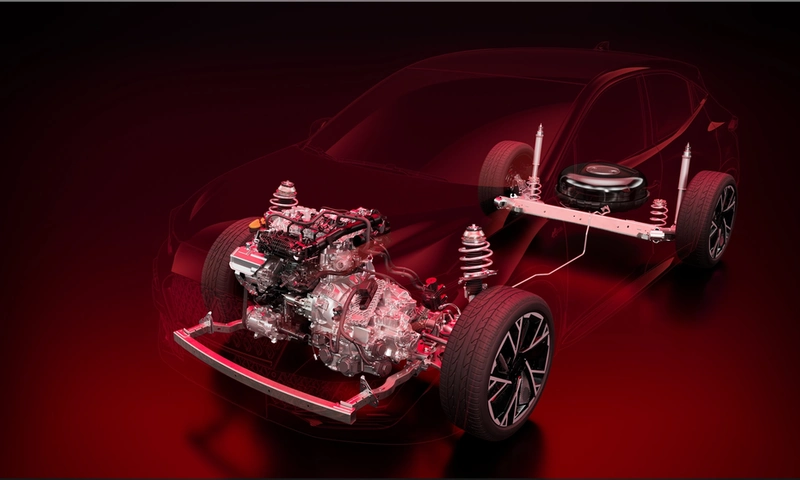
- It swapped the rear hardware to a simpler torsion-beam style setup instead of a pricier multi-link rear axle.
- It developed the car in 100 weeks, which slashed time and engineering cost.
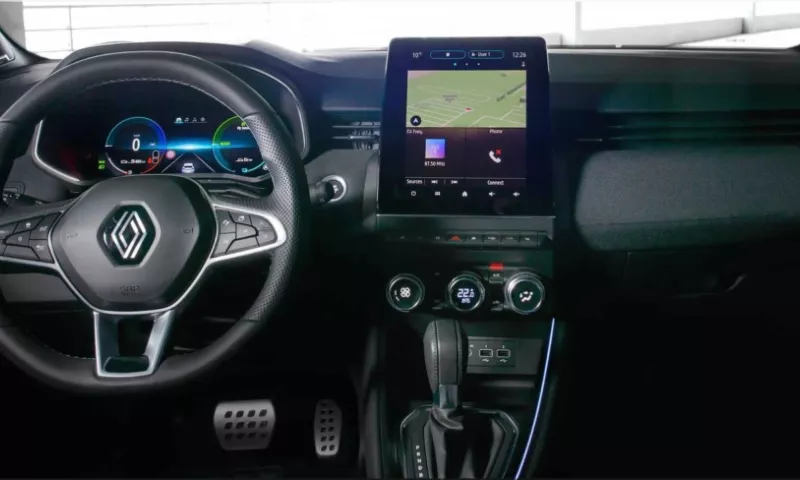
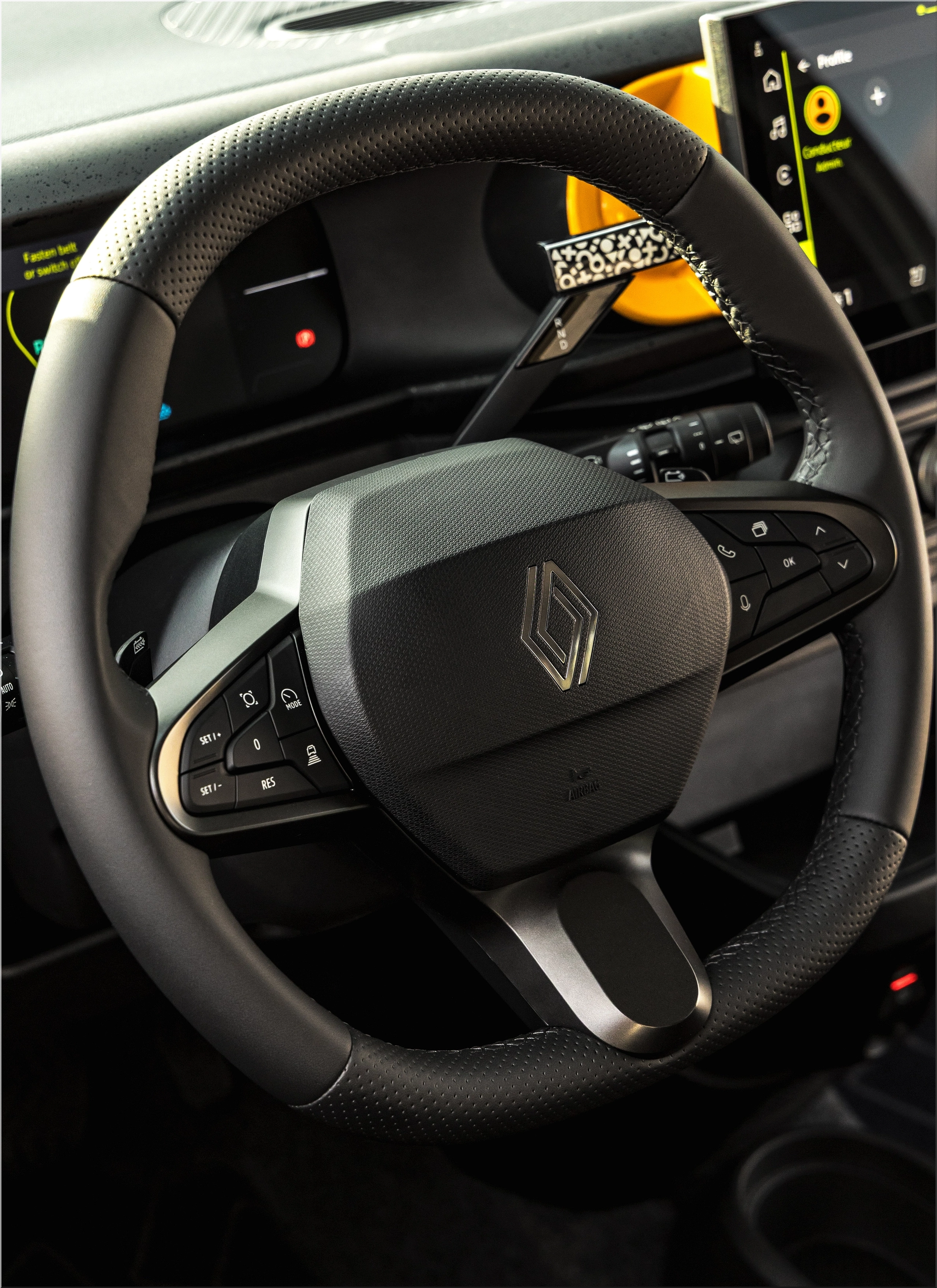
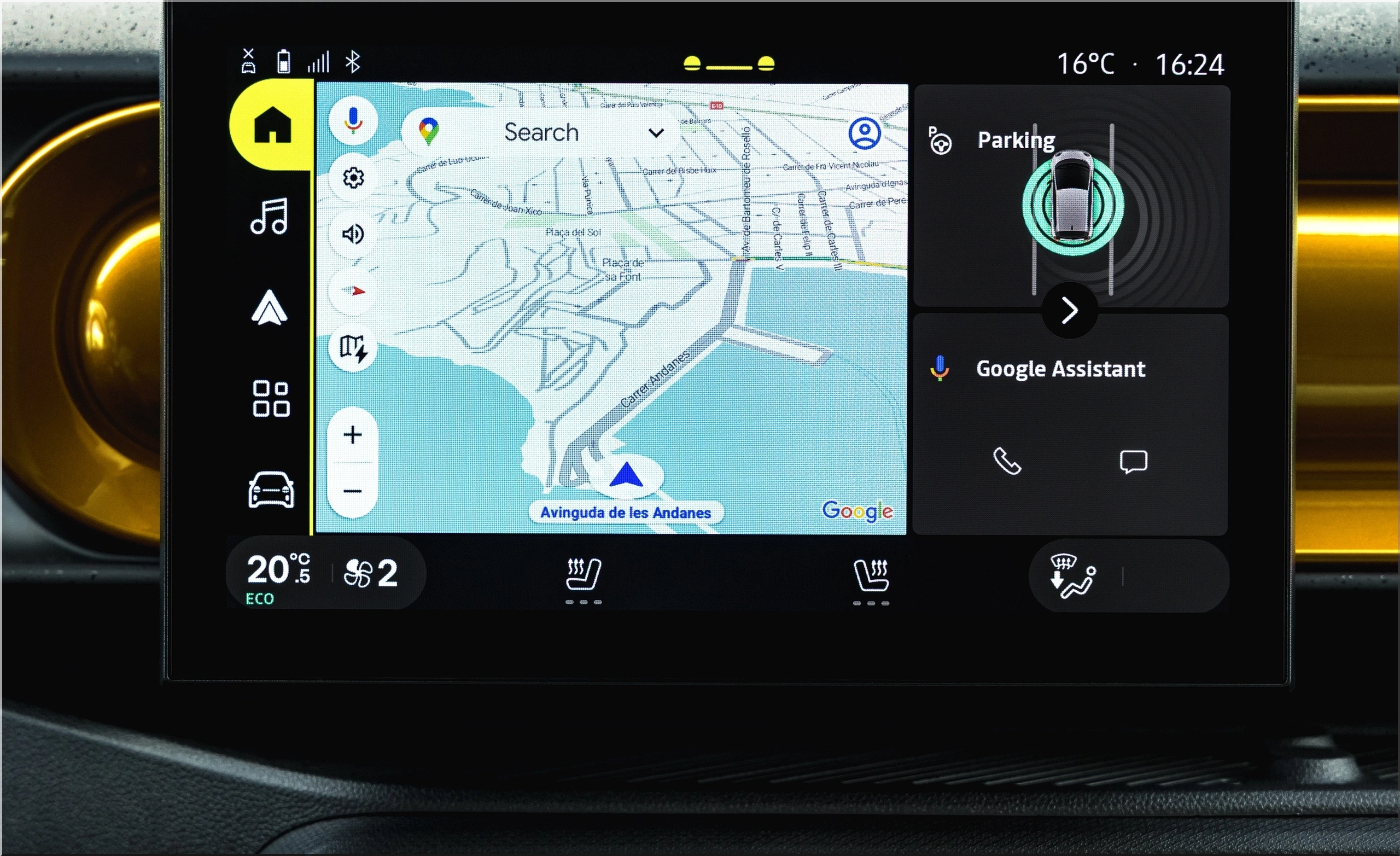
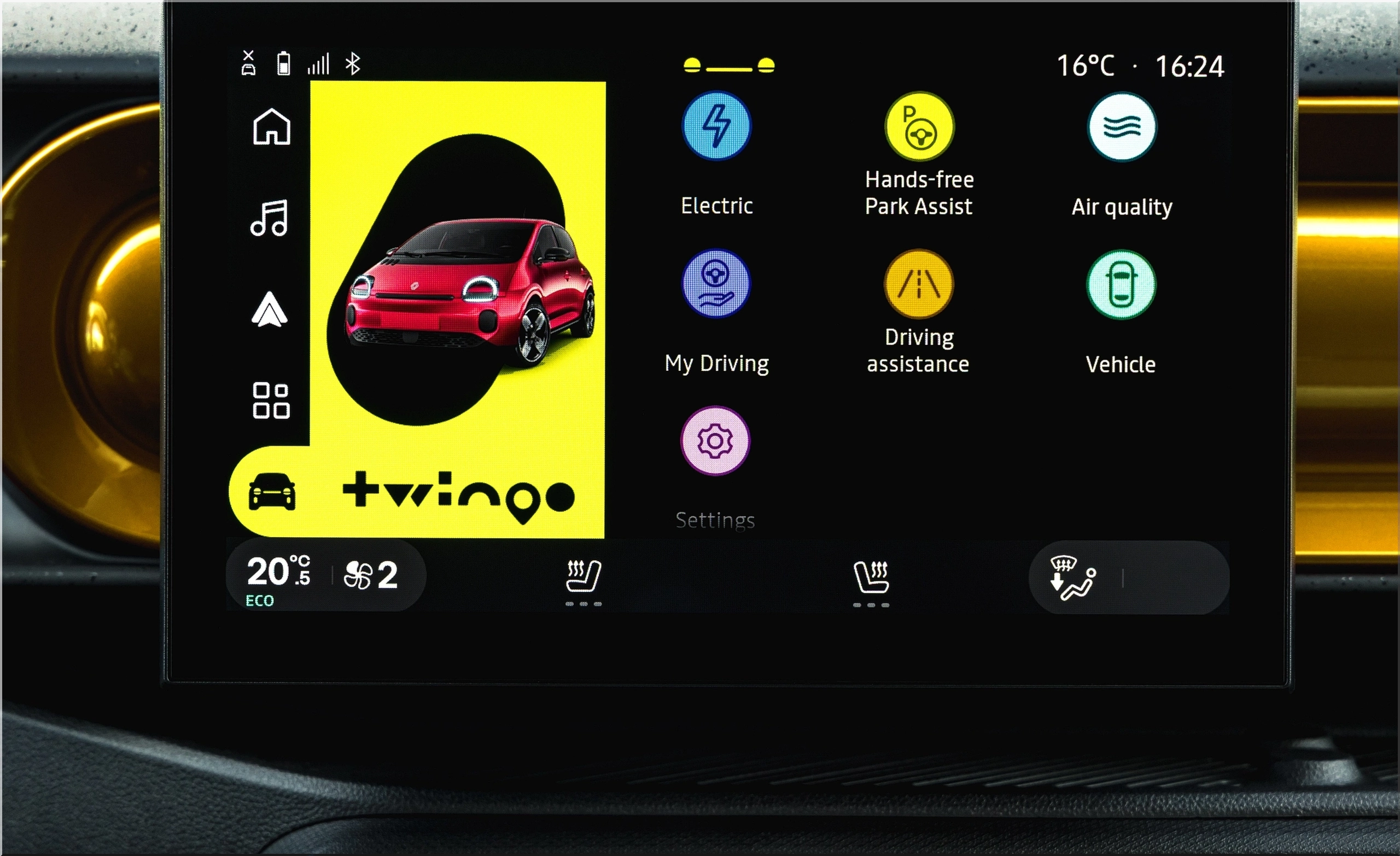
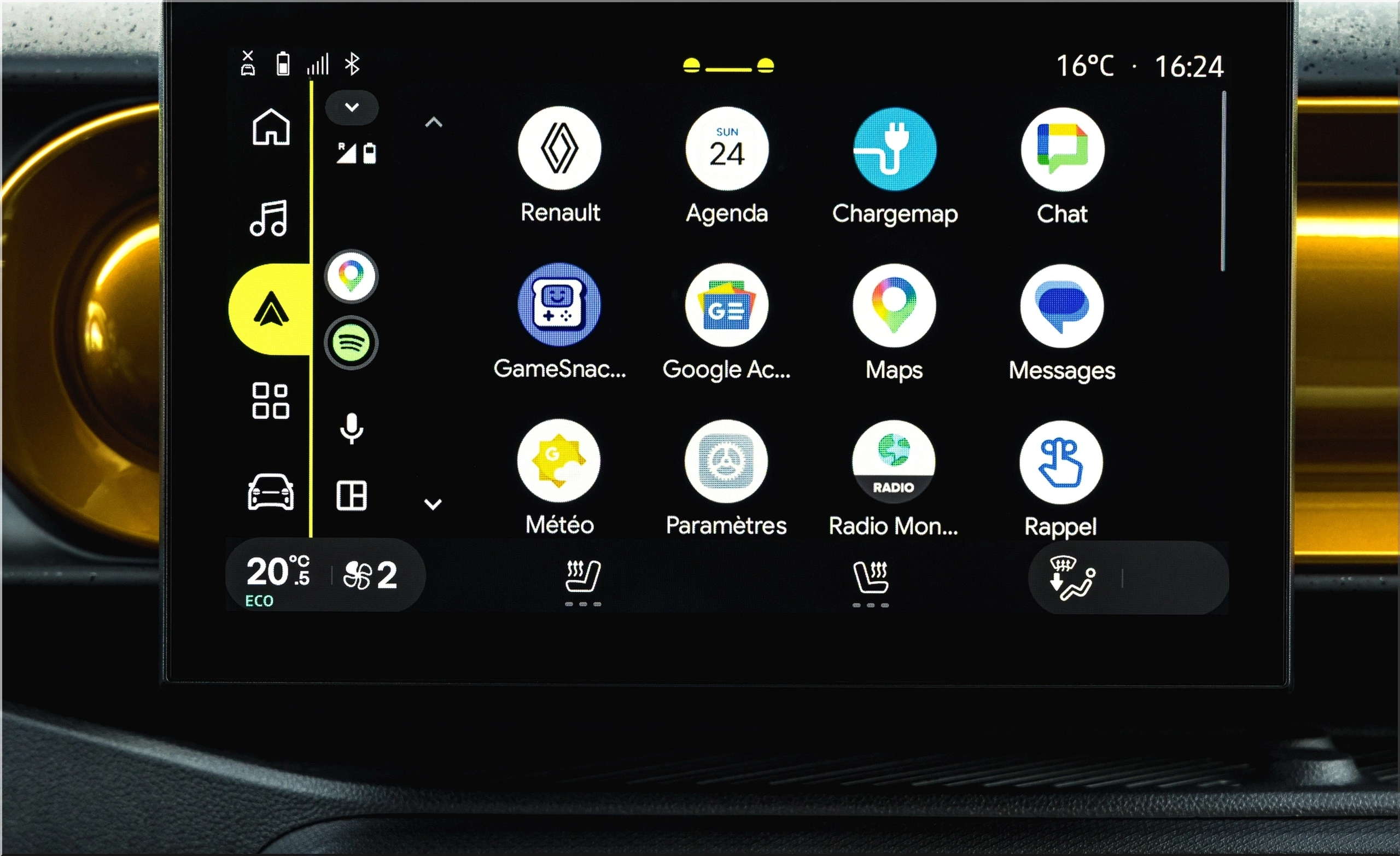
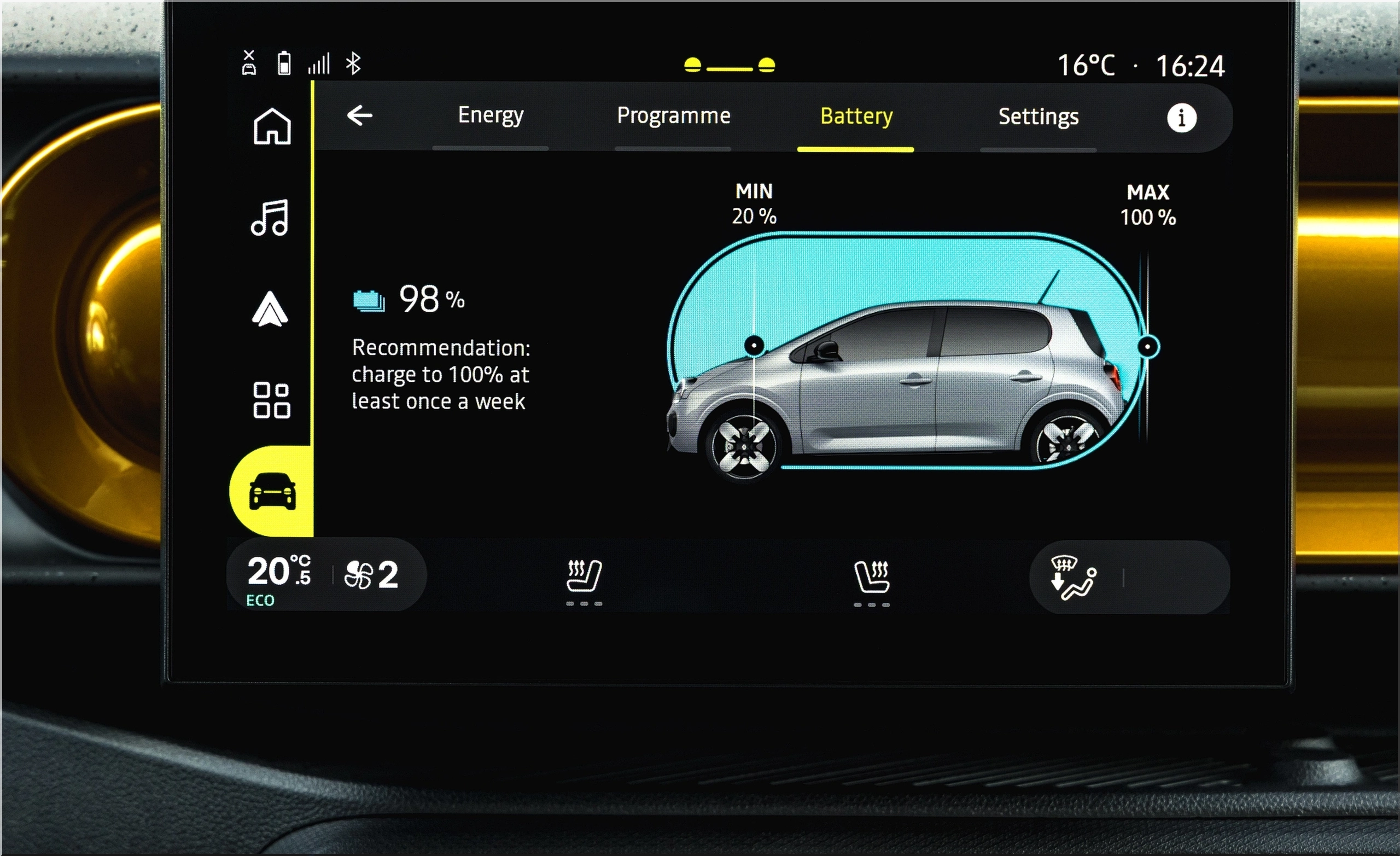
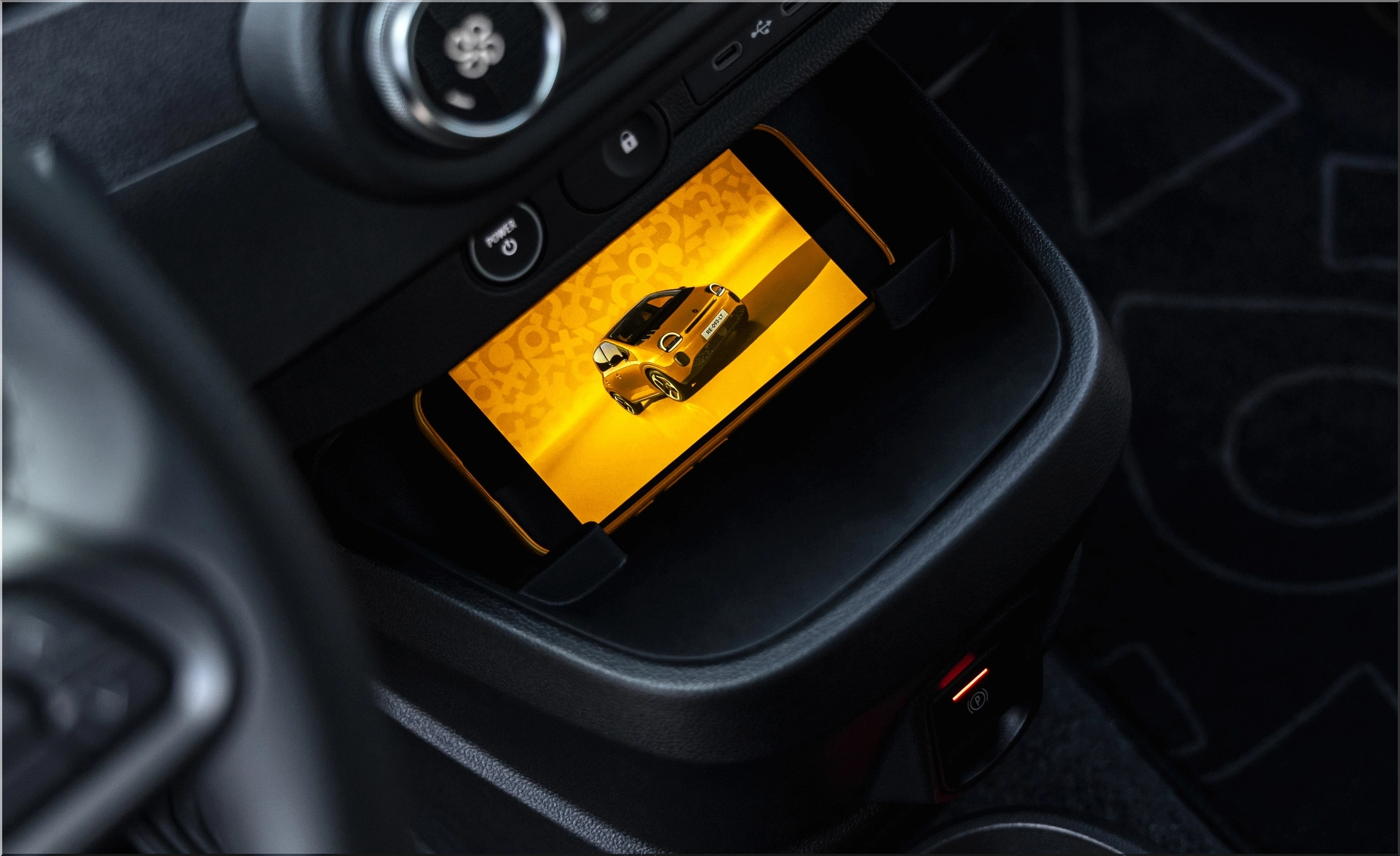
That last point matters because cost does not vanish. Carmakers either bury it in the sticker or strip the car bare. Renault tried a third route: cut development drag, simplify the chassis, keep the pack small, then spend on things owners touch every day like the cabin layout, the OpenR Link interface, and up to 24 driver-assistance systems.
In addition, Renault says the Twingo's life-cycle carbon footprint lands 60% lower than an equivalent ICE city car. It also adds 38 kg of European low-carbon steel with 75% circular-economy material in the body-in-white. That reads like supplier math until you connect it to the price target. Lower-carbon material and shorter logistics only help if the product still hits a liveable number at the dealer.
Image gallery
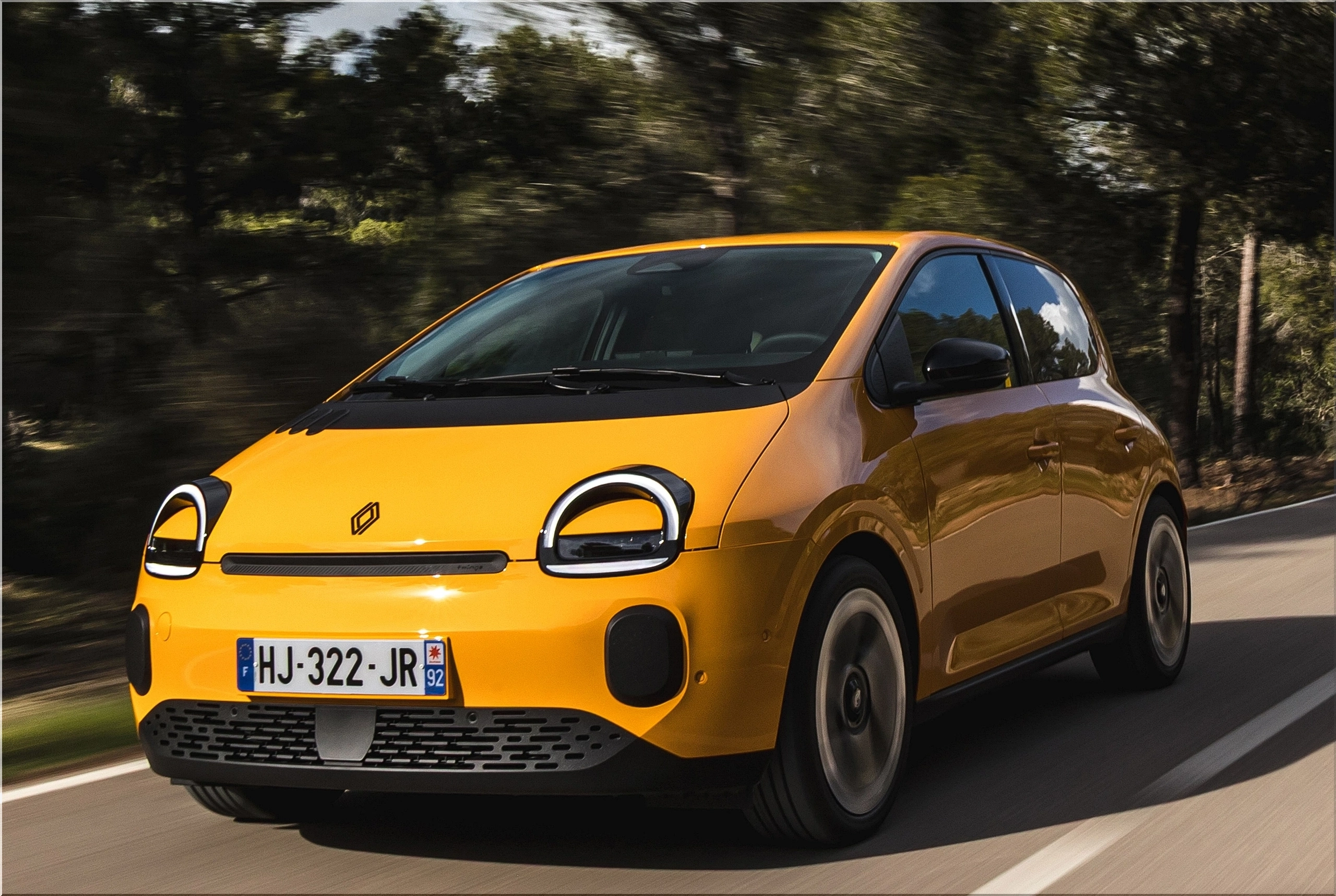
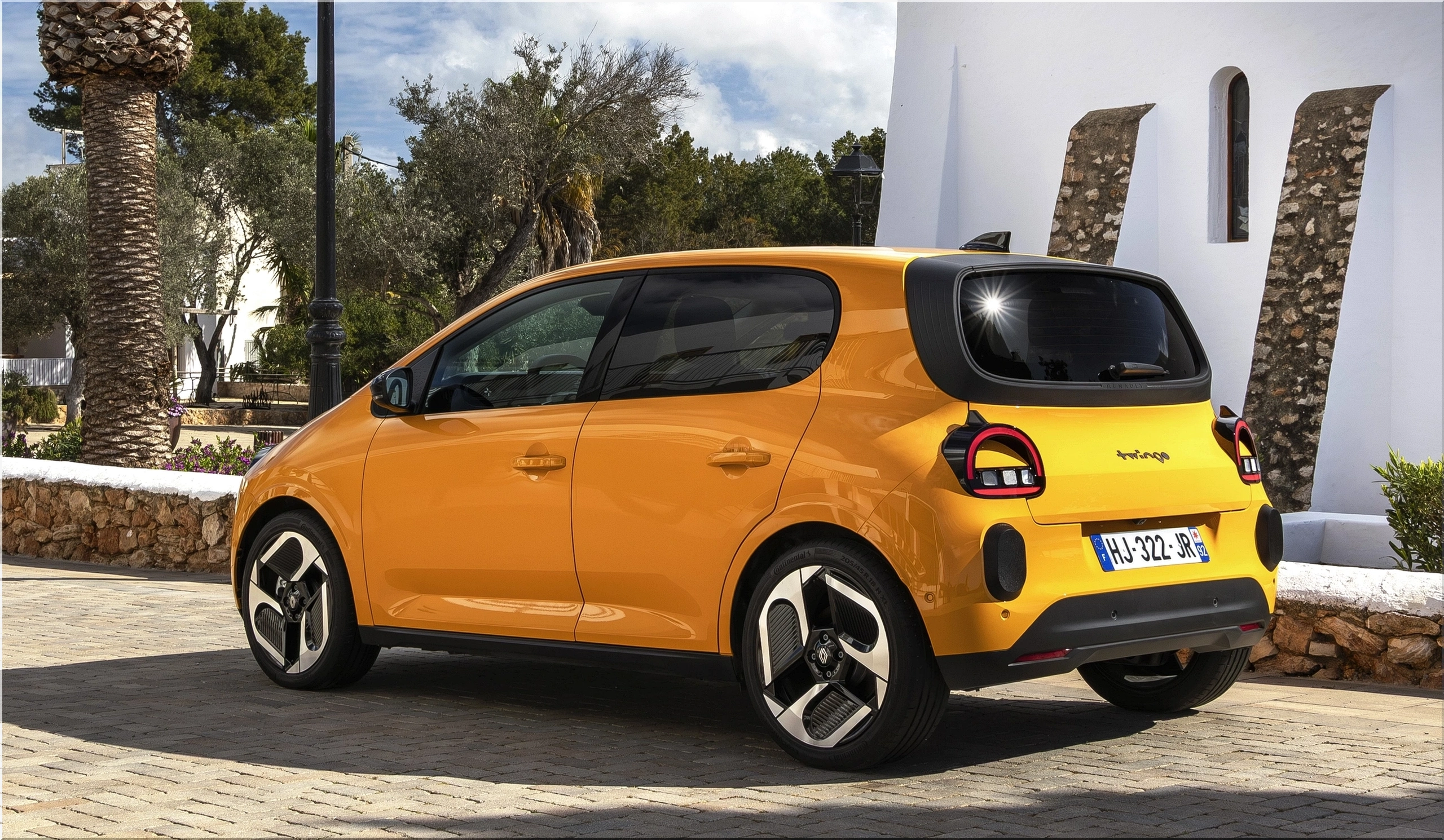
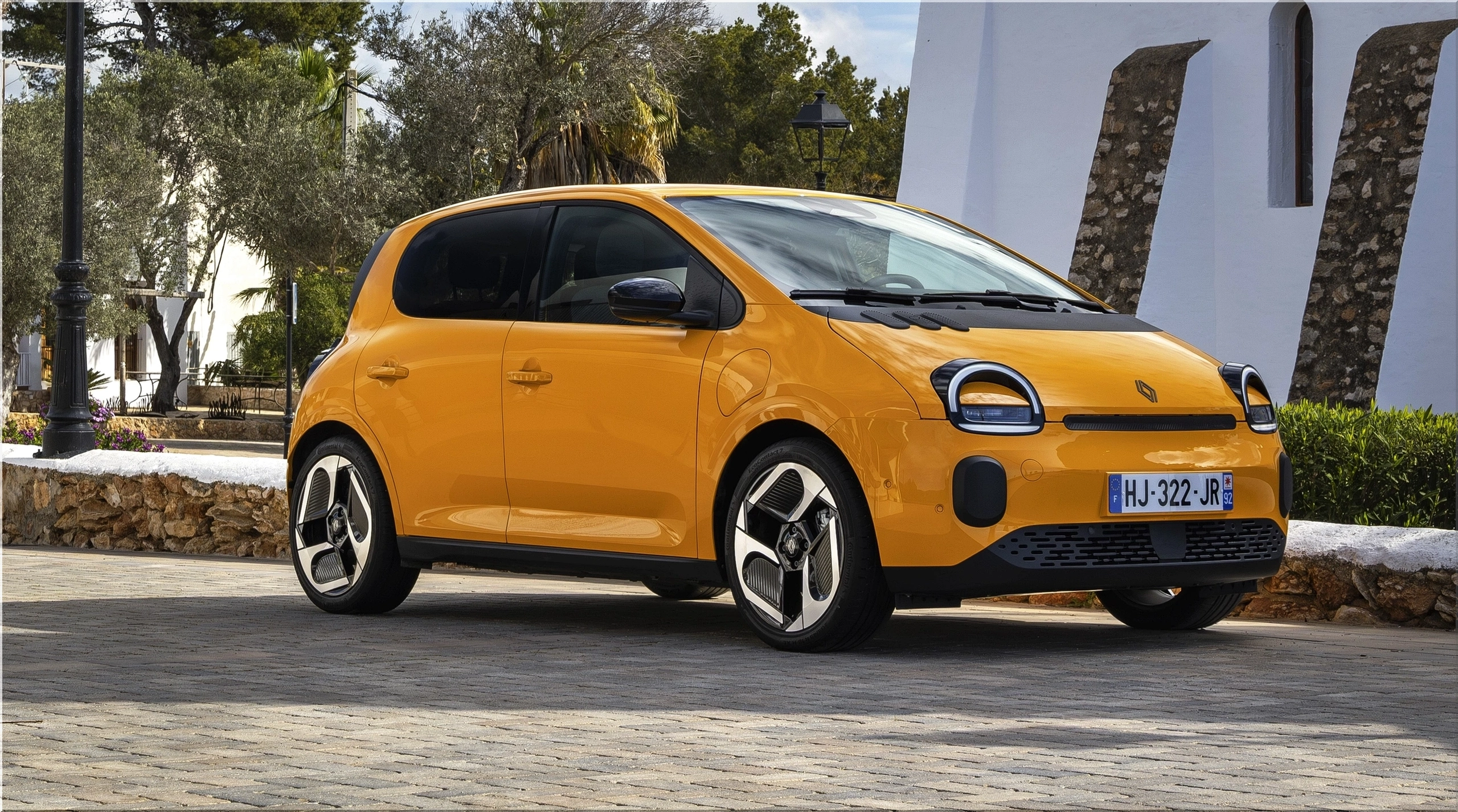
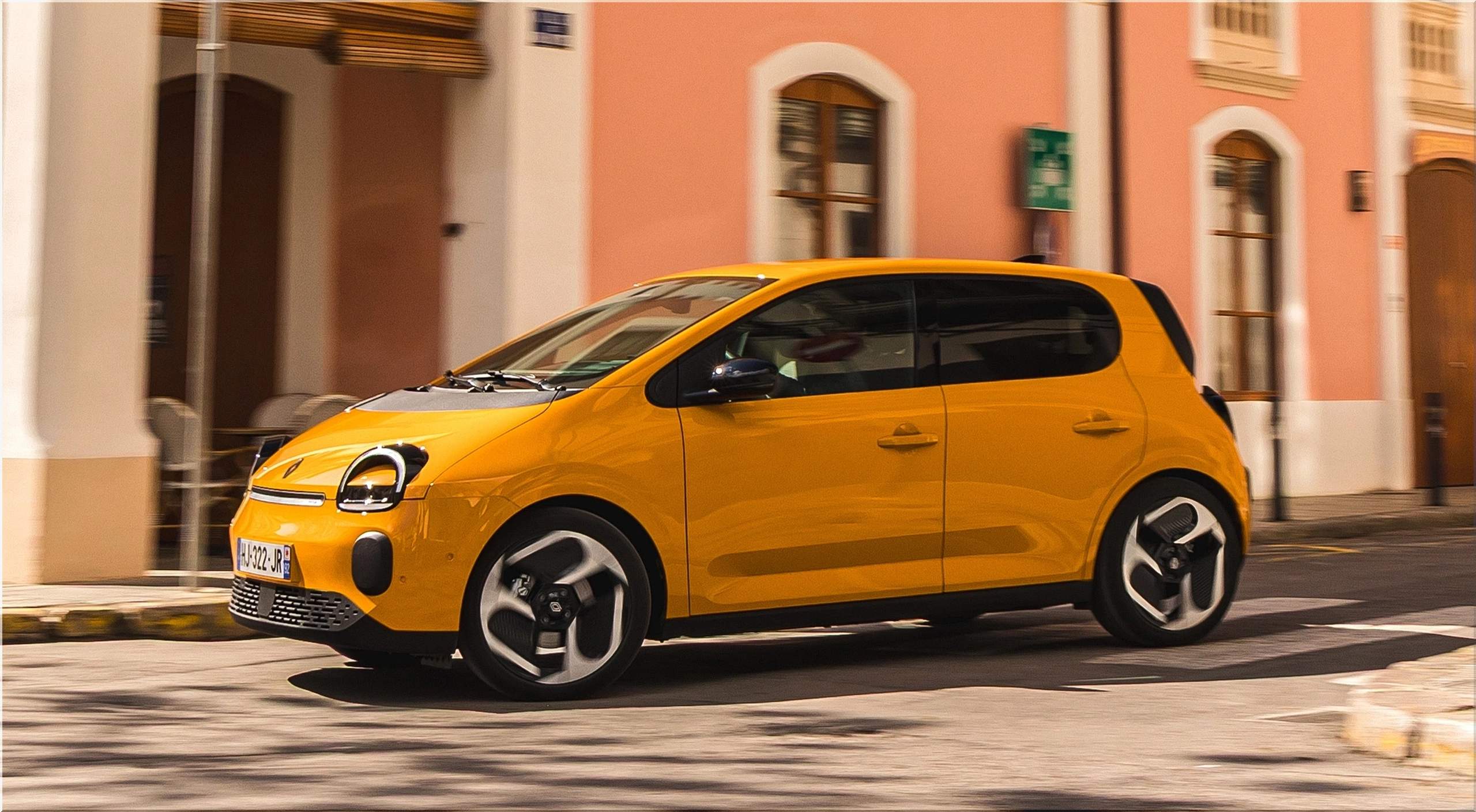
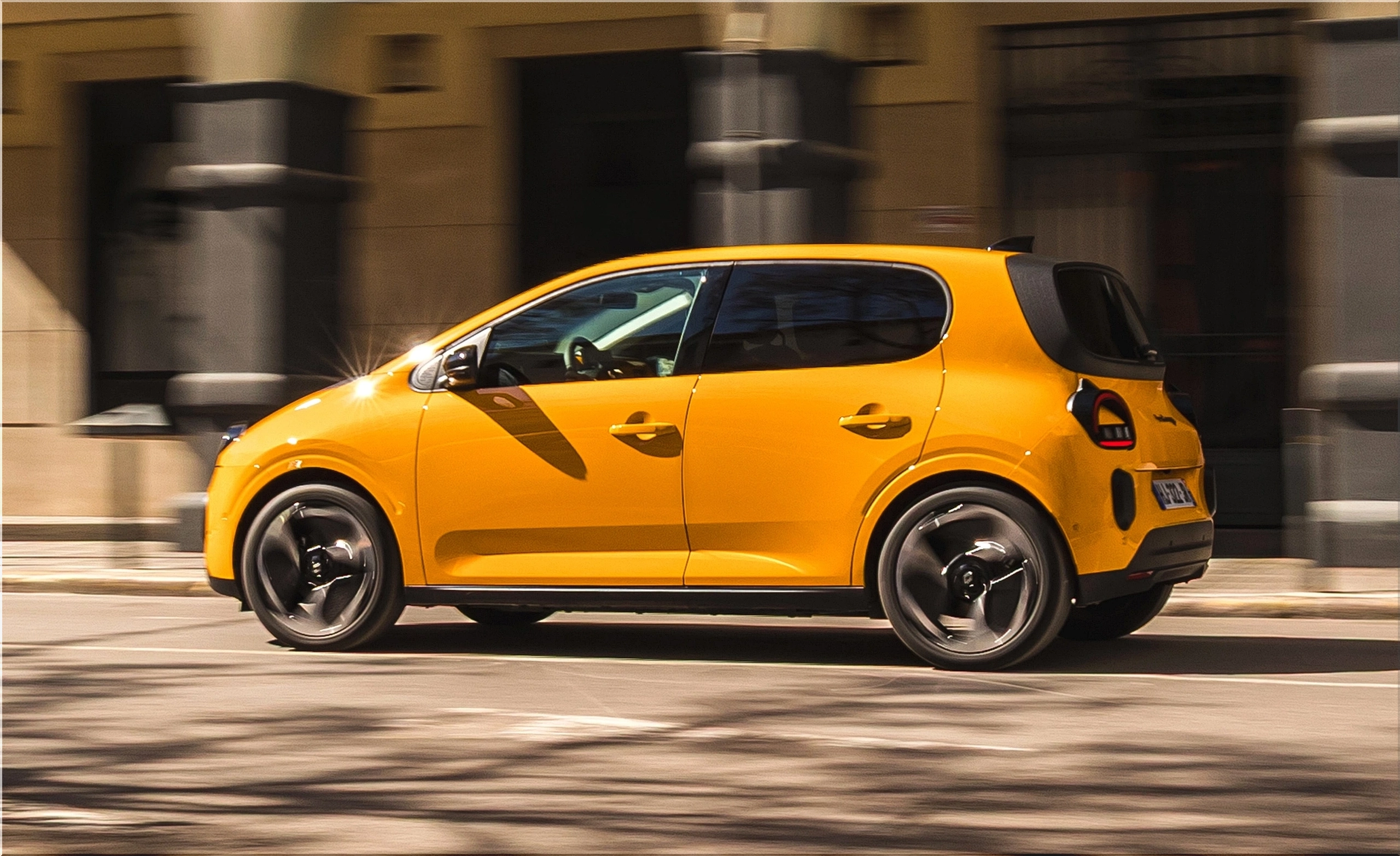
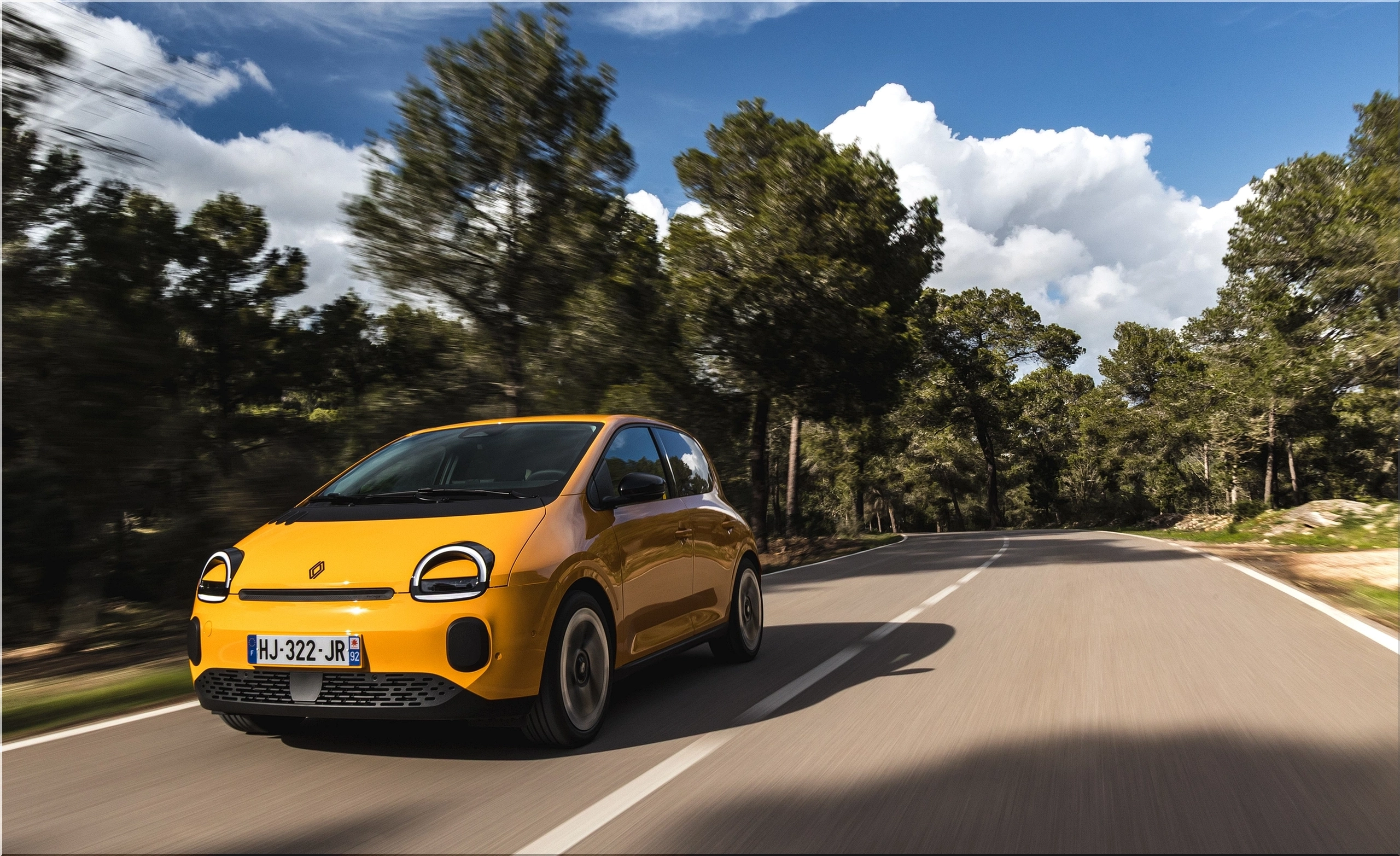
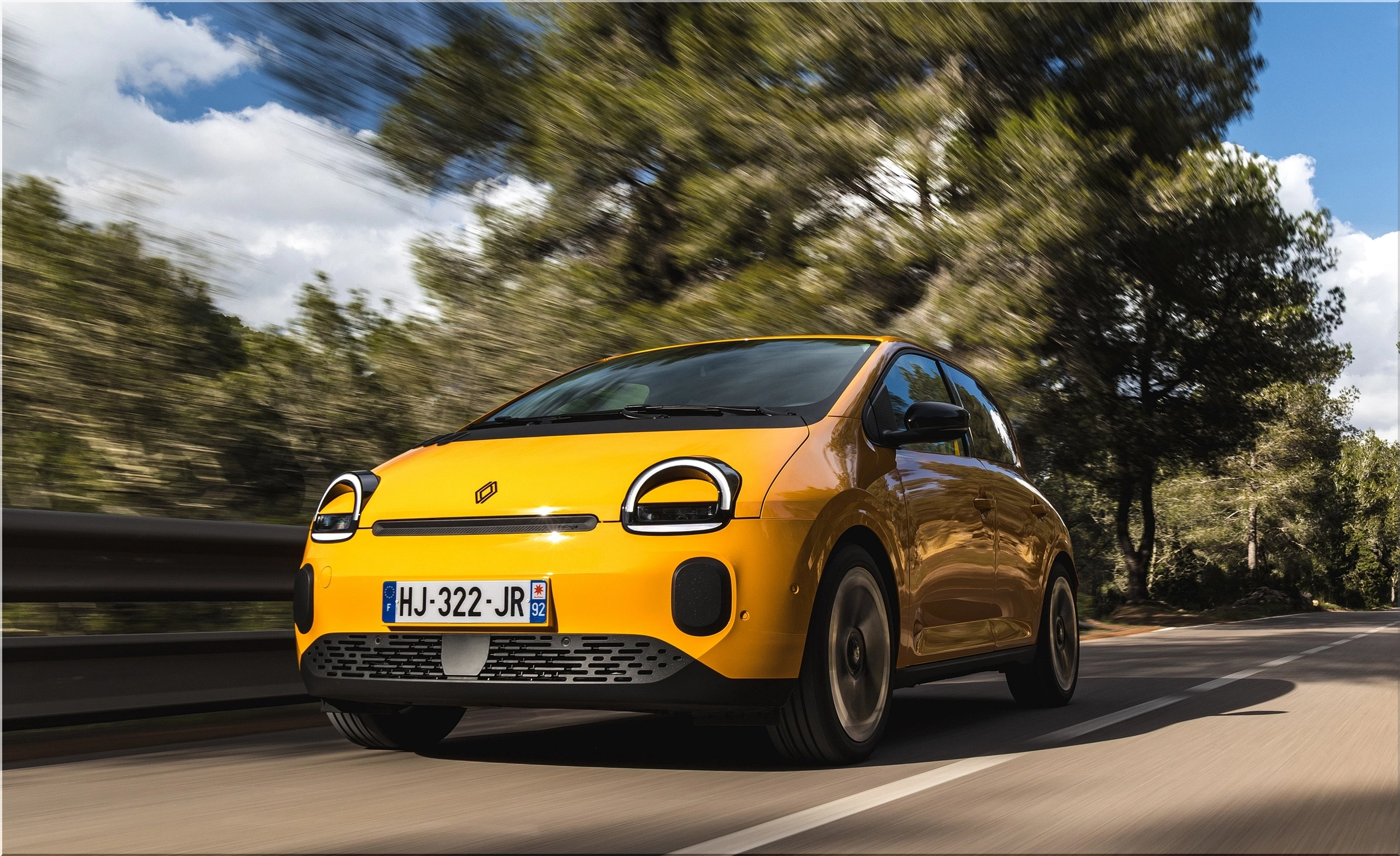
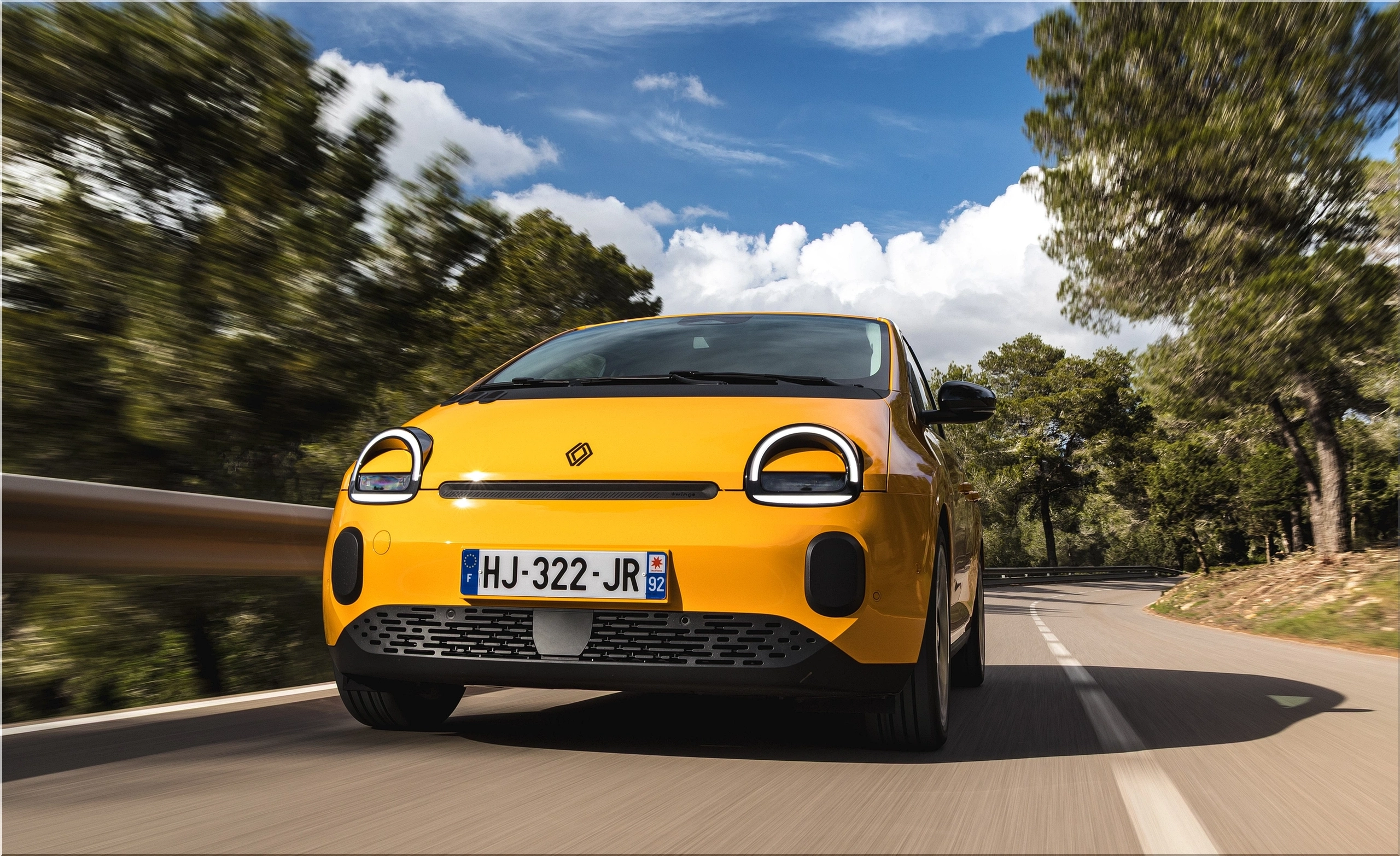
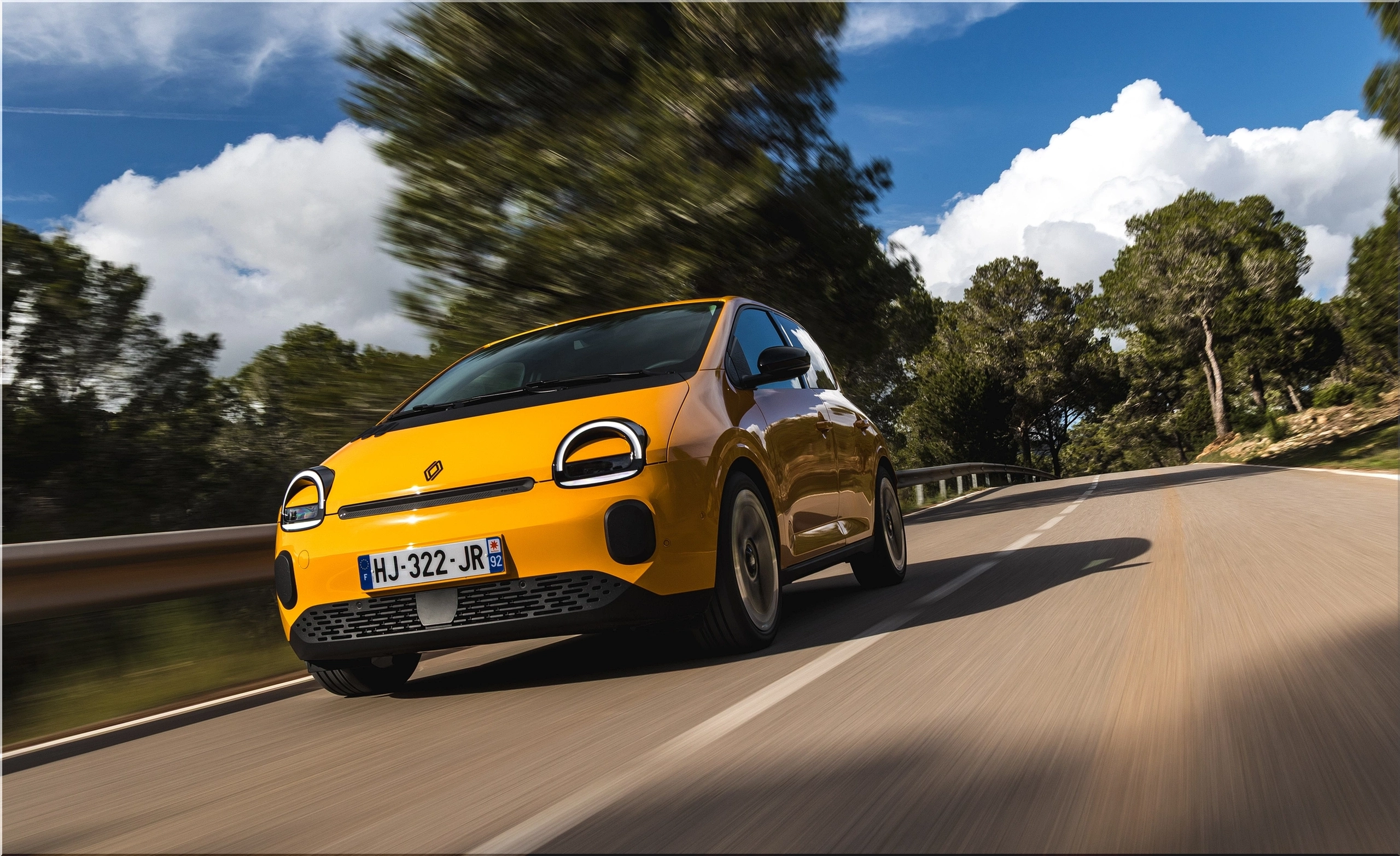
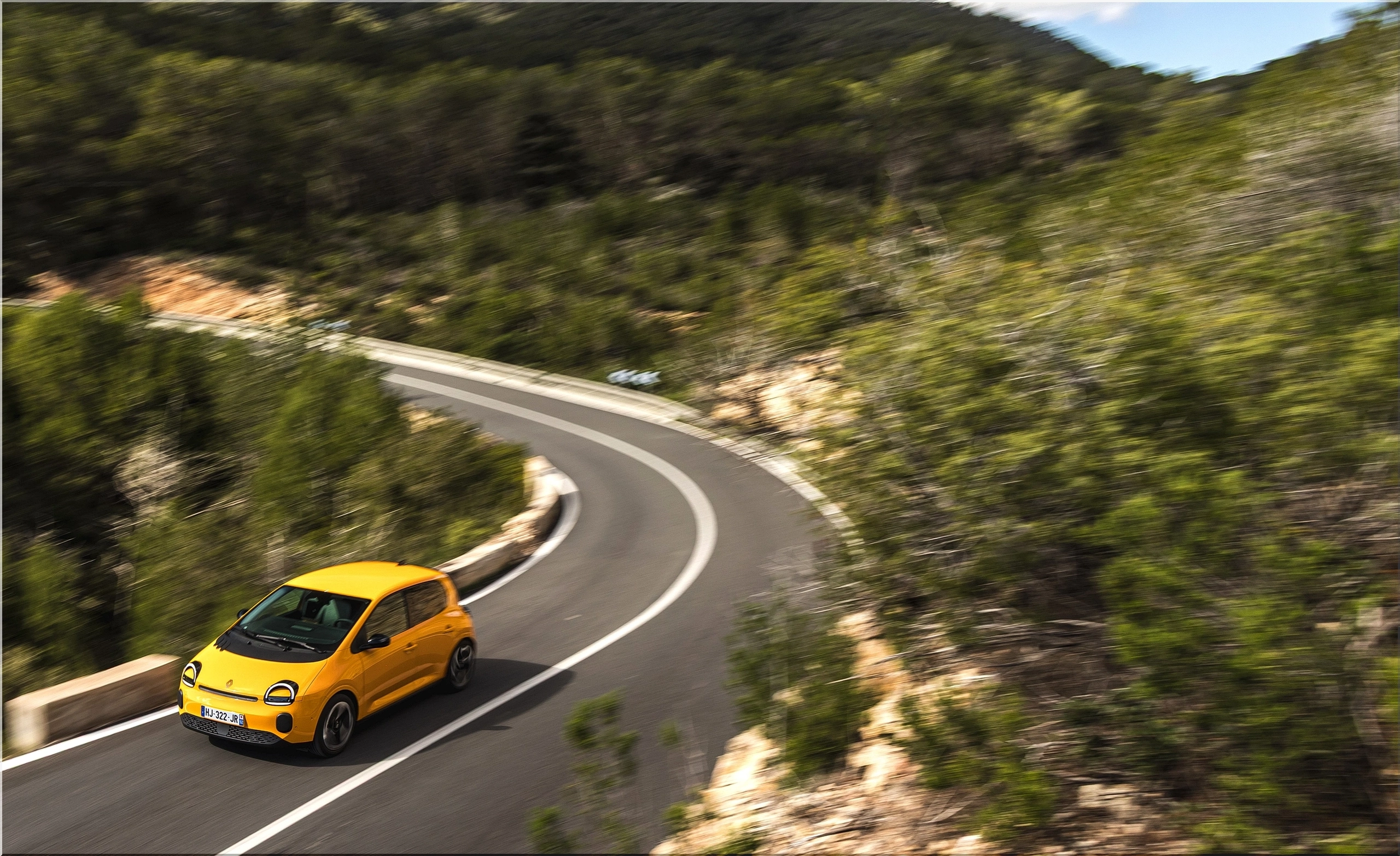
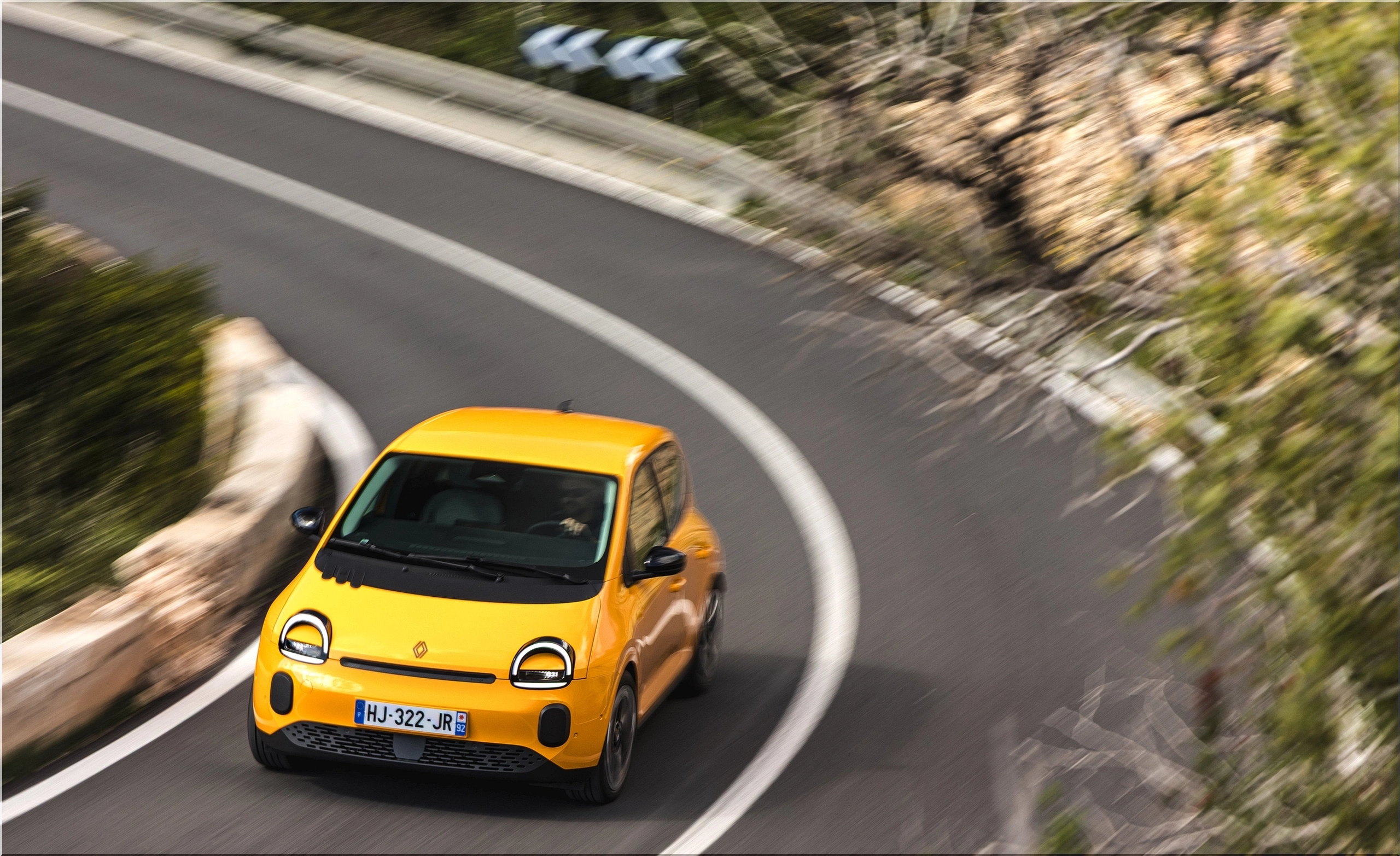
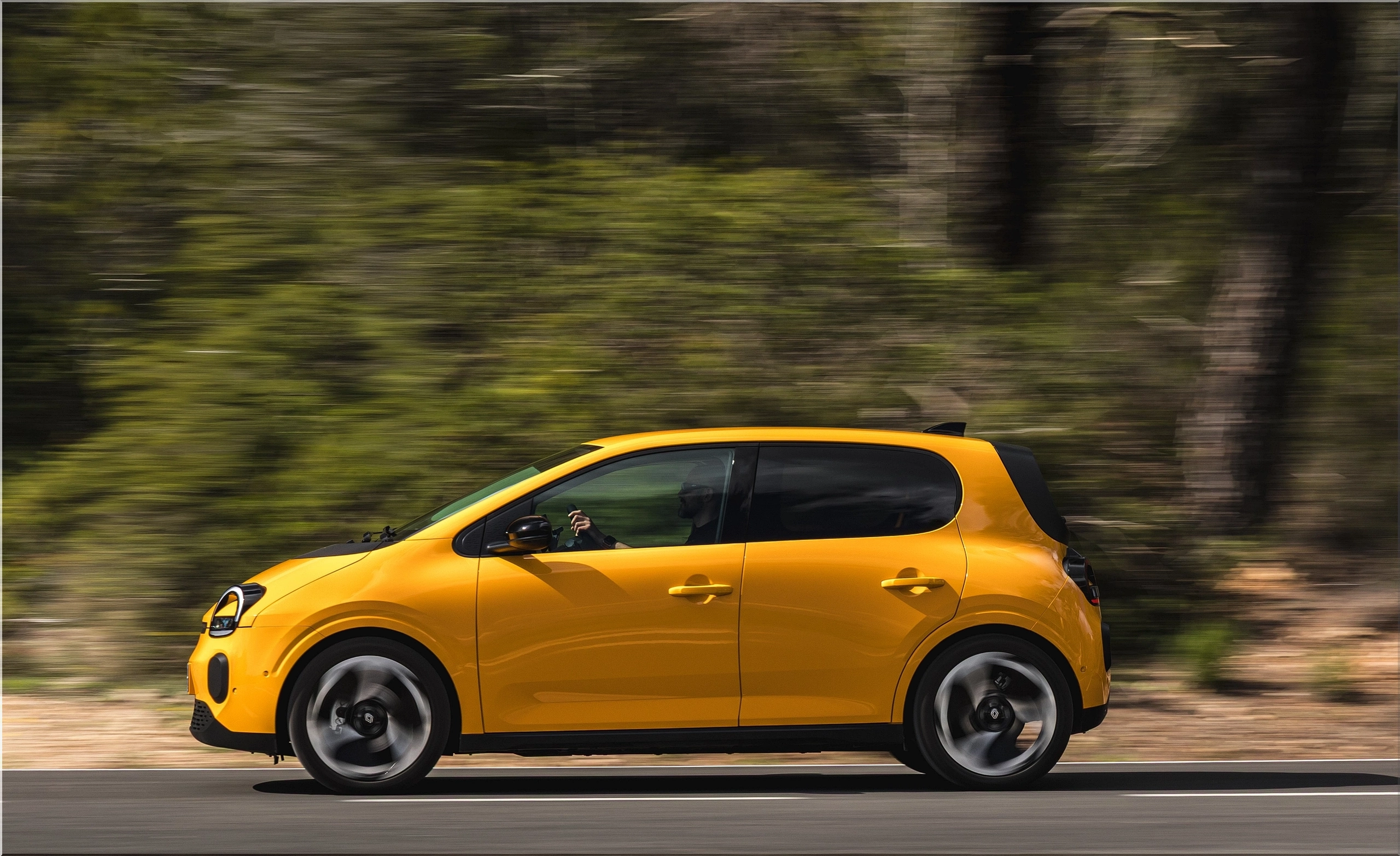
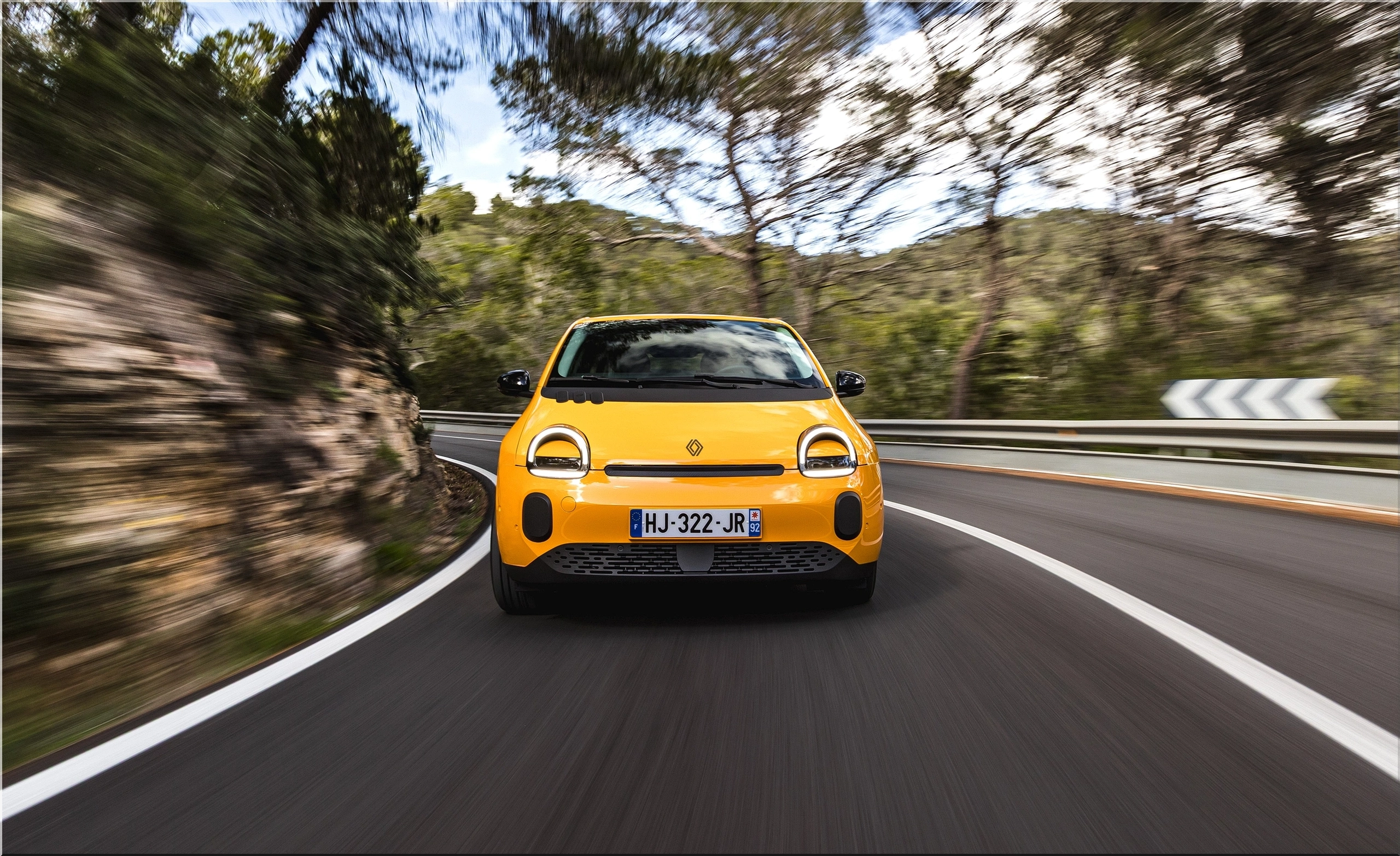
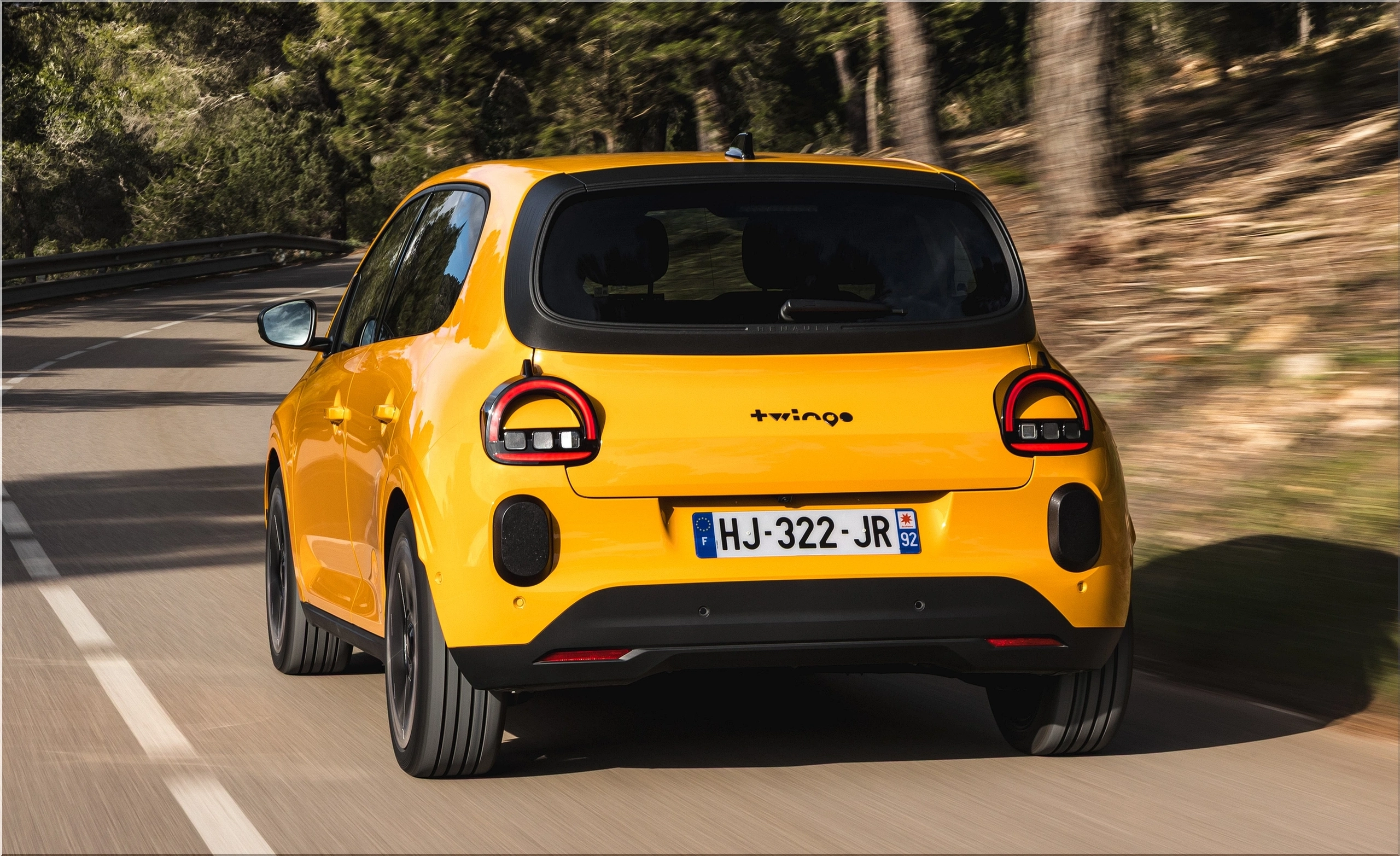
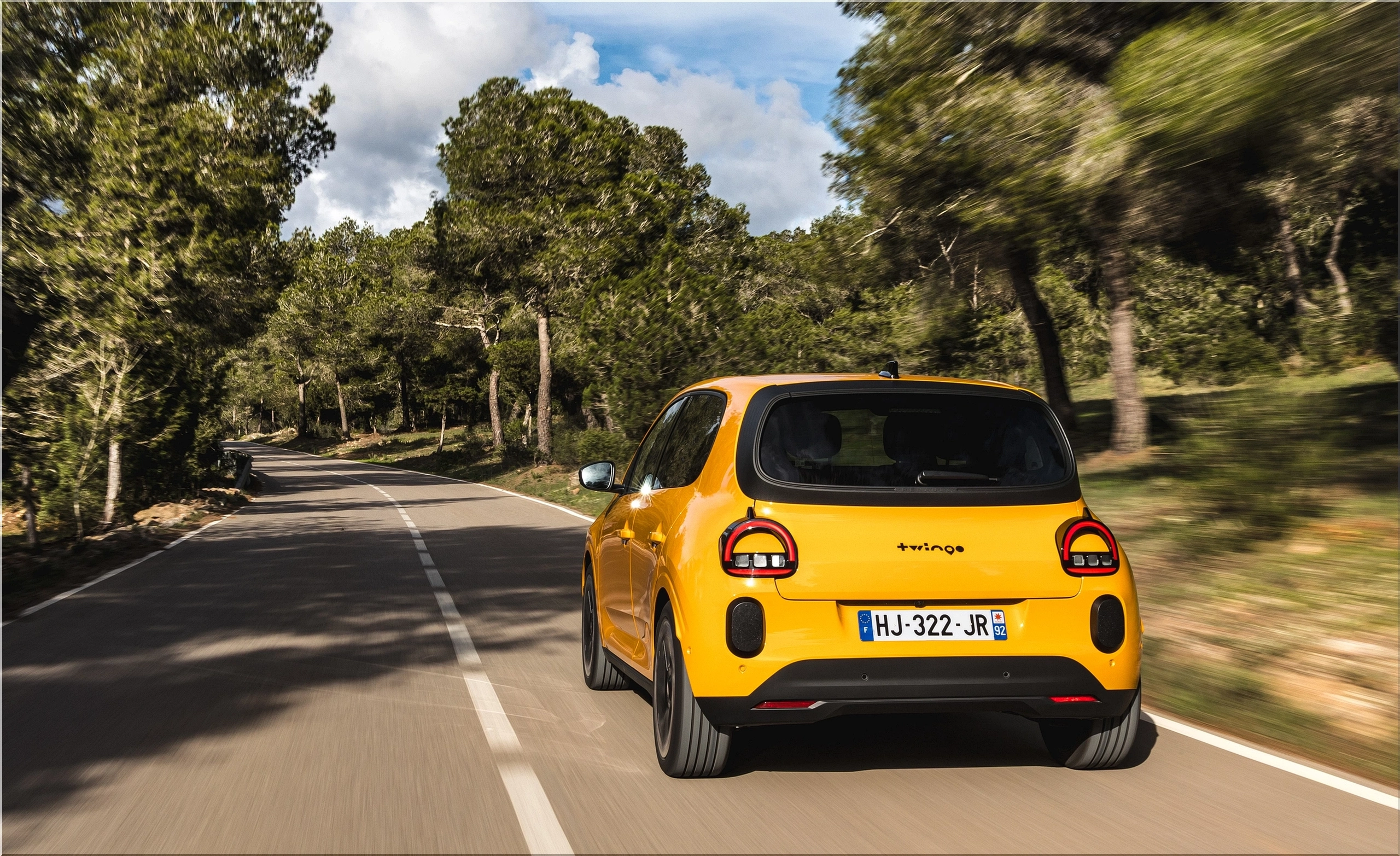
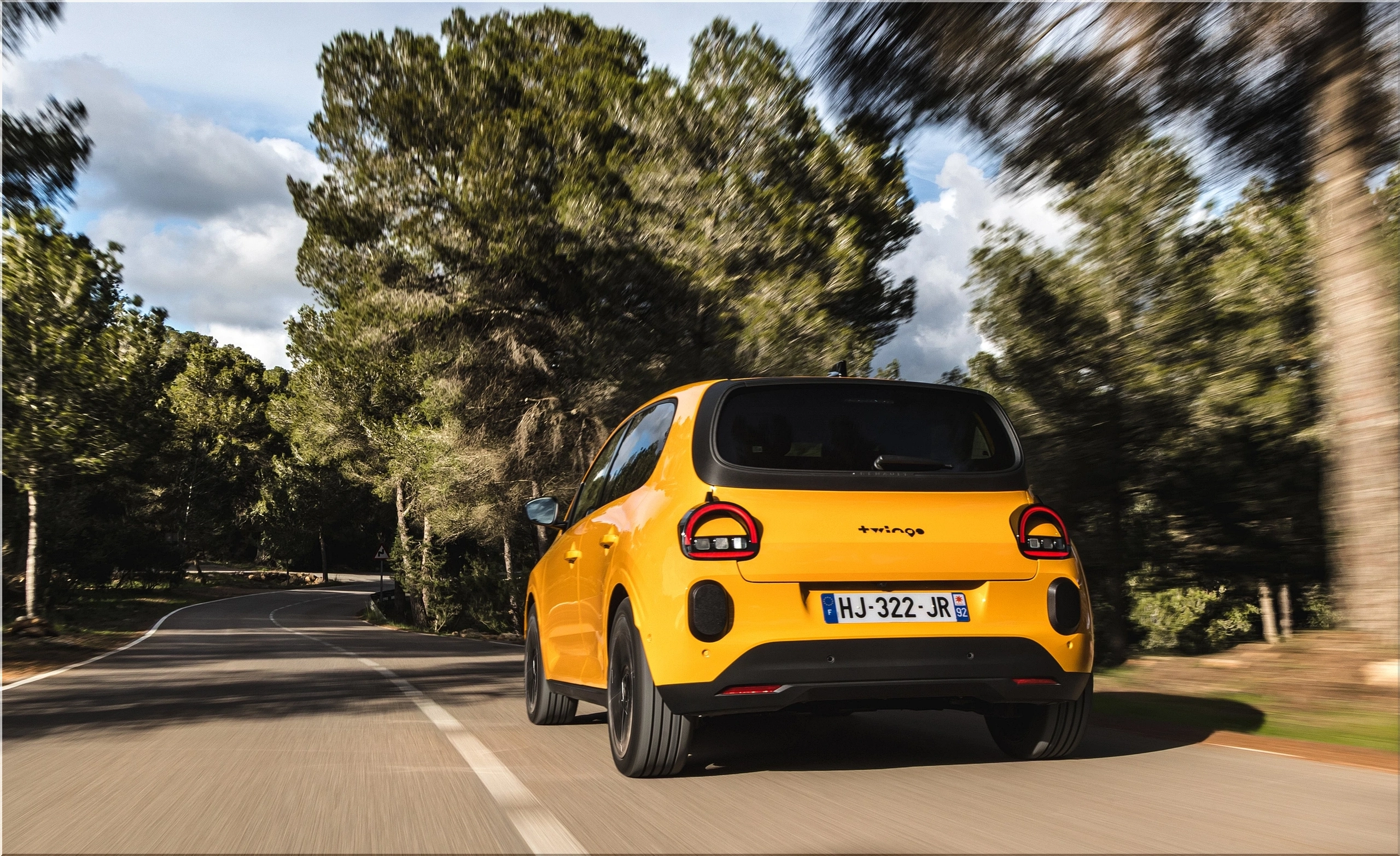
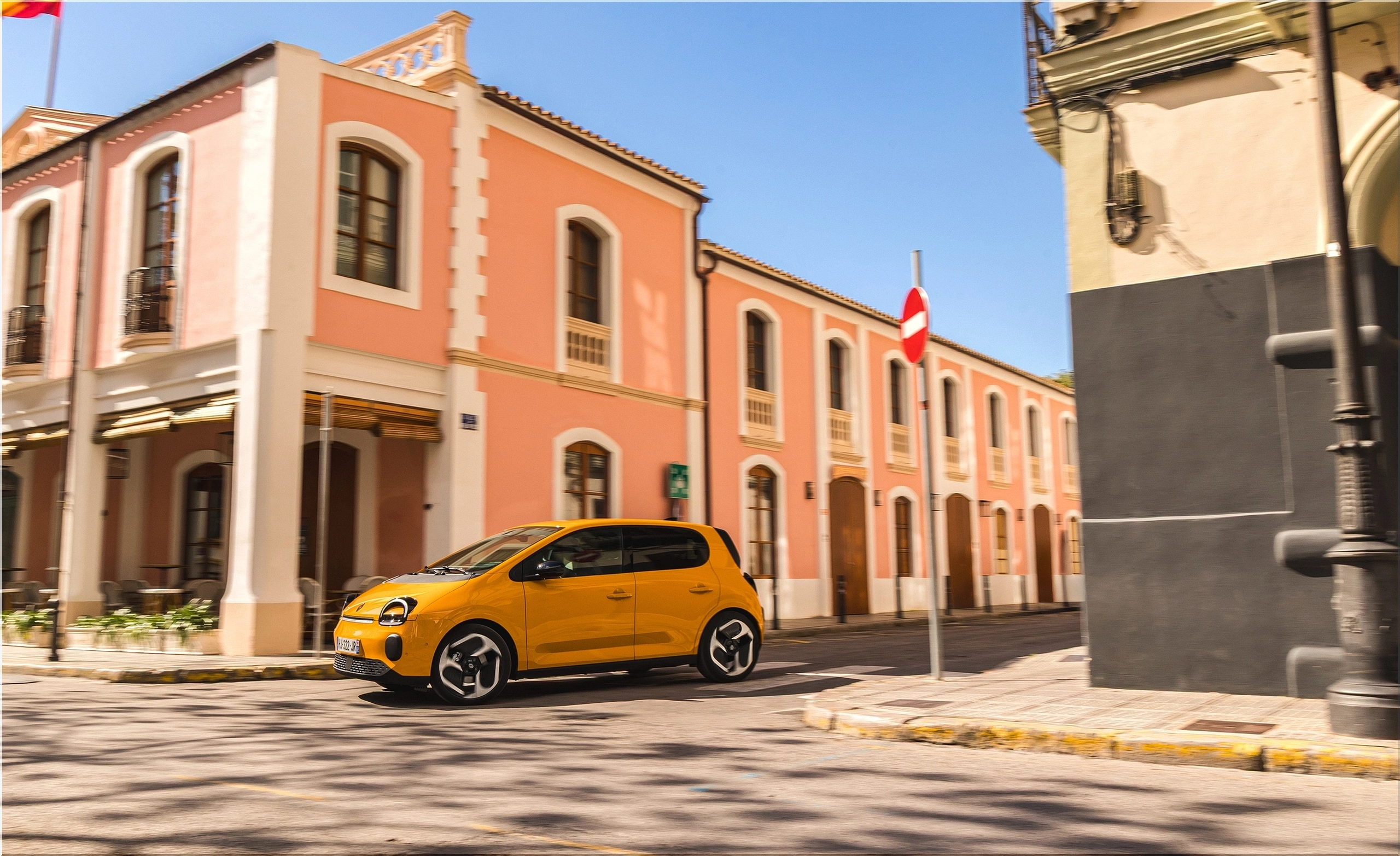
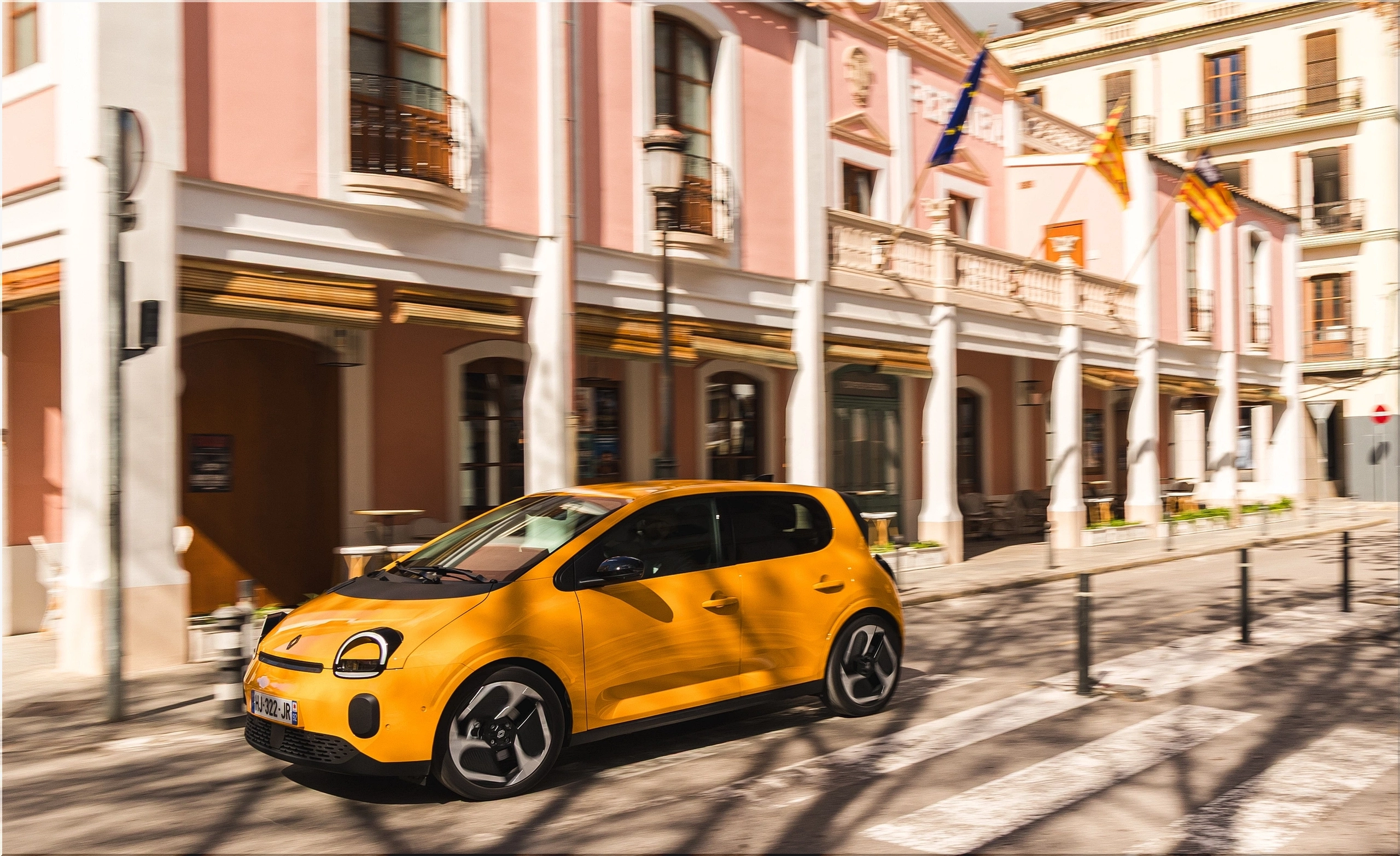
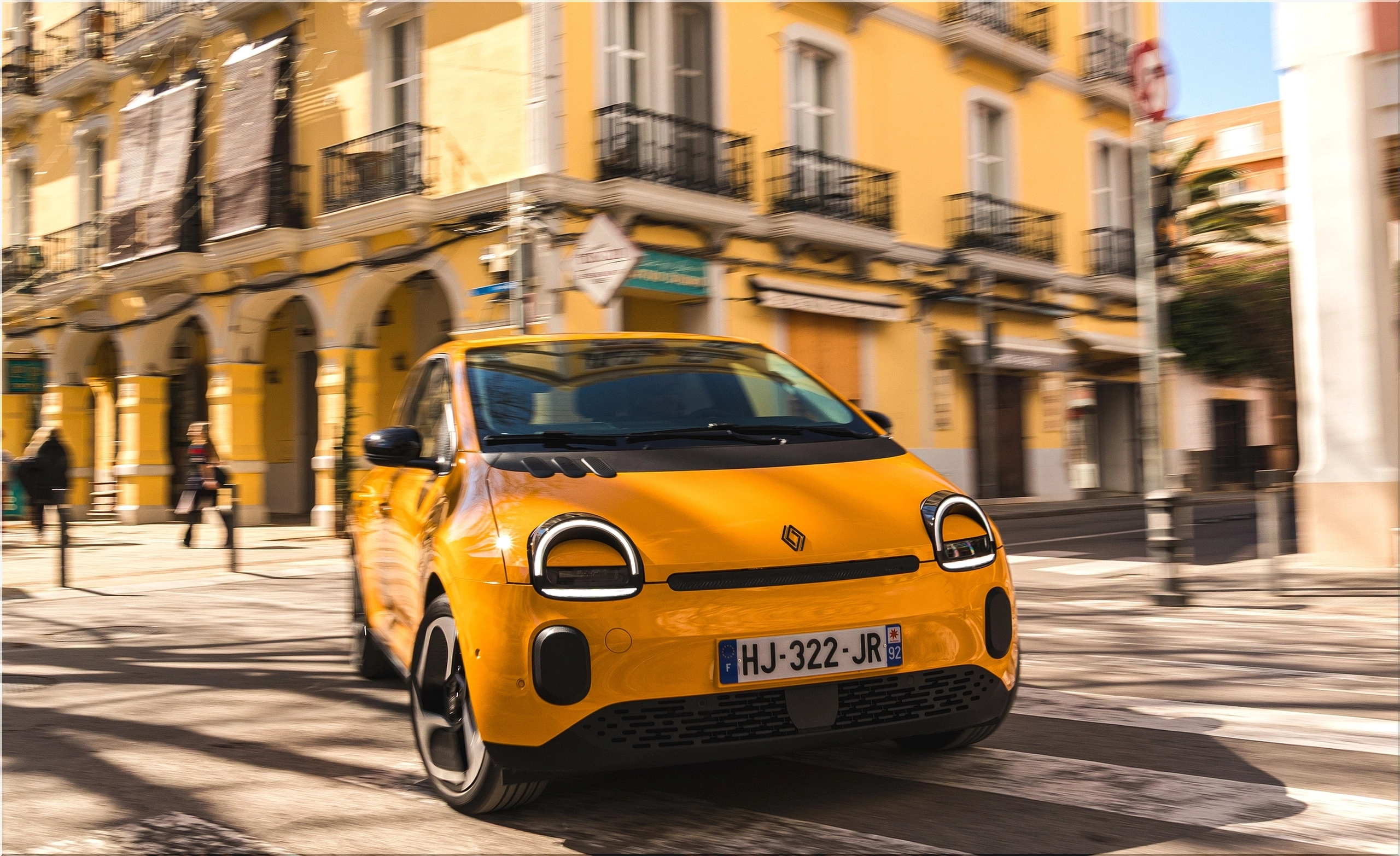
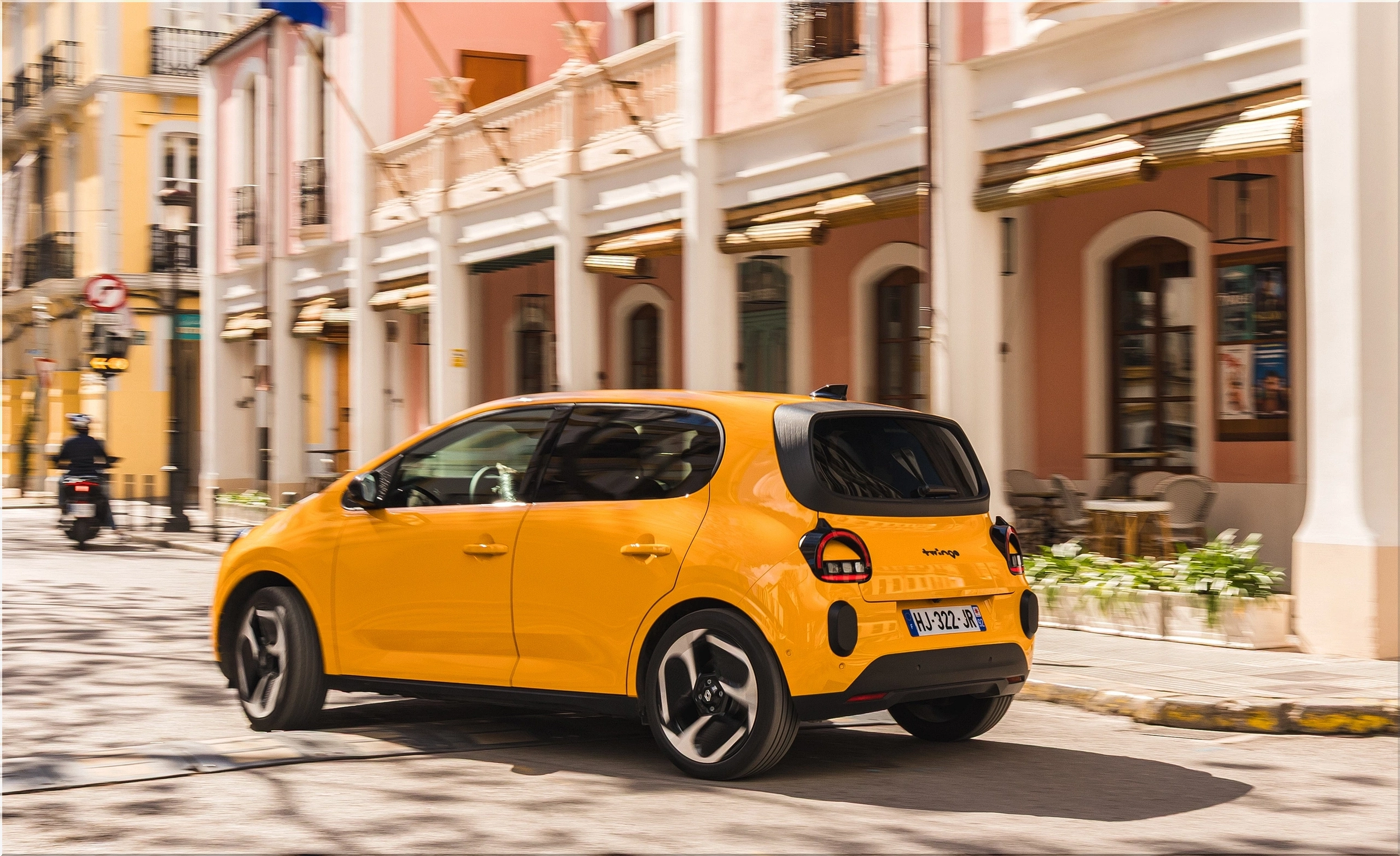
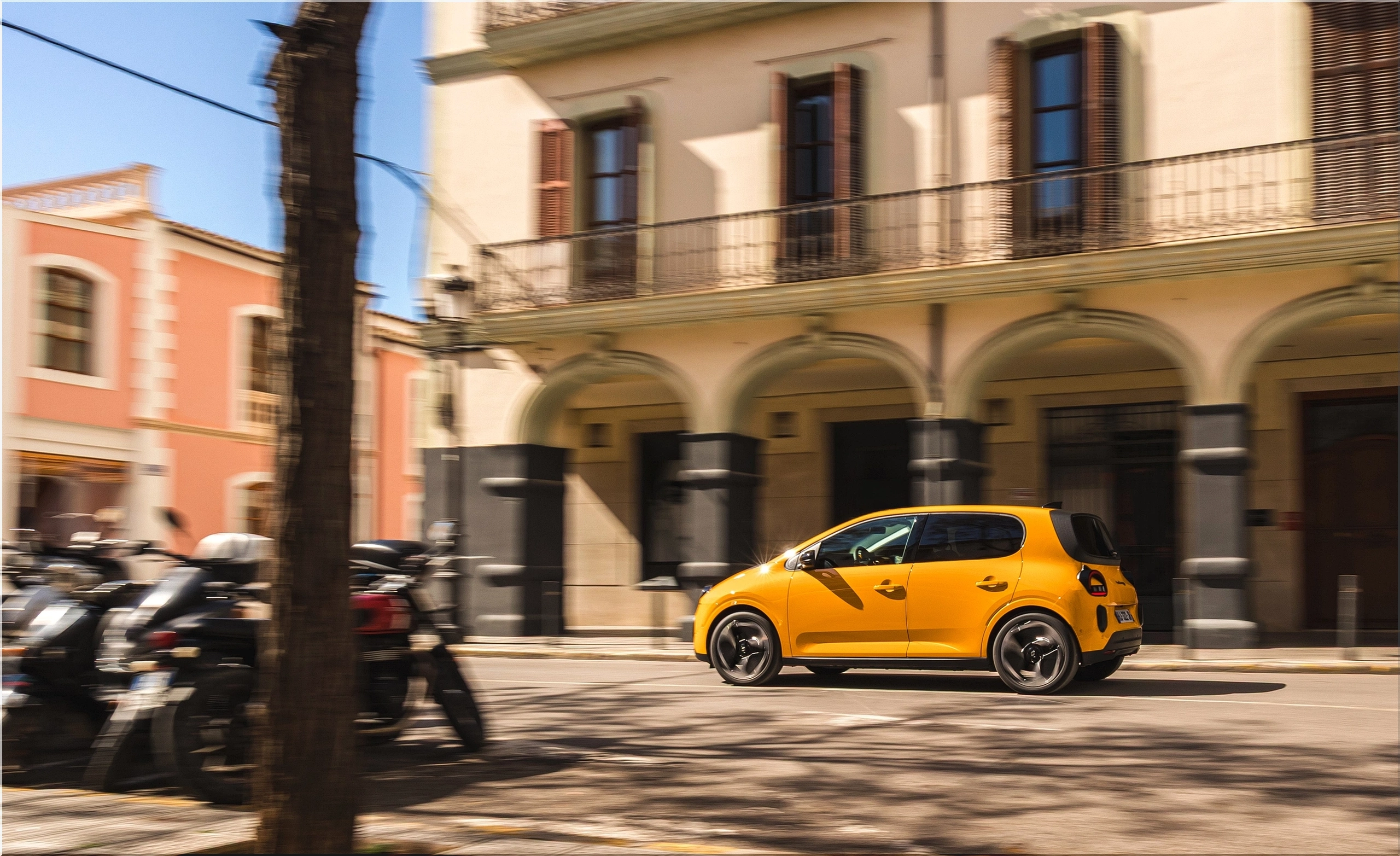
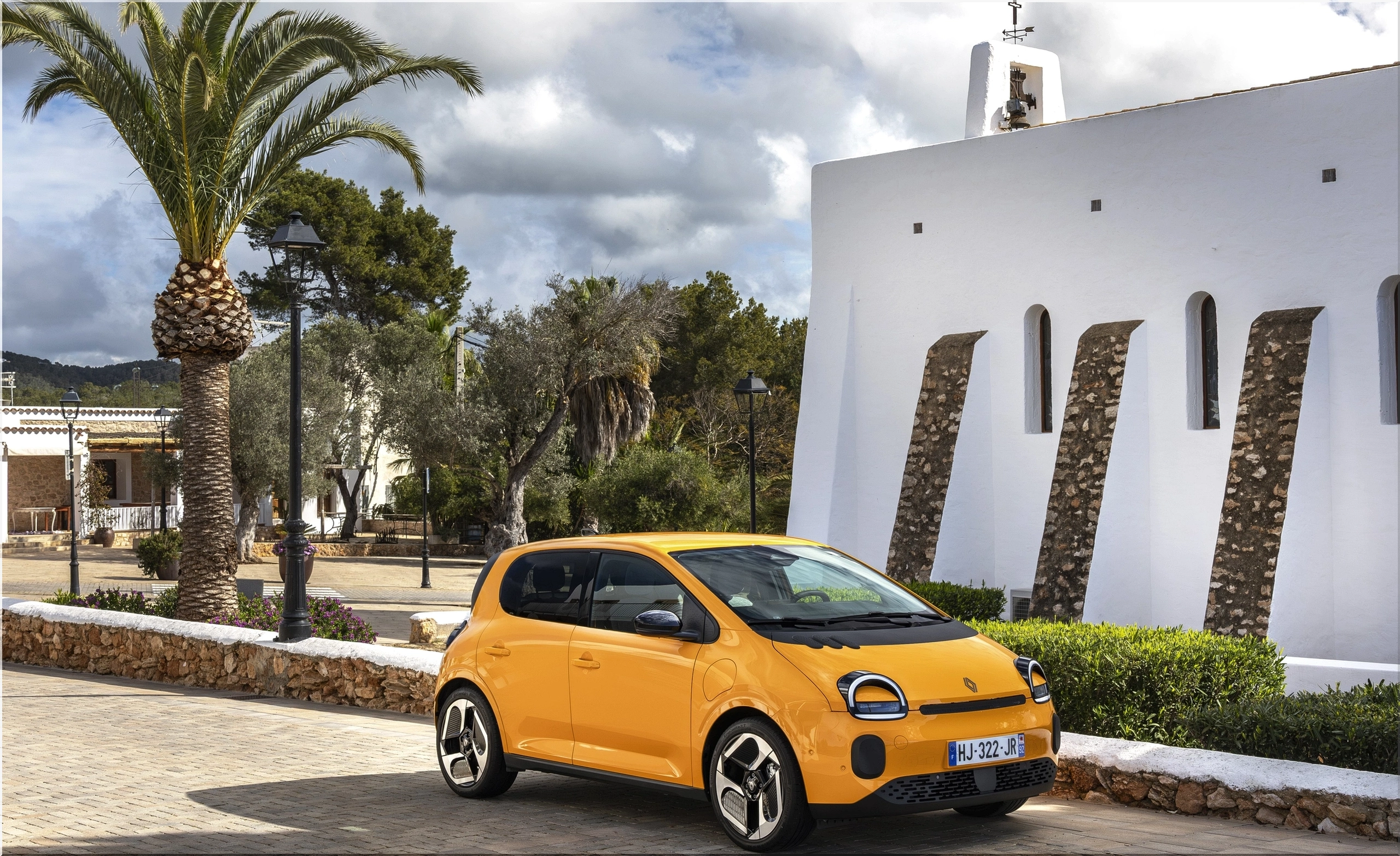
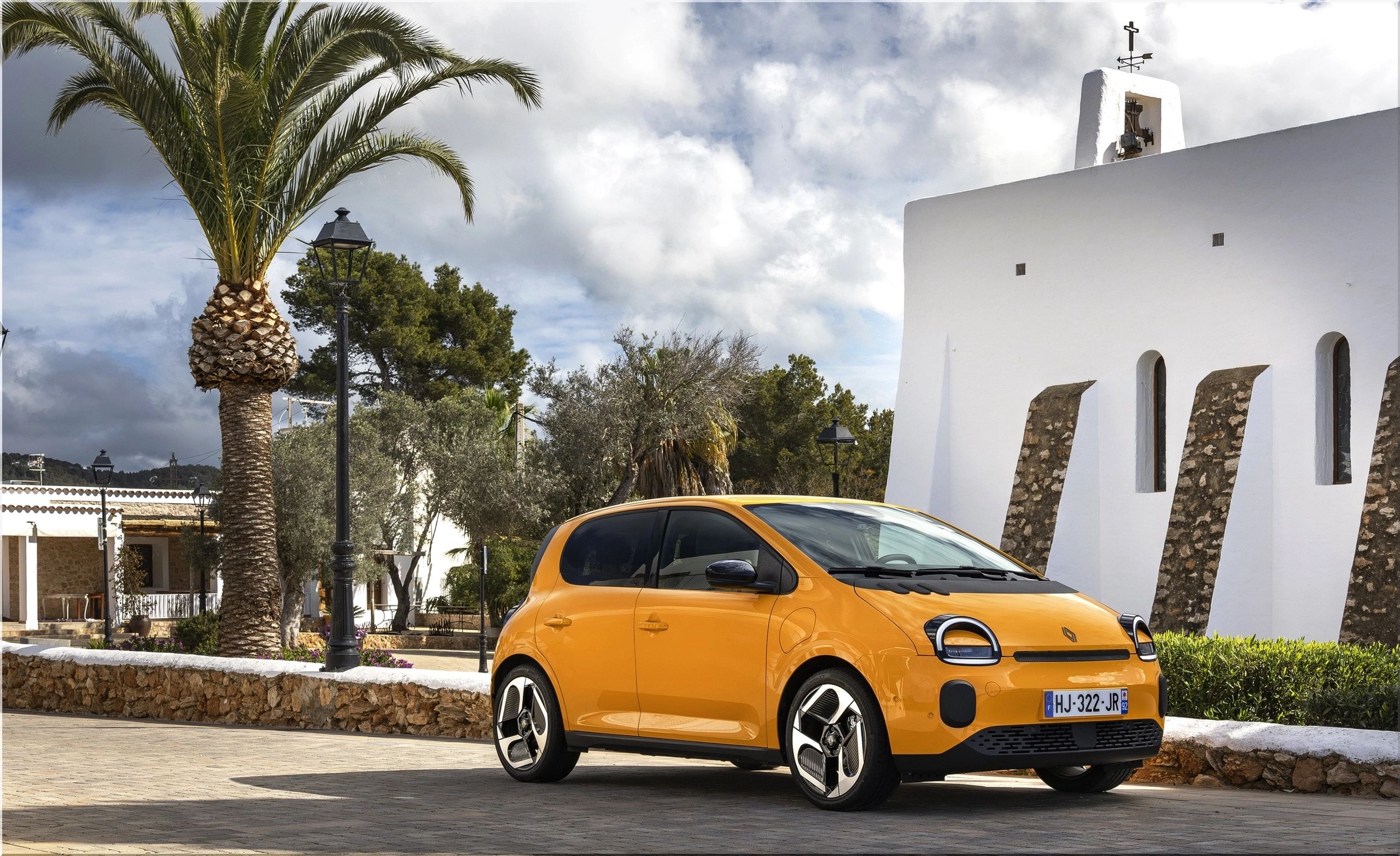
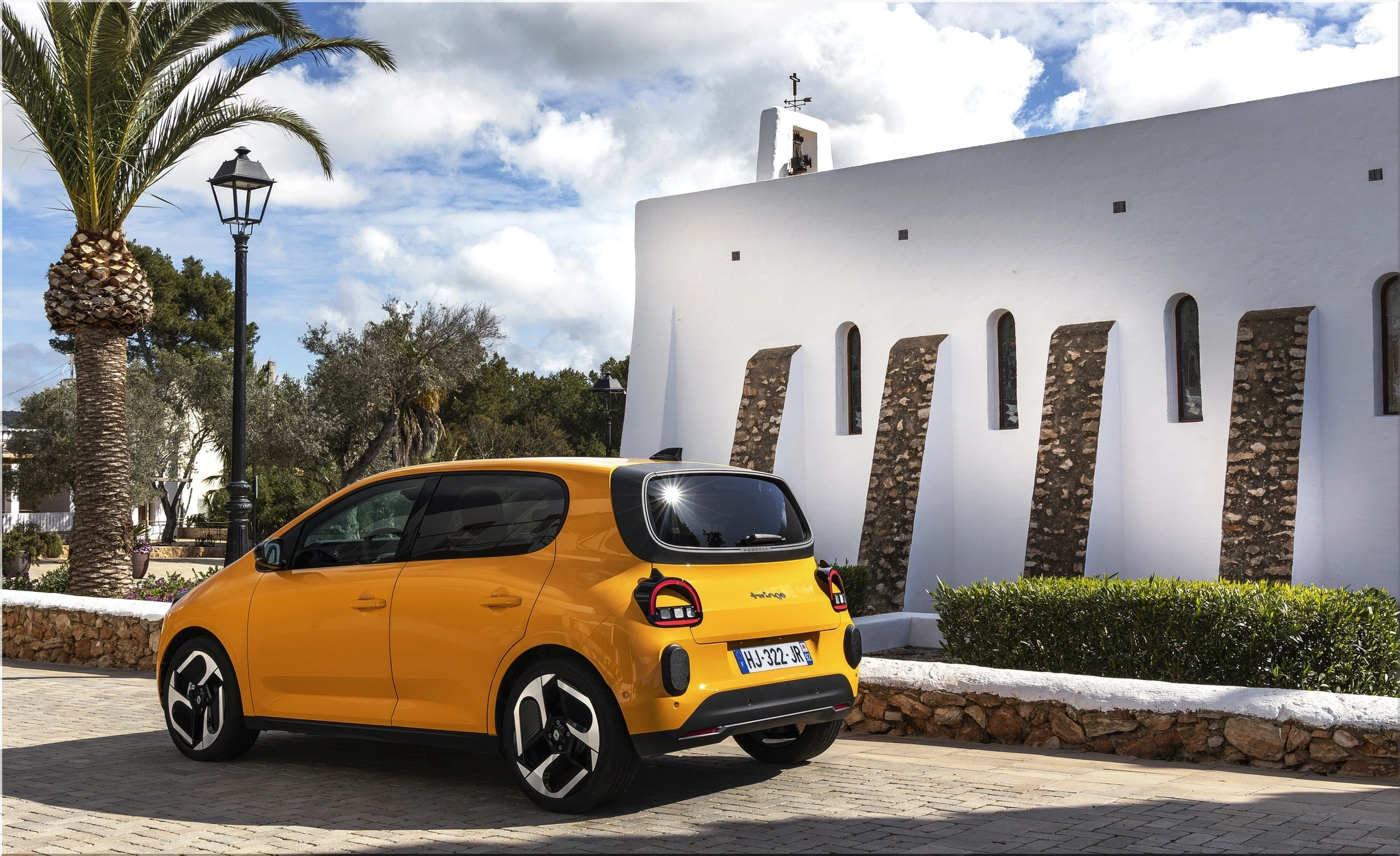
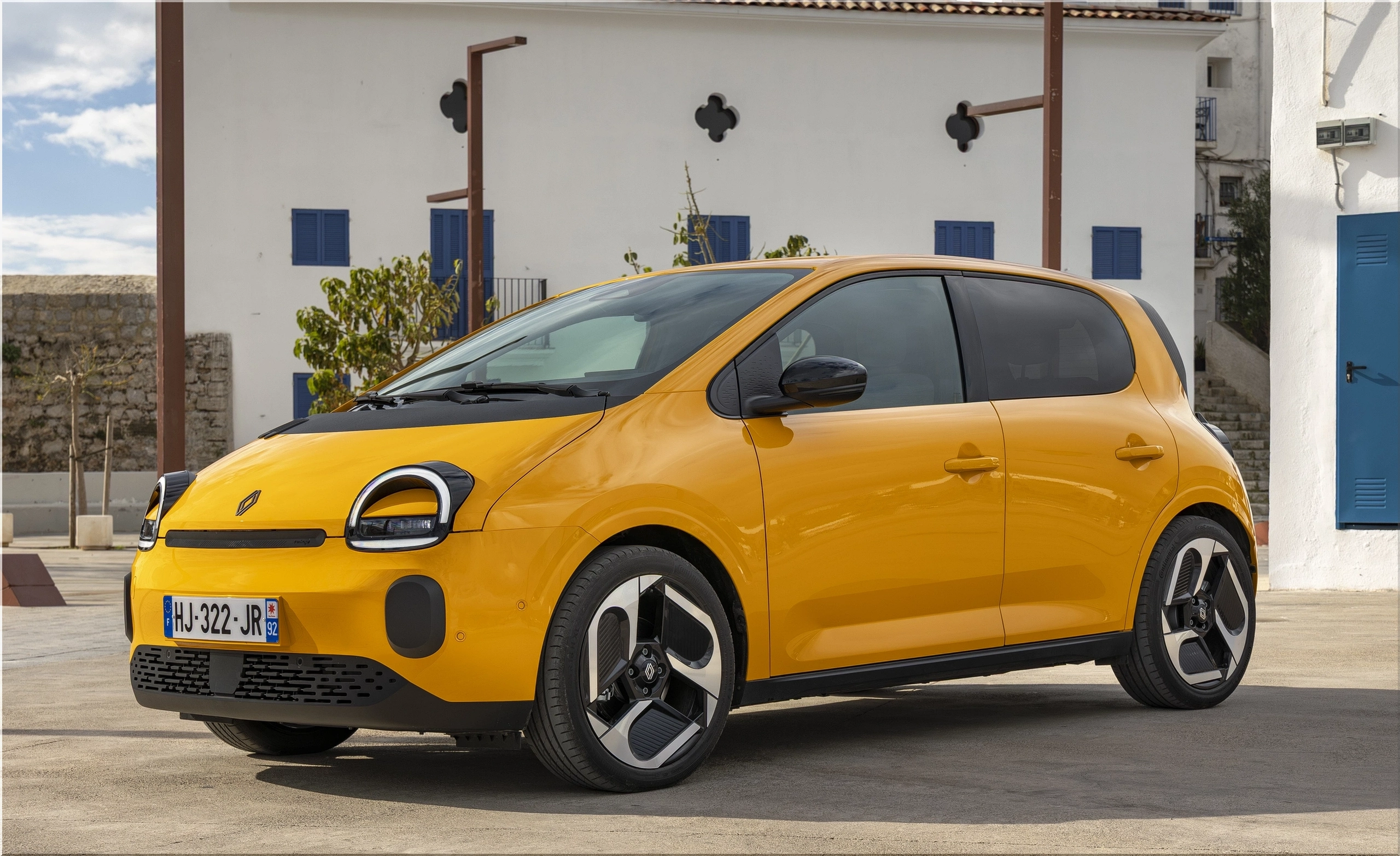
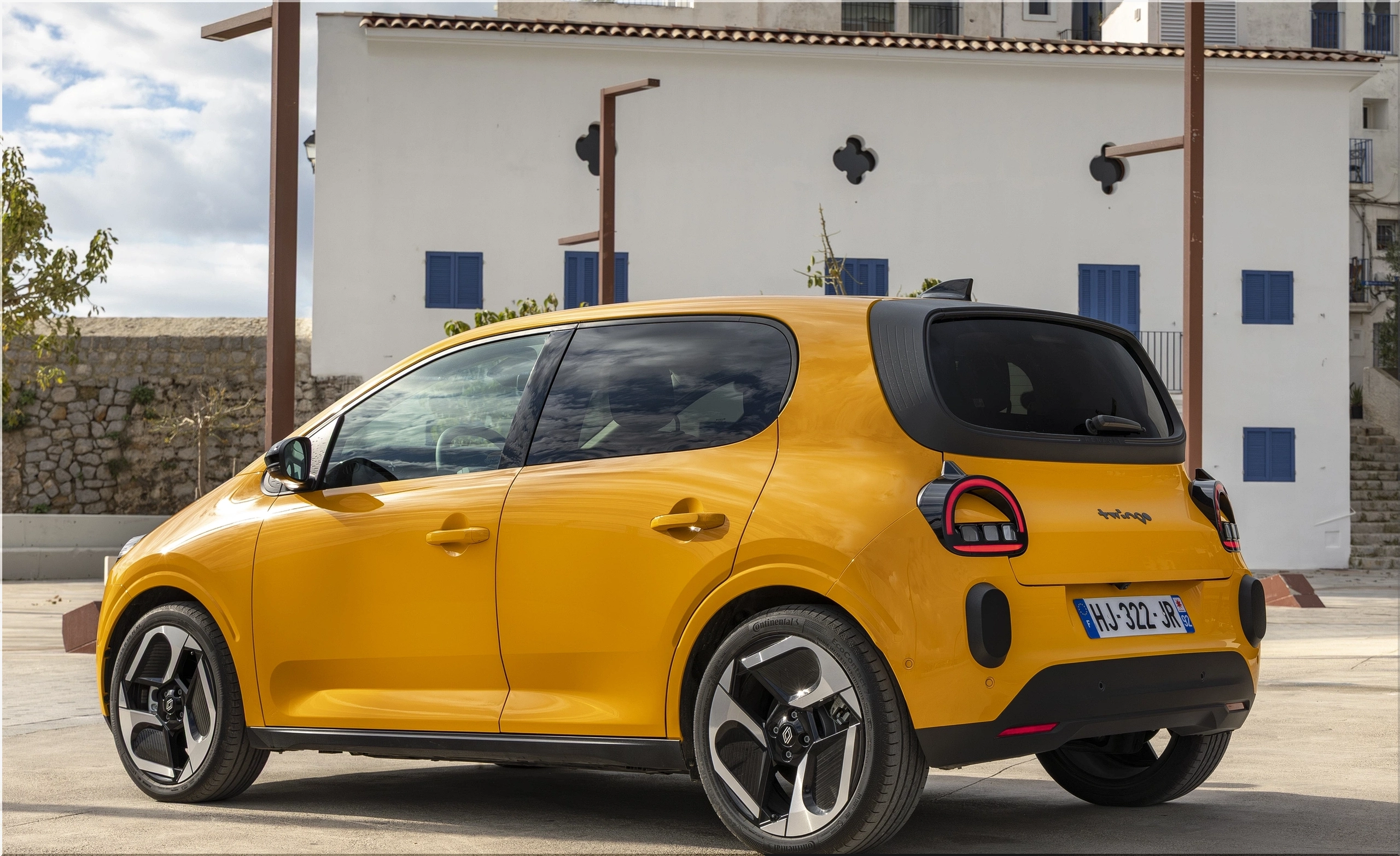
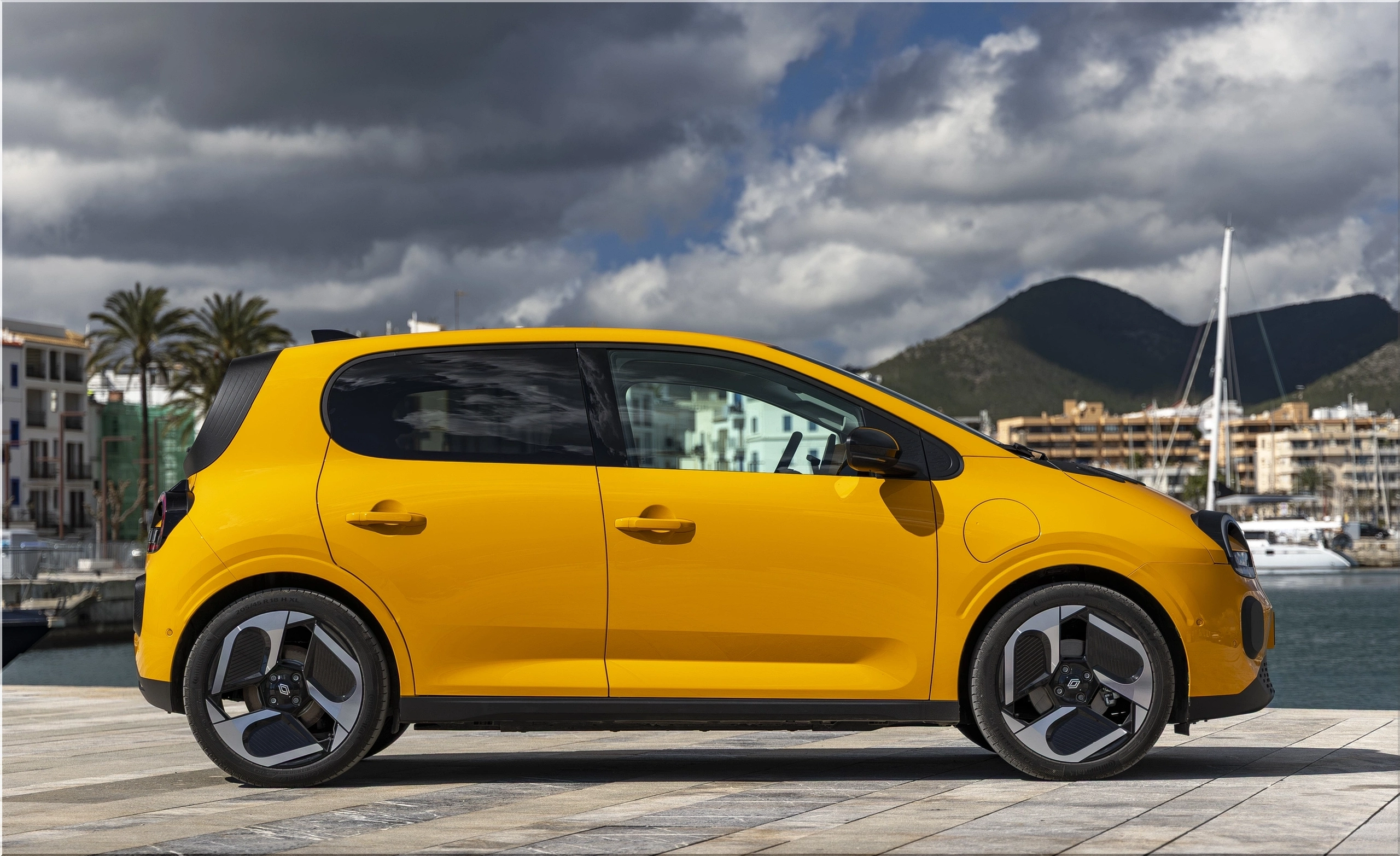
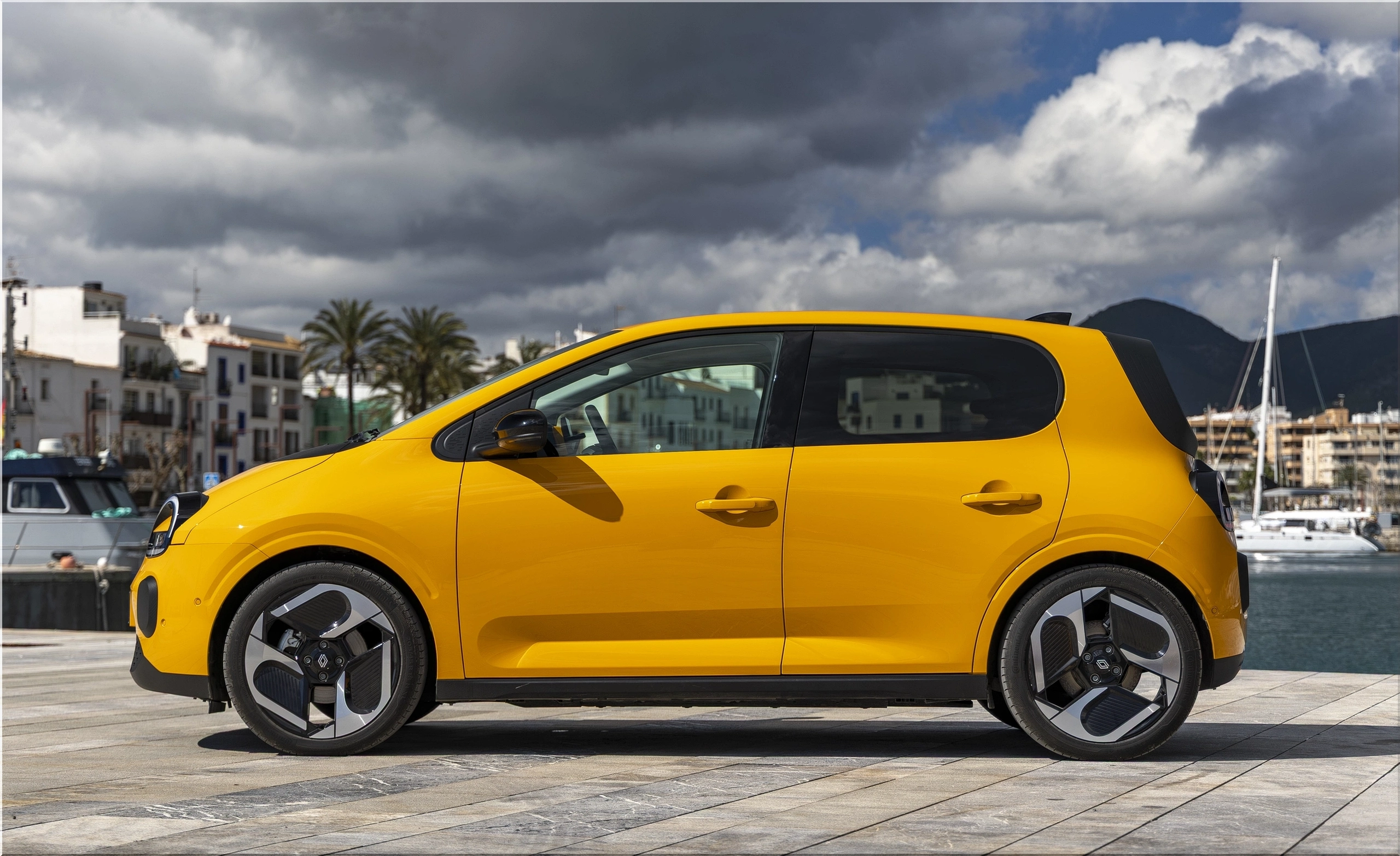
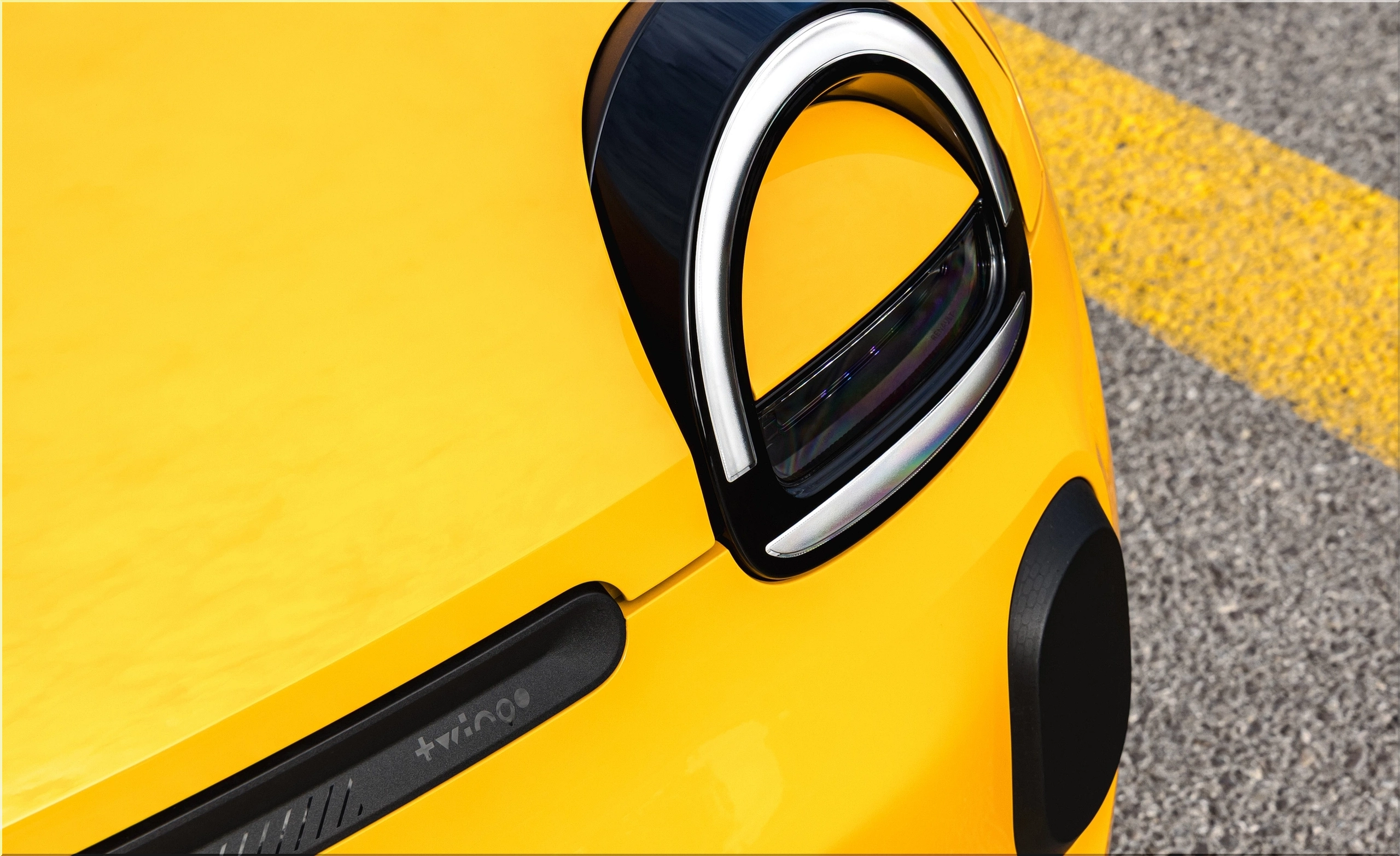
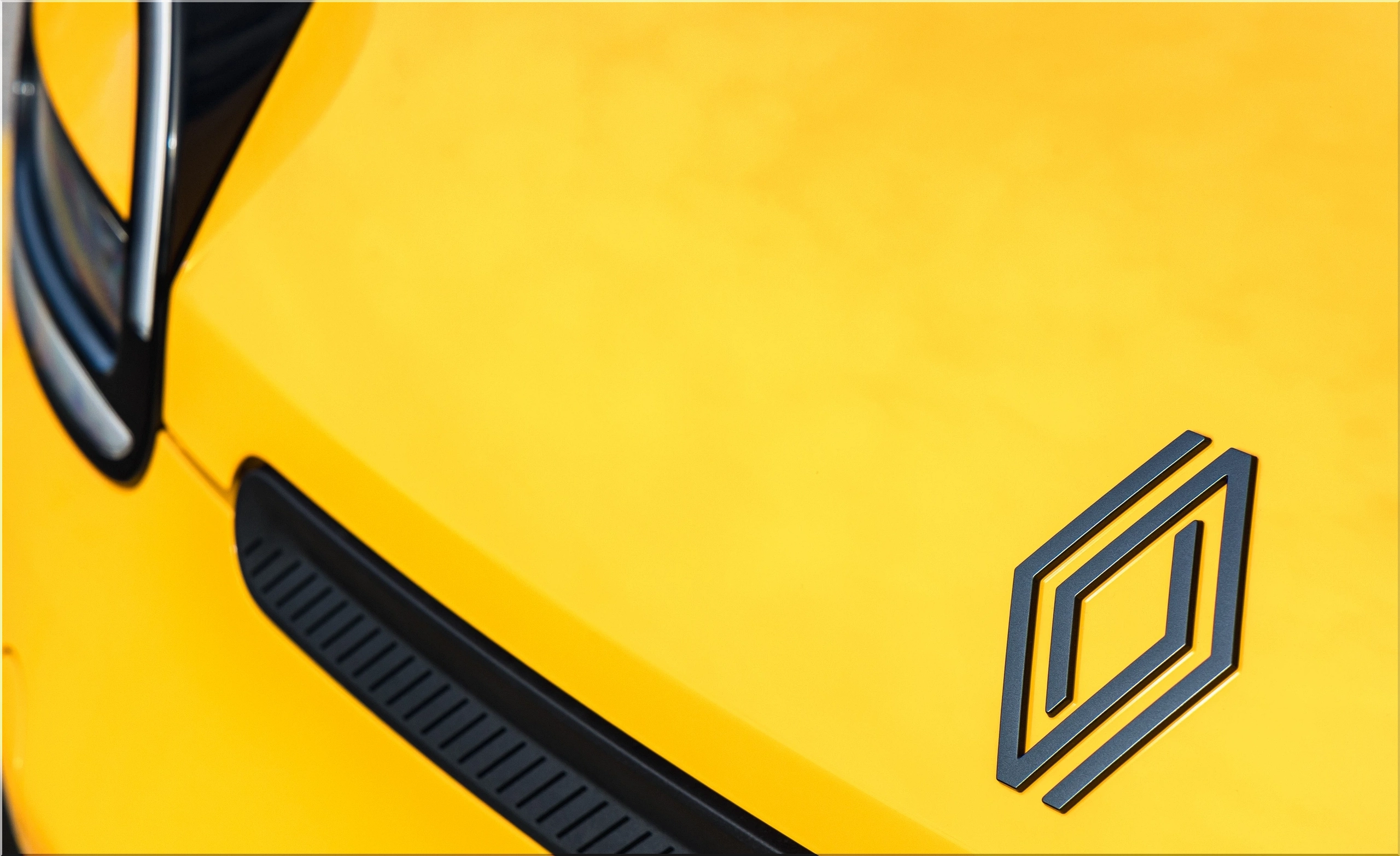
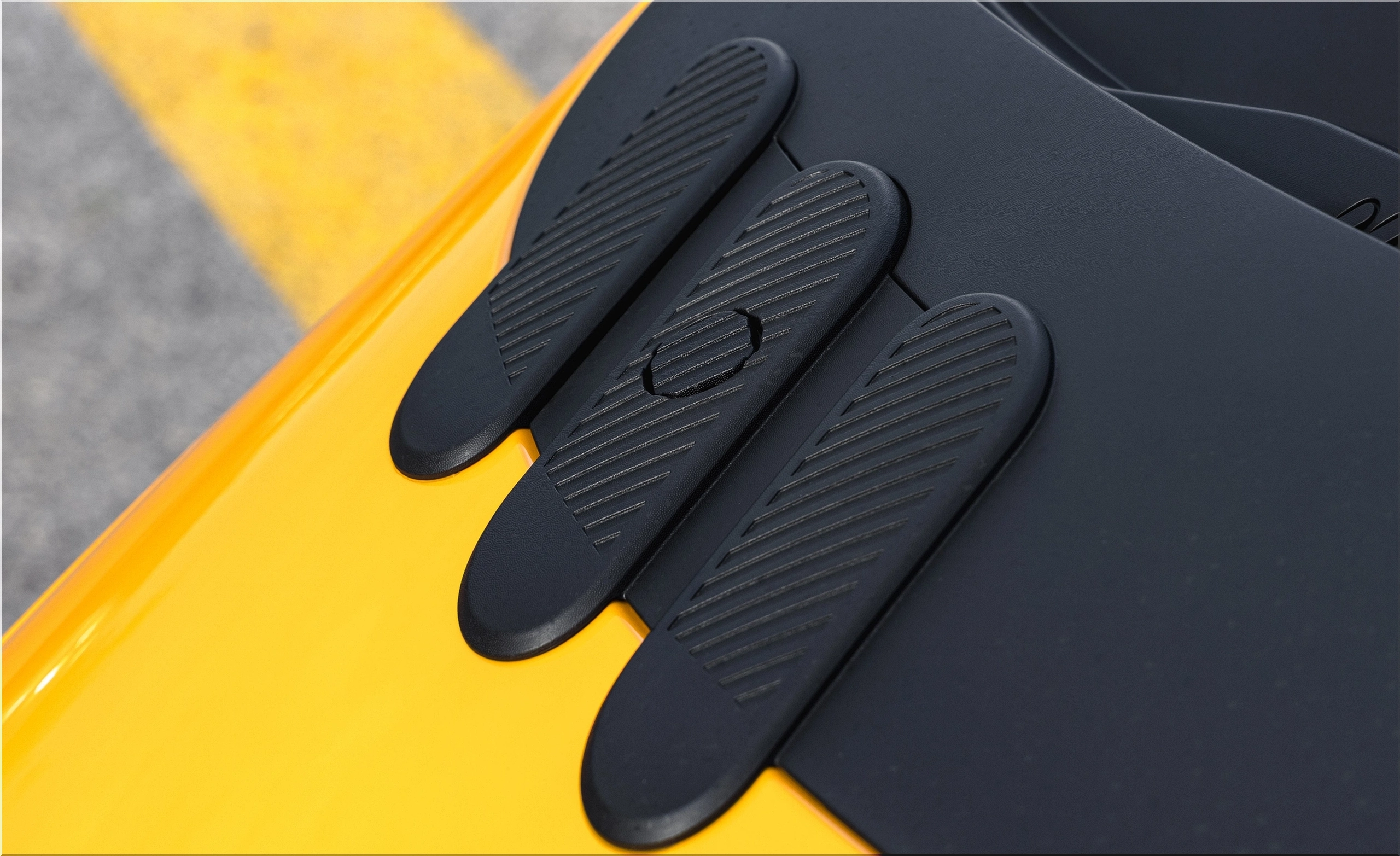
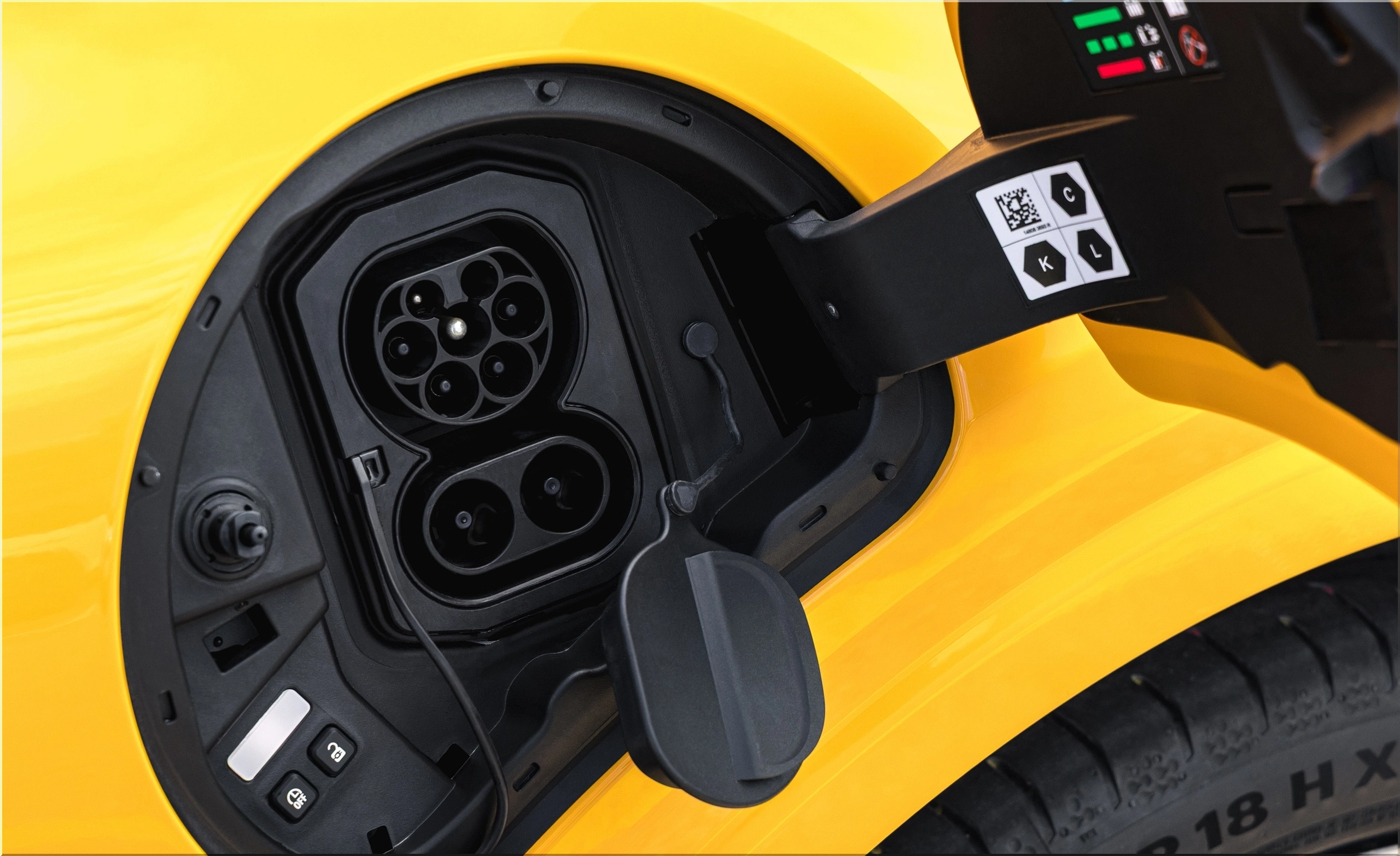
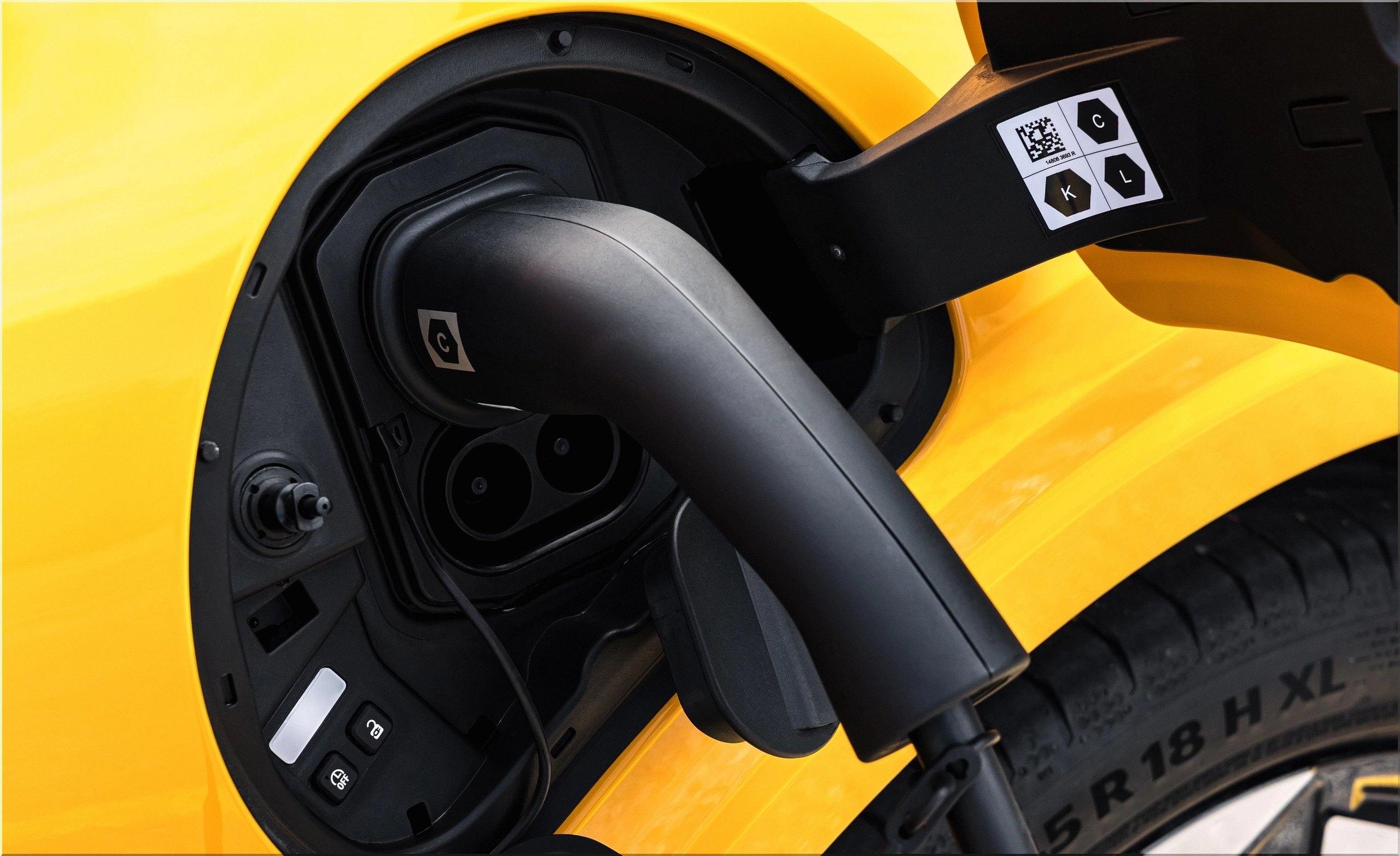
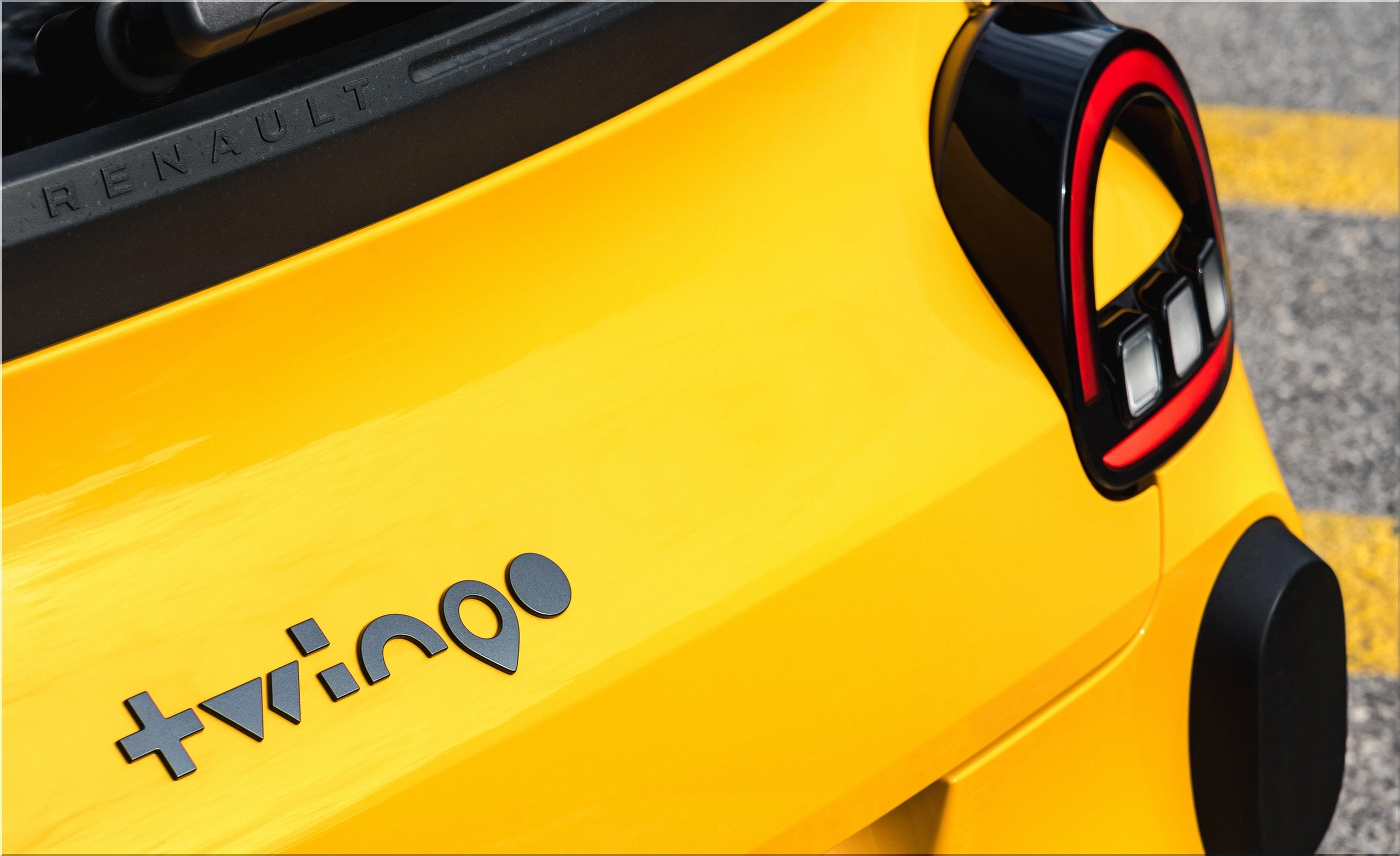
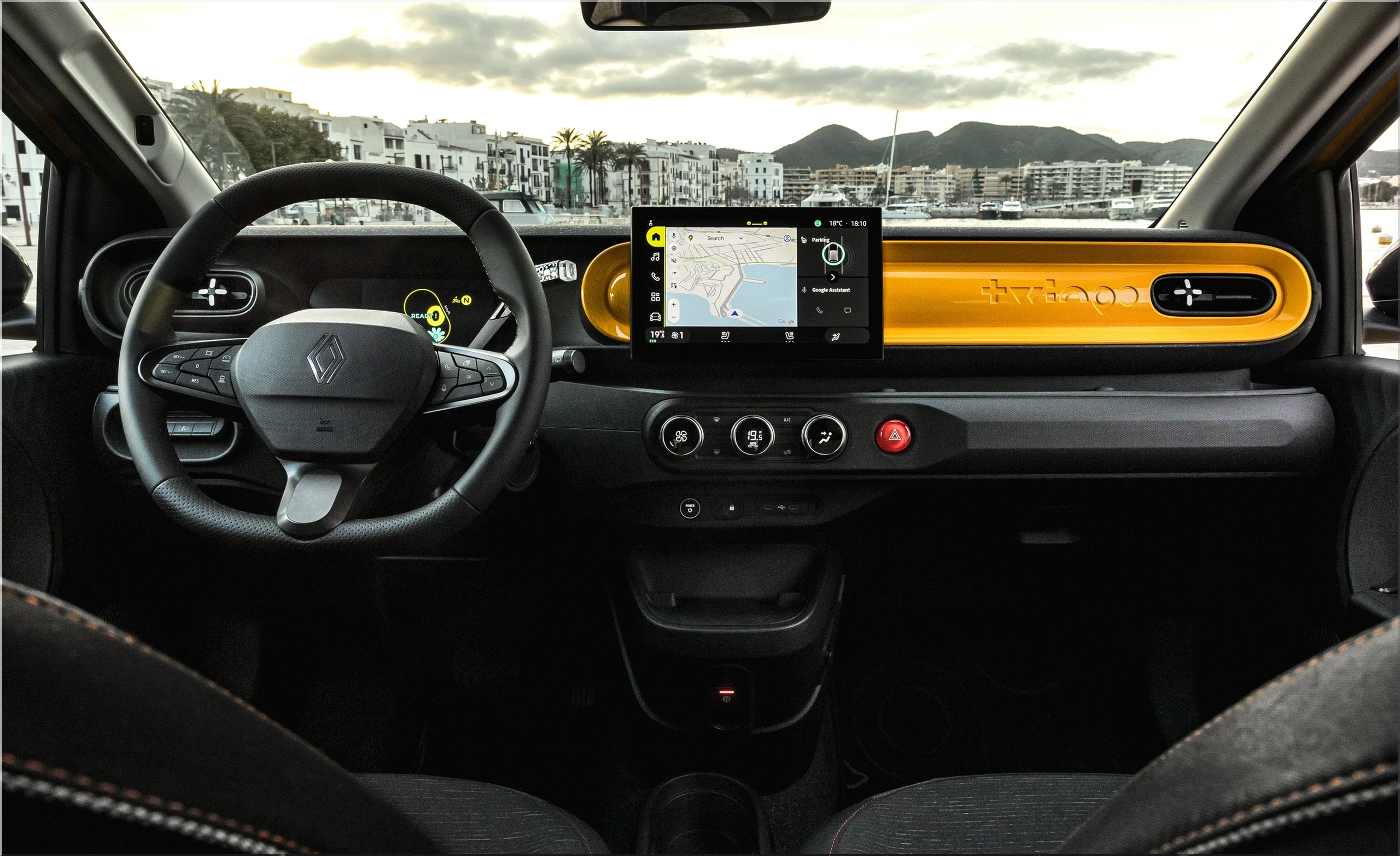
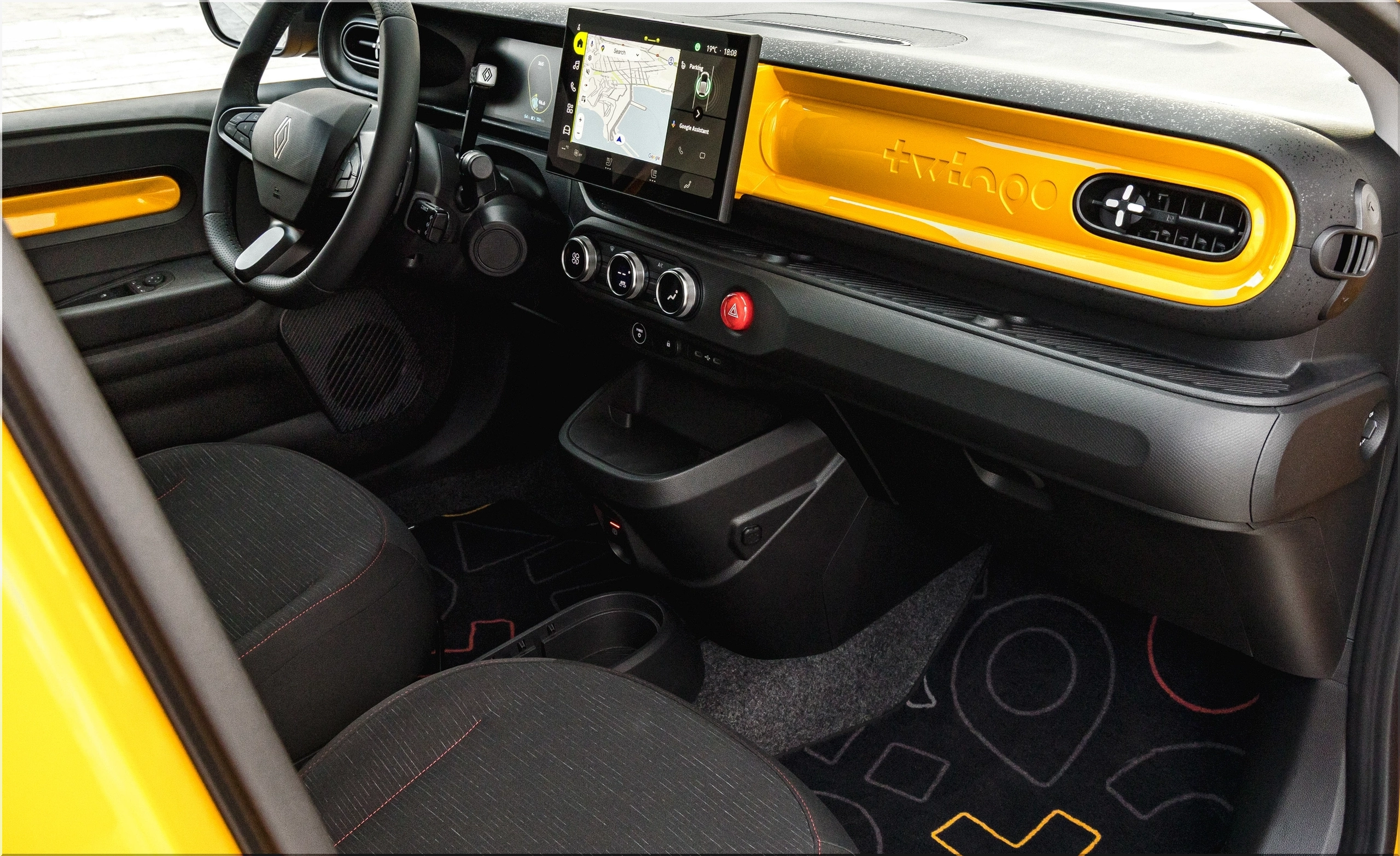
Behind the wheel: light, quick in town, a little firm on rougher roads
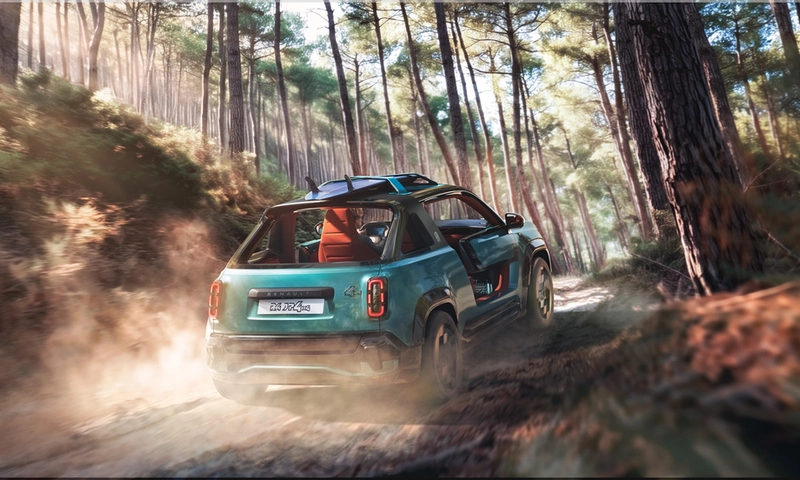
The road report fits the spec sheet. The new Renault Twingo E-Tech electric feels lively in city traffic, and the low-speed punch does most of the work buyers want. Review drives put its 0-50 km/h sprint at 3.85 seconds, which explains why it should dart through roundabouts, short merges, and traffic-light gaps without feeling strained.
The steering also seems to land on the right side of quick rather than nervous. Test impressions point to a sharp front end, accurate steering, and a light-footed feel that many cheap EVs lose once battery mass starts running the show. Consequently, the Twingo sounds more alert than its power figure suggests.
Ride quality looks like the main trade-off. Reviews say the suspension can feel a bit firm over larger hits, and 18-inch test wheels likely made that more obvious. On the standard 16s, the balance should improve. That is the familiar small-car equation: low mass and tight control help agility, but they rarely hand out luxury-car isolation.
Twingo vs its closest small-EV rivals
| Model | Starting price in USD | WLTP range | Power | DC charging | Cargo |
|---|---|---|---|---|---|
| Renault Twingo E-Tech electric | $24,340 | 262-263 km | 60 kW | 50 kW | 260-1,010 L |
| Dacia Spring | $20,873 | 225 km | 75 kW | 40 kW | 308 L |
| Leapmotor T03 | $21,916 | 265 km | 70 kW | about 48-50 kW | Not its main selling point |
| Hyundai Inster | $28,404 | 327 km | 71.1 kW | Up to 120 kW class charging support varies by station | 280-1,059 L |
Looking at the data, the Twingo does not win the cheap-seat fight. The Dacia Spring still owns the lowest entry point. The Leapmotor T03 also lands hard on price-per-range value. But Renault pushes back with a better interior concept, stronger infotainment, better rear-seat flexibility, and a more mature cabin brief.
The Hyundai Inster sits one tier up. It brings more range, more space, and a longer wheelbase, but it also steps into a higher price band. By comparison, the Twingo looks like the smarter pick for buyers who spend most of their time in dense city use and do not need 350-plus km of WLTP range.
Where the Twingo wins
- Best packaging logic in the group
- Small footprint, long wheelbase balance
- Low energy use
- Better city-first feature mix
Where it gives ground
- Sticker undercuts do not beat the Spring or T03
- Highway pace stays modest
- Ride may feel busy on bigger wheels
Pricing, trims, and the real value case
Renault's Dutch price list puts the Evolution at about $24,340 and the Techno at about $26,195 before incentives. That means Renault's launch message of a sub-$23,192 starting point looks tied to a lower base-market figure rather than every on-road market price.
The trim walk still makes sense:
- Evolution gives buyers the core car: 11 kW AC, 50 kW DC, 10.1-inch center screen, and the modular seat layout.
- Techno adds Google-based infotainment, battery pre-conditioning, one-pedal drive, more premium audio, and the folding passenger seat.
Pro-Tips
- Pick the trim based on your charging routine, not badge ego. The base car already covers most city use.
- Skip large wheels if your roads punish short-wheelbase cars.
- If you carry awkward cargo, the folding passenger seat and sliding rear seats add more day-to-day value than another 20 to 30 km of range.
Image gallery
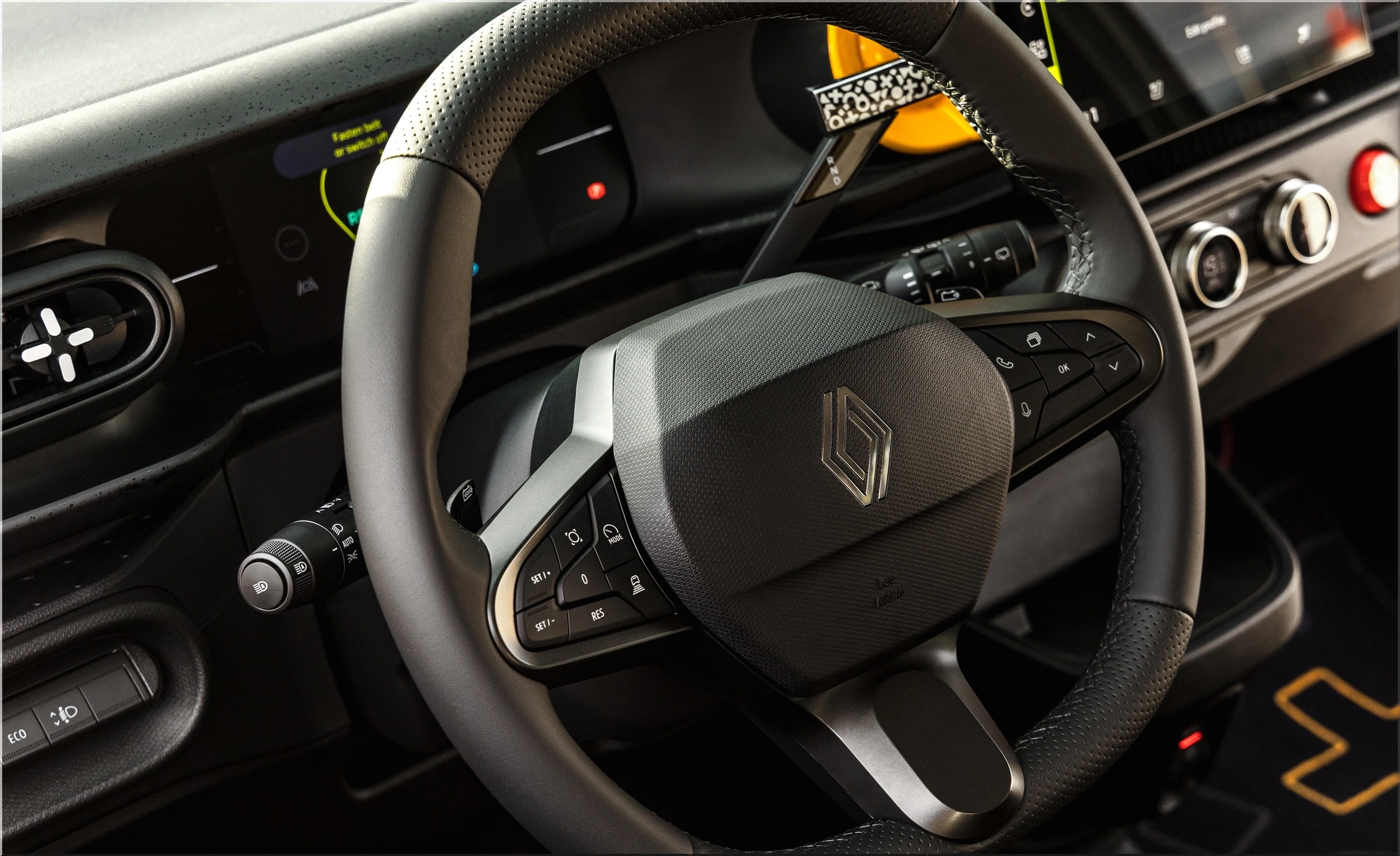
What now?
If you want the sharpest one-line take, here it is: the Renault Twingo E-Tech electric looks like one of the few new EVs that actually respects the math of the A-segment EV class.
Buyers who want the lowest possible price still have cheaper exits. Buyers who want longer-range flexibility can move up to an Inster-size package. But buyers who want a compact footprint, low running costs, smart cabin packaging, and proper city-road manners should put the Twingo near the top of the list.
- Add new comment
- 304 views