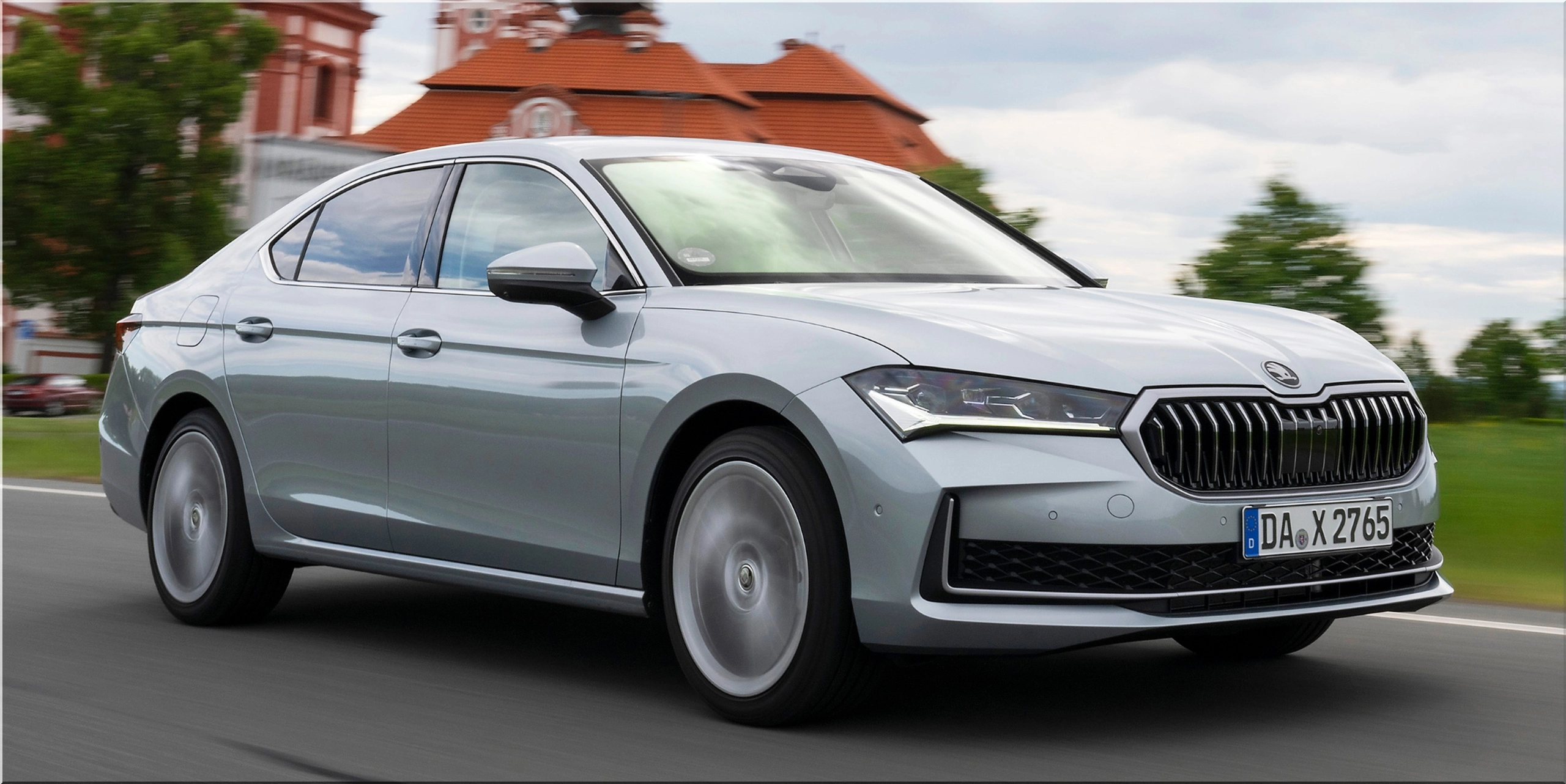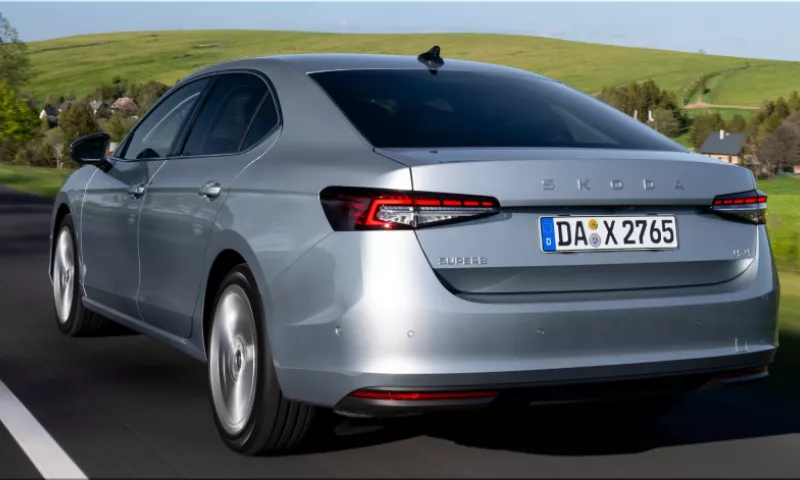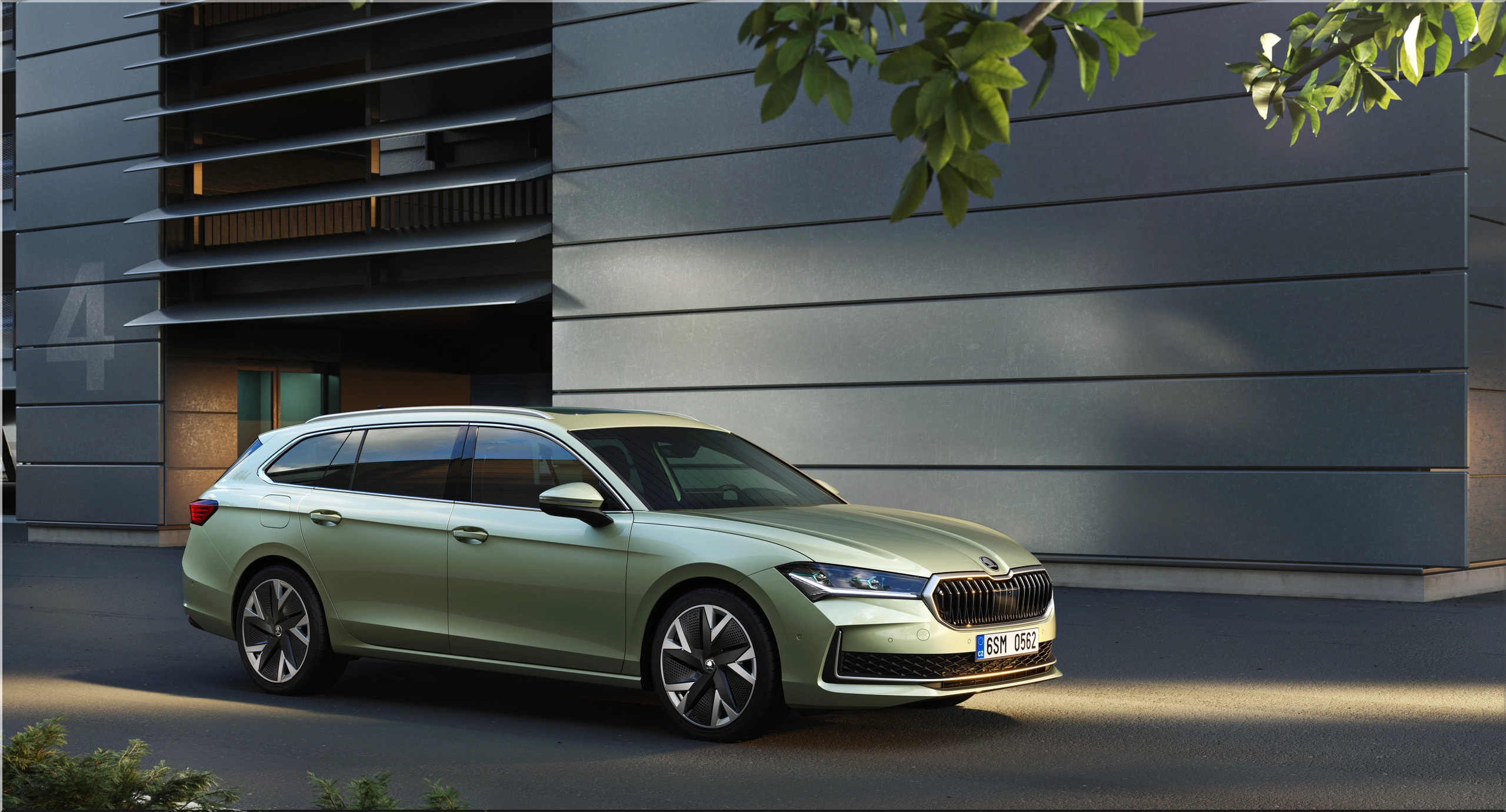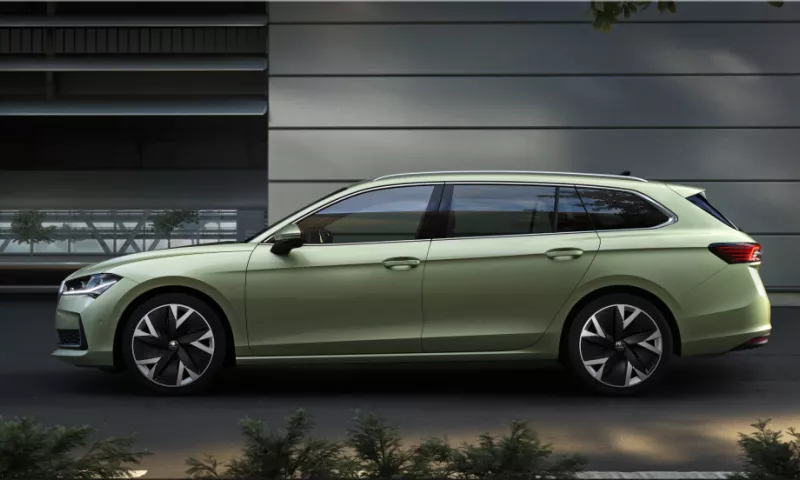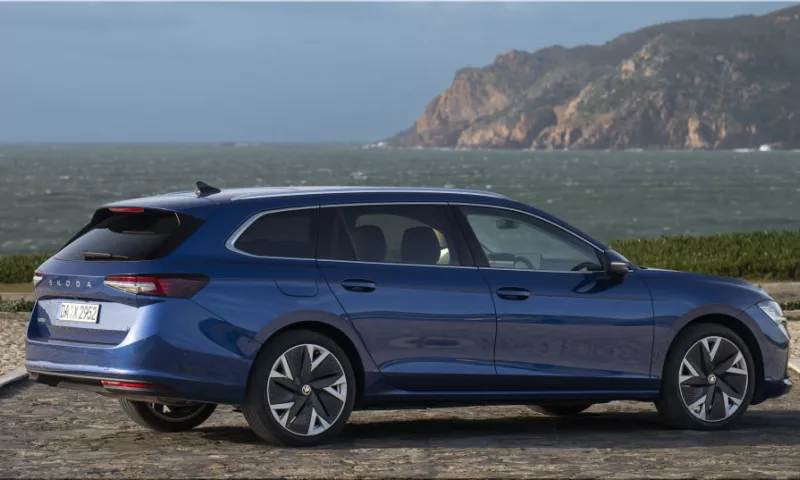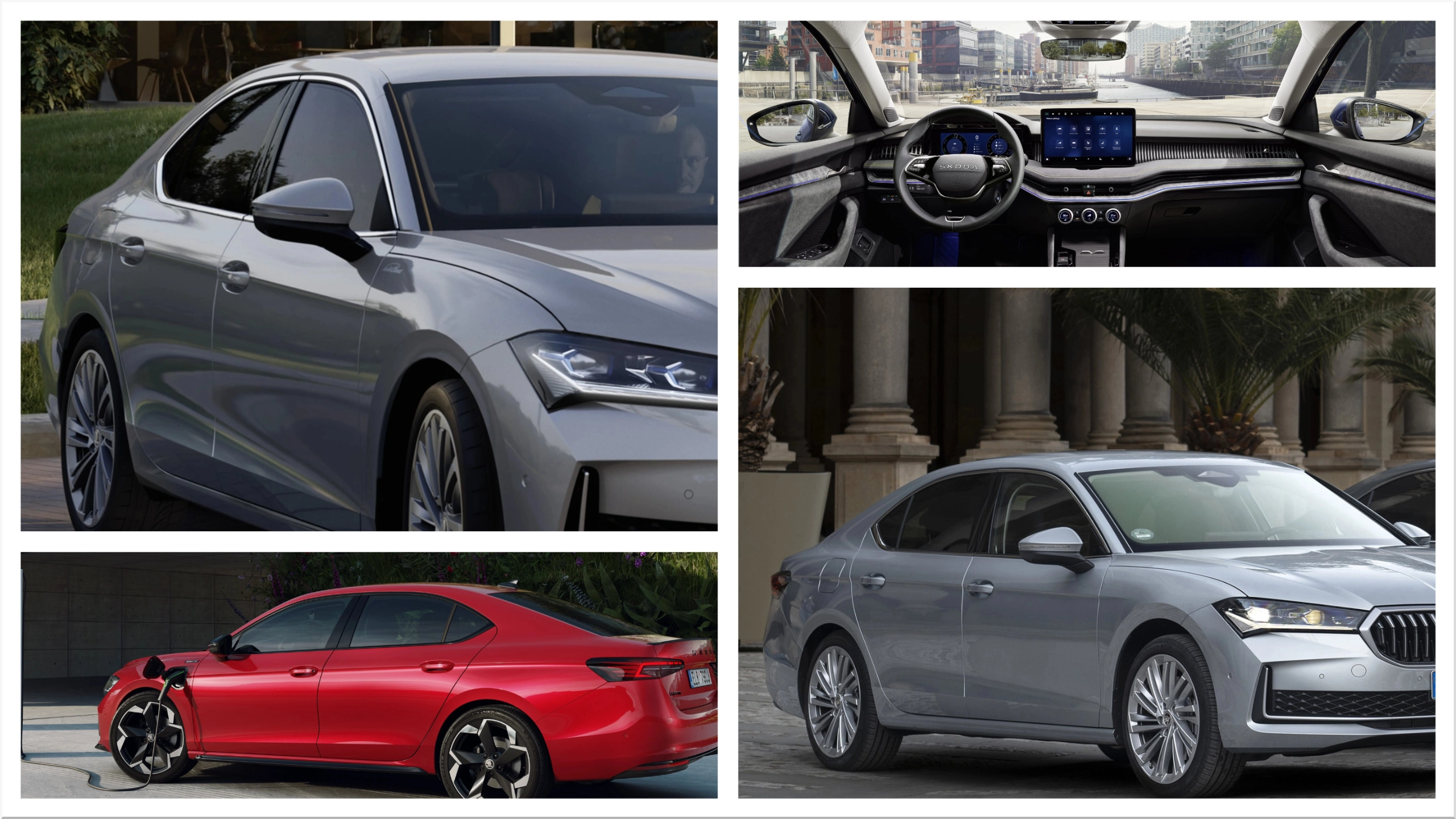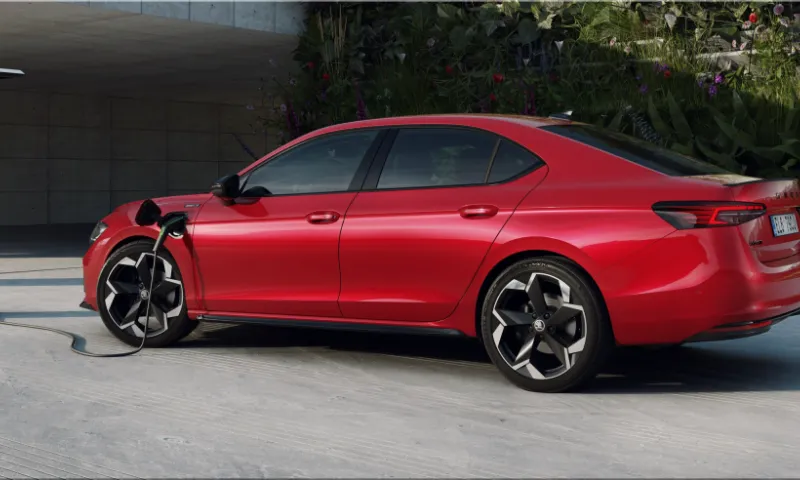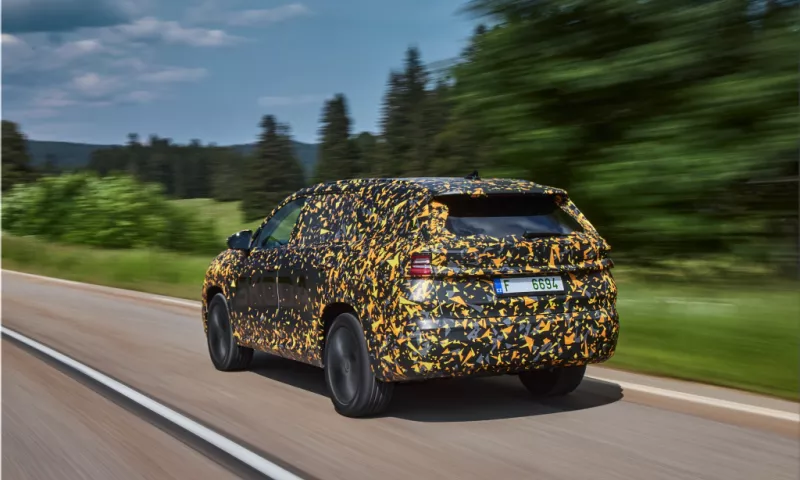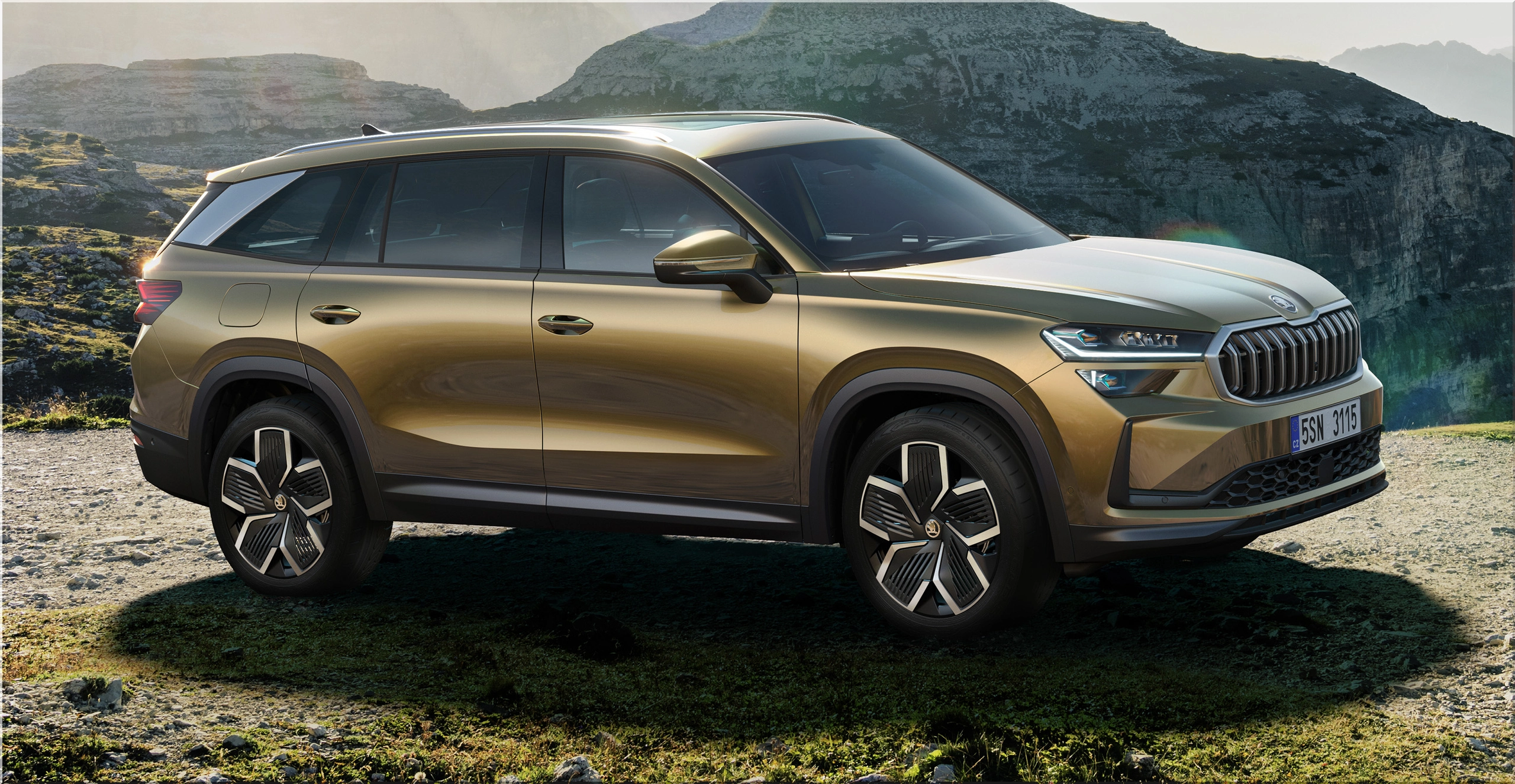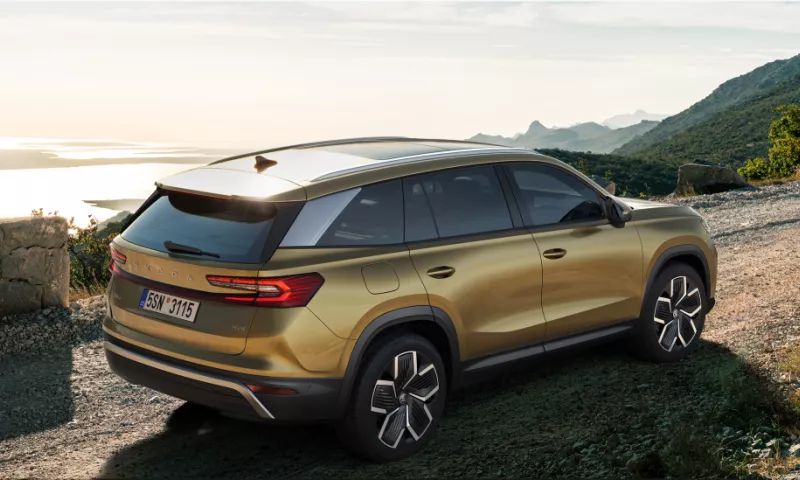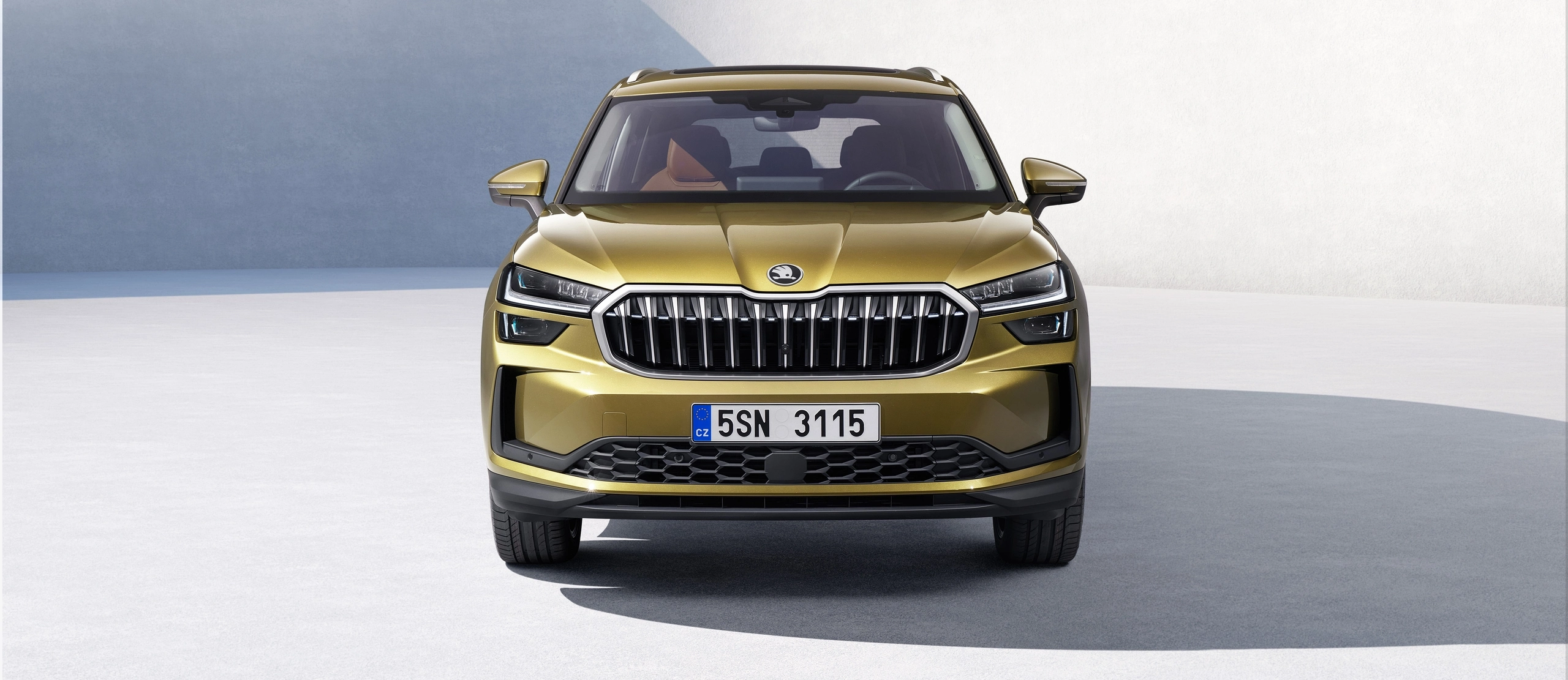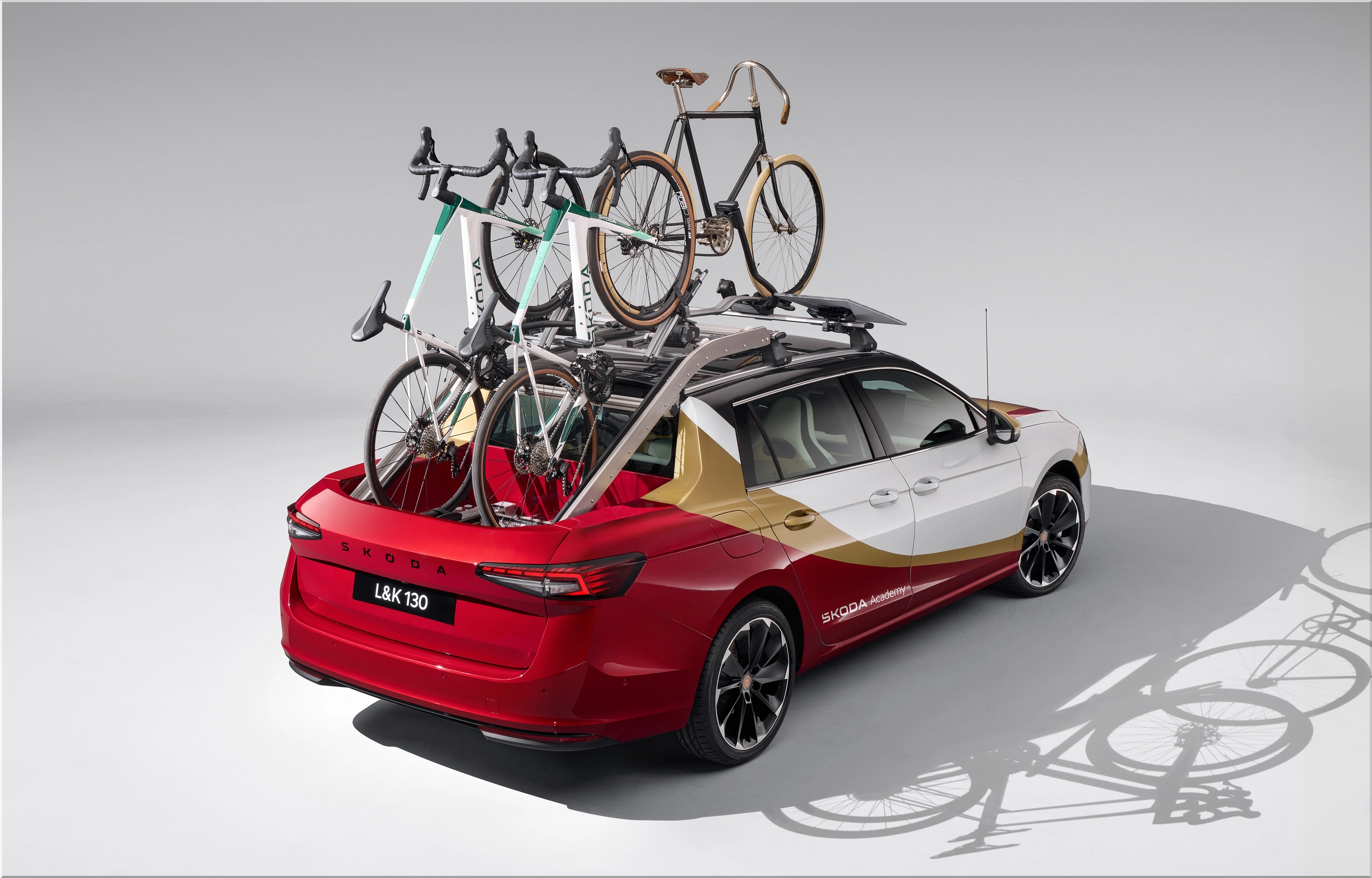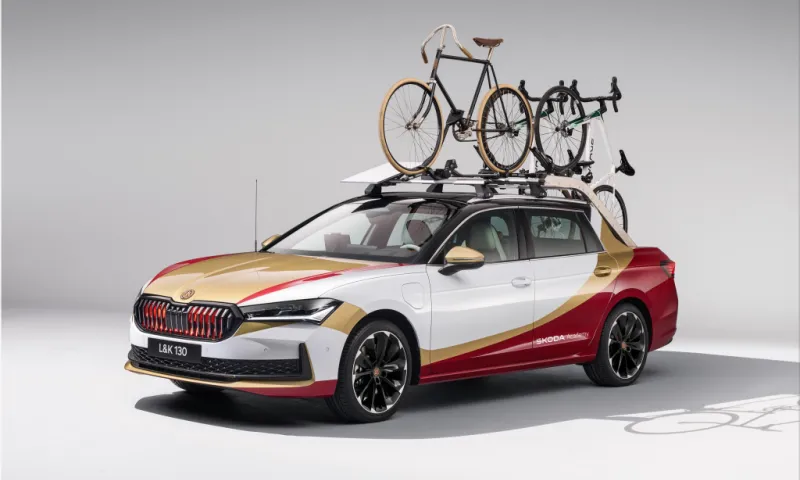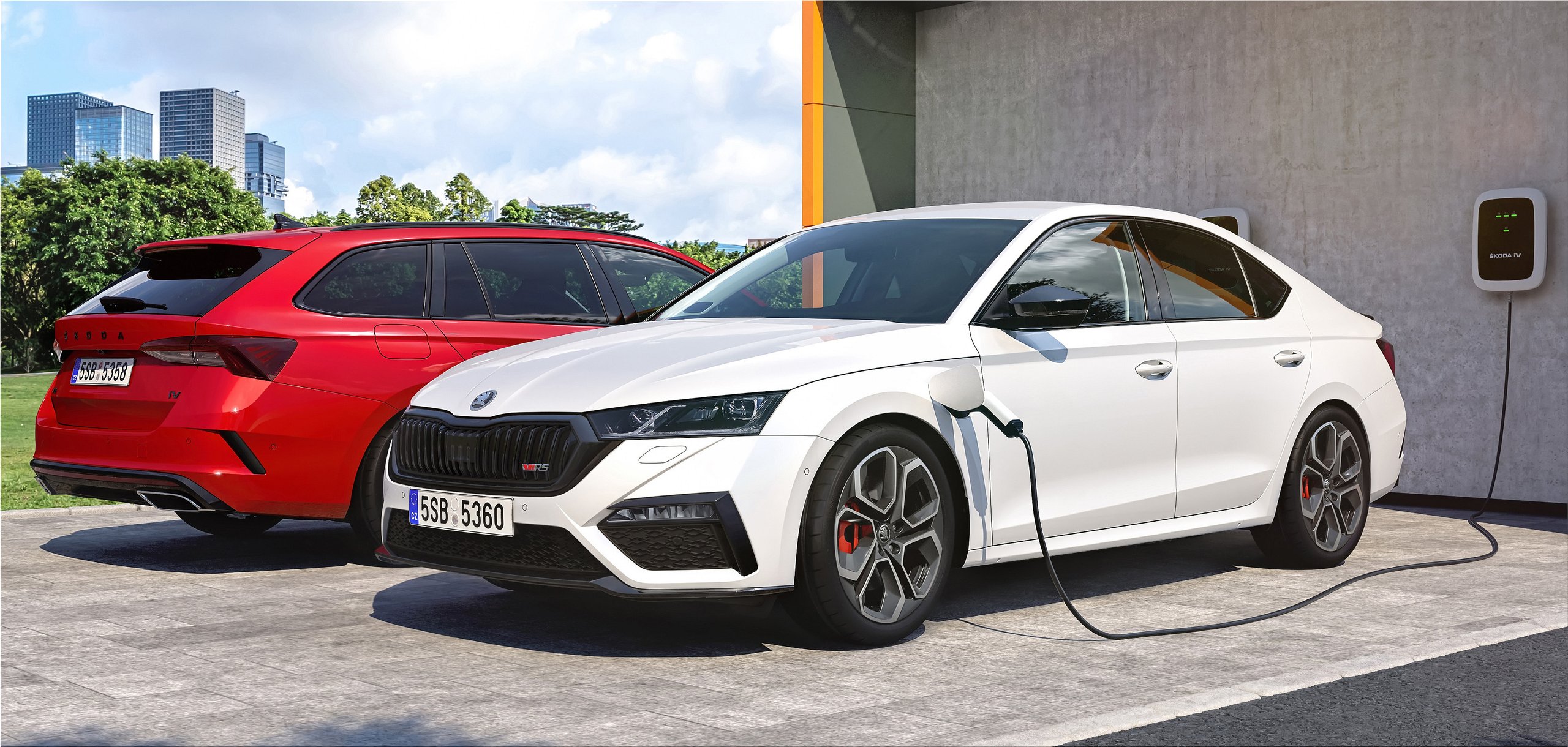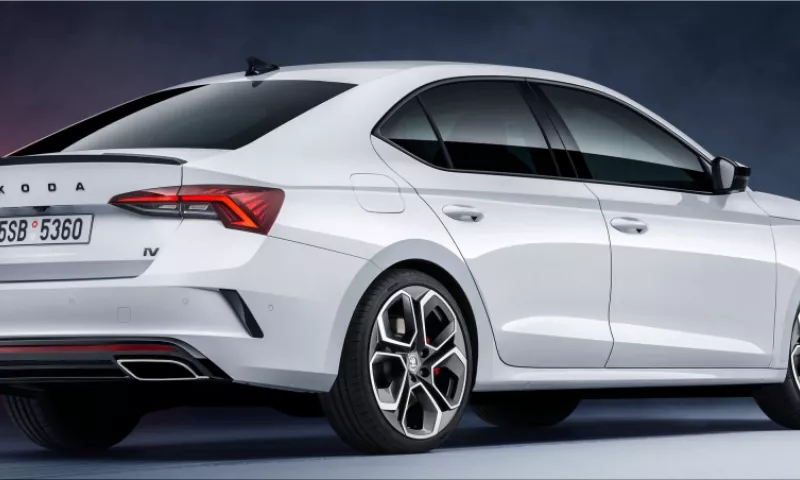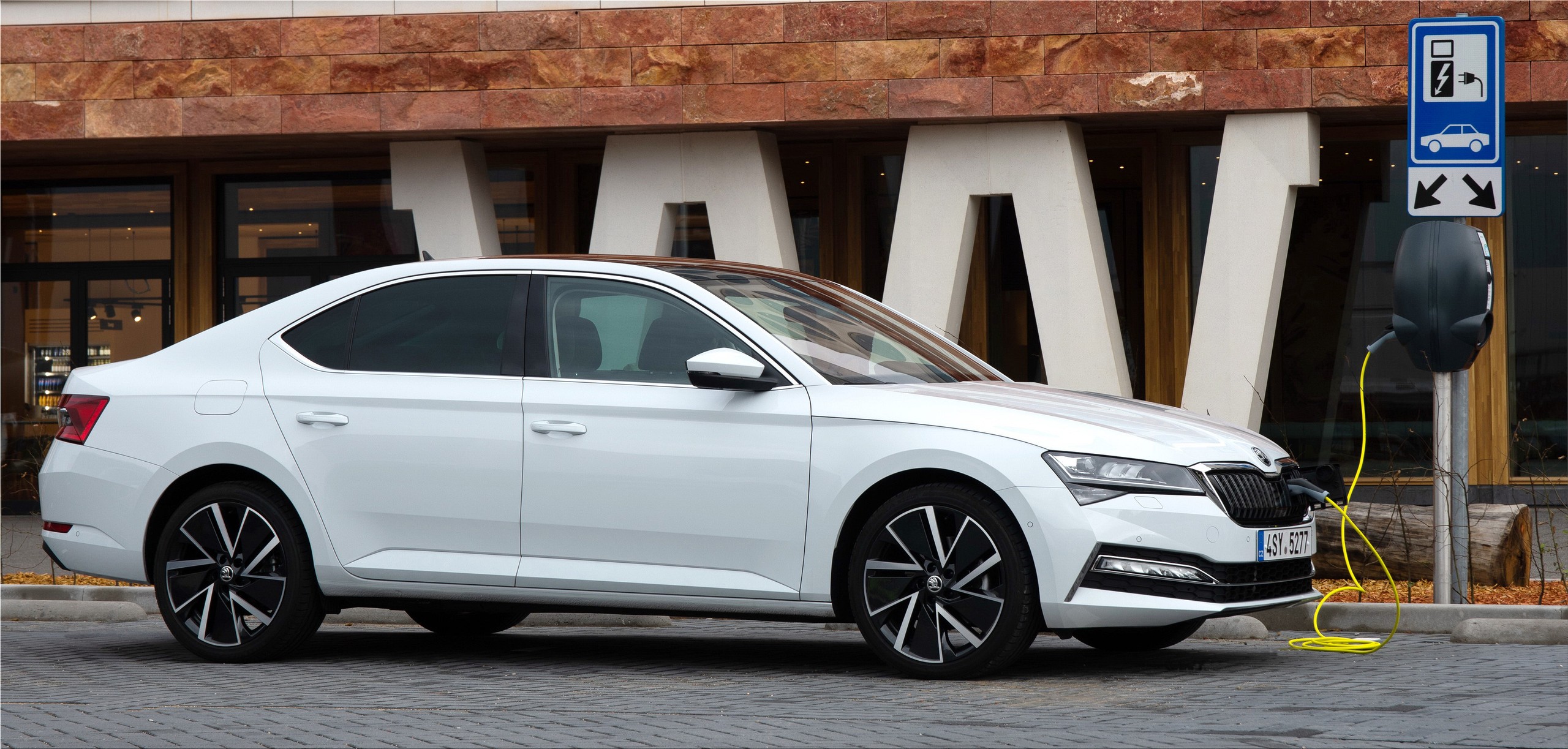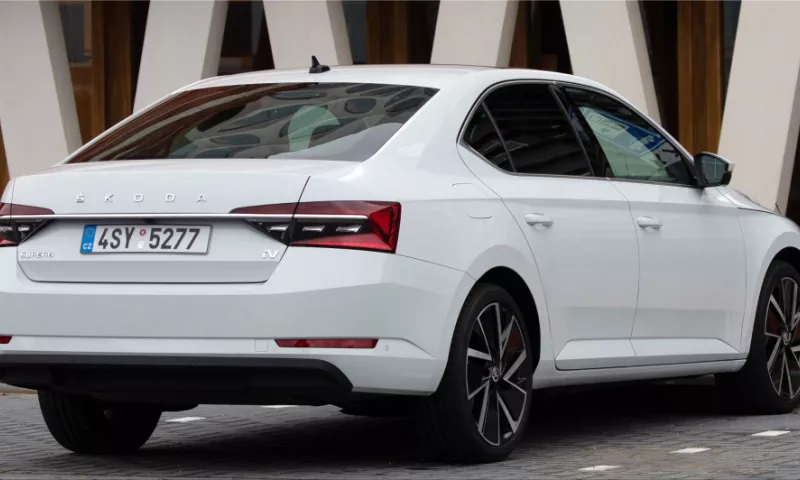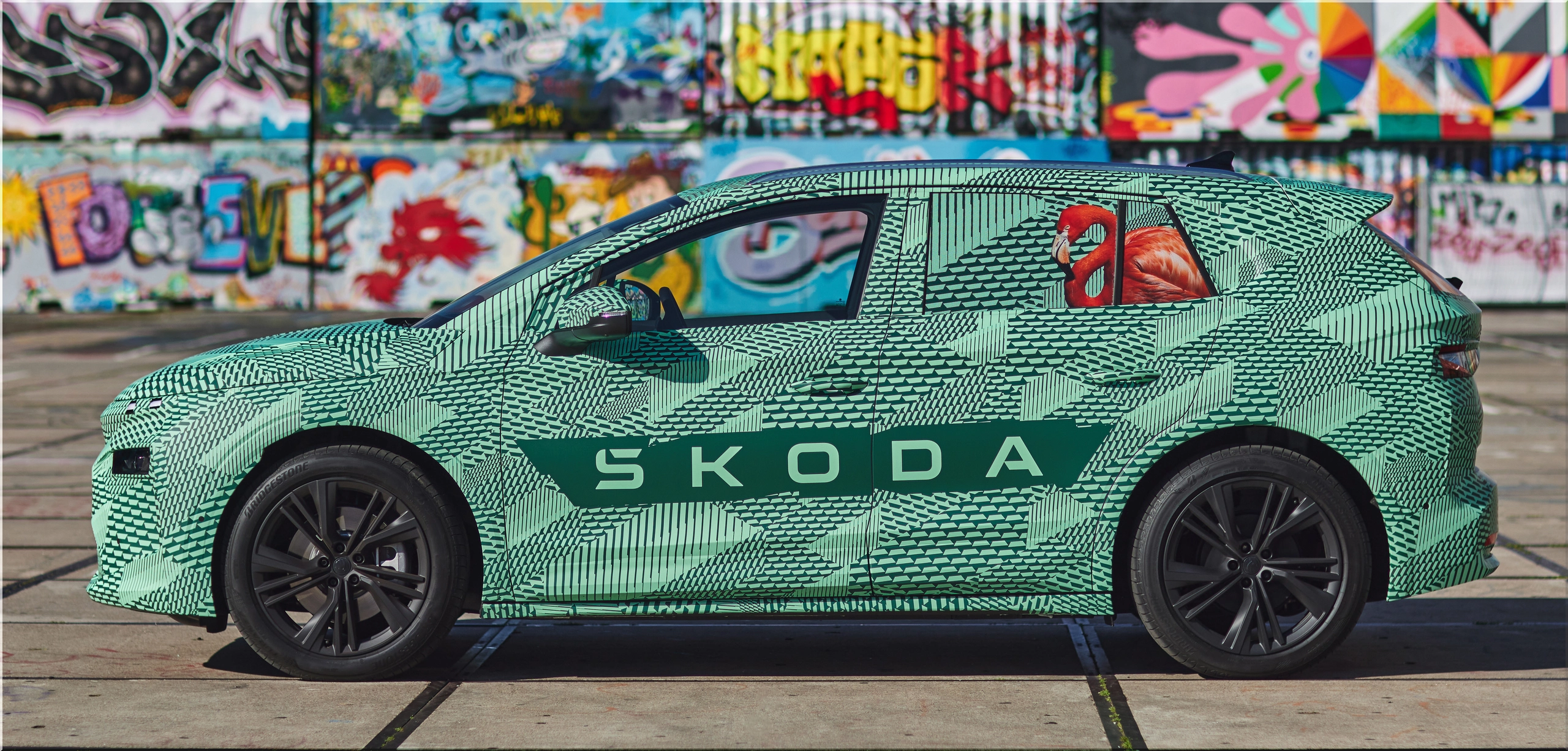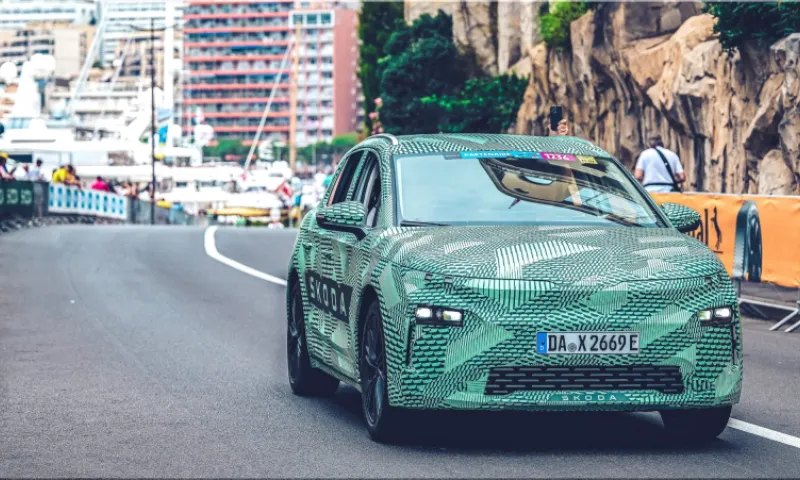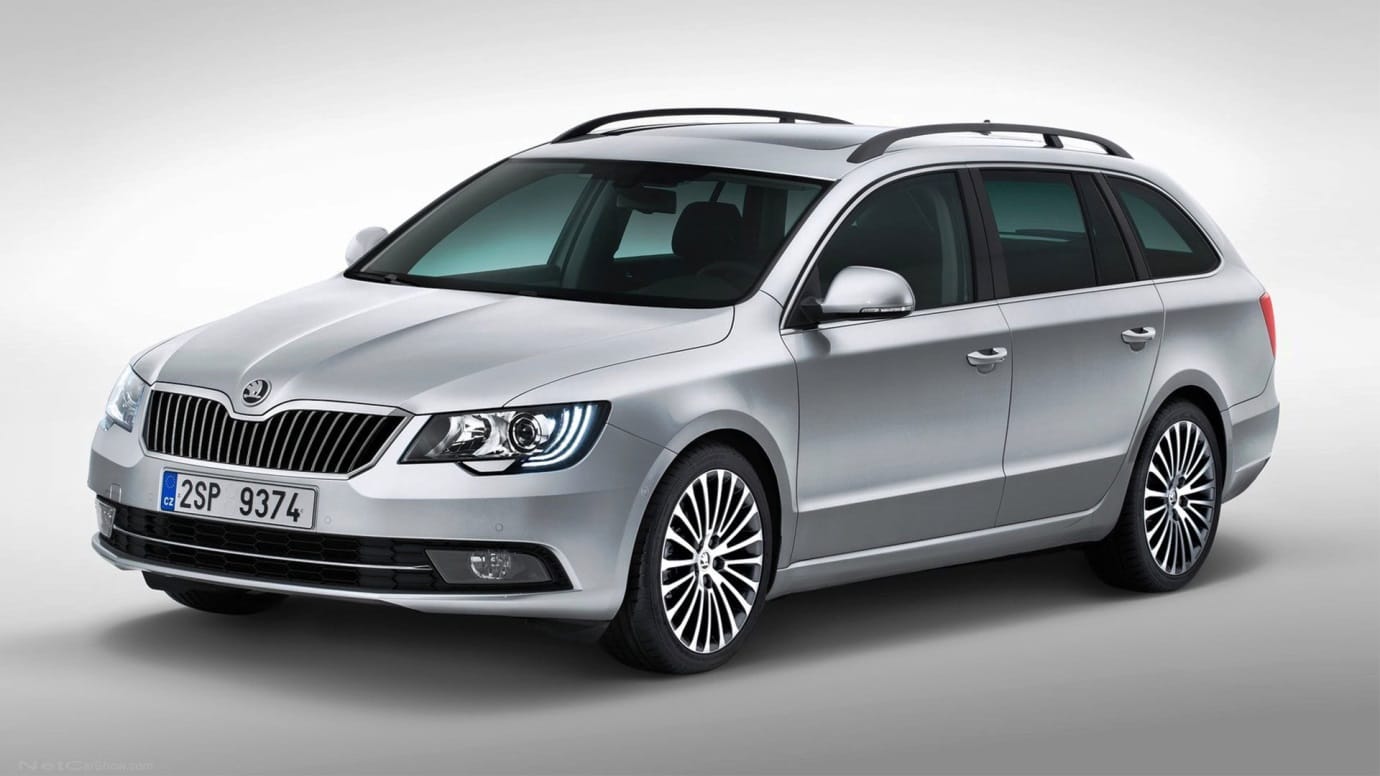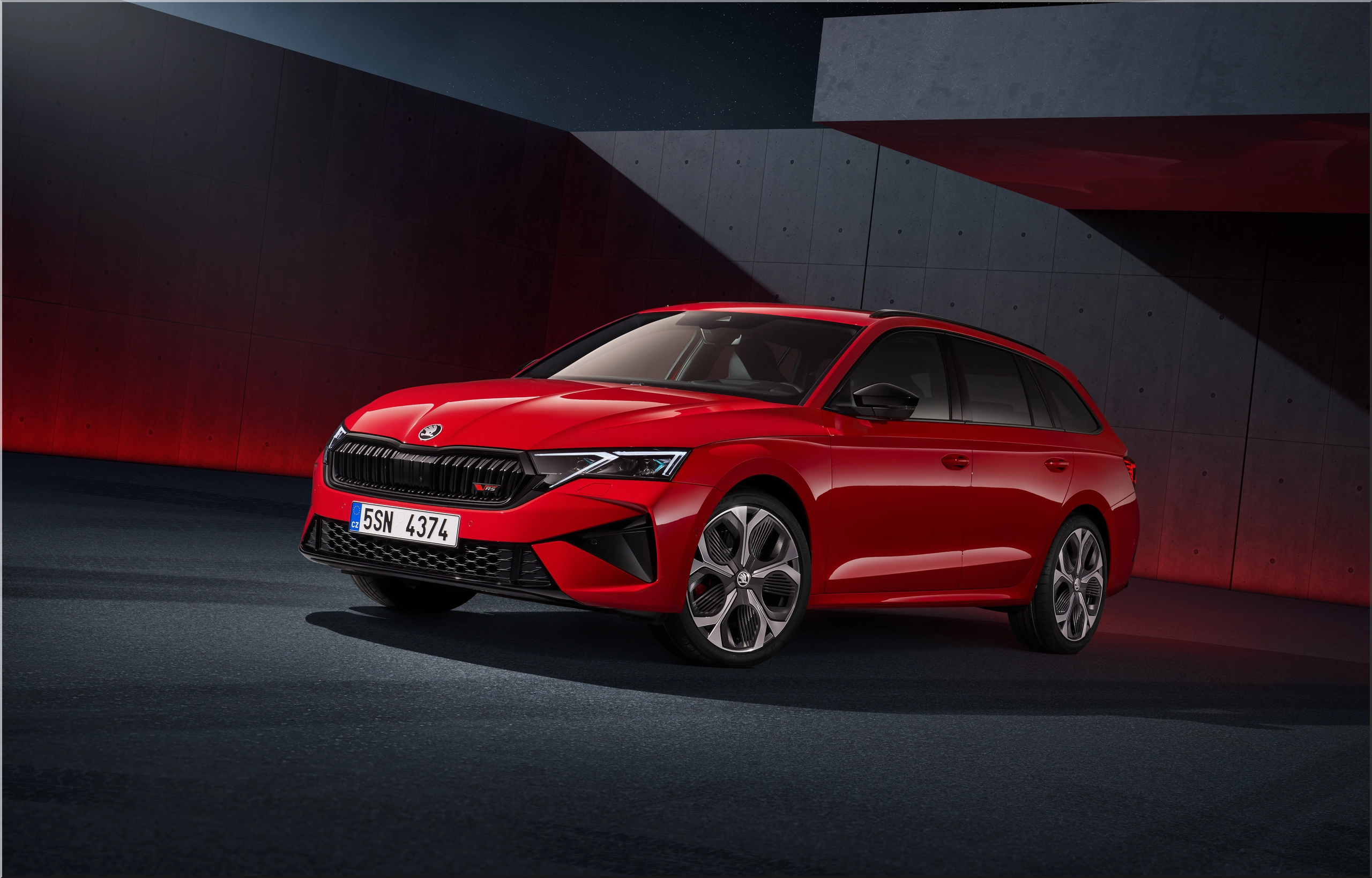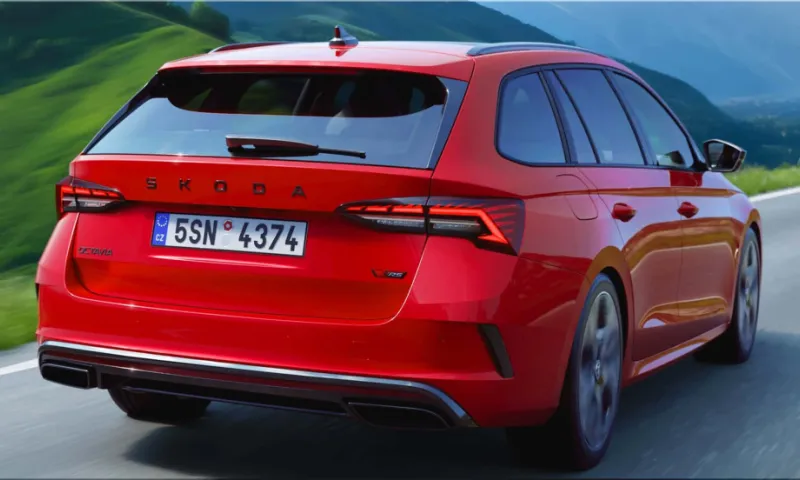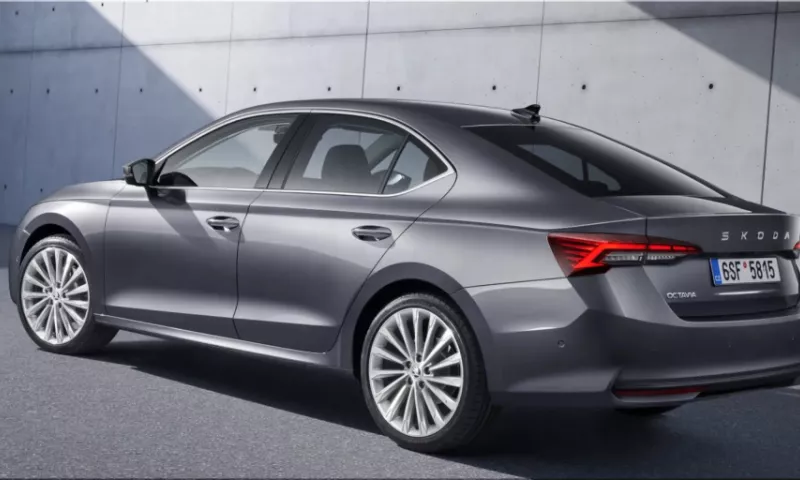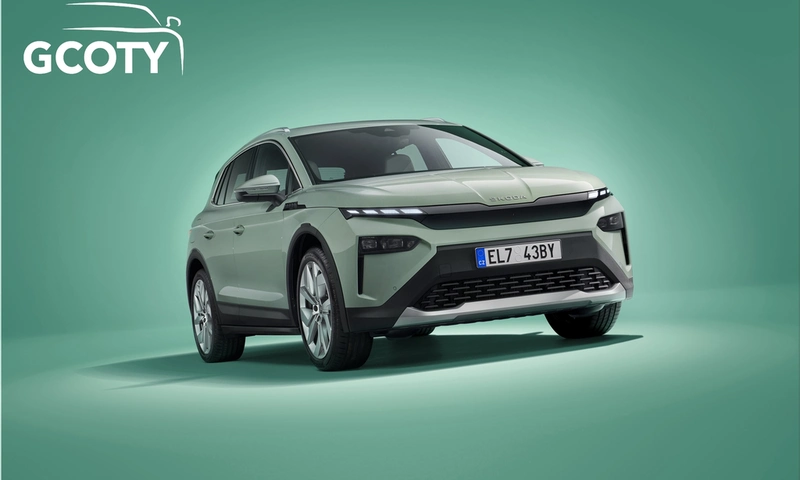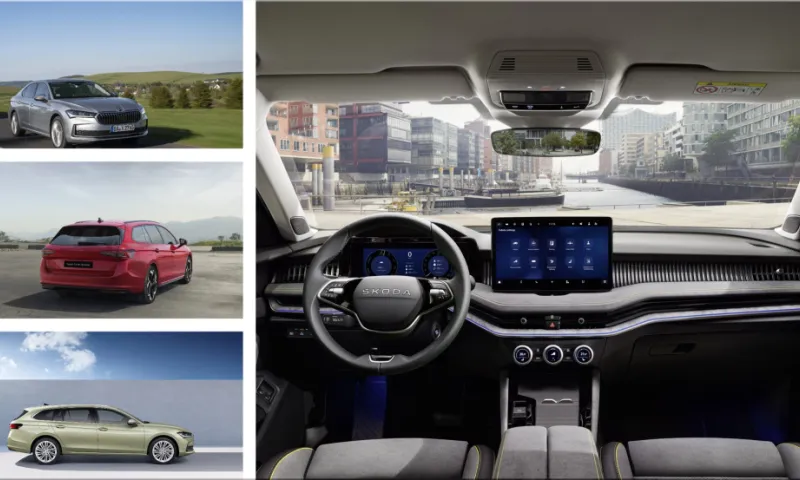
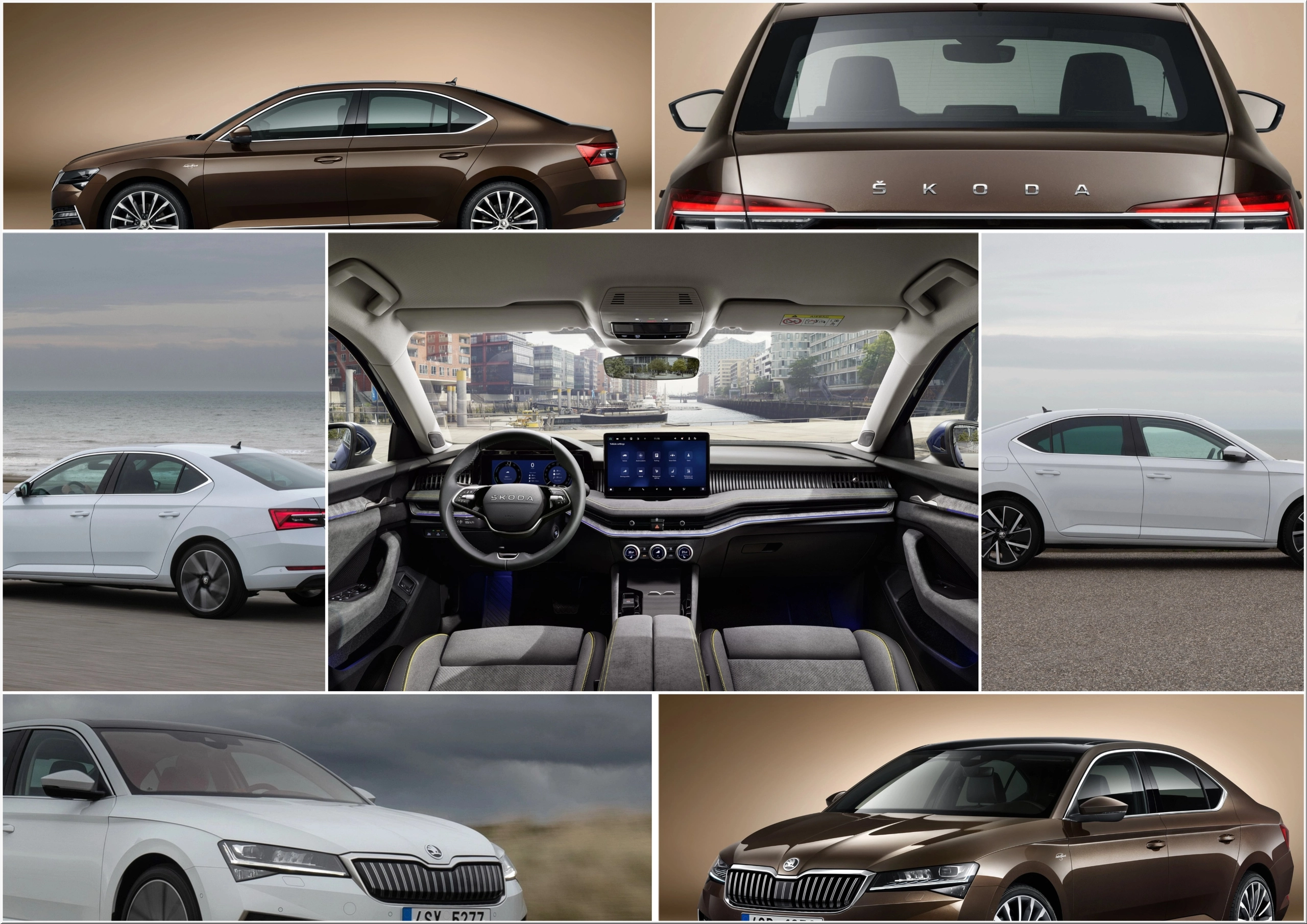
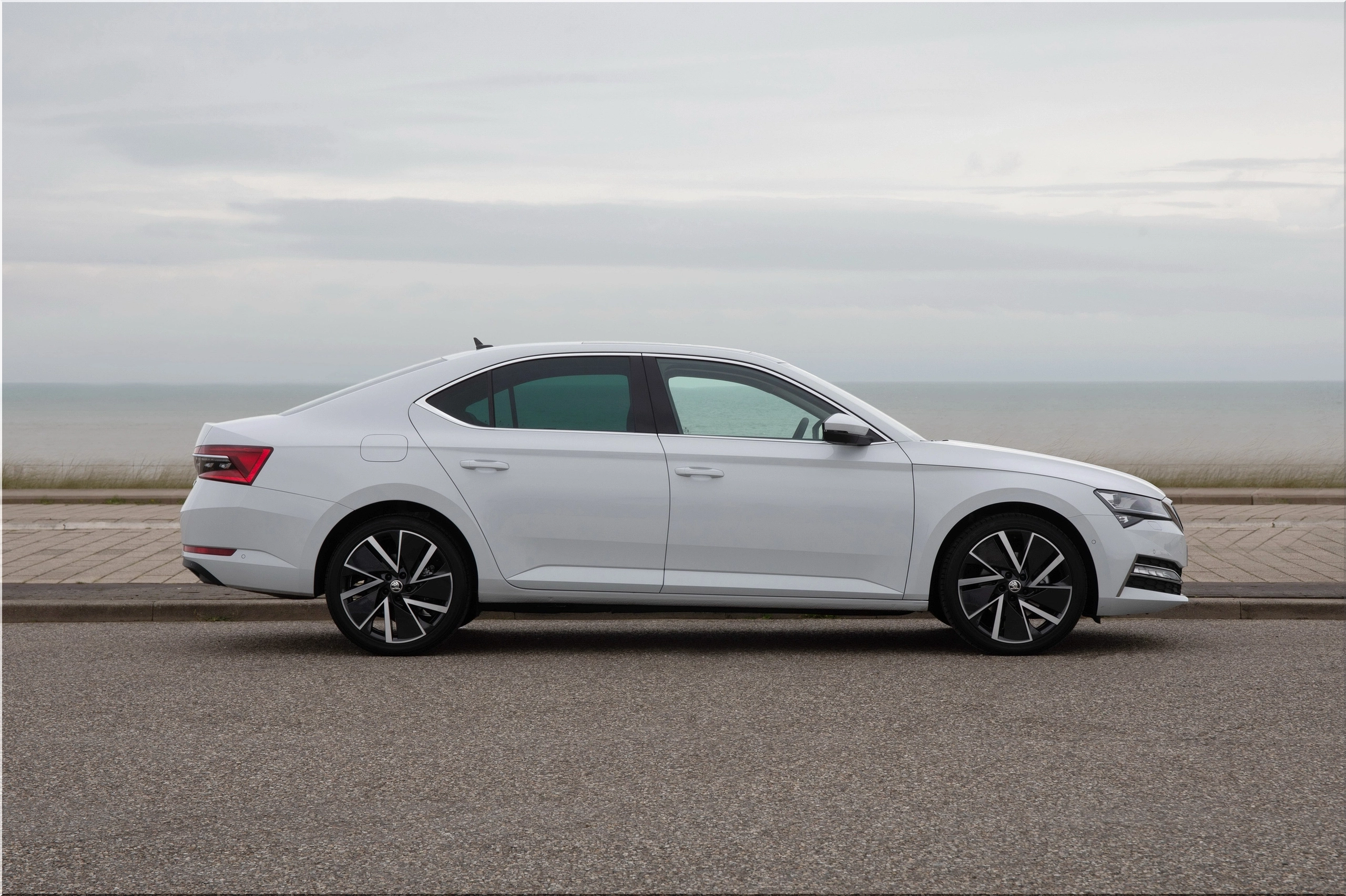
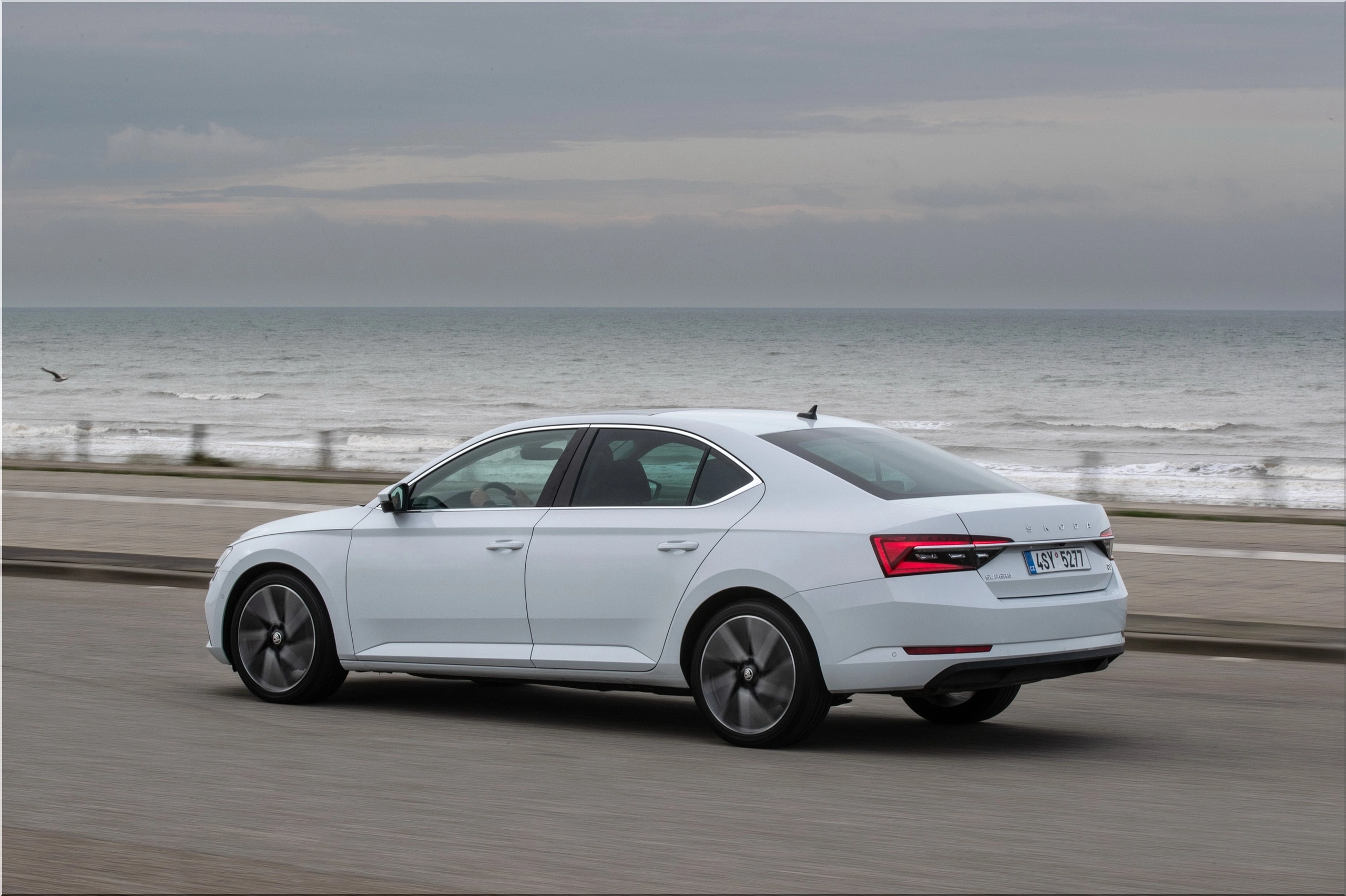
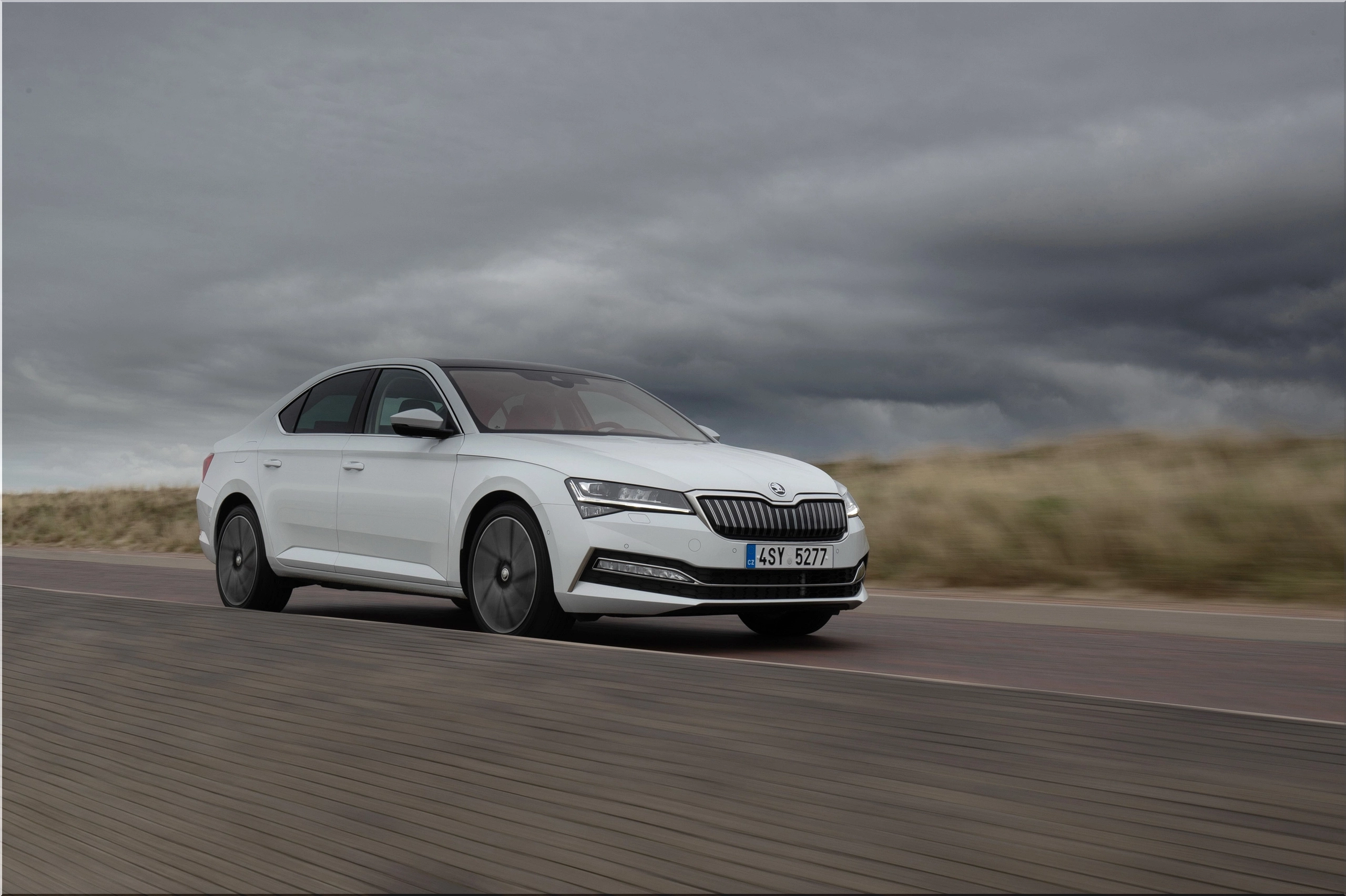
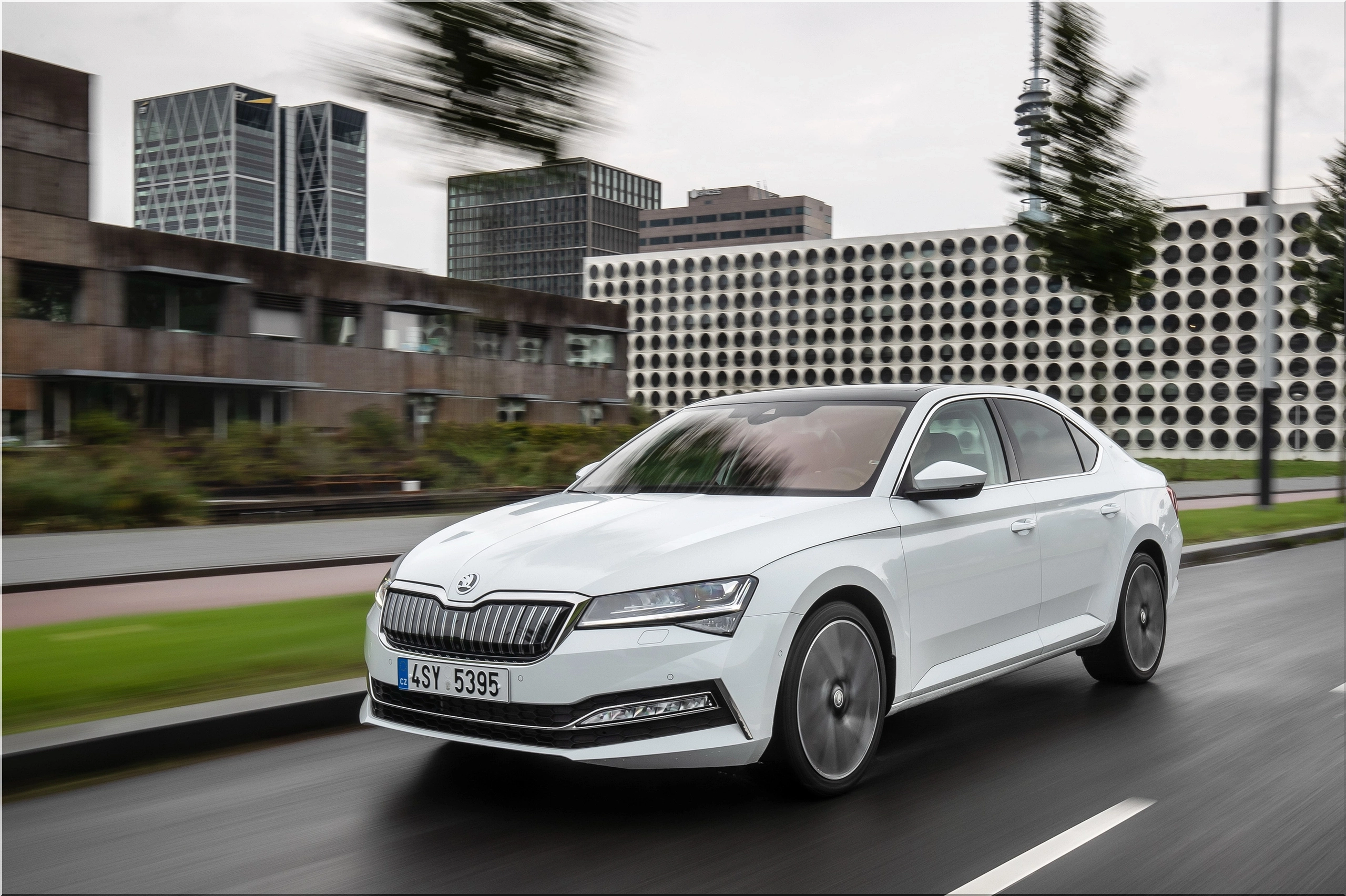
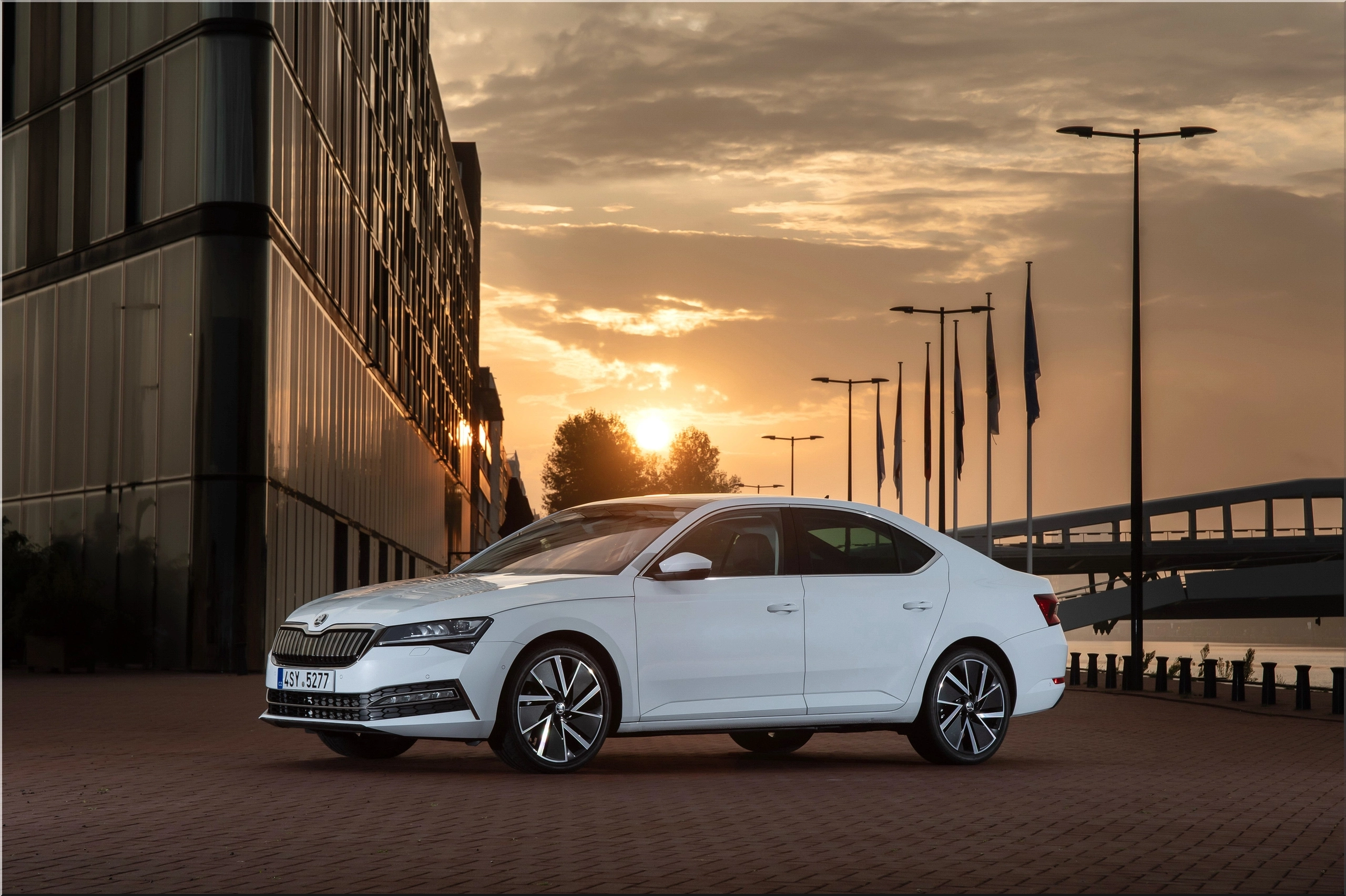
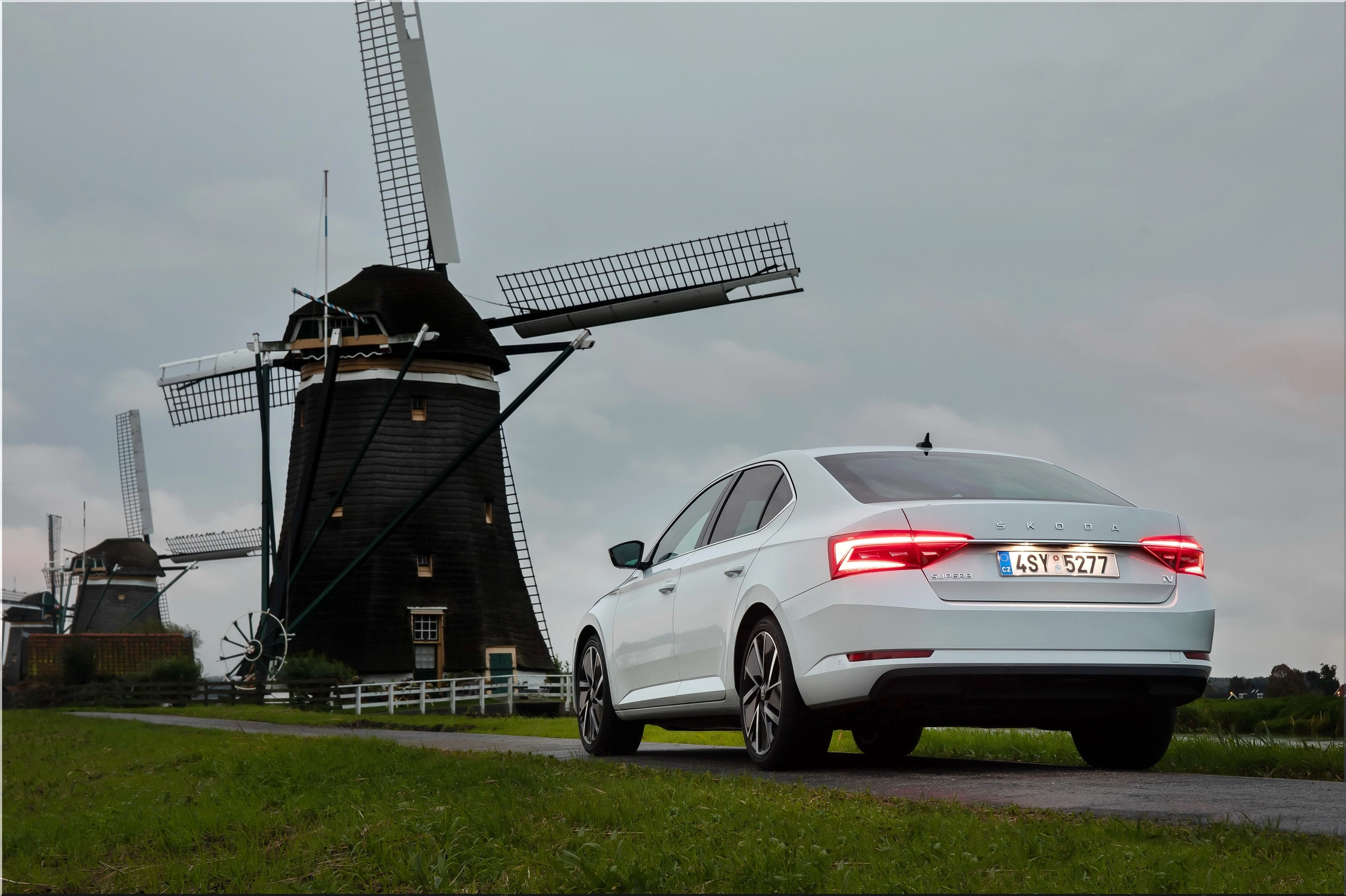
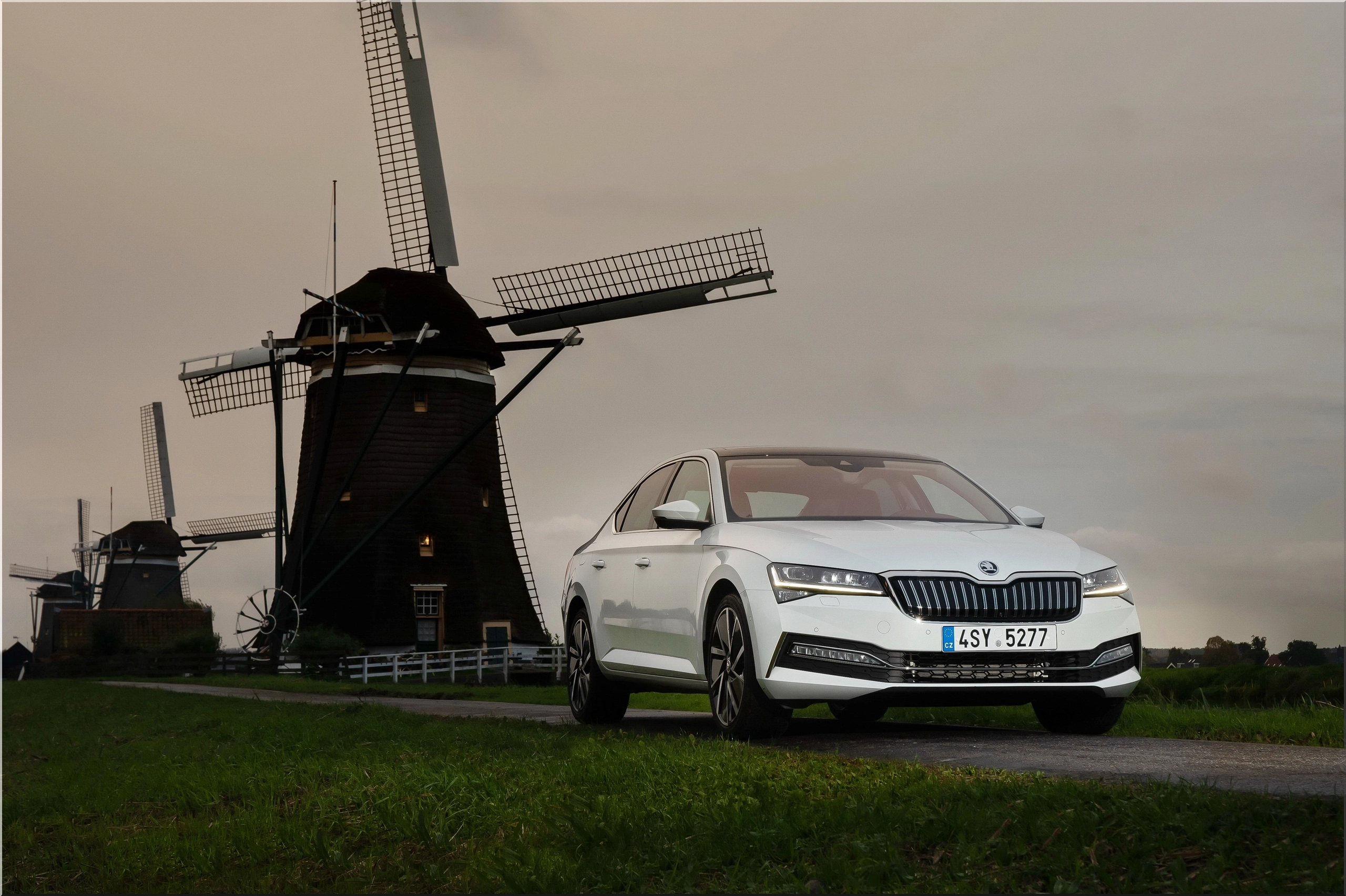
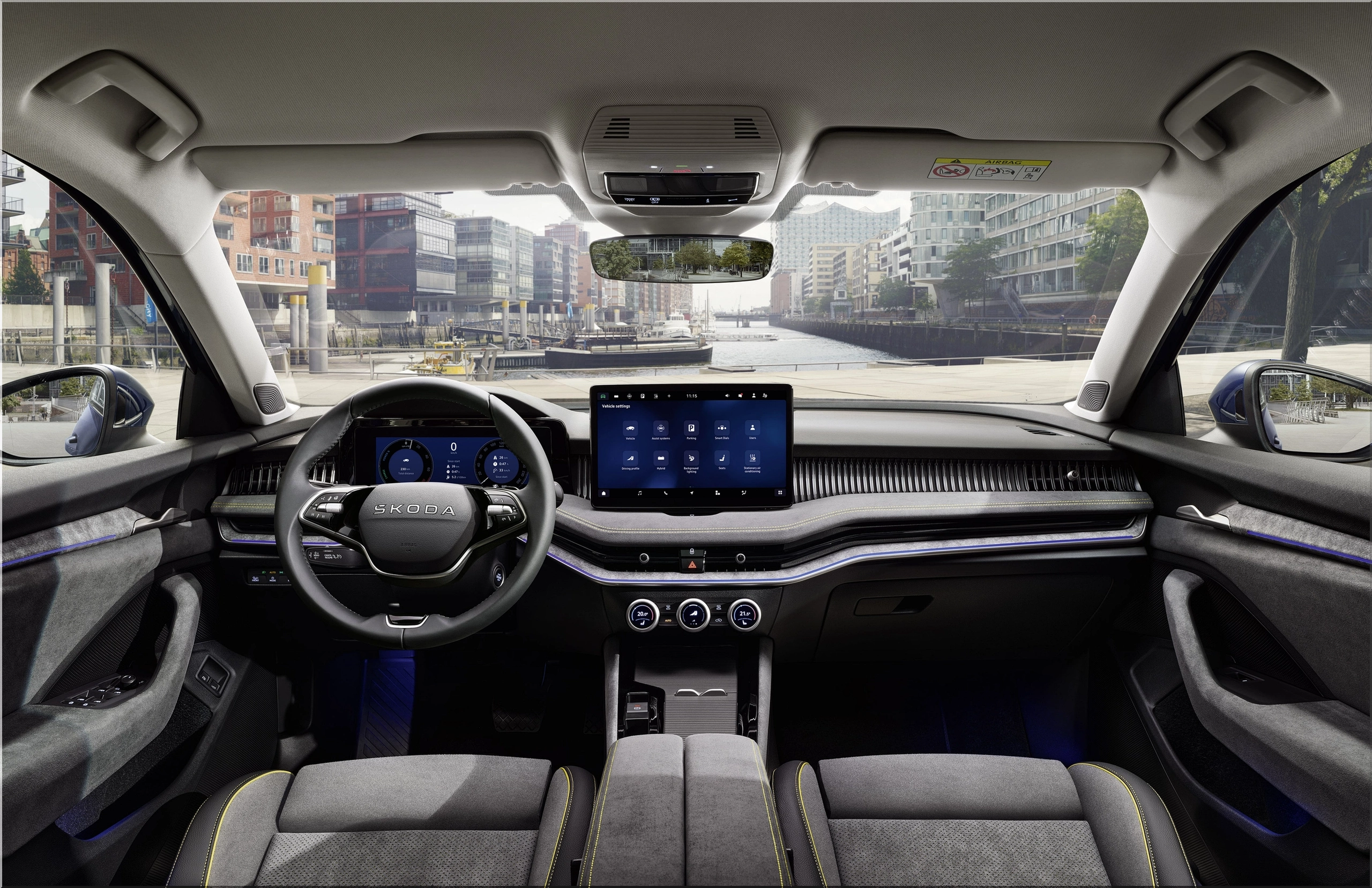
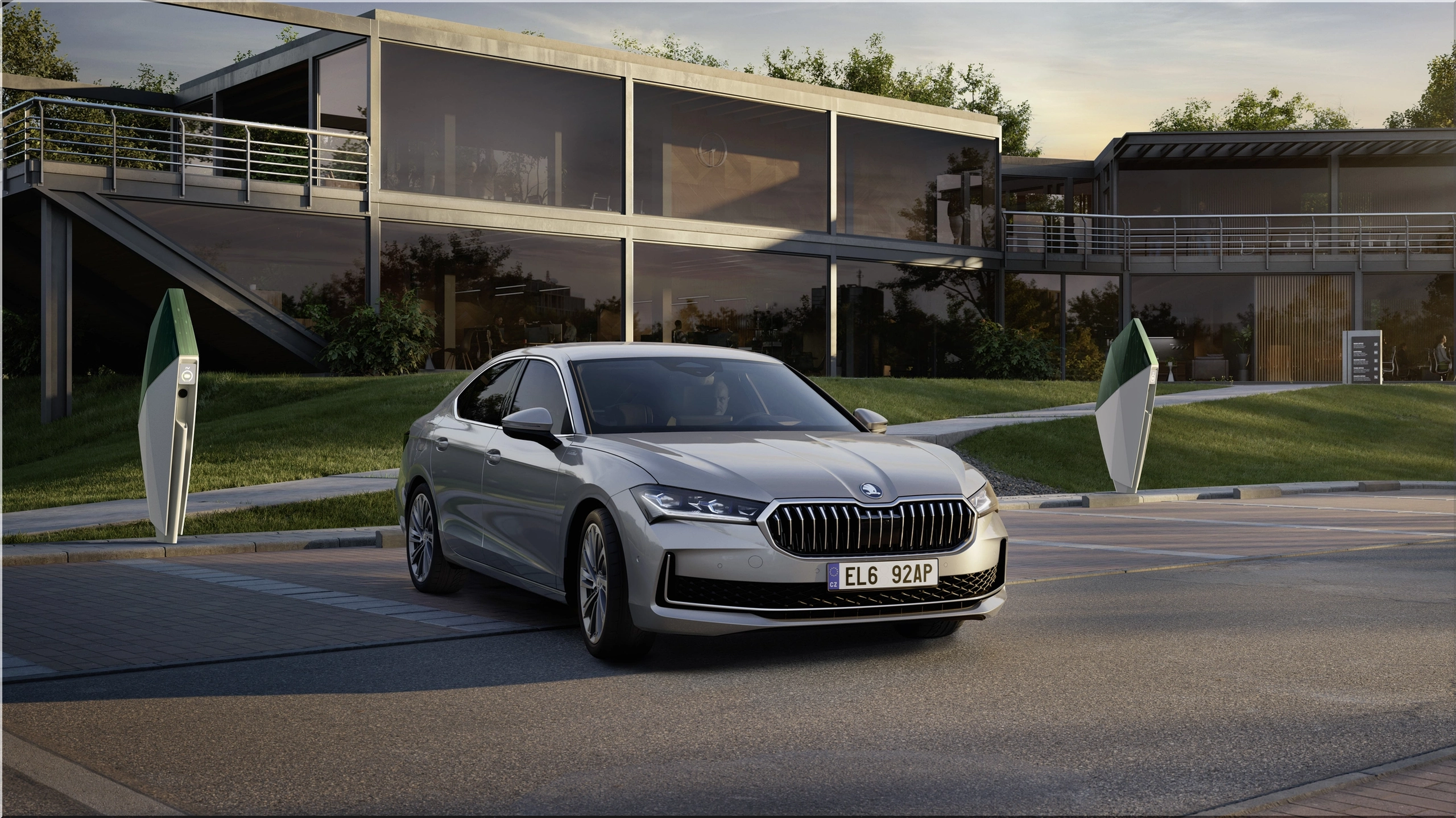
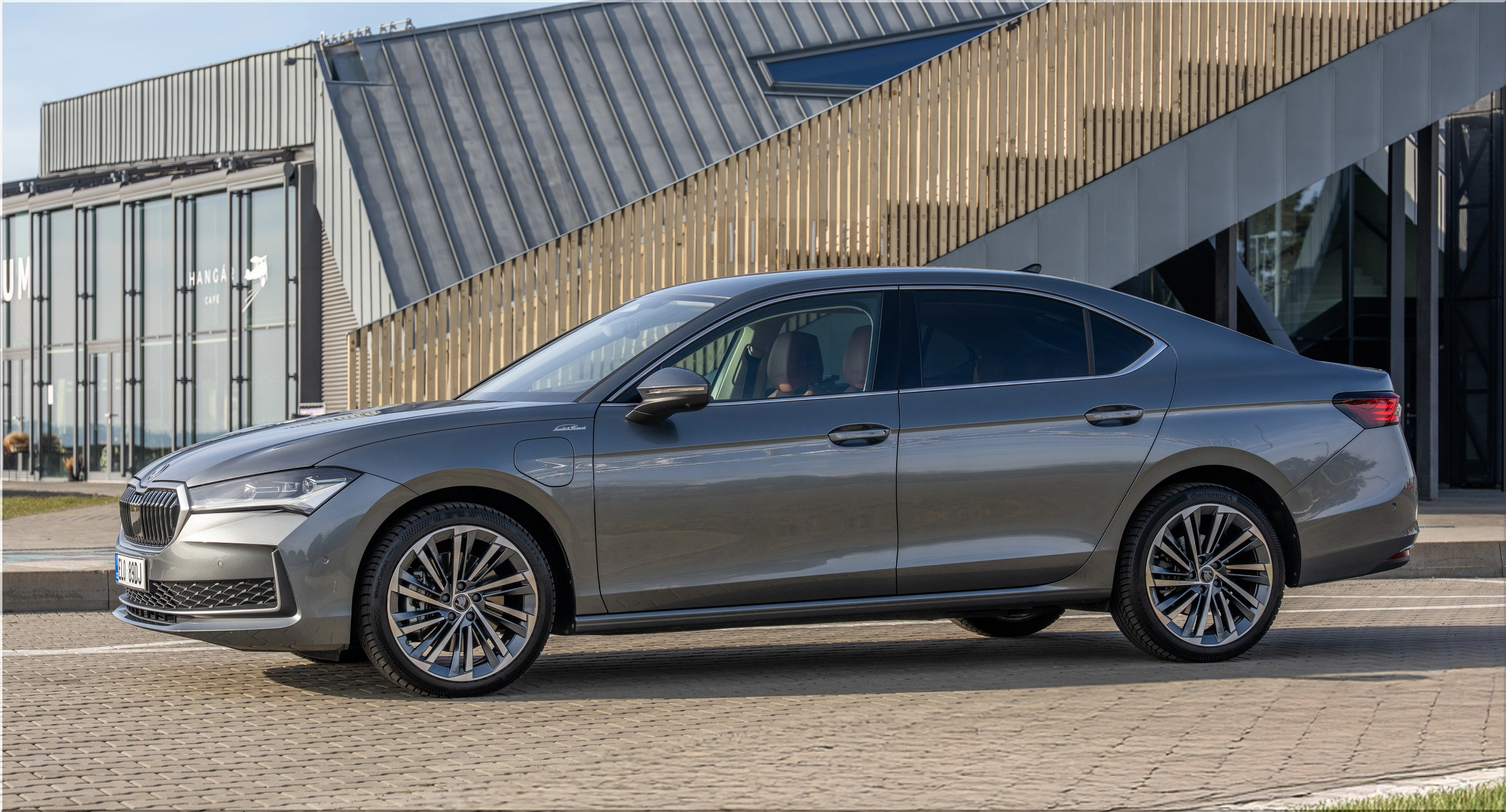
Skoda has given the Superb Hatch plug-in hybrid a real point of separation. The new Skoda Superb Hatch iV now packs 200 kW (268 hp) and 400 Nm (295 lb-ft), making it the strongest combustion-based model in Skoda's current lineup and the only body style in the Superb family to get this higher-output plug-in hybrid setup.
Image
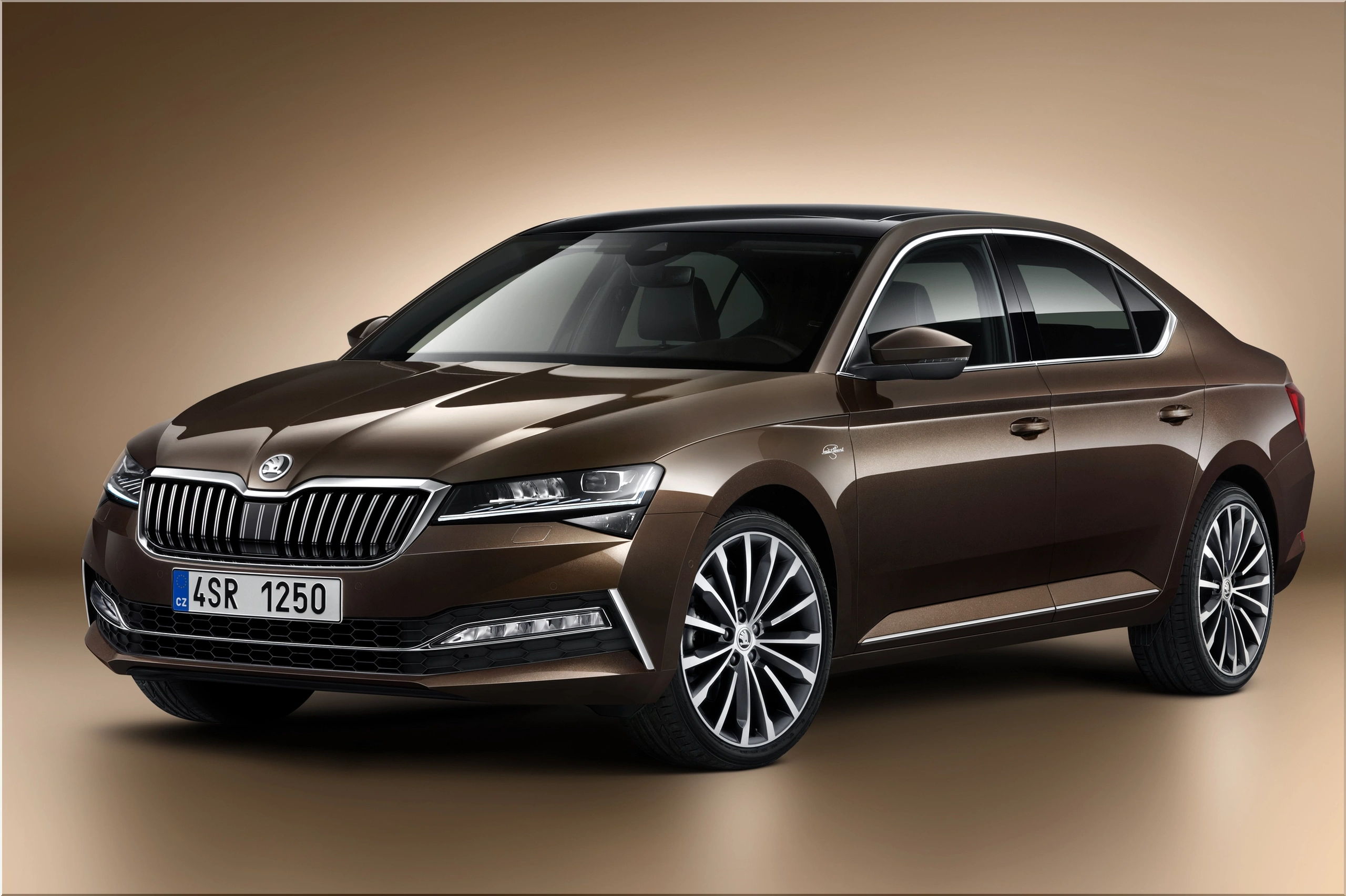
That matters because the old formula already worked. The Skoda Superb has long sold on space, logic, and low-stress long-distance usability. This update adds the one piece the hatchback needed in upper trims: stronger in-gear response. Specifically, Skoda pairs a 1.5-liter TSI petrol engine rated at 130 kW with an 85 kW electric motor and a 25.7 kWh gross battery, then uses software tuning and the upgraded combustion engine to push total output 50 kW higher than the existing 150 kW version.
What Changed in the New Skoda Superb Hatch Plug-In Hybrid
The headline number is easy: 200 kW. The more useful number is torque. At 400 Nm, the stronger Superb iV gains 50 Nm over the 150 kW version, which should improve real-world passing performance far more than a brochure headline ever will.
Looking at the data, Skoda also tuned the car around the extra output instead of simply dropping in a hotter calibration and calling it a day. The new hatch gets:
- 0-100 km/h in 7.1 seconds
- Top speed of 225 km/h (140 mph)
- Maximum towbar load of 2,000 kg (4,409 lb)
- Upgraded rear brakes
- Improved front brake cooling
That last point deserves attention. The more powerful hatch uses 310 x 22 mm ventilated rear discs instead of the 300 x 12 mm setup used on the 150 kW plug-in hybrid. In addition, Skoda routes cooling air to the front brakes through a channel below the bumper. That approach makes sense from an engineering perspective because repeated deceleration loads rise quickly once curb weight, battery mass, and higher average speeds pile up together.
Key Specs: 2026 Skoda Superb Hatch iV 200 kW
| Specification | Skoda Superb Hatch iV 200 kW |
|---|---|
| Powertrain | 1.5 TSI petrol + electric motor |
| Petrol engine output | 130 kW |
| Electric motor output | 85 kW |
| Combined system output | 200 kW / 268 hp |
| Combined torque | 400 Nm / 295 lb-ft |
| Battery capacity | 25.7 kWh gross |
| Drivetrain | Front-wheel drive |
| Transmission | 6-speed DSG |
| 0-100 km/h | 7.1 sec |
| Top speed | 225 km/h / 140 mph |
| AC charging | Up to 11 kW |
| DC charging | Up to 50 kW |
| DC 10-80% charge time | About 26 minutes |
| Hybrid fuel use | 1.4-1.5 L/100 km |
| Hybrid electric use | 12.5-13.2 kWh/100 km |
| Fuel use with discharged battery | 5.3-5.6 L/100 km |
| CO2 emissions | 31-34 g/km |
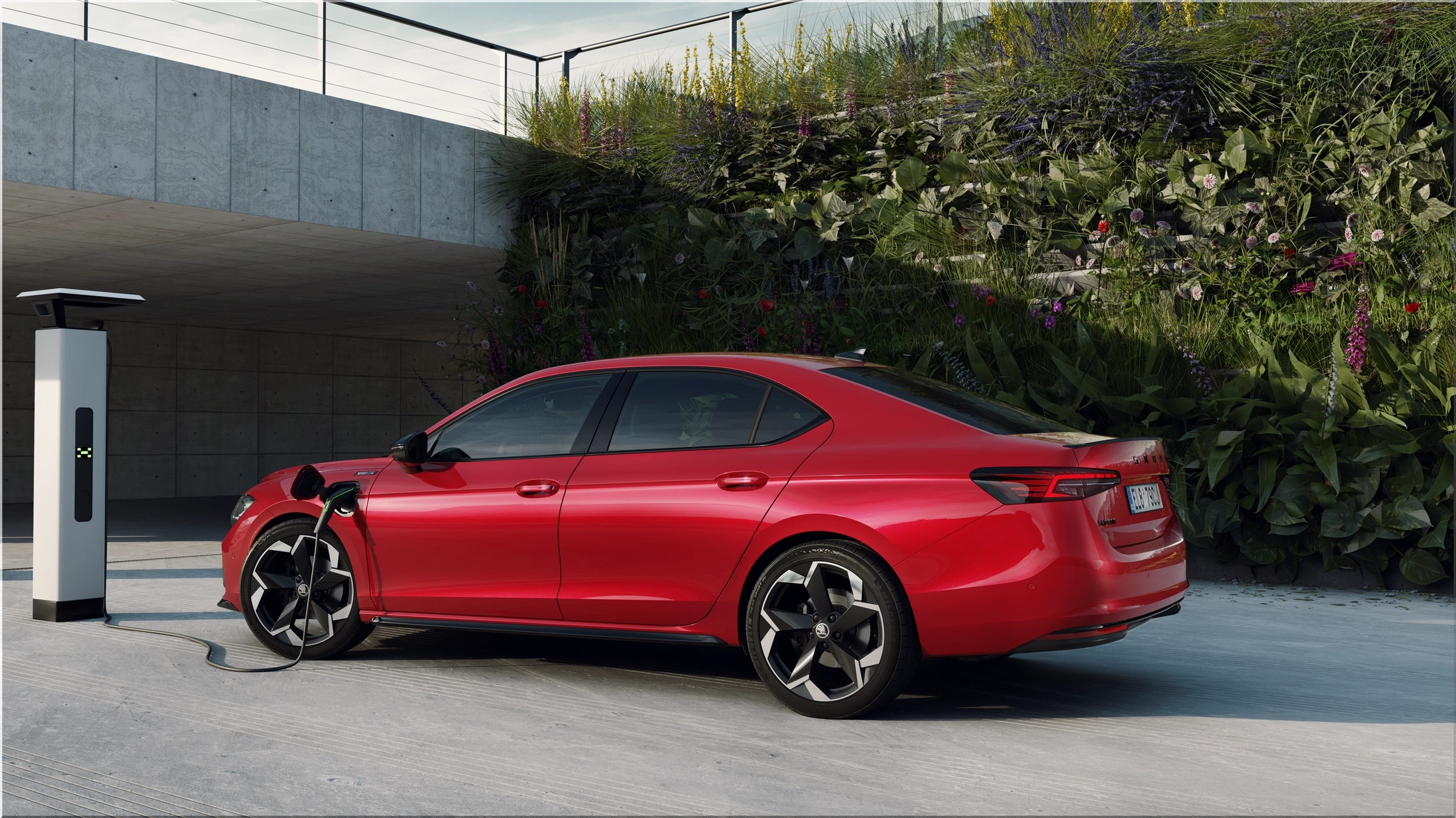
By comparison, the lower-output Superb iV already delivered a WLTP electric range of 118-134 km. Skoda does not state a new official range figure in this release for the 200 kW hatch, but it keeps the same 25.7 kWh battery, the same 11 kW AC capability, and the same 50 kW DC peak charging rate. That suggests the stronger version should stay close to the regular model in daily EV usability, though final trim, wheel, and tire combinations will decide the exact number.
Image
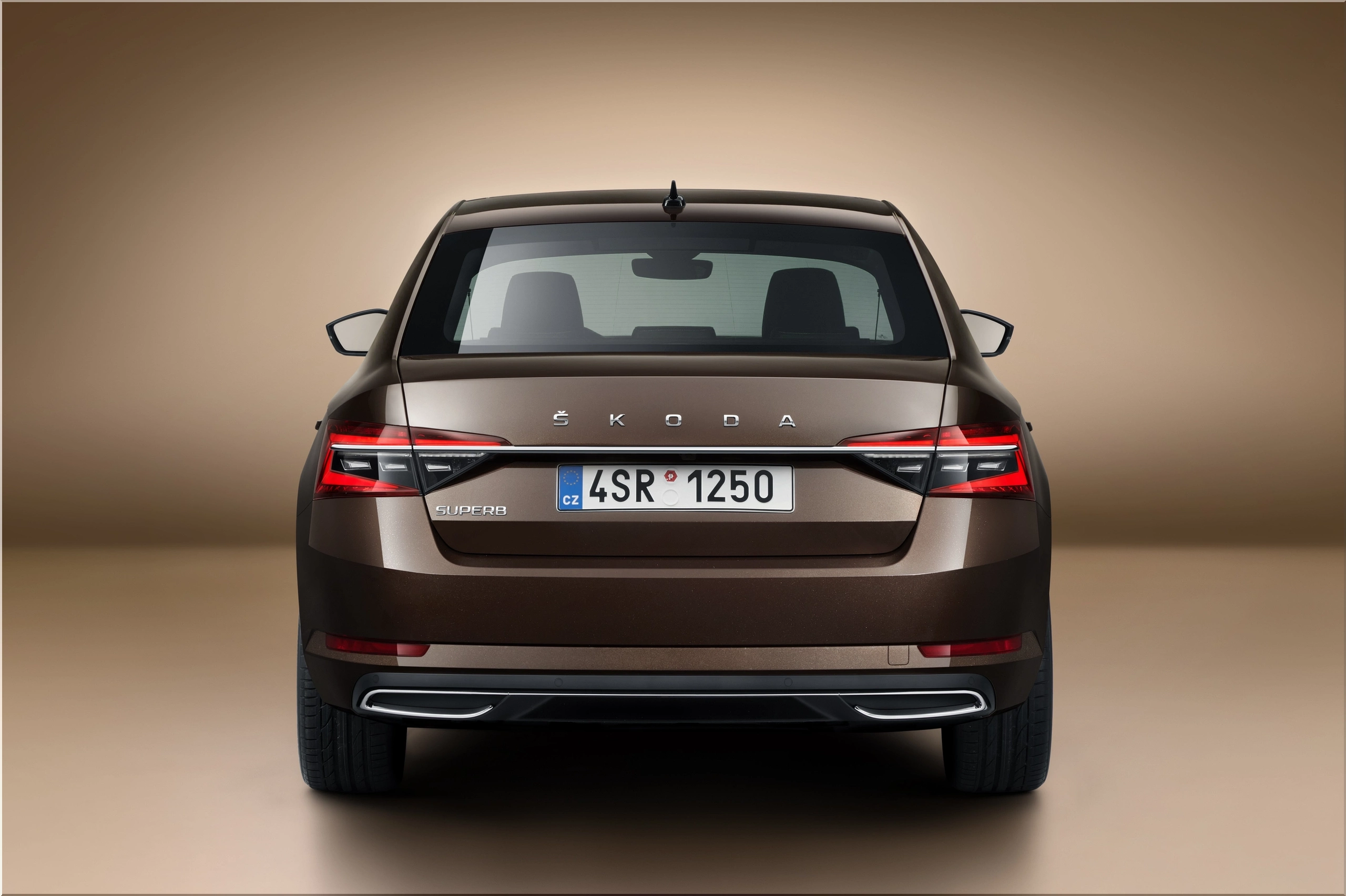
Why the 200 kW Superb Hatch Exists
This is the logic behind the move: the Superb Hatch plug-in hybrid now covers a gap between mainstream family liftbacks and pricier executive PHEV sedans. Buyers who want long EV commuting range, lower running costs, and real highway performance no longer need to step straight into a BMW or Mercedes badge to get there.
In addition, Skoda says one in four Superb models now sells with a plug-in hybrid powertrain. That tells you the company did not build this version for showroom decoration. It built it because PHEV demand in Europe keeps moving upward in the large-car segment, and because buyers still value fast charging, long electric range, and tax-friendly CO2 figures in one package.
Dimensions Still Do Heavy Lifting
Performance helps, but the Superb Hatch still wins with packaging.
- Length: 4,912 mm / 193.4 inches
- Width: 1,834 mm / 72.2 inches
- Height: 1,481 mm / 58.3 inches
- Wheelbase: 2,841 mm / 111.9 inches
- Cargo capacity: 645 liters / 22.8 cu ft
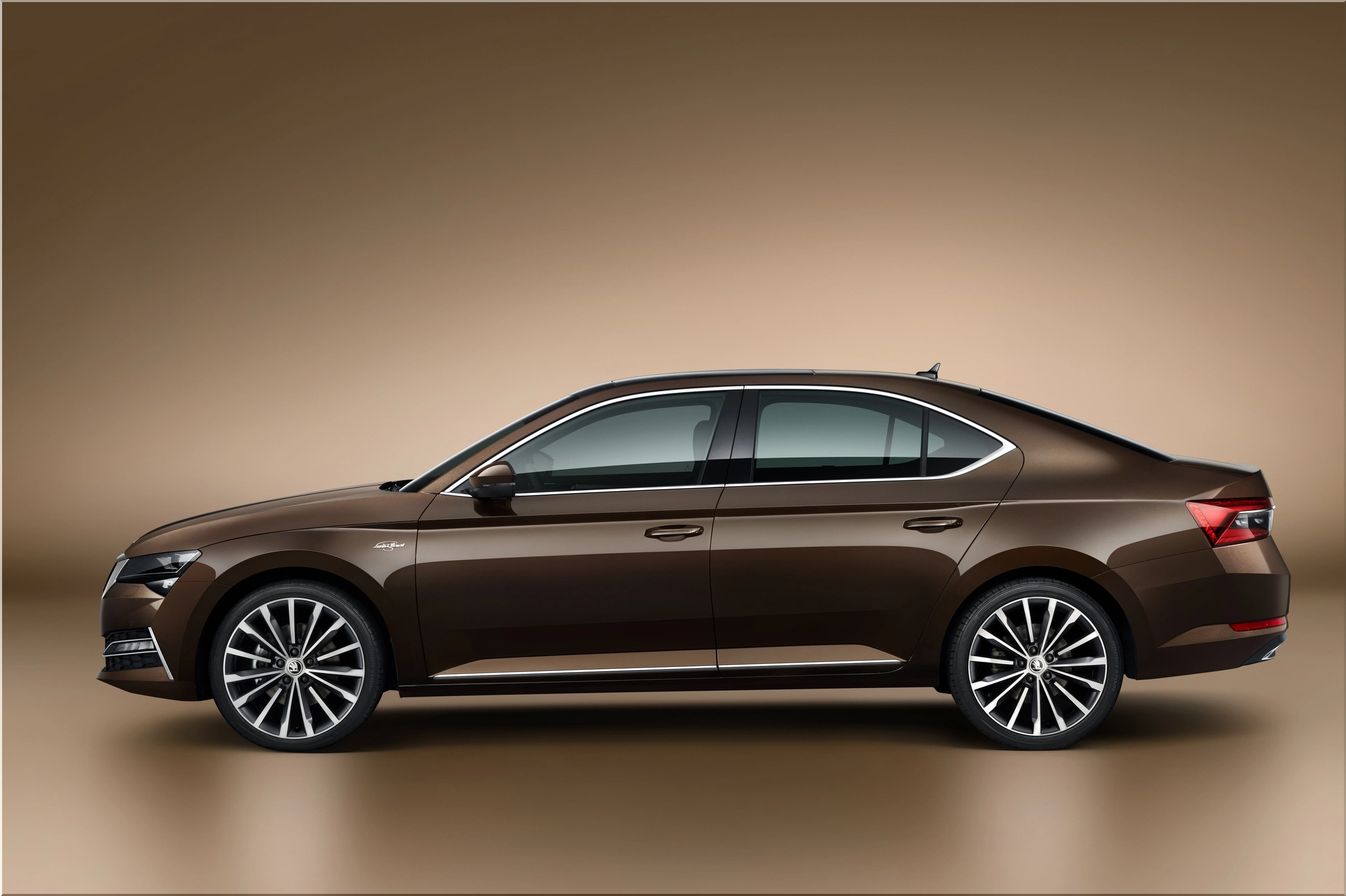
From an expert perspective, that wheelbase and hatchback body style remain the real secret weapon. Premium PHEV sedans often give you stronger branding and sometimes stronger rear-drive dynamics, but they rarely match the Superb's cargo usability without jumping to a wagon or a much higher price band.
Image
Skoda Superb Hatch iV vs Rivals
The direct comparison set varies by market, but three obvious reference points sit nearby: Volkswagen Passat eHybrid 272 PS, Peugeot 508 Plug-In Hybrid 225, and BMW 530e Sedan.
| Model | System Output | Battery | EV Range | Charging | Notable Edge |
|---|---|---|---|---|---|
| Skoda Superb Hatch iV | 200 kW / 268 hp | 25.7 kWh gross | Previous Superb iV family: 118-134 km WLTP | 11 kW AC / 50 kW DC | Huge cabin and hatch practicality |
| Volkswagen Passat eHybrid | 200 kW / 272 PS | 19.7 kWh net | Up to 120 km WLTP | 50 kW DC | Closest technical cousin |
| Peugeot 508 PHEV 225 | 165 kW / 225 hp | 12.4 kWh | Lower than Skoda class leaders | AC-focused | Sleeker design, less space |
| BMW 530e Sedan | Higher-premium positioning | PHEV setup varies by spec | Competitive, but segment-up pricing | Market dependent | Badge, cabin polish, RWD-based platform |
The Skoda's win/loss sheet looks clear.
Wins:
- Interior room and cargo capacity
- Fast DC charging in a mainstream liftback
- Strong output without premium-brand pricing pressure
- 2,000 kg tow rating, which matters more than many plug-in buyers admit
Losses:
- Front-wheel-drive layout will not match a rear-drive sport sedan for balance at the limit
- Premium-brand rivals still carry stronger badge pull
- The Passat remains a very close technical alternative inside the Volkswagen Group orbit
Image gallery

Efficiency Numbers That Actually Mean Something
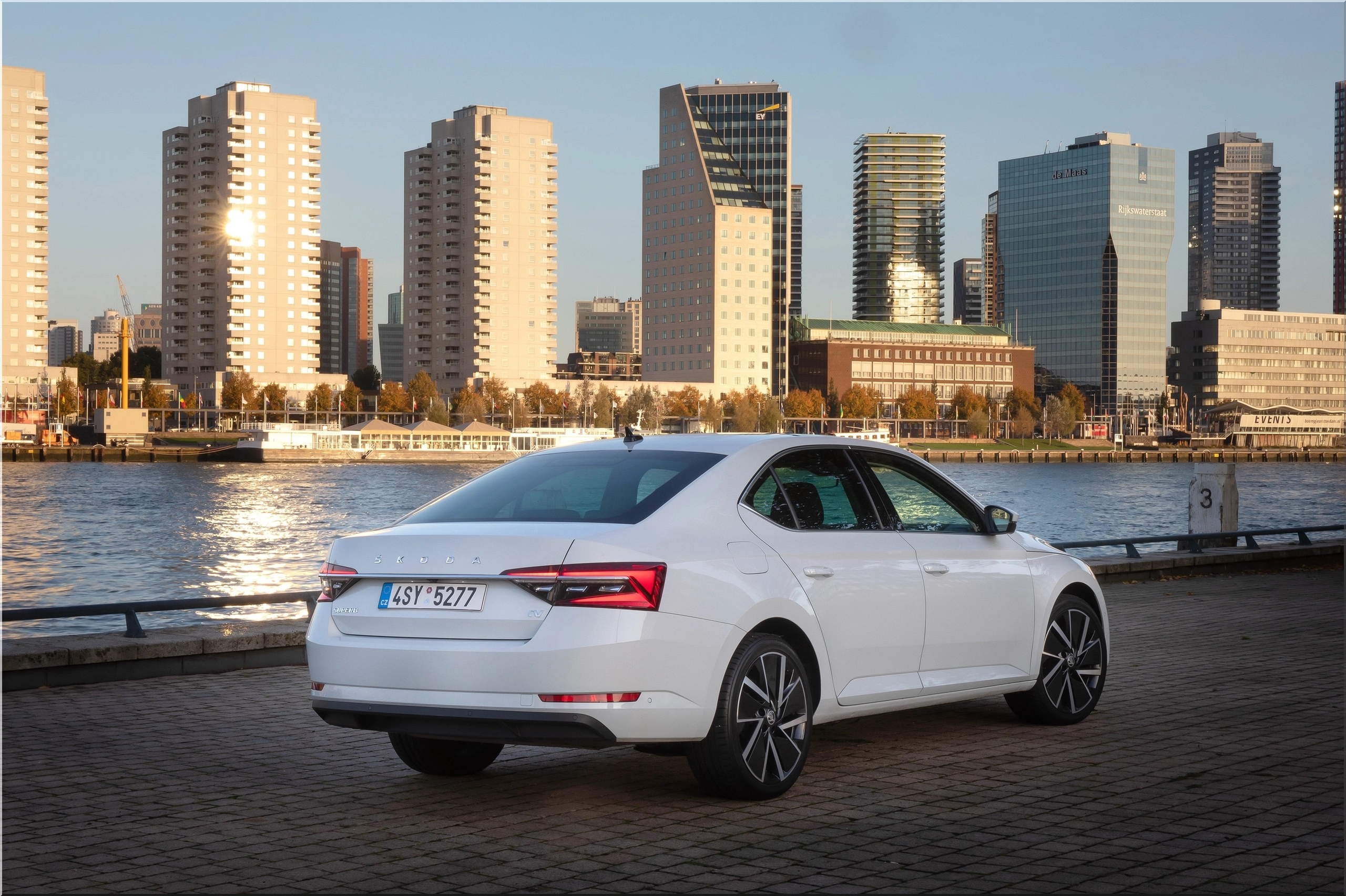
The official hybrid consumption figure lands at 1.4-1.5 L/100 km, which works out to roughly 157-168 mpg US under test conditions. That number always depends on frequent charging, so the more realistic daily-use figure sits in the electric range and recharge speed. The more revealing metric is fuel use after the battery runs down: 5.3-5.6 L/100 km, or about 42-44 mpg US.
Consequently, the Skoda Superb plug-in hybrid makes the strongest case for drivers who can charge at home or at work and still rack up long motorway miles. Use the battery properly, and it behaves like an EV for a large share of weekday driving. Use it badly, and it still returns respectable combustion efficiency for a big family hatch.
Image gallery
Pro-Tips for Buyers Watching This Launch
Pro-Tip: Pick the trim around your daily route
The new 200 kW Superb Hatch iV is reserved for Sportline and Laurin & Klement trims. If you want maximum performance and stronger response, that is your lane. If you care more about price and still want the PHEV system, the 150 kW Selection trim remains the rational pick.
Pro-Tip: Do not ignore brake hardware
Bigger rear discs and revised cooling are not filler specs. They tell you Skoda expects this car to handle repeated higher-speed use without softening the brake pedal.
Pro-Tip: The hatch body is the sneaky advantage
Sedan buyers often chase style first. The Superb Hatch gives you near-wagon utility without the wagon silhouette. For airport runs, strollers, bikes, or trade-show cargo, that matters every week.
What Now?
If you cover large mileage, charge regularly, and want a plug-in hybrid hatchback with real family-car utility, the stronger Skoda Superb Hatch iV looks like one of the smartest new entries in the segment. It pushes close to premium-rival performance, keeps the long-range second-generation PHEV hardware, and improves the chassis hardware where the extra output actually demands it.
That is the right kind of upgrade. More power, yes. But also more braking, more towing ability, and no hit to the charging story that made the latest Superb iV worth watching in the first place.
- Add new comment
- 303 views