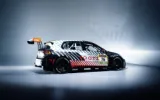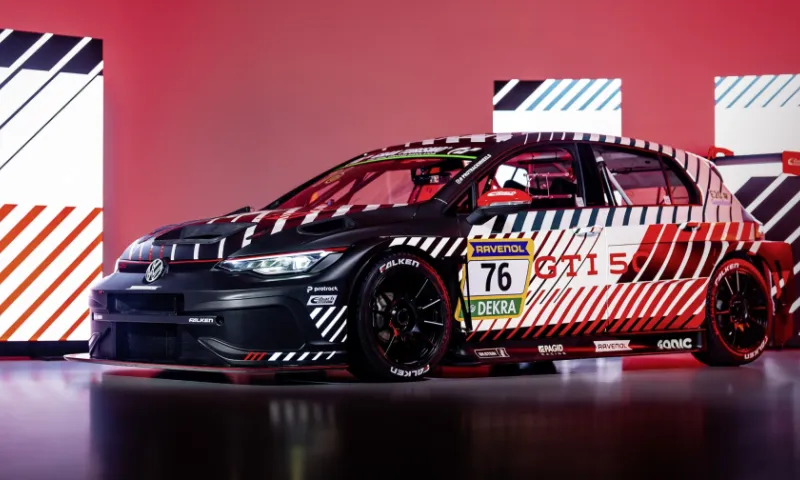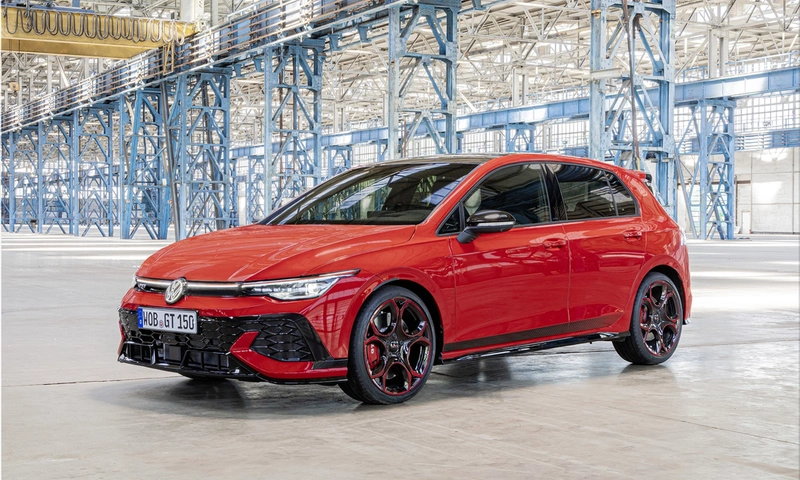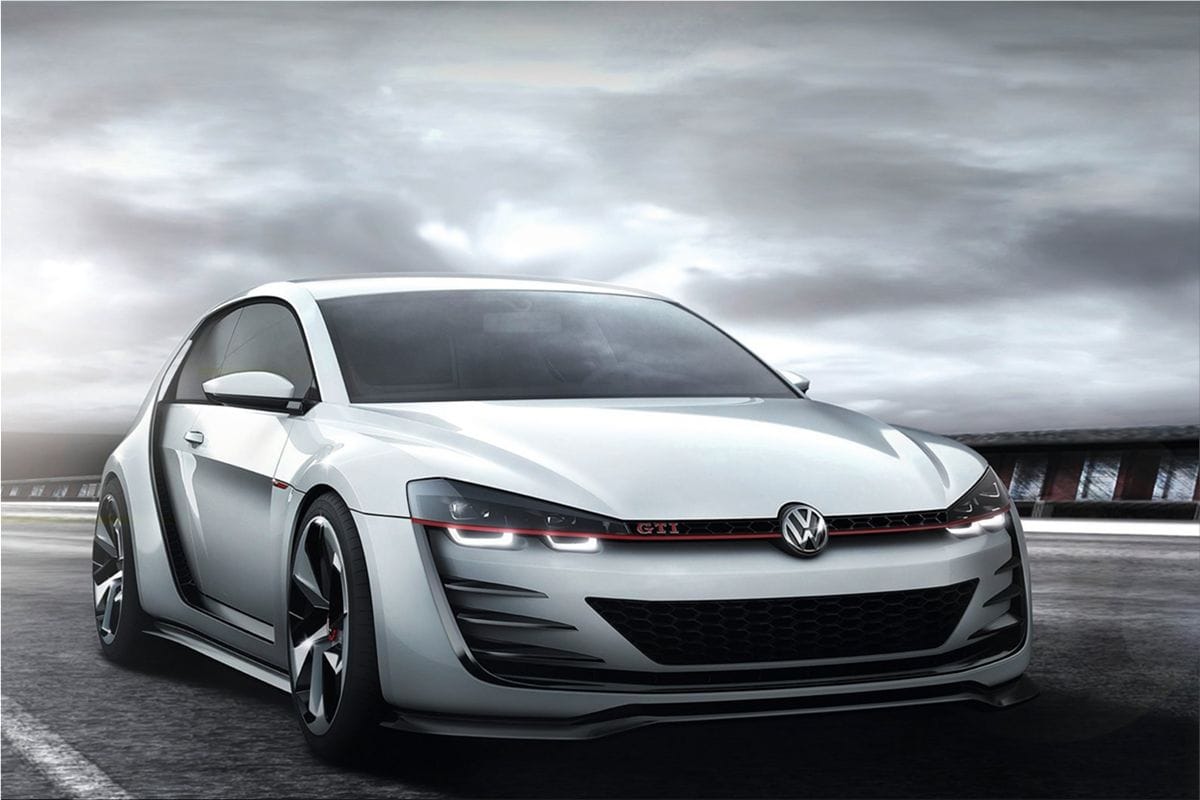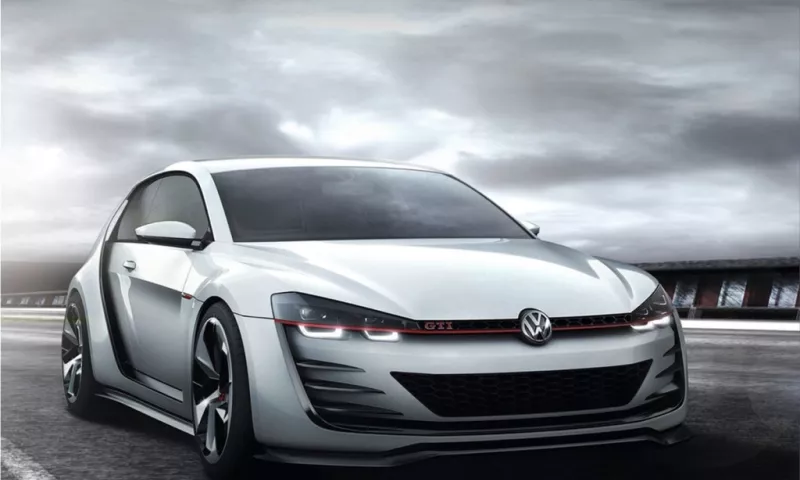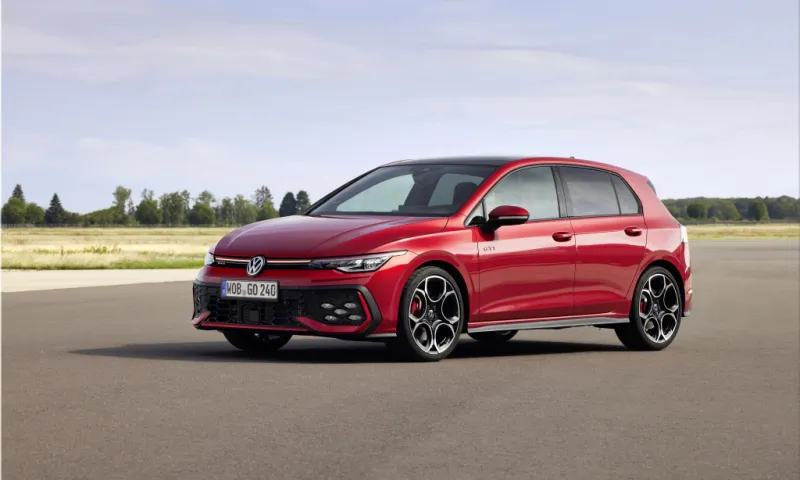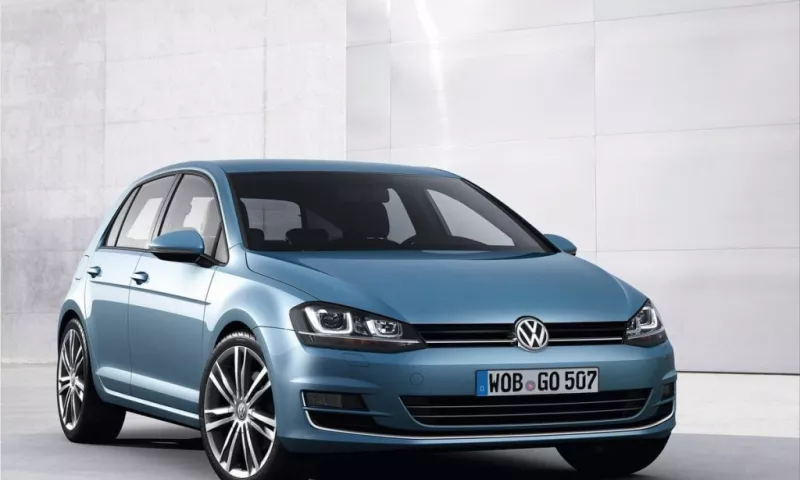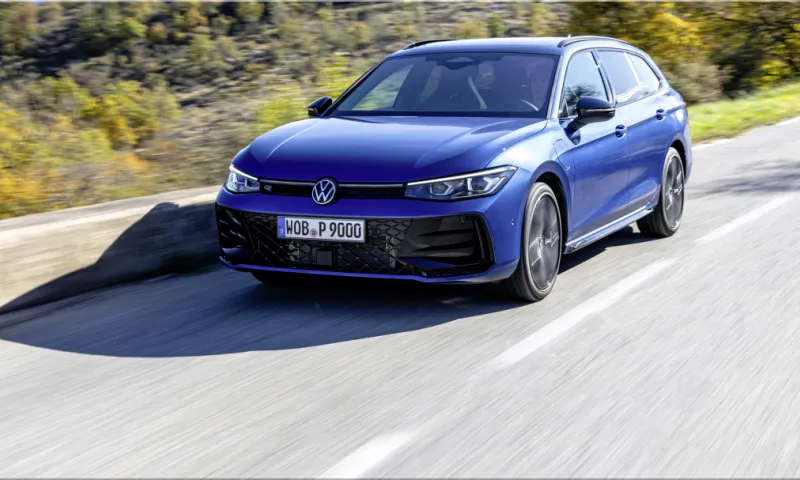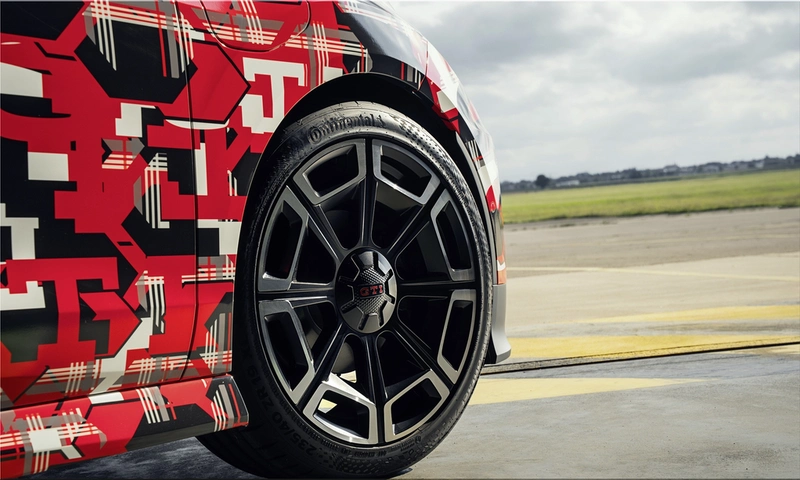
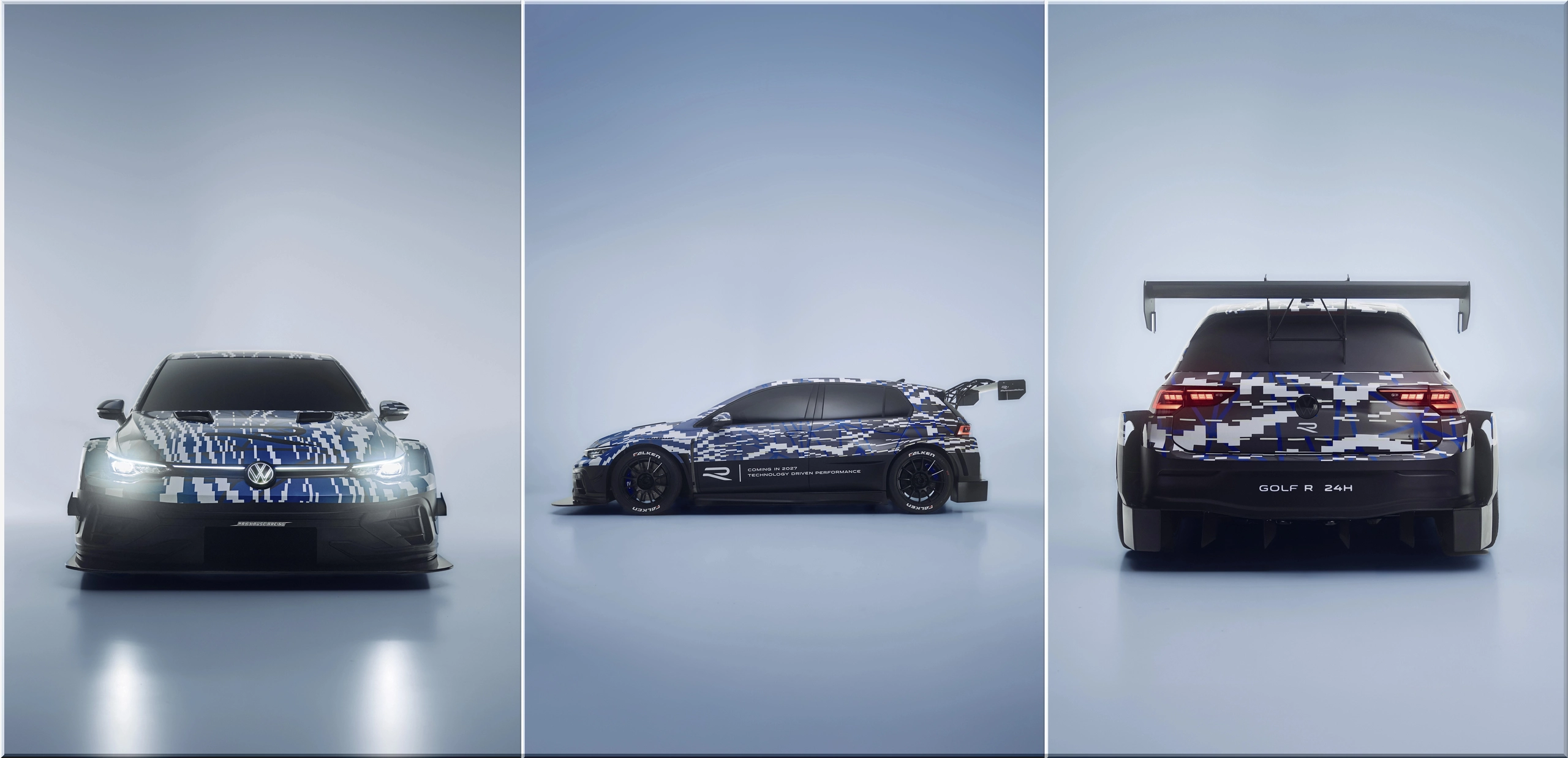
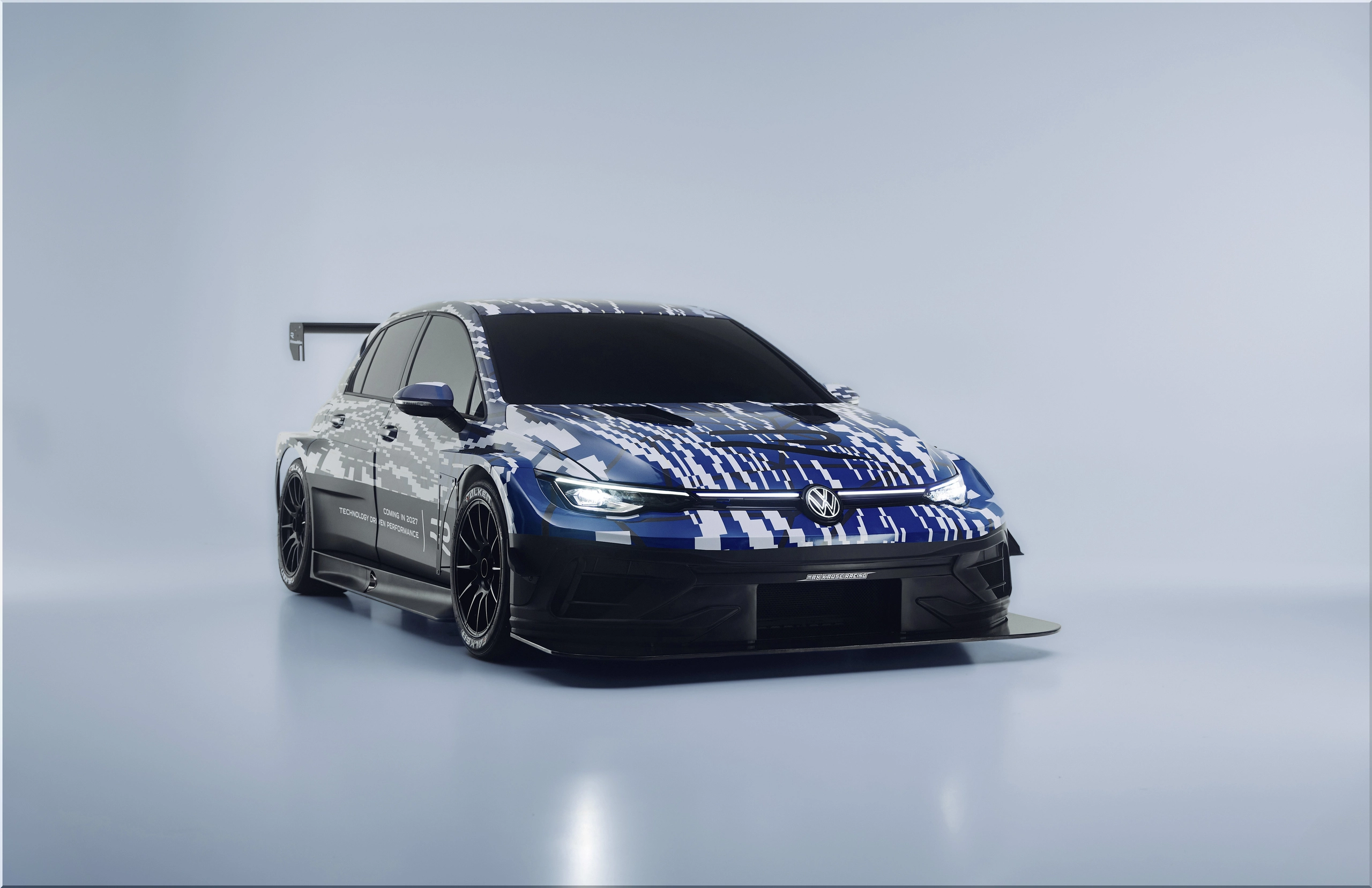
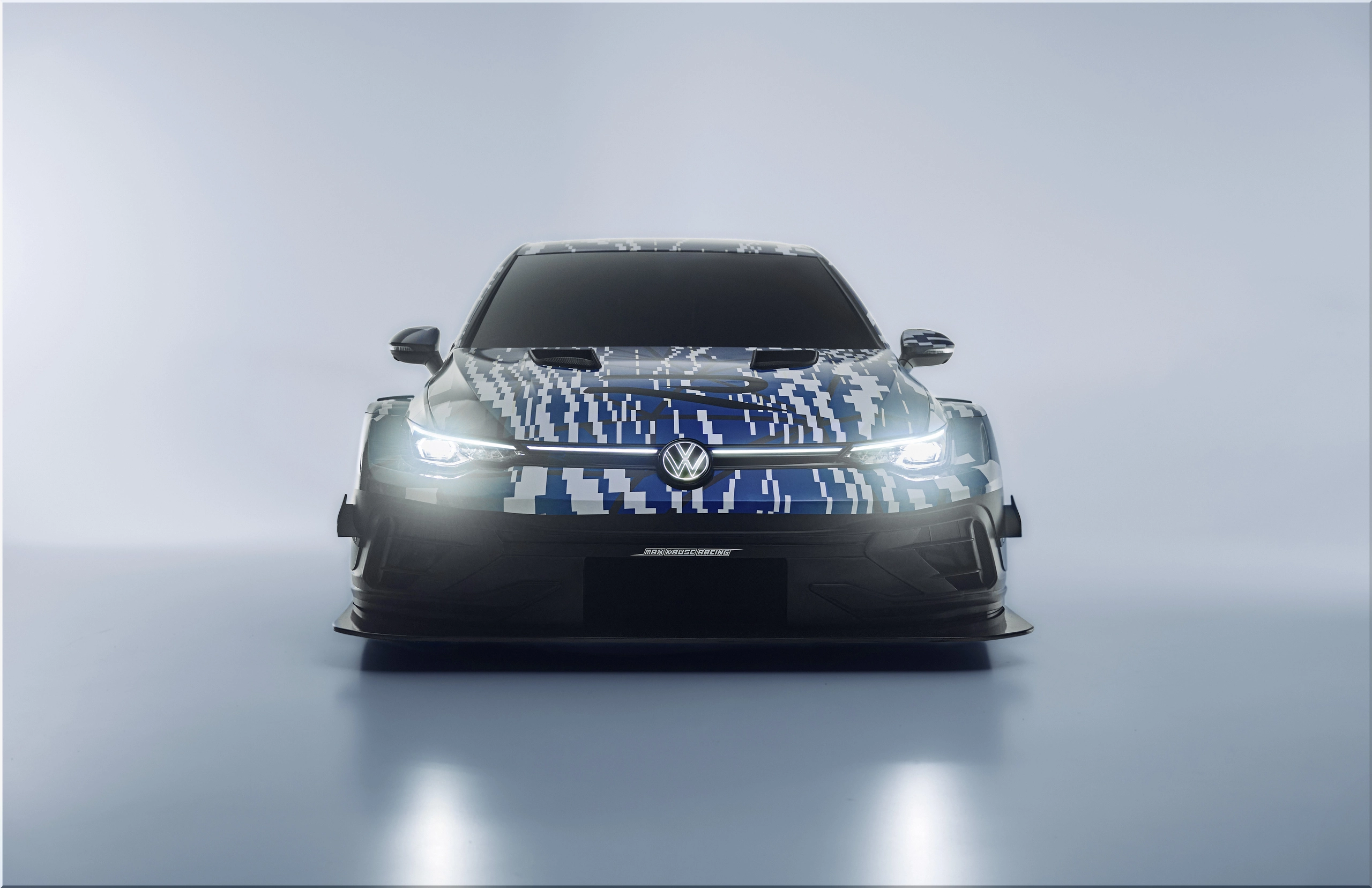
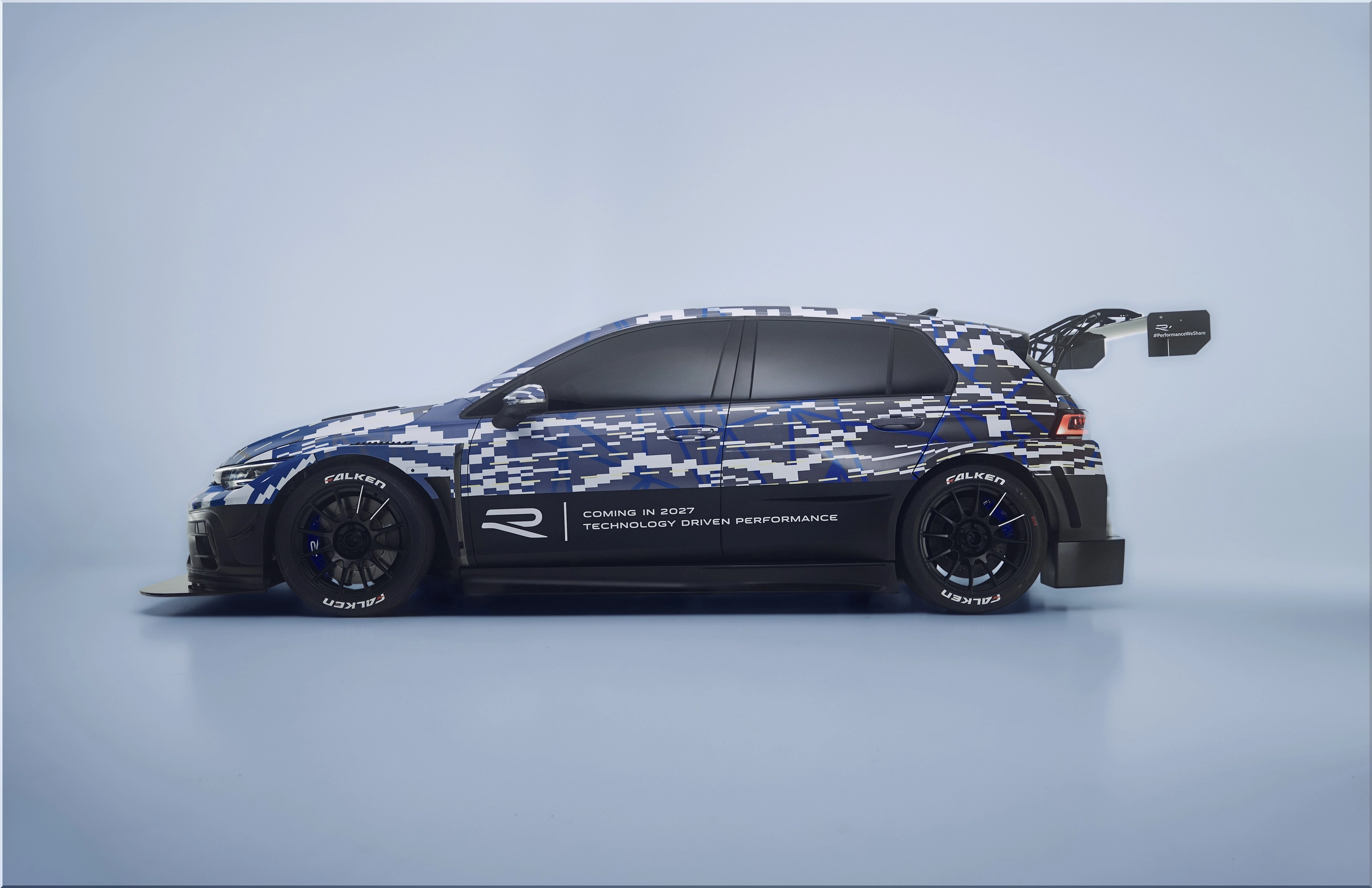
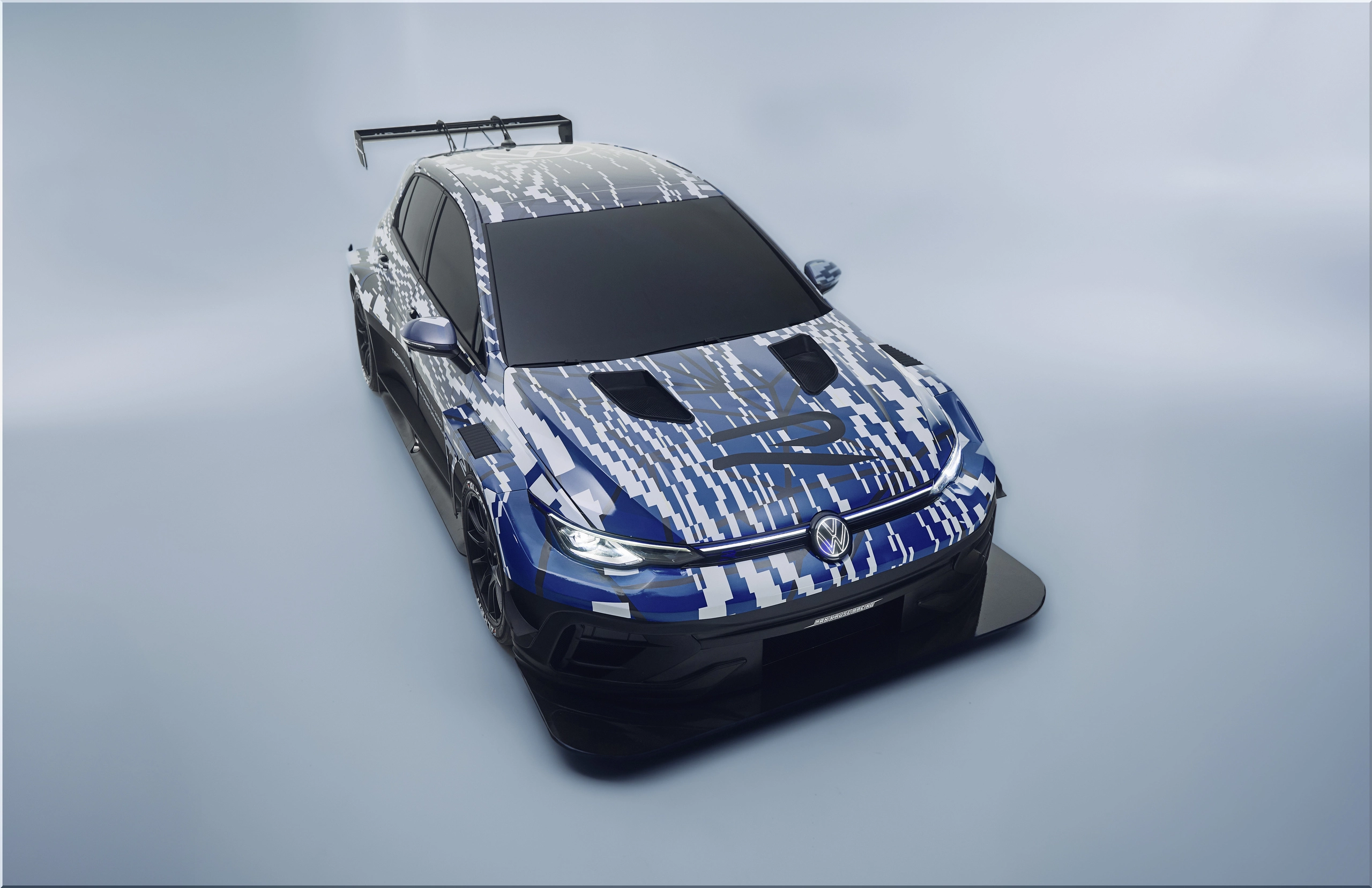
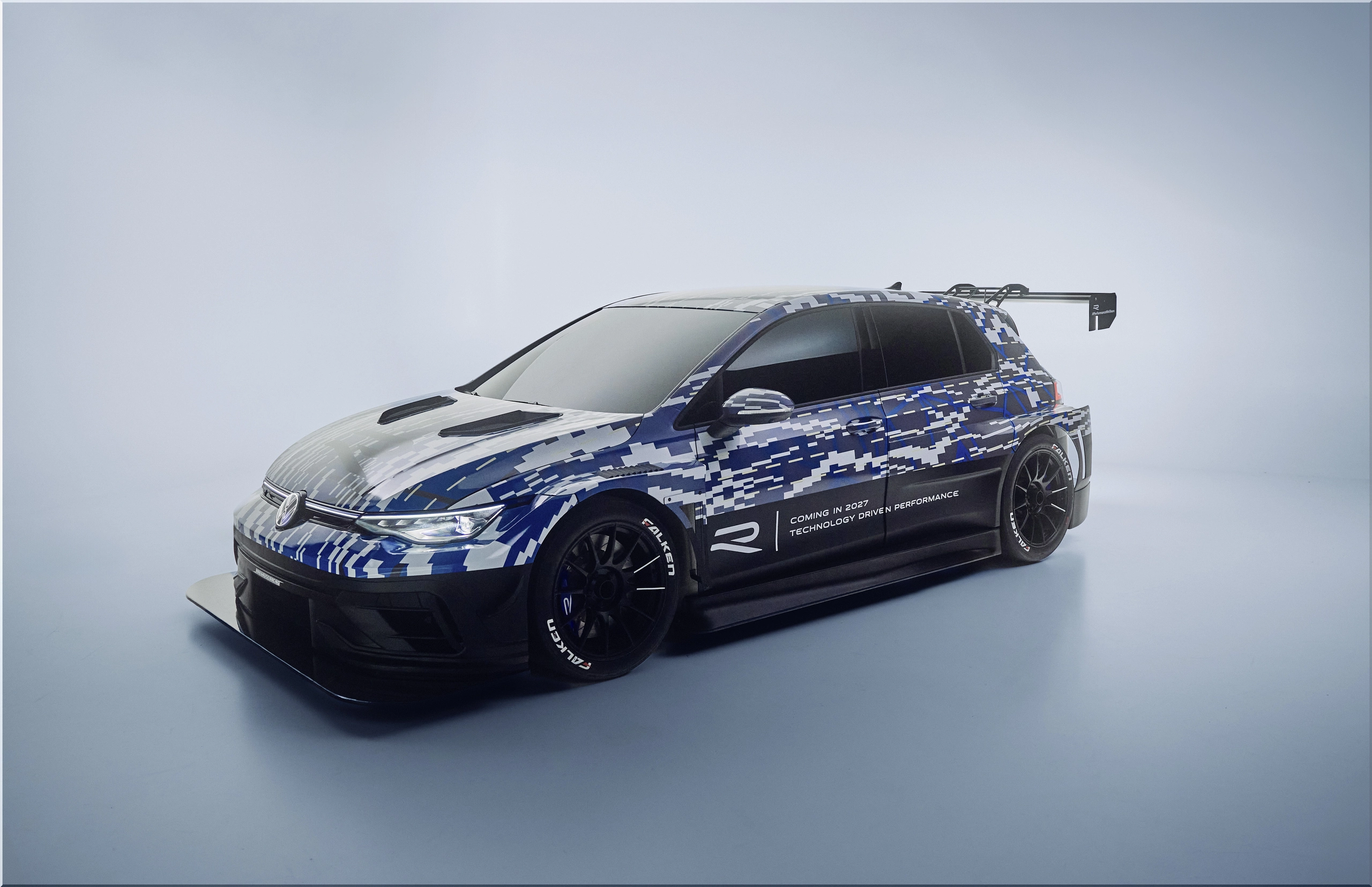
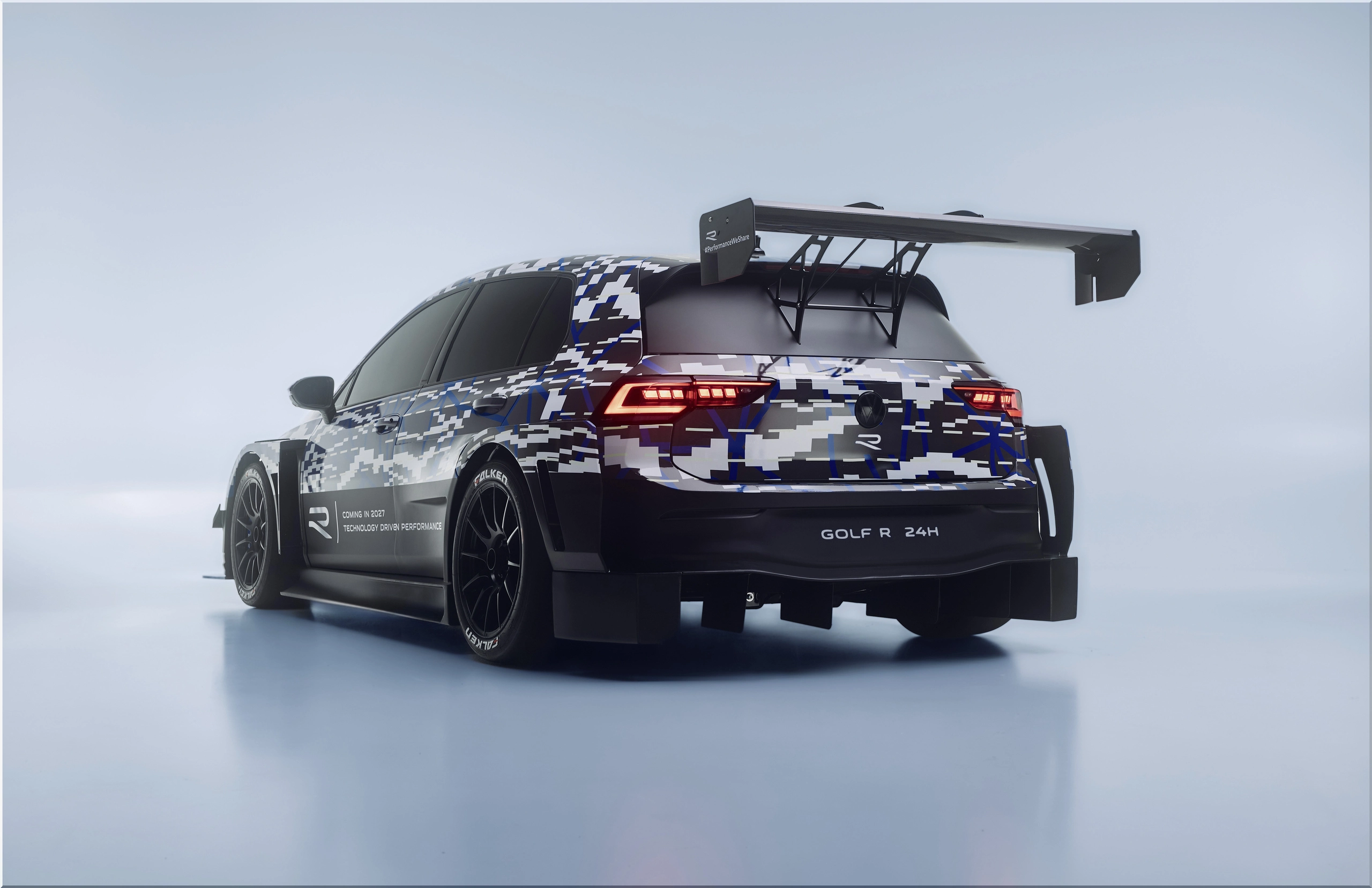
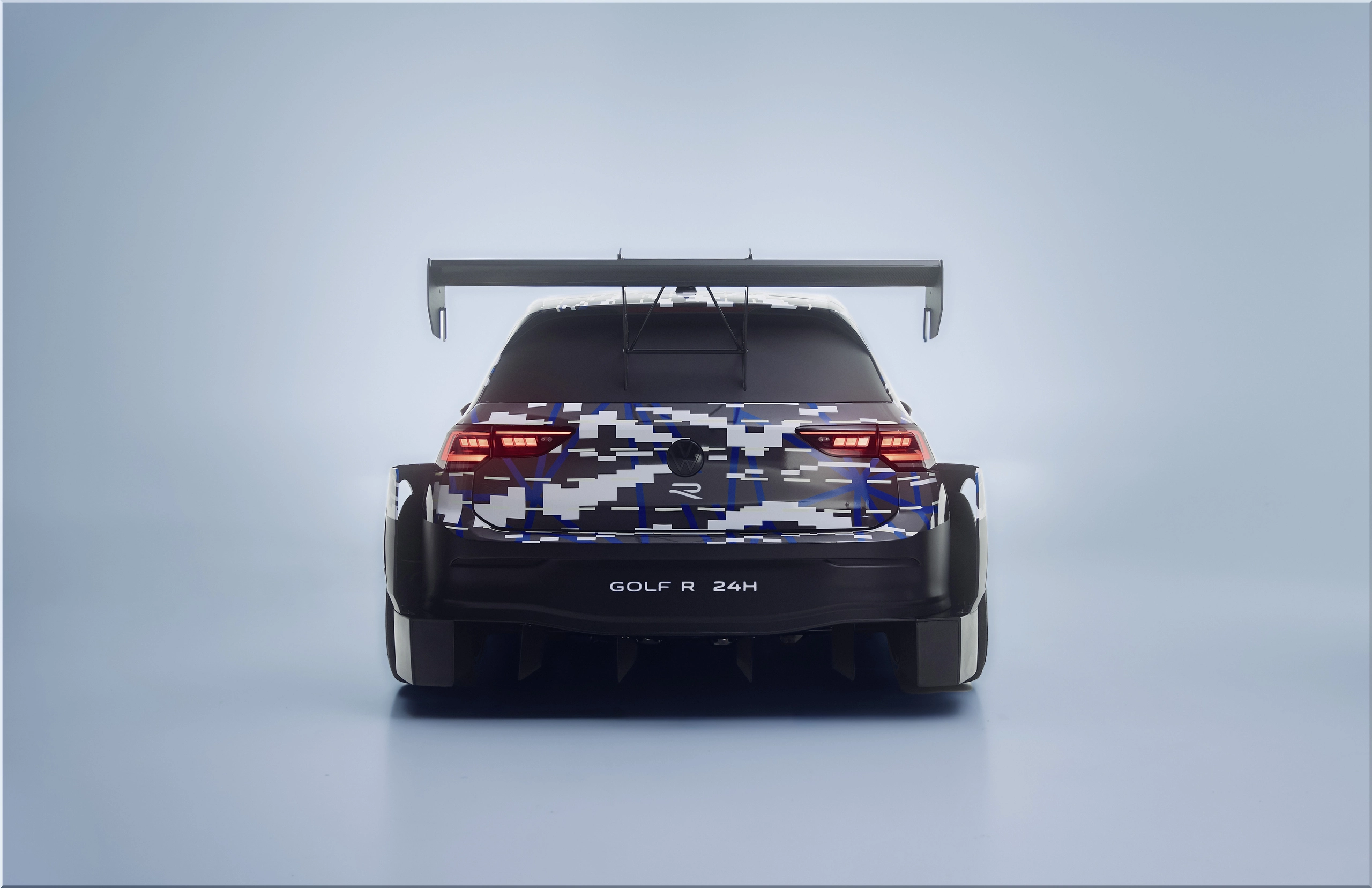
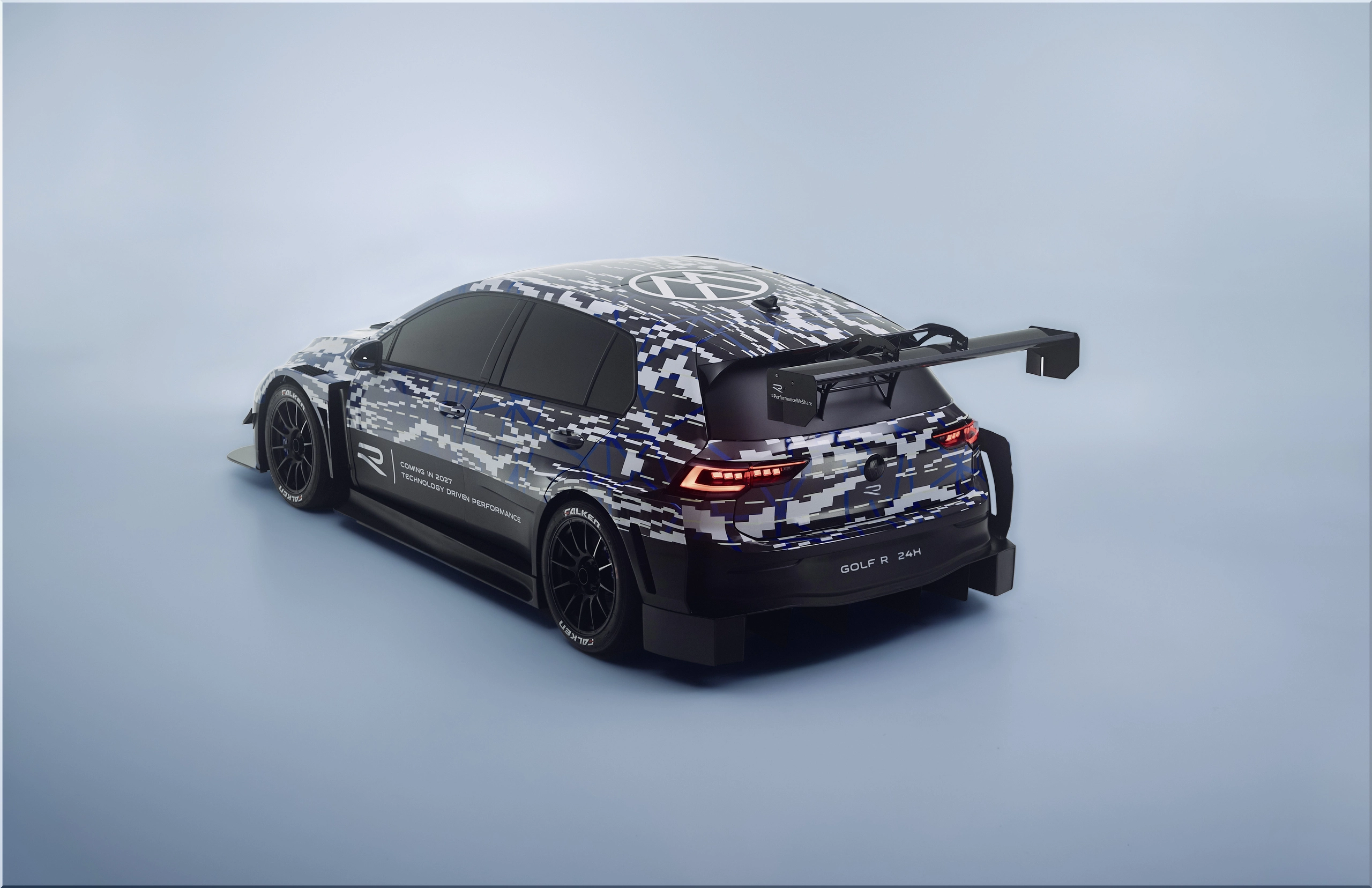
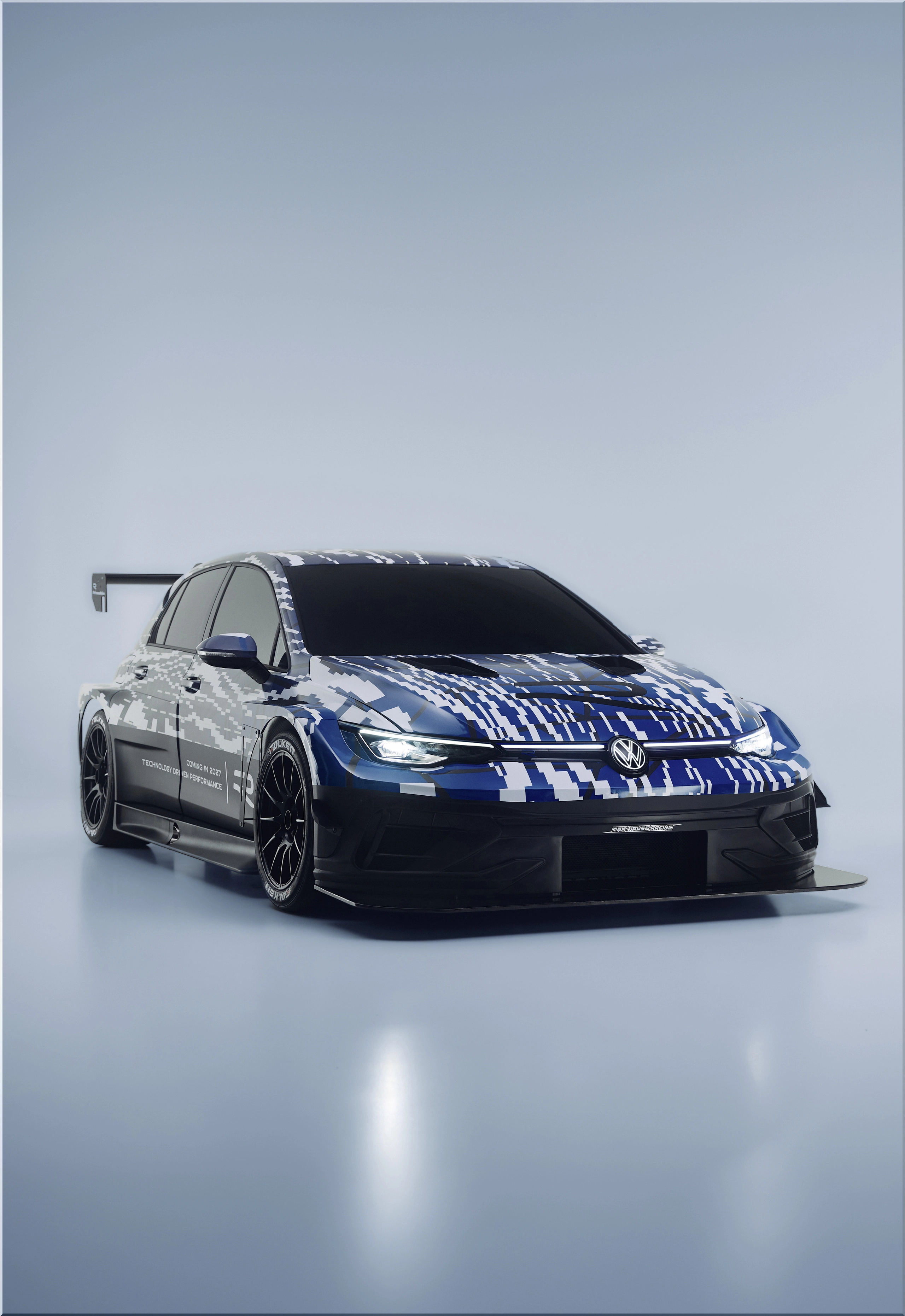
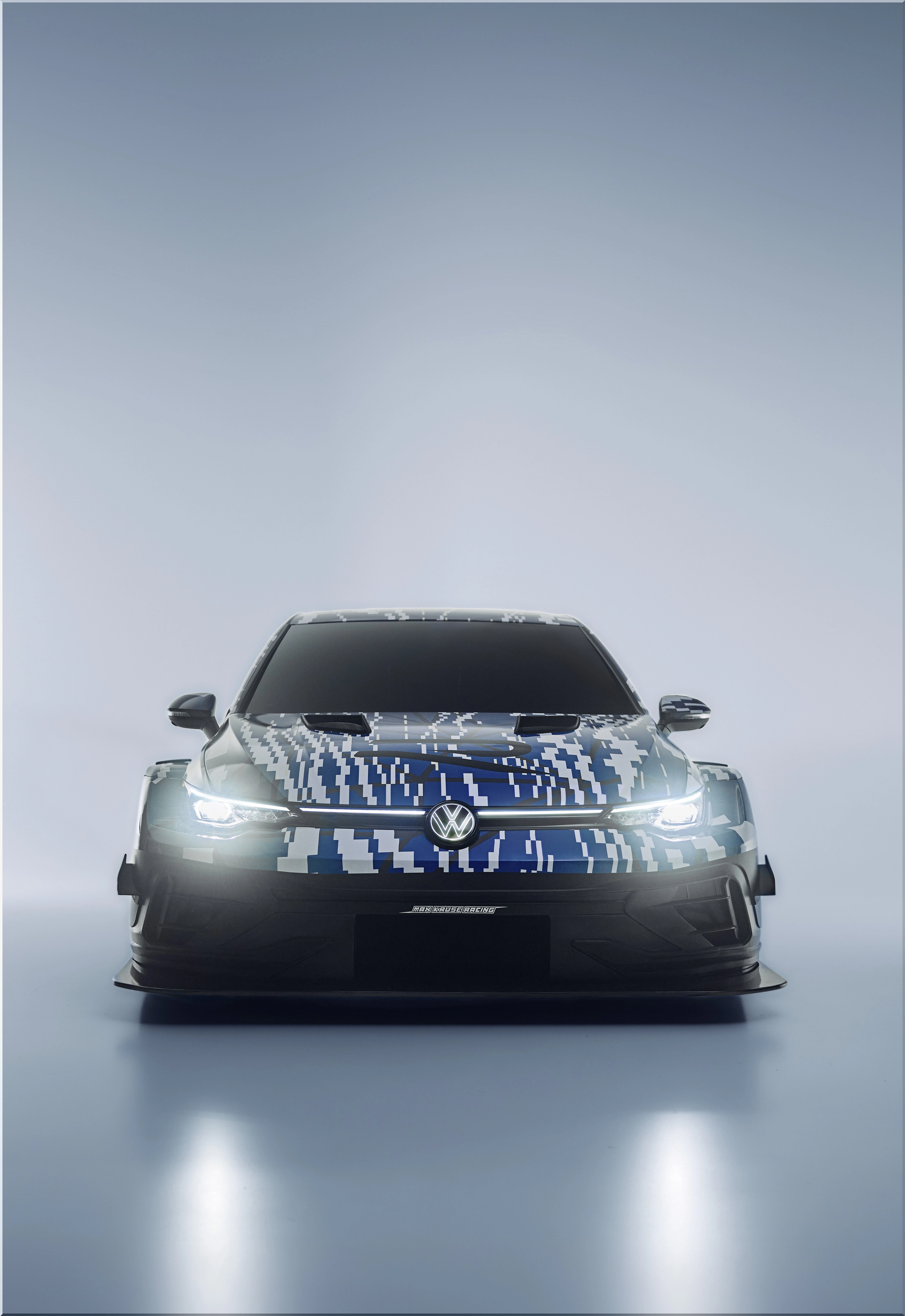
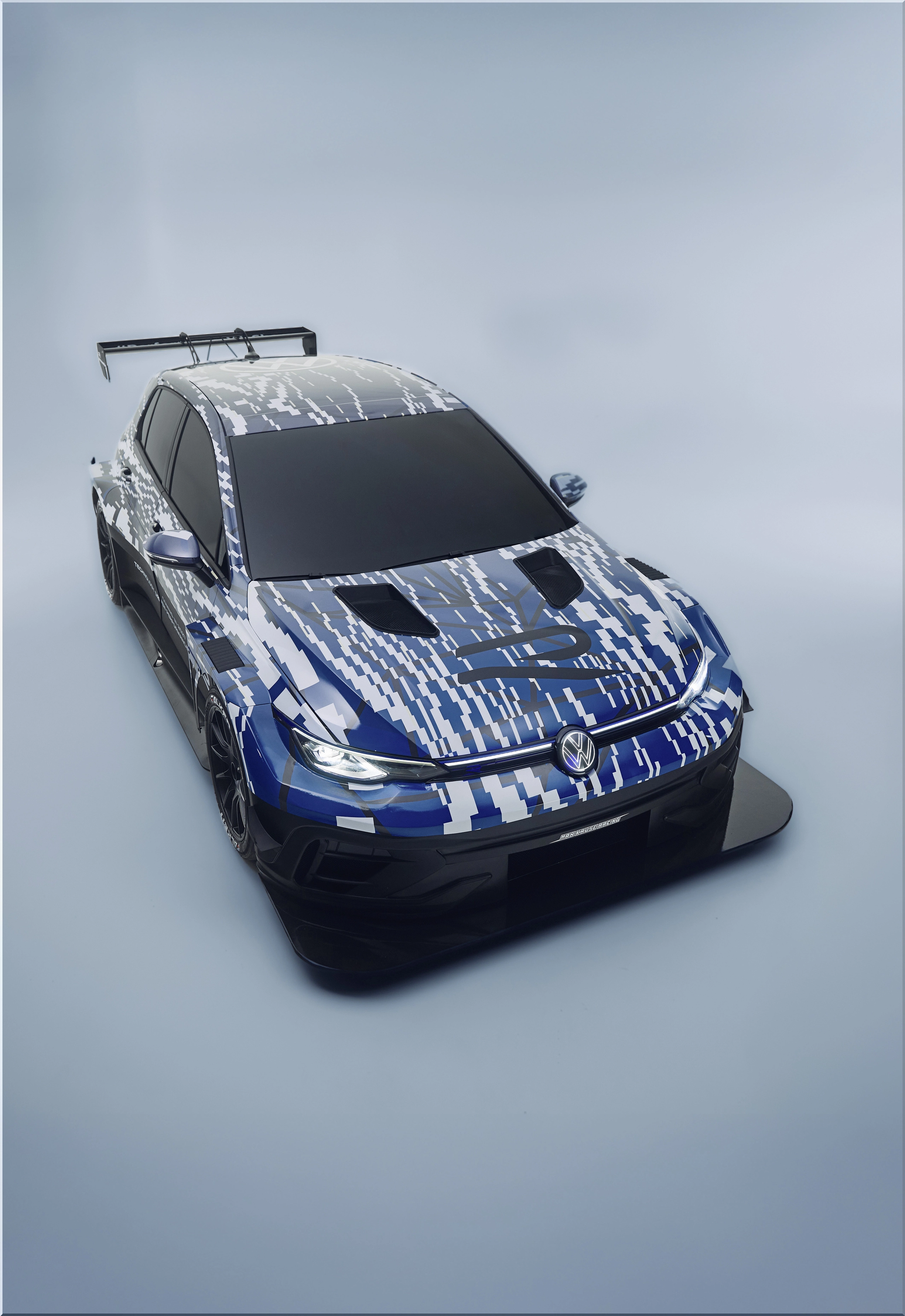
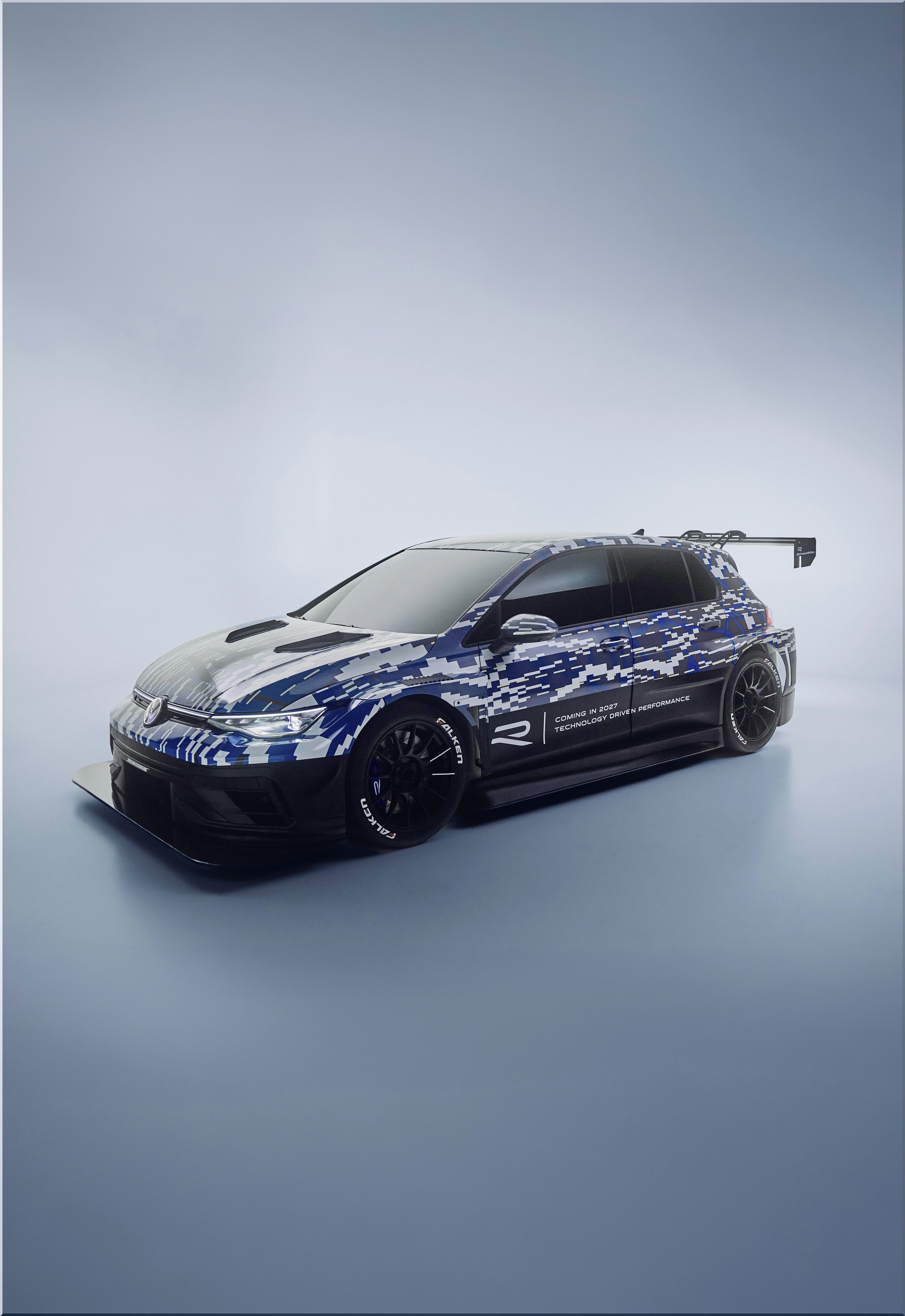
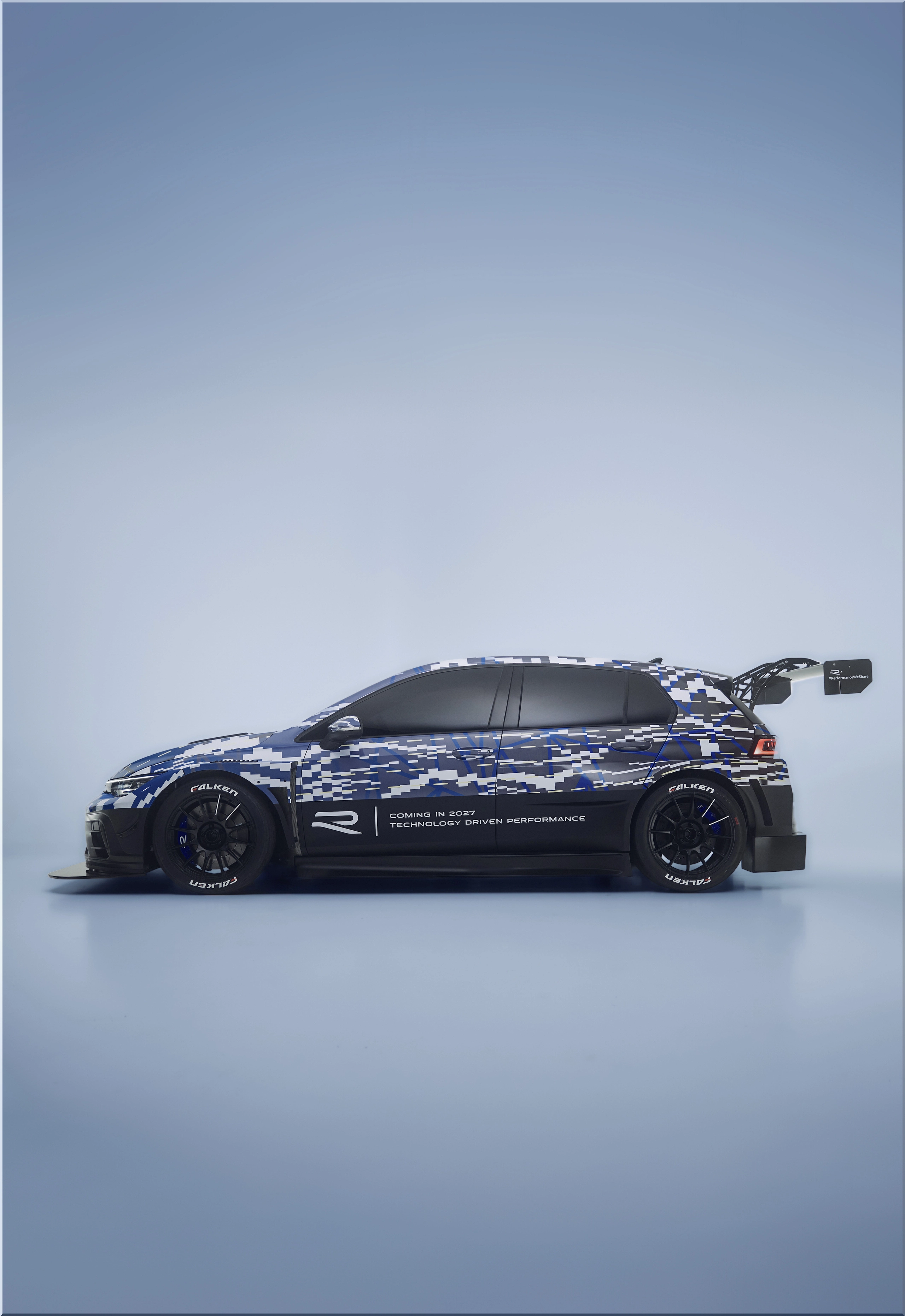
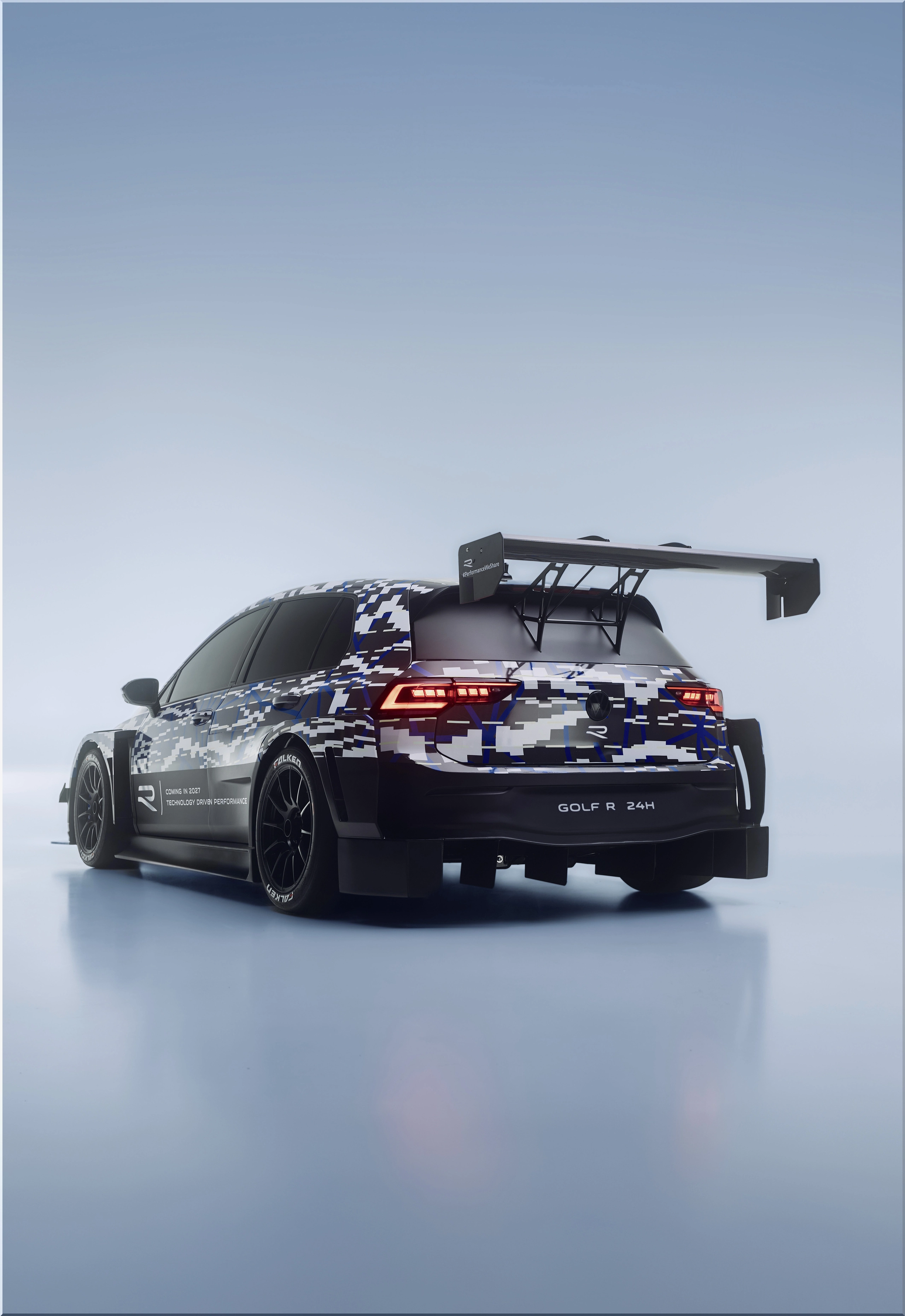
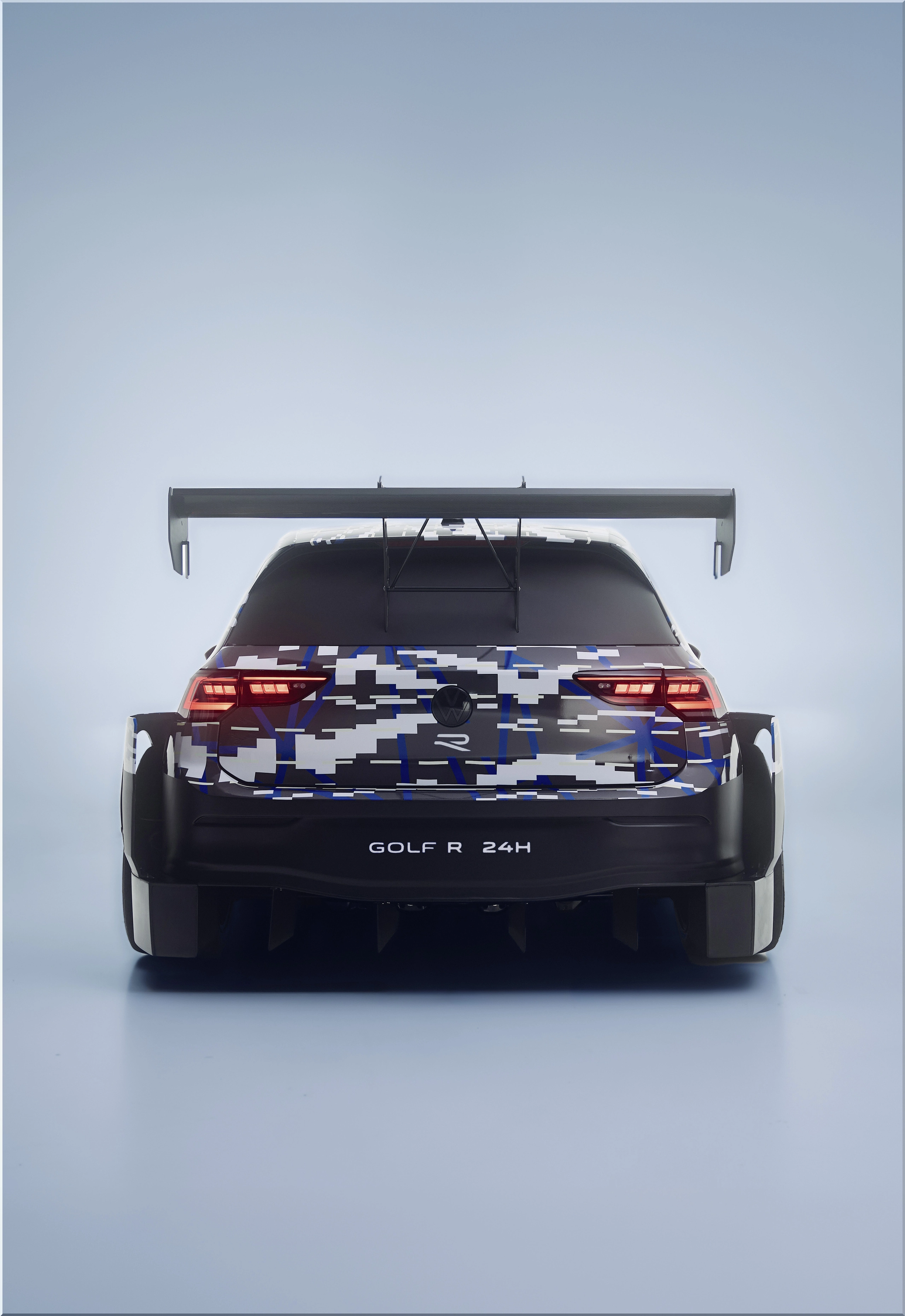
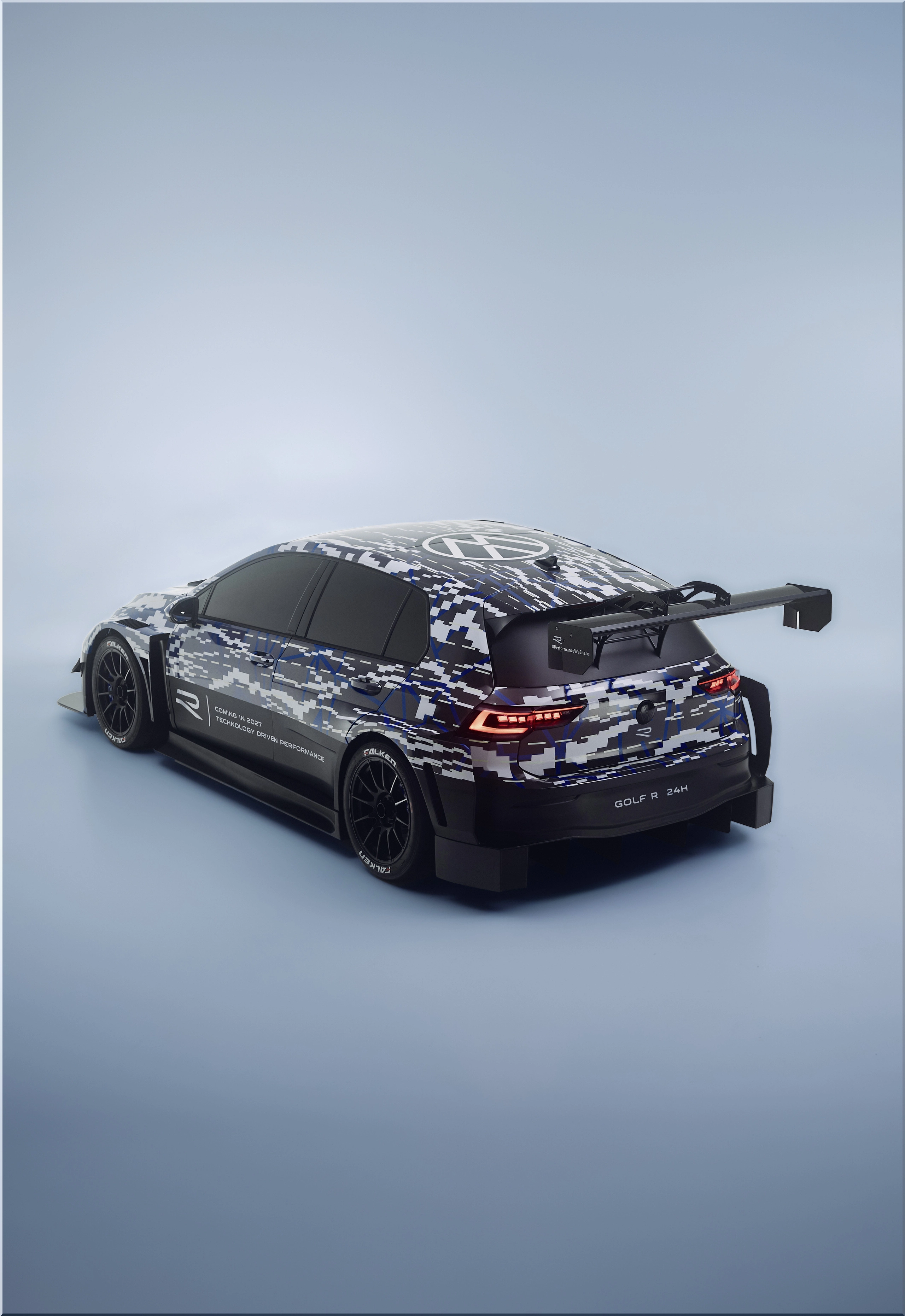
Volkswagen R will return to the 24h Nürburgring in 2027 with a new race-prepped Golf R 24H, developed with Max Kruse Racing. The timing matters. The 2027 race year marks 25 years of Volkswagen R, which started in 2002 with the Golf R32.
This is not a styling stunt. Volkswagen has already started development work on an all-wheel-drive Golf R racing car for the Nordschleife. The show car gives the public the first look, but VW has kept class placement, race engine output, homologation details, aero numbers, and kerb weight under wraps.
Image
Why Volkswagen R Picked the Nürburgring 24h
The Nürburgring 24h punishes everything at once: drivetrain cooling, braking stability, tyre wear, night visibility, suspension travel, aero balance, and driver confidence. The race uses the long 25.378 km layout, equal to about 15.77 miles, combining the Nordschleife with sections of the Grand Prix circuit.
That layout suits a Golf R-based racer. A compact hatchback platform gives VW a short, stiff base. The 4MOTION all-wheel-drive system also gives the engineering team a logic-driven starting point for traction over crests, damp patches, kerbs, and high-load exits.
Confirmed 2027 Volkswagen Golf R 24H Project Facts
| Data Point | Confirmed Detail |
|---|---|
| Race target | 24h Nürburgring 2027 |
| Brand division | Volkswagen R |
| Anniversary link | 25 years of Volkswagen R |
| First R model | 2002 Volkswagen Golf R32 |
| Development partner | Max Kruse Racing |
| Base concept | Current-generation Golf R |
| Drive layout | All-wheel drive |
| Preview vehicle | Golf R 24H show car |
| Public display | Ring Boulevard at the Nürburgring |
| Technical release status | Detailed race specs not released yet |
Golf R Road Car Specs Give the Racer a Serious Base
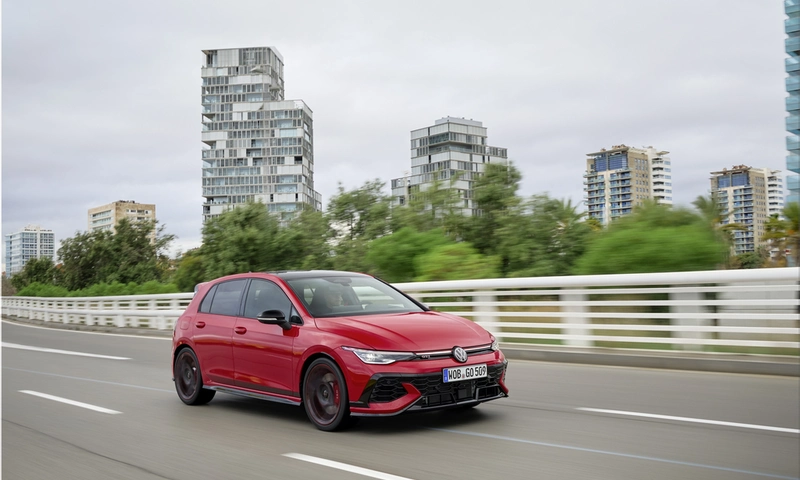
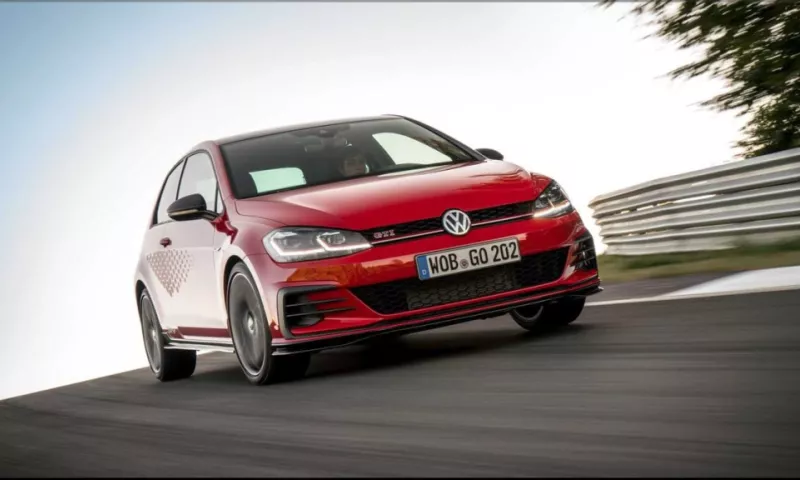
Volkswagen has not released the final Golf R 24H race car specifications, so the production Golf R gives the only reliable technical baseline. The current road car uses the EA888 evo4 2.0-litre turbocharged four-cylinder engine, tuned to 333 PS, or 245 kW, with 420 Nm of torque.
That torque spread matters more than the peak figure. The production Golf R delivers maximum torque across a broad mid-range, so a race tune can prioritise drivability, cooling, boost control, and gearbox protection rather than chasing one headline dyno number.
Image
Production Golf R Technical Baseline
| Specification | Current Golf R Data |
|---|---|
| Engine | 1,984 cc EA888 evo4 turbocharged four-cylinder |
| Power | 245 kW / 333 PS |
| Torque | 420 Nm |
| Torque band | 2,100 to 5,500 rpm |
| Transmission | 7-speed DSG |
| Drive system | 4MOTION all-wheel drive |
| 0-100 km/h | 4.6 seconds |
| Top speed | 250 km/h standard, up to 270 km/h with R-Performance package |
| Length | 4,290 mm / 168.9 in |
| Height | 1,458 mm / 57.4 in |
| Wheelbase | 2,631 mm / 103.6 in |
| Fuel tank | 55 litres |
Image gallery
What Changes for a Nürburgring Race Golf R?
The road Golf R already has traction, torque vectoring, and a compact body. The race car will need a much harder technical package.
Expect the development focus to centre on:
- Brake cooling for repeated heavy stops over 24 hours
- Oil and coolant temperature control for long full-throttle sections
- Suspension travel and damper tuning for kerbs, compressions, and jumps
- Aero stability through fast direction changes and high-speed braking zones
- Tyre management across wet, dry, and mixed surface conditions
- Driver ergonomics for night stints and rapid pit work
From an expert perspective, the Golf R's all-wheel-drive base gives VW a useful traction tool, but it also adds mass and heat. Consequently, the race car must balance grip against durability. More drive hardware can mean more speed out of slow corners, yet it also asks more from cooling systems, driveshafts, differentials, and service crews.
Why Max Kruse Racing Matters
Max Kruse Racing already knows Volkswagen machinery at the Nürburgring. The team has run Golf-based projects there, including recent Golf GTI Clubsport campaigns. That history cuts development risk.
Specifically, the team brings circuit-specific data: tyre degradation patterns, stint length planning, fuel strategy, traffic management, and set-up changes for the Eifel weather. Volkswagen R brings production engineering depth. The combination gives the Golf R 24H programme a credible path from show car to race entry.
Image gallery
The Strategic Read
The Volkswagen Golf R 24H lets VW R reconnect its badge with racing at a high-visibility event. In addition, it gives Volkswagen a technical stage for combustion performance while the wider industry shifts toward electrification.
The message lands cleanly: Golf R still means traction, speed, and real track development. The story deserves attention because it links a familiar hot hatch with one of the hardest endurance races on the calendar. If VW executes the programme properly, the 2027 Nürburgring 24h could turn the Golf R from a fast road car into a serious endurance racing case study.
- Add new comment
- 256 views