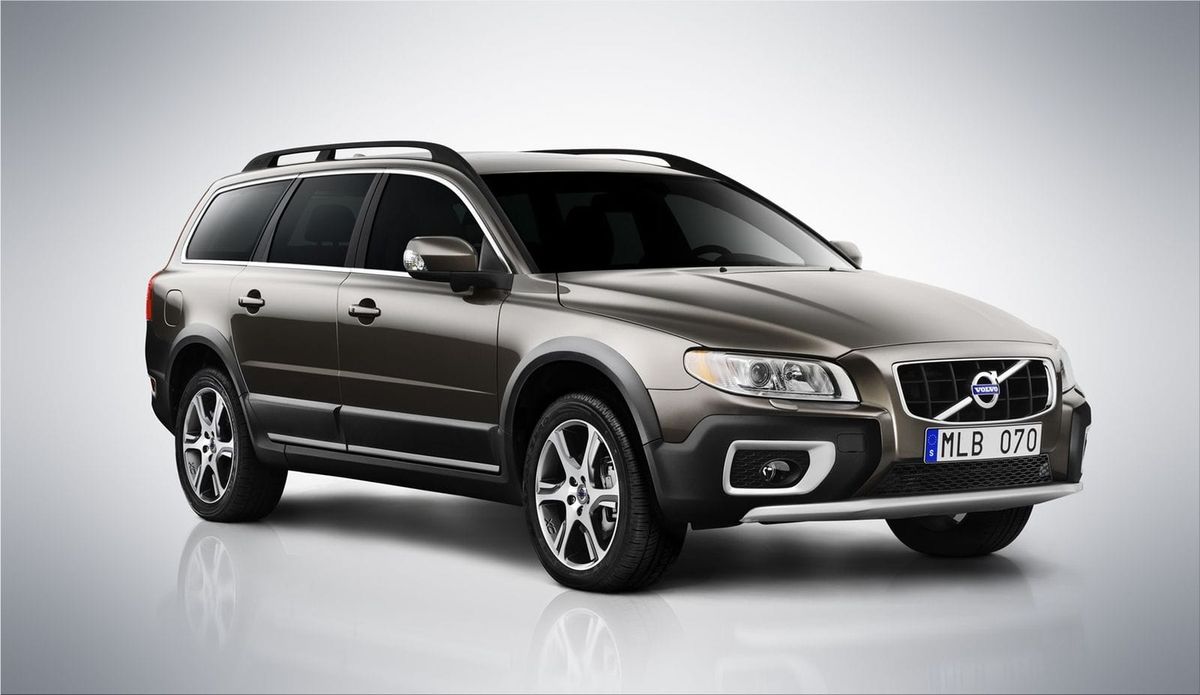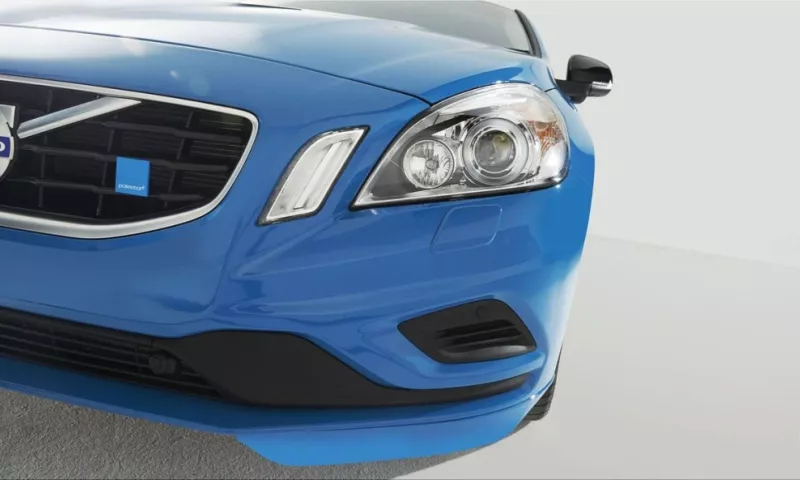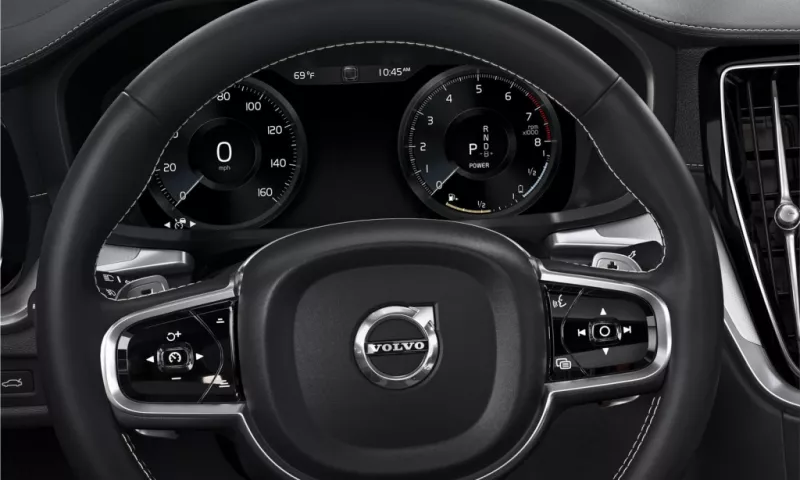

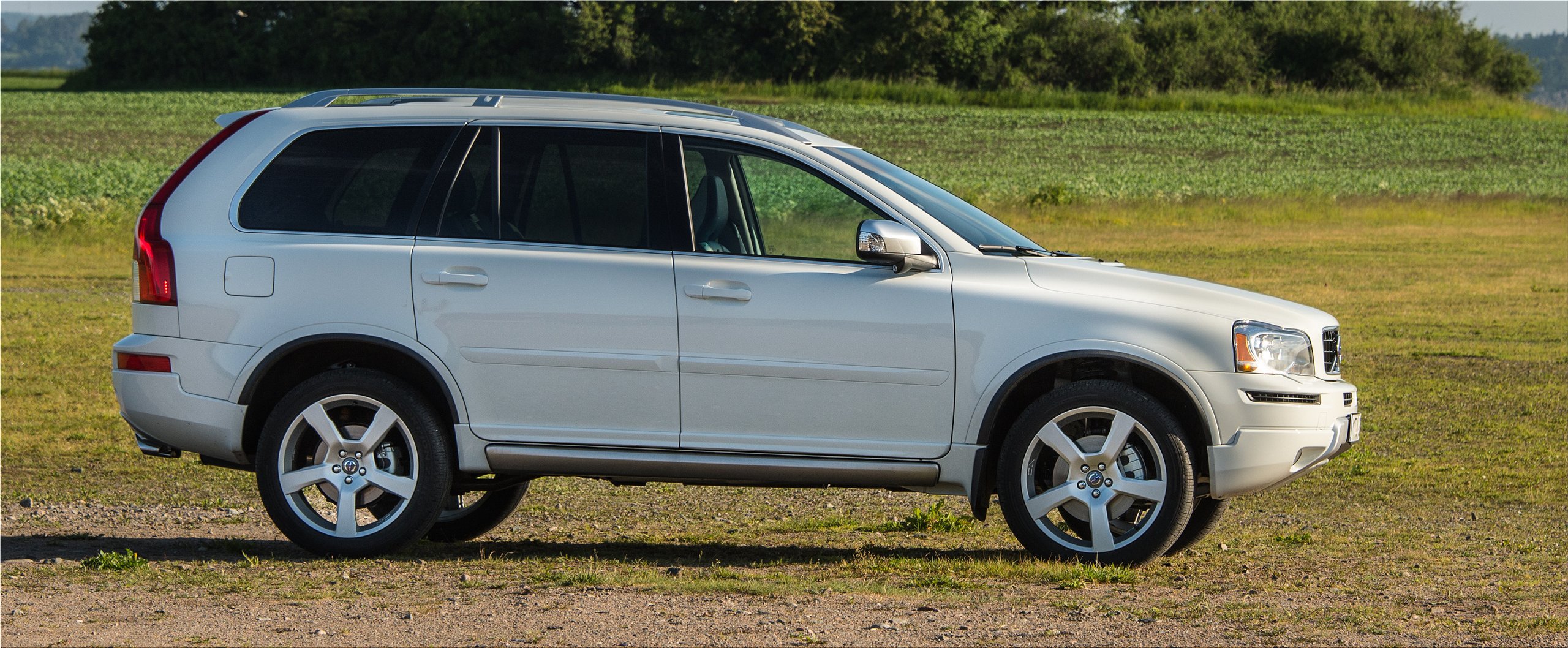
When the Volvo XC90 debuted in 2003, it didn’t just compete—it led. By 2012, it had become a benchmark for what a premium SUV should be: safe, practical, and designed with purpose. Built at Volvo's Torslanda plant in Gothenburg, Sweden, the XC90 brought a Scandinavian approach to luxury that prioritized function over flash.
Versatility Without Compromise
One of the standout features of the 2012 XC90 was its interior flexibility. With seating for seven and up to 64 different seating configurations, it adapted to real-life needs—whether carrying cargo, kids, or both. It wasn’t just an SUV; it was a mobile command center for families and professionals alike.
Volvo's Obsession With Safety: ROPS and RSC
While many SUVs in 2012 emphasized power and prestige, Volvo stayed true to its core value: safety. The XC90 came standard with Roll-Over Protection System (ROPS) and Roll Stability Control (RSC)—two advanced systems that worked together to help prevent rollovers, one of the most dangerous types of crashes.
Image gallery
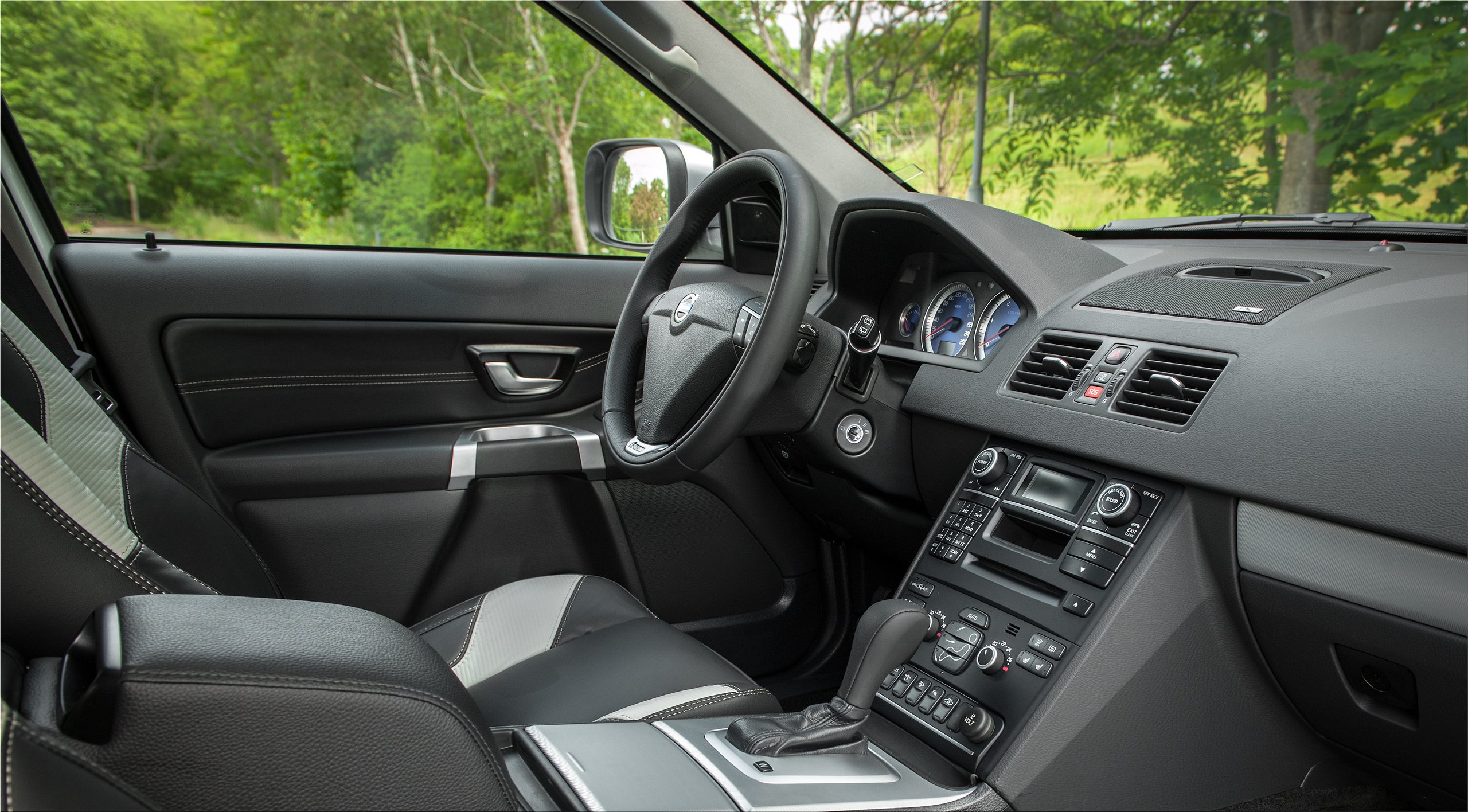
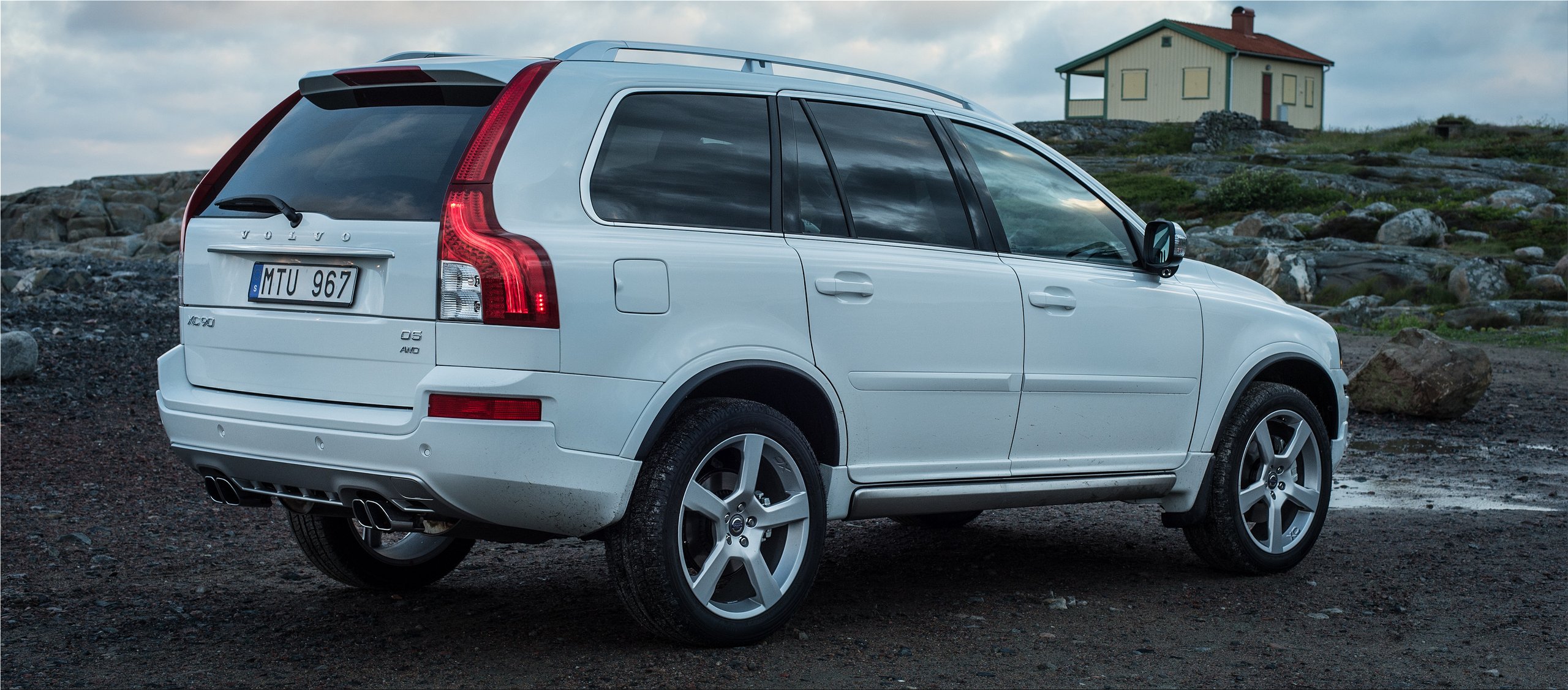

How the Technology Worked
At the core of the system was a gyro-sensor that monitored the SUV’s roll speed and angle. When the risk of a rollover was detected, the system instantly activated Dynamic Stability and Traction Control (DSTC). This technology applied brake force to individual wheels and reduced engine torque, helping the driver maintain control and avoid an accident.
Lasting Legacy in the SUV Segment
By 2012, the Volvo XC90 had proven that safety and luxury aren’t mutually exclusive. It offered comfort, space, and performance—but above all, it offered peace of mind. Volvo didn’t just build an SUV—it built trust with families, professionals, and anyone who put safety first.
- Add new comment
- 287 views