Why the Skoda Elroq keeps winning in 2025
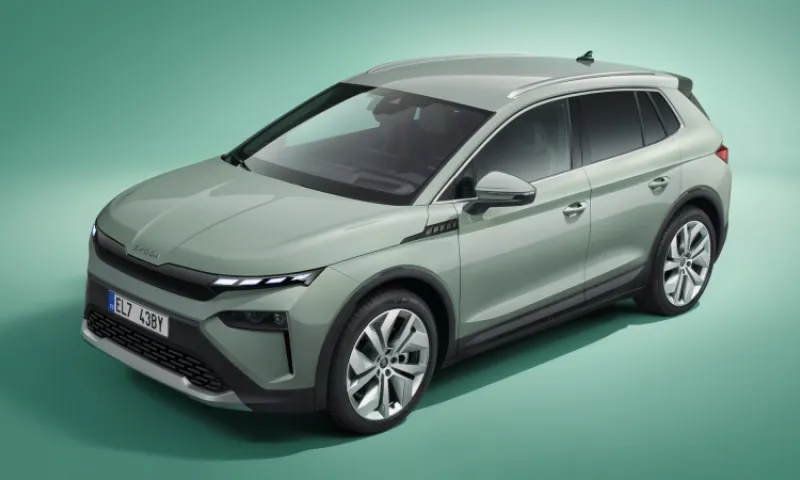
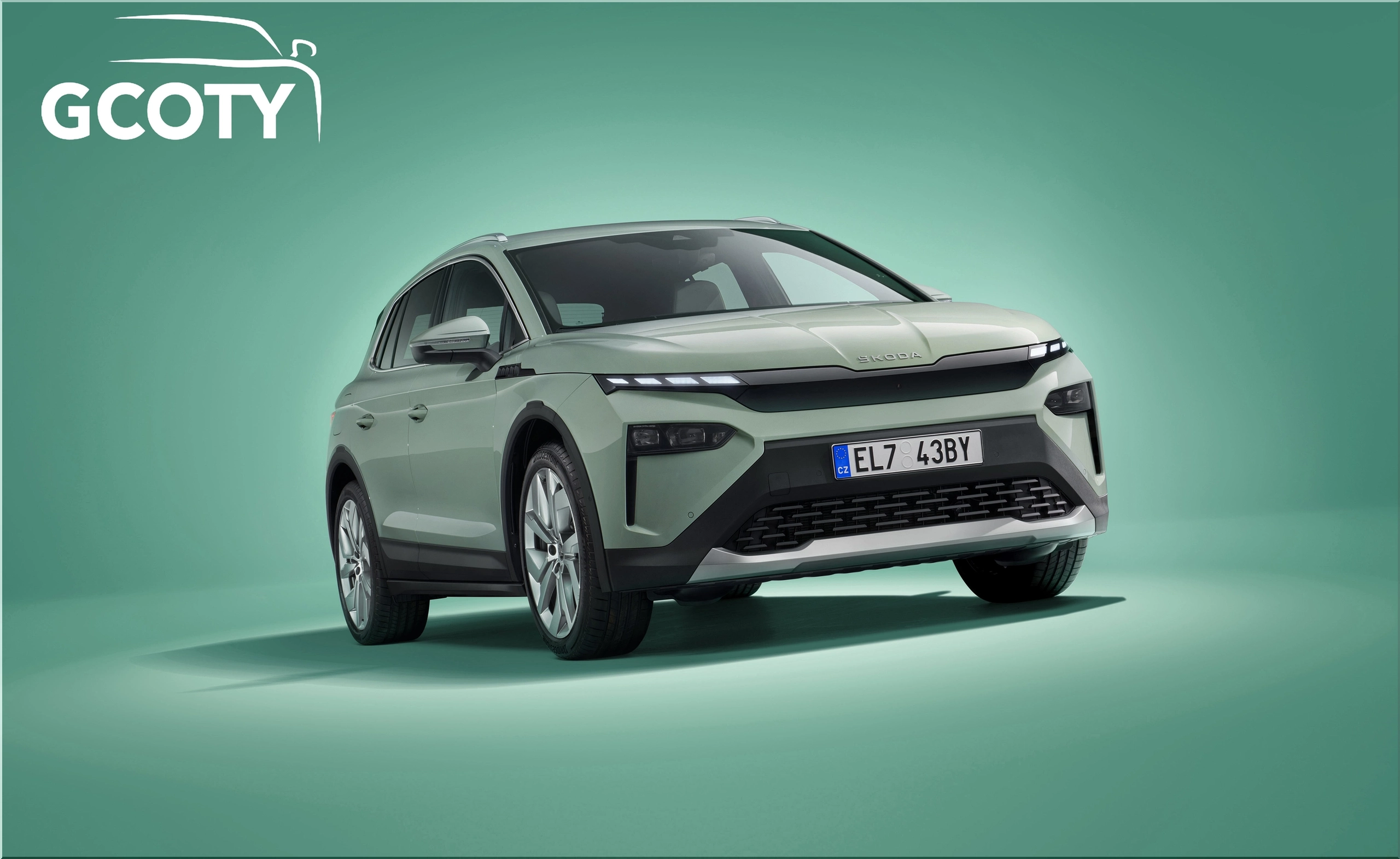
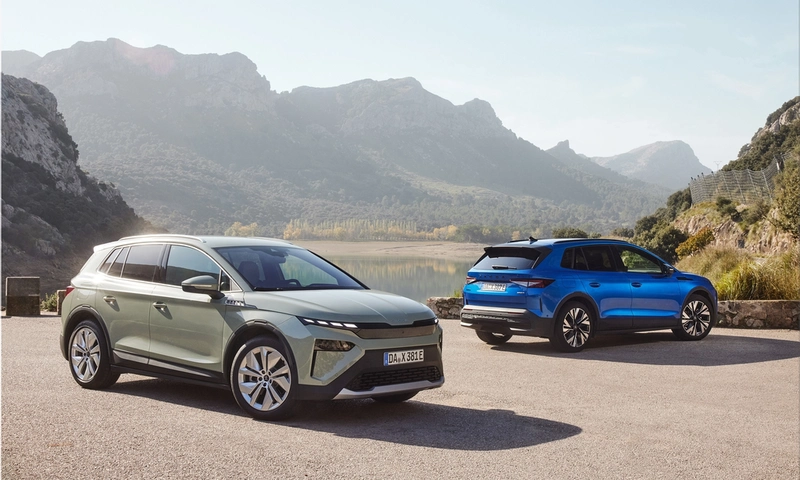
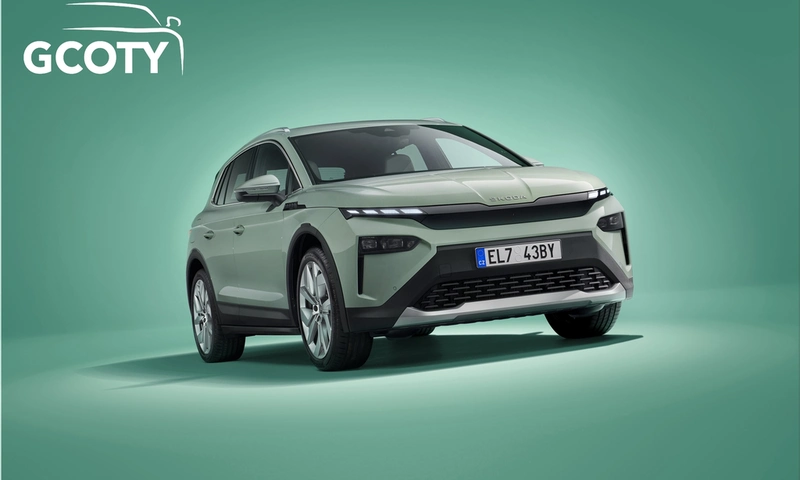
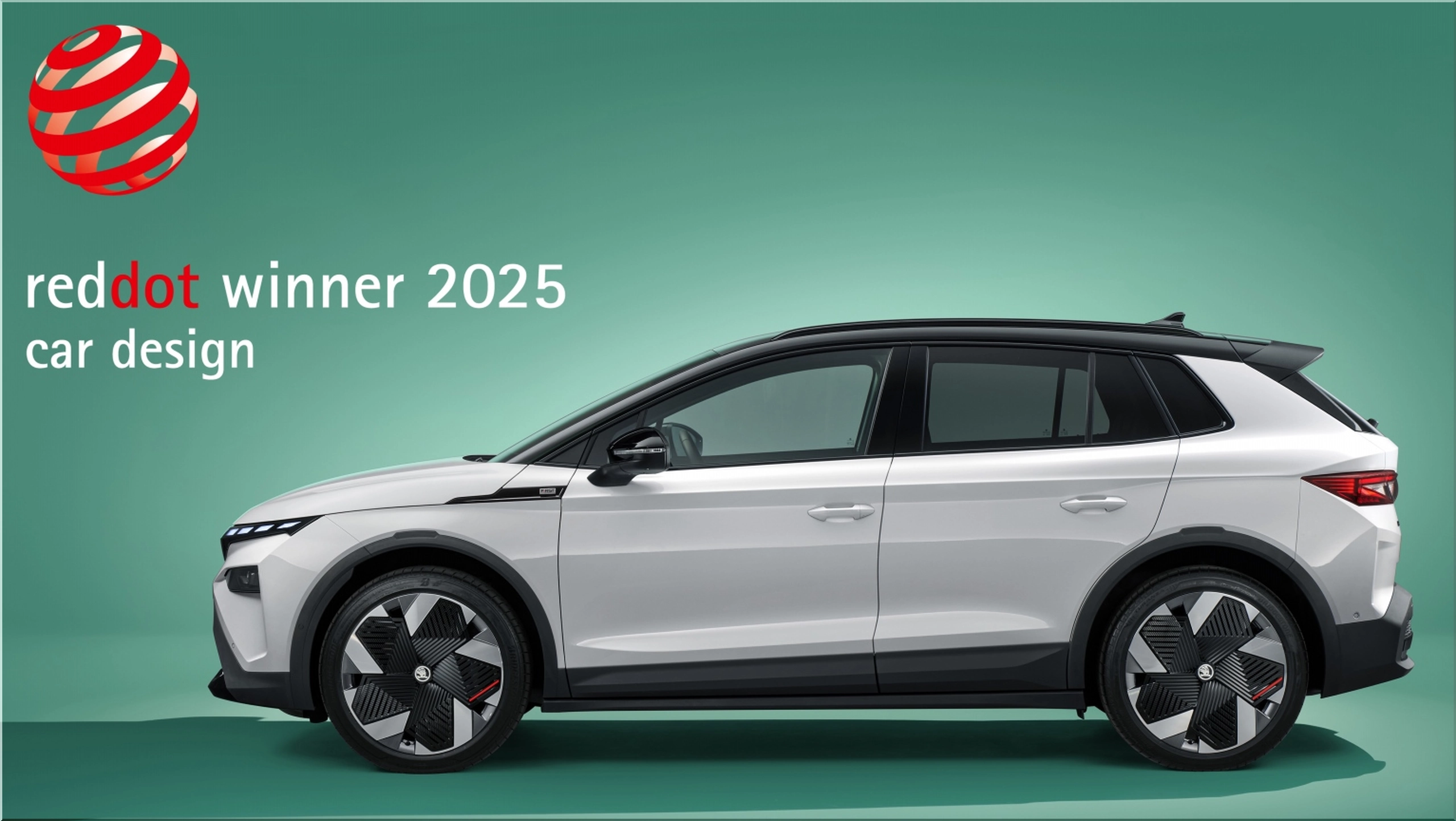
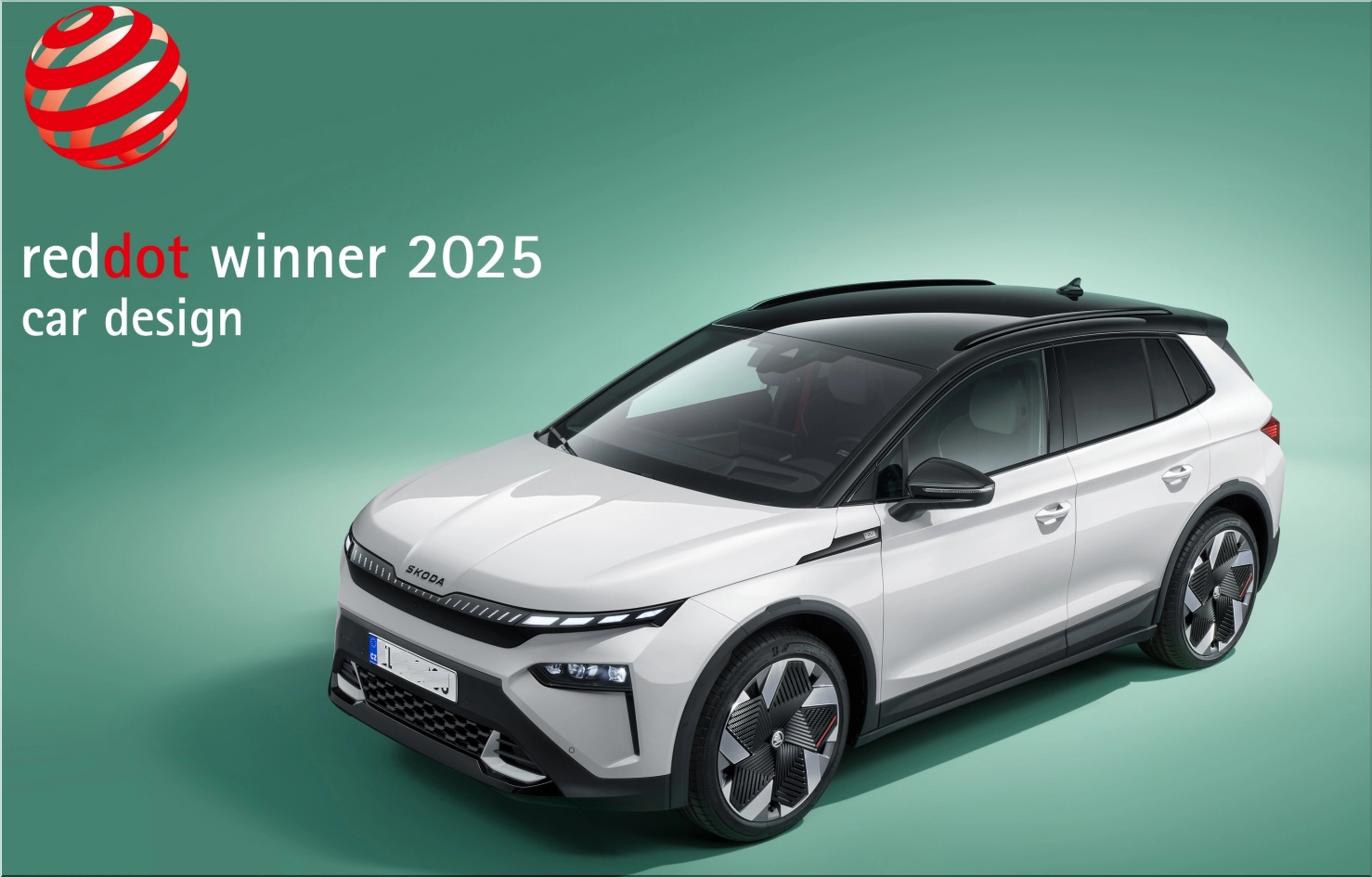
The Skoda Elroq keeps stacking trophies in 2025. It won major awards for product design and value. Judges praised range, charging, and pricing. The car beat strong rivals on daily usefulness. Families liked the space and simple controls.
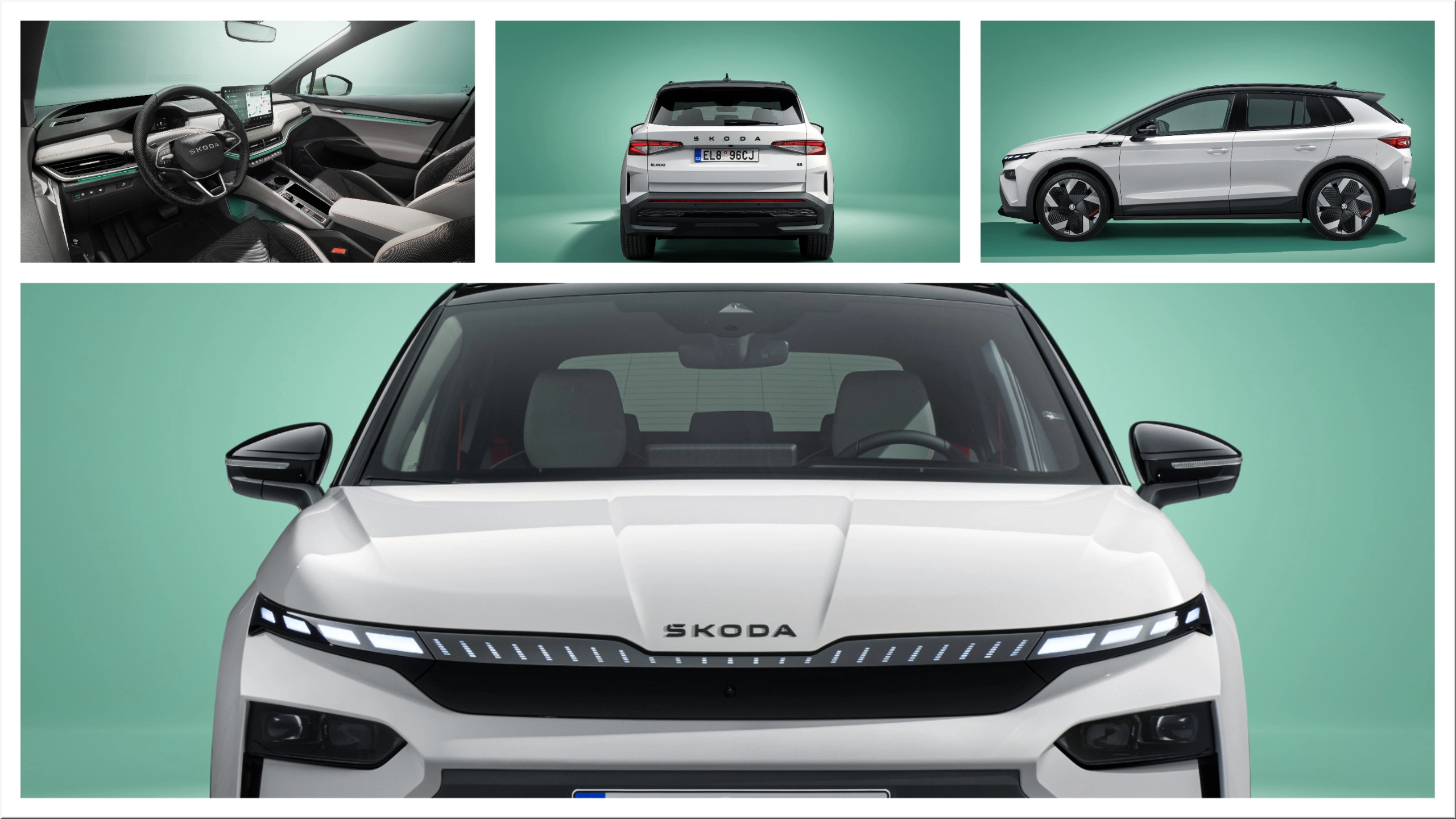
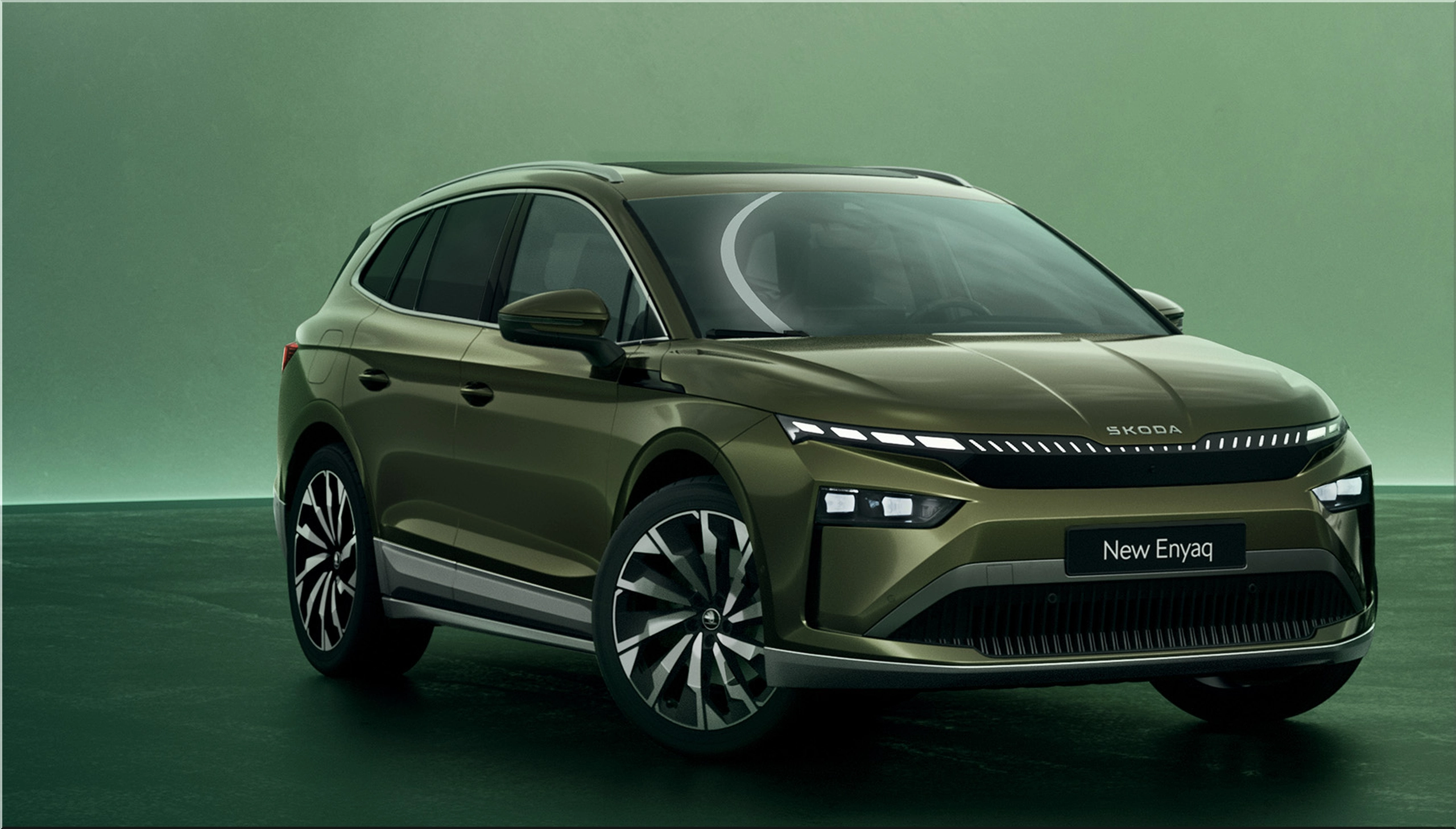
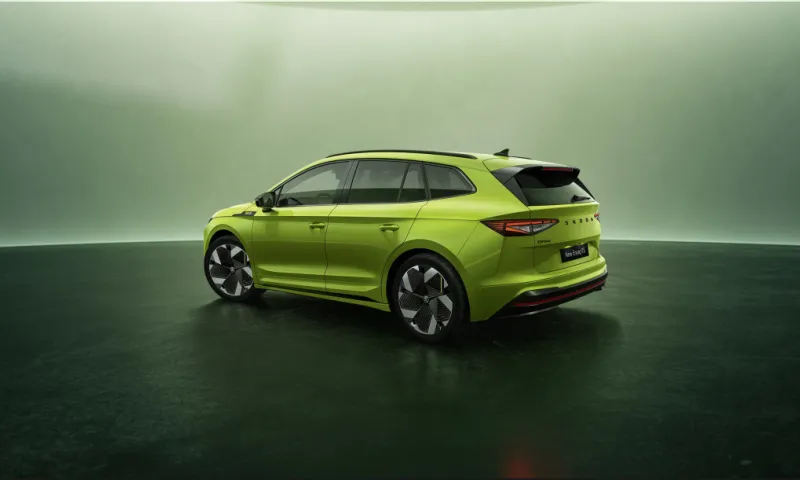
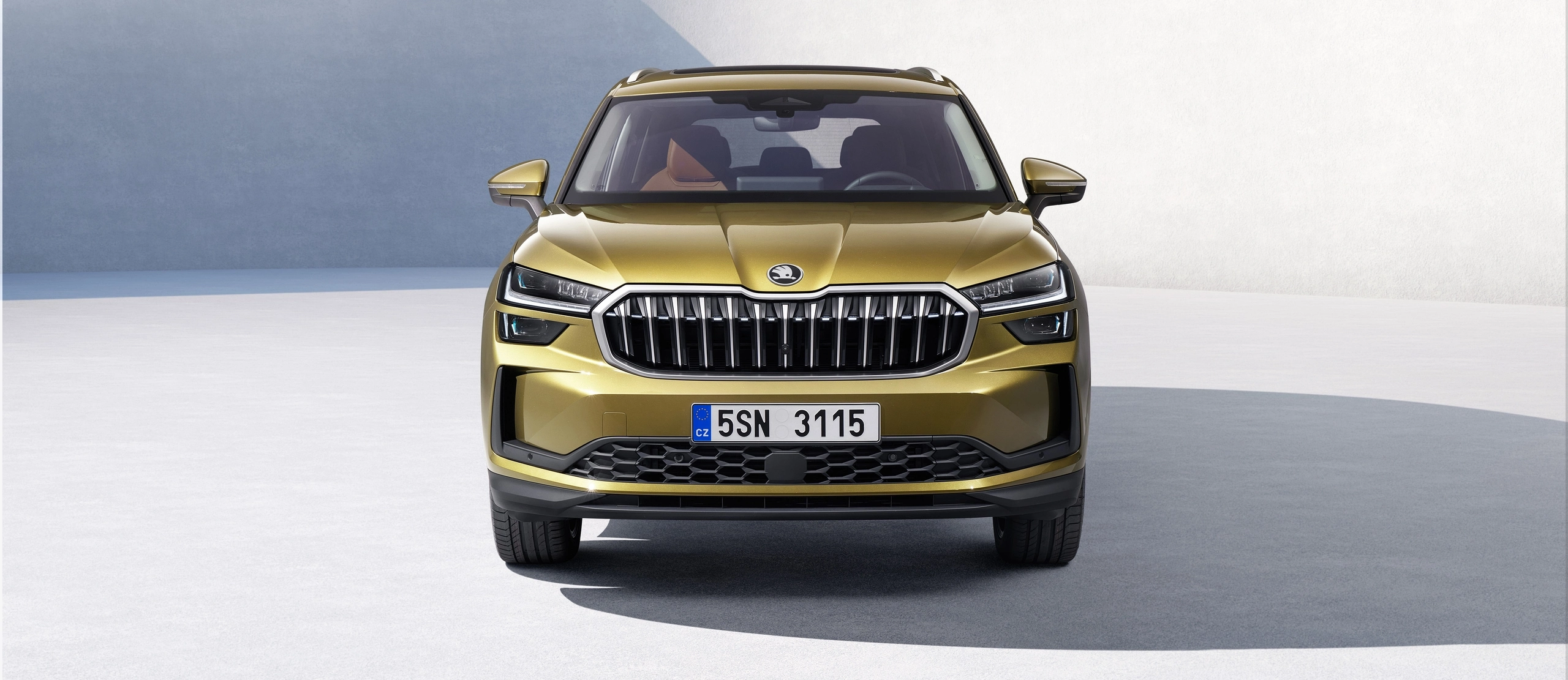
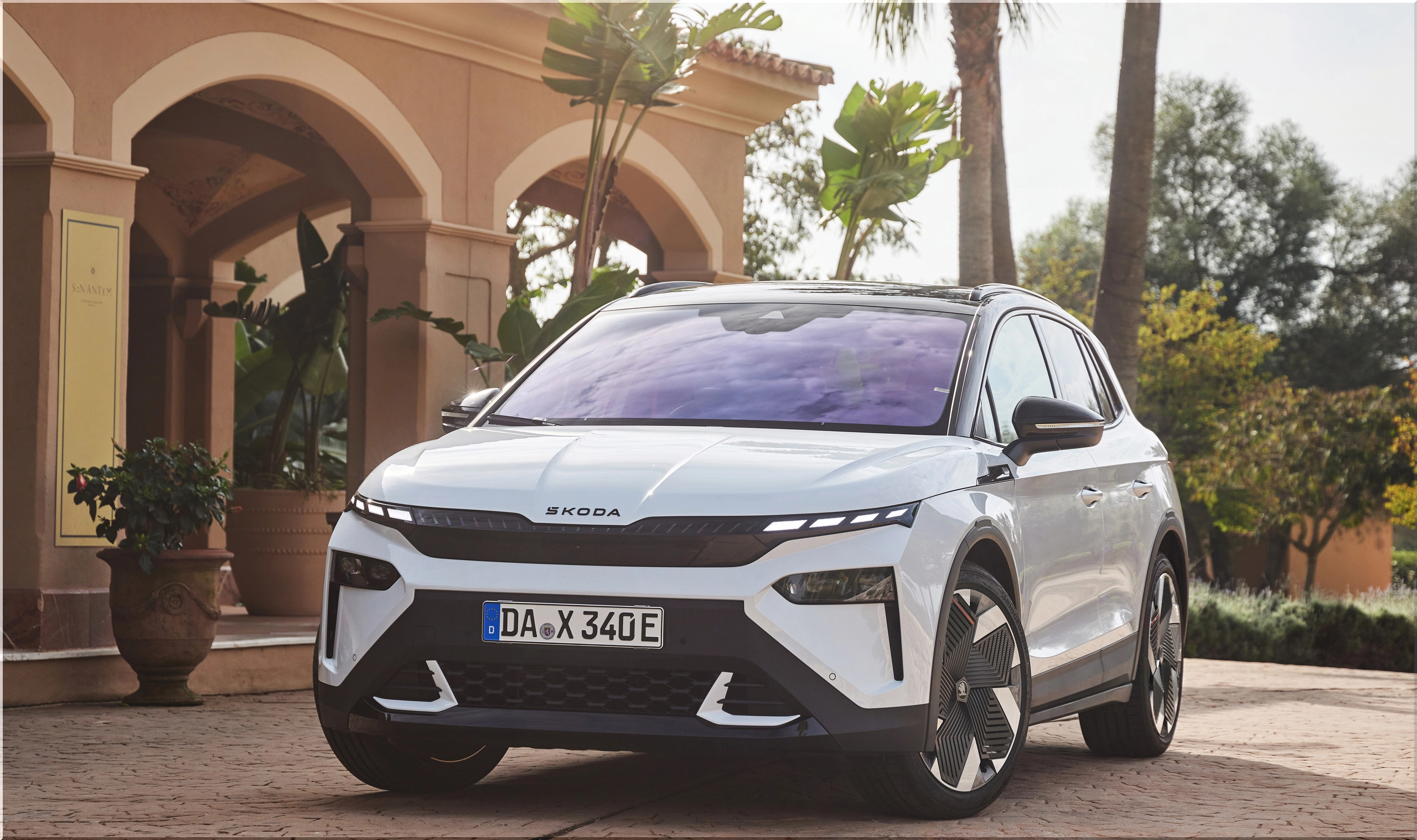
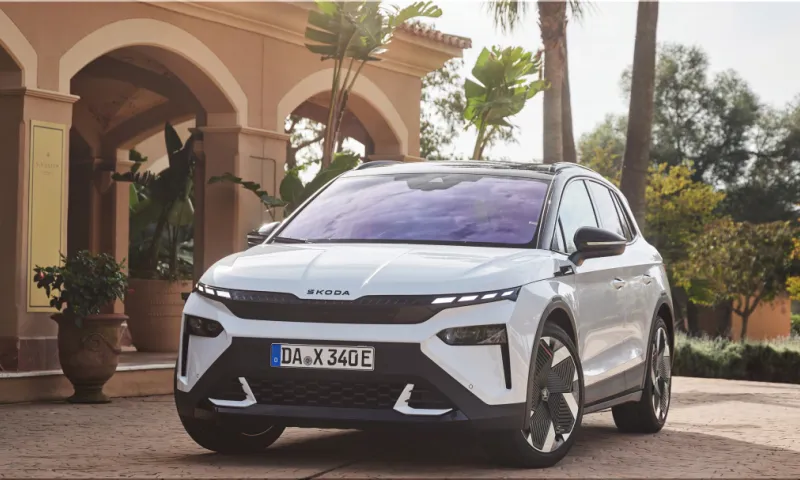
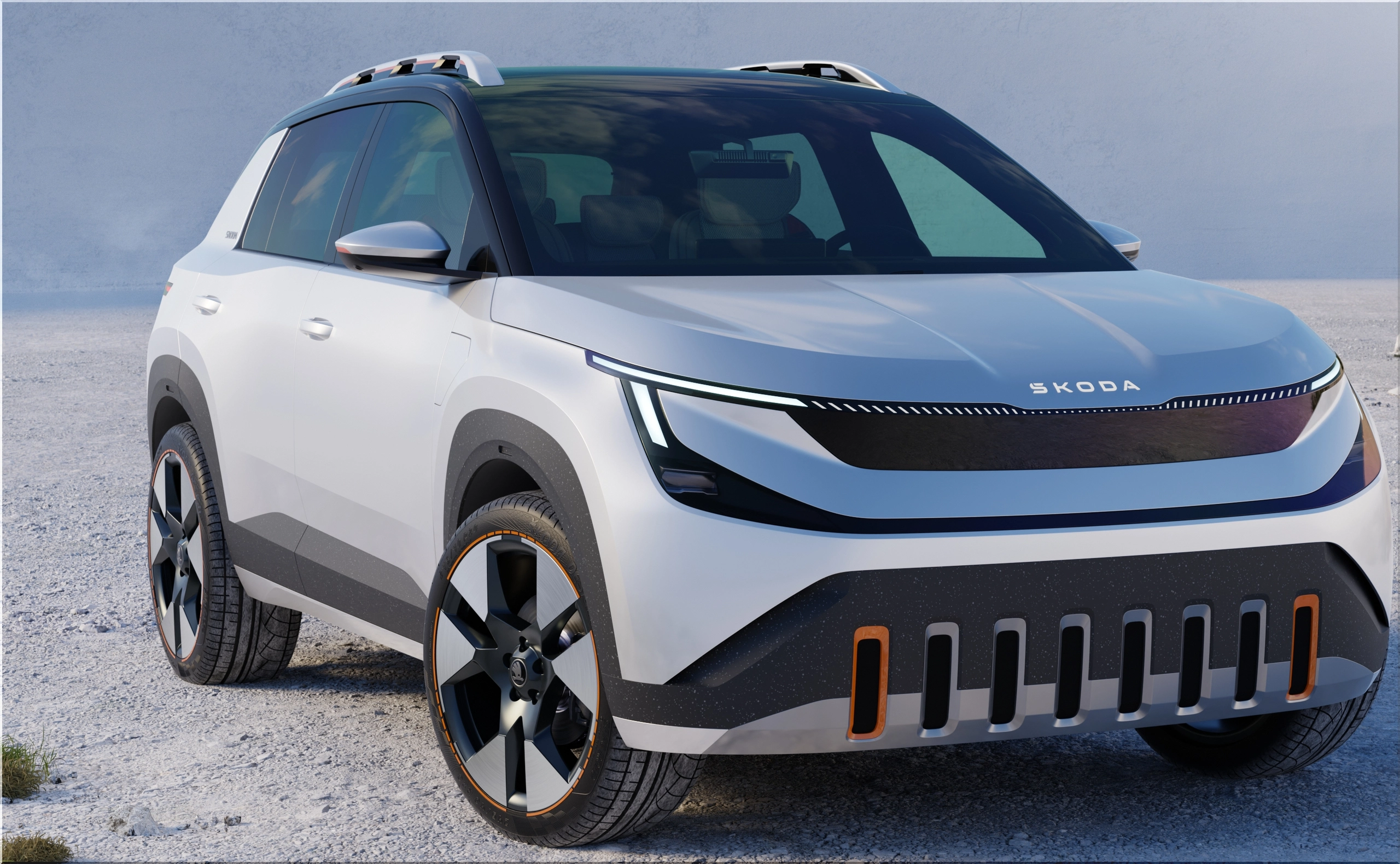
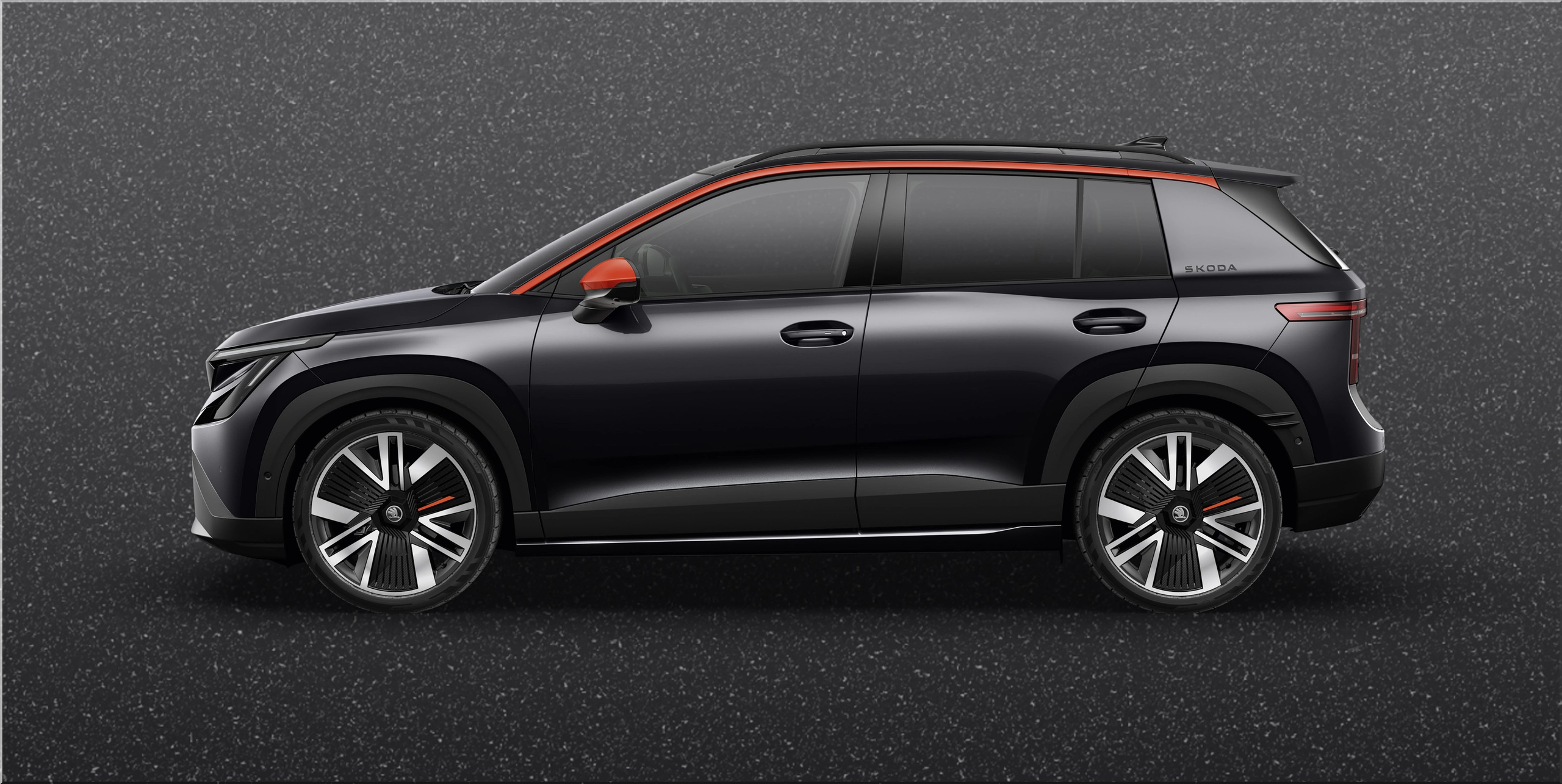
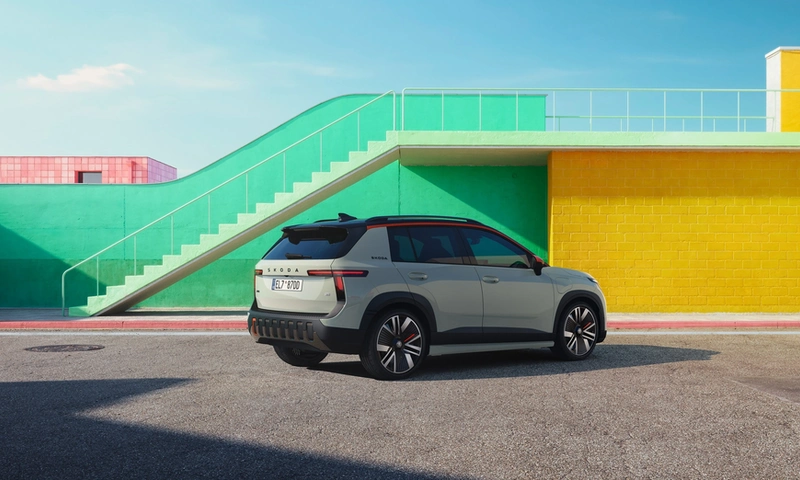
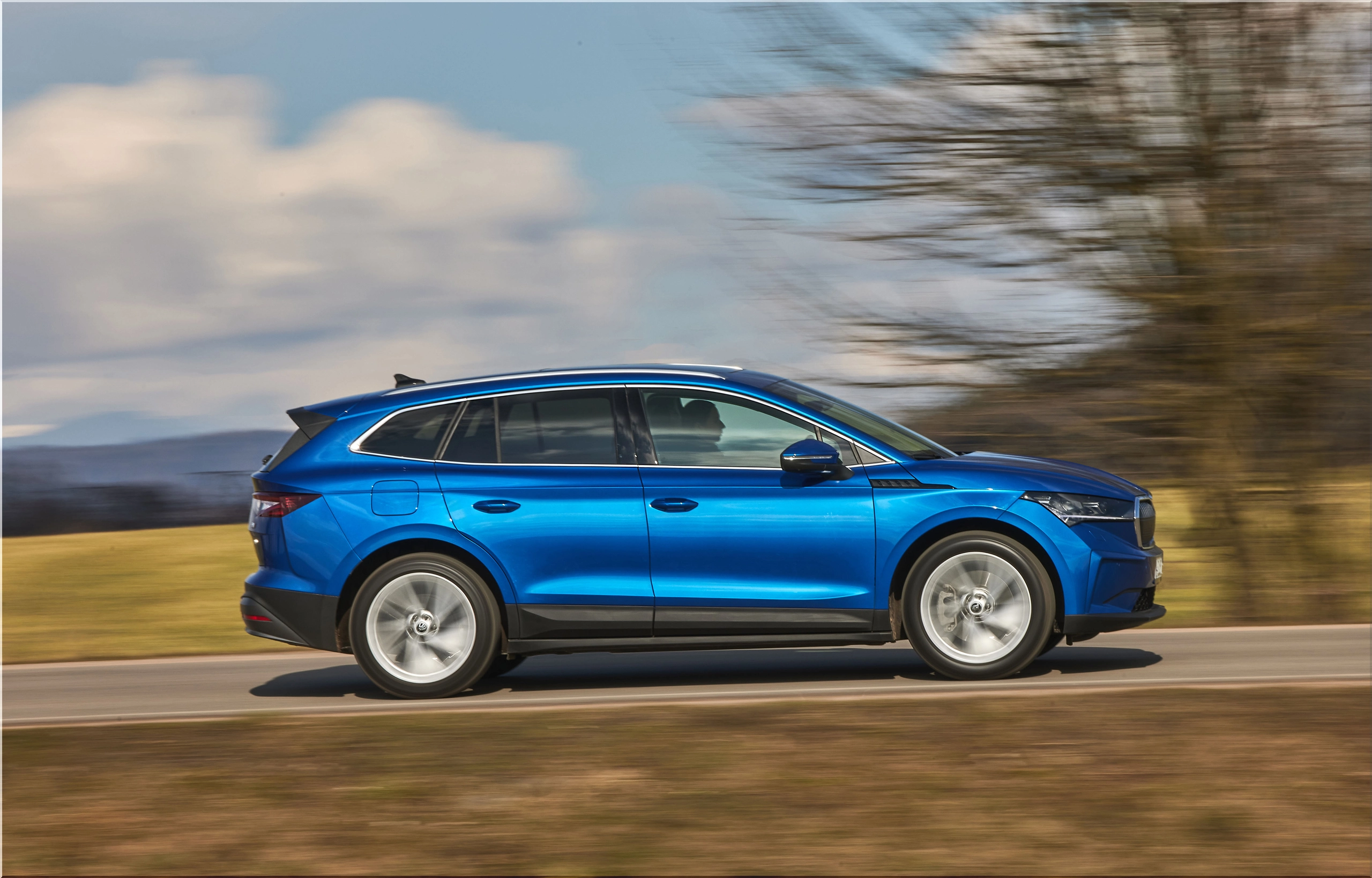
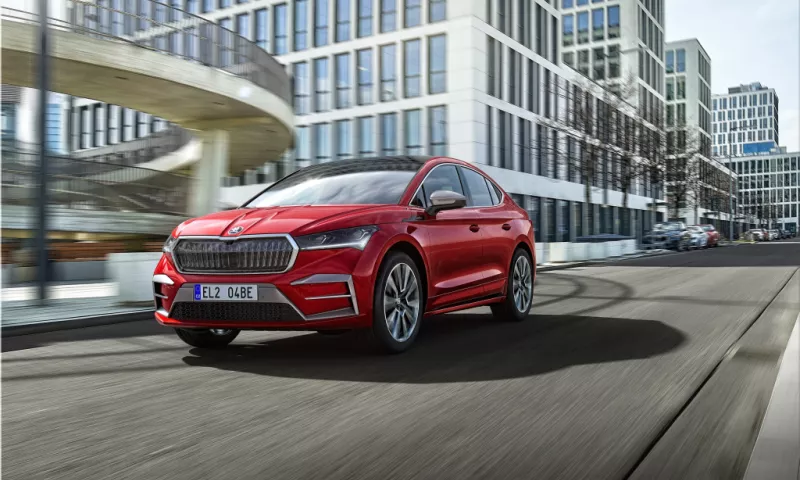
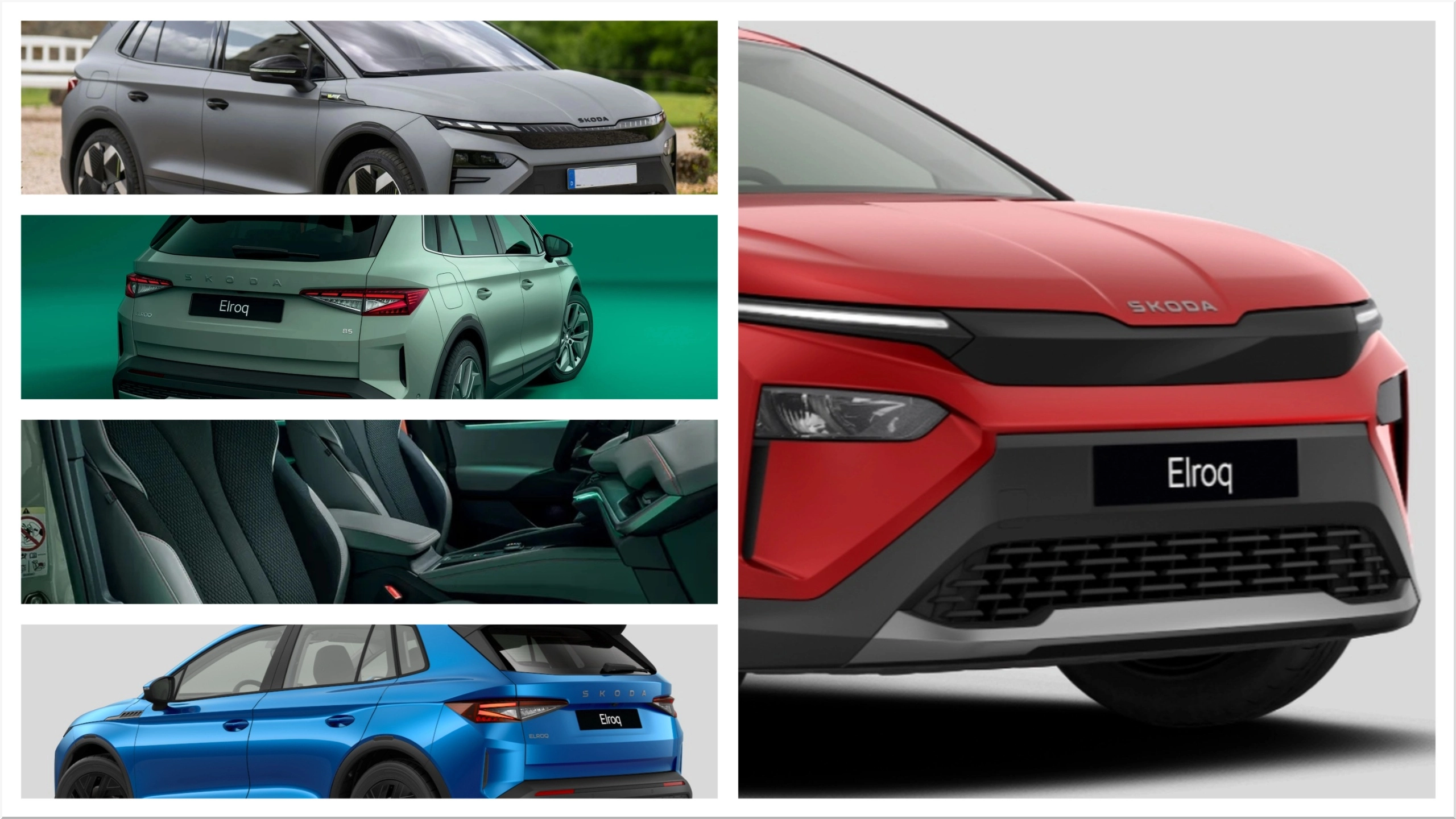
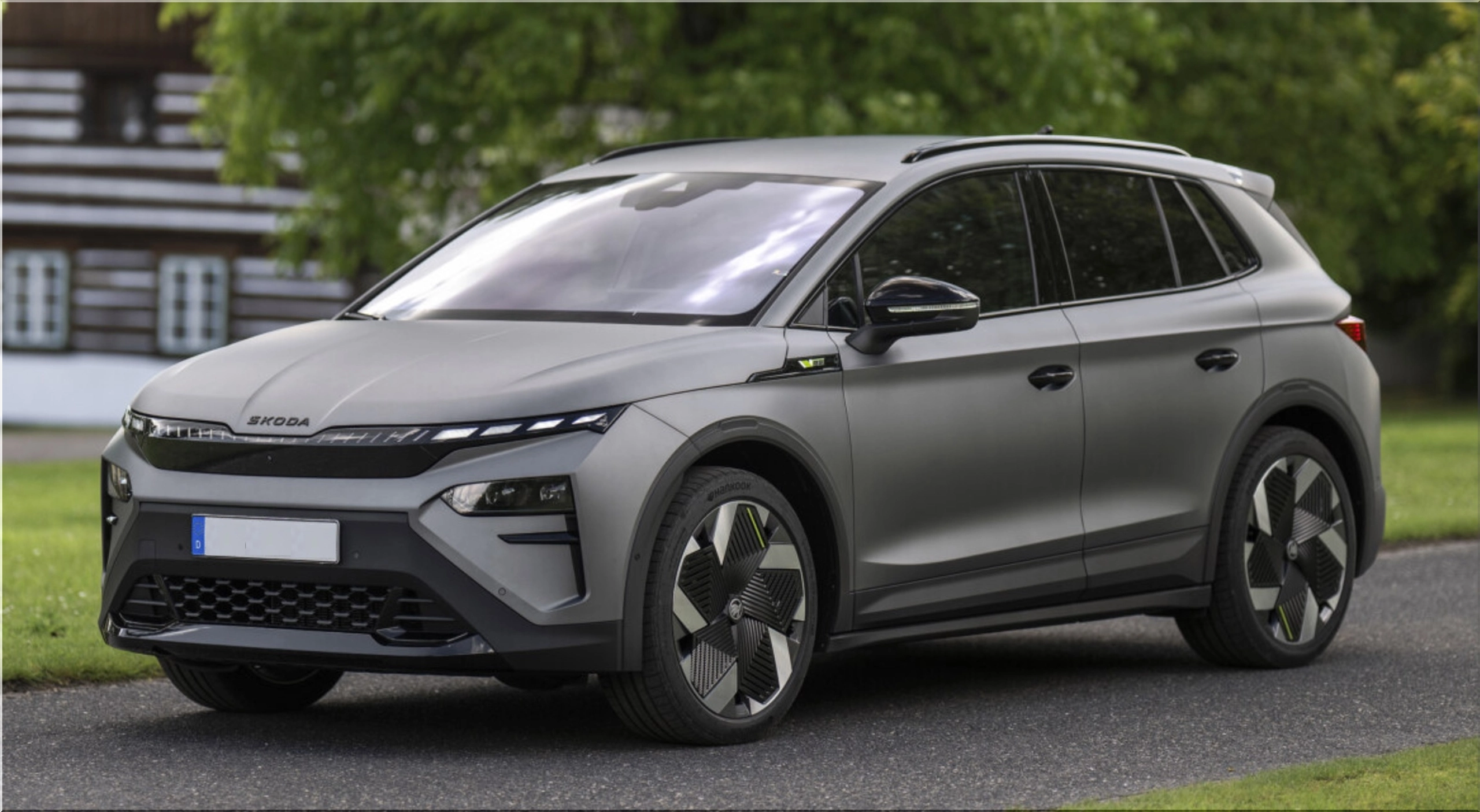
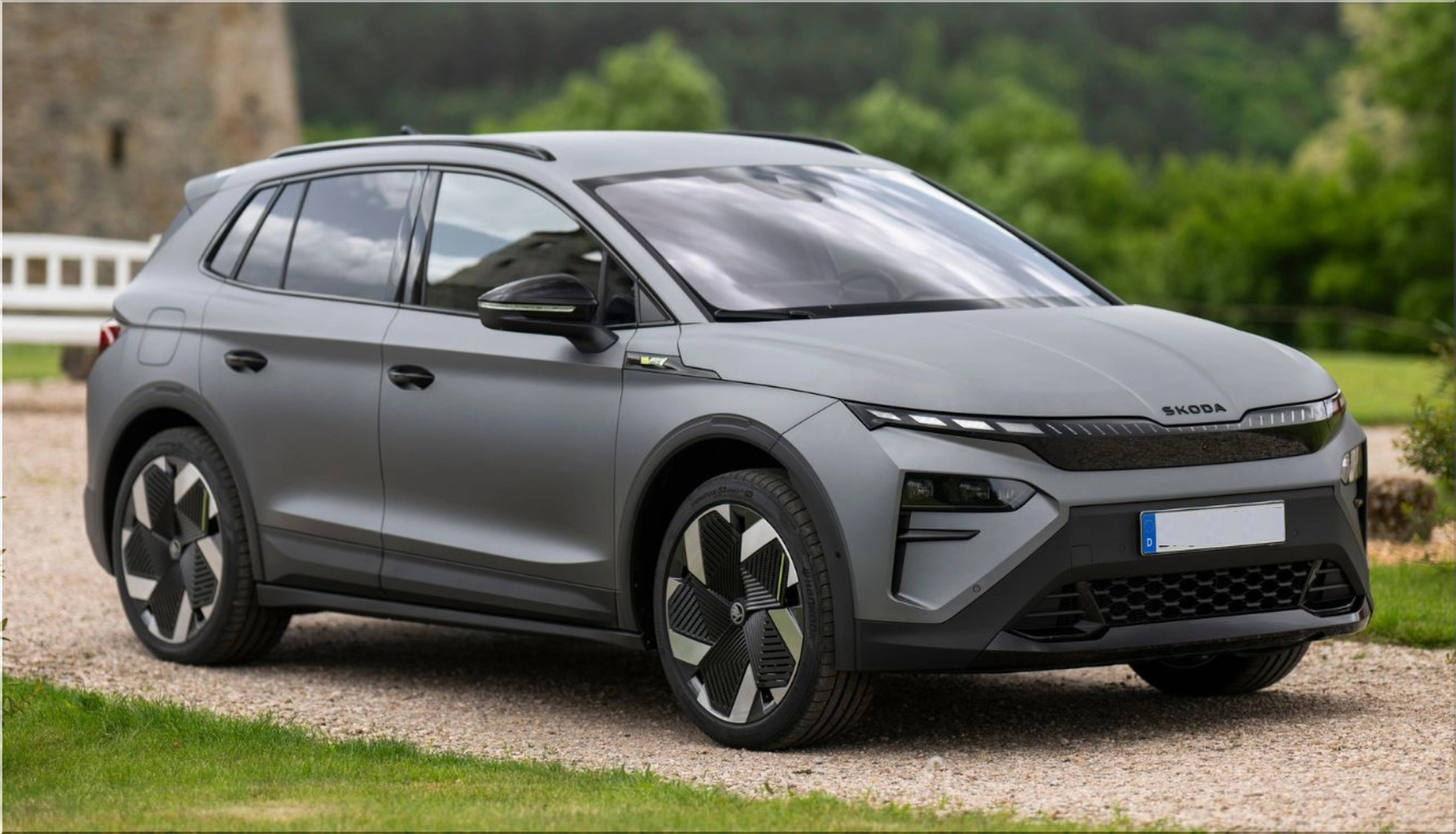
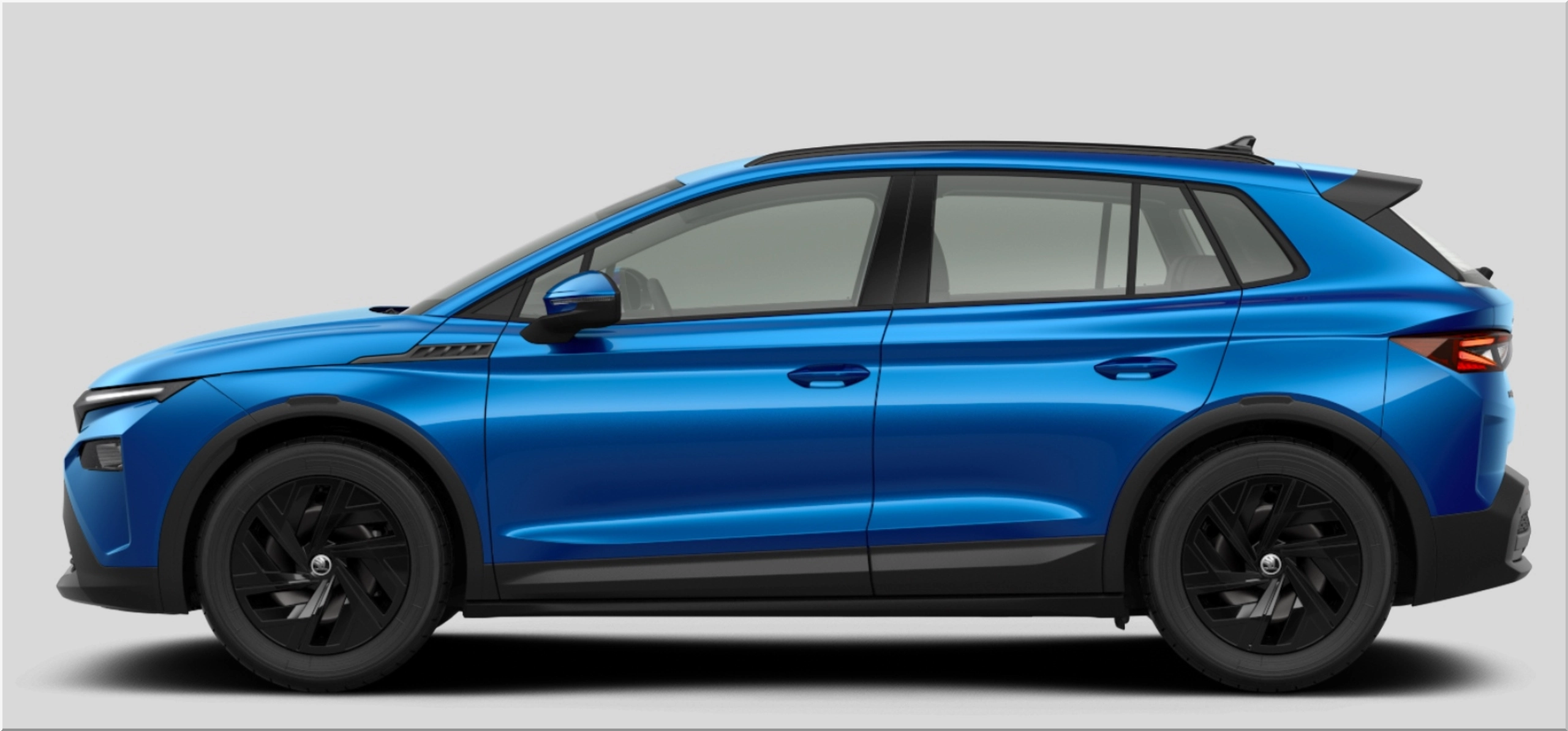
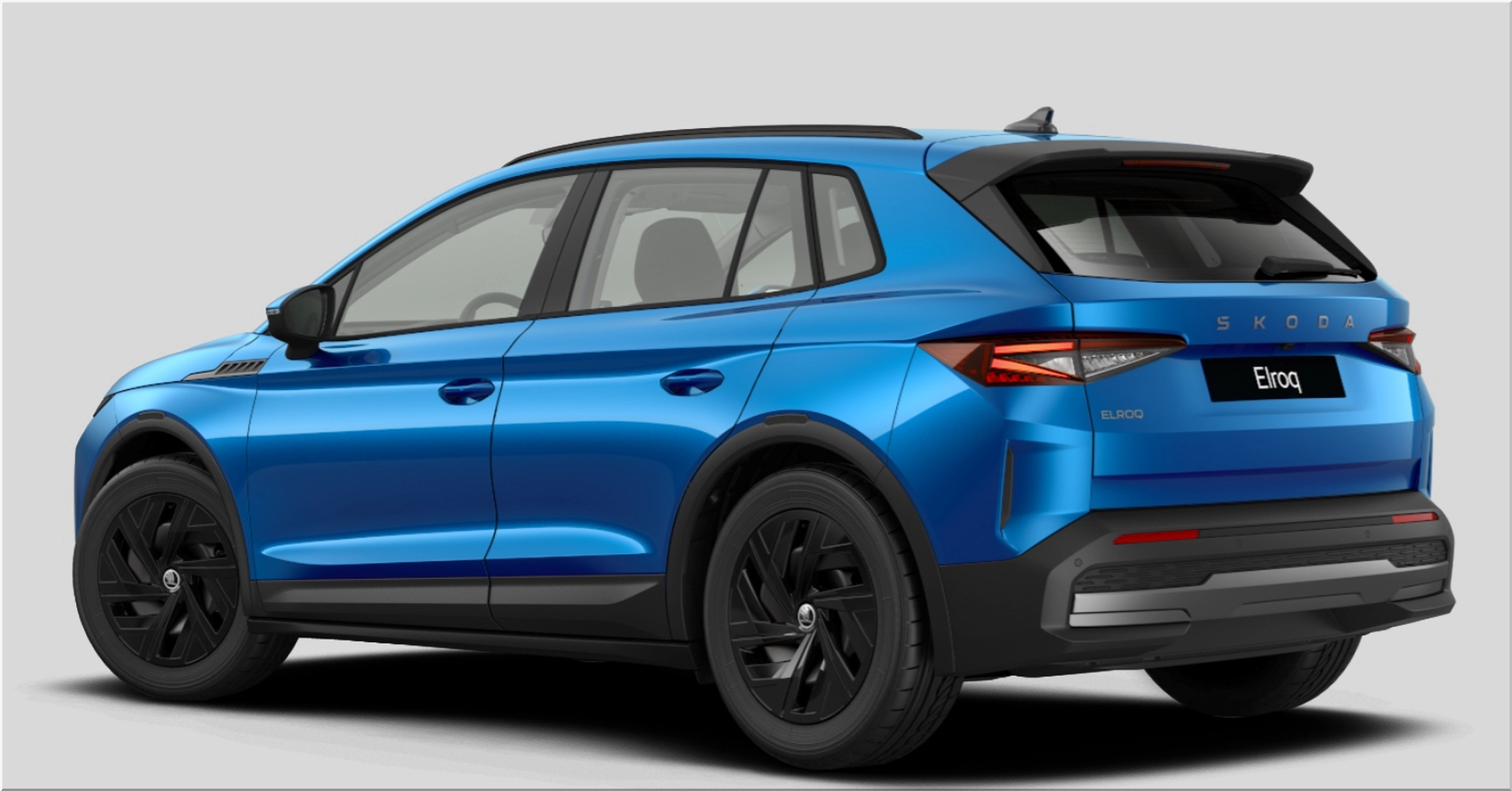
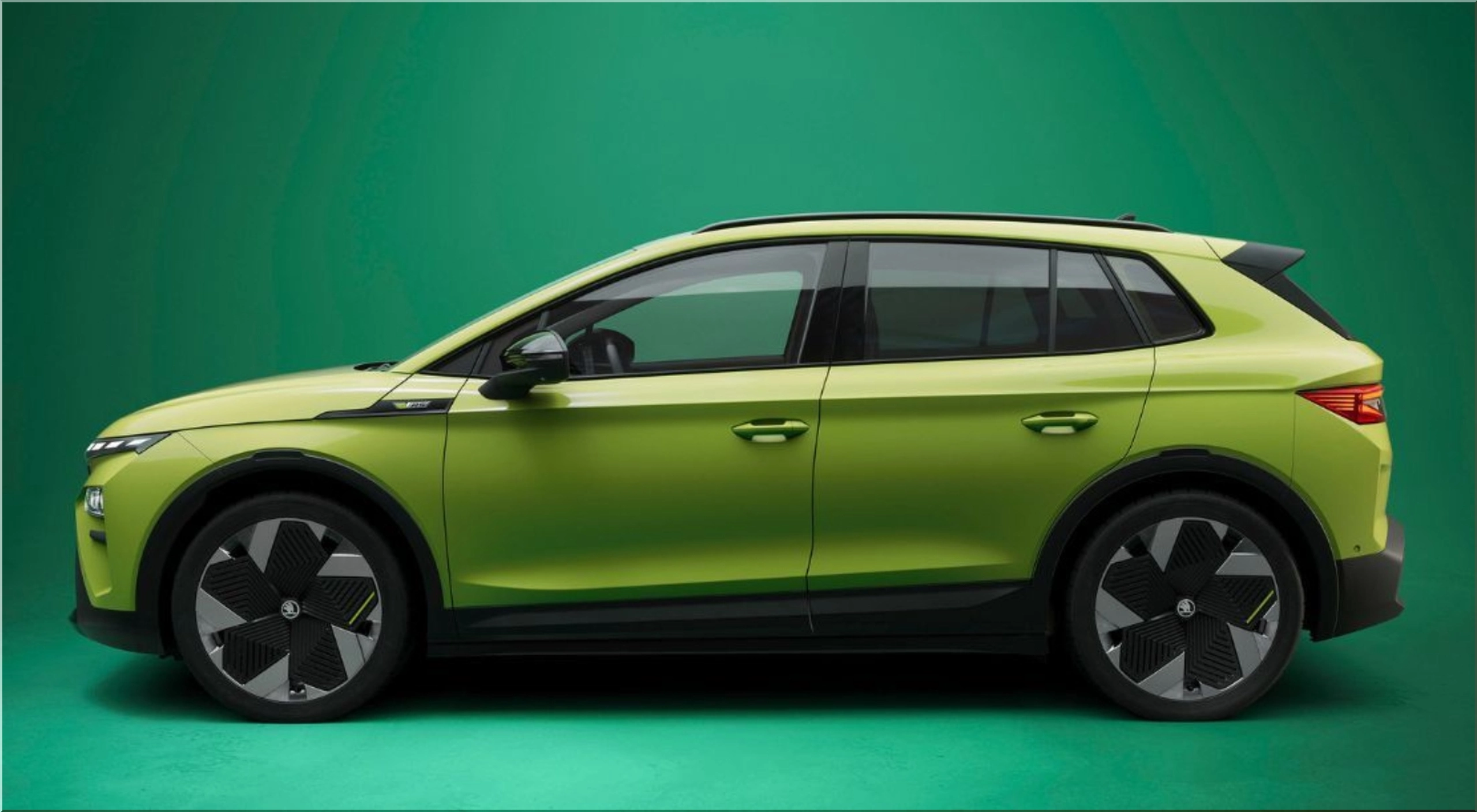
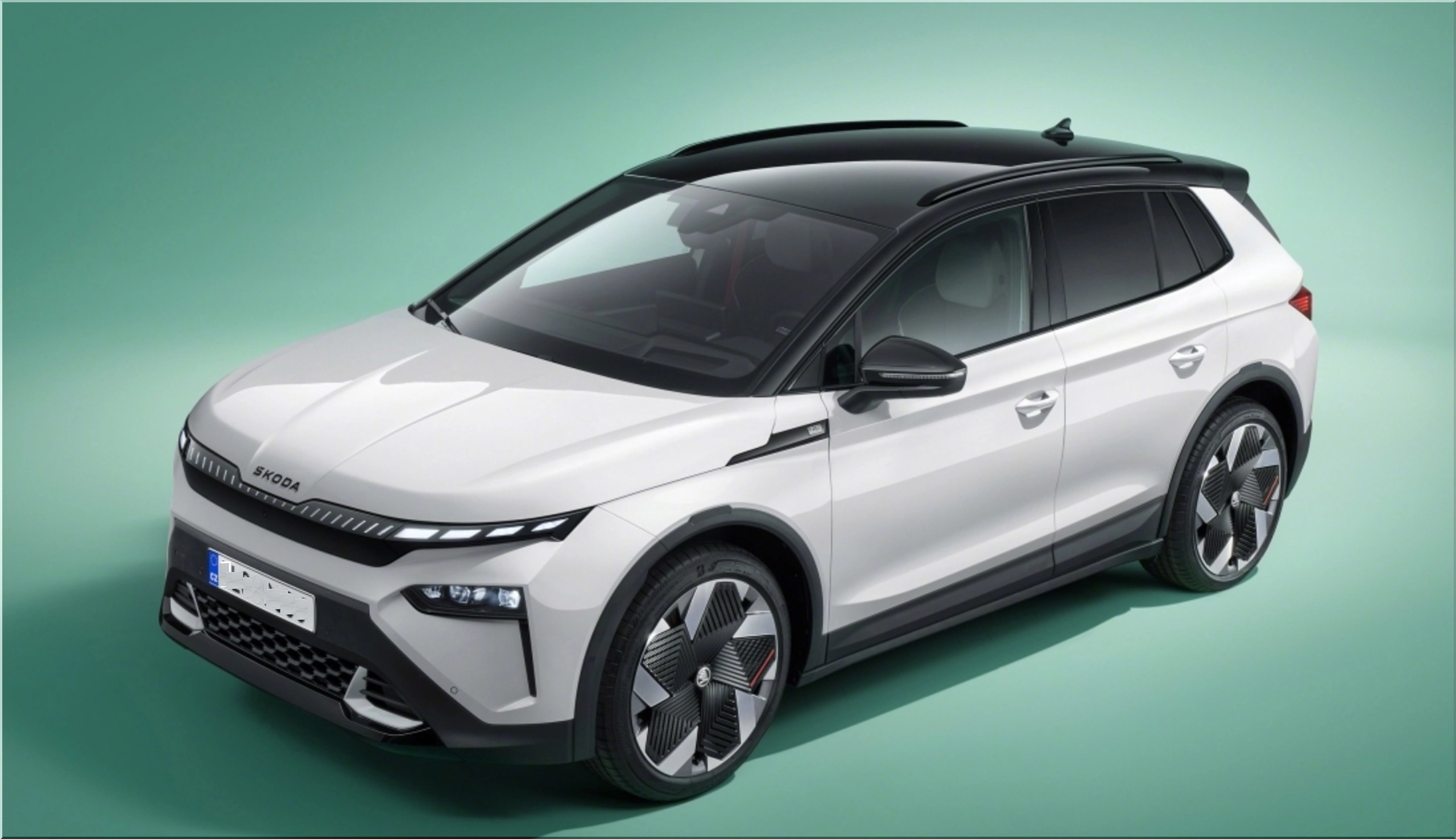
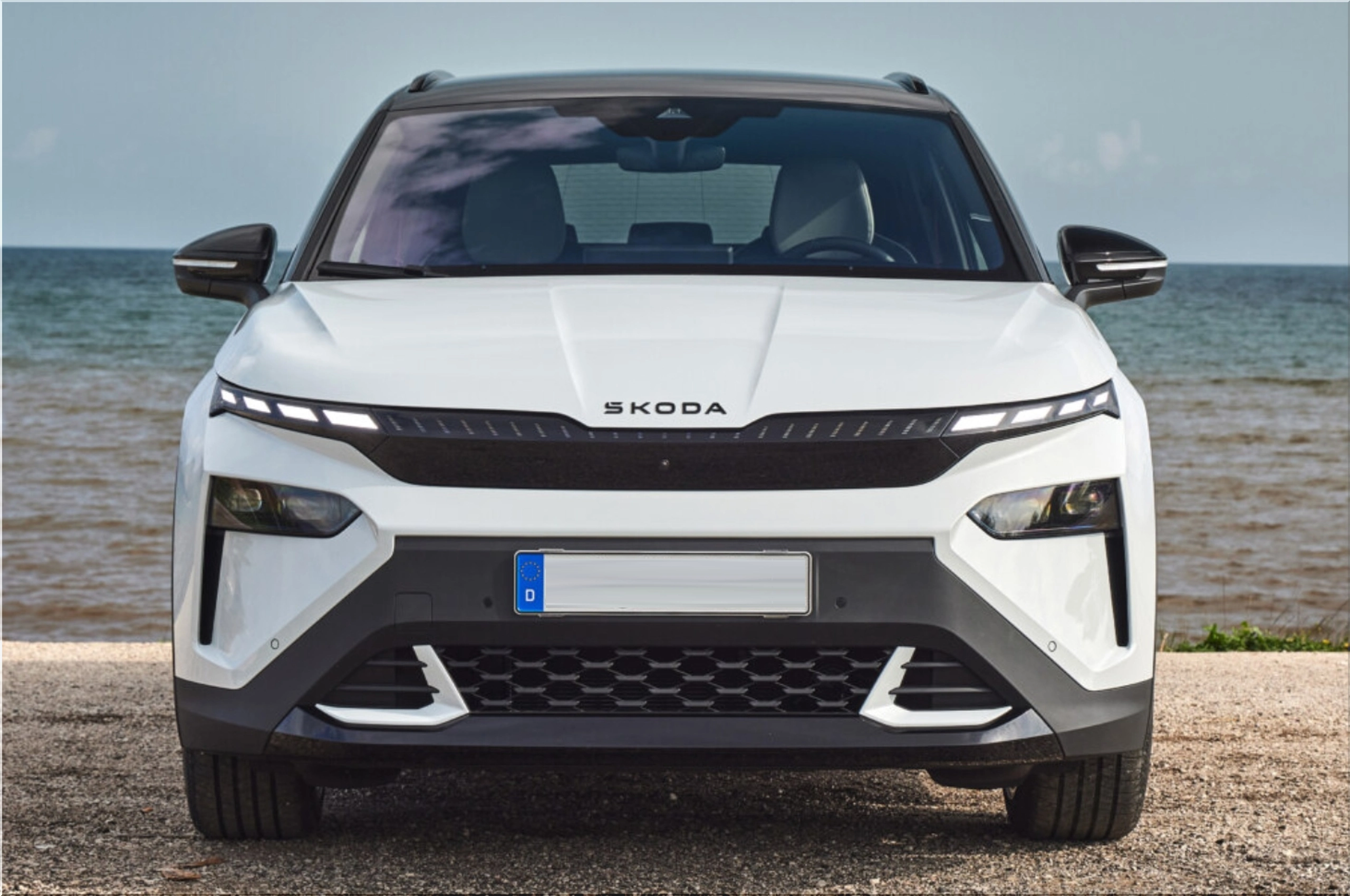
Design teams recognized the Modern Solid language. They called out the clean surfaces and the Tech-Deck Face. The package looks sharp and works for airflow. That balance supports efficiency at speed.
Demand backs the headlines. Skoda logged over 45,000 orders by late March. That signals real buyer intent. It also supports residual values later. Awards help, but orders prove momentum.
Platform, variants, and the numbers that matter
The Skoda Elroq rides on Volkswagen Group’s MEB platform. The lineup covers city needs and long trips. Battery sizes include 55 kWh, 63 kWh, and 82 kWh. Usable capacities are 52, 59, and 77 kWh. Power spans 125 kW to 250 kW across trims.
Top usable range belongs to the Skoda Elroq 85. It posts up to 581 km WLTP. That equals about 361 miles. Expect lower range in winter at motorway speeds. Expect better results in mild weather at steady speeds.
Peak DC fast charging sits near 175 kW on larger packs. Skoda quotes 10–80% in around 24–28 minutes. Thermal preheating readies the pack in cold weather. The result is consistent road-trip pacing.
Key powertrain specs
| Variant | Drive | Net battery | System output | WLTP range | DC 10–80% |
|---|---|---|---|---|---|
| Skoda Elroq 50 | RWD | 52 kWh | 125 kW | ~375 km | ≈25 min |
| Skoda Elroq 60 | RWD | 59 kWh | 150 kW | ~427 km | ≈24 min |
| Skoda Elroq 85 | RWD | 77 kWh | 210 kW | up to 581 km | ≈26–28 min |
| Skoda Elroq 85x | AWD | 77 kWh | 220 kW | ~546 km | ≈26–28 min |
| Skoda Elroq vRS | AWD | ≈79 kWh | 250 kW (340 PS) | ~550 km | ≈26 min |
Figures vary by wheel size, tire choice, and options. Expect small range swings with roof boxes and racks. Plan accordingly on long routes.
Charging strategy that fits daily life
Use AC charging at 11 kW at home or work. That covers daily needs. It supports battery health and total cost control.
Use DC fast charging for road trips. The 85 and 85x trims peak near 175 kW. The 50 and 60 sit lower but remain quick. You still reach 10–80% in about 24–28 minutes. Precondition the battery before fast chargers. That step keeps speeds consistent.
Plan stops every 180–220 miles on motorways. That pacing fits meals and restroom breaks. The route planner accounts for load, grade, and weather. Trust its charging recommendations. Adjust only for station availability.
Design, aero, and why that matters on range
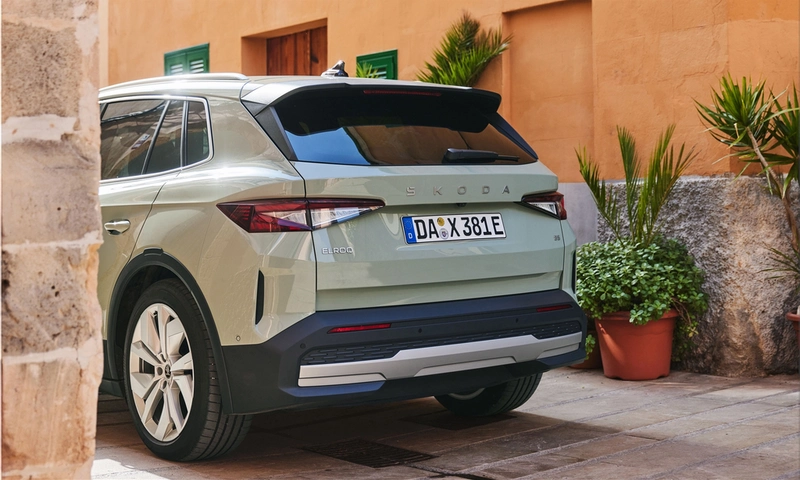
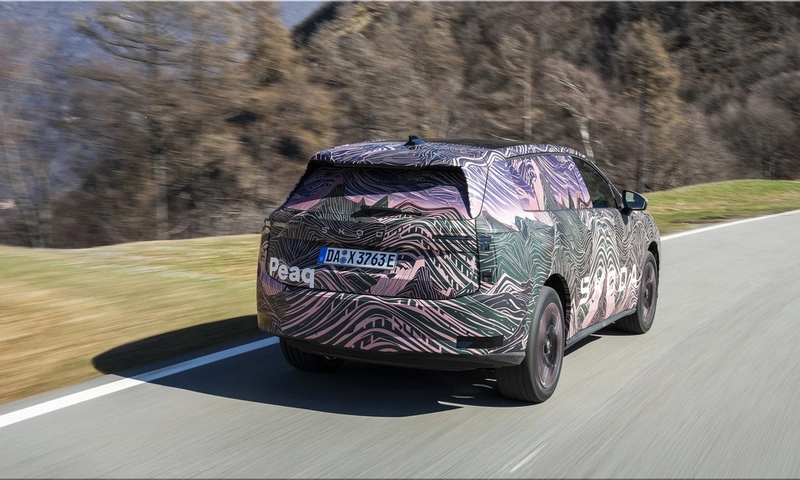
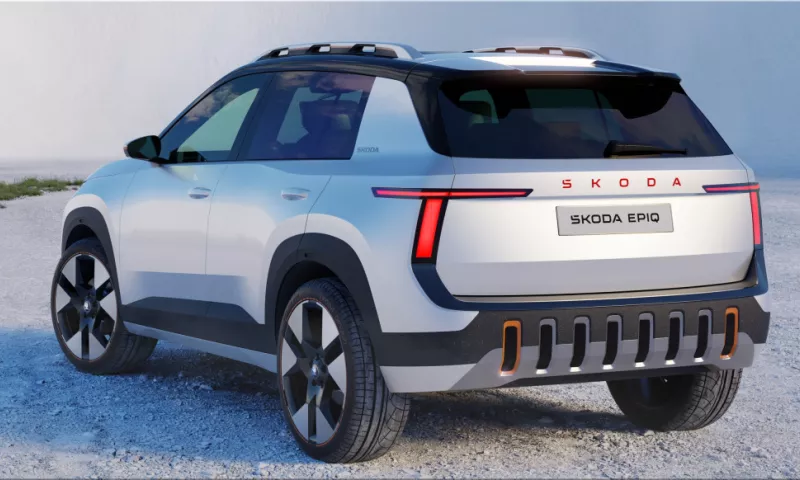
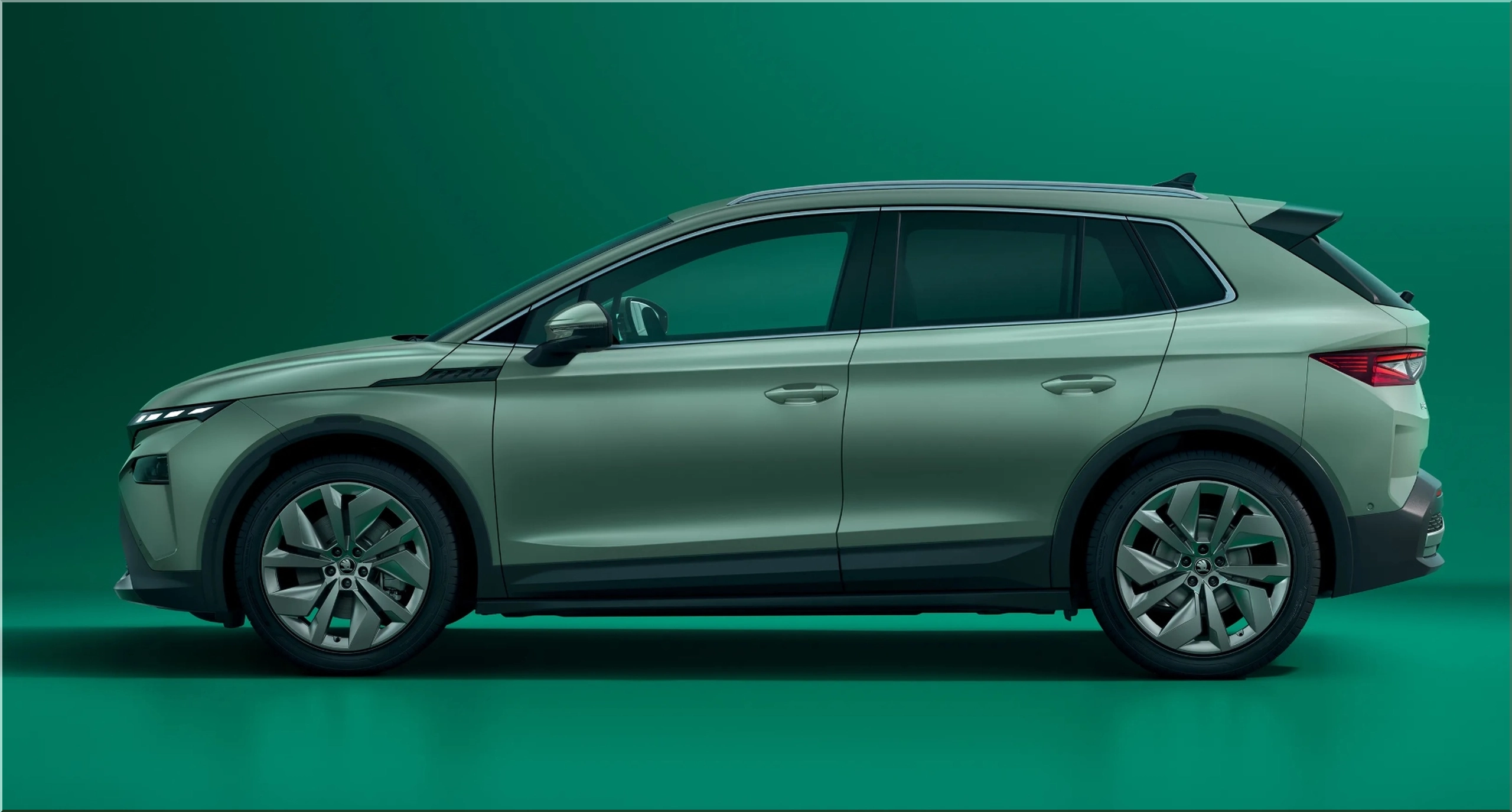
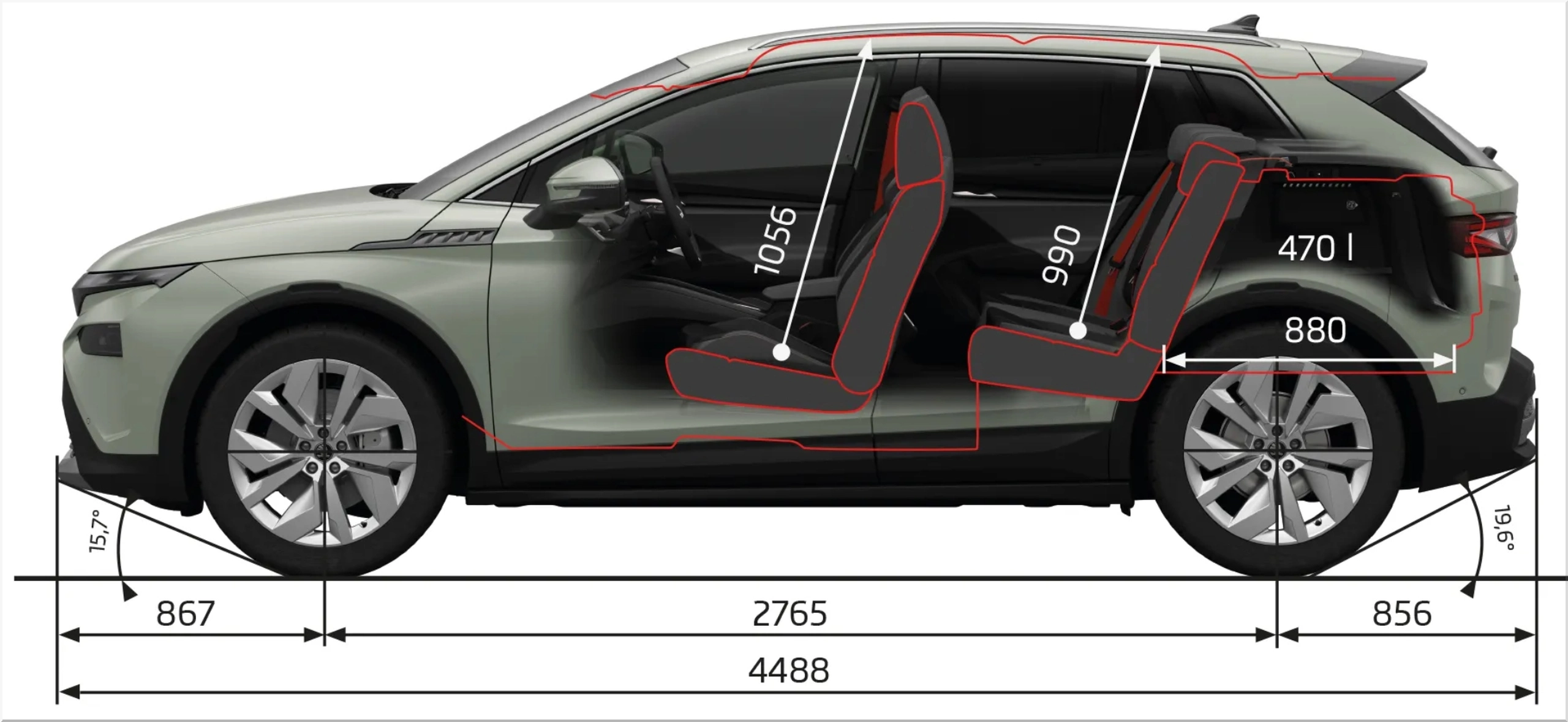
The Tech-Deck Face hides sensors and cleans airflow. Slim lamps create the four-eye signature. The tail reduces drag and lift. The cd number reaches 0.26 in ideal specifications.
Aero helps highway efficiency and cabin quiet. Less turbulence means fewer corrections. Your right foot works less. Energy consumption drops on long stints.
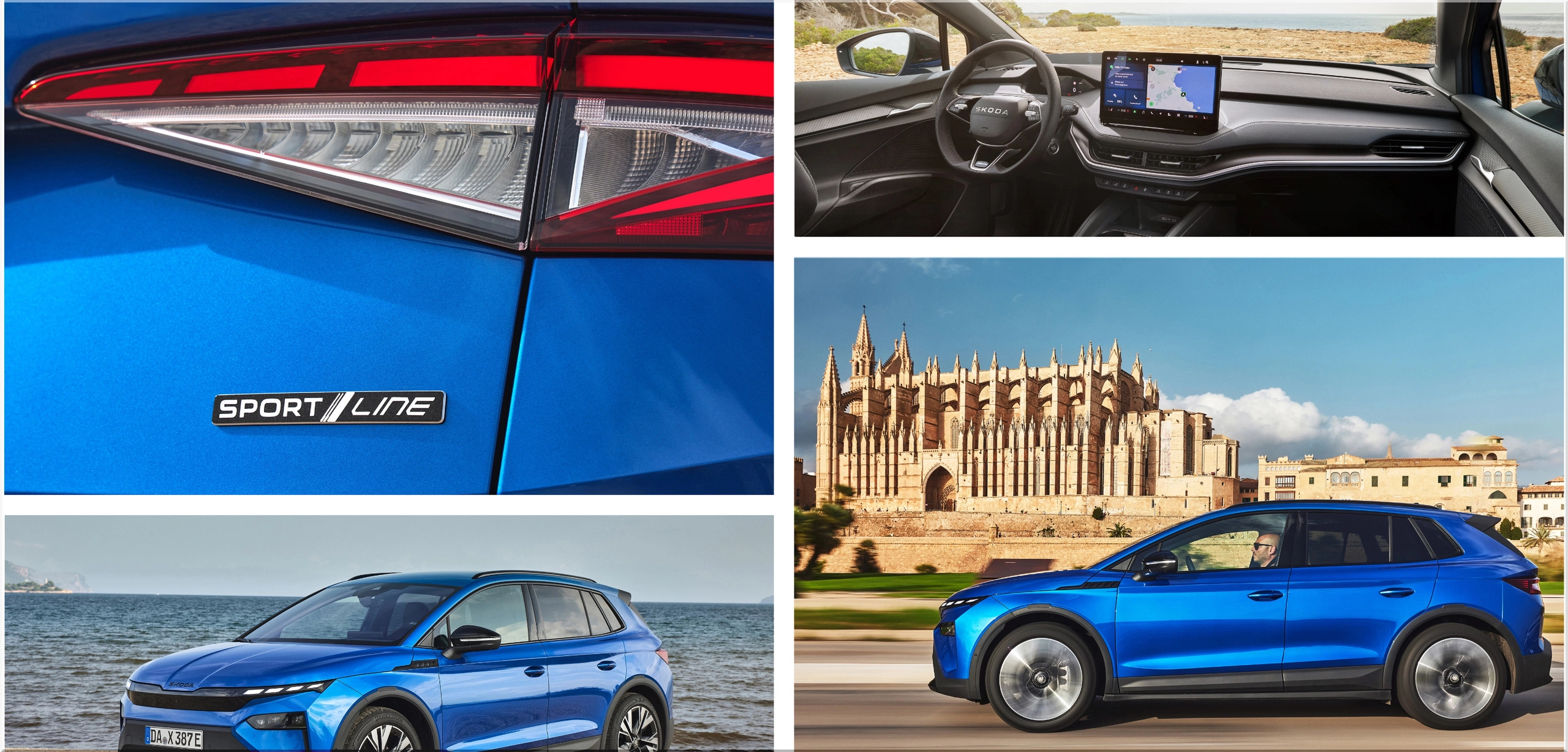
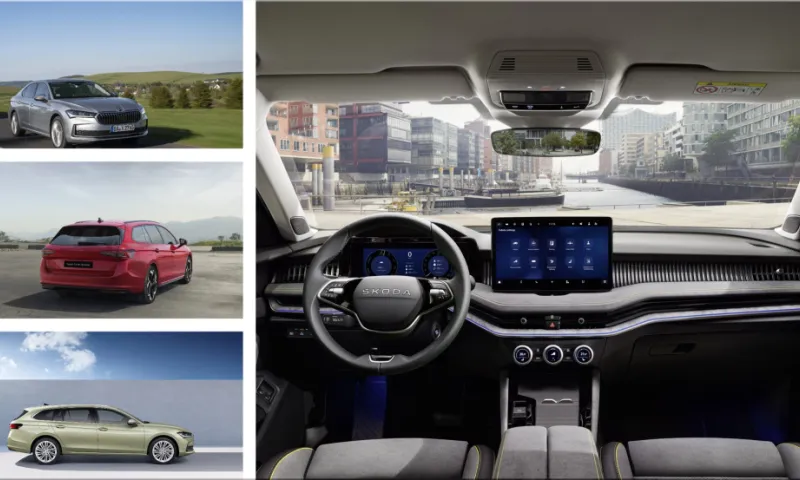
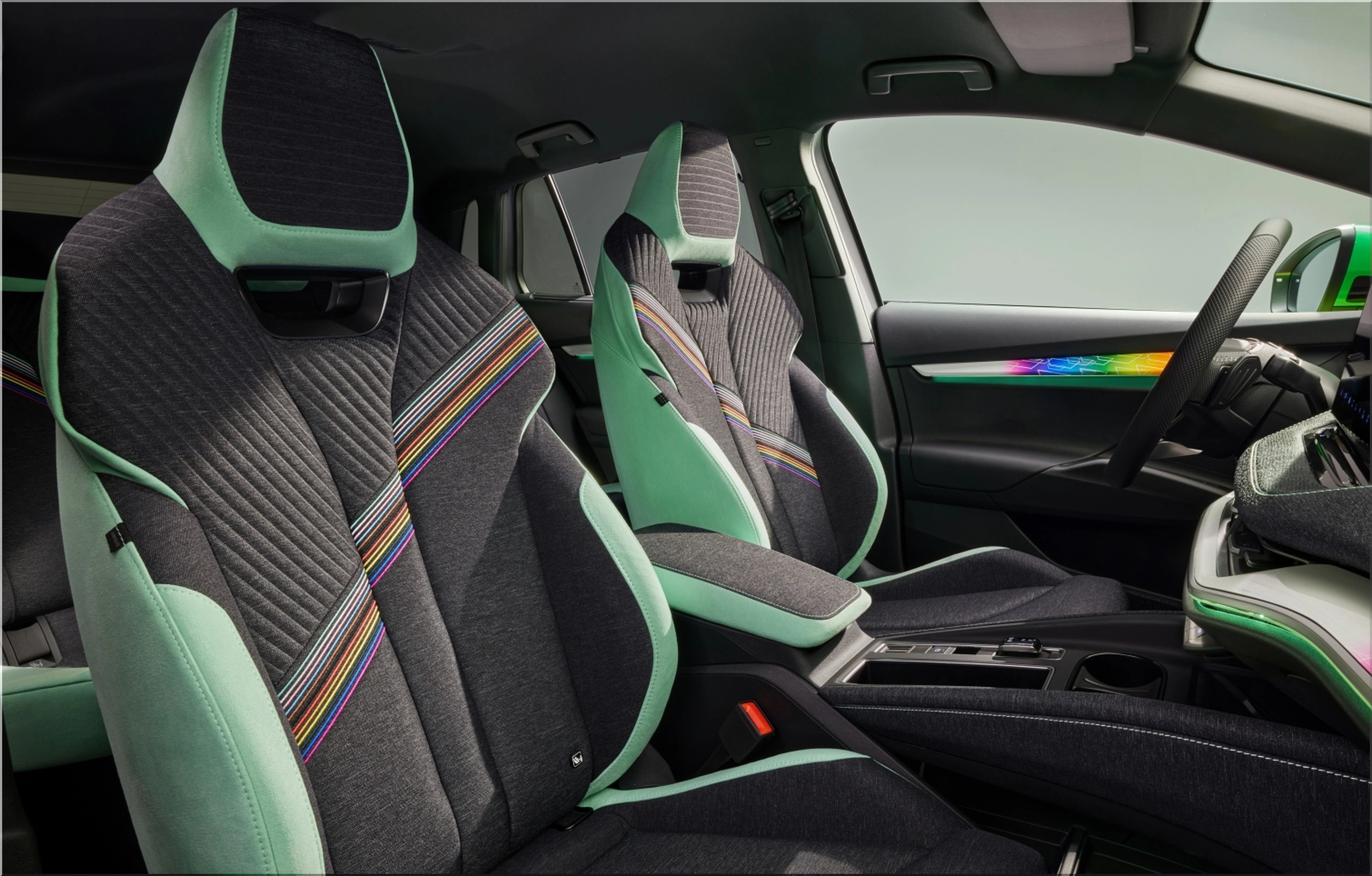
The cabin favors function. Core tasks use direct controls. Climate, defrost, and volume sit on a button bar. You avoid deep menu dives when traffic hits. That keeps attention on the road.
Space and practicality
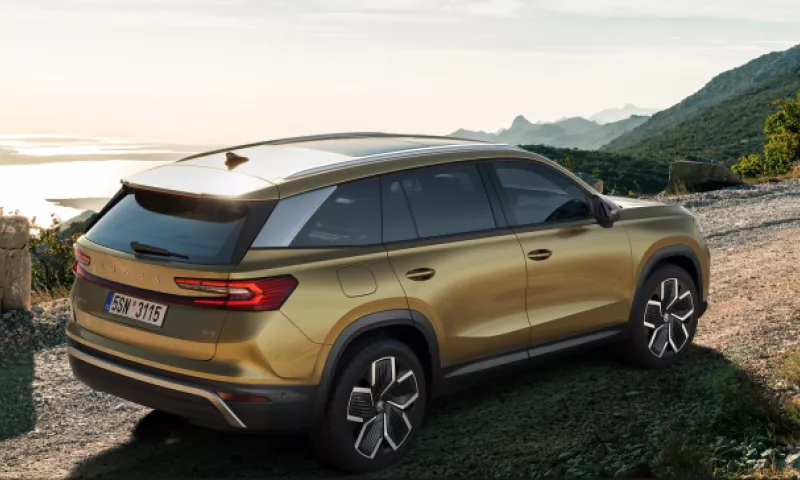
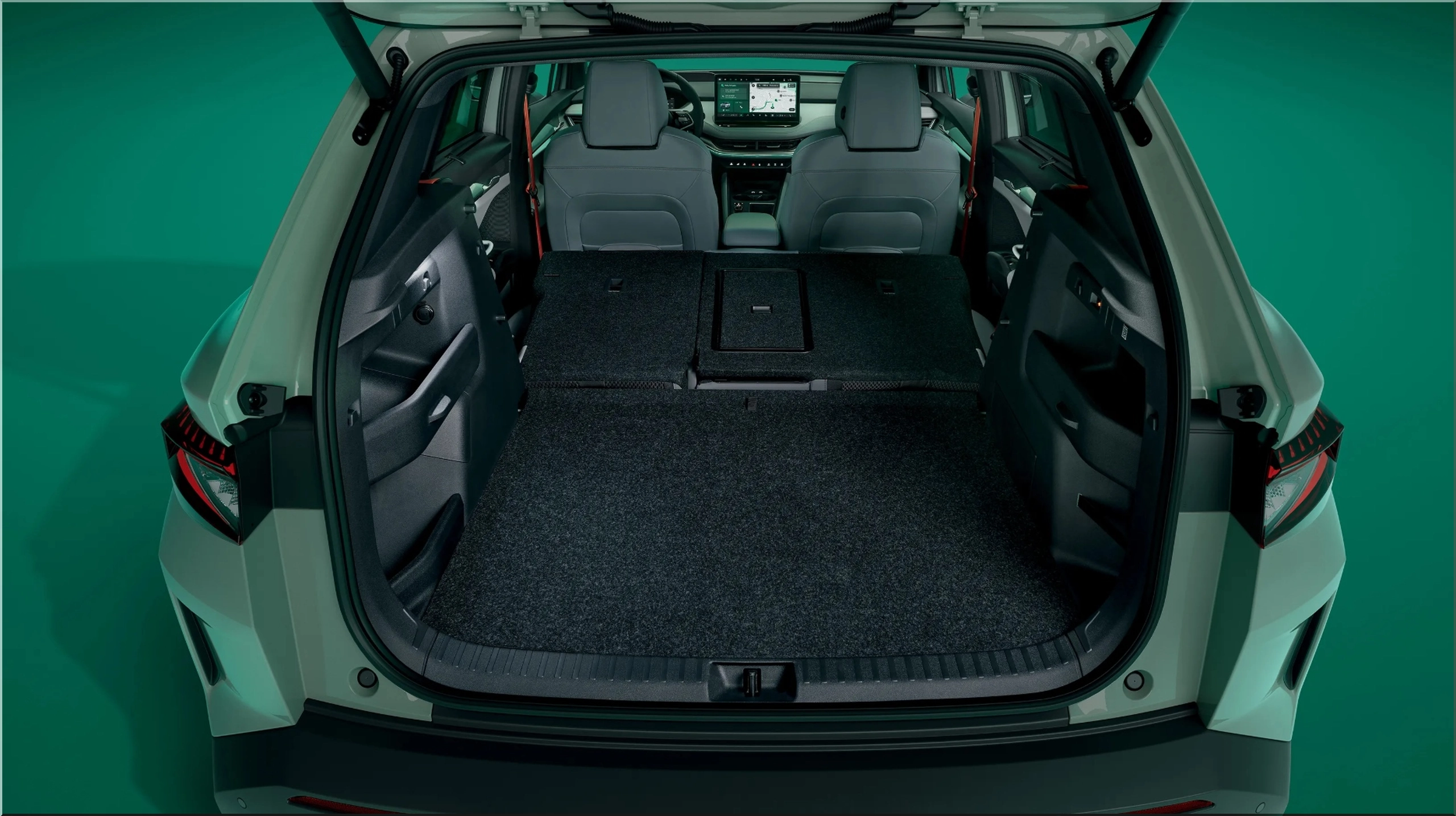
The boot holds 470 liters with seats up. Fold the rear row for up to 1,580 liters. The floor stays low and flat. Loading heavy items remains simple. Simply Clever touches handle cables and small items.
Cabin storage is generous. Door bins take large bottles. The center console organizes wires and wallets. Rear passengers get useful pockets and vents. Family life fits without drama.
The interface runs on a 13-inch screen. A compact driver cluster handles core data. A head-up display joins the options list. Graphics respond quickly. Voice controls handle common actions.
Cargo context vs direct rivals
| Model | Seats up (L) | Seats down (L) | Takeaway |
|---|---|---|---|
| Skoda Elroq | 470 | 1,580 | Strong for size. |
| Kia EV3 | 460 | n/a | Slightly smaller. |
| Hyundai Kona Electric | 466 | n/a | Close match. |
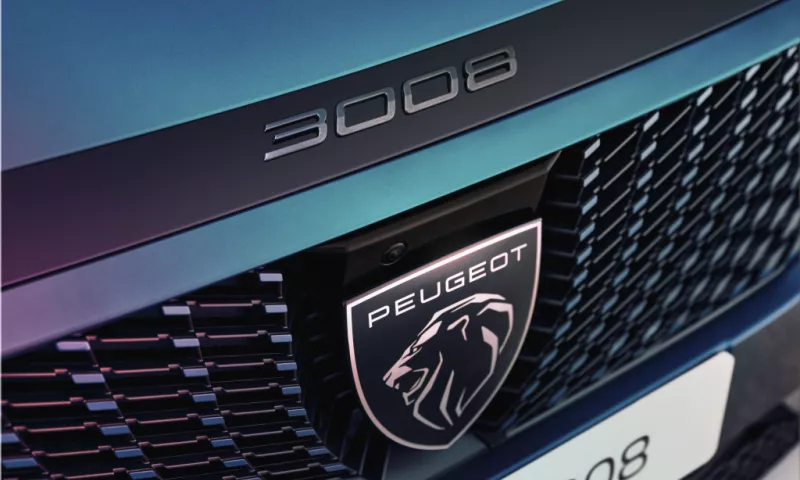
| Peugeot E-3008 | 520 | n/a | Bigger boot. |
| Renault Scenic E-Tech | 545 | n/a | Largest here. |
Numbers vary by trim and spare-wheel choices. Use them as practical guides, not absolutes.
Pricing, trims, and USD equivalents
Skoda Elroq price points undercut many rivals in Europe. UK pricing starts from £31,510. That equals about $40,018. The vRS lists from £46,560. That equals about $59,131.
Ireland lists an OTR price from €36,545. That equals about $40,200. Several EU markets quote €33,900 for base cars. That equals about $37,290. High-spec cars reach €43,900 to €54,610. That equals about $48,290 to $60,071. Local taxes and equipment change totals.
USD conversions use typical mid-2025 rates: £1 ≈ $1.27, €1 ≈ $1.10.
Price snapshot
| Market | Entry price | Approx USD | Notes |
|---|---|---|---|
| UK | £31,510 | $40,018 | Trim and wheels affect price. |
| Ireland | €36,545 | $40,200 | OTR price shown. |
| EU examples | €33,900–€54,610 | $37,290–$60,071 | Equipment and taxes vary. |
Image gallery
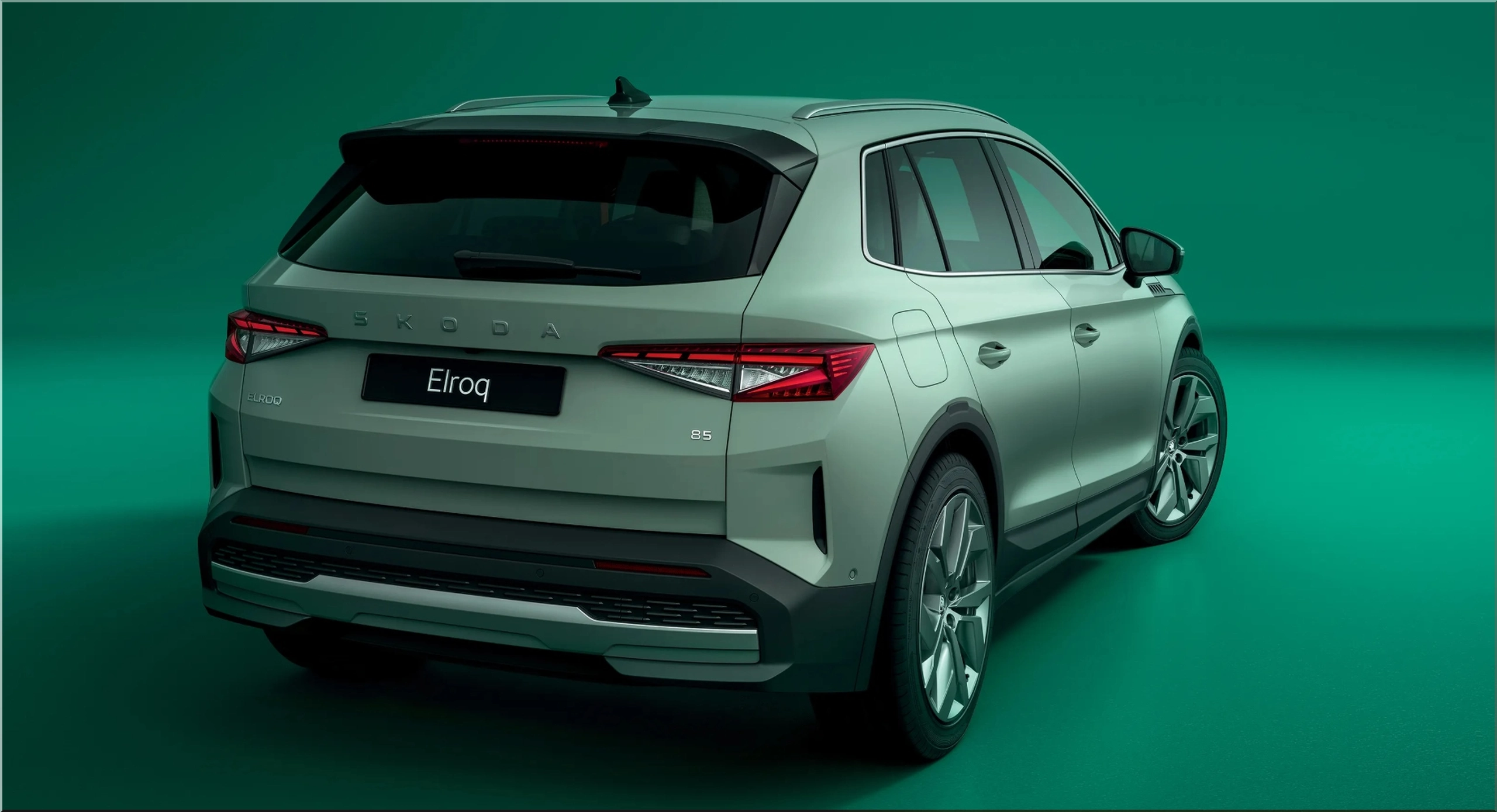
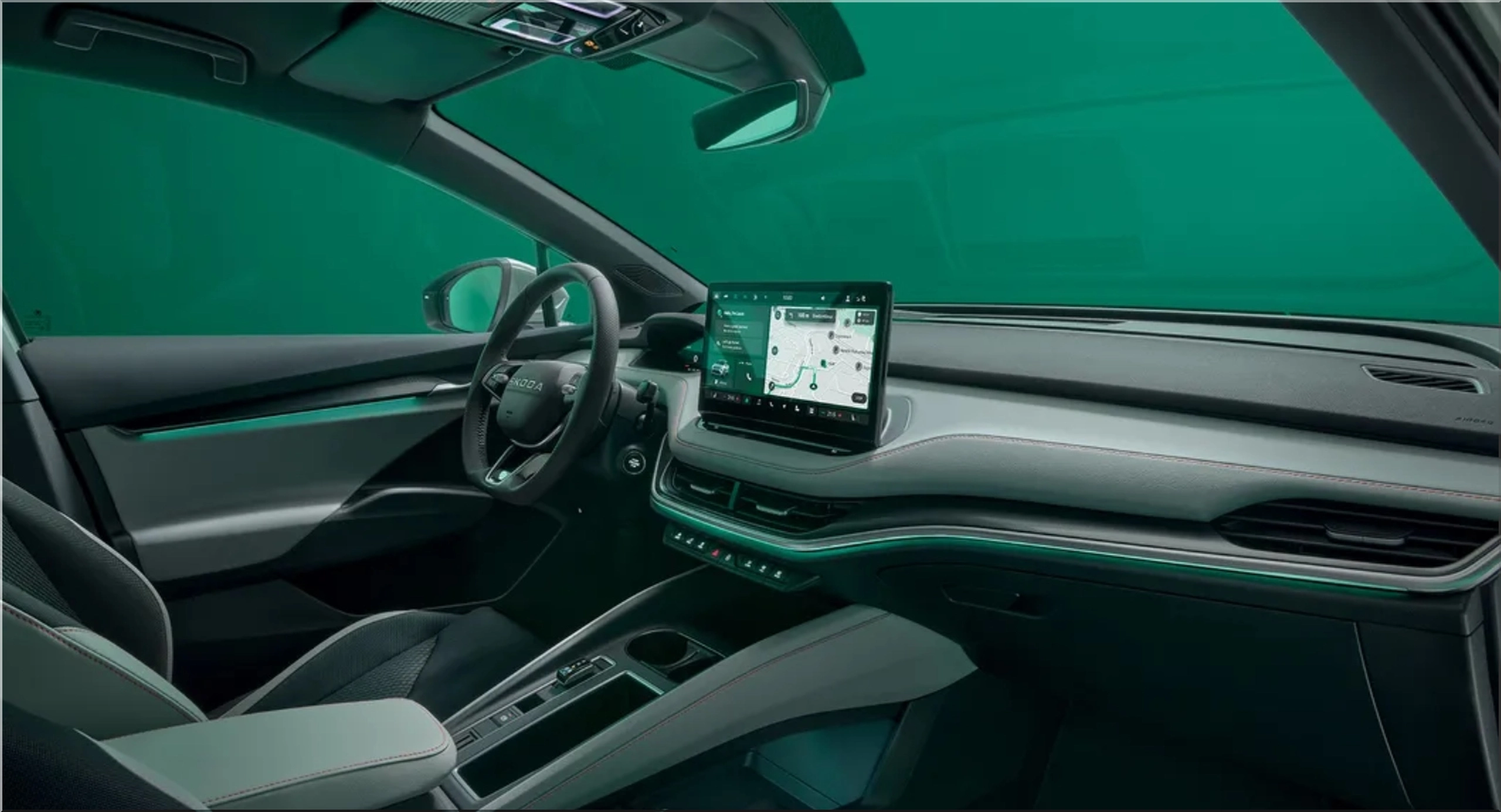
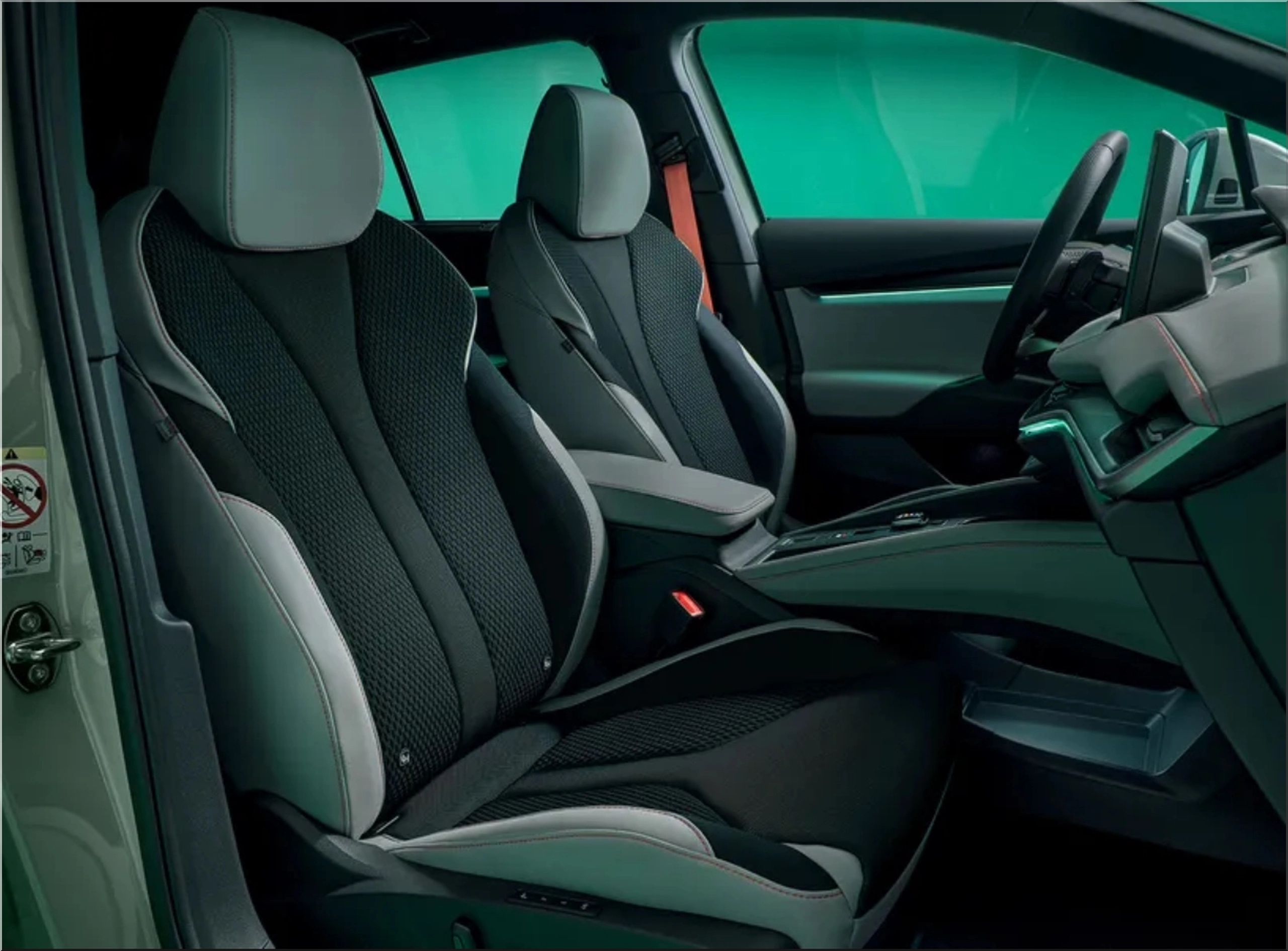
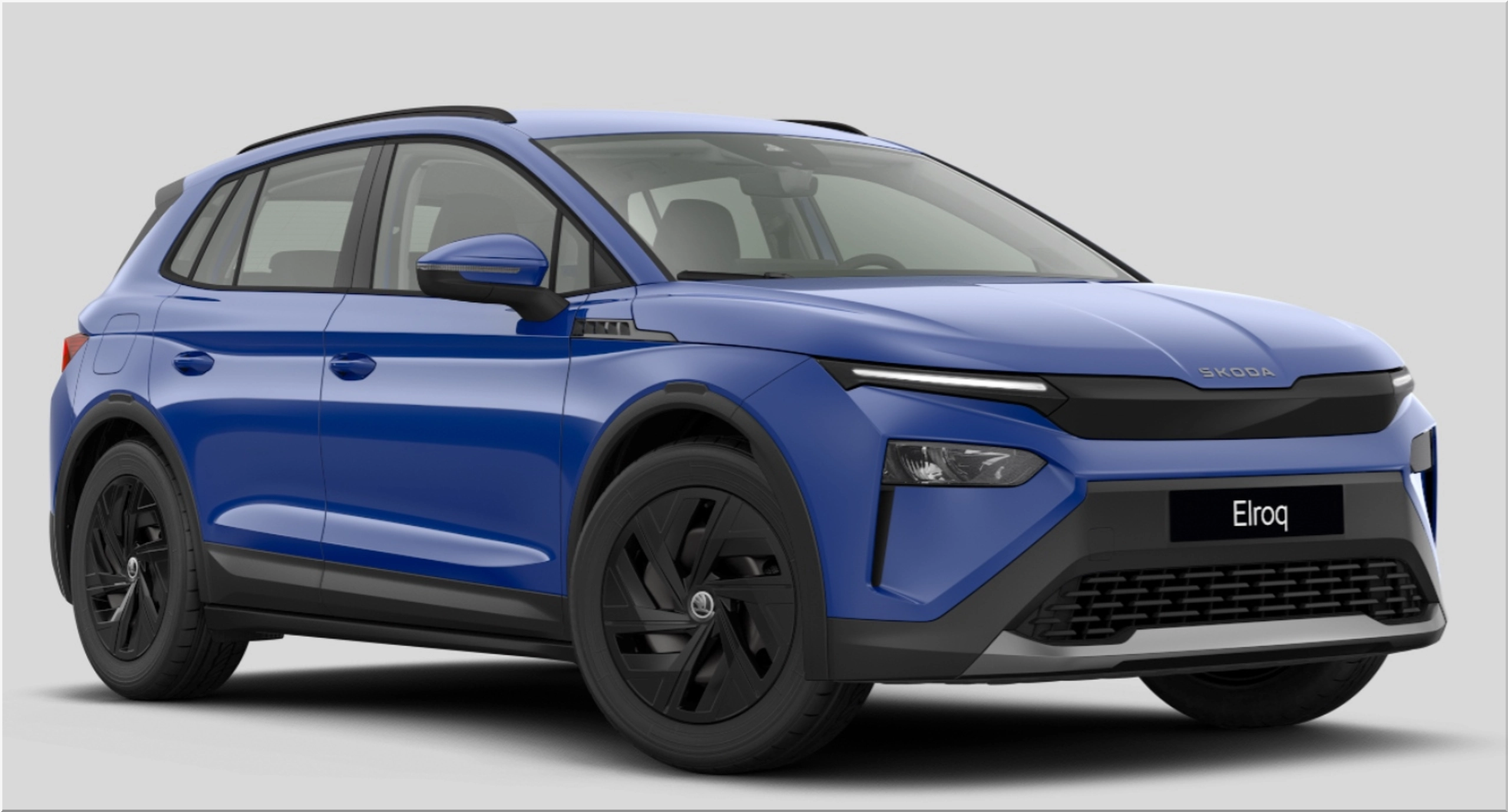
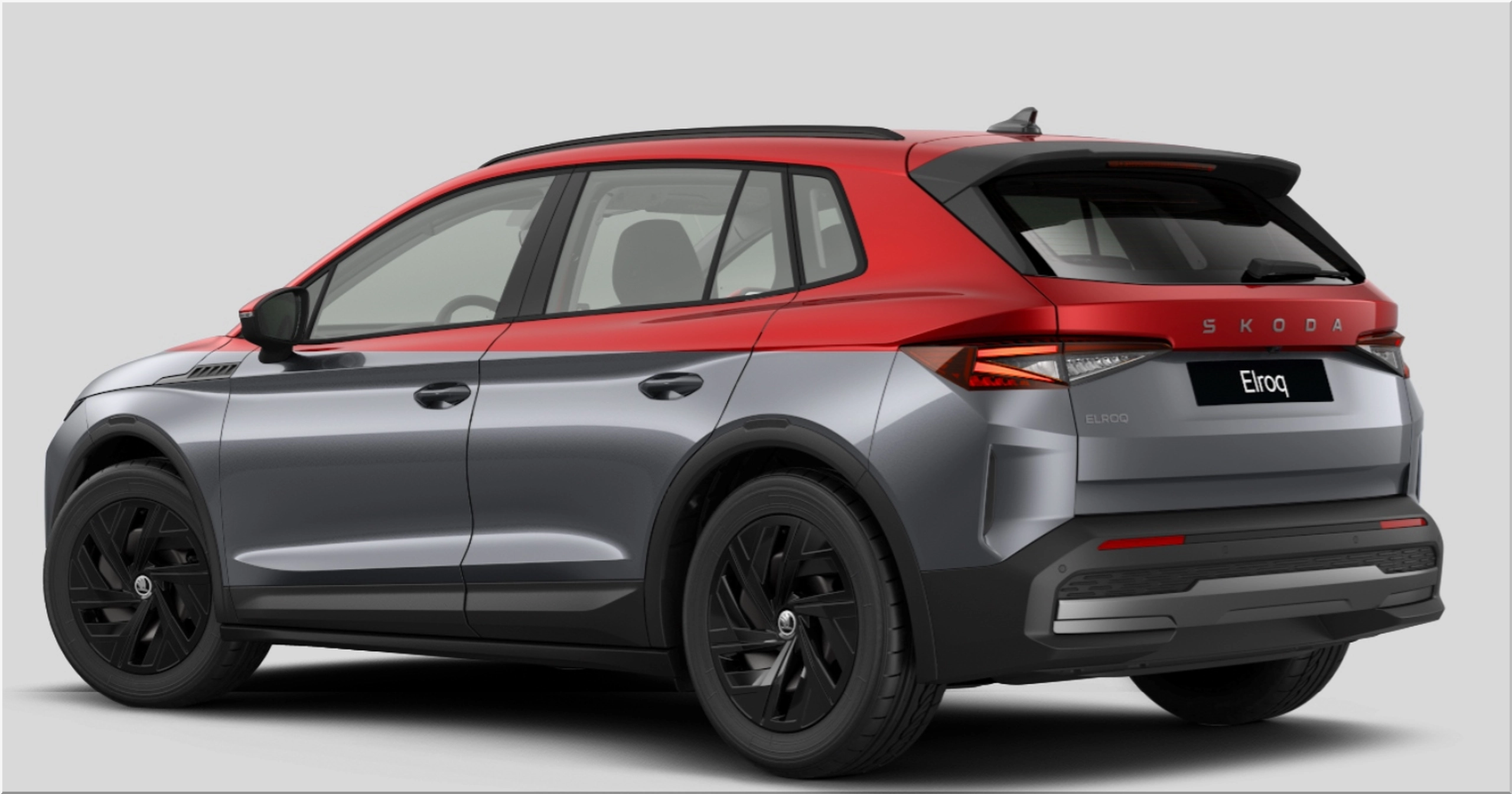
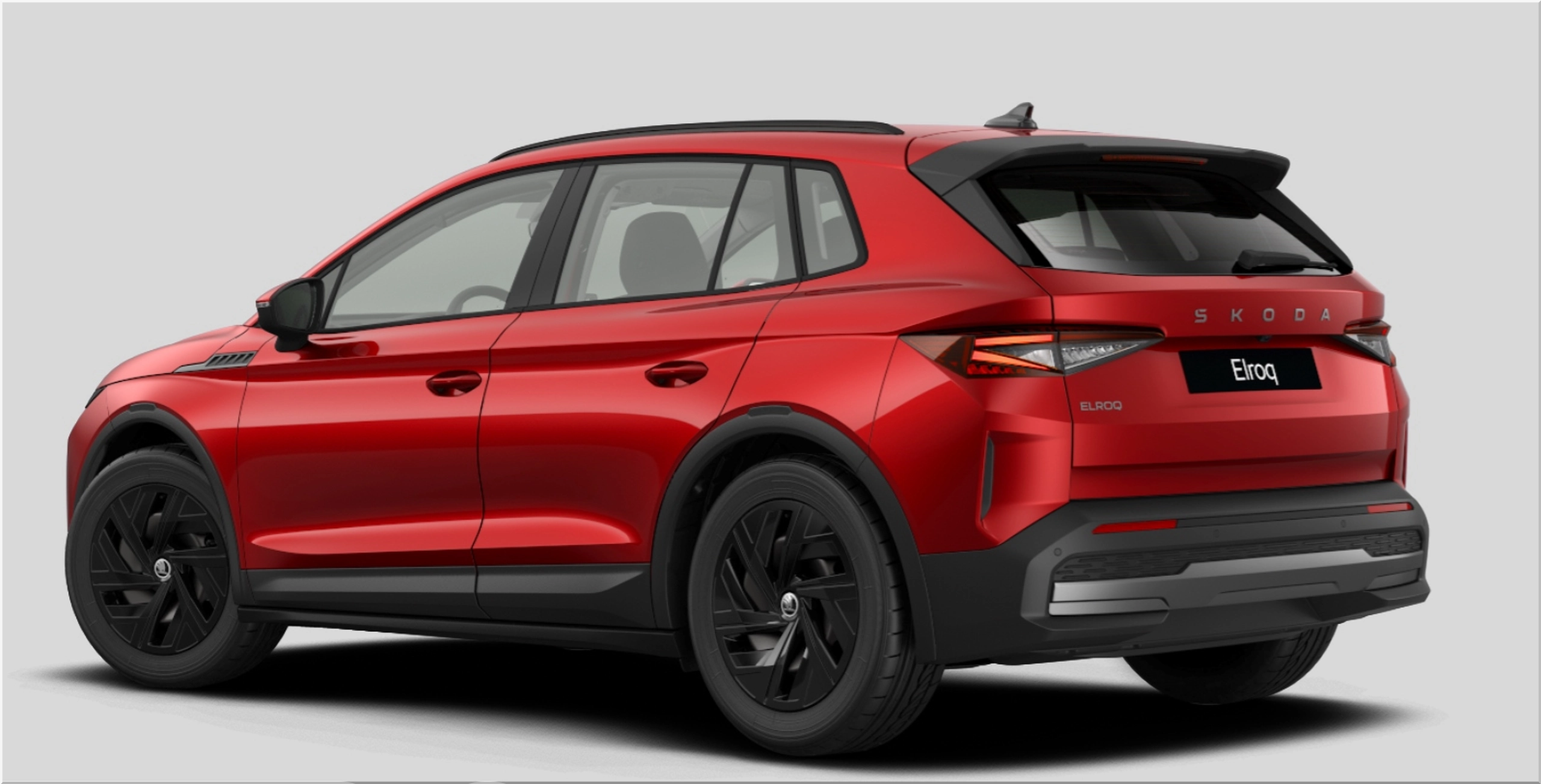
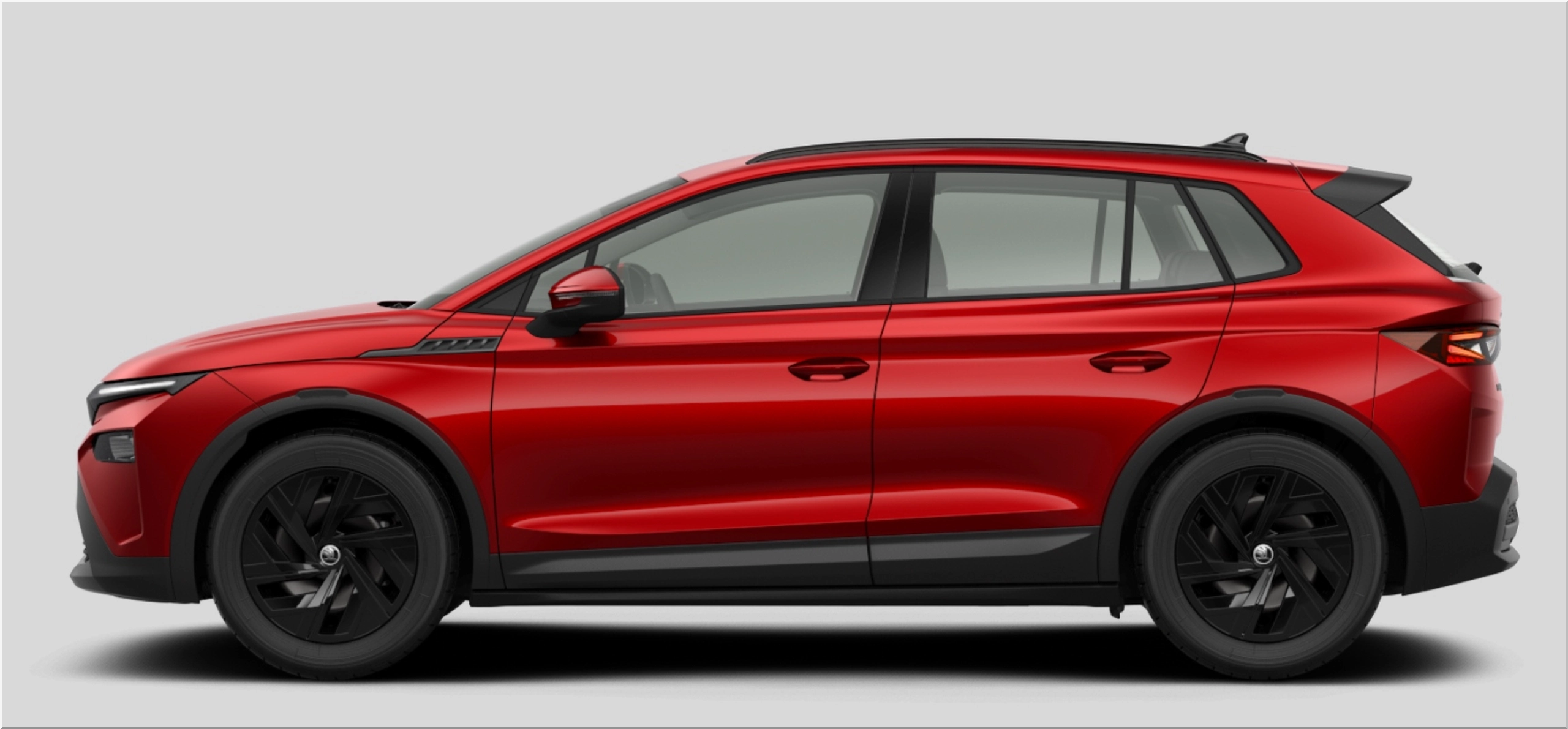
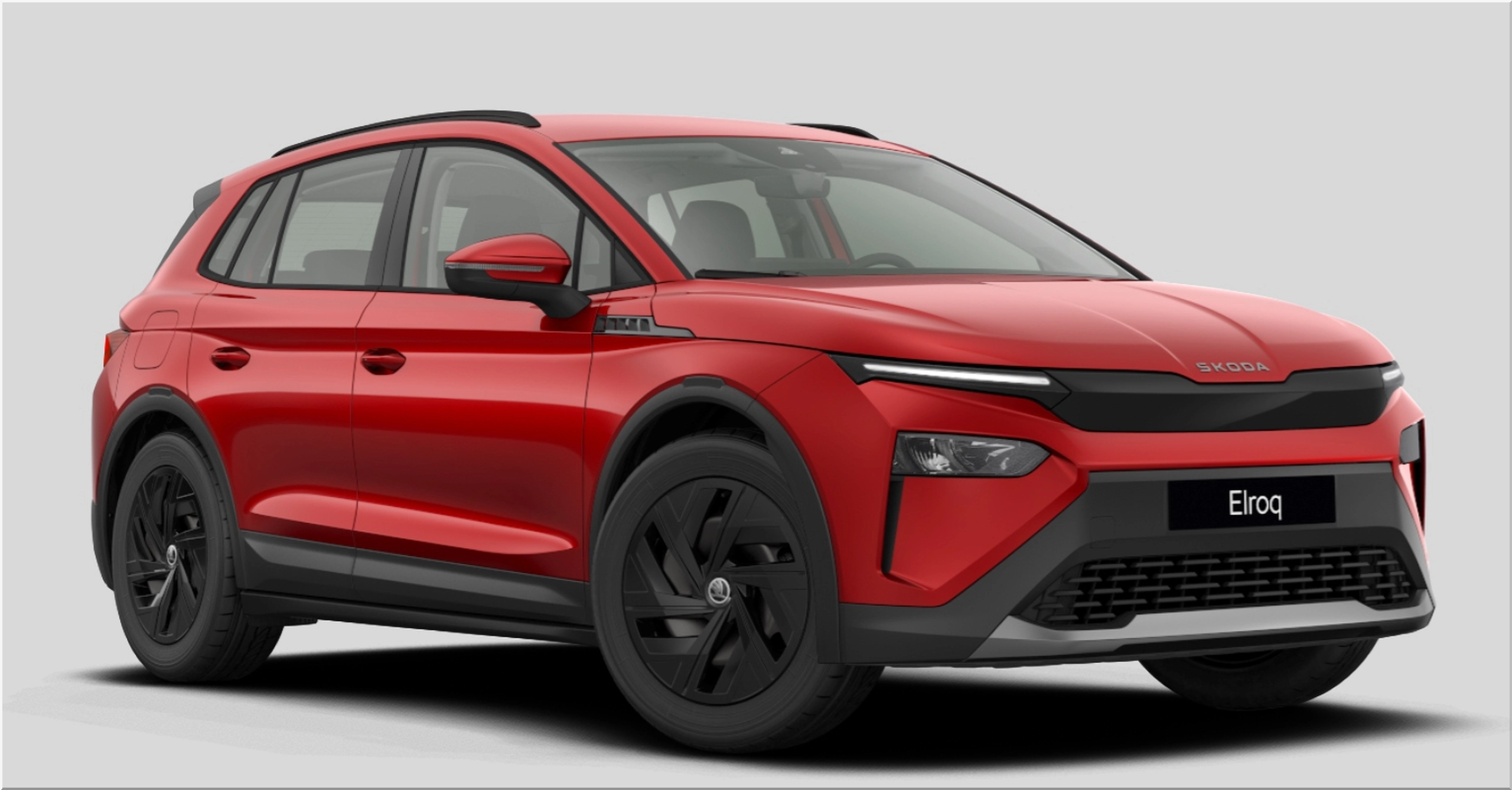
Which Skoda Elroq should you buy?
Pick this if you value range and value
Choose the Elroq 85 if you drive far each week. It brings the 77 kWh usable pack. It also brings 210 kW power. The WLTP range hits up to 581 km. That covers mixed use without anxiety. It remains the sweet spot.
Pick this if you want traction and pace
Choose the Elroq 85x for all-weather confidence. It adds a front motor and AWD. You give up a little range. You gain grip on wet and snowy roads. The trade works for mountain regions.
Pick this if you want the quick one
Choose the Elroq vRS if you want speed. It delivers 250 kW and AWD. It peaks higher on DC fast charging. It costs more. It keeps family space intact.
Pick this if your use case is city-heavy
Choose the Elroq 60 if you charge often. It keeps purchase costs down. It shortens stop times on local errands. The pack suits urban and suburban duty.
Skip this if you road-trip rarely
The Elroq 50 trims costs. The pack suits short commutes. Buy it only if you rarely fast charge. Savings fade with frequent motorway runs.
Real-world efficiency guidance
Treat official range as a guide, not a promise. Expect 20–30% lower in winter at motorway speeds. Fit smaller wheels if you want maximum range. Keep roof rails empty on long trips. Each add-on increases drag and consumption.
Precondition the pack before DC fast charging. You keep charging power high for longer. That step saves minutes on each stop. Use arrival targets near 10–15% State of Charge. That window unlocks the best charge curves.
Drive with adaptive cruise on long runs. That holds speed and reduces spikes in consumption. Keep cabin heat on Auto at moderate levels. Heat pumps help in cold climates. Check tire pressures monthly. Low pressures waste energy.
Use one-pedal driving in town. You recover energy and reduce brake wear. On motorways, set gentle regen. Coasting helps if traffic flows cleanly. Watch elevation changes on route planners. Descents can offset earlier climbs.
Equipment tips that improve daily life
Add the heat pump in cold regions. Winter efficiency improves across short trips. Pick matrix LEDs if you drive at night. They cut glare and support visibility on busy roads. Consider a tow bar only if you tow. Extra mass hurts efficiency.
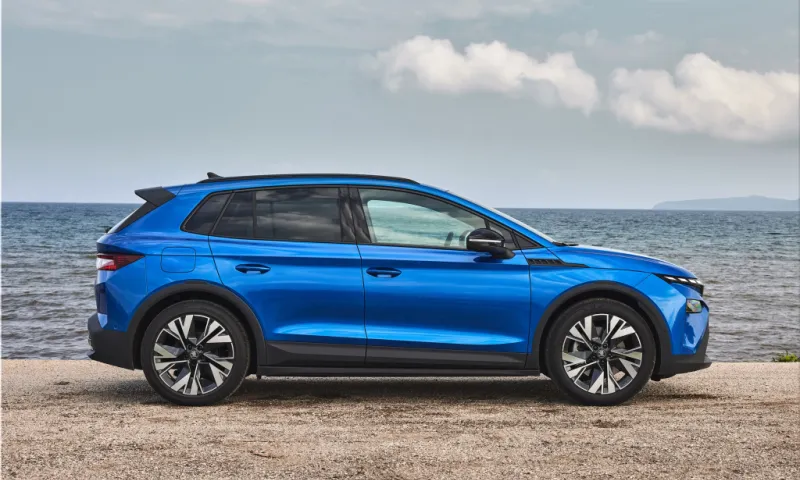
Pick 19-inch wheels if range matters. Larger wheels add weight and rolling resistance. They also alter aero around wheel wells. If you value ride comfort, try taller sidewalls. Test both sizes before signing.
The cabin software supports OTA updates. Updates refine charging, route planning, and stability. Keep the car connected on home Wi-Fi. That habit reduces dealer visits. It also adds features over time.
How the awards translate to buyer value
Trophies do not drive you to work. Hardware does. Yet awards signal strong fundamentals.
- Design awards back function and build focus. They also help residual values later.
- Car of the Year wins show class strength in testing. That supports fleet decisions and total cost arguments.
- Family-focused wins confirm range, space, and pricing. That combination attracts mainstream buyers.
Treat the awards as a shortcut. They point to well-rounded products. The Skoda Elroq fits that profile.
Competitive snapshot: where the Elroq fits today
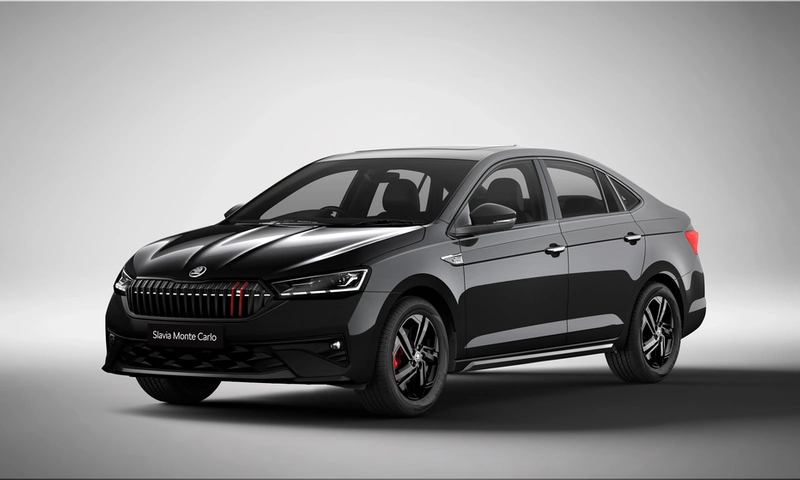
The Skoda Elroq targets compact electric SUVs. Its rivals include Kia EV3, Hyundai Kona Electric, Peugeot E-3008, and Renault Scenic. The Elroq holds strong on price and equipment. It gives up boot space to some bigger rivals. It wins back ground on charging and cabin logic.
Aero helps at speed. The 0.26 cd number shows that. Charge planning remains simple. The 10–80% window fits natural stop lengths. Seats support long distances without fuss. Families get space and useful storage.
Shoppers should compare dealer support and warranty terms. Software update cadence also matters. Charging network reliability varies by country. Test the routes you drive most. Check station uptime during your trial.
Actionable takeaways for buyers
- Best all-rounder: Elroq 85 with 77 kWh. It balances range and price.
- Need AWD: Pick 85x. It adds grip with small range loss.
- Want speed: vRS brings 250 kW and strong kit.
- City focus: 60 saves money and time on short charges.
- Wheel choice: Pick 19-inch for range and comfort.
- Charging plan: Home 11 kW for daily use. DC only for trips.
- Budget check: Use the USD table here. Compare local incentives.
- Resale: Awards and orders support demand. That helps values later.
Image gallery
The bottom line
The Skoda Elroq wins because it fits real life. It brings strong range, fast charging, and useful space. It adds honest pricing and straightforward controls. It also brings design that serves function. Awards reflect that balance. Orders confirm it.
Pick the 85 if you want the simple answer. Pick 85x for traction. Pick vRS if you want pace. Each trim keeps core strengths intact. That is why the Skoda Elroq keeps winning in 2025.
- Add new comment
- 365 views