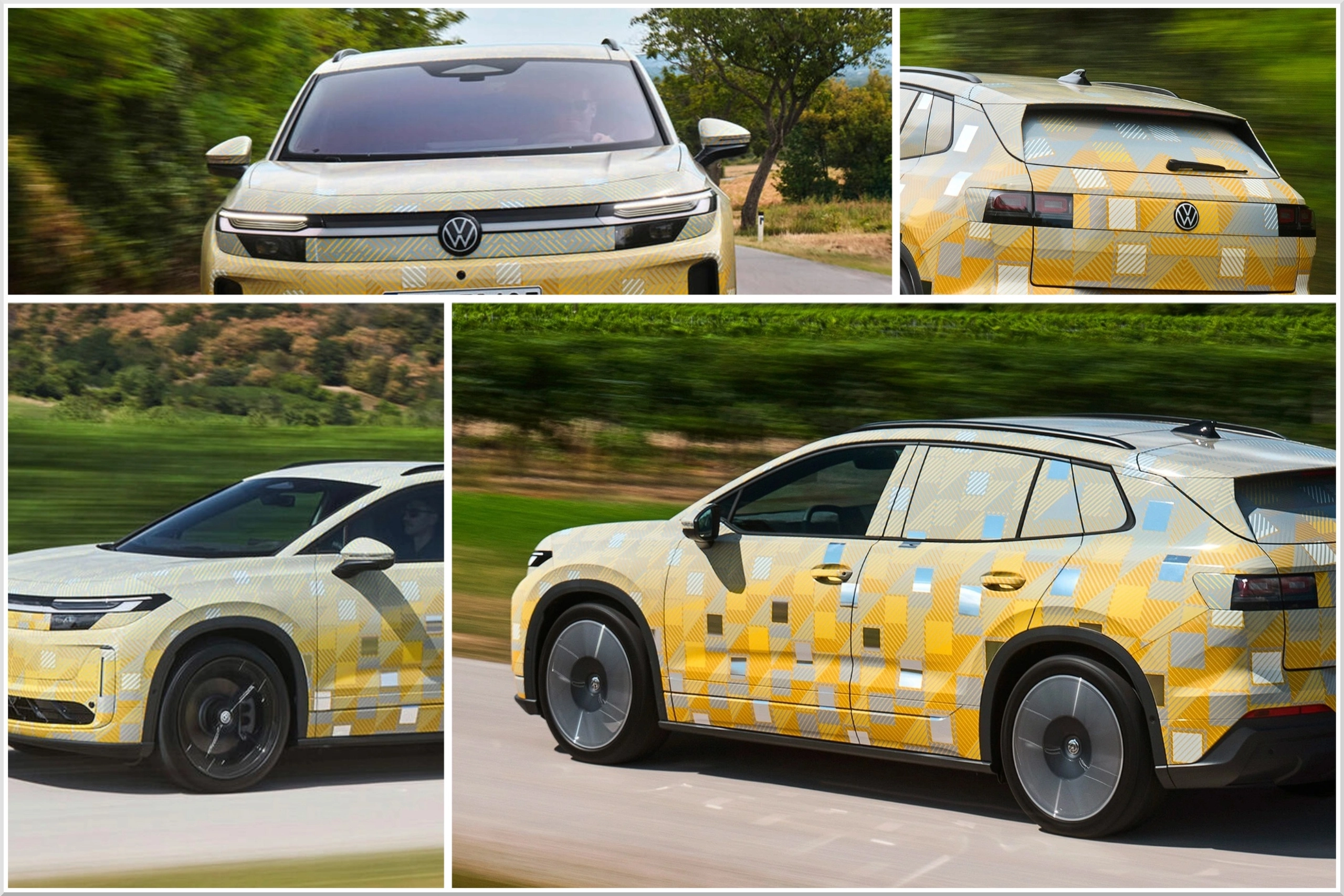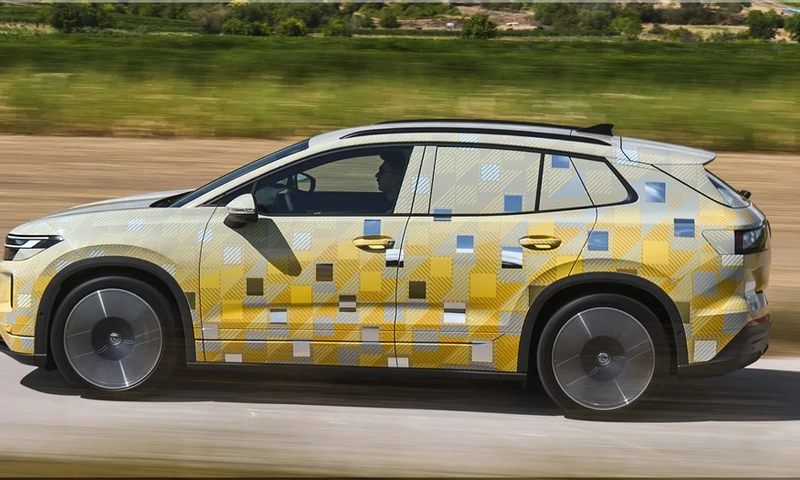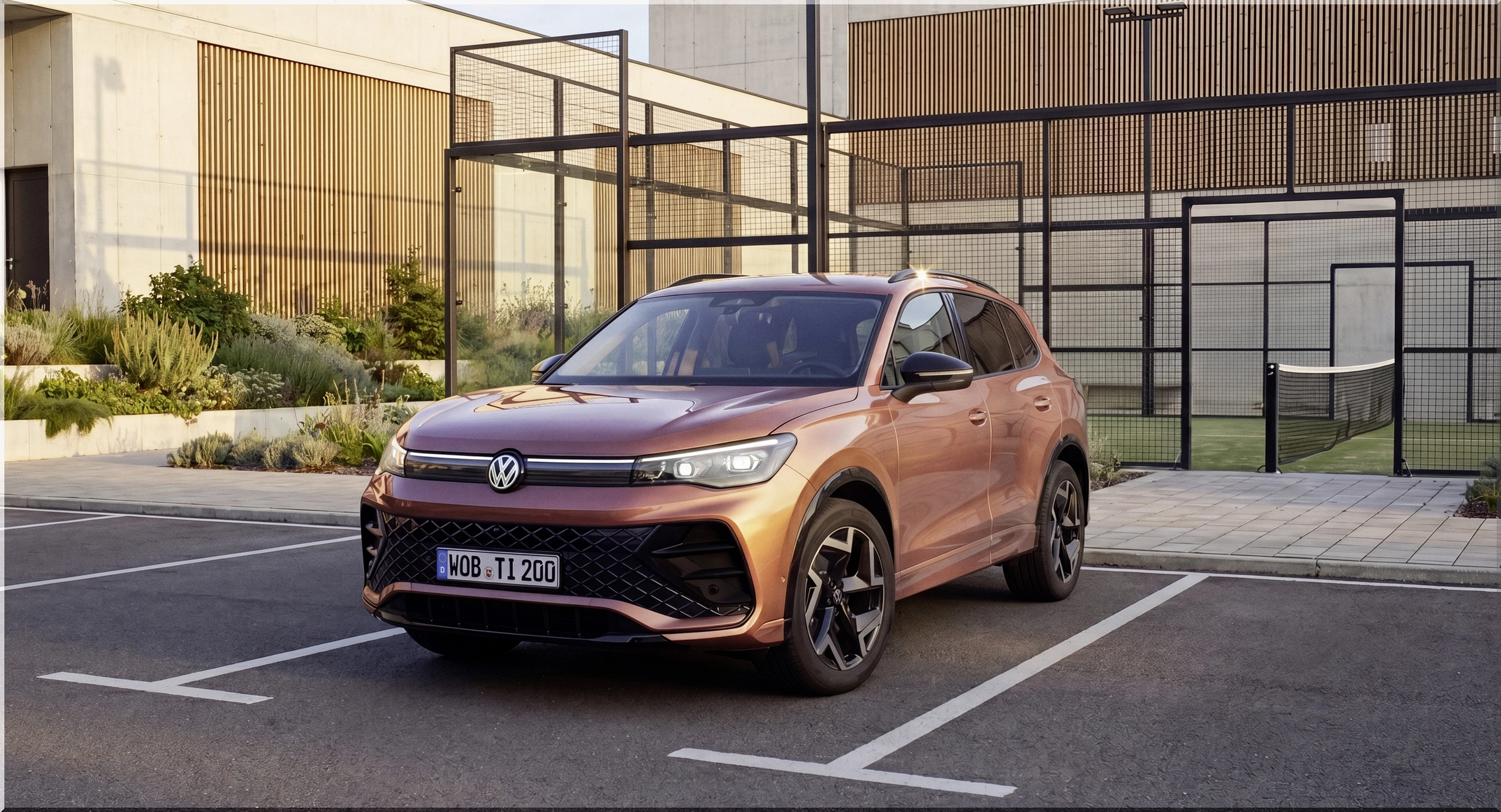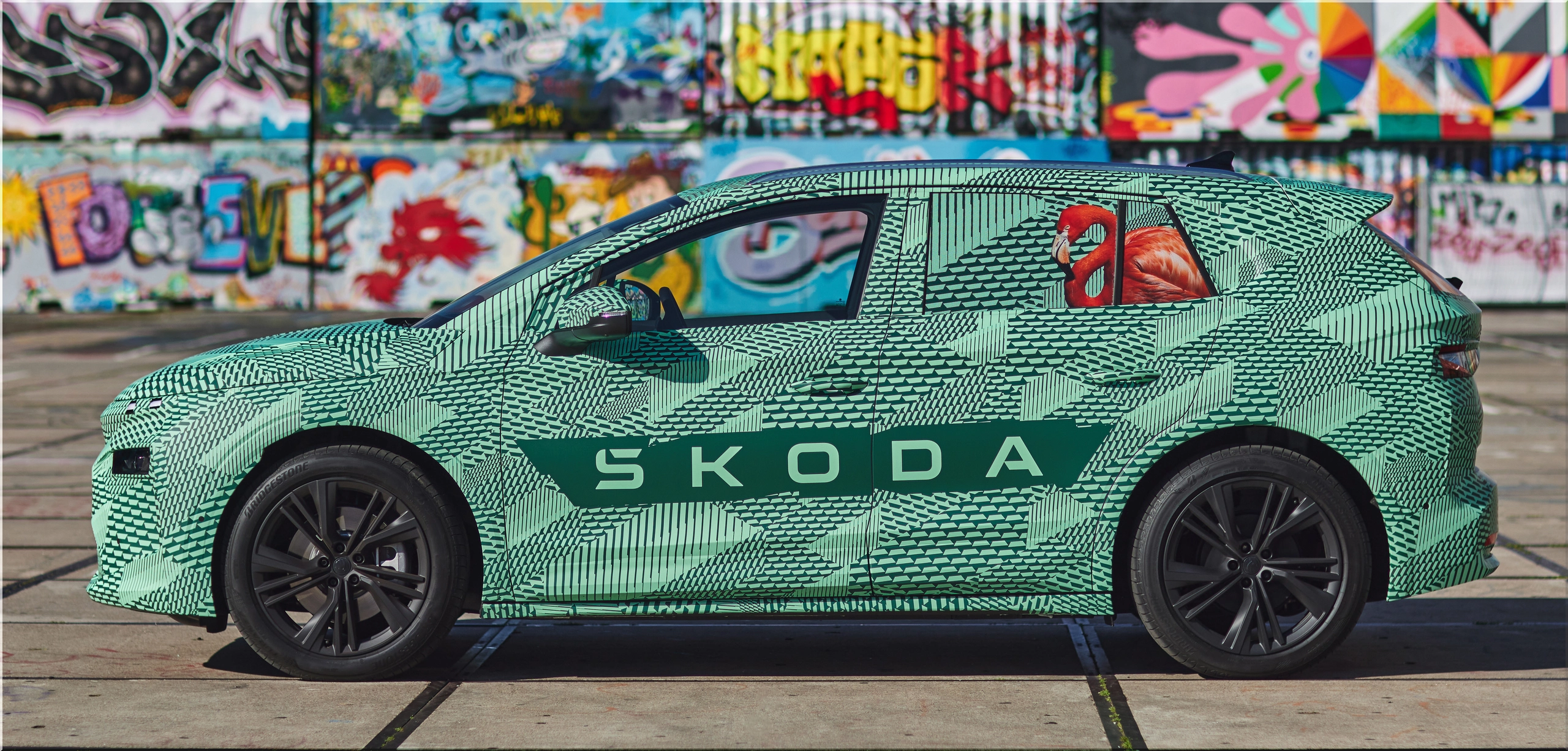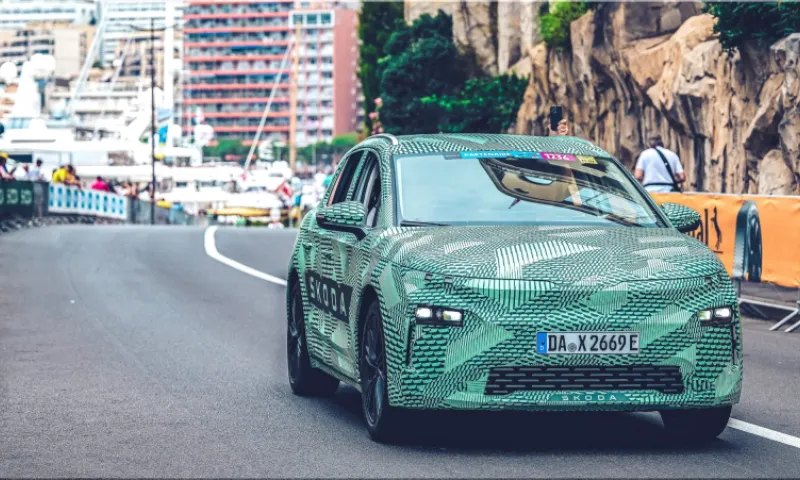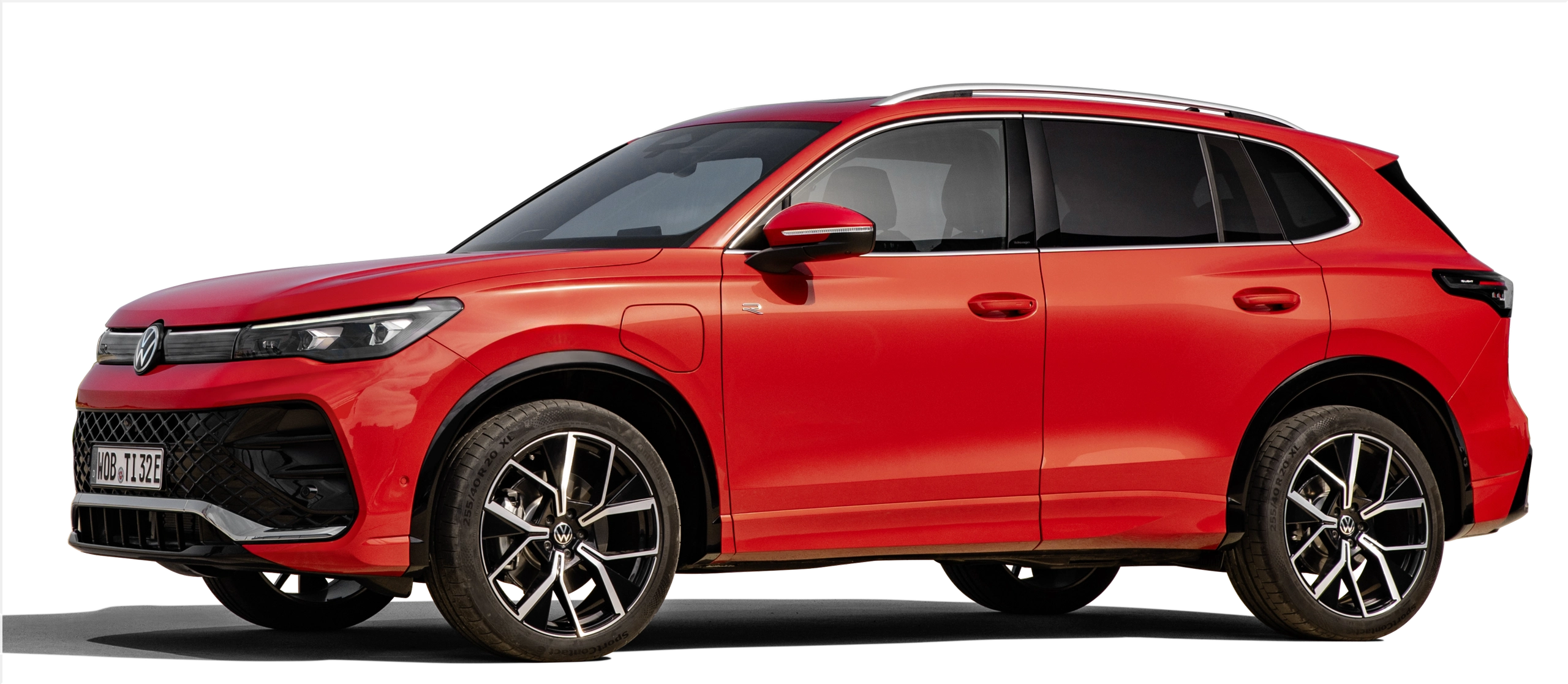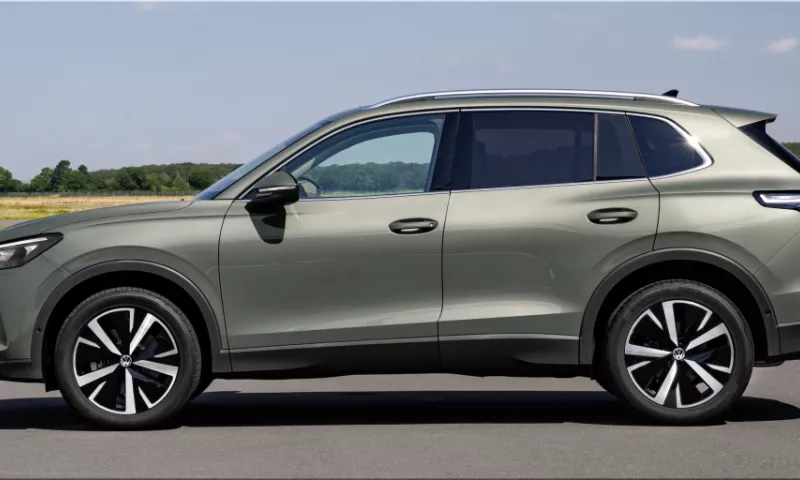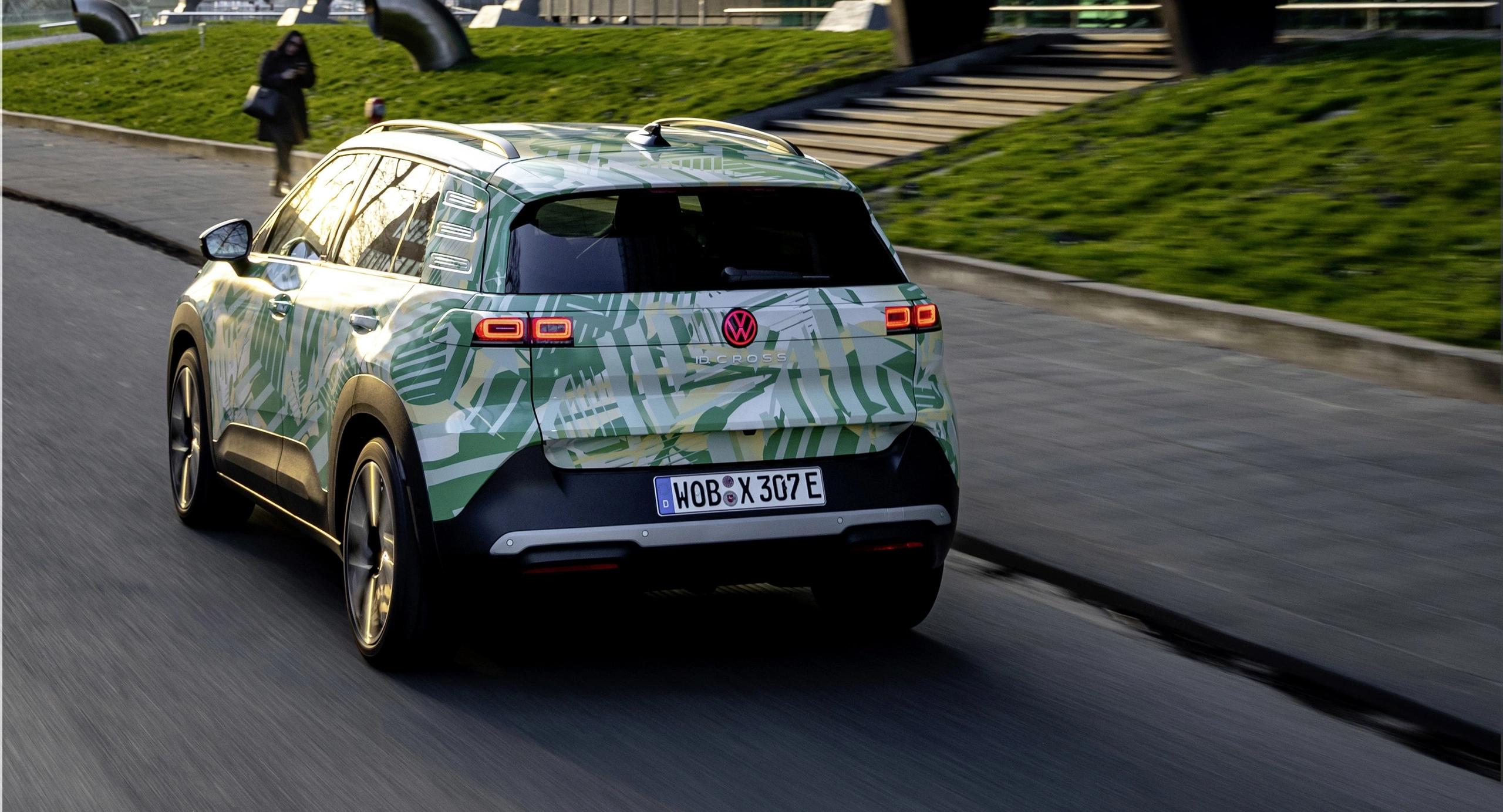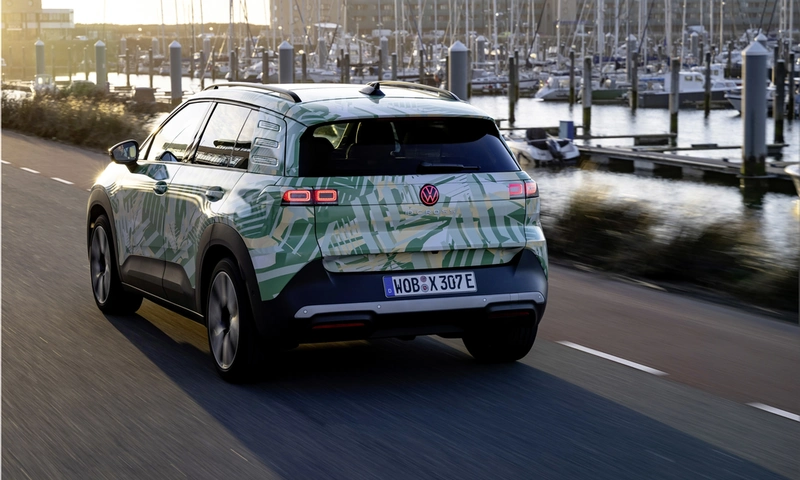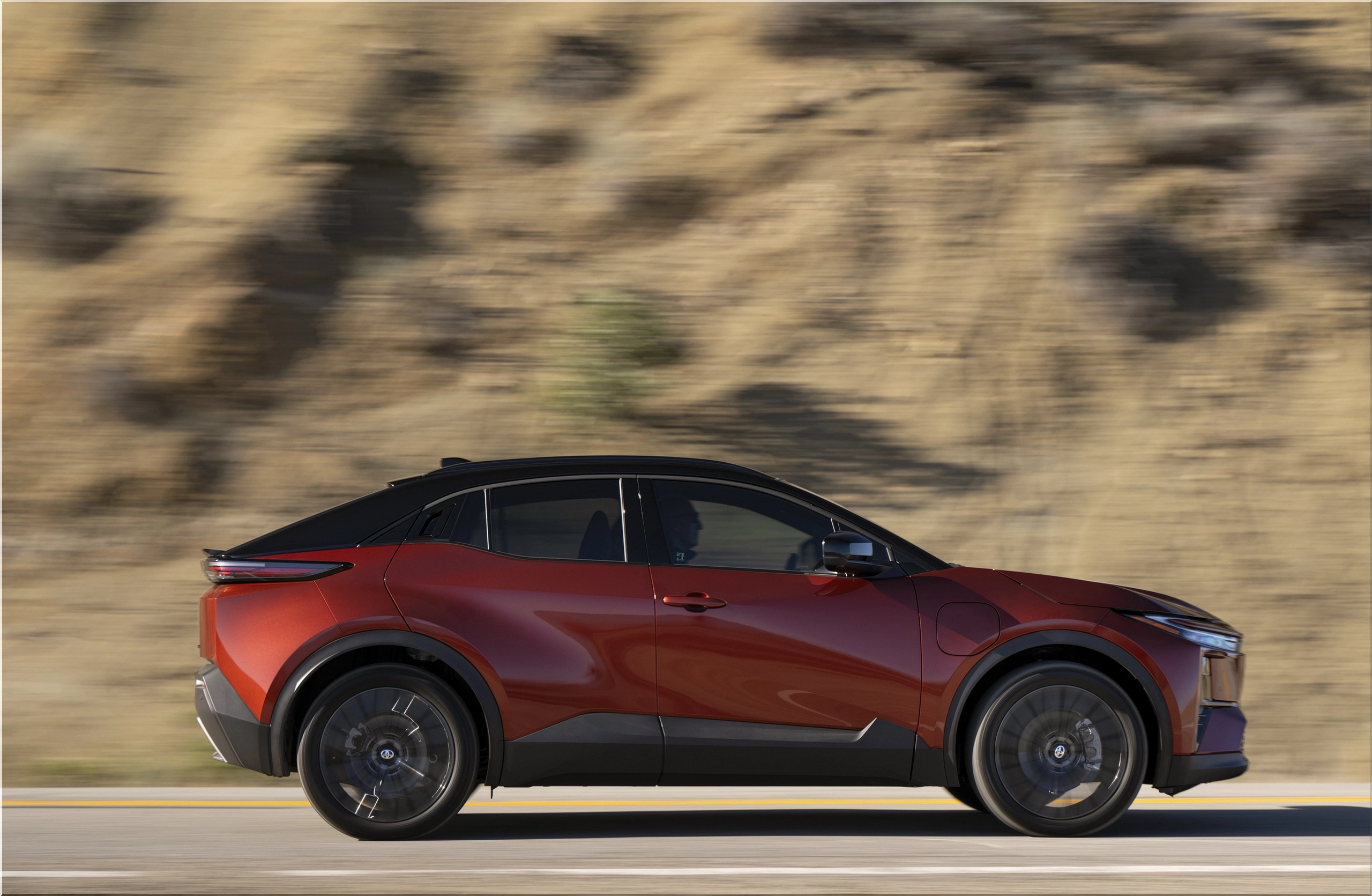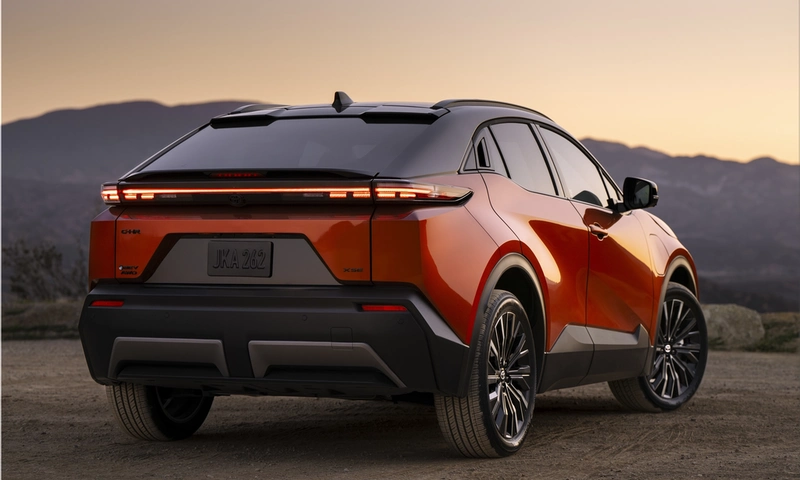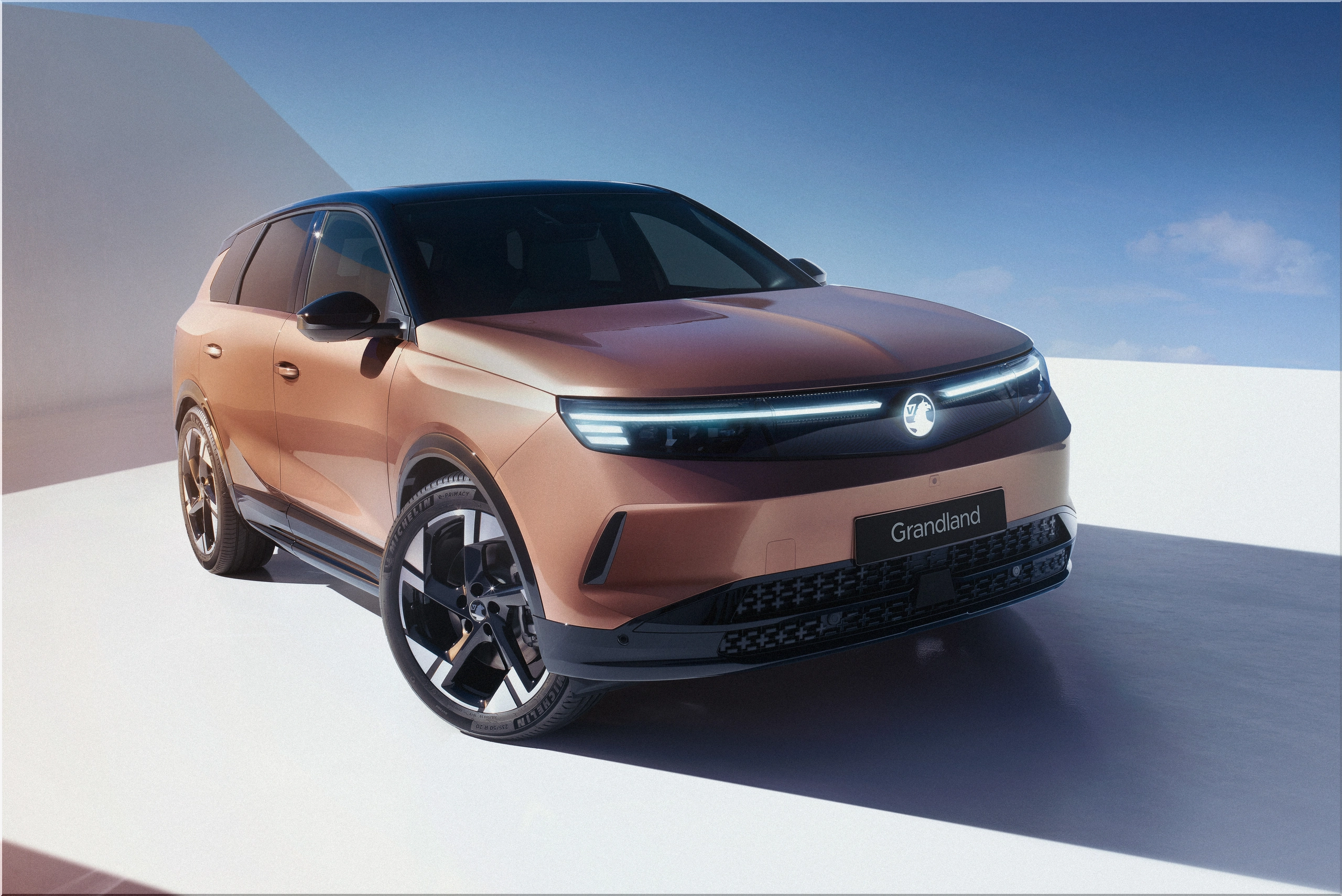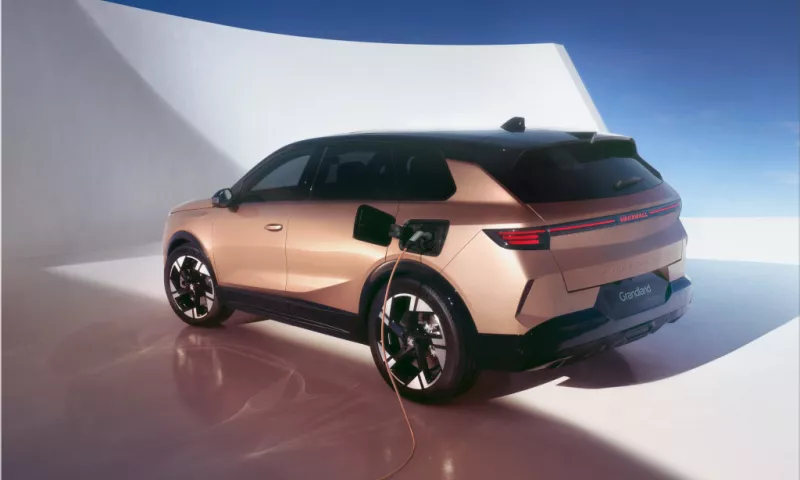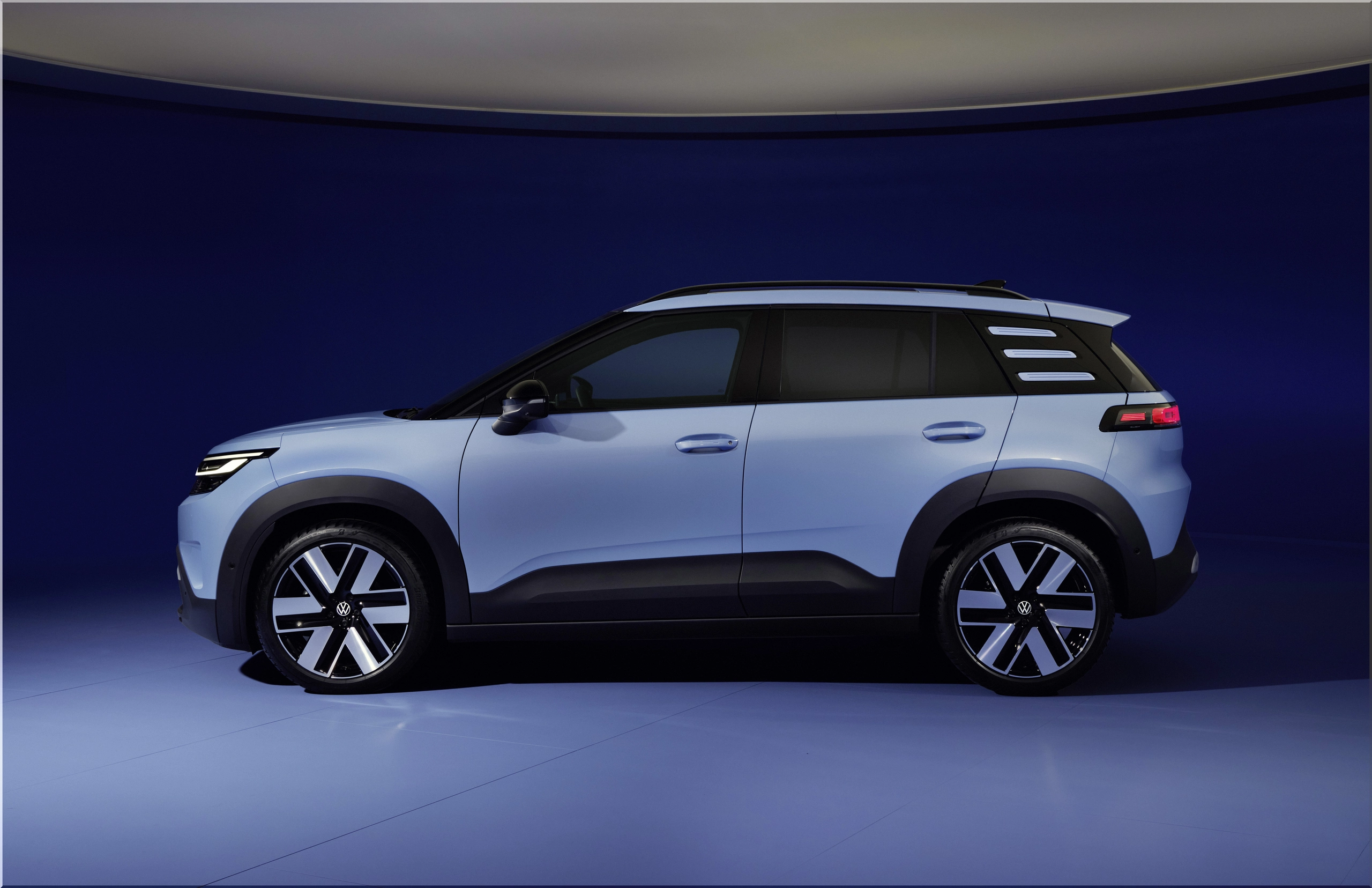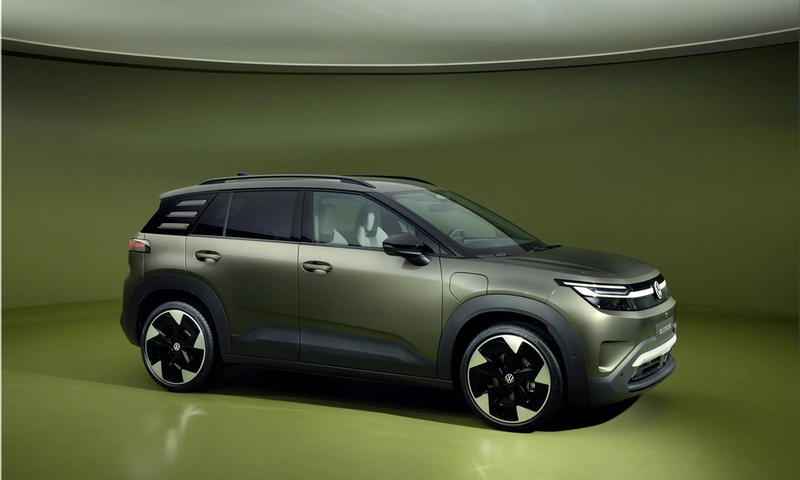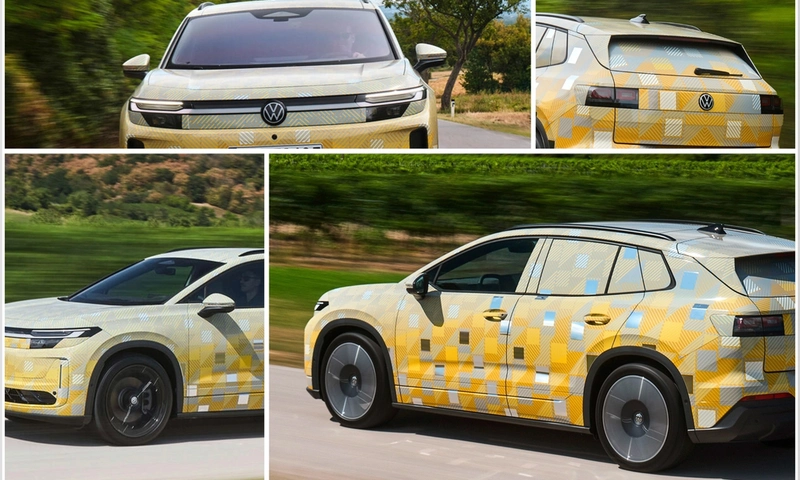
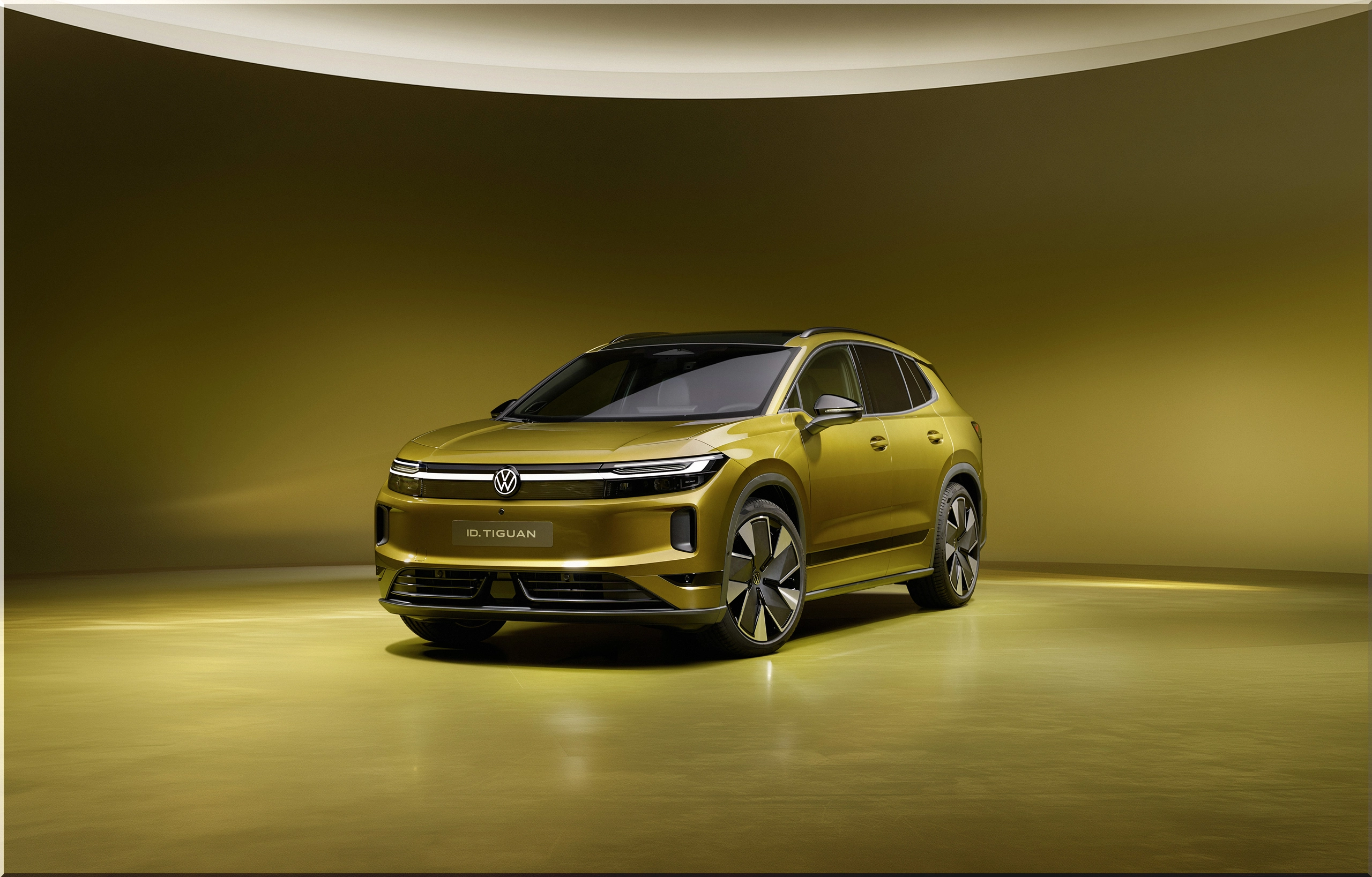
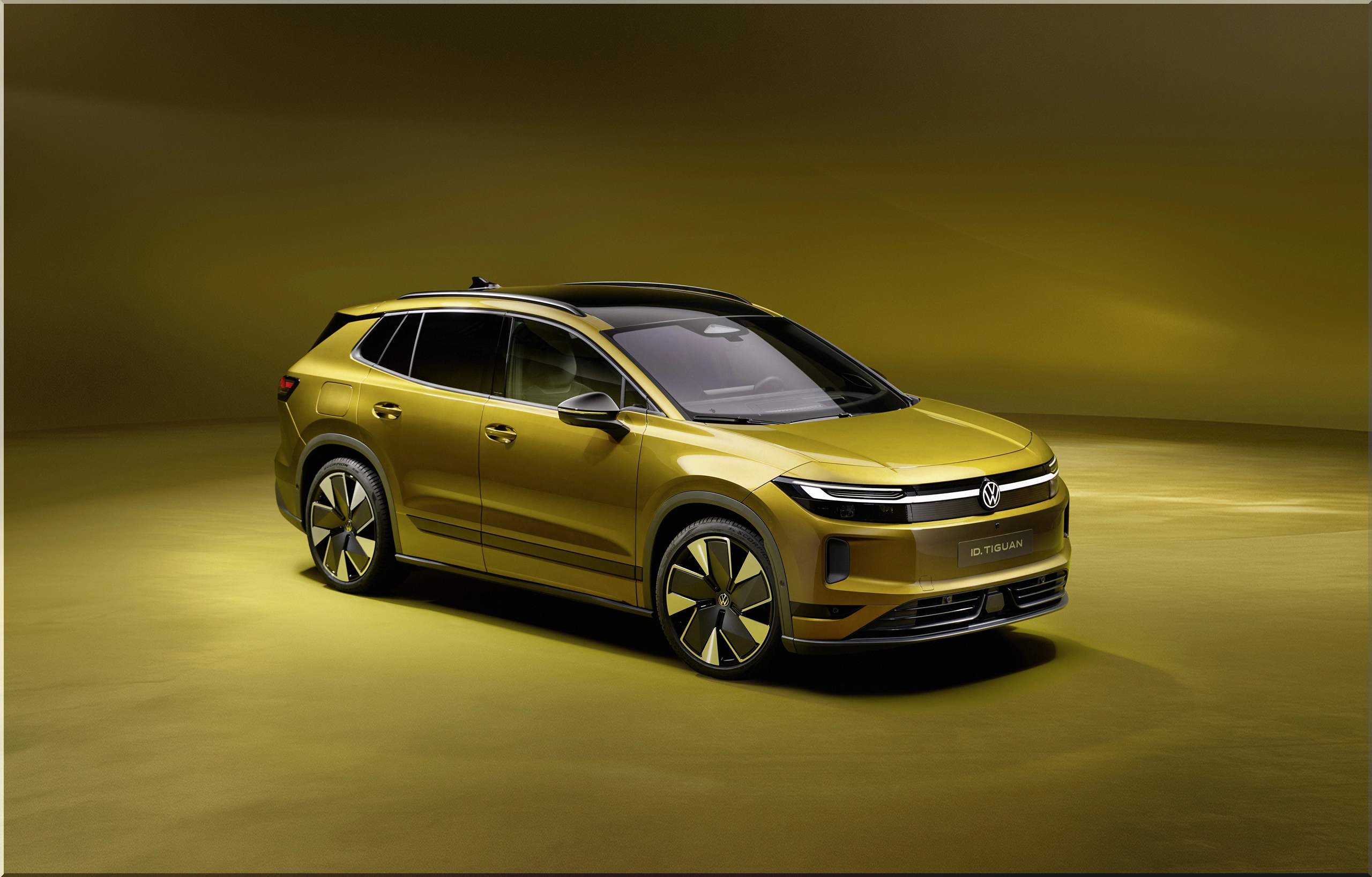
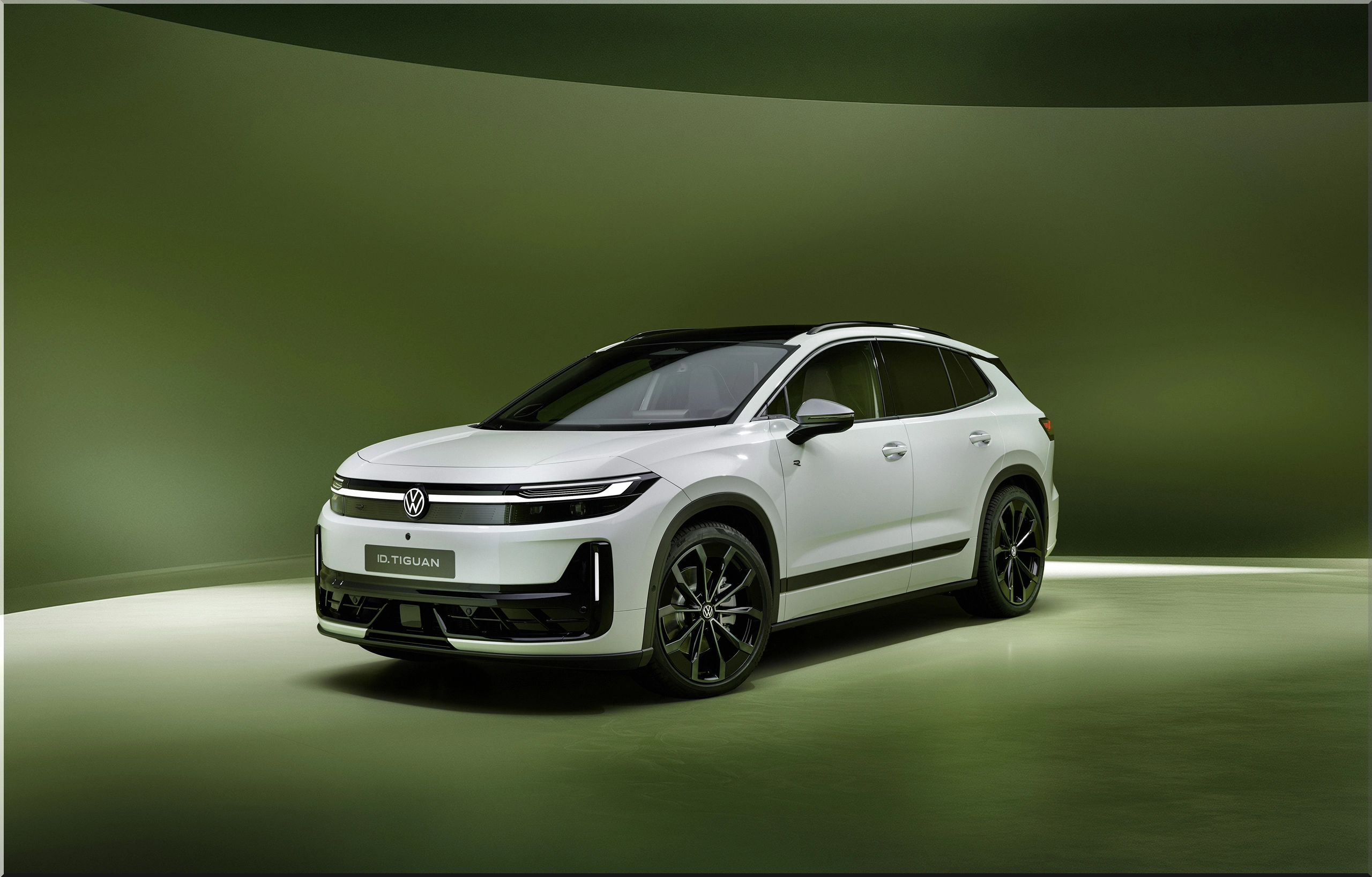
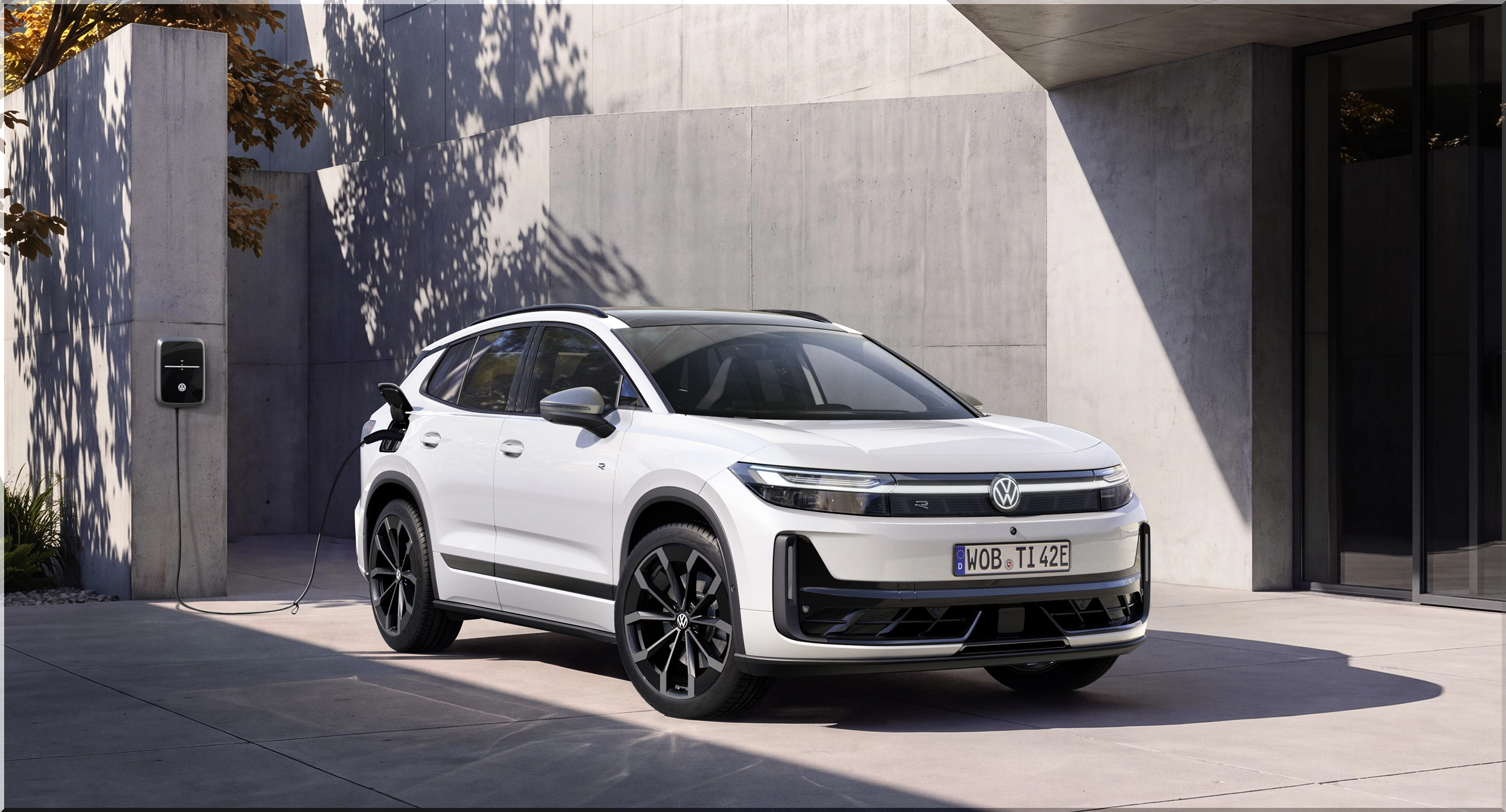
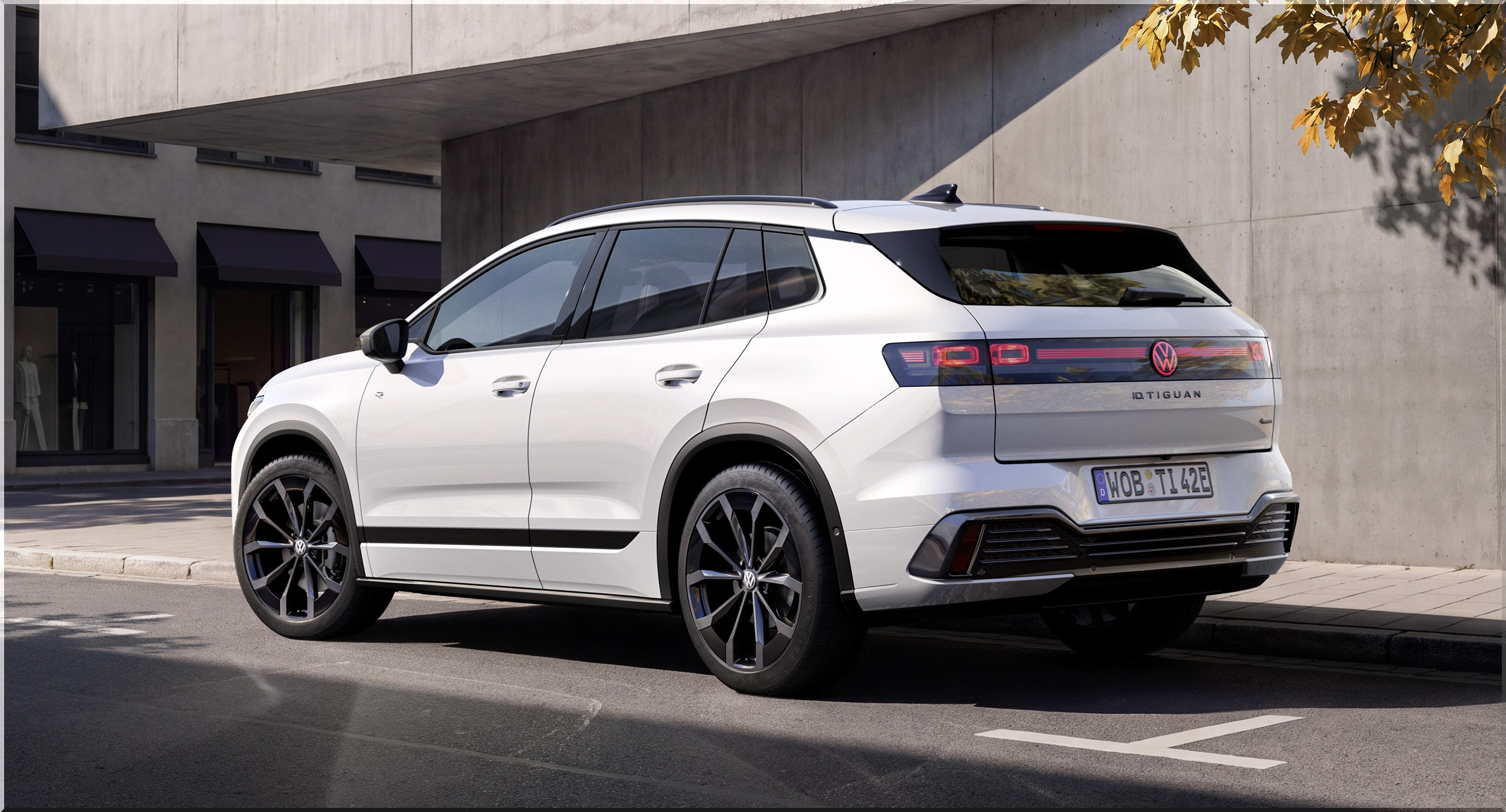
Volkswagen has given its electric family SUV a familiar name and a much-needed rethink. The 2027 Volkswagen ID. Tiguan replaces the ID.4 and ID.5 in Europe, bringing physical cabin controls, front storage and three powertrain choices with up to 600 km of WLTP range.
Image
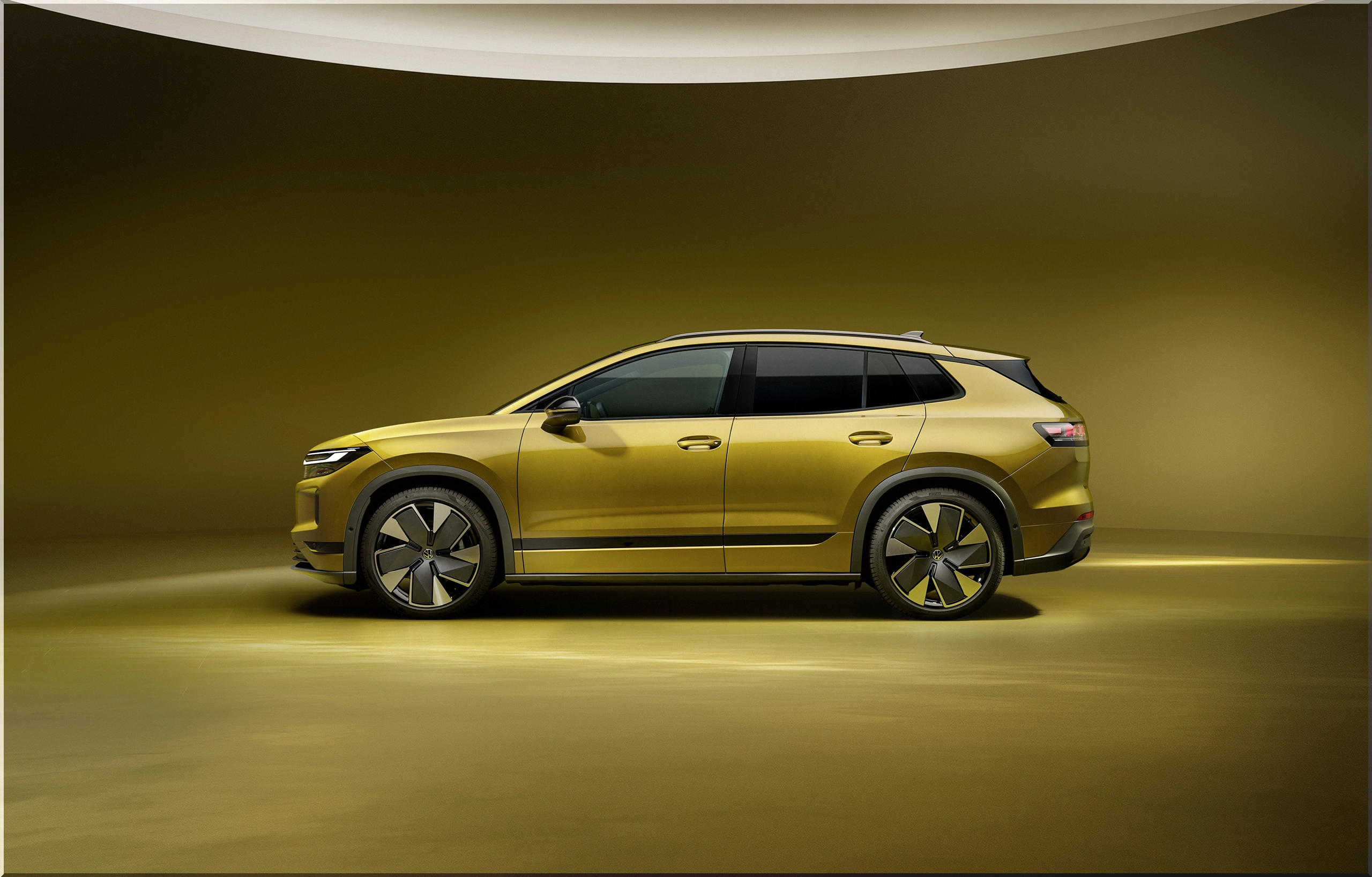
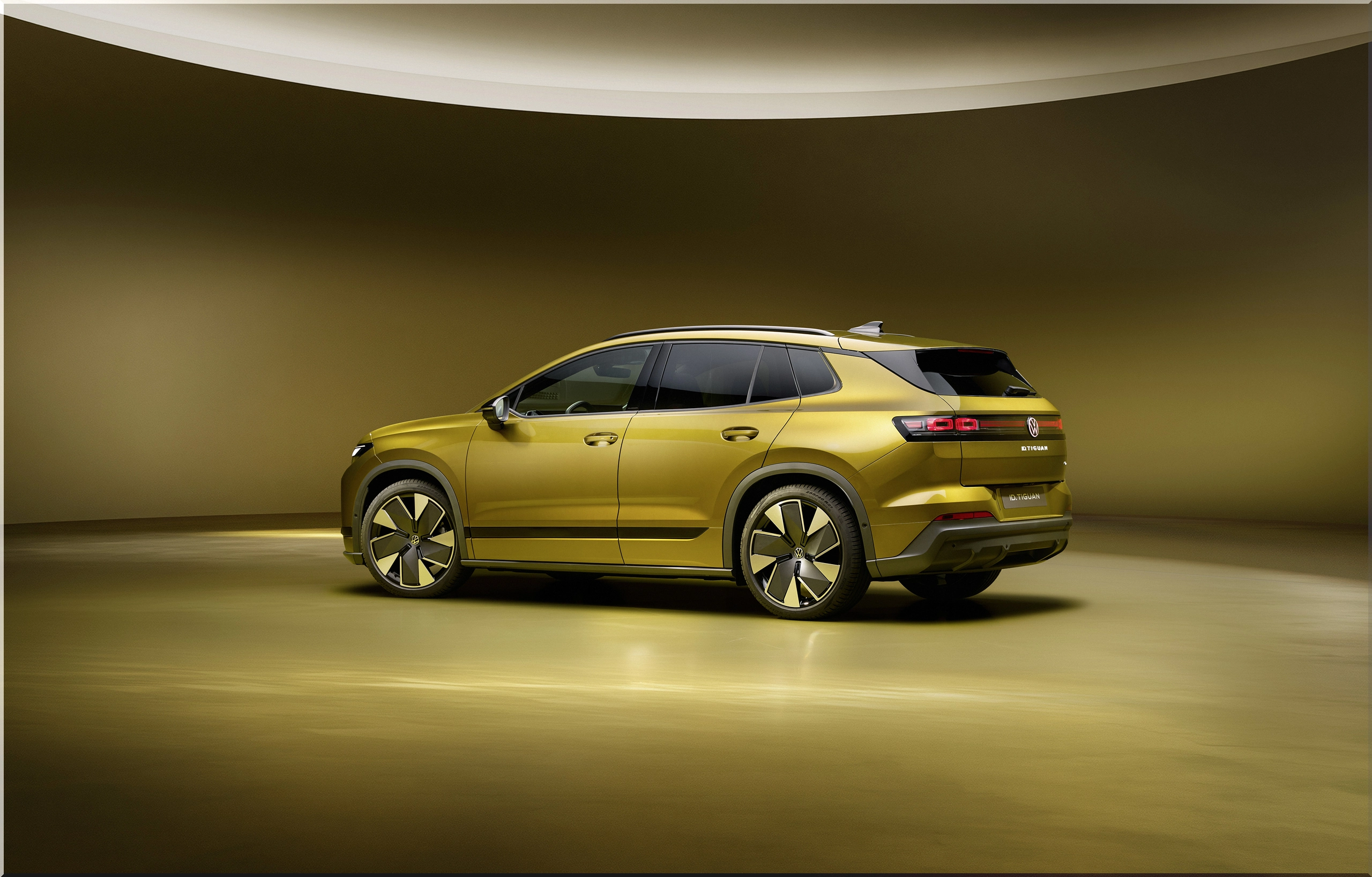
Volkswagen presented the production model on October 2026 and plans an early-2027 European launch. German pre-sales start on 13 October at €42,695. The conventional Volkswagen Tiguan continues alongside it with petrol, diesel and hybrid powertrains.
The strongest improvements concern everyday use. Buyers get easier access to frequently used functions and more flexibility for carrying equipment, rather than a universal increase in horsepower.
Three Powertrains: Choose Range Before Horsepower
The European line-up pairs two rear-wheel-drive configurations with a 4MOTION all-wheel-drive version. Volkswagen's announcement establishes battery sizes and output.
| European specification | Entry rear-wheel drive | Long-range rear-wheel drive | 4MOTION all-wheel drive |
|---|---|---|---|
| Battery capacity | 58 kWh | 77 kWh | 77 kWh |
| Reported battery chemistry | LFP | NMC | NMC |
| Maximum output | 140 kW / 190 PS | 210 kW / 286 PS | 220 kW / 299 PS |
| Approximate mechanical horsepower | 188 bhp | 282 bhp | 295 bhp |
| Reported maximum WLTP range | 450 km / 280 miles | 600 km / 373 miles | 560 km / 348 miles |
| Reported peak DC charging | 105 kW | 165 kW | 165 kW |
| Reported 10-80% charging time | 26 minutes | 29 minutes | 29 minutes |
| Maximum published towing capacity | Up to 1,800 kg | Up to 2,000 kg | Up to 2,000 kg |
These figures describe European configurations and pre-launch claims. Equipment, wheels and local certification can change the numbers for the vehicle a buyer orders.
Looking at the data, the larger battery adds 19 kWh, or approximately 33% more capacity. The long-range rear-drive version also claims approximately 33% more range than the entry model. For drivers who regularly cover long motorway distances, that extra stored energy offers a clearer benefit than the AWD model's additional 10 kW.
By comparison, the AWD version gives up 40 km of advertised range, approximately 6.7%, against the long-range rear-drive model. Its second driven axle prioritises traction. Buyers should choose it for conditions that demand that capability rather than assuming the highest-output version also travels furthest.
PS measures metric horsepower. British bhp and American mechanical horsepower use a different conversion, so 299 PS equates to approximately 295 hp. Those labels describe the same output here.
Image
Charging Speed: Read the Full Stop, Not the Peak
The reported 10-80% charging time gives buyers a useful comparison. The 58 kWh version needs 26 minutes; the 77 kWh versions need 29 minutes. The larger pack takes slightly longer because it accepts more energy across the same percentage window.
Specifically, 70% of 58 kWh equals 40.6 kWh, while 70% of 77 kWh equals 53.9 kWh. Using the reported capacities as an approximation, those sessions imply average battery-energy rates of roughly 94 kW and 112 kW respectively, before accounting for charging losses or capacity-definition differences. These figures illustrate charging behaviour; they do not replace an instrumented test.
A peak rating describes one point on the charging curve. Battery temperature, charger output and the vehicle's taper at higher charge levels govern how long a stop actually takes. The ID. Tiguan's arrival therefore does not prove faster charging than every recent ID.4 variant.
Video title
2027 Volkswagen ID. Tiguan
Pro-Tips: Before a long-distance test drive, check:
- The charging time for the exact battery and drivetrain.
- Battery preconditioning controls and route-planner integration.
- Charger availability on your regular motorway route.
- Winter consumption and charging results once independent tests arrive.
ID. Tiguan vs ID.4: What Actually Improves?
Volkswagen had already upgraded the ID.4 before this replacement. Its 2023 update introduced a 210 kW rear-drive motor and a 12.9-inch centre screen on the upgraded versions. Comparing the ID. Tiguan exclusively with an early ID.4 would overstate some gains.
| Feature | ID.4 reference | 2027 ID. Tiguan | Buyer impact |
|---|---|---|---|
| Higher-output rear-drive motor | 210 kW / 286 PS after the 2023 update | 210 kW / 286 PS | Same headline output |
| Performance AWD output | GTX: 250 kW / 340 PS after the 2023 update | Announced 4MOTION: 220 kW / 299 PS | New launch range does not beat GTX power |
| Centre display | 12.9 inches on upgraded versions | 15 inches | Approximately 16% greater screen diagonal |
| Steering-wheel operation | Touch-sensitive controls | Physical buttons | Clearer tactile feedback |
| Window operation | Two switches plus rear-window selection | Four conventional switches | Direct access to each window |
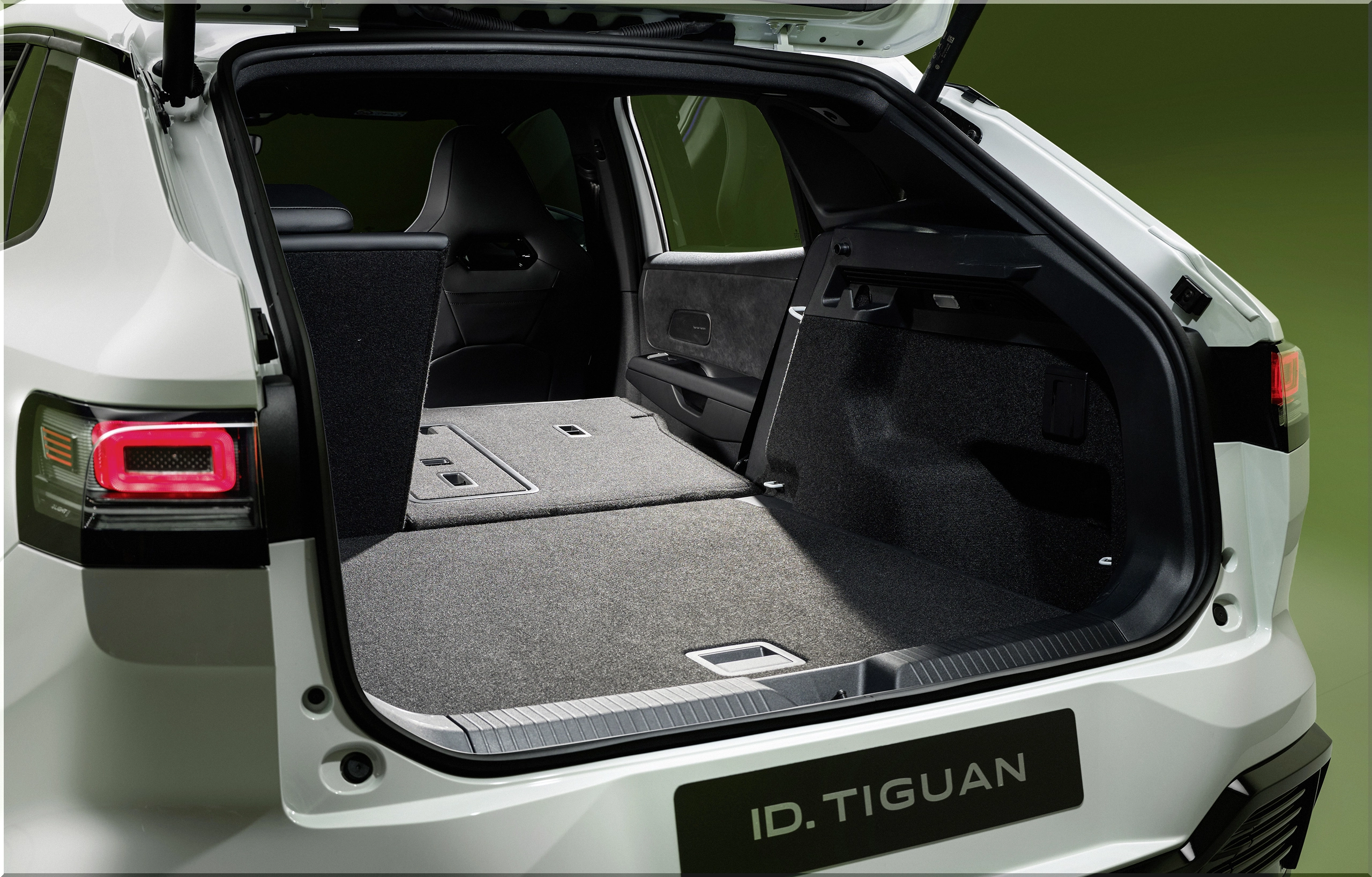
| Front luggage storage | No dedicated frunk | 32 litres | Separate cable or equipment storage |
| Rear boot, seats upright | 543 litres in VW's published ID.4 data | Up to 534 litres | Slightly less rear-only volume |
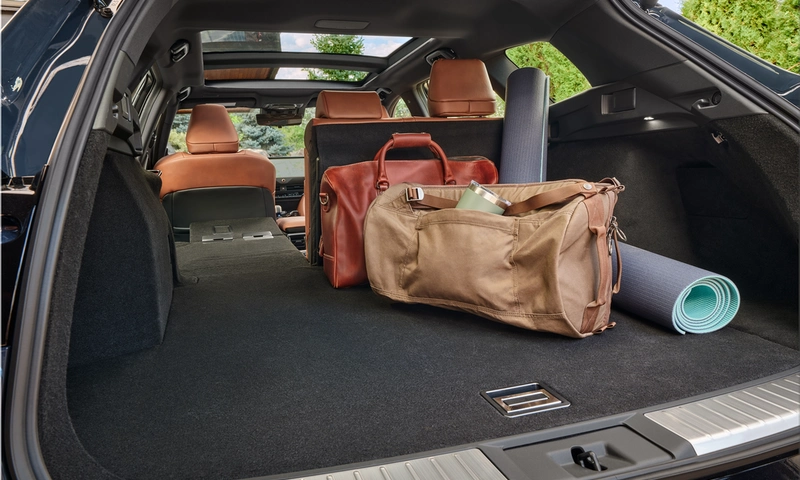
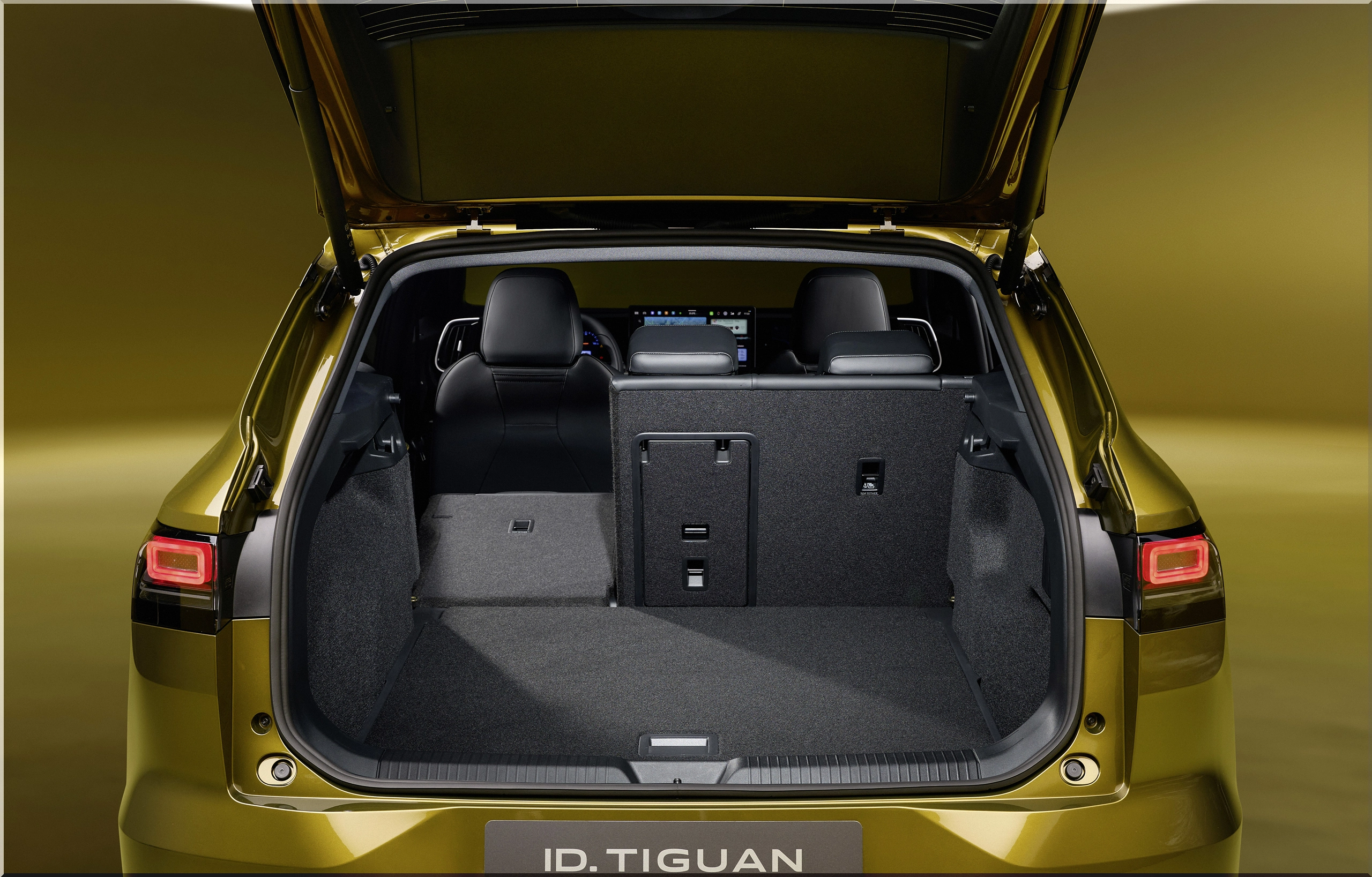
The storage figures deserve attention. The new rear boot loses nine litres against that published ID.4 figure, but the 32-litre frunk adds a separate compartment. Together, the quoted spaces total 566 litres, approximately 20.0 cubic feet, although separate compartments do not accommodate bulky luggage like one uninterrupted boot.
That distinction helps families assess real usefulness. A charging cable in the front compartment stays accessible when suitcases fill the rear, but the extra space will not rescue a pushchair that fails to fit through the tailgate.
Image
Physical Controls Fix the Cabin's Biggest Usability Issue
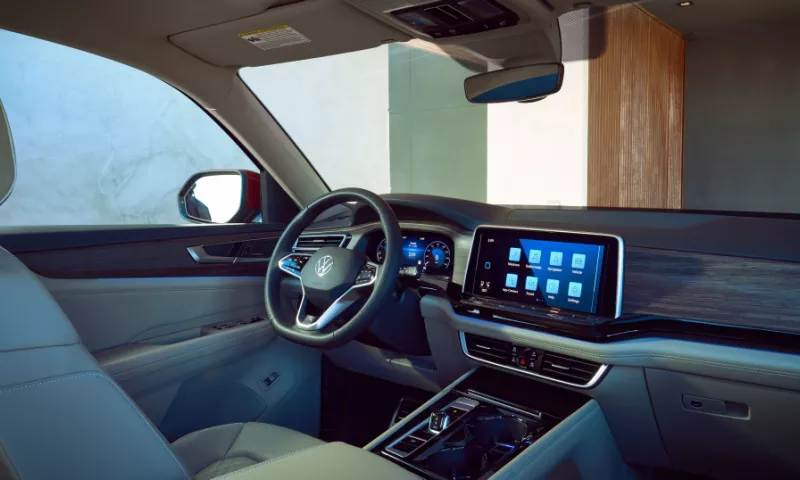
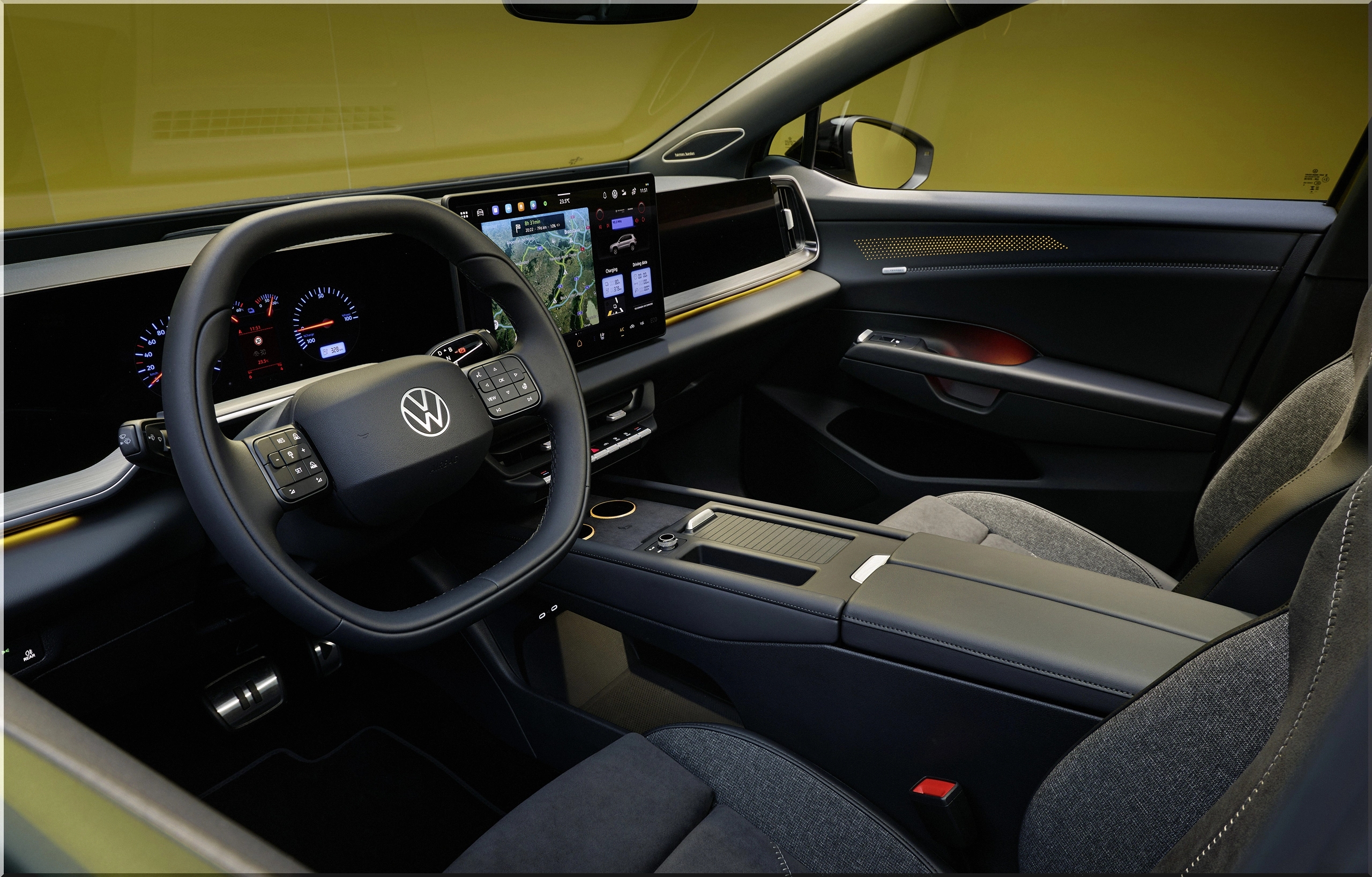
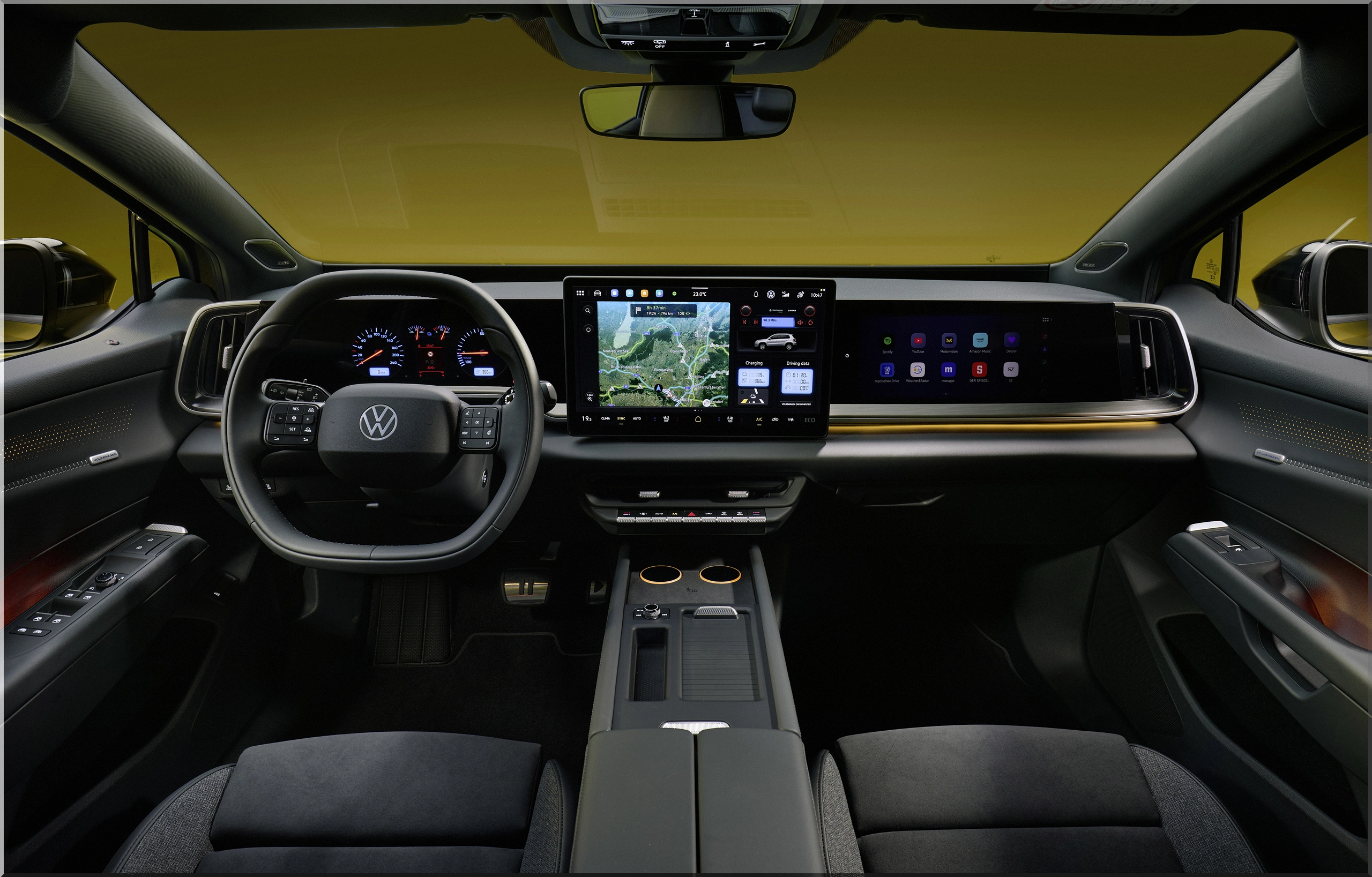
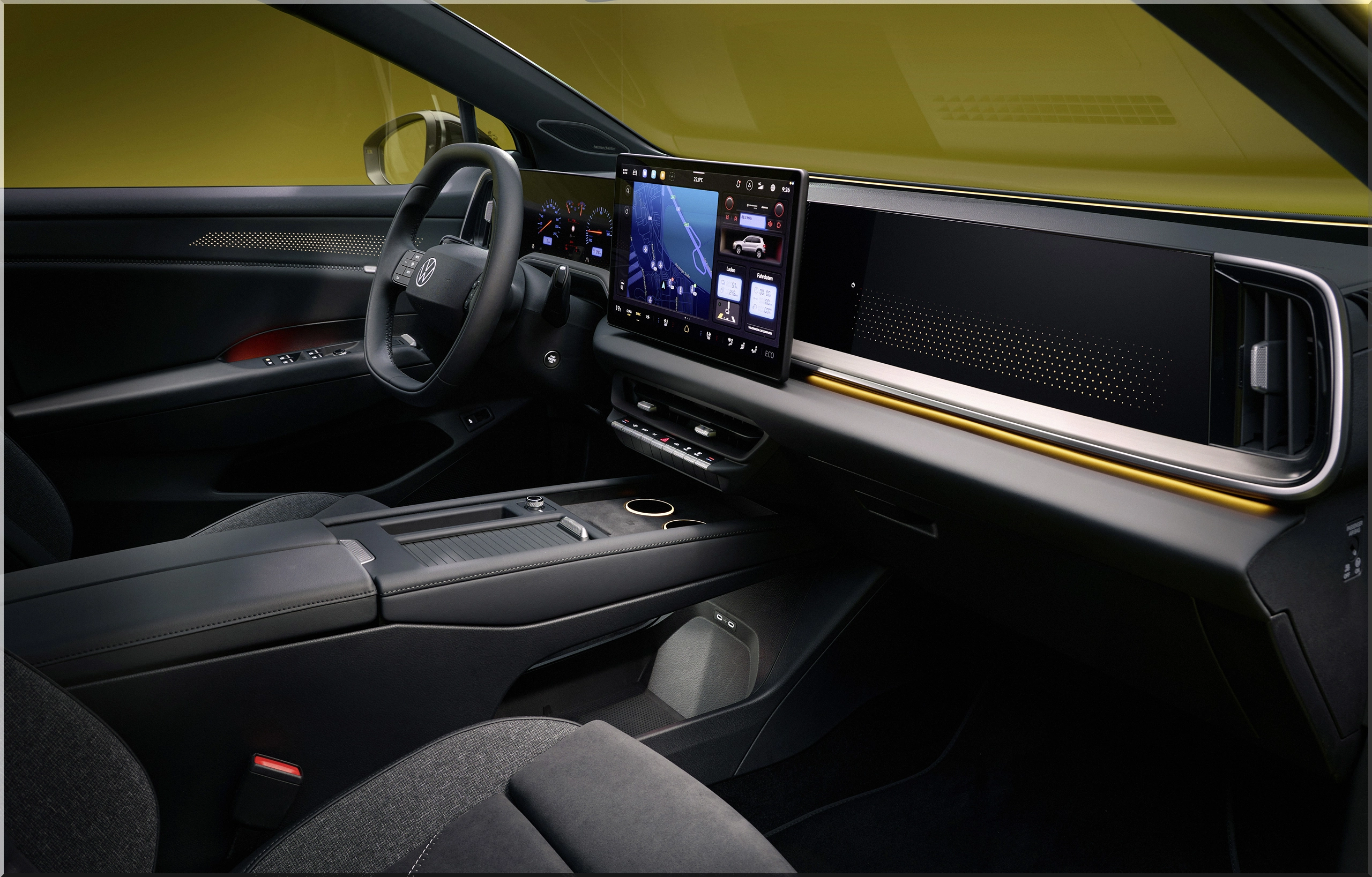
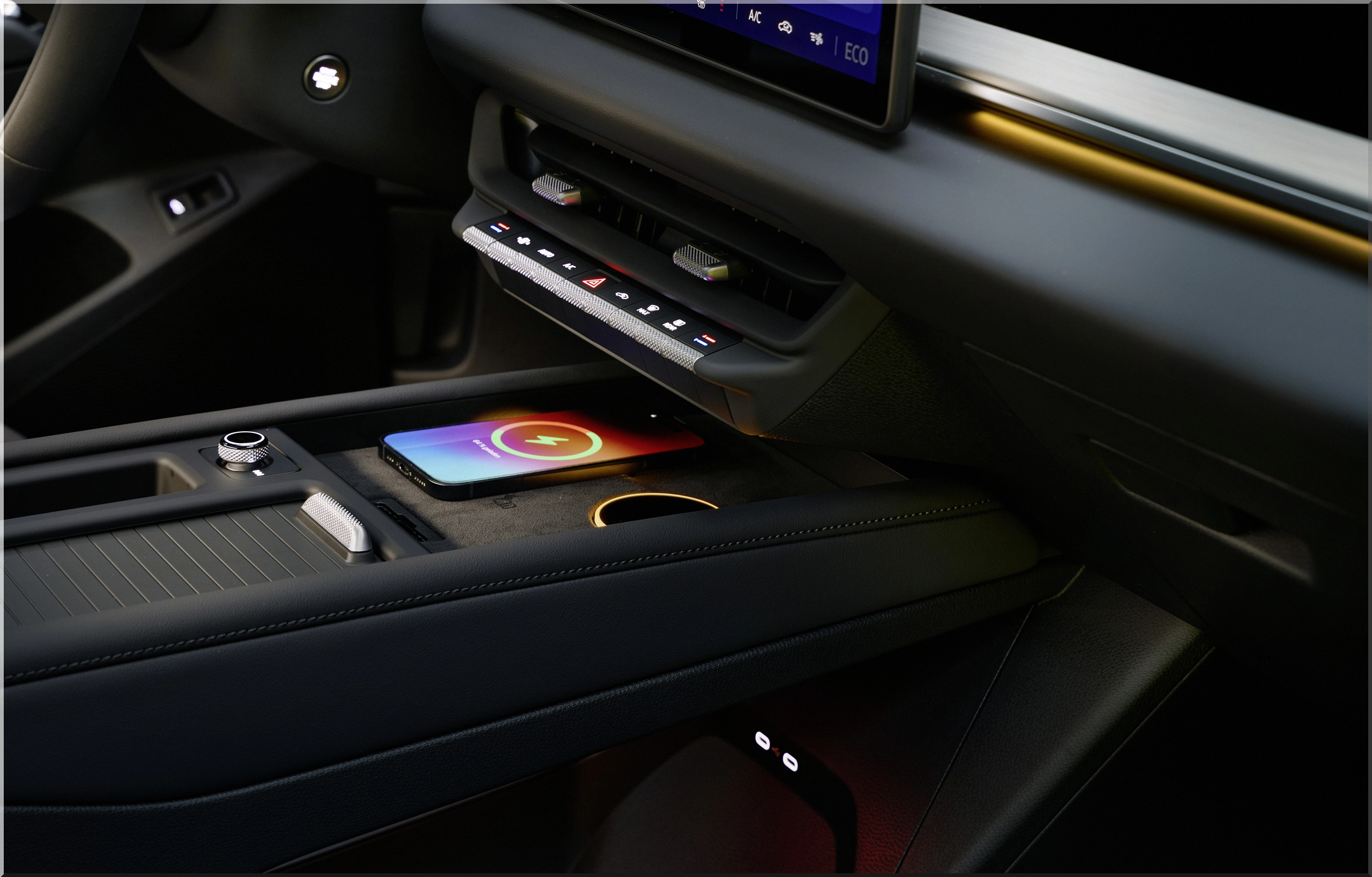
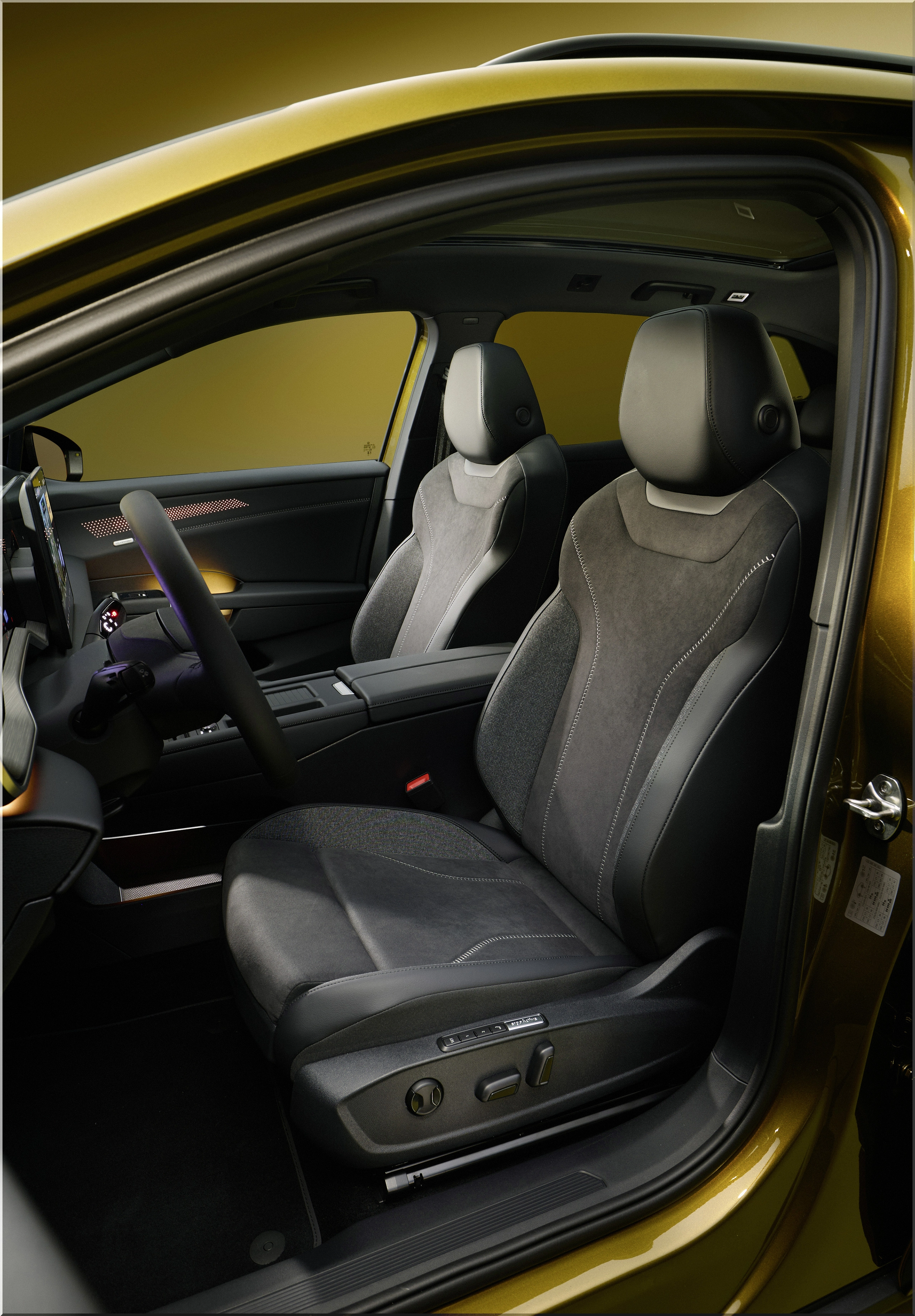
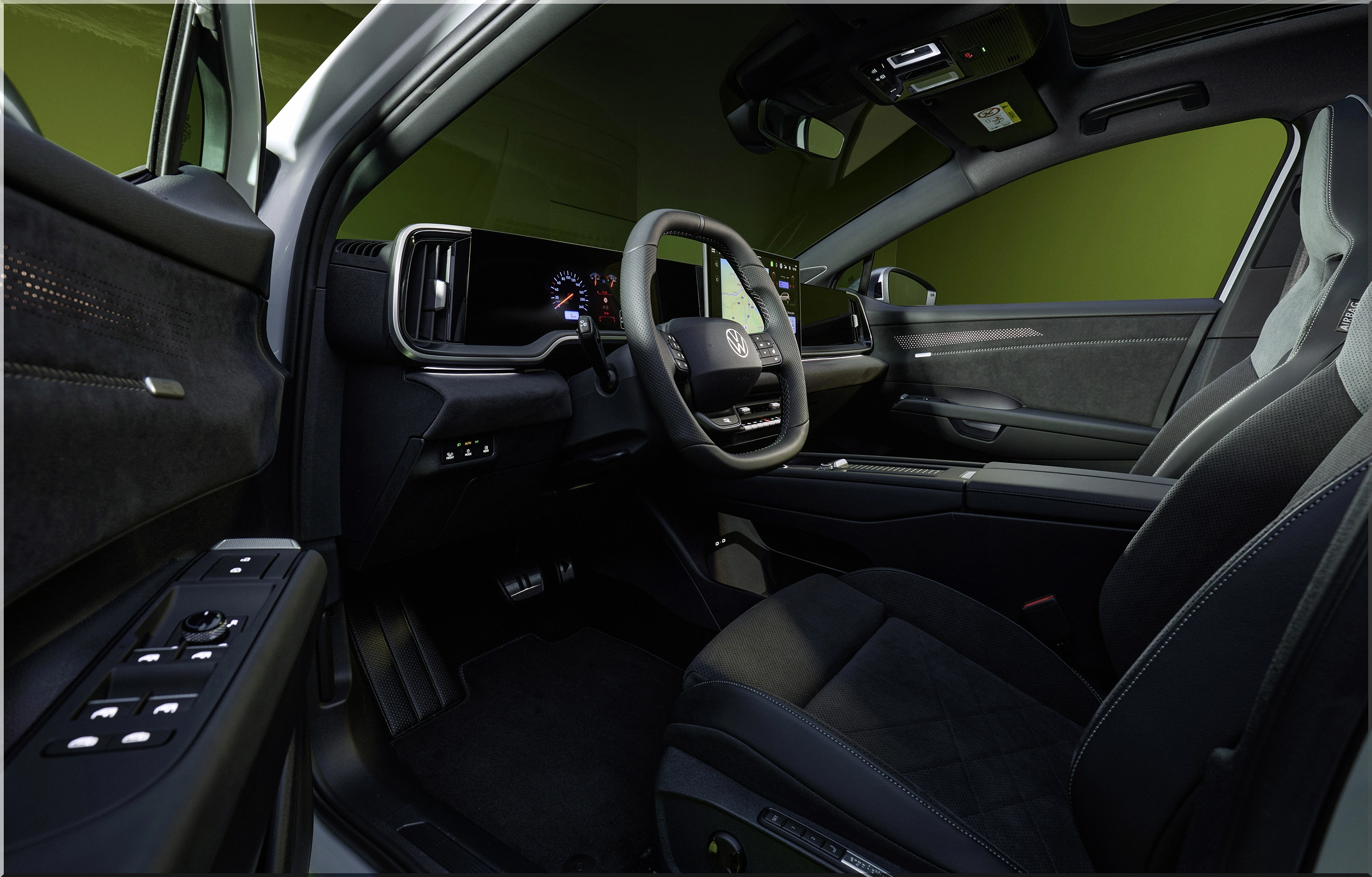
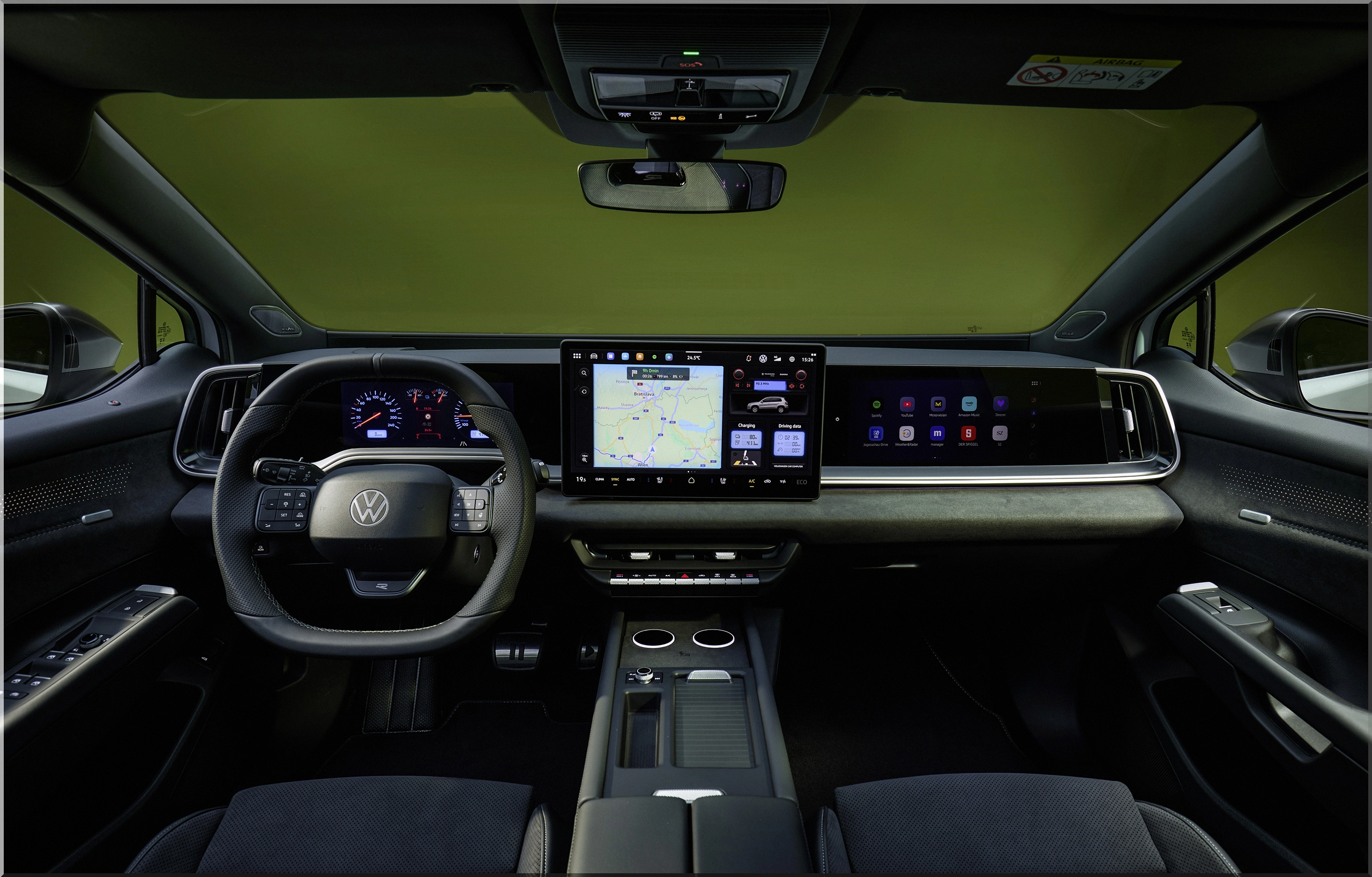
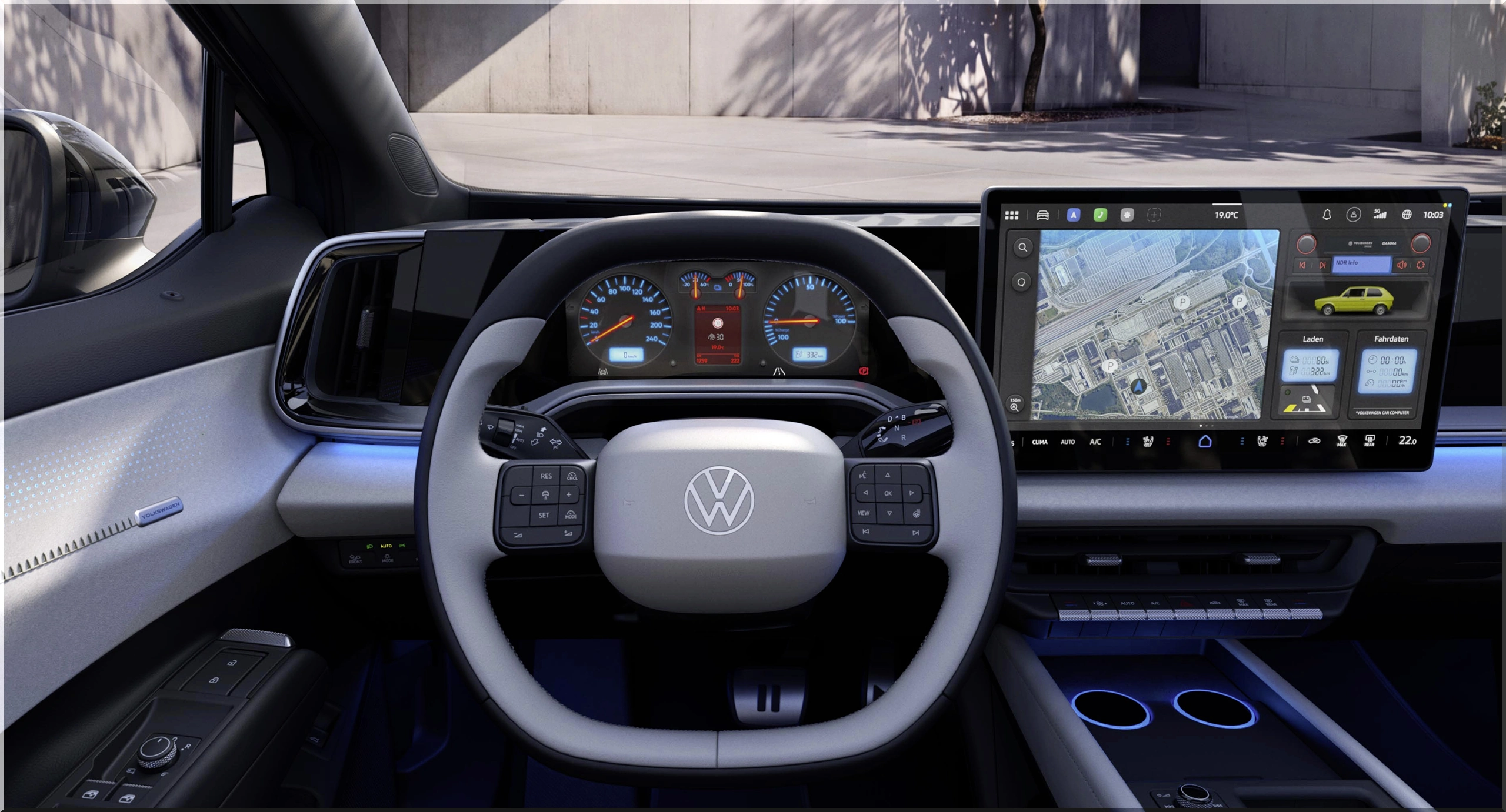
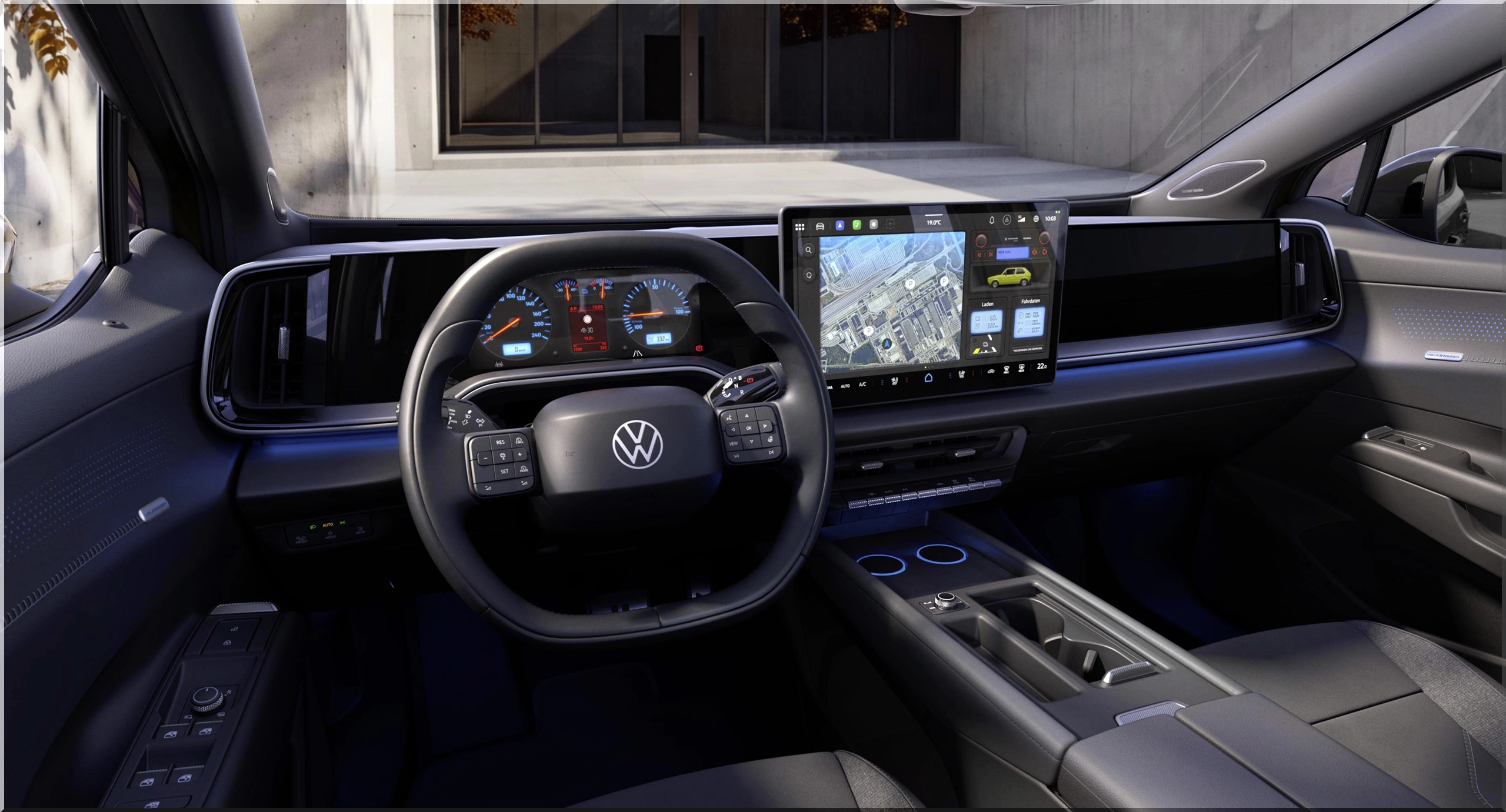
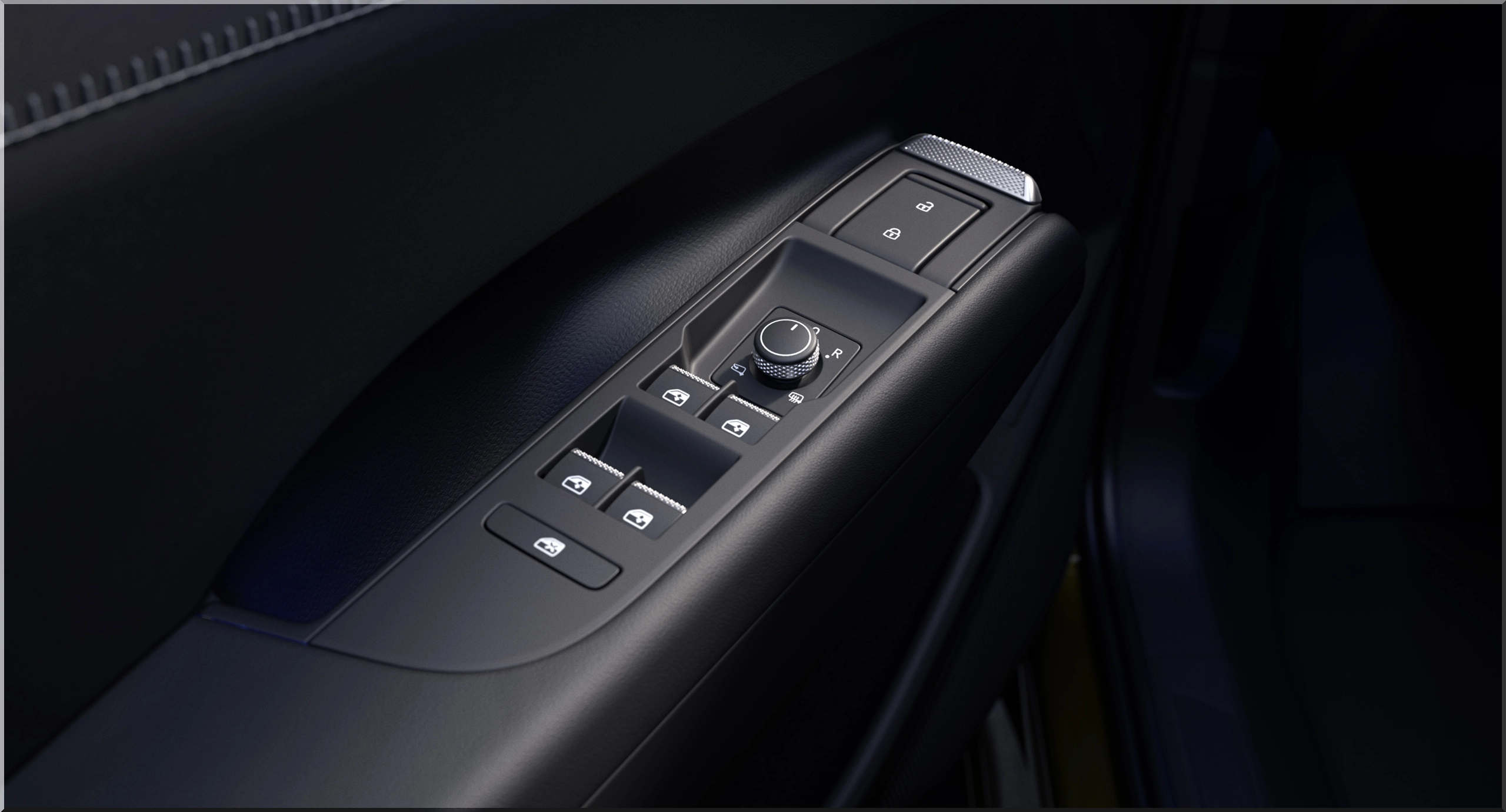
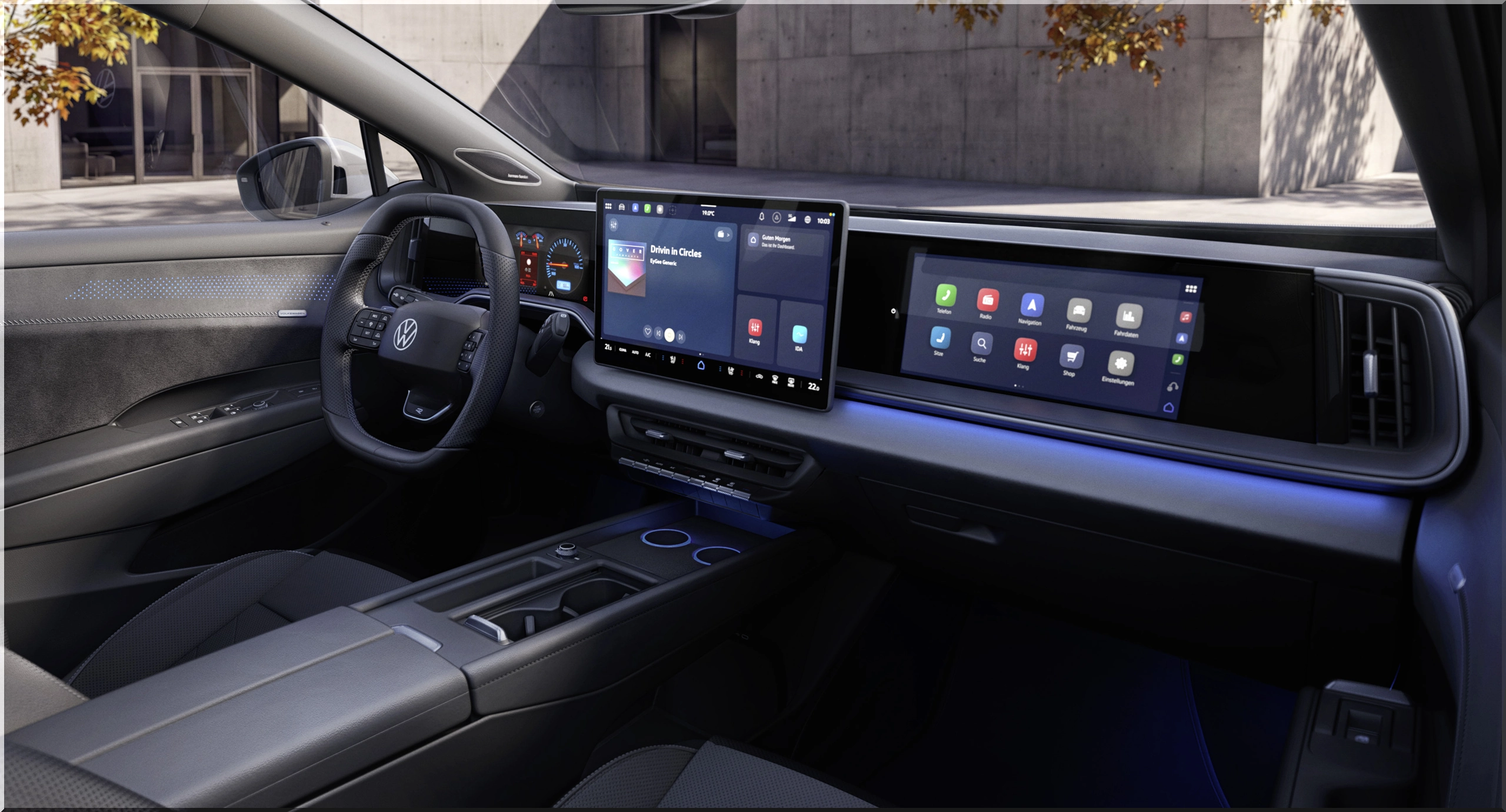
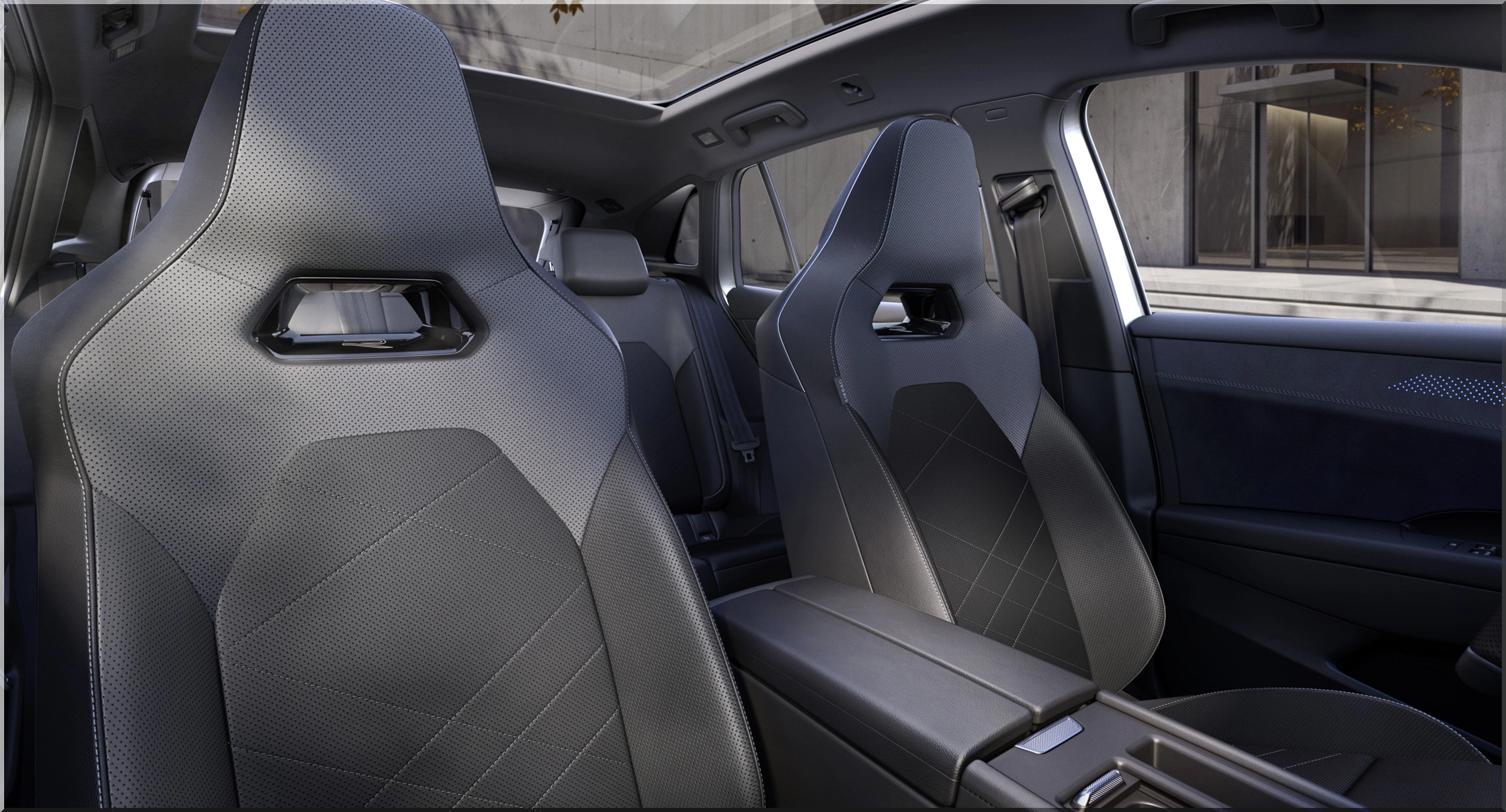
Buttons return. Volkswagen gives the ID. Tiguan a physical climate-control bar, a rotary audio controller and tactile steering-wheel switches, reducing reliance on touch-sensitive surfaces for common adjustments. Four window switches also remove the old rear-window selection step.
The displays grow too. The launch announcement specifies a 10-inch driver display, a 15-inch centre touchscreen and an optional 12-inch passenger screen, equivalent to approximately 254 mm, 381 mm and 305 mm diagonally.
From an expert perspective, the buttons carry the stronger usability argument. A tactile switch gives the driver's fingers a fixed target and a clear response, while the touchscreen can handle functions that need more visual information. A larger display alone does not guarantee easier operation.
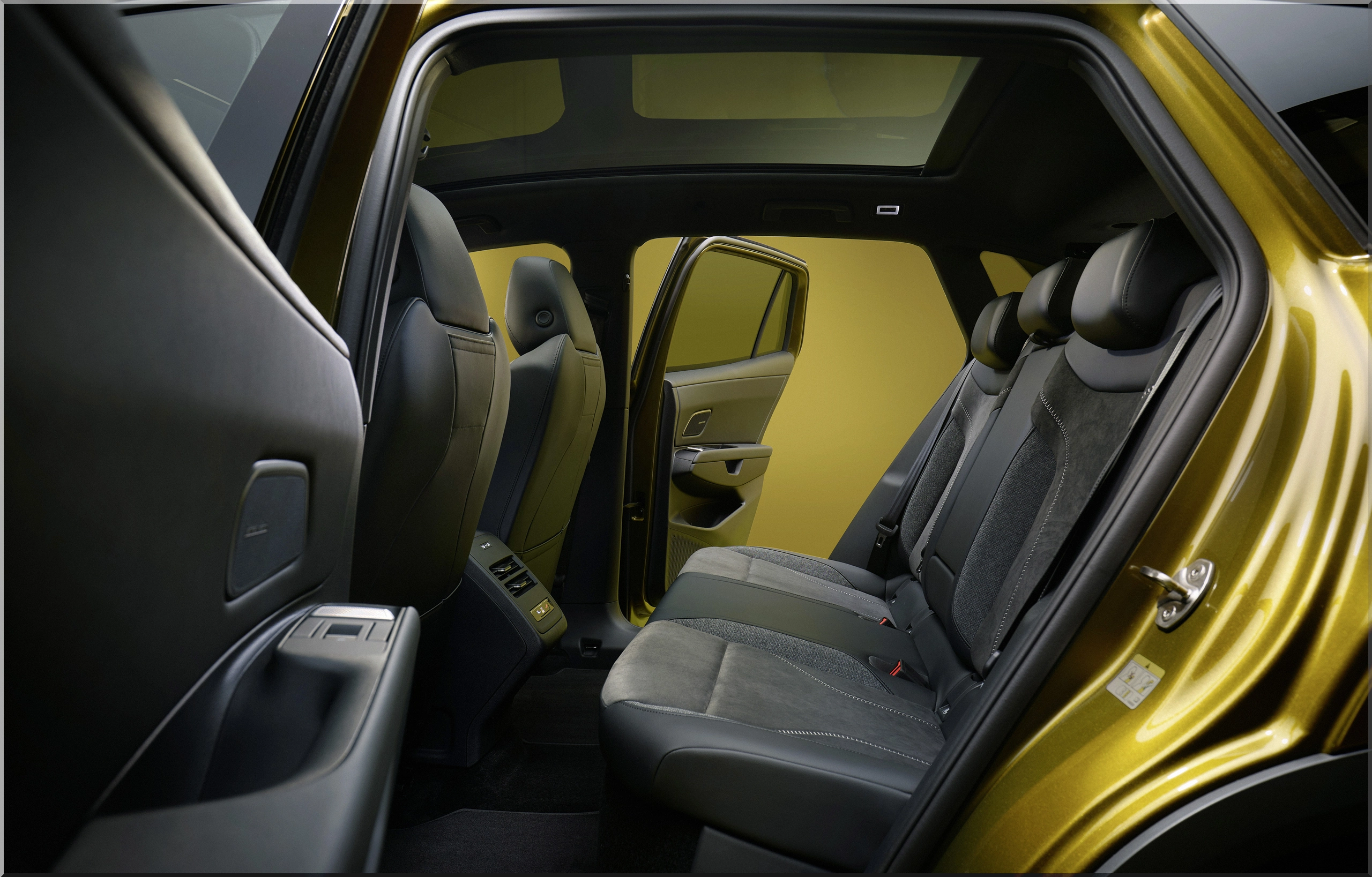
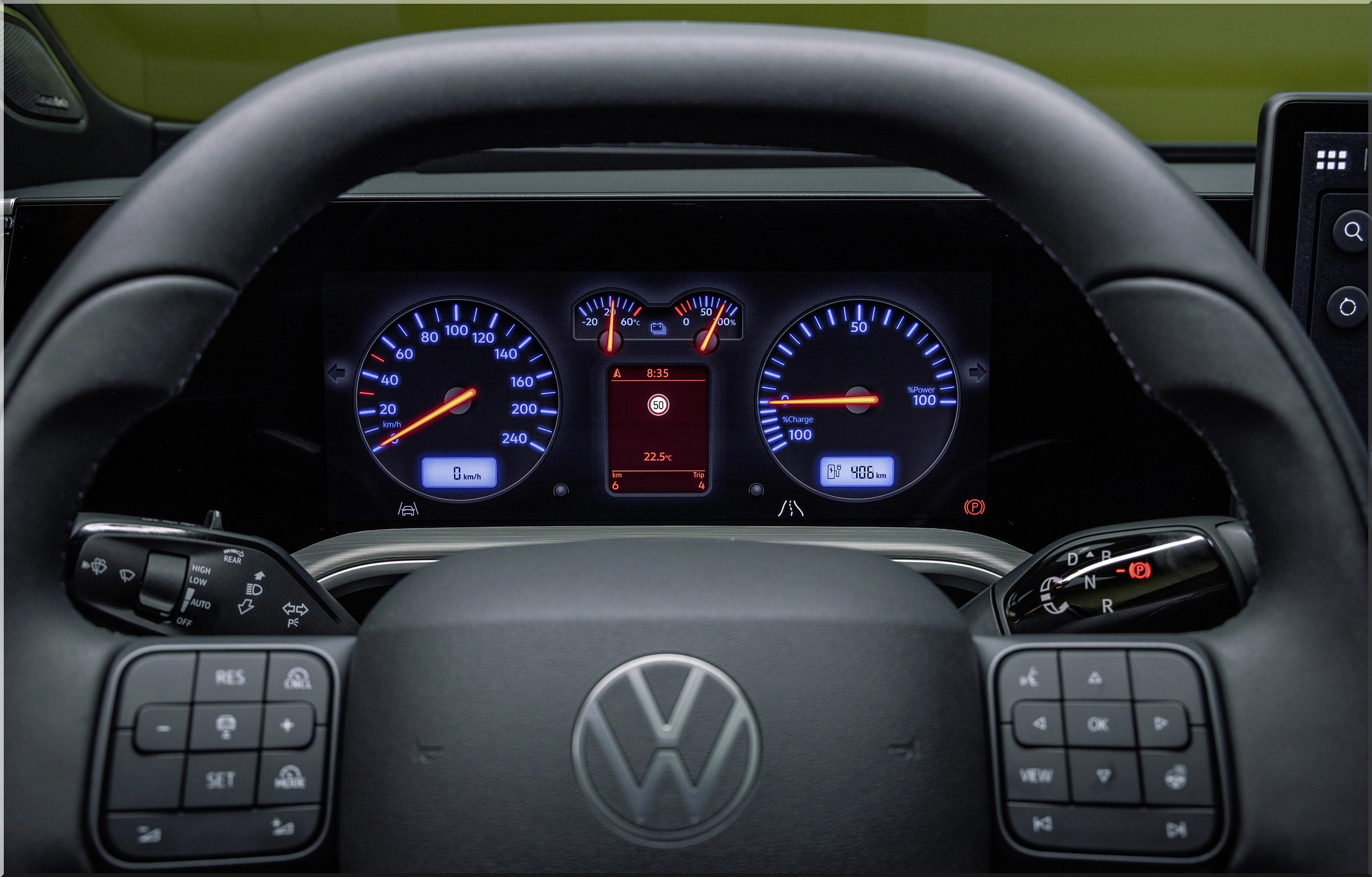
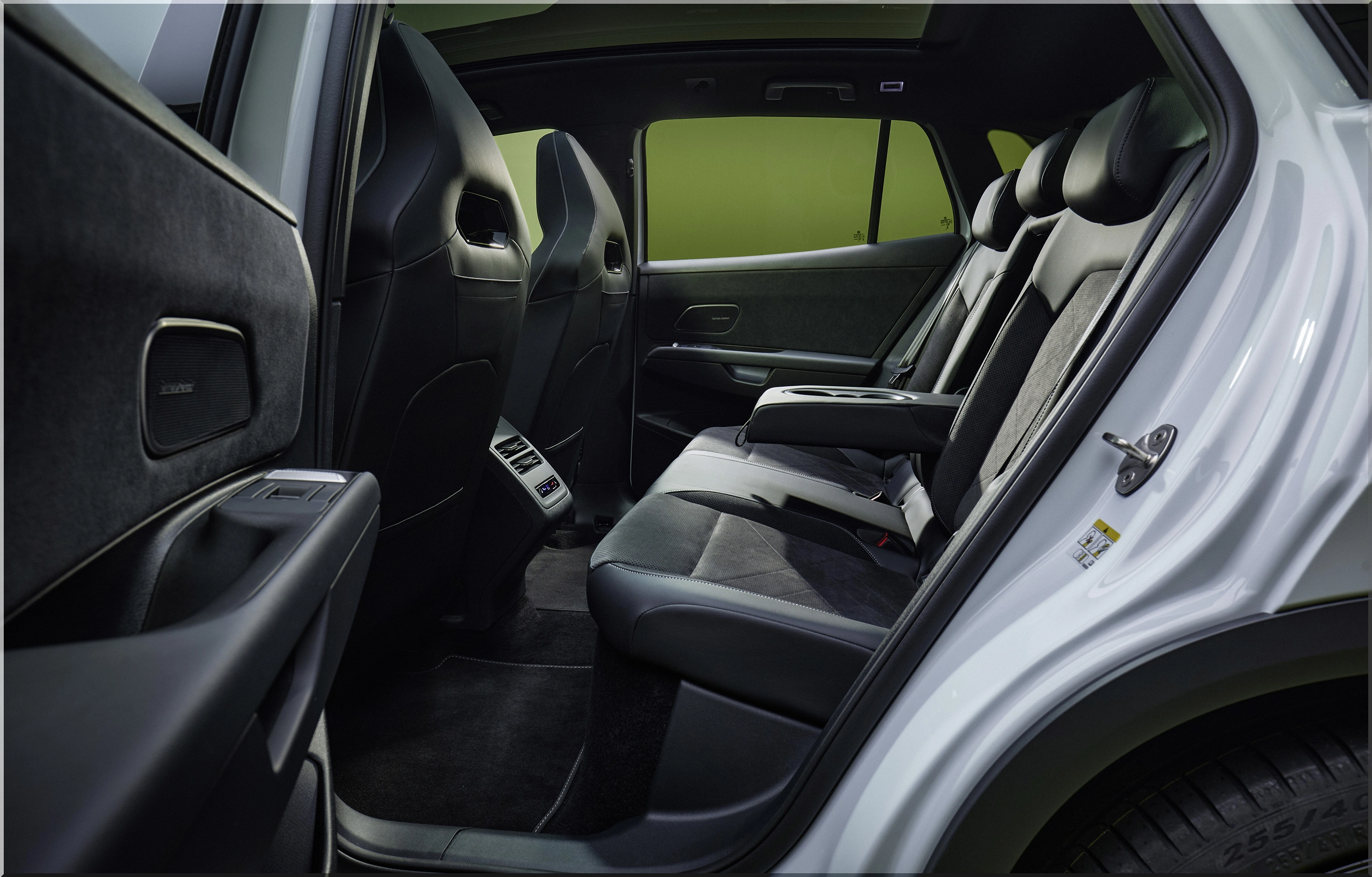
Volkswagen also offers retro digital instruments inspired by the Golf IV. Buyers can assess the cabin's material quality, seat comfort and screen readability during a test drive; launch photographs establish design, but they do not establish durability.
Image gallery
Towing and Camping: Useful Capacity, Practical Checks
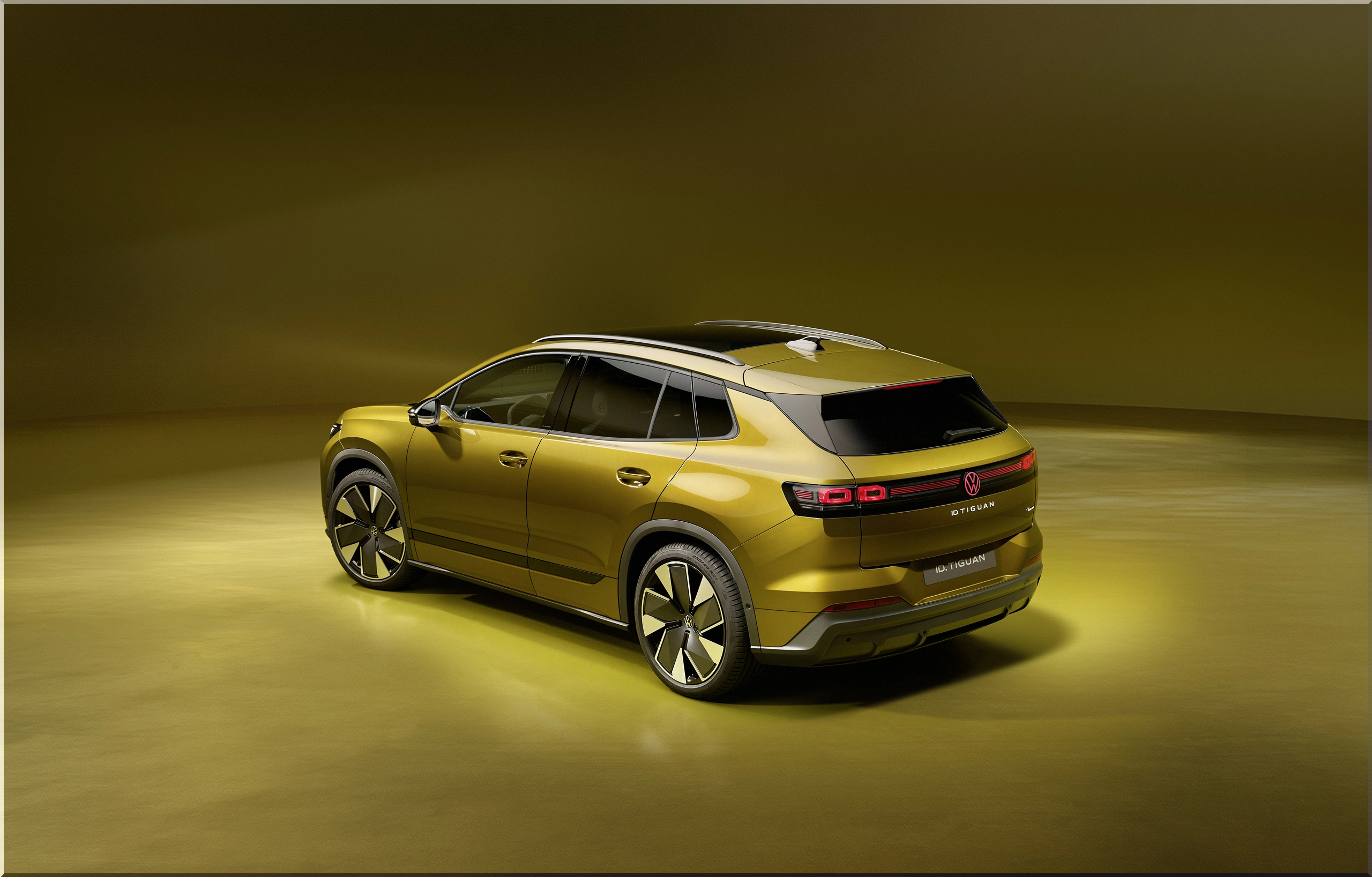
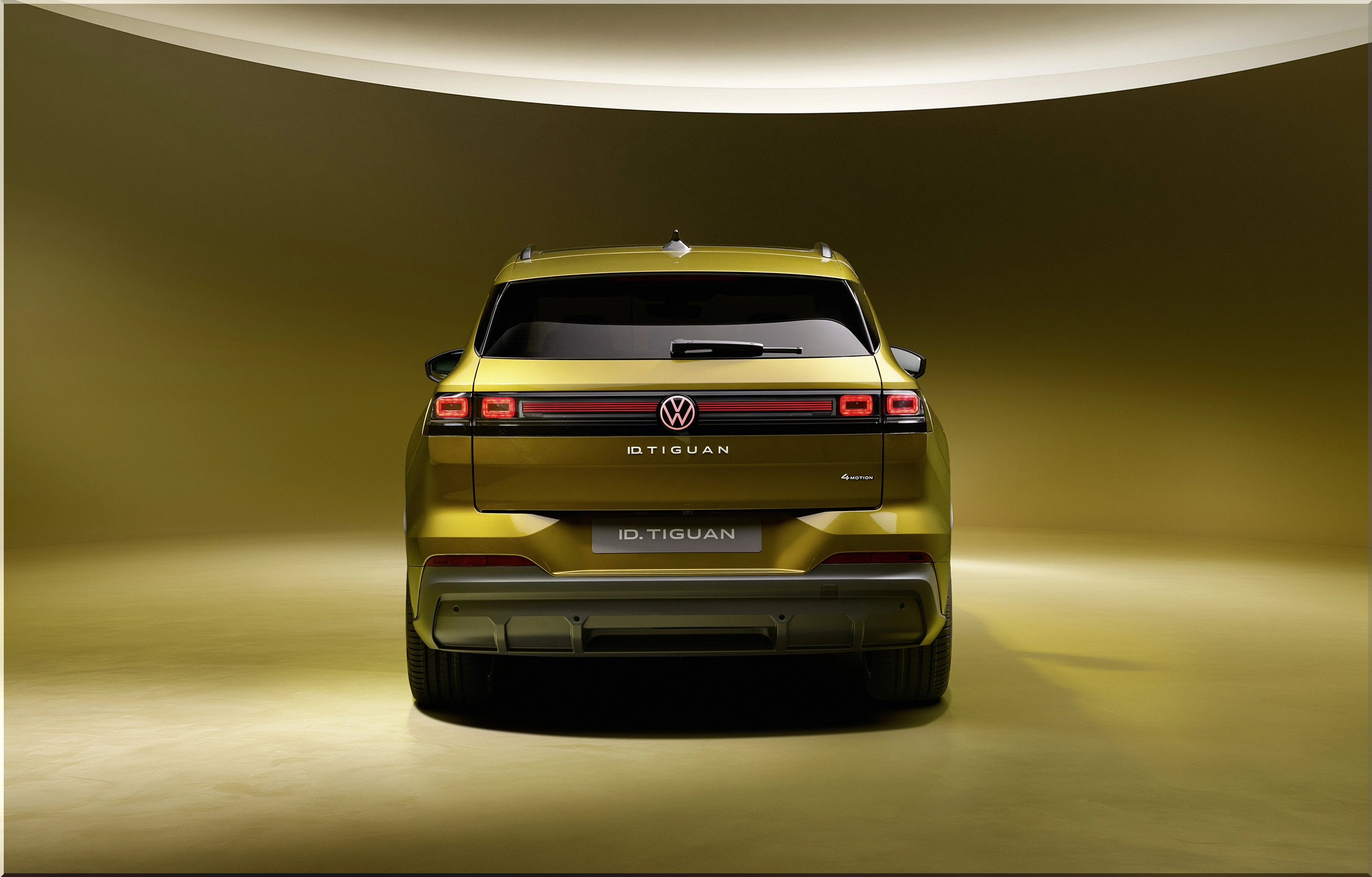
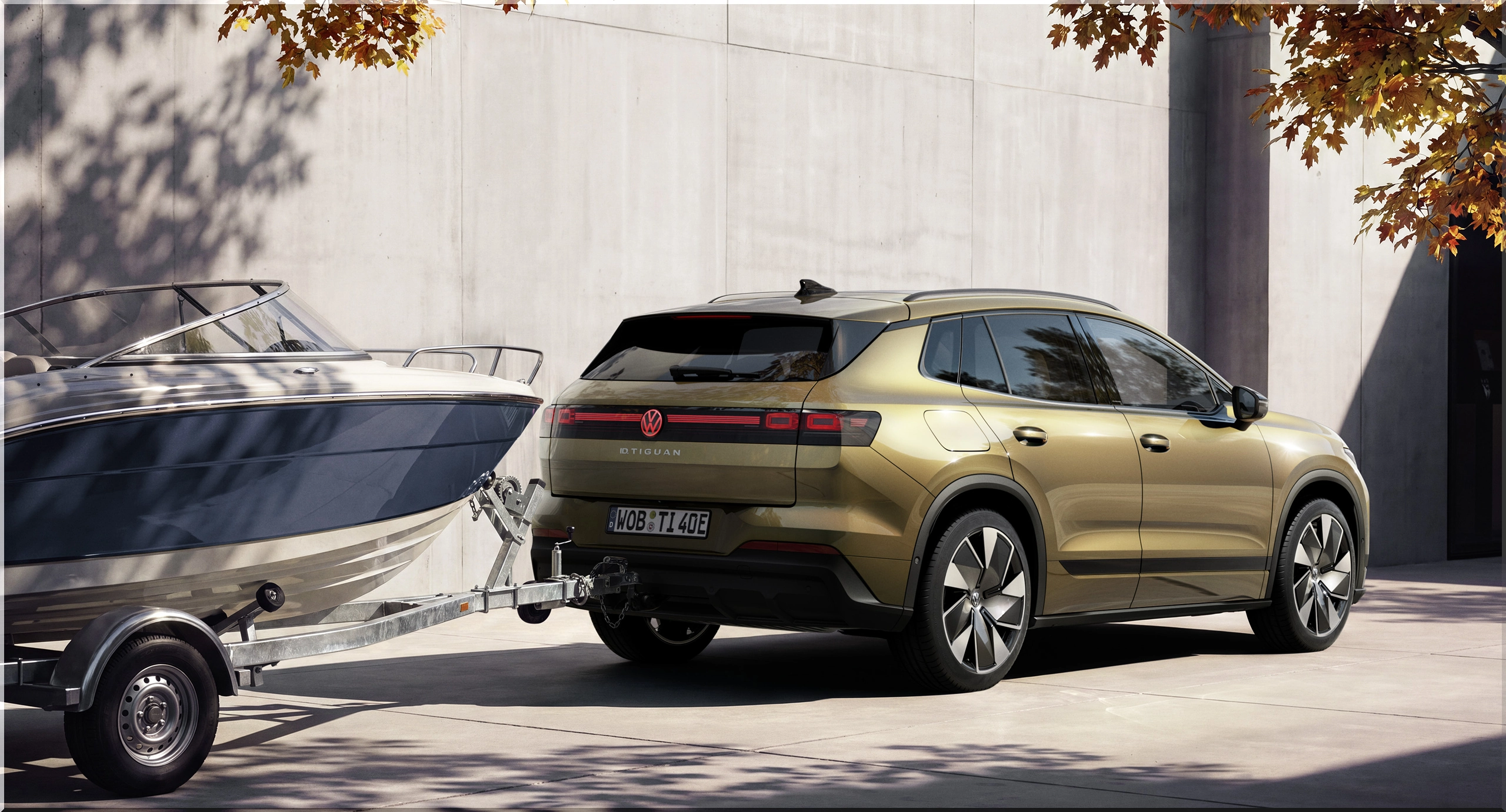
The ID. Tiguan towing capacity reaches 1,800 kg with the smaller battery and 2,000 kg with the larger battery, approximately 3,968 lb and 4,409 lb respectively. Volkswagen also offers a PowerSocket adapter for vehicle-to-load, letting the traction battery supply external electrical devices through the charging port.
That combination gives caravan and camping buyers useful options. However, a trailer increases energy demand, and an electrical accessory needs a compatible outlet and power rating. Match the equipment to your actual load before spending money on towing hardware or camping appliances.
Pro-Tips: For a caravan or camping setup, verify:
- The ordered vehicle's braked towing limit and permitted train weight.
- Payload after passengers, luggage and towball load.
- Charging-site access with a trailer attached.
- The PowerSocket adapter's local availability and continuous output rating.
Image
UK Price and US Availability: Keep Markets Separate
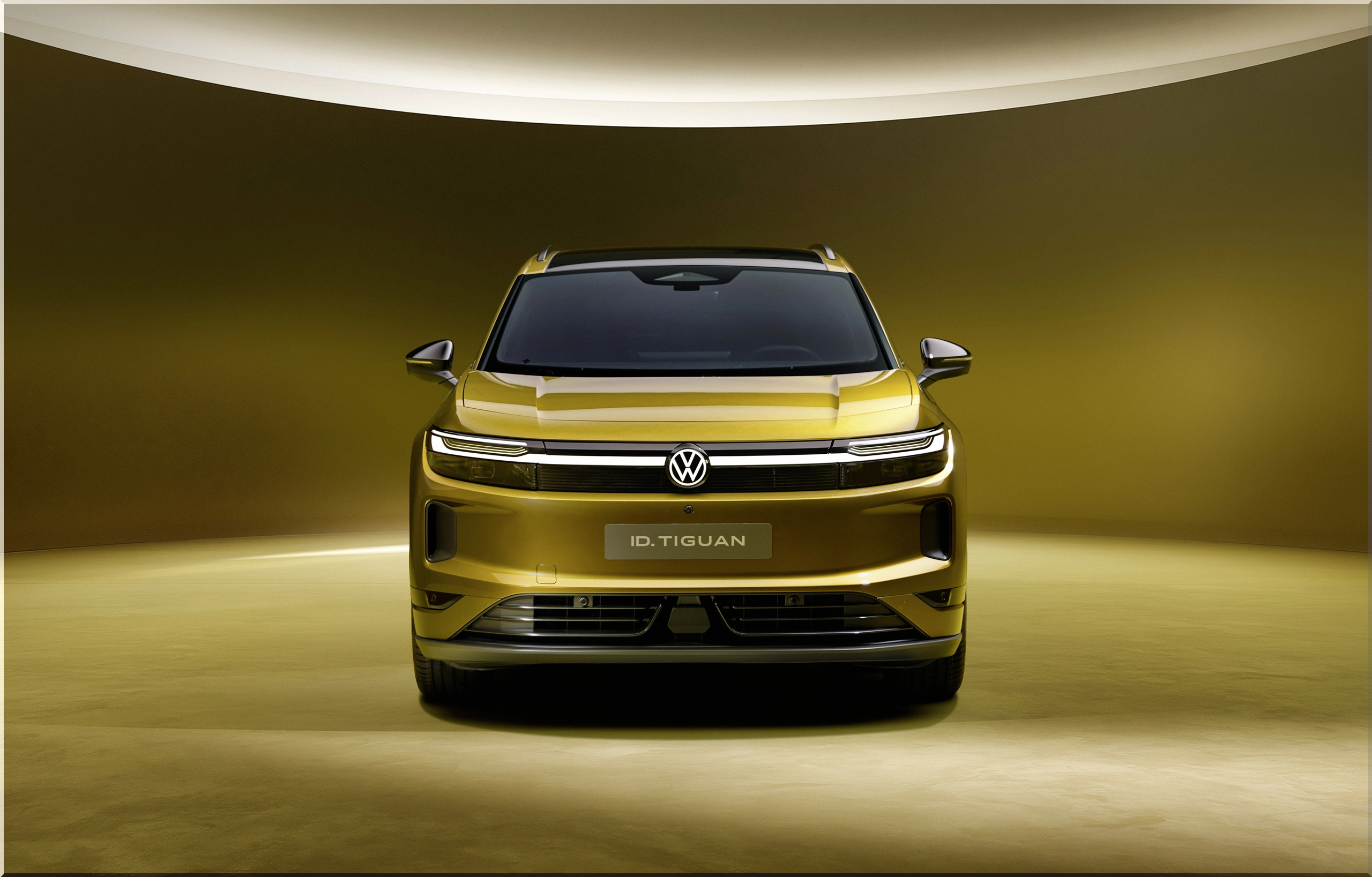
The German €42,695 starting price gives European buyers an initial reference. It does not establish a UK on-the-road price or an American MSRP. Volkswagen lists Trend, Life, Style and R-Line equipment versions, but local packages and standard equipment need market-specific checks.
A Volkswagen spokesperson confirmed US availability, with American details to follow the European launch. As of 10 October 2026, the supplied launch coverage does not establish final US pricing, powertrain choices or EPA range.
The 600 km figure converts to approximately 373 miles, but that conversion still describes WLTP range. 373 miles WLTP does not establish 373 miles EPA, and a fixed percentage adjustment would create false precision.
Image gallery
Should You Buy an ID.4 or Wait for the ID. Tiguan?
Wait if physical controls, front storage or the published towing capacities address shortcomings in your current car. Compare an outgoing ID.4 if a dealer offers a substantial discount and its battery, equipment and charging performance already suit your driving.
Request written quotes for comparable configurations. Check the deposit, total finance cost, insurance, delivery date and options rather than judging value from monthly payments alone. The Volkswagen ID. Tiguan makes its strongest case through daily usability; the price difference will decide how much those improvements cost you.
- Add new comment
- 46 views