The Shift in Small-EV Value
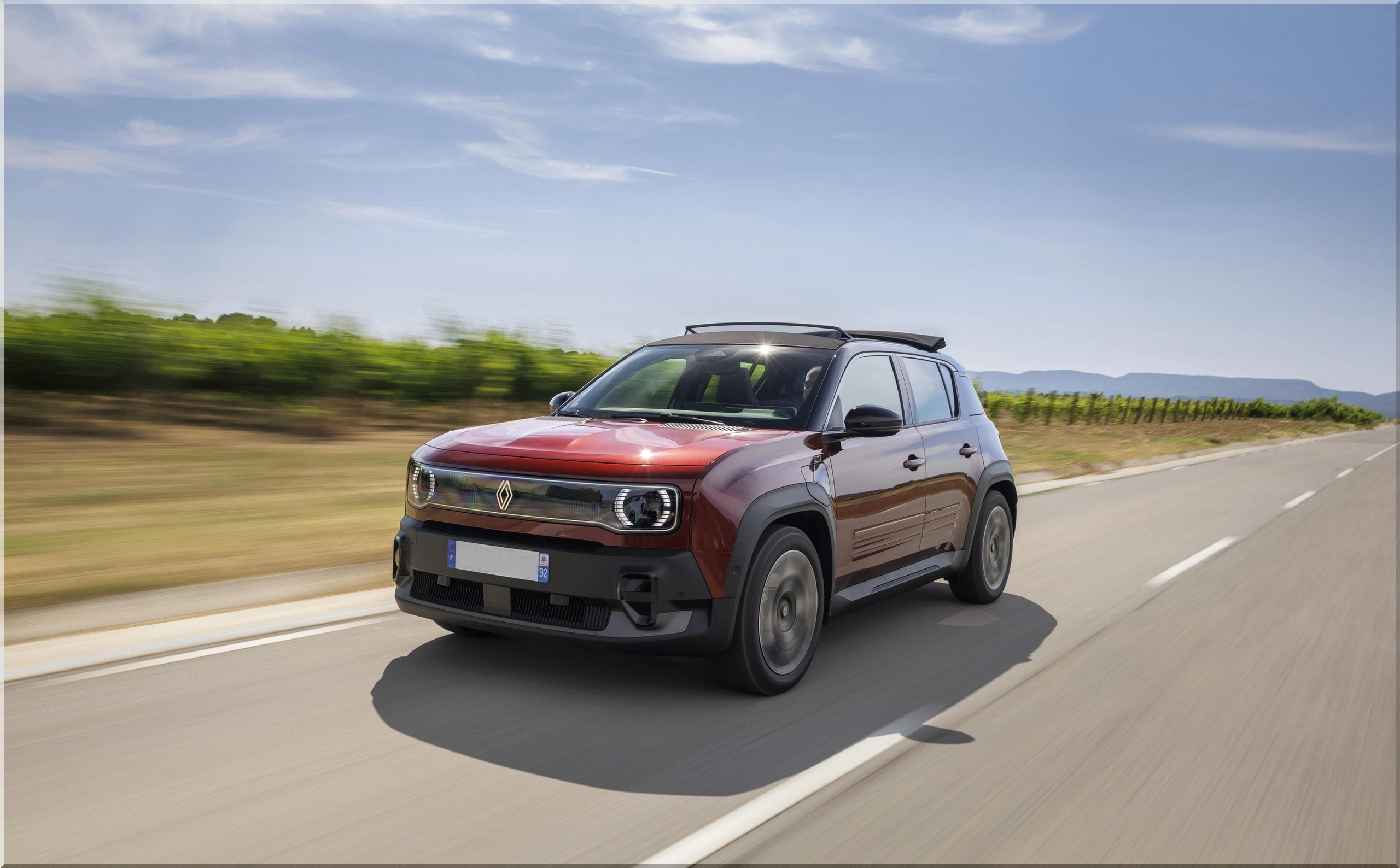
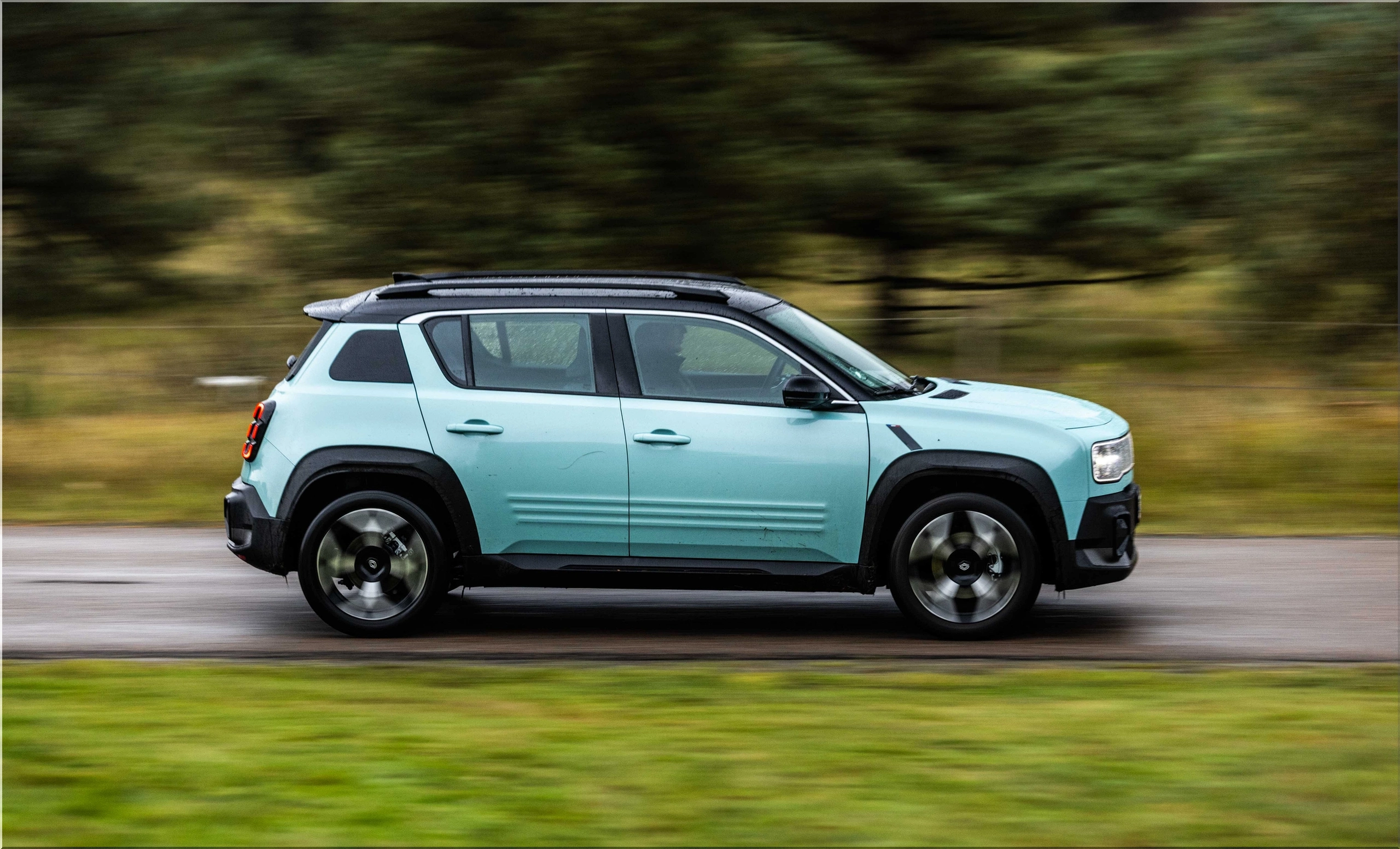
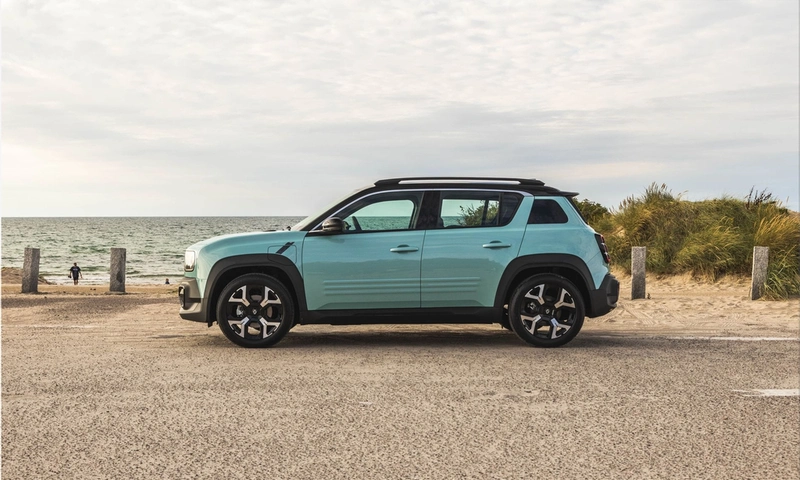
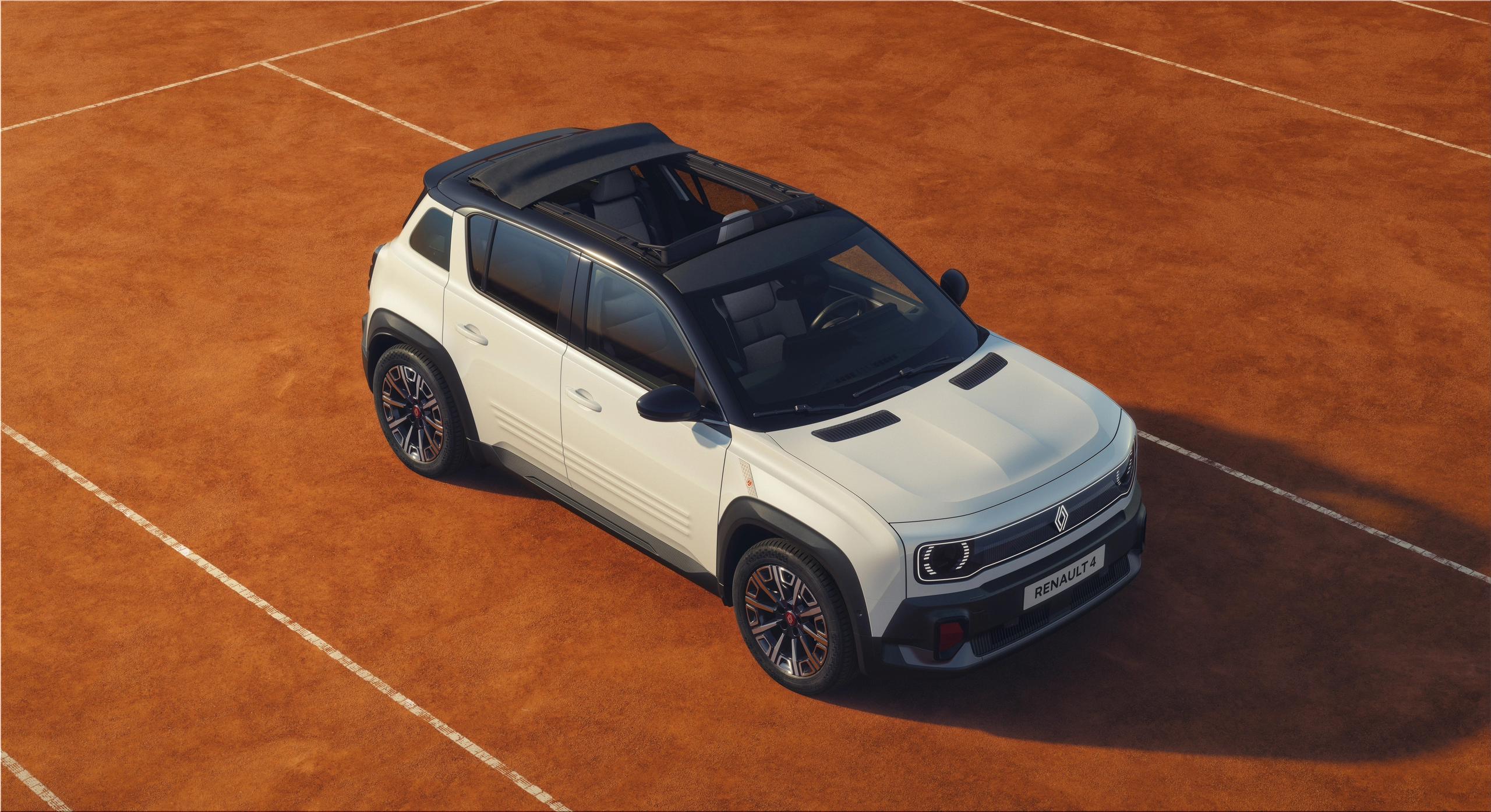
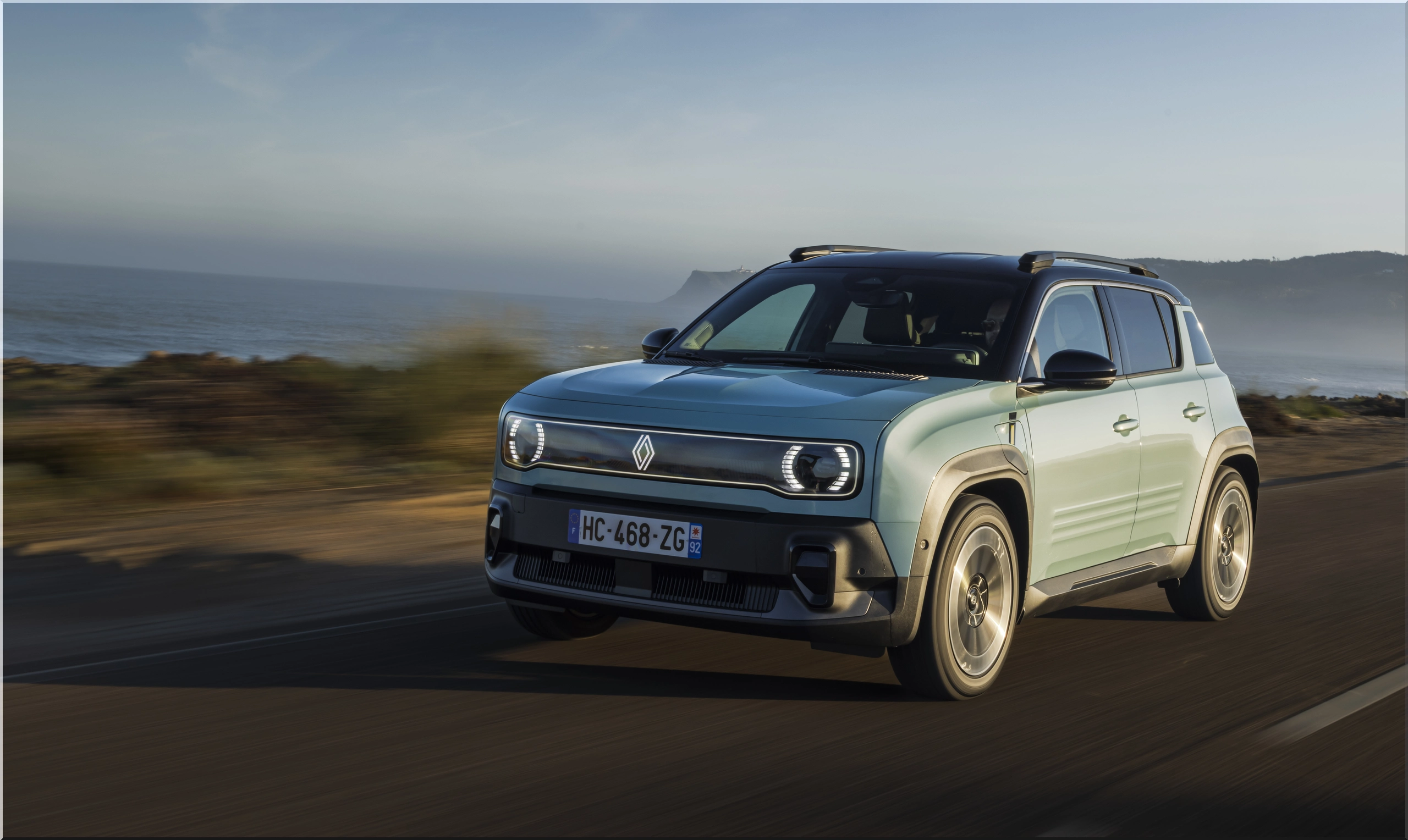
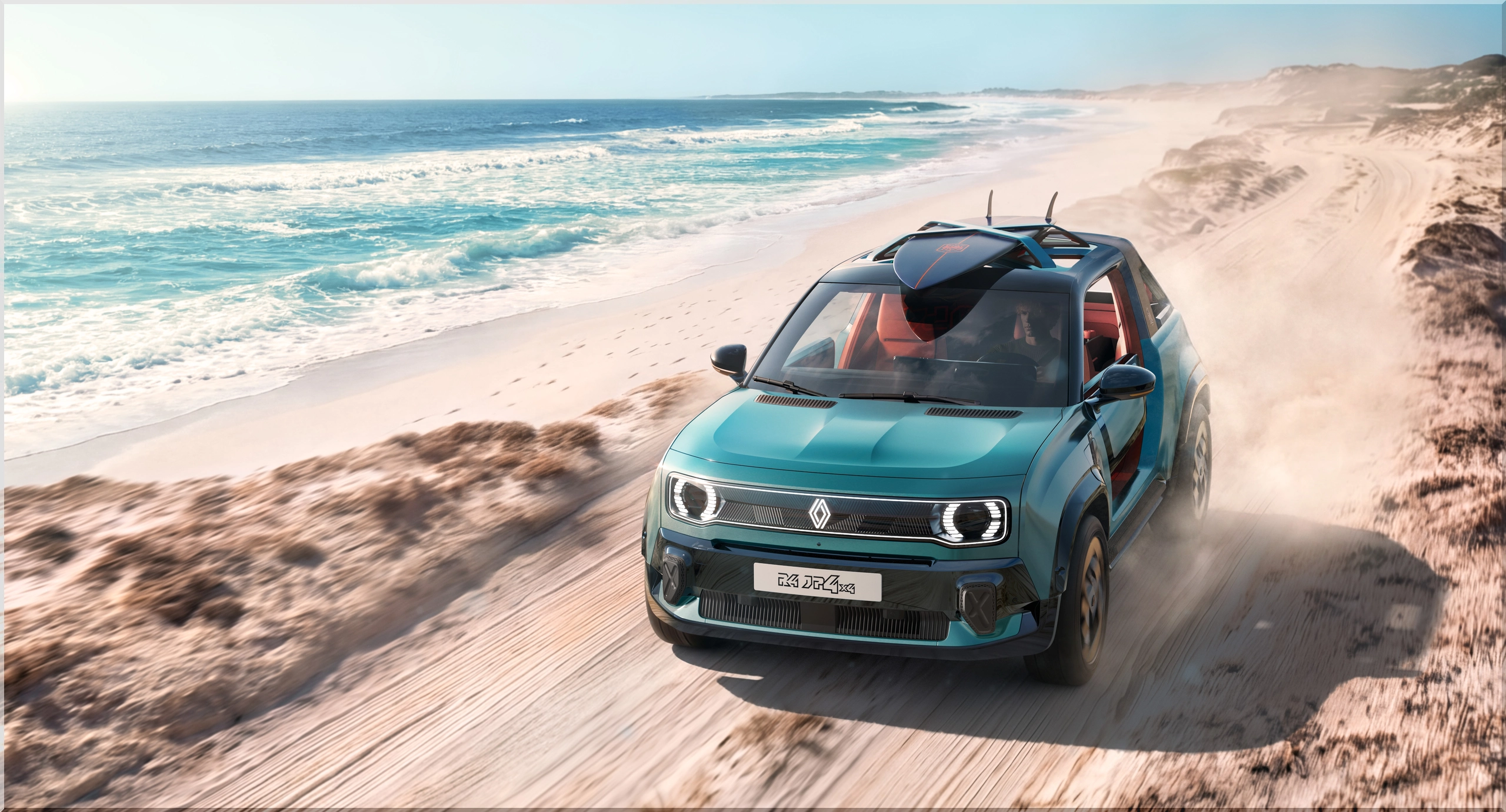
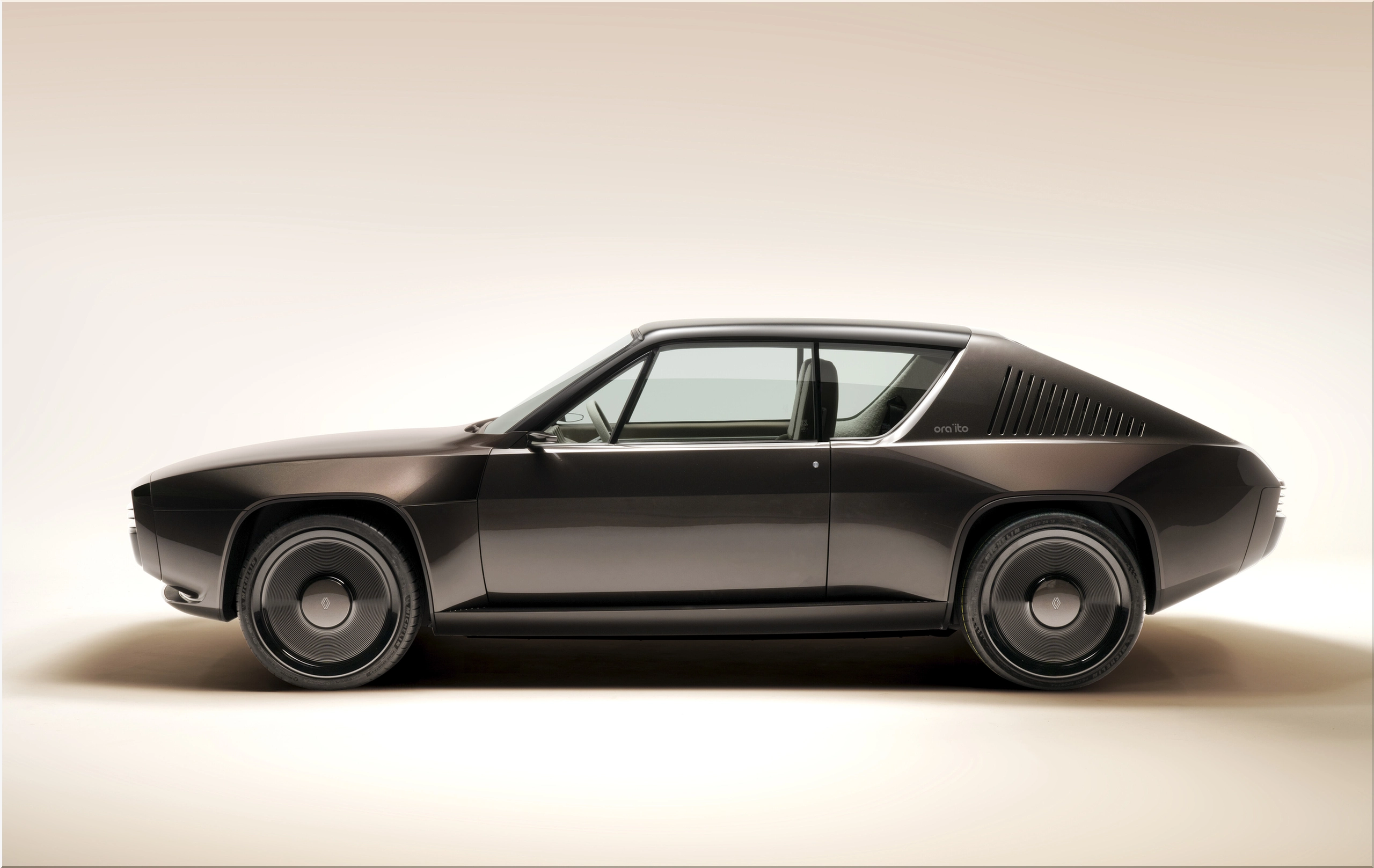
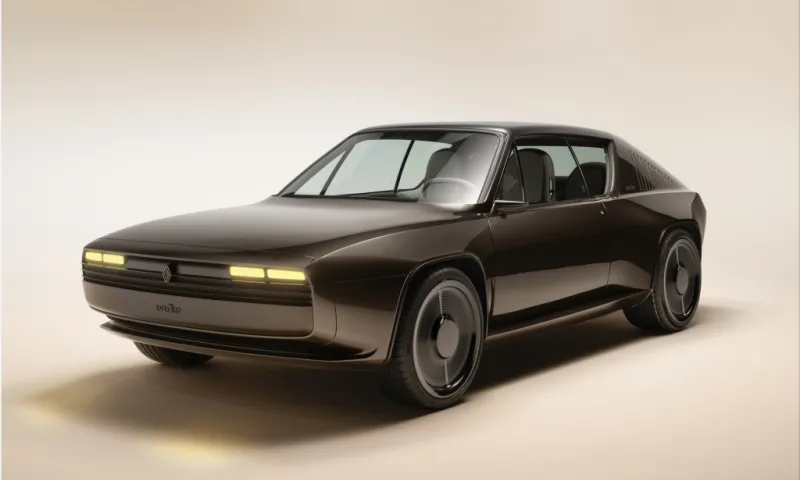
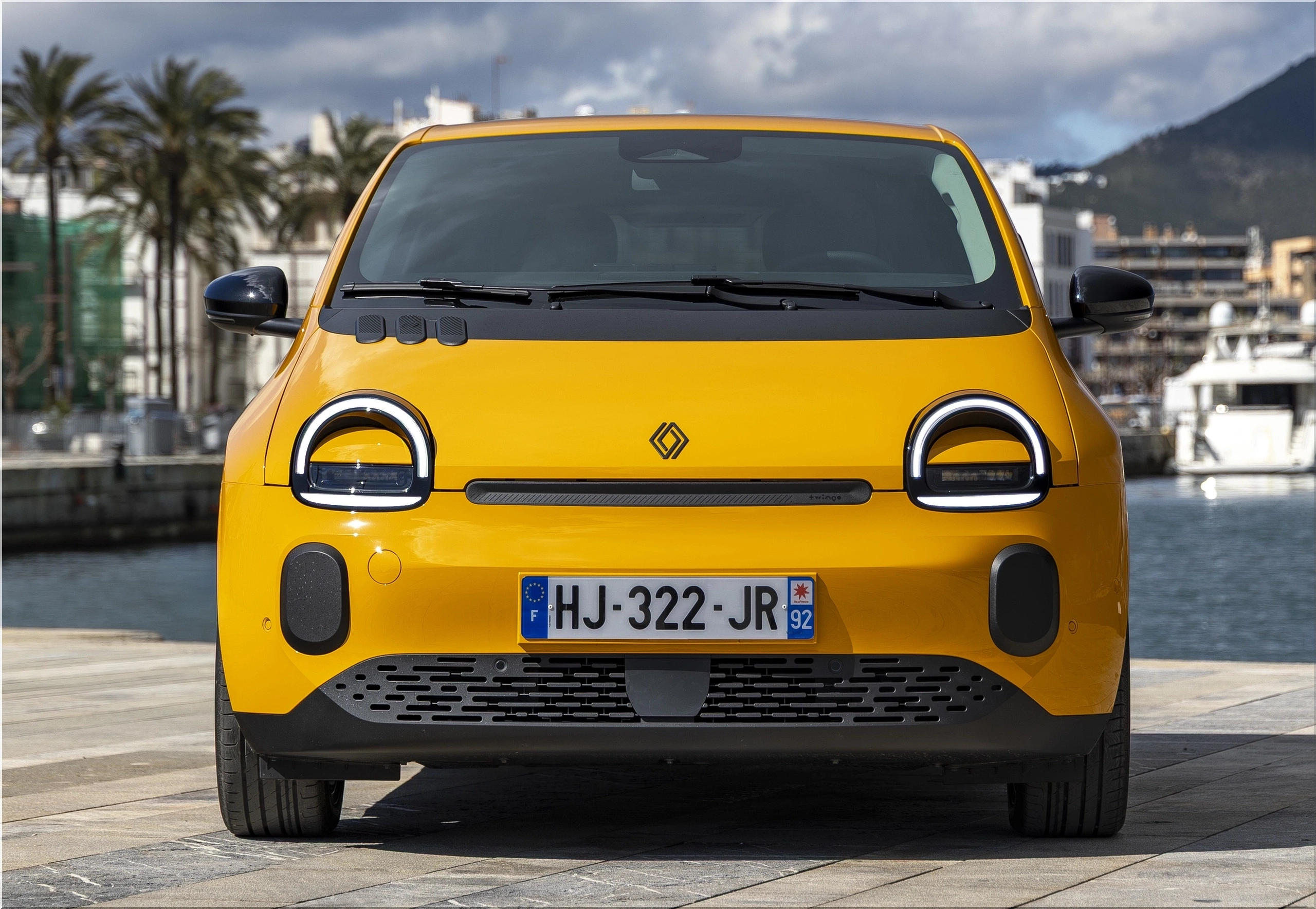
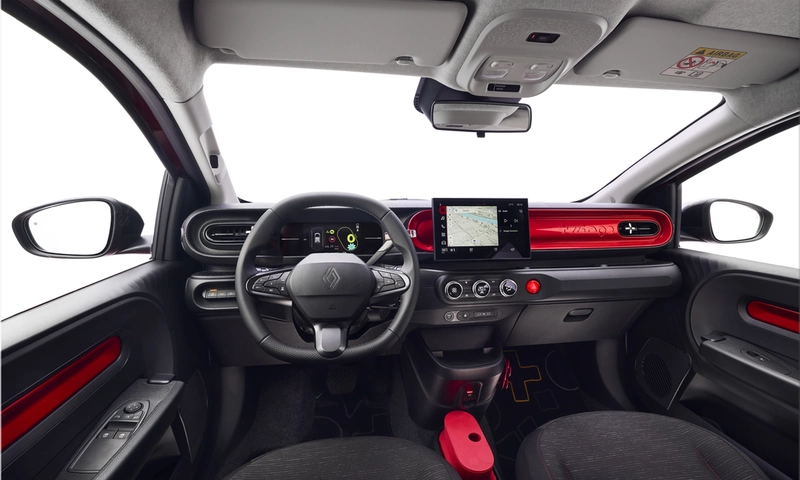
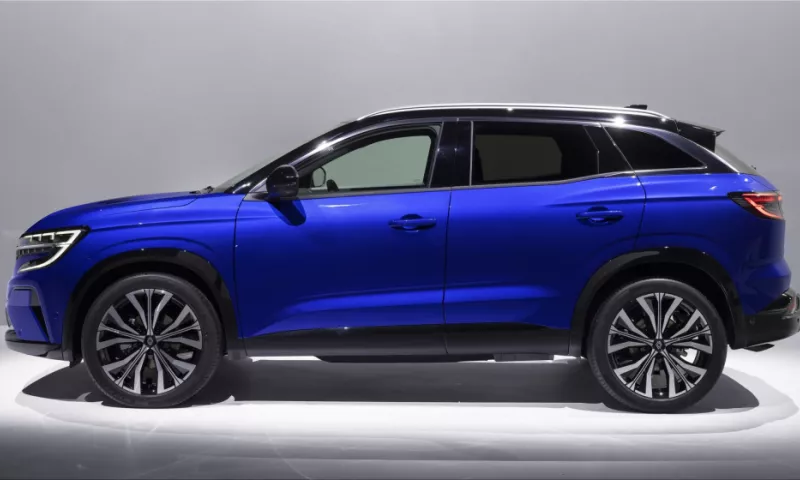
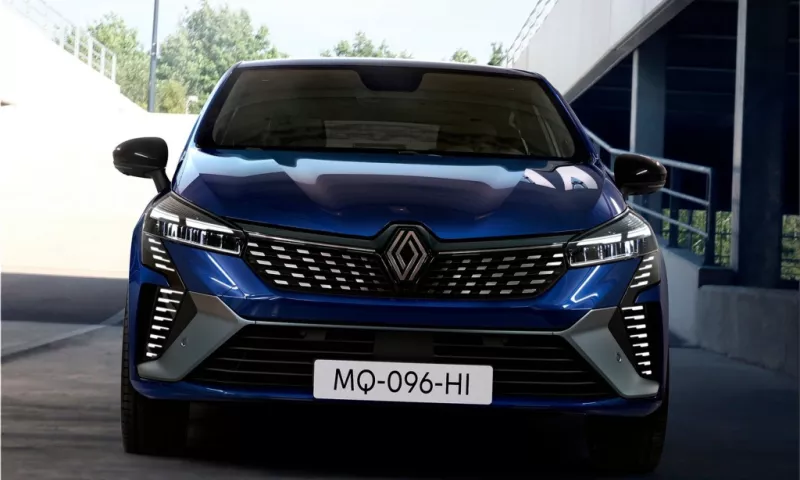
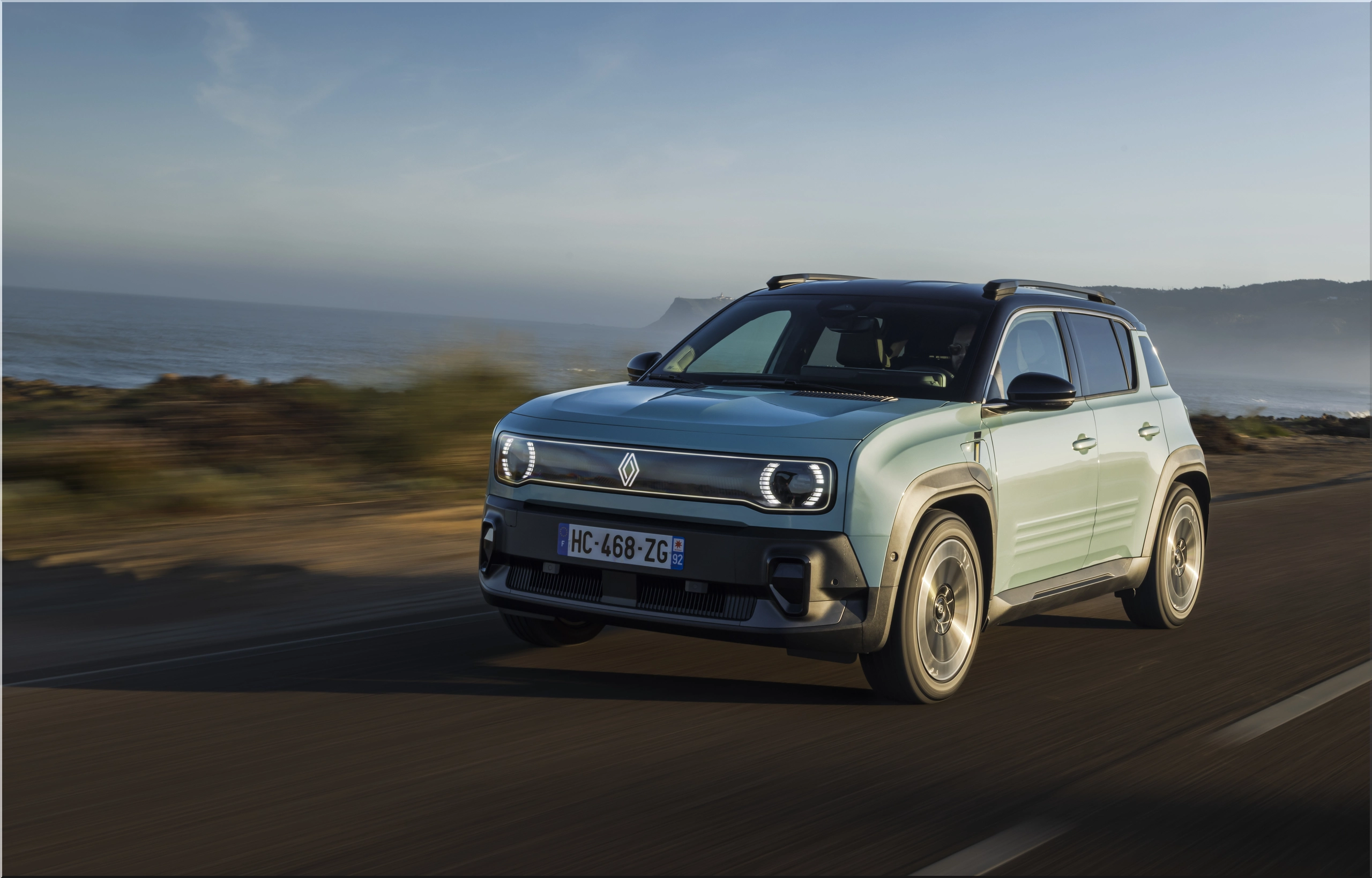
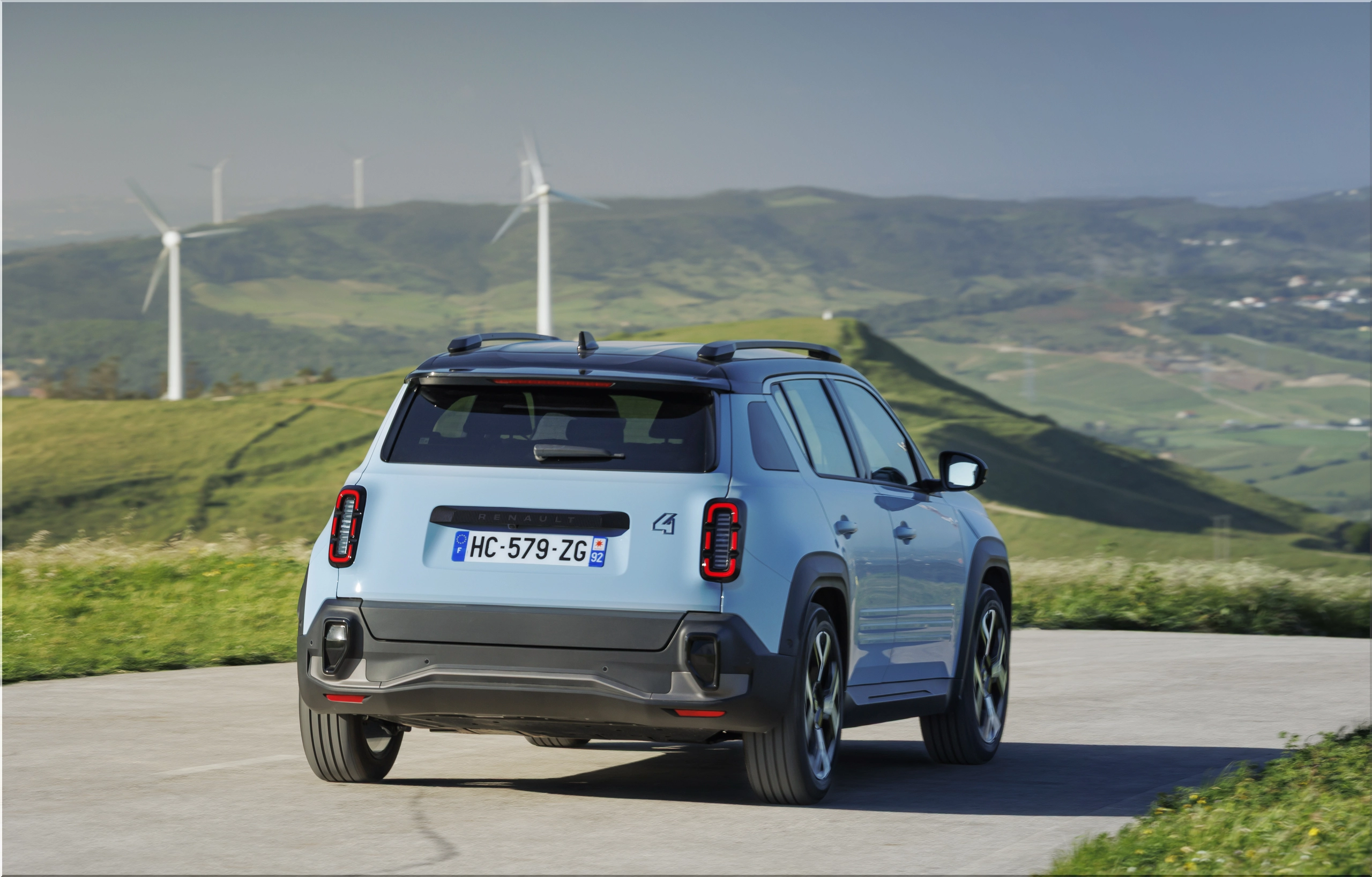
The launch of the Renault 4 E-Tech Electric signals a turning point in the affordable EV category. Renault has priced and packaged this model to challenge existing small-EV expectations. This report analyzes technical details, market impact, and purchase implications, focusing on EV strategy, value metrics, and adoption signals.
Image
Key Specifications
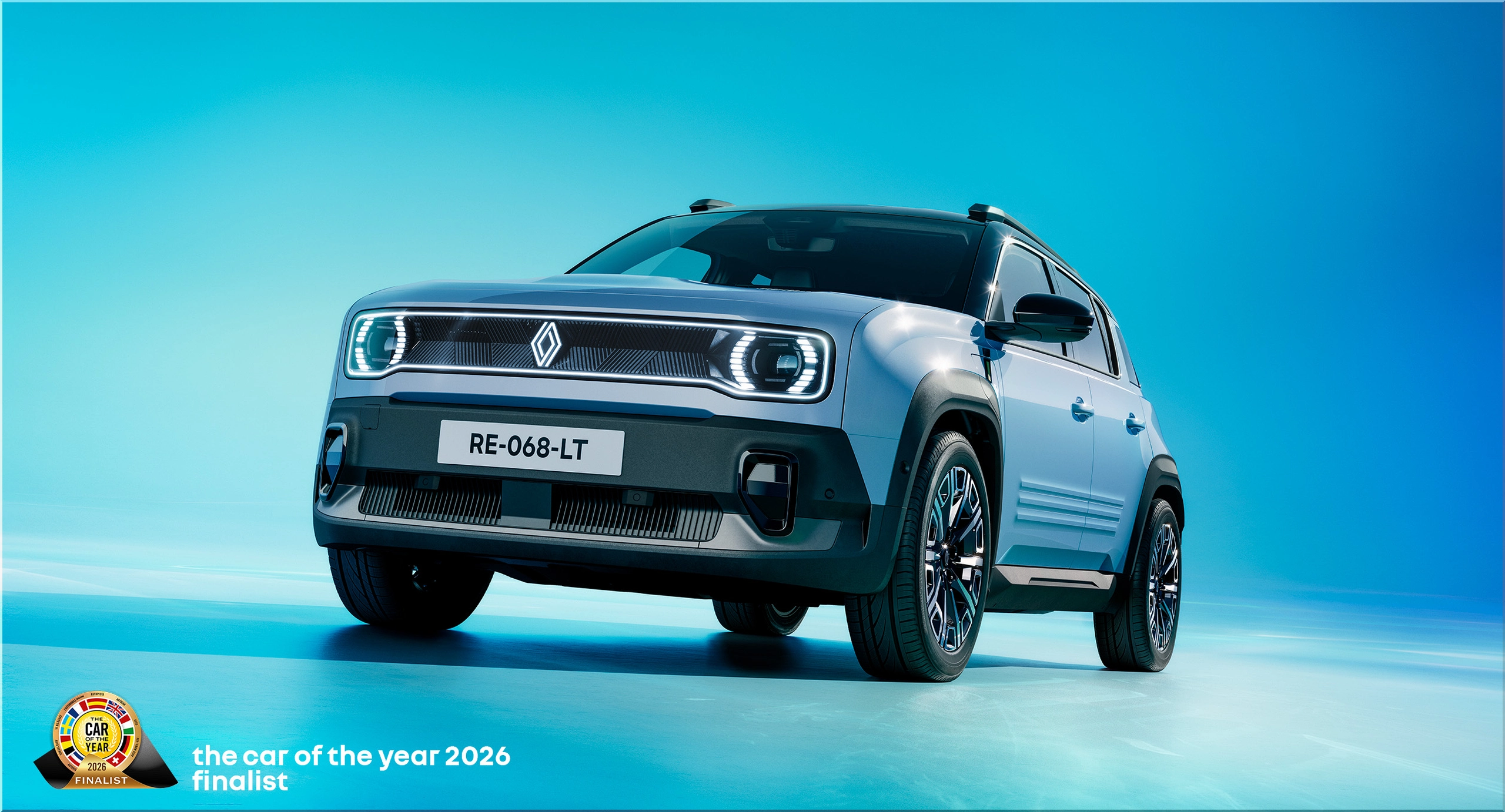
- Range: Up to 247 miles (≈397 km) WLTP with a 52 kWh battery.
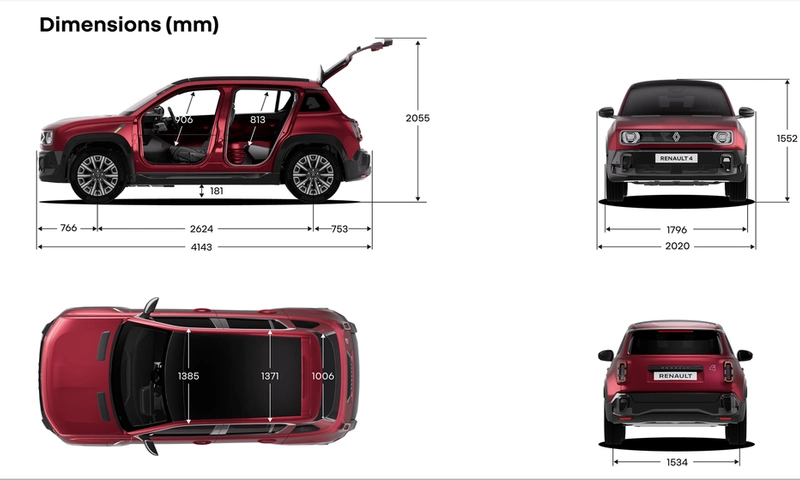
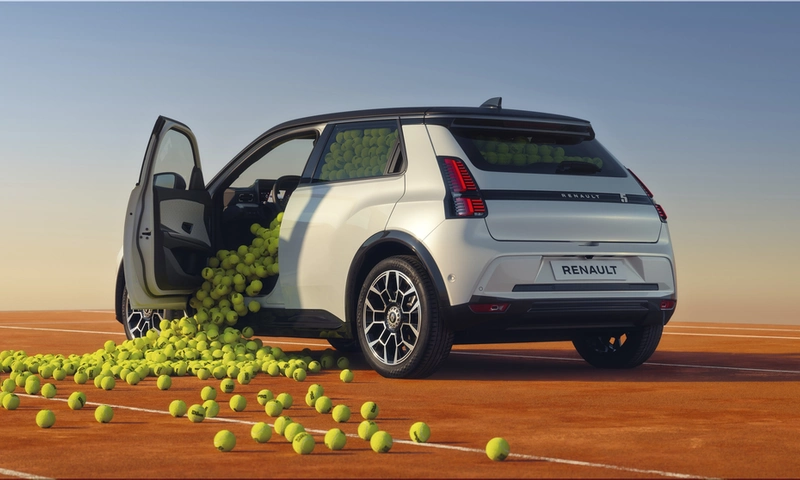
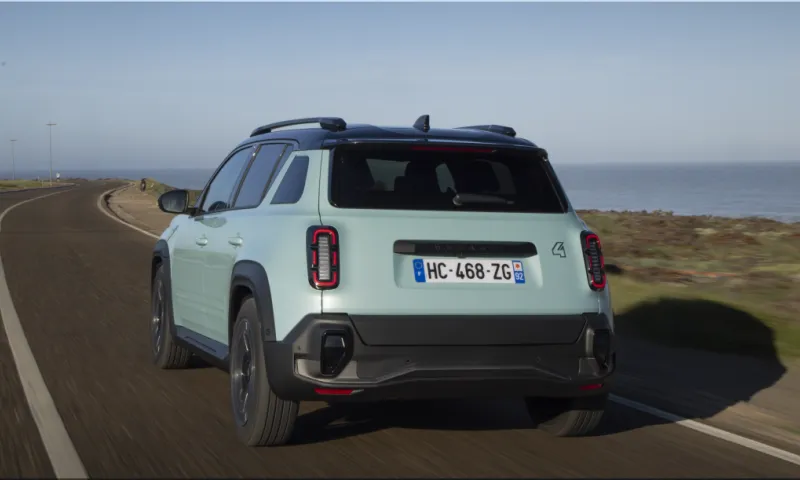
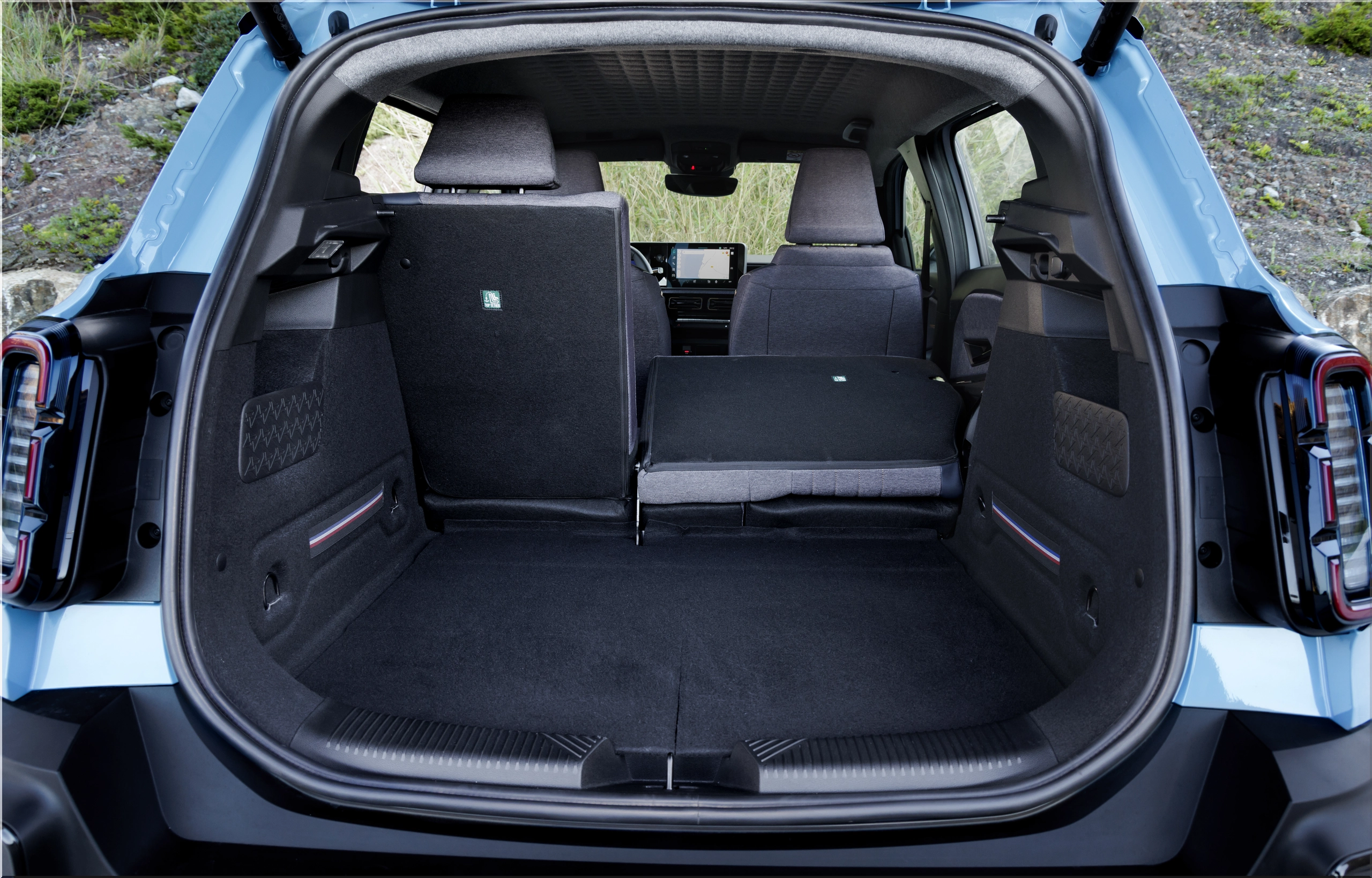
- Boot capacity: 420 L expanding to 1,405 L with rear seats folded.
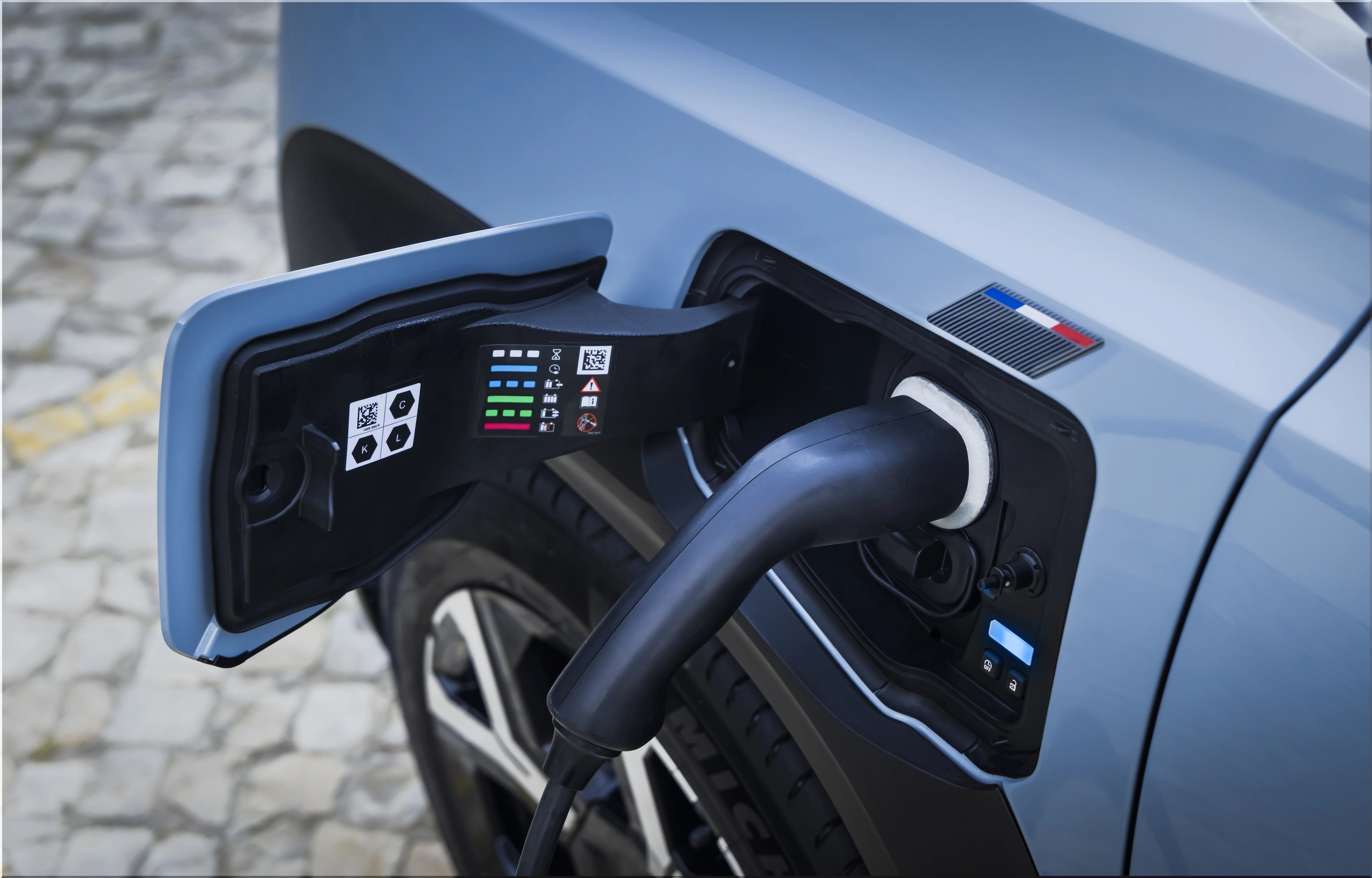
- Charging: 15 % to 80 % in about 30 minutes via a 100 kW DC fast charger.
- Starting price: Approx. USD 31,000 (after grant).
- Dimensions: Length 4.144 m, wheelbase 2.62 m, kerb weight ~1,462 kg.
These figures place the Renault 4 E-Tech Electric squarely in the practical compact-EV category, with competitive range, charging time, and price positioning for the global market.
Image
Market Positioning and Award Recognition
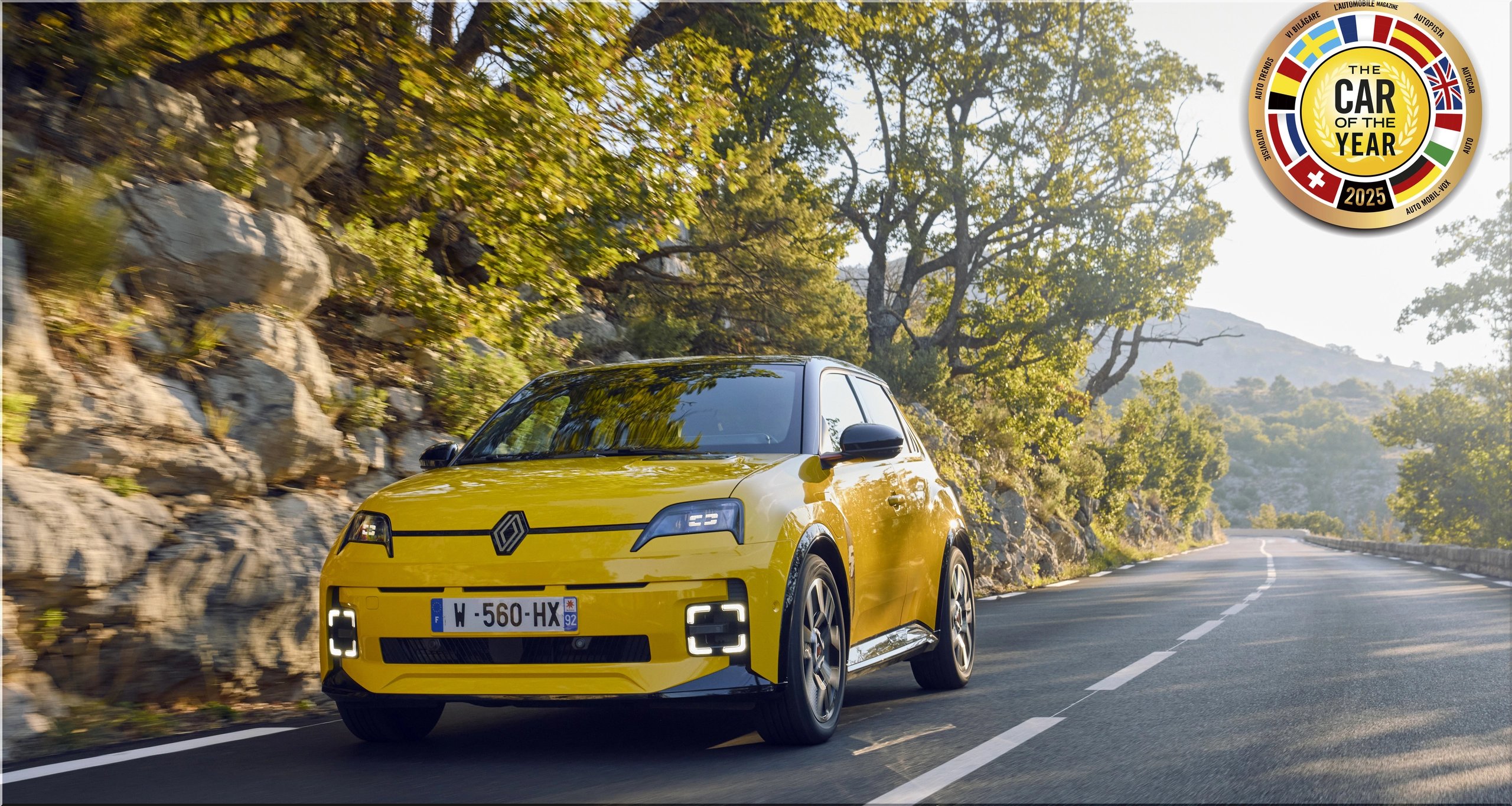
The Renault 4 E-Tech has already achieved significant industry recognition:
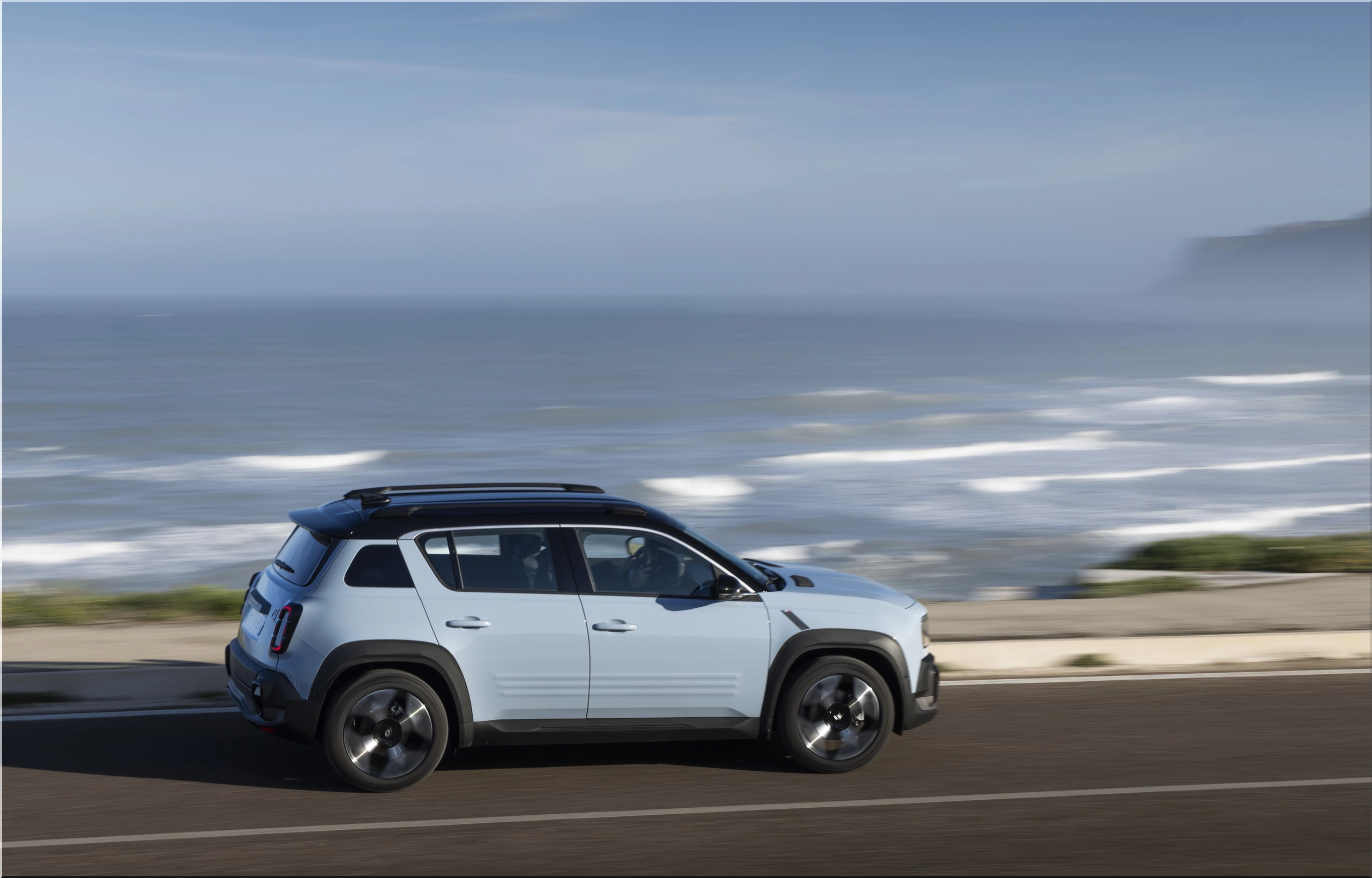
- Awarded “Best Car” and “Best Electric Car” at the 2025/26 New Car World Championships.
- Named “Car of the Year 2026” by Parkers UK.
These wins underscore Renault’s growing credibility in the electric-mobility sector and prove that practicality and value can outperform hype-driven EV launches.
Image gallery

Why This Model Matters
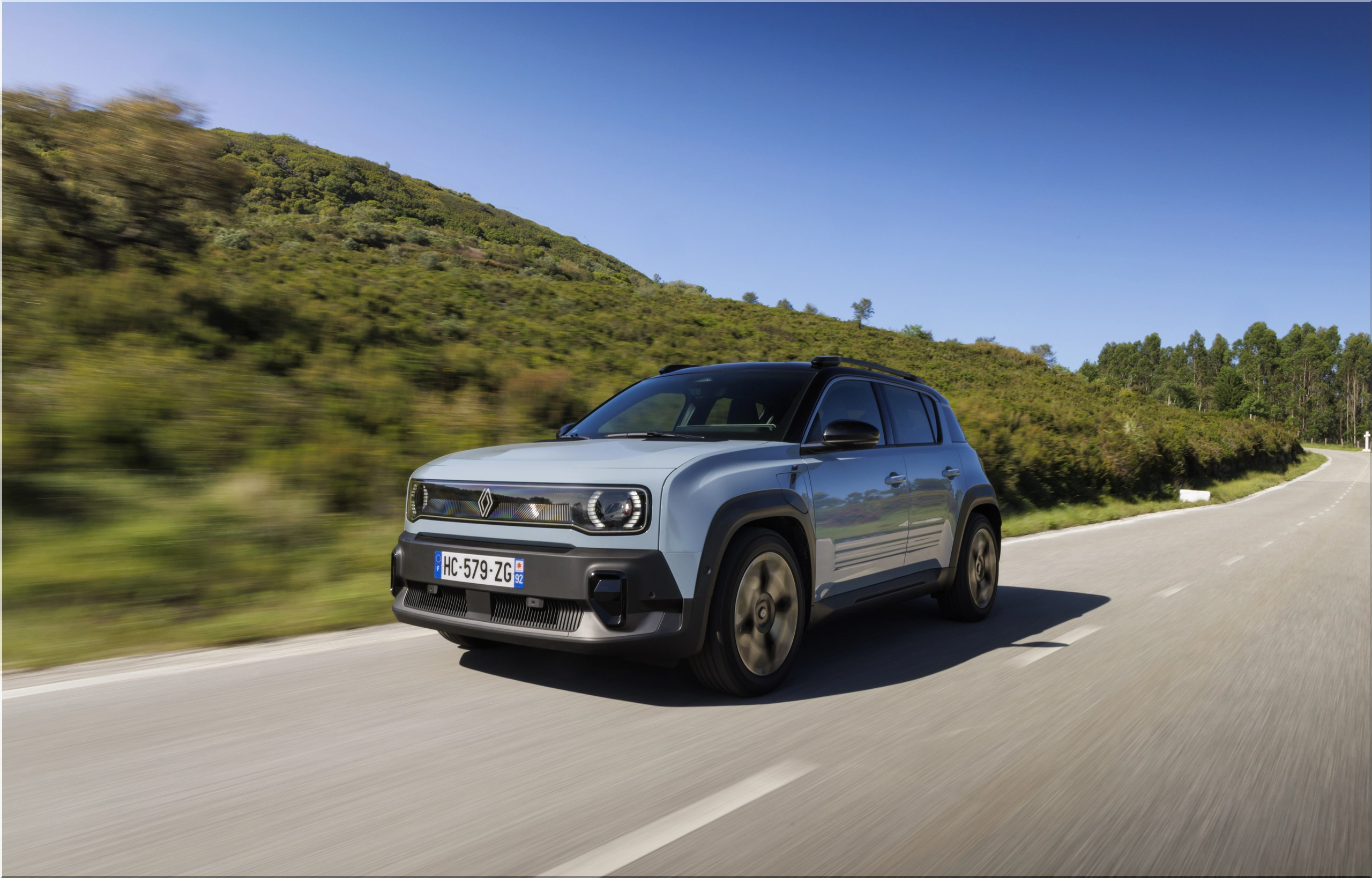
- Value benchmark: At around USD 31,000, Renault delivers usable 247-mile range at a mainstream price point.
- Practicality: The 1,405-litre cargo space and fold-flat seats make it family- and fleet-friendly.
- Efficiency trade-off: Buyers prioritize affordability and usability over 300+-mile range claims.
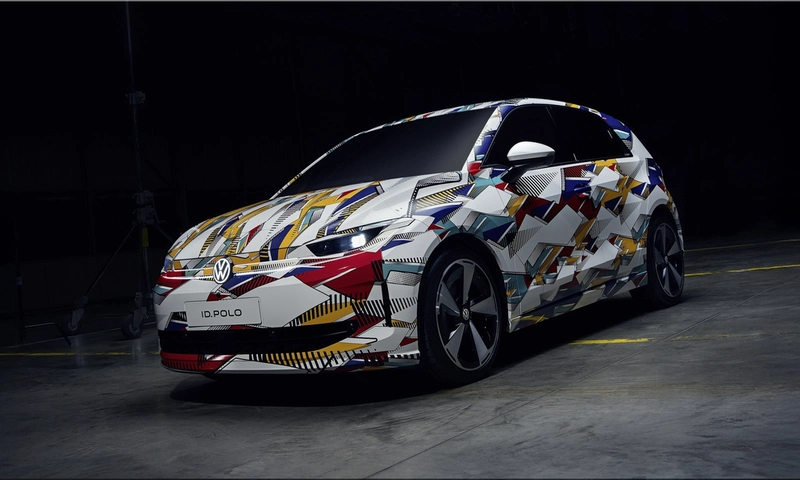
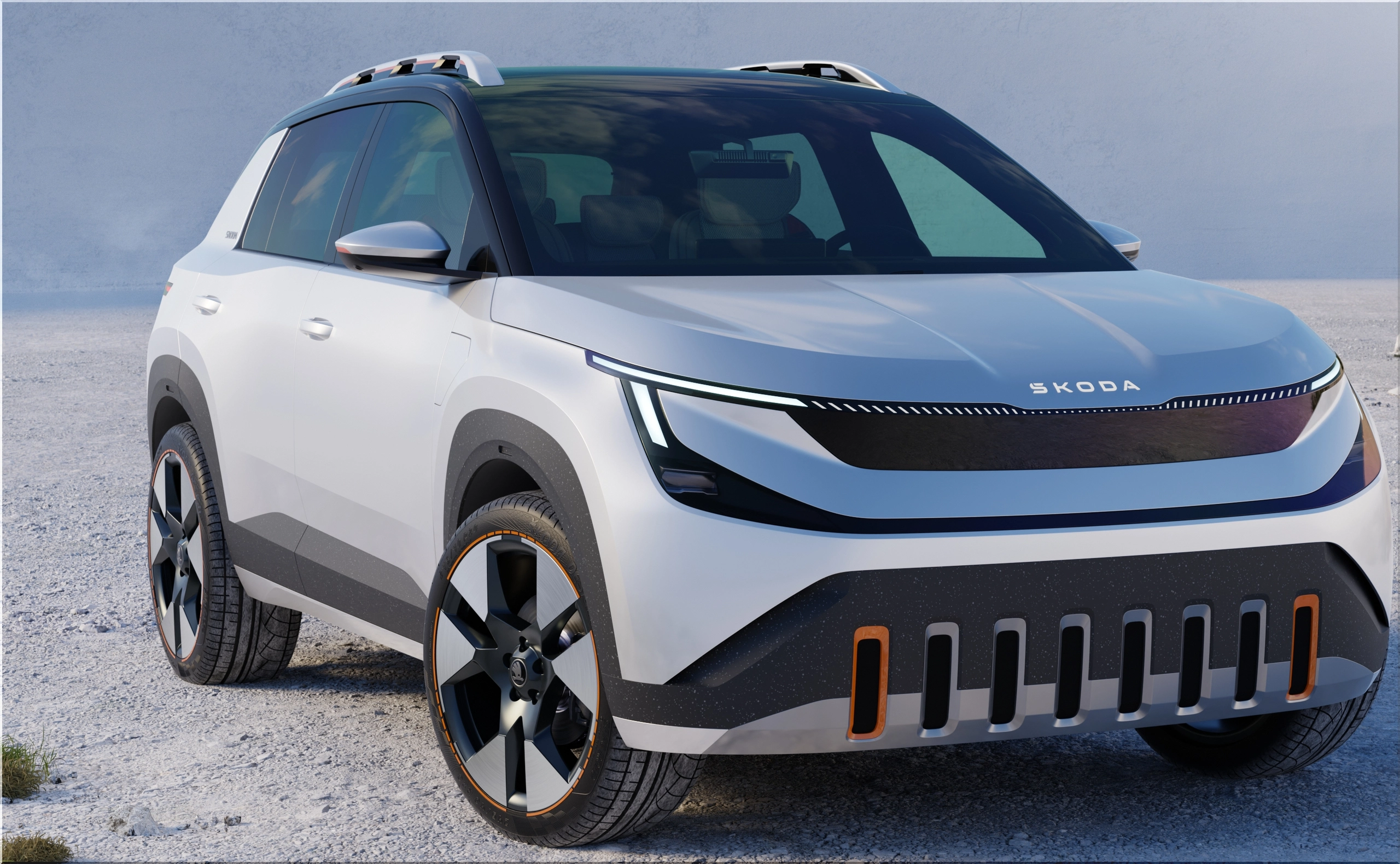
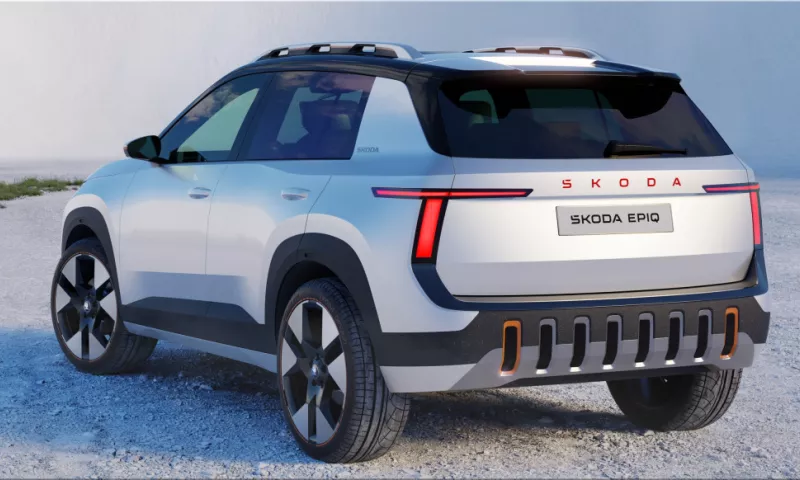
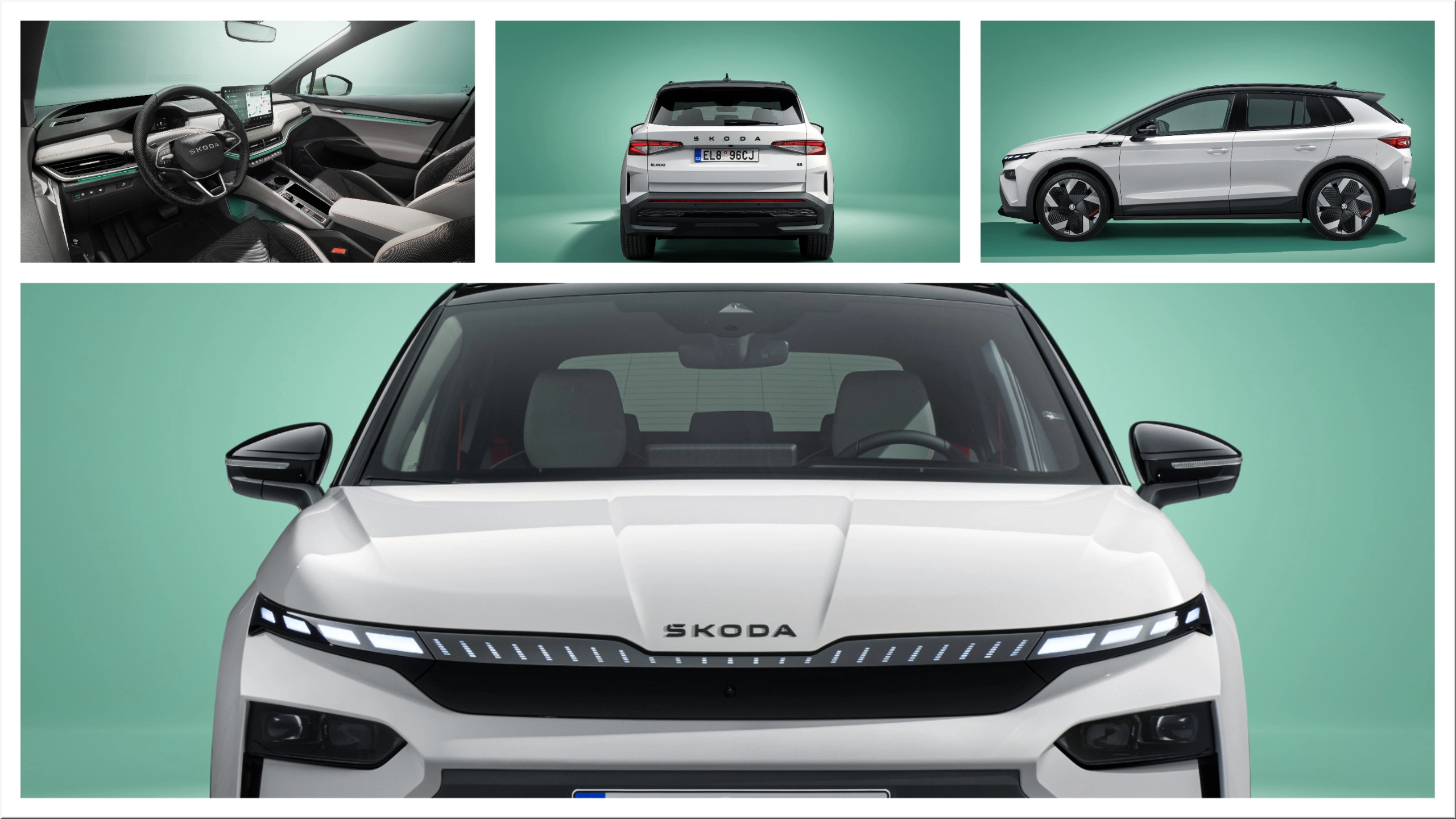
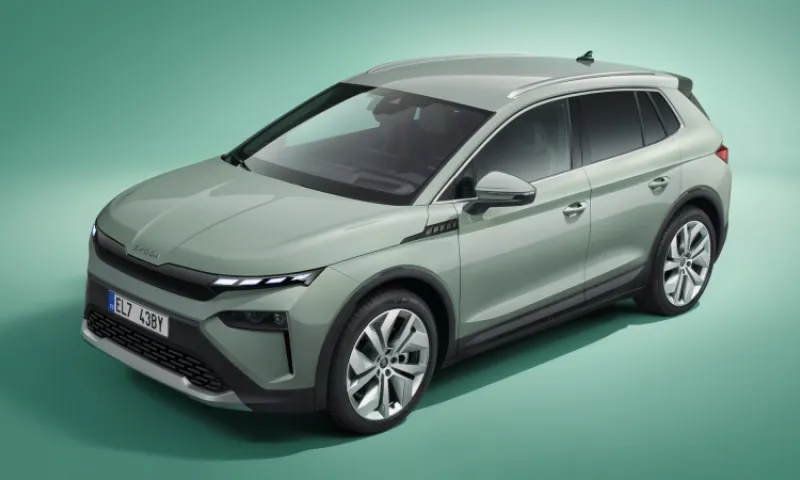
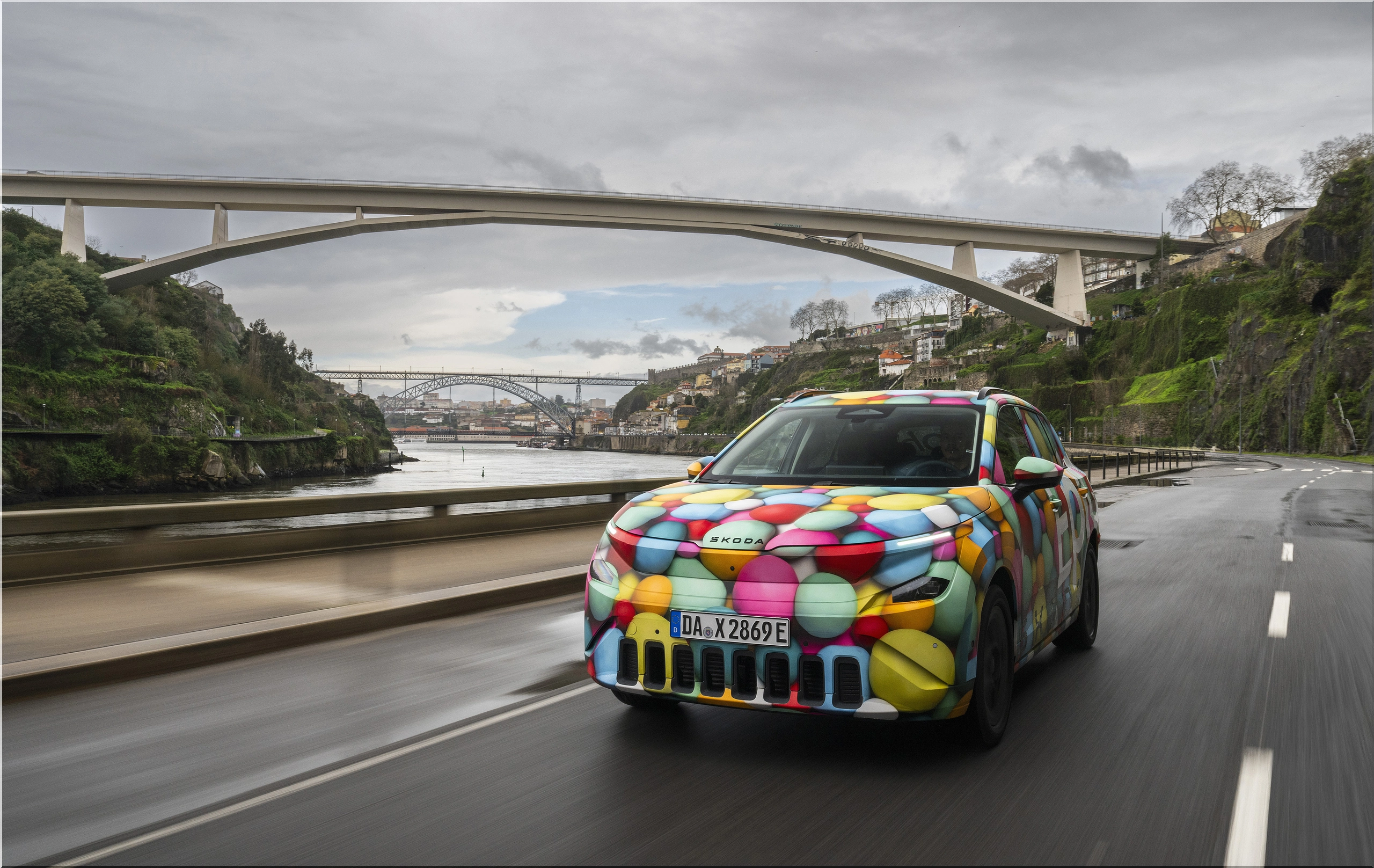
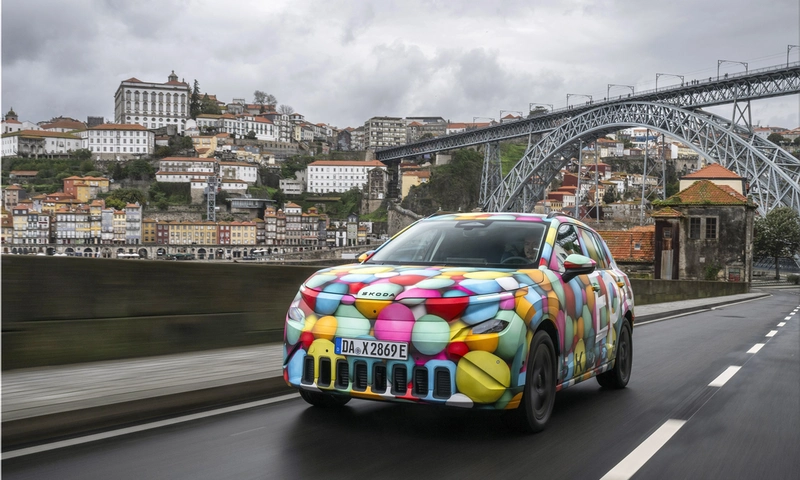
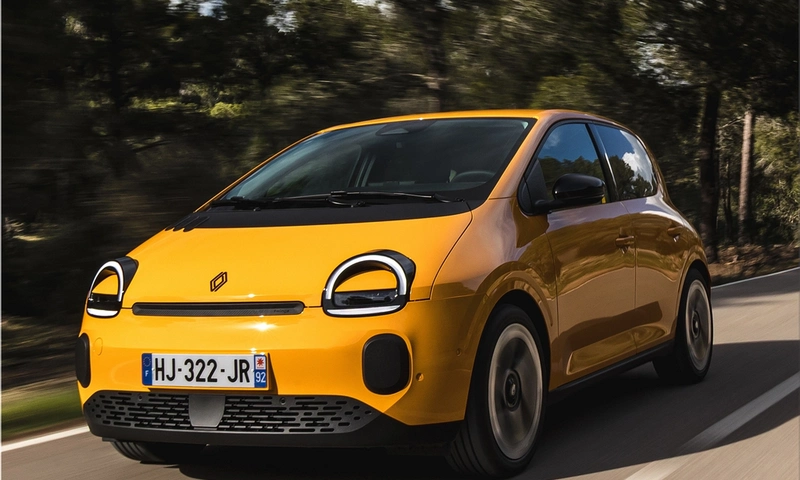
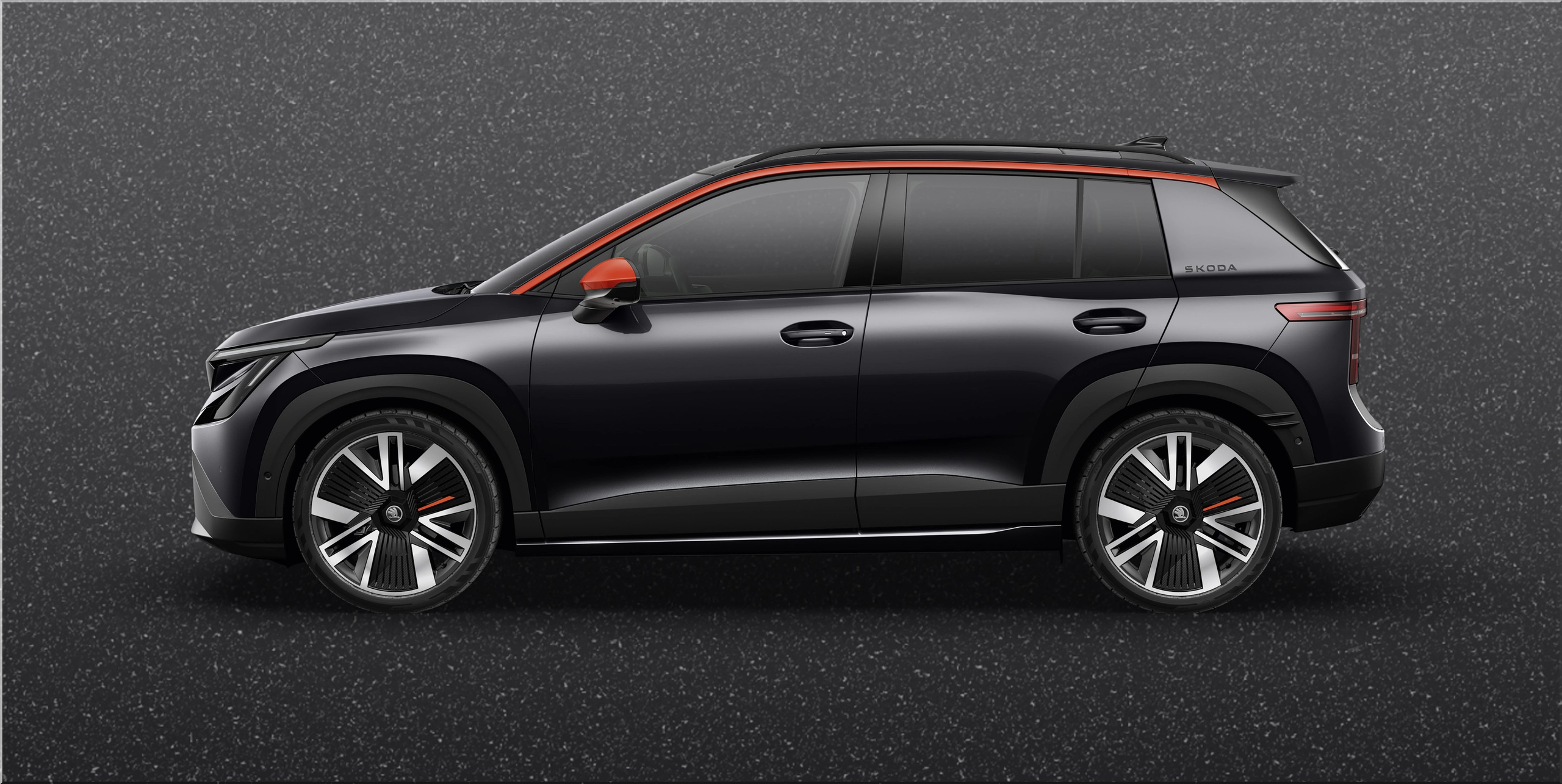
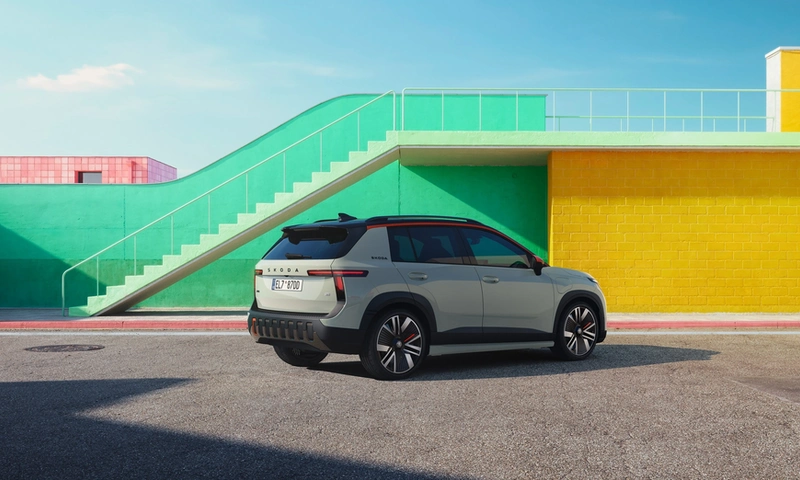
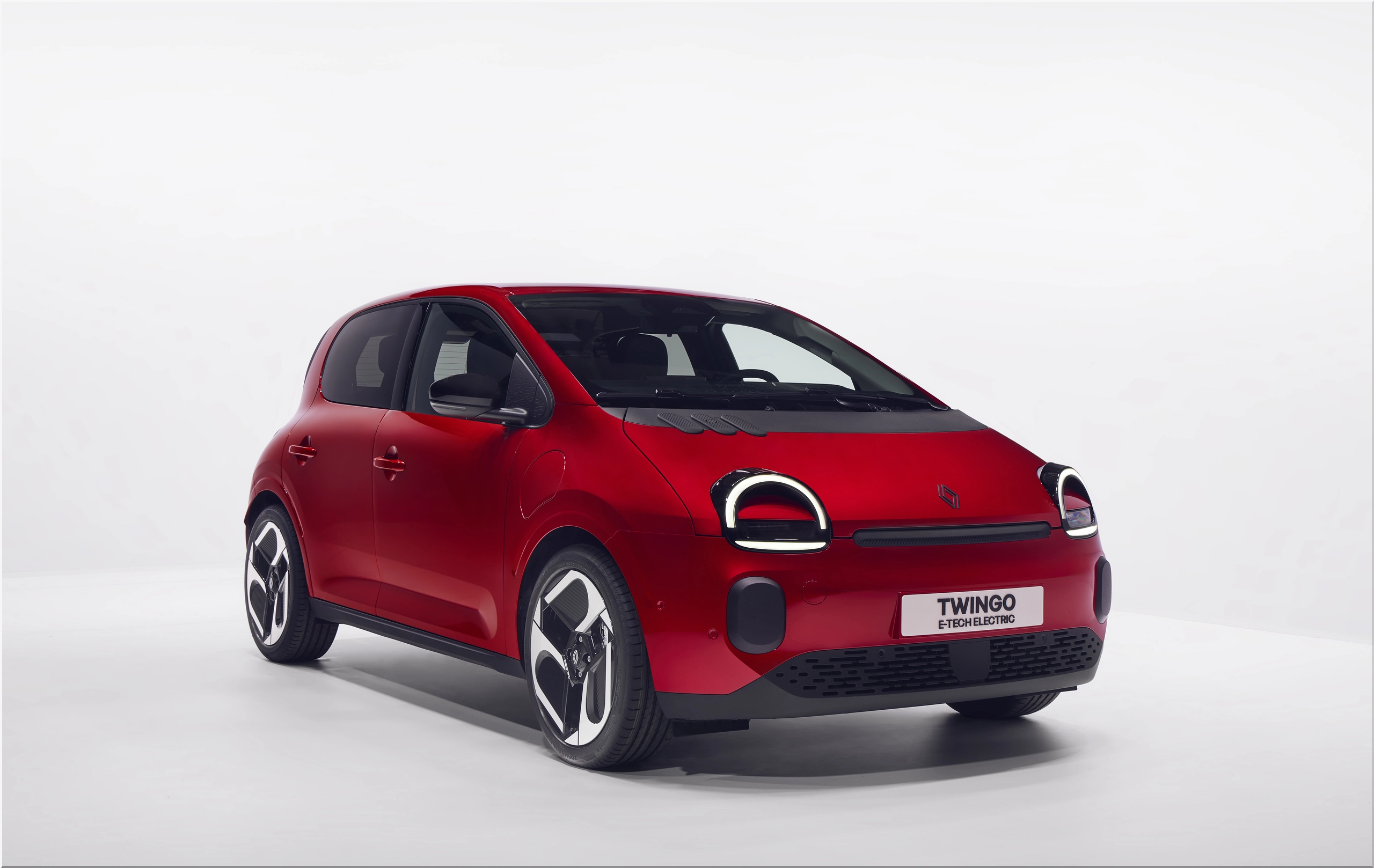
- Competitive pressure: This model forces rivals like Kia, Škoda, and Volkswagen to rethink entry-level EV pricing.
Buyer Profile: Who the Renault 4 E-Tech Targets
- Urban families seeking affordable electric mobility with generous storage space.
- ICE-to-EV switchers who need reliable range and competitive pricing.
- Fleet operators seeking cost-per-mile savings and strong uptime performance.
Buyer Considerations
| Factor | Key Detail |
|---|---|
| Real-world range | Expect 200-220 miles in mixed driving, below WLTP figures. |
| Charging access | 100 kW DC required for 15–80 % in 30 minutes; verify local availability. |
| After-sales cost | EV components still carry higher service costs than ICE equivalents. |
| Resale value | Battery technology advancements may affect long-term value. |
| Warranty coverage | Check Renault’s battery warranty terms and service-network reach. |
Renault’s Strategic Position
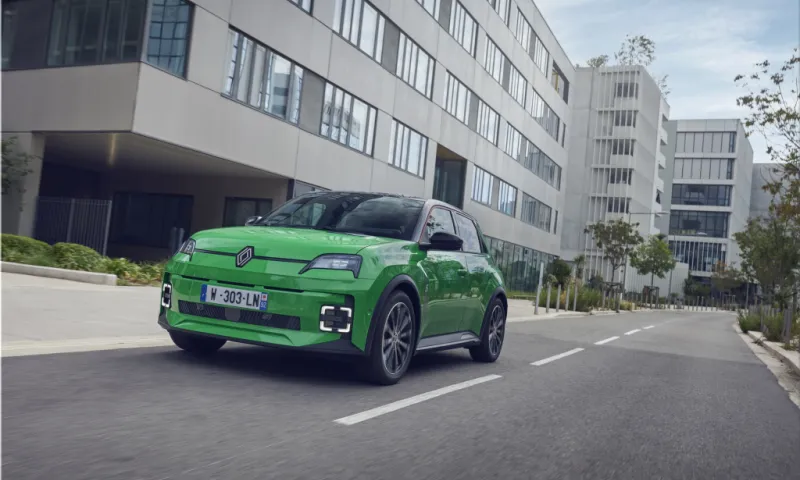
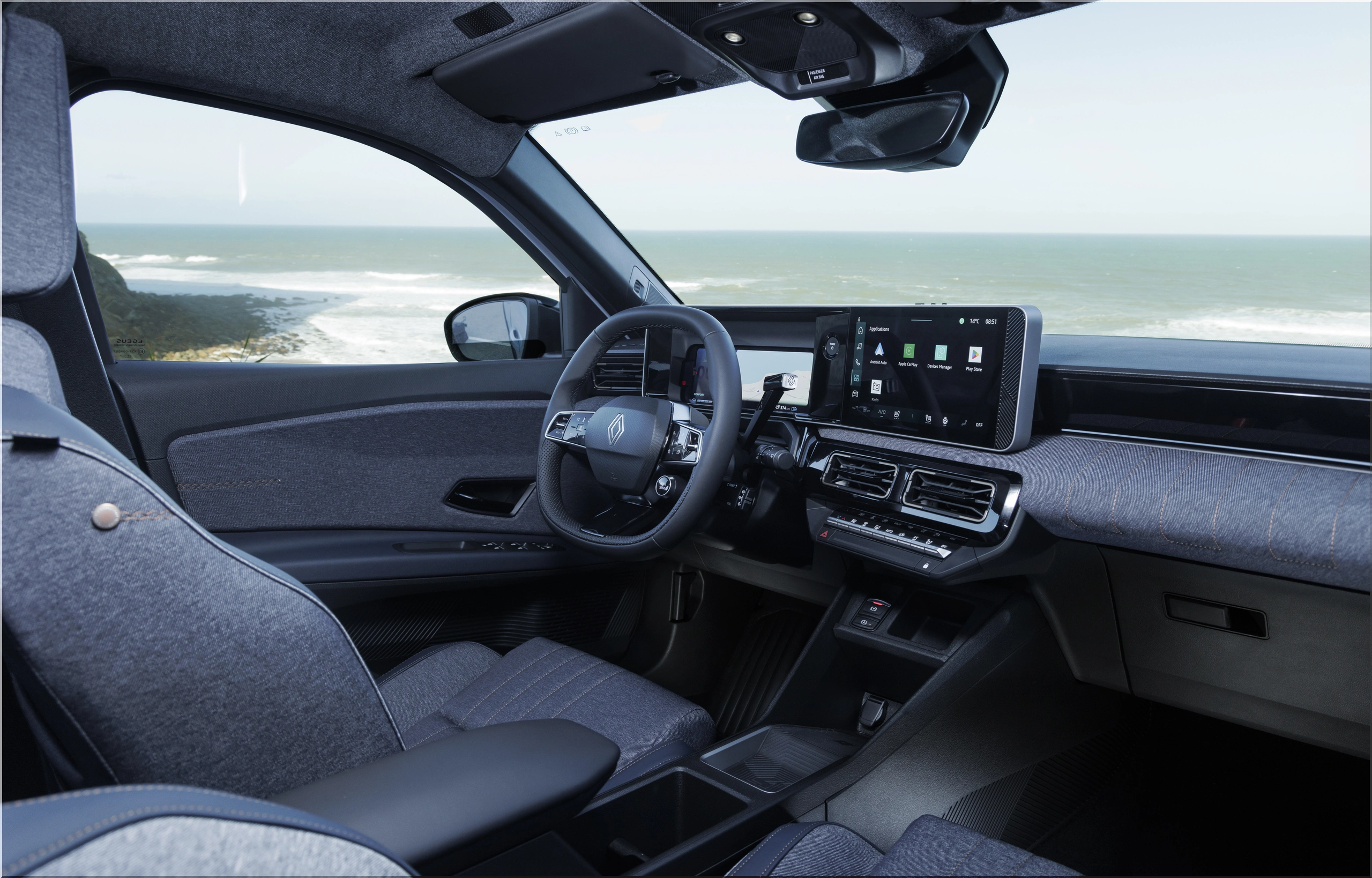
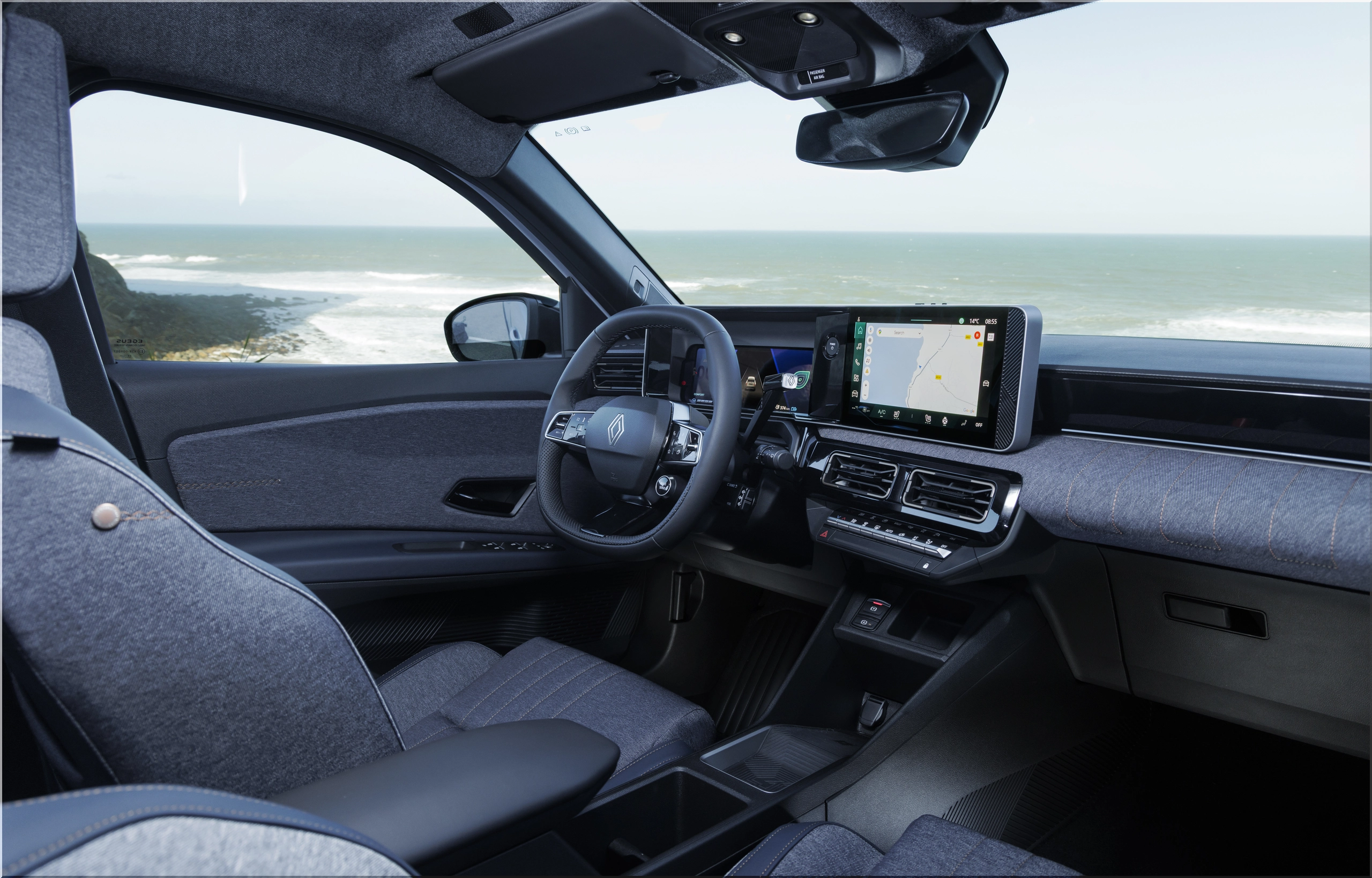
Renault’s consistent performance across award platforms indicates an effective EV rollout strategy. The Renault 4 E-Tech Electric plays a central role in this expansion by focusing on price, utility, and brand trust. Its success in the compact segment strengthens Renault’s hand against Asian and European rivals pushing higher-priced models.
Scaling production of practical EVs like this could grant Renault cost advantages and broader market reach, reinforcing its goal to become a top-three European EV brand by 2030.
Image gallery
Conclusion
The 2026 Renault 4 E-Tech Electric redefines what consumers can expect from an affordable EV. Its balance of cost, usability, and credible performance makes it one of the most strategically important electric vehicles in Renault’s portfolio. For buyers seeking value-driven electric mobility with minimal compromise, this model delivers measurable results.
For the broader industry, this success story pushes competitors to innovate within realistic price brackets and may accelerate EV adoption in cost-sensitive regions.
- Add new comment
- 294 views