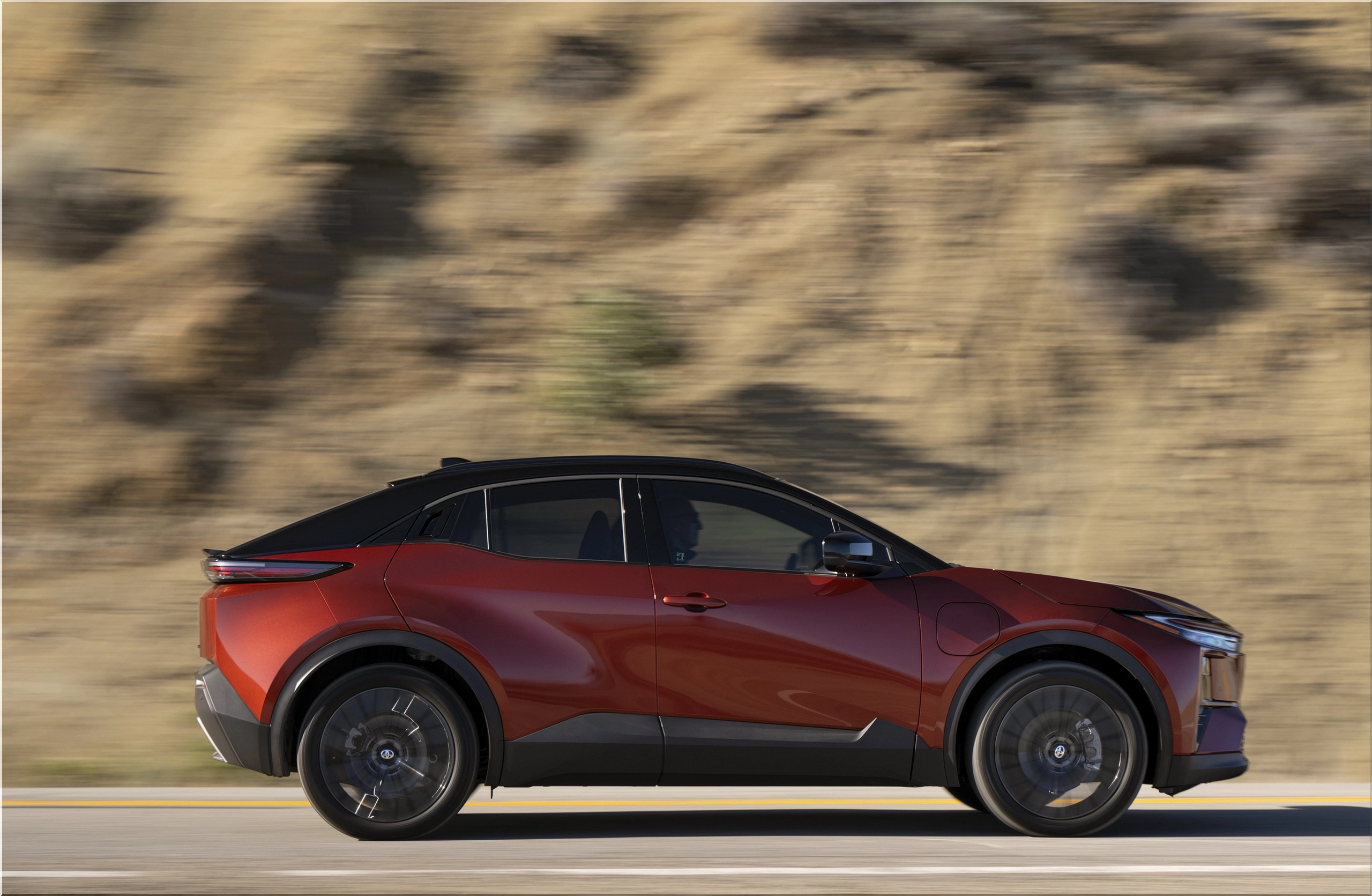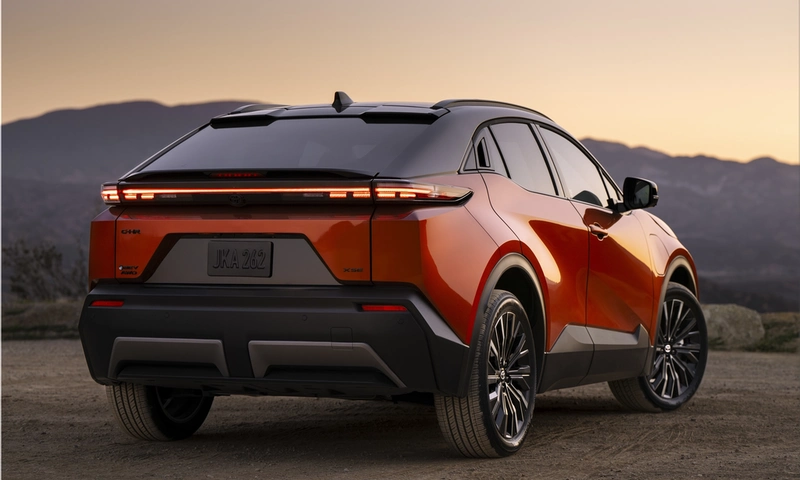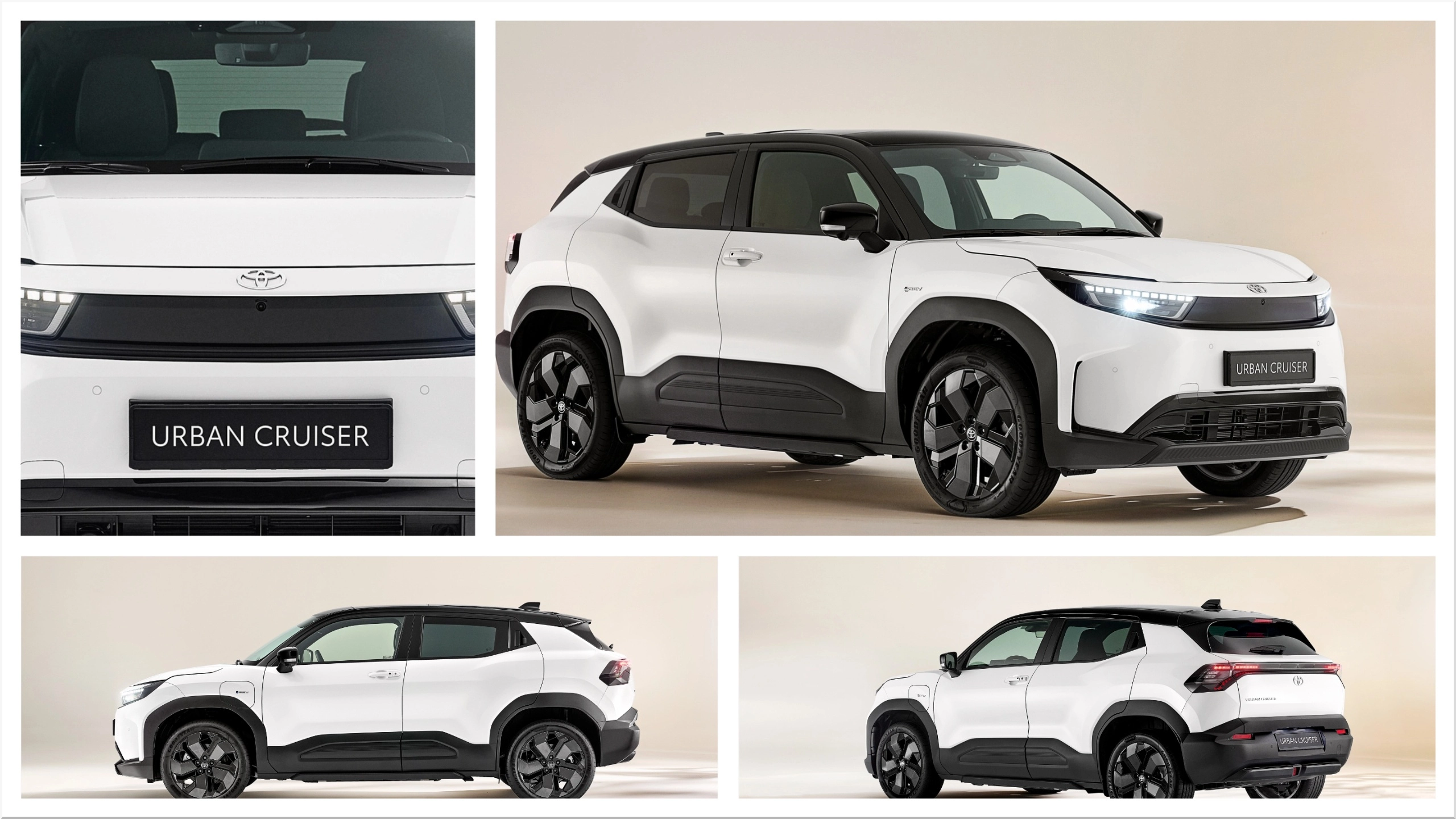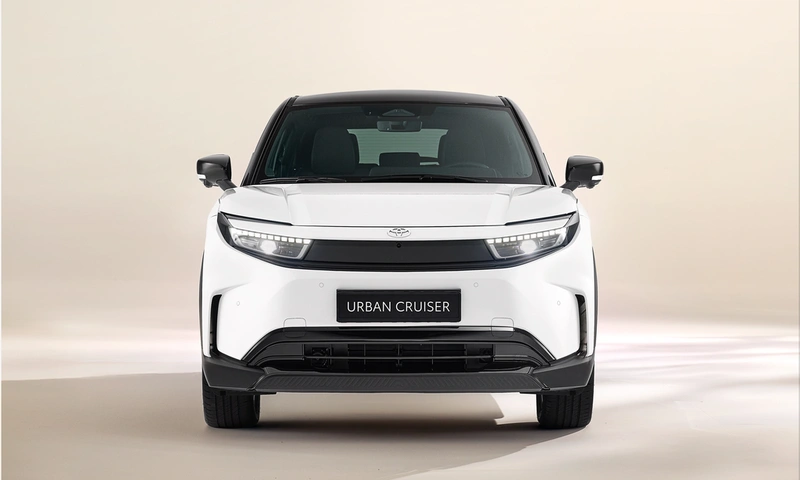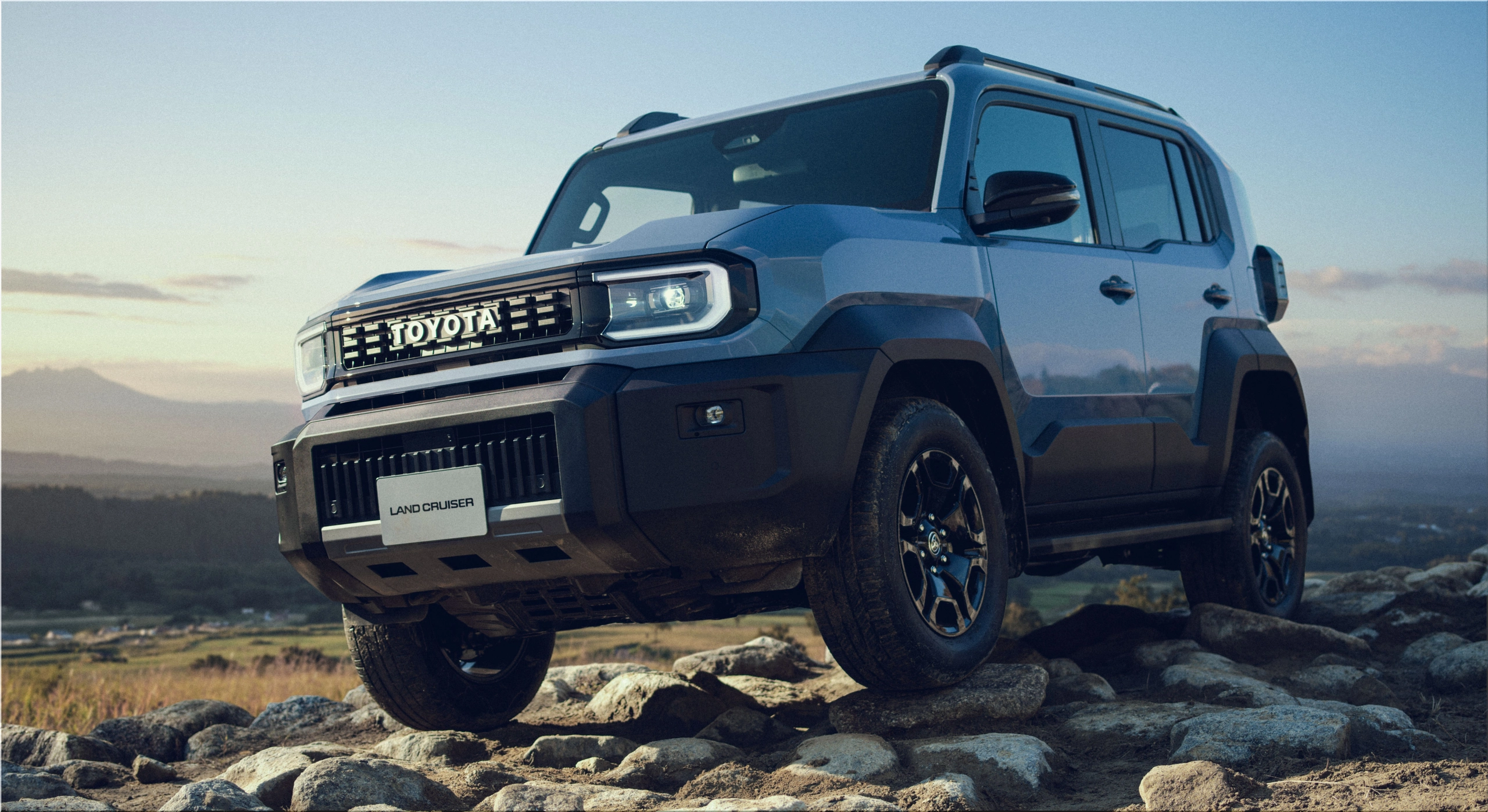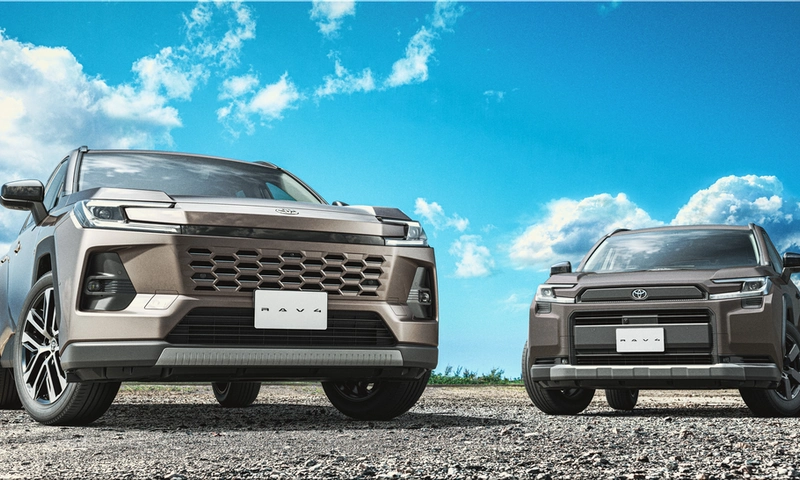
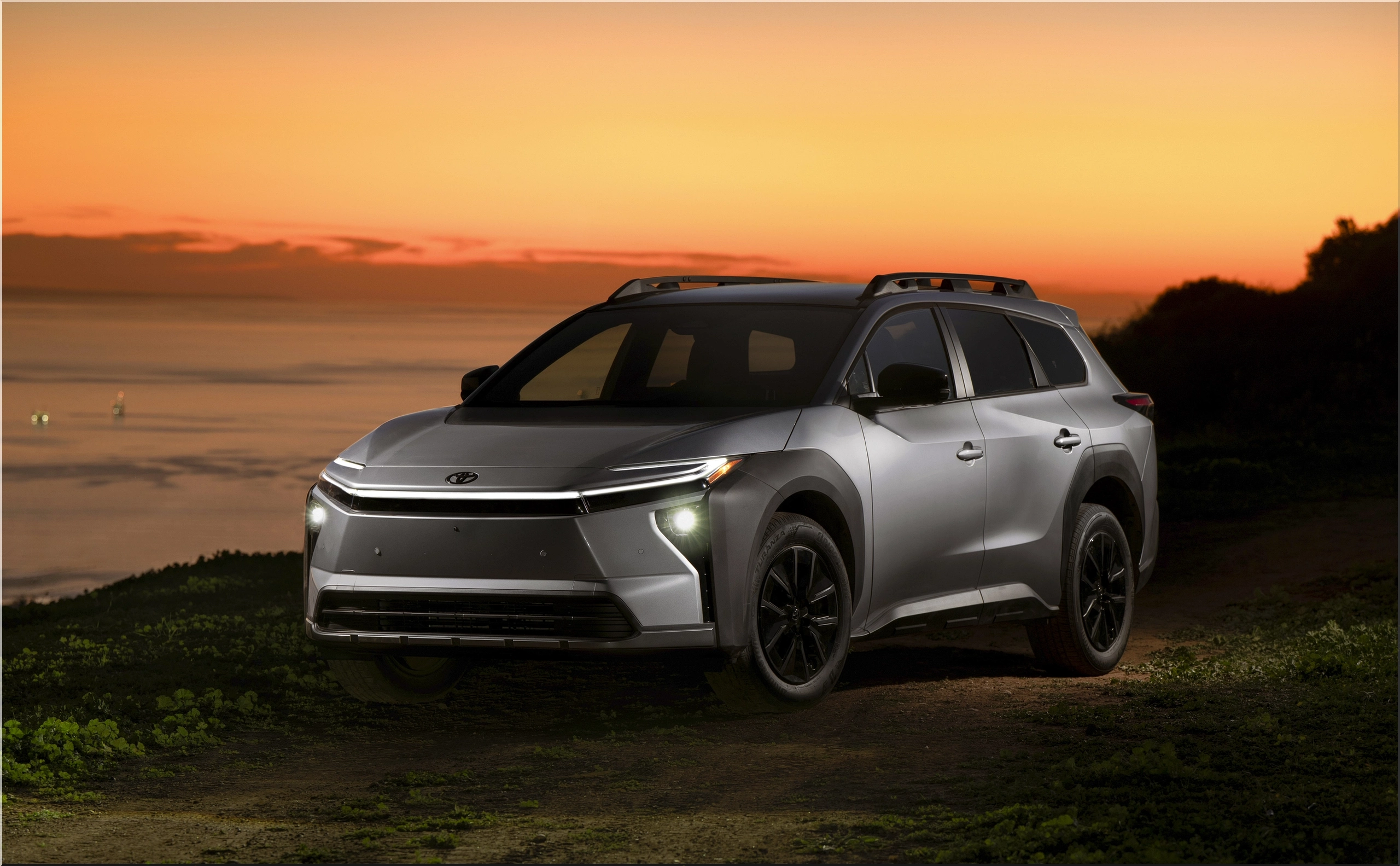
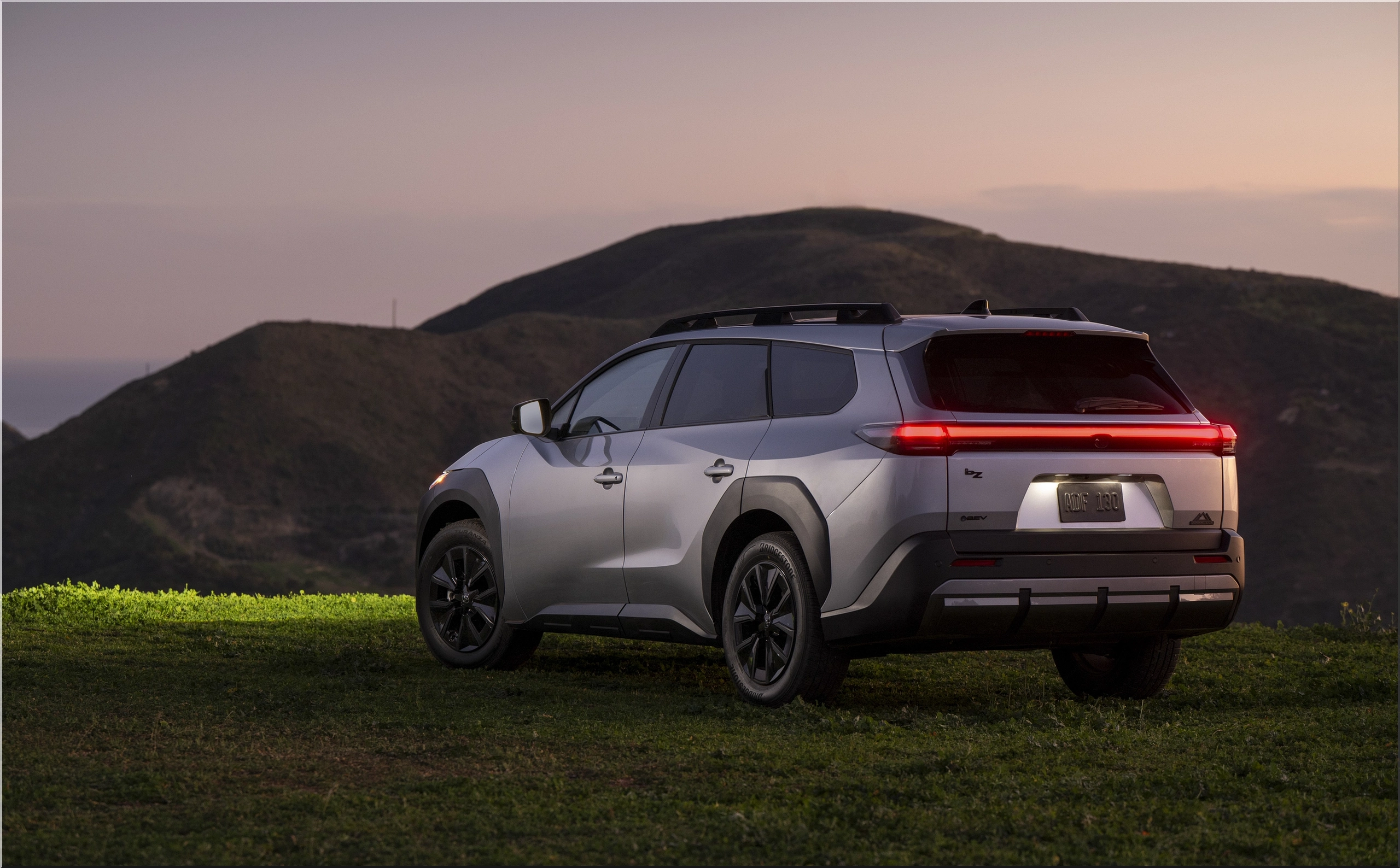
Toyota built the 2026 Toyota bZ Woodland to answer a blunt question: what happens when you take an electric SUV platform, add real power, add real clearance, add real tow rating, then point it at buyers who load bikes, gear, and muddy boots?
You get a midsize-ish, two-row dual-motor AWD battery-electric with 375 hp, an EPA-estimated range up to 281 miles, and a headline 3,500-lb towing capacity. You also get the hardware that makes those numbers usable: 8.4 inches (213 mm) of ground clearance, standard roof rails, and Toyota's traction logic built around X-MODE and Grip Control.
Image
This one matters because Toyota has not treated battery-electric volume as the priority in the US. The bZ Woodland changes the tone. It targets the overlap between outdoor lifestyle and daily-driver reality, and it does it with specs that stop excuses fast.
What the bZ Woodland Adds to Toyota's Electric Lineup
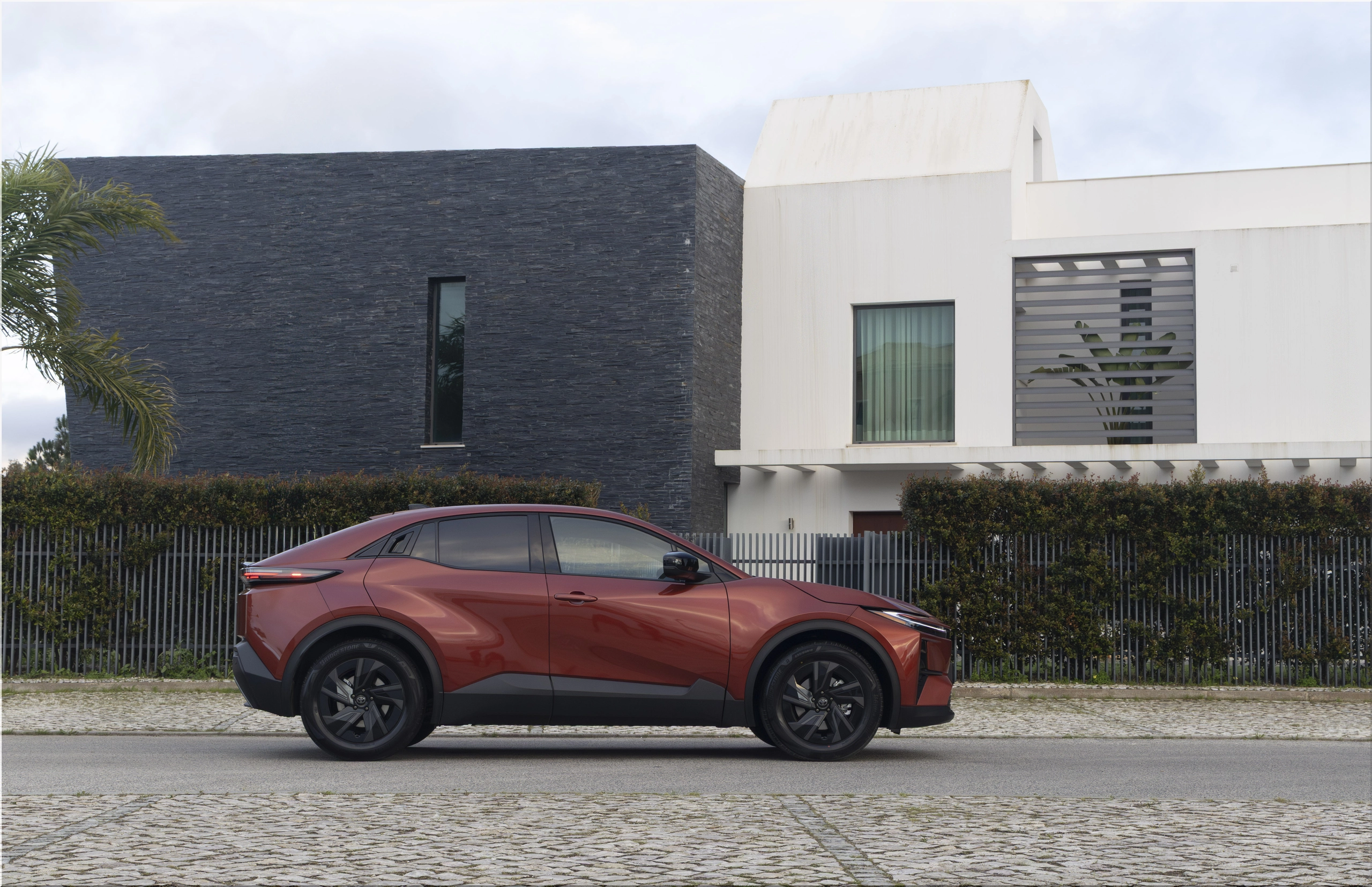
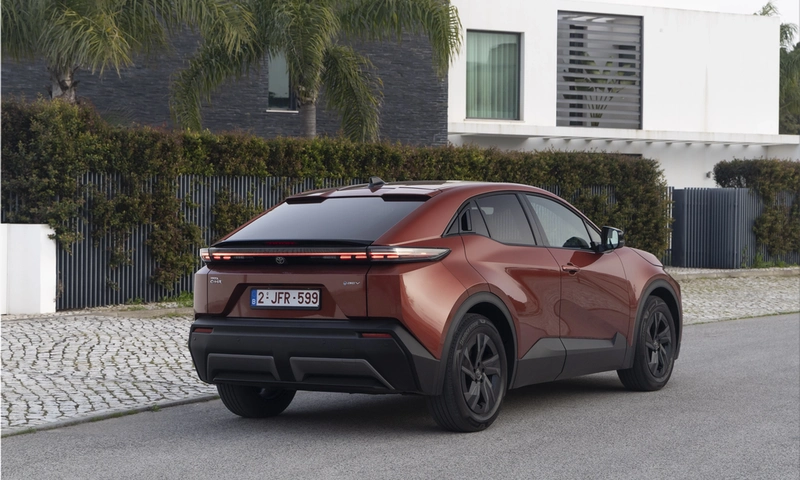
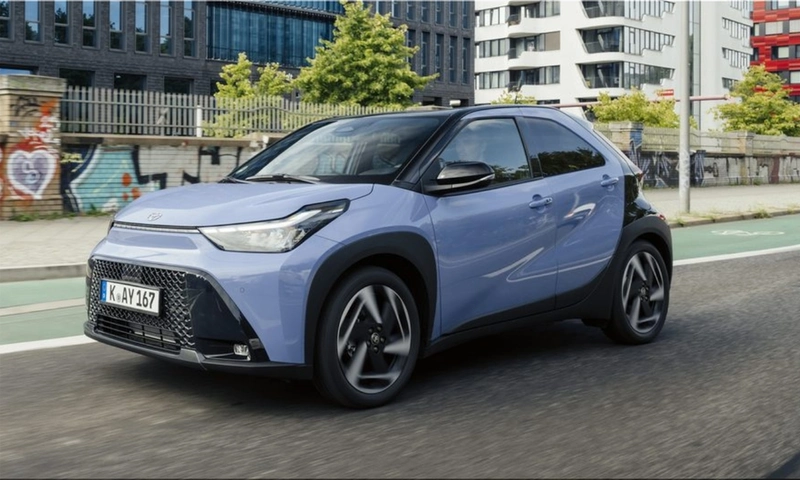
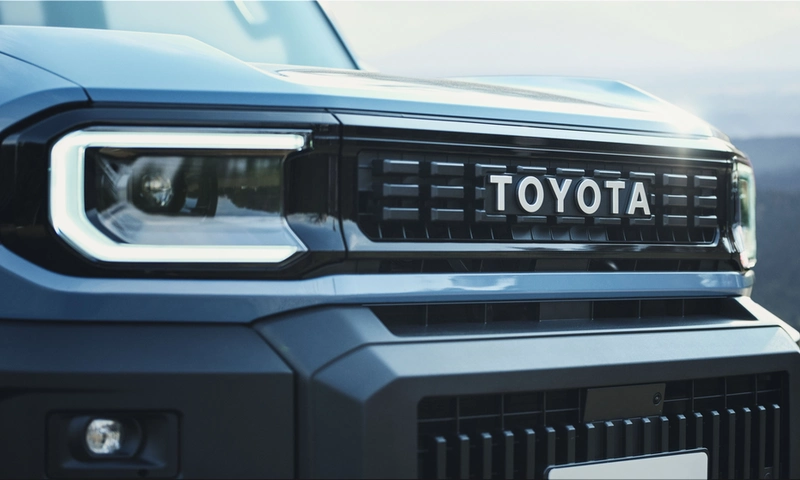
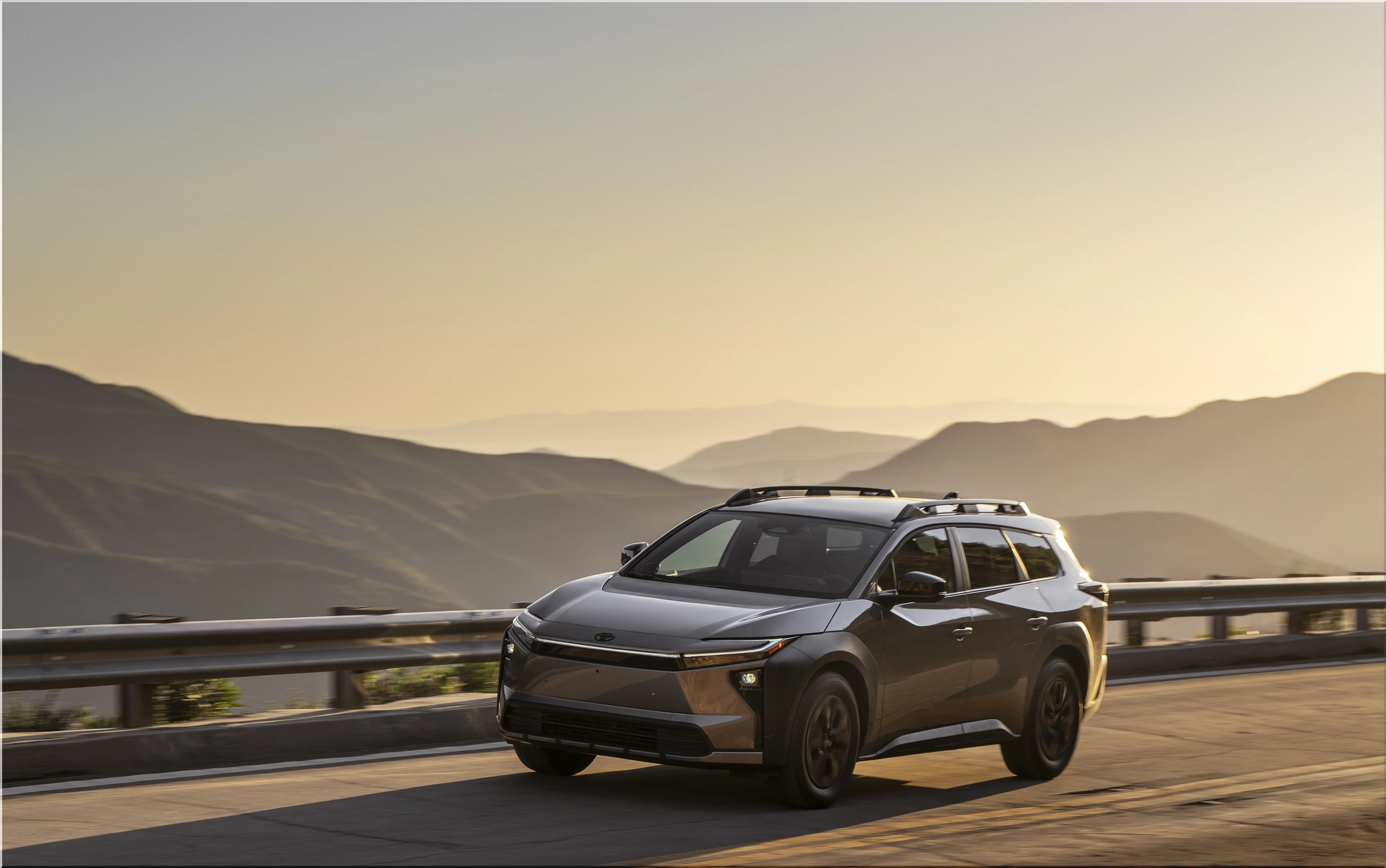
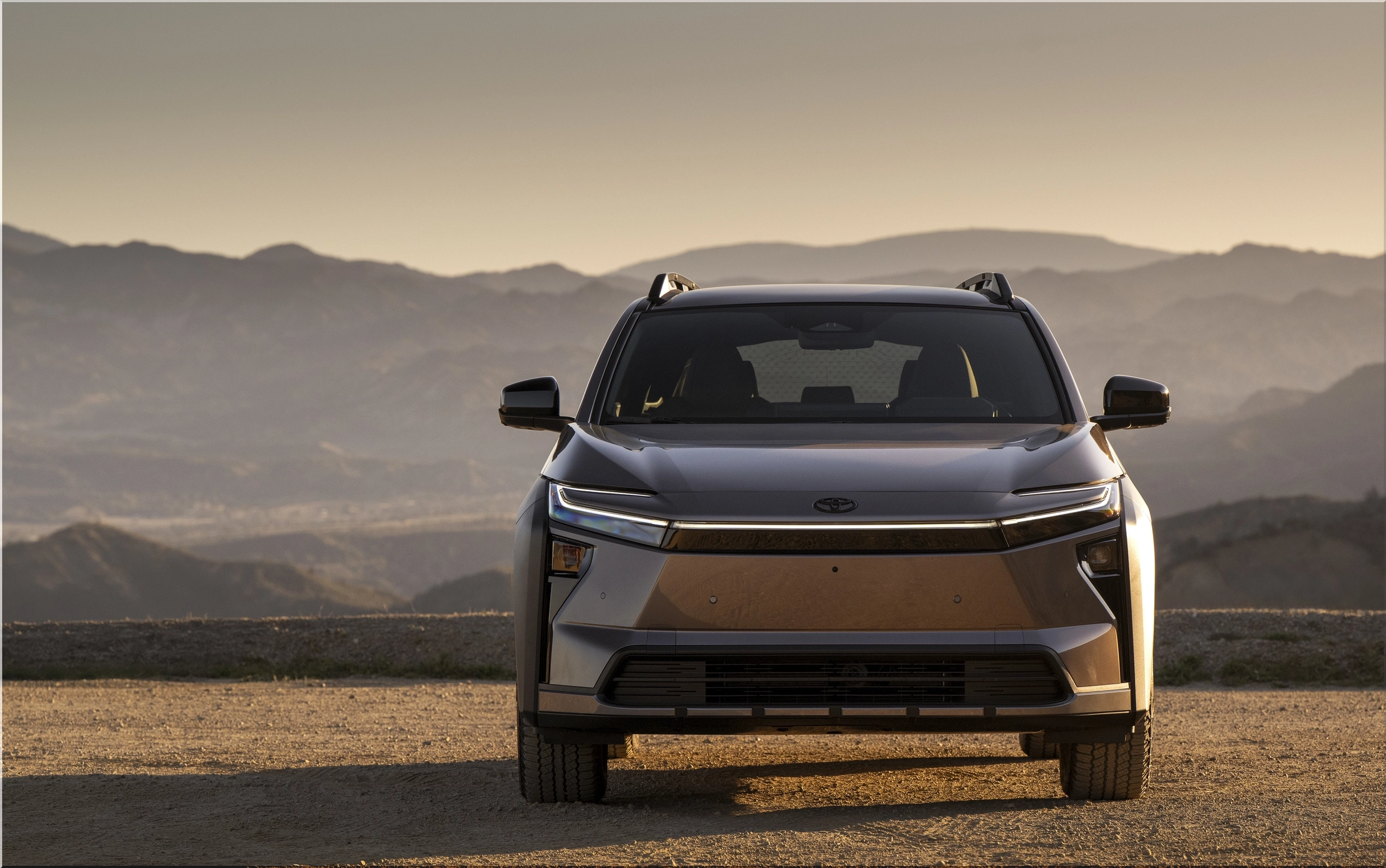
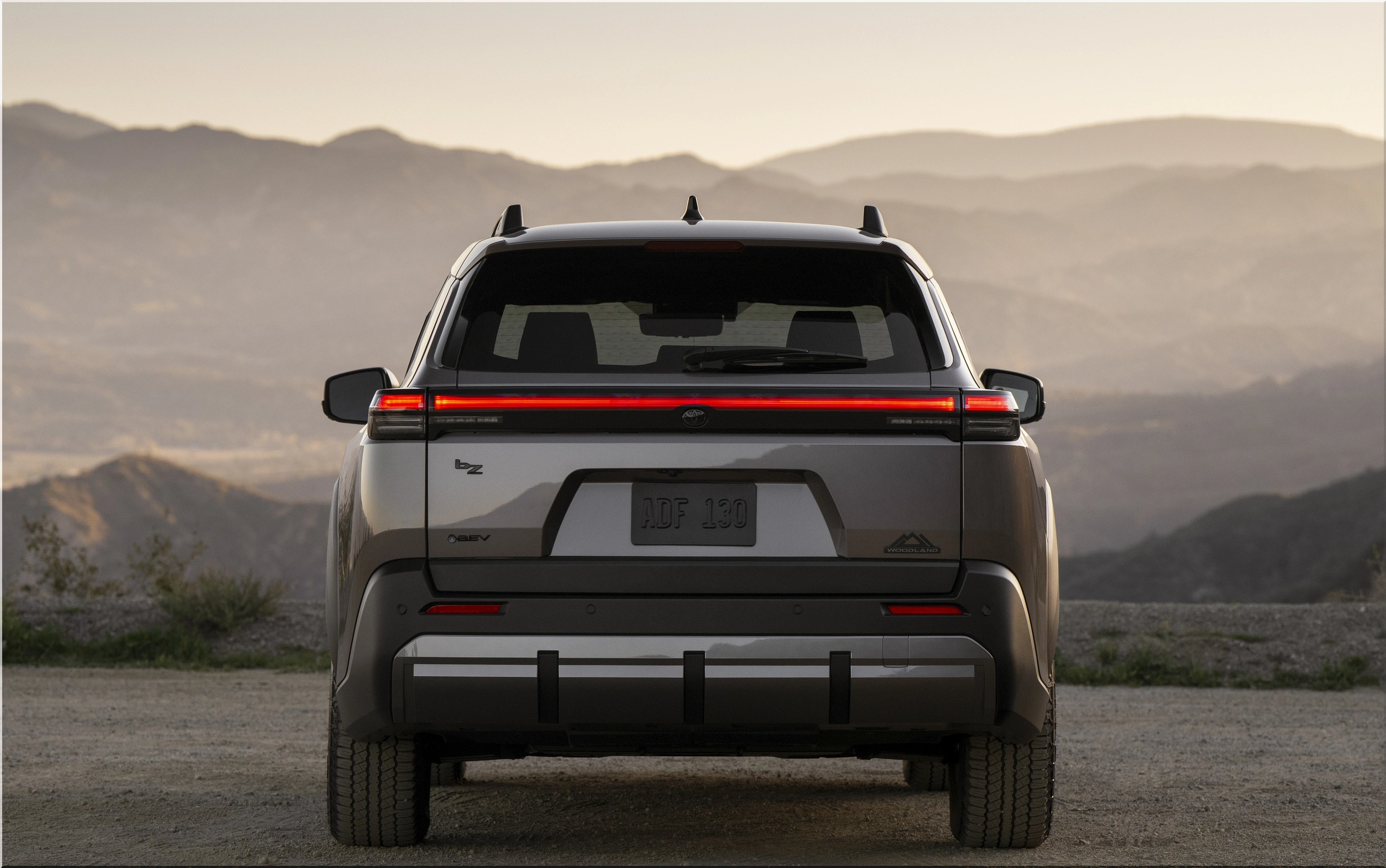
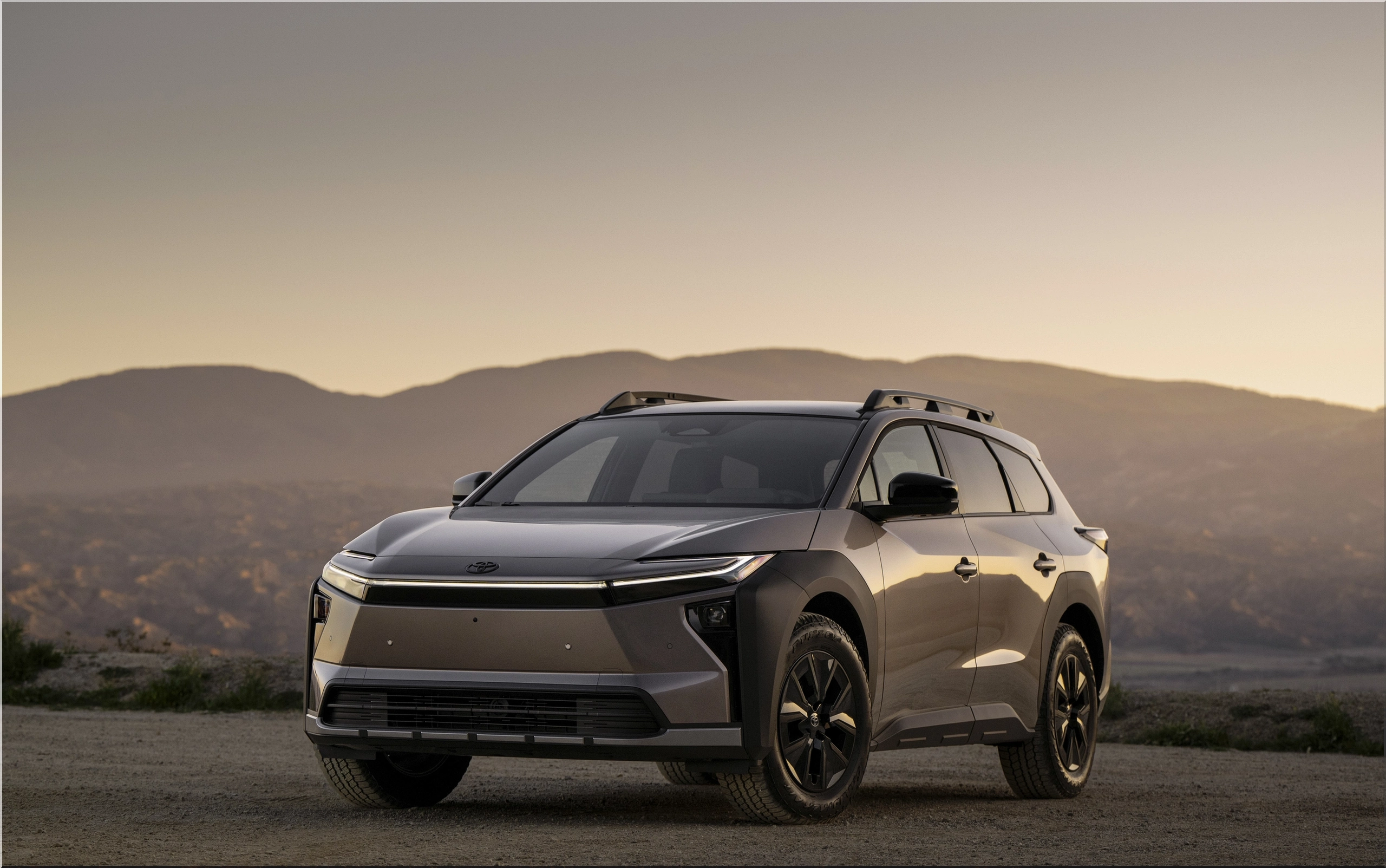
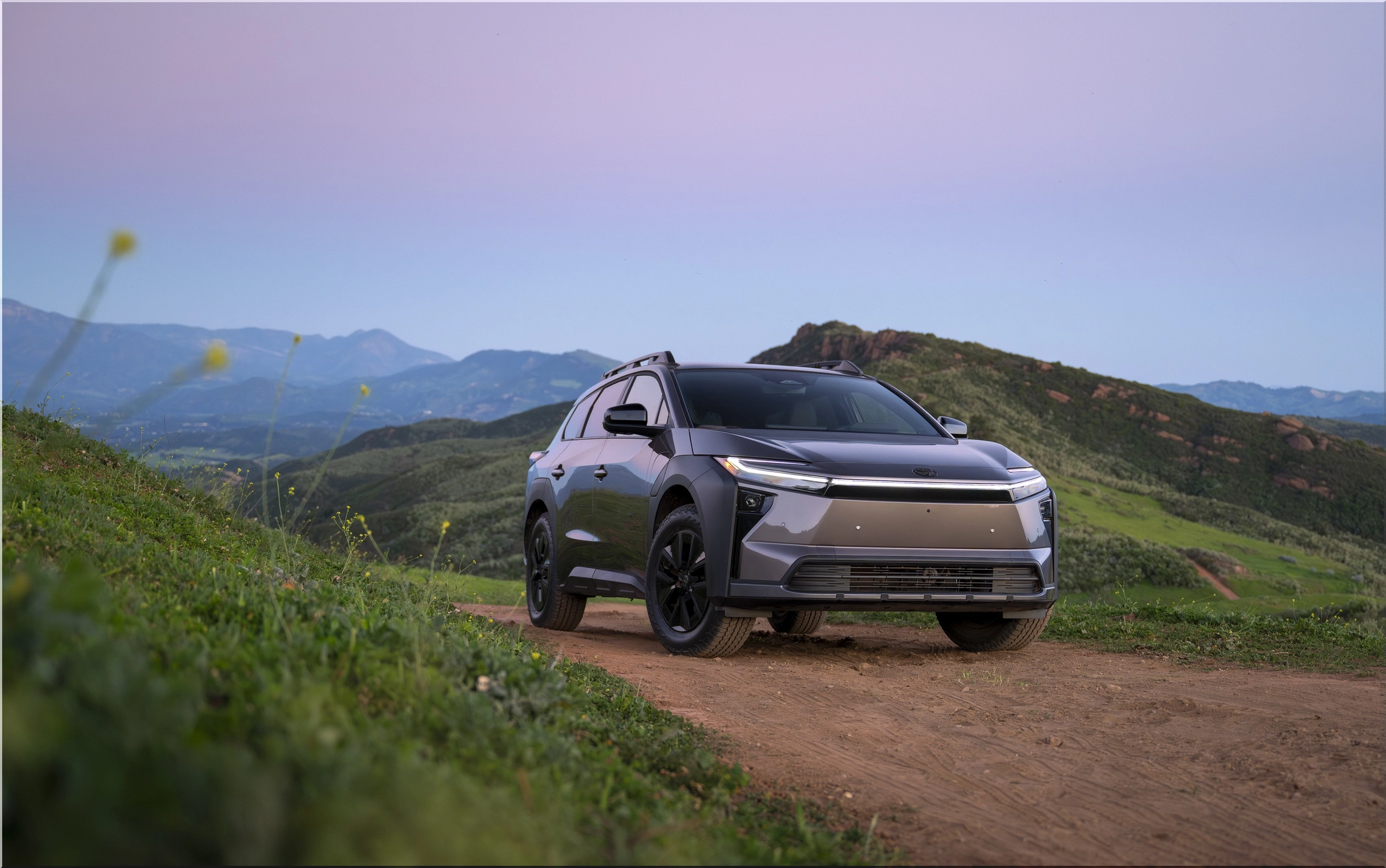
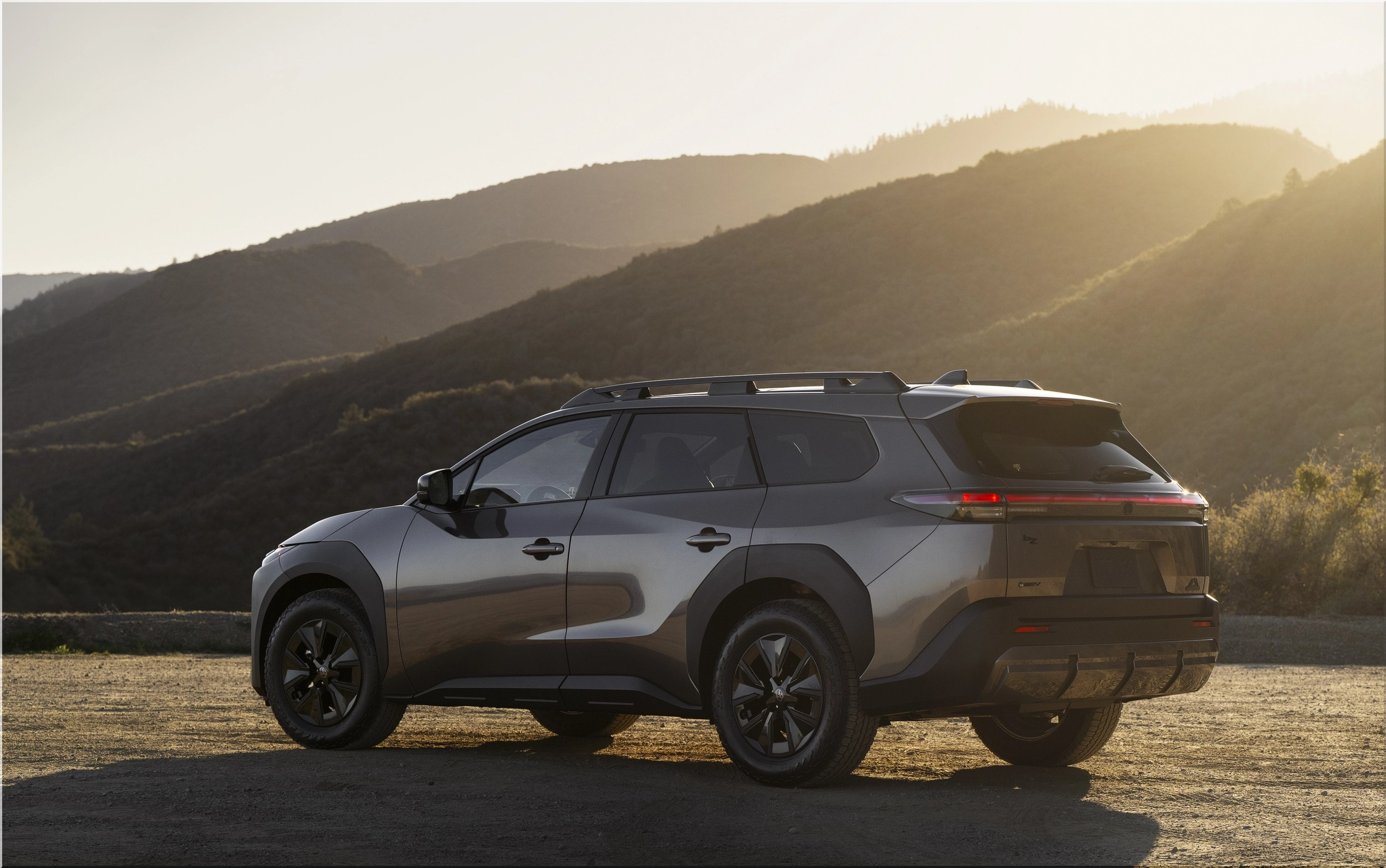
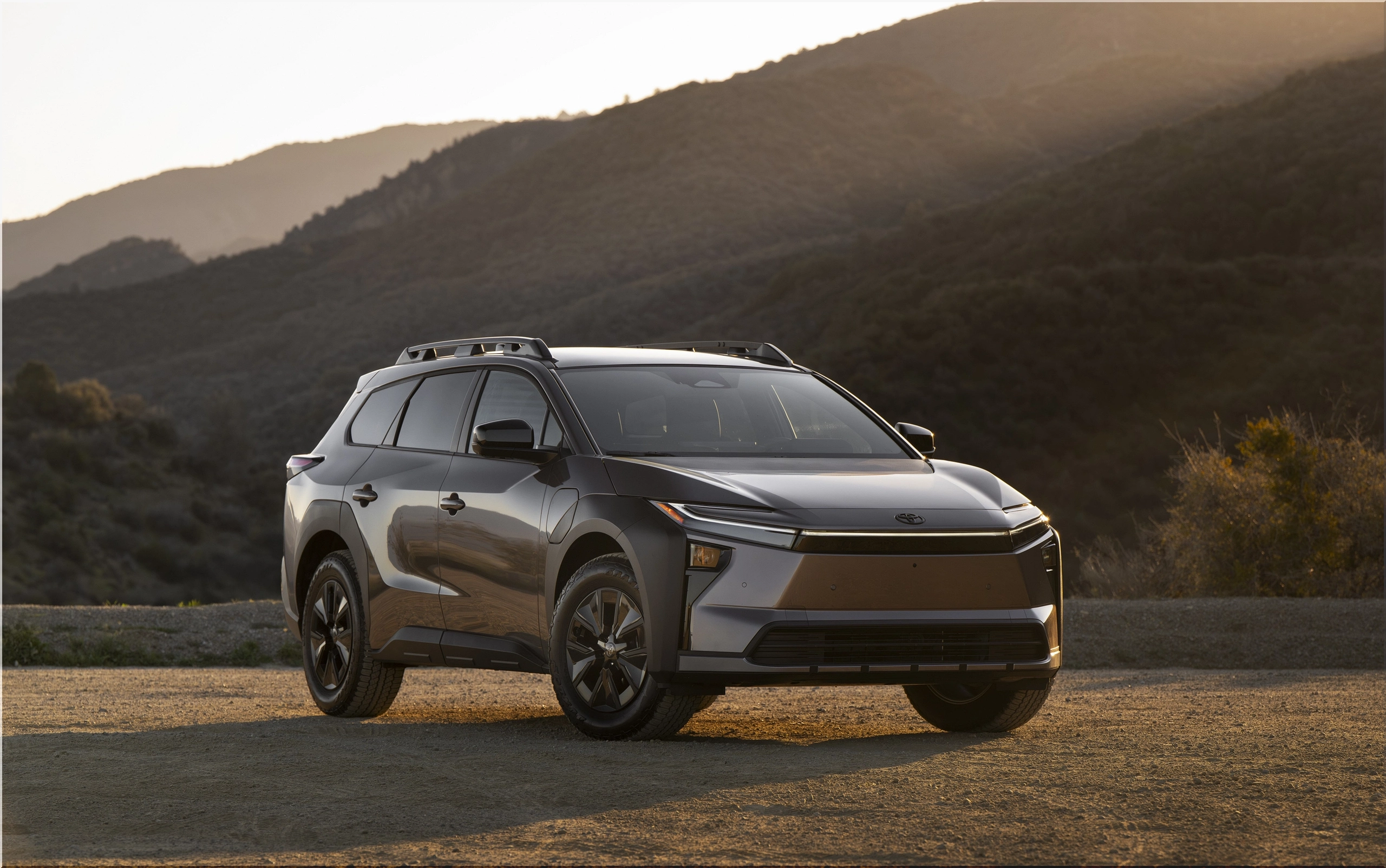
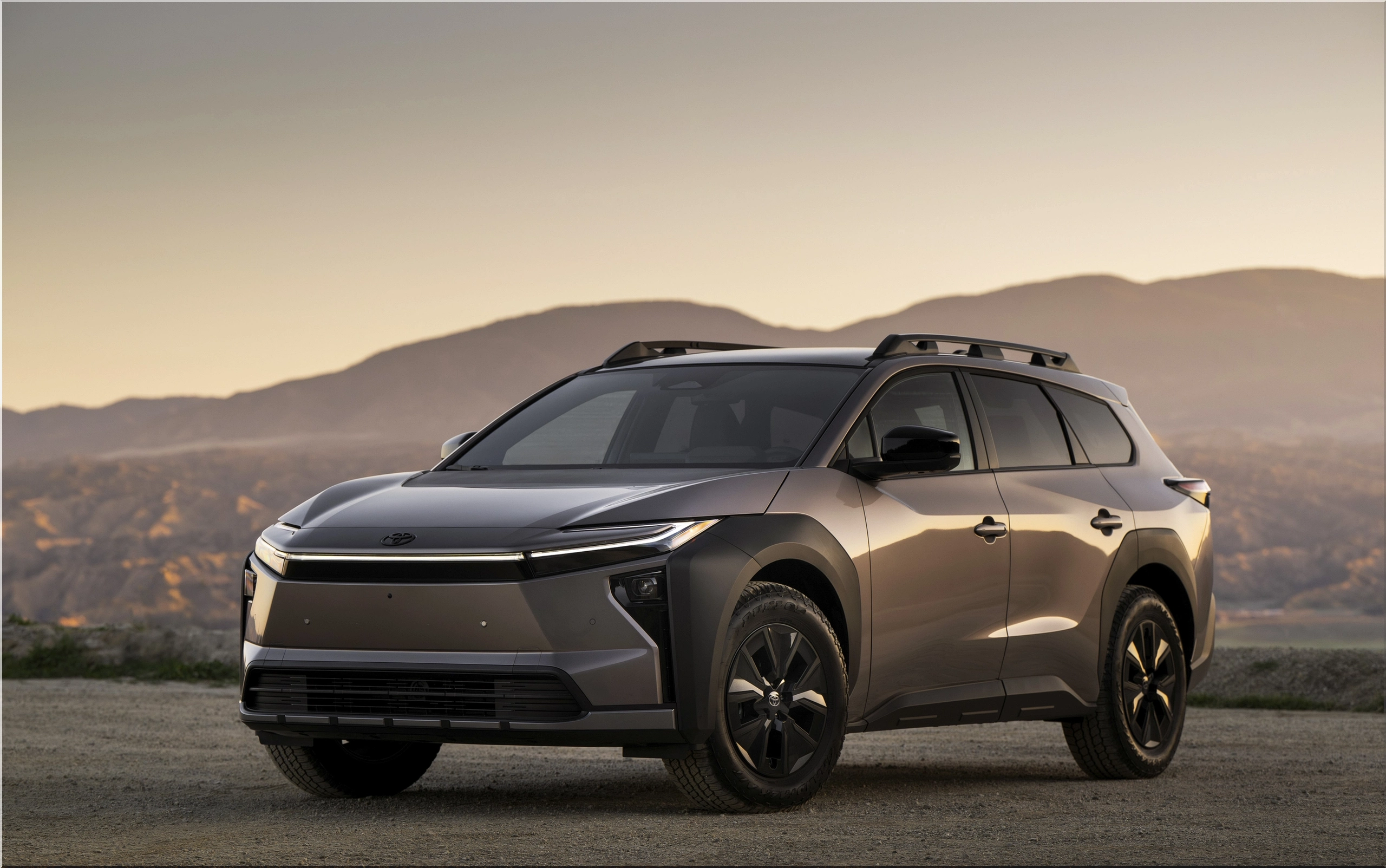
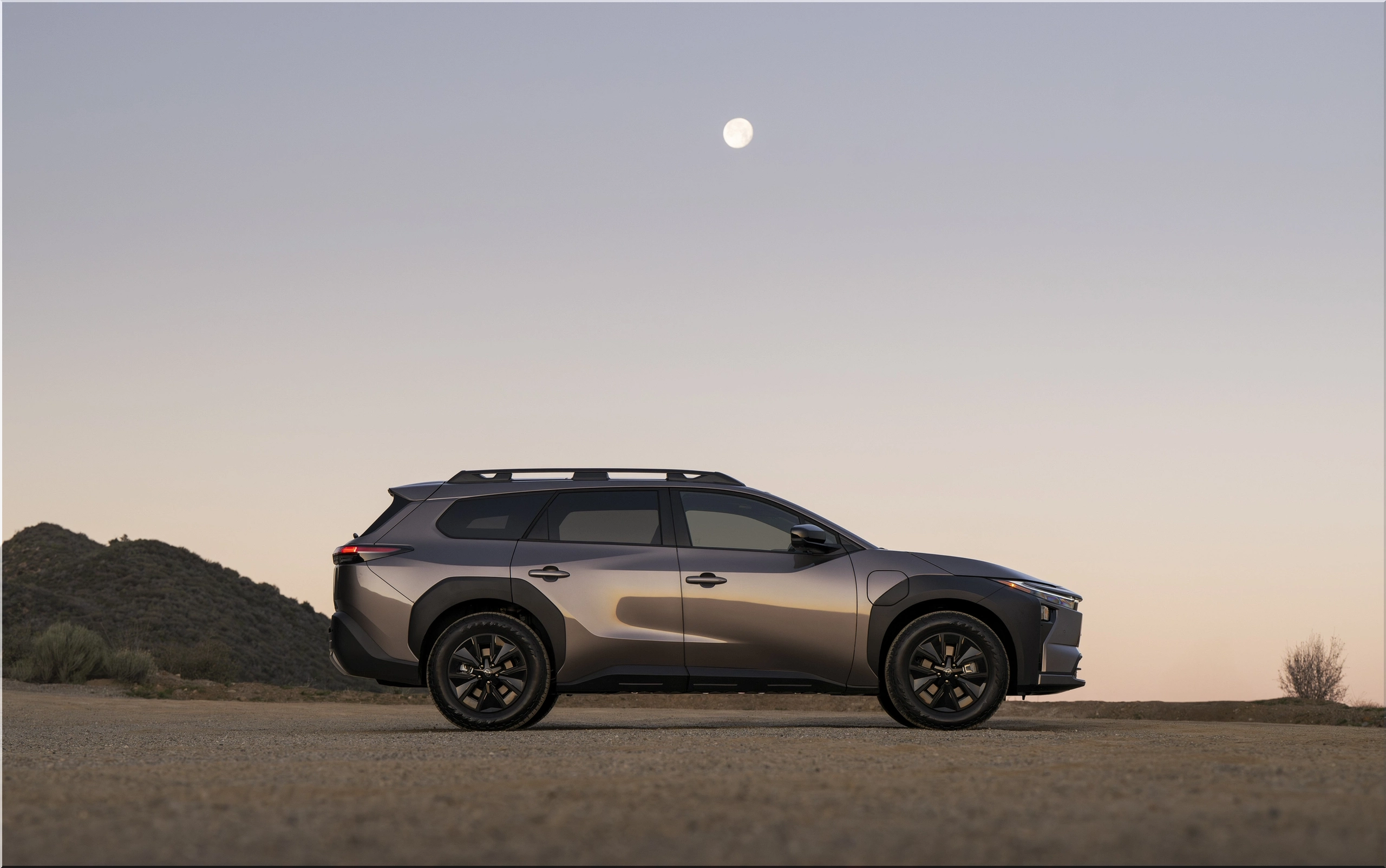
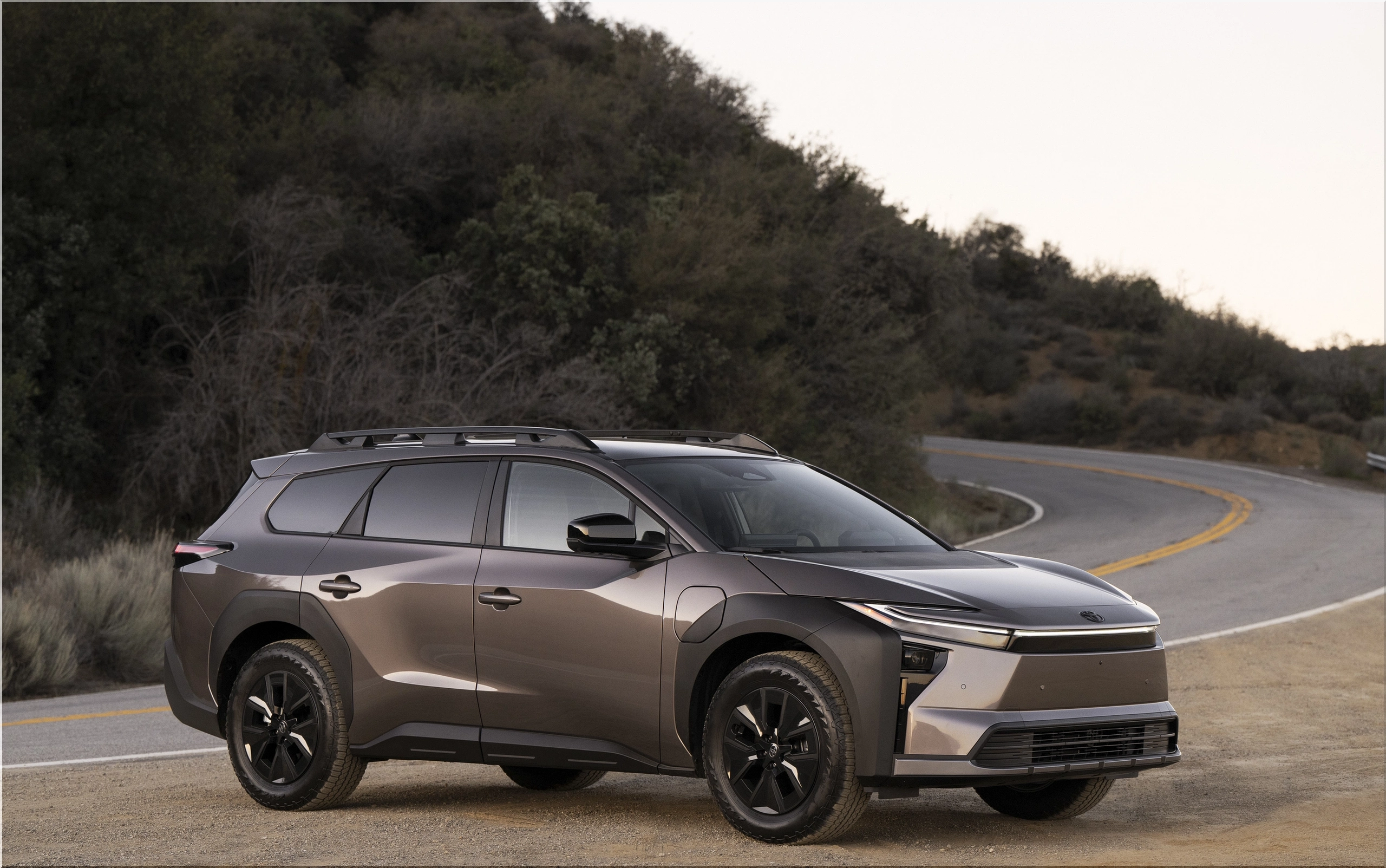
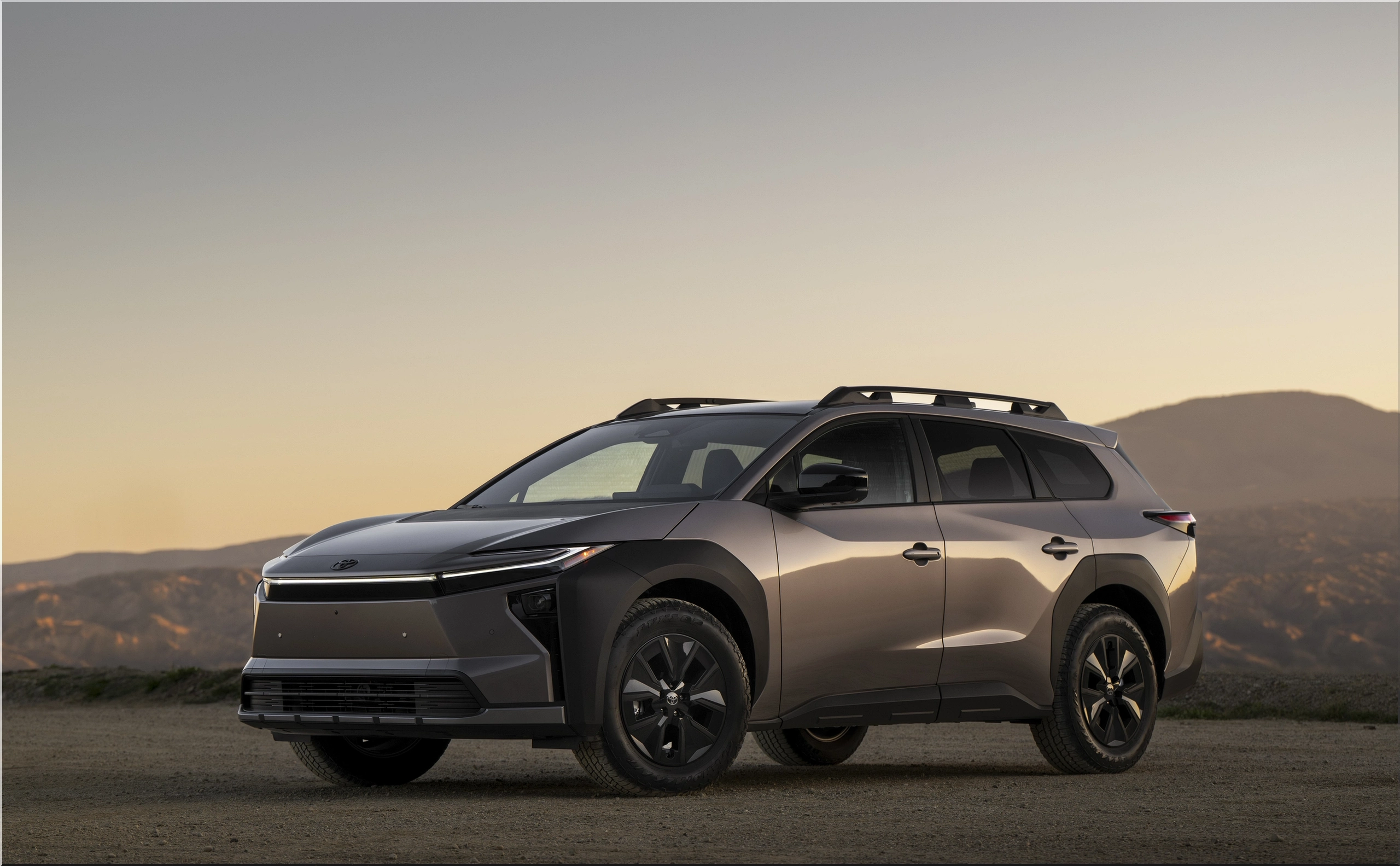
Toyota positions the bZ Woodland SUV as the rugged branch of the bZ family. The changes are not cosmetic-only. Toyota stretches the body, adjusts the stance, and leans into functional utility.
Here is the short version:
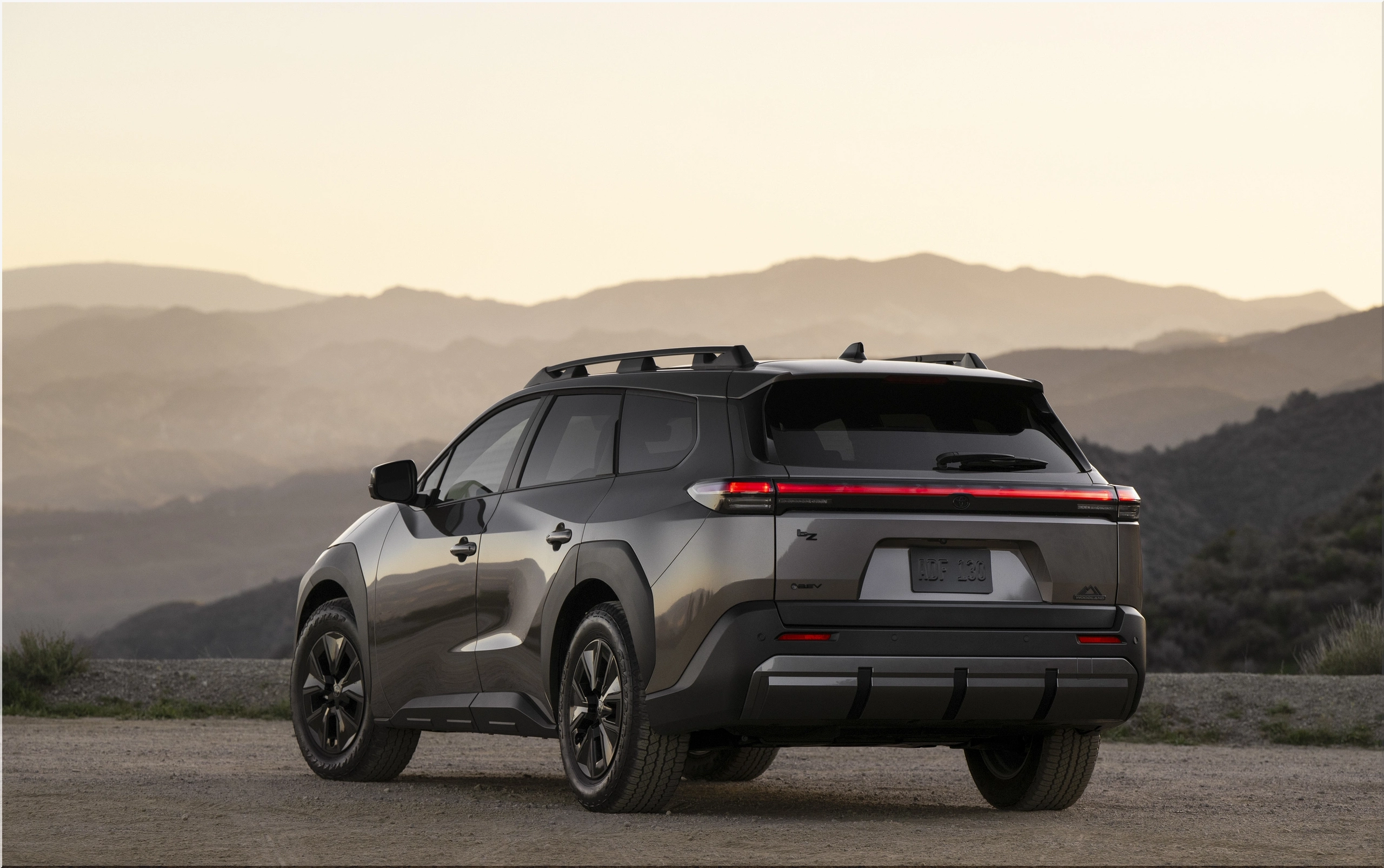
- Toyota adds nearly 6.0 inches (152 mm) of length for more cargo and a longer roofline
- Toyota raises the rear height by just under 1.0 inch (25 mm) for extra rear volume
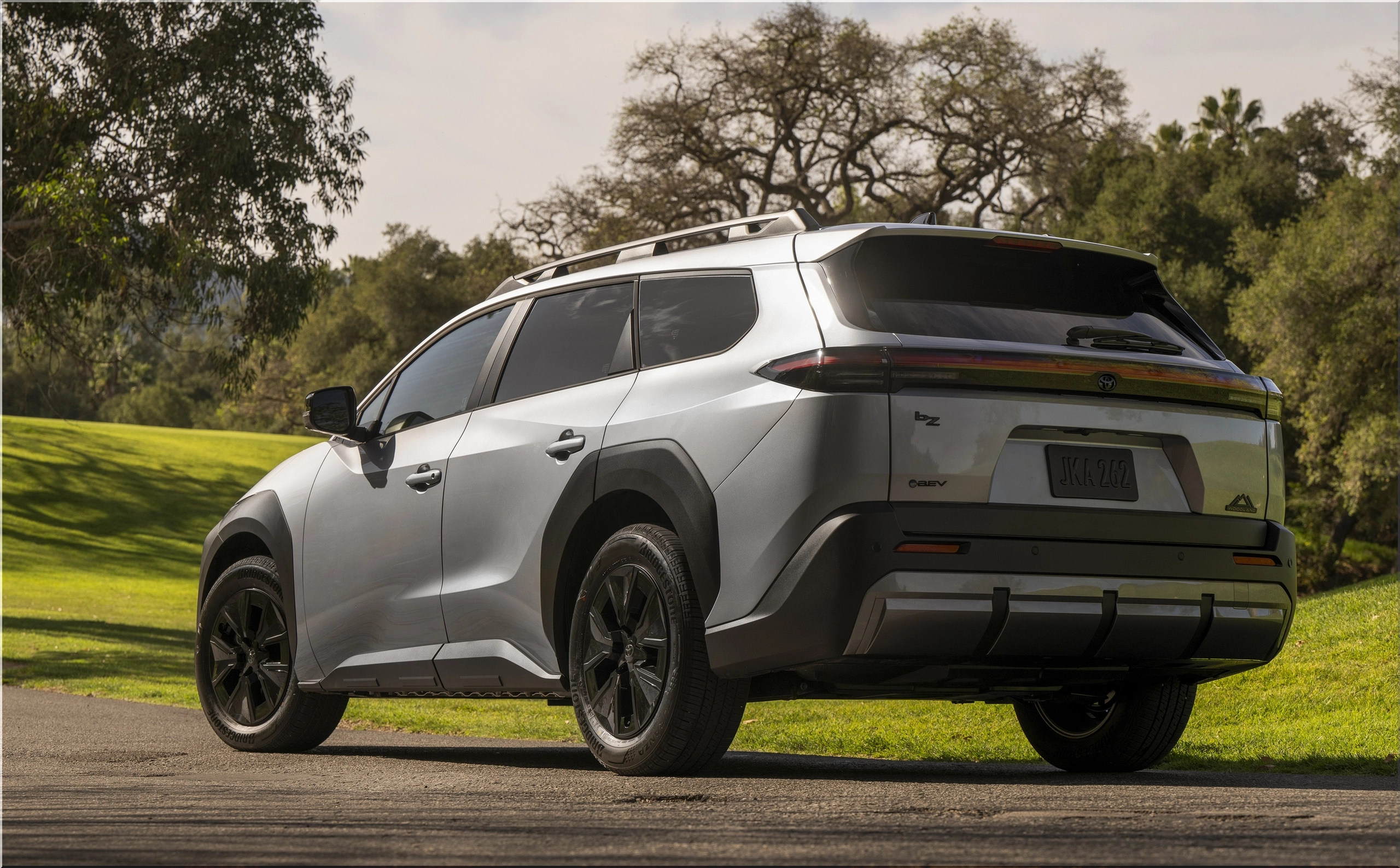
- Toyota fits standard roof rails to support racks and cargo accessories
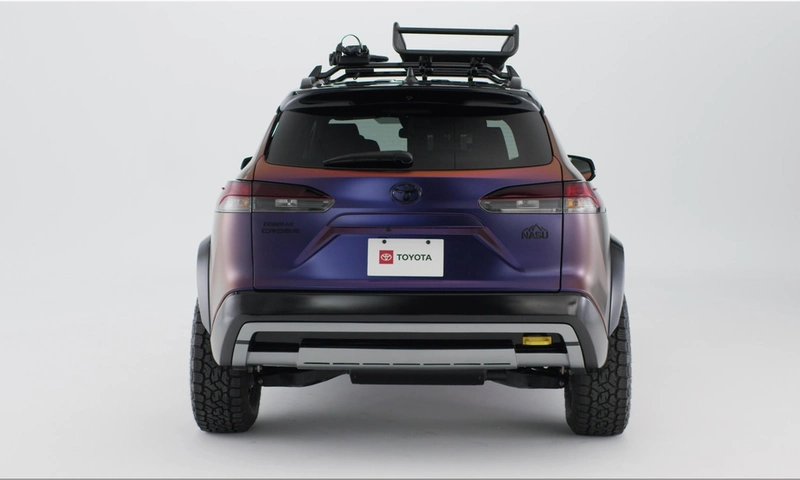
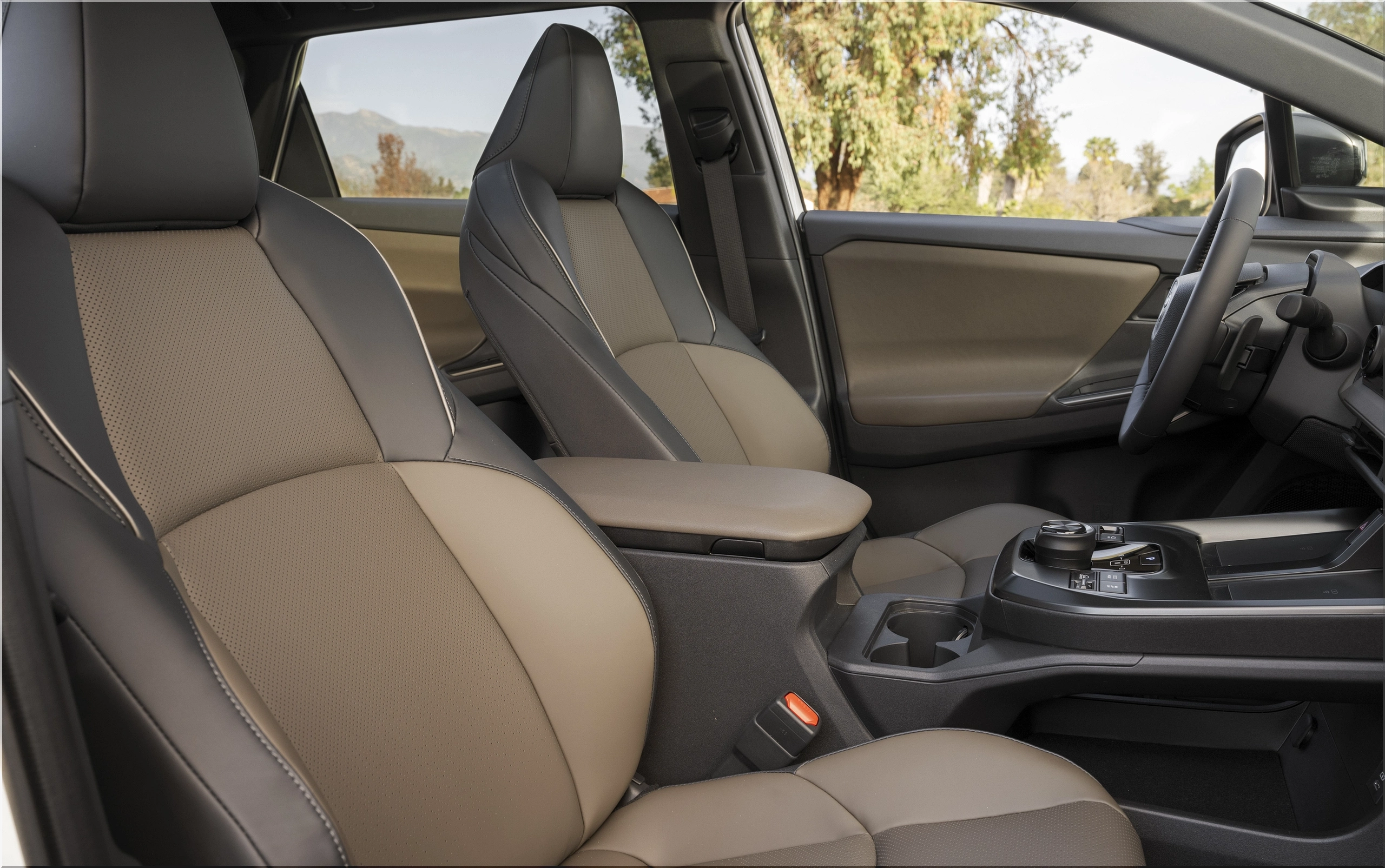
- Toyota builds the look around black overfenders and an outdoors-focused wheel-and-tire package option
Cargo volume tells the story. Fold the second row and the bZ Woodland posts 74.3 cu ft (2,104 L) of space, up from 67.1 cu ft (1,900 L) in the regular bZ configuration Toyota references for comparison. That gain sounds small on paper until you pack real objects: coolers, tents, a stroller, or a couple of big hard-shell cases.
Consequently, Toyota aims this vehicle at buyers who treat cargo volume as a weekly constraint, not a once-a-year problem.
Key Performance Numbers: 375 hp, 0-60 in 4.4, AWD Standard
The dual-motor all-wheel-drive setup makes the Woodland the most powerful bZ yet. Toyota quotes 375 hp net combined system output and a 0-60 mph estimate of 4.4 seconds.
That matters for two reasons.
First, this output pushes the Woodland into the quick lane in the mainstream electric crossover class. Second, the power comes with traction logic designed for mixed surfaces, not only dry pavement.
Image
How the AWD System Works in the Real World
Toyota houses electric motors in front and rear eAxles. That architecture gives the controller direct authority over torque delivery at both ends without waiting on a mechanical coupling.
From an expert perspective, that control loop gives Toyota three levers it can pull quickly:
- Instant torque bias front-to-rear to limit wheelspin
- Brake-based vectoring to stabilize a slipping wheel
- Throttle shaping to keep the vehicle predictable on loose terrain
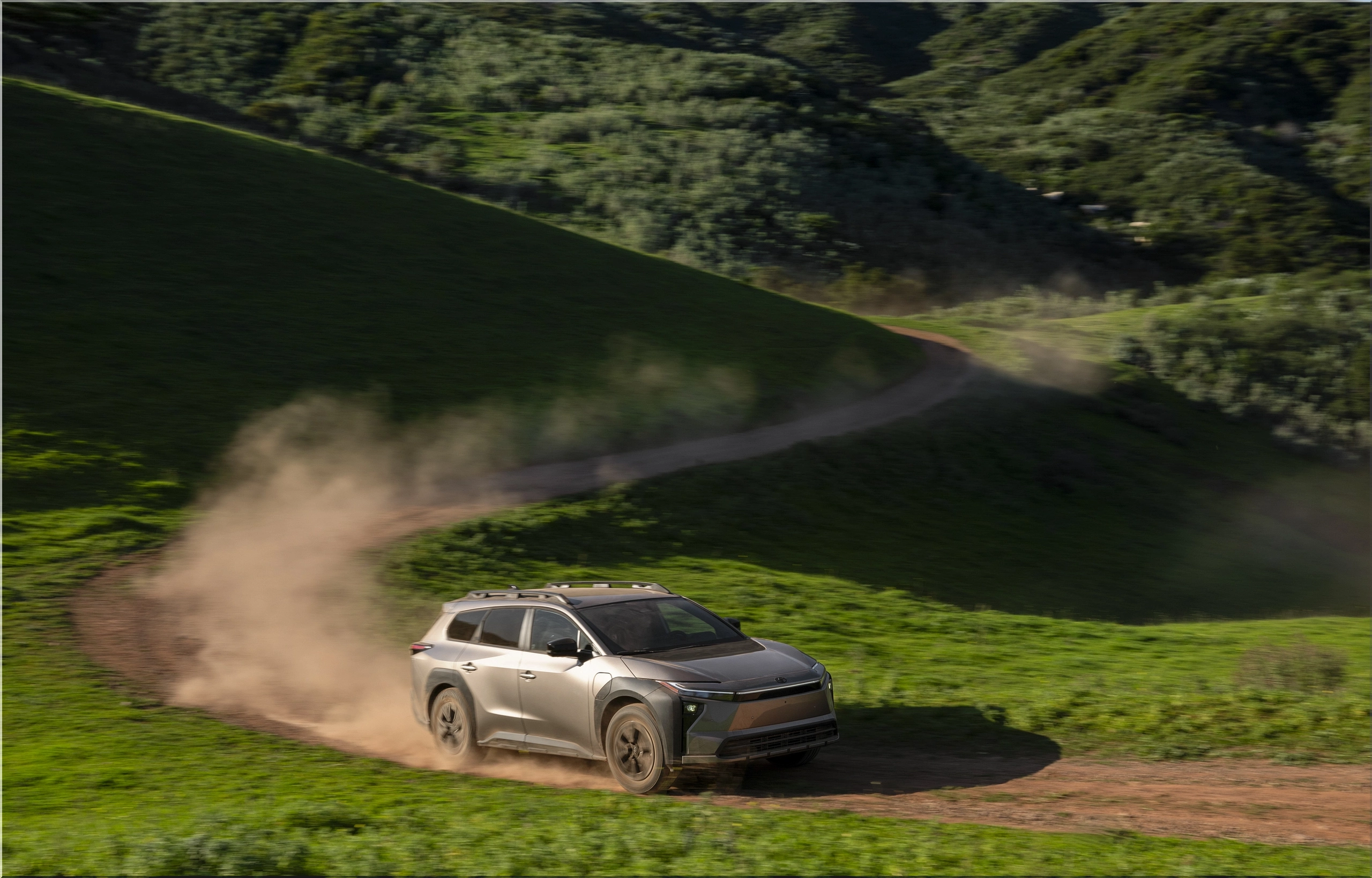
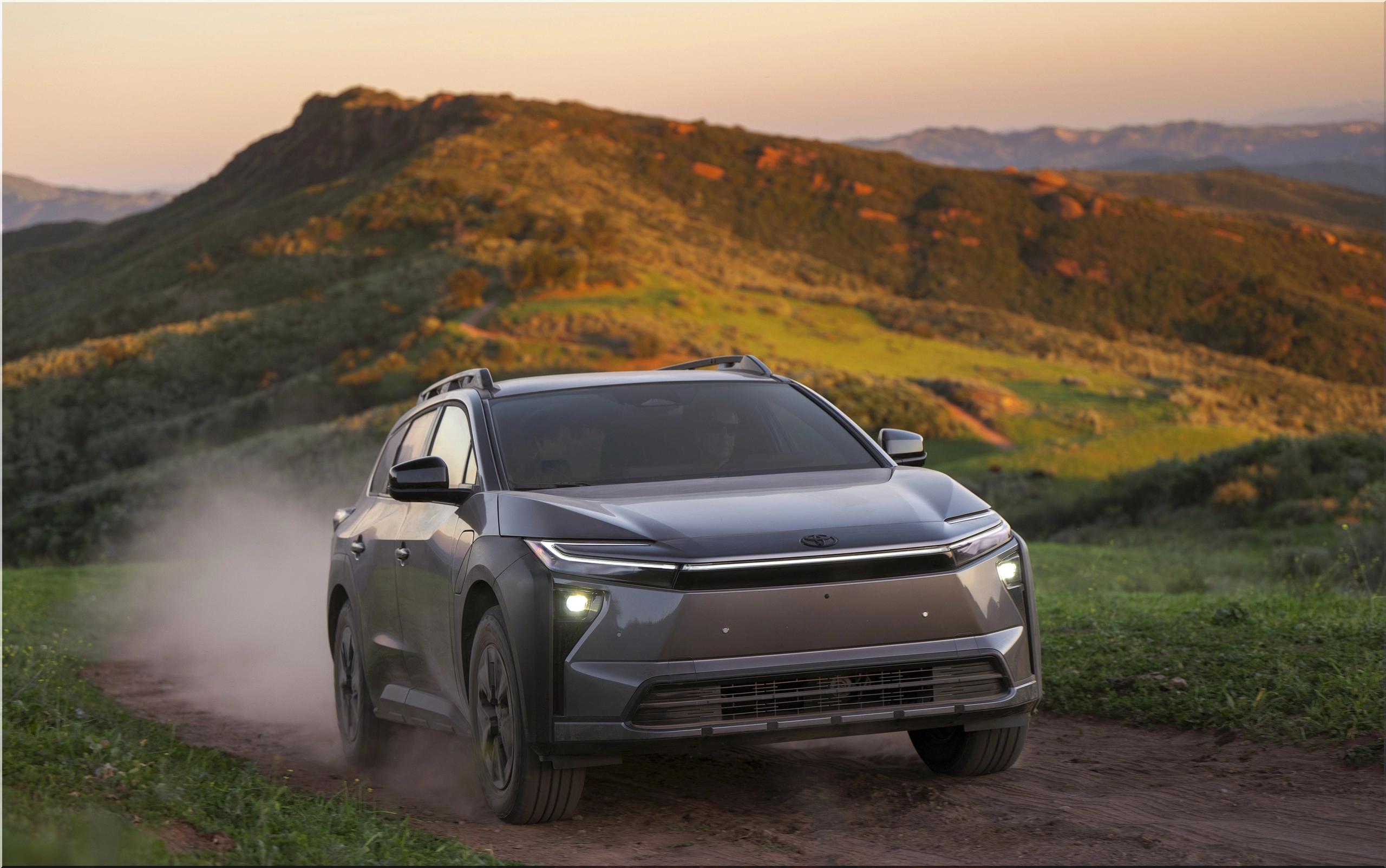
Toyota bakes this into X-MODE and adds Grip Control for low-speed driving in poor conditions. Grip Control modulates motor power delivery to hold a steady low speed so the driver can focus on the line ahead, not constant pedal corrections.
By comparison, some rivals lean harder on tire choice and mechanical grip. Software matters more in an EV because torque arrives immediately. Toyota clearly wants its software to feel calm, not twitchy.
Range and Battery: 74.7 kWh and Up to 281 Miles
Toyota fits a lithium-ion battery with 74.7 kWh total capacity and quotes an EPA-estimated range up to 281 miles (452 km). Choose the optional all-terrain tires and the estimate drops to 260 miles (418 km).
That drop tracks with physics. Aggressive tread increases rolling resistance and aero noise. You gain bite on loose surfaces and lose highway efficiency. The trade looks simple, yet it hits buyers who plan long drives.
Looking at the data, Toyota built two personalities into one vehicle:
- 281-mile setup for daily commuting and road-trip comfort
- 260-mile setup for owners who accept range loss in exchange for real traction
Definitions: EPA Range vs Real Range
EPA-estimated range: A lab-derived distance estimate using standardized test cycles. It helps compare vehicles, but it shifts with speed, temperature, elevation, and tire choice.
Real range: The distance you actually travel between charges based on how and where you drive. Cold weather, high speeds, roof cargo, and aggressive tires all pull it down.
Charging Hardware: NACS Port, Pre-Conditioning, Plug and Charge
Toyota equips the bZ Woodland with a North American Charging System (NACS) port for Level 3 DC fast charging compatibility. Toyota also quotes 10% to 80% in around 30 minutes under ideal conditions on DC fast charging.
In addition, Toyota adds a suite of charging tools that reduce friction on road trips.
Battery Pre-Conditioning: Why It Matters
Fast charging speed depends heavily on cell temperature. Cold cells resist charge acceptance. Hot cells push thermal limits. Pre-conditioning actively brings the pack into the temperature window that supports higher charge rates.
Toyota lets drivers trigger pre-conditioning manually, or it can activate automatically when the navigation system routes to a fast-charging station.
Plug and Charge: What It Actually Does
Plug and Charge automates authentication at supported networks. You plug in, the station recognizes the vehicle, and billing runs without app juggling.
That matters because EV ownership pain rarely comes from the vehicle. It comes from the workflow.
Image
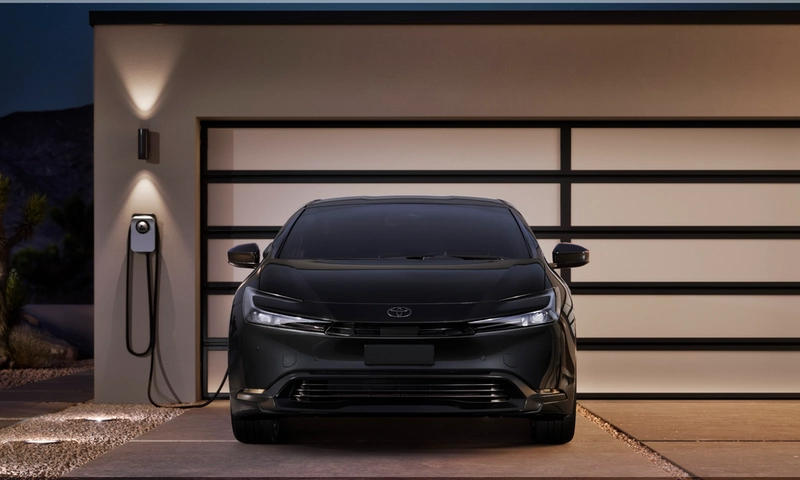
AC Charging: 11 kW Onboard and a Dual-Voltage Home Cable
Toyota fits an 11-kW onboard charger for Level 1 and Level 2 AC charging and includes a 120V/240V dual-voltage charging cable for home use.
Here is what that signals: Toyota expects many owners to charge at home, then use DC fast charging as the exception.
Regenerative Braking: Paddle-Controlled Energy Recovery
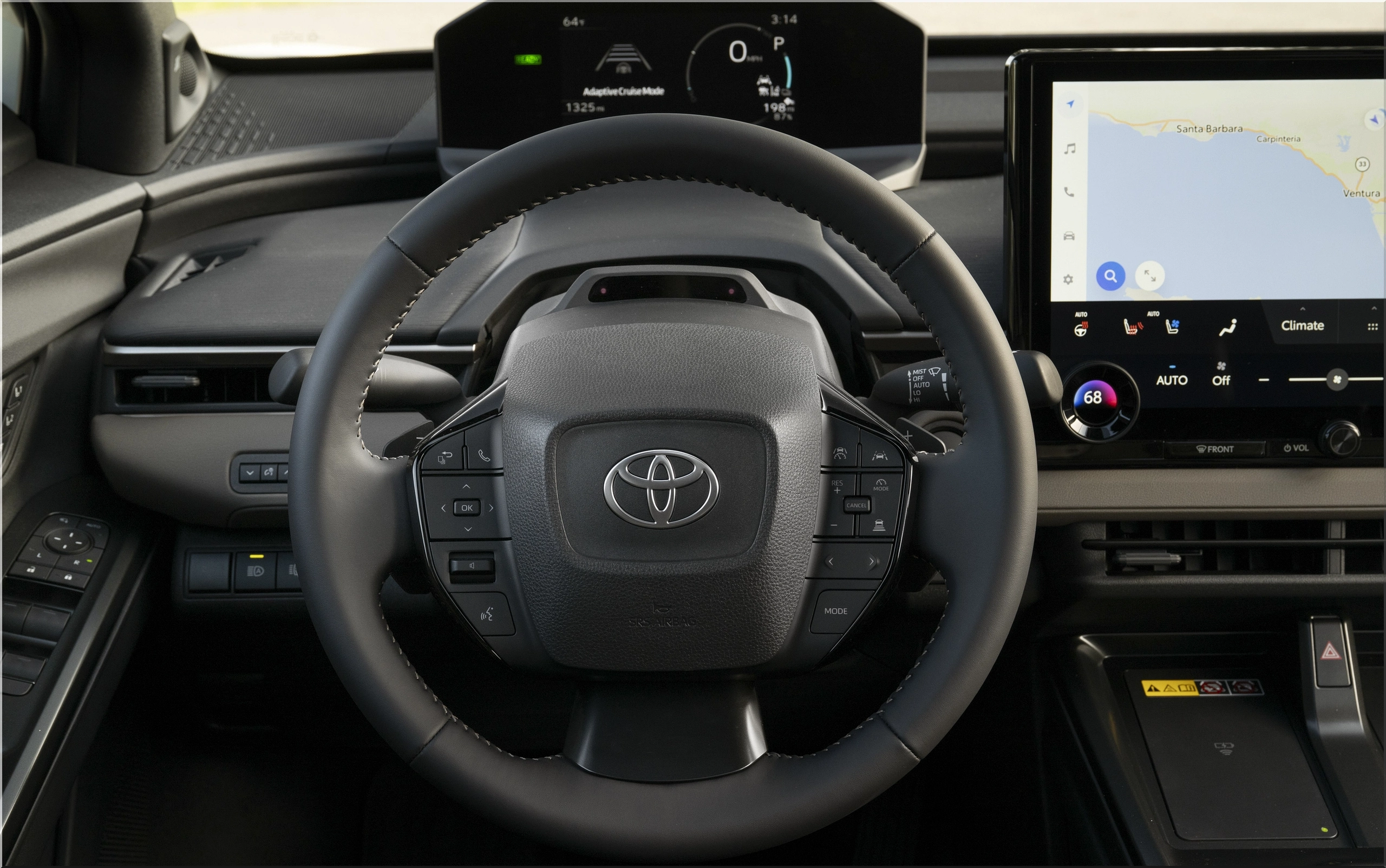
Toyota adds steering wheel paddles to activate and adjust regenerative braking. The paddles let drivers select regen intensity, which changes deceleration feel and energy recapture on lift-off and braking.
This feature improves daily efficiency and reduces brake wear. It also improves control on long descents if you drive in hilly areas.
Utility Specs That Actually Matter: Clearance, Tires, and Towing
Toyota sells the Woodland vibe, but the numbers back it up.
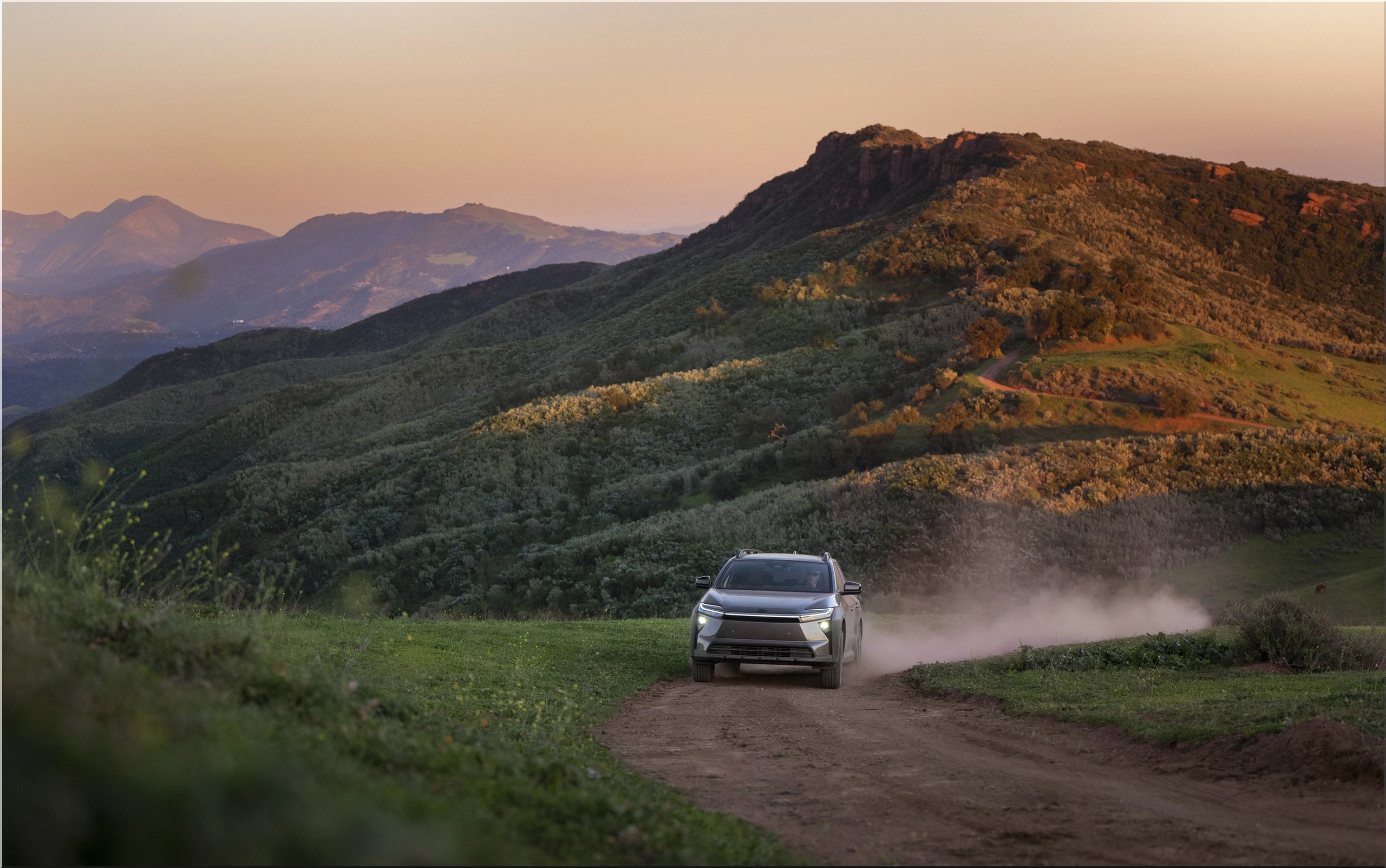
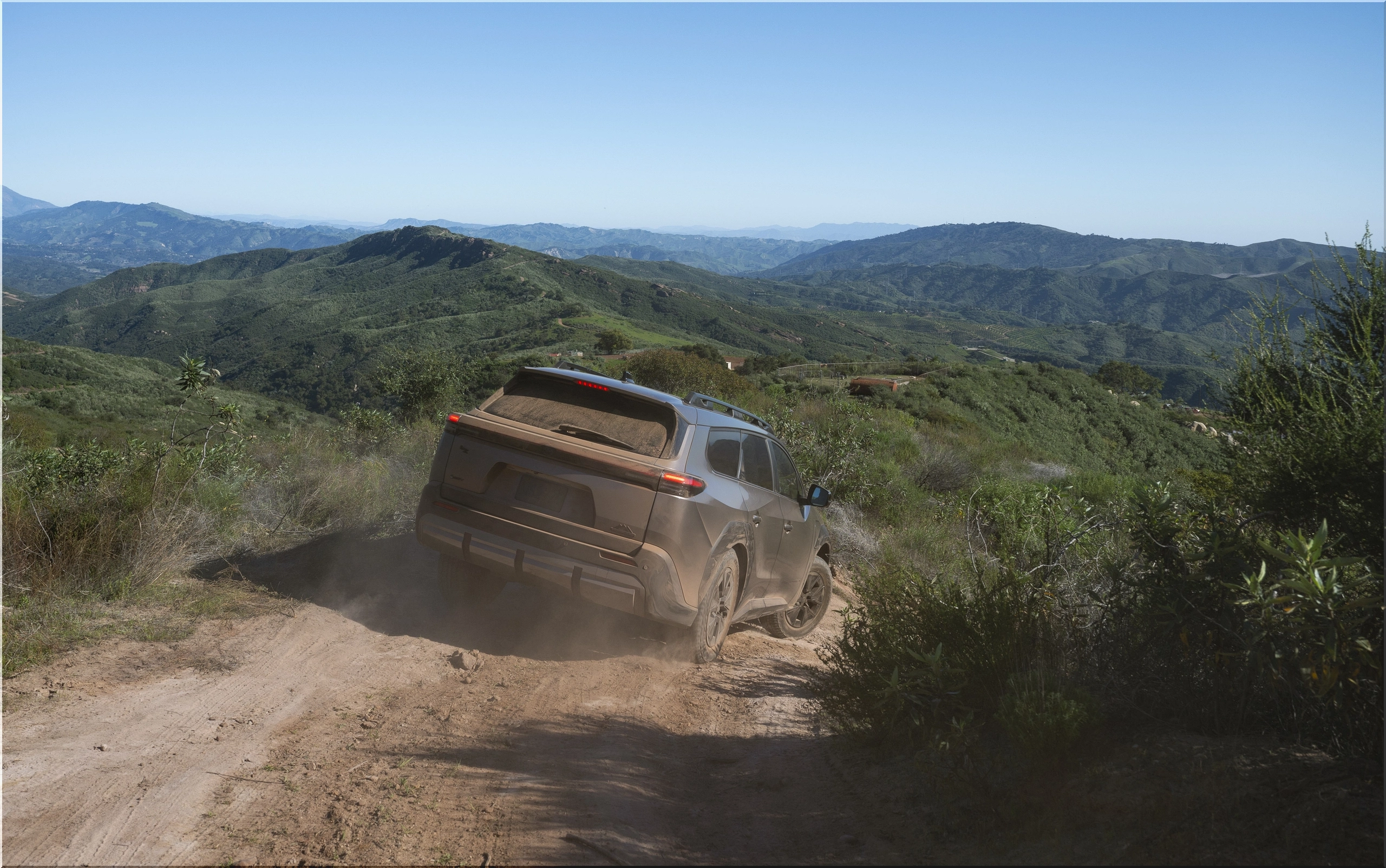
- Ground clearance: 8.4 in (213 mm)
- Wheels: 18-inch aluminum with aero covers
- Towing capacity: Up to 3,500 lb (1,588 kg)
These are the specs buyers use when they decide if an electric SUV fits their life.
Why 8.4 Inches of Clearance Changes Use Cases
An extra inch of clearance sounds minor until you hit a steep driveway, a rutted dirt road, or a snow berm. Clearance also protects the underfloor battery pack by increasing breakover room.
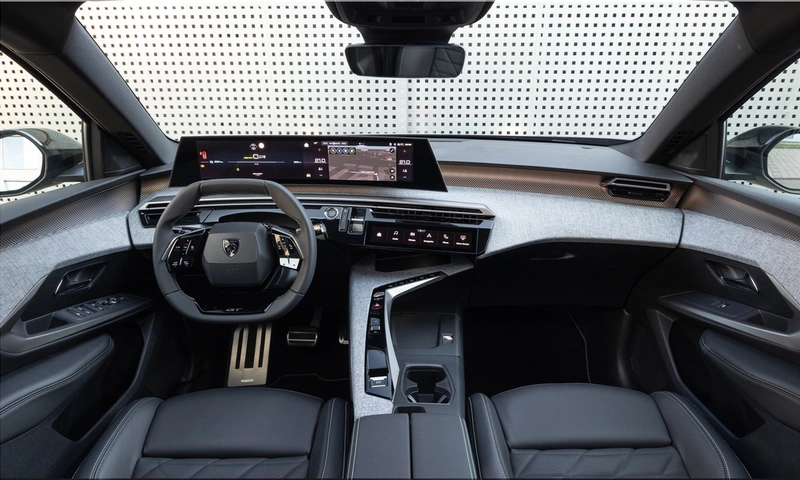
In addition, Toyota places the battery pack flat under the floor. That lowers the center of gravity. A low CG improves handling, but it creates a packaging challenge: protect the pack while still offering clearance. Toyota answers that with the platform structure and a rigid battery cross-framing design that supports stability and rigidity.
Towing: What 3,500 Pounds Means for EV Owners
A 3,500-lb tow rating covers:
- Small camping trailers
- Two-place personal watercraft trailers
- Utility trailers loaded with gear
- Lightweight boat trailers
It does not cover heavy enclosed car haulers. Still, it moves the Woodland into a practical zone where towing becomes a real reason to buy, not a brochure flex.
Video title
Toyota bZ Woodland 2026
Dimensions and Packaging: Bigger Where It Counts
Toyota describes the Woodland as longer and slightly taller than its bZ sibling. Independent spec listings for the vehicle commonly cite the following exterior measurements:
- Wheelbase: 112.2 in (2,850 mm)
- Length: 190.2 in (4,831 mm)
- Width: 73.2 in (1,859 mm)
- Height: 65.9 in (1,674 mm)
That length matters because it increases rear cargo usability and helps roof rail utility. A longer roofline makes racks easier to load and reduces the feeling of "short roof, tall tail" that can limit bulky items.
Trims and Features: Woodland vs Woodland Premium
Toyota sells the bZ Woodland in two grades:
- bZ Woodland
- bZ Woodland Premium
Both keep the core mechanical hardware: 375 hp, standard AWD, and the same battery and charging fundamentals. The trims separate based on comfort and tech.
Standard bZ Woodland Feature Highlights
Toyota fits the base grade with a long list that covers daily needs:
- Heated front seats and heated outboard rear seats
- Heated steering wheel
- Dual wireless phone chargers
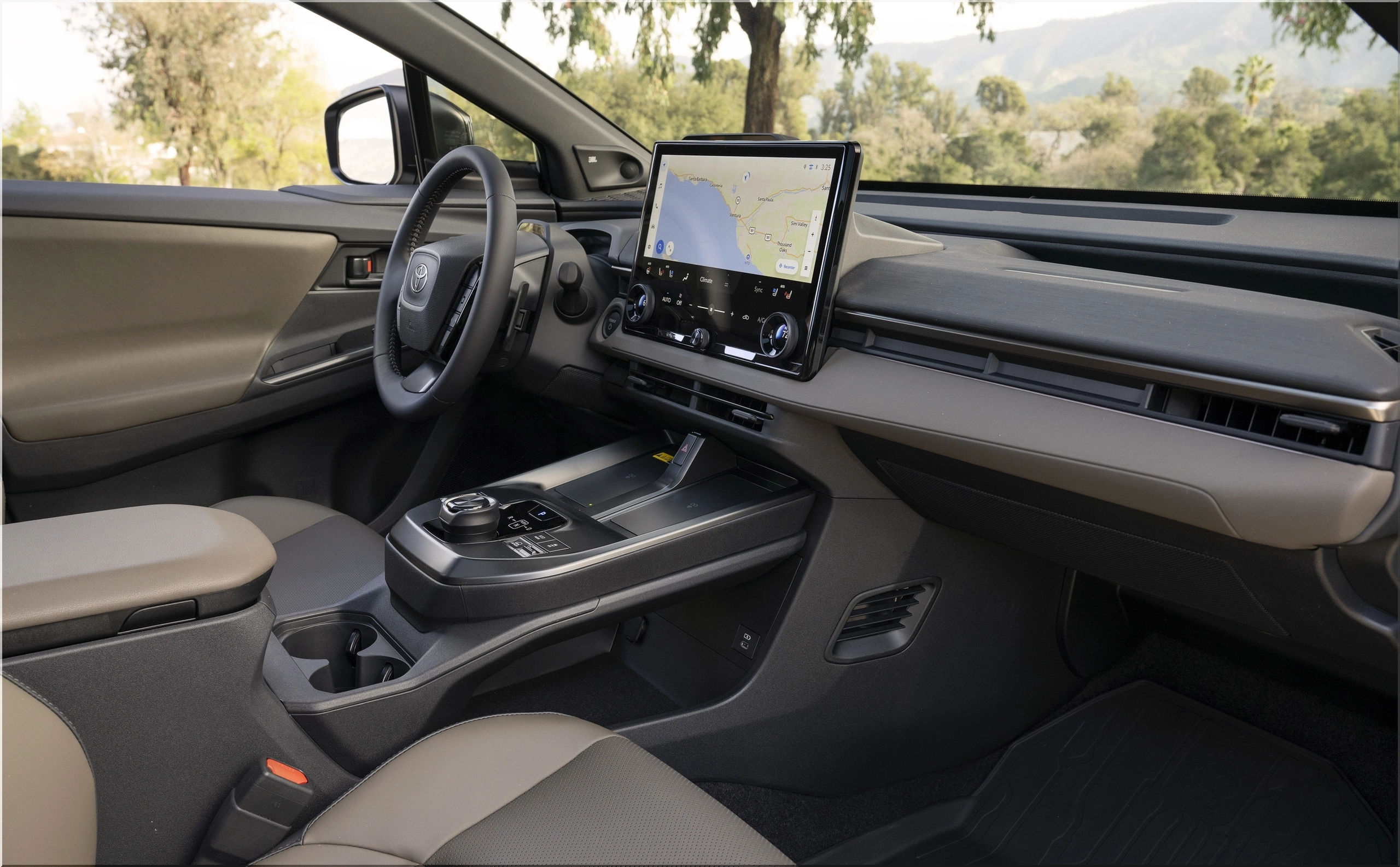
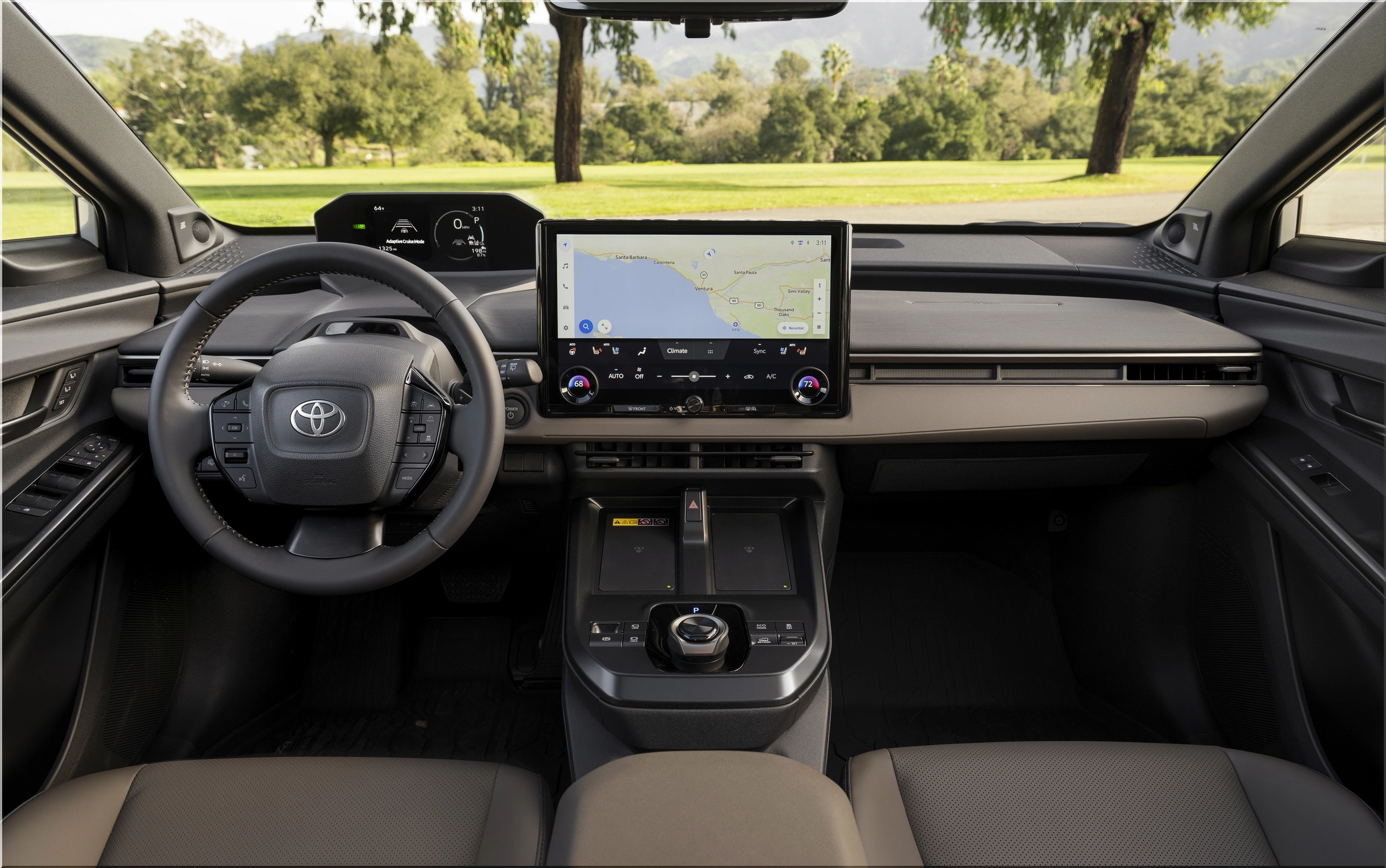
- 14-inch touchscreen with Toyota Audio Multimedia
- Dual-zone automatic climate control
- Digital Key capability
- Roof rails
- 18-inch wheels with aero covers
- Four USB-C ports (front media, front high-output, and rear ports)
Woodland Premium: What Changes in Practice
The Premium grade adds the features buyers feel every day:
- Ventilated front seats
- Front radiant foot and leg heaters
- Driver seat memory and mirror memory functions
- Panoramic fixed-glass roof with a power sunshade
- Digital rearview mirror with garage integration support
- Premium audio system with 9 speakers, an 800-watt amplifier, and a subwoofer
If you plan long road trips, the Premium trim reads like Toyota built it for real hours behind the wheel, not short commutes.
2026 Toyota bZ Woodland Trim Comparison (Key Specs and Value)
| Category | bZ Woodland | bZ Woodland Premium |
|---|---|---|
| Drivetrain | Dual-motor AWD | Dual-motor AWD |
| Output | 375 hp | 375 hp |
| EPA-estimated range | Up to 281 miles (260 with all-terrain tires) | Up to 281 miles (260 with all-terrain tires) |
| Ground clearance | 8.4 in (213 mm) | 8.4 in (213 mm) |
| Towing capacity | Up to 3,500 lb | Up to 3,500 lb |
| Infotainment | 14-inch touchscreen | 14-inch touchscreen |
| Seating comfort | Heated seats front and rear outboard | Heated plus ventilated front seats |
| Cabin upgrades | Strong standard content | Adds panoramic glass roof, memory functions, digital rearview mirror |
| Audio | 6-speaker system | 9-speaker premium system + 800W amp + subwoofer |
| Charging hardware | NACS, 11-kW onboard, DC fast charge | NACS, 11-kW onboard, DC fast charge |
Connected Tech: A 14-Inch Screen Built Around Daily Use
Toyota installs a 14-inch touchscreen with Toyota Audio Multimedia across the lineup. The system supports dual Bluetooth phone connectivity and wireless smartphone integration for common ecosystems.
Toyota also offers in-vehicle Wi-Fi connectivity for up to five devices with a trial period and data cap after activation, effectively turning the SUV into a rolling hotspot.
In addition, Toyota adds subscription-based connected services that power:
- Voice assistant support
- Cloud-based navigation map updates
- Destination assistance with live agents
- Remote climate controls via an app
- Remote locking and hatch control
- Remote charging monitoring and scheduling
This matters because EV ownership often depends on remote convenience. Pre-heating the cabin while still plugged in improves comfort and preserves battery energy for driving.
Pro-Tips: Make the bZ Woodland Charge Faster and Drive Farther
- Pre-condition before you arrive: Route to a fast charger in navigation so the pack warms or cools ahead of time.
- Treat all-terrain tires like a tool: Pick them if you drive on dirt, sand, or snow often. Skip them if you live on highways.
- Use regen intentionally: Increase regen in stop-and-go driving to recapture more energy and reduce friction braking.
- Watch roof loads: Roof boxes and racks add drag. Remove them when you do not need them.
Image gallery

Active Safety: Toyota Safety Sense 3.0 and Surround Views
Toyota fits the bZ Woodland with a full active safety suite under Toyota Safety Sense 3.0. The system uses millimeter-wave radar and a camera to monitor traffic, lane position, and hazards.
Key functions include:
- Pre-collision braking with detection support for pedestrians and cyclists
- Full-speed adaptive cruise control
- Lane departure alert with steering assist
- Lane tracing assist
- Road sign assist
- Automatic high beams
- Proactive driving assist for gentle braking and steering support in certain conditions
Toyota also fits standard blind spot monitoring with rear cross-traffic alert.
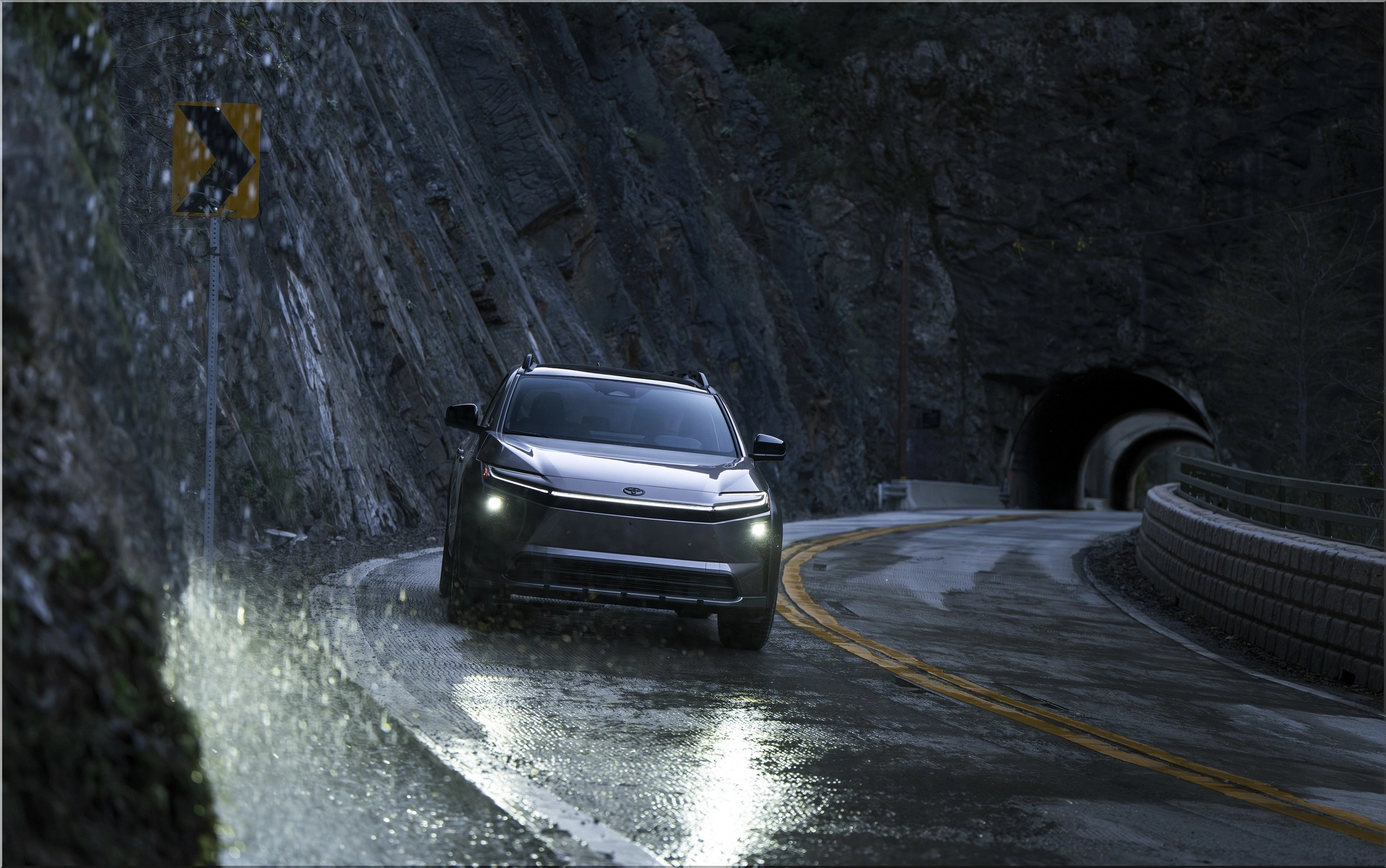
For low-speed maneuvering, Toyota includes a panoramic view monitor with a multi-terrain monitoring view. This feature helps on trails and in parking lots because both scenarios punish visibility.
Image
Battery Safety and Warranty Coverage: The Ownership Math
Toyota describes multiple battery protection strategies, including redundant monitoring of voltage, current, and temperature to detect abnormal heating.
Toyota also references coolant circulation engineering designed to reduce the risk of thermal events under high load patterns that combine high-speed driving and rapid charging.
Warranty coverage follows Toyota's standard pattern:
- Basic warranty: 36 months / 36,000 miles
- Powertrain warranty: 60 months / 60,000 miles
- EV driving components coverage: 8 years / 100,000 miles (including the traction battery)
- Maintenance plan: ToyotaCare coverage for scheduled maintenance for 2 years / 25,000 miles plus roadside assistance for 3 years
That battery coverage matters because it sets a clear boundary for long-term risk.
Competitive Landscape: Where the bZ Woodland Wins and Loses
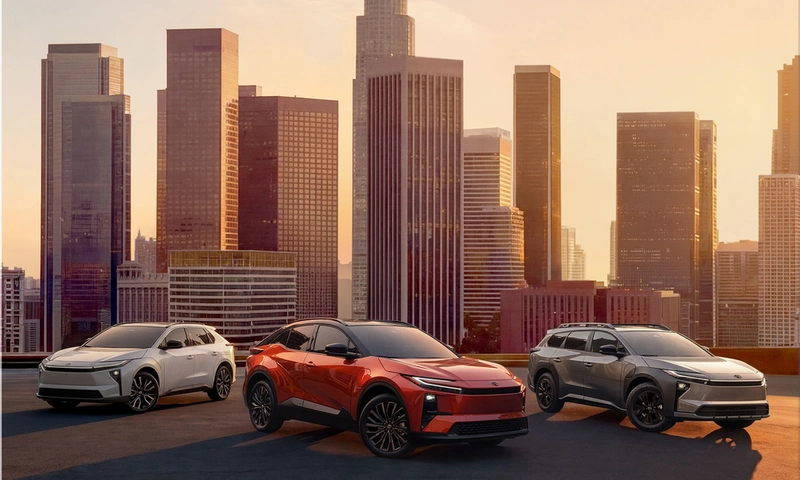
The bZ Woodland enters a crowded field of electric crossovers that all claim adventure readiness. The right comparison focuses on the metrics that affect ownership: power, range, charging access, towing, and clearance.
Image
Who Cross-Shops This SUV
Expect shopping overlap with:
- Subaru Solterra / Subaru Trailseeker variants (platform relatives in this space)
- Ford Mustang Mach-E AWD trims
- Chevrolet Blazer EV AWD trims
- Honda Prologue AWD trims
- Hyundai Ioniq 5 AWD trims
bZ Woodland vs Key Rivals (Real-Use Metrics)
| Metric | Toyota bZ Woodland | Ford Mustang Mach-E AWD | Chevrolet Blazer EV AWD | Honda Prologue AWD |
|---|---|---|---|---|
| Power | 375 hp | Varies by trim | Varies by trim | Varies by trim |
| EPA-estimated range | 260 to 281 miles | Often near or above this depending on trim | Often near or above this depending on trim | Often near or above this depending on trim |
| DC fast charging | NACS port + 10-80 in ~30 min (ideal) | CCS or adapter paths vary by year/trim | CCS | CCS |
| Ground clearance | 8.4 in (213 mm) | Varies | Varies | Varies |
| Towing | Up to 3,500 lb | Typically lower in many trims | Varies | Often lower in many trims |
| Off-pavement traction tools | X-MODE + Grip Control | Drive modes depend on trim | Drive modes depend on trim | Drive modes depend on trim |
This table uses a buyer-first lens instead of spec-sheet theater.
Win/Loss Logic in Plain Terms
Where the bZ Woodland wins
- Power-per-dollar looks strong if Toyota holds pricing close to mainstream rivals.
- Towing at 3,500 lb beats many two-row electric crossovers in day-to-day tow reality.
- Ground clearance at 8.4 inches pairs well with roof rails and tire options.
- NACS port reduces charging network friction for road trips.
Where the bZ Woodland loses
- Range tops out at 281 miles, and some rivals clear 300 miles in certain trims.
- All-terrain tires cut range to 260 miles, which tightens trip planning.
- Off-road capability stays in the light-duty category, so rock crawling fans still buy body-on-frame SUVs.
From an expert perspective, Toyota aimed at the 90% use case: dirt roads, snow, trailheads, and daily driving. That strategy sells more vehicles than chasing extreme off-road headlines.
Pricing: What the MSRP Signals
Toyota states a starting MSRP for the 2026 Toyota bZ Woodland at $45,300 USD before dealer processing and handling.
Pricing for the Premium trim varies by published outlet and may shift with packaging, regional fees, and final equipment. Treat any early pricing beyond Toyota's base figure as directional until Toyota posts a full trim breakdown with destination and option pricing.
Still, the message stays clear: Toyota wants this to land in the core electric crossover pricing band, not the luxury tier.
Image gallery
What Now: How to Decide if the bZ Woodland Fits Your Life
If you shop this SUV, focus on use cases, not hype.
A simple decision checklist
- You drive in snow, rain, dirt, or mixed surfaces often and want dual-motor AWD with traction logic.
- You want an electric SUV that can tow a small trailer without hand-waving.
- You plan to use roof racks for bikes, skis, or cargo.
- You care about fast charger access and want a NACS charging setup from the factory.
How to pick the right trim
- Pick bZ Woodland if you want the powertrain, clearance, and towing rating at the lowest price.
- Pick bZ Woodland Premium if you drive long distances and value ventilated seats, upgraded audio, panoramic roof light, and memory functions.
How to pick the right tires
- Pick all-season tires if you care about maximum range and road noise.
- Pick all-terrain tires if you drive off pavement often enough to justify the range trade.
Toyota built the bZ Woodland to close the gap between "electric crossover" and "real utility." The specs back the goal. Now Toyota needs to deliver real-world charging consistency and pricing discipline, because buyers in this segment do not buy excuses.
- Add new comment
- 275 views