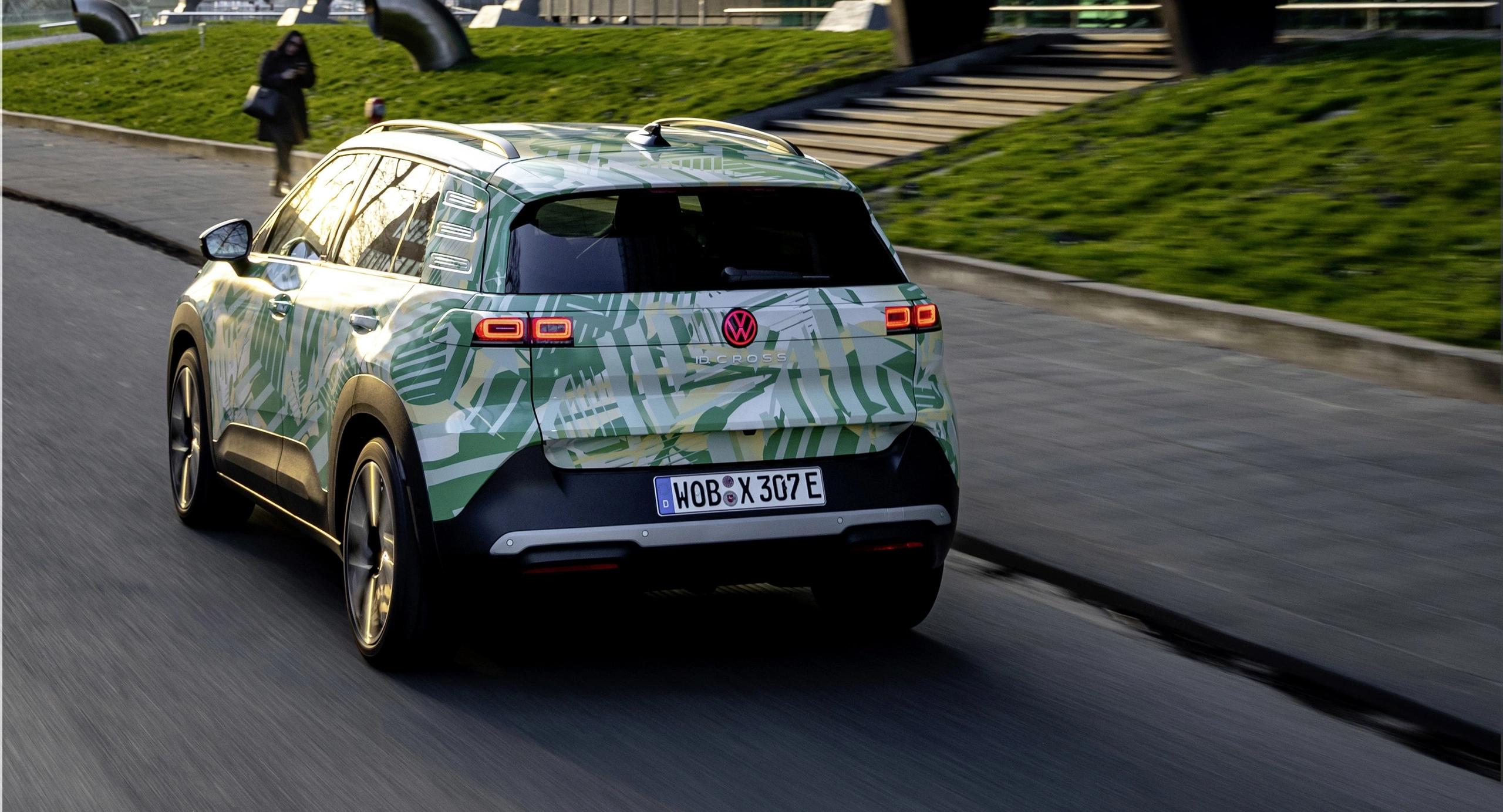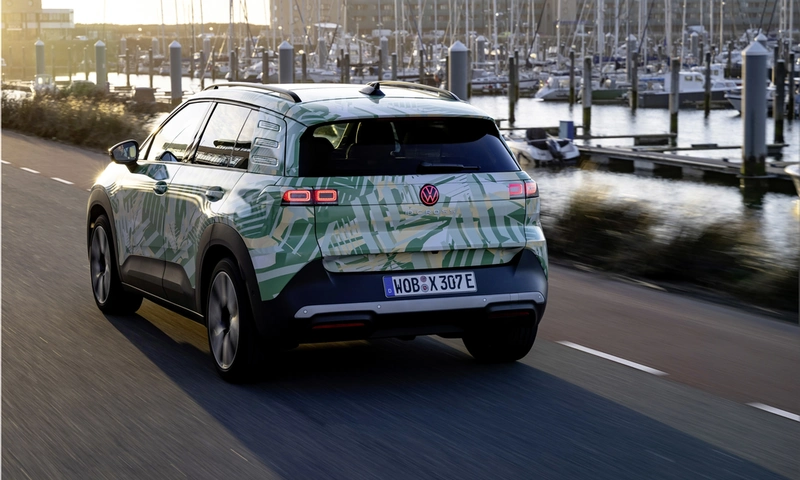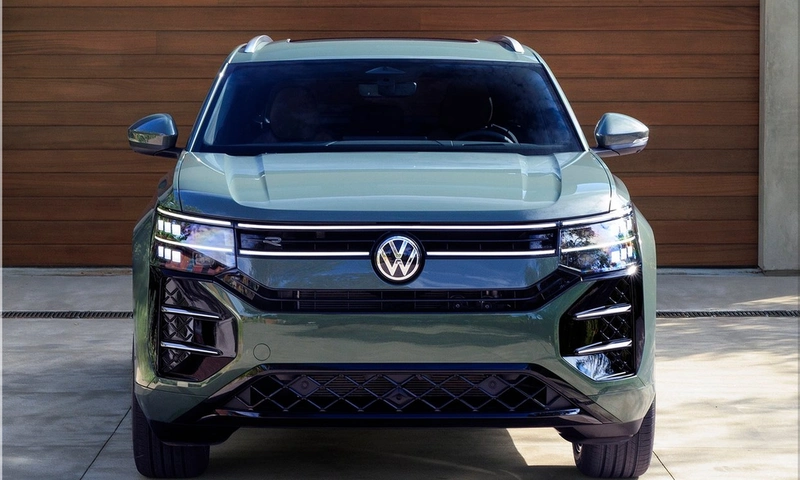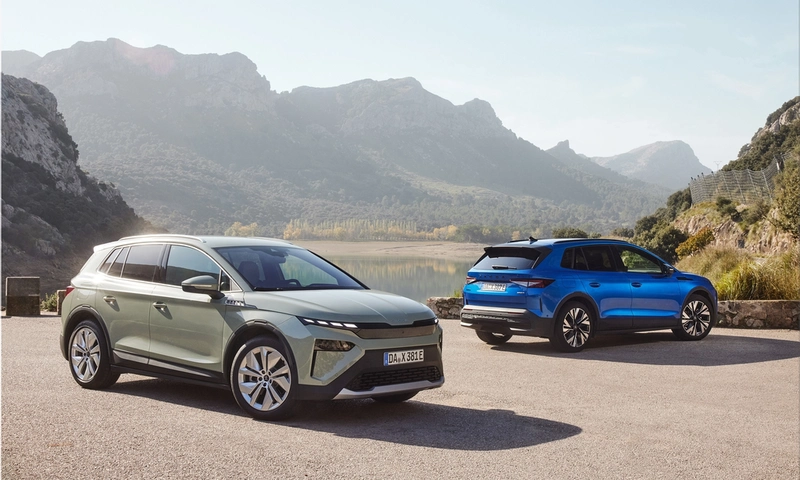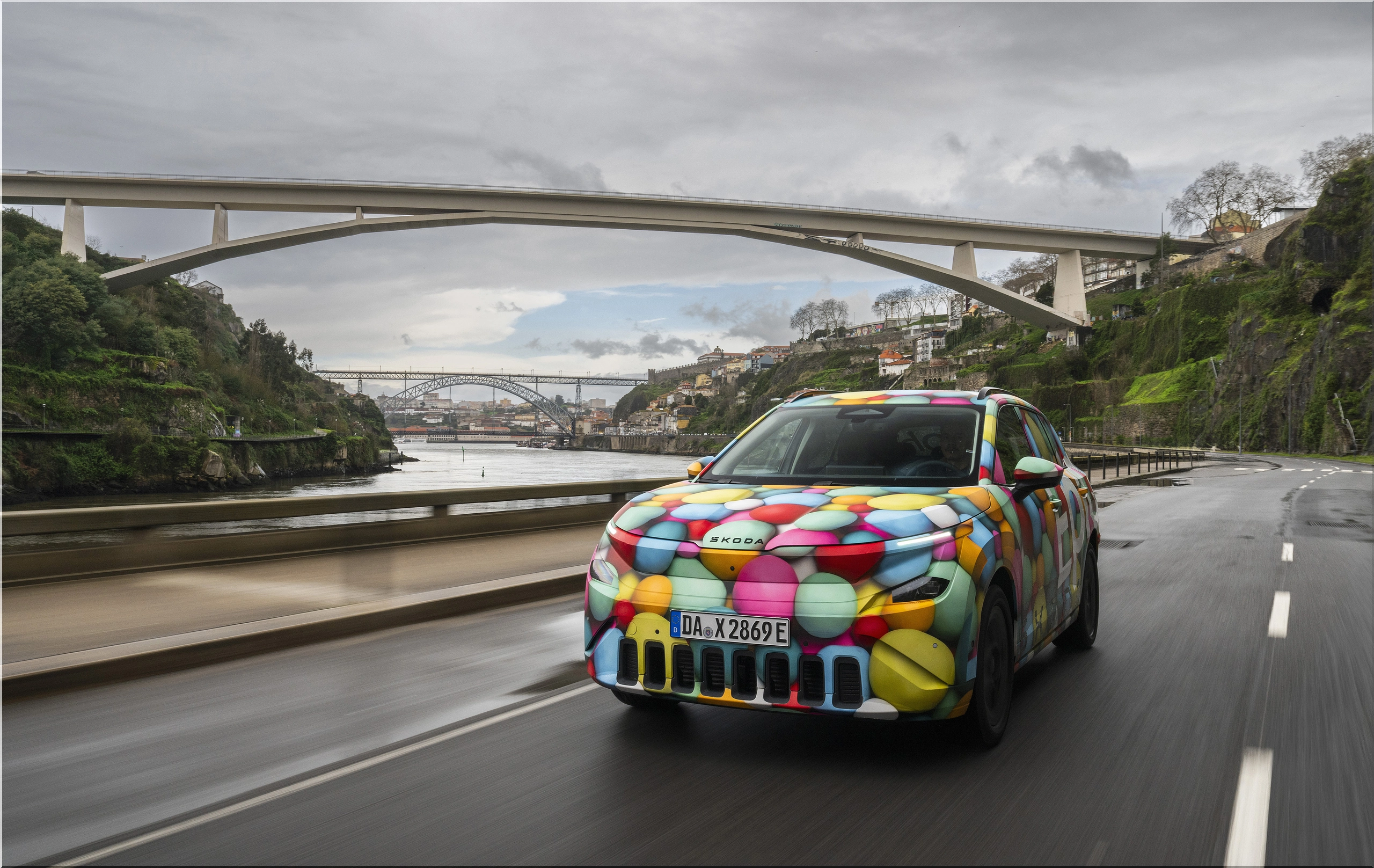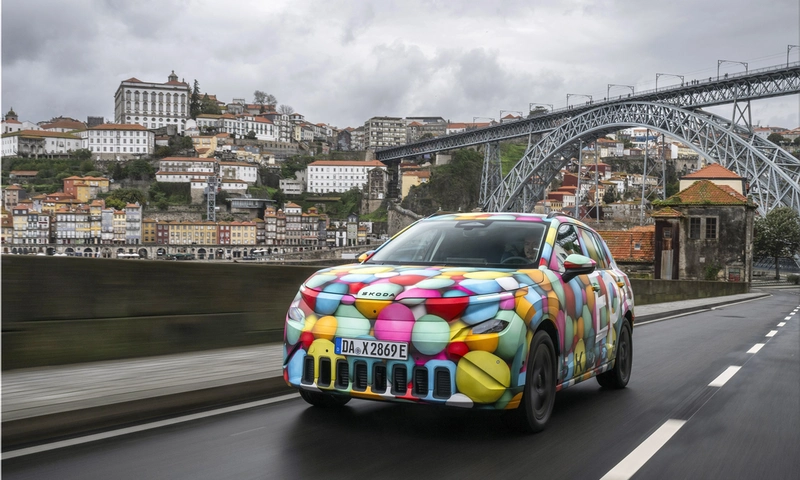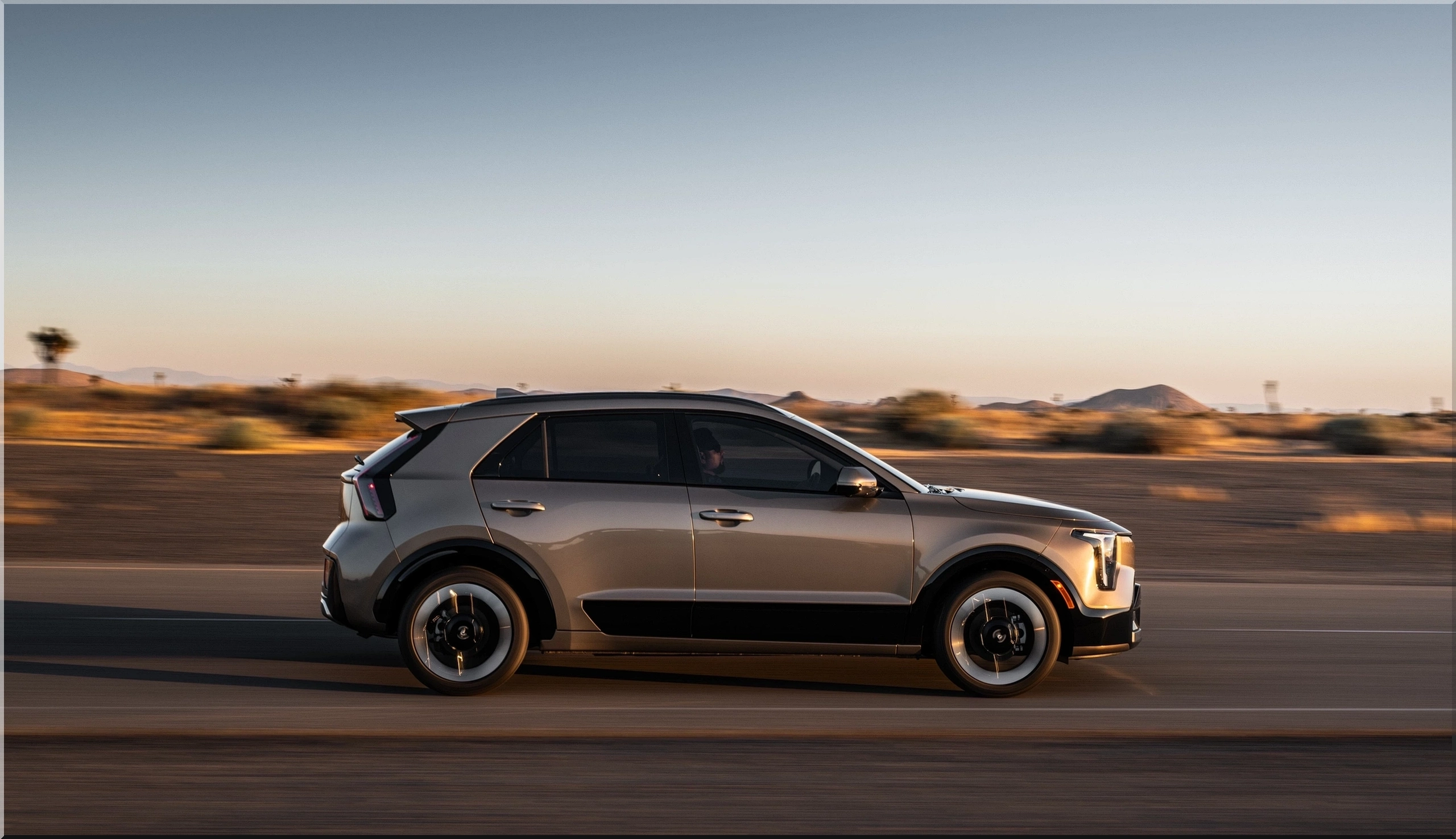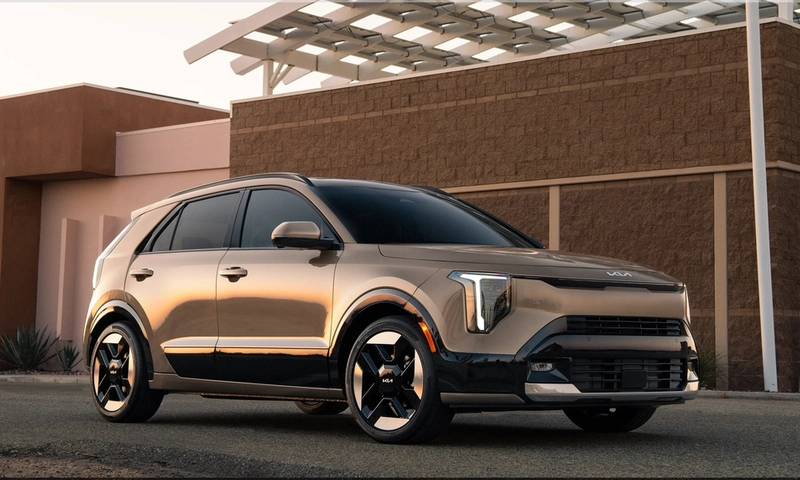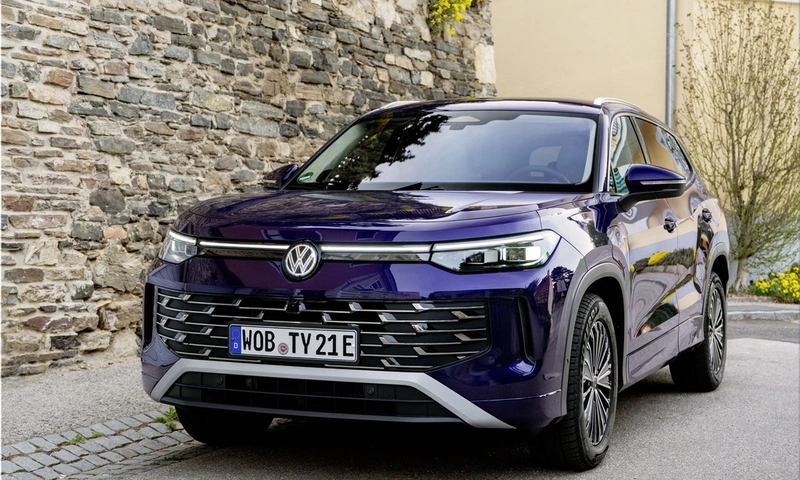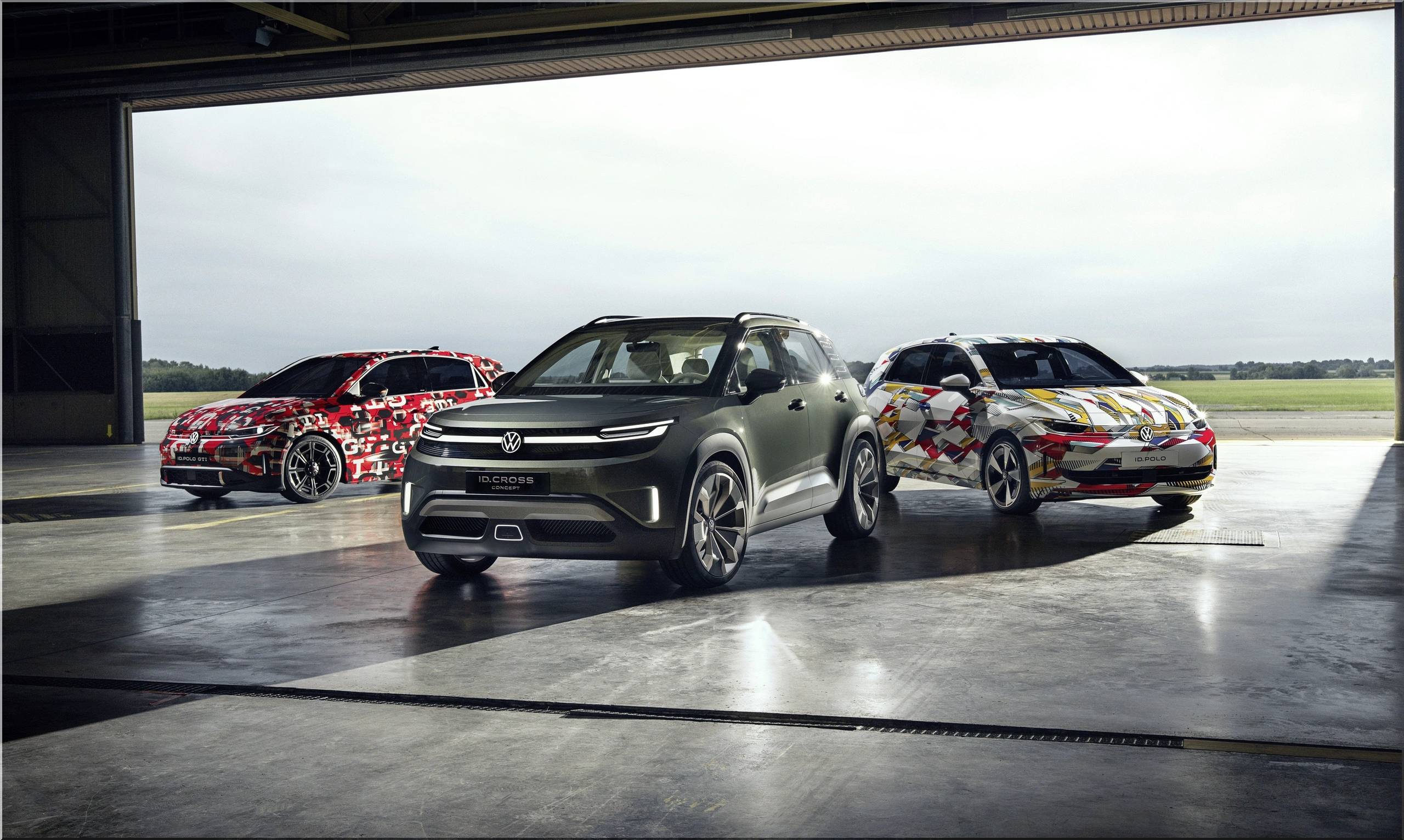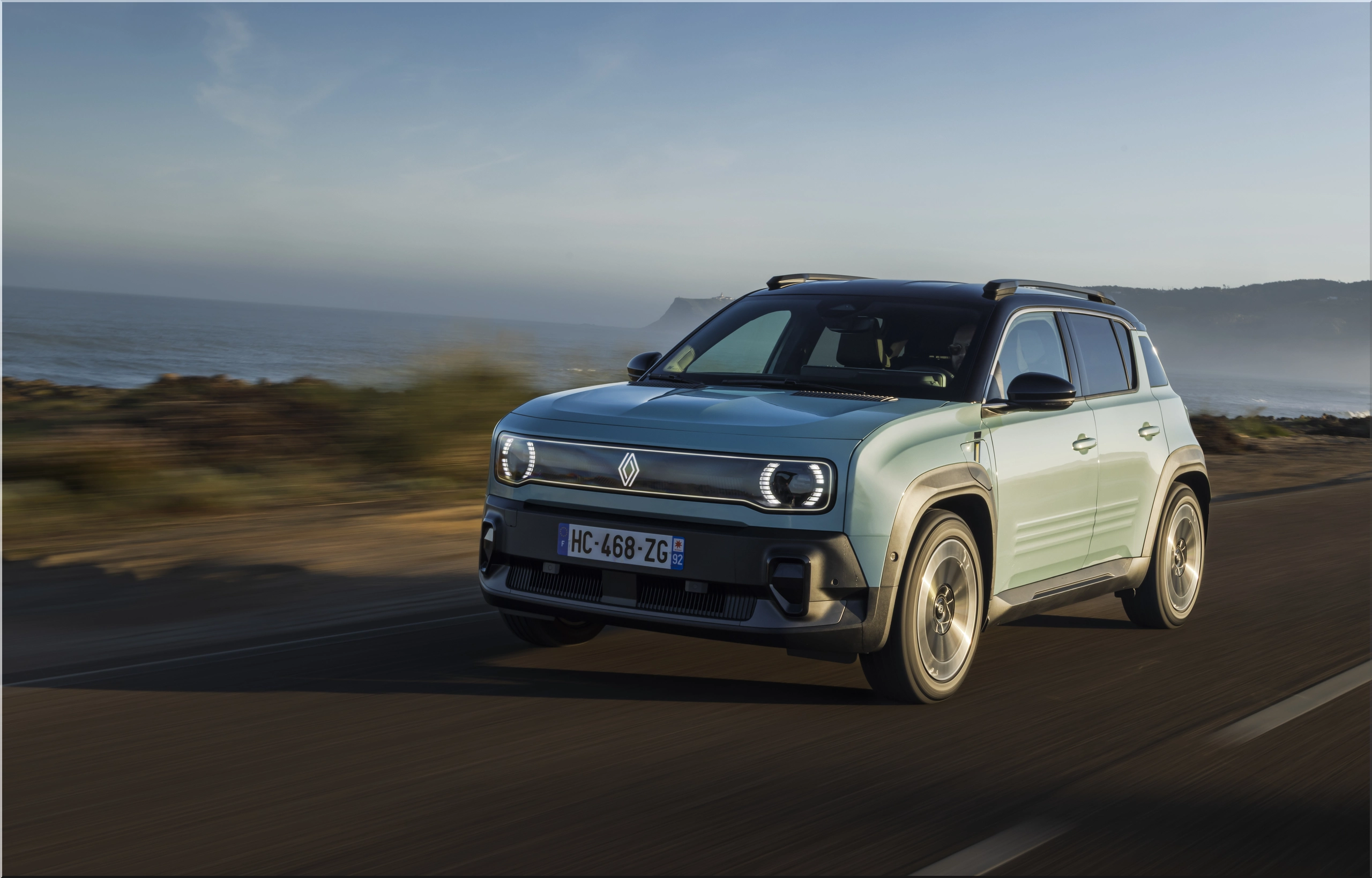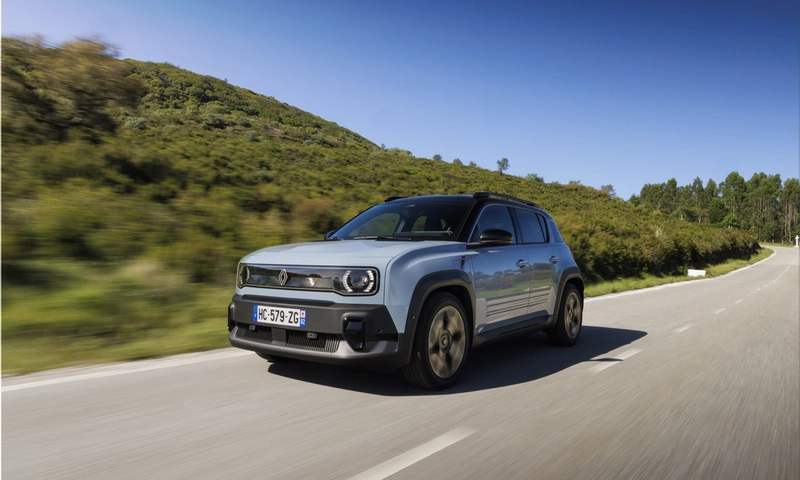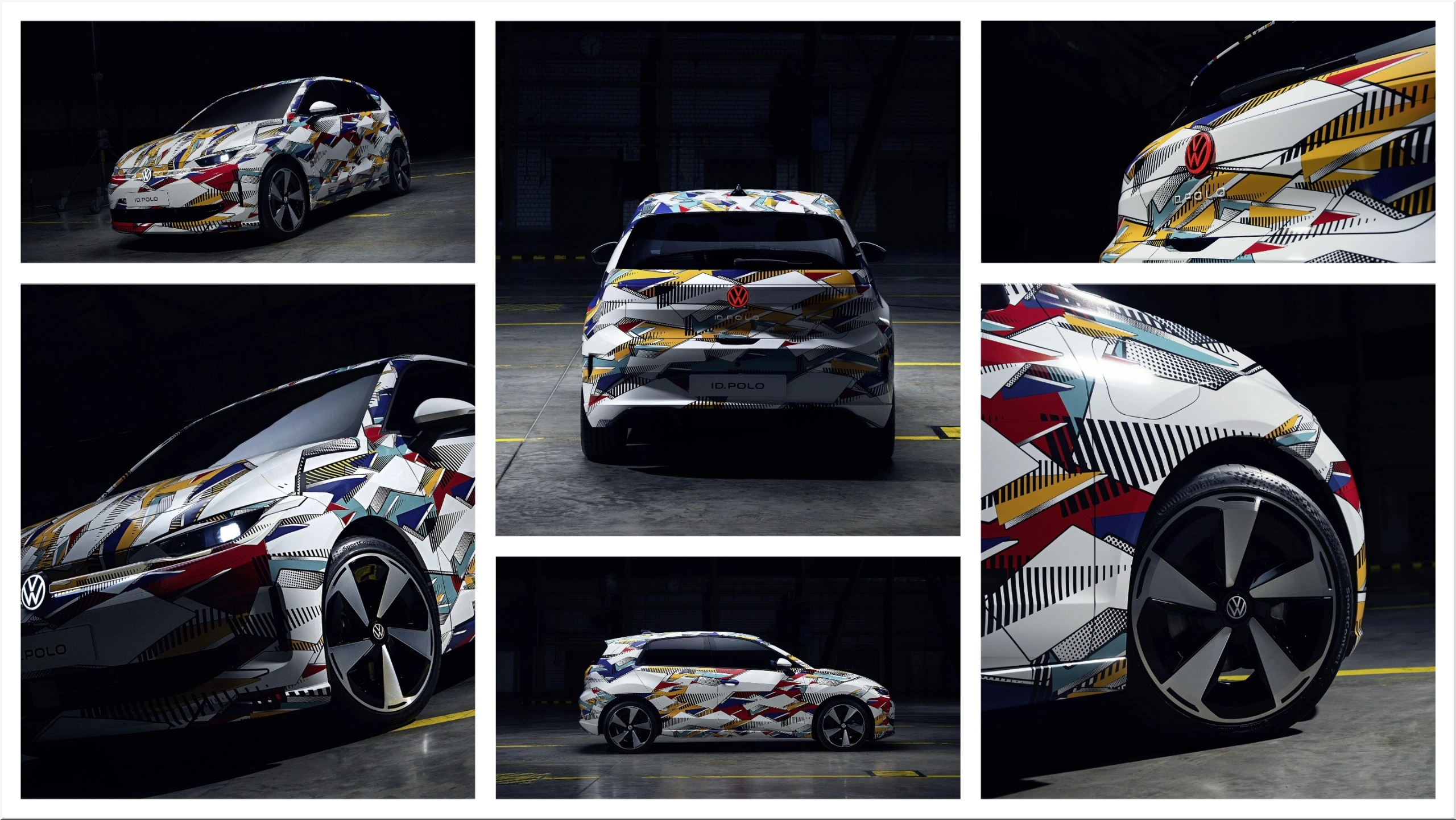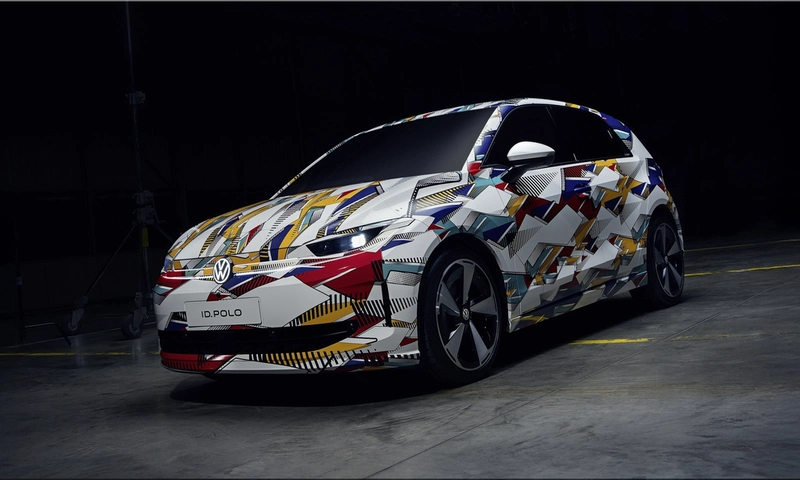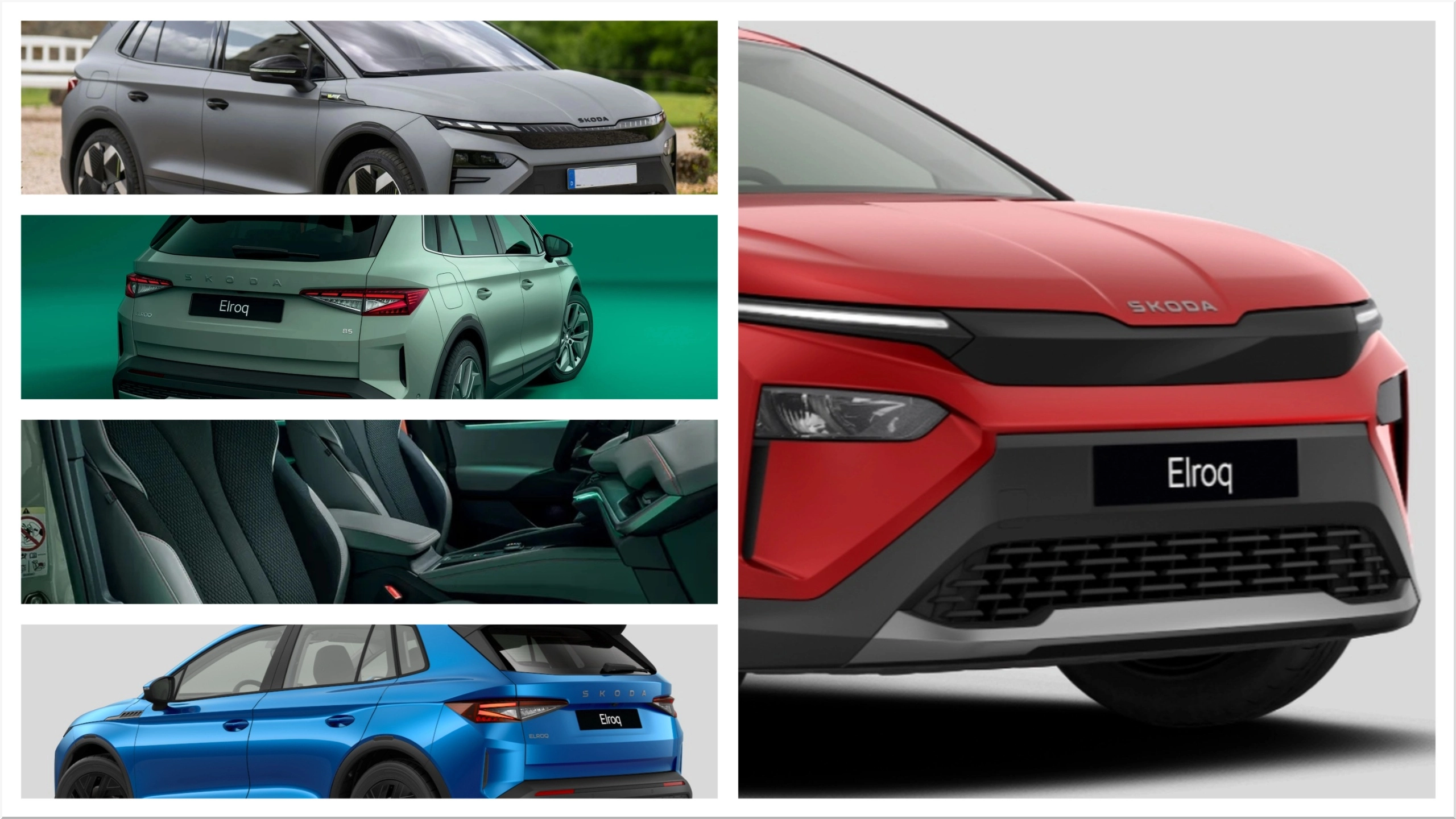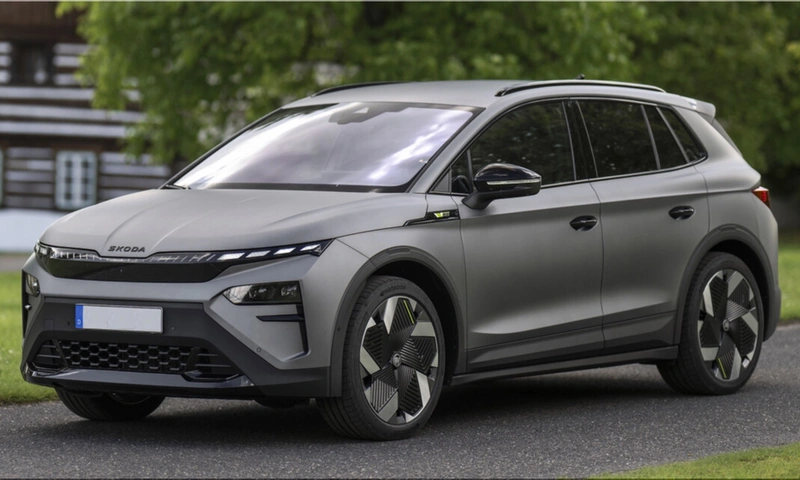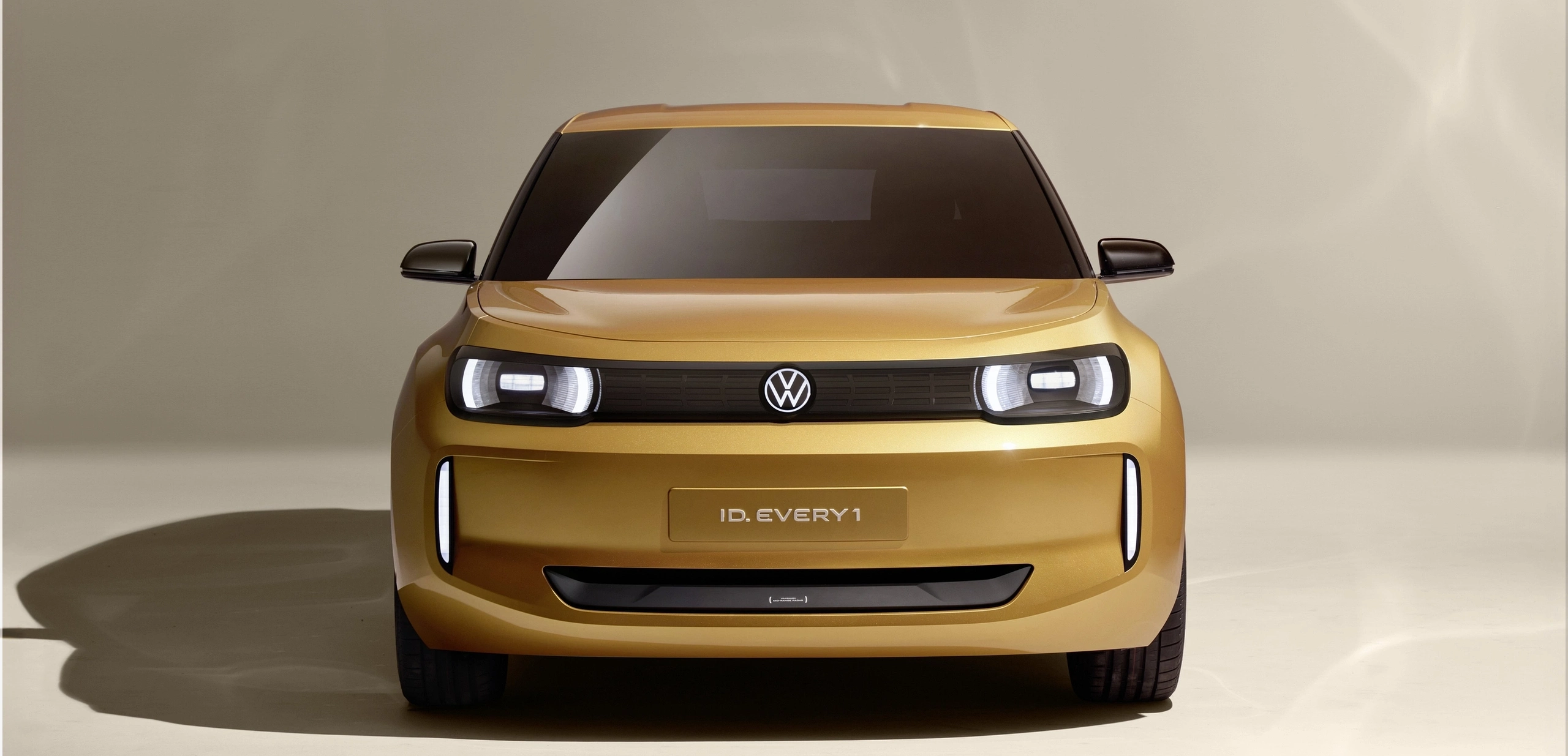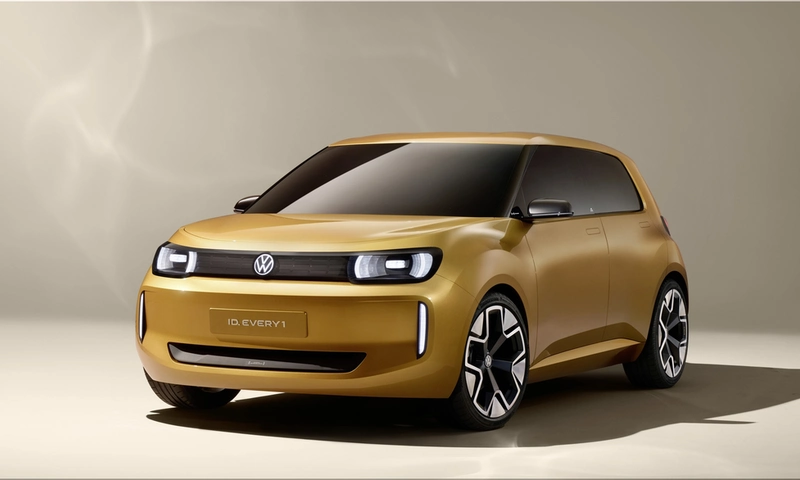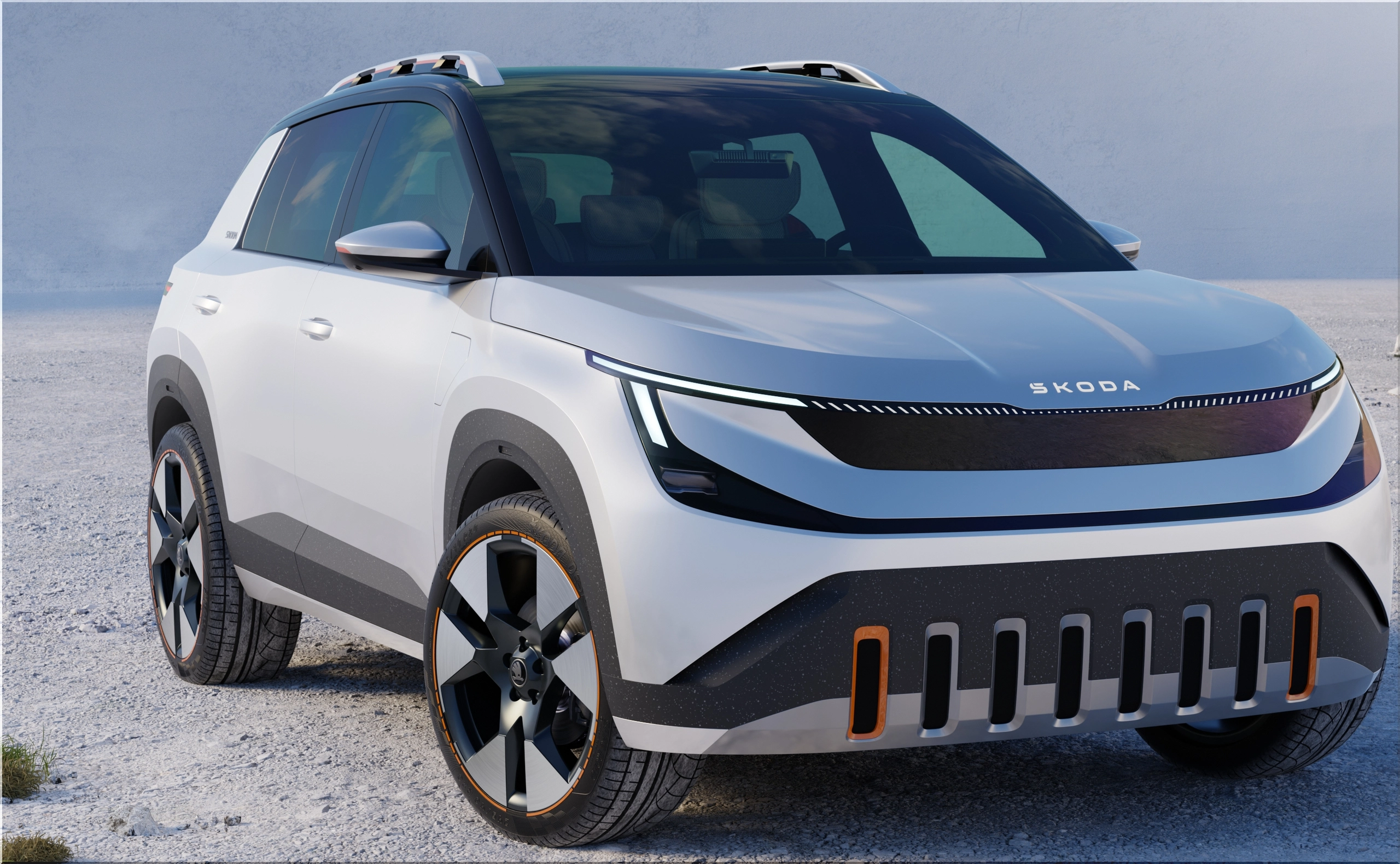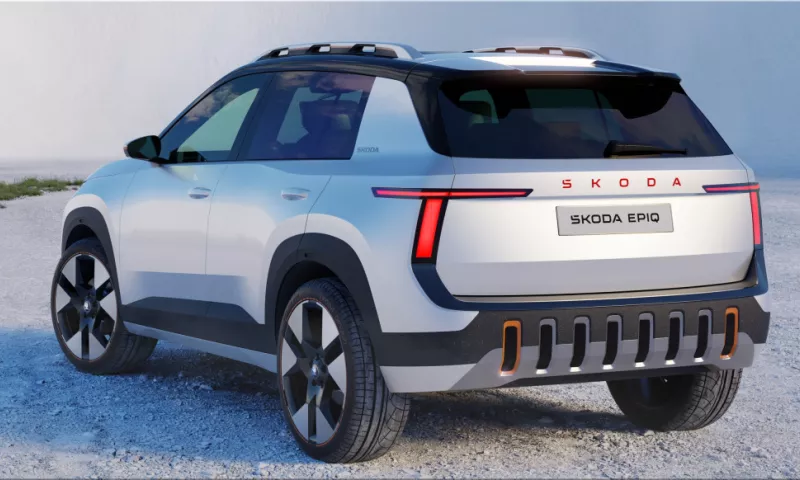
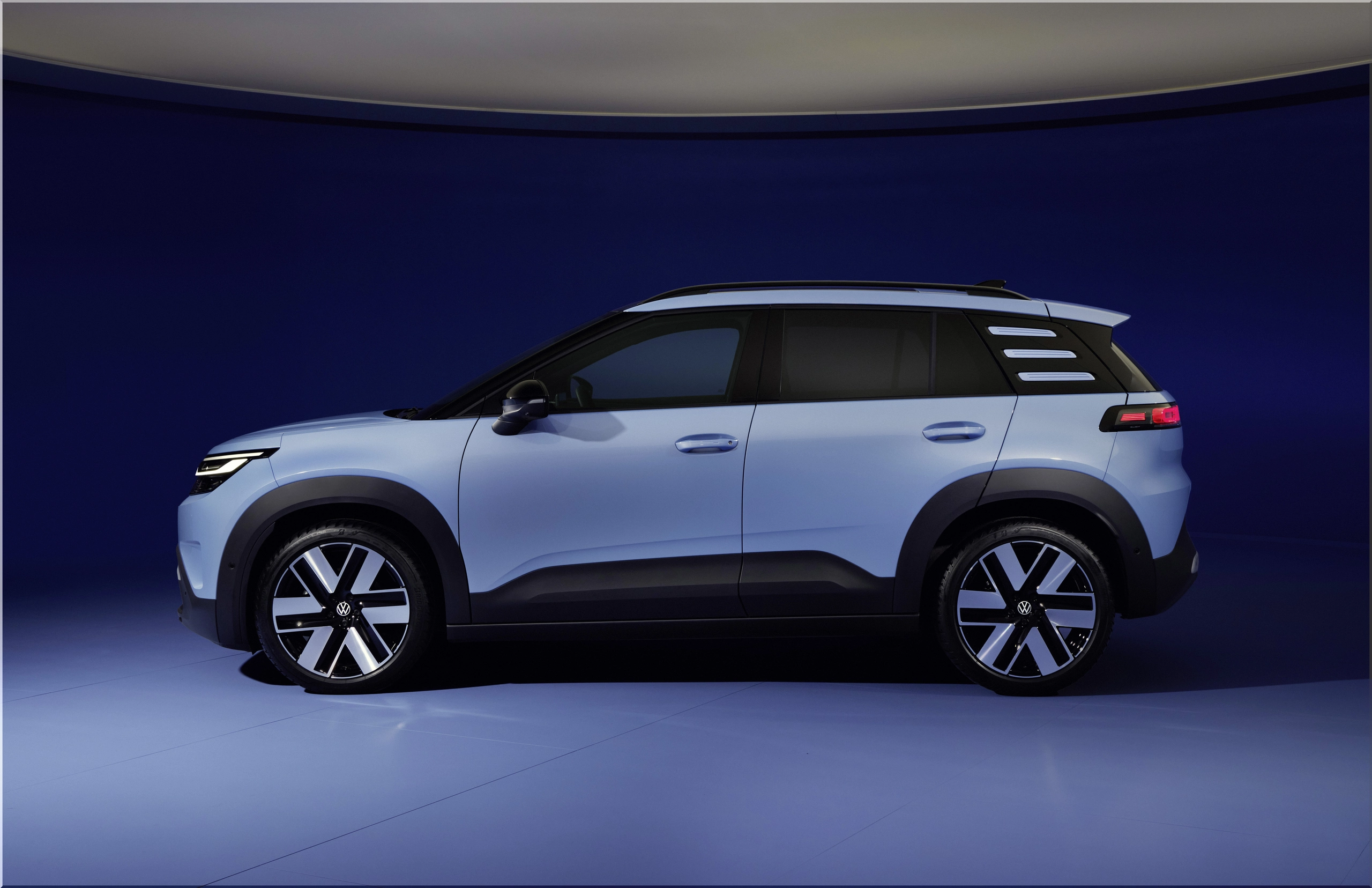
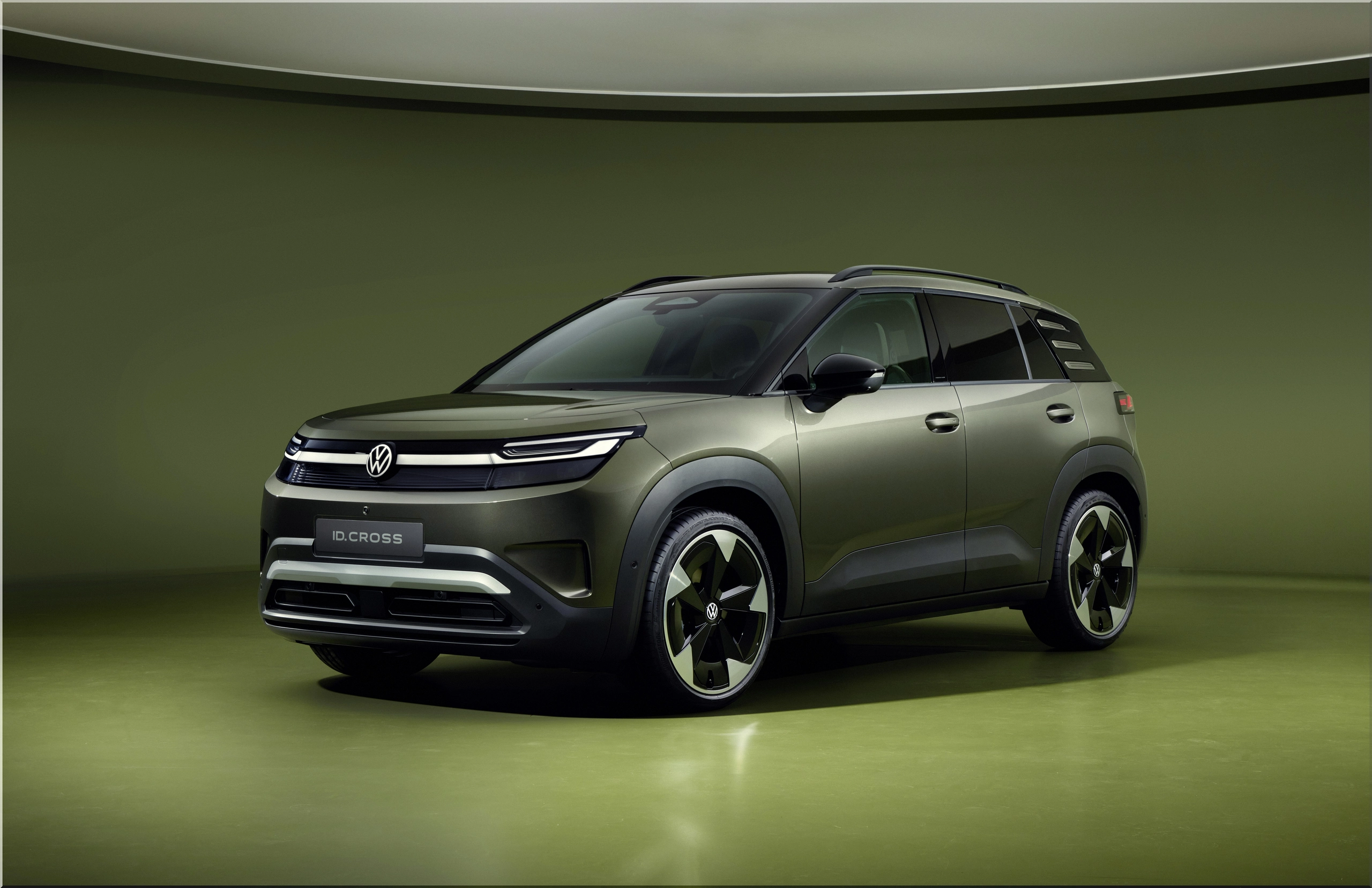
Volkswagen has priced its smallest electric SUV to attract buyers who found battery-powered crossovers too expensive. The 2027 Volkswagen ID. Cross starts at approximately $31,970 after converting its German launch price, while the longest-range version travels up to 265 miles on the WLTP cycle.
It combines a city-friendly footprint with five seats, 17.7 cubic feet of total enclosed storage and technology usually tied to larger vehicles. European deliveries begin in autumn 2026, though Volkswagen has announced neither US sales nor US pricing.
Image
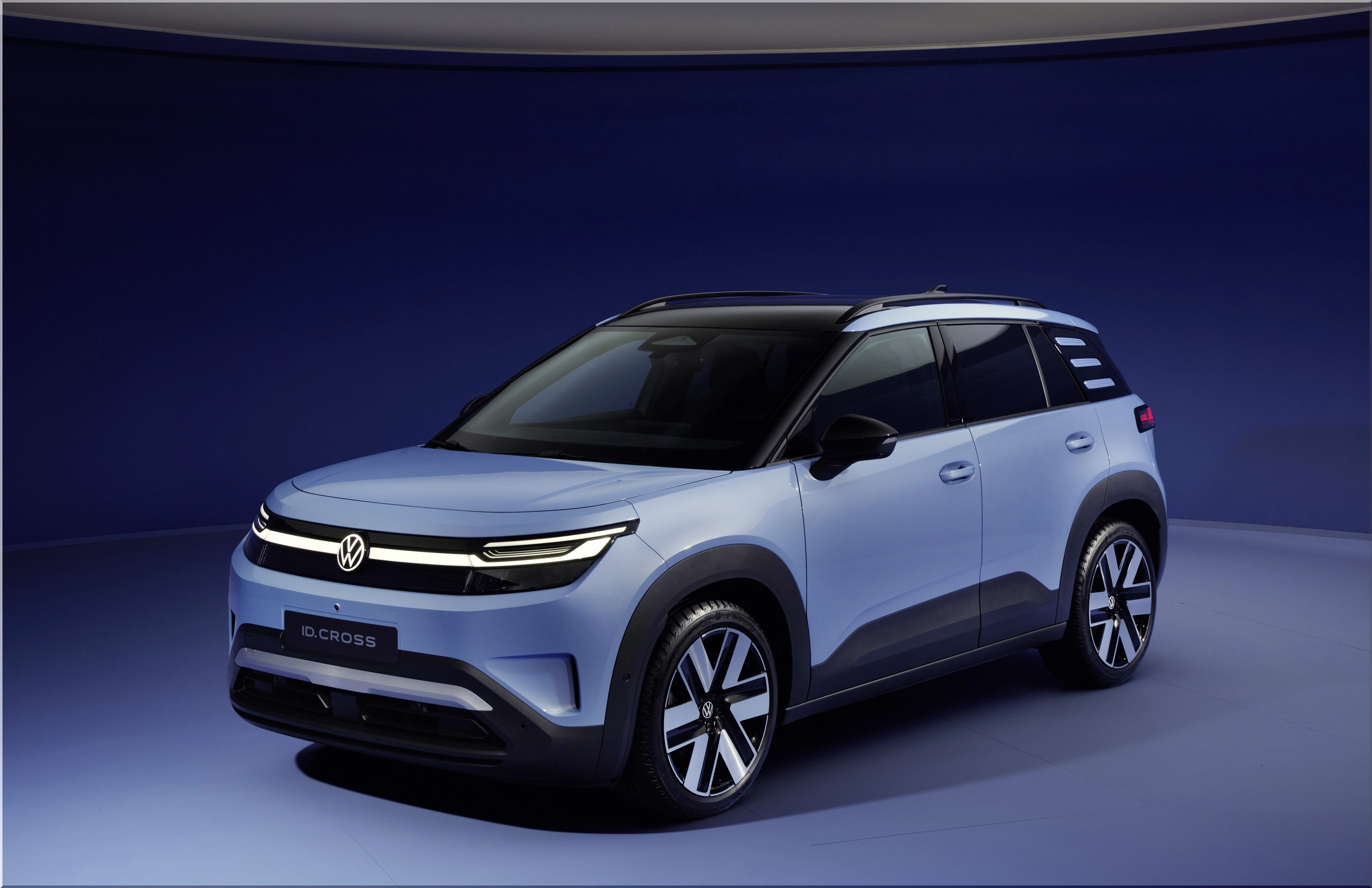
Volkswagen Targets the Affordable Electric SUV Segment
The entry-level 2027 Volkswagen ID. Cross Trend pairs an 85 kW motor with a 37 kWh usable battery. Its converted starting price of about $31,970 creates the headline, but Volkswagen will open orders after the initial sales phase.
German customers can now order Life and Style versions with the 155 kW motor and 52 kWh battery from about $41,710. German retail pricing does not predict a future American MSRP.
| Version | Motor | Usable battery | Converted starting price | Sales status |
|---|---|---|---|---|
| Trend | 85 kW / 116 hp | 37 kWh | About $31,970 | Follows initial launch |
| Life and Style launch range | 155 kW / 211 hp | 52 kWh | From about $41,710 | Orderable in Germany |
| Additional version | 99 kW / 135 hp | Volkswagen has not confirmed pairing | Not announced | Arrives later |
MEB+ Gives a Small SUV Big-Car Packaging
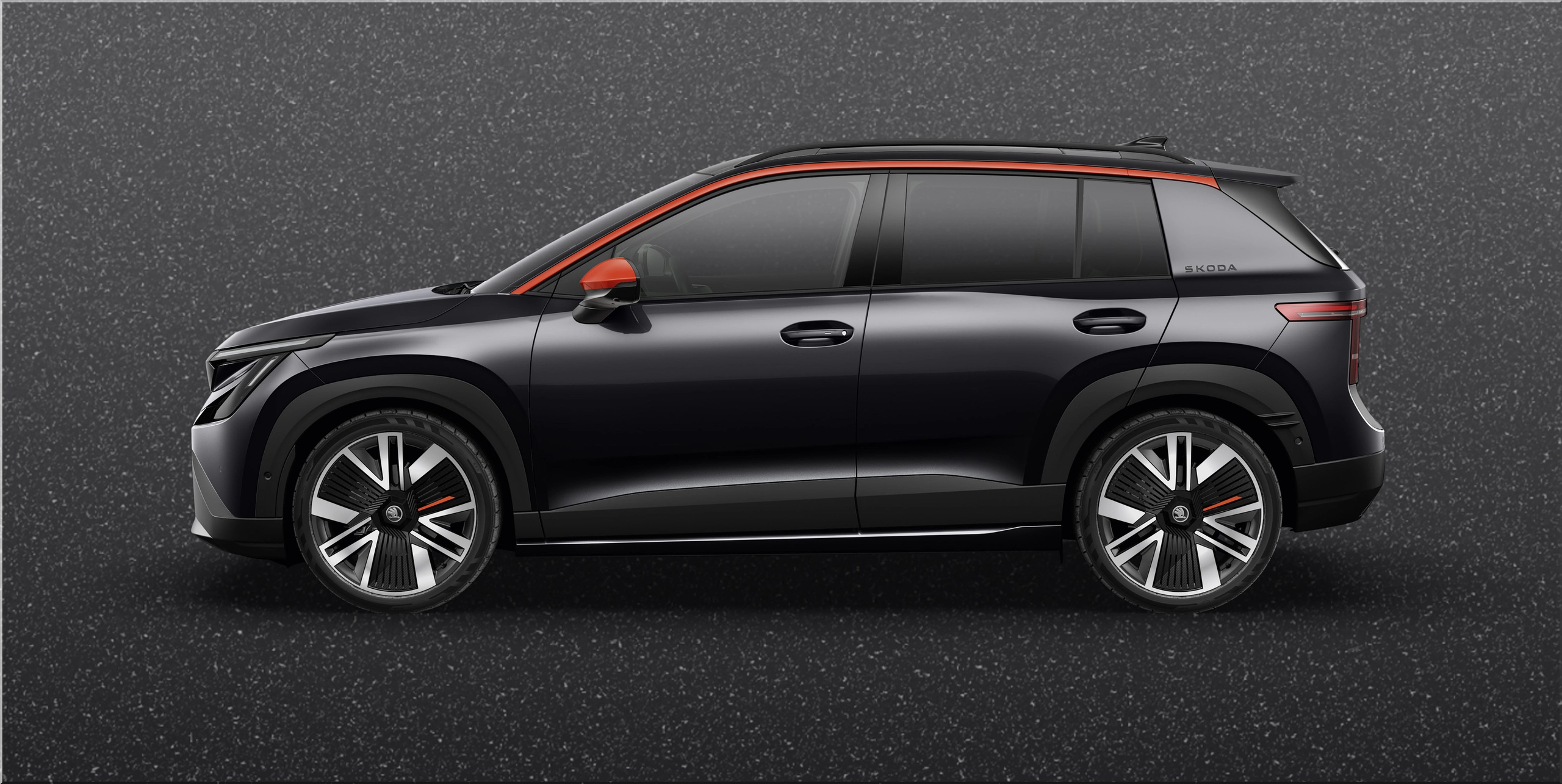
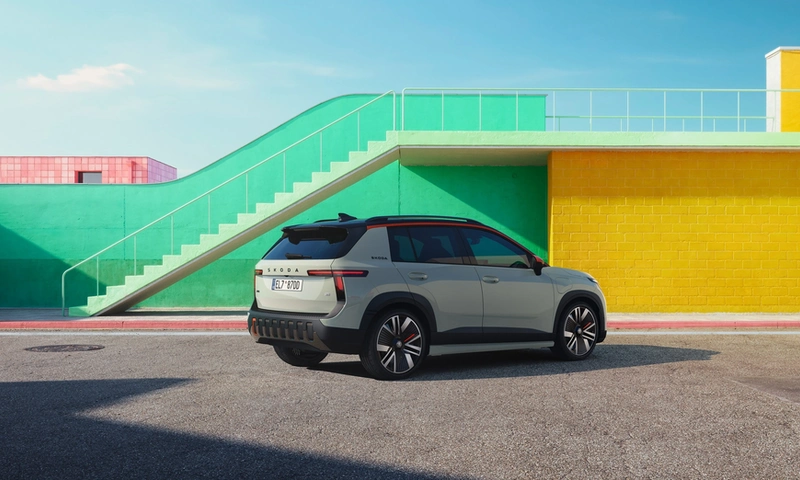
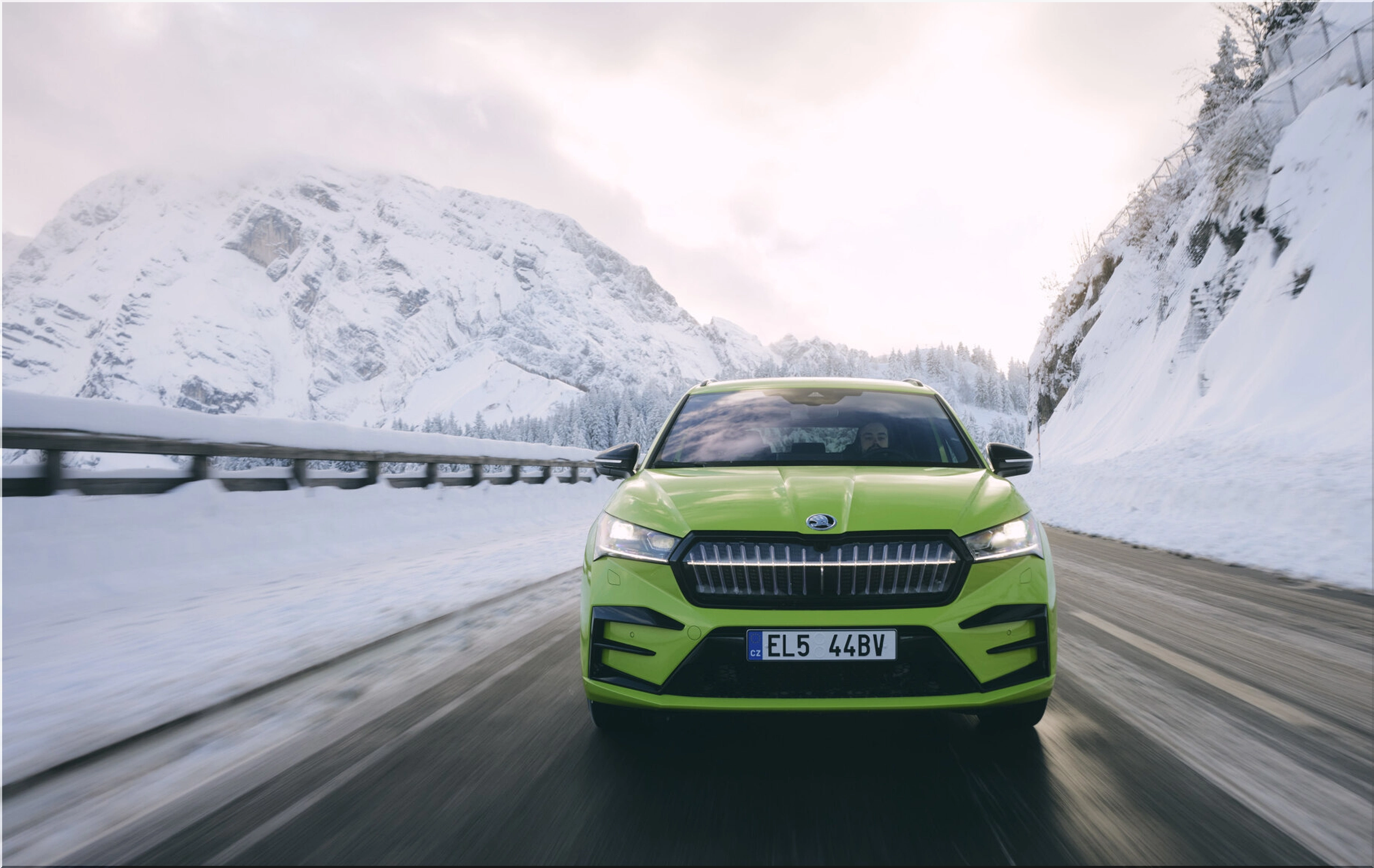
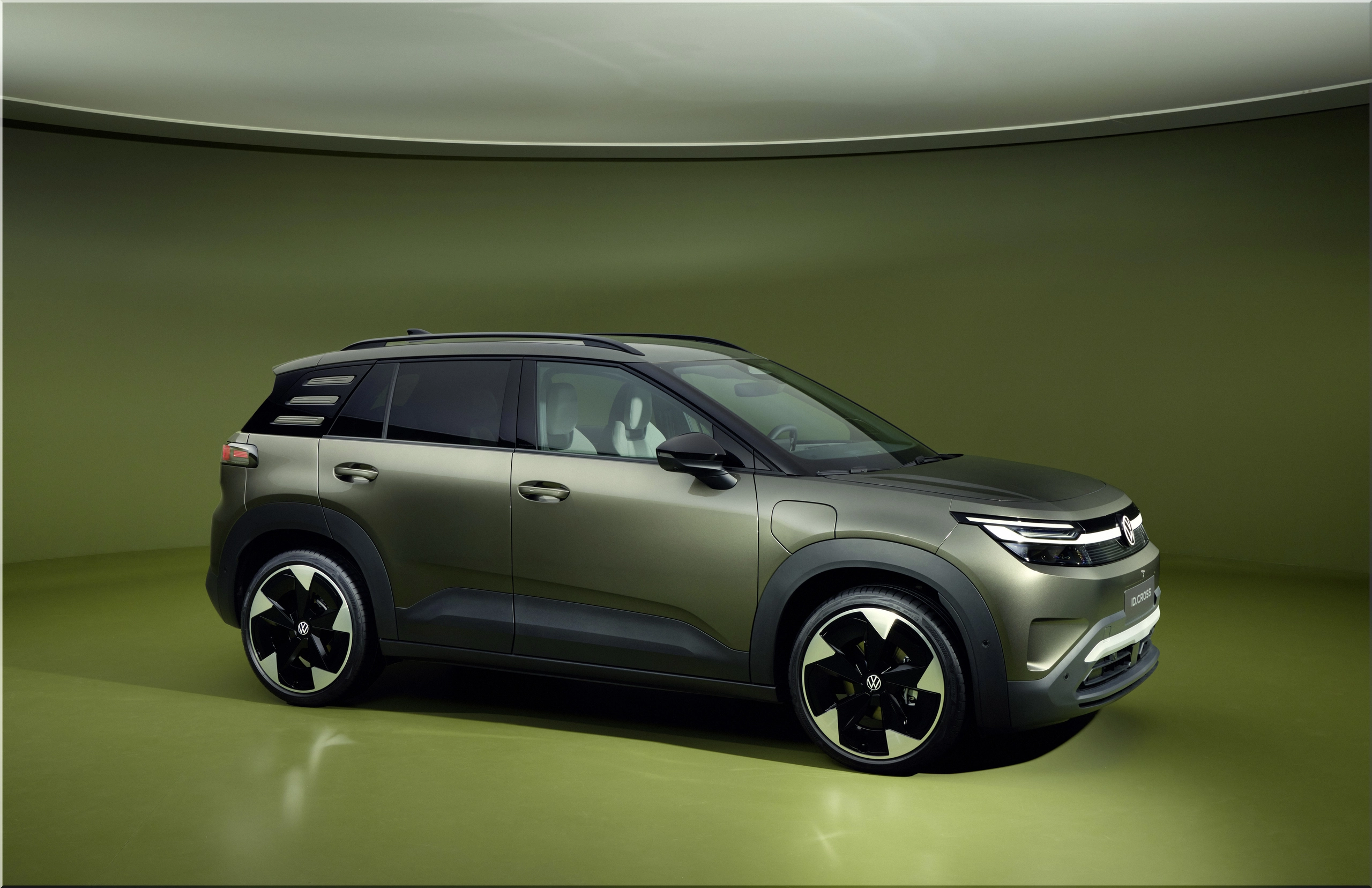
Volkswagen builds the ID. Cross electric SUV on MEB+ (used also by the Skoda Peaq), the newest development of its modular electric architecture. The front-mounted APP290 motor drives the front wheels through a single-speed reduction gear and produces up to 290 Nm, or 214 lb-ft, of torque.
Image
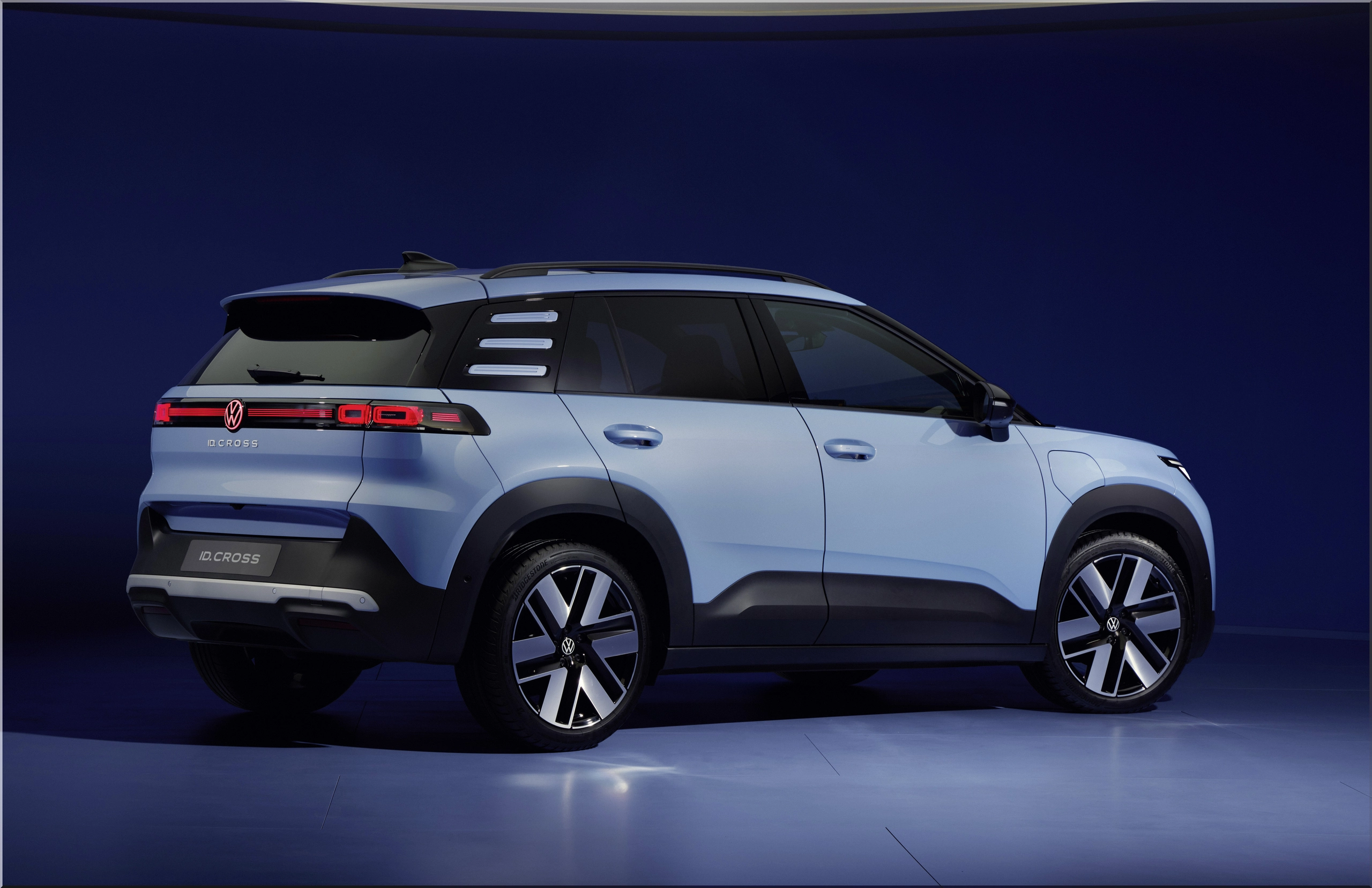
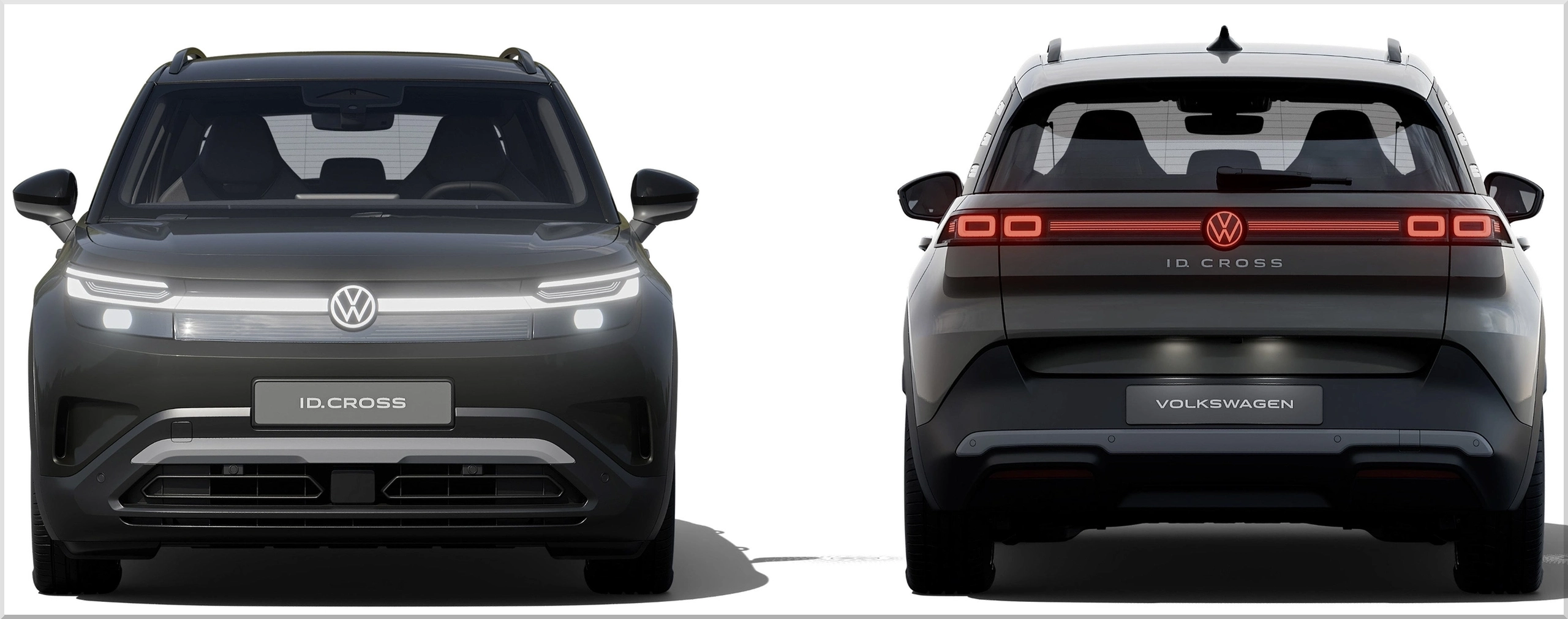
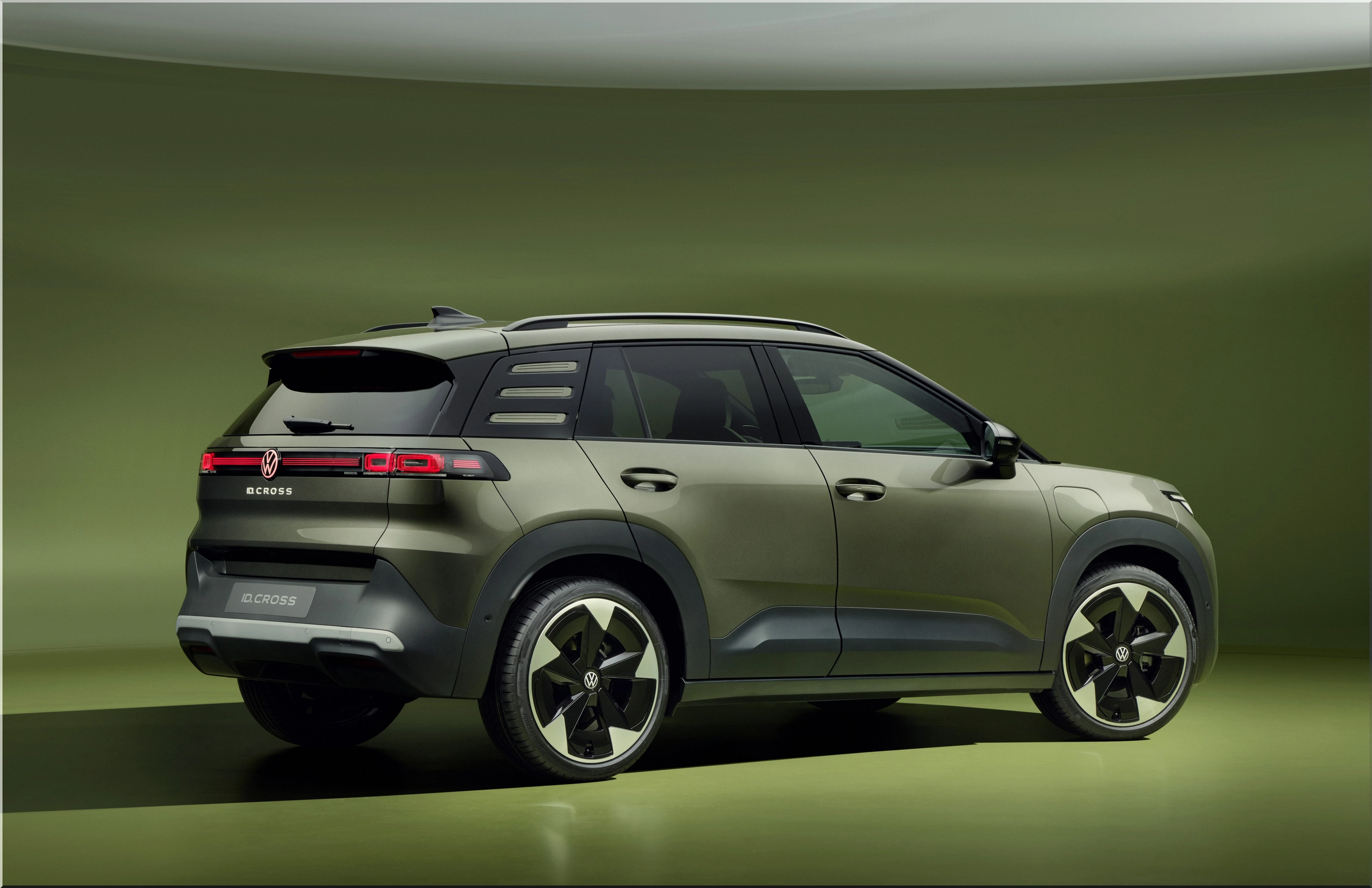
A 102.4-inch wheelbase pushes the axles towards the corners, helping Volkswagen create more cabin room than the petrol-powered T-Cross. Ground clearance measures 5.5 inches, so this SUV favours urban efficiency over trail use.
| Packaging measurement | Metric figure | US figure |
|---|---|---|
| Length | 4,153 mm | 163.5 inches |
| Width | 1,794 mm | 70.6 inches |
| Height | 1,581 mm | 62.2 inches |
| Wheelbase | 2,601 mm | 102.4 inches |
| Rear cargo space | 475 litres | 16.8 cubic feet |
| Maximum cargo space | 1,340 litres | 47.3 cubic feet |
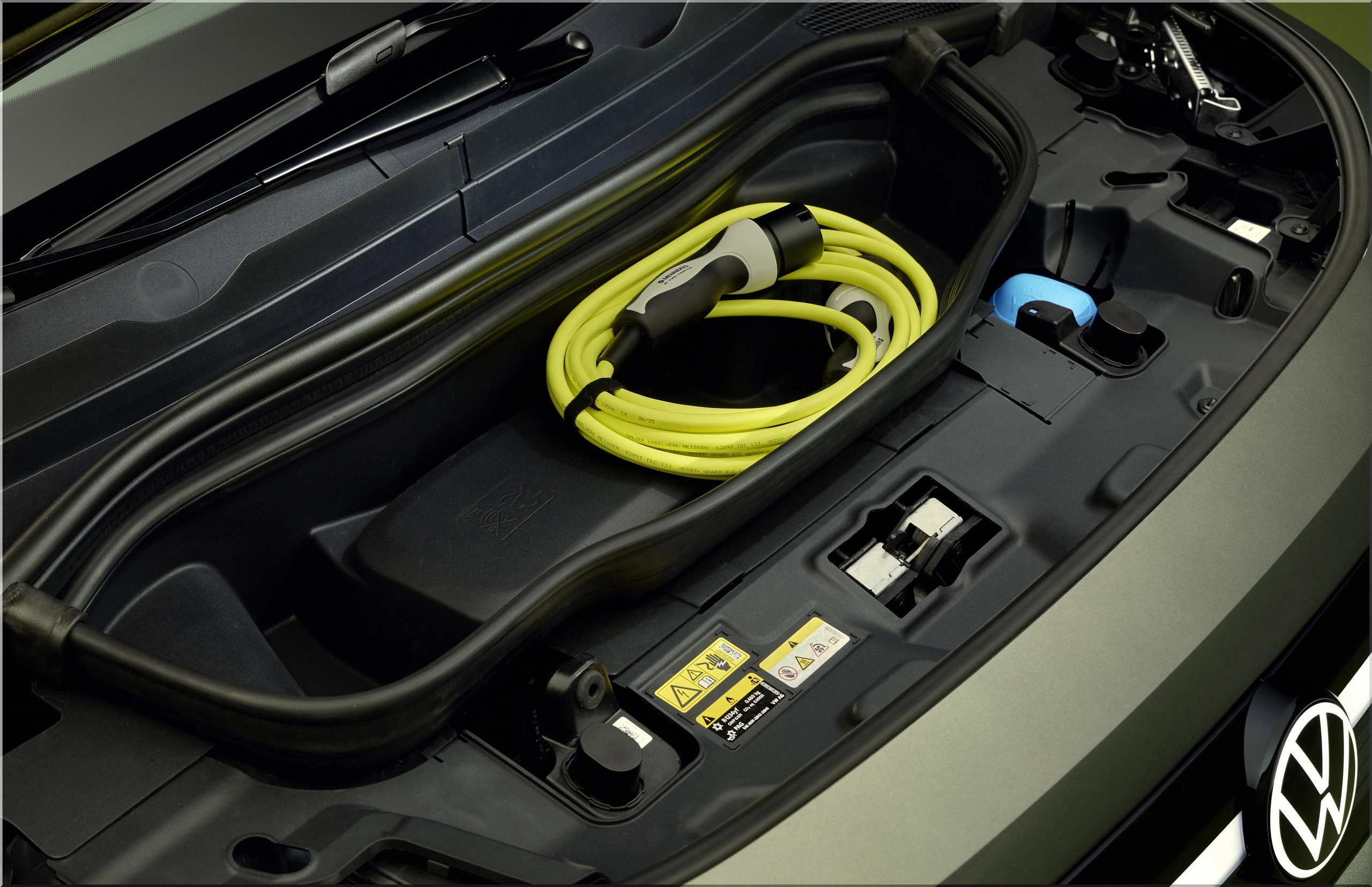
| Front storage | 25 litres | 0.9 cubic feet |
| Ground clearance | 140 mm | 5.5 inches |
Two Batteries Create Two Different Use Cases
Volkswagen uses a 37 kWh LFP battery for the lower-cost model and a 52 kWh NMC pack for the longer-range versions. LFP chemistry controls material cost and tolerates frequent high states of charge well. NMC stores more energy for a given mass and volume.
Looking at the data, the smaller pack carries the stronger urban-value case, while the larger pack supports motorway driving and towing. Starting weights differ by only 20 pounds.
Image
| Battery specification | 37 kWh LFP | 52 kWh NMC |
|---|---|---|
| Maximum WLTP range | 196 miles | 265 miles |
| Maximum DC rate | 90 kW | 105 kW |
| DC charge, 10-80 percent | About 23 minutes | About 24 minutes |
| Maximum AC rate | 11 kW | 11 kW |
| Starting vehicle weight | 3,393 pounds | 3,413 pounds |
| Maximum trailer weight | Not announced | 2,646 pounds |
Charging Speed Matters More Than Peak Power
The 105 kW peak looks modest beside higher claims from larger EVs, but battery size changes the result. A 10-80 percent stop adds roughly 36.4 kWh to the 52 kWh pack in 24 minutes, an average near 91 kW if usable capacity tracks the charging window directly.
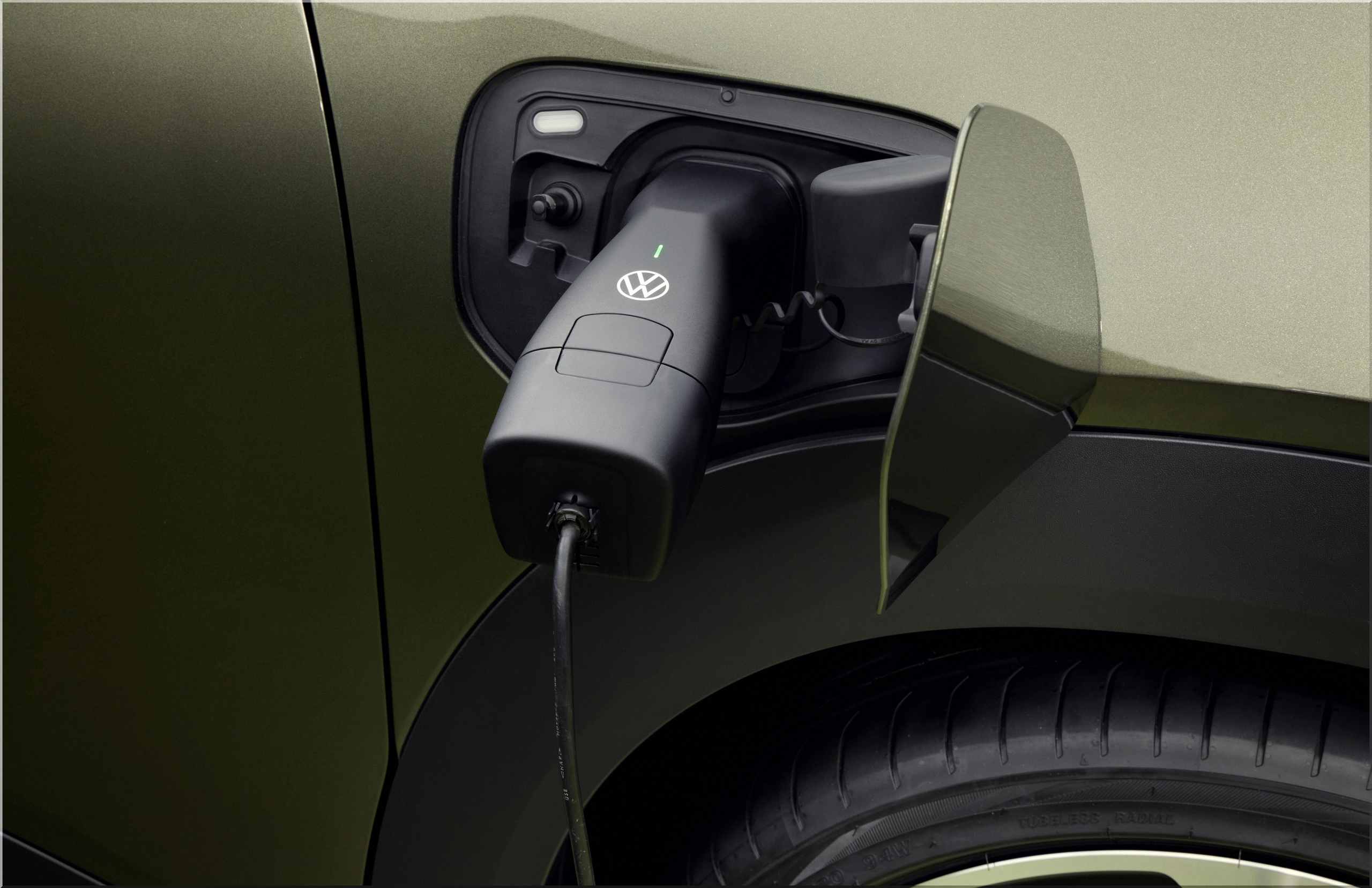
The 37 kWh battery adds about 25.9 kWh in 23 minutes, averaging near 68 kW under the same assumption. Consequently, each version returns to the road in under 25 minutes under suitable conditions. The 11 kW onboard charger suits overnight home charging.
Image
Power Outputs Cover Commuting and Fast-Motorway Use
The APP290 drive system offers 116, 135 and 211 hp. The two lower-output versions reach 93 mph, while the 211 hp version reaches 99 mph. Volkswagen has not released acceleration times.
From an expert perspective, the 211 hp car offers ample power for a front-driven compact SUV. Adaptive DCC suspension comes only with this powertrain and continuously adjusts damper force to road inputs and the selected setting.
Image gallery
Cabin Technology Mixes Screens With Physical Controls
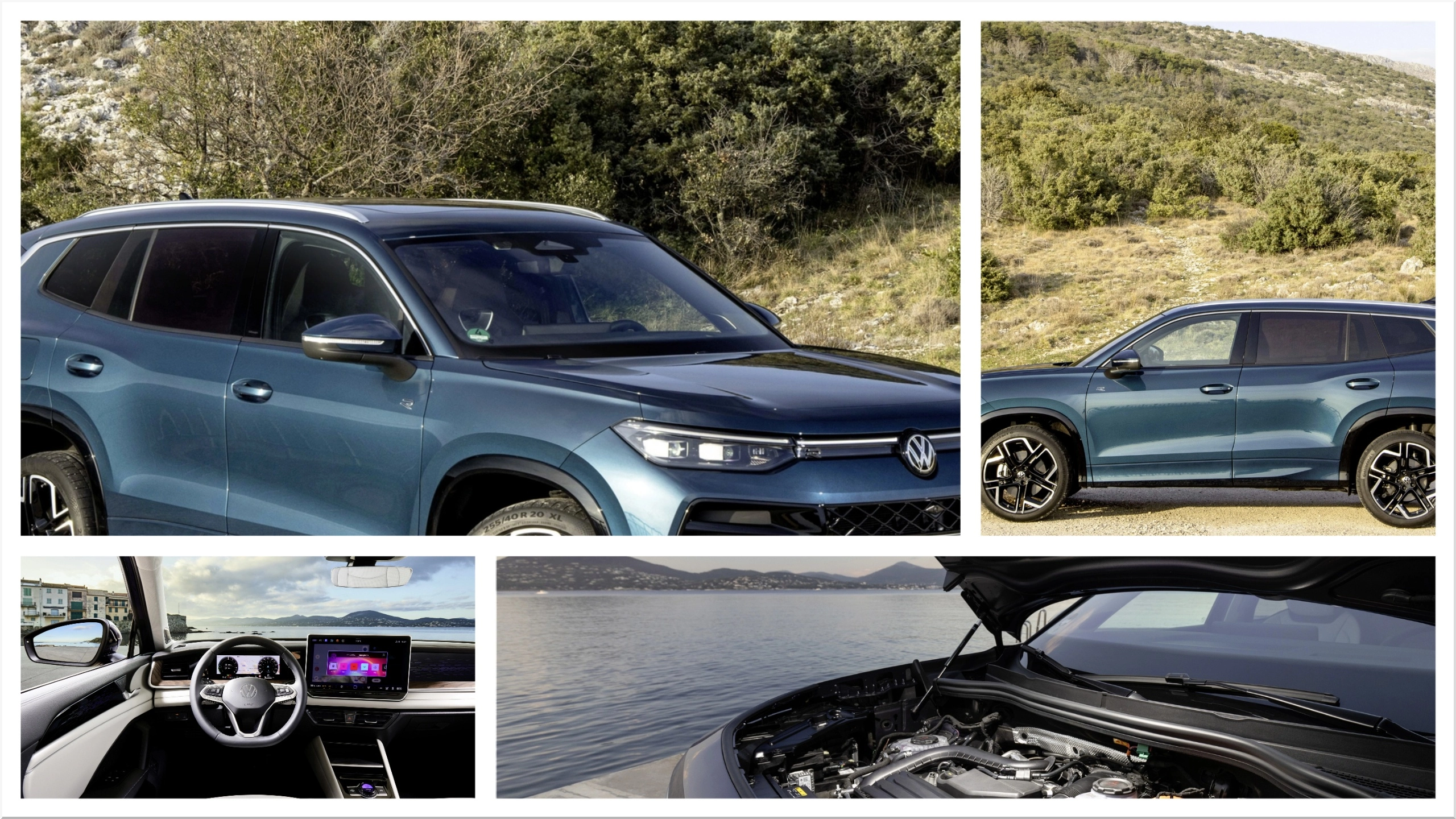
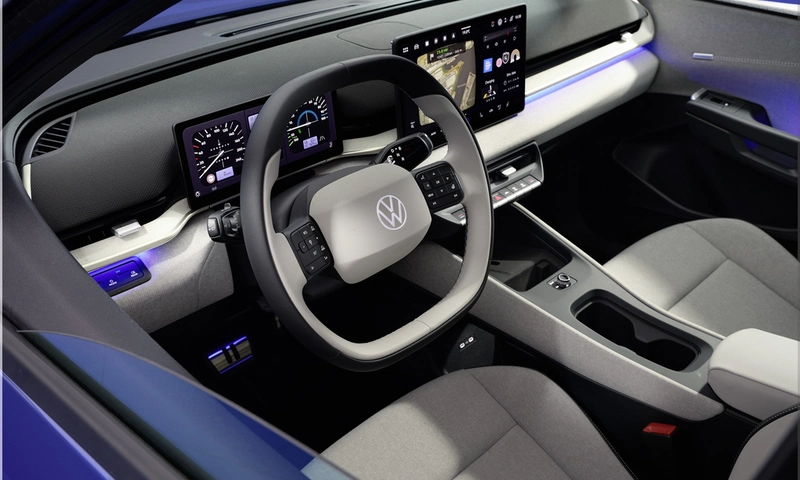
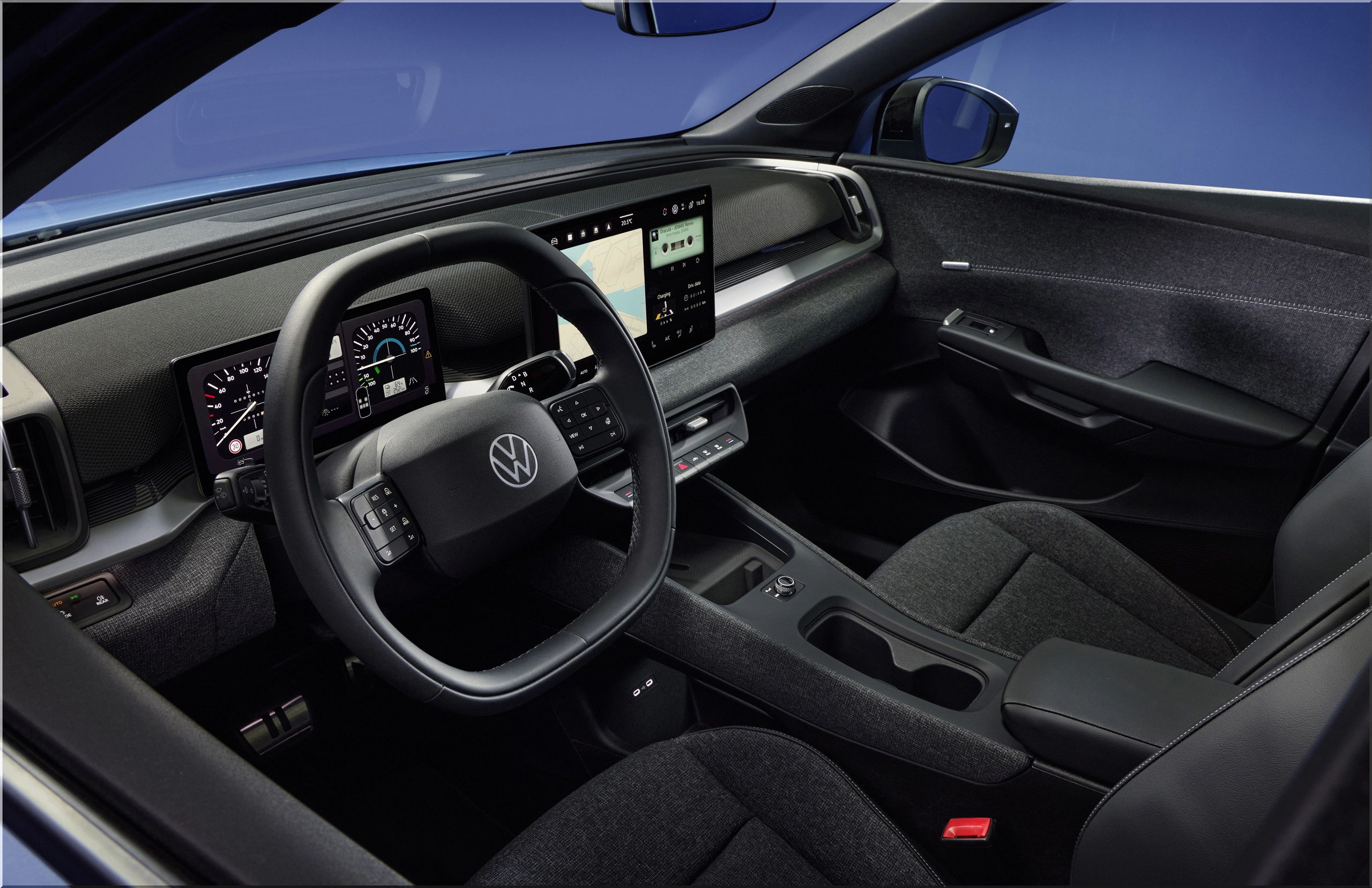
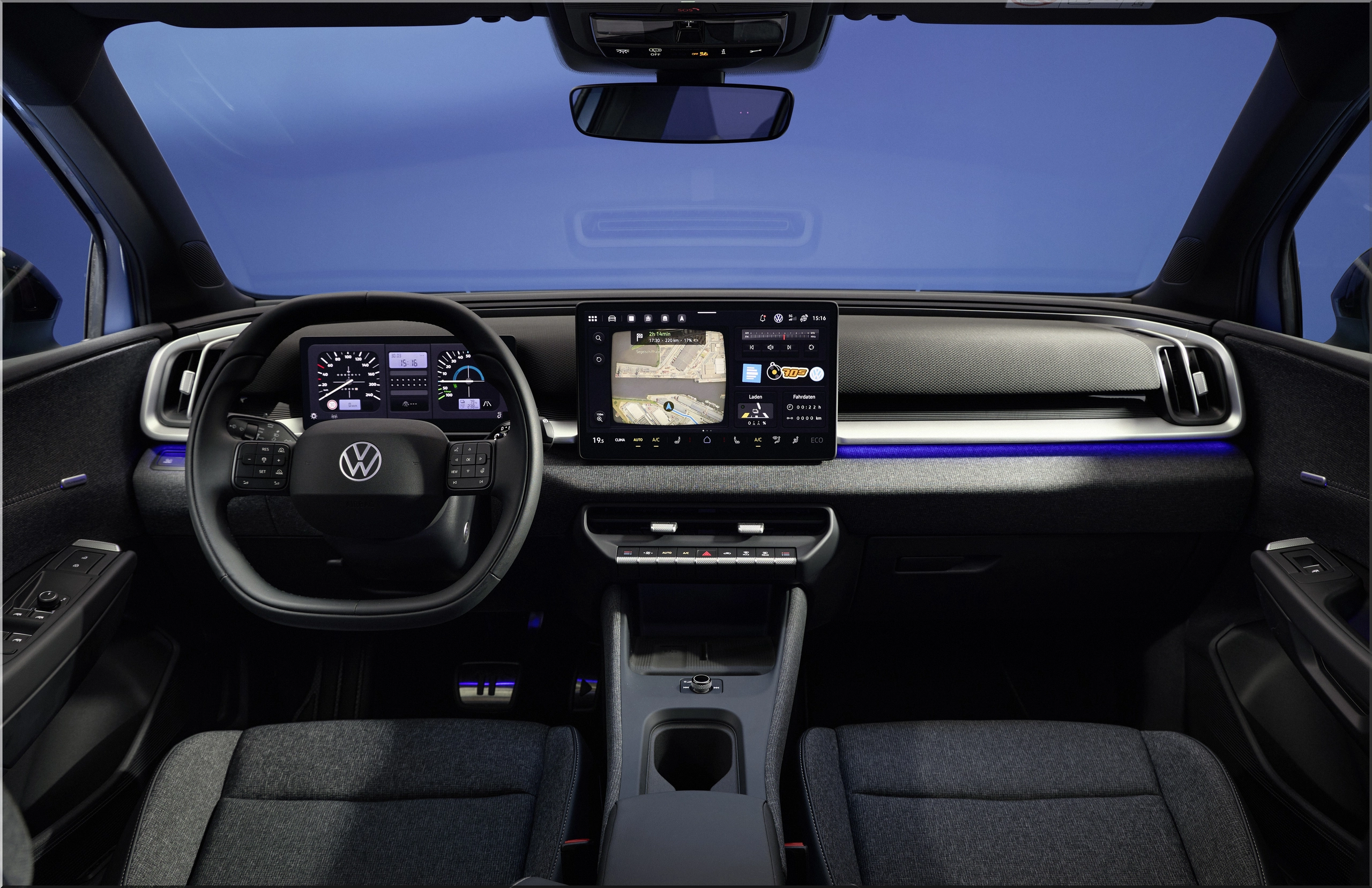
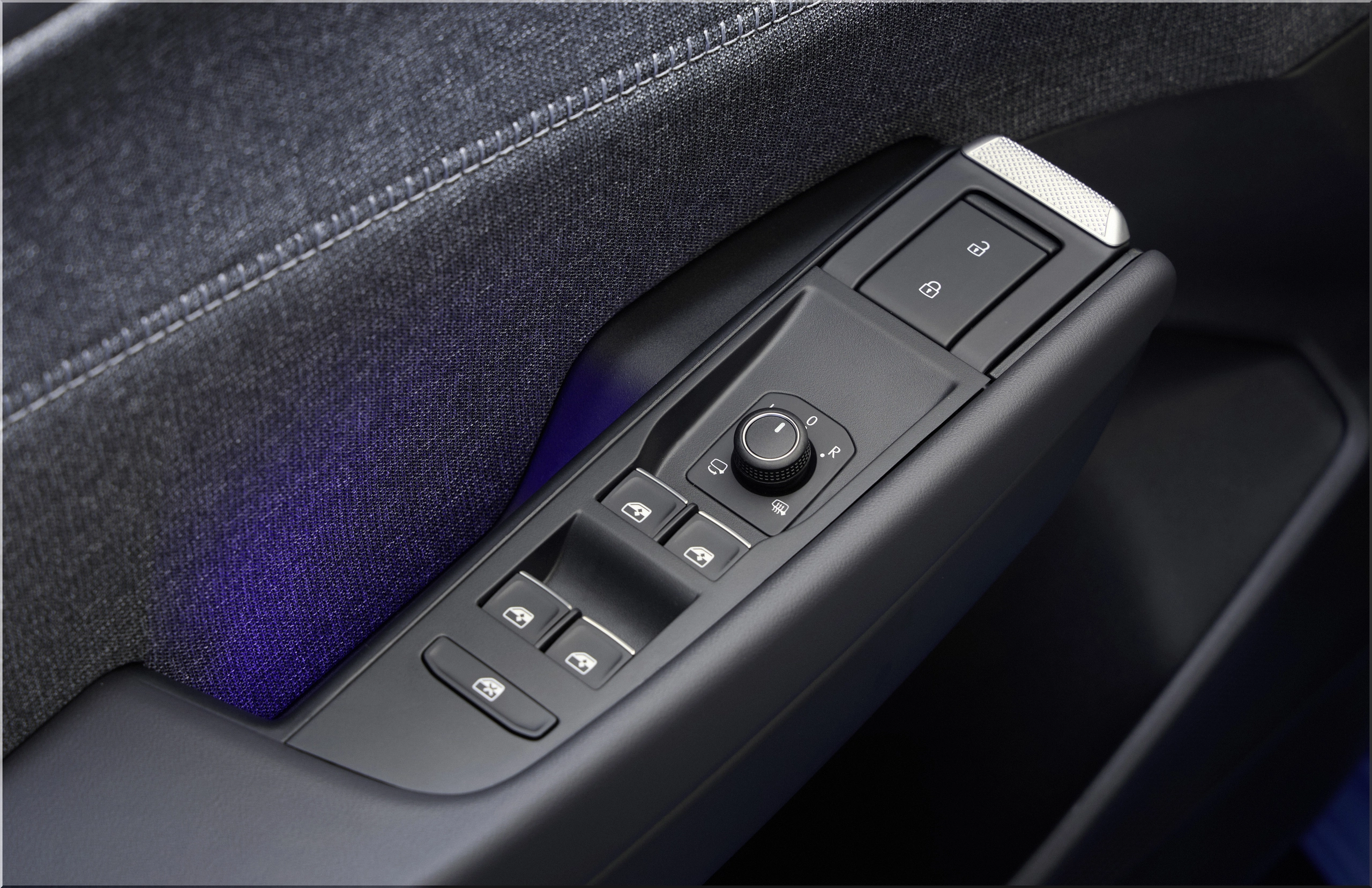
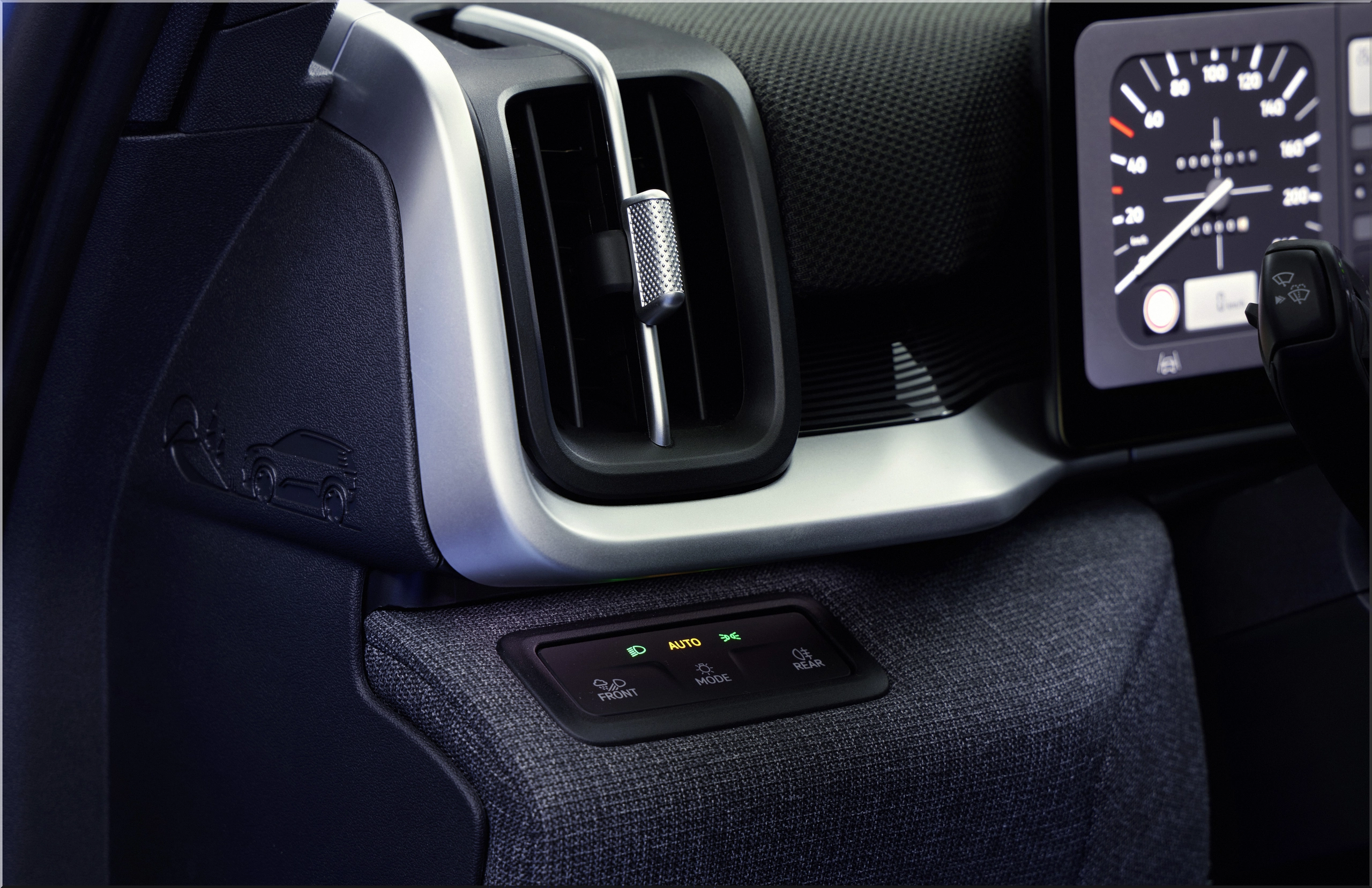
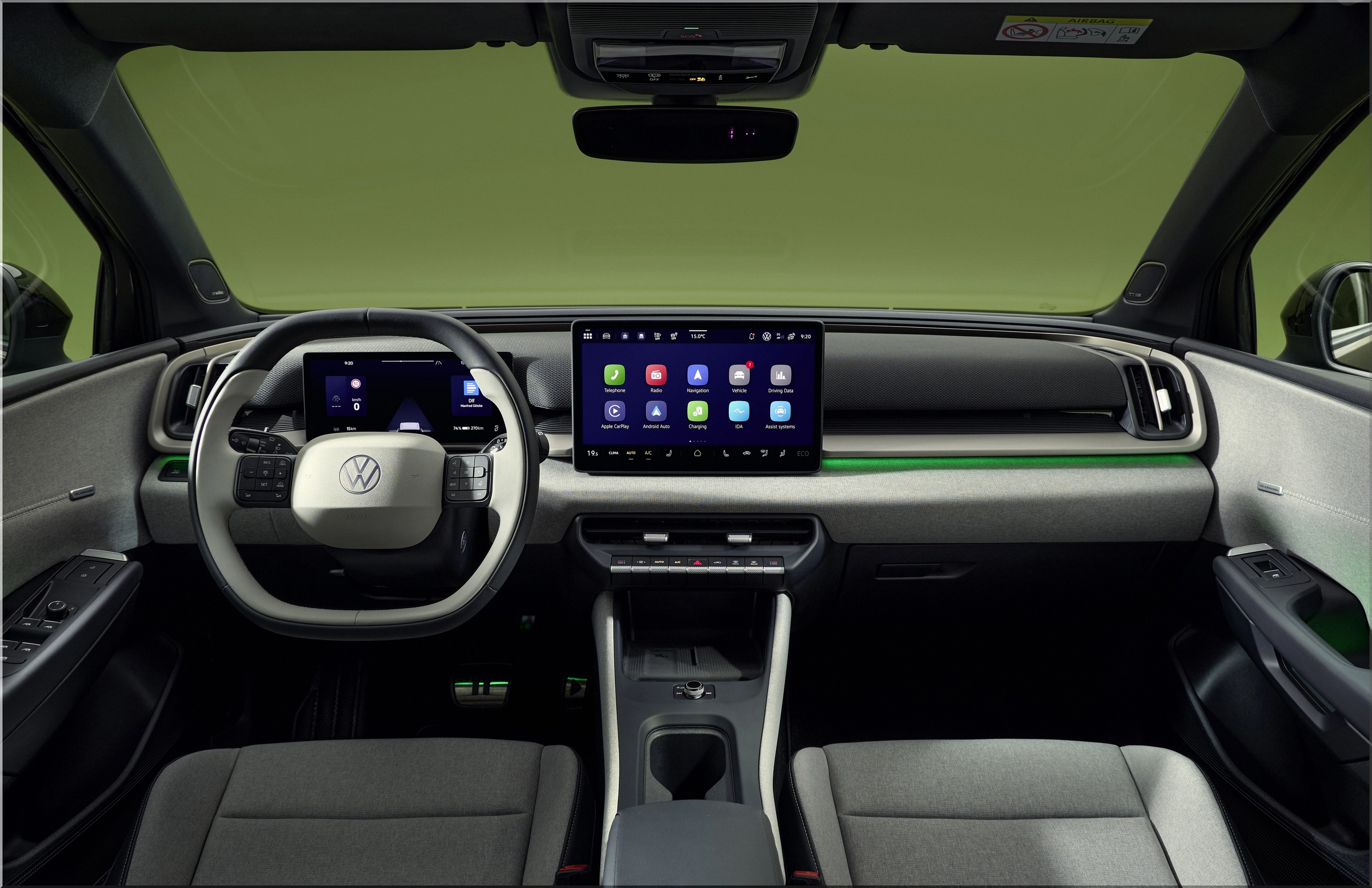
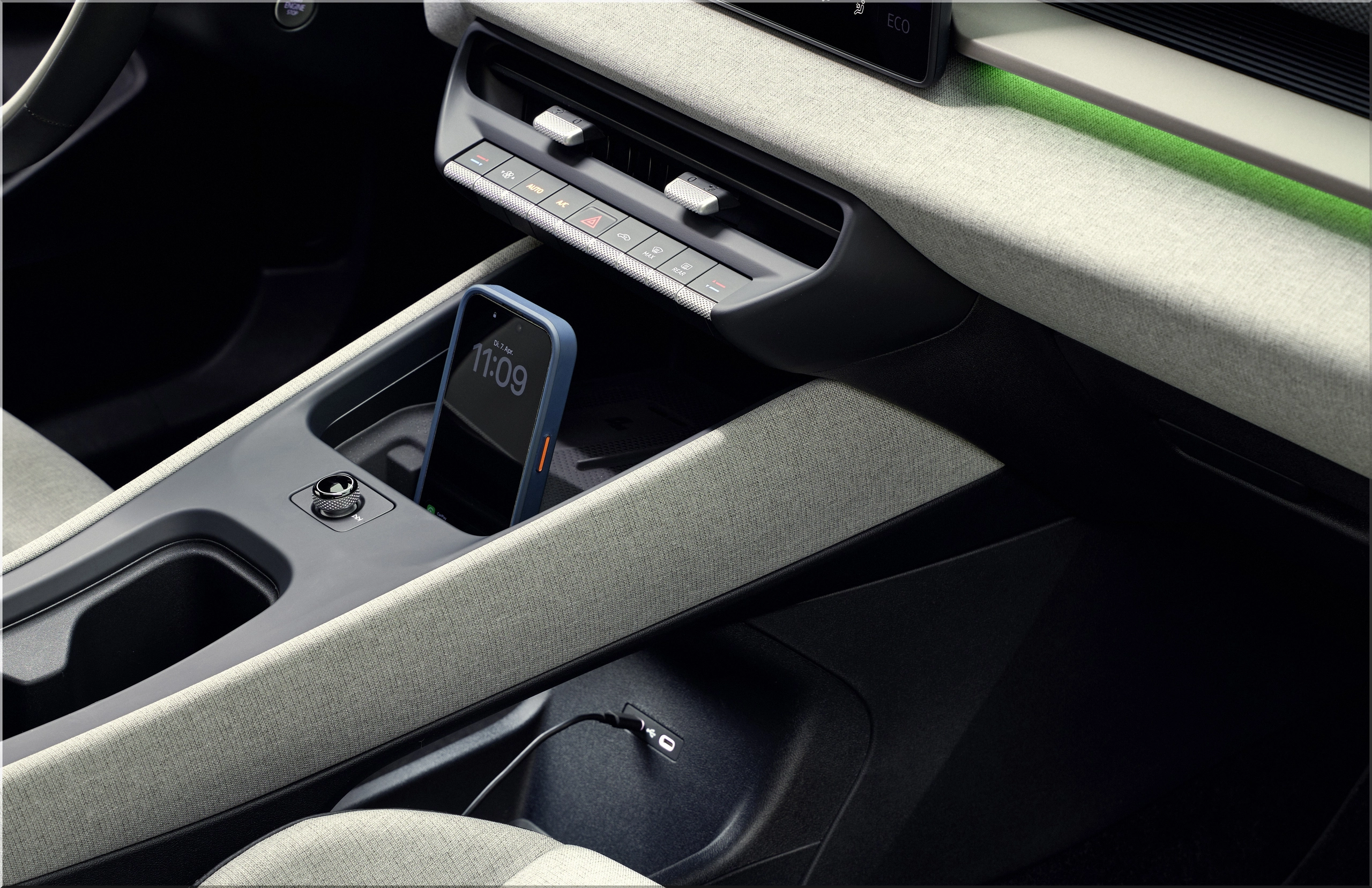
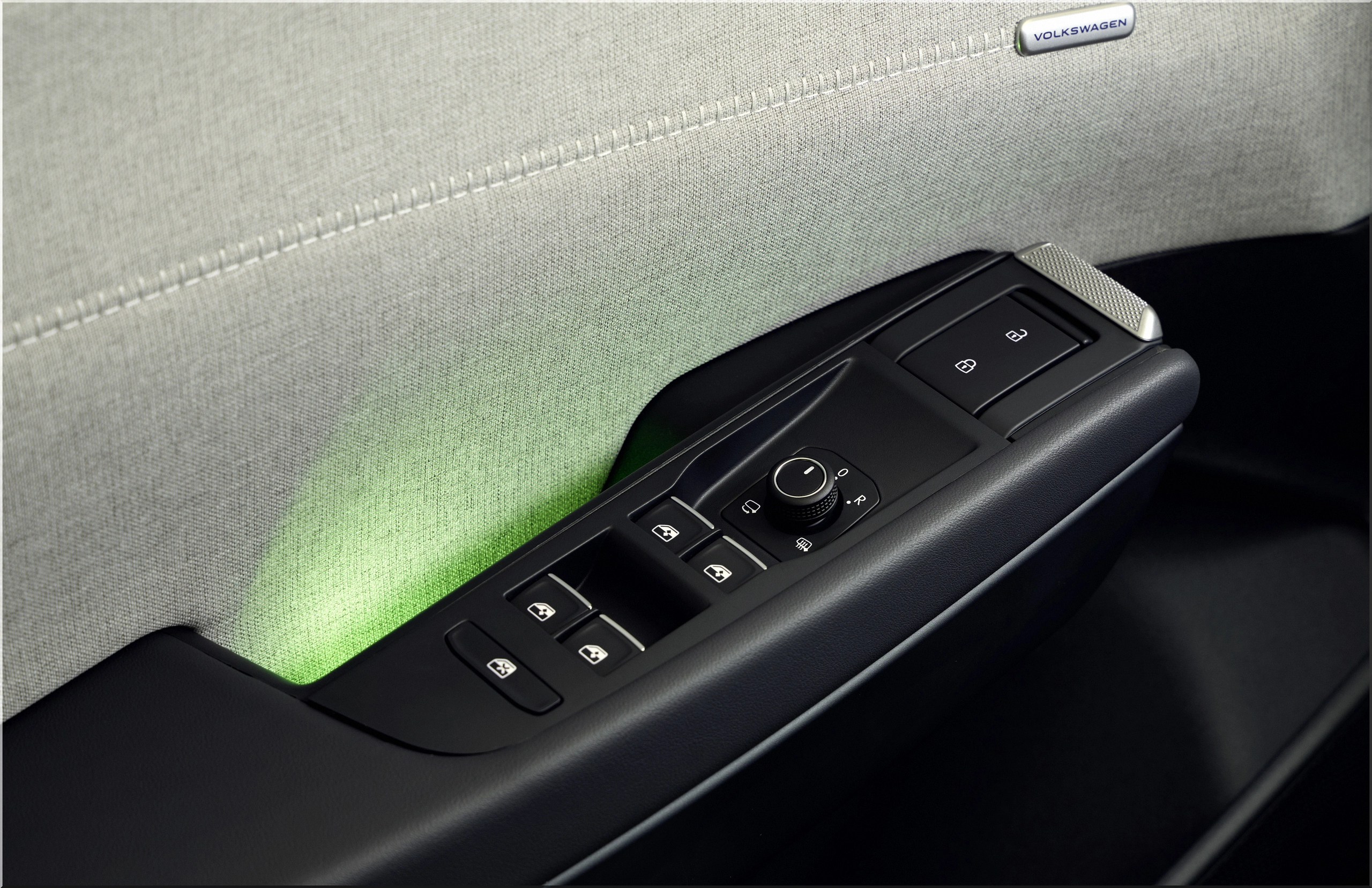
The cabin pairs a 10.25-inch Digital Cockpit Pro with a 12.9-inch touchscreen. Volkswagen retains physical buttons plus a rotary audio controller. A retro display recreates first-generation Golf graphics and replaces the old tachometer with a power meter.
In addition, buyers can add equipment rarely seen in this price bracket:
- Connected Travel Assist with red-light recognition and automatic stopping within system limits
- Park Assist Pro with remote smartphone-controlled parking
- 360-degree Area View cameras and one-pedal driving
- Electrically adjustable 12-way front seats with three pneumatic massage programmes
- A 425-watt Harman Kardon system with 10 speakers and a subwoofer
- A 29.1-by-35.4-inch panoramic glass roof with an electric sunblind
Cargo, Towing and V2L Add Real Utility
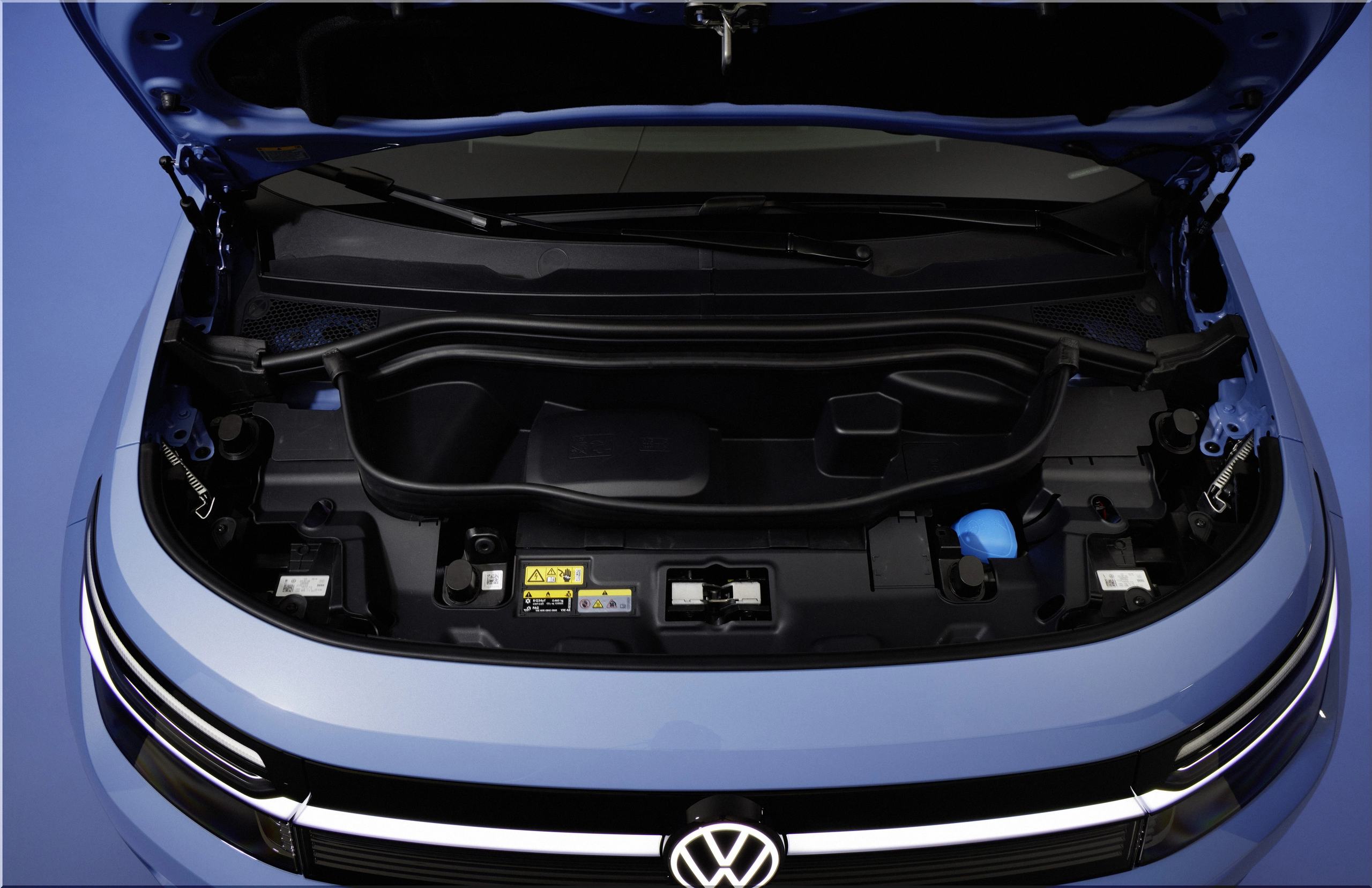
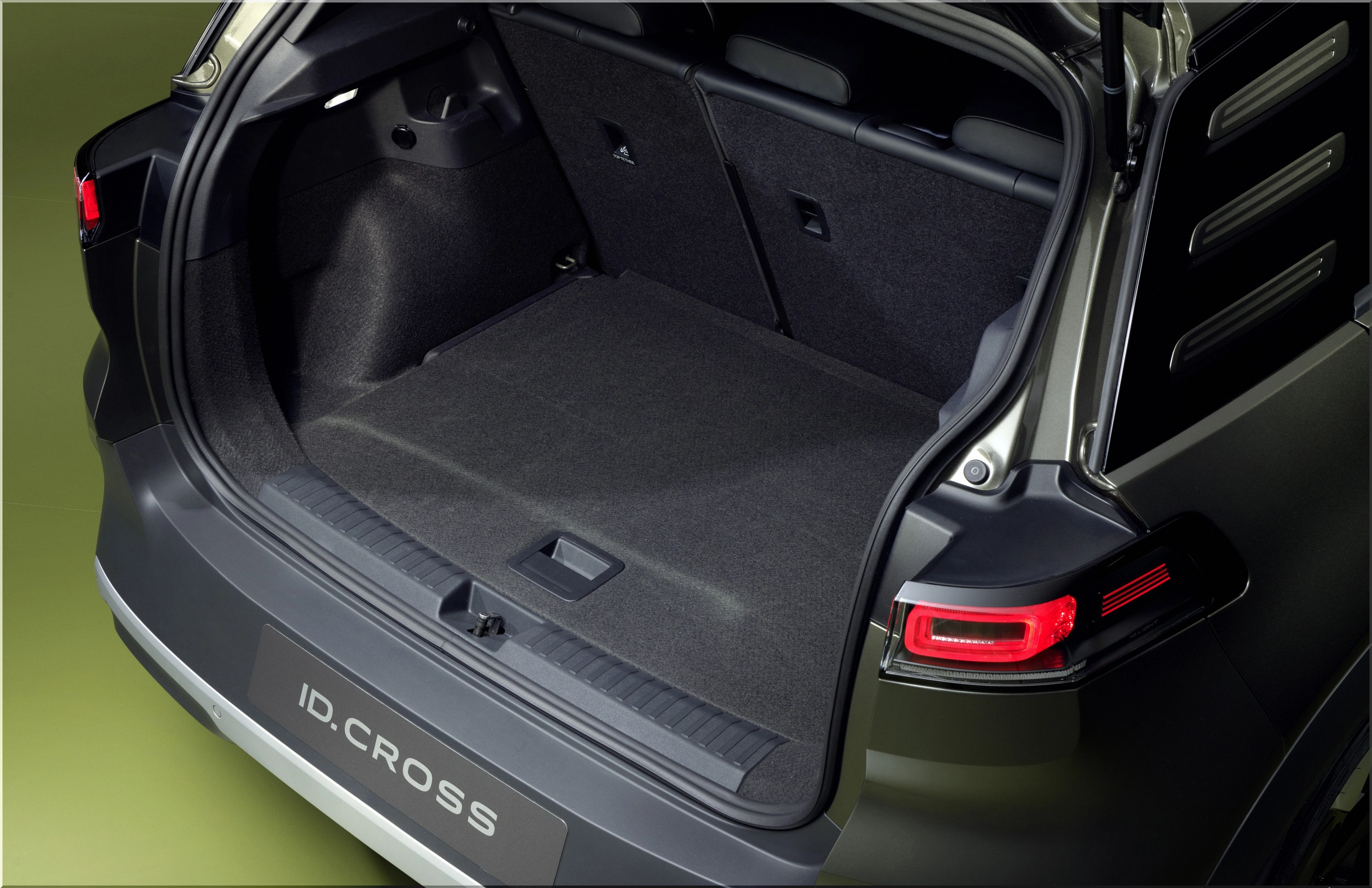
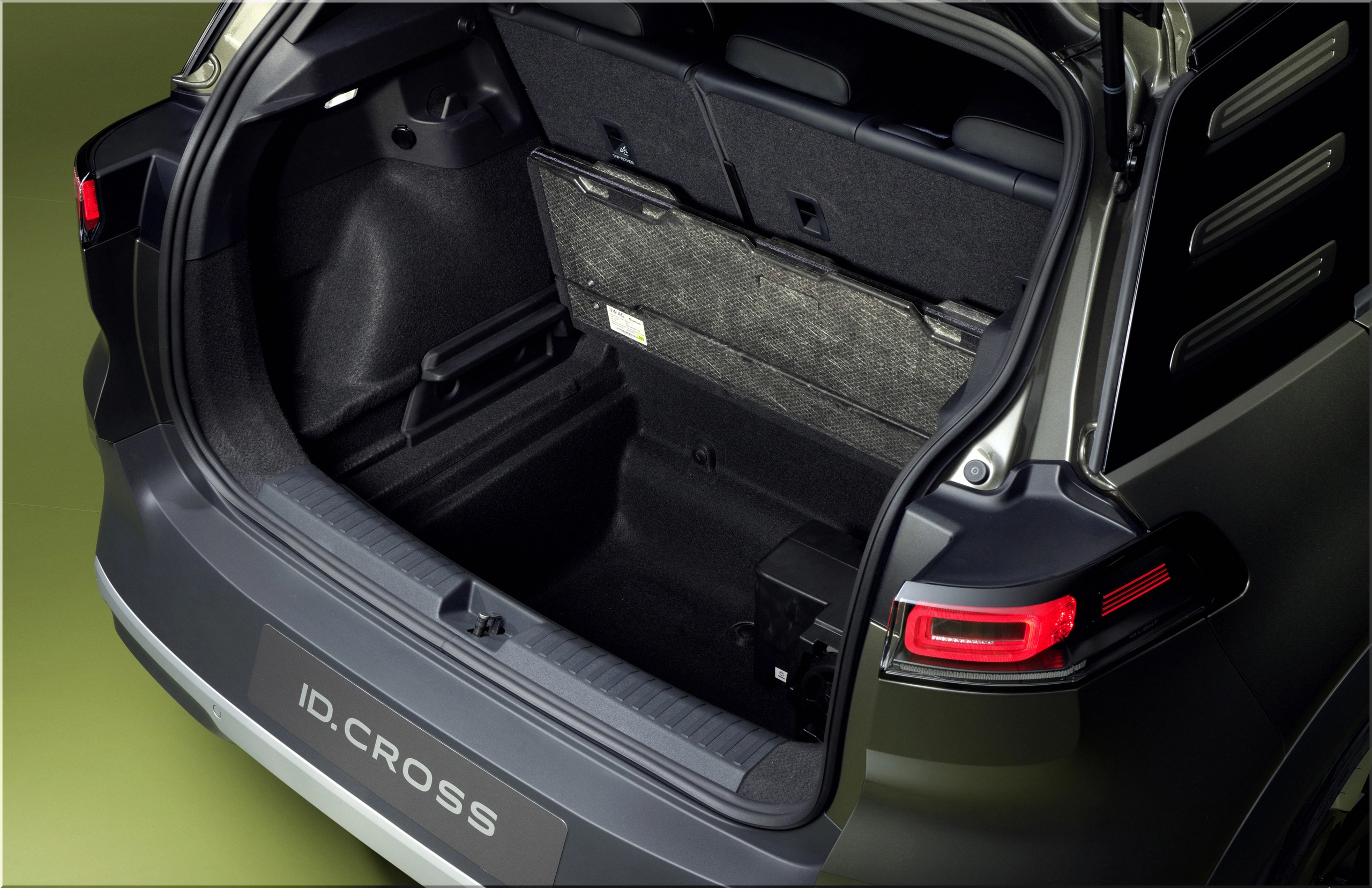
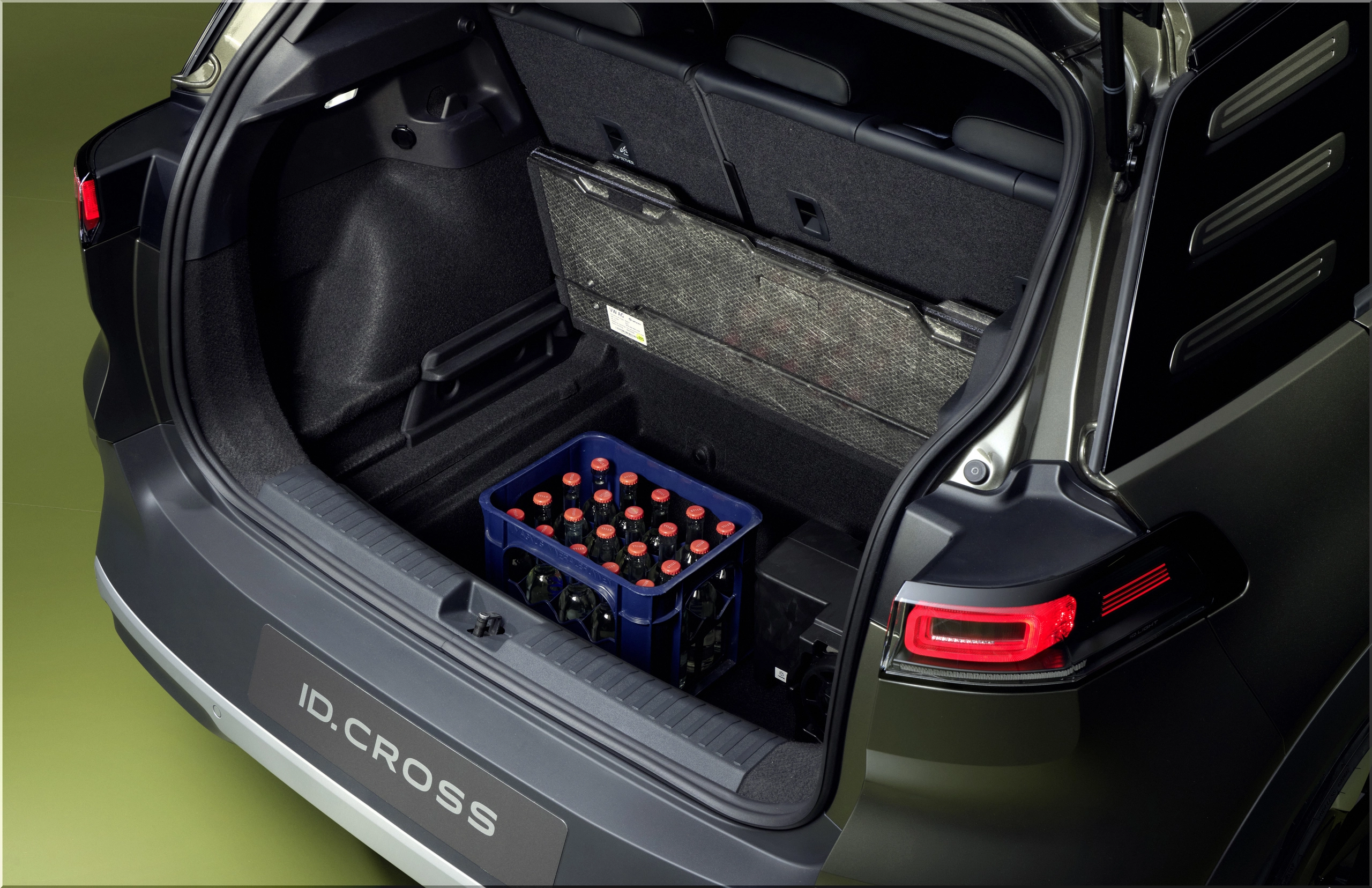
The rear compartment holds 475 litres, 20 litres more than the T-Cross. The front compartment lifts combined enclosed storage to 500 litres, or 17.7 cubic feet, while folded rear seats expand capacity to 47.3 cubic feet.
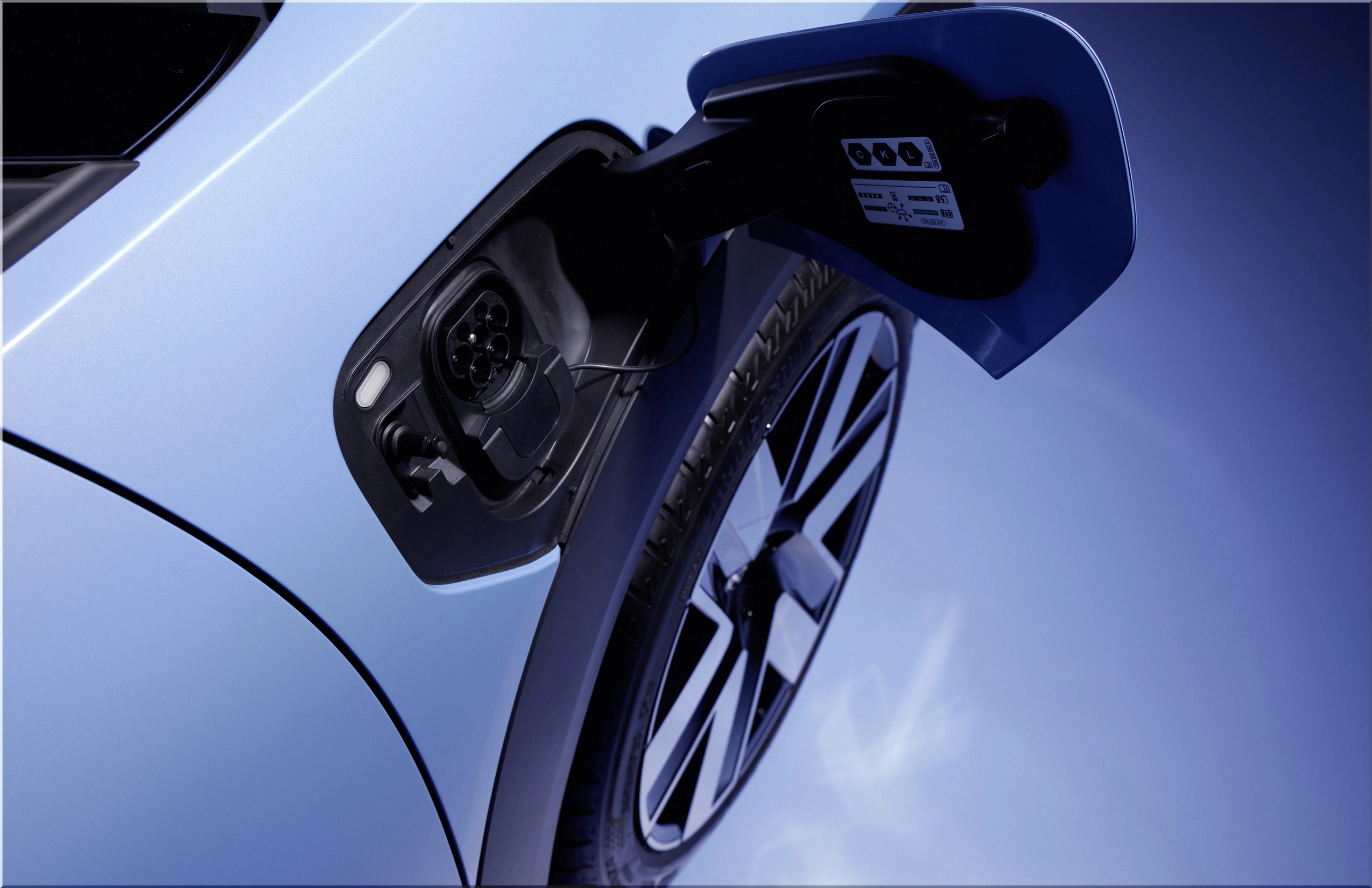
Specifically, the 52 kWh model can tow up to 1,200 kg, or 2,646 pounds, on an 8 percent gradient. The removable tow bar supports a 75 kg, or 165-pound, vertical load for bicycle carriers. Standard vehicle-to-load capability supplies up to 3.6 kW through the charge port, enough to run tools, camping equipment or e-bike chargers through Volkswagen's optional adapter.
Which Volkswagen ID. Cross Should You Buy?
Choose the 37 kWh Trend if purchase price, short commutes and home charging drive the decision. Its 196-mile WLTP rating gives urban drivers useful reserve. Cold weather and motorway speeds will reduce that figure.
Choose a 52 kWh version for longer routes, towing or the 211 hp motor. Its extra 69 miles of rated range offer more value than the power increase alone.
Pro-Tip
Compare the transaction price, insurance quote and home-charger cost before choosing a trim. Prioritise battery capacity and frequently used driver aids over massage seats and premium audio.
Image gallery
The ID. Cross Makes Its Case With Numbers
The Volkswagen ID. Cross combines sensible dimensions, high cargo capacity and short charging stops at an aggressive entry price. Its 3.6 kW external power supply and 2,646-pound towing limit also add family and leisure value.
Volkswagen has confirmed European timing but no American launch, so US shoppers should read the converted price as context rather than a promise. For European buyers, the ID. Cross pressures every compact electric SUV that costs more while carrying less.
- Add new comment
- 61 views