BlueCruise Reaches More Drivers Across Europe
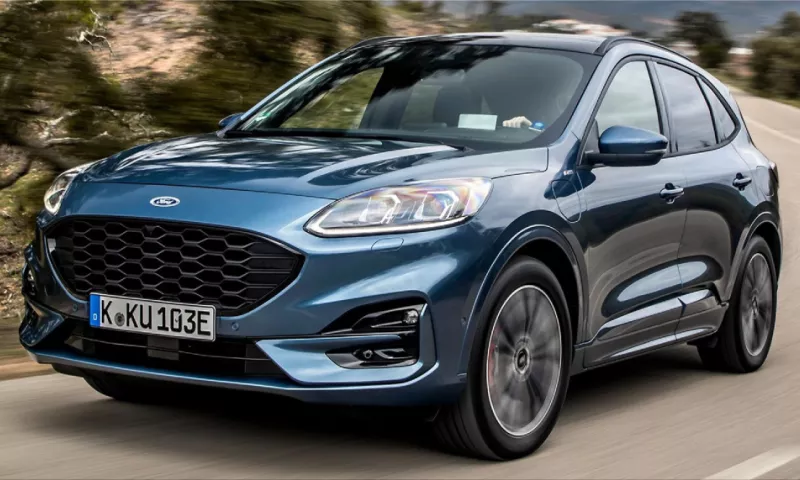
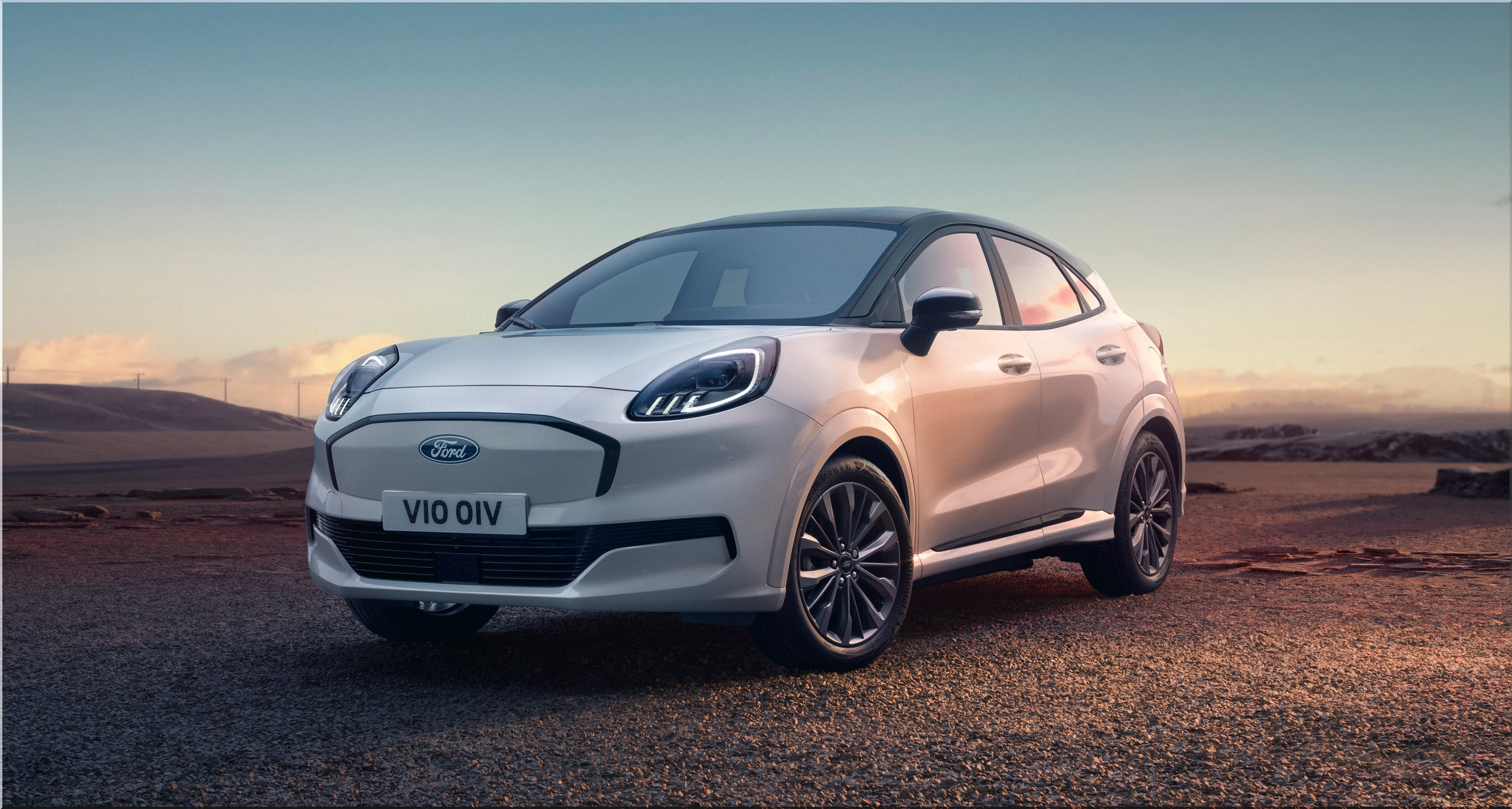
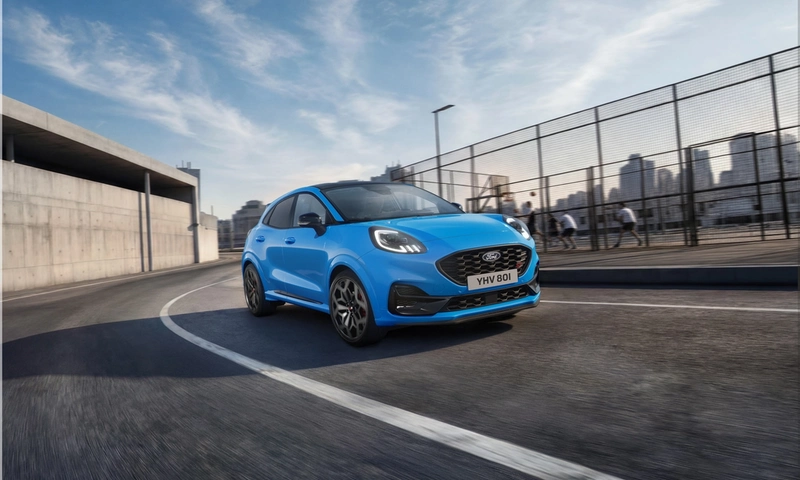
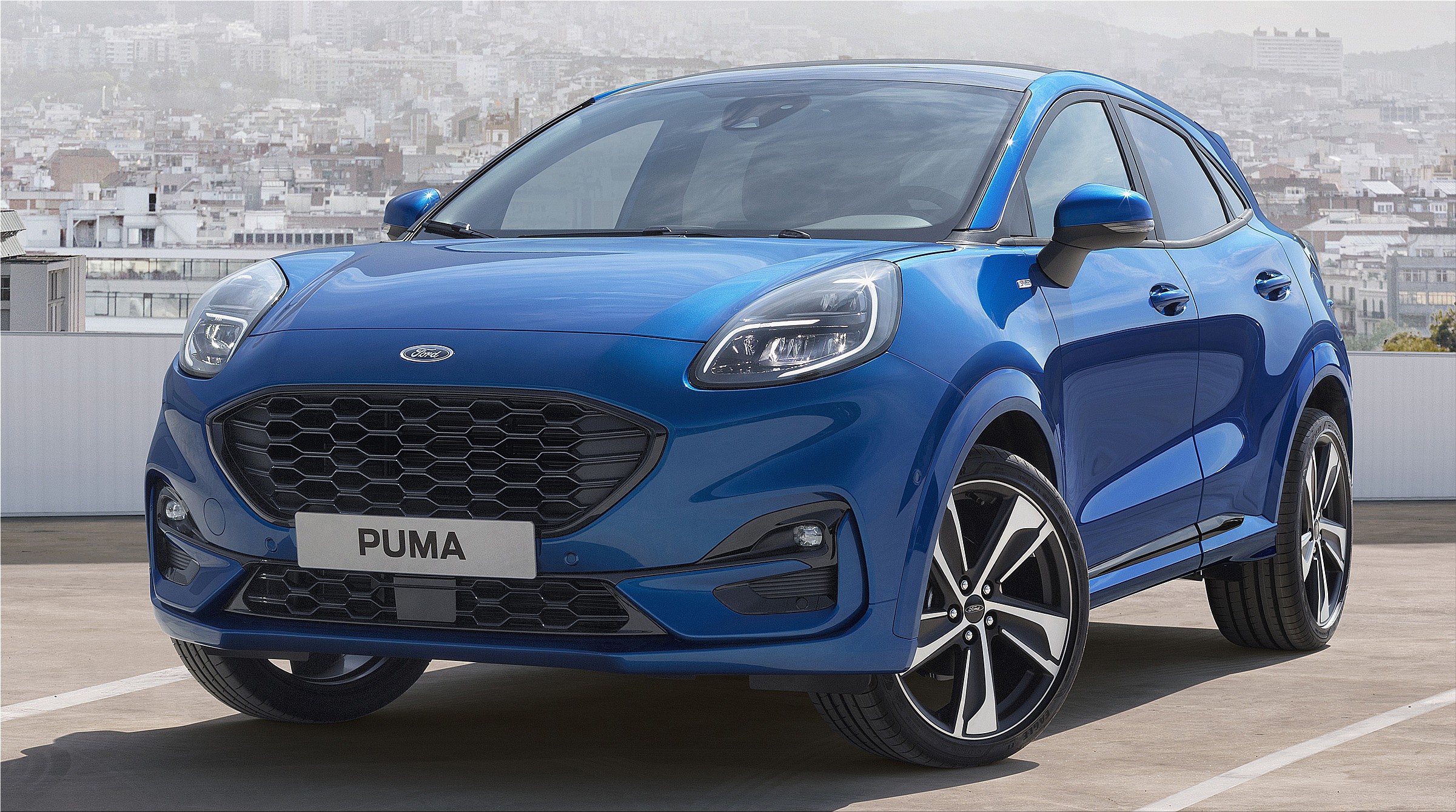
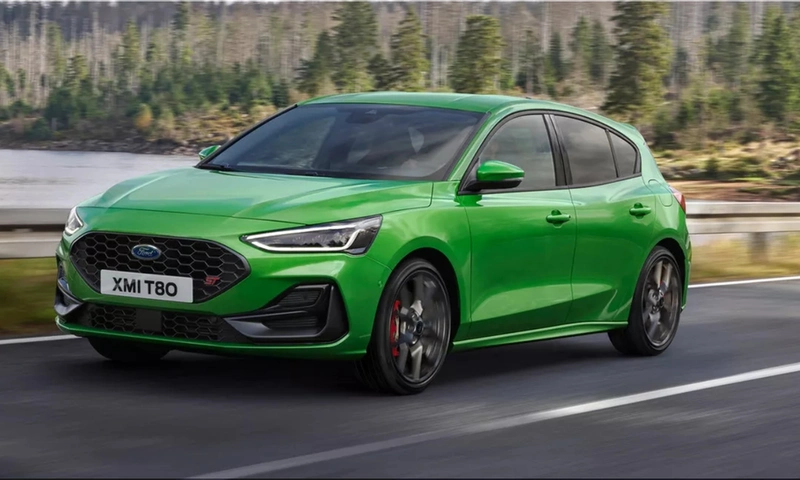
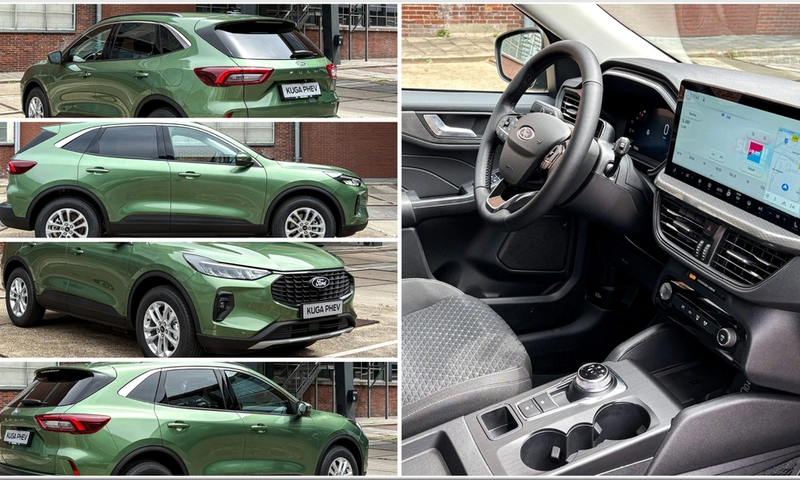
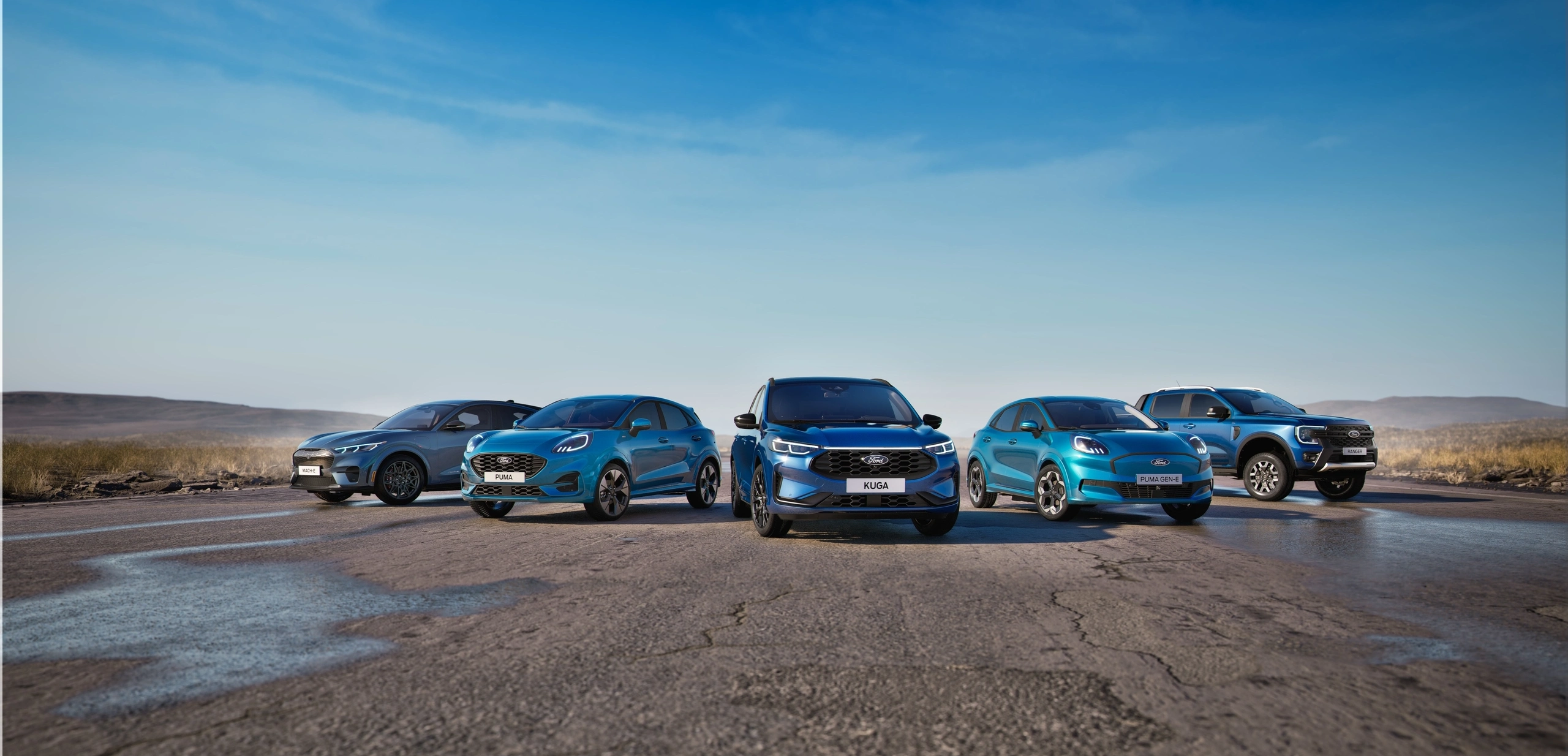
Ford expands BlueCruise hands-free driving technology to more models and more markets. The move reflects rising demand for Level 2 systems that support steering, braking, and lane control on approved highways. The updates deliver wider access for Mustang Mach-E owners in Norway and expand availability to the Puma, Puma Gen-E, Kuga, and Ranger PHEV across Europe by spring 2026.
Short approval cycles in Norway and the European Union accelerate the rollout. The system now functions on more than 135,000 kilometers of approved highways, known as Blue Zones, across 16 European countries.
Image
Norway Grants Approval for Highway Use
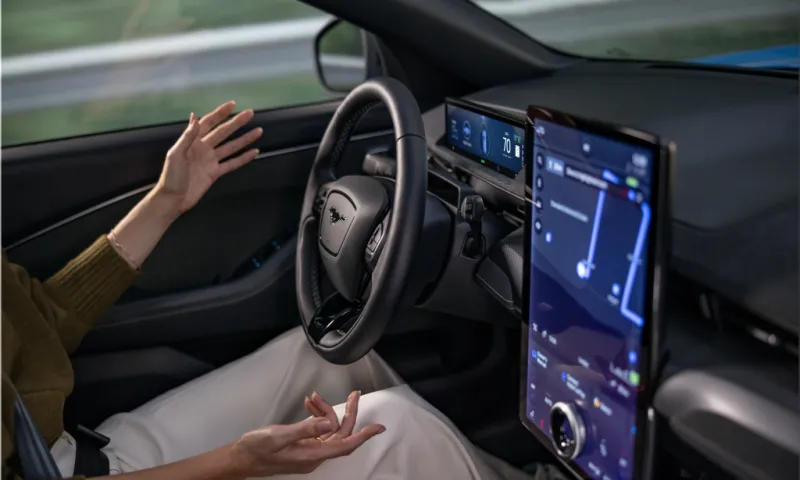
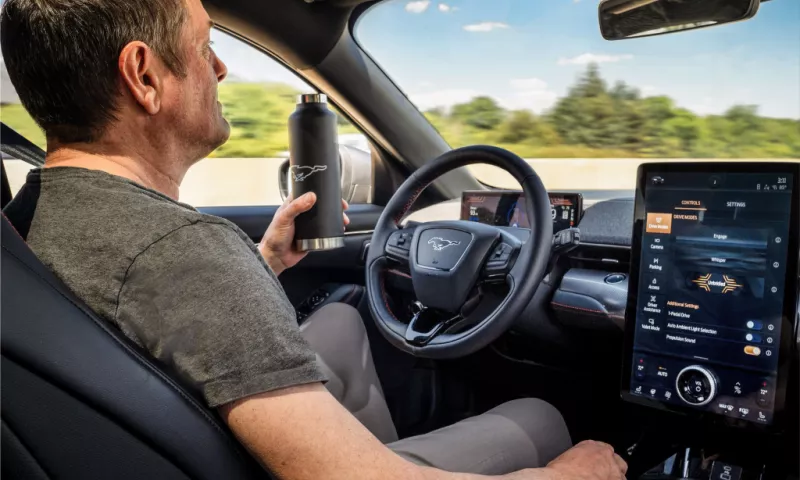
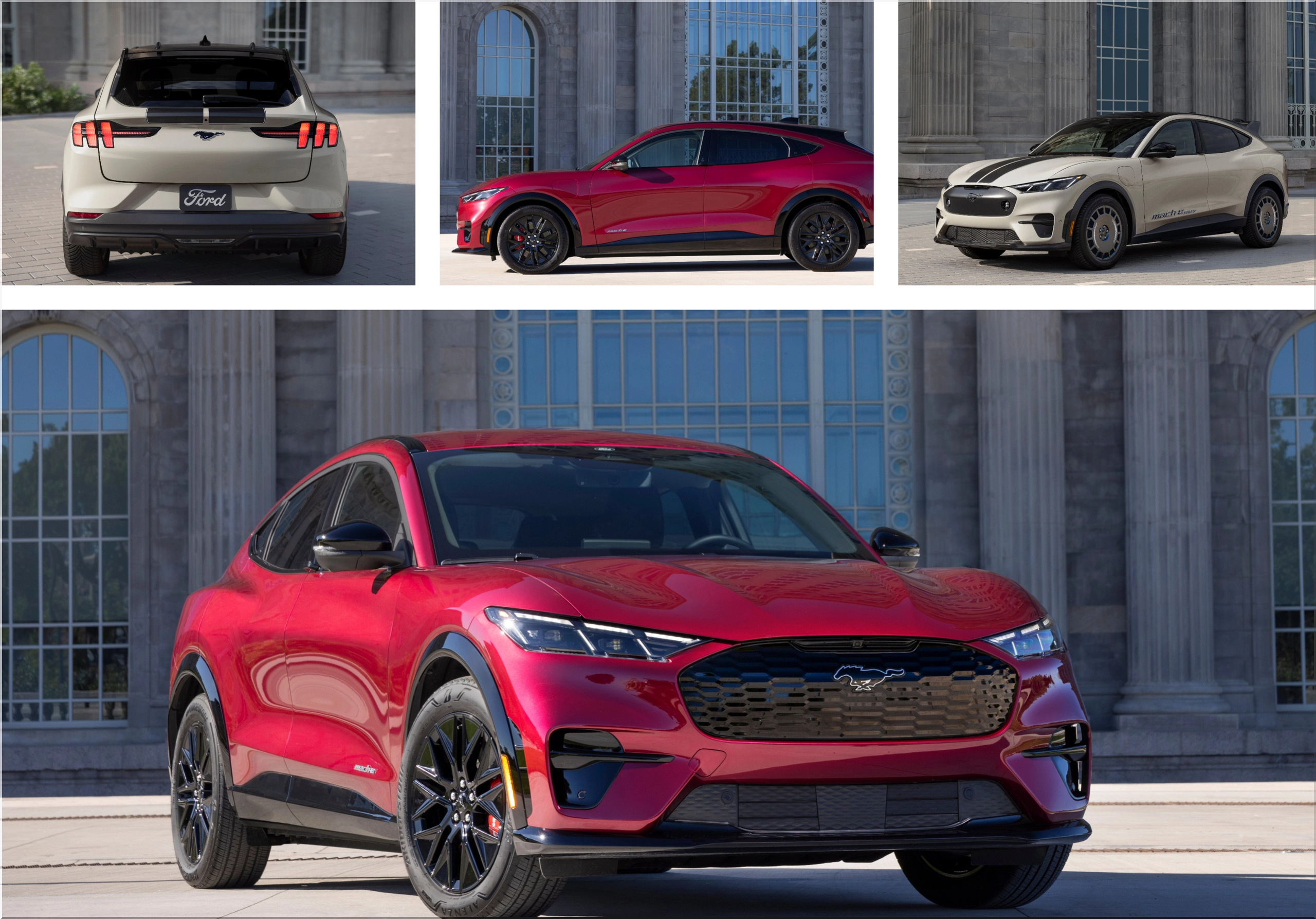
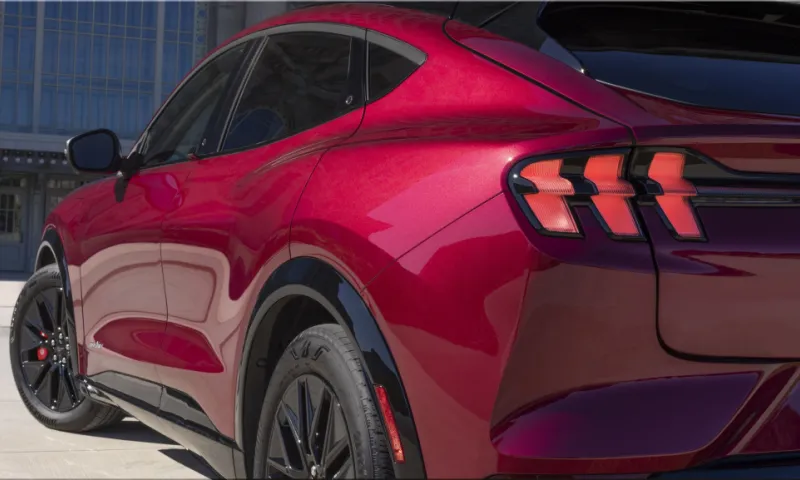
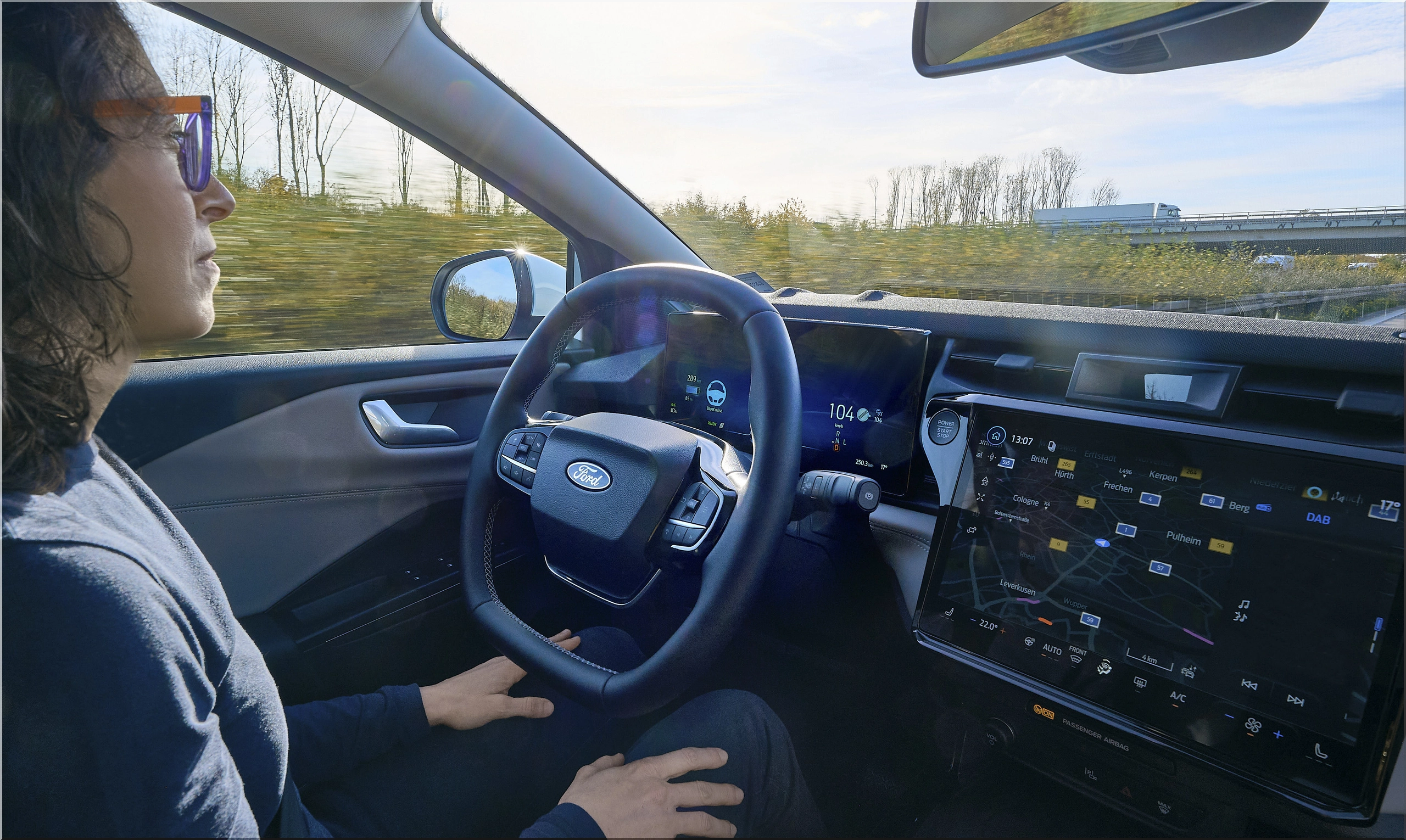
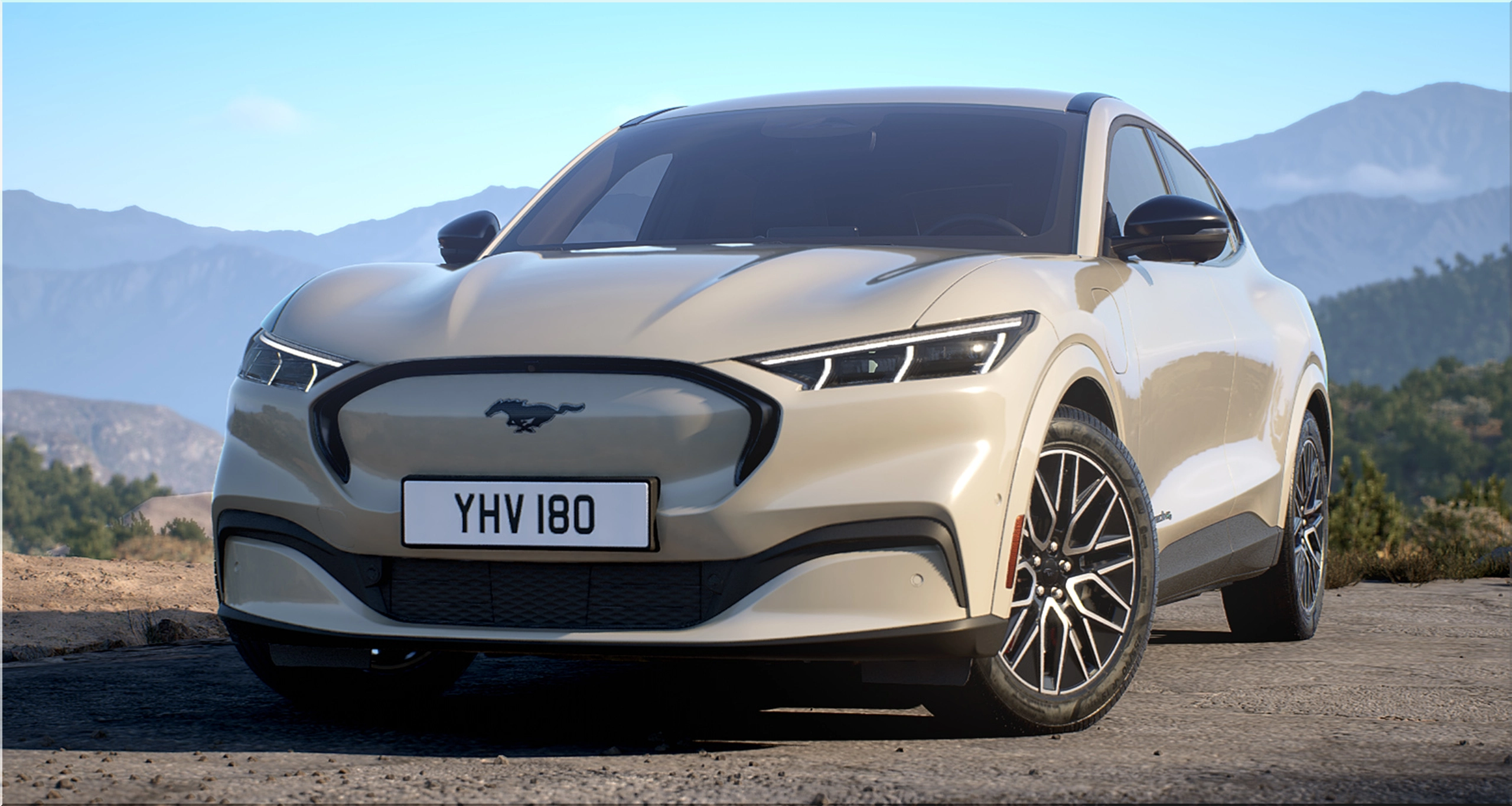
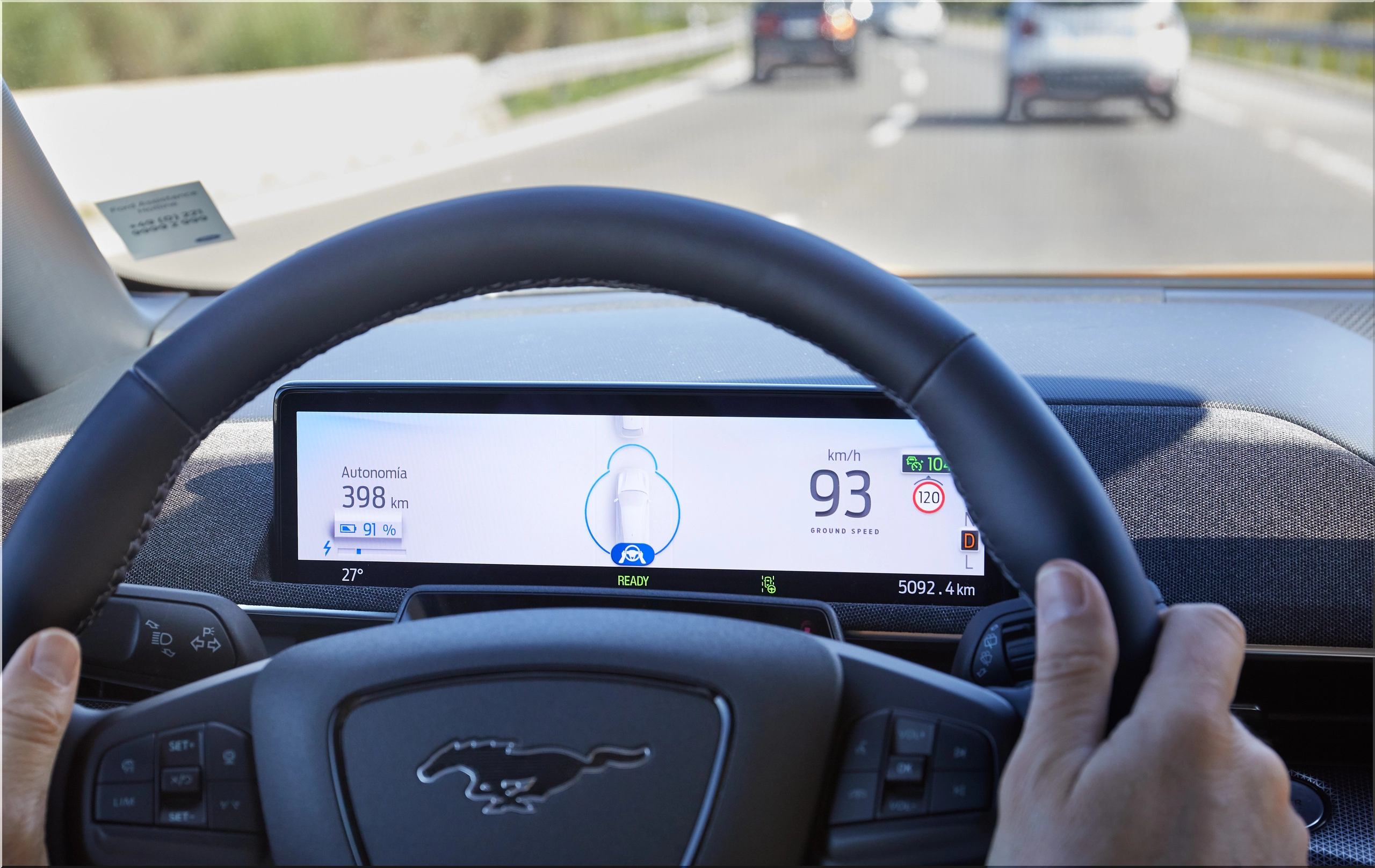
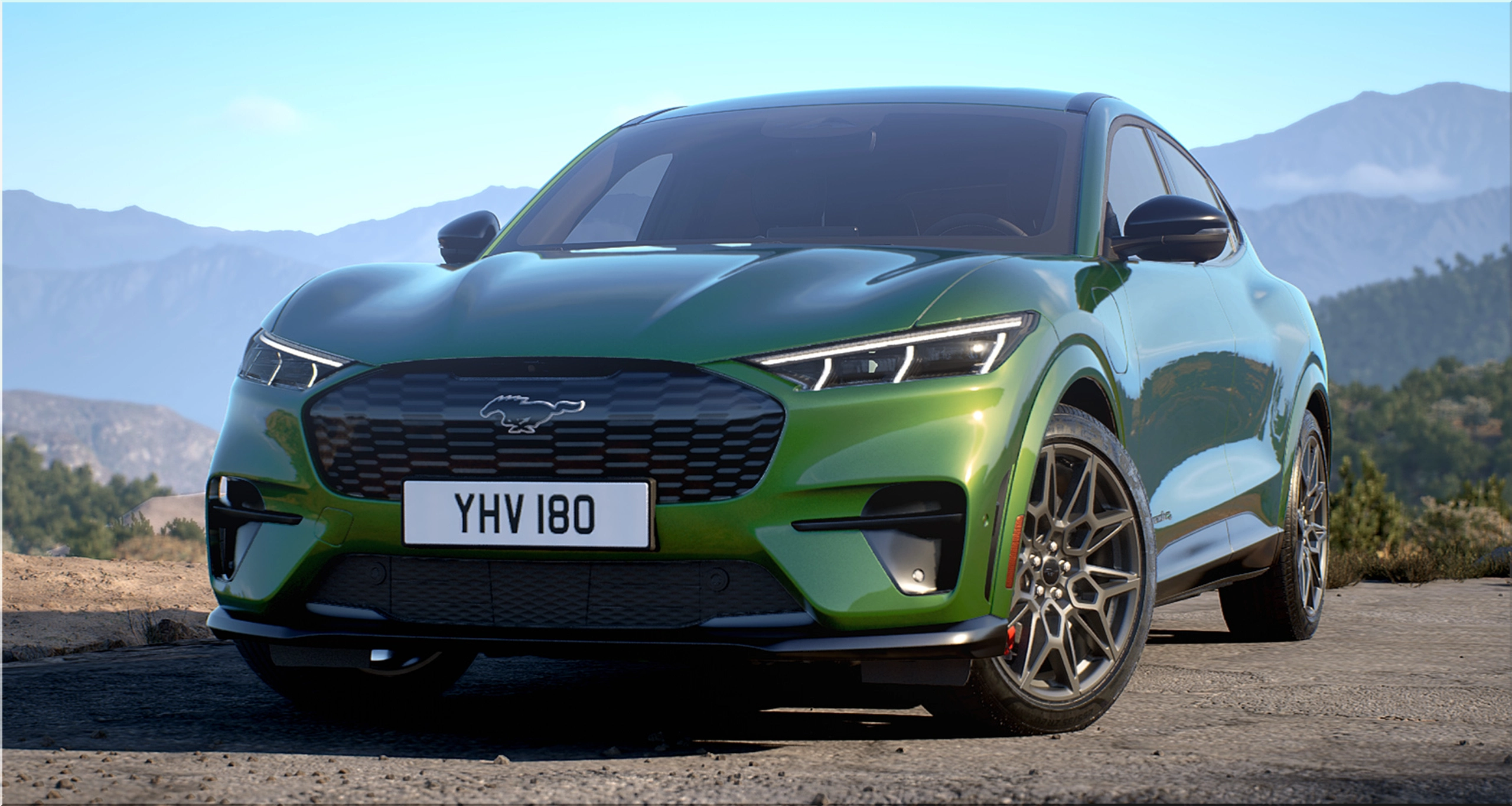
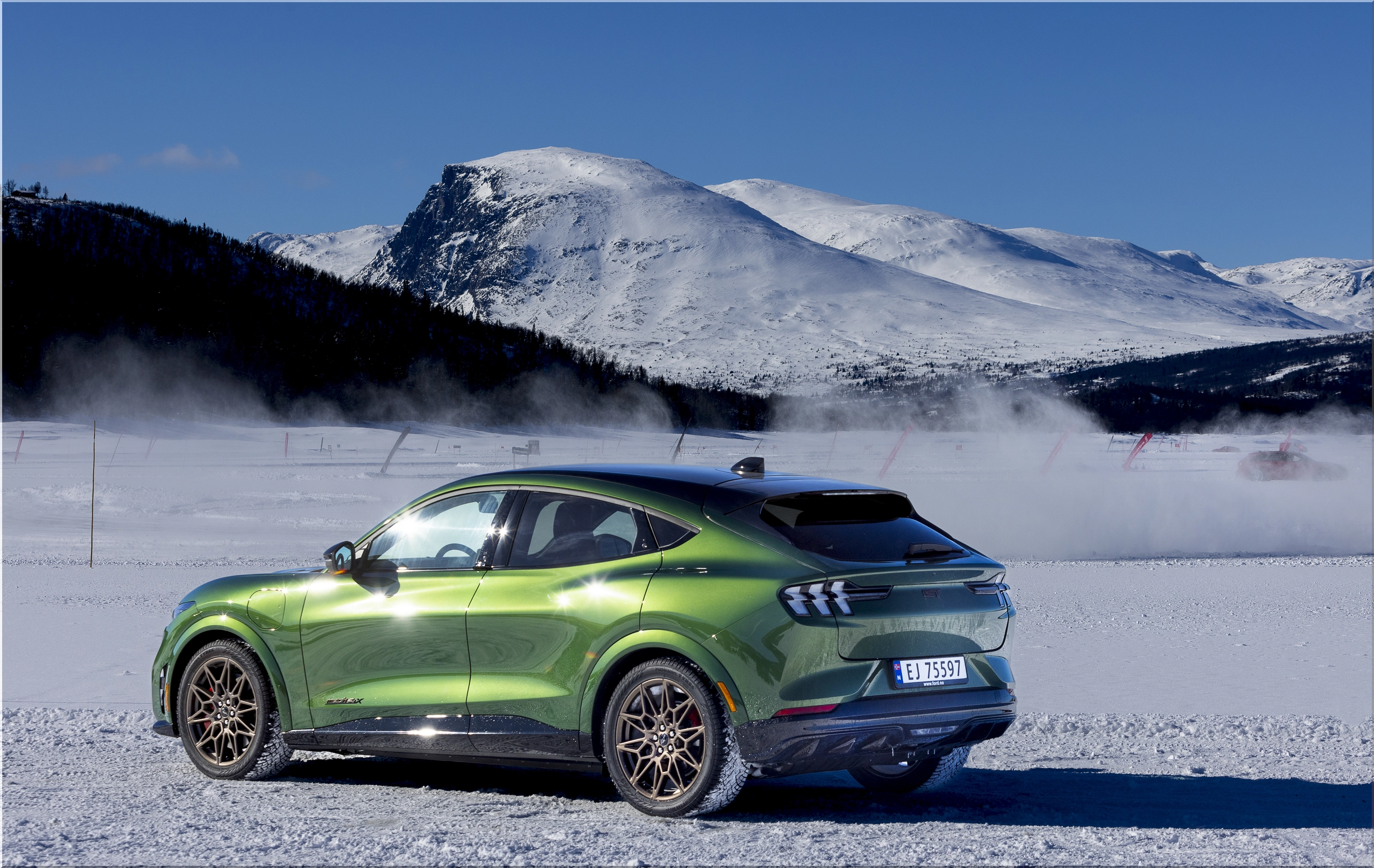
Norwegian authorities approved BlueCruise for the Mustang Mach-E (model year 2024 and newer) on key highway segments including major stretches of the E6, E18, and other regional corridors.
Key insights:
- Drivers can travel hands-free while keeping eyes on the road.
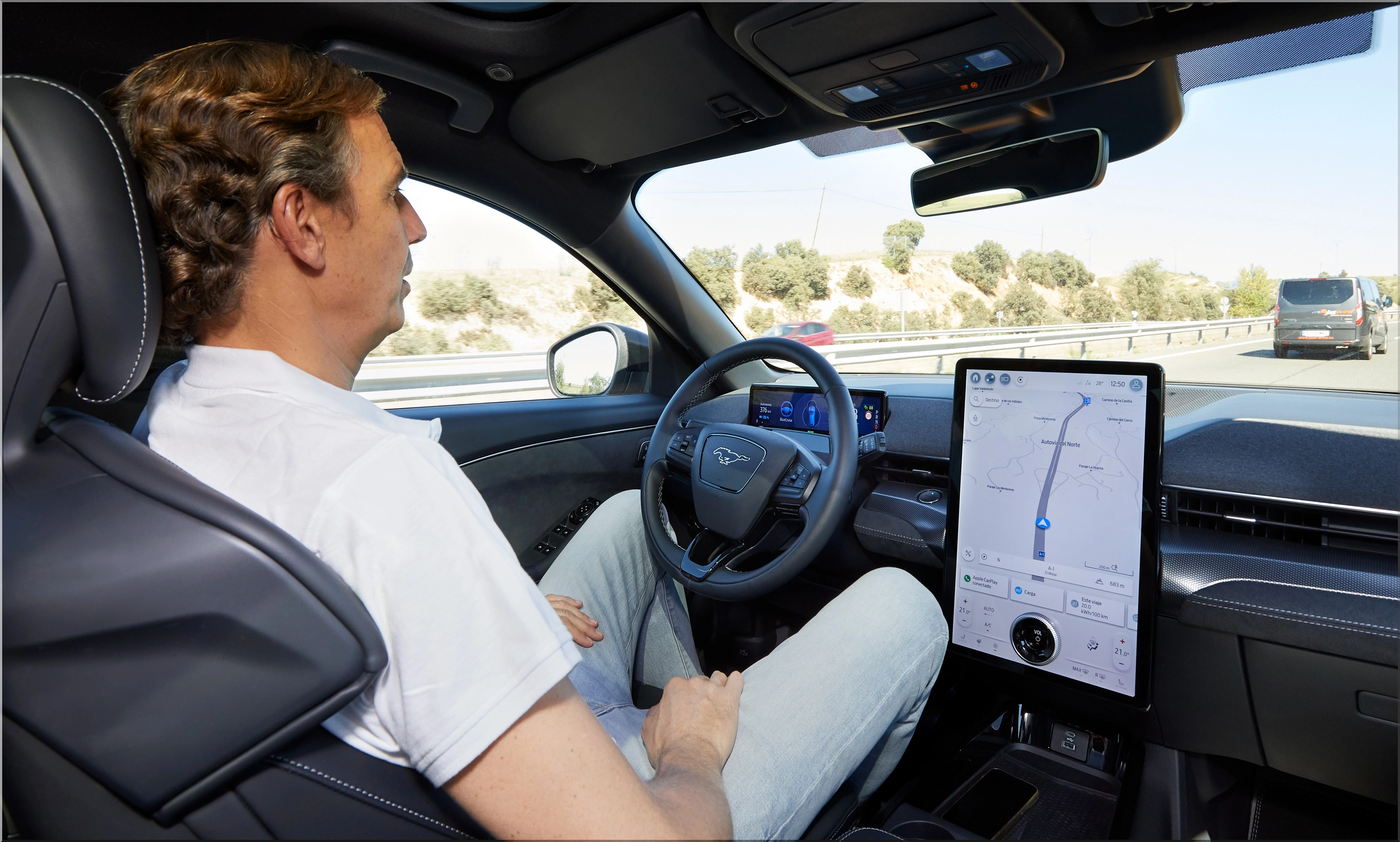
- The system supports extended travel, including 92% of the Oslo-to-Barcelona route.
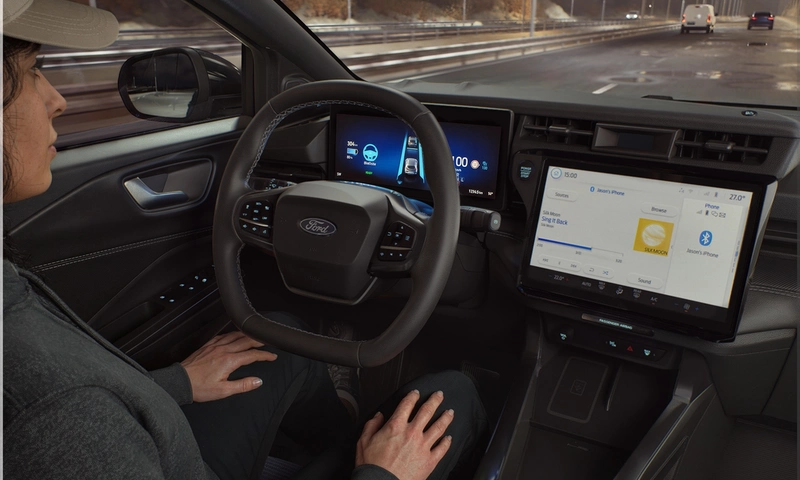
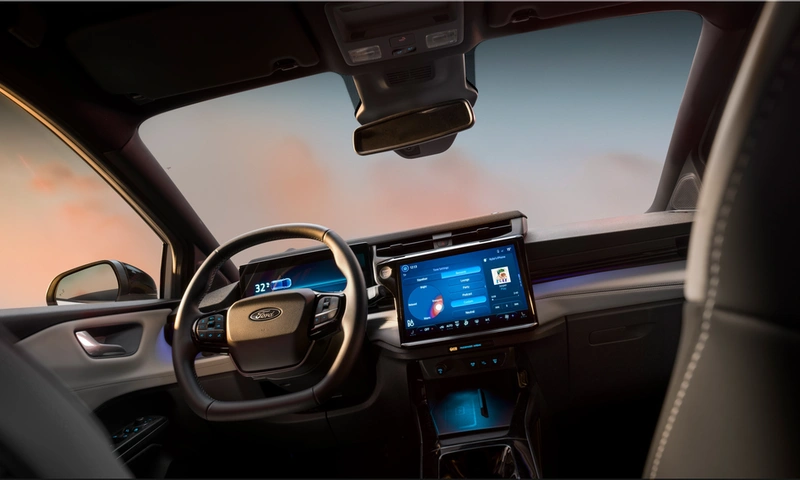
- Infrared sensors monitor driver eye movement, even with sunglasses.
Ford expects adoption to rise as subscription access becomes easier. Mustang Mach-E owners can activate the feature through the Ford app and receive a 90-day free trial before switching to monthly or annual billing.
BlueCruise Expands to More Models Across Europe
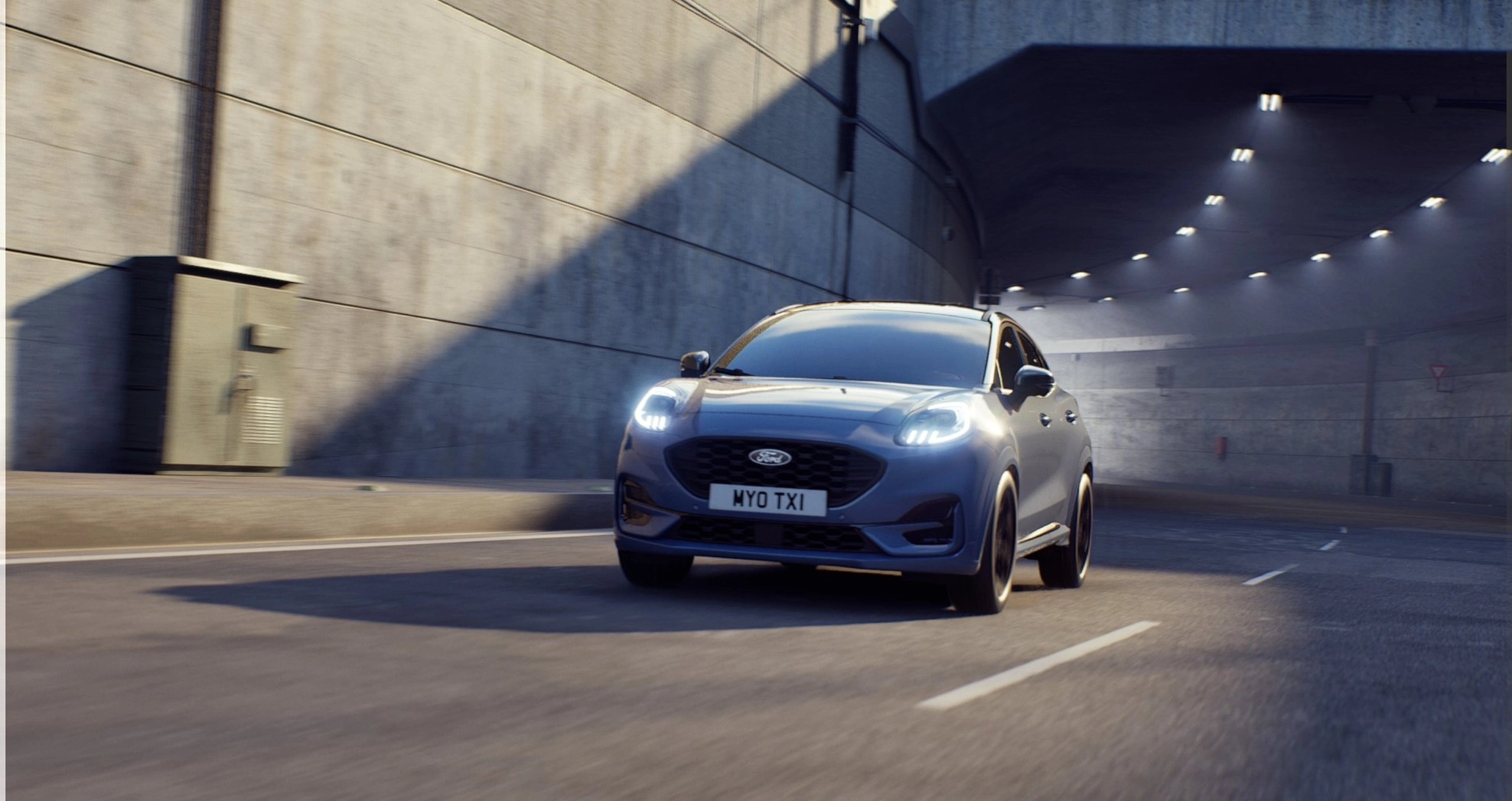
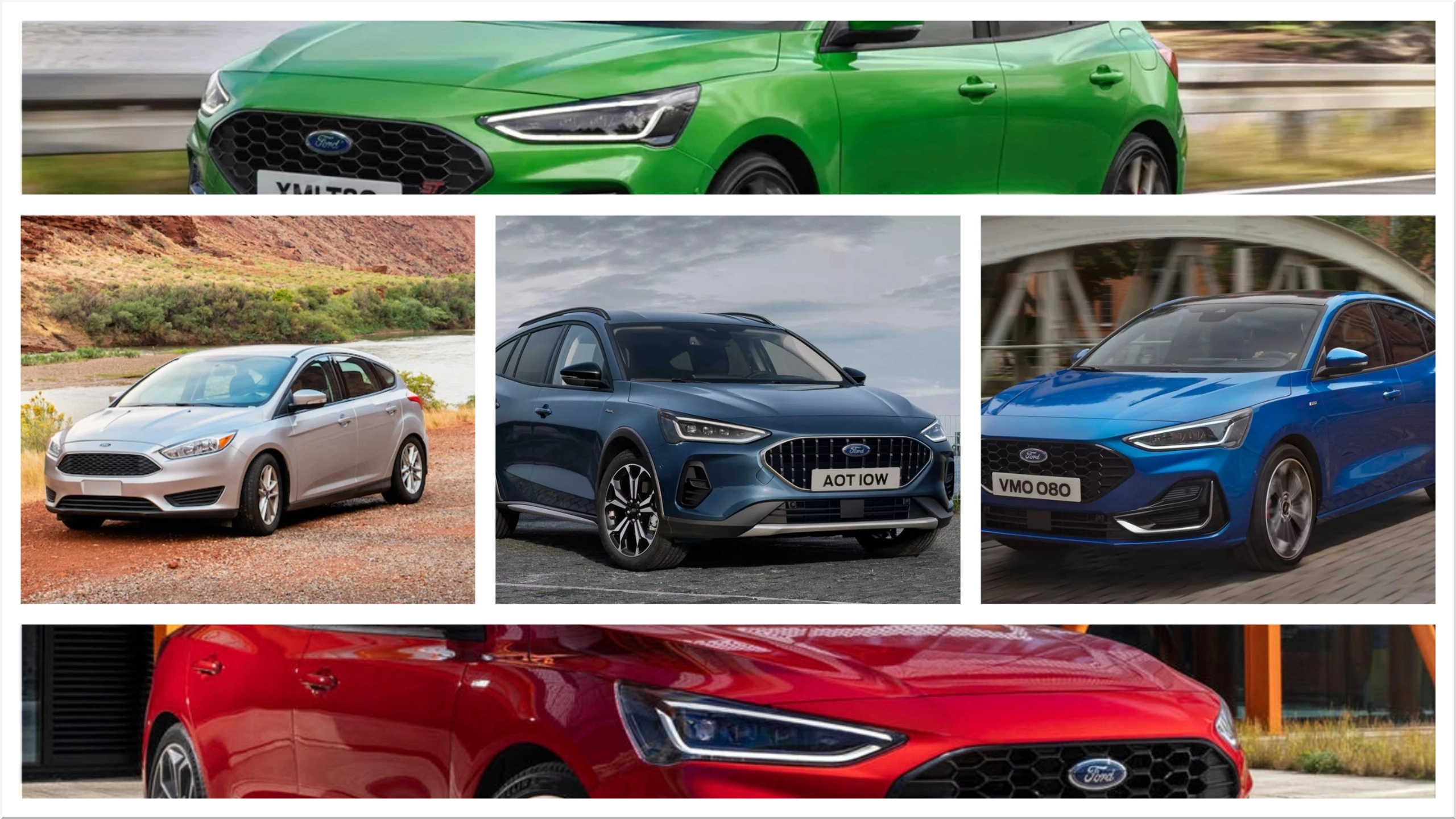
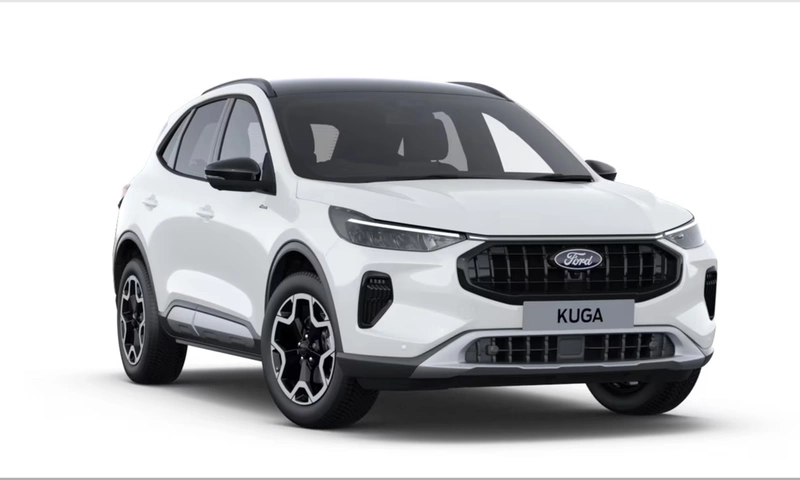
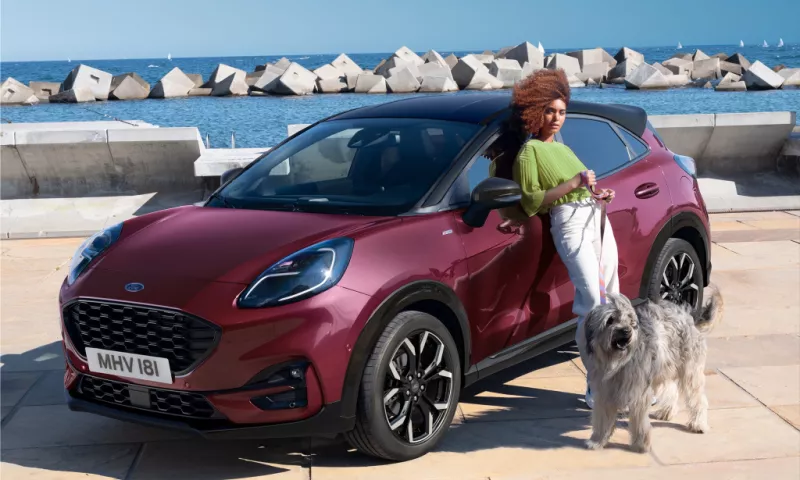
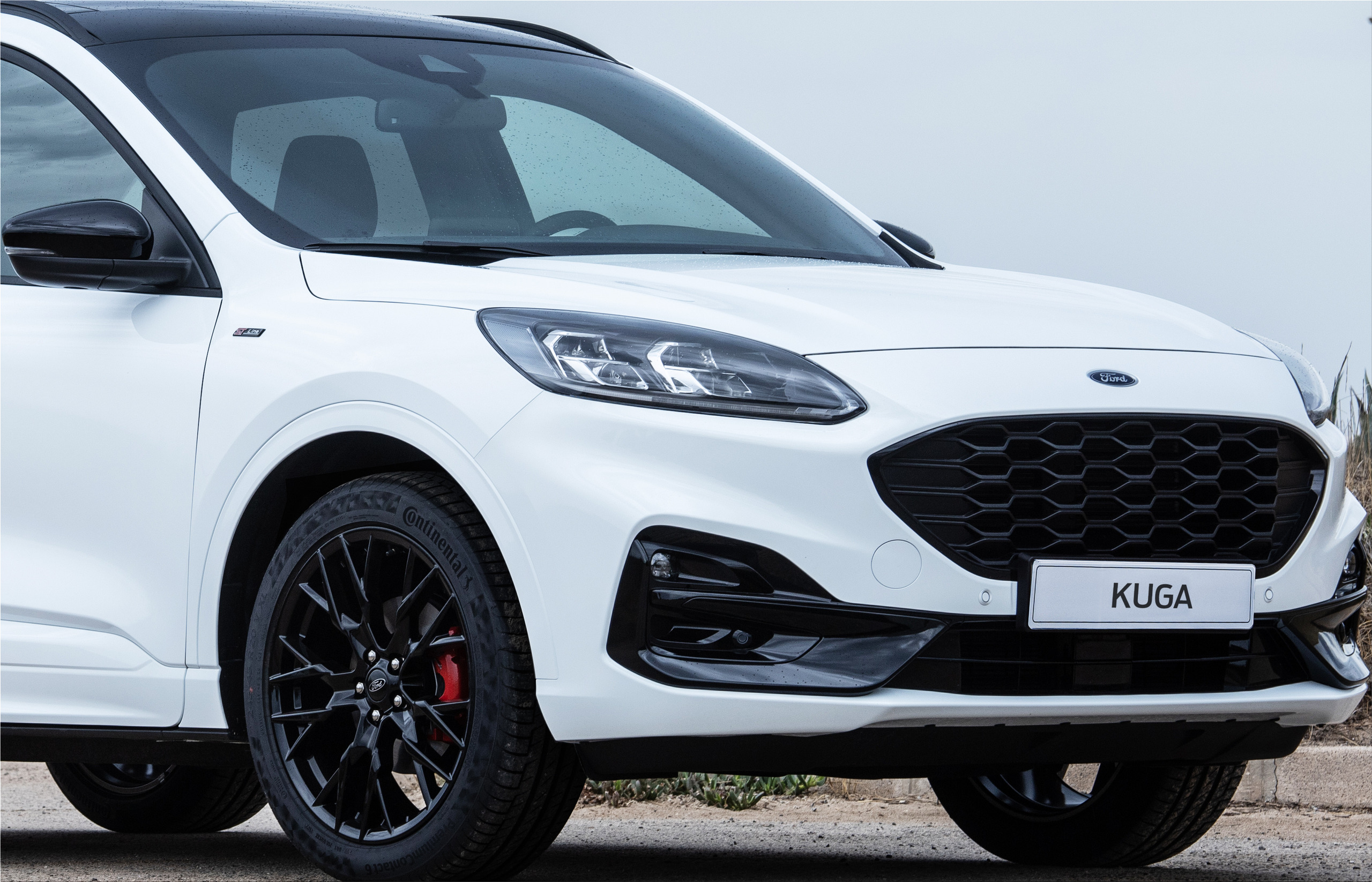
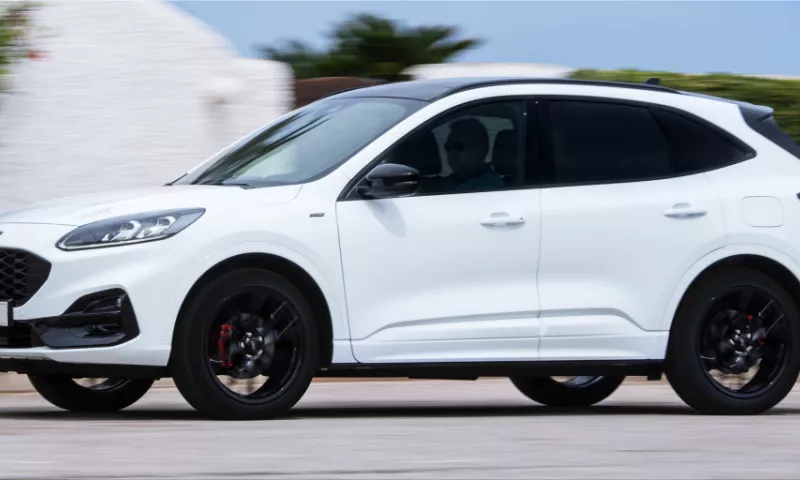
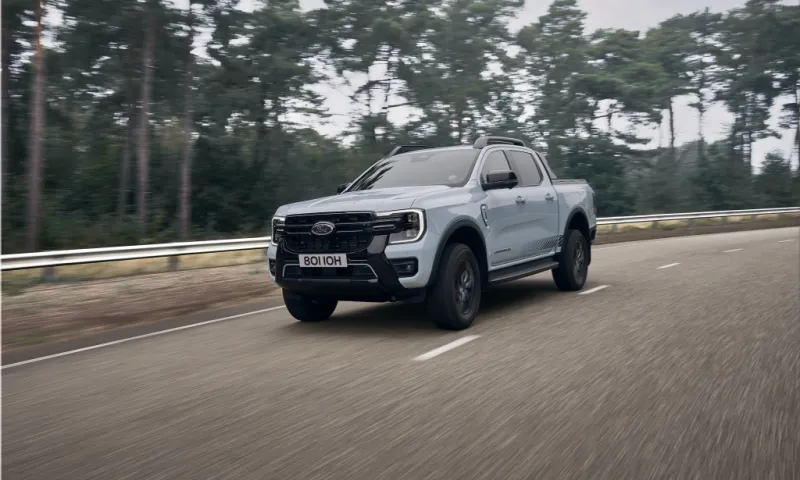
Ford widens availability across Europe. Starting in spring 2026, BlueCruise will roll out to the following models equipped with the Driver Assistance Package:
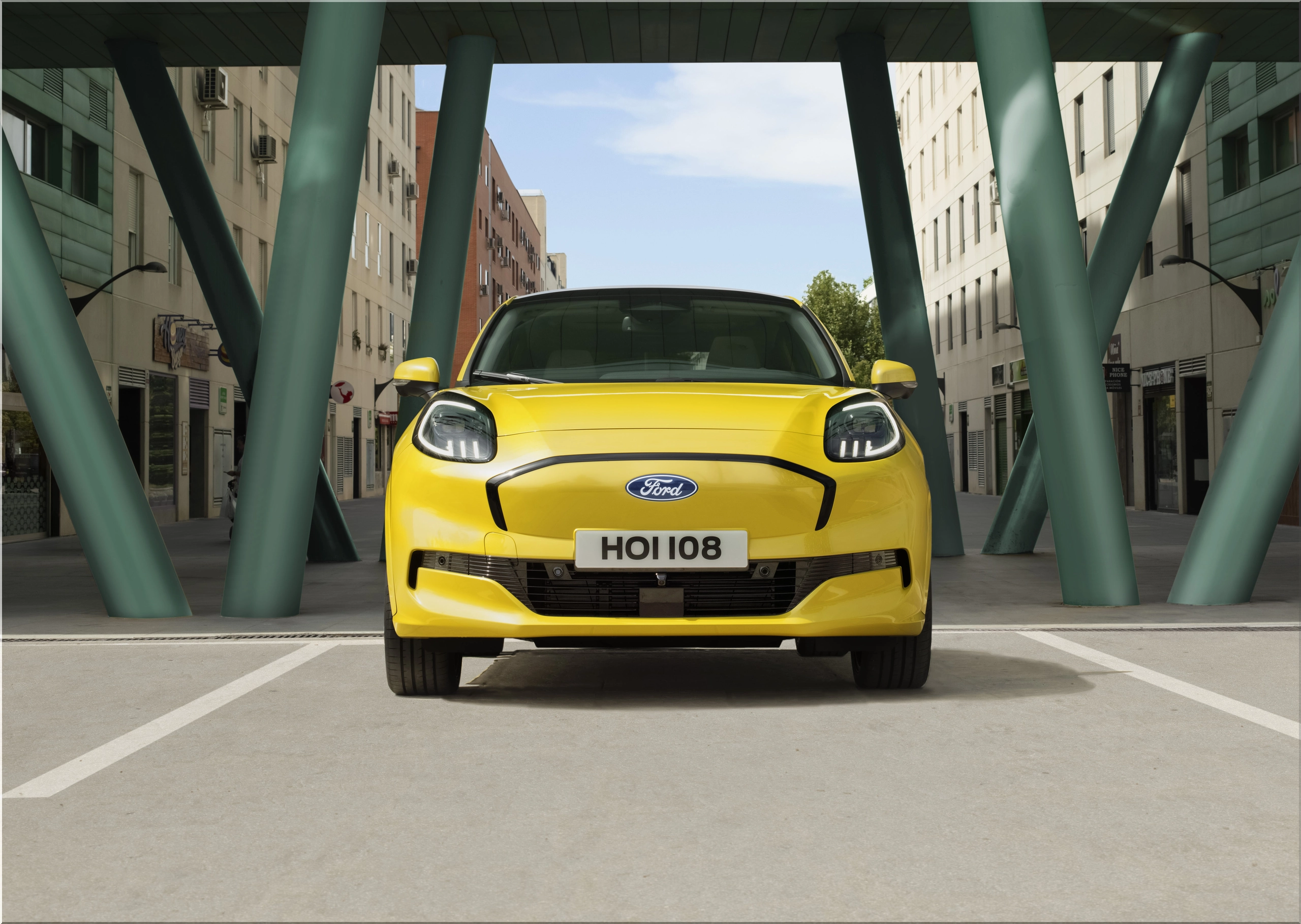
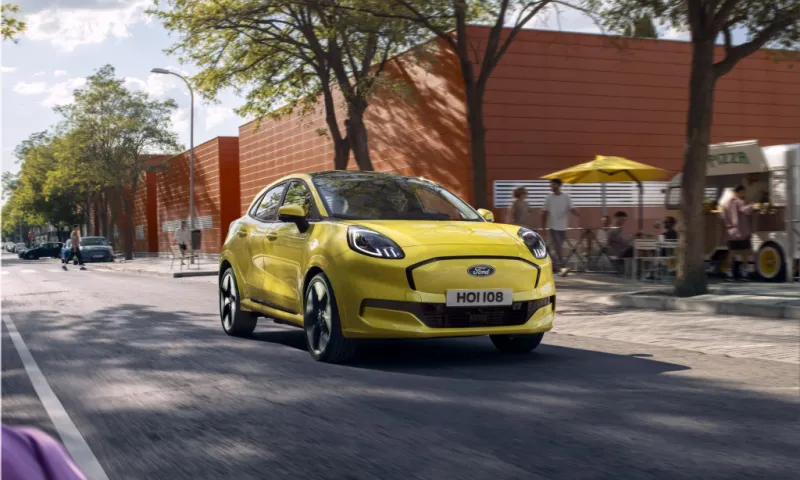
- Puma
- Puma Gen-E
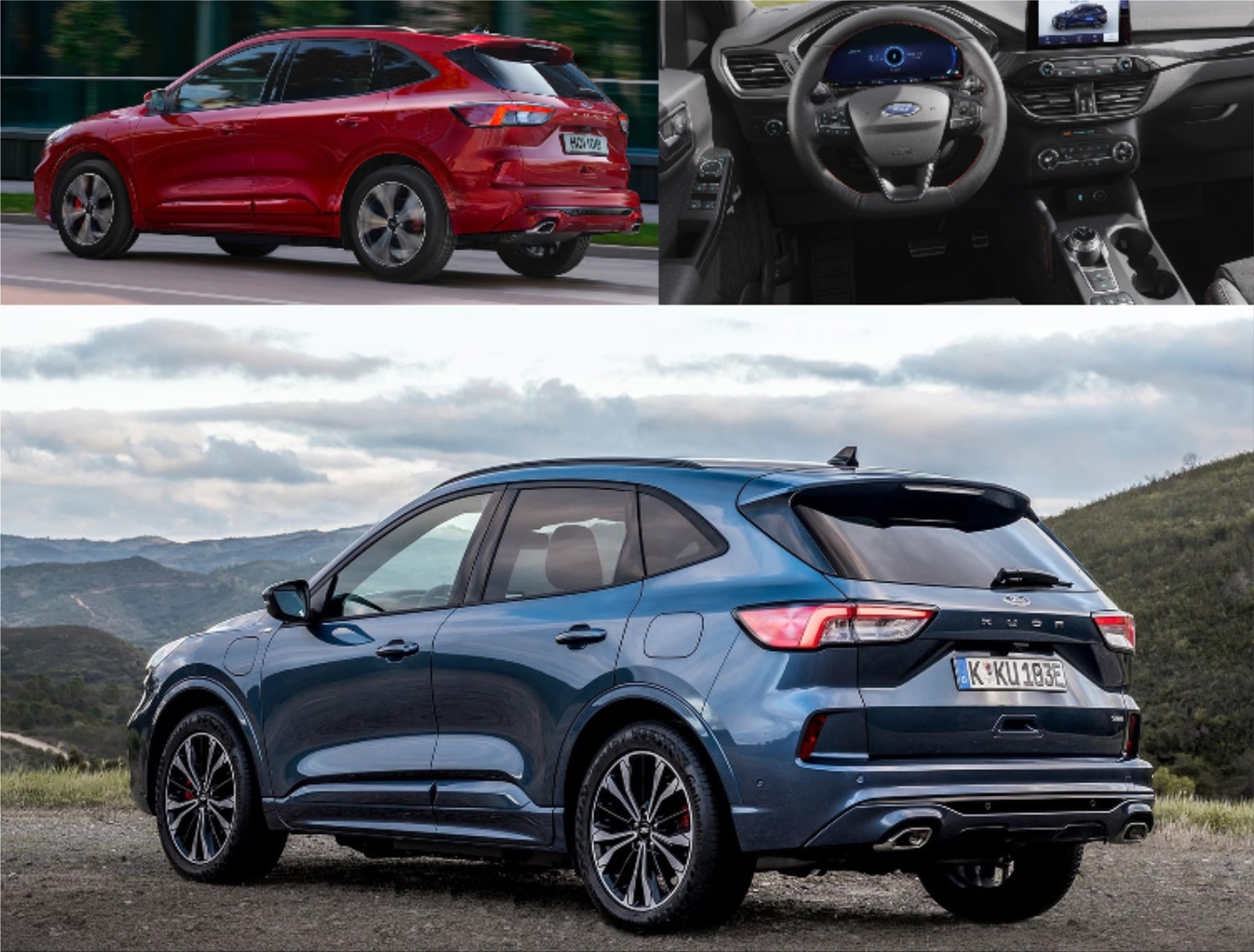
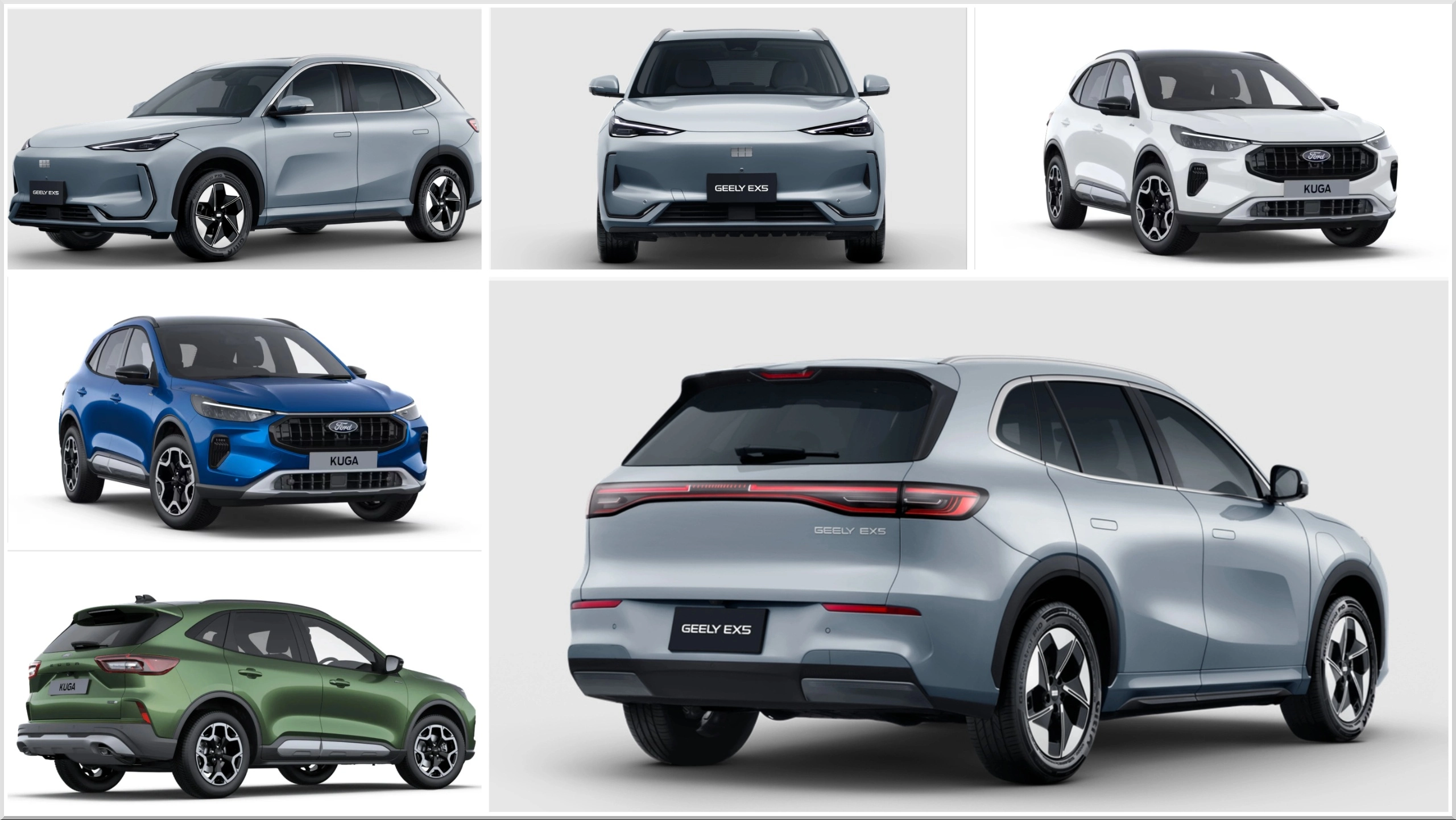
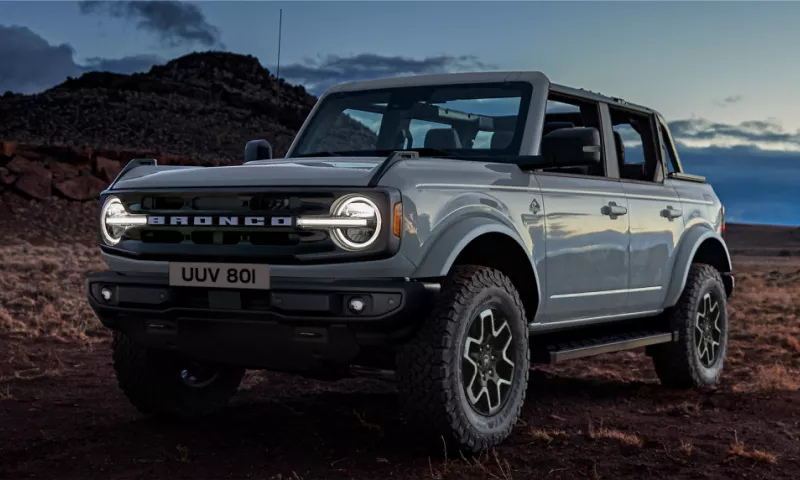
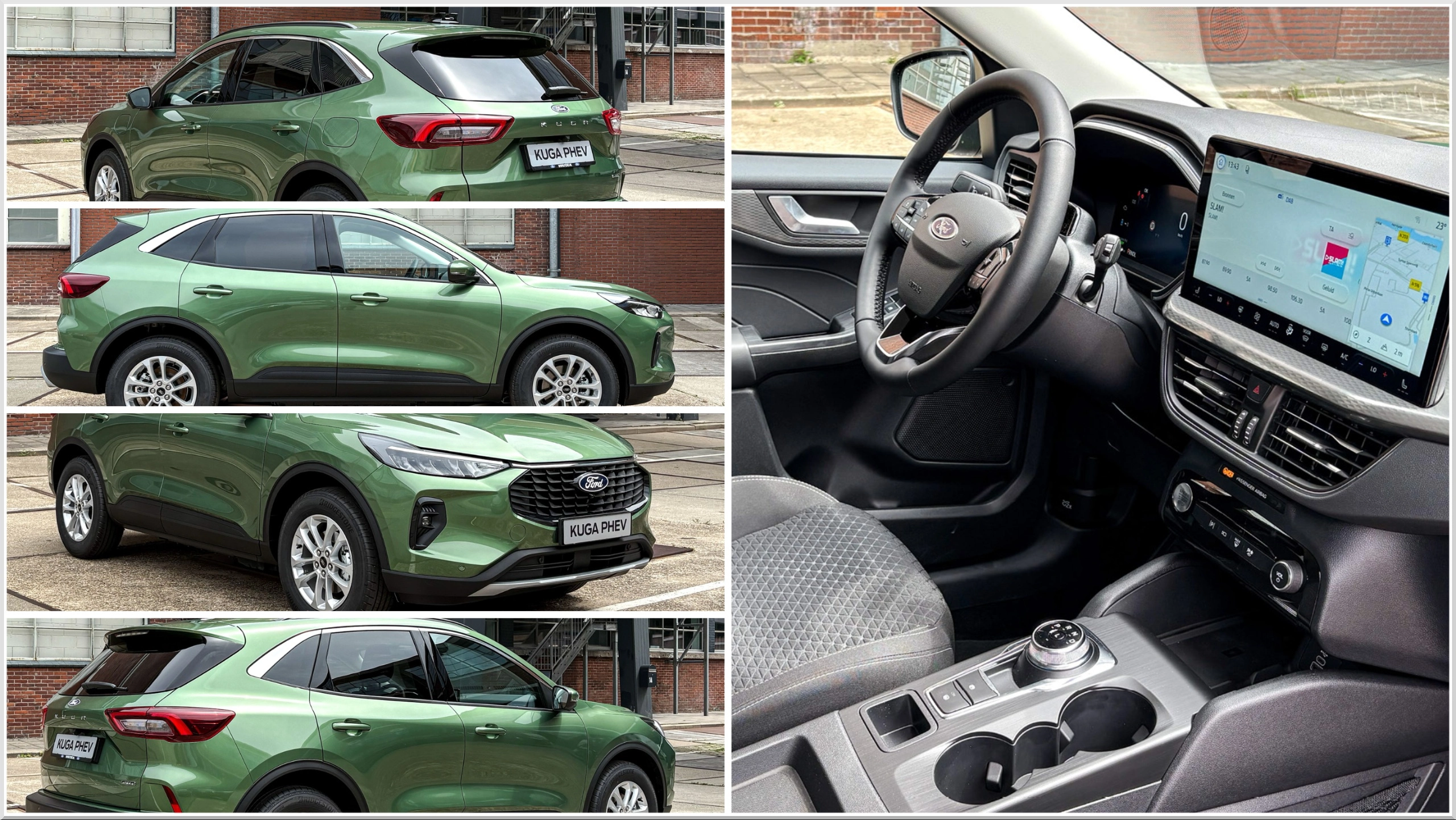
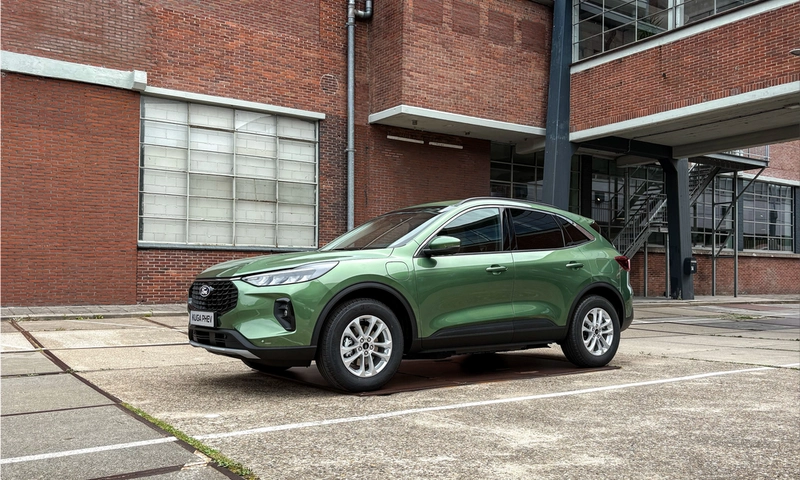
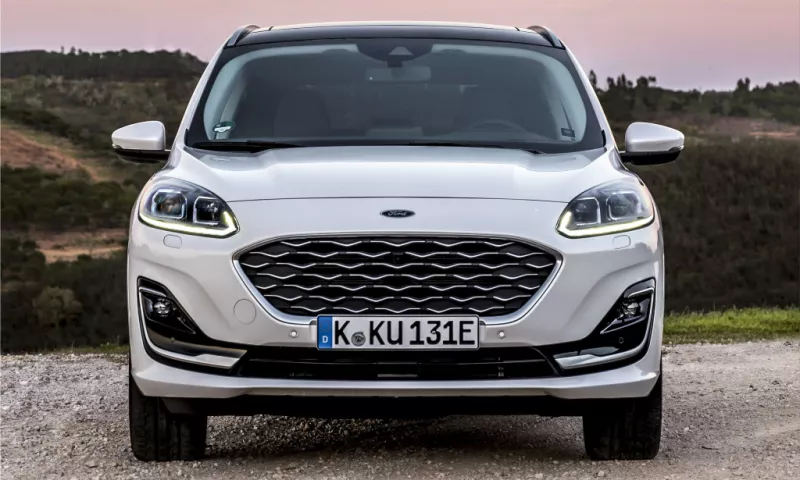
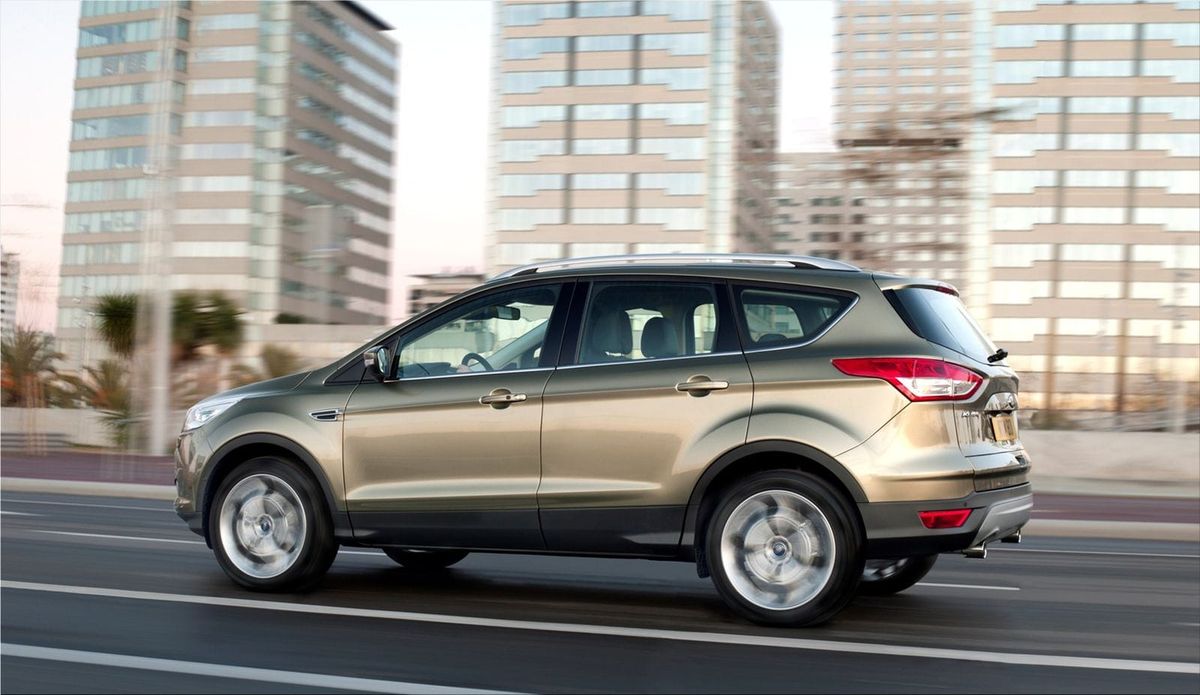
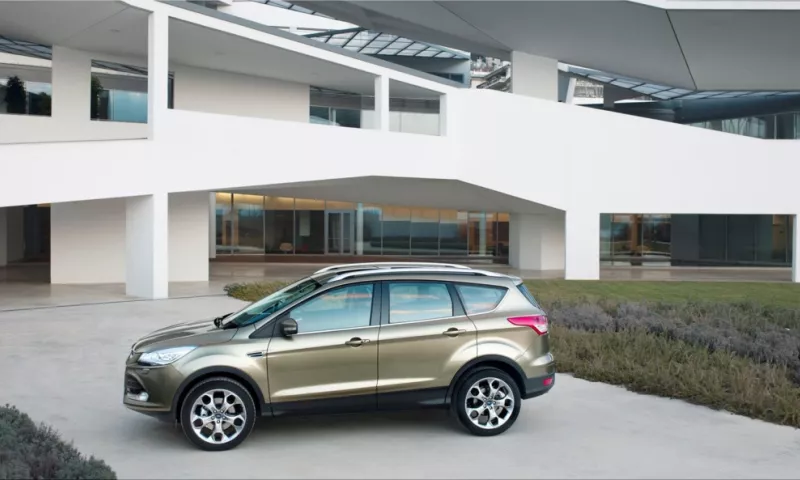
- Kuga
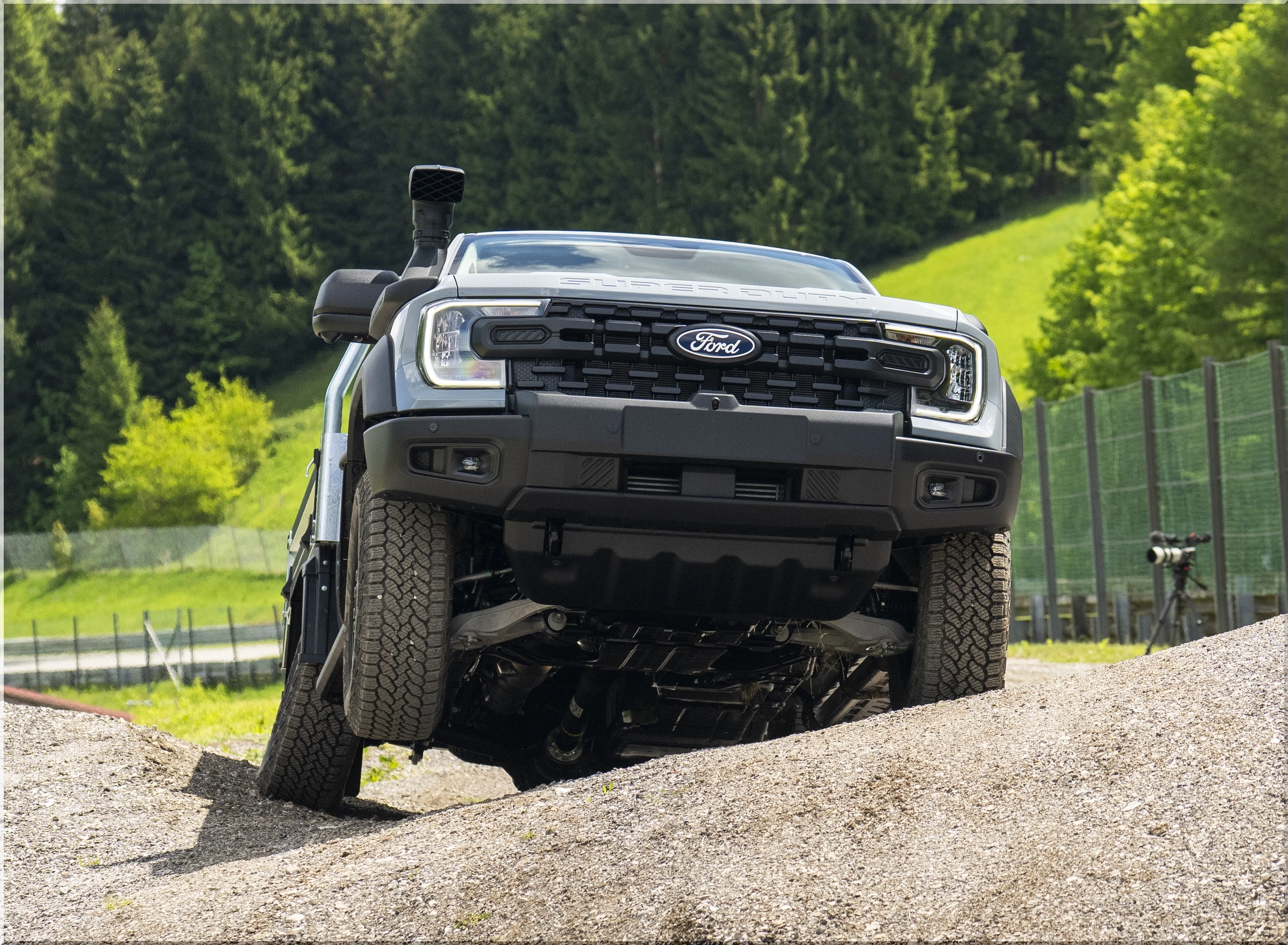
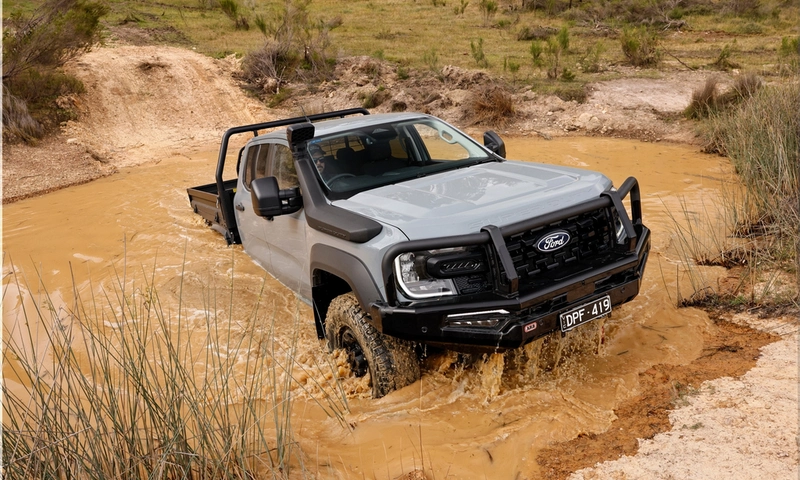
- Ranger PHEV
This expansion opens access to thousands of additional customers. It also builds momentum toward Ford's broader connected-vehicle strategy under its Ford+ plan.
Why Ford Is Scaling BlueCruise
Ford cites three primary drivers for rapid expansion:
- Rising customer interest in hands-free support on long highway trips.
- Strong regulatory acceptance across Europe.
- Lower hardware costs enabling broader model integration.
Ford states more than one million Ford and Lincoln vehicles now carry BlueCruise globally, with drivers logging 888 million kilometers of hands-free travel.
Image
How BlueCruise Works
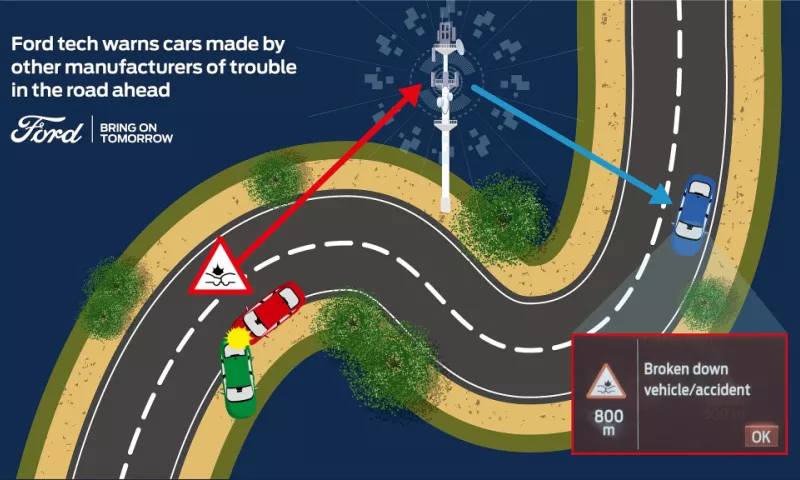
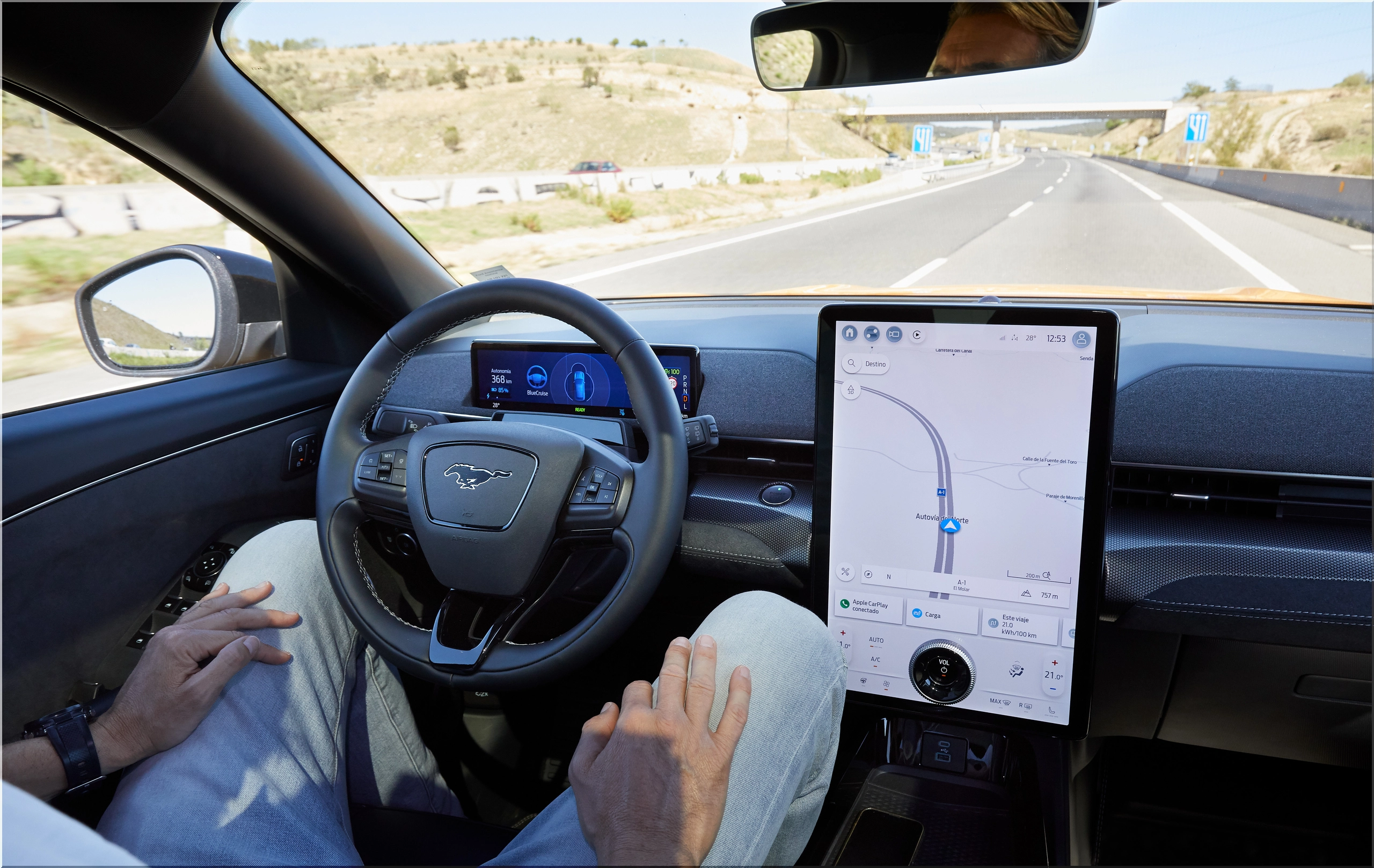
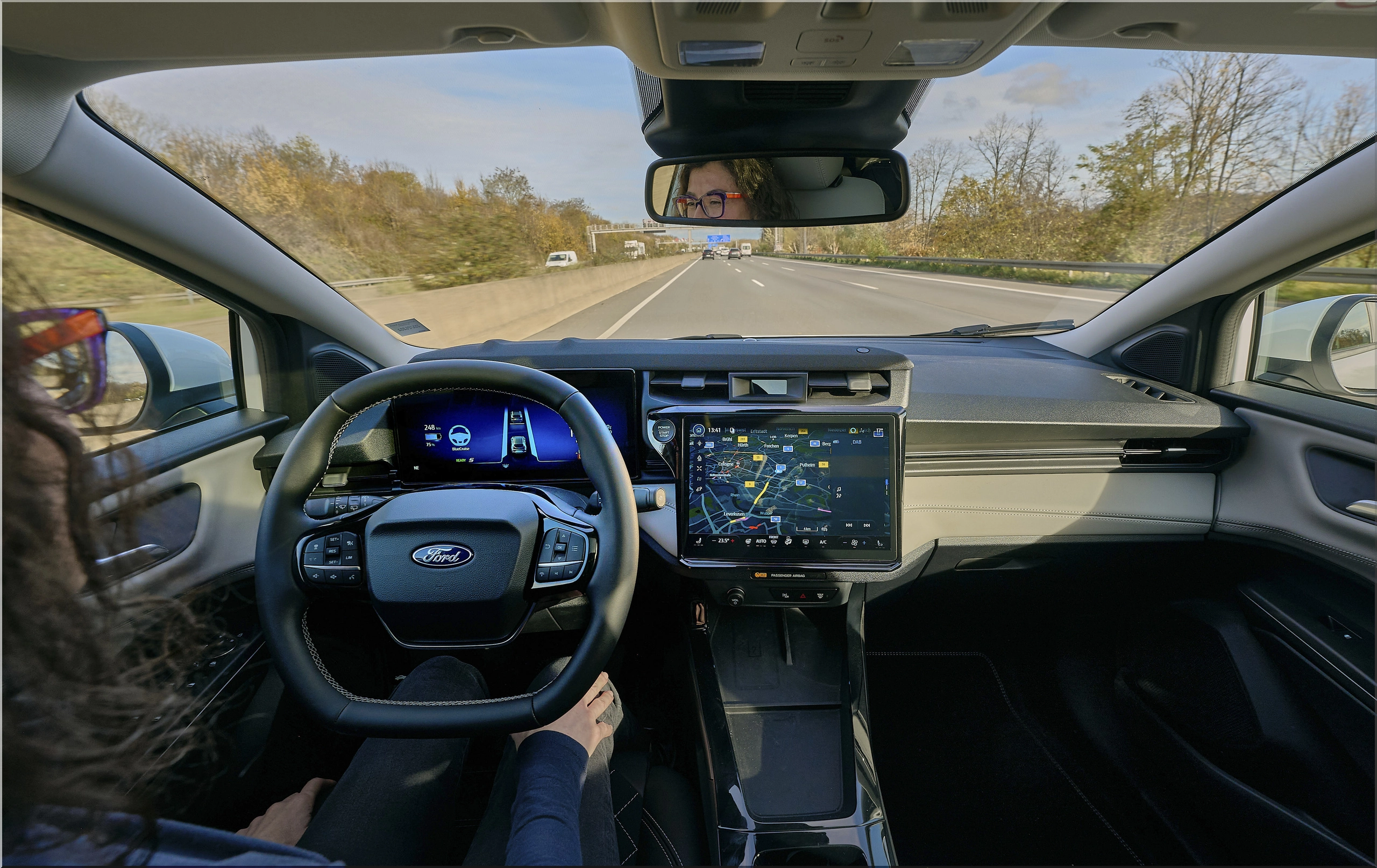
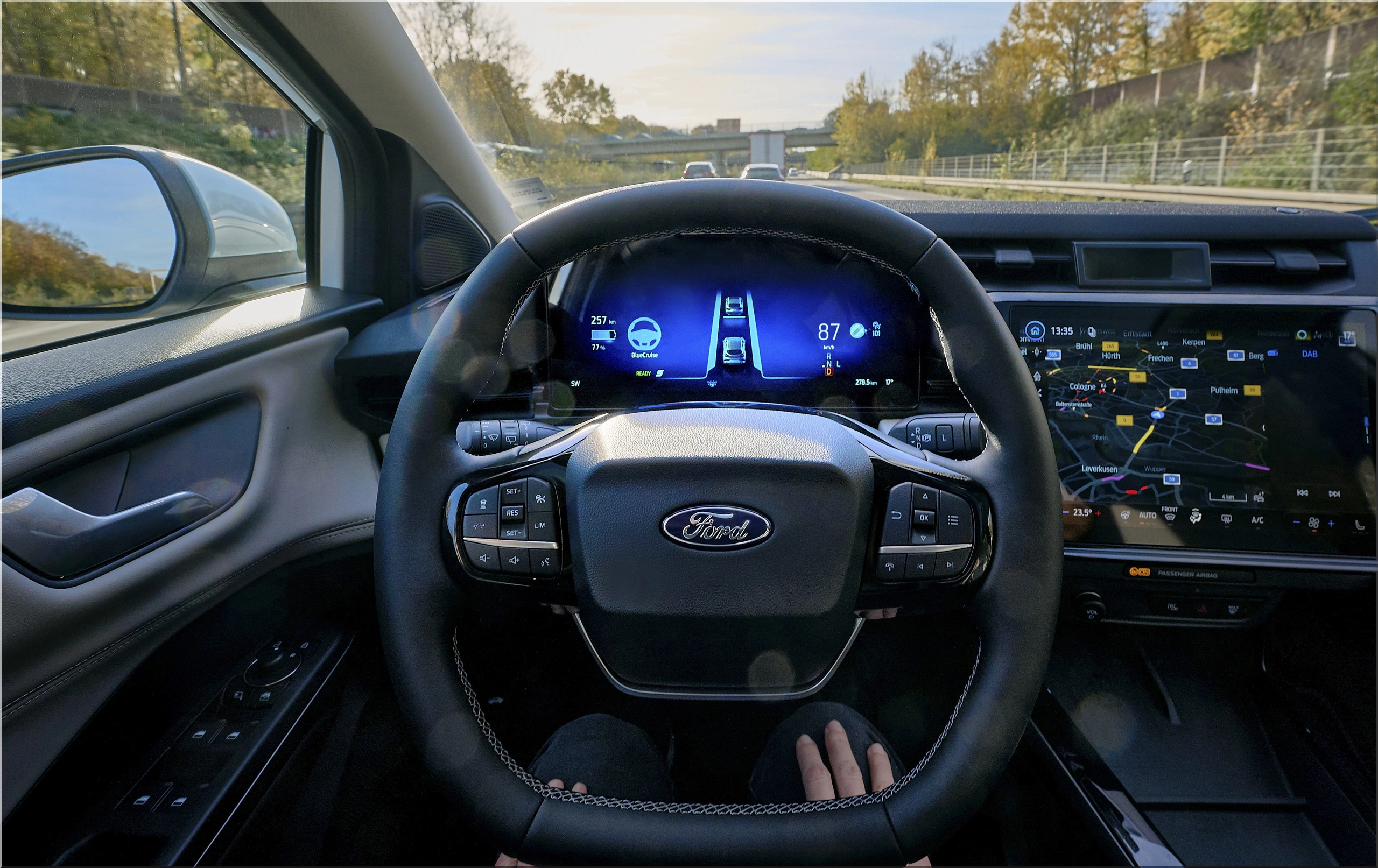
BlueCruise engages only in mapped Blue Zone areas. When activated, the system handles:
- Steering
- Acceleration
- Braking
- Lane-center tracking
- Distance control
It uses combined radar, forward-facing cameras, lane-line detection, traffic-sign recognition, and surrounding-vehicle analysis.
Driver Monitoring
The system tracks:
- Eye direction
- Head position
- Attention levels
This monitoring functions even when drivers wear sunglasses. If attention drops or the vehicle leaves a Blue Zone, the driver receives alerts and must take over.
BlueCruise Coverage Across Europe
Ford's expanding Blue Zone network provides access across a large portion of the European highway system. Examples include:
- Norway: Key E6 and E18 sections
- Sweden: Major north–south corridors
- Germany: Autobahn segments
- Spain, Italy, France: Cross-border Blue Zone routes
Ford states that on a Stockholm-to-Rome trip, a driver can operate hands-free for nearly 25 hours, covering roughly 2,000 kilometers.
Video title
Ford BlueCruise 2026
Customer Activation and Subscription Details
BlueCruise uses an app-based activation flow:
- Owners enable the service in the Ford app under Connected Services.
- A 90-day free period activates automatically.
- After the trial, users select monthly or annual subscription plans.
Ford will publish pricing as the 2026 launch nears. European subscriptions generally track the North American service, which averages $75–$85 USD per month based on prior market data.
Technical Requirements and Model Notes
Different models support BlueCruise with varying hardware requirements. Key references from Ford technical documents include:
- Puma EcoBoost Hybrid: CO₂ output 122–146 g/km, fuel use 5.4–6.5 L/100 km.
- Puma Gen-E: Electric range up to 376 km.
- Kuga Hybrid: CO₂ output 121–146 g/km.
- Ranger PHEV: Electric range up to 43 km.
These figures affect driver experience when combining BlueCruise with long-distance travel or towing applications.
Image
Impact on the European Market
Ford aims to position BlueCruise as the most accessible hands-free system in Europe. Its advantages include:
- Broad coverage across many countries.
- Approval across more than 135,000 km of highway.
- Early adoption in both EVs and hybrids.
- OTA updates enabling access for older models in some markets.
Ford also continues to pursue hardware approvals for prior Mustang Mach-E model years in Norway.
Image gallery



Comparison Table: BlueCruise Rollout by Model
| Model | Availability | Powertrain Type | Notes |
|---|---|---|---|
| Mustang Mach-E | Available now (Europe & Norway) | EV | OTA updates for older models pending in Norway |
| Puma | Spring 2026 | Hybrid | Supports Driver Assistance Package |
| Puma Gen-E | Spring 2026 | EV | 376 km range |
| Kuga | Spring 2026 | Hybrid / PHEV | Detailed PHEV data coming later |
| Ranger PHEV | Spring 2026 | PHEV | 43 km EV range |
Image
What This Means for Drivers
Drivers gain clear benefits:
- Reduced fatigue on long highway routes.
- Lower stress in stop-and-go traffic.
- Predictable behavior during lane-centered driving.
- Seamless control when shifting from automation to steering input.
These improvements support Ford's view that wide access to connected tech drives customer loyalty and raises demand for subscription-based features.
Image
Outlook
Ford’s hands-free strategy reflects clear momentum. With regulatory support, growing hardware integration, and extended Blue Zone coverage, BlueCruise becomes a core part of Ford’s European product roadmap. Wider availability across the compact and midsize segments positions Ford competitively as automakers expand Level 2 capability across the continent.
- Add new comment
- 183 views