Dacia crossed a line most budget brands never reach. The Renault-owned automaker has now sold more than 10 million vehicles globally since restarting production in 2004. That milestone landed after another record year in 2025, with 697,408 vehicles sold, up 3.1 percent year over year.
This did not happen by accident. Dacia built a clear, repeatable system that targets cost-aware private buyers who value price stability, mechanical simplicity, and predictable ownership costs. The data shows how that system works, why it scales, and where it points next.
The Numbers Behind the 10 Million Milestone
Dacia reached the 10 million mark during the 2025 calendar year. The brand has posted continuous growth since 2004, without boom-and-bust cycles that hit many volume manufacturers.
Key figures define the scale:
- Total vehicles sold since 2004: Over 10 million
- Vehicles sold in 2025: 697,408
- Annual growth rate in 2025: 3.1 percent
- Share of sales to private buyers: Dominant across core European markets
Private buyers matter here. Dacia does not rely on fleet dumping or short-term rental volume. The brand sells mainly to households paying with their own money.
That shapes product decisions. It also shapes pricing discipline.
How Dacia Built Momentum After Renault Acquired the Brand
Renault acquired Dacia in 1999. The first five years focused on rebuilding operations and cost control. The reset reached the market in 2004 with the first modern Dacia product.
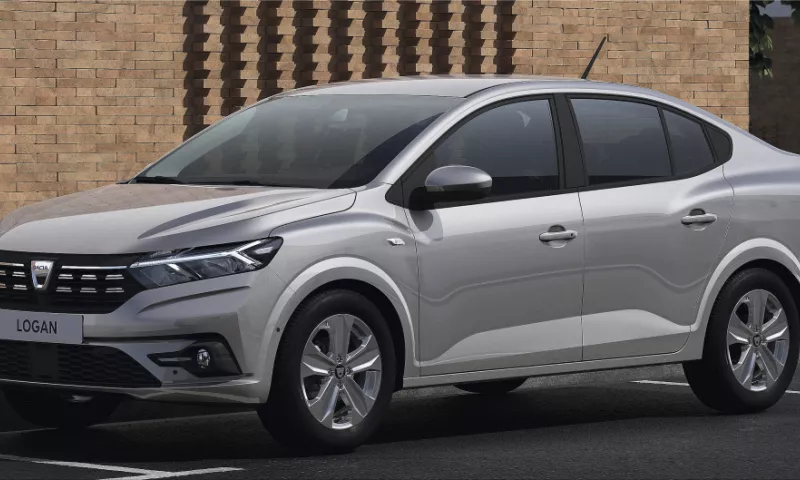
That car was the Dacia Logan.
The Logan launched as a new vehicle priced under $5,400 USD at the time, converted from its original euro pricing. That figure changed buyer expectations across Eastern and Western Europe. It showed that a new, warranty-backed car could cost less than many used alternatives.
From there, Dacia repeated a clear pattern:
- Use proven Renault platforms.
- Limit trim complexity.
- Reduce cosmetic variation.
- Focus on durable hardware.
That approach allowed scale without runaway costs.
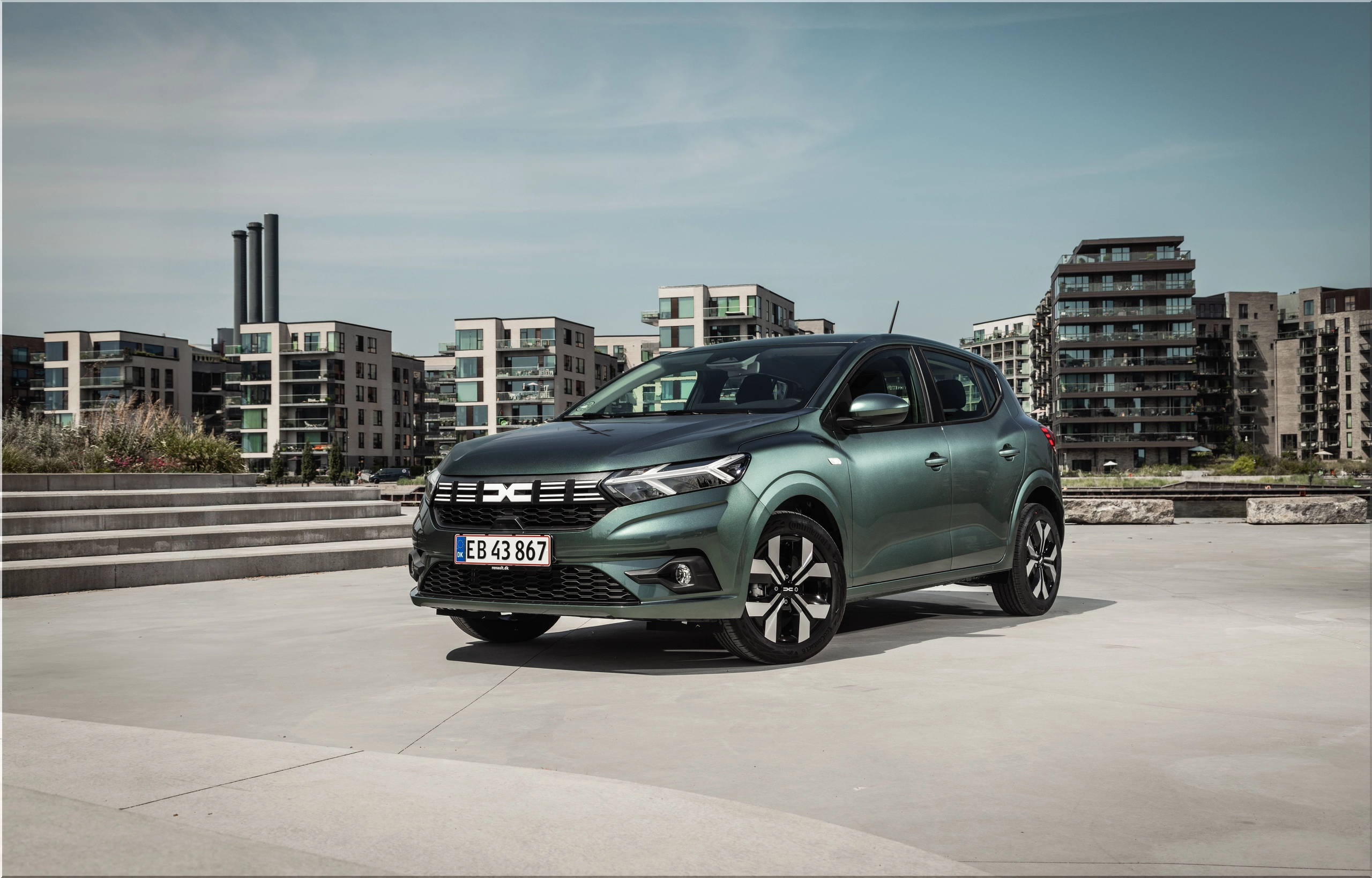
Sandero: The Sales Engine
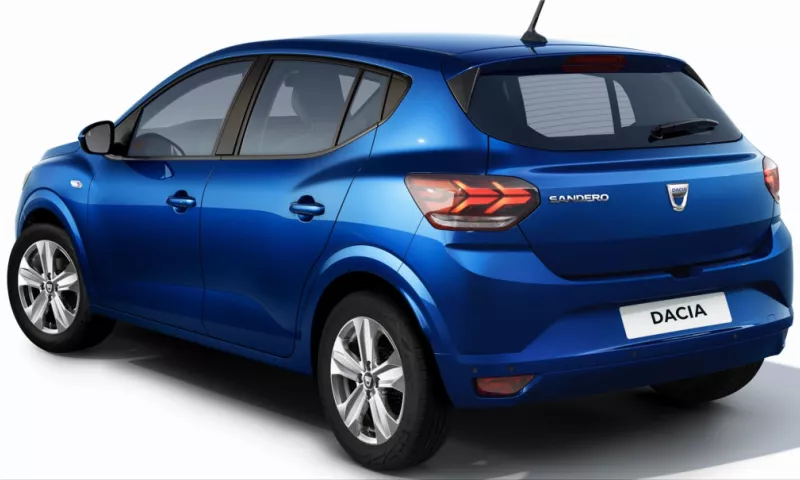
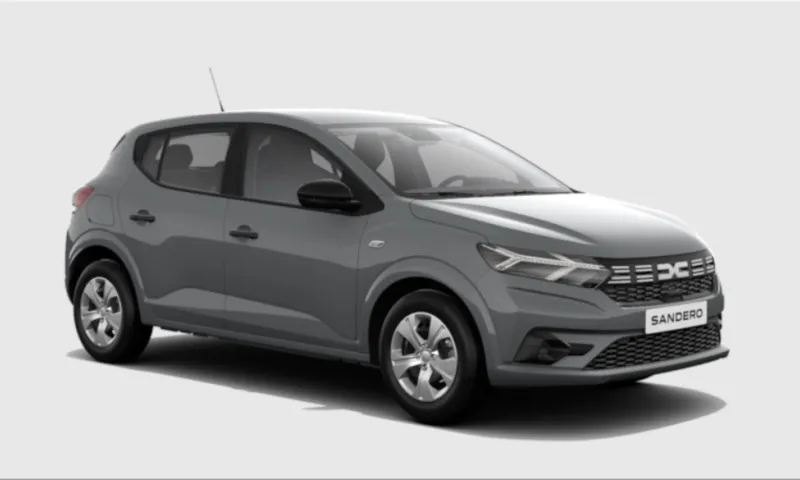
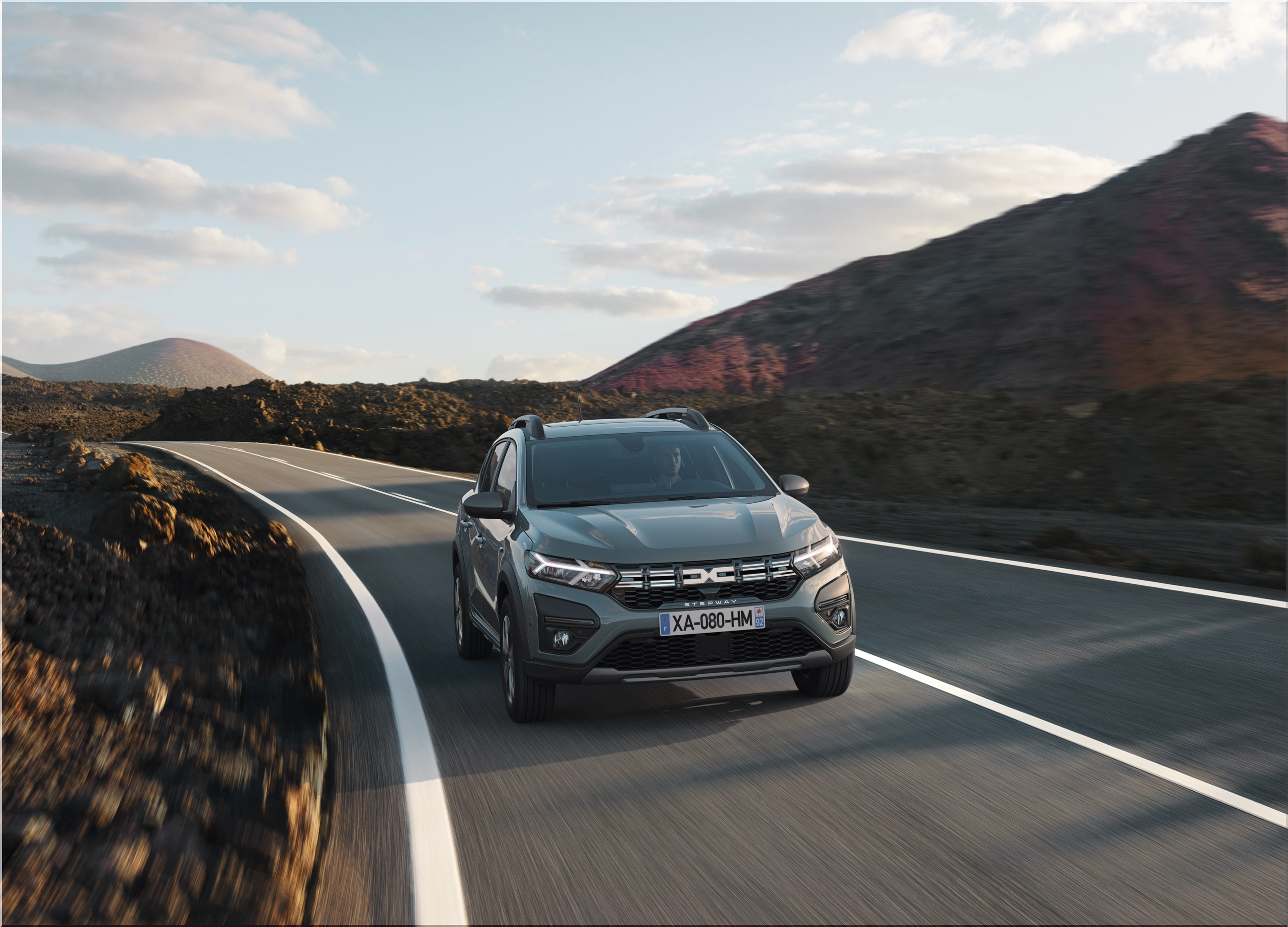
No single model defines Dacia more than the Sandero.
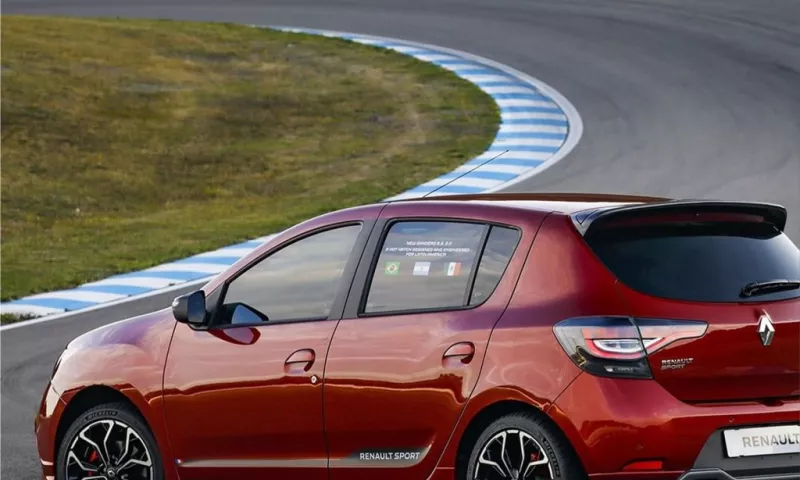
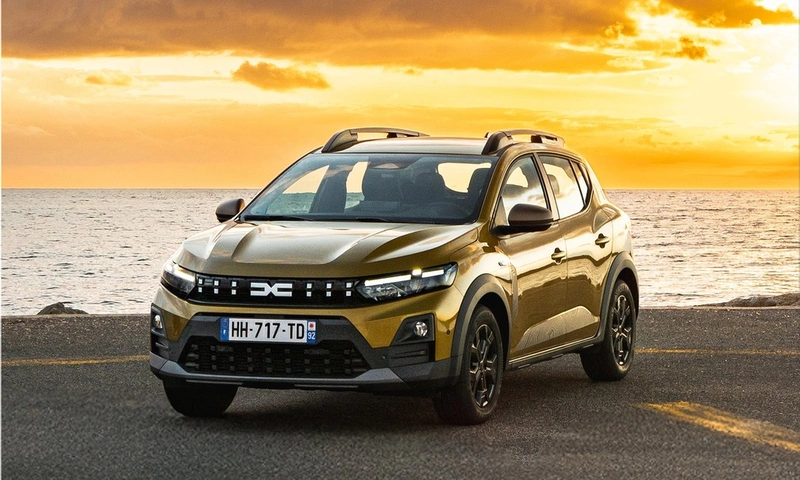
In 2025, Sandero sales reached 289,295 units, making it the brand’s top seller once again. Since launch, Dacia has produced over 3.5 million Sandero units.
The Sandero holds a rare position in Europe:
- It ranks as the top-selling passenger car among private buyers.
- It leads the gasoline-powered small car segment in several markets.
- It undercuts rivals by thousands of dollars without stripping safety basics.
Buyers respond to that equation. The Sandero does not chase tech trends. It focuses on purchase price, fuel economy, and repair costs.
Image
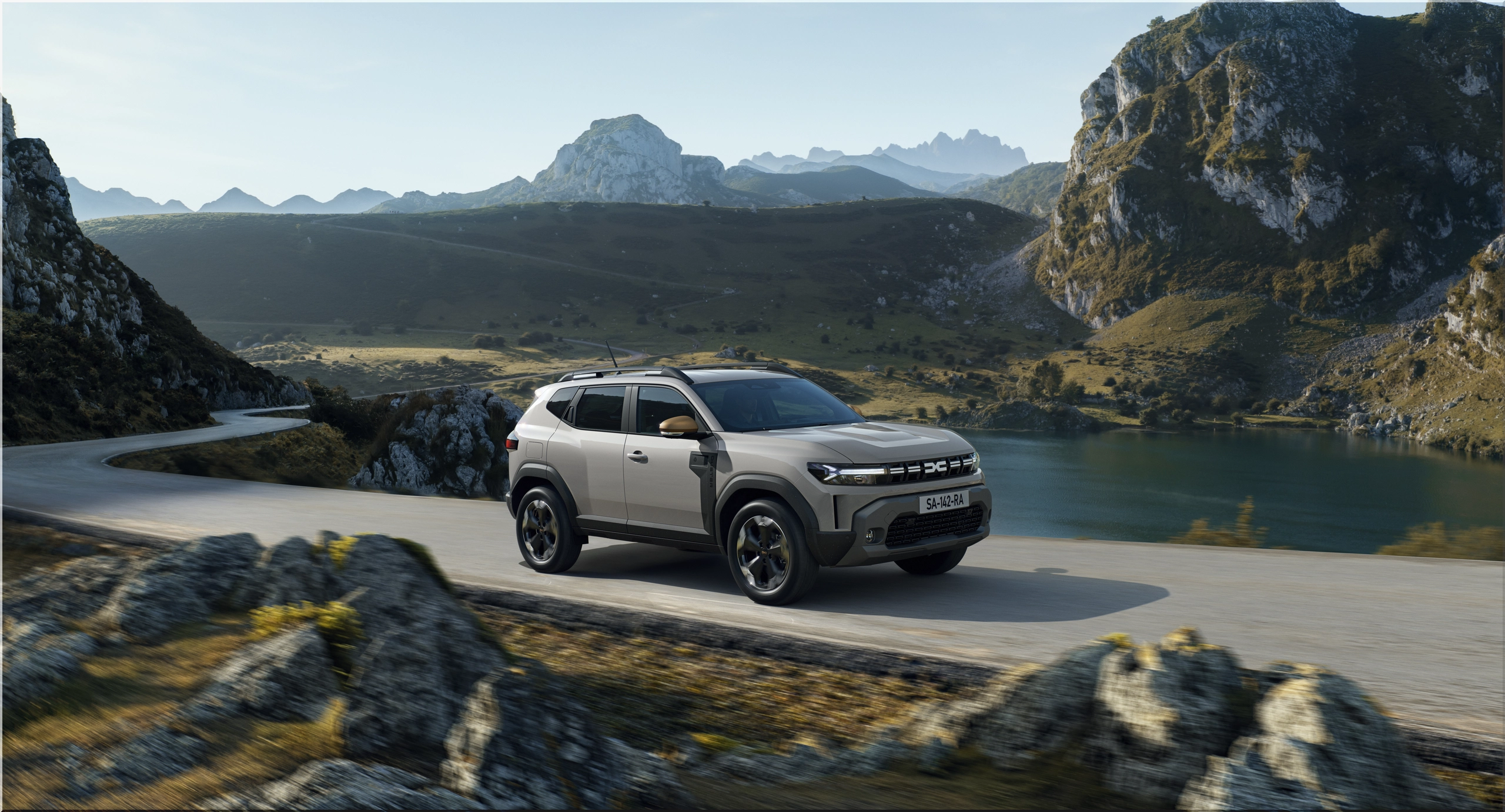
Duster: The Affordable SUV That Scaled
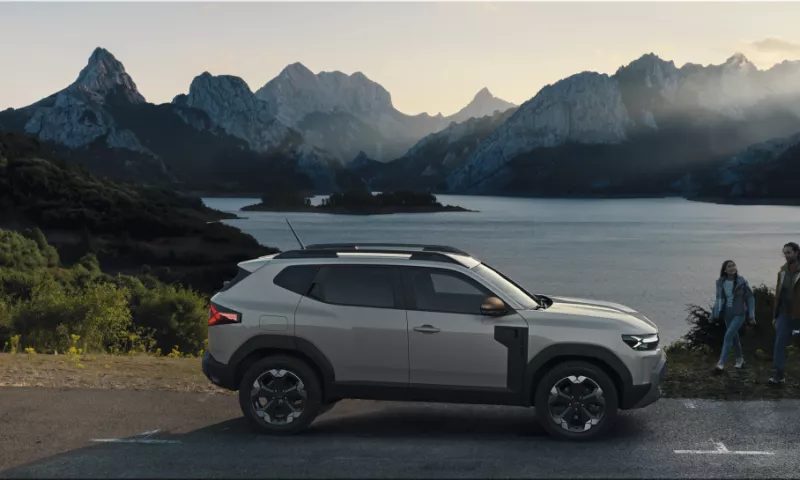
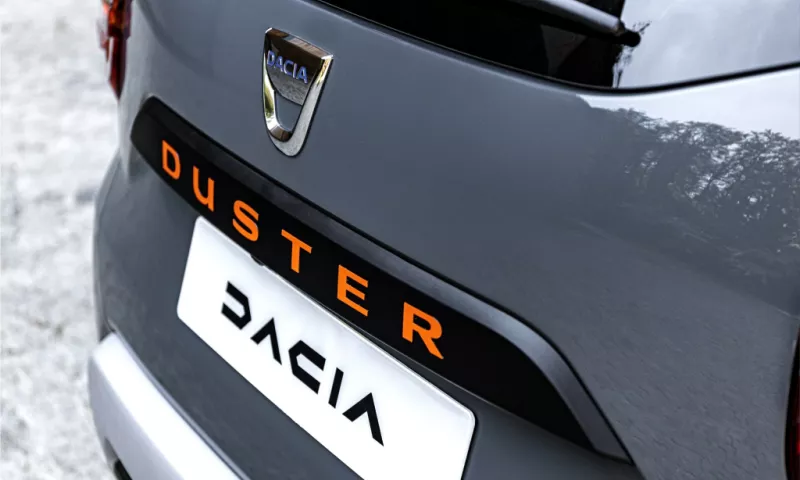
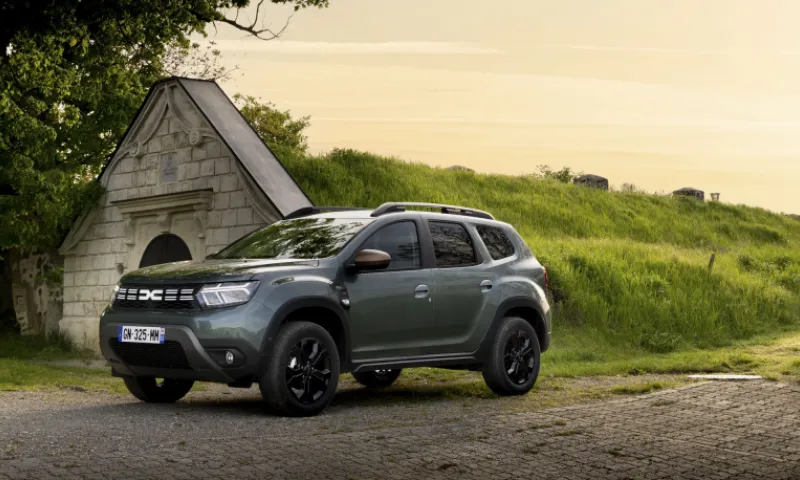
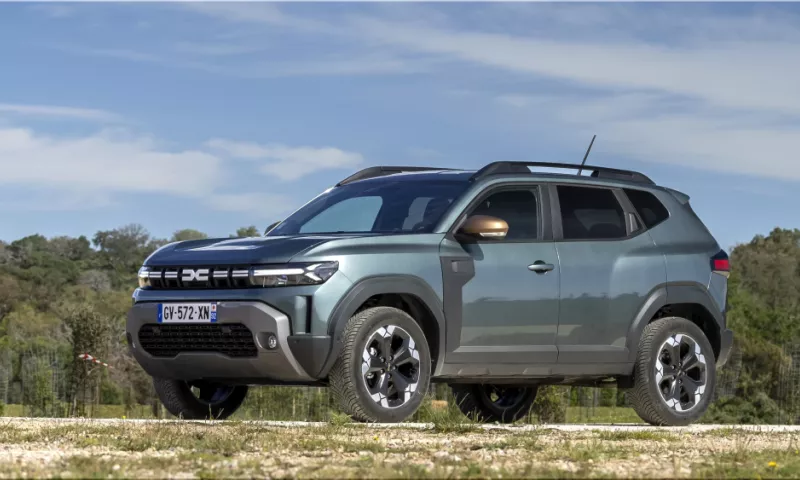
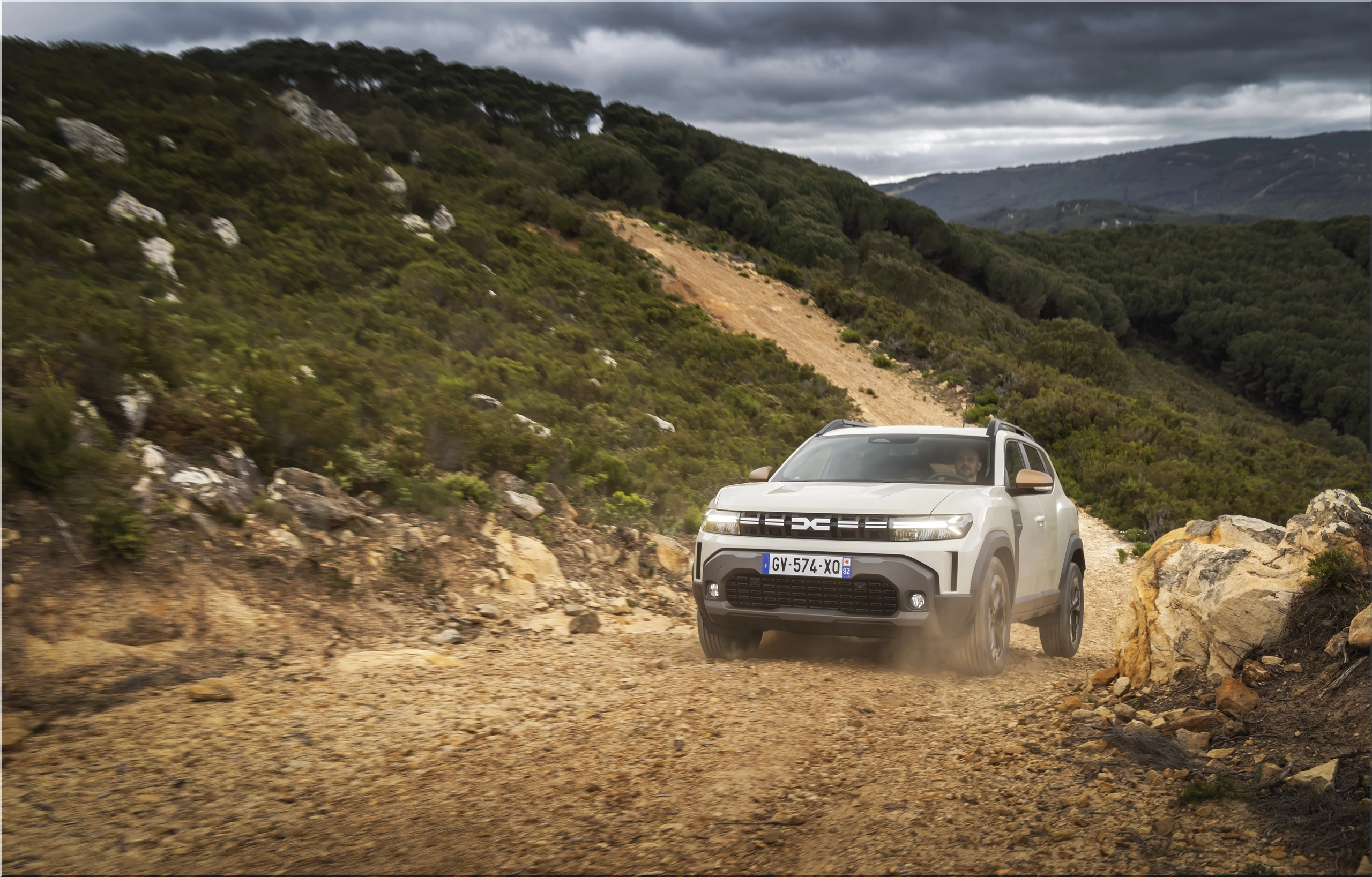
The Dacia Duster followed in 2010. It targeted buyers priced out of mainstream compact SUVs.
By the end of 2025:
- 193,974 Dusters sold in 2025 alone
- Over 2.8 million units sold since launch
- Ranked as the second best-selling SUV to private buyers in Europe
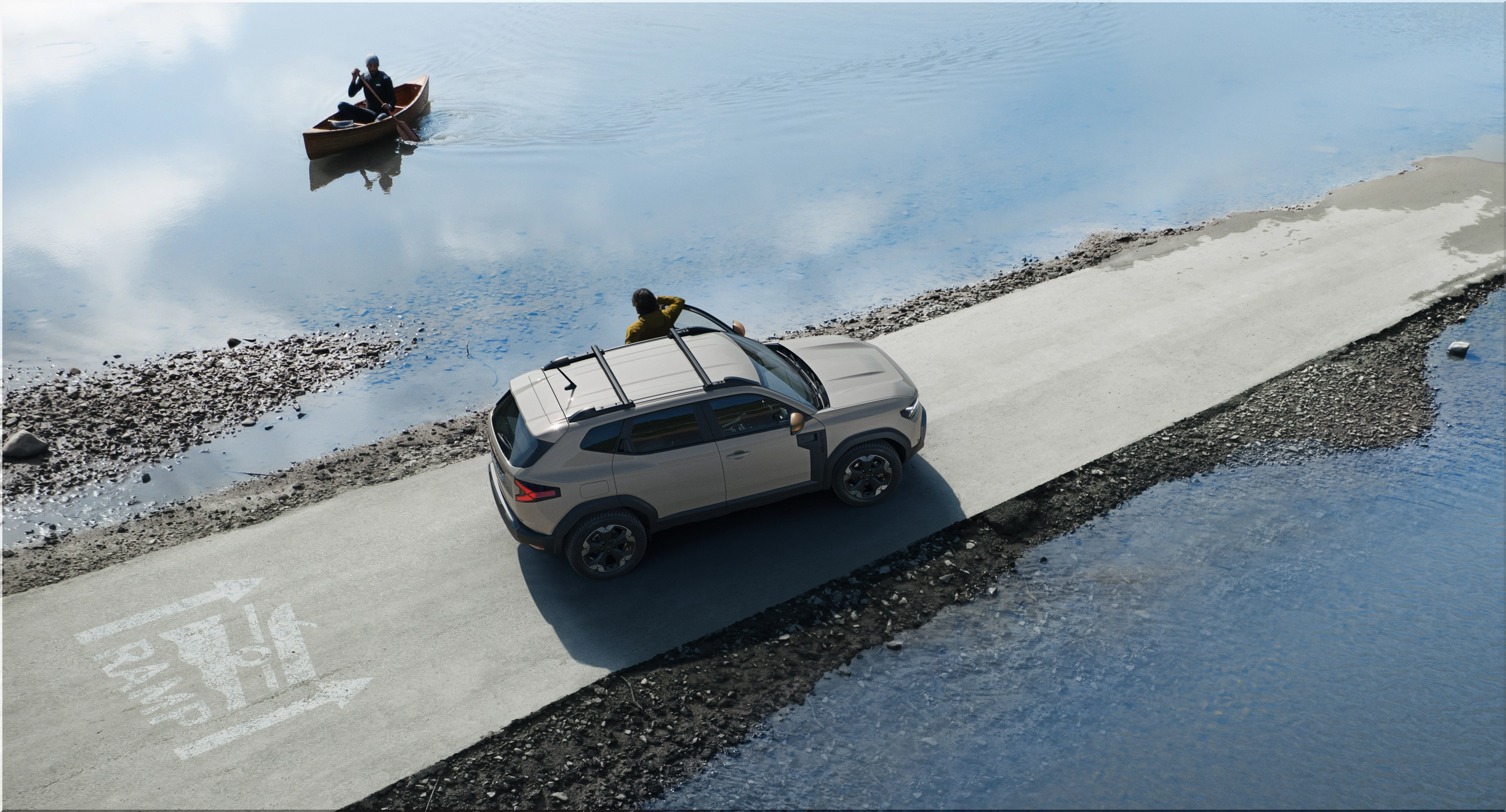
The Duster succeeded because it avoided feature bloat. It delivered real ground clearance, optional all-wheel drive, and simple powertrains. Buyers used it for work, family transport, and rural driving.
That versatility built loyalty.
Jogger and Bigster: Expanding Upmarket Without Breaking the Formula
Dacia expanded upward carefully.
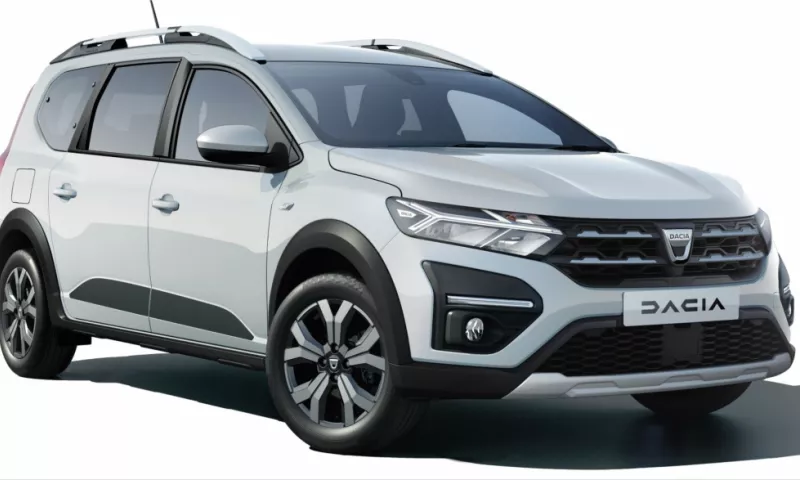
Dacia Jogger
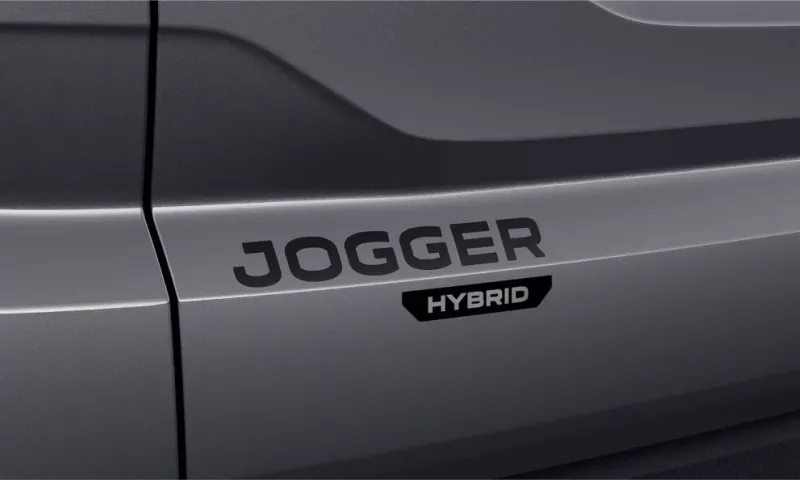
Introduced in 2022, the Jogger targets C-segment buyers who need space without SUV pricing.
In 2025:
- 73,965 units sold
- Ranked fifth among private buyers in the C-segment, excluding SUVs
The Jogger blends wagon efficiency with MPV practicality. It avoids sliding doors and complex seating systems. That keeps weight and cost down.
Dacia Bigster
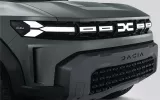
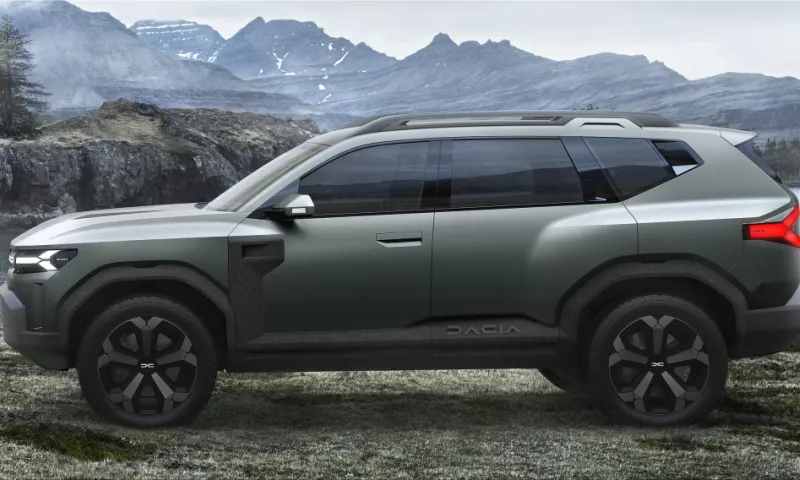
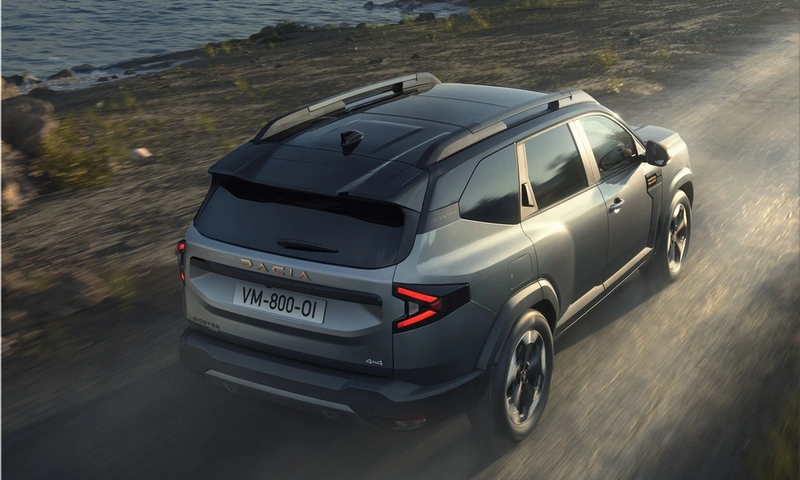
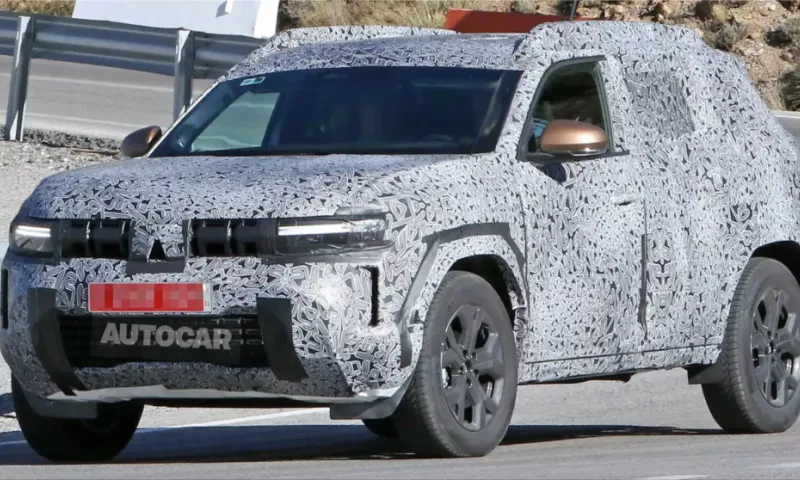
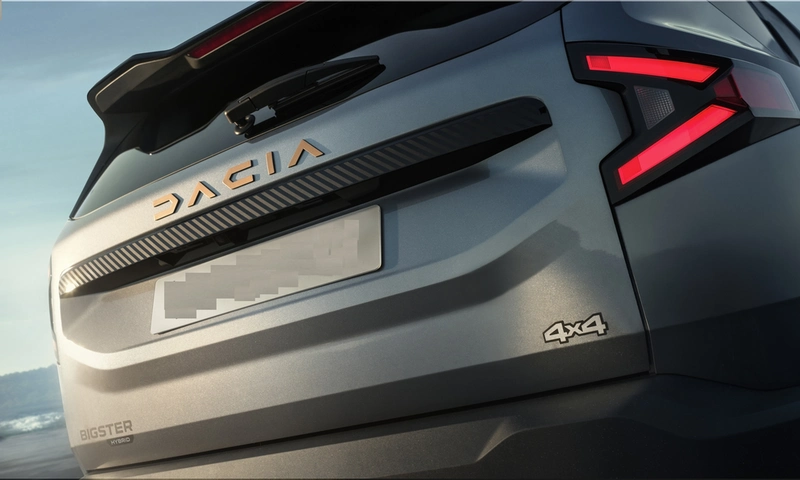
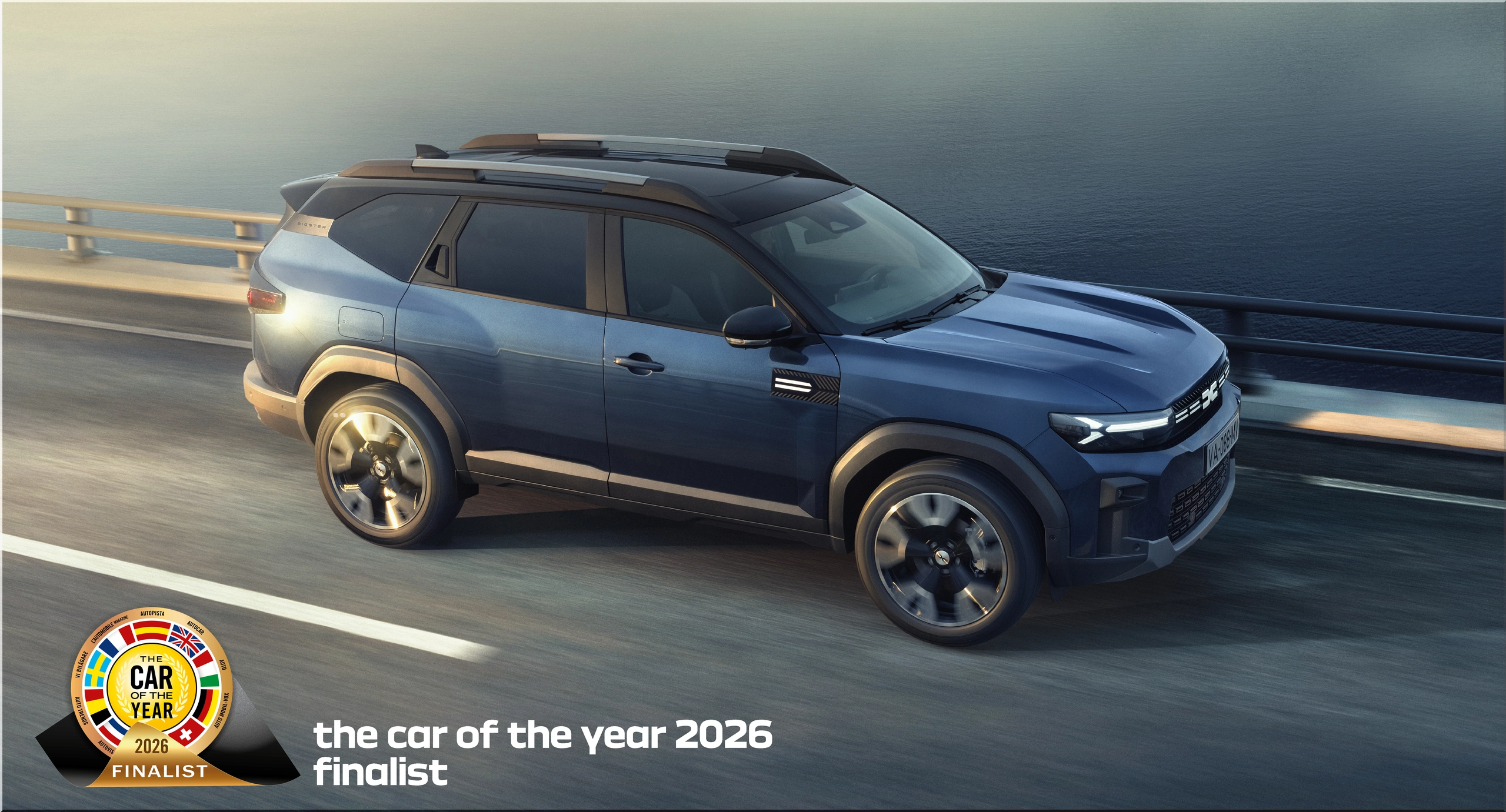
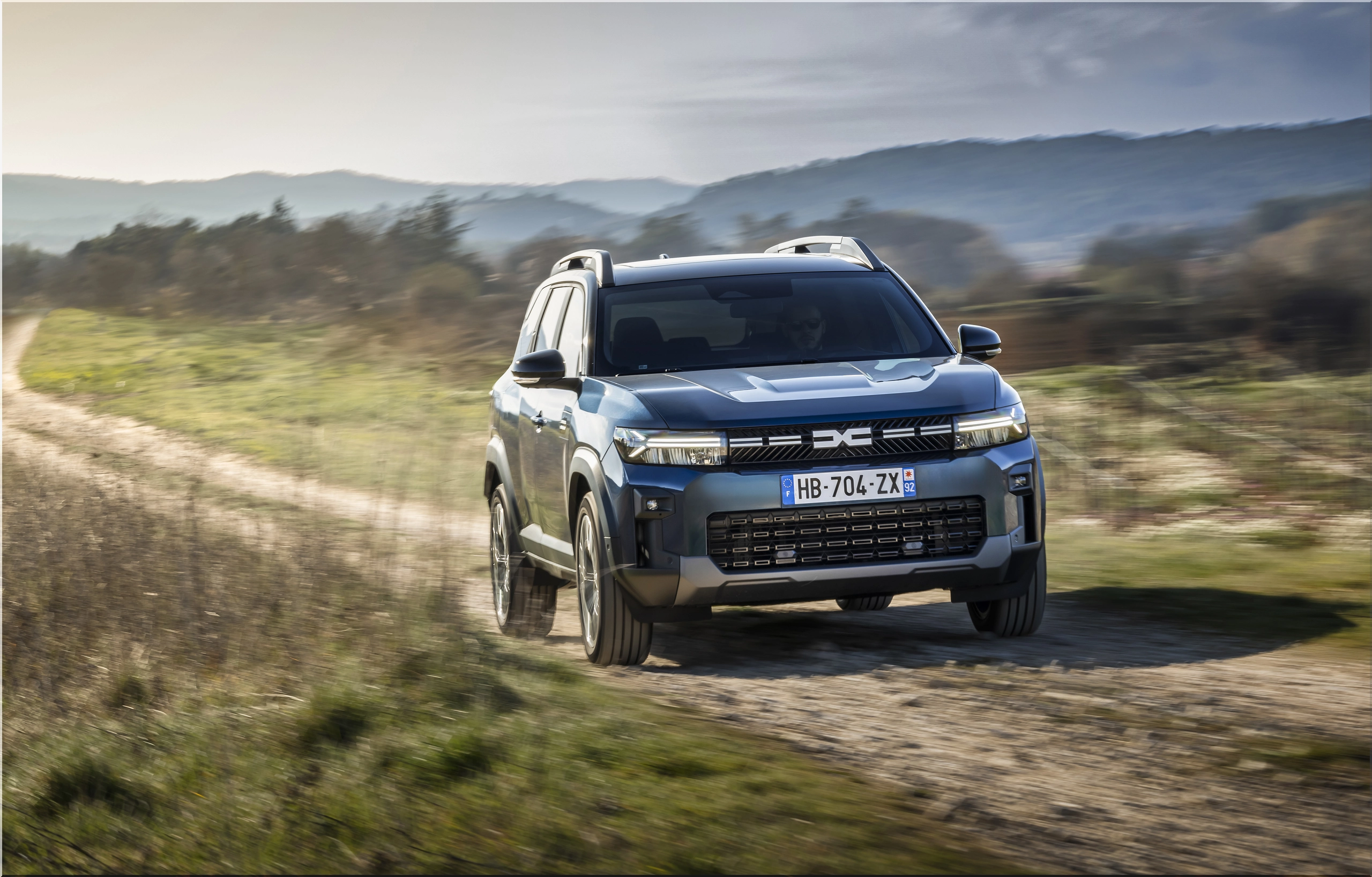
The Dacia Bigster, launched in 2024, marked Dacia’s clearest move into the C-SUV segment.
Results came fast:
- 67,573 units sold in 2025
- Became the best-selling C-segment SUV among private buyers in the second half of the year
Bigster buyers accept fewer luxury cues in exchange for size and price control. That trade still works in 2026.
Image
Dacia Spring and Electrified Growth
Dacia also proved it can sell electric vehicles at scale.
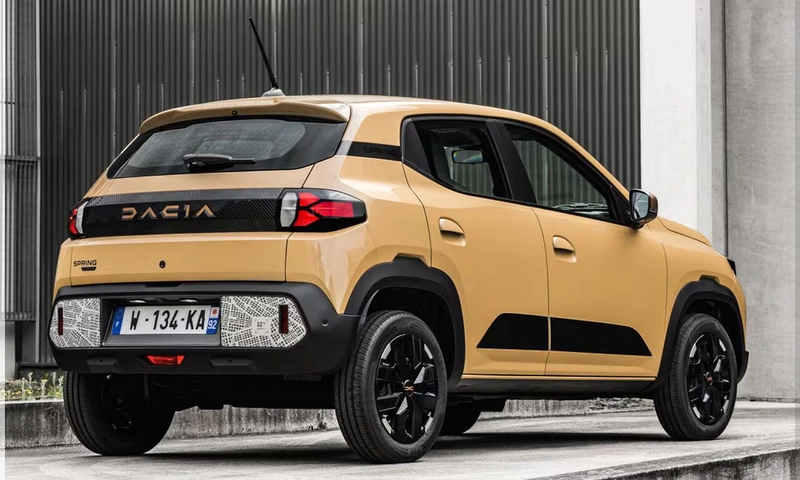
The Dacia Spring, sold outside some Nordic markets, posted 35,034 units sold in 2025. That figure reflected a 53 percent increase year over year.
Spring ranked as the top-selling A-segment electric vehicle in Europe.
Electrification now cuts across the lineup:
- Every Dacia model offers a hybrid option
- Hybrid sales rose 122 percent year over year
- One in four Dacias sold now includes electrification
This growth did not rely on premium pricing or long-range claims. Dacia focused on urban driving needs and low entry costs.
Pricing Strategy: Why Dacia Avoids Discount Traps
Dacia prices low from the start. That reduces reliance on incentives.
Converted to USD, typical Dacia pricing in Europe lands well below rivals:
- Entry-level Sandero equivalents: ~$13,000 to $15,000 USD
- Duster equivalents: ~$18,000 to $21,000 USD
- Bigster equivalents: ~$23,000 to $26,000 USD
These figures vary by market and tax structure. The core point remains consistent. Dacia undercuts competitors without eroding margins through rebates.
That stability supports resale values and buyer trust.
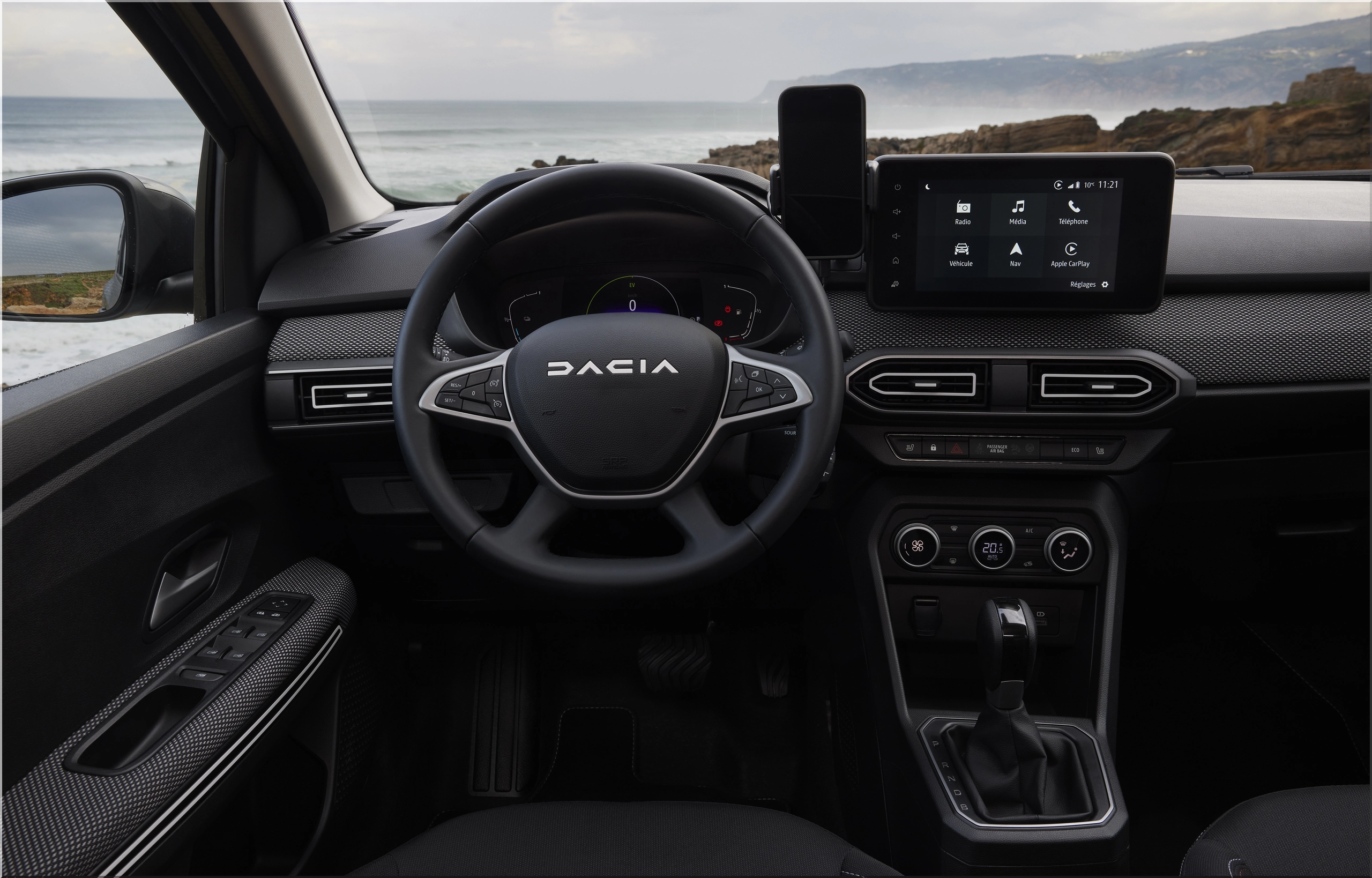
Image gallery
Comparison Table: Dacia vs Key Budget Rivals
Below is a market comparison based on size, pricing, and buyer focus.
| Model | Segment | Approx. Starting Price (USD) | Powertrain Focus | Core Buyer |
|---|---|---|---|---|
| Dacia Sandero | B-segment hatch | ~$14,000 | Gas, hybrid | Private urban buyers |
| Dacia Duster | Compact SUV | ~$19,500 | Gas, AWD, hybrid | Rural and family buyers |
| Dacia Bigster | C-SUV | ~$24,500 | Hybrid | Value-focused SUV buyers |
| MG ZS | Compact SUV | ~$23,000 | Electric | Price-driven EV buyers |
| Fiat Tipo | C-segment | ~$22,000 | Gas | Fleet and private mix |
| Suzuki Vitara | Compact SUV | ~$25,000 | Mild hybrid | Mixed private buyers |
Dacia competes on clarity. Rivals often add features to justify price gaps. Dacia removes features to protect affordability.
Why Private Buyers Drive Dacia’s Success
Private buyers behave differently than fleets.
They care about:
- Monthly payments
- Repair costs
- Insurance premiums
- Long-term reliability
Dacia designs around those factors. It limits wheel sizes, avoids fragile materials, and reuses proven components.
That approach reduces surprises after purchase. Buyers reward that predictability.
What Comes Next: Hybrid 4x4 and a New Small EV
Dacia plans further expansion without changing its formula.
Confirmed moves include:
- Hybrid 150 4x4 powertrains for Duster and Bigster in 2026
- A new C-segment hybrid model
- Development of a small electric car sharing a platform with the upcoming Renault Twingo
The brand does not chase high-output figures or premium interiors. It focuses on functional gains that buyers can measure.
Pro Tip: Why Dacia’s Strategy Works When Others Fail
Dacia avoids complexity creep. Many brands add features to justify price increases. That path raises costs faster than buyers accept.
Dacia reverses that logic.
It asks one question: What can we remove without harming core use?
That discipline scales.
Image gallery
What This Means for the Auto Industry
The 10 million cars sold mark confirms Dacia’s position as a structural force in Europe. It proves that affordability still drives volume when paired with consistency.
Other brands chase margins through technology layering. Dacia builds volume through restraint.
That contrast will shape product planning across the next decade.
- Add new comment
- 348 views