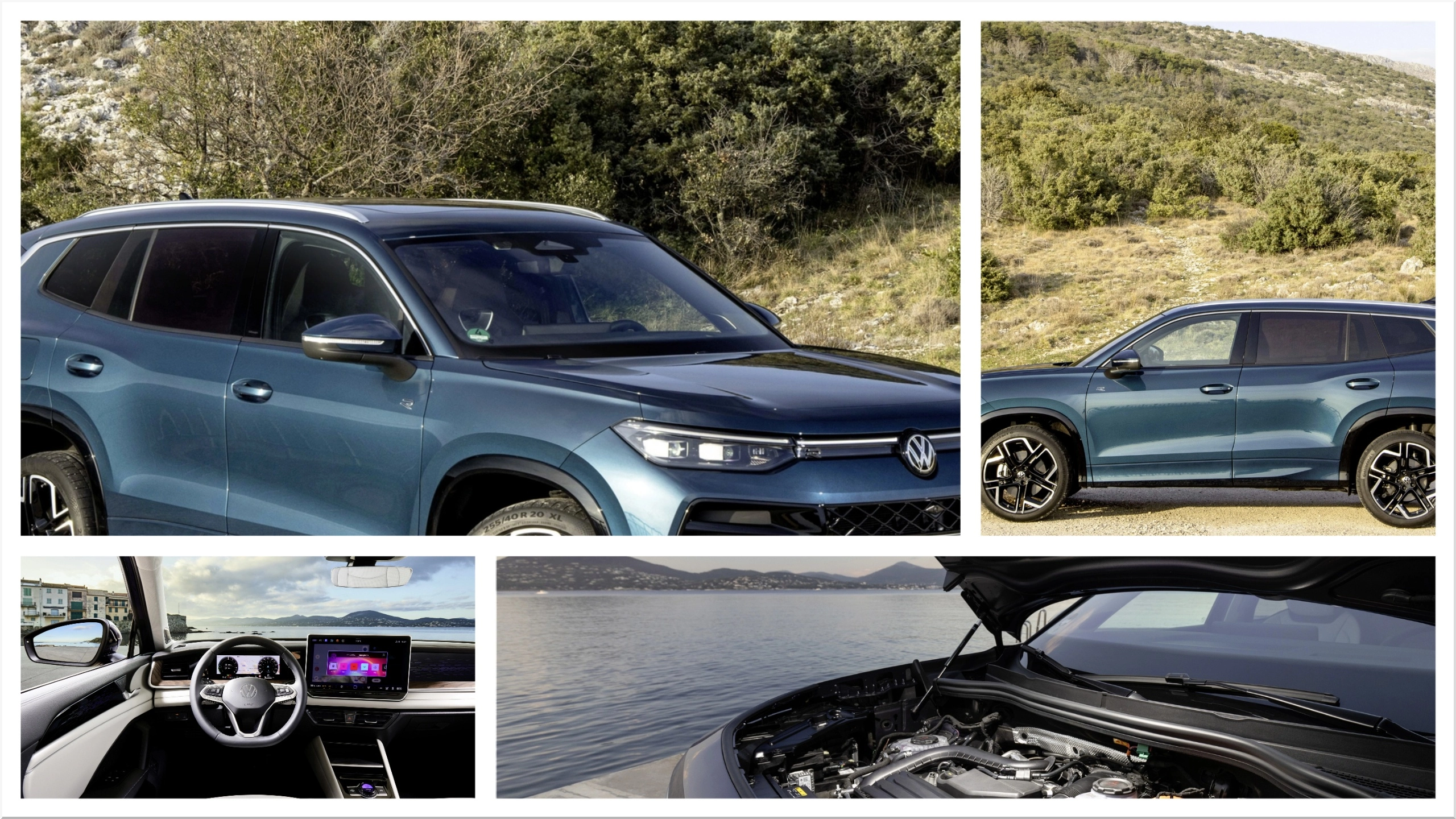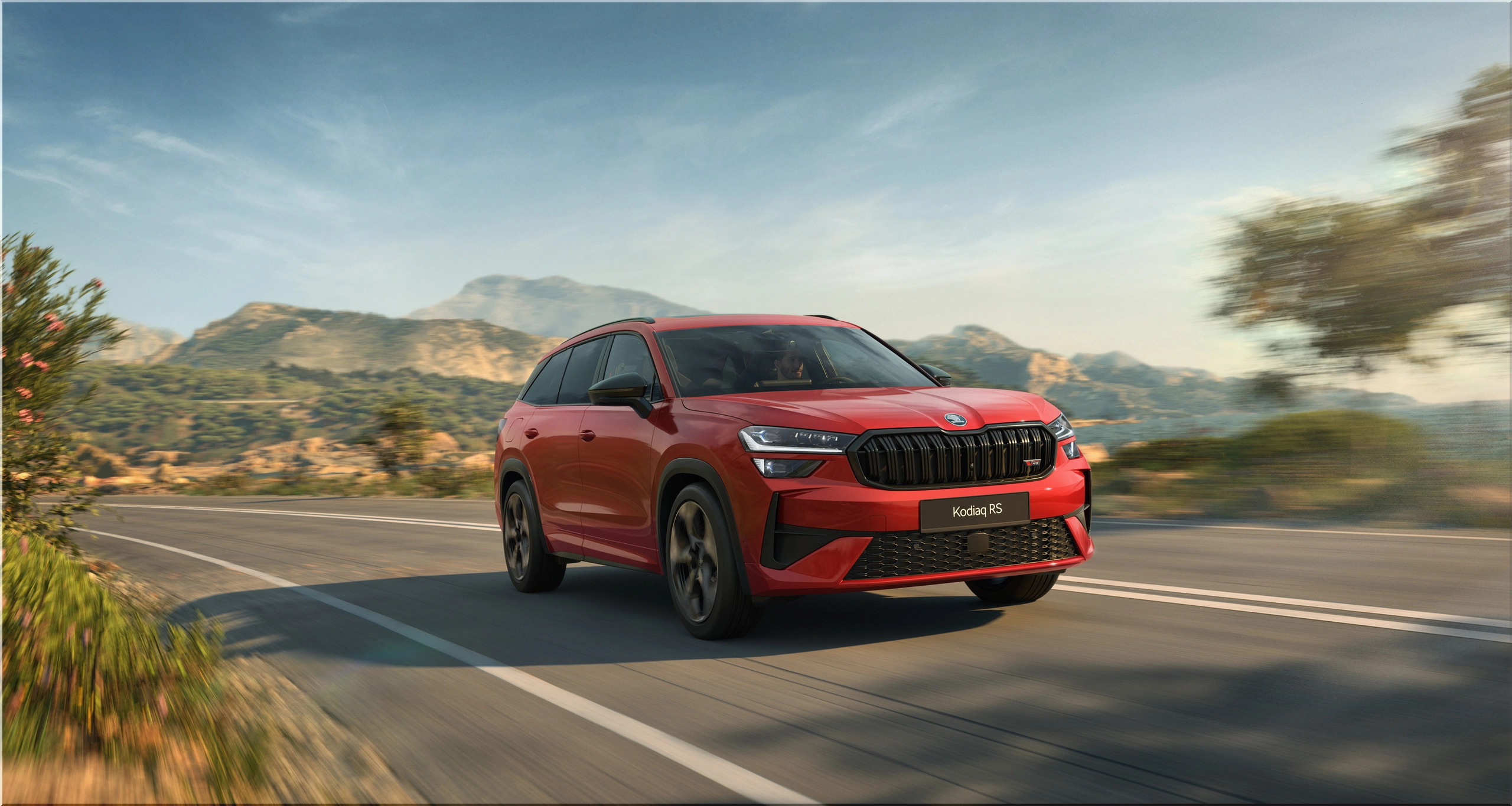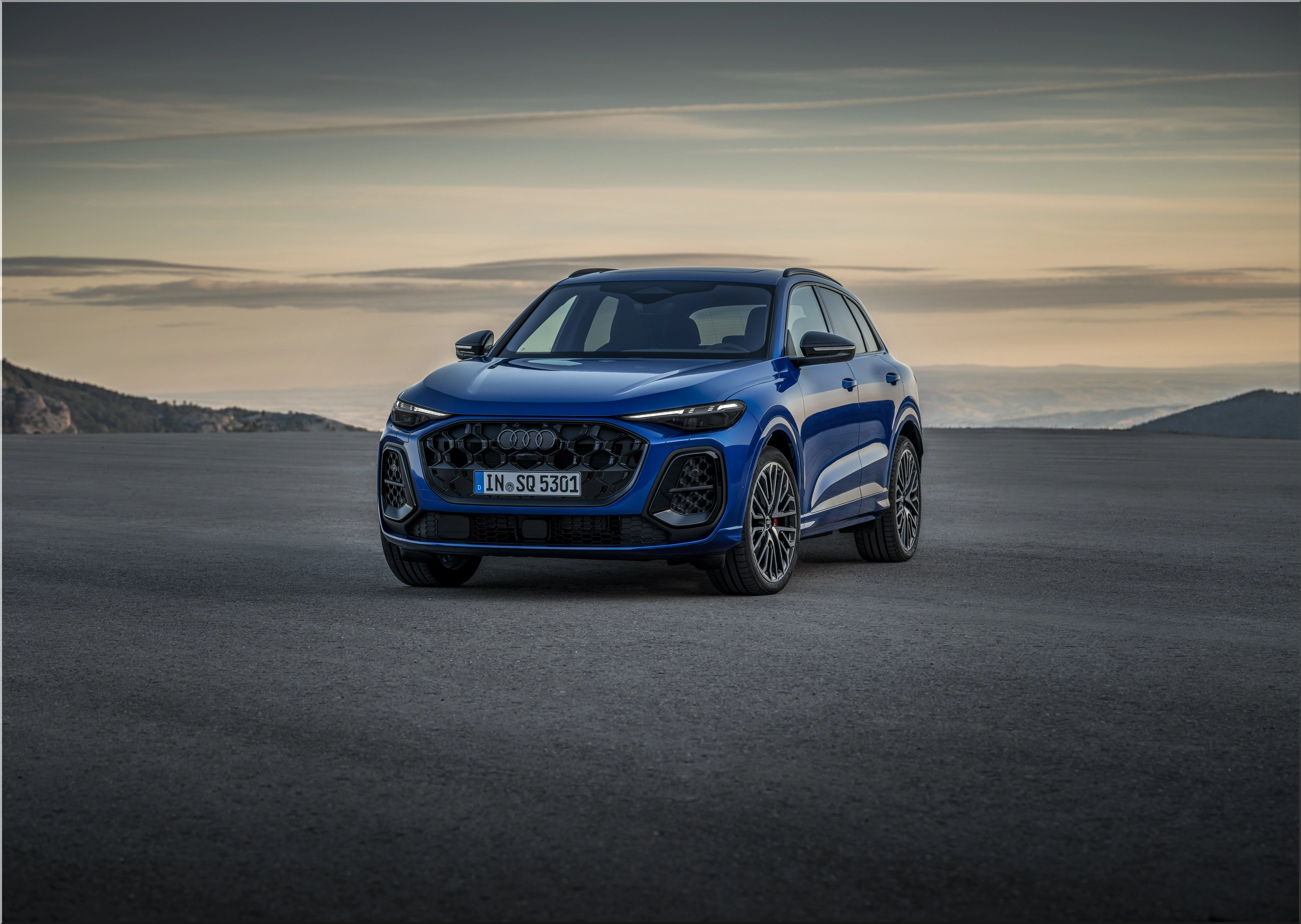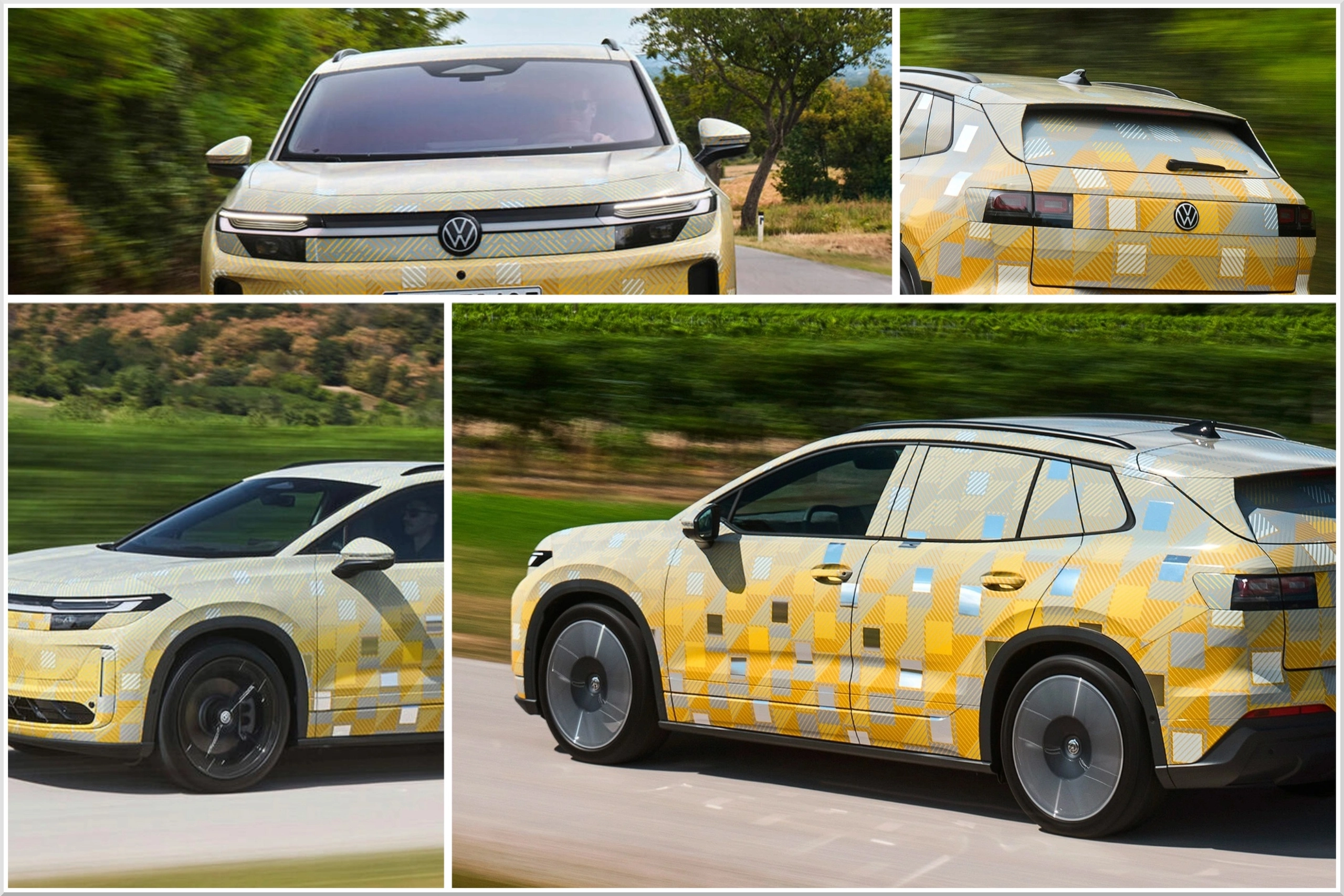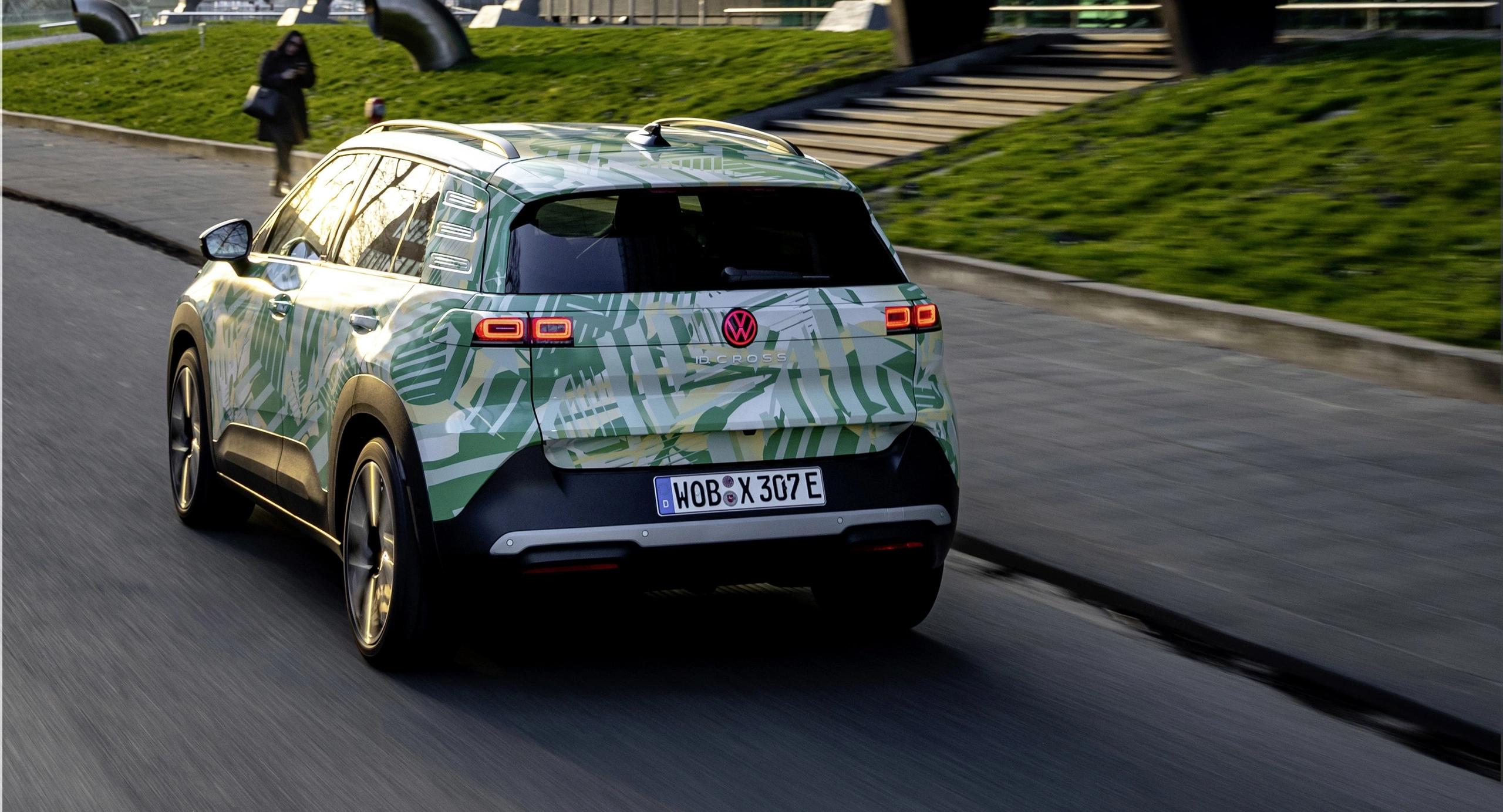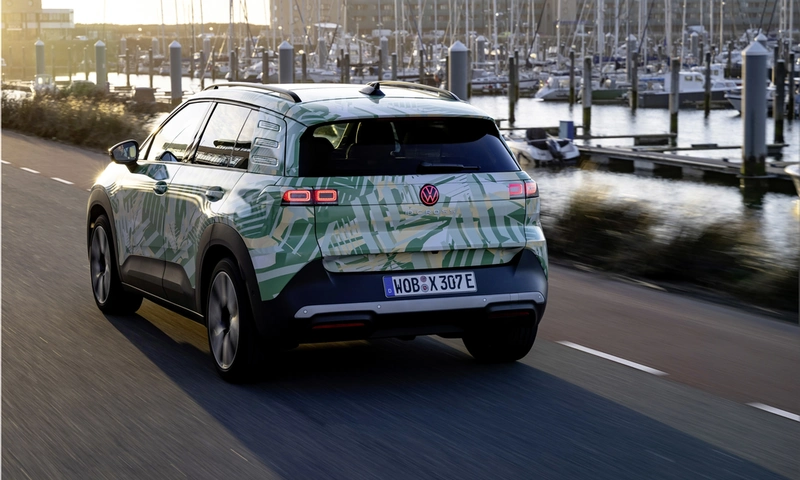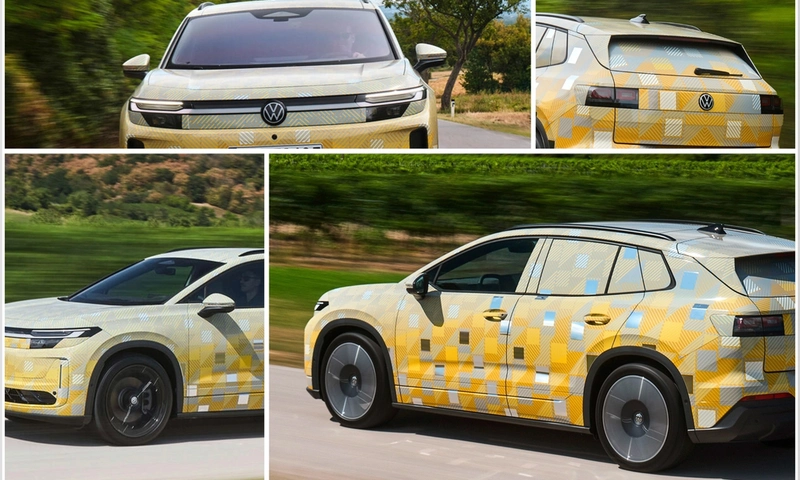
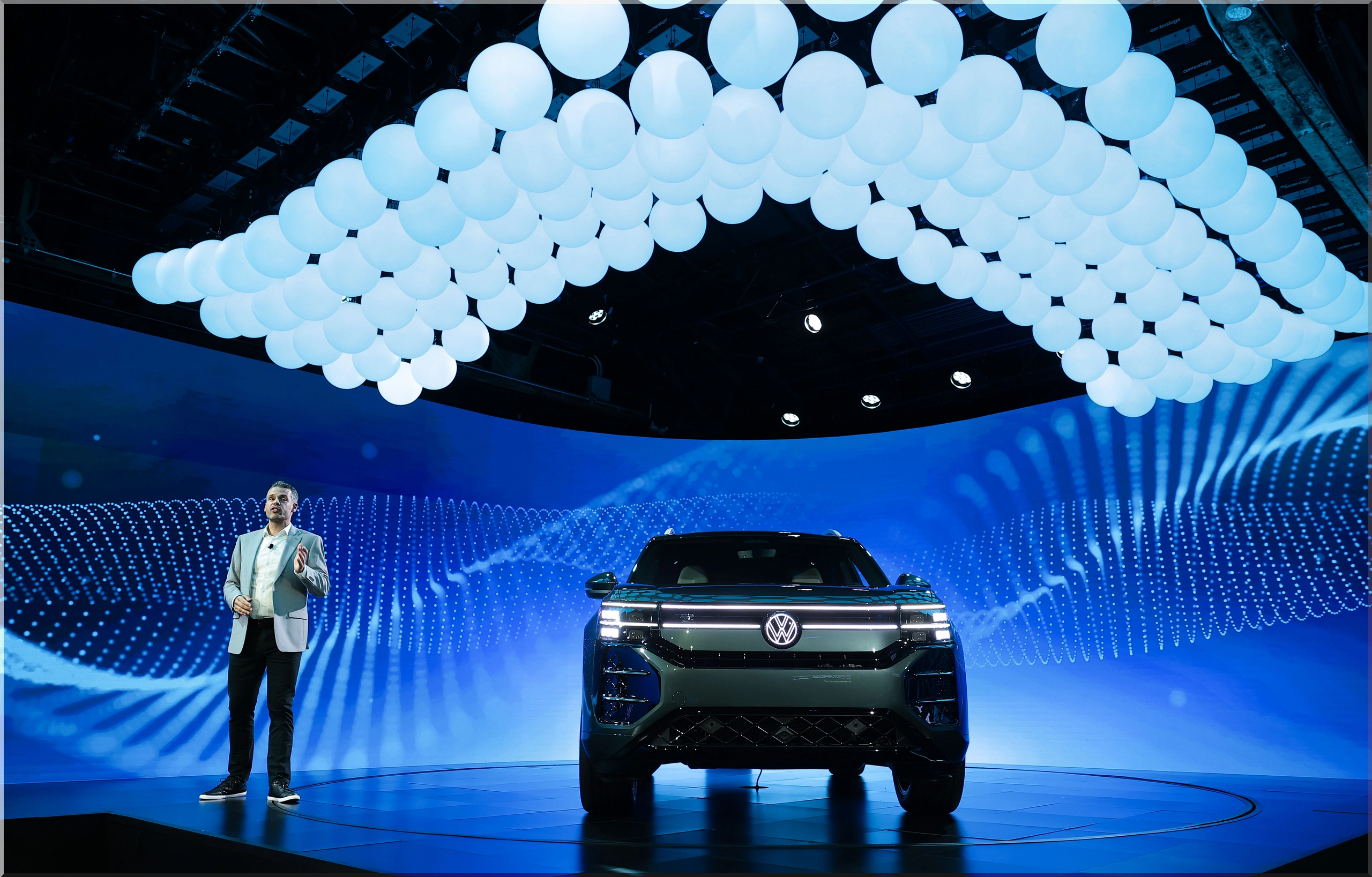
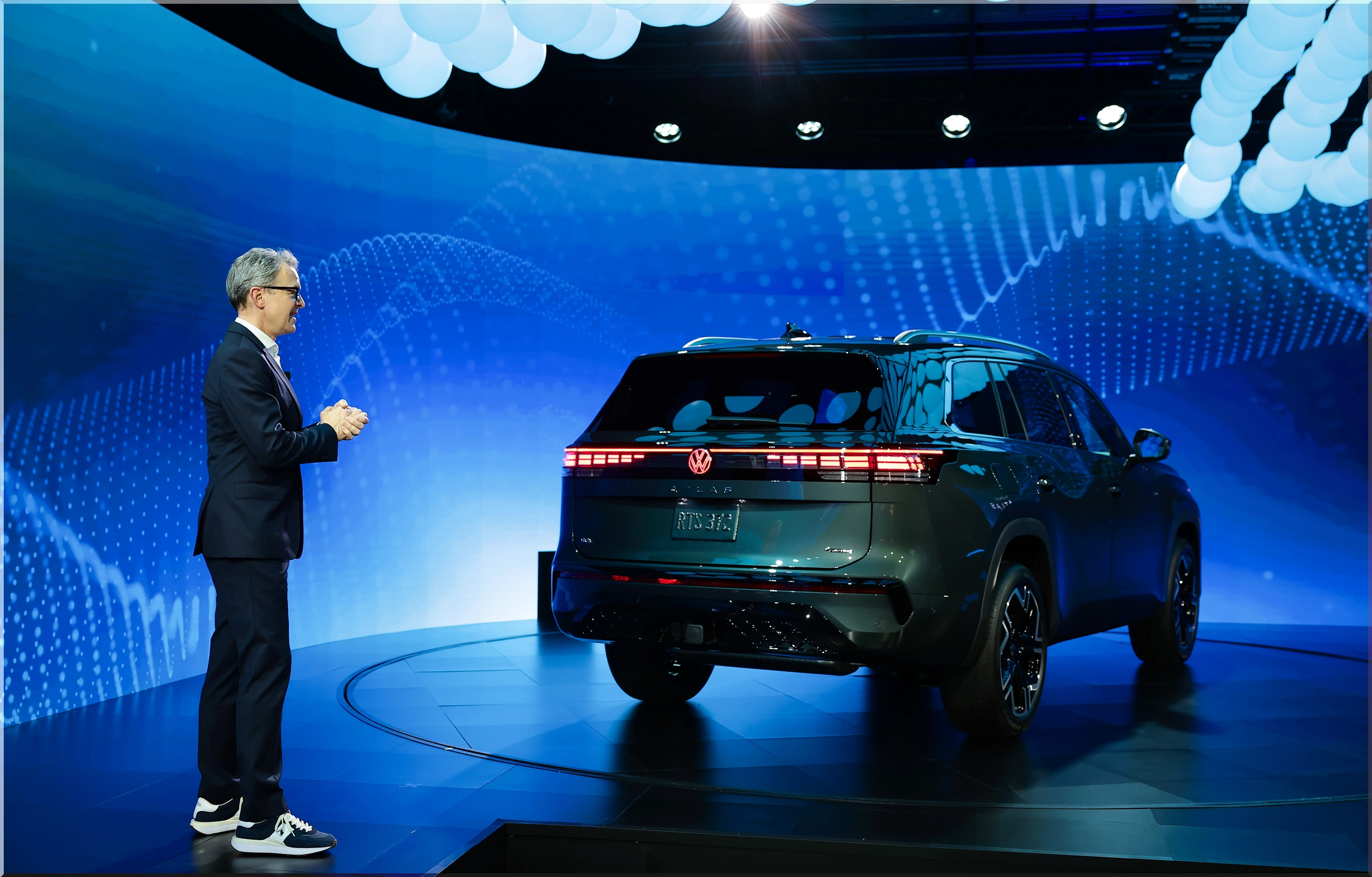
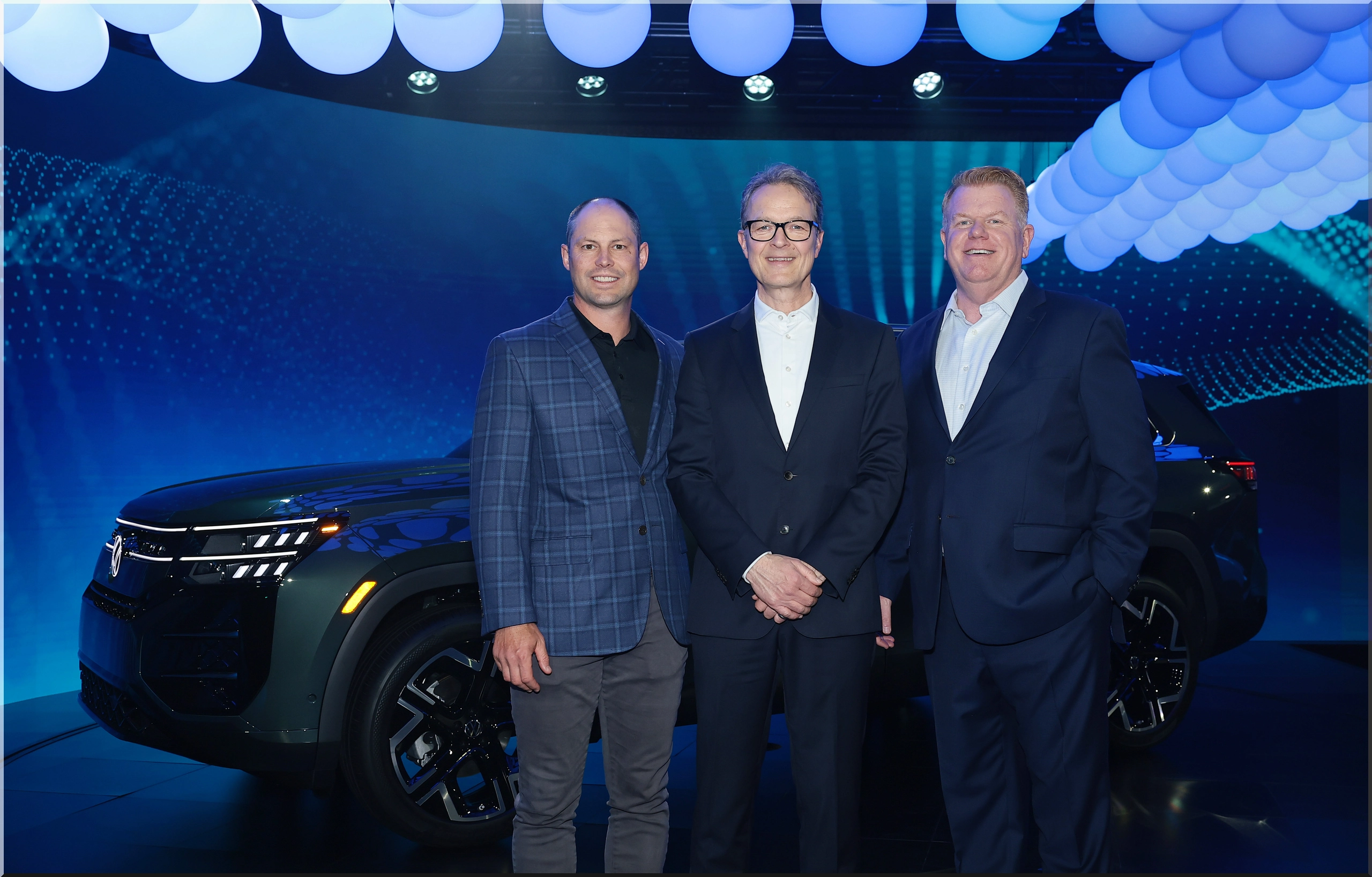
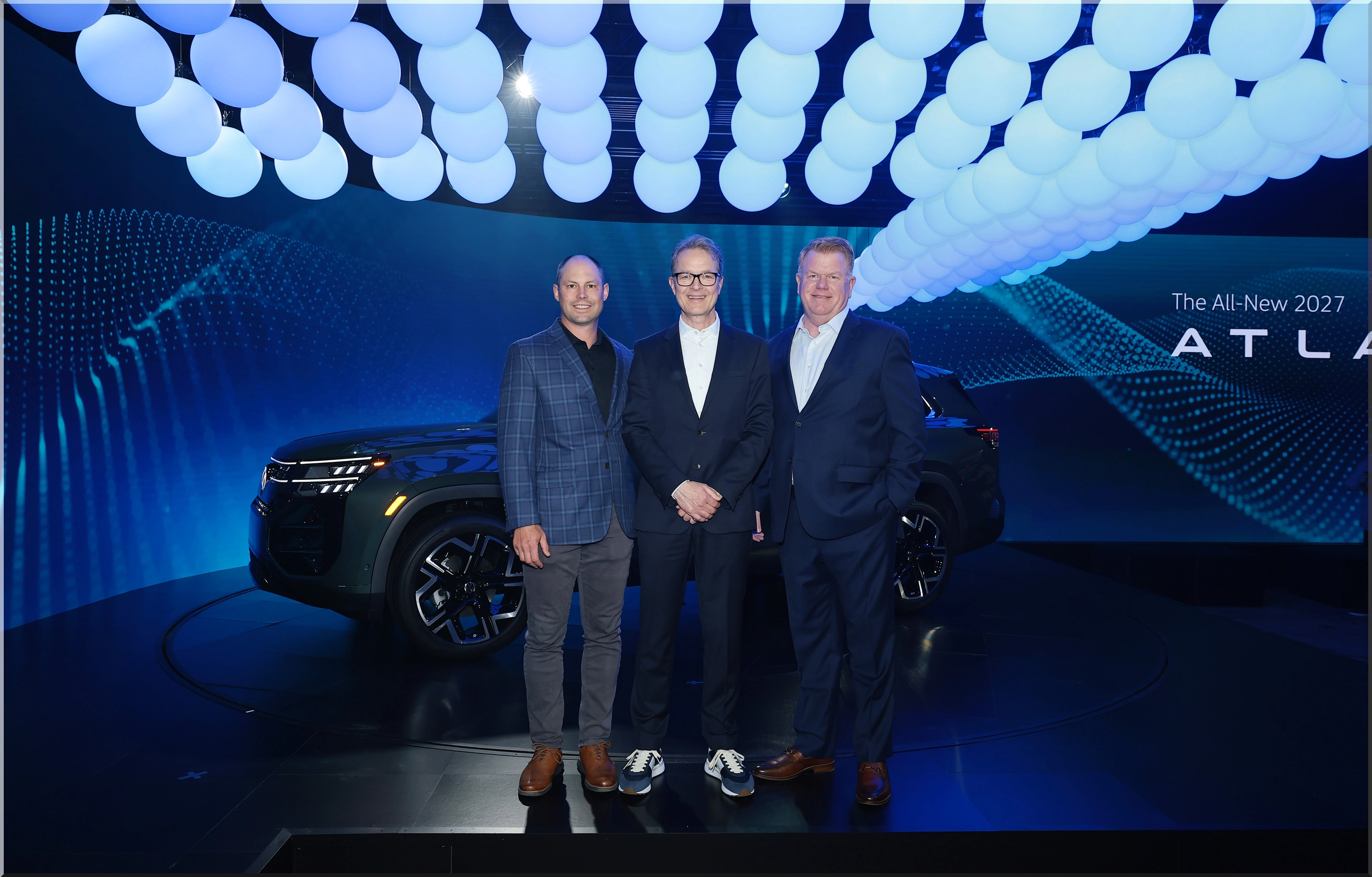
Volkswagen brought the 2027 Volkswagen Atlas to the New York International Auto Show with a simple message: keep the size families want, improve the areas that shape daily ownership, and make the SUV feel more polished without turning it into something it is not. That approach makes sense. The Atlas already had the room, the broad stance, and the American-market focus. What it needed was a more refined cabin, sharper design discipline, and a stronger sense of value in a class packed with confident rivals.
Image
The new Atlas looks like a vehicle designed by people who studied how families actually shop. Buyers in this segment care about the third row, cargo access, towing, comfort, and screen usability. They also care about whether a vehicle feels worth the payment every time they open the door. Volkswagen appears to have addressed those points with the new model, which rides on MQB Evo, keeps its generous proportions, and adds a cleaner body, upgraded interior materials, and a revised turbocharged engine rated at 282 horsepower.
A Three-Row SUV That Stays Focused on Real Use
The old Atlas succeeded because it never tried too hard. It offered a large cabin, straightforward packaging, and enough road presence to feel substantial without drifting into luxury-brand pricing. Volkswagen did not abandon that formula for 2027. It refined it.
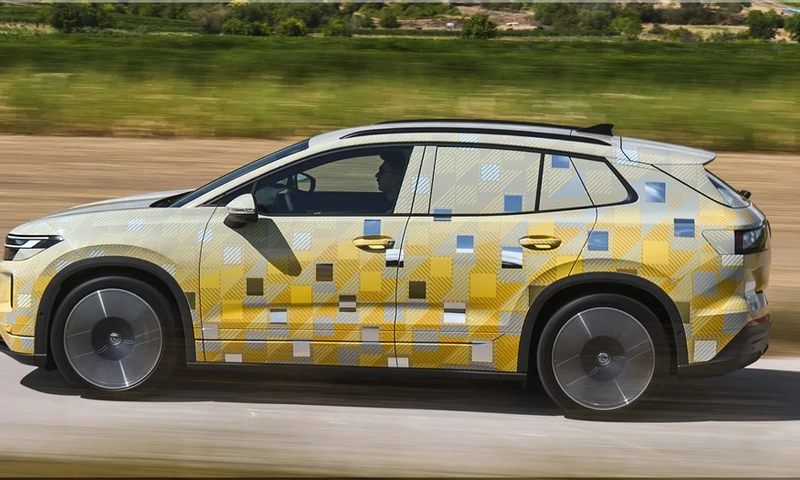
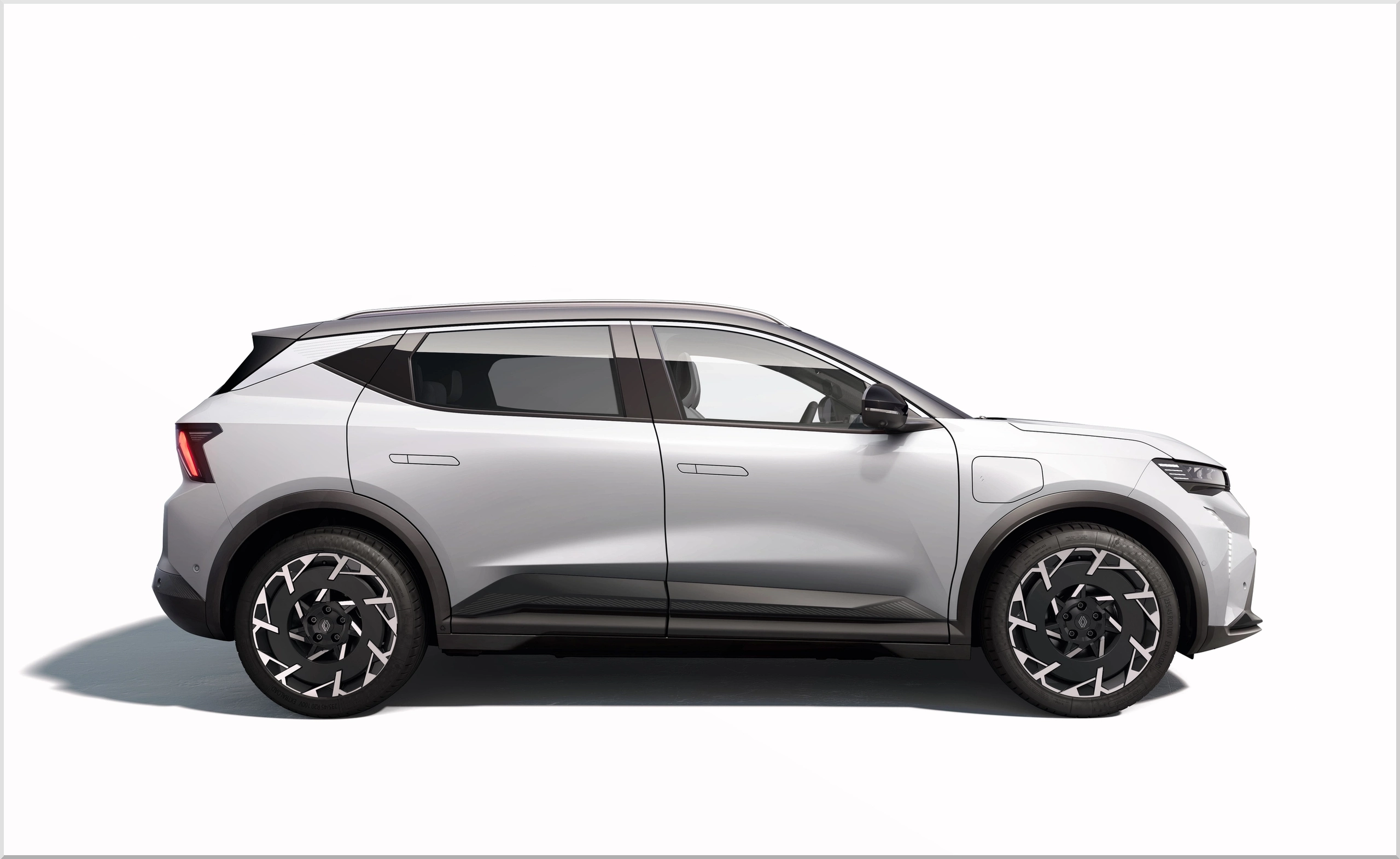
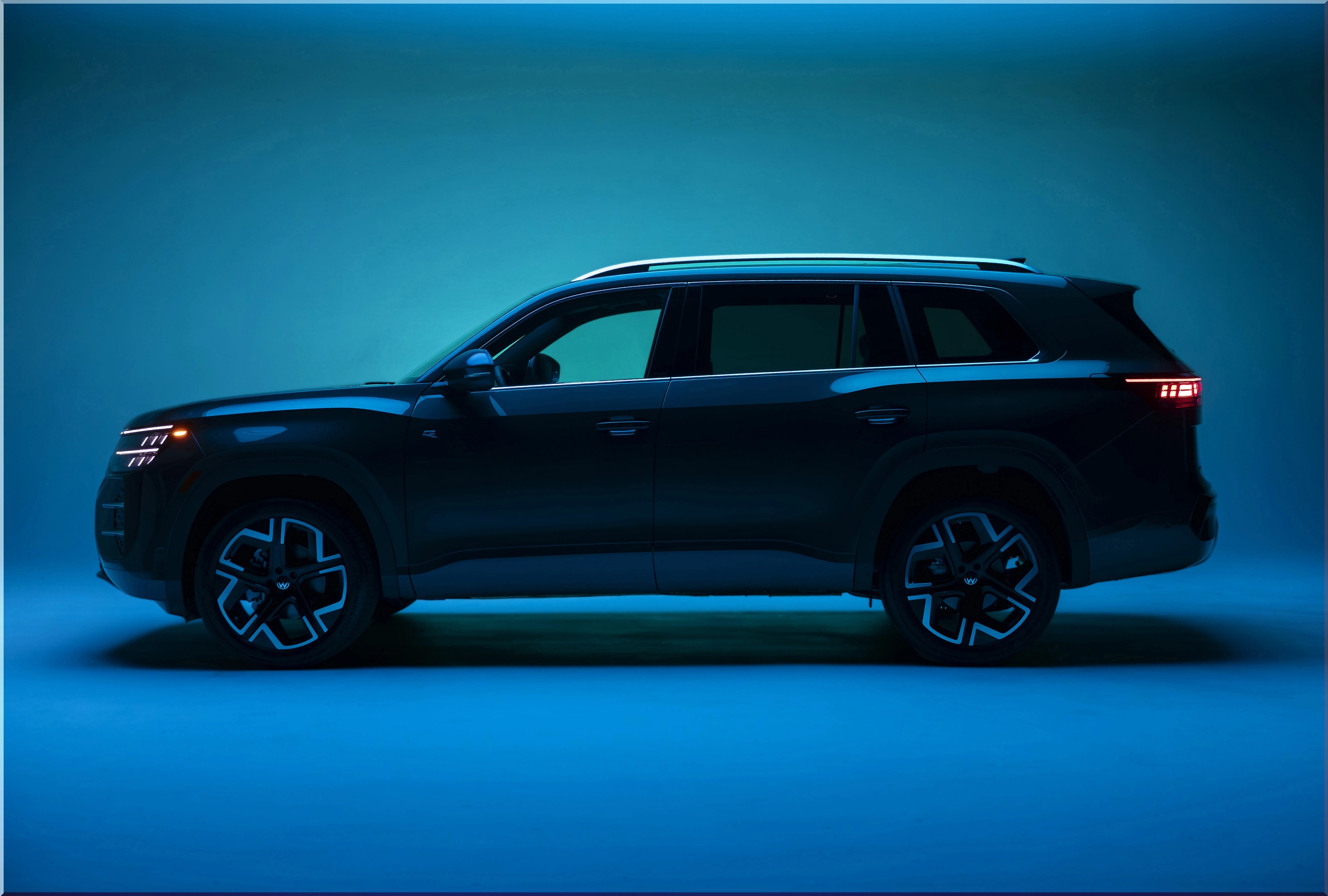
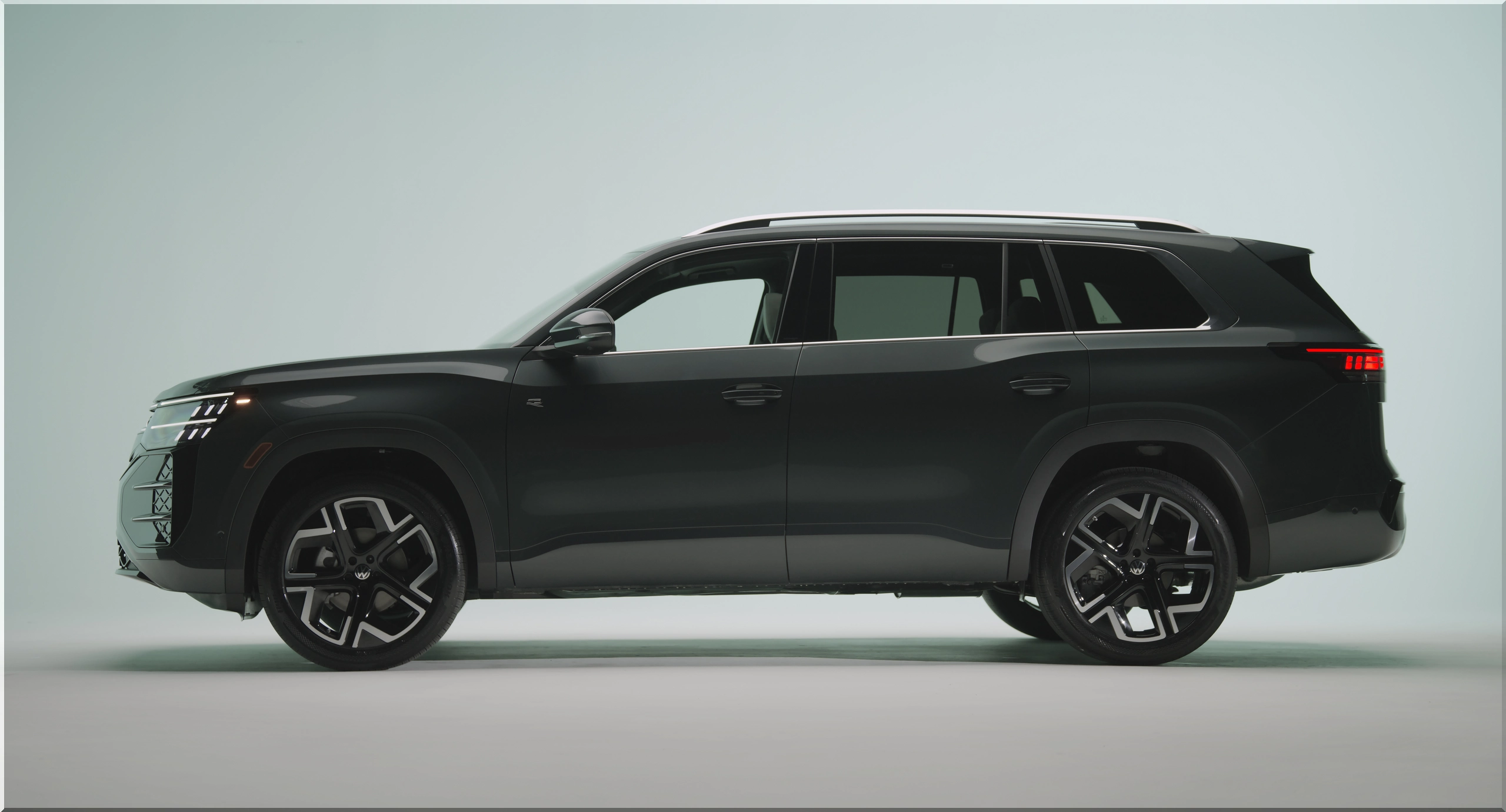
The new SUV stretches to about 201.5 inches in overall length while keeping a 117.3-inch wheelbase, a combination that preserves interior space and road-trip comfort. Width sits at about 78.3 inches, and height lands around 70.4 inches, so the Atlas still occupies plenty of visual space on the road. That matters in a class where buyers often equate size with usefulness, safety, and long-haul comfort.
Image
Looking at the data, the Atlas remains a vehicle built for American habits. It still offers seating for large families, still provides meaningful cargo space, and still handles towing duties up to 5,000 pounds when properly equipped. That number keeps it relevant for owners who need to pull a small boat, utility trailer, or compact camper without stepping into a body-on-frame SUV.
Exterior Design Cleans Up the Atlas Without Losing Its Identity
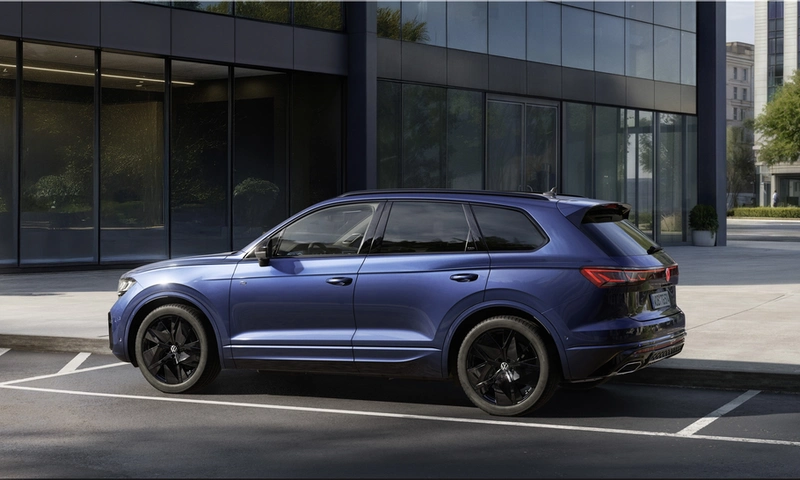
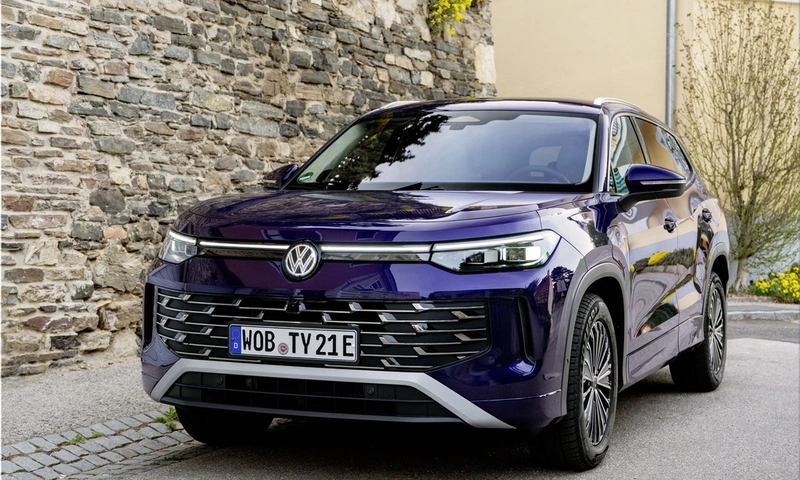
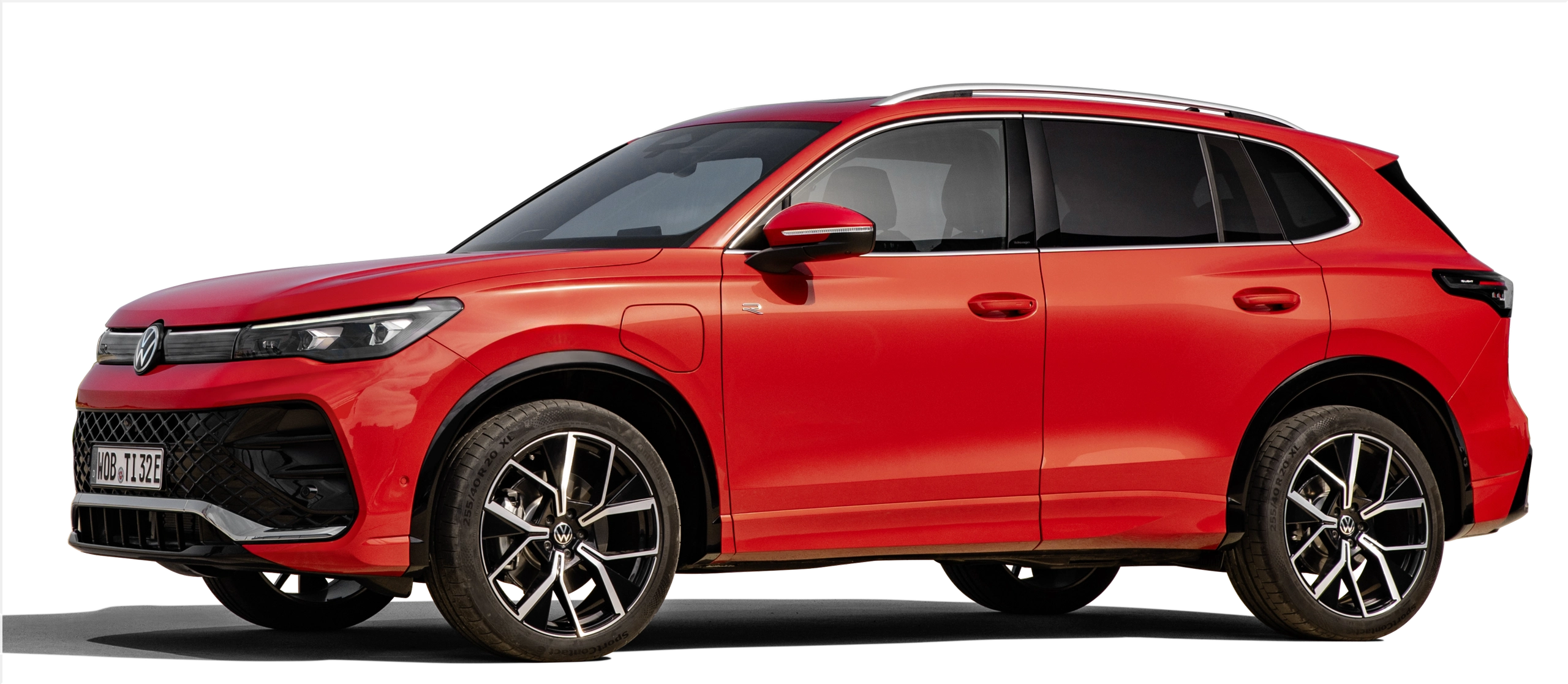
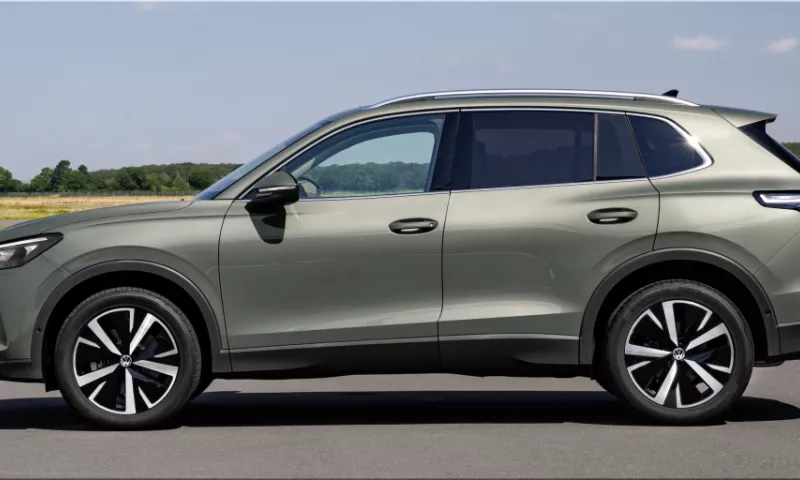
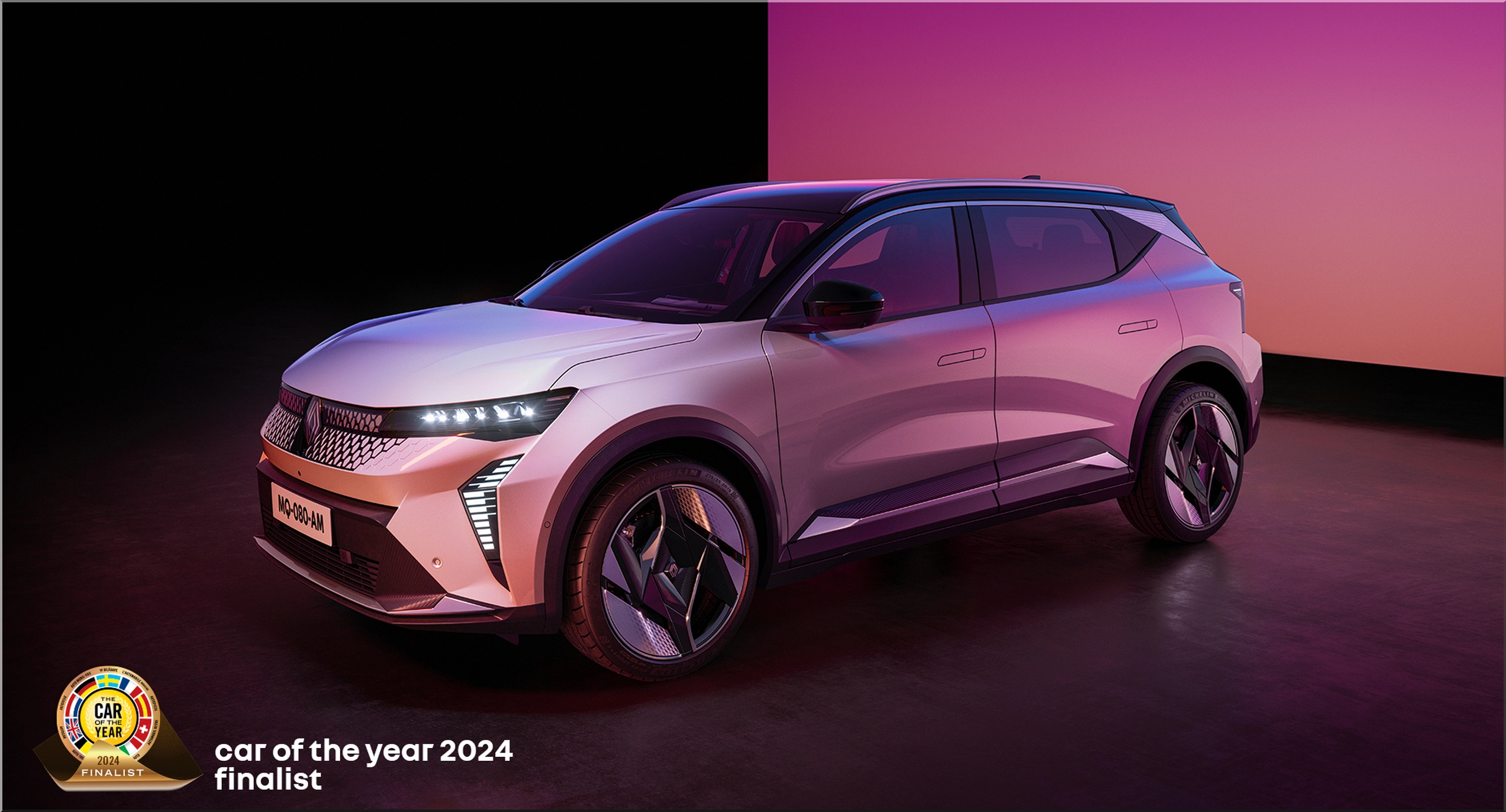
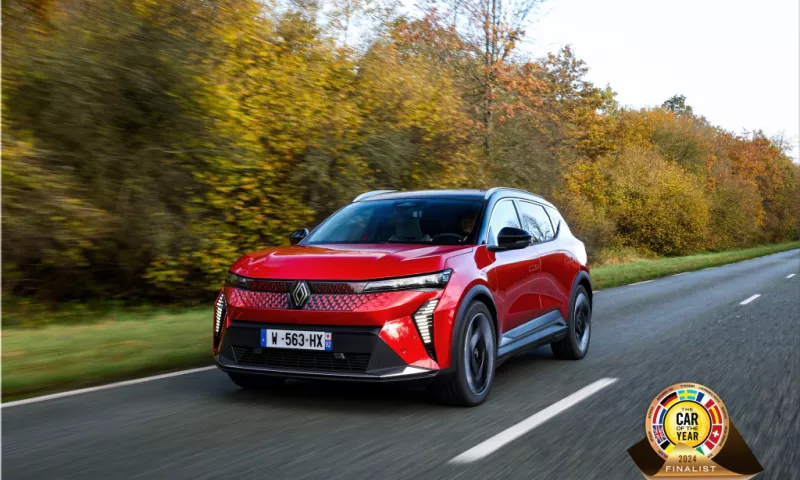
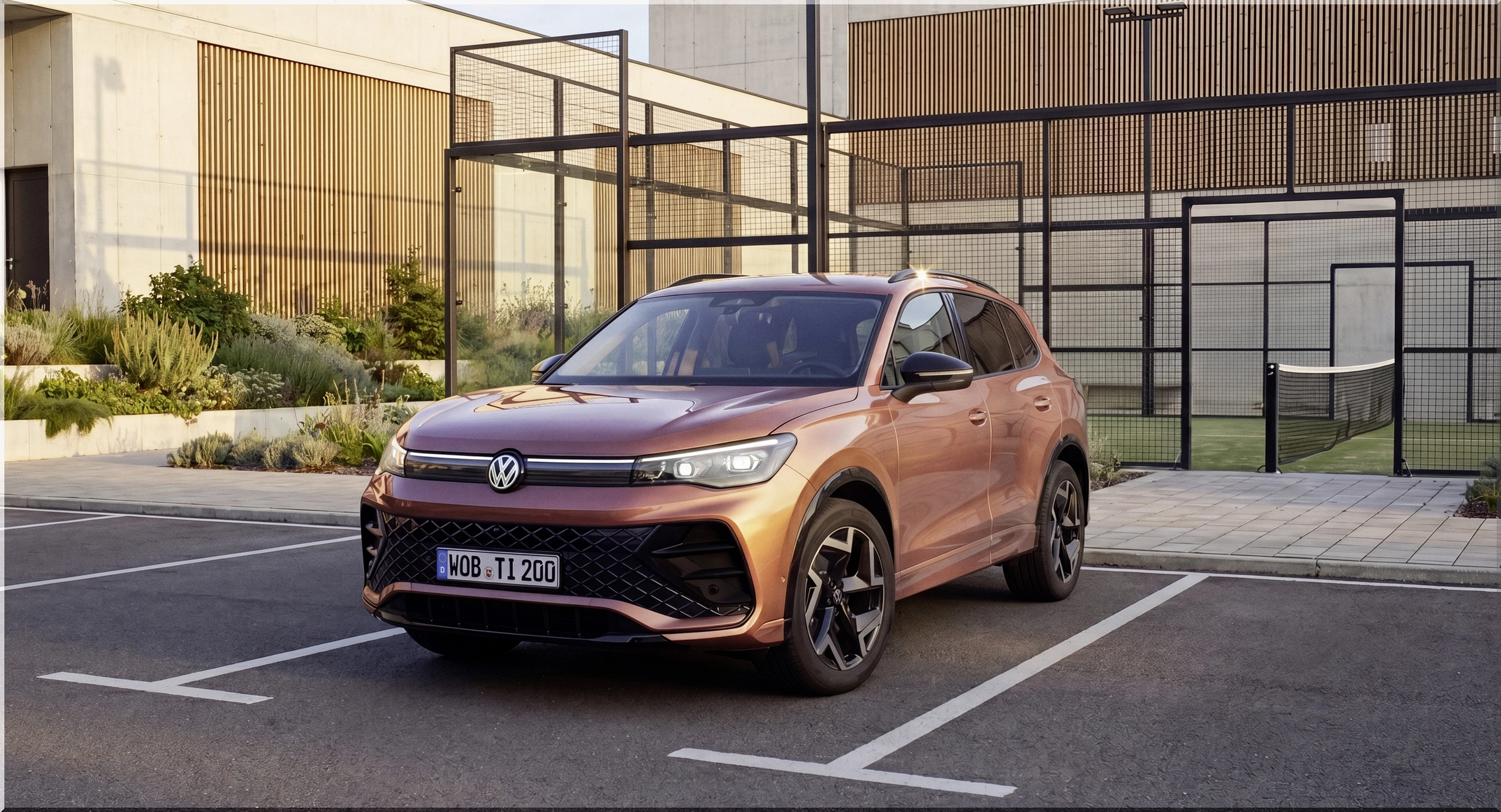
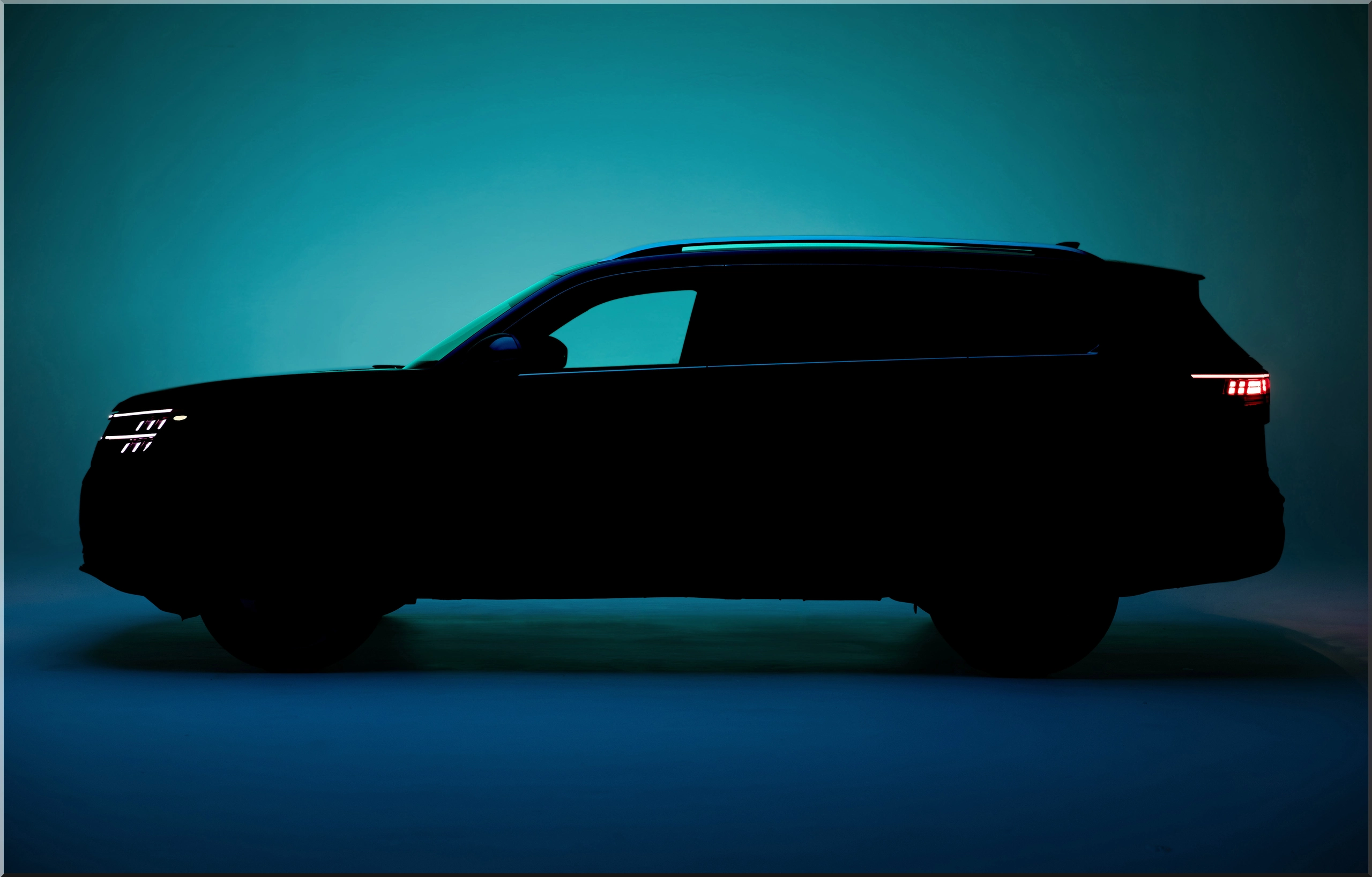
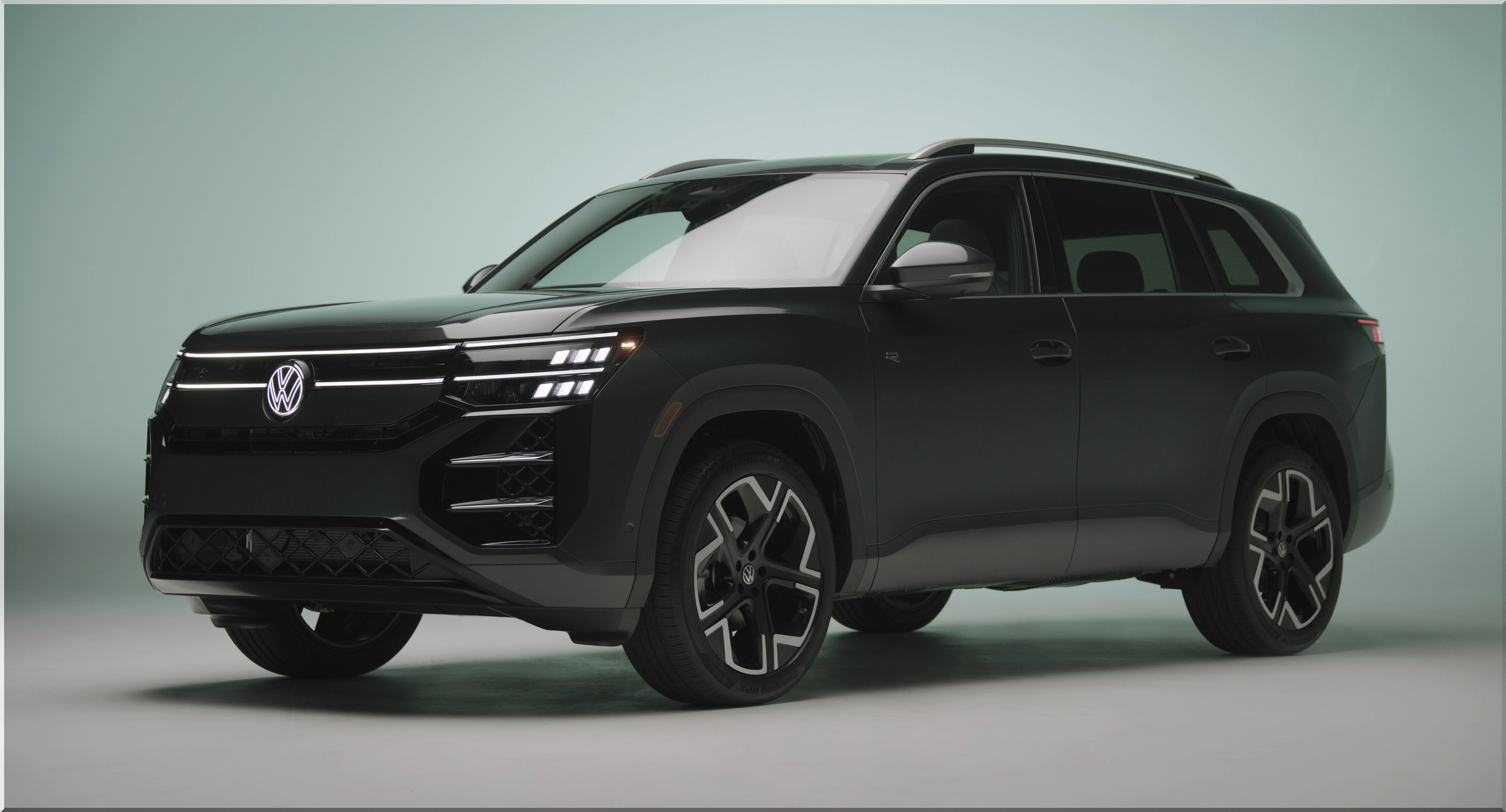
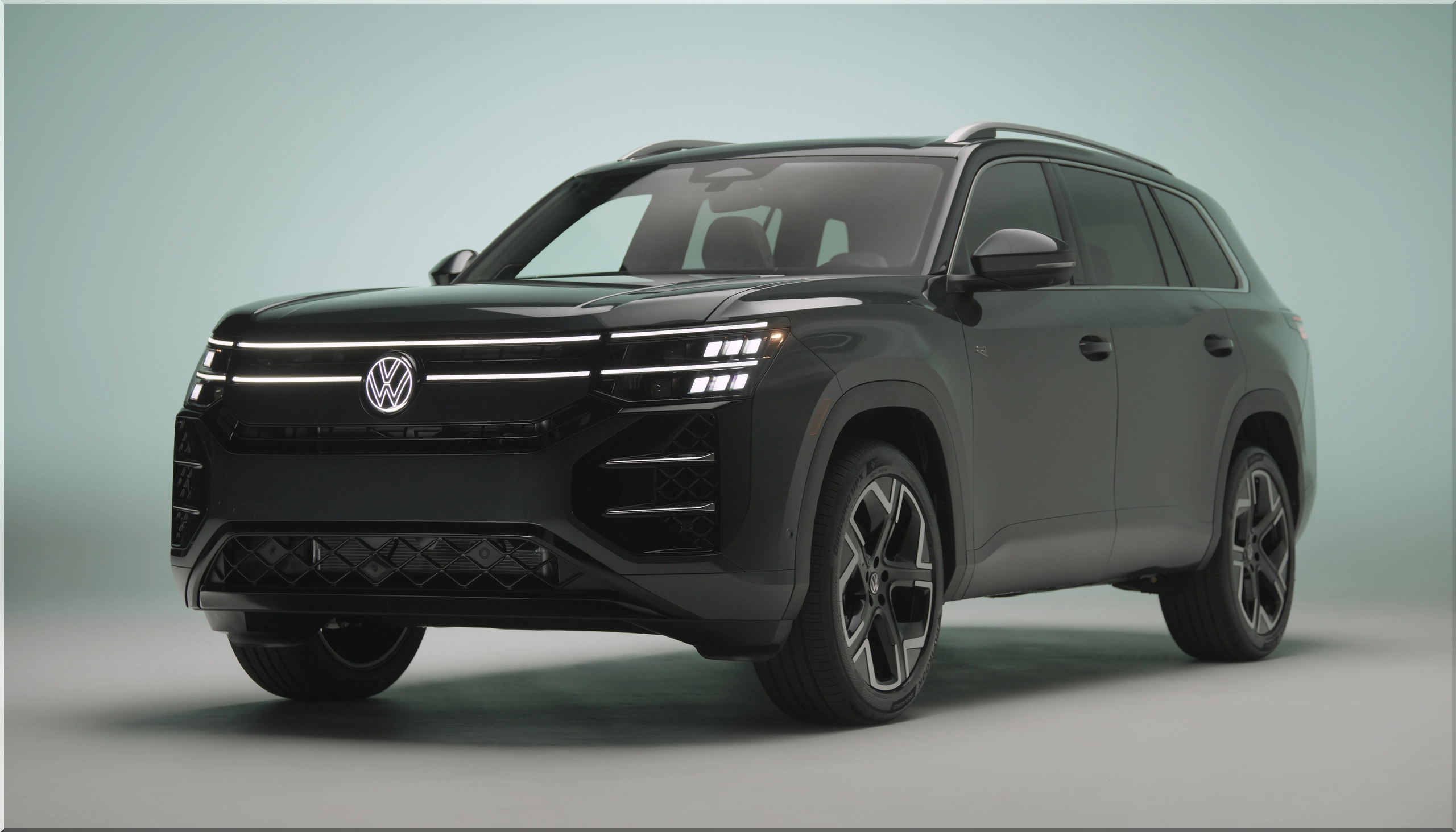
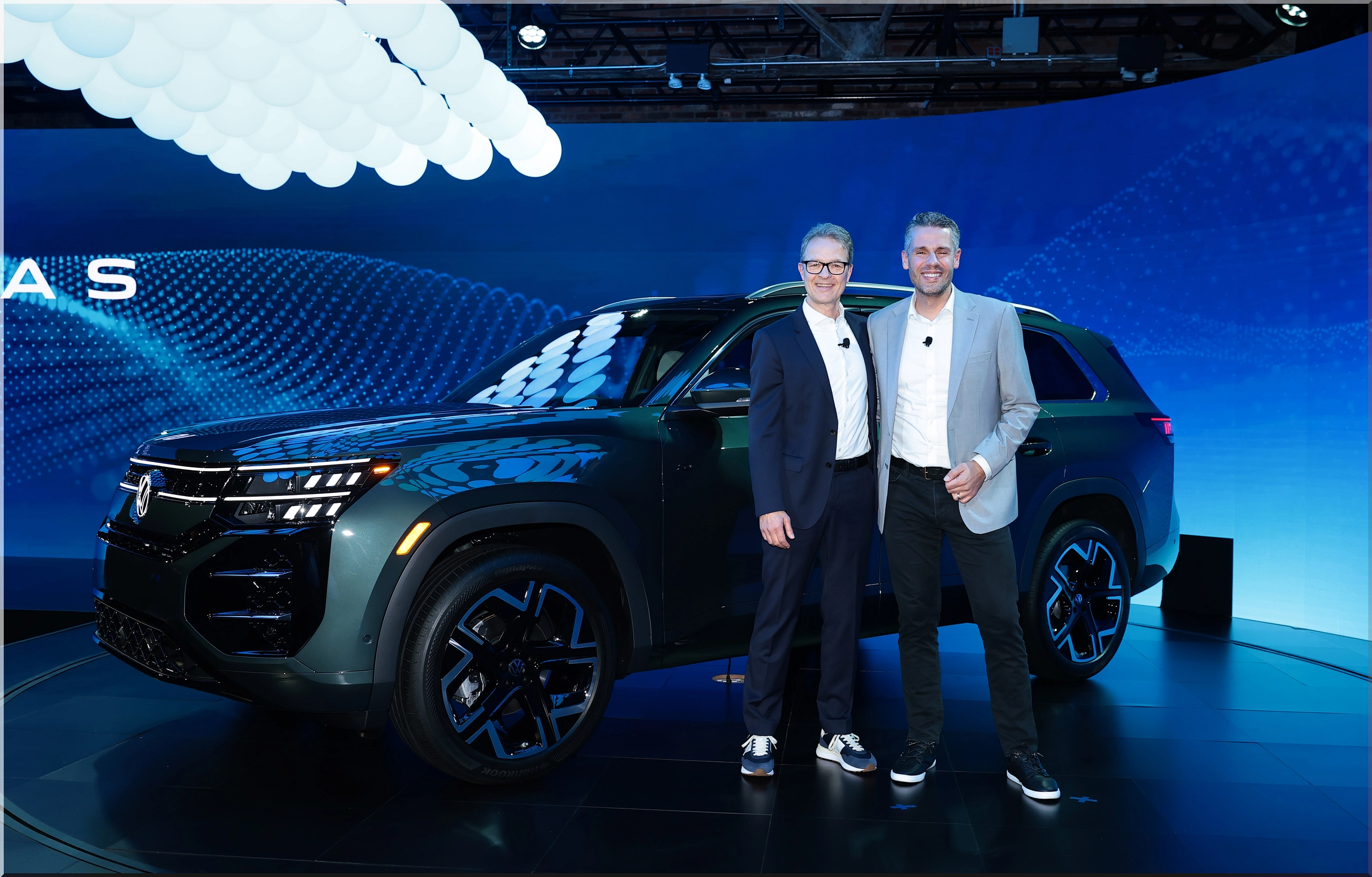
Volkswagen did not chase a radical redesign. That was the right call. The all-new Volkswagen Atlas still looks like an Atlas, which means it keeps the upright profile and squared-off proportions that helped define the model from the start. The difference lies in the details.
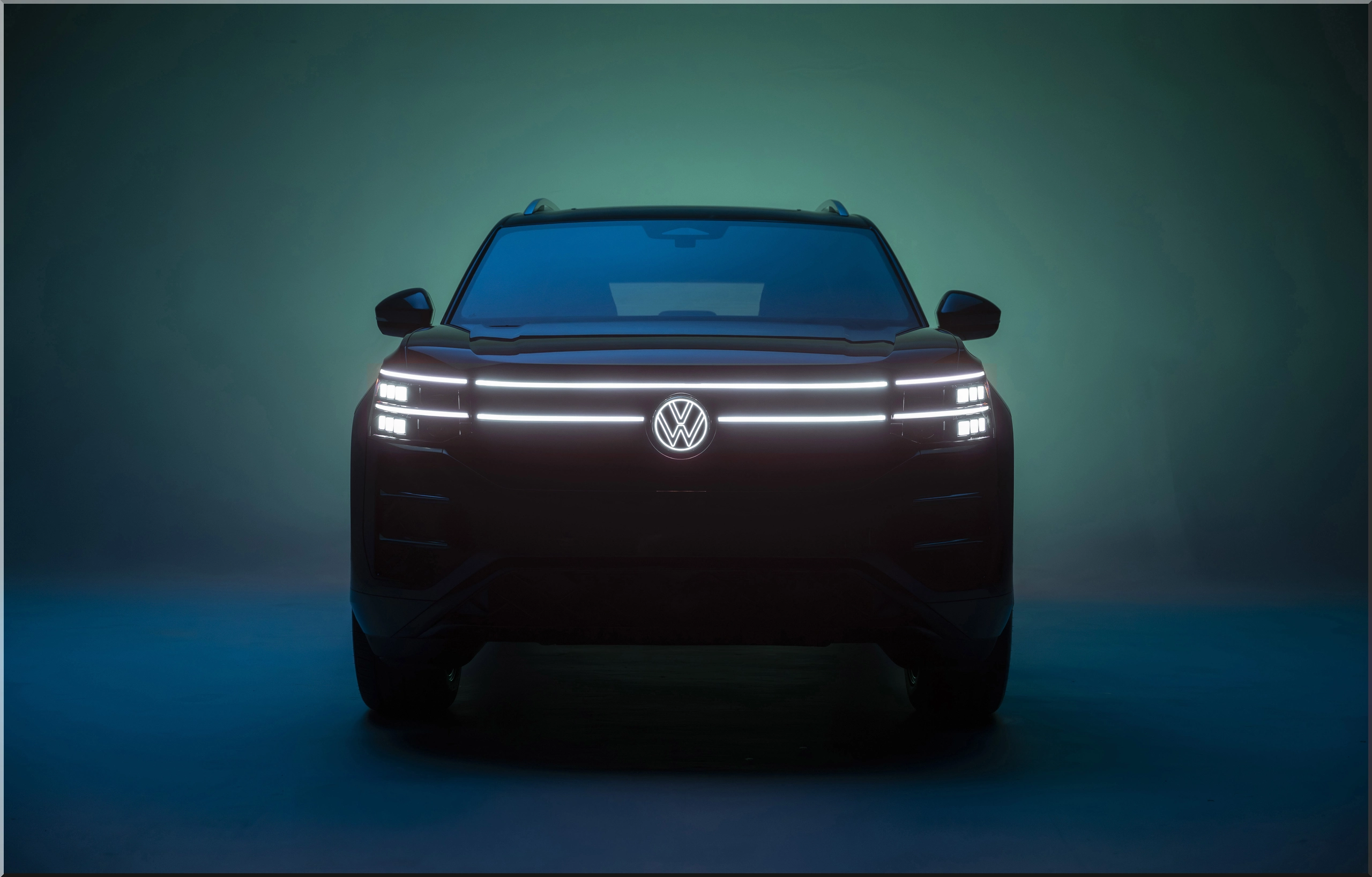
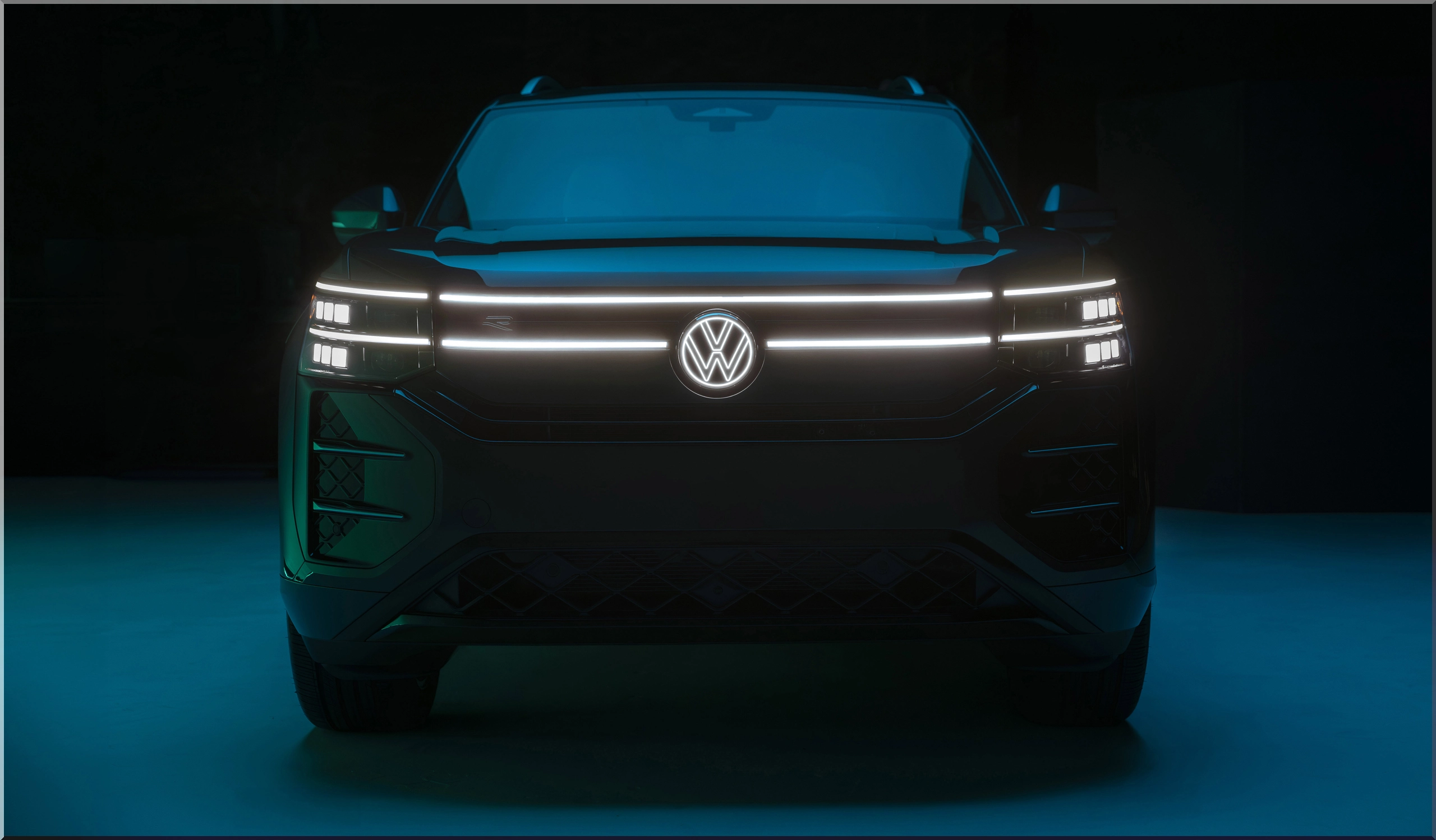
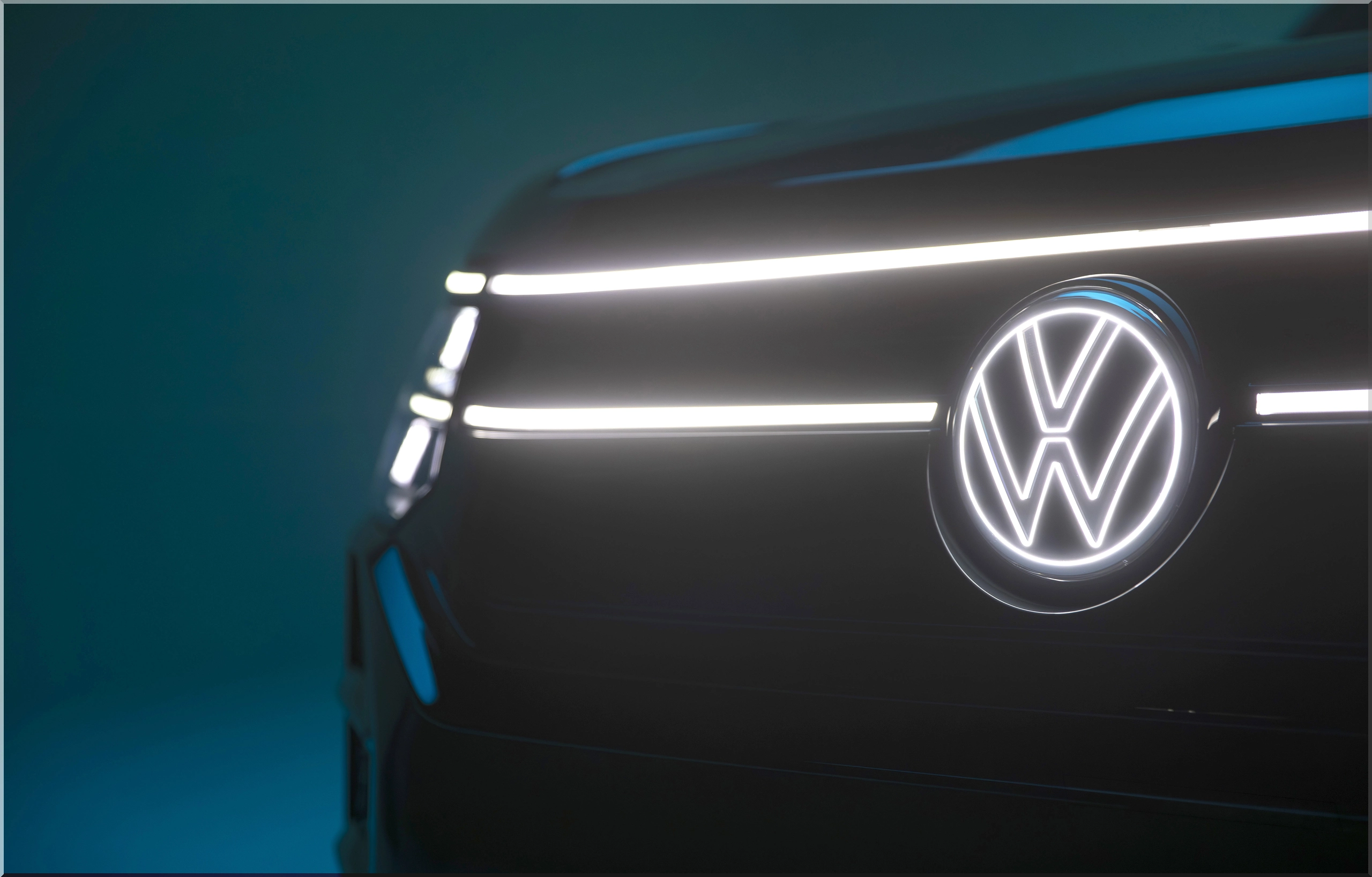
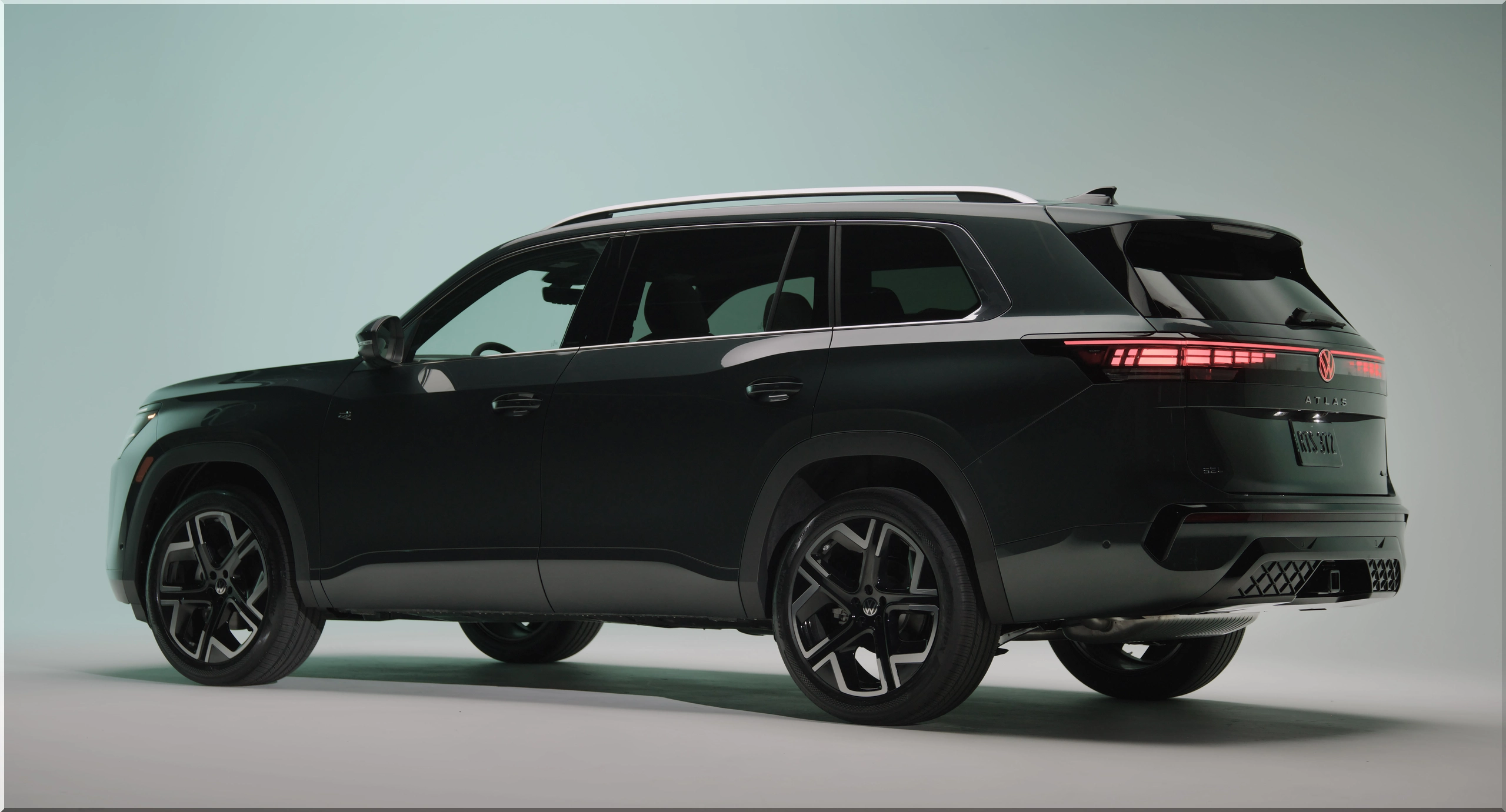
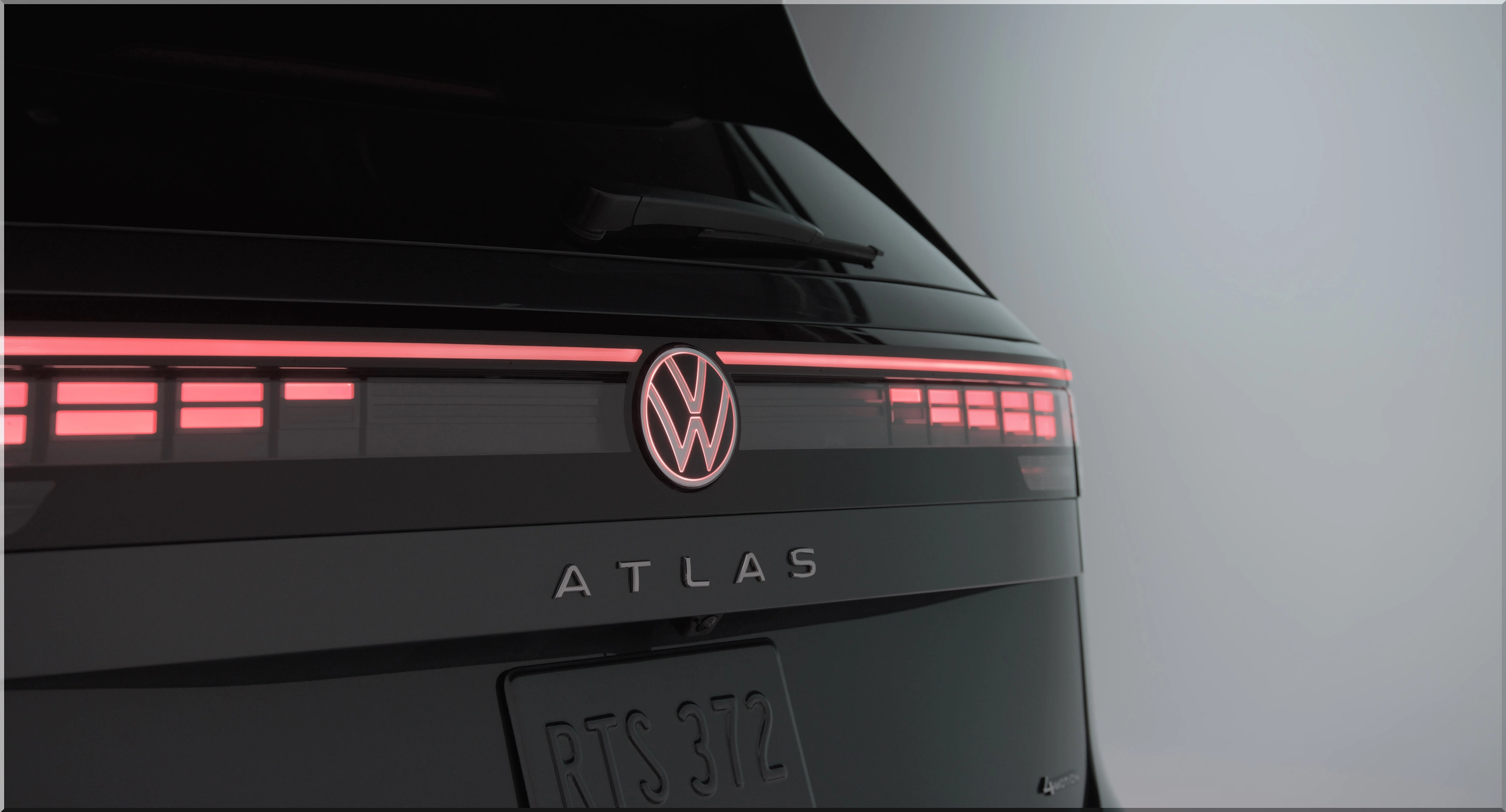
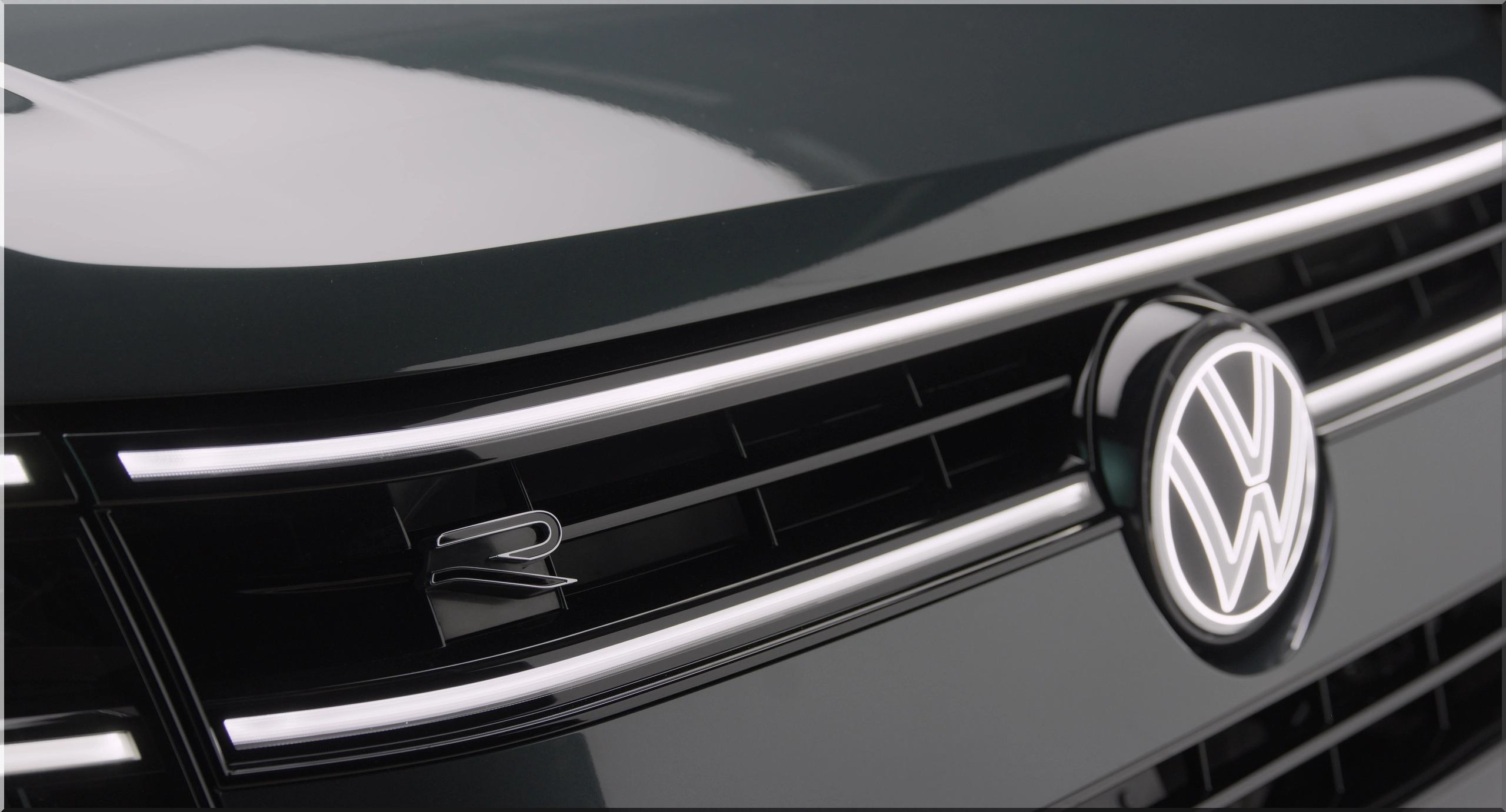
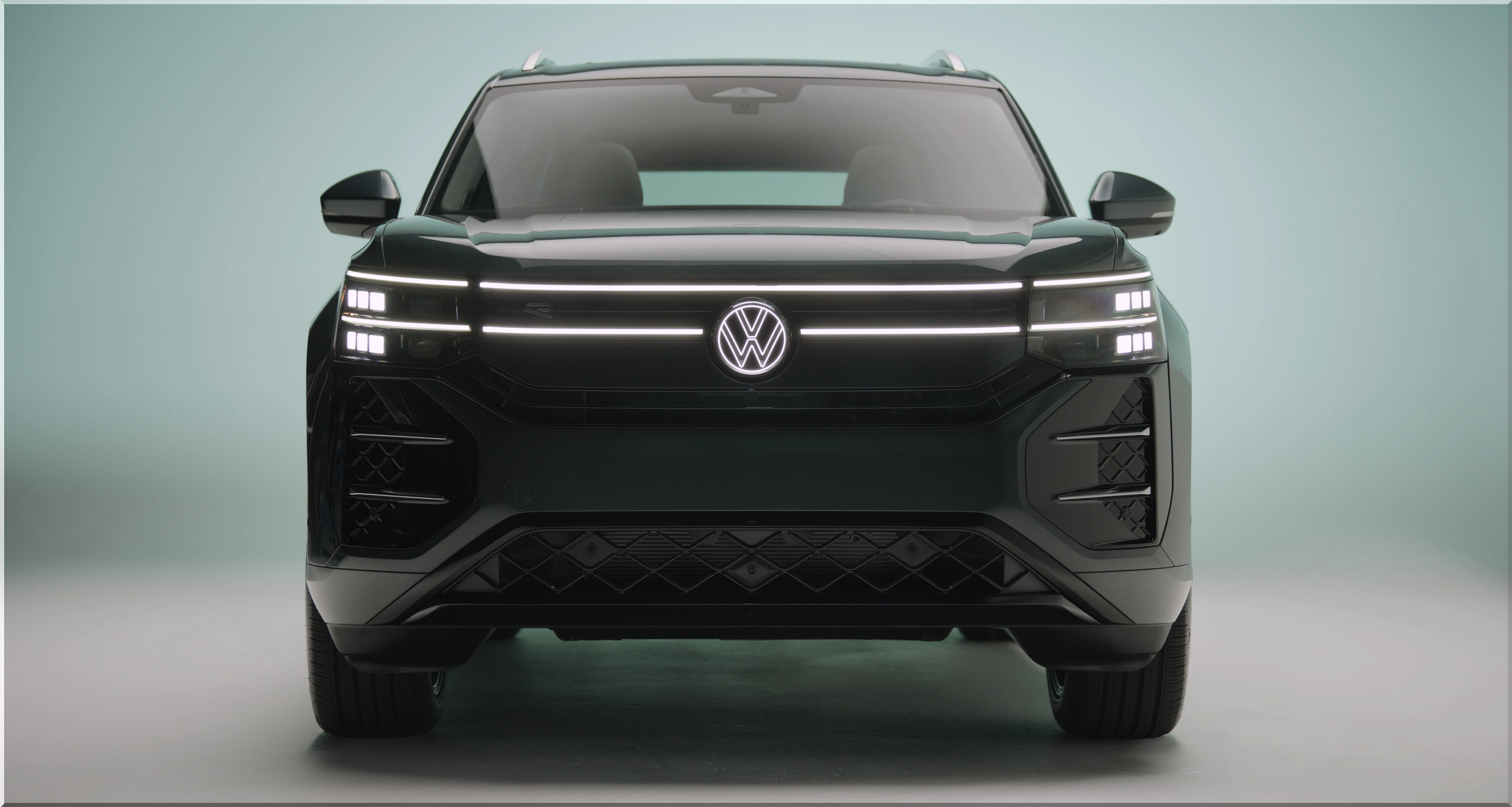
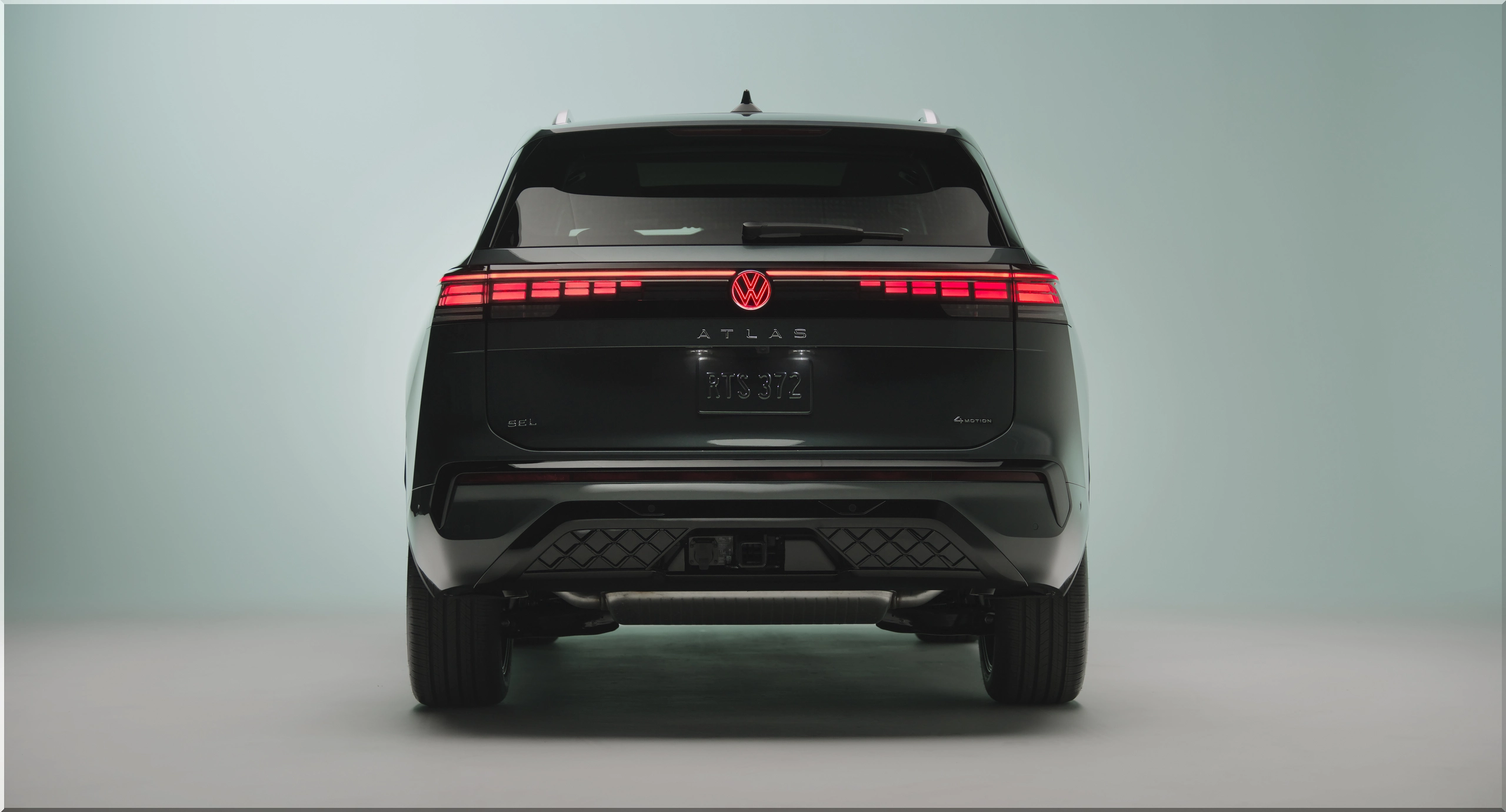
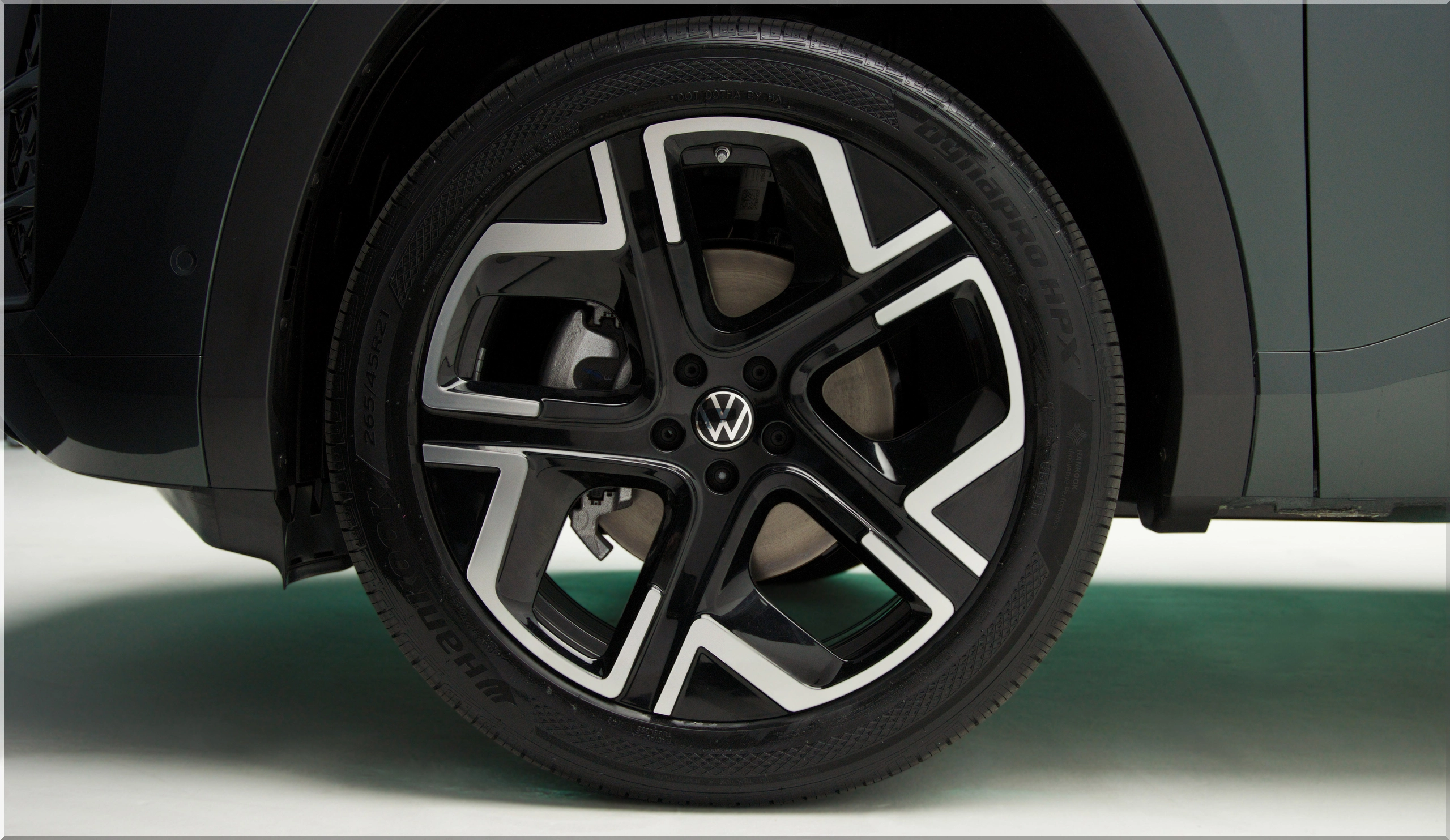
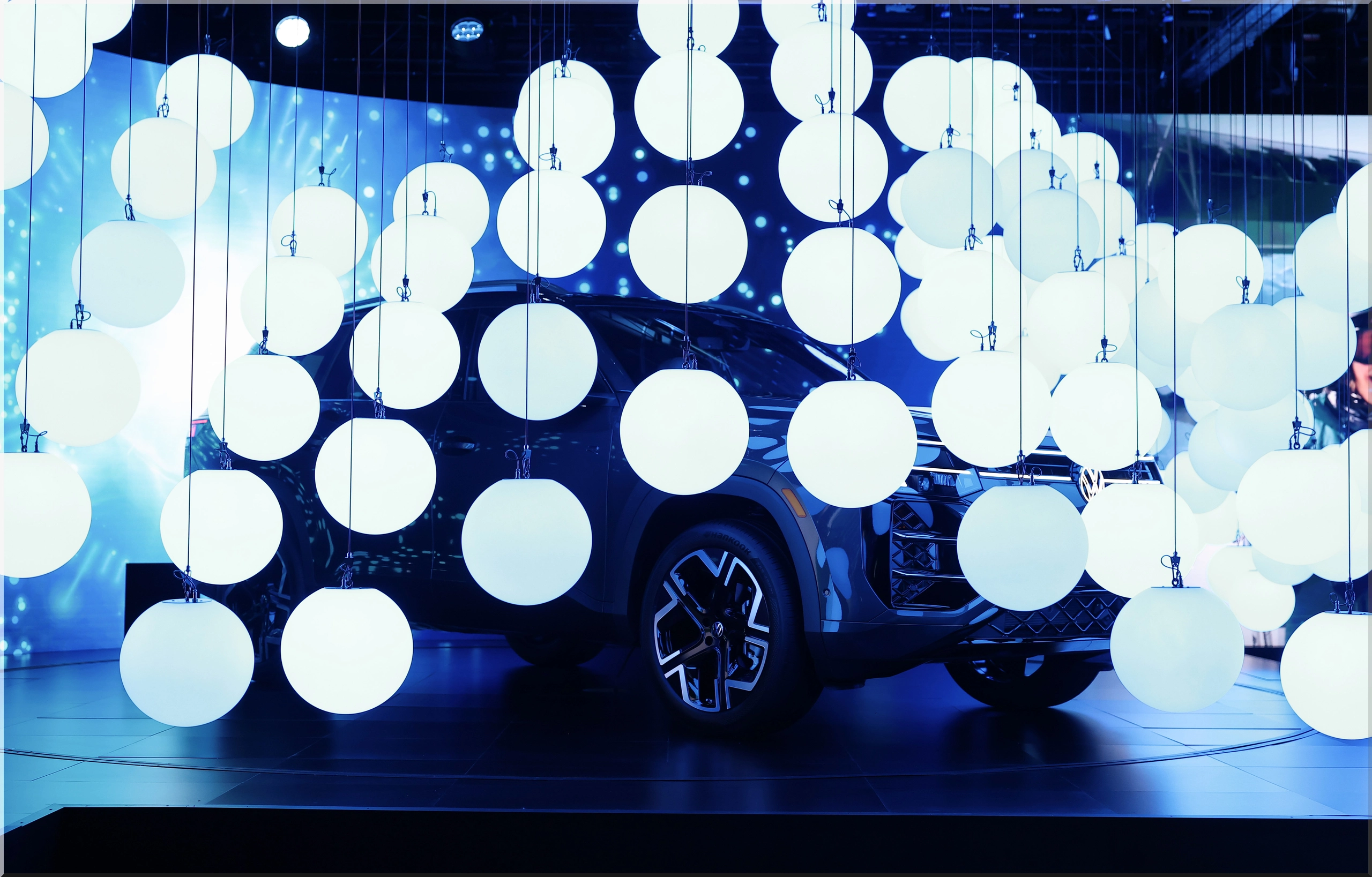
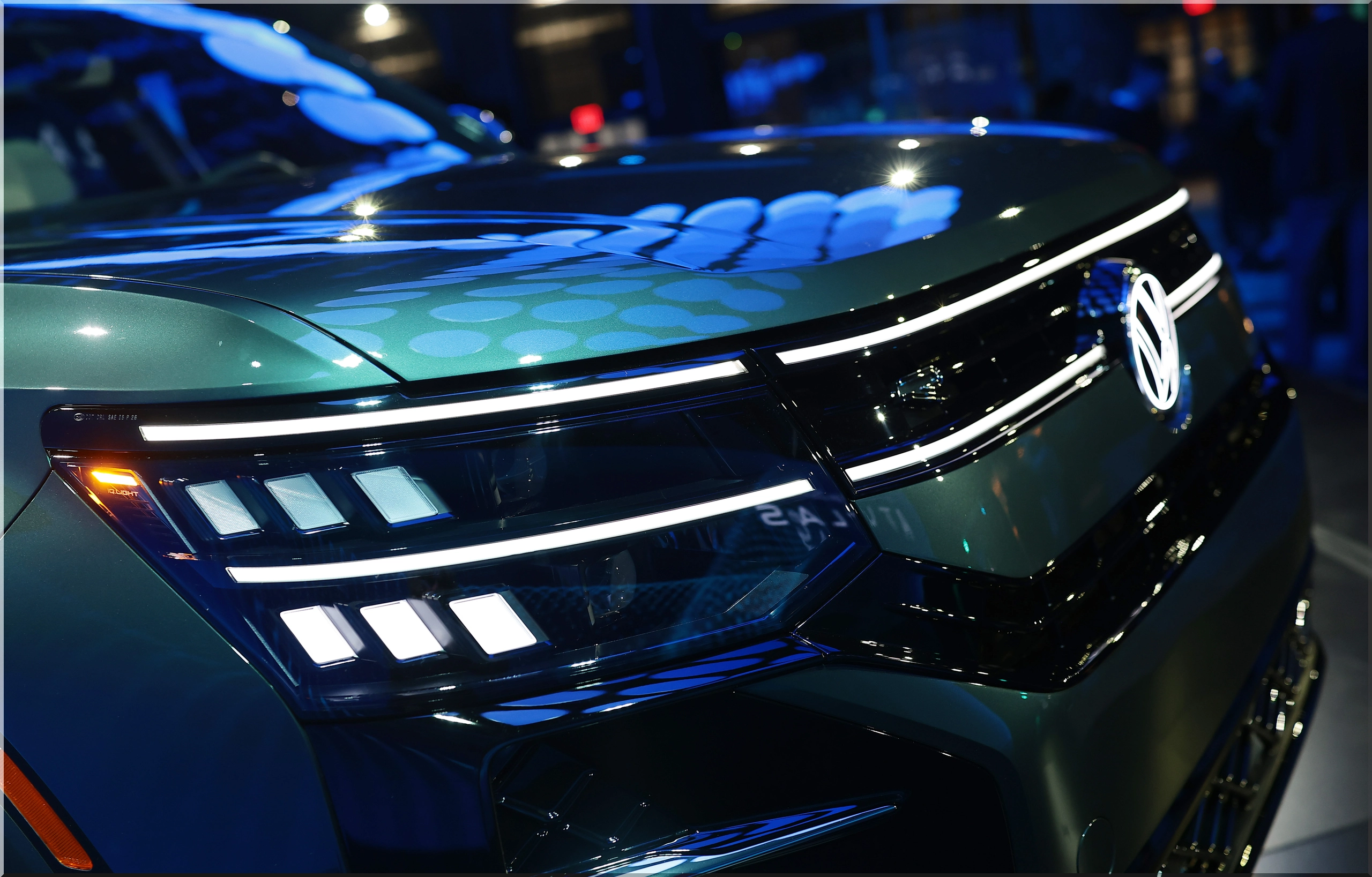
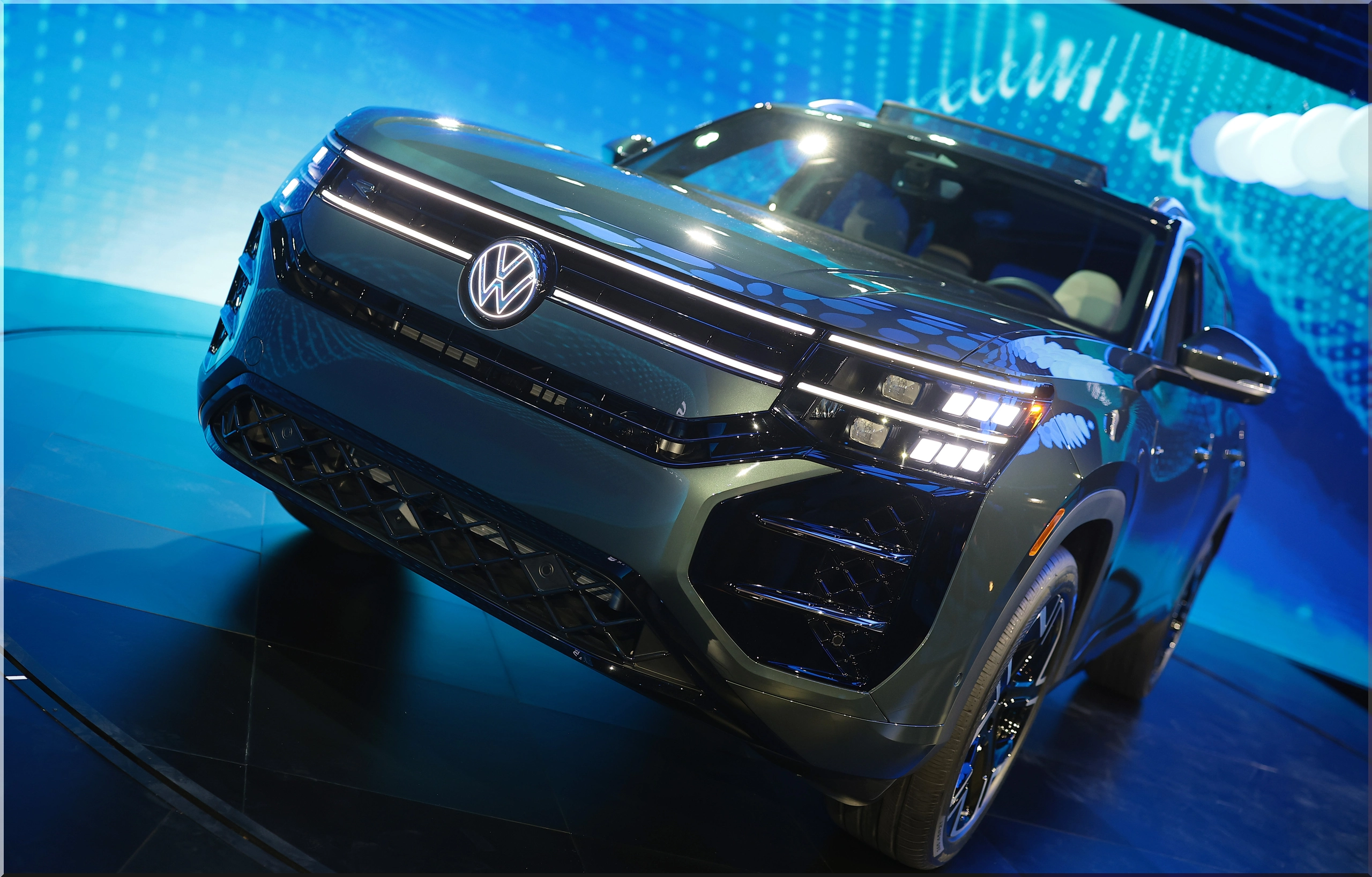
The front end looks cleaner and more deliberate. Lighting signatures appear more precise. Surface treatment looks tighter. The body-colored grille treatment gives the nose a more premium appearance, while new wheel options and fresh paint choices help the SUV project more presence without looking overstyled.
Image
This restraint works in the Atlas' favor. Too many family SUVs now wear exaggerated creases, fake toughness, or coupe-inspired rooflines that compromise utility. The Atlas avoids that trap. It still looks like a machine built to carry people and cargo first. The polish comes from proportion, lighting, and finish rather than gimmicks.
Key exterior changes include:
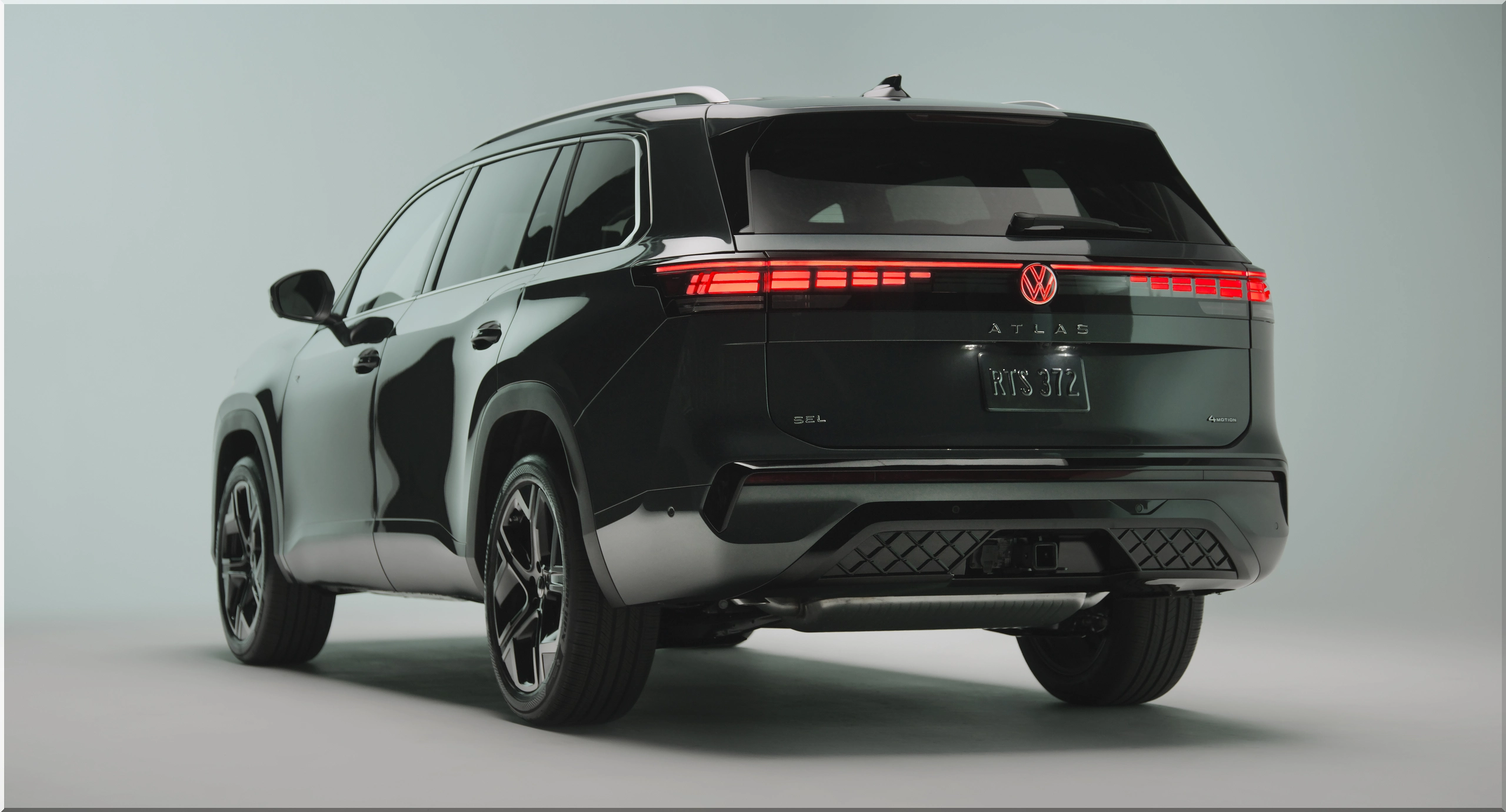
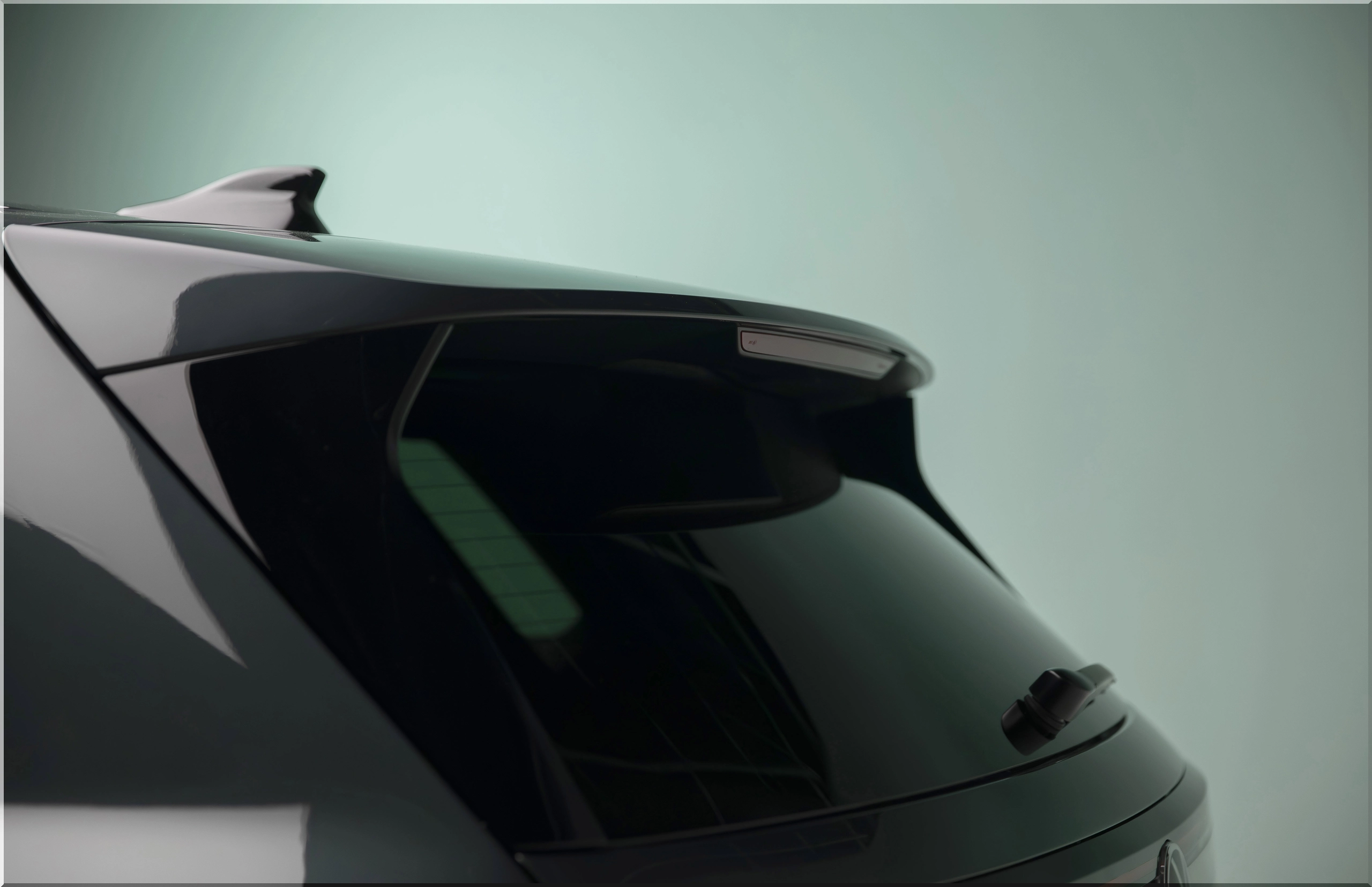
- redesigned front and rear lighting
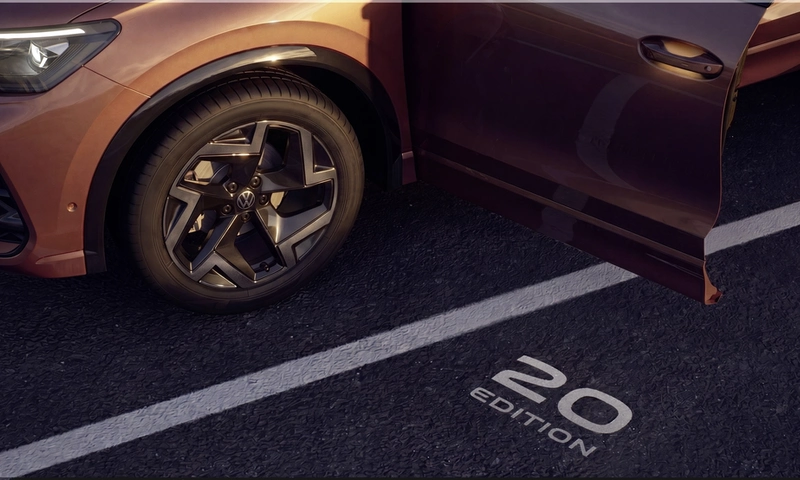
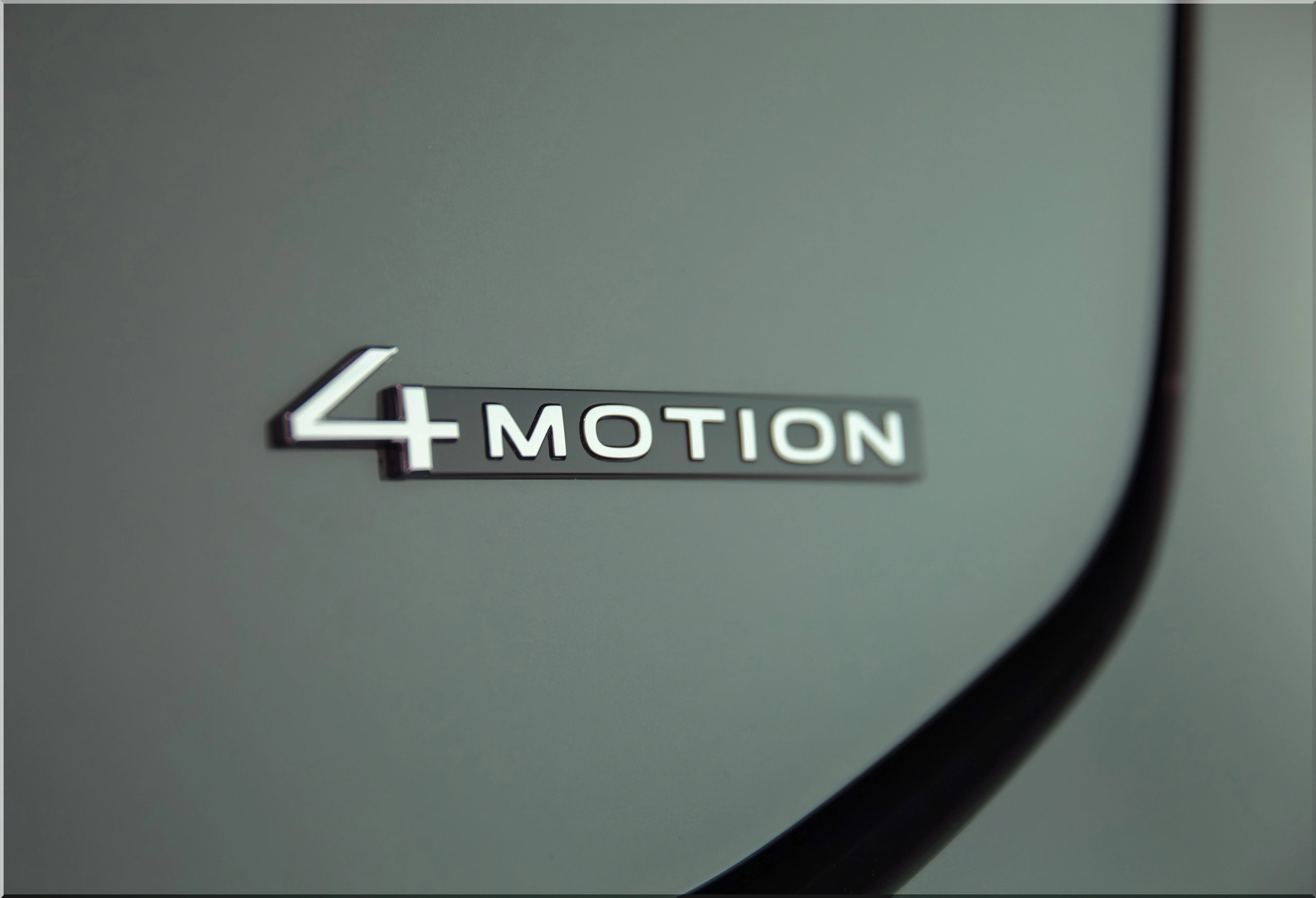
- available illuminated badging
- new 18-inch, 20-inch, and 21-inch wheel designs
- updated color palette with richer visual contrast
- a cleaner, more upscale front fascia
That last point counts. Buyers in this category often decide with their eyes before they study spec sheets. A more polished exterior gives Volkswagen a stronger first impression in dealer lots and search results alike.
The Revised Turbo Engine Adds More Confidence
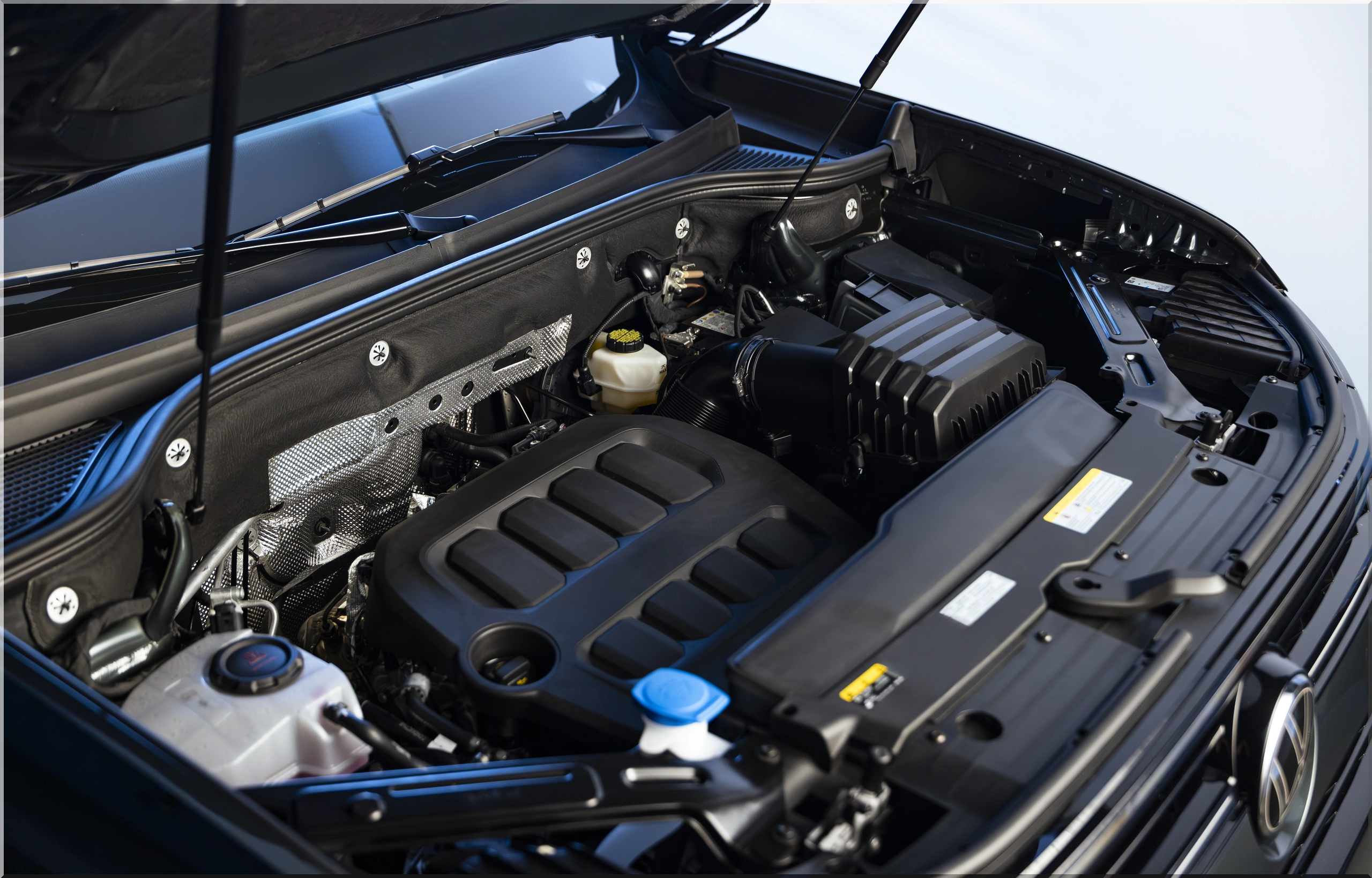
Under the hood, Volkswagen fits the new Atlas with a revised 2.0-liter turbocharged four-cylinder engine producing 282 hp and 258 lb-ft of torque. An 8-speed automatic transmission sends power to the front wheels as standard, with all-wheel drive available.
On paper, some buyers may notice the torque figure before anything else. It does not produce the biggest headline in the class. But raw numbers only tell part of the story. Power delivery, transmission calibration, throttle response, and cruising refinement shape how a family SUV feels in the real world. A smoother, more responsive engine often matters more than a larger torque spike printed in bold type.
Image
By comparison, the gain in horsepower should help the Atlas feel less labored during highway merges, mountain climbs, and full-cabin driving. In a three-row SUV, that matters. A vehicle with seven people aboard and a trunk full of luggage does not need sports-sedan theatrics. It needs steady, predictable pull and calm highway manners. Volkswagen appears to have tuned the Atlas for that exact mission.
2027 Volkswagen Atlas core specs
| Specification | 2027 Volkswagen Atlas |
|---|---|
| Engine | 2.0-liter turbocharged I4 |
| Horsepower | 282 hp |
| Torque | 258 lb-ft |
| Transmission | 8-speed automatic |
| Drivetrain | FWD standard, AWD available |
| Max towing | 5,000 lbs |
| Wheelbase | 117.3 in |
| Length | 201.5 in |
| Width | 78.3 in |
| Height | 70.4 in |
The Cabin Receives the Upgrade Buyers Will Notice First
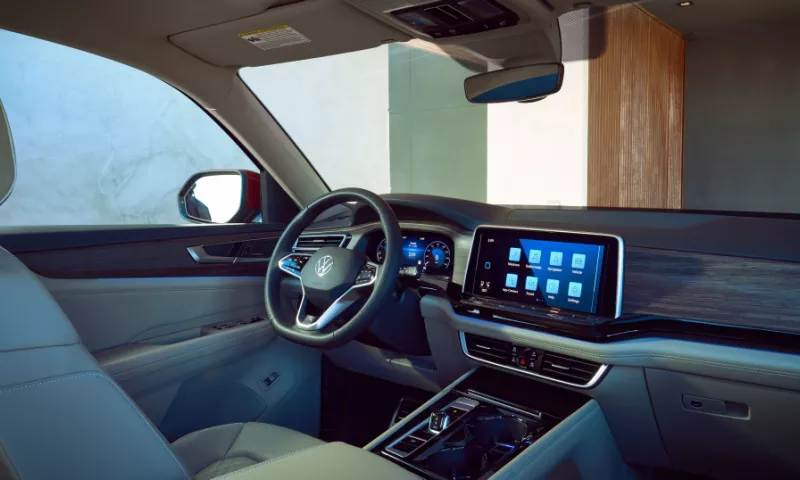
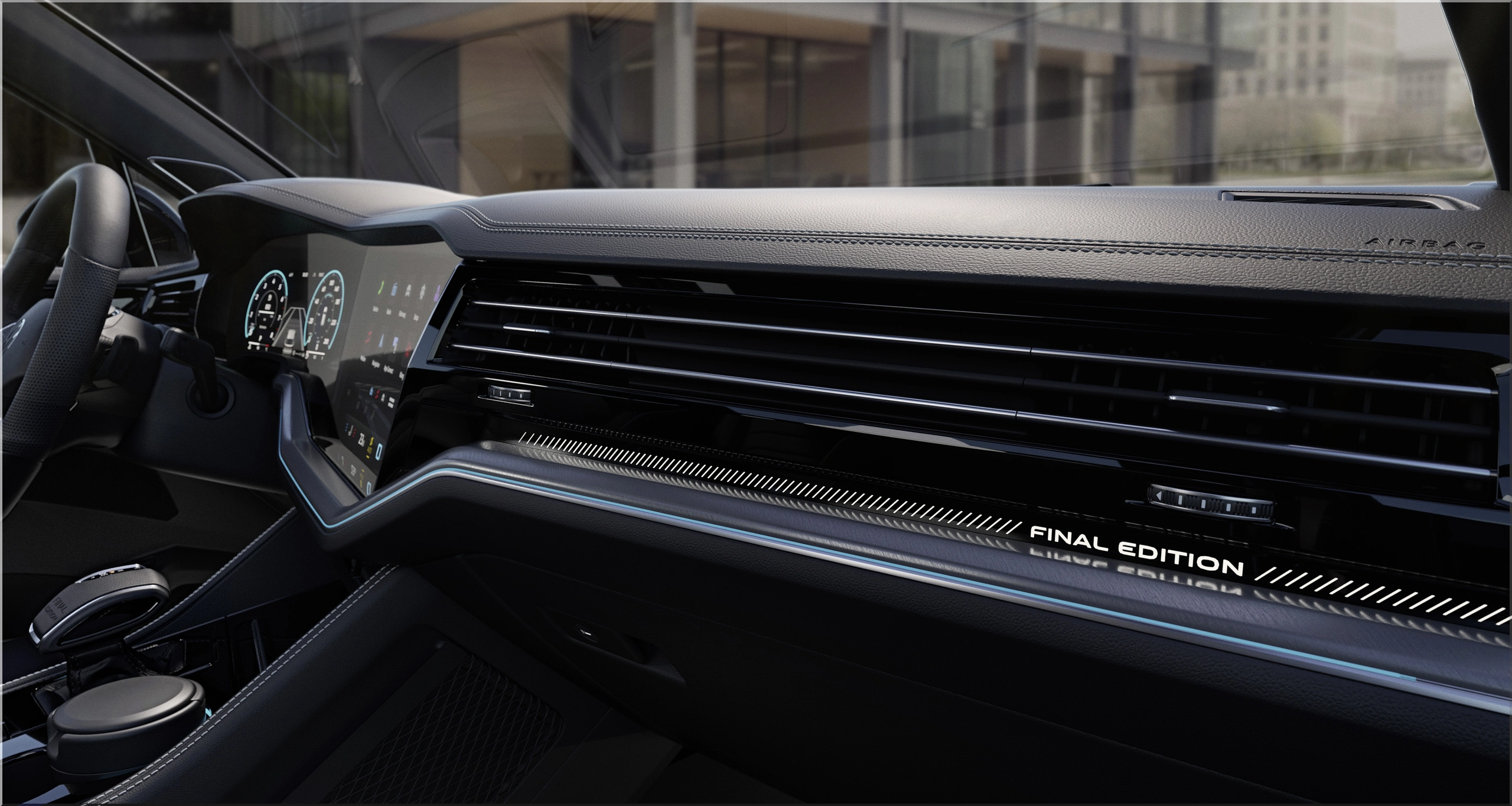
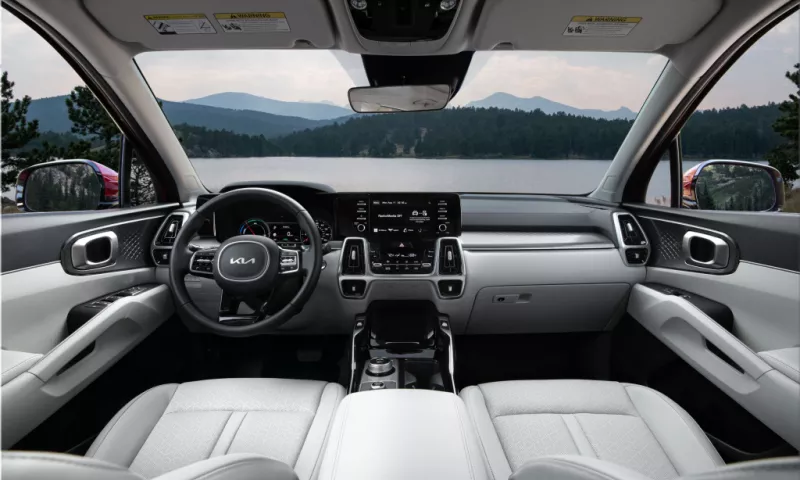
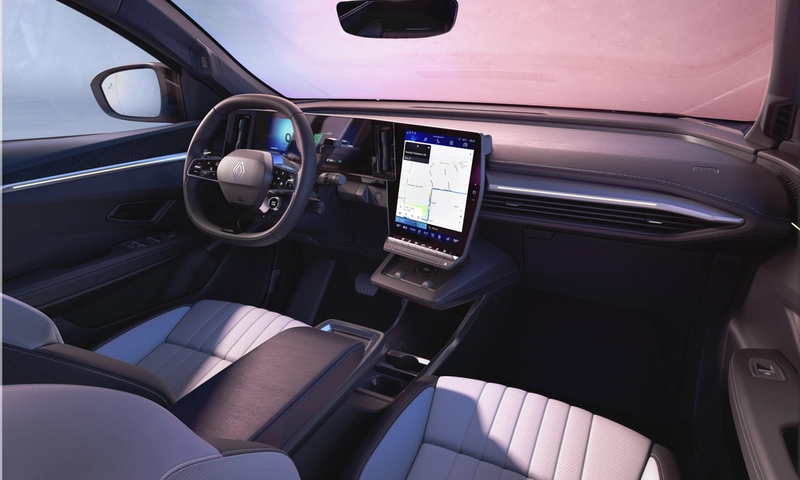
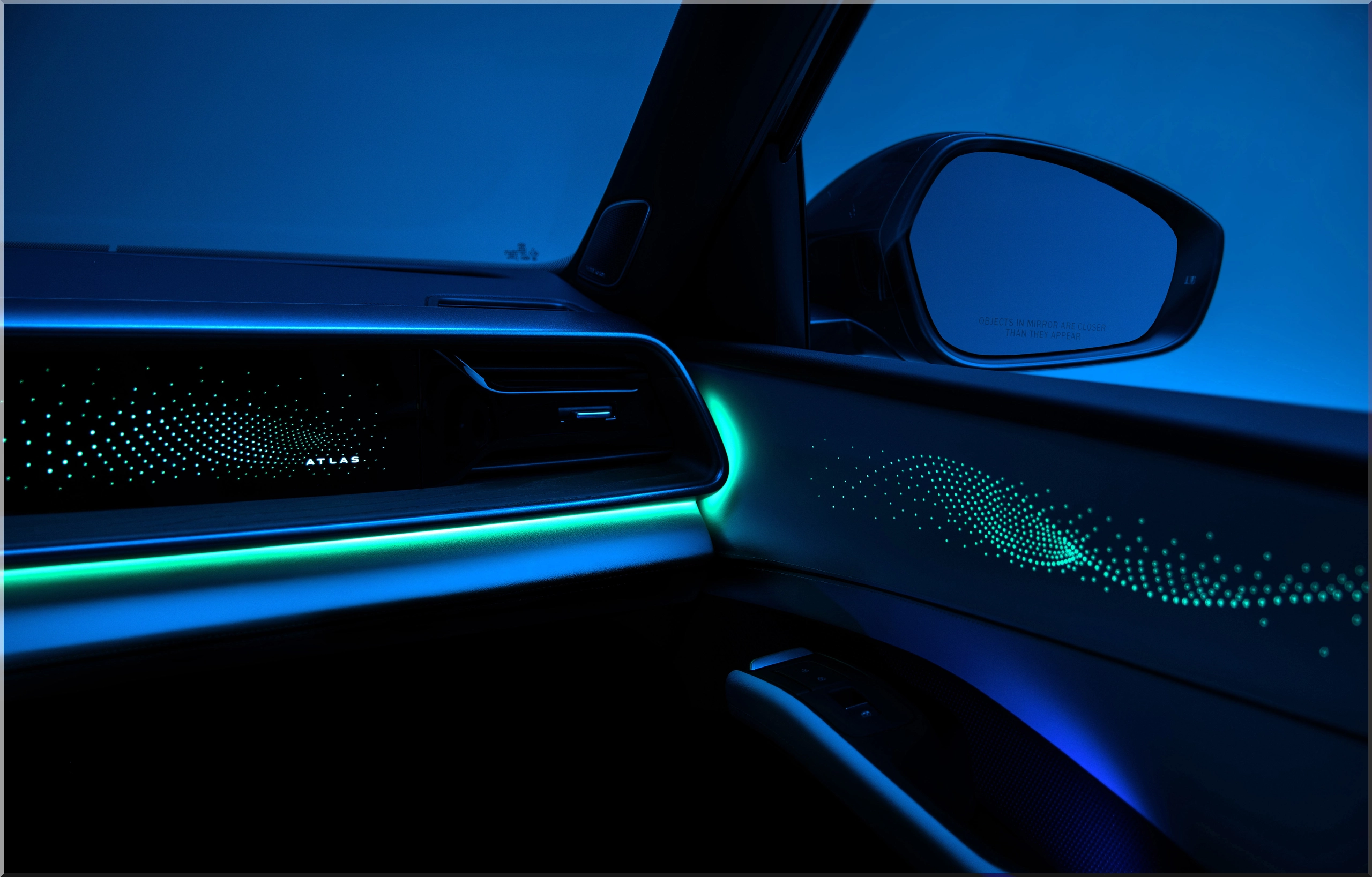
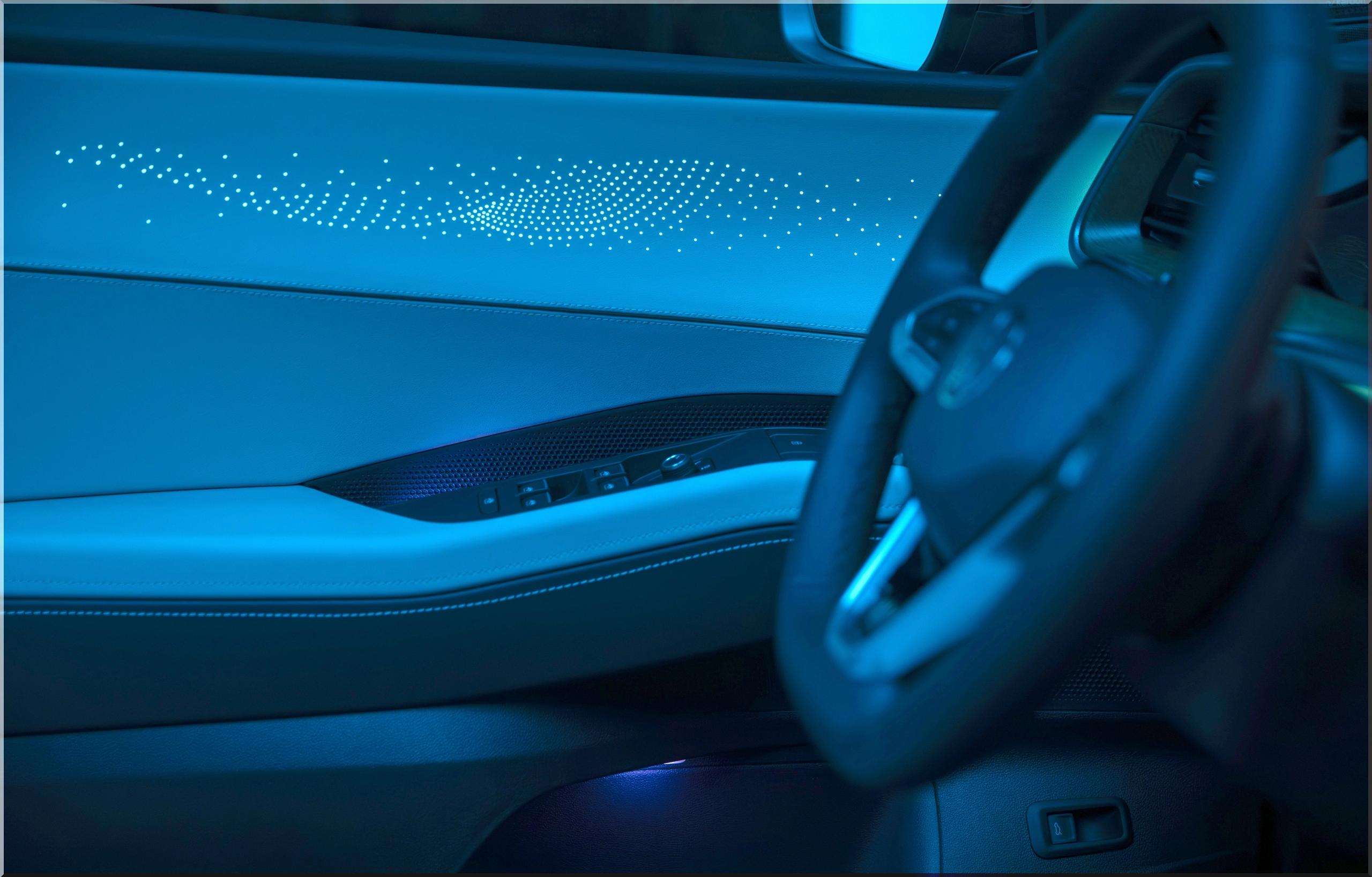
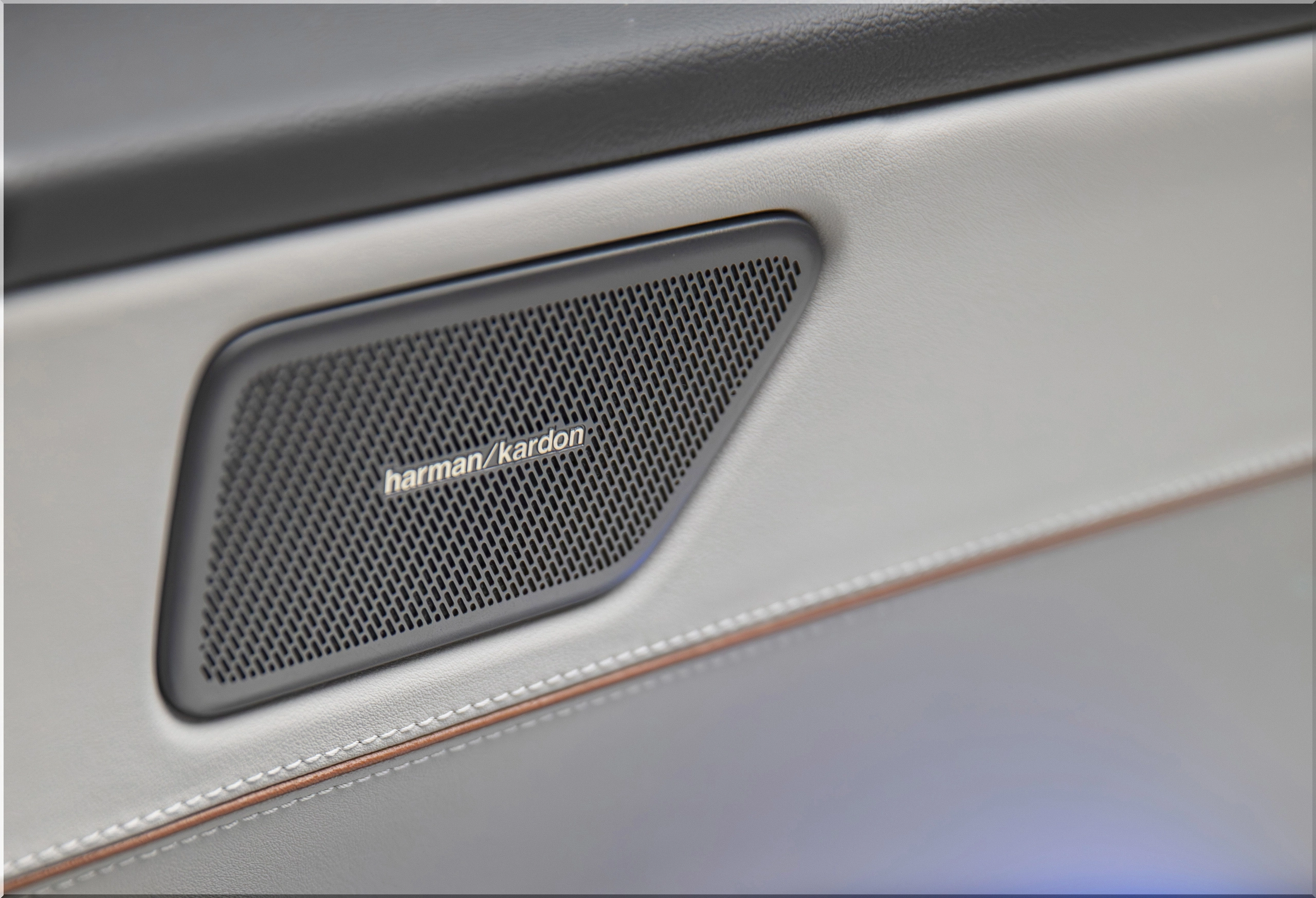
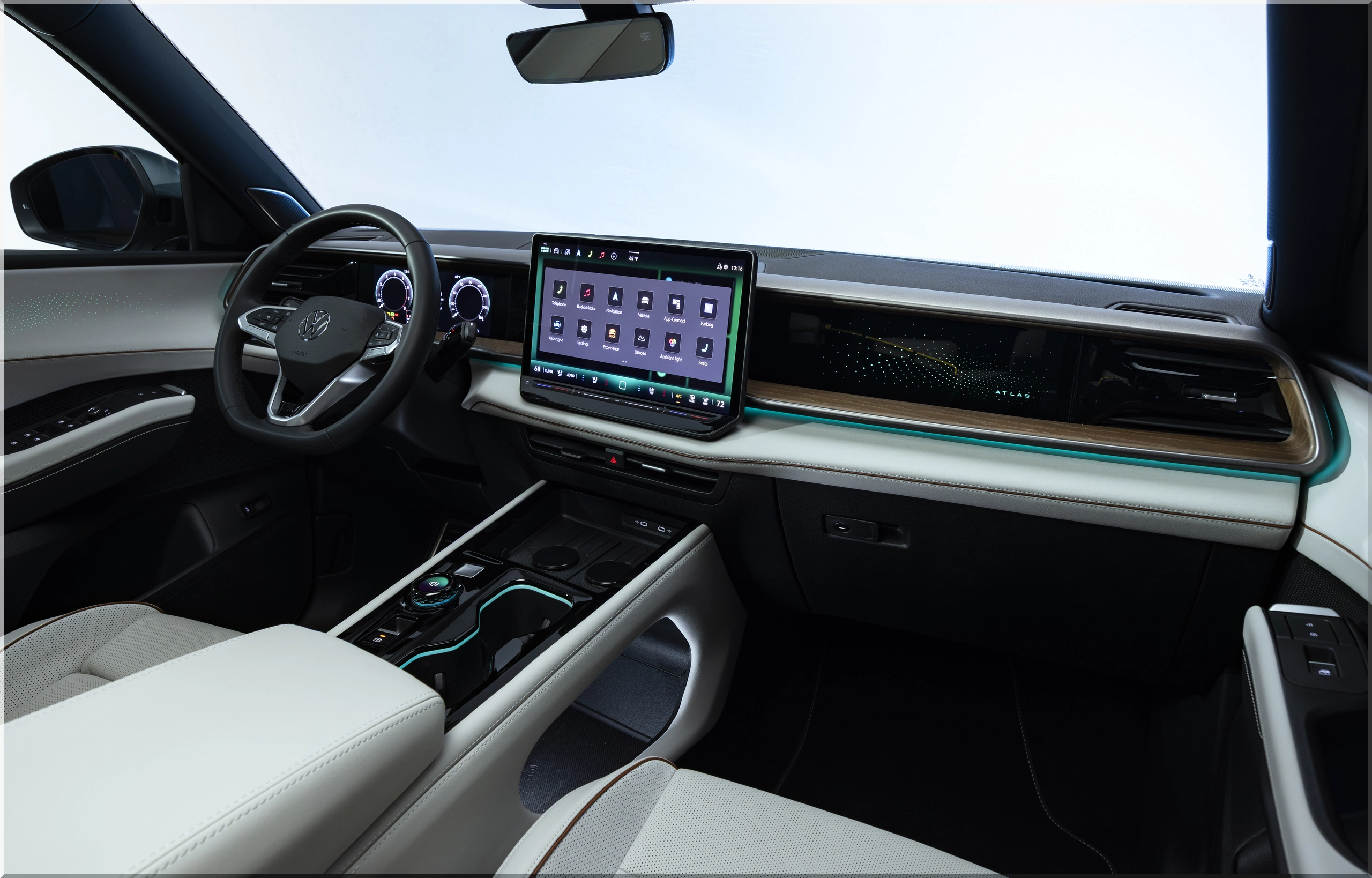
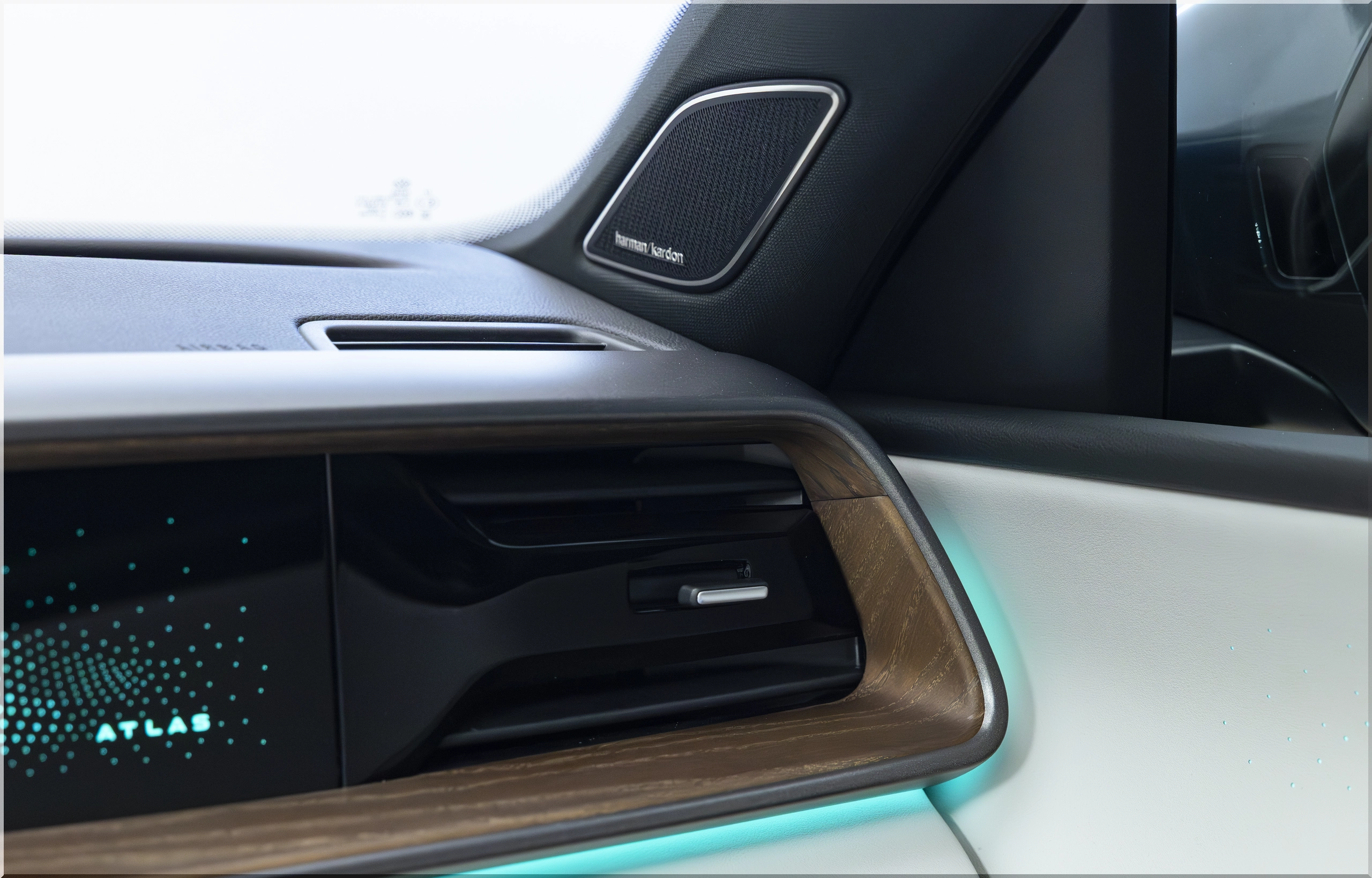
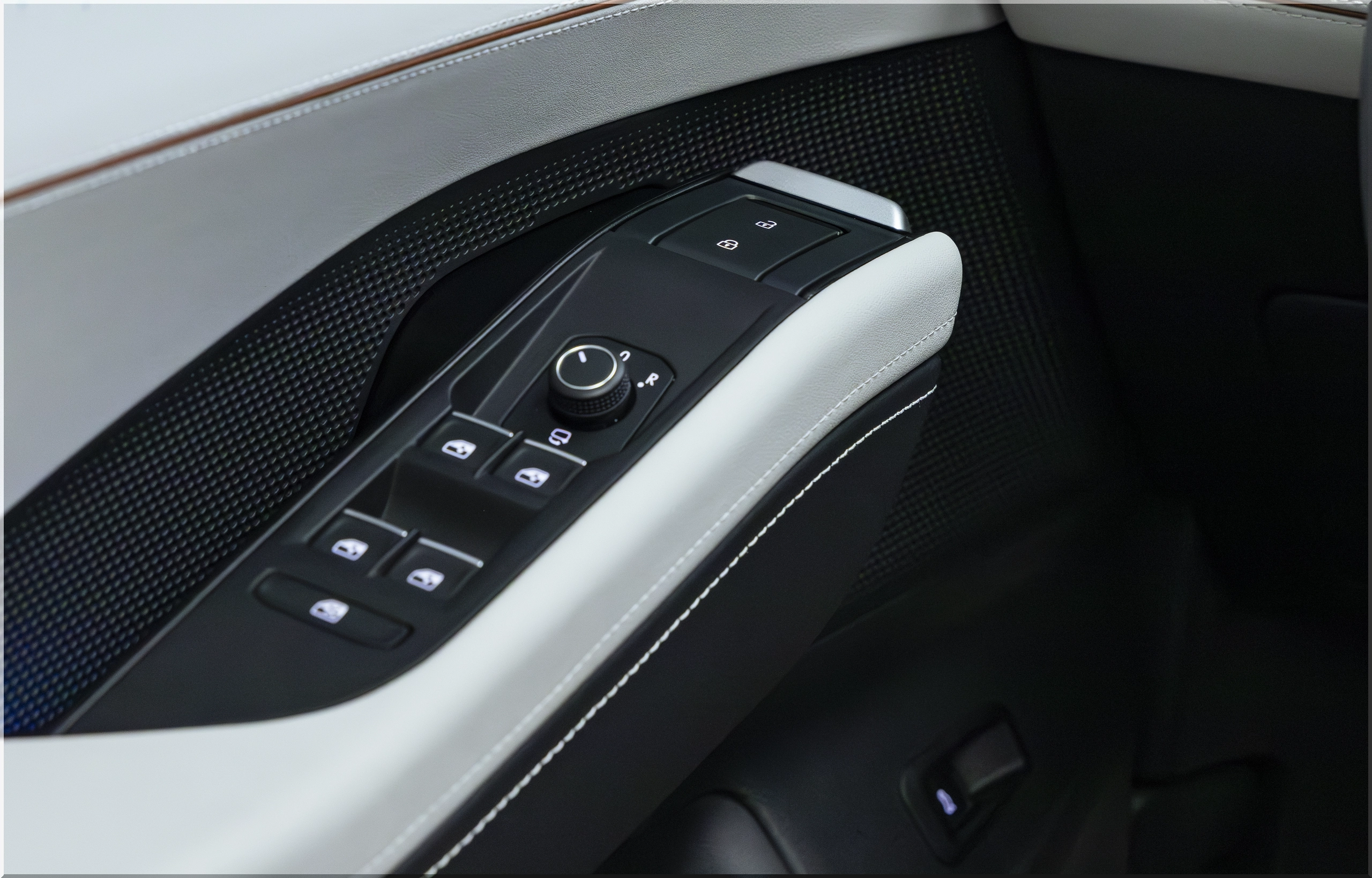
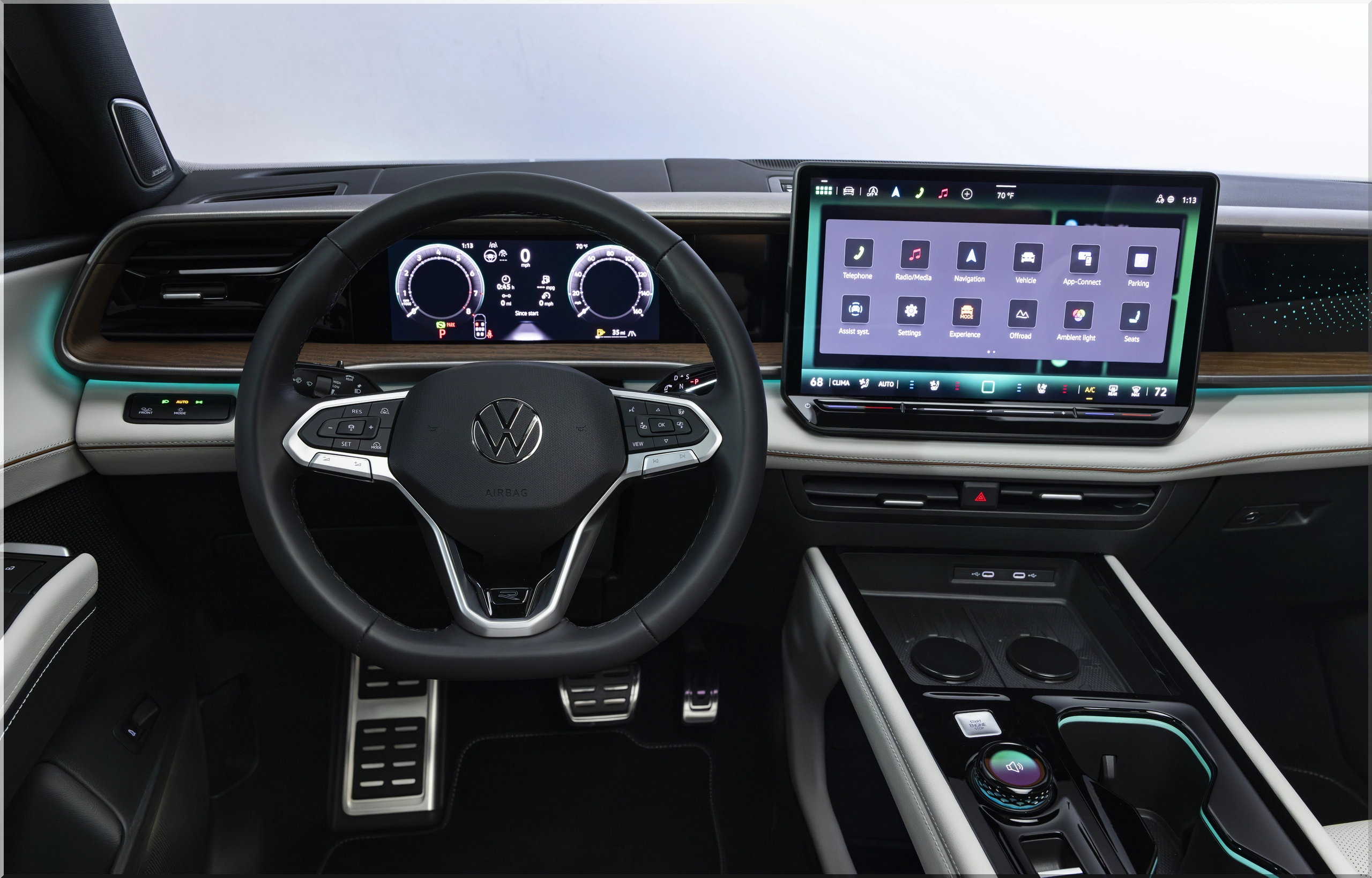
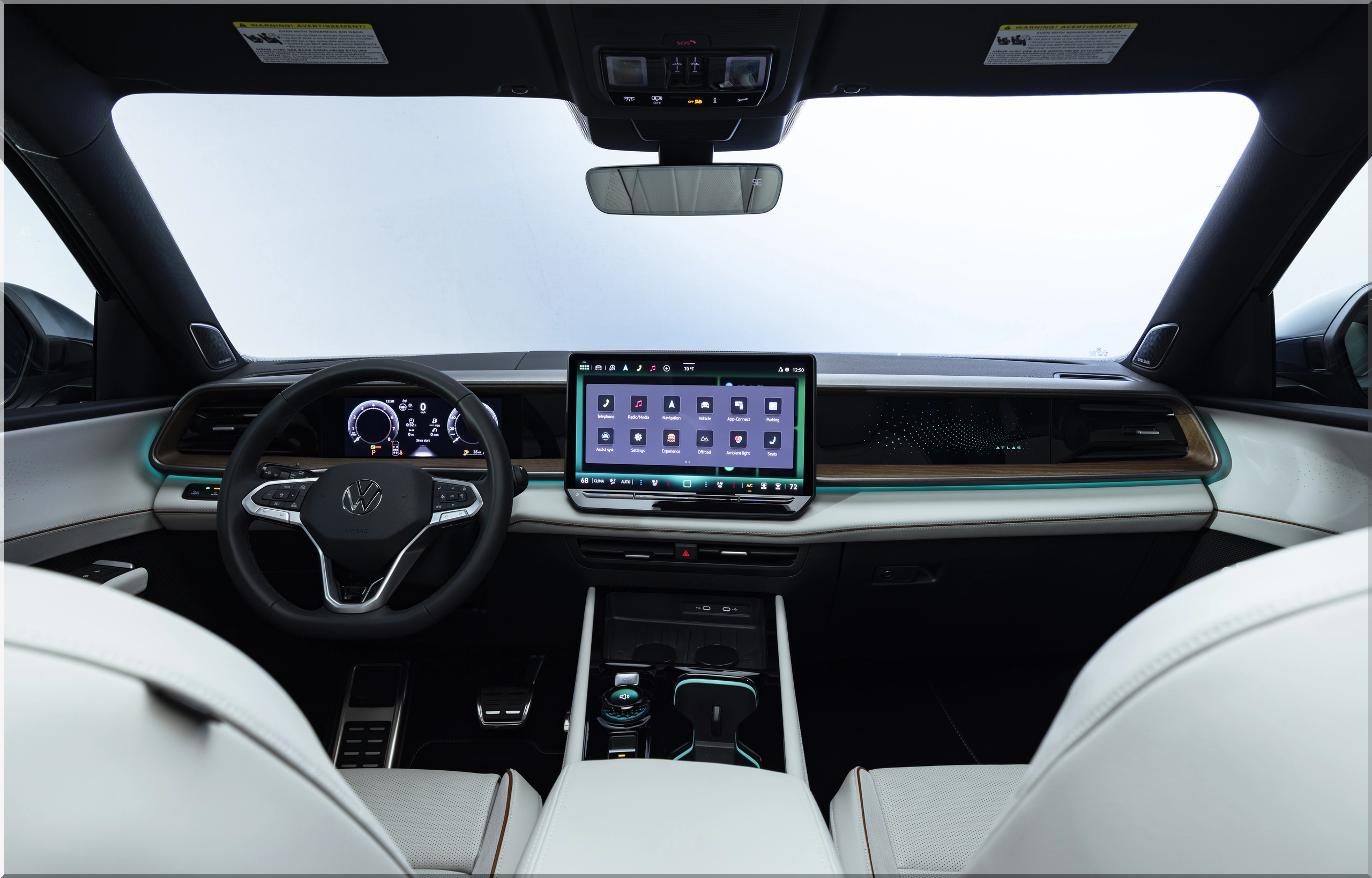
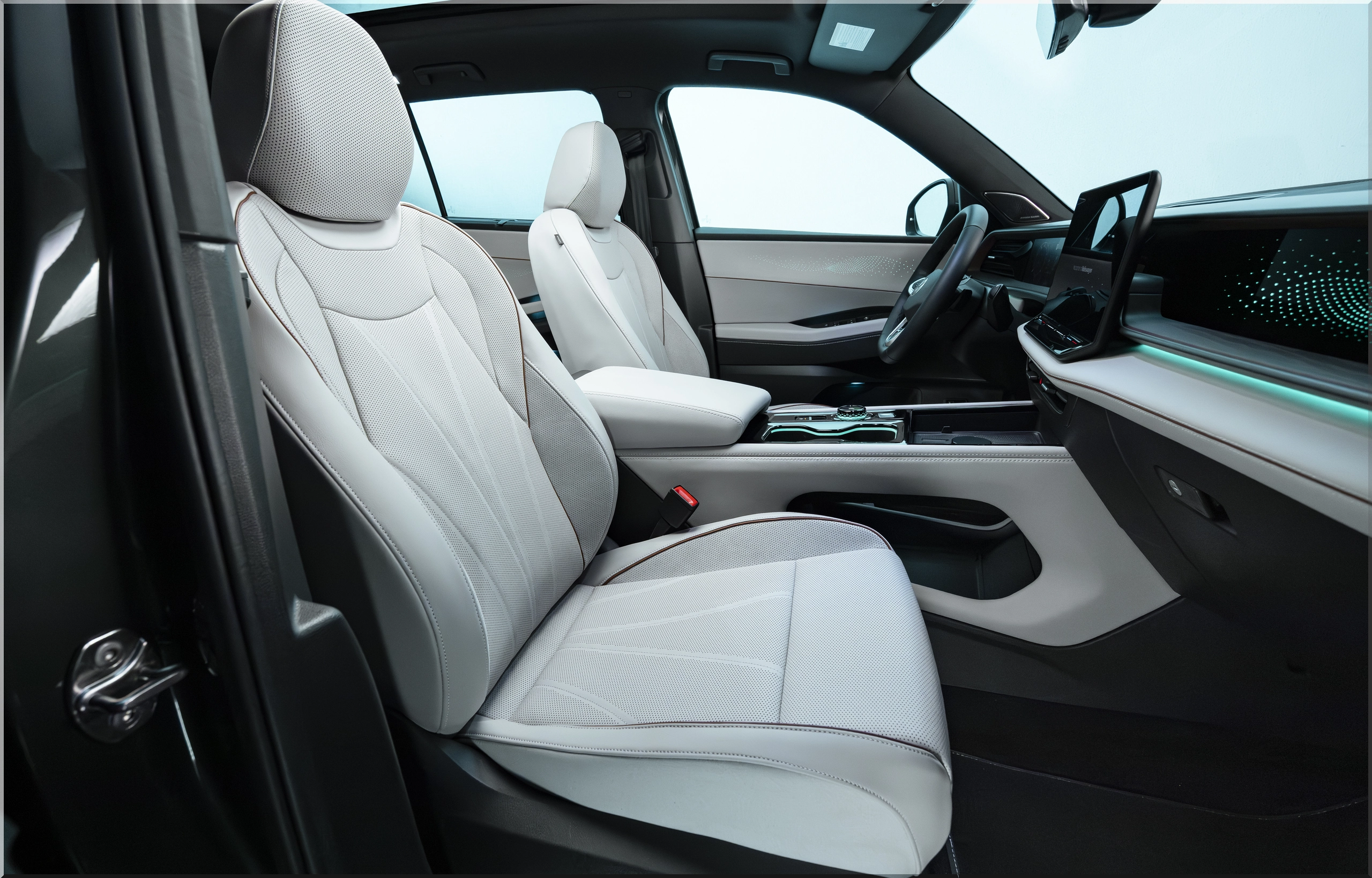
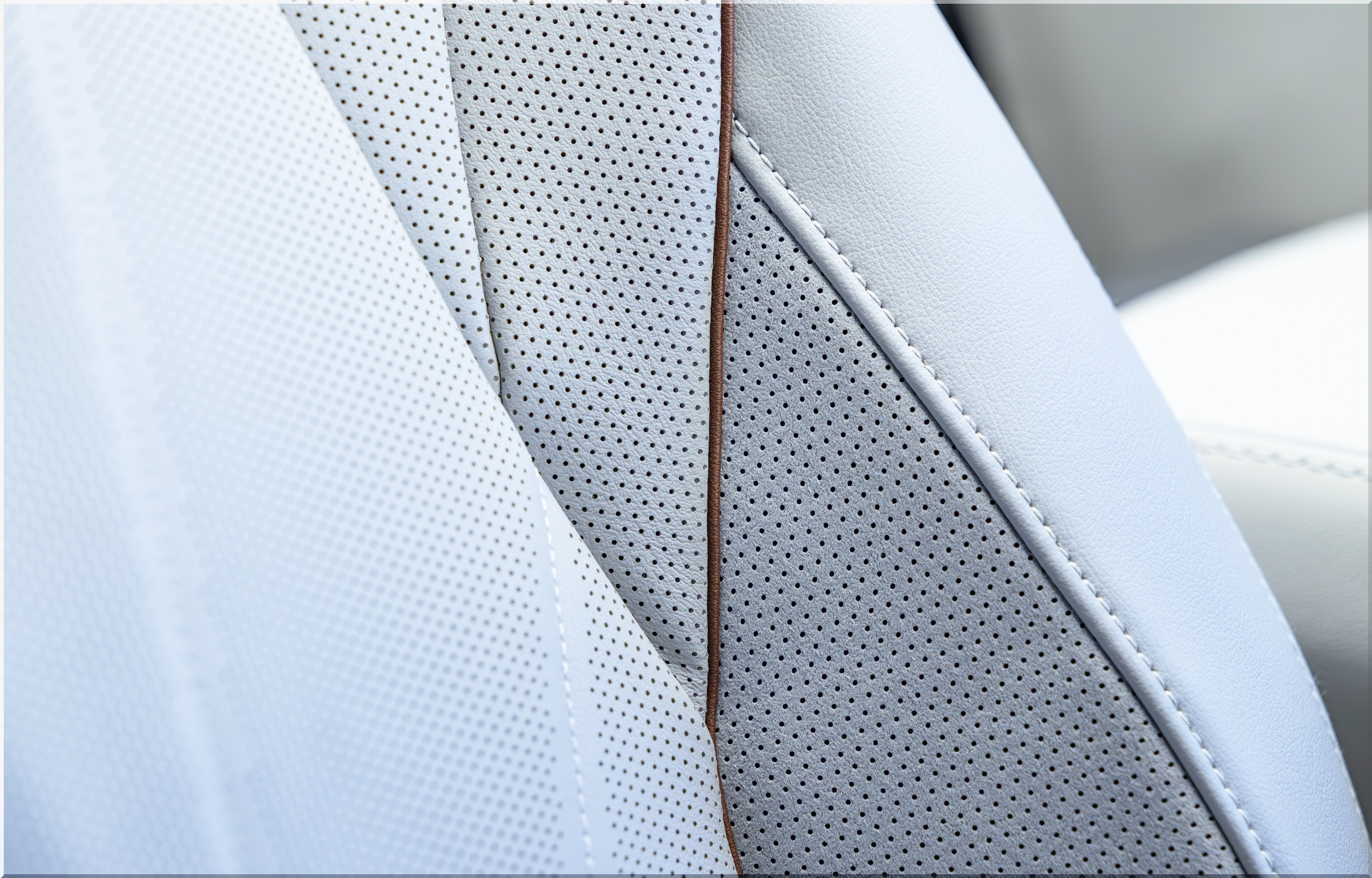
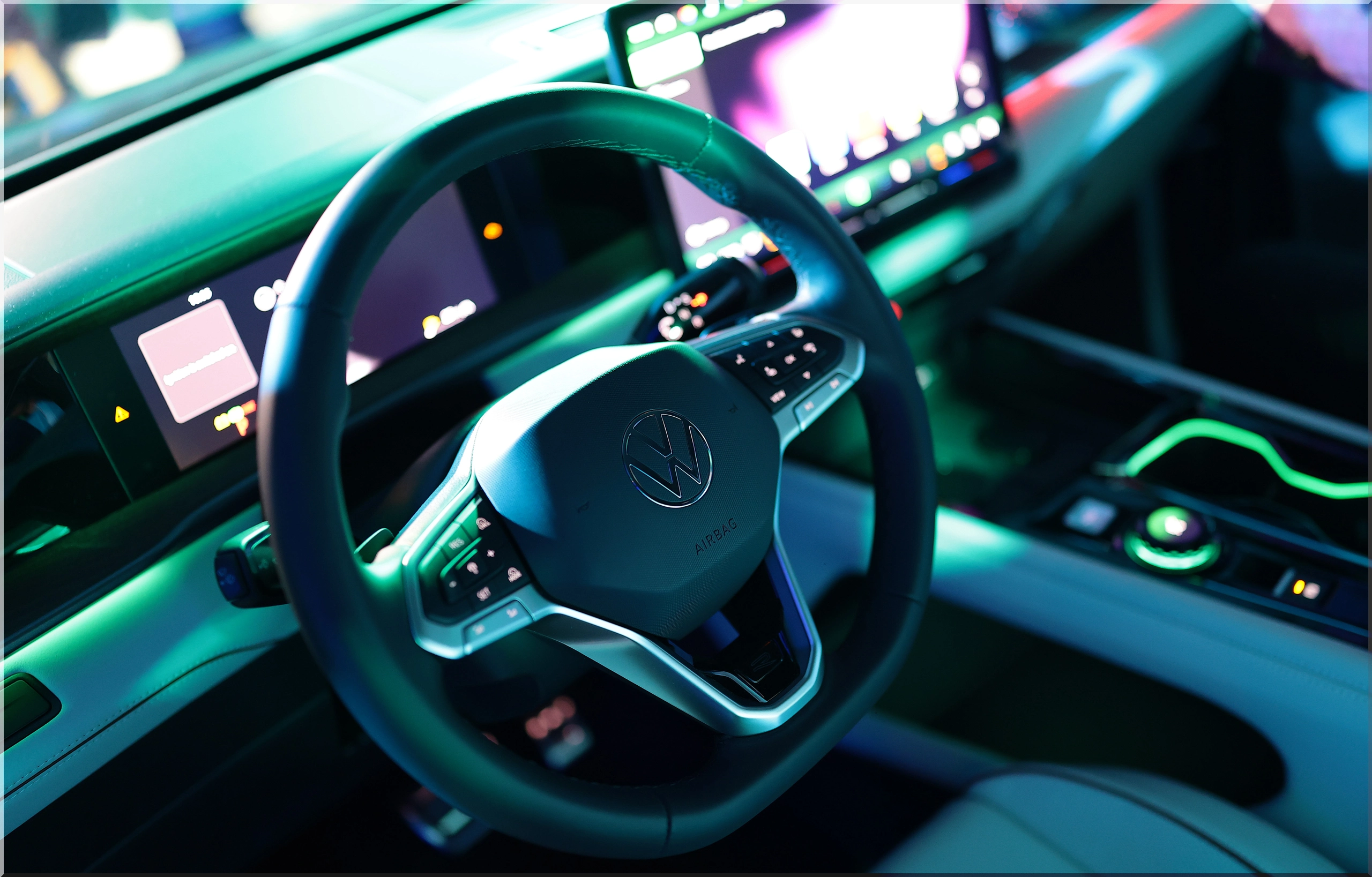
The biggest leap may sit inside. Volkswagen clearly understood that the old Atlas needed a stronger interior story. The new model answers with richer materials, a cleaner dash layout, larger displays, and a more modern tech presentation.
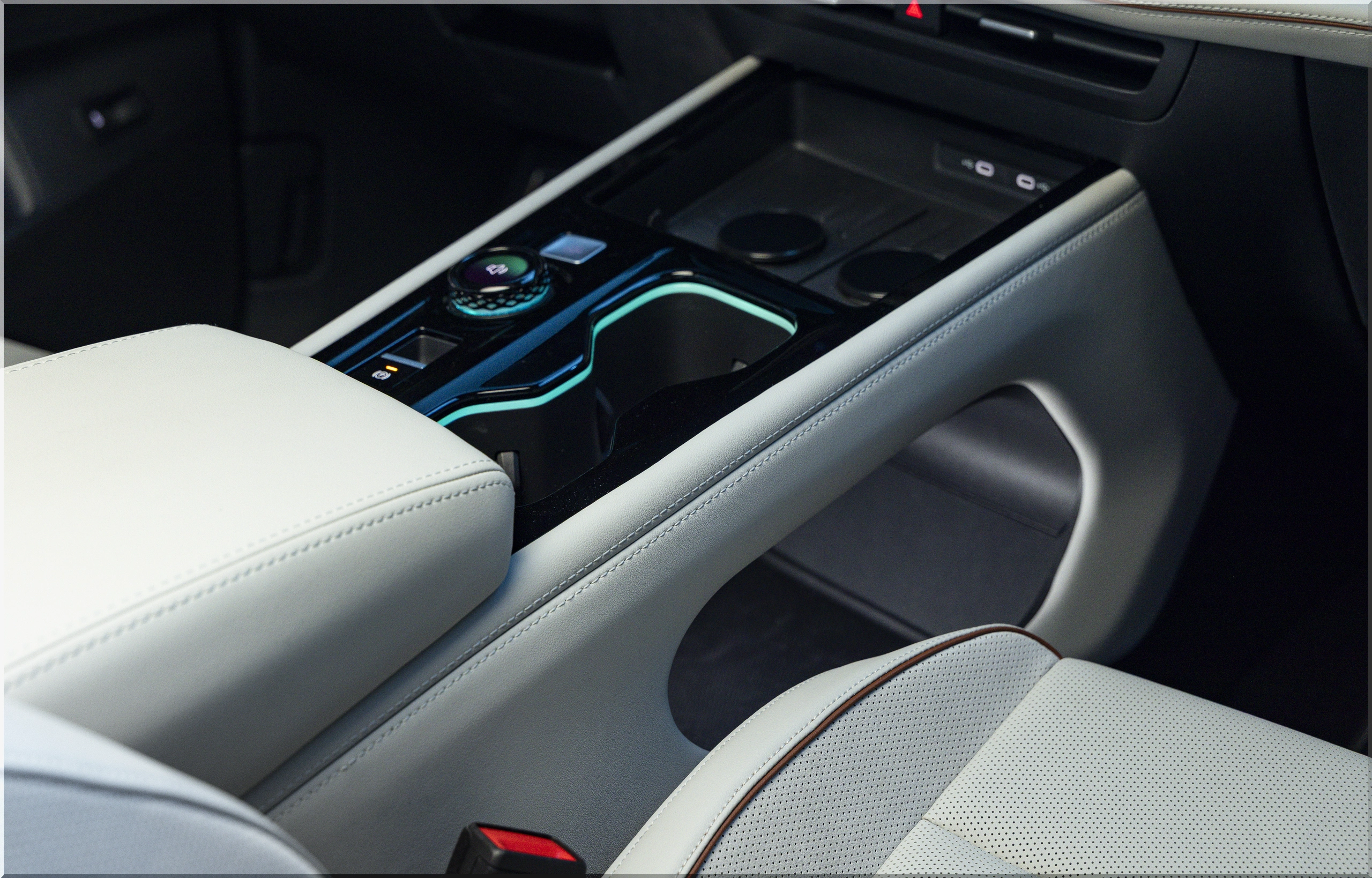
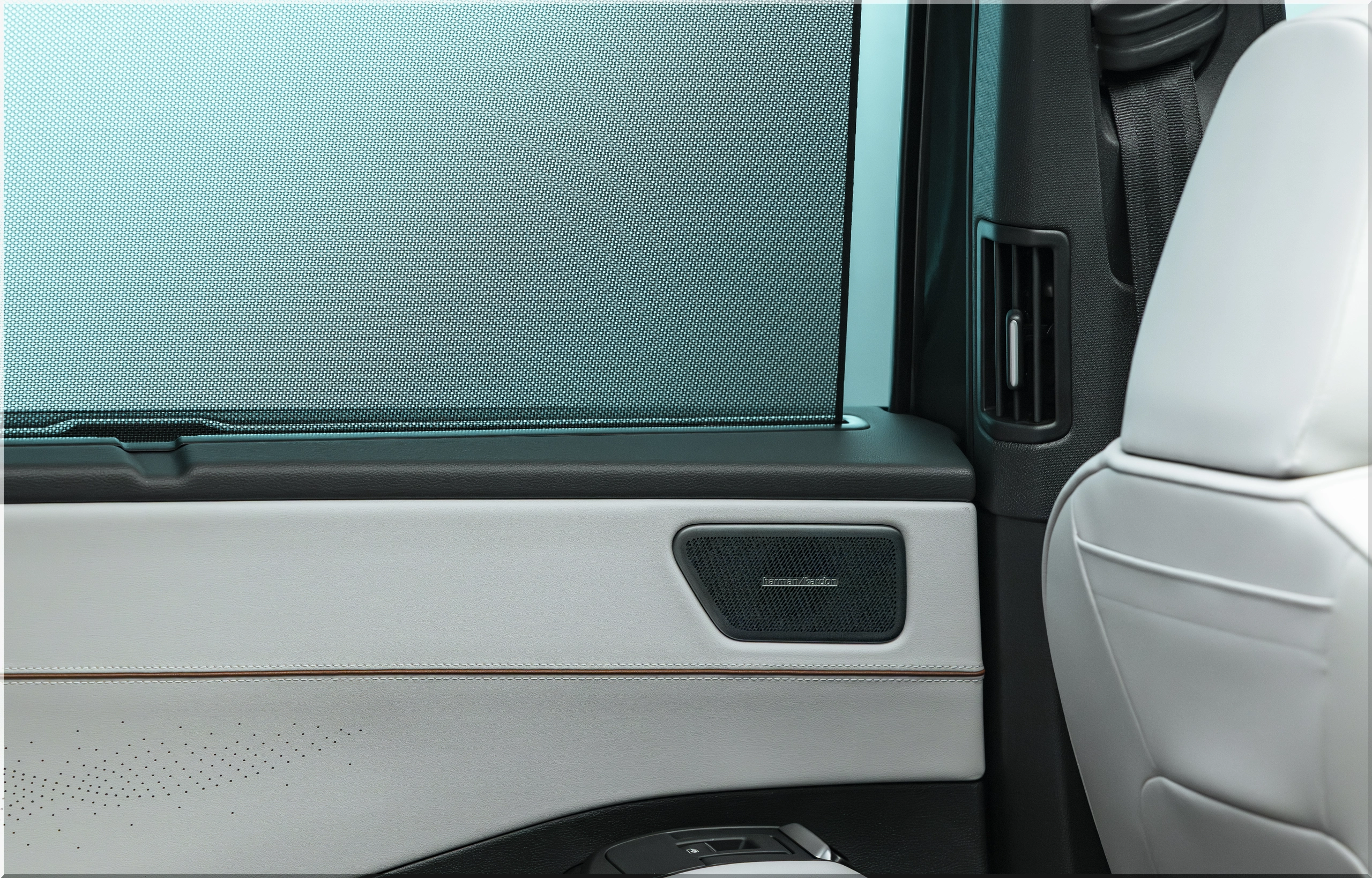
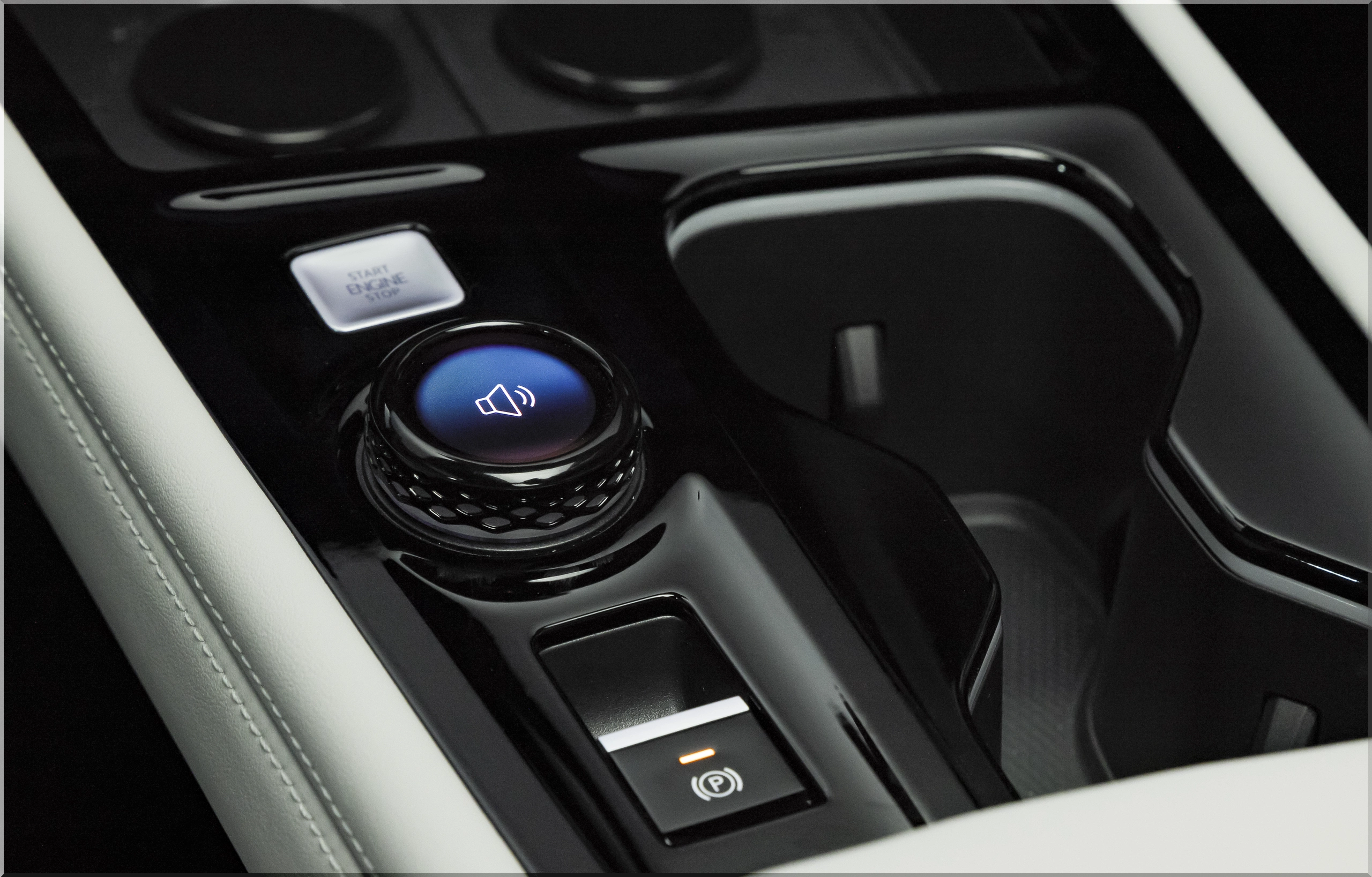
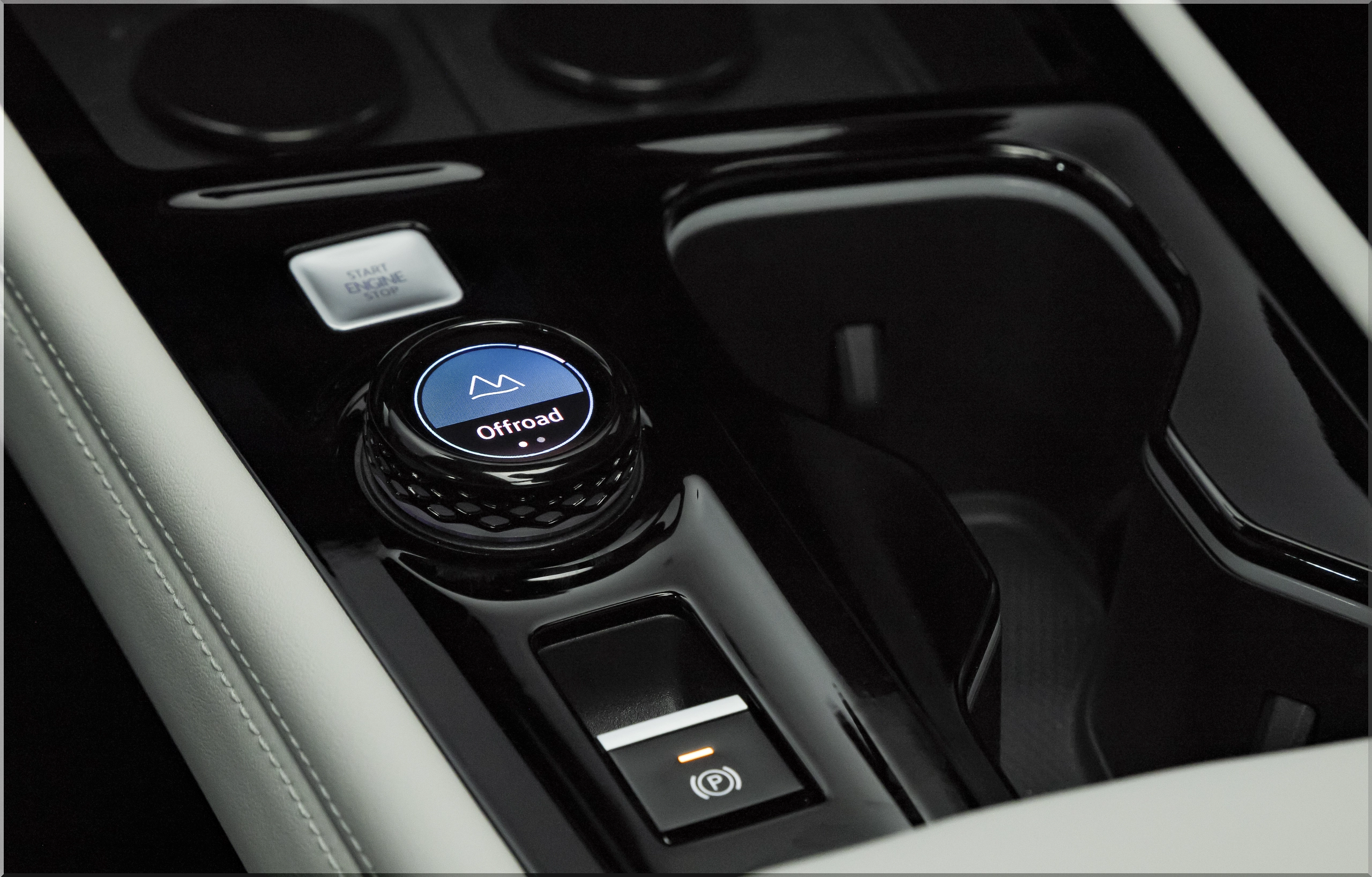
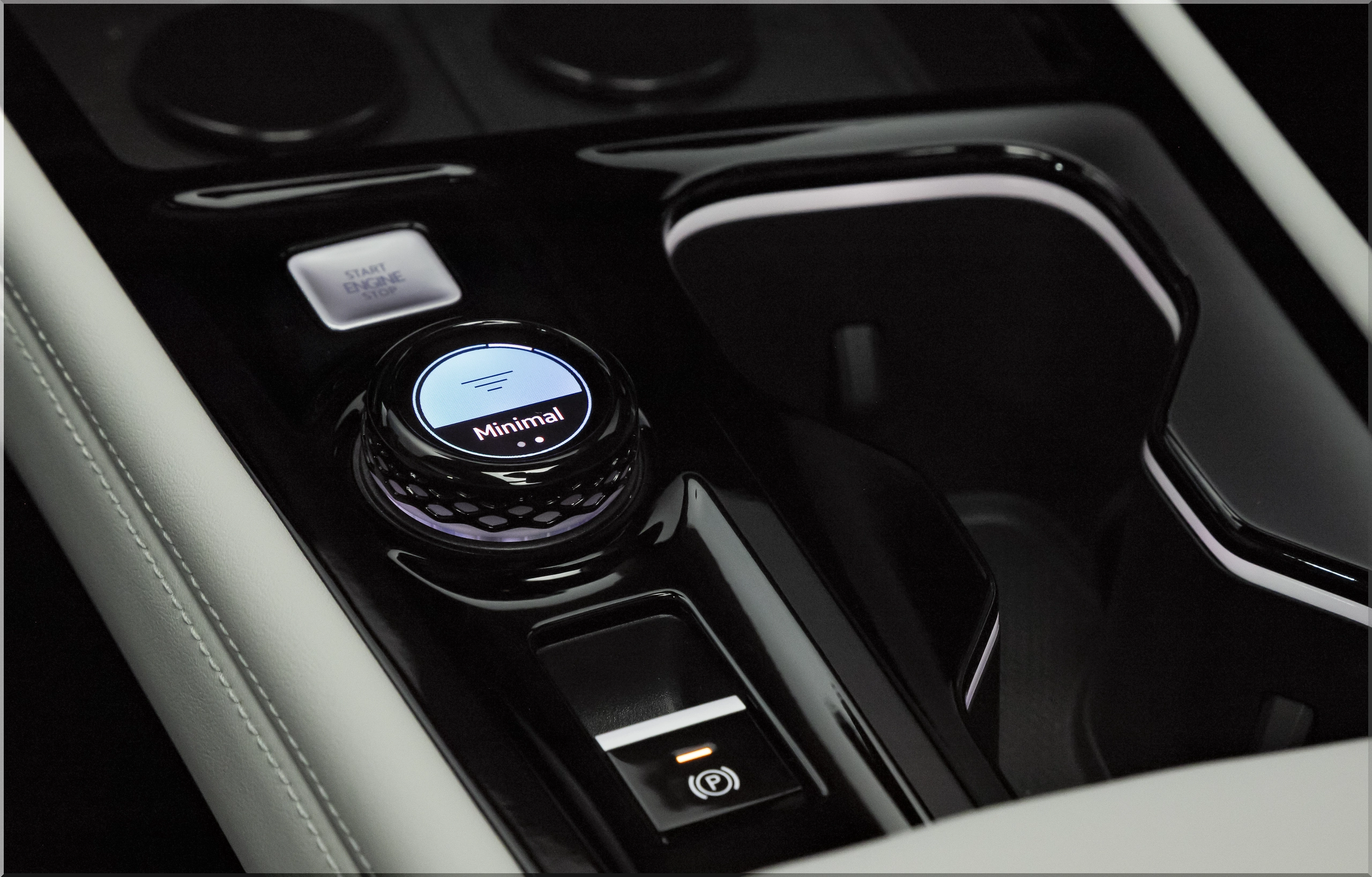
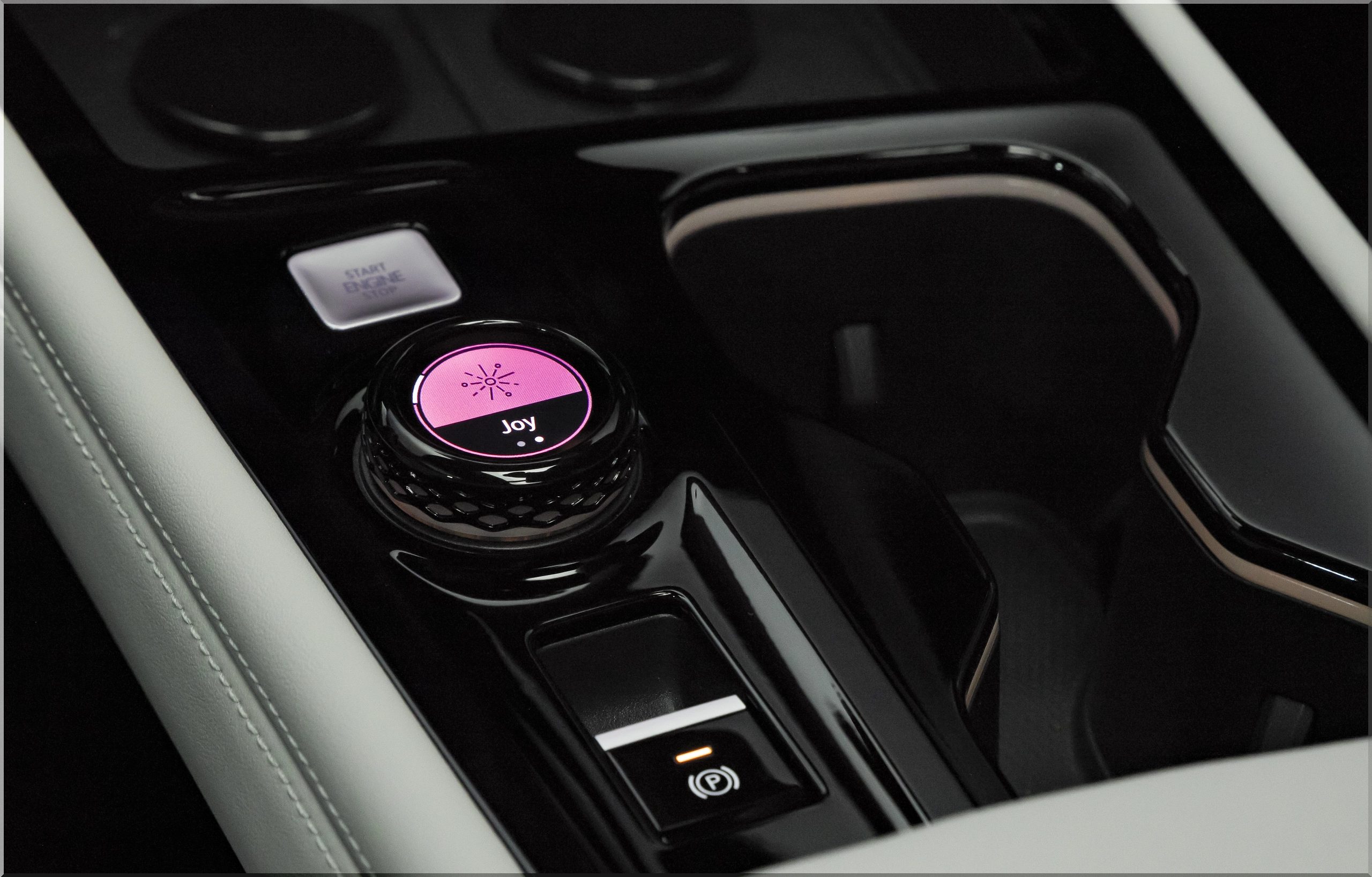
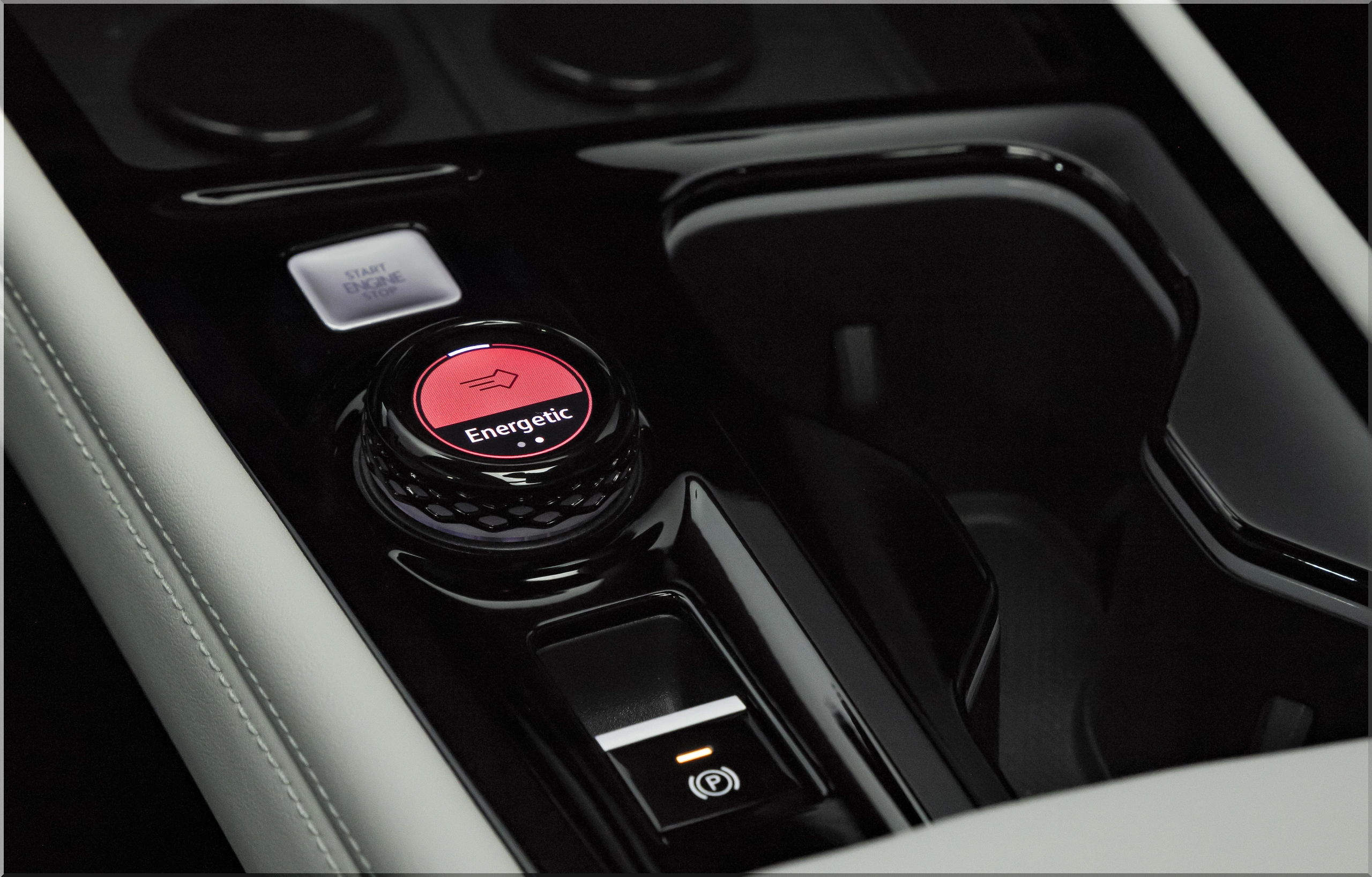
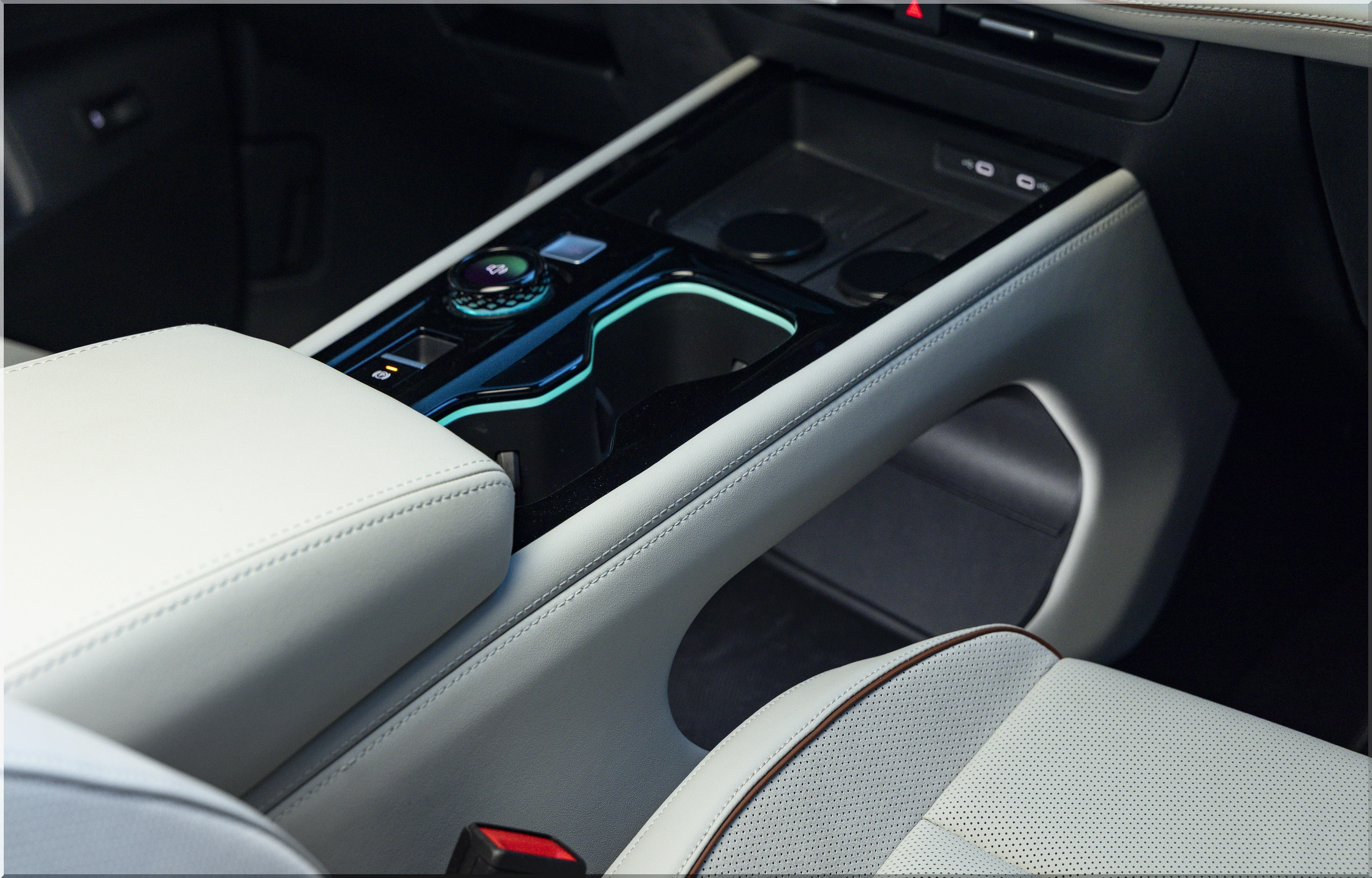
Base versions use a 12.9-inch touchscreen, while higher trims move to a 15.0-inch display. A digital instrument cluster comes standard, and the center console design looks more sophisticated than before. Volkswagen also adds a multifunction control dial and available dual-phone wireless charging, features that speak to everyday convenience rather than showroom trickery.
That matters because interior quality often decides whether a midsize SUV feels merely practical or truly desirable. Families spend hours inside these vehicles. They touch every surface, store every cable, and judge every screen lag and seat seam. The new Atlas seems built to improve that daily experience.
Space Still Drives the Atlas Formula
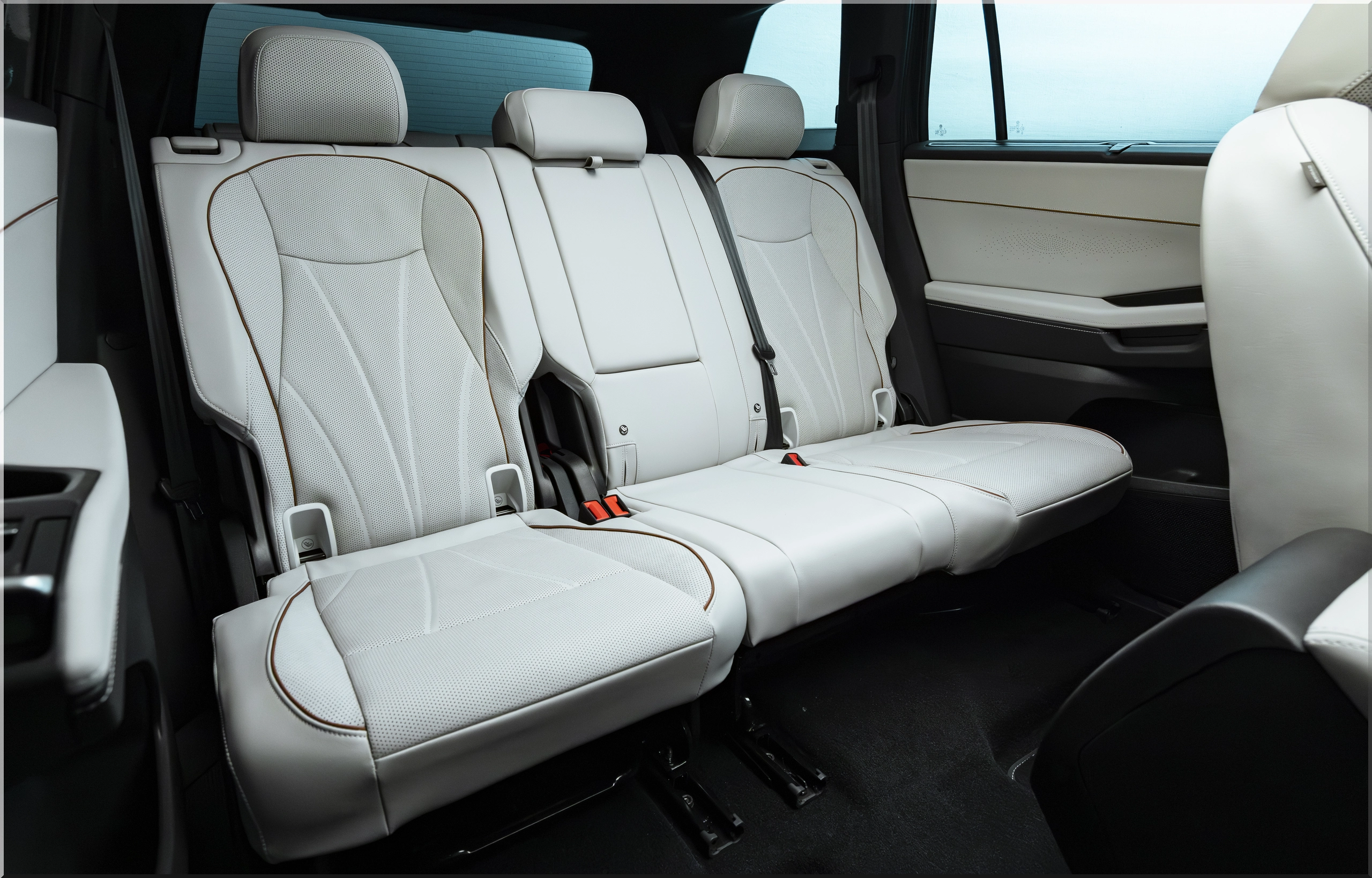
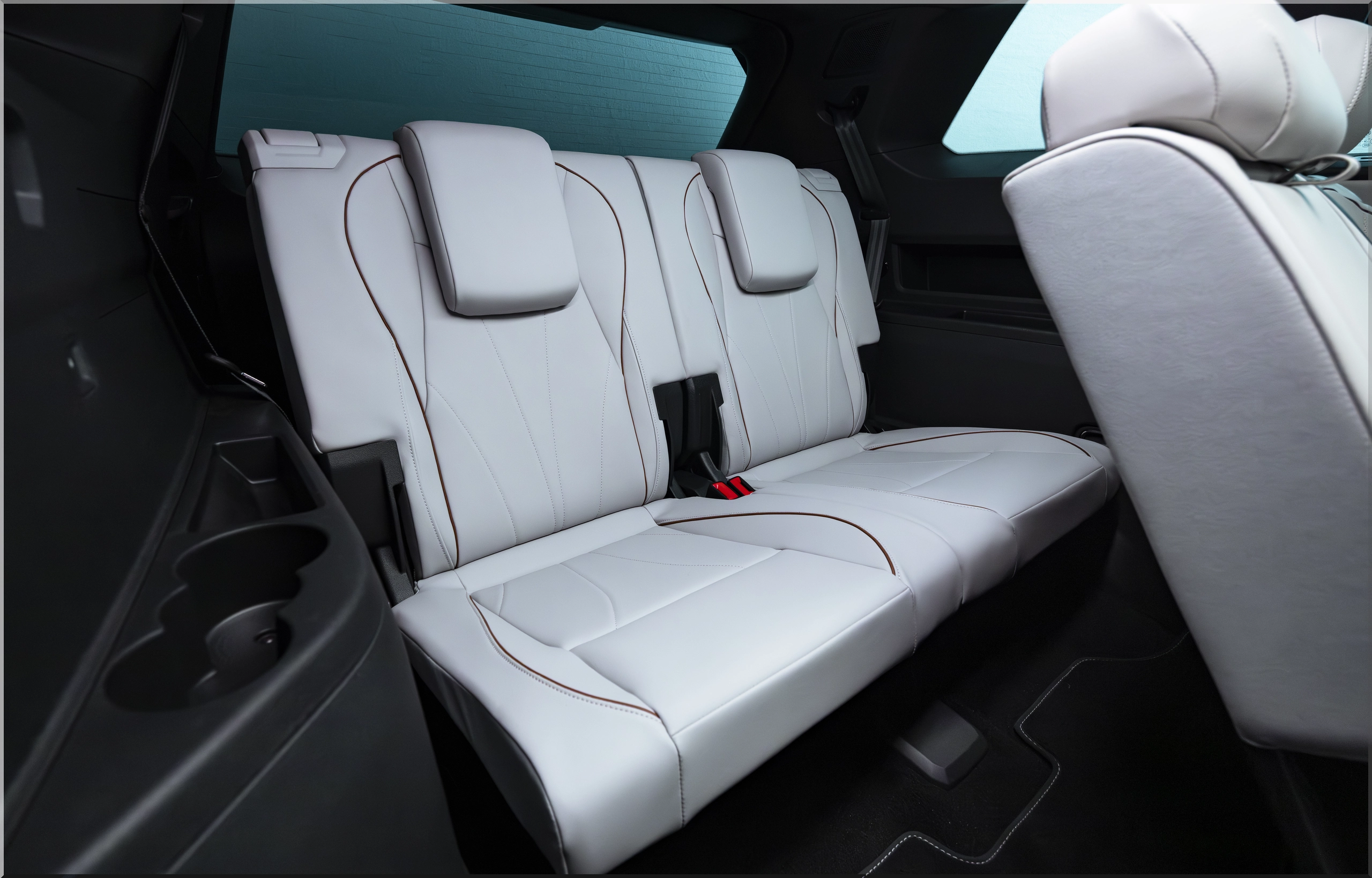
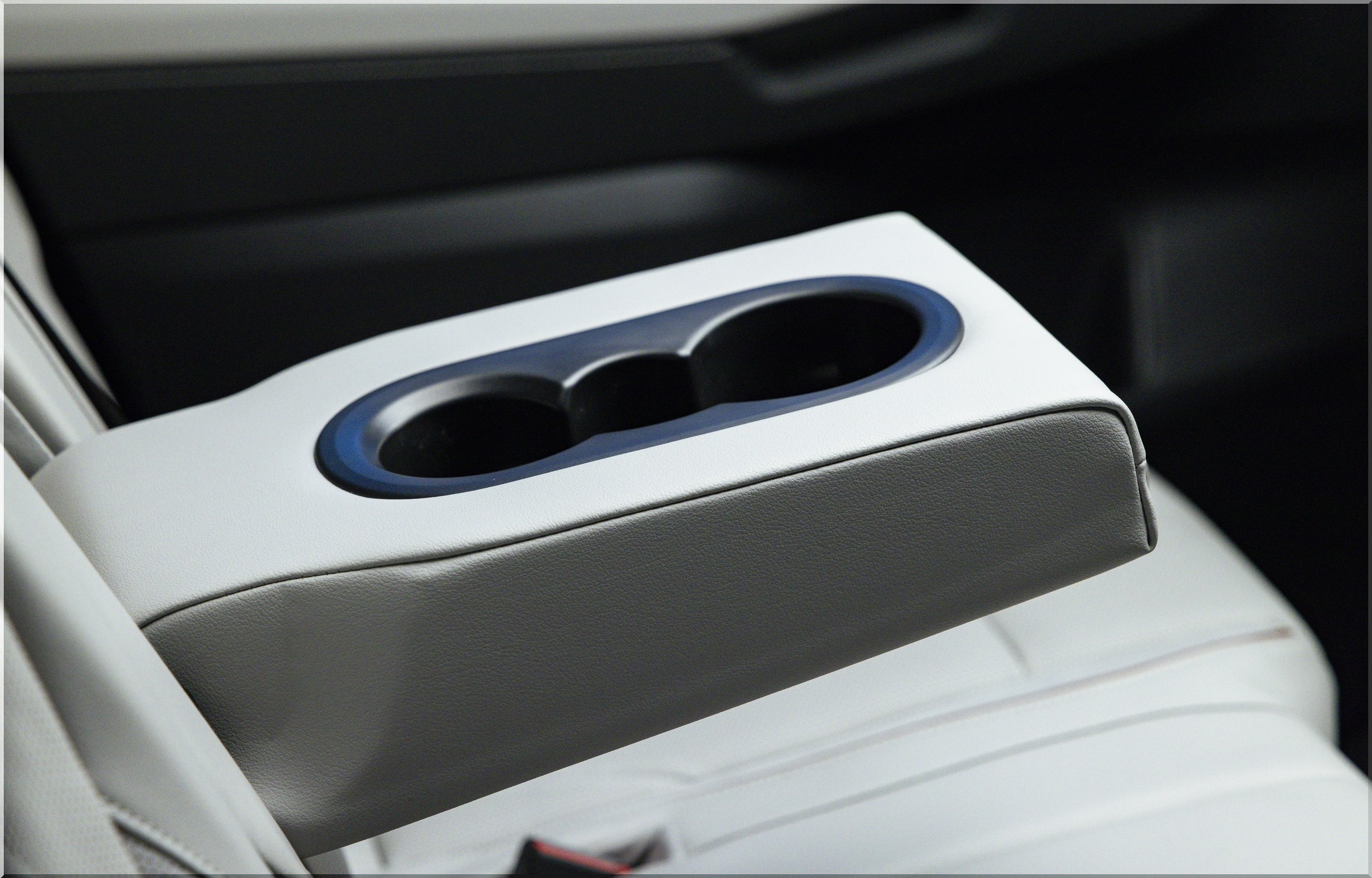
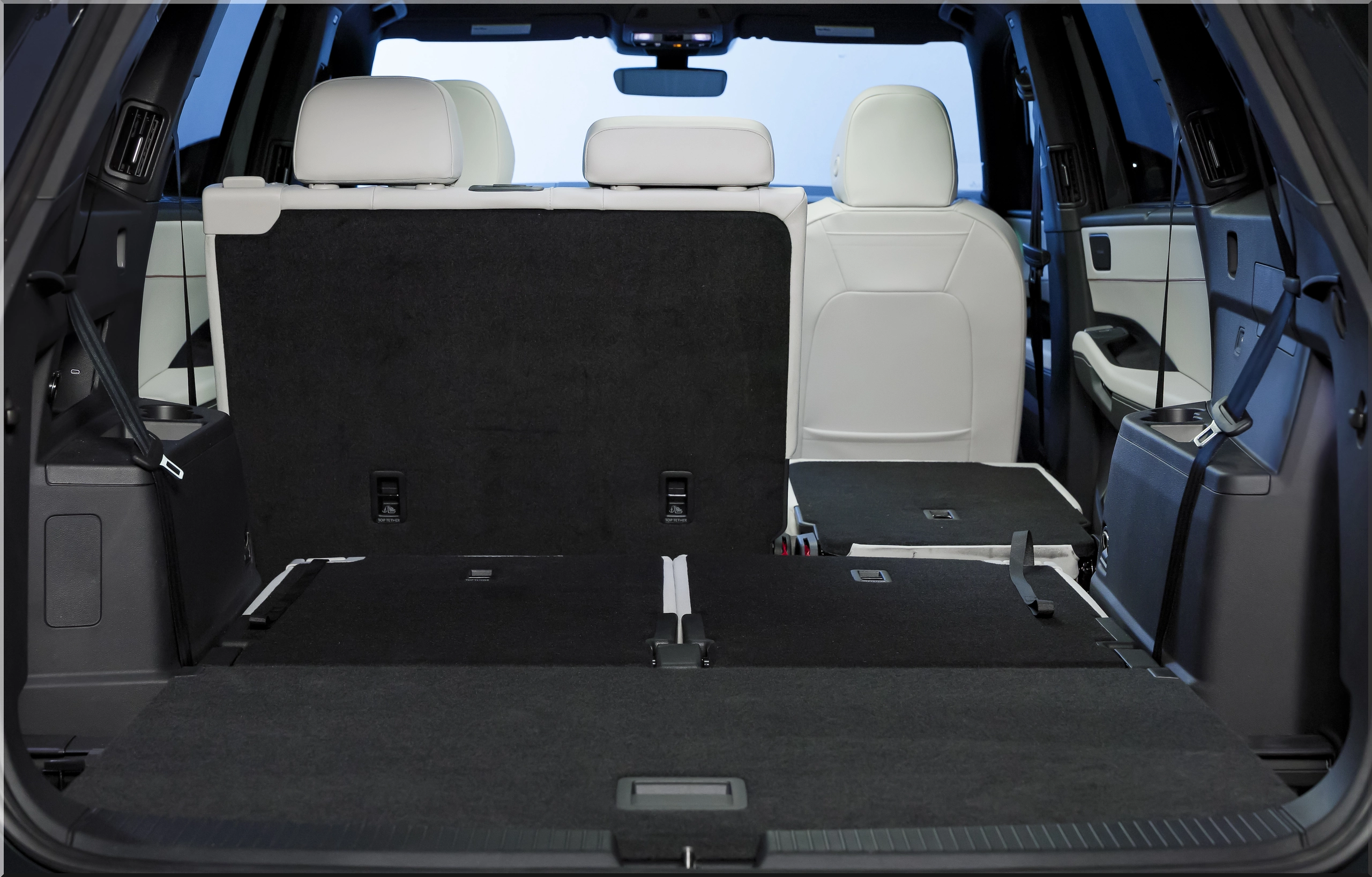
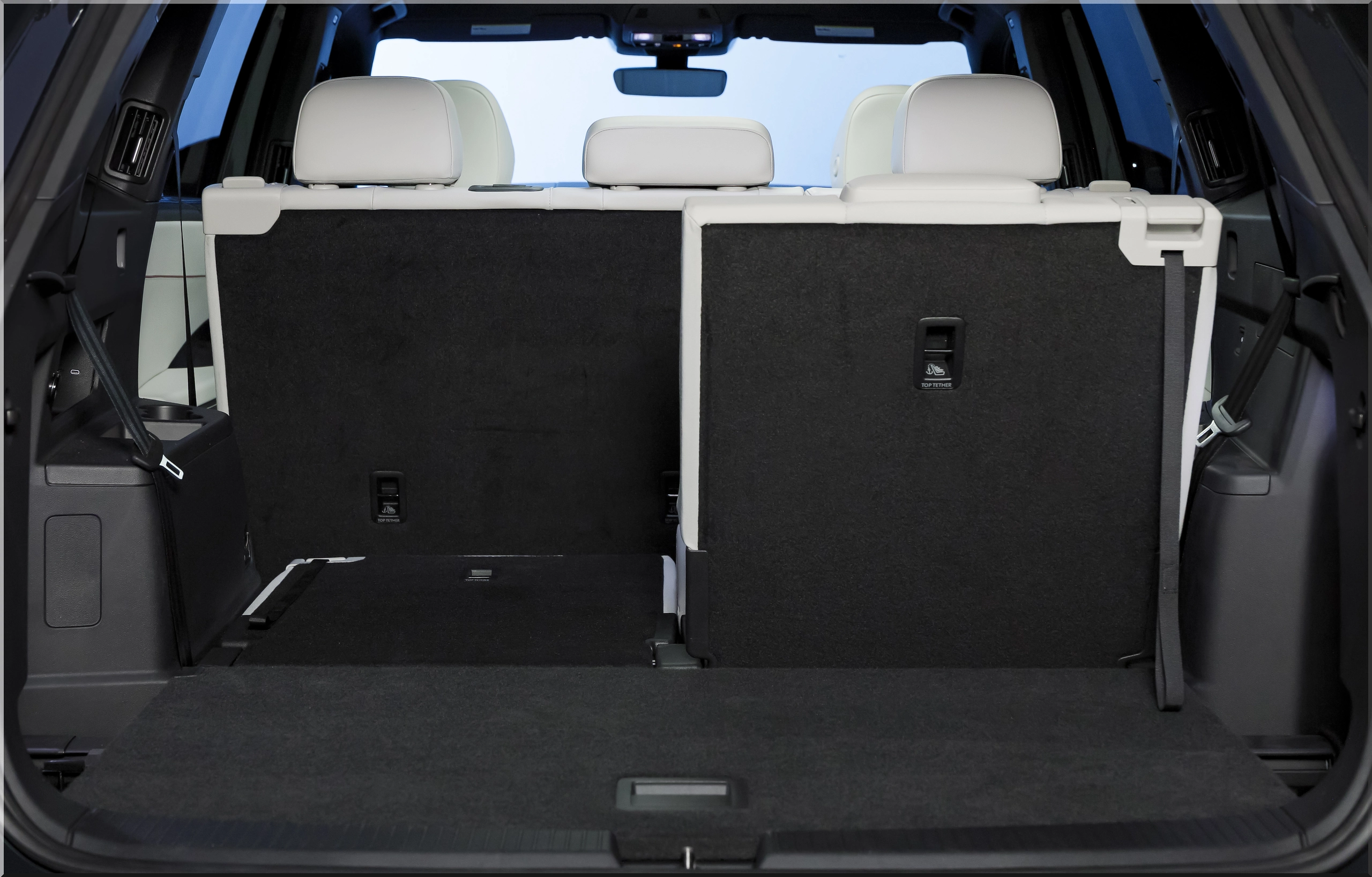
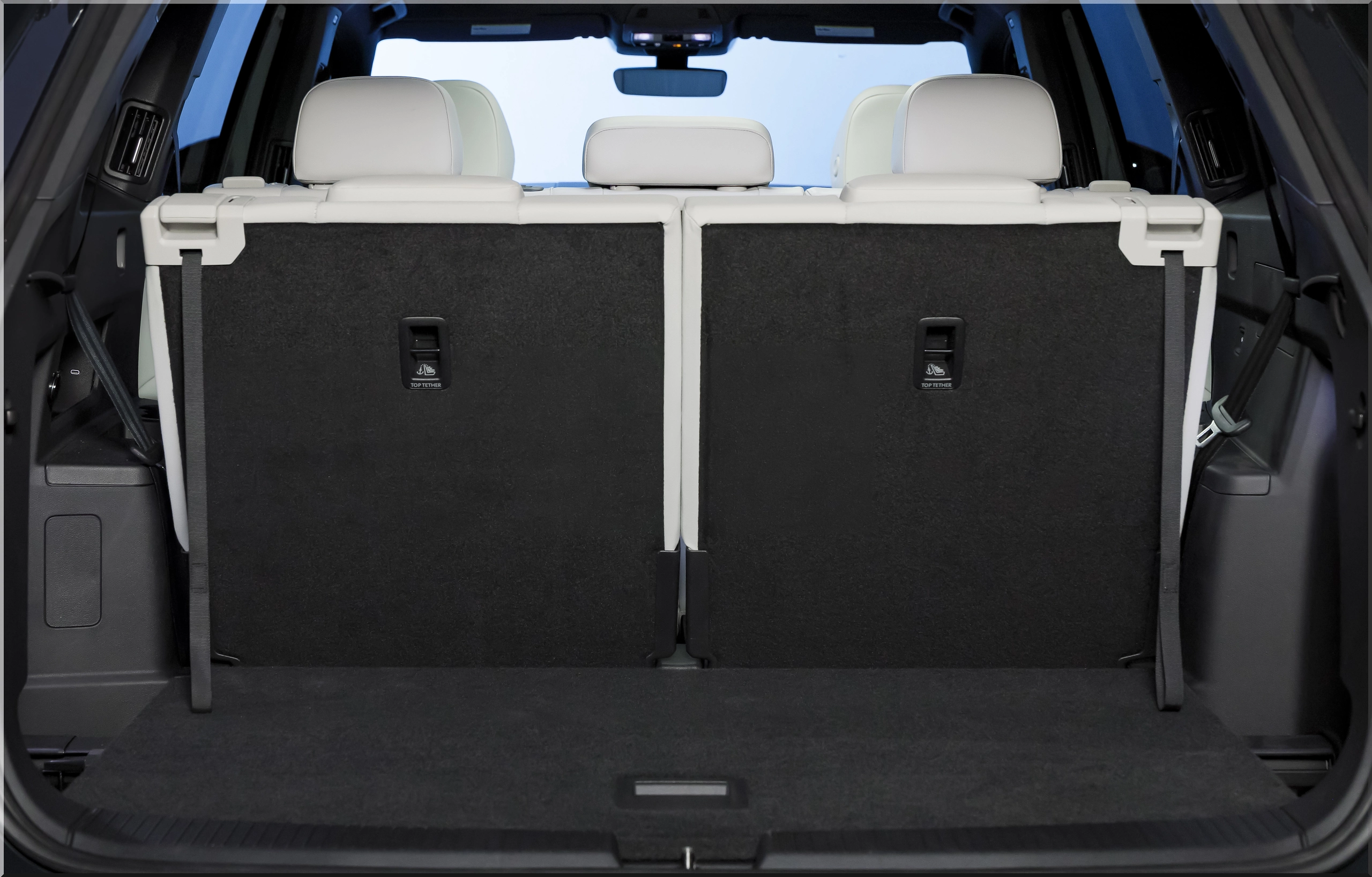
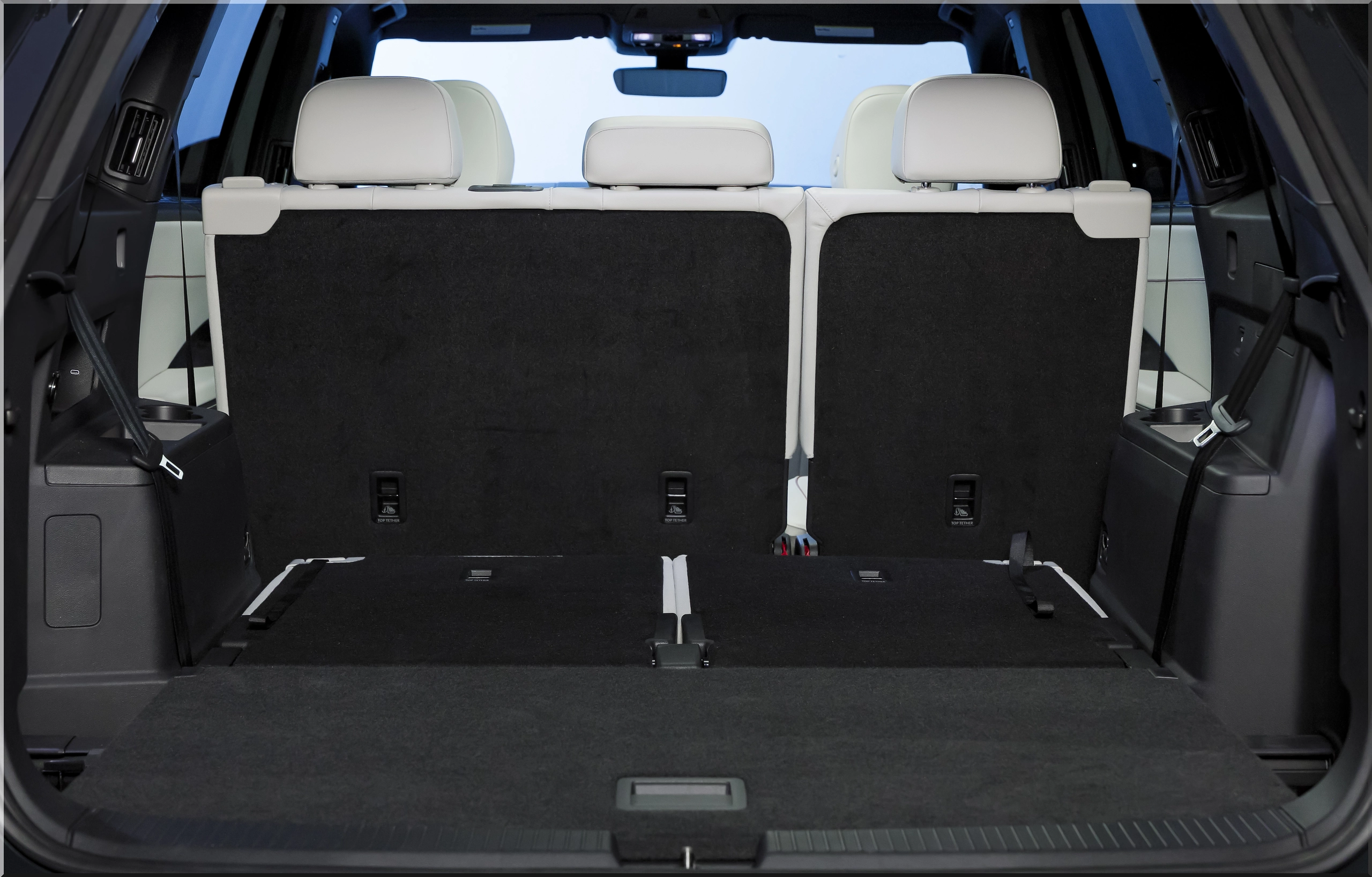
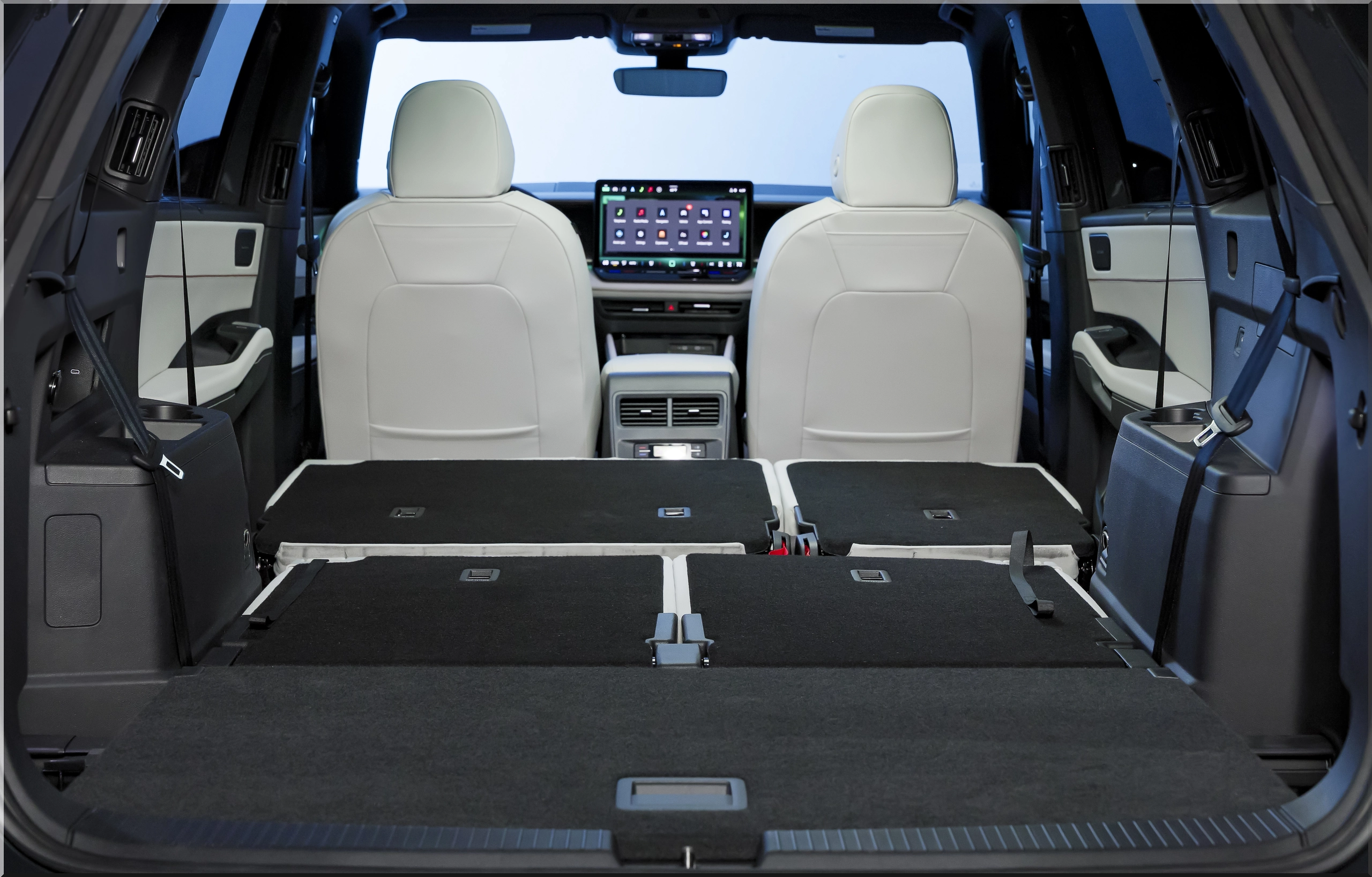
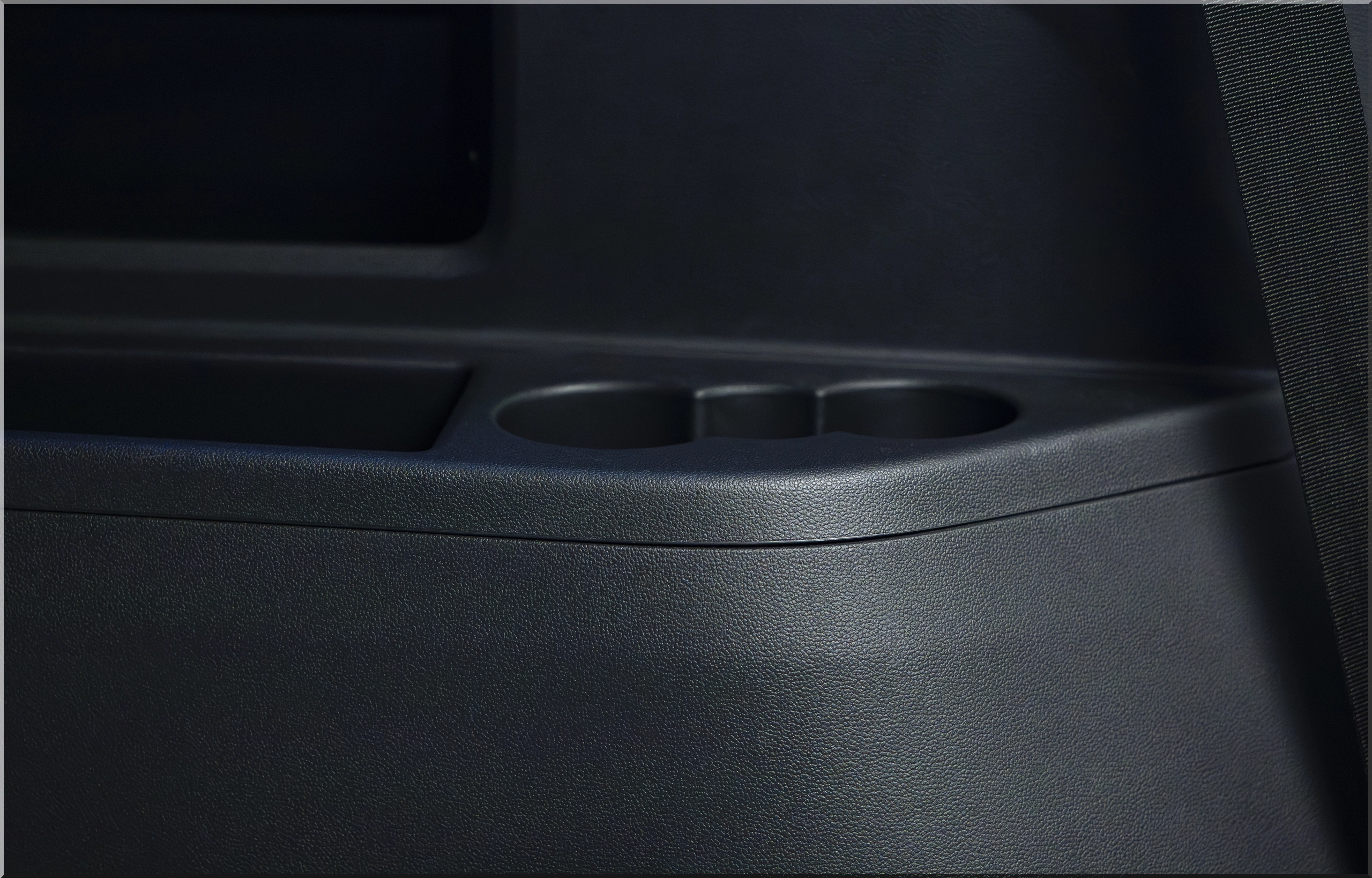
Volkswagen knew better than to mess with one of the Atlas' biggest strengths: room. The SUV still provides a usable third row, a broad second row, and flexible cargo storage that fits the rhythm of family life.
Cargo space remains one of the Atlas' strongest selling points. With the seats configured for hauling rather than people-moving, the SUV offers about 96.6 cubic feet of maximum cargo space. Even behind the third row, there is still enough room for grocery runs, school bags, and airport duty.
Image
Why that matters for buyers:
- The third row does not feel like punishment seating.
- The cargo area remains practical with multiple seat configurations.
- The cabin layout supports family travel, not just marketing copy.
- Wide-opening doors and square proportions make loading simpler.
That last point sounds minor until you live with a three-row SUV. A vehicle can look attractive in photos and still annoy owners every single day. The Atlas has long done the practical work well, and the redesign appears to protect that strength.
How the 2027 Atlas Stacks Up Against Rivals
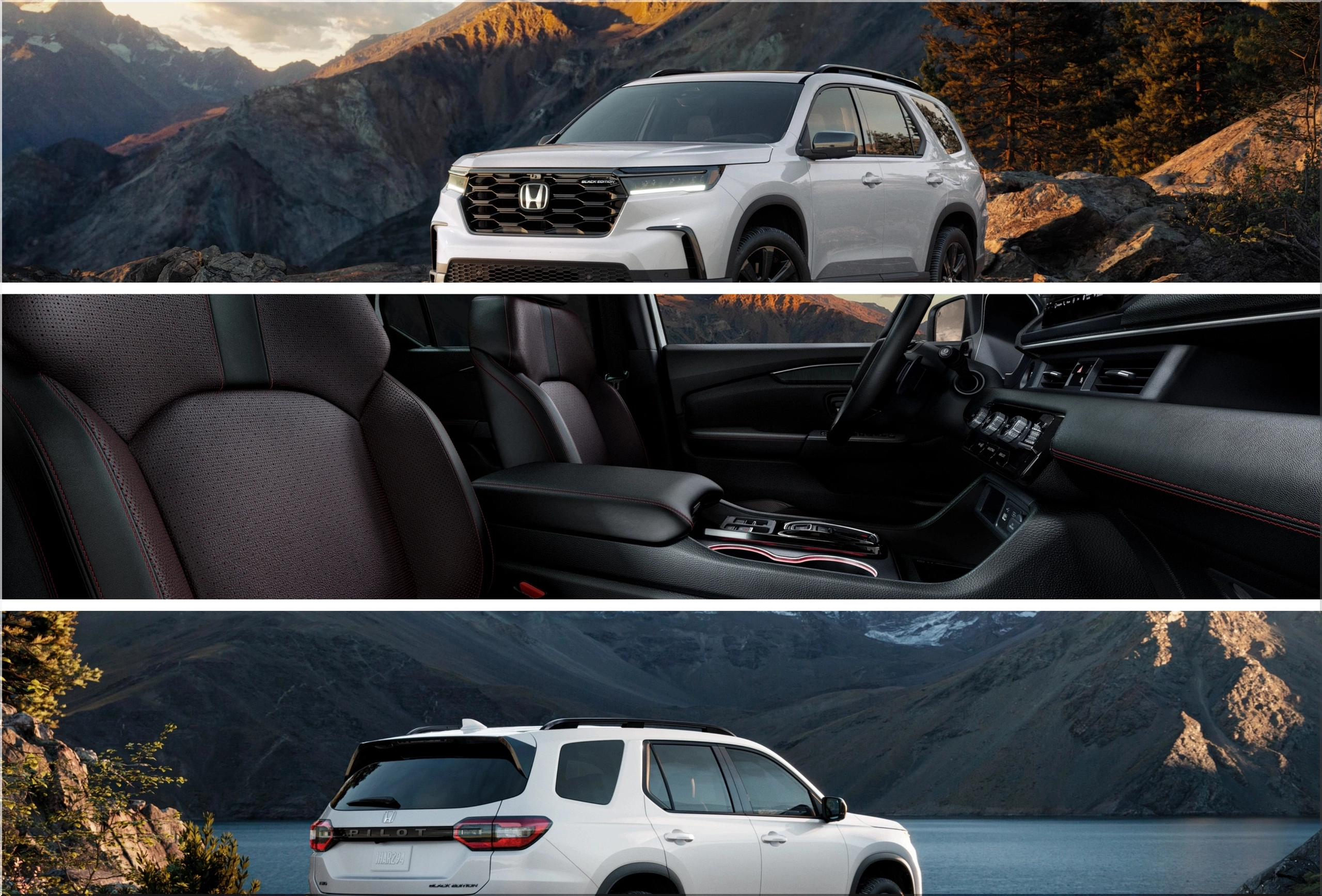
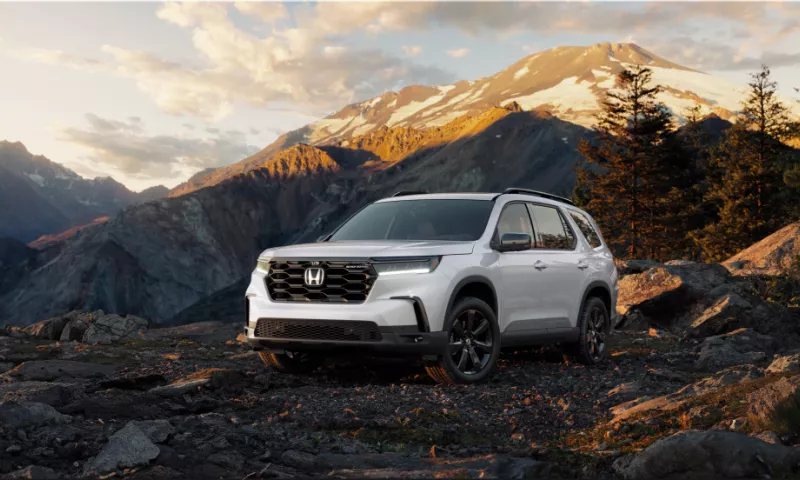
The three-row midsize SUV class does not give second chances. The Honda Pilot, Toyota Grand Highlander, and Kia Telluride all bring strong reputations, clear value, and loyal buyers. Volkswagen needed the new Atlas to show up sharper than before. It appears to have done that.
The Atlas now makes a stronger argument on cabin quality and design. It still offers serious cargo space and competitive towing. But one issue remains hard to ignore: there is no hybrid version at launch. In a market where fuel economy shapes shopping behavior, that leaves room for Toyota and Kia to press an advantage.
2027 Volkswagen Atlas vs key competitors
| Model | Horsepower | Max Cargo Space | Max Towing | Main Strength |
|---|---|---|---|---|
| 2027 Volkswagen Atlas | 282 hp | 96.6 cu ft | 5,000 lbs | Space, cabin upgrade, balanced utility |
| Honda Pilot | 285 hp | 111.8 cu ft | 5,000 lbs | Strong packaging and V6 smoothness |
| Toyota Grand Highlander | Varies by powertrain | 97.5 cu ft | 5,000 lbs | Hybrid choices and family efficiency |
| Kia Telluride | Varies by powertrain | Over 80 cu ft | 5,000 lbs | Rich feature mix and strong value feel |
Volkswagen still has a real opening here. Not every buyer wants a hybrid. Many still want a roomy, conventional SUV with a strong cabin, clean styling, and familiar driving feel. For those buyers, the Atlas may now look more compelling than it did before.
Image
Pricing Will Decide How Strong This Launch Becomes
Volkswagen has improved the Atlas in the right places. Now the brand needs to price it carefully. If the company keeps the range close to the current model's territory, the SUV could become a serious value play in the segment. Push the sticker too high, and the class' best-known names get easier to justify.
From a consumer perspective, the Atlas makes its strongest case when it offers:
- a premium-feeling interior without premium-brand pricing
- family-sized space without oversized-road-trip guilt
- solid towing without moving into truck-based SUV territory
- strong standard tech without a punishing trim climb
That pricing balance will shape the vehicle's real position in the market far more than any auto-show lighting ever could.
Image gallery
Pro-Tips for Buyers Watching the 2027 Volkswagen Atlas
Pro-Tip: Shop the cabin, not only the engine
In this class, daily comfort and interface quality affect satisfaction more than small power differences.
Pro-Tip: Compare tech trim by trim
The larger screen, wheel upgrades, lighting details, and charging features may push many shoppers toward mid-level trims.
Pro-Tip: Think about your fuel priorities early
If you want a hybrid now, the Atlas may not be your first stop. If cabin space, towing, and design rank higher, it deserves a close look.
Image gallery
What Now?
The 2027 Volkswagen Atlas does exactly what a good redesign should do. It keeps the strengths buyers already trusted and improves the parts that felt dated. The SUV now looks more expensive, feels more modern, and stays loyal to its family-hauler role.
That makes it a smarter product. It also makes it easier to shop. If you want a roomy three-row SUV with a polished cabin, strong practicality, and enough power for everyday American driving, the new Atlas belongs on the shortlist. Volkswagen did not reinvent the formula. It cleaned it up, sharpened it, and gave it a better chance in one of the most demanding parts of the market. For many buyers, that will be more than enough.
- Add new comment
- 169 views