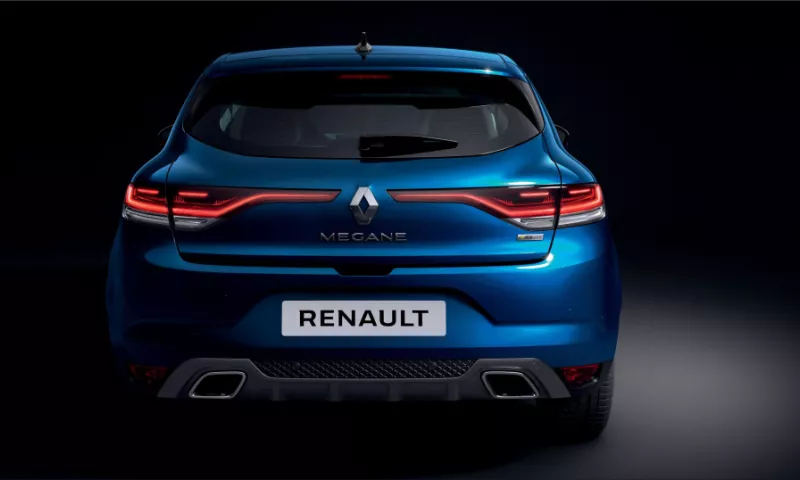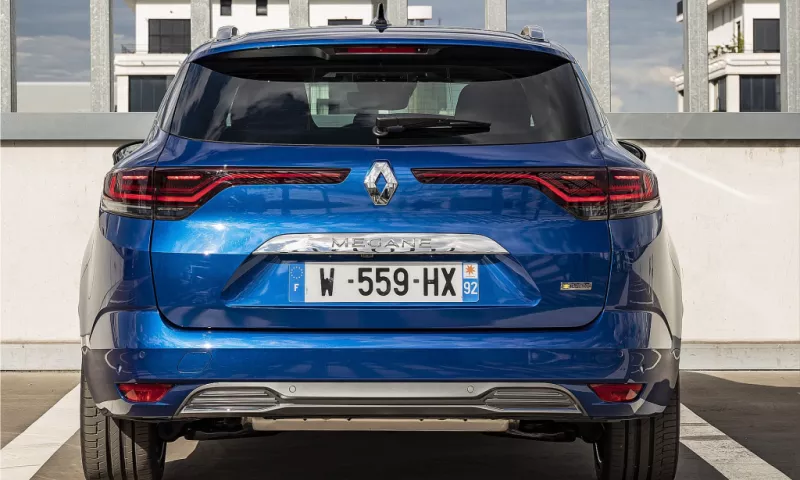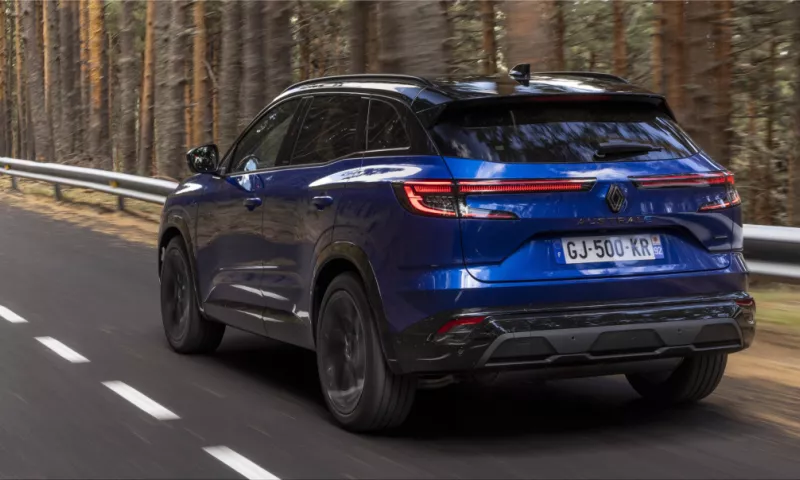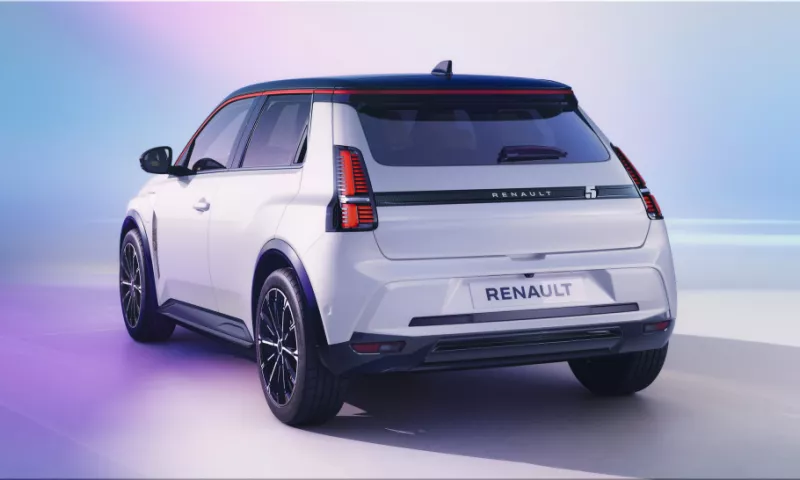
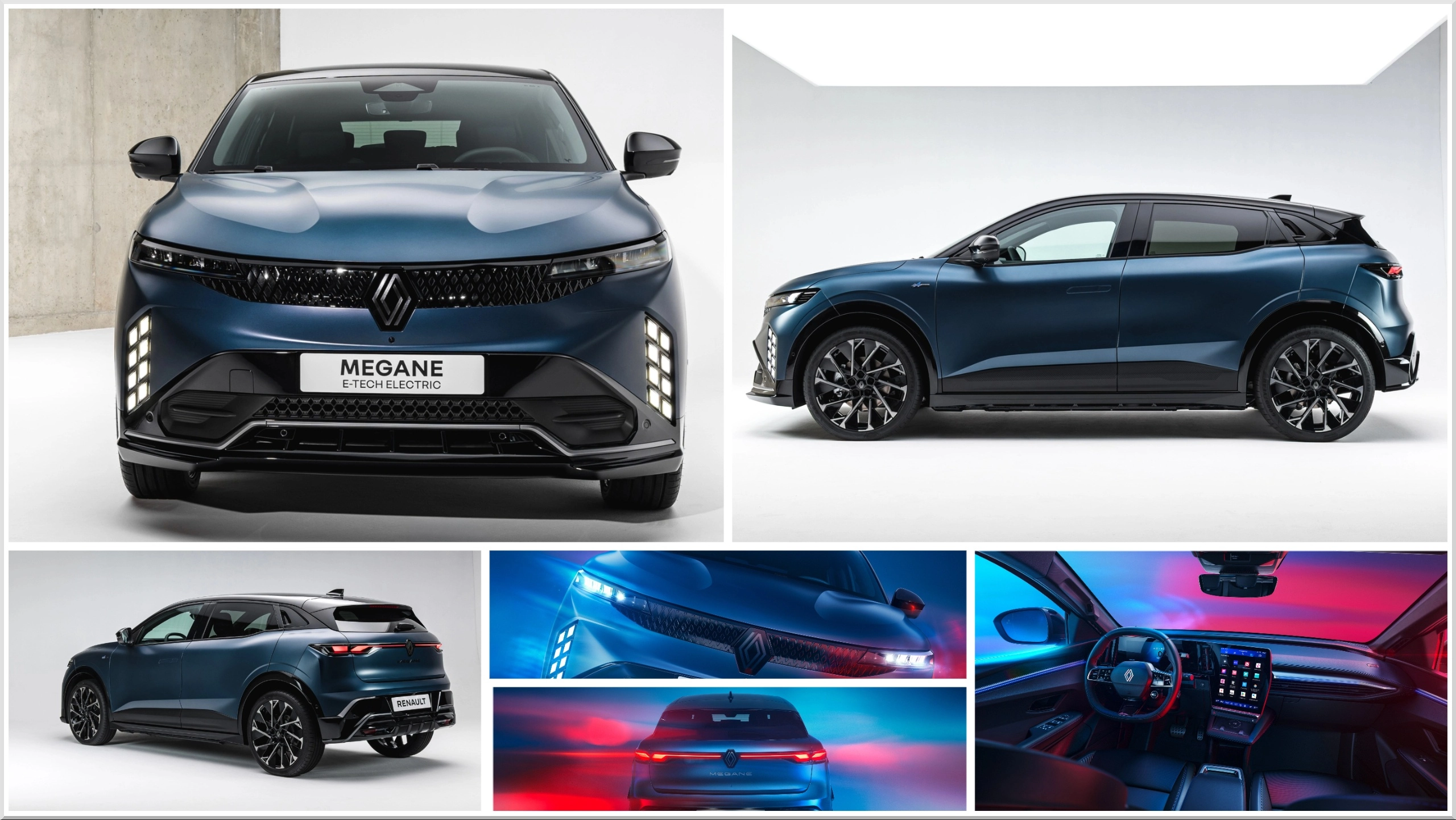
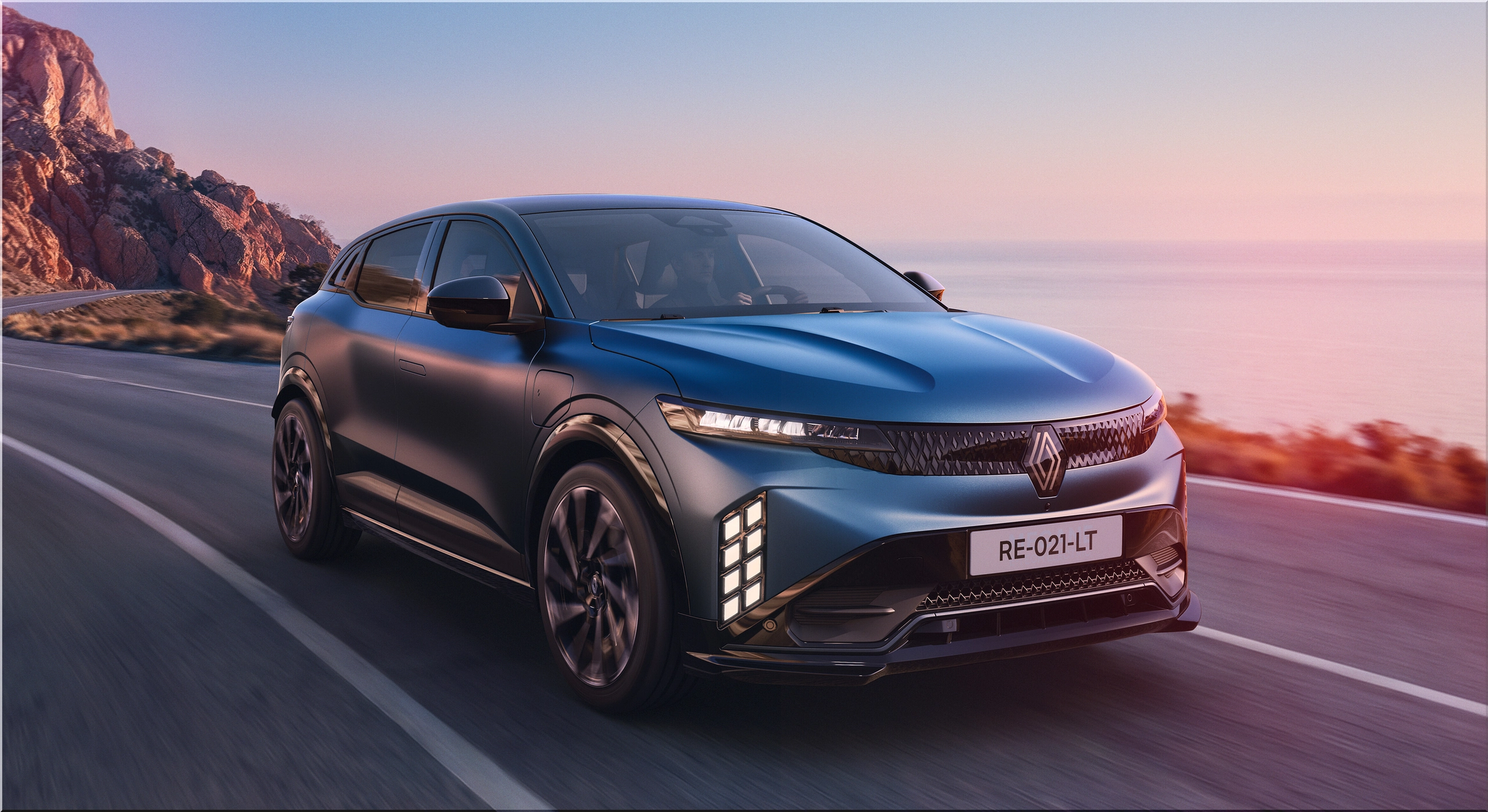
The Renault Megane E-Tech electric has moved from quiet update to serious compact EV reset. Renault changed the parts buyers actually care about: battery chemistry, driving range, charging speed, cabin tech and trim clarity.
The headline data matters. New Renault Megane electric now uses a 67 kWh LFP battery, supports 165 kW DC fast charging, and reaches up to 500 km WLTP. That places it directly against the Volkswagen ID.3, Cupra Born, MG4 Electric and Peugeot E-308, but with a stronger French-built value story.
Image
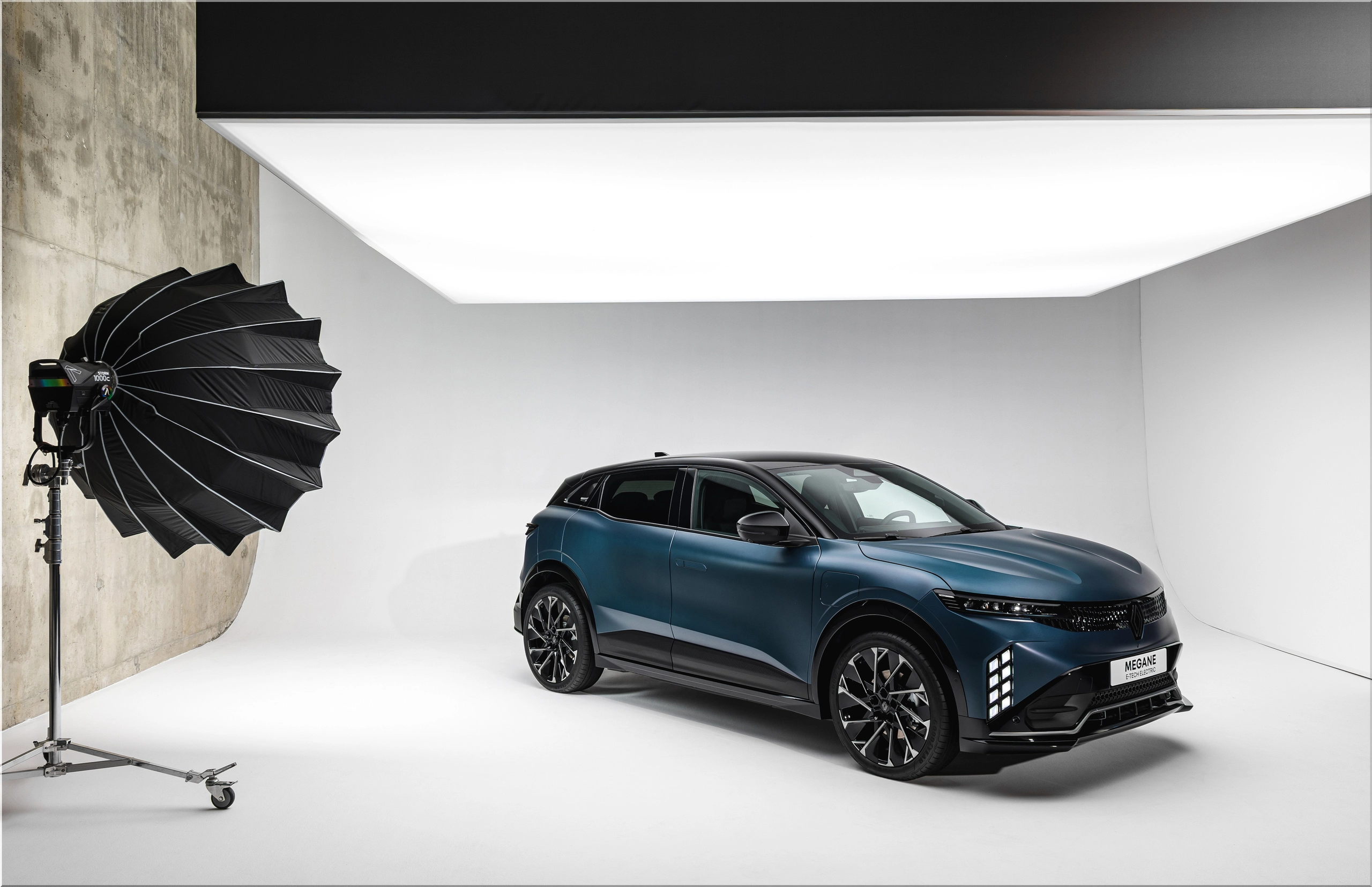
Renault Megane E-Tech Electric Specs: What Changed
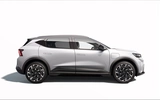
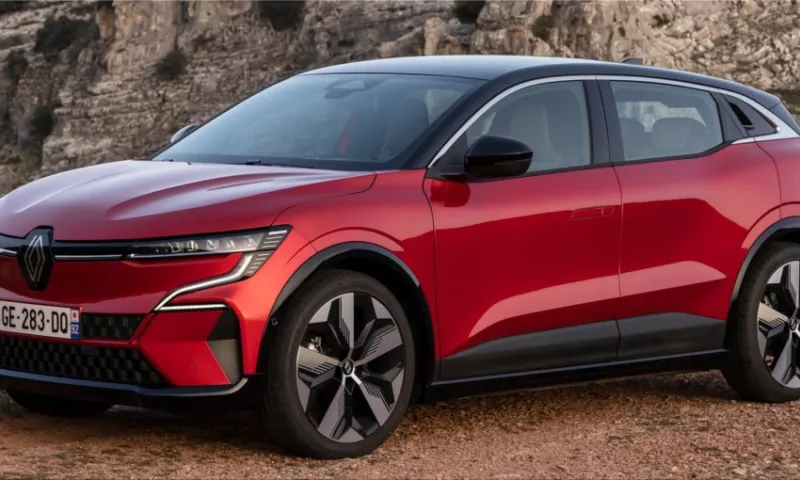
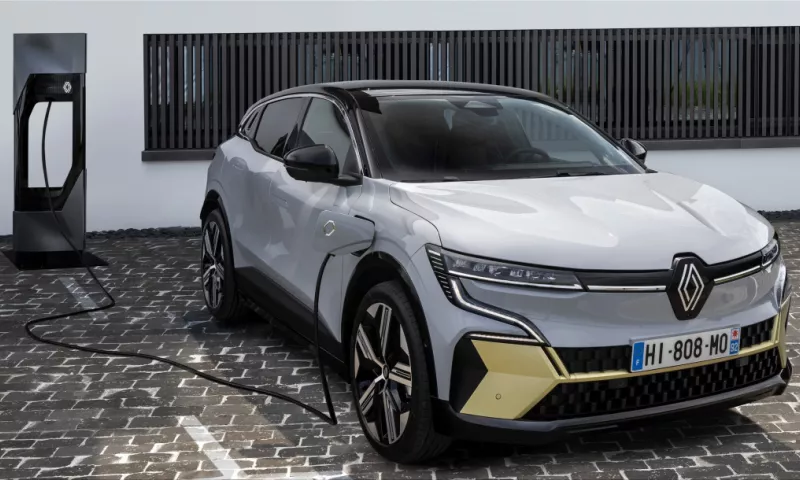
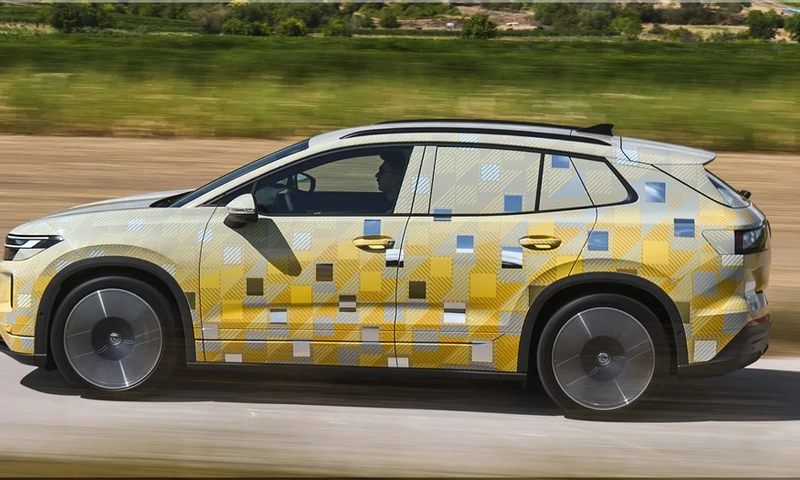
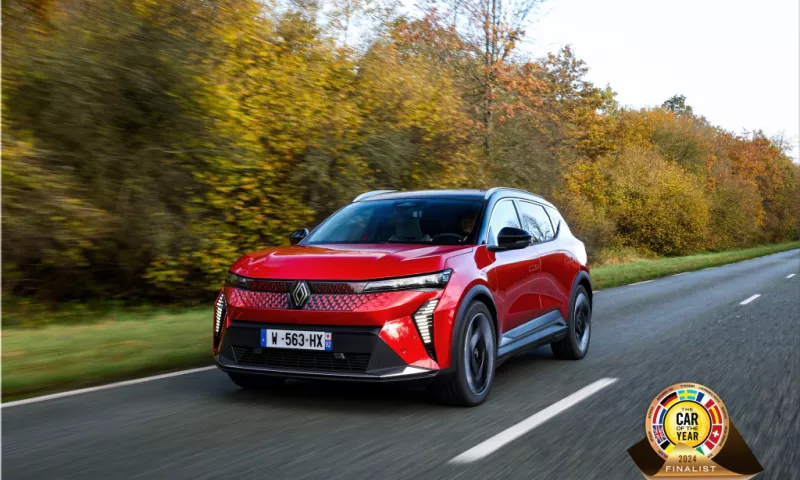
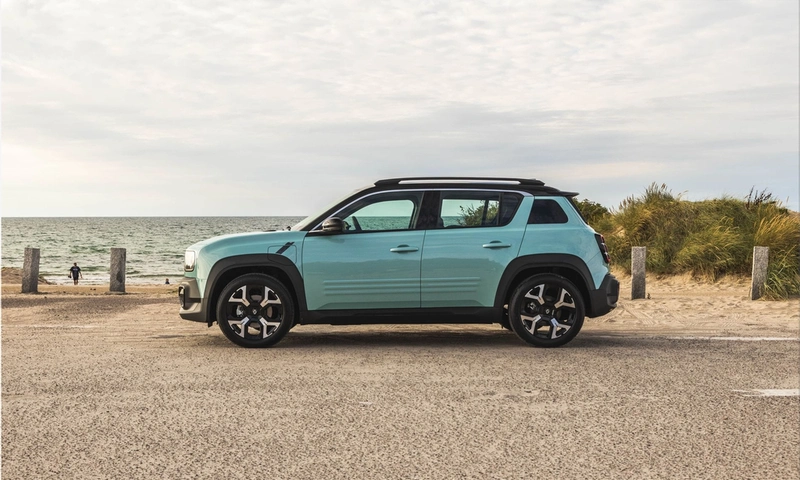
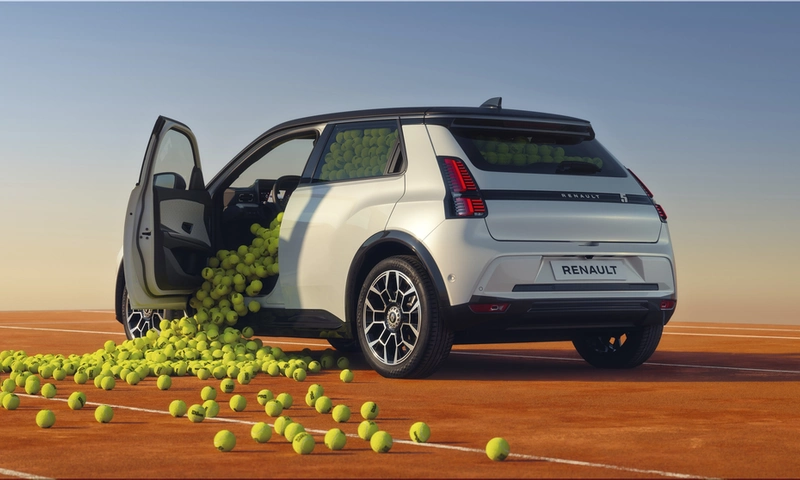
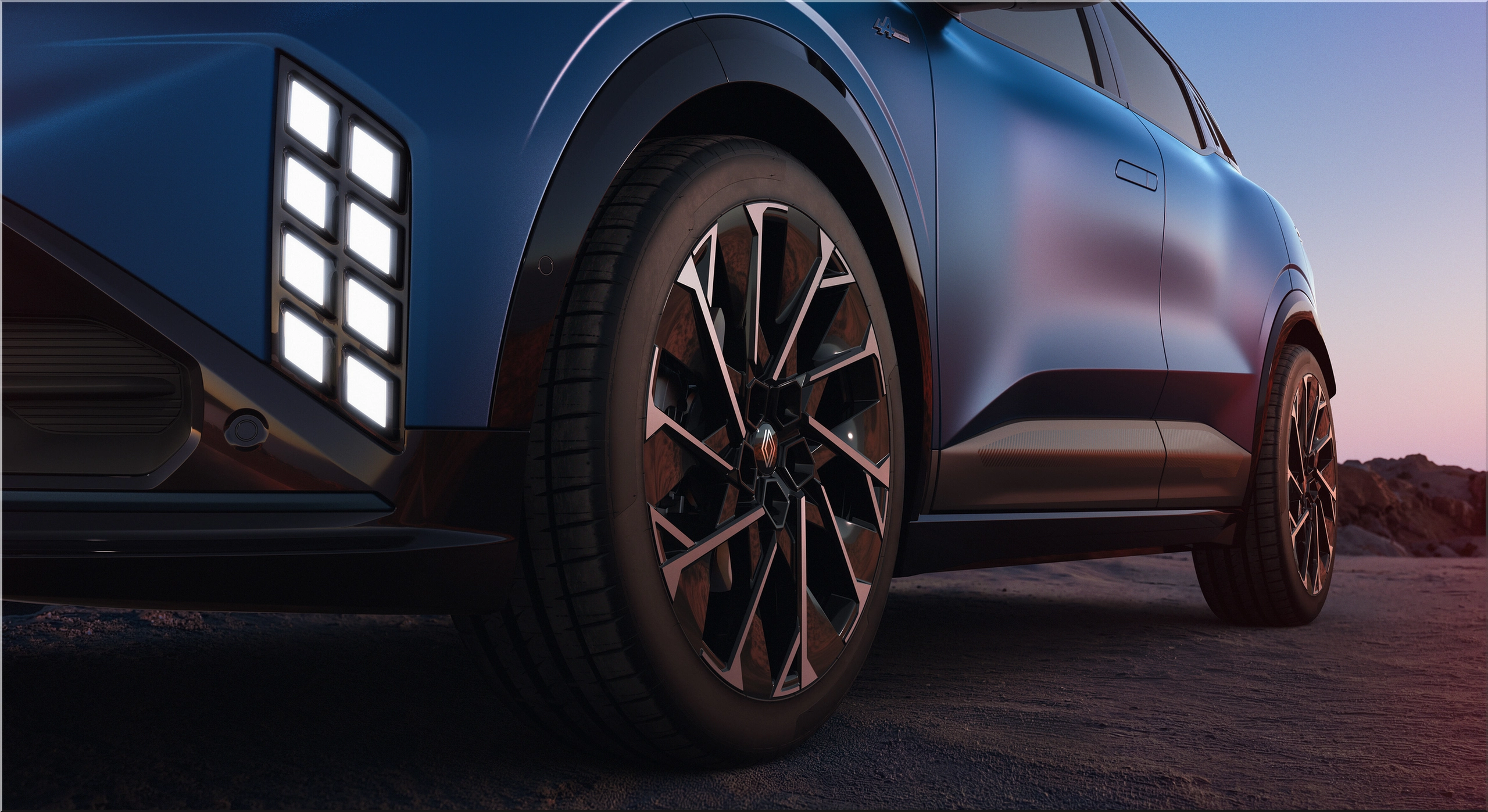
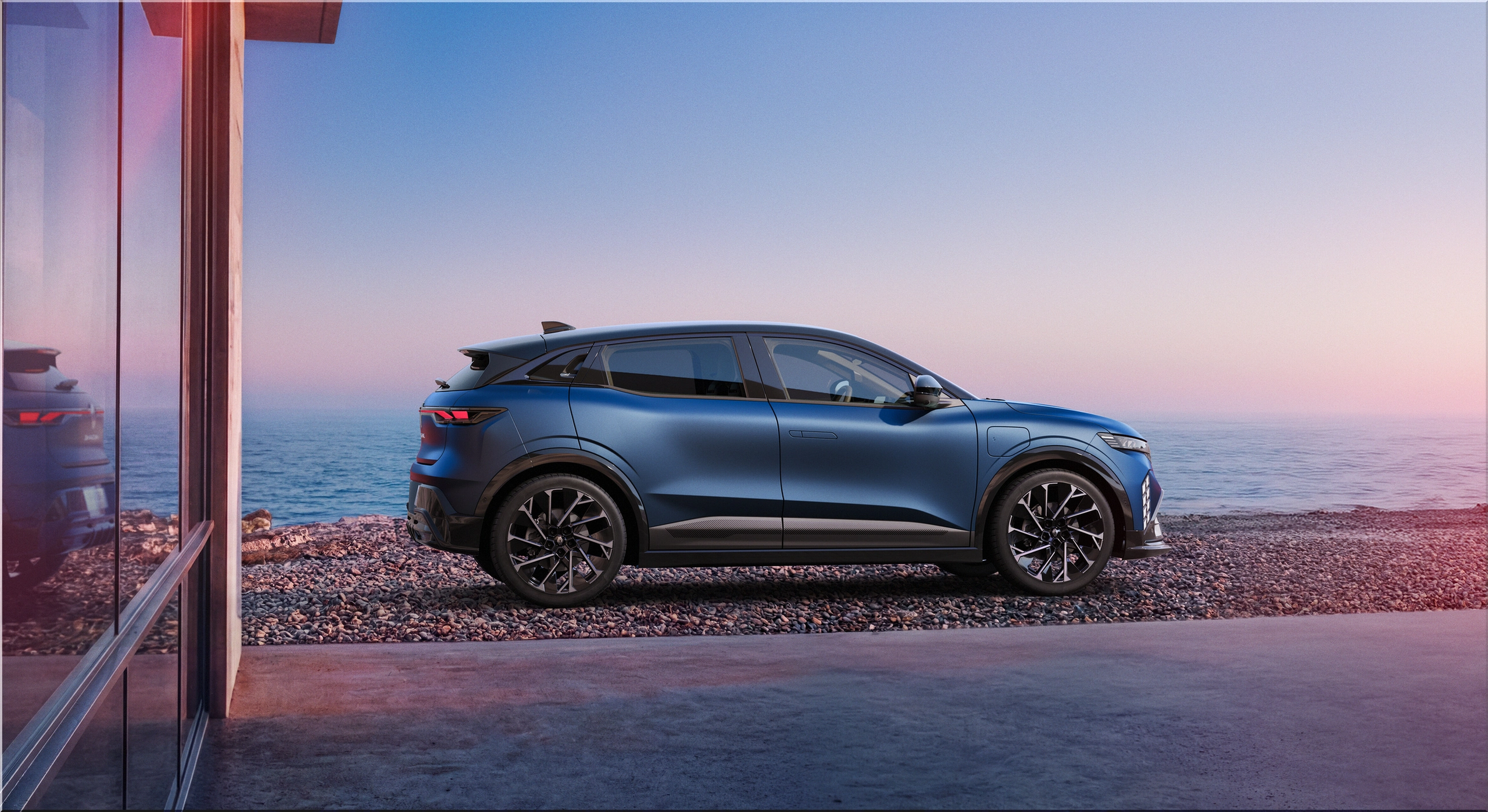
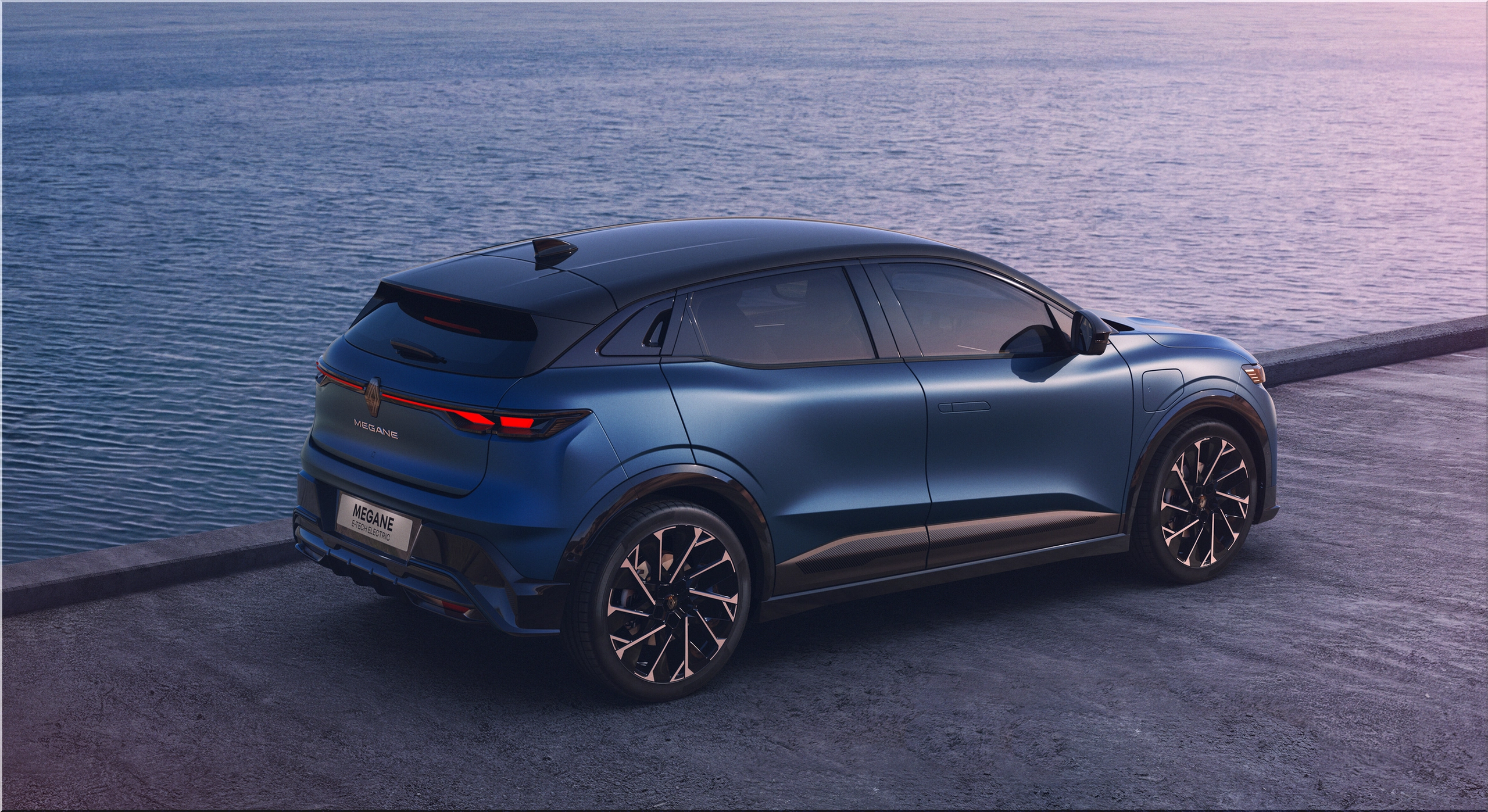
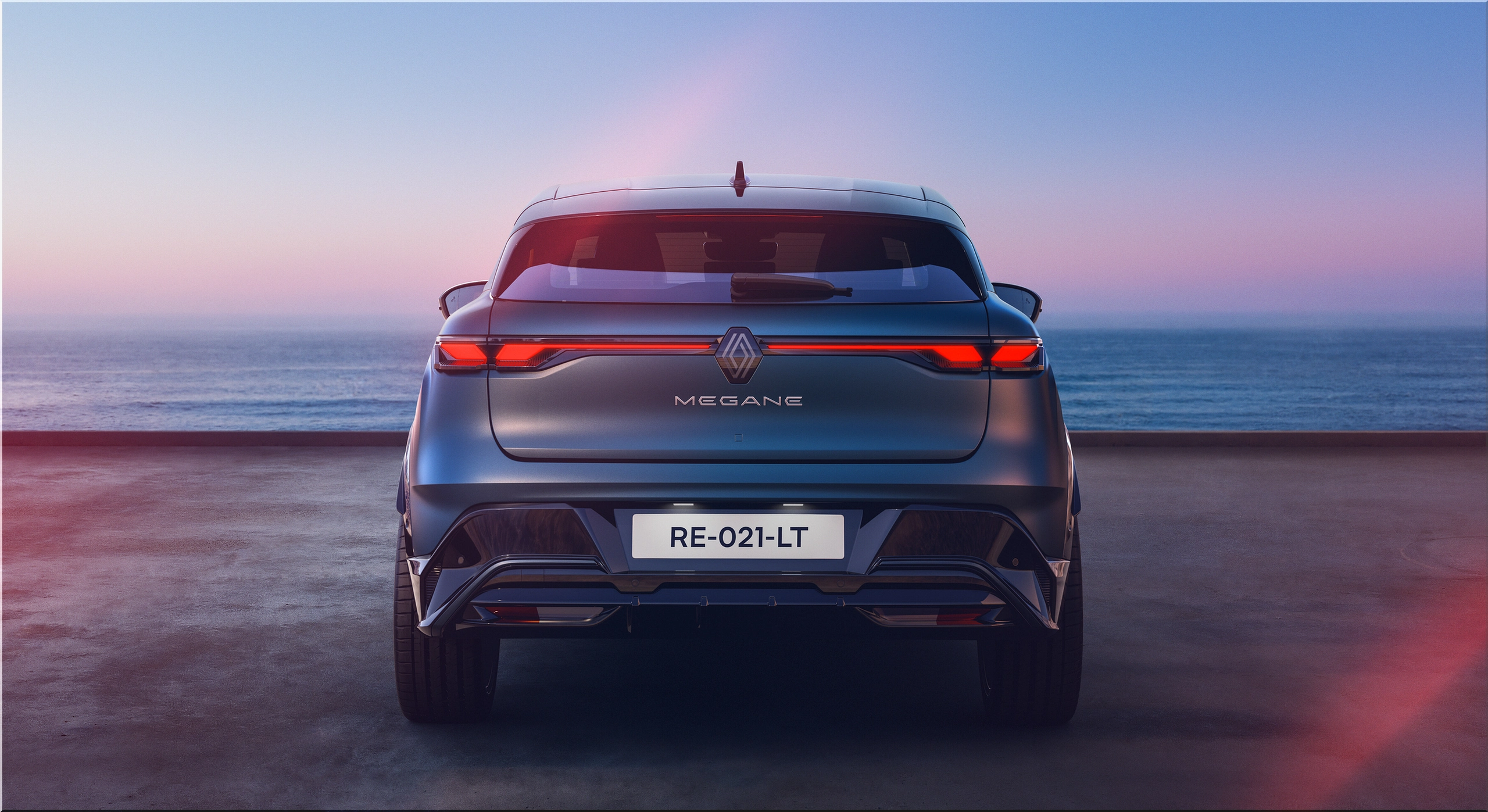
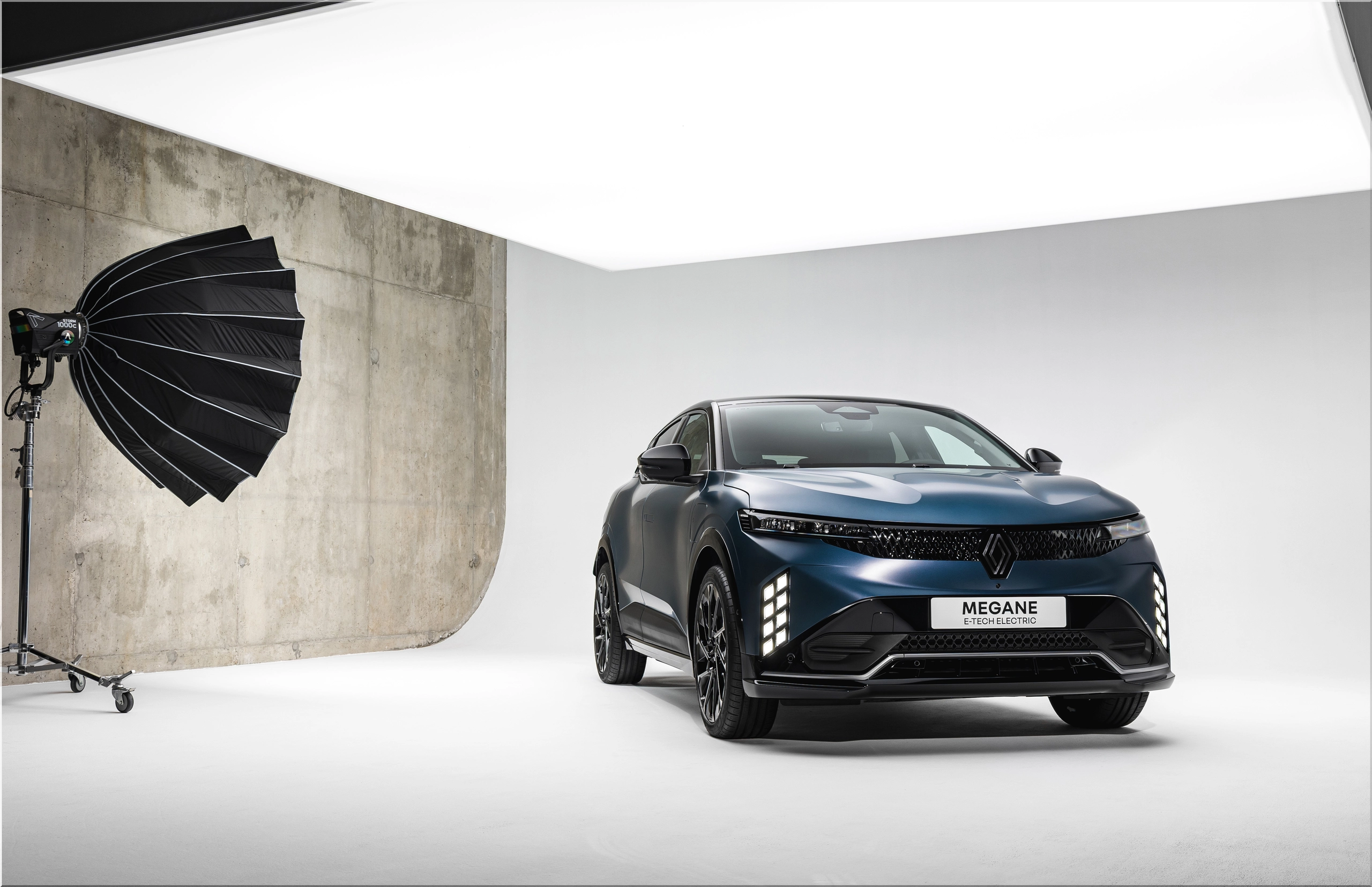
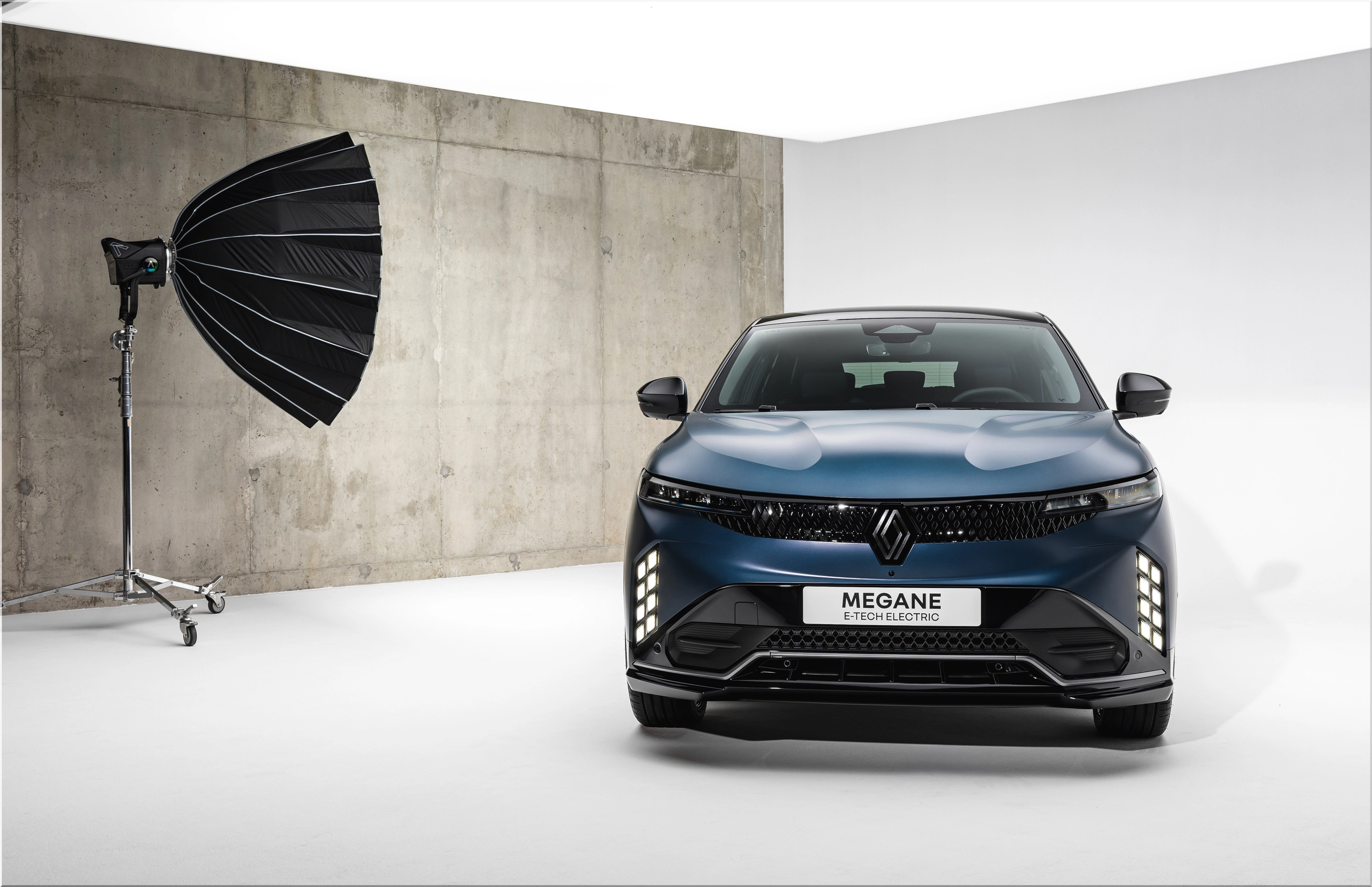
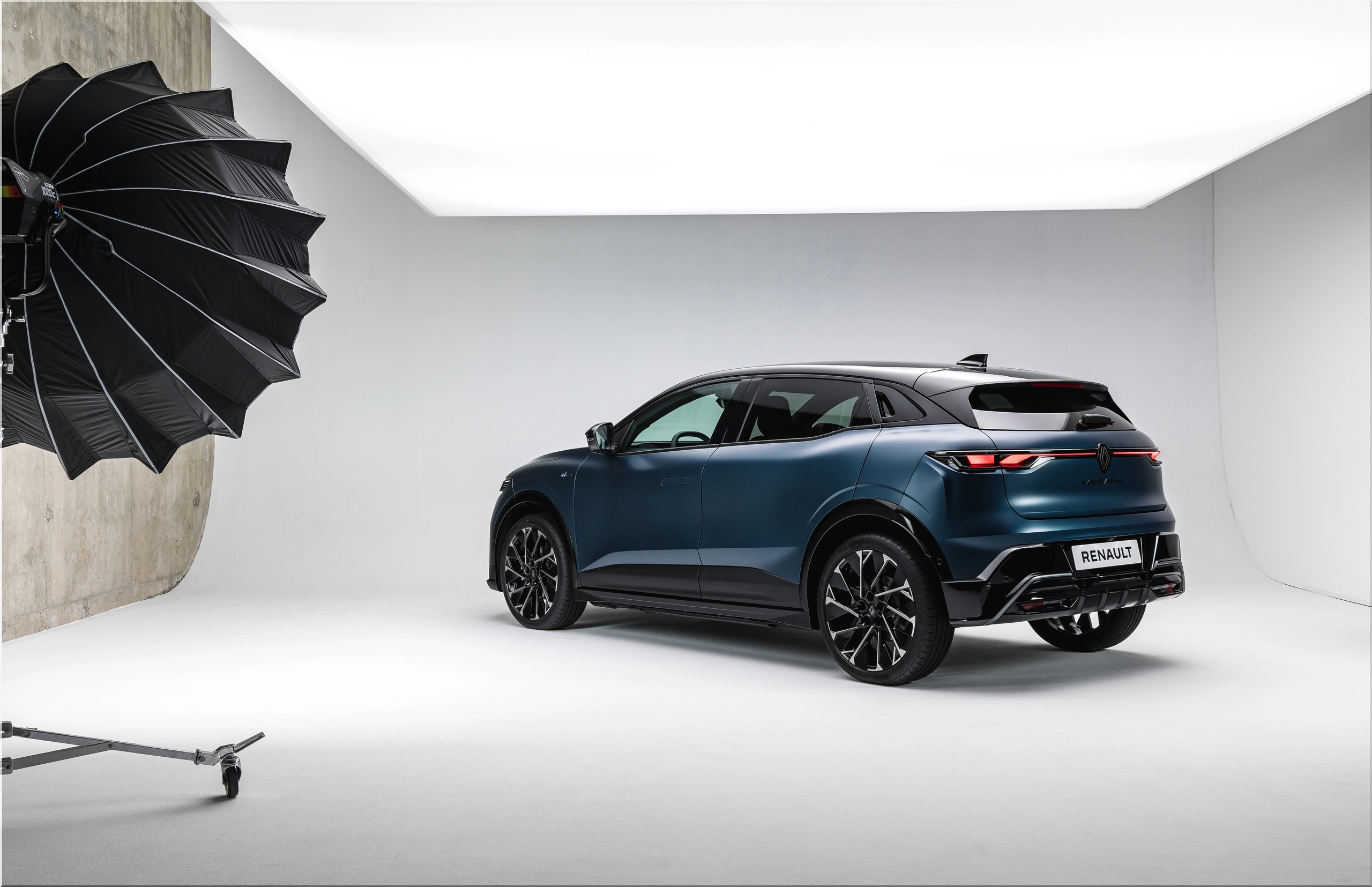
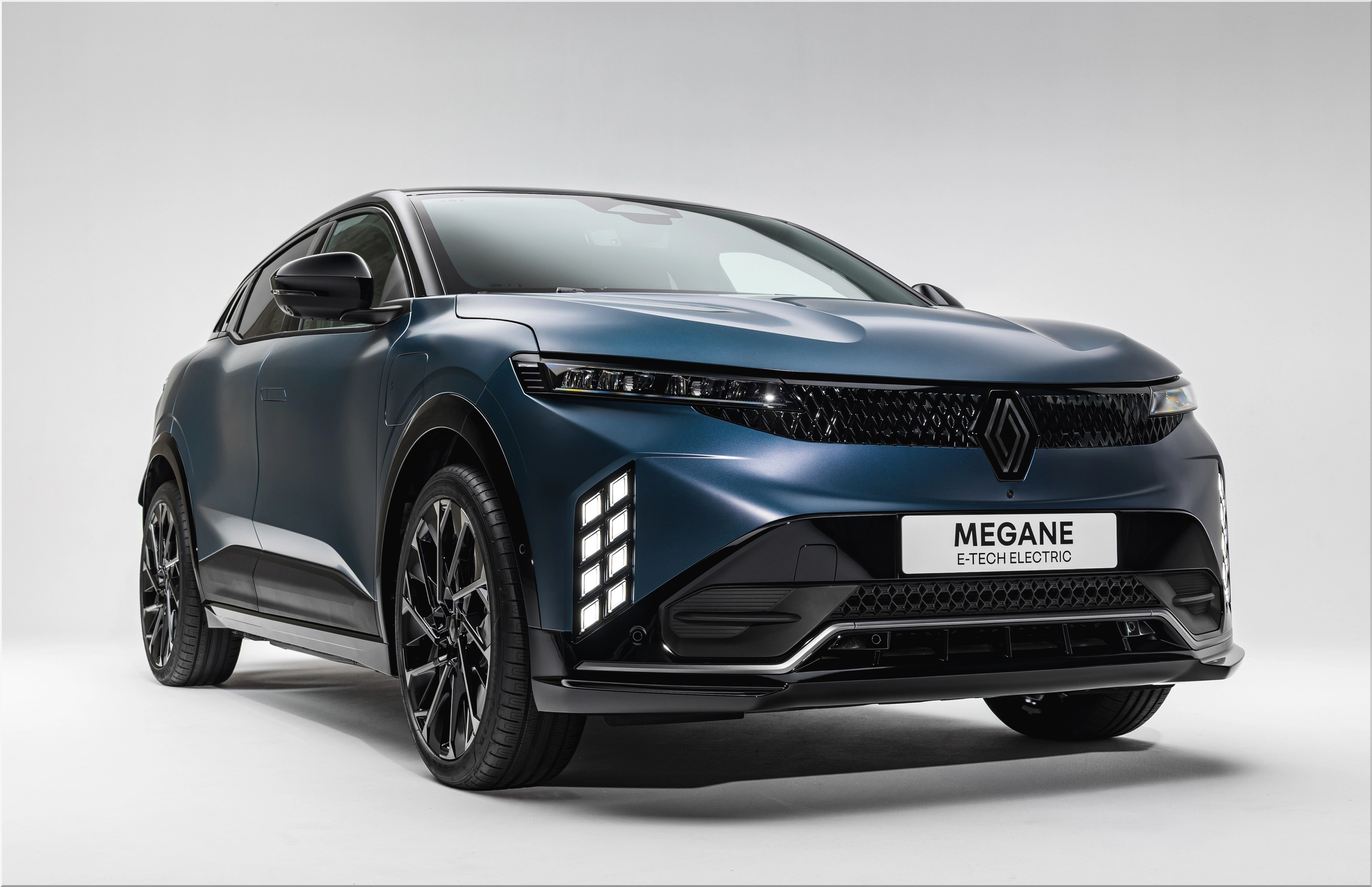
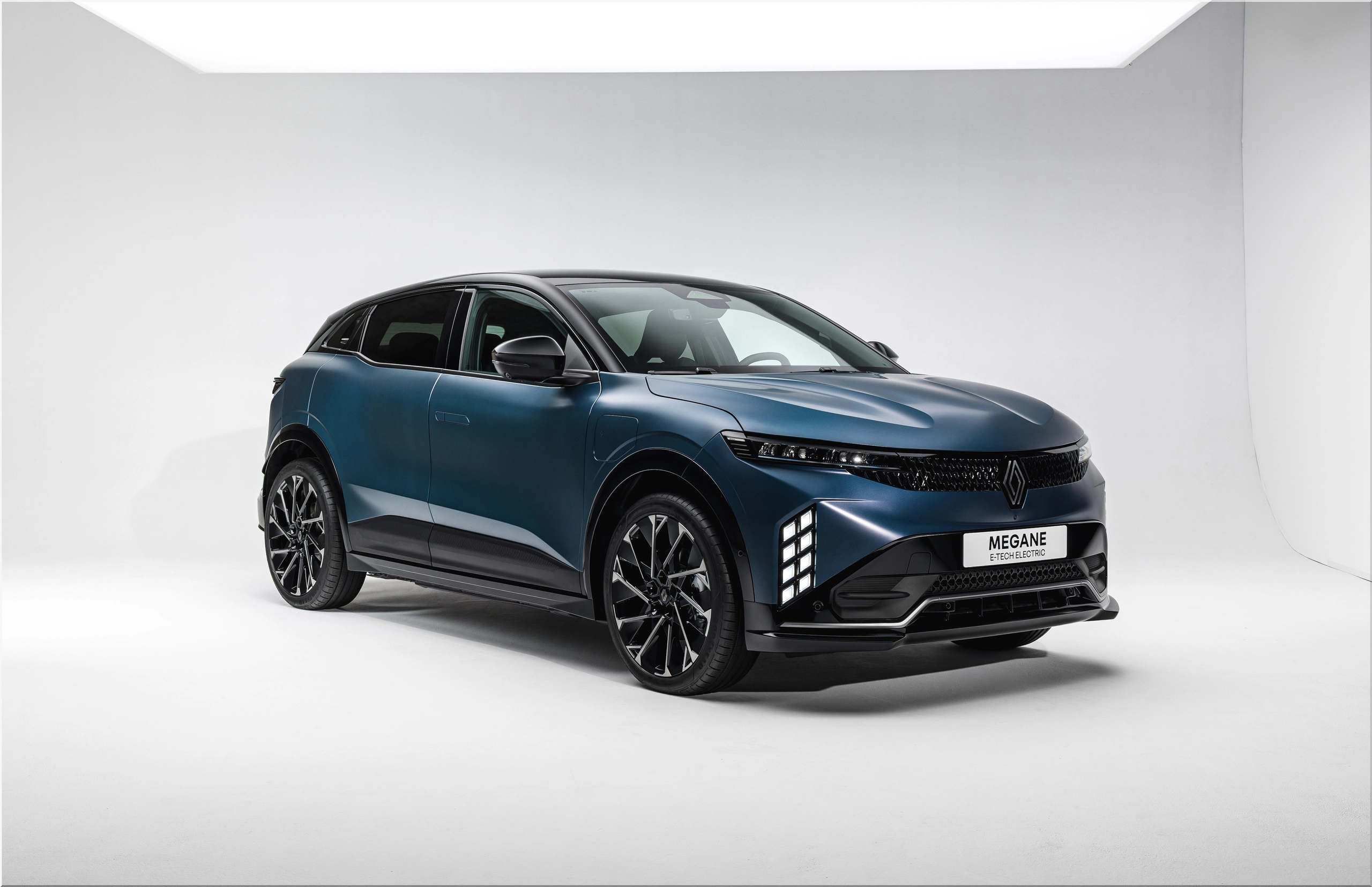
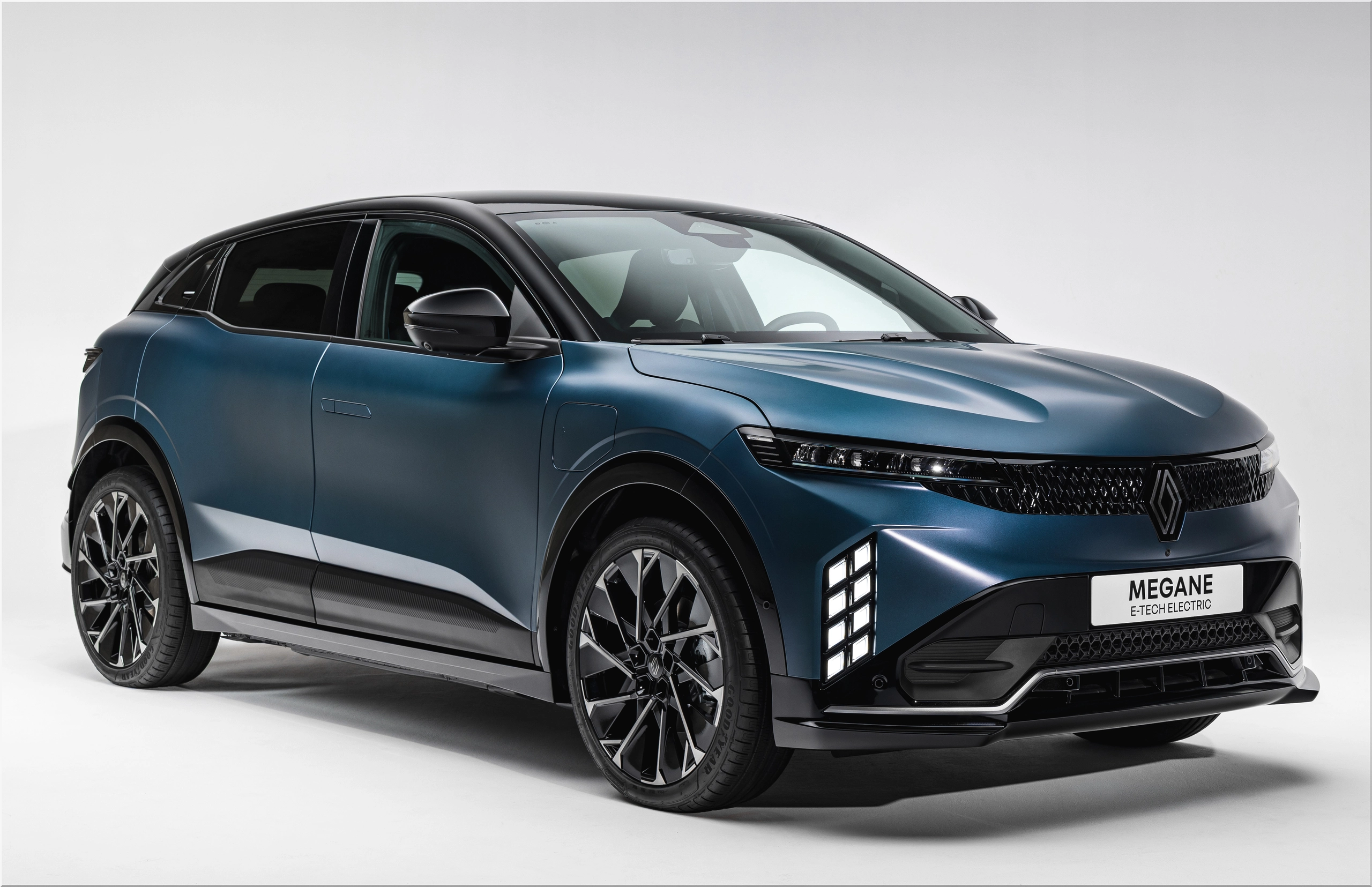
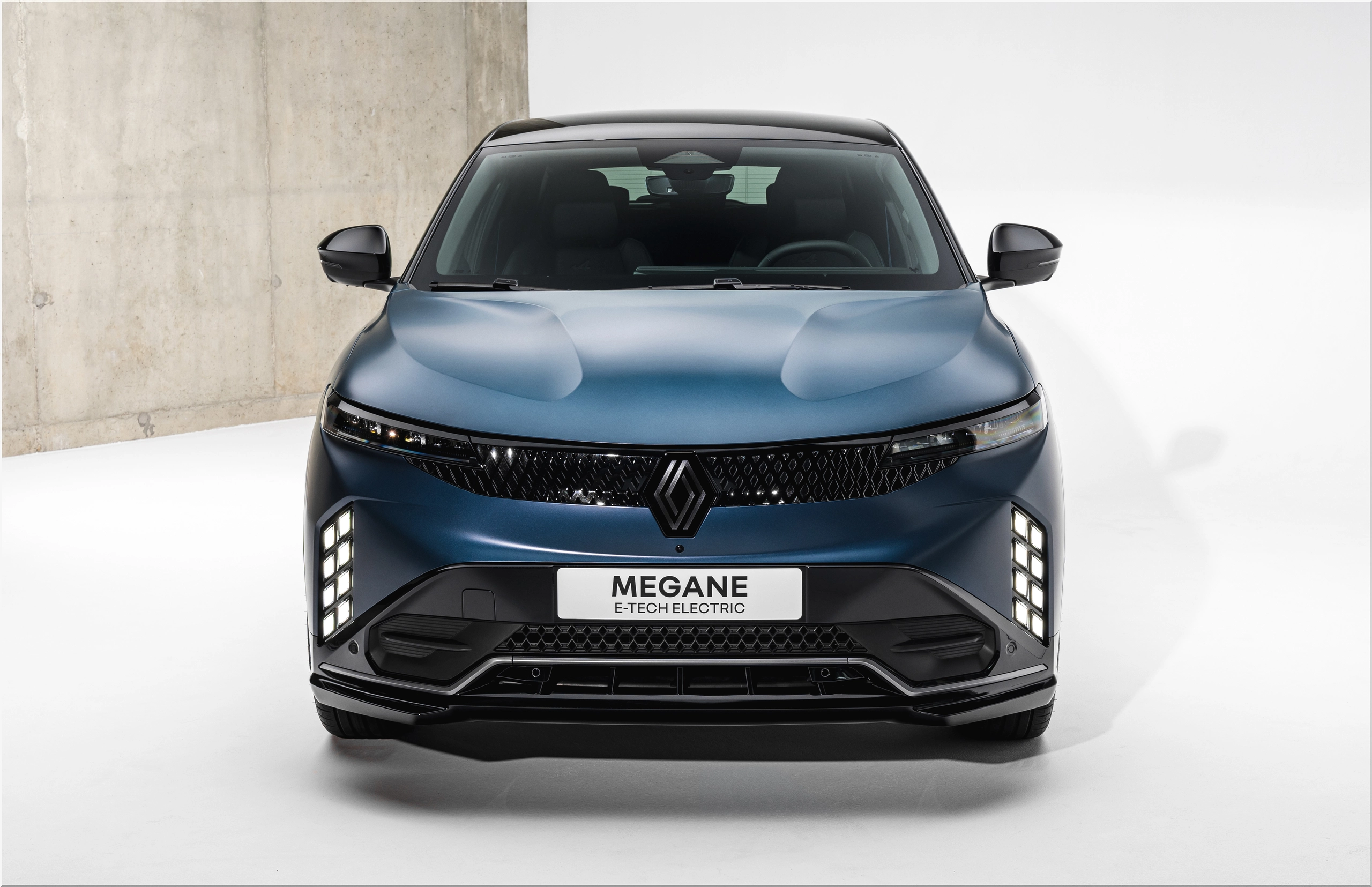
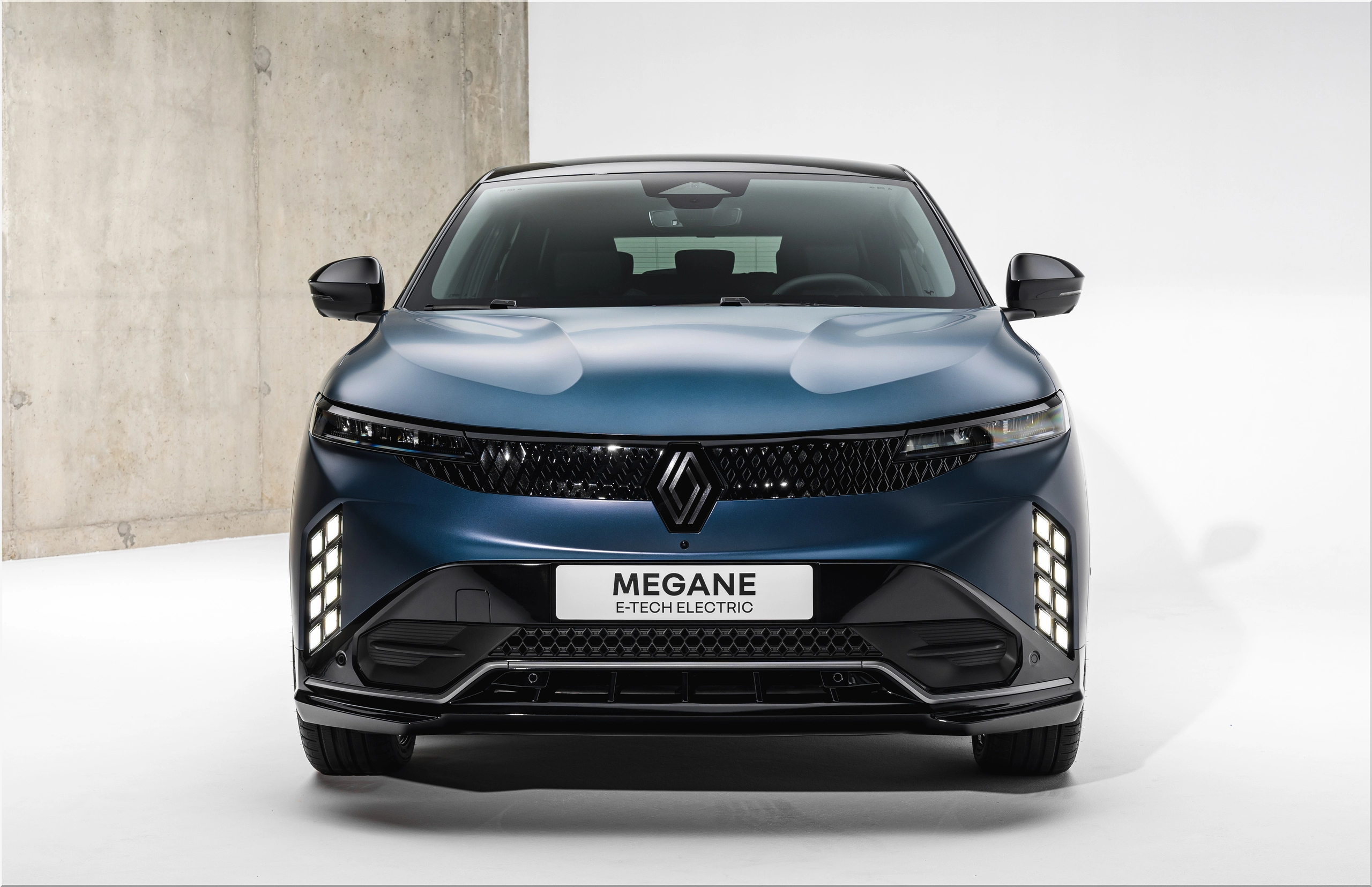
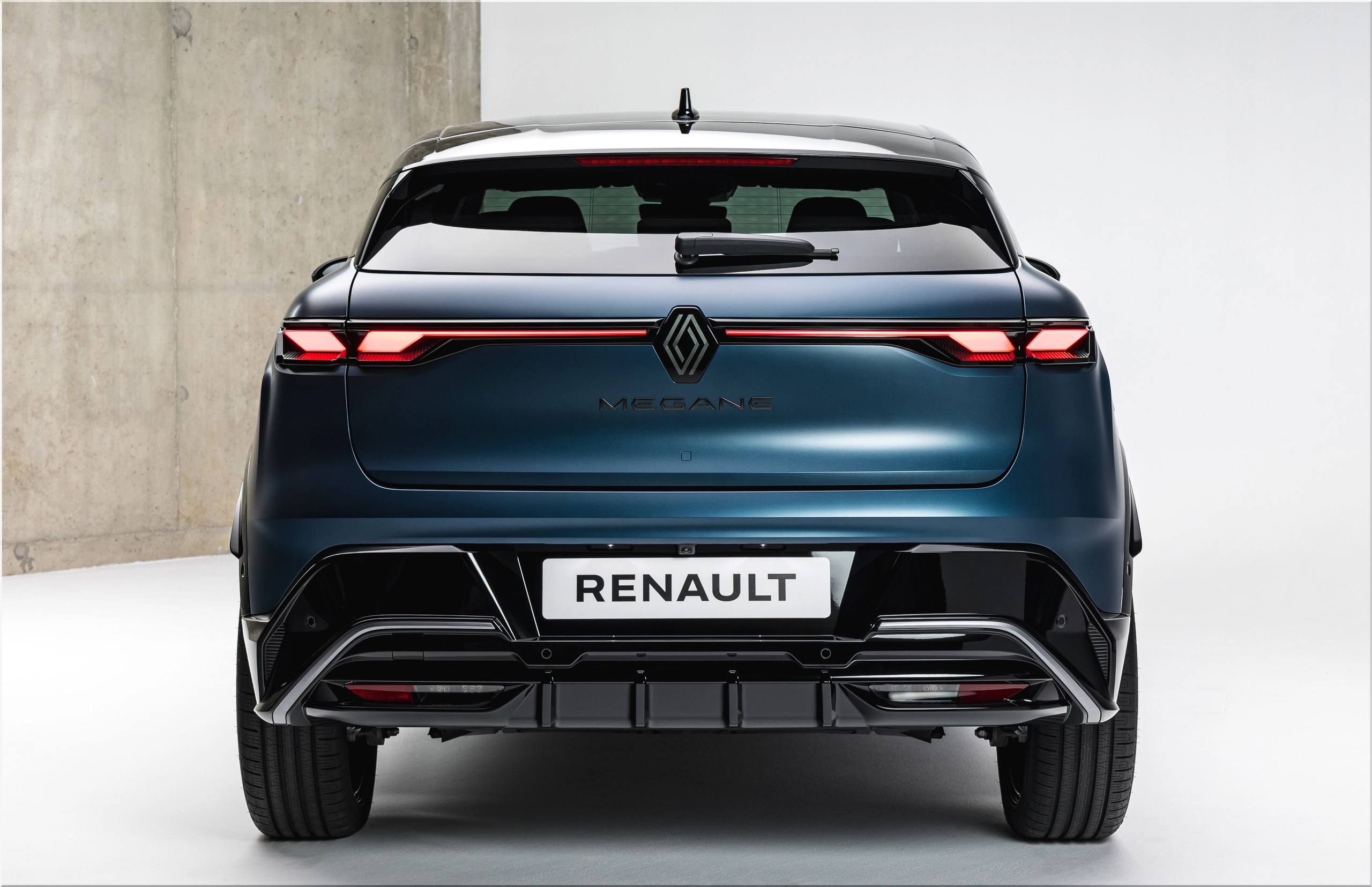
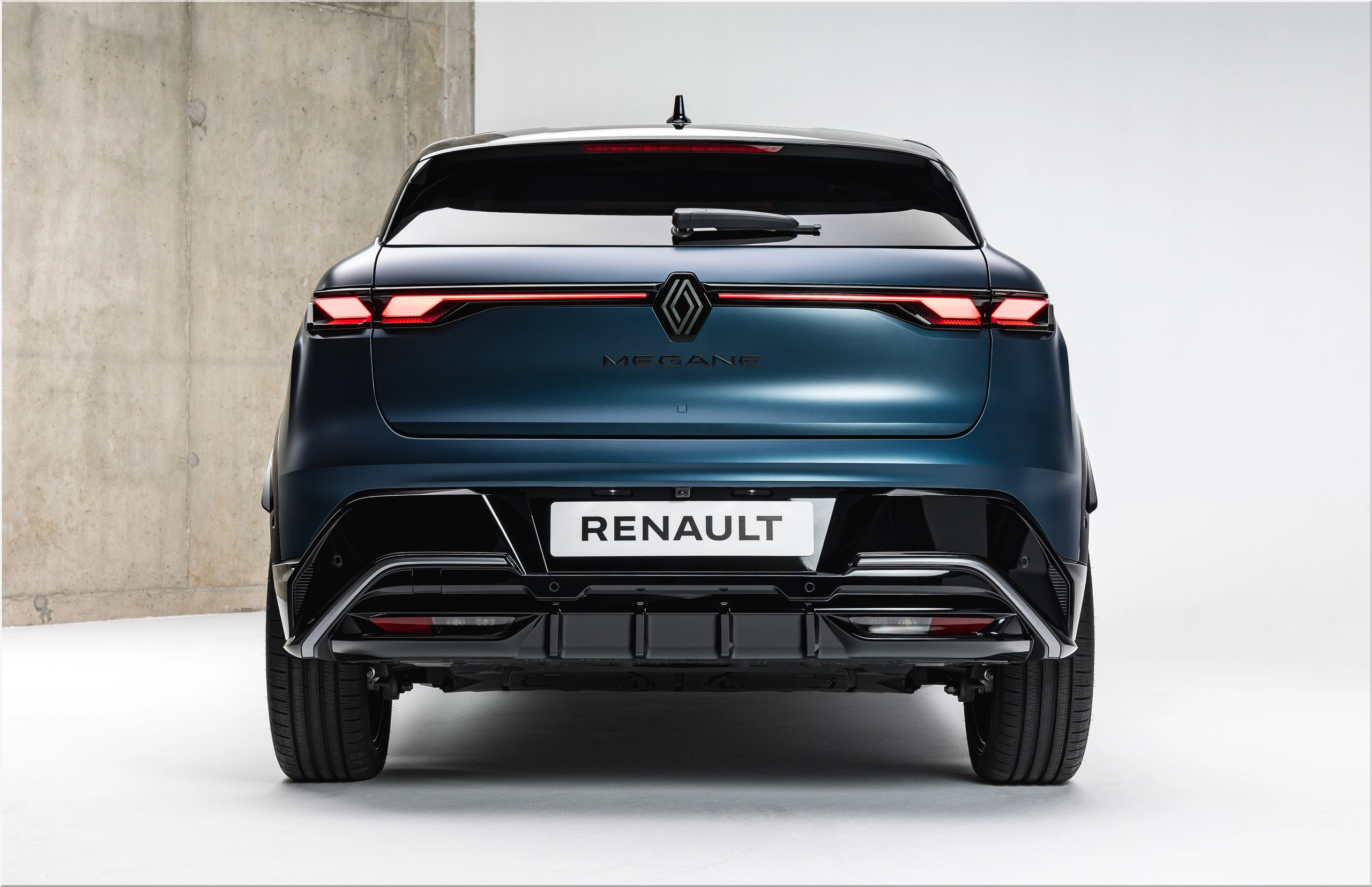
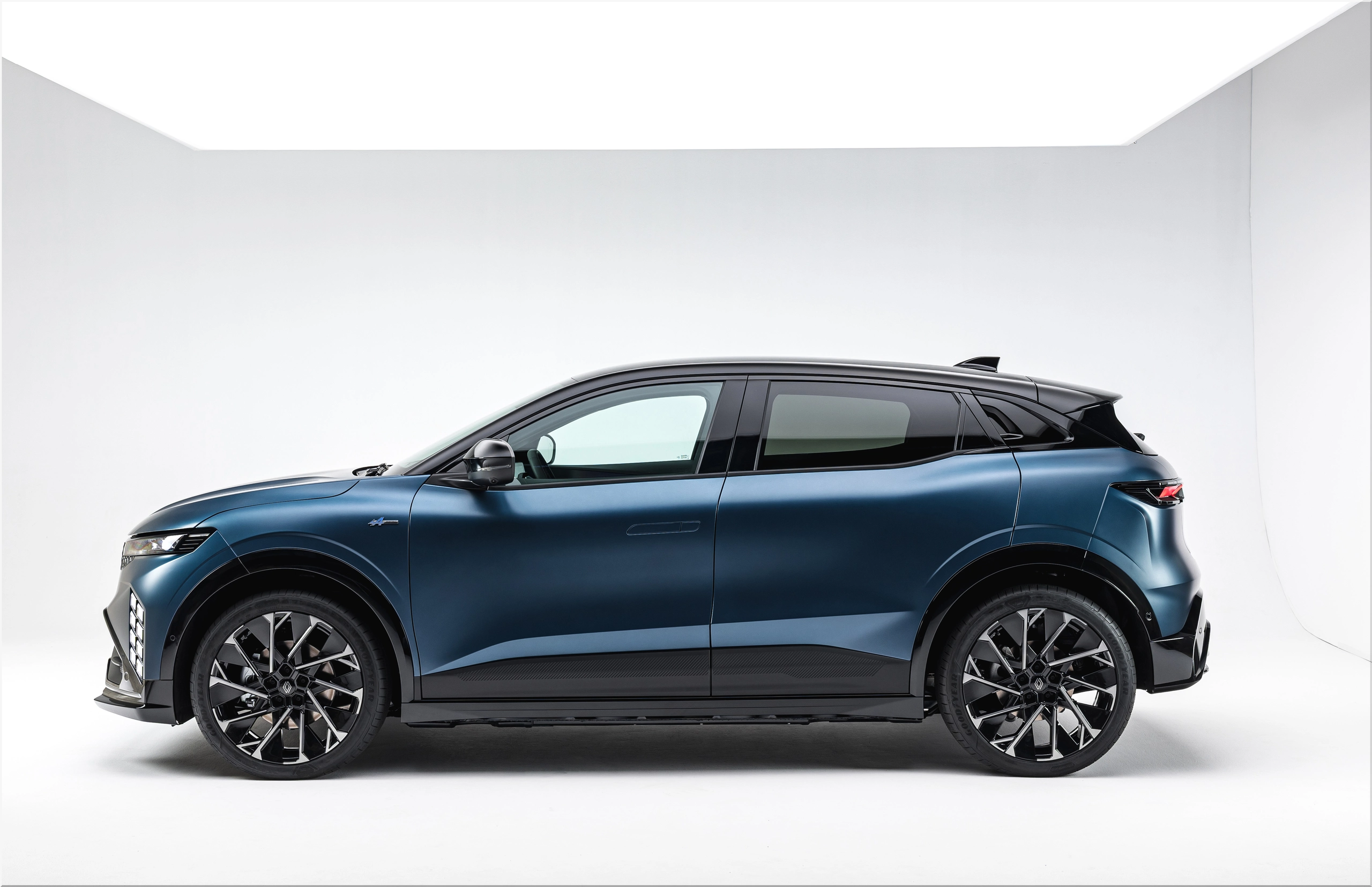
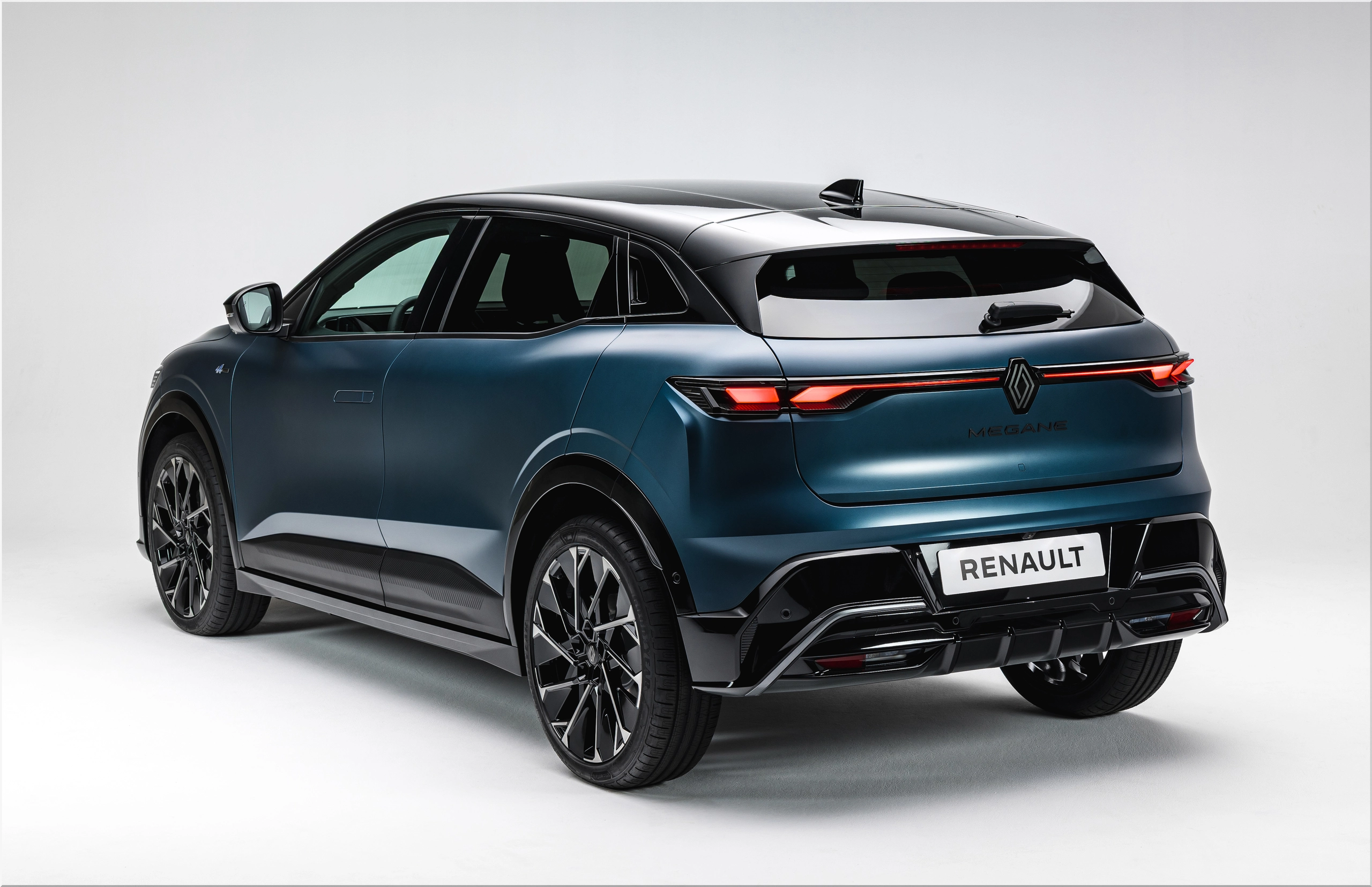
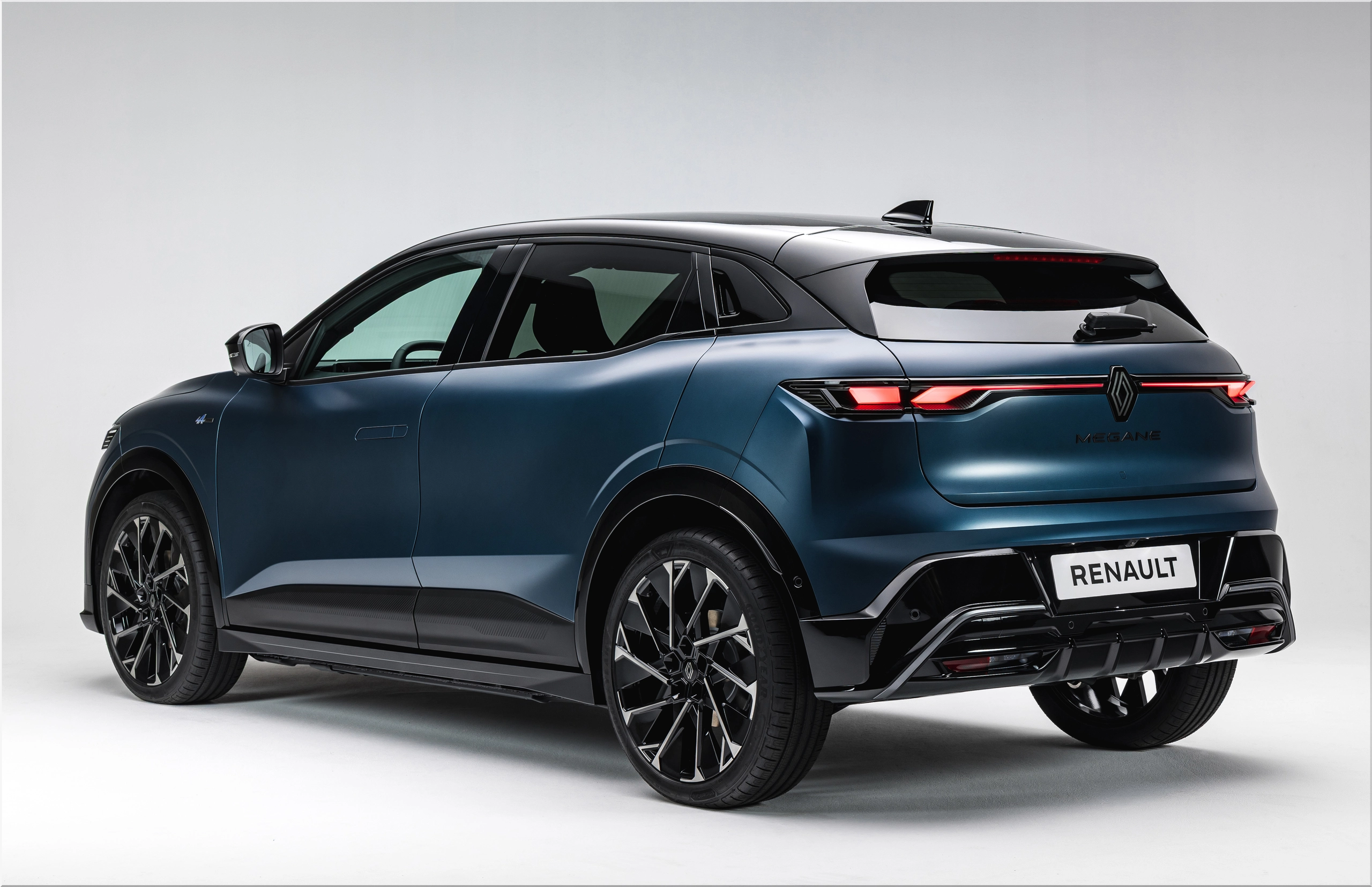
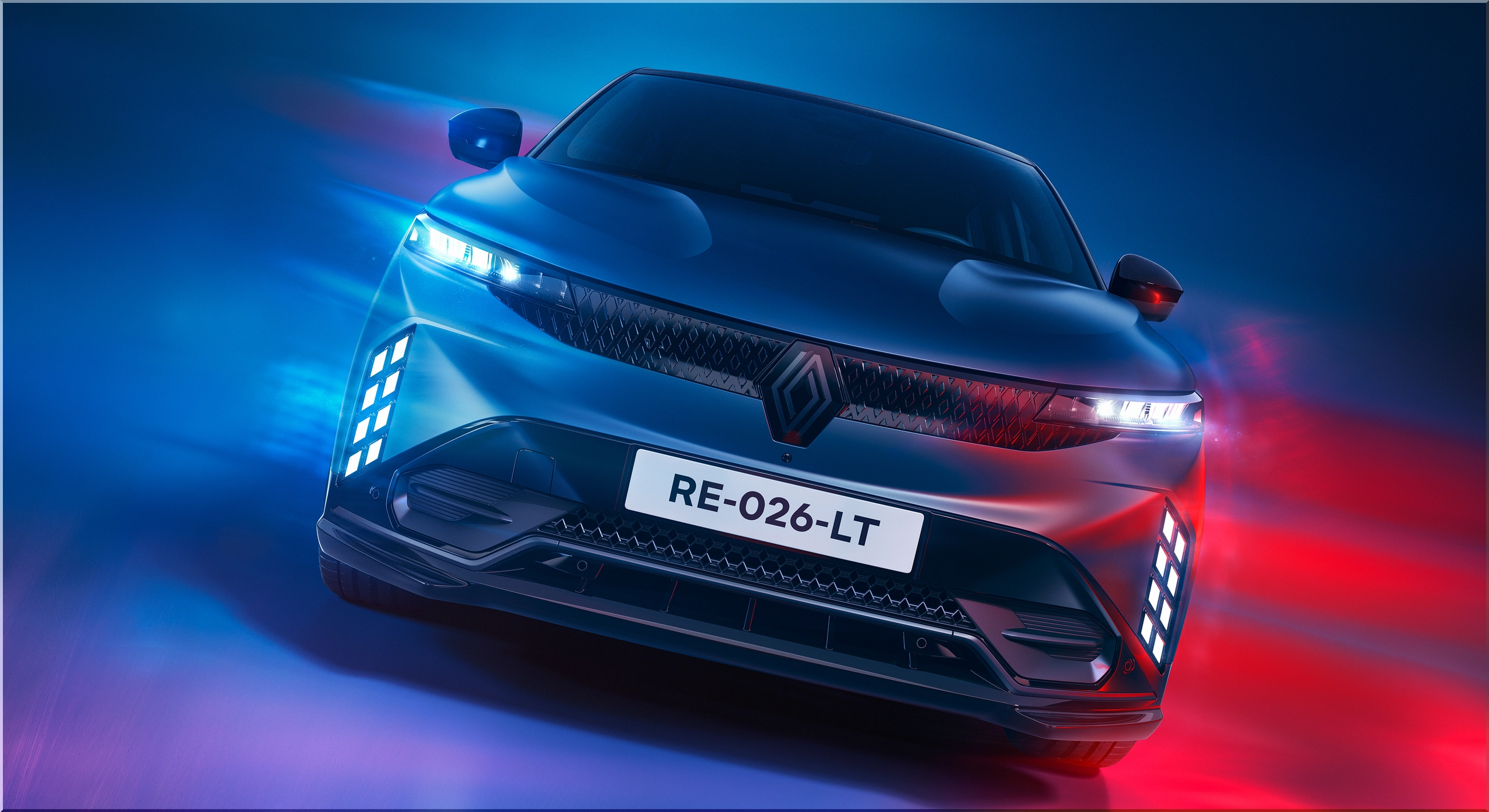
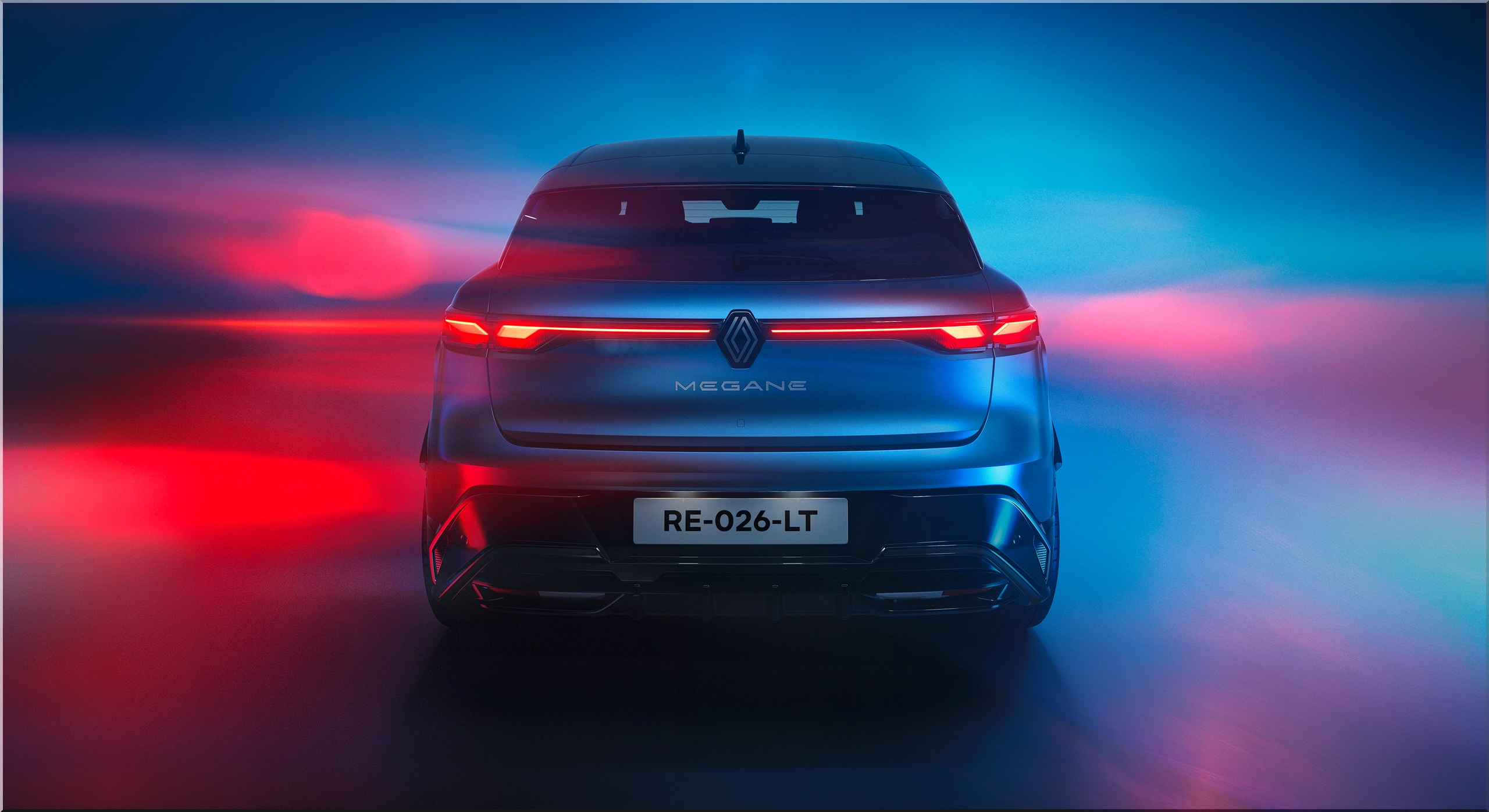
Renault keeps the compact hatchback footprint but gives the car a bigger battery and a sharper visual stance. Specifically, the larger pack raises the body by 20 mm, or 0.8 inches. That change gives engineers enough packaging space for the new battery while keeping the short overhangs, flush handles and long wheelbase that made the original car look squat and expensive.
| Data point | New Renault Megane E-Tech electric |
|---|---|
| Battery | 67 kWh LFP |
| Claimed range | Up to 500 km WLTP / 311 miles |
| DC fast charging | Up to 165 kW |
| Fast-charge time | 15-80% in about 24 minutes |
| Motor output | 160 kW / 220 hp |
| Torque | 300 Nm / 221 lb-ft |
| Drive layout | Front-wheel drive |
| 0-100 km/h | 7.6 seconds |
| Top speed | 160 km/h / 99 mph |
| Trim levels | Techno, Esprit Alpine |
Looking at the data, Renault made a smart trade. LFP chemistry usually prioritises cost control, durability and lower reliance on nickel and cobalt over maximum energy density. The cell-to-pack layout helps offset that weight and volume penalty by packing cells more tightly inside the battery case.
Image
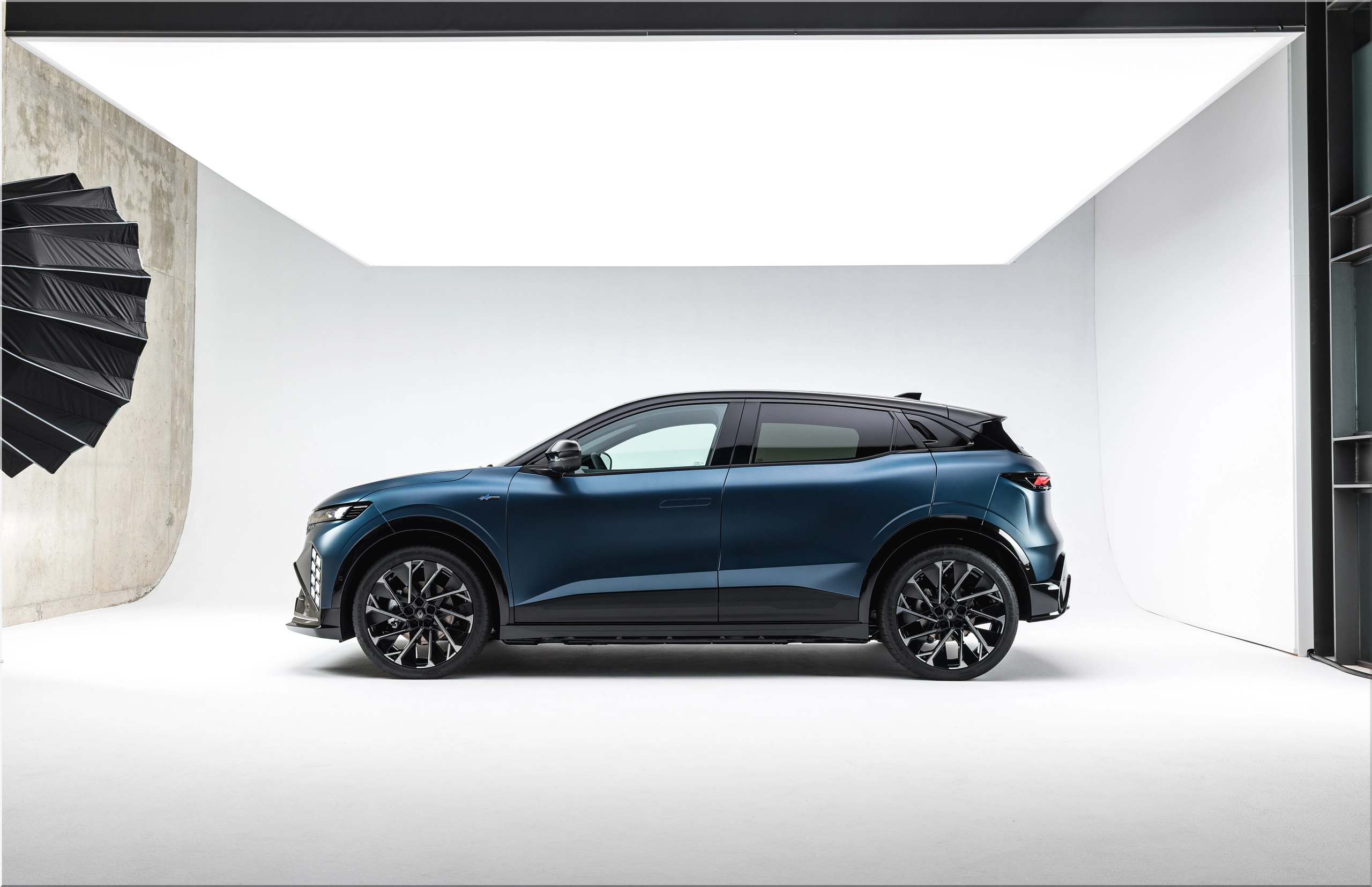
Why The 67 kWh LFP Battery Matters
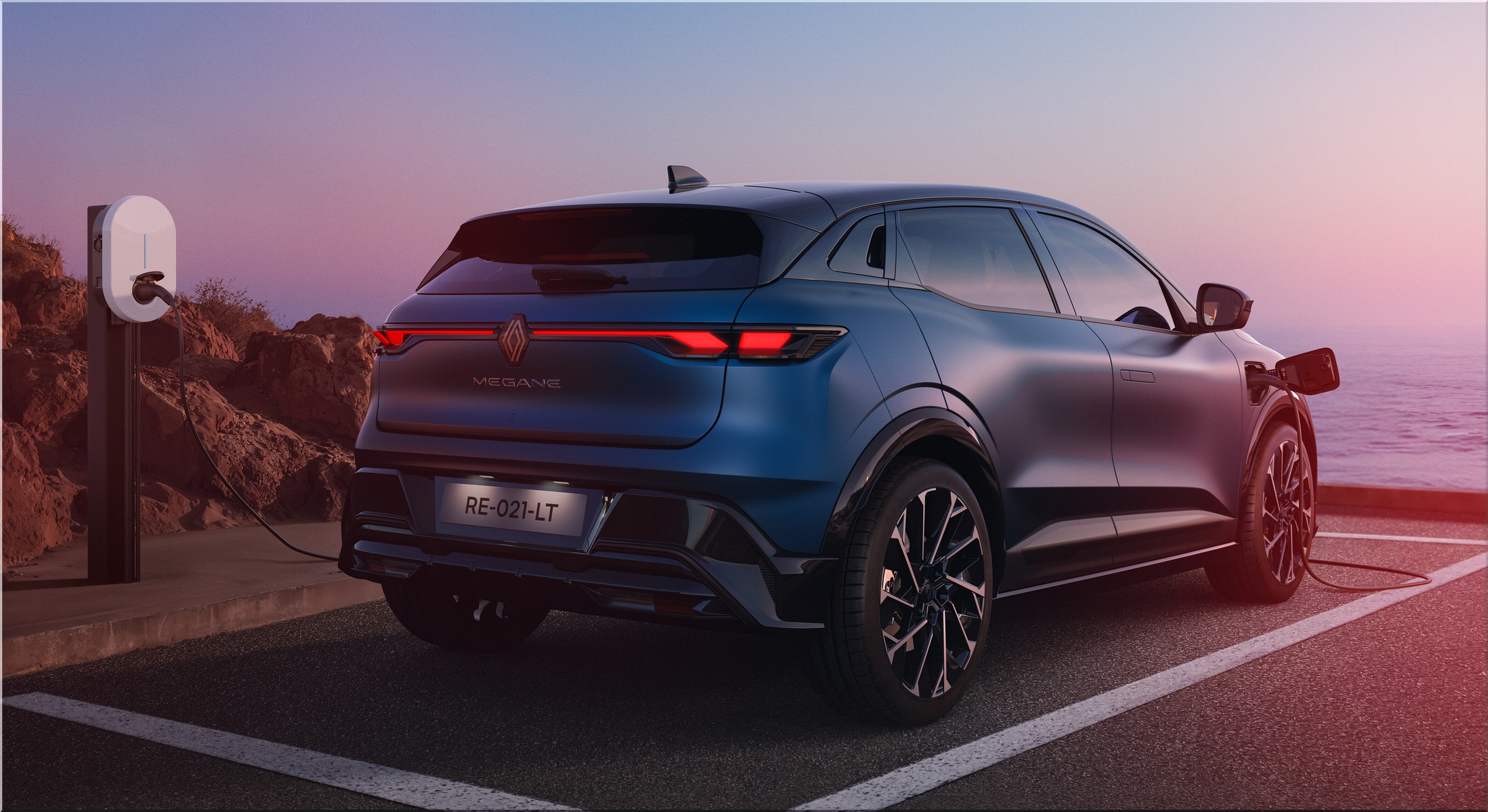
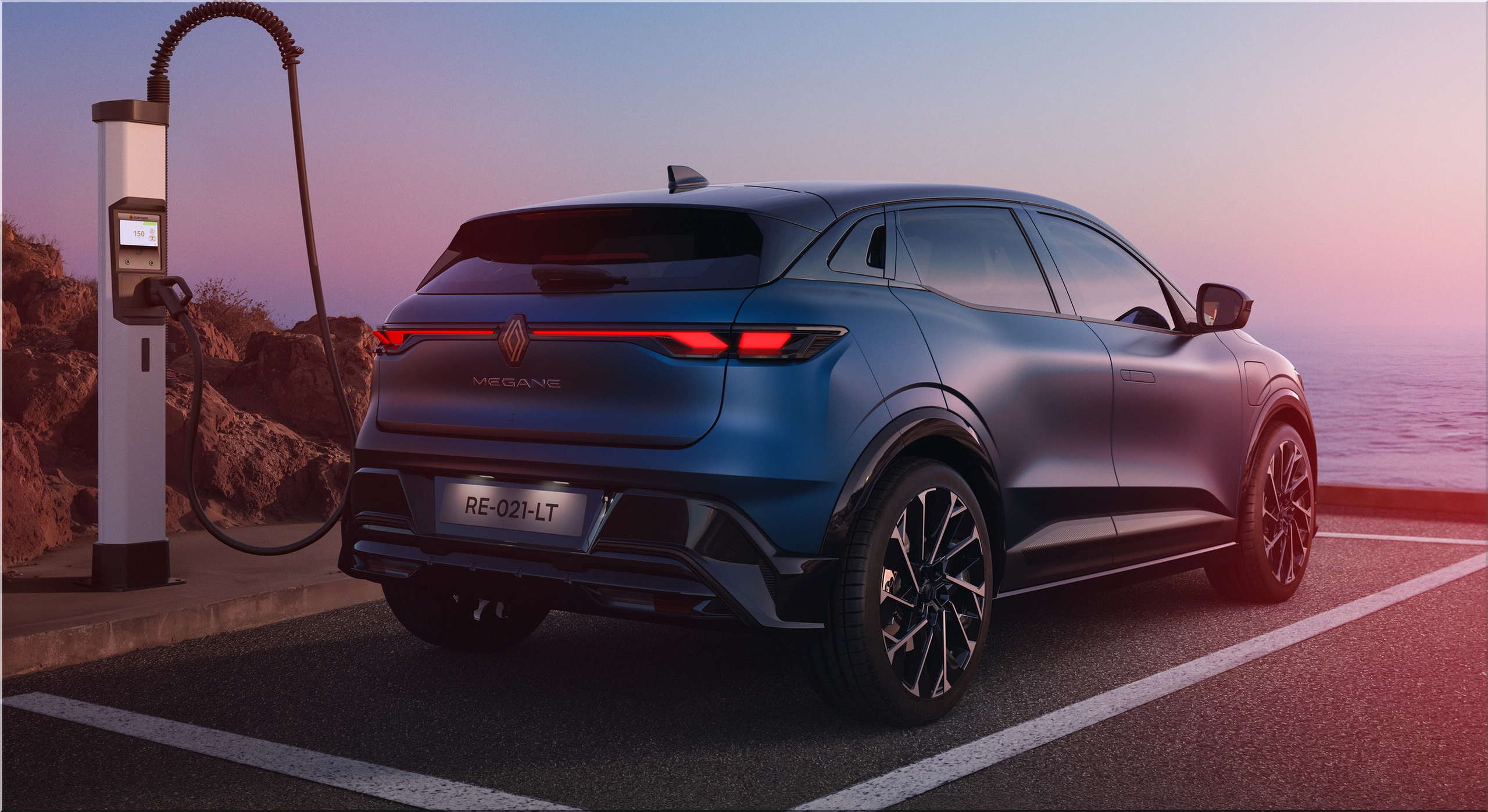
The 67 kWh LFP battery replaces the previous 60 kWh NMC pack. In addition, Renault lifts peak DC charging from 130 kW to 165 kW, cutting the 15-80% stop to roughly 24 minutes. That matters more than a brochure-friendly range figure because motorway EV ownership often depends on charging time, not peak distance.
The motor still sends 220 hp and 300 Nm to the front axle. From an expert perspective, Renault chose continuity here because the motor already suits the car's mission: quick urban response, low rolling noise and predictable front-drive traction. No buyer in this segment needs drift mode unless they also enjoy explaining kerb damage to insurers.
Video title
Renault Megane Electric
Key electric upgrades include:
- 500 km WLTP range from the new battery
- 165 kW DC charging for shorter long-trip stops
- 11 kW AC charging for normal home or public AC use
- Vehicle-to-load capability for powering external devices
- One-pedal driving through stronger regenerative braking
Dimensions, Packaging And Practicality
The Renault Megane electric still works because it uses its size well. It measures around 4,199 mm long, or 165.3 inches, yet it carries a 2,685 mm wheelbase, or 105.7 inches. That gives it the road footprint of a compact hatch with cabin packaging closer to a small crossover.
| Practical data | Measurement |
|---|---|
| Length | 4,199 mm / 165.3 in |
| Width | 1,770 mm / 69.7 in |
| Wheelbase | 2,685 mm / 105.7 in |
| Boot capacity | 440 litres |
| Max luggage capacity | 1,332 litres |
| Turning circle | 10.4 m |
| Braked towing capacity | 900 kg |
| Unbraked towing capacity | 750 kg |
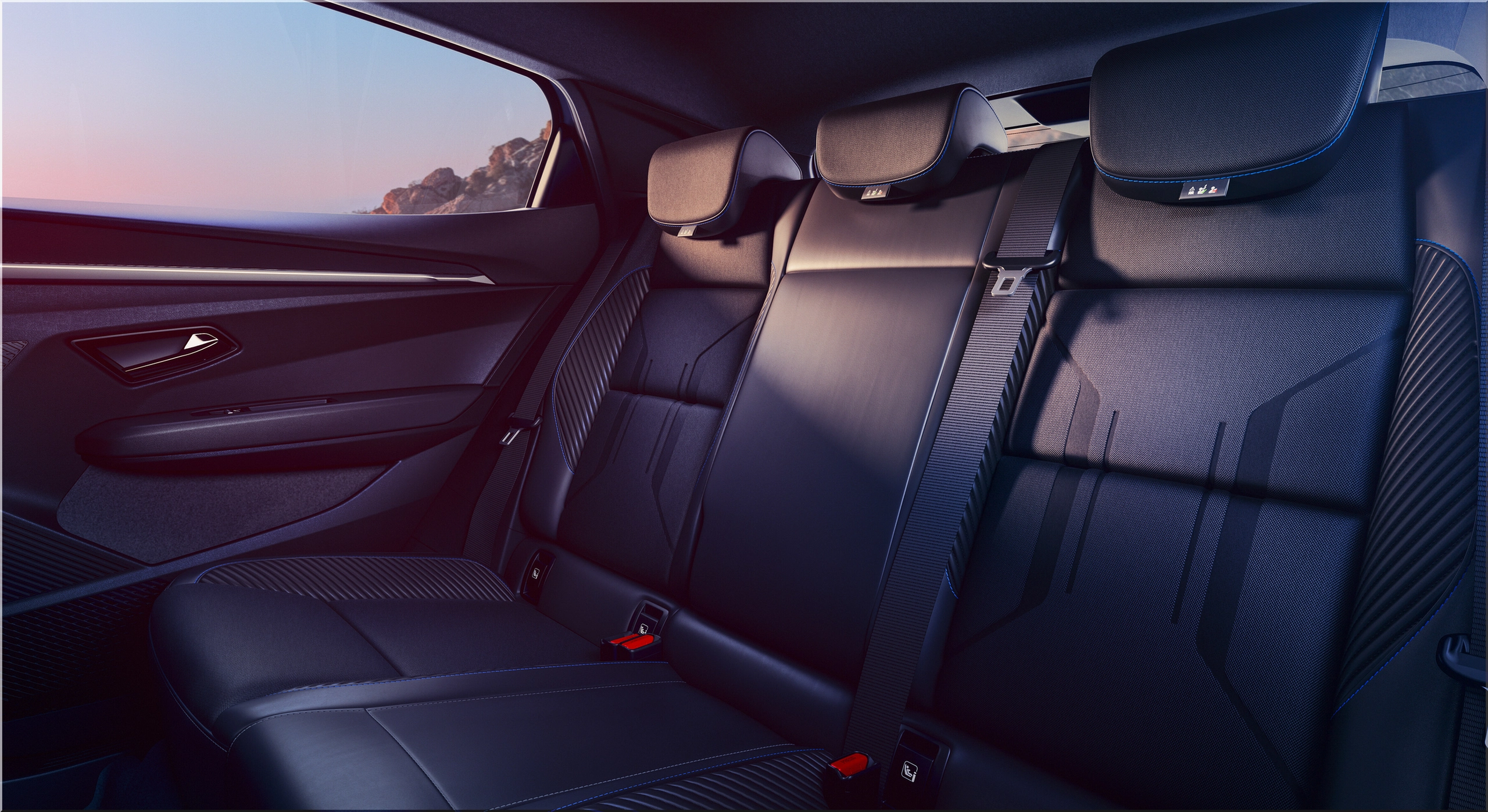
By comparison, the 440-litre boot gives the Megane a useful daily advantage over many hatchback EVs. The rear floor still sits high because the battery lives below the cabin, but the load volume suits family errands, airport runs and the weekly supermarket expedition, otherwise known as the true European endurance test.
Image
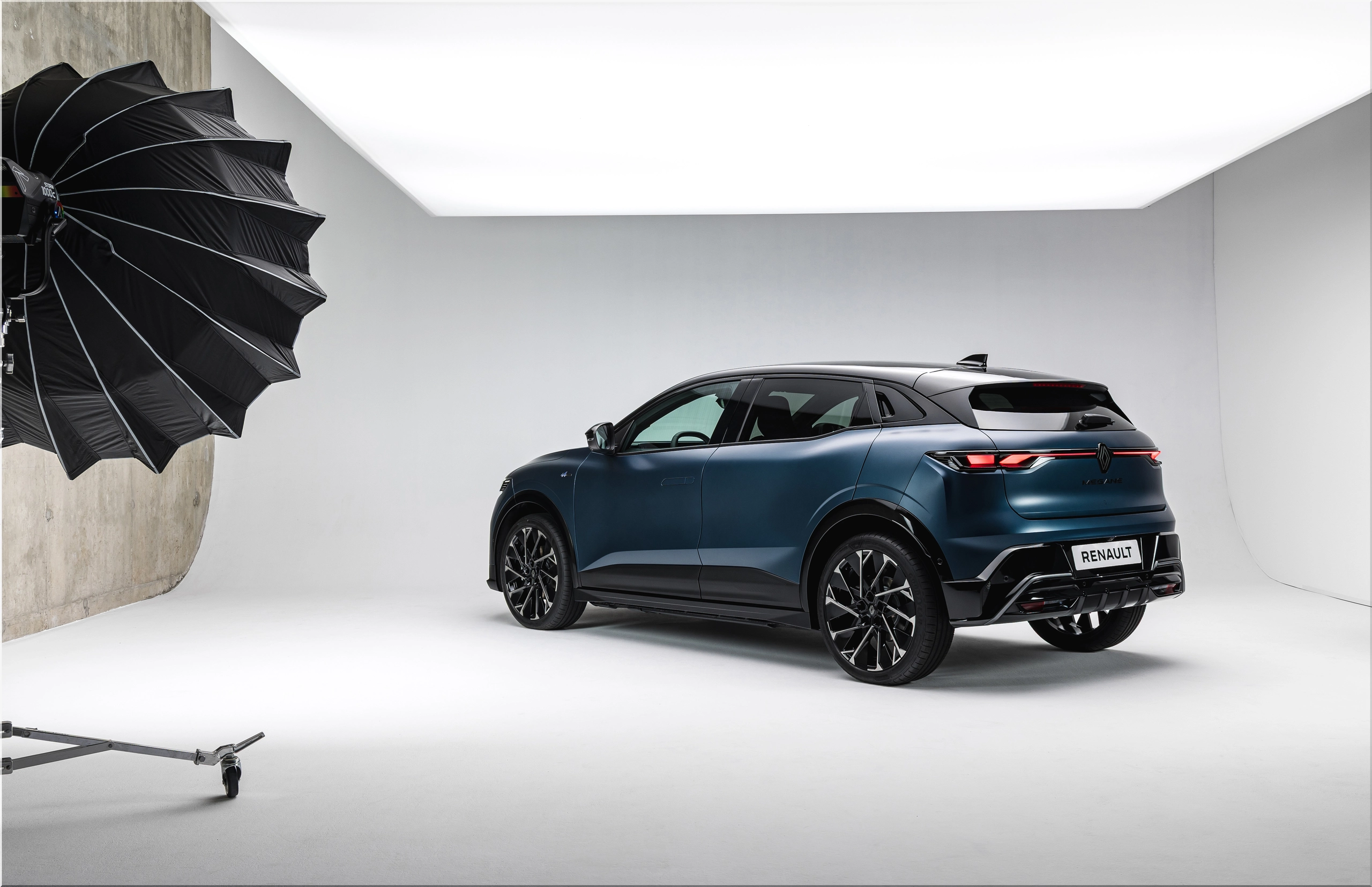
Interior Tech: Google Built-In And A Cleaner Range
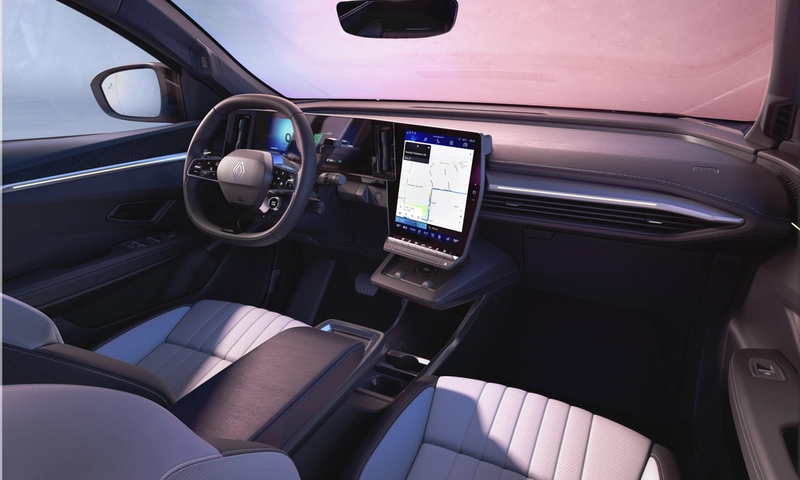
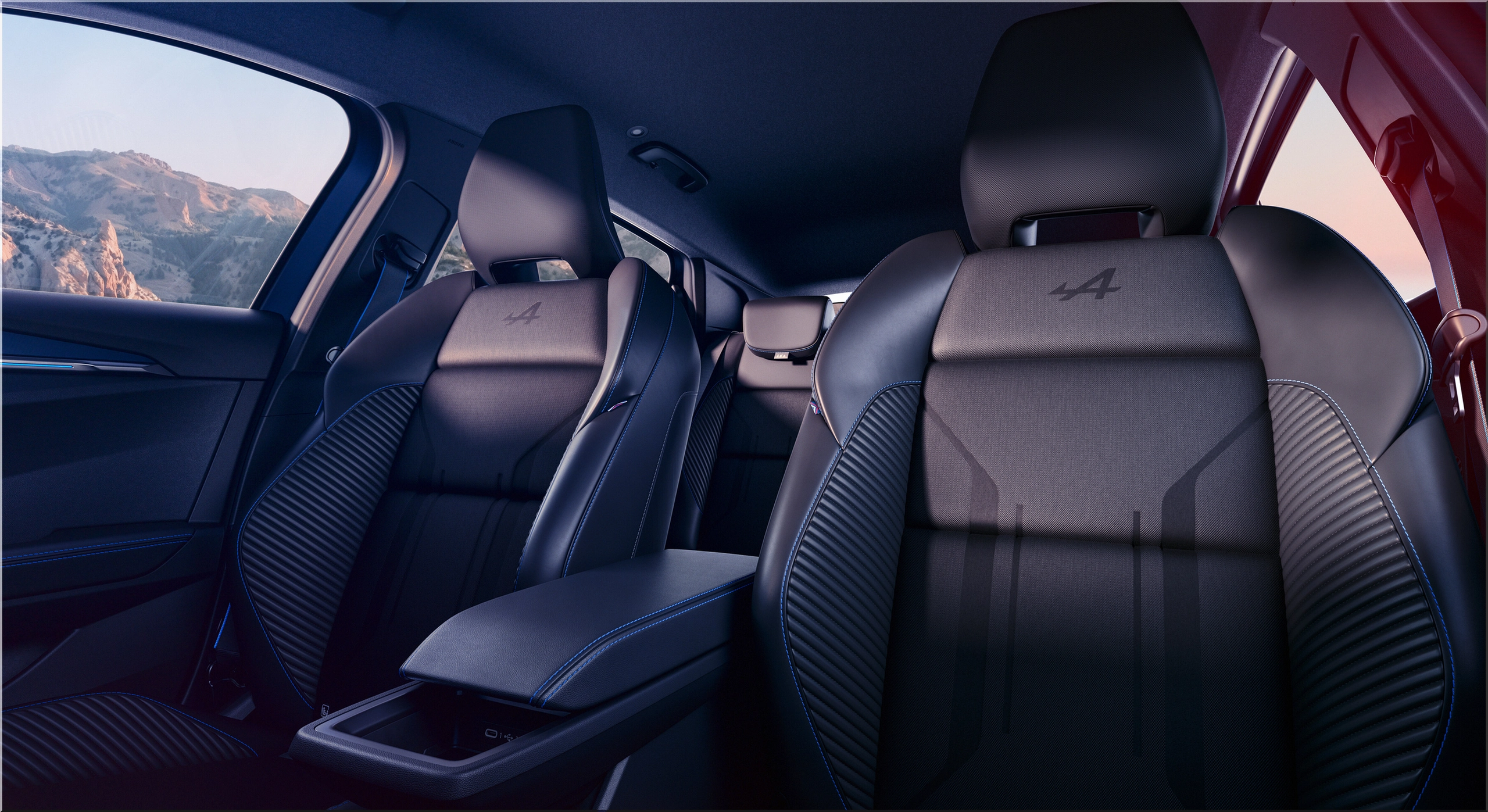
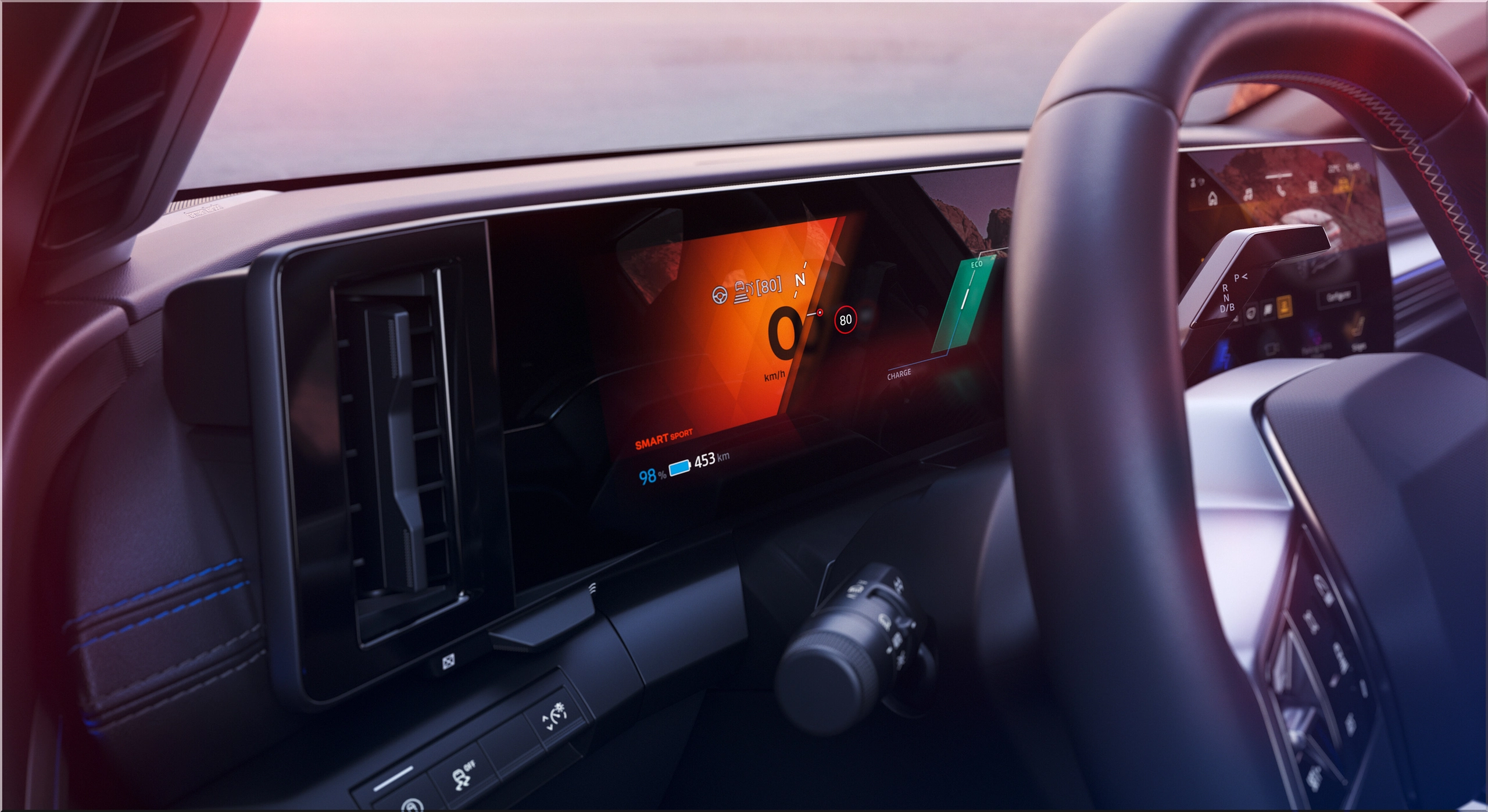
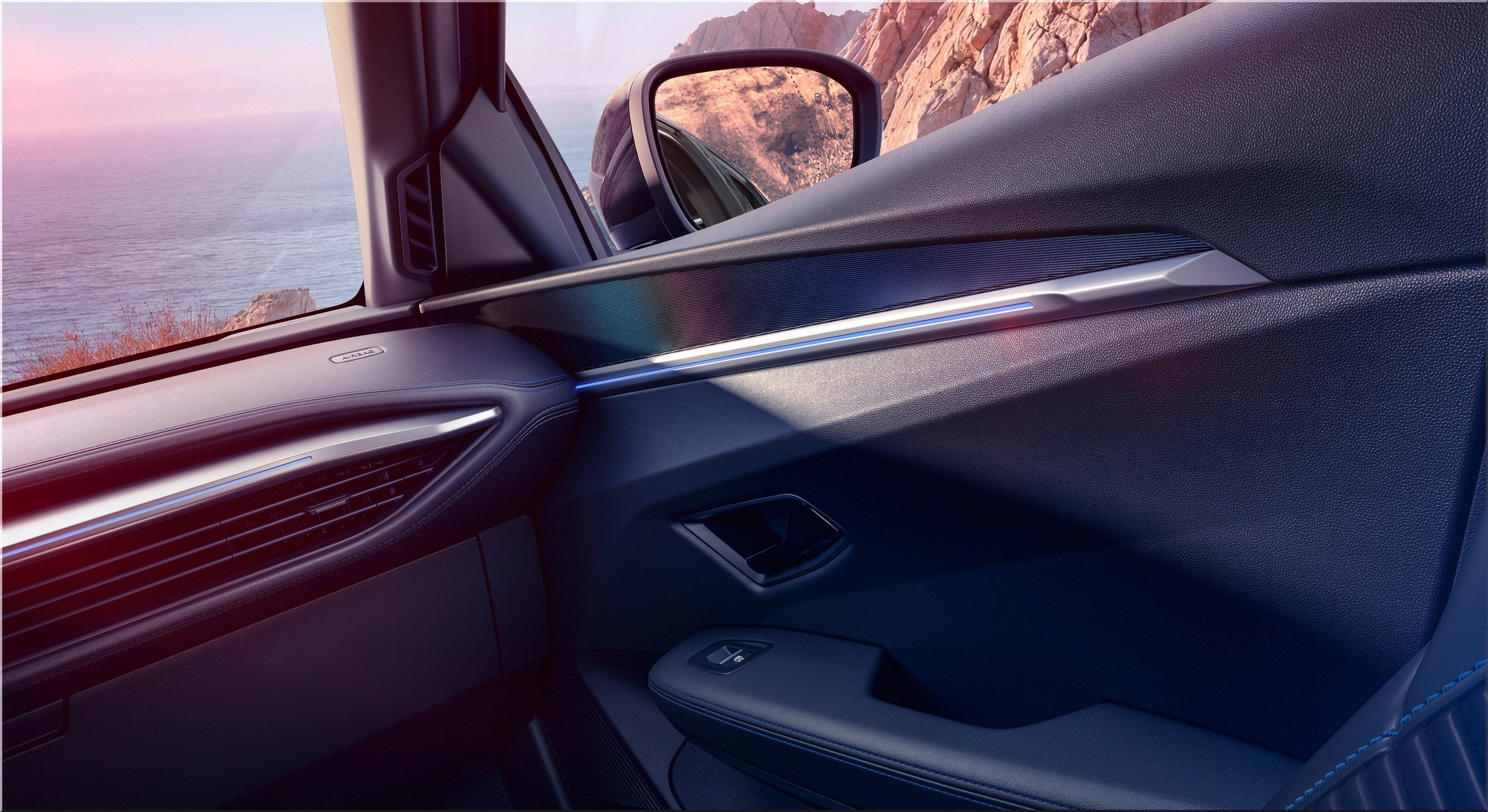
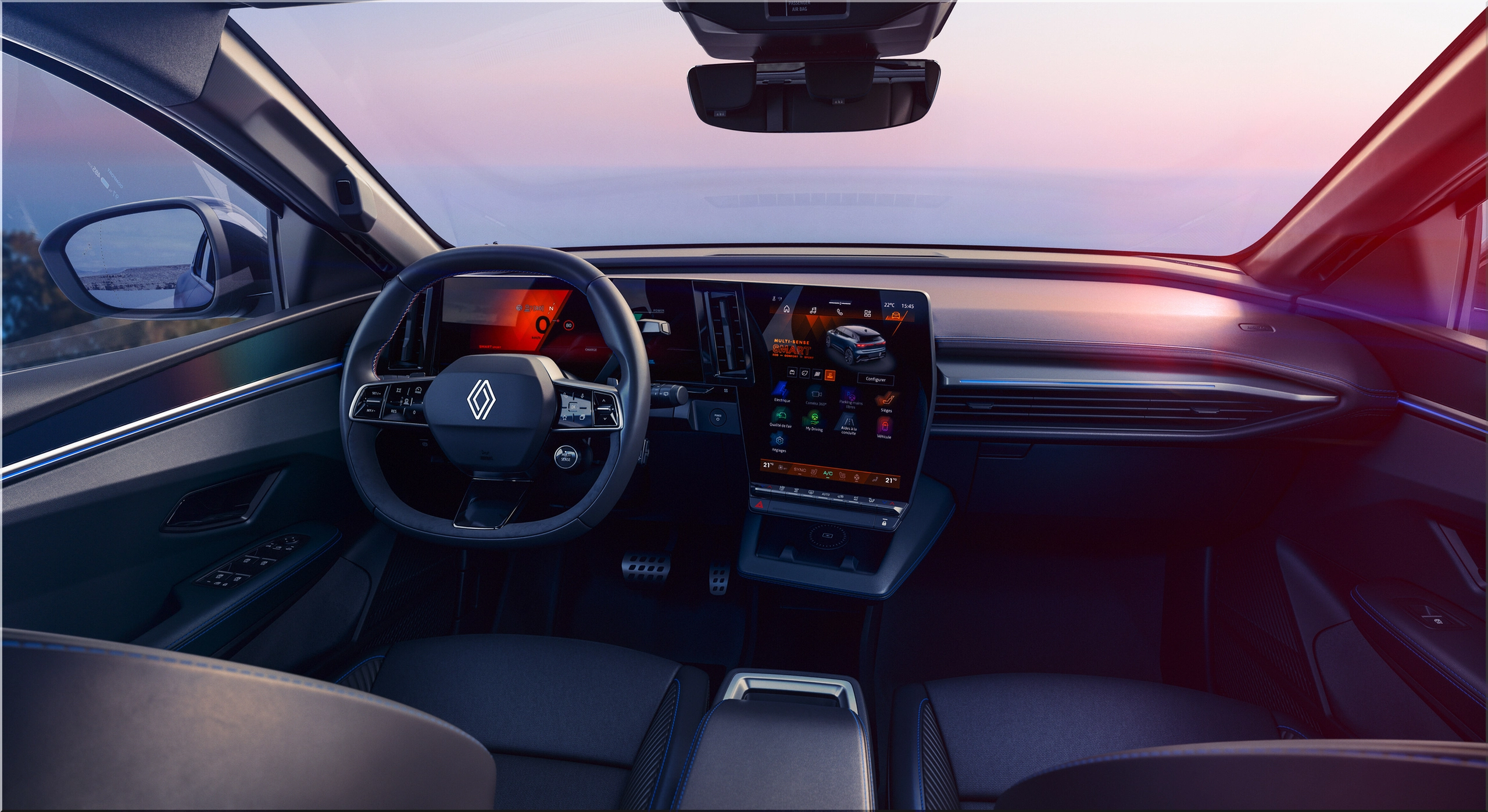
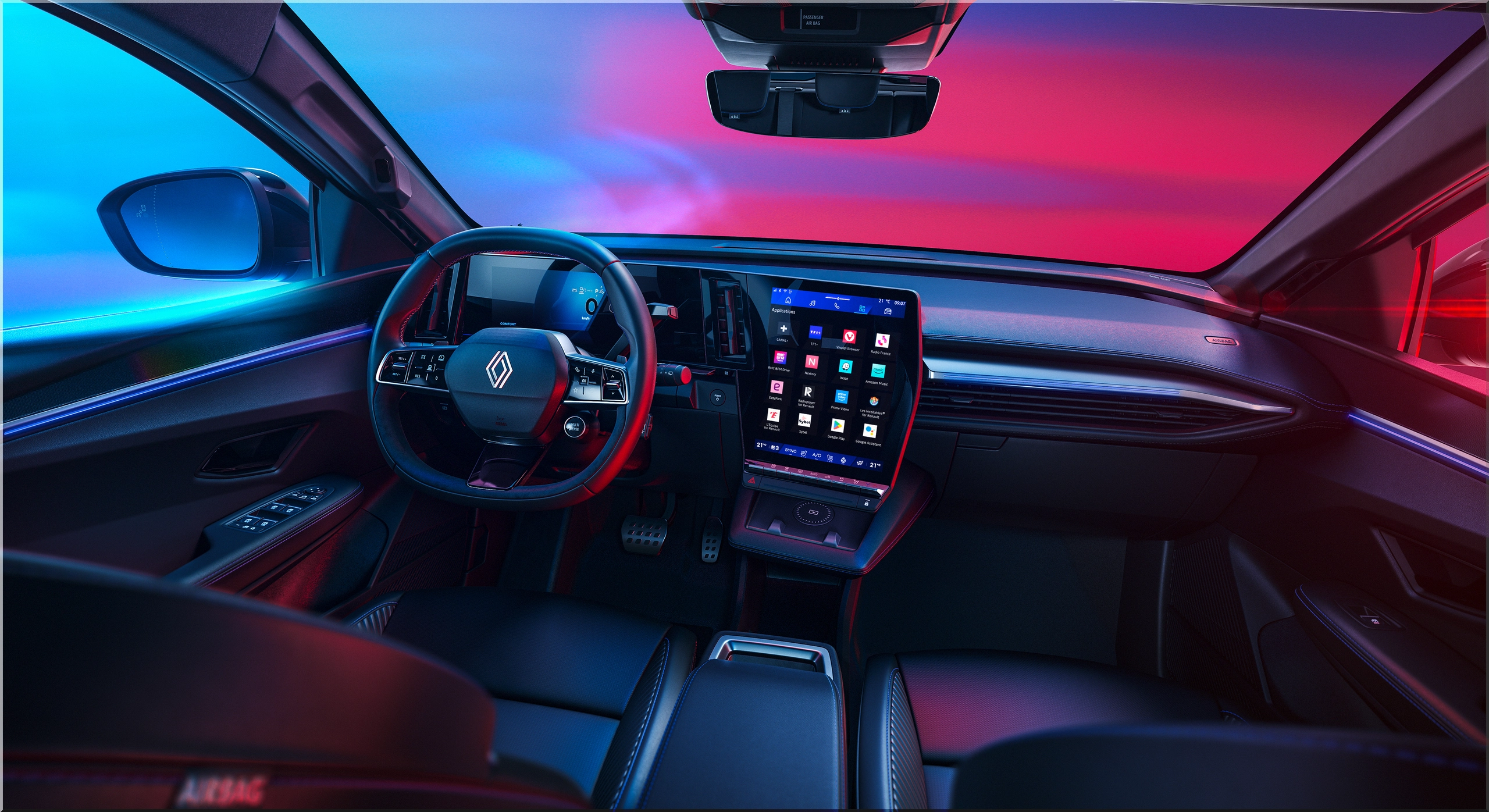
Renault now gives the Megane a clearer two-trim line-up: Megane Techno and Megane Esprit Alpine. The Techno version gets a 12-inch OpenR central display, a 12.3-inch driver display, Google built-in, an EV route planner, battery preconditioning, 19-inch wheels and a heat pump. Esprit Alpine adds 20-inch wheels and a sportier cabin finish.
Specifically, the infotainment package now supports more than 100 apps through Google built-in, and Renault says Gemini will replace Google Assistant through a later update. That gives the car a stronger software pitch without deleting sensible physical controls. Small mercy still counts.
Image gallery
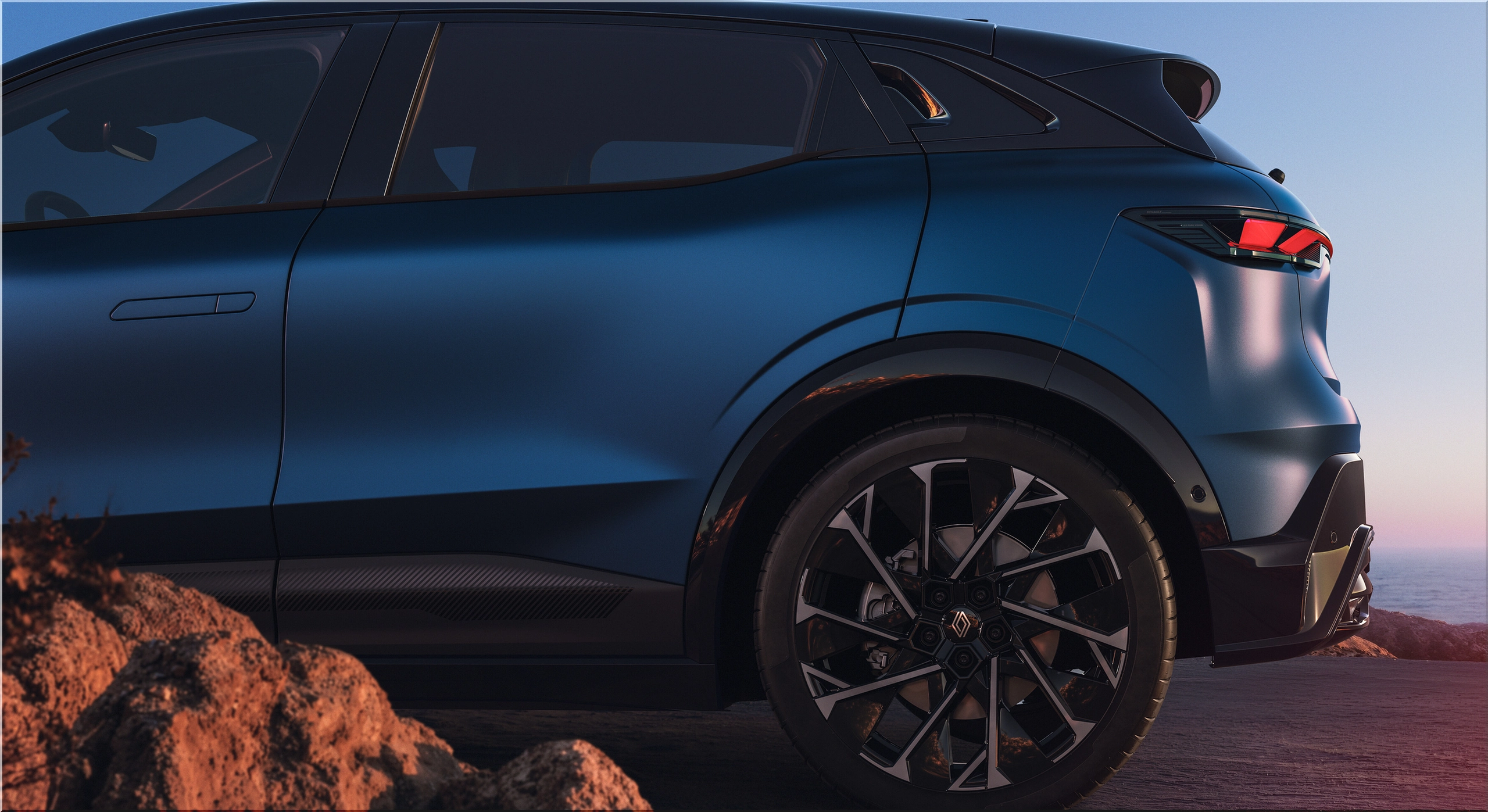
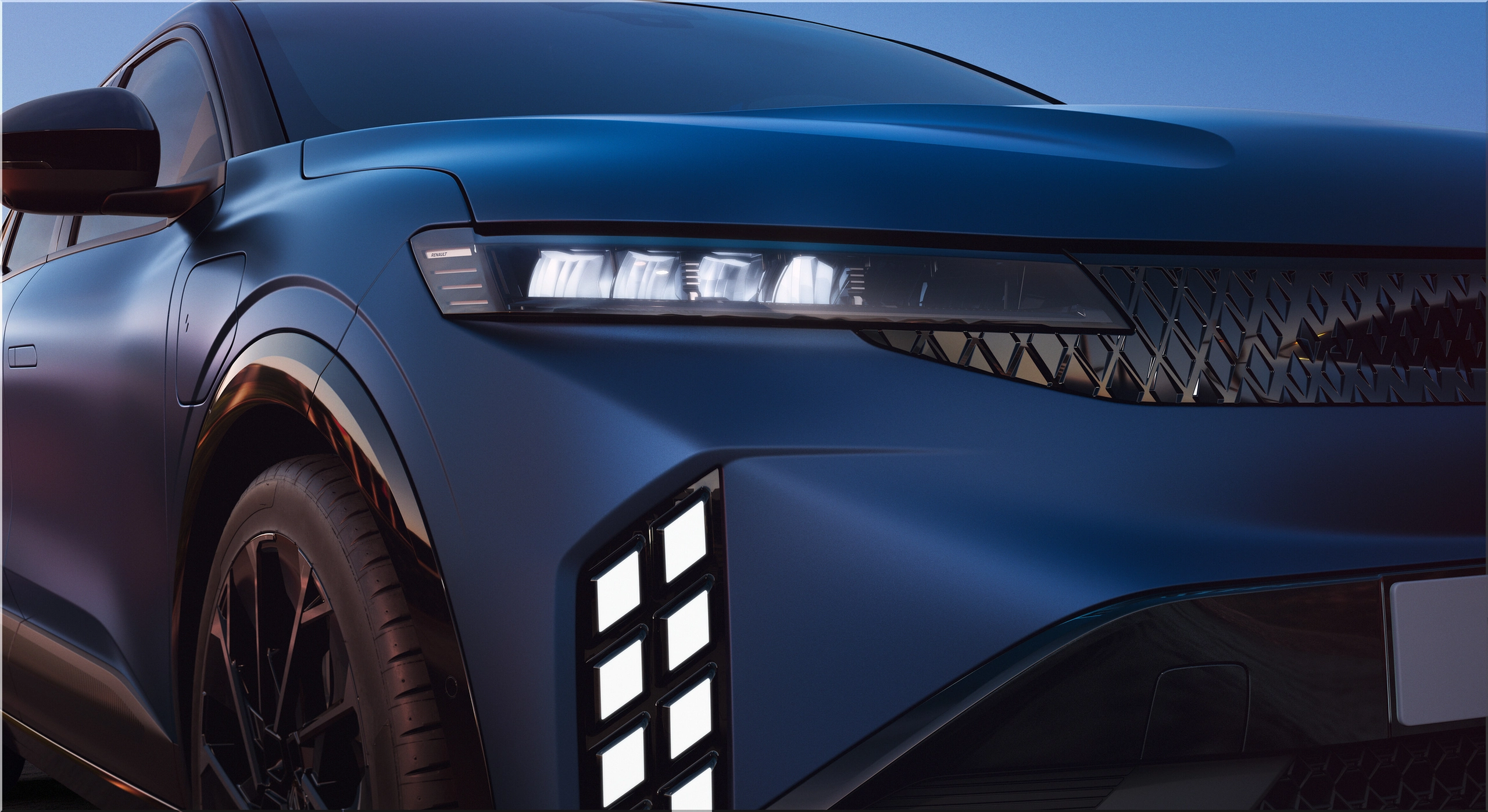
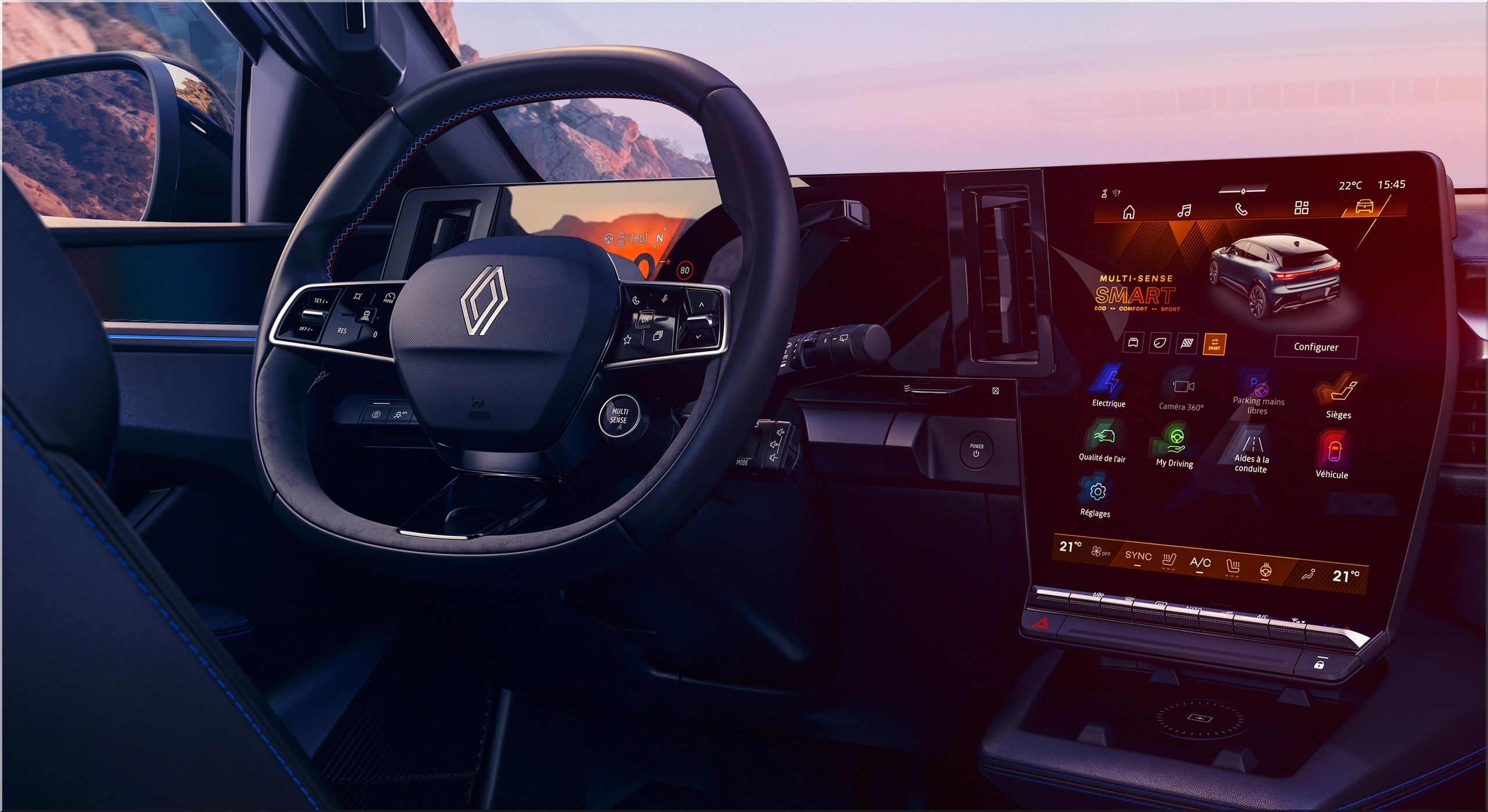
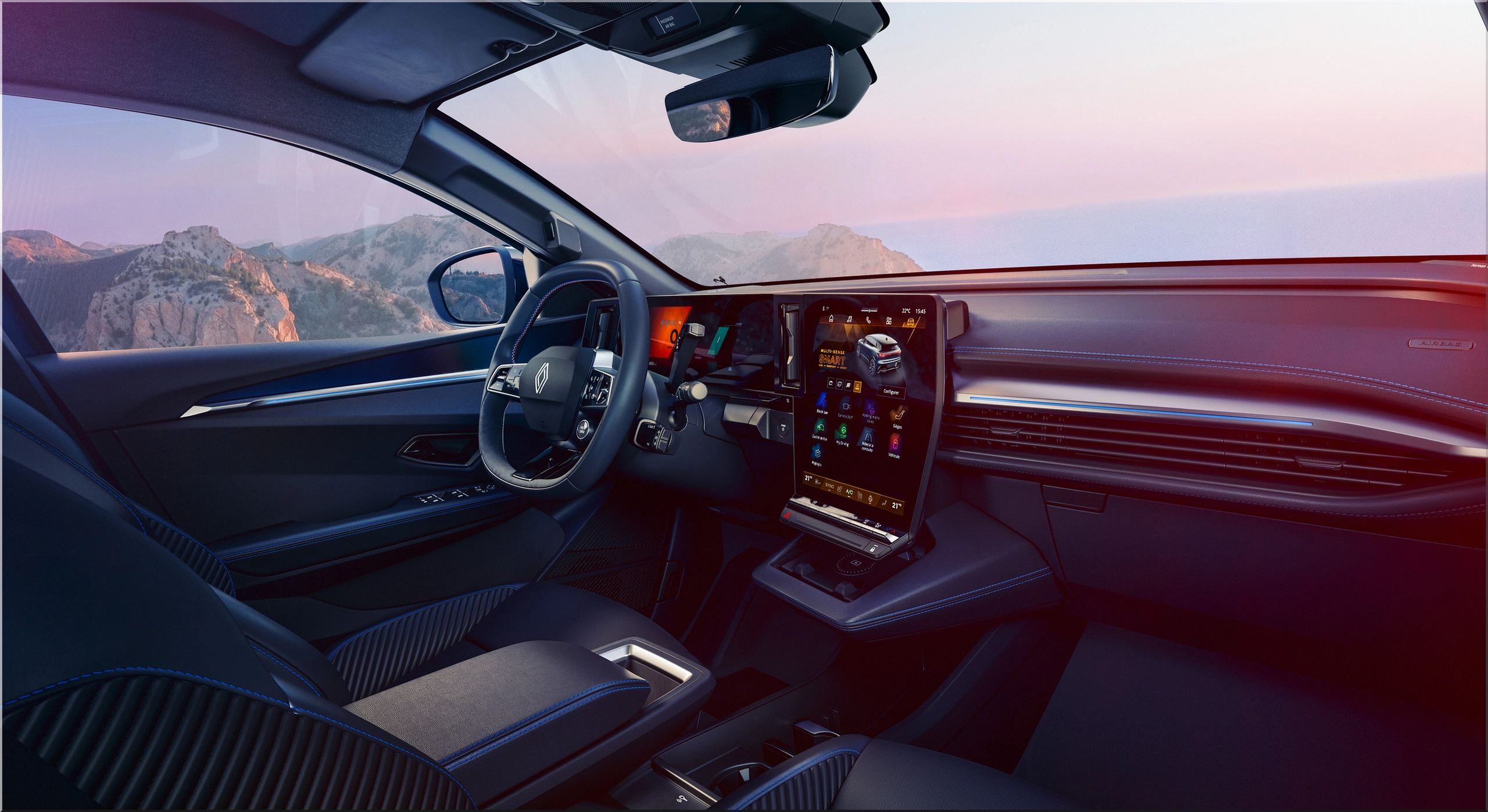
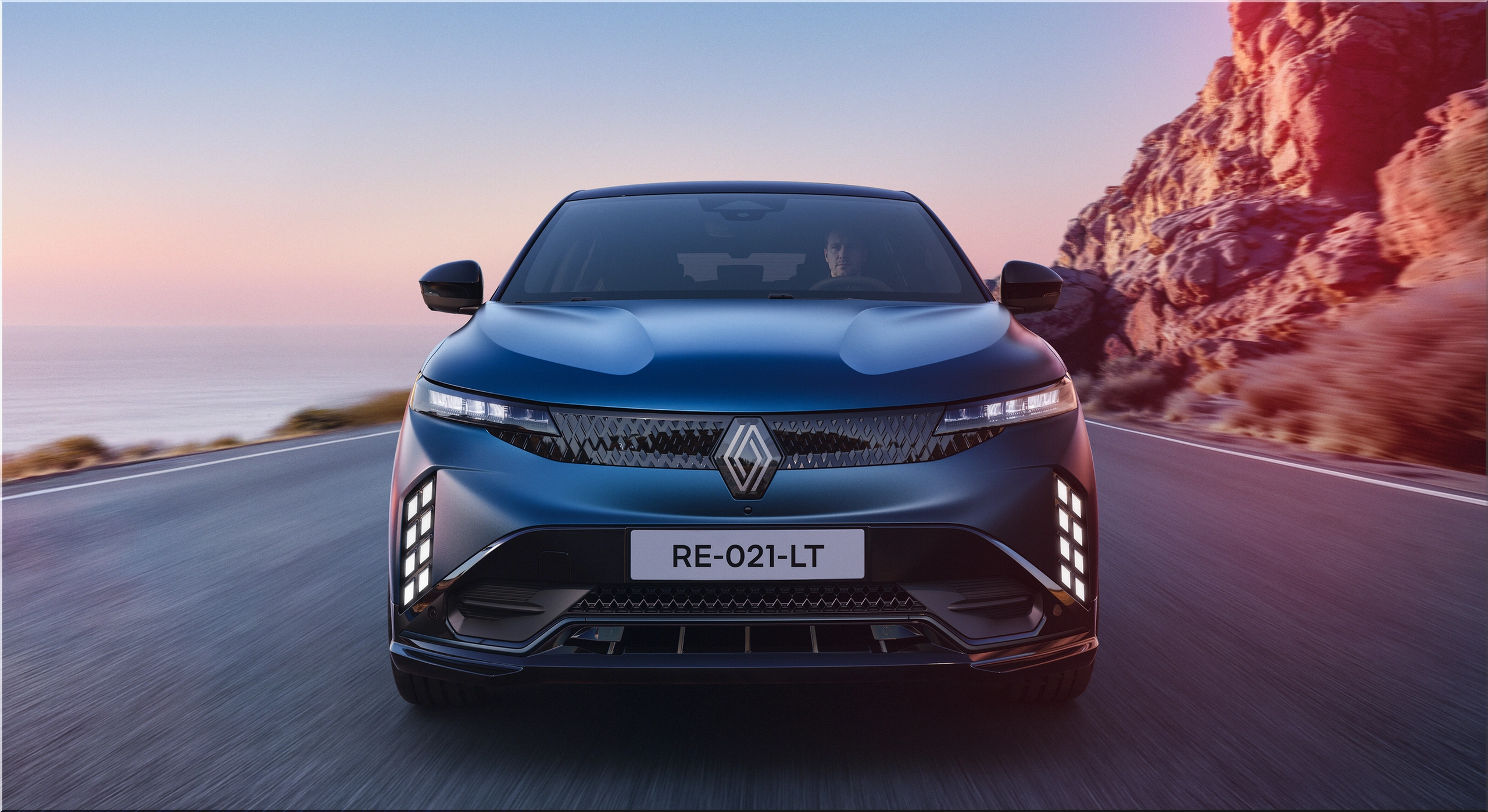
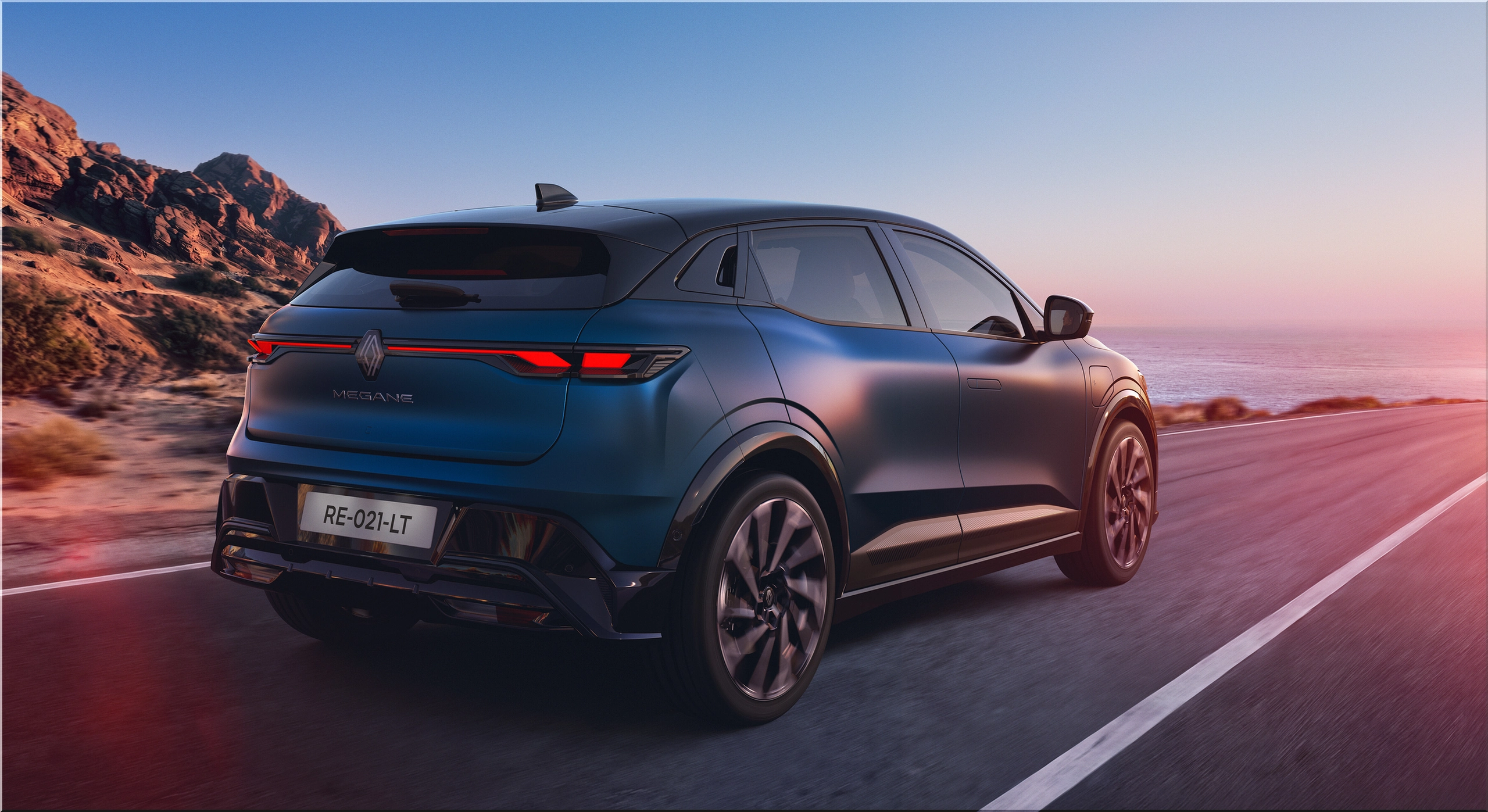
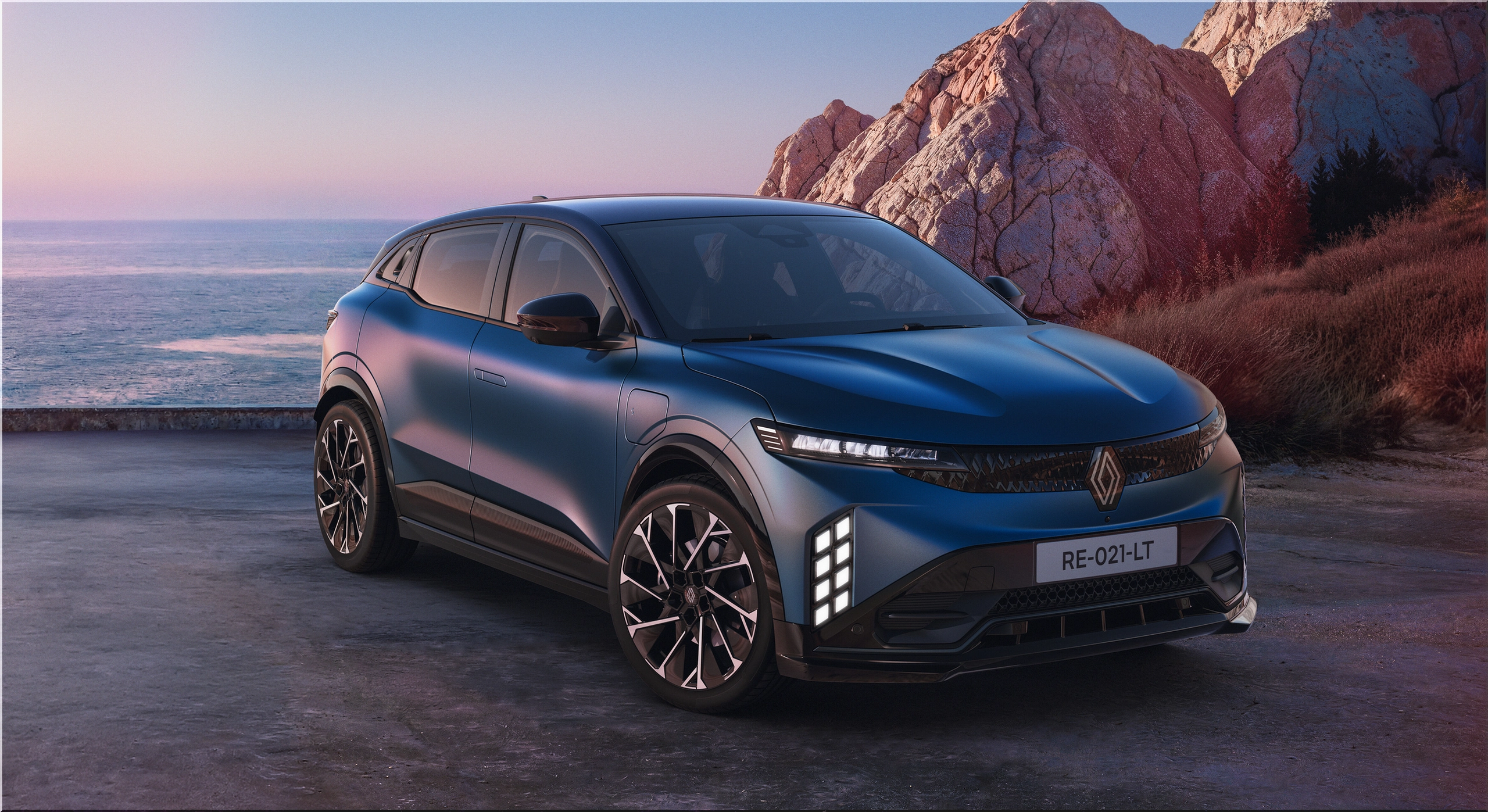
Renault Megane E-Tech Electric Vs Rivals
The Megane does not win every column, but it now fights with better numbers. MG4 still brings big range for the money. Volkswagen ID.3 and Cupra Born offer rear-drive feel. Peugeot counters with premium cabin design, but its smaller battery and slower charging weaken its EV case.
| Model | Battery | Range | DC charging | Main win |
|---|---|---|---|---|
| Renault Megane E-Tech electric | 67 kWh | 500 km WLTP | 165 kW | Fast charge plus compact size |
| Volkswagen ID.3 Pro S | 79 kWh usable | Up to 597 km WLTP | Up to 175 kW | Longest range in this group |
| Cupra Born 79 kWh | 79 kWh | Up to 590 km WLTP | Up to 183 kW | Strongest sporty image |
| MG4 Electric 77 kWh | 77 kWh | Up to 545 km WLTP | Fast 10-80% claim | Strong value angle |
| Peugeot E-308 | 55 kWh class | Up to 450 km WLTP | 100 kW | Cabin style and comfort |
Pro-Tips For Buyers
Choose the Renault Megane E-Tech electric if you want a compact EV with strong range, fast charging and sensible French ergonomics. Pick Techno if value matters most. Pick Megane Esprit Alpine if you want the full visual punch and the larger wheels.
Image gallery
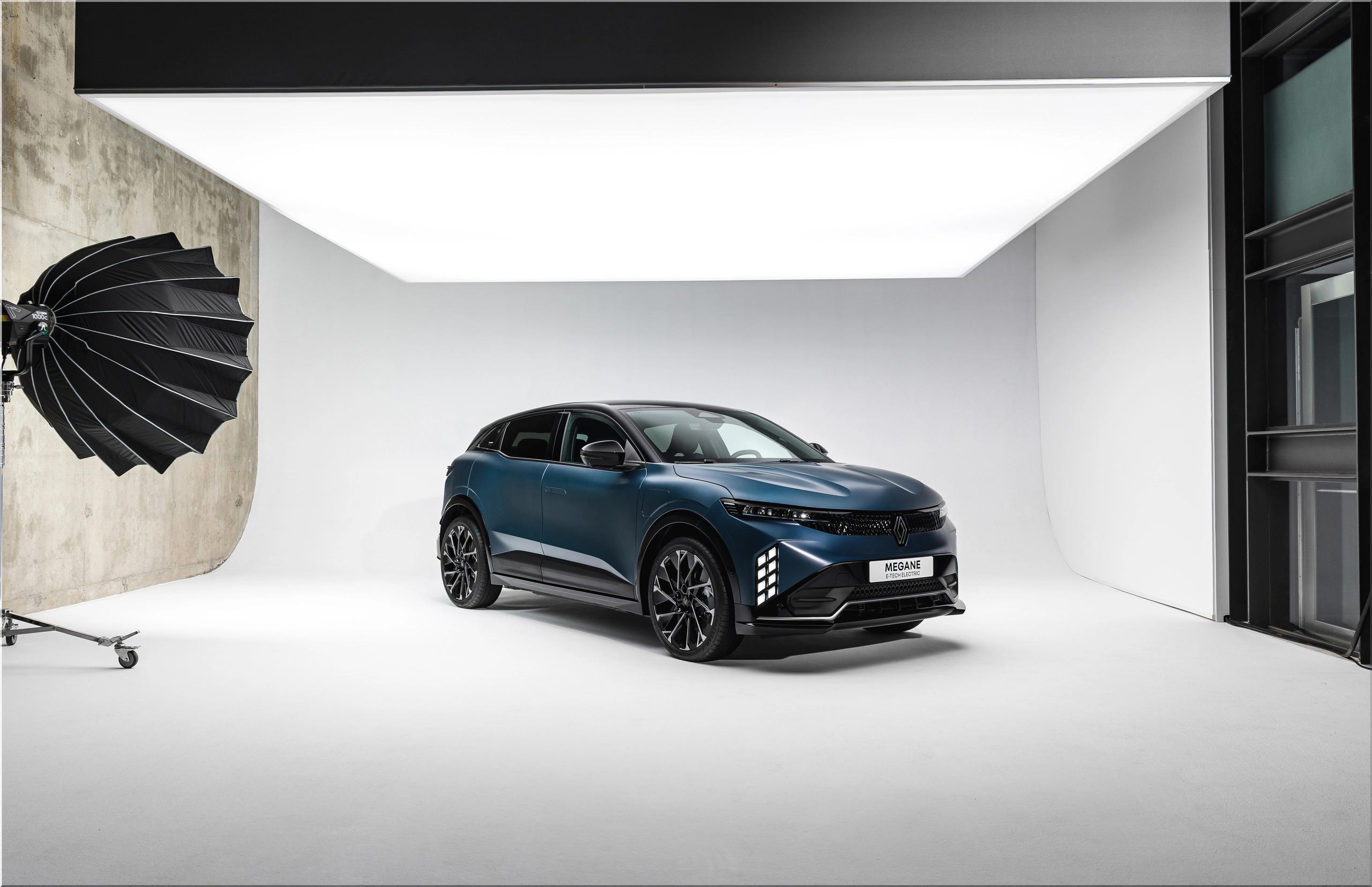
Should You Wait For The New Renault Megane E-Tech Electric?
Yes, if your current shortlist includes an ID.3, Cupra Born or MG4. The new Megane electric car fixes the two largest weaknesses of the earlier car: charging speed and range. Consequently, it now looks less like a stylish alternative and more like a rational compact EV choice with enough character to avoid becoming another anonymous battery box.
- Add new comment
- 149 views