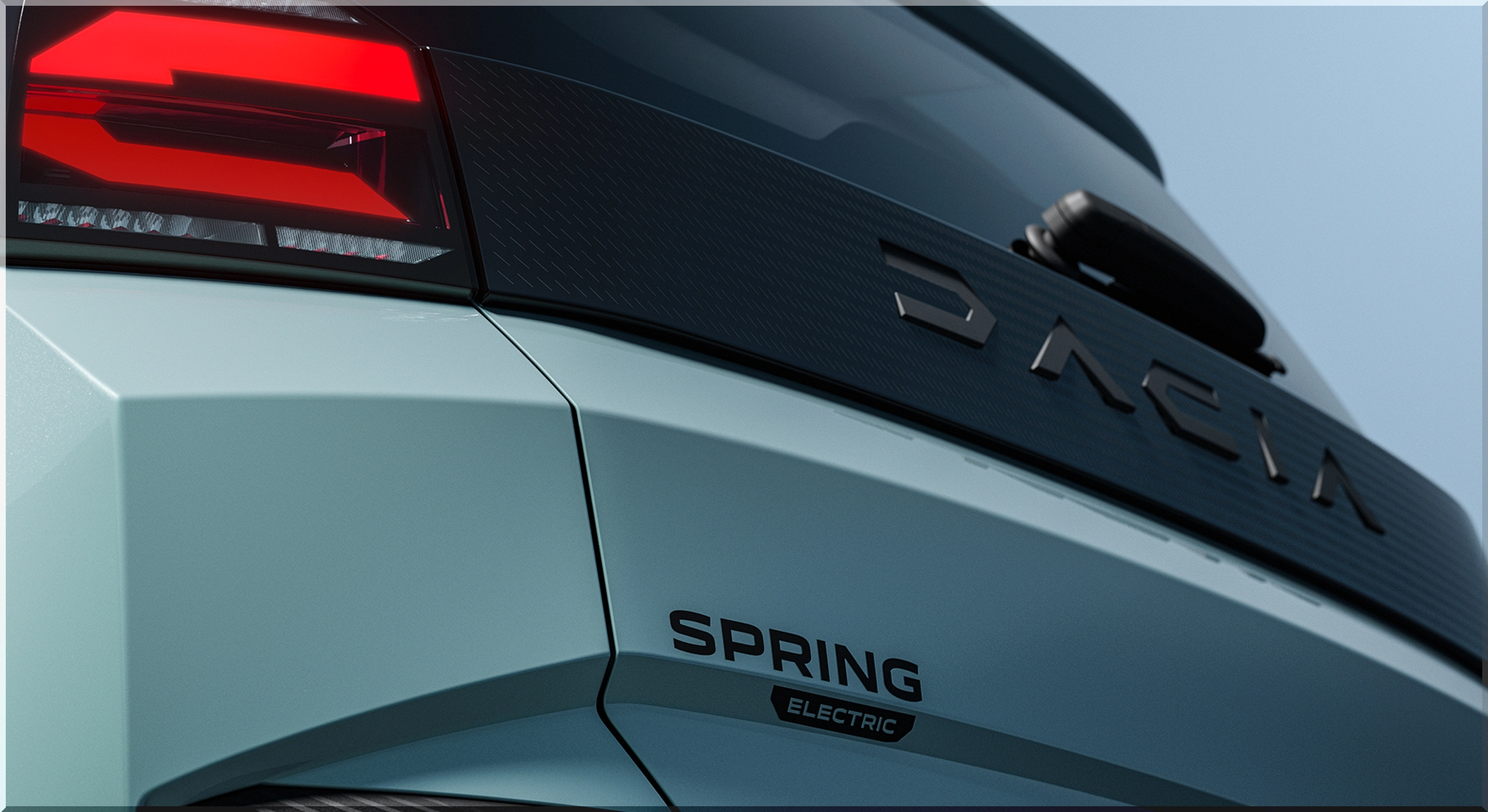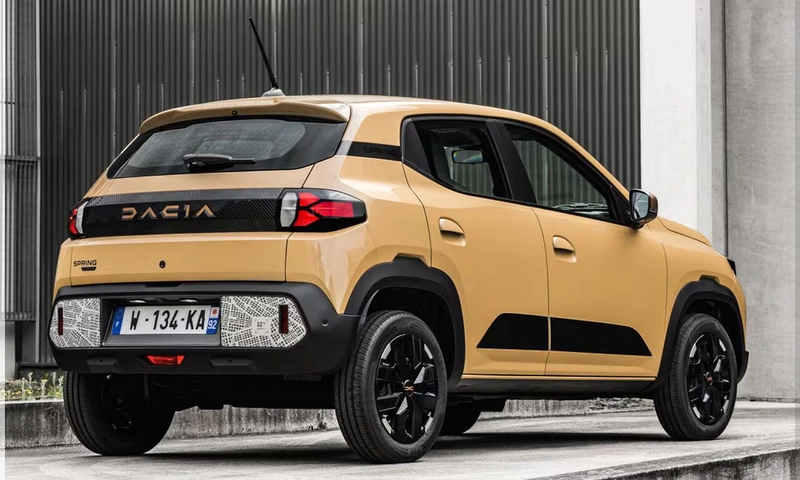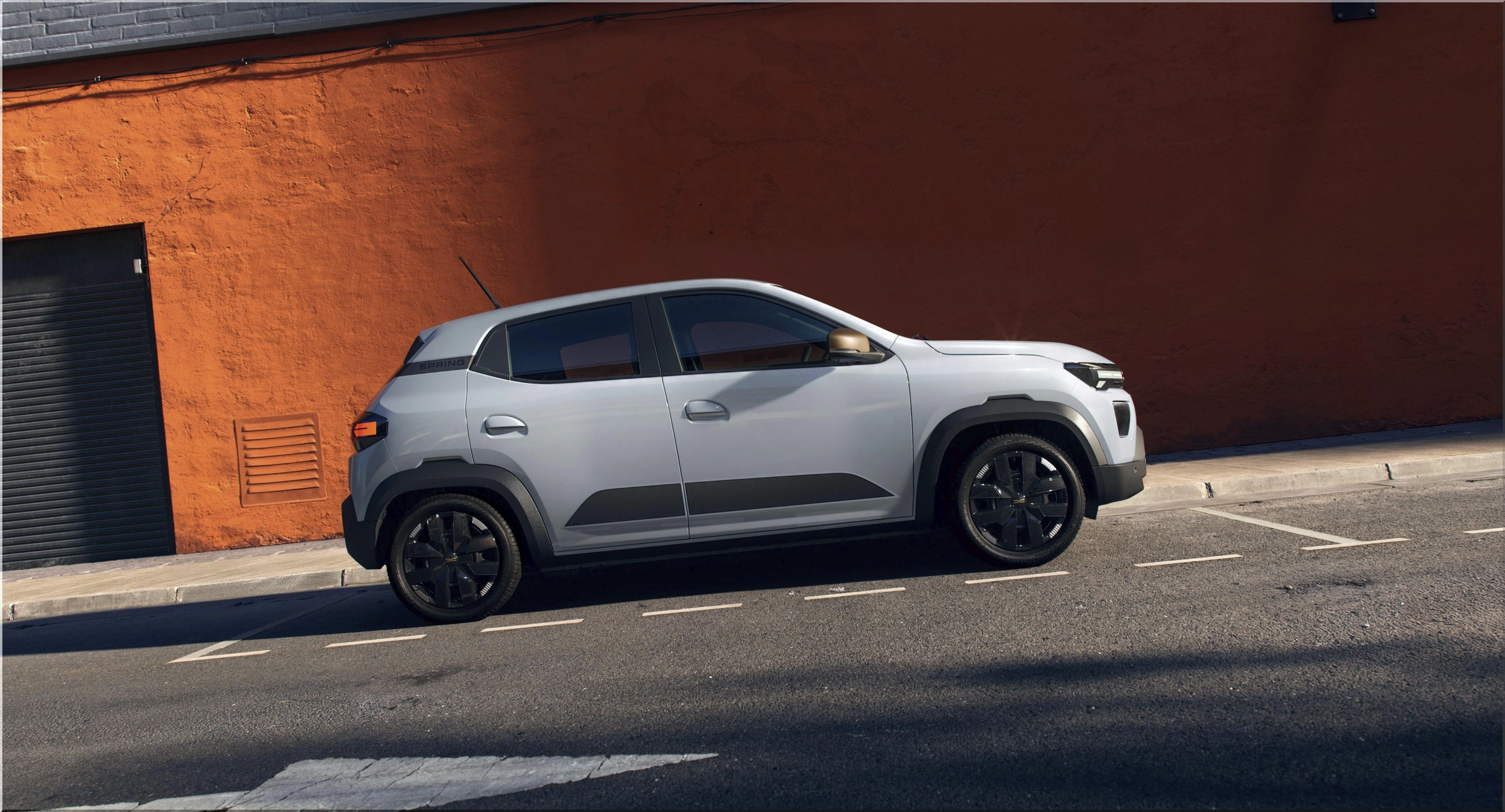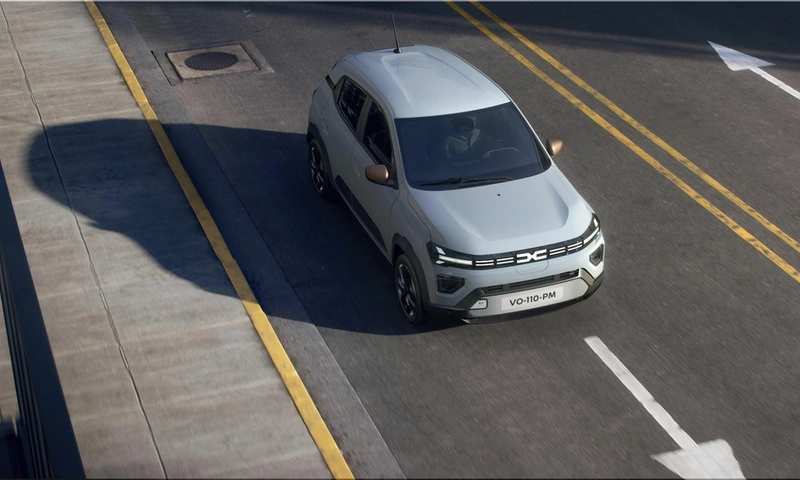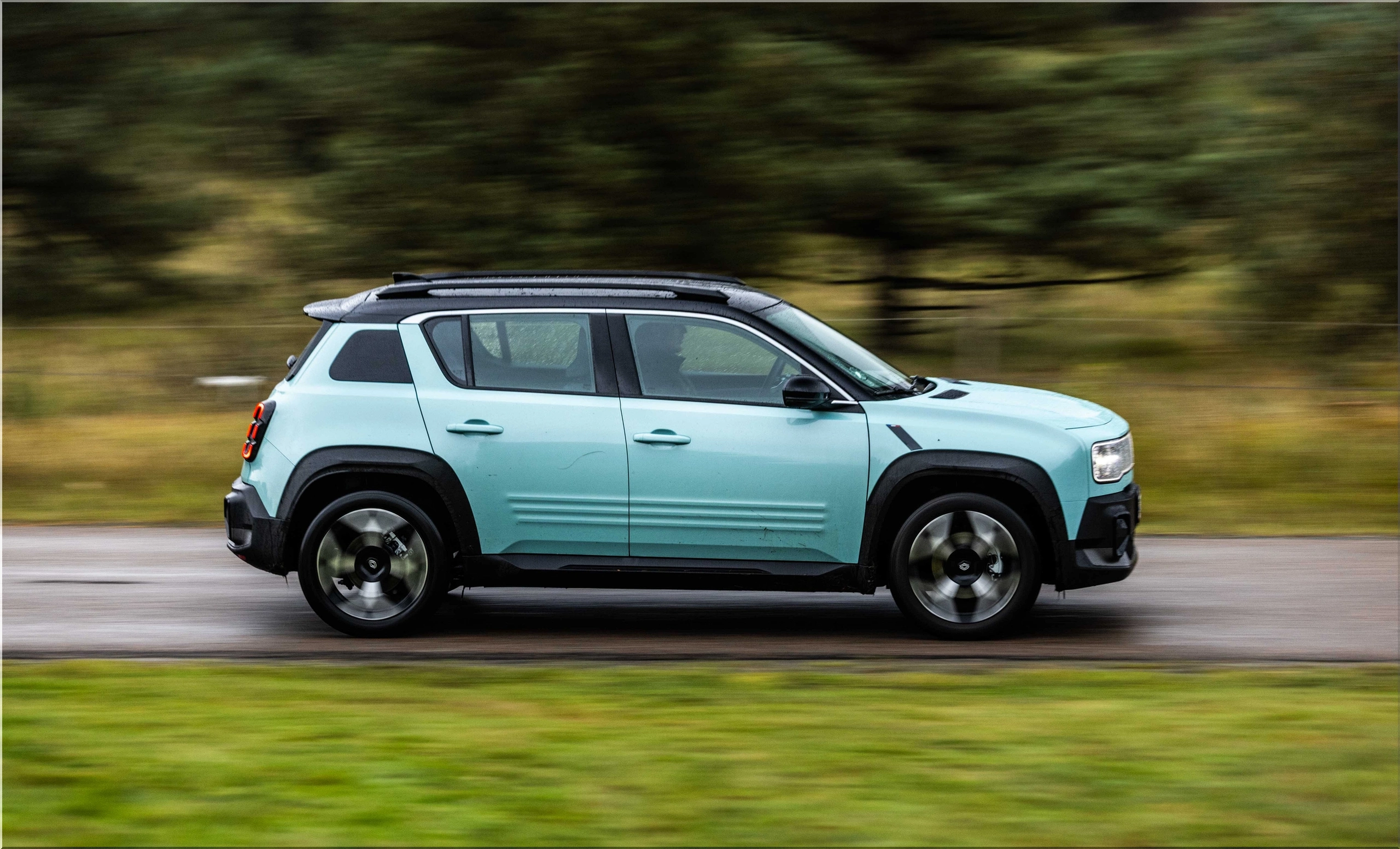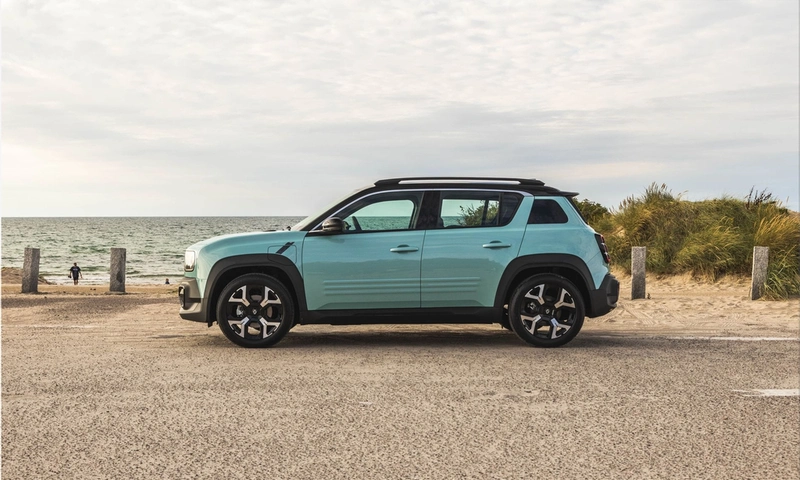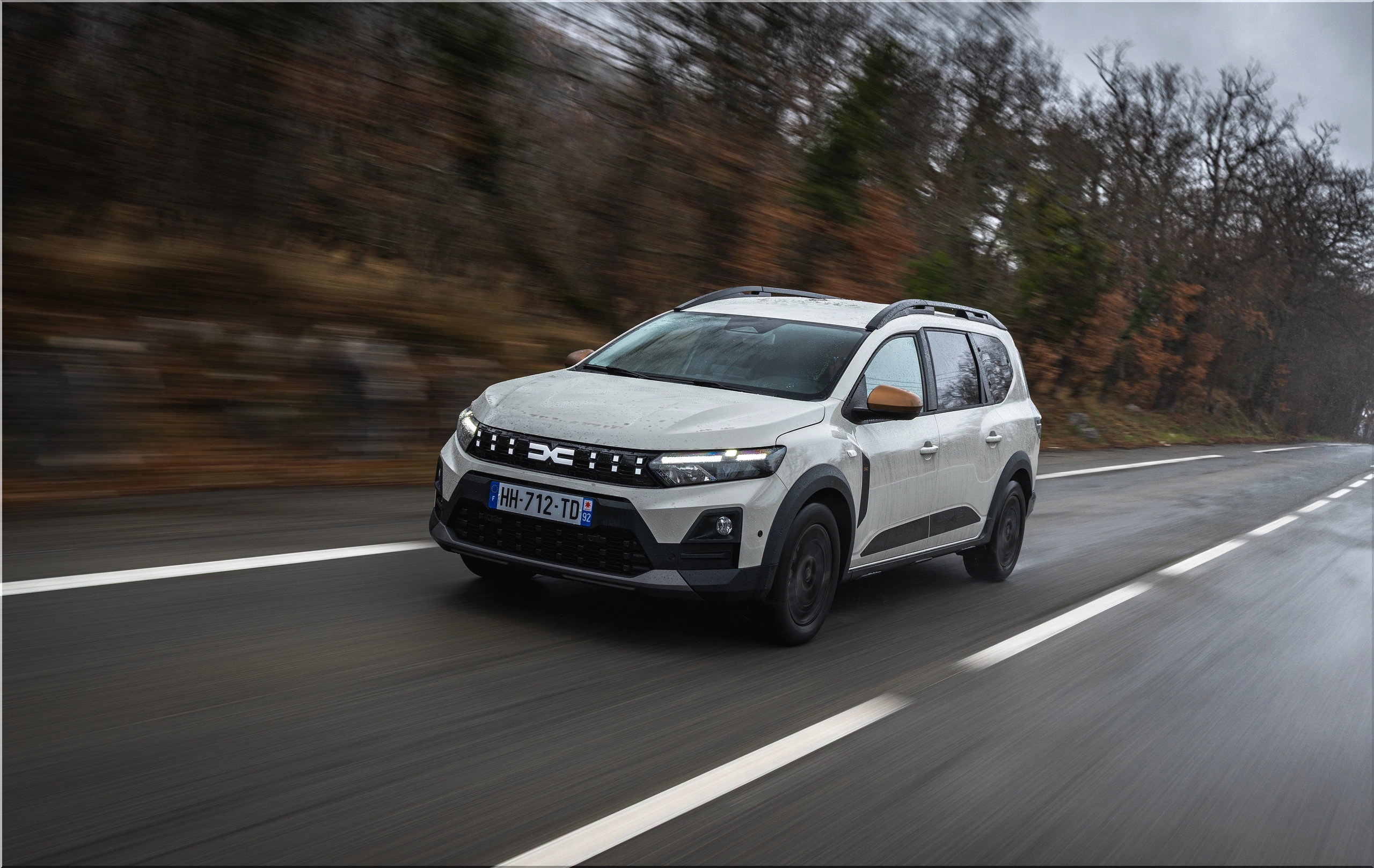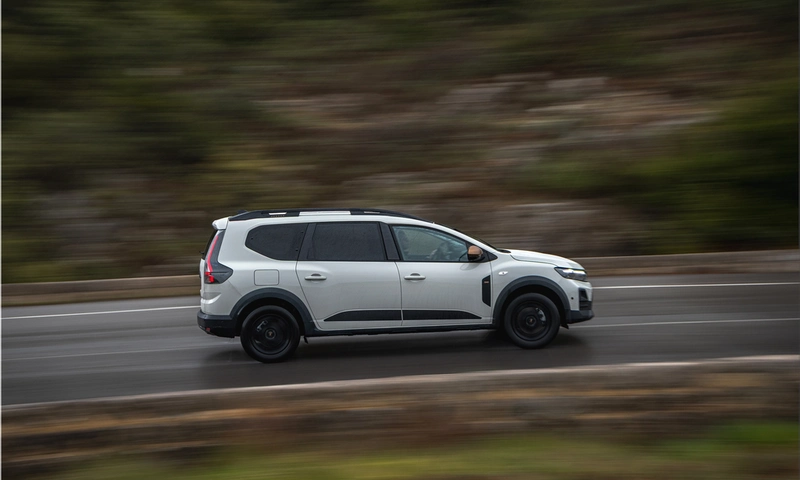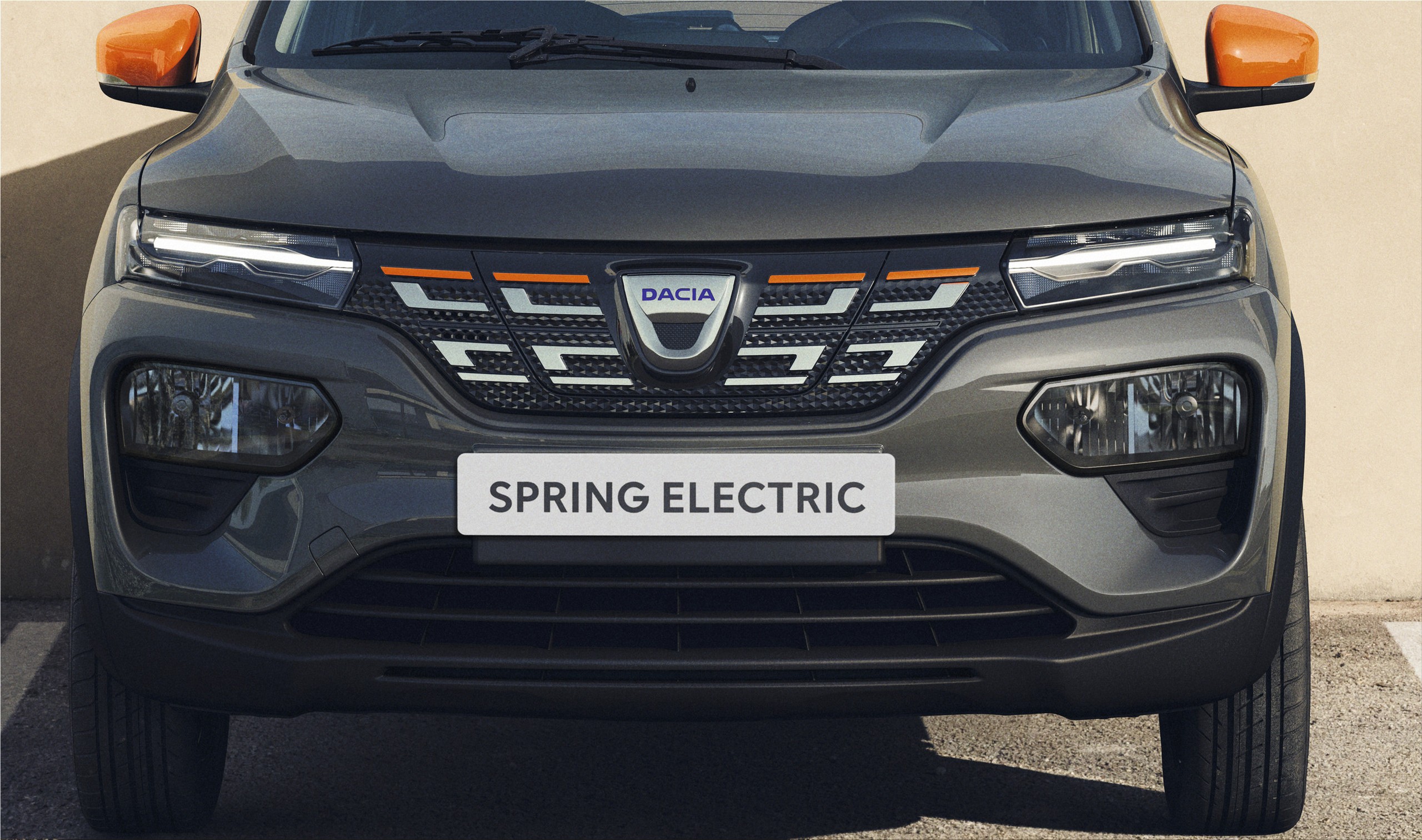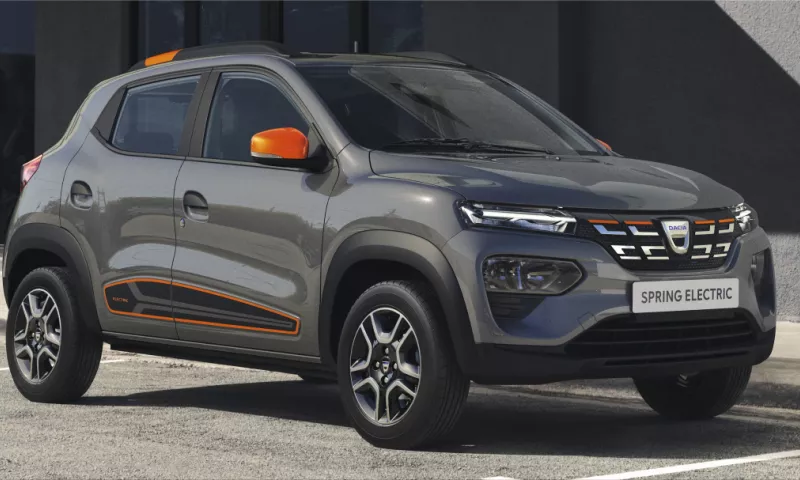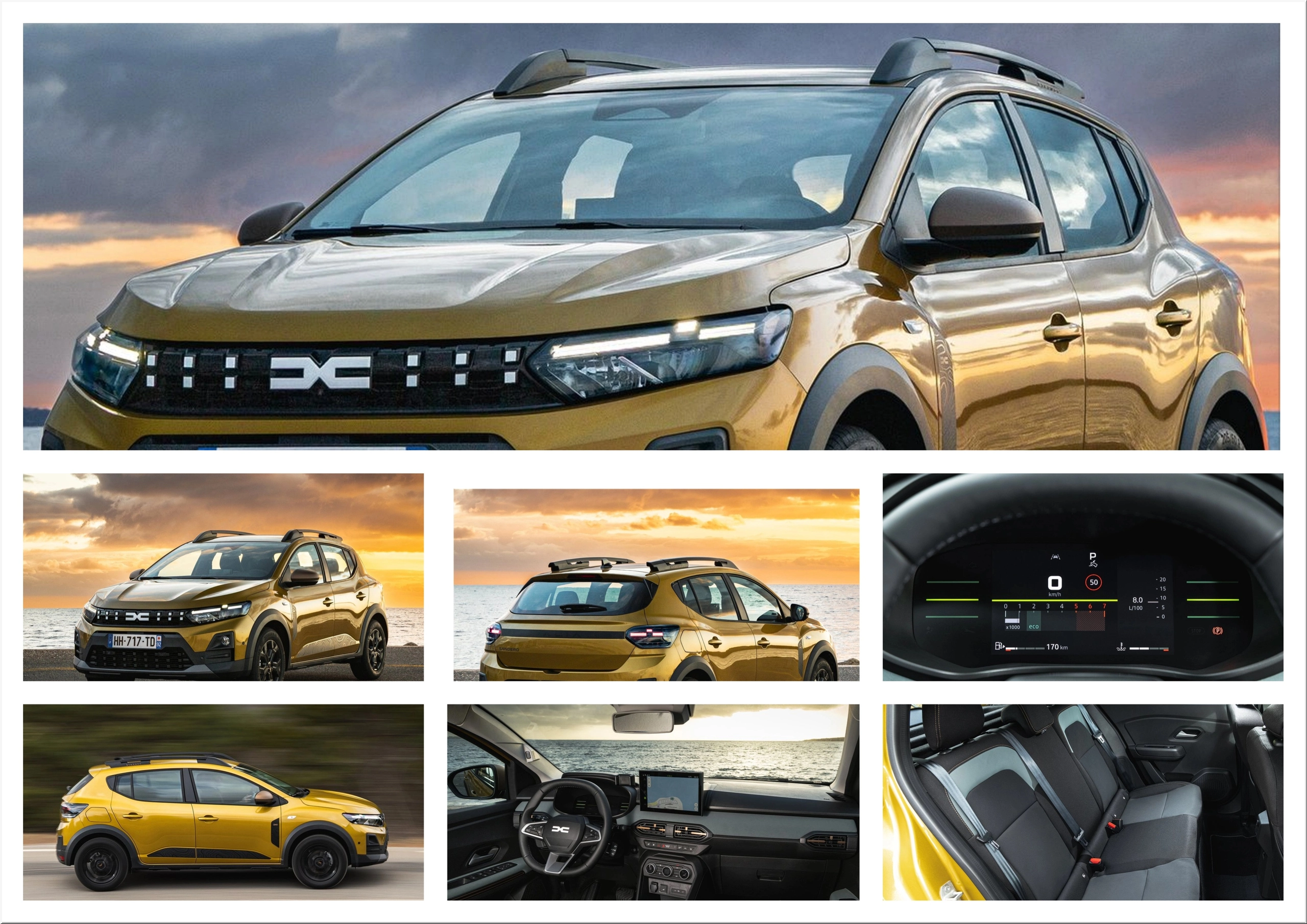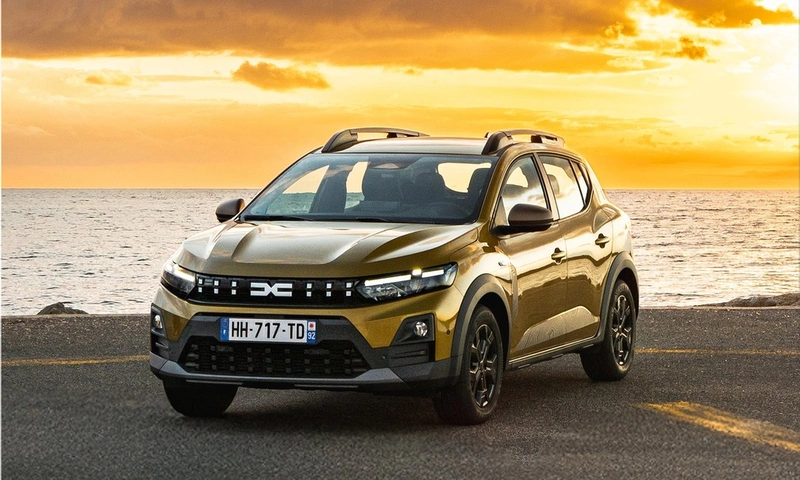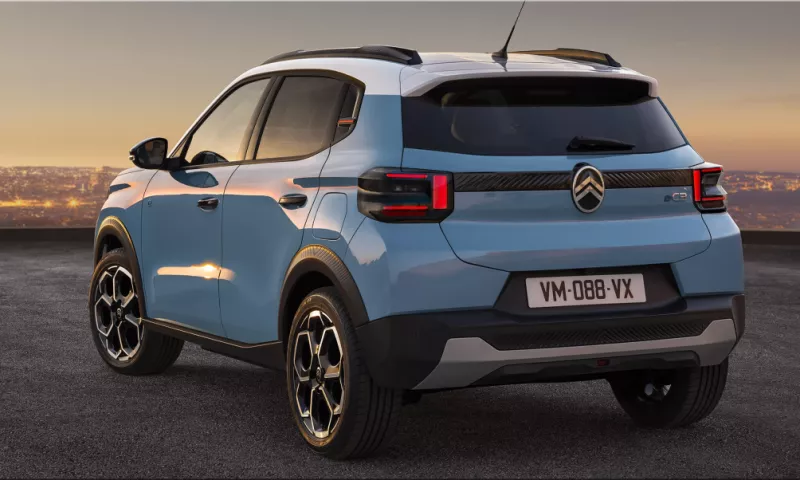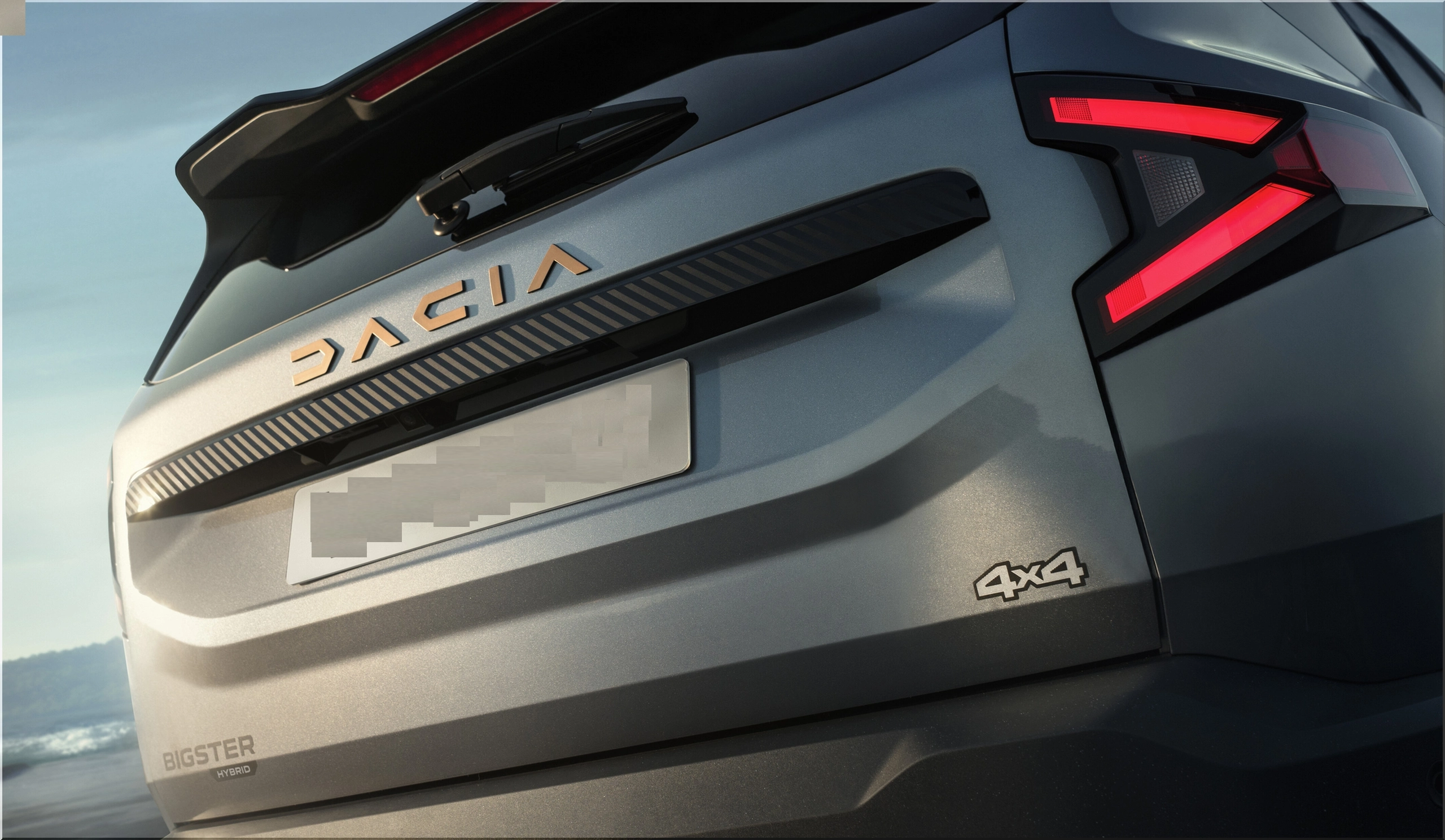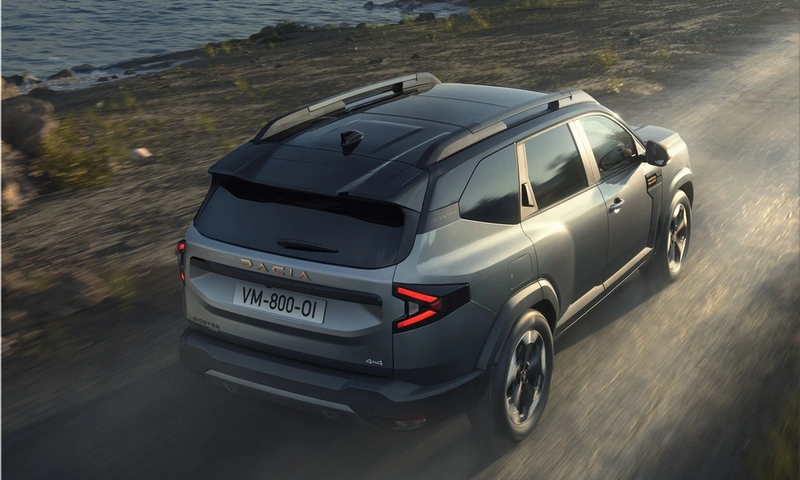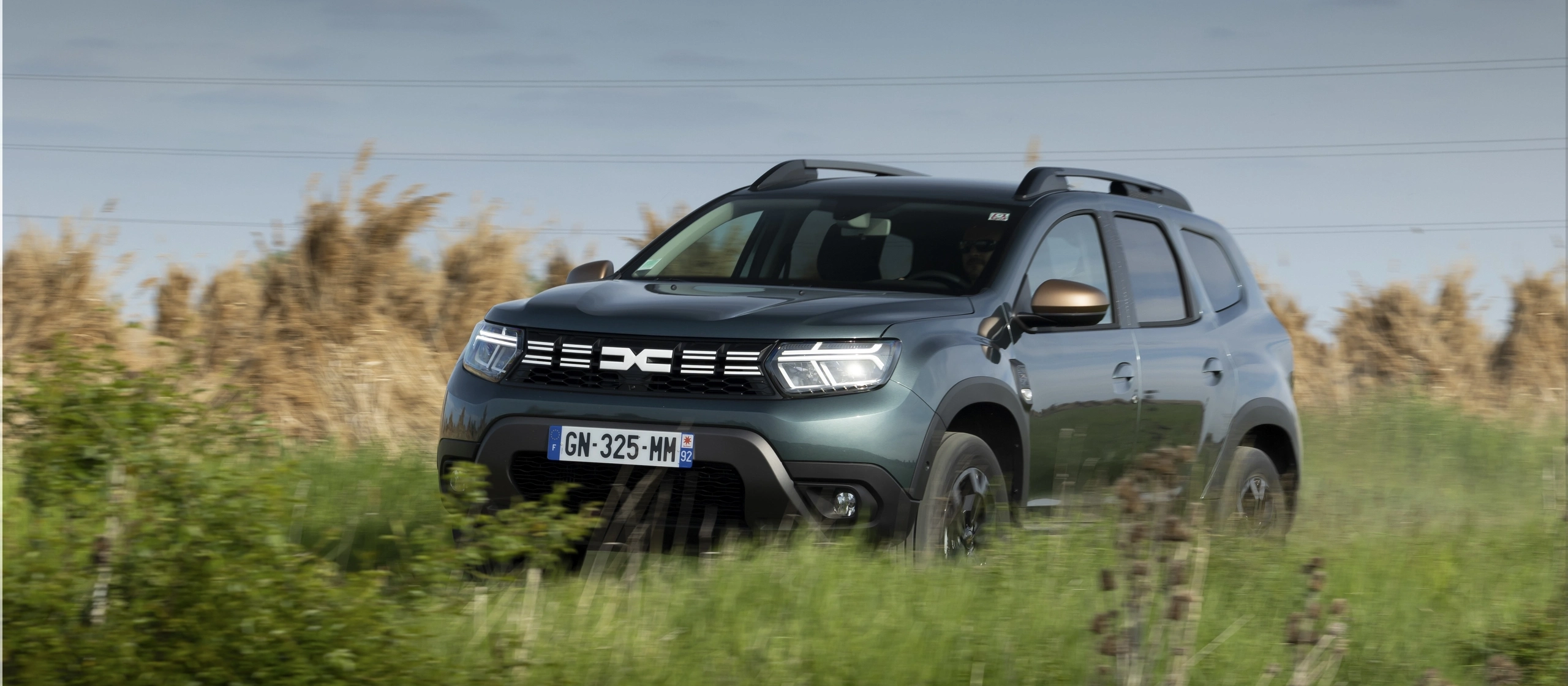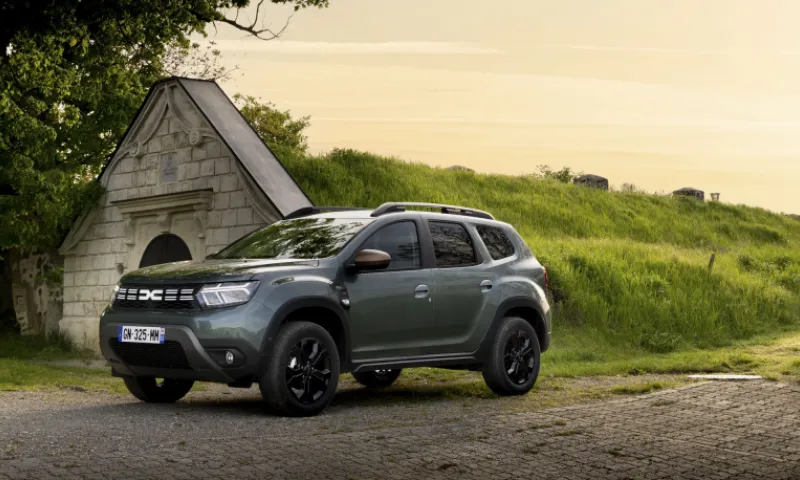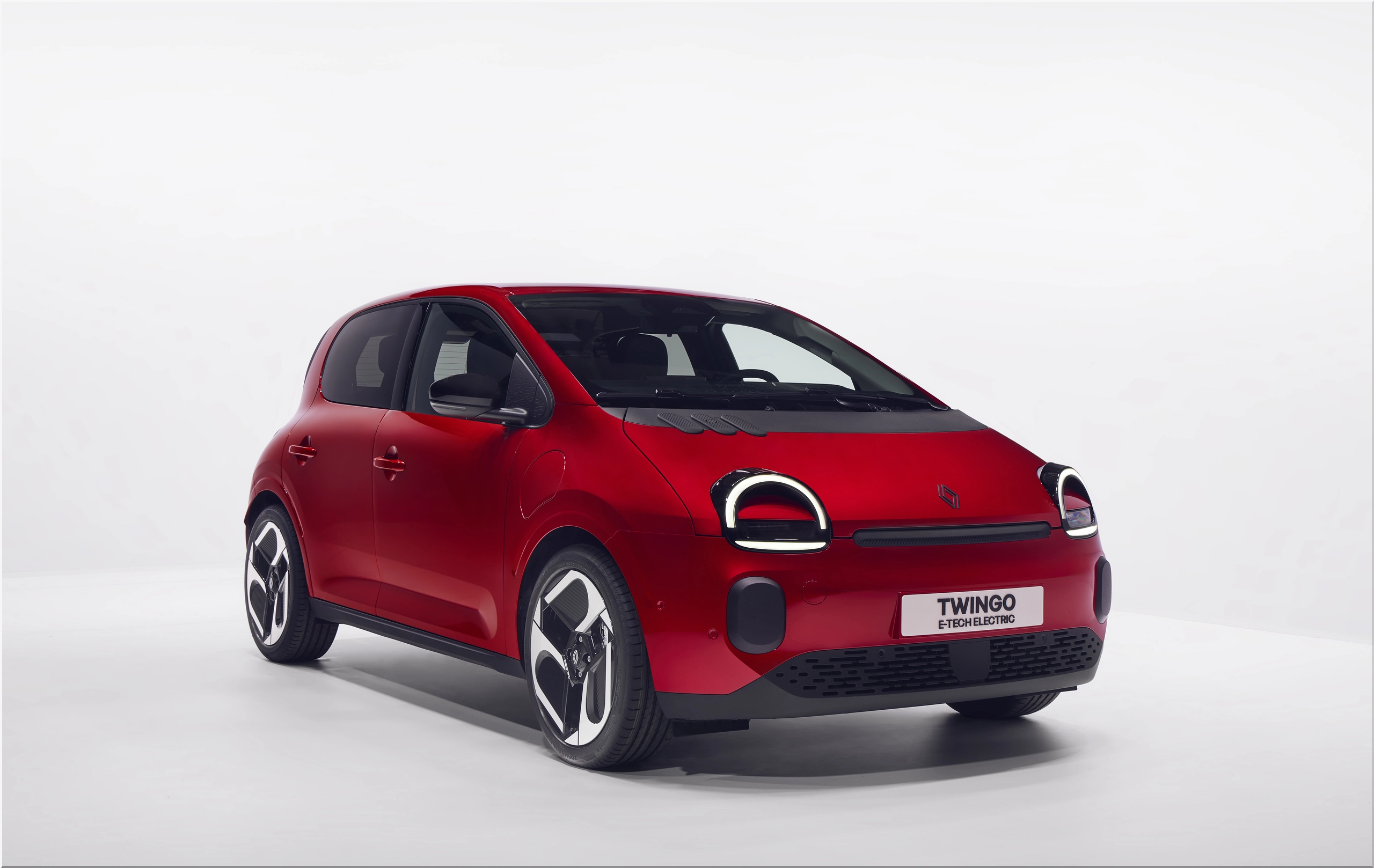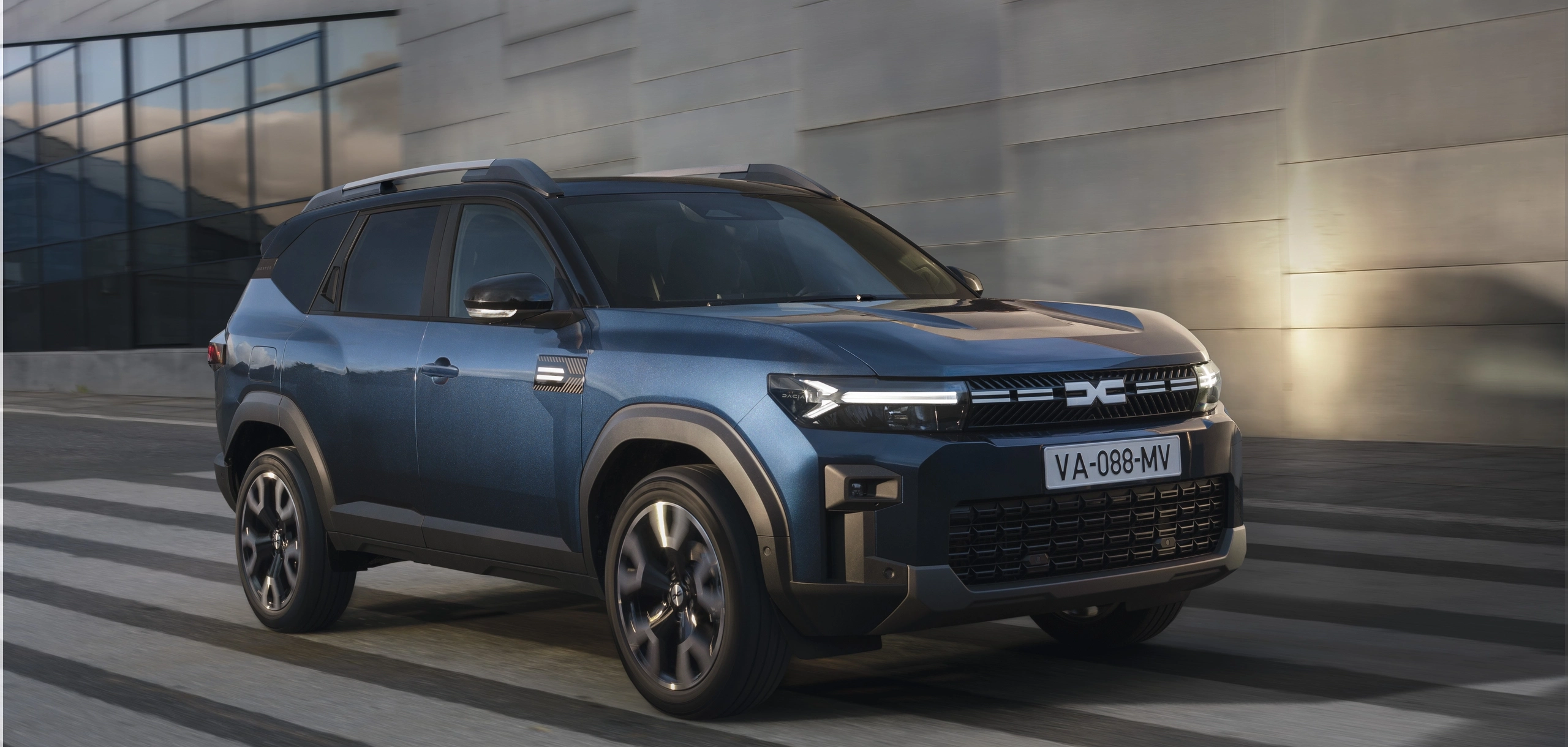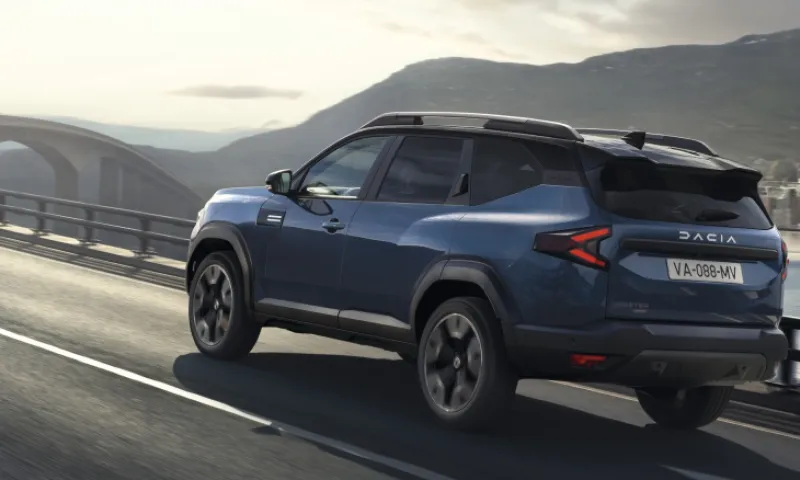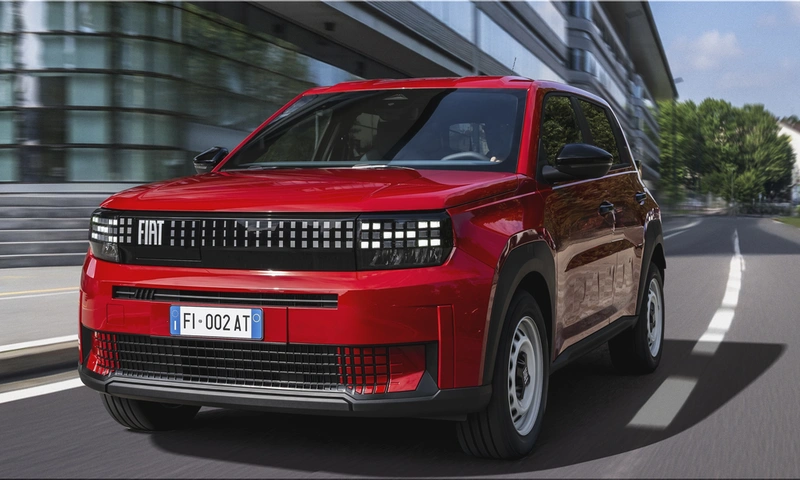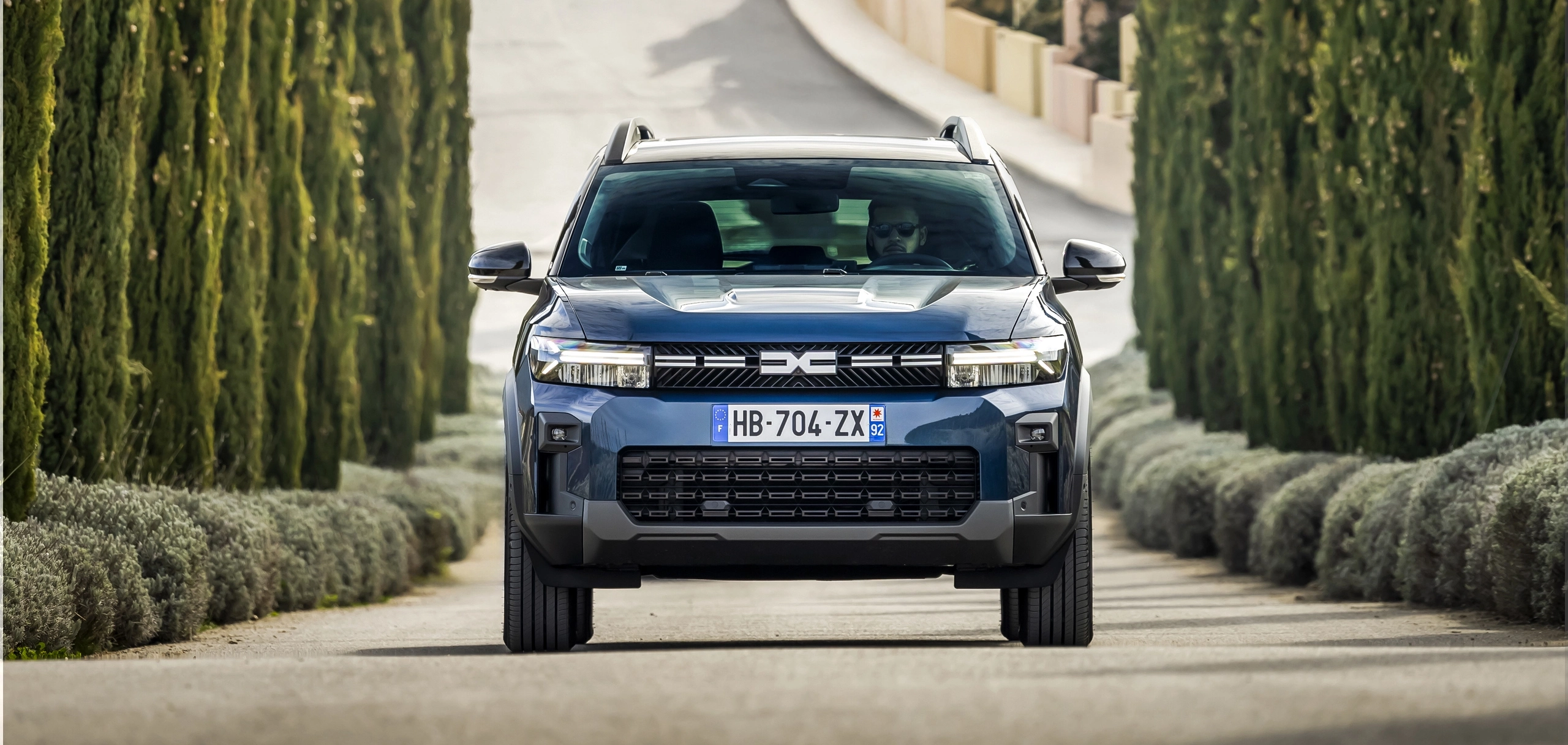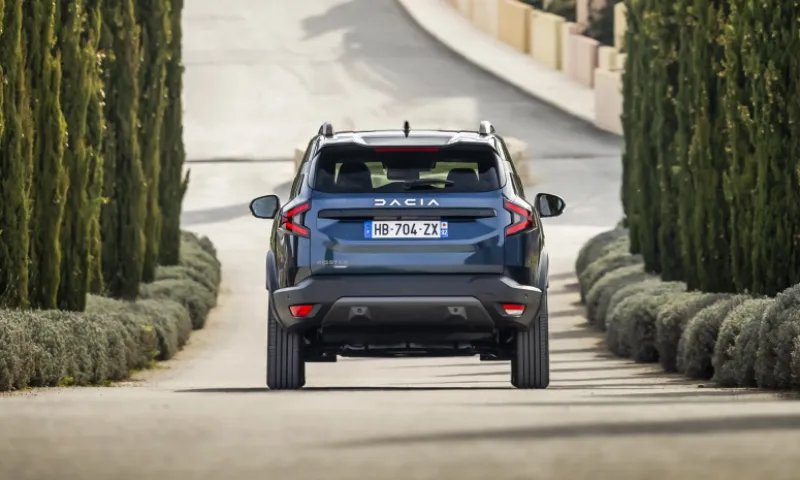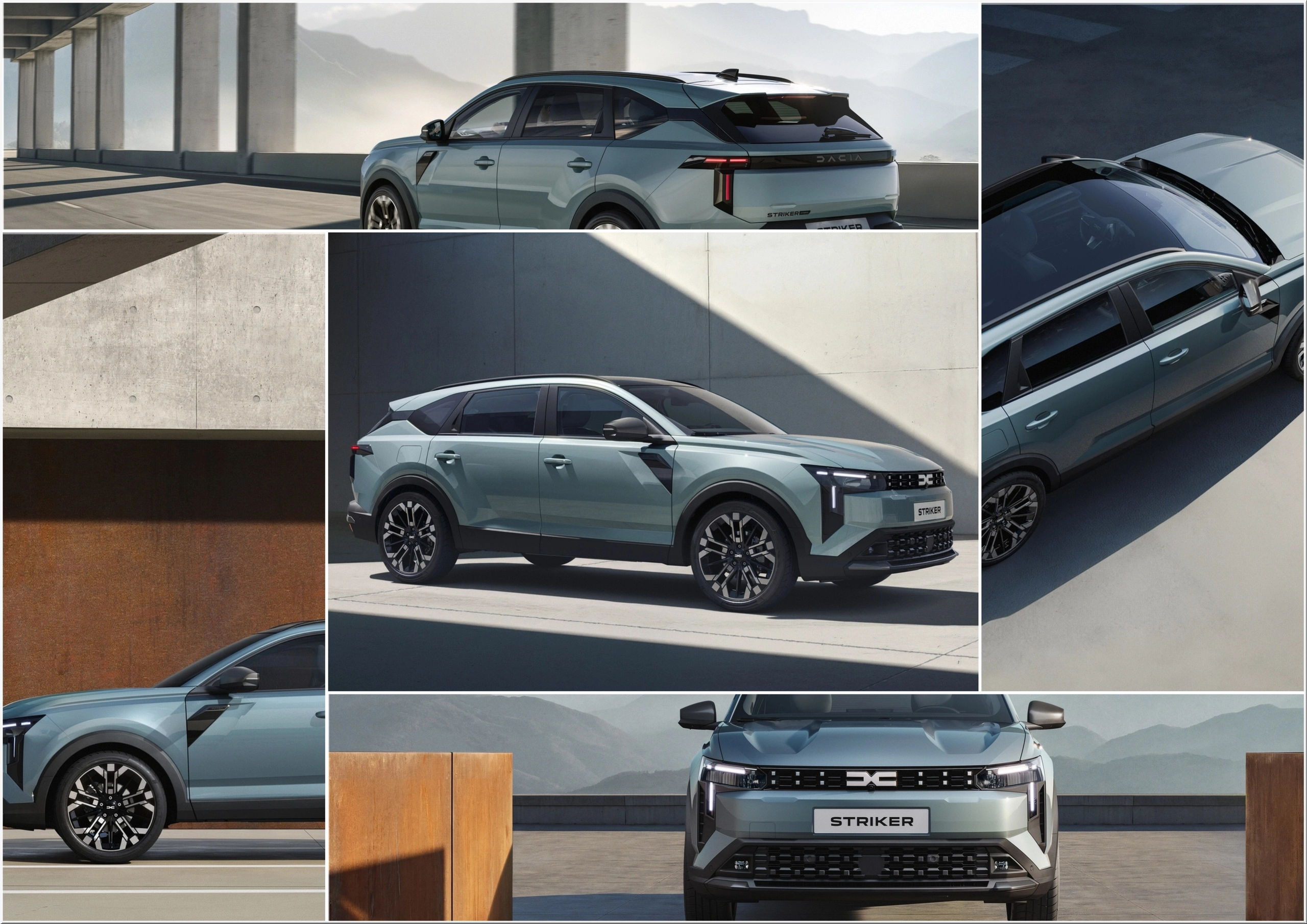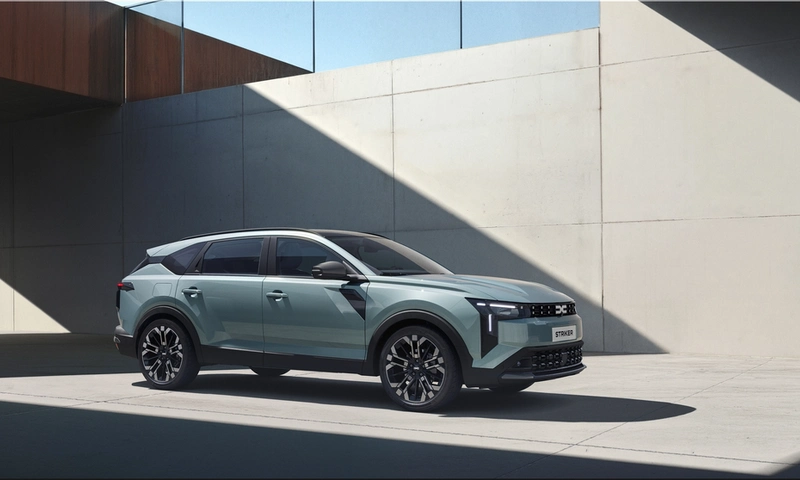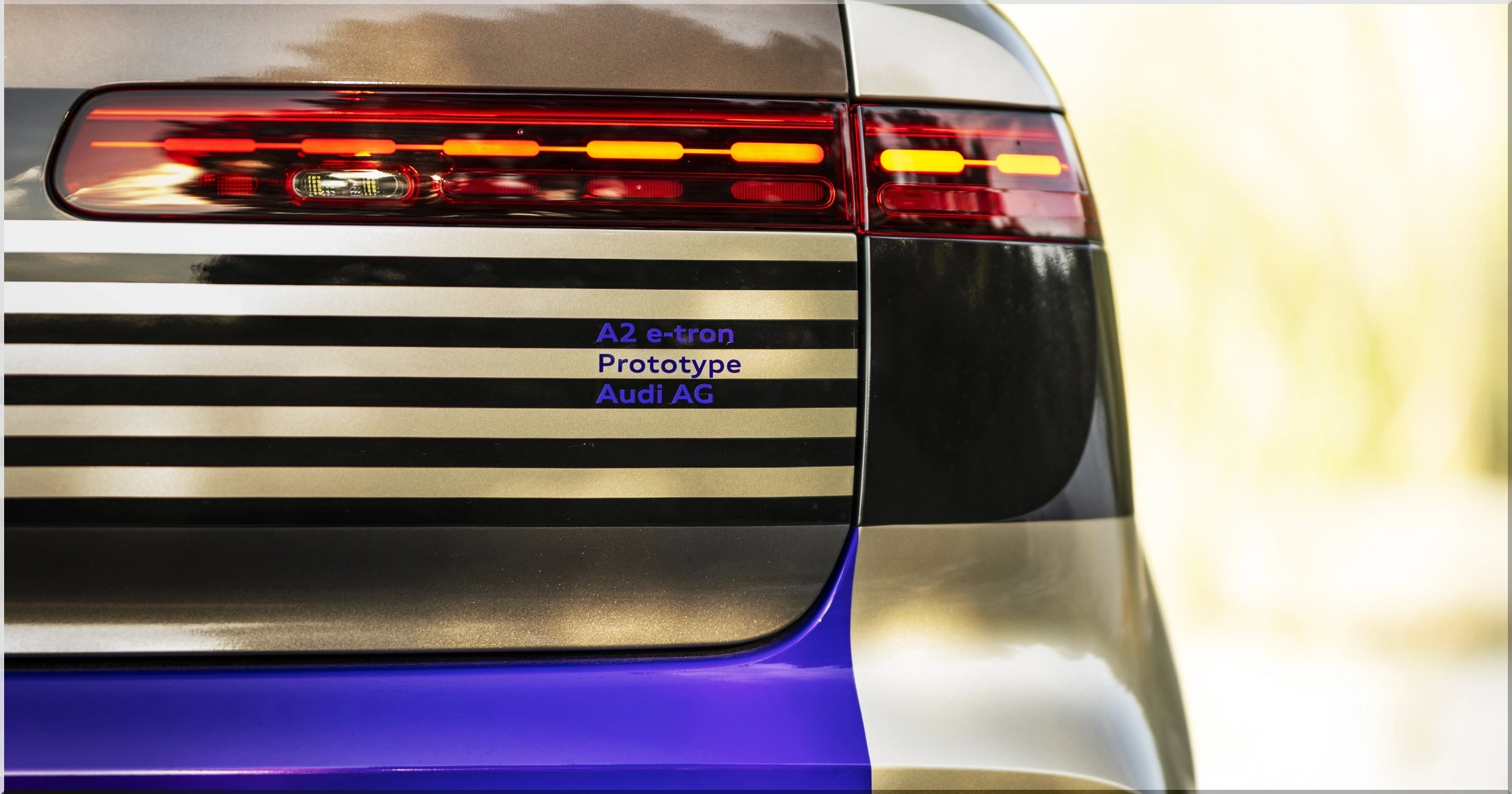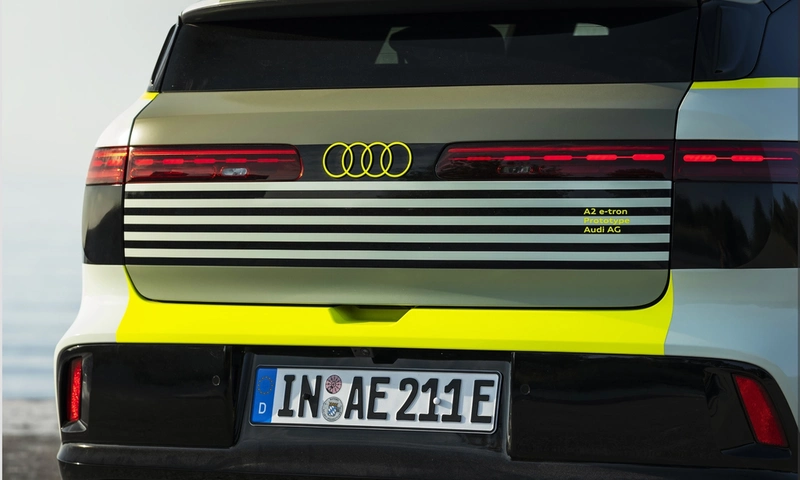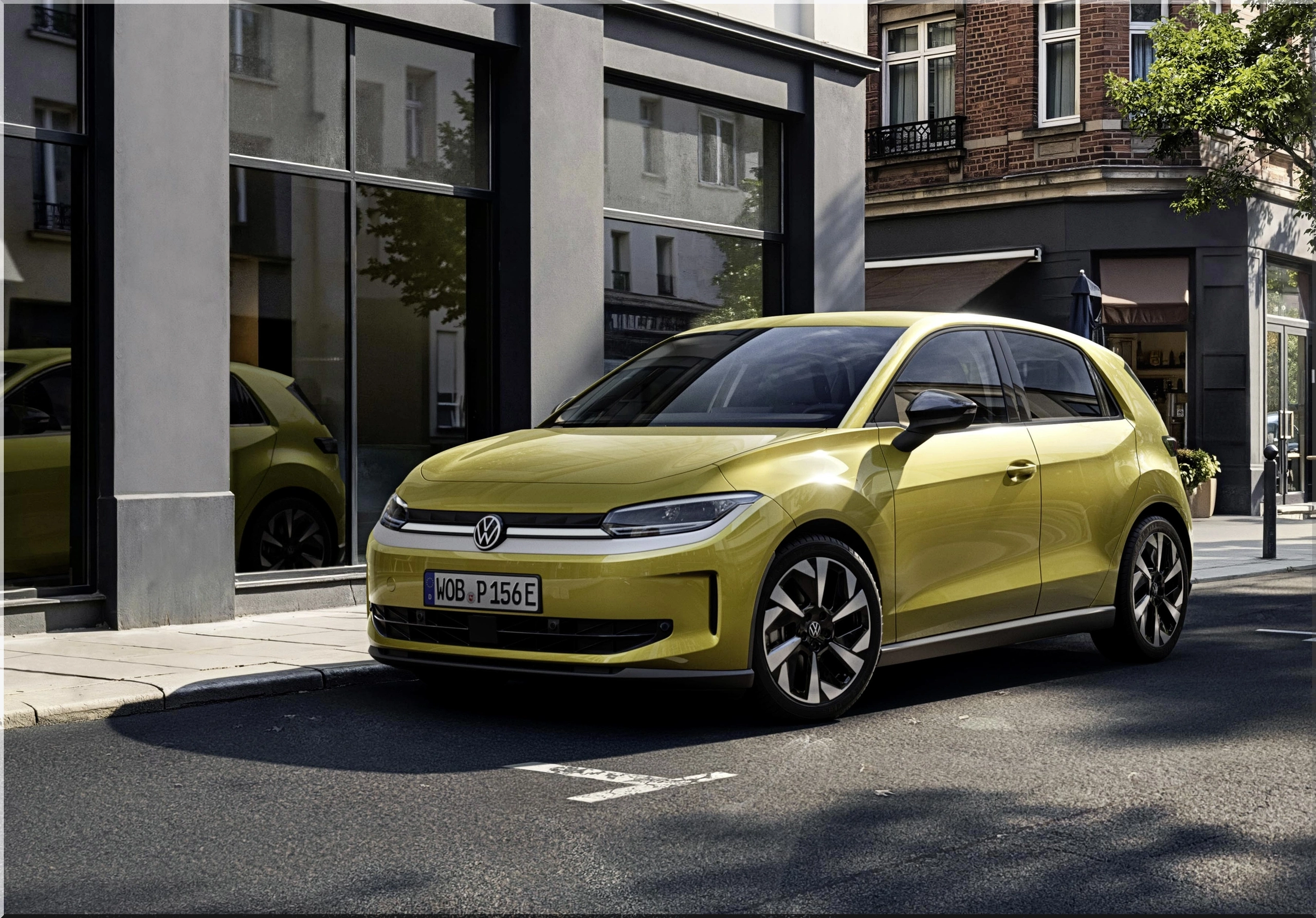
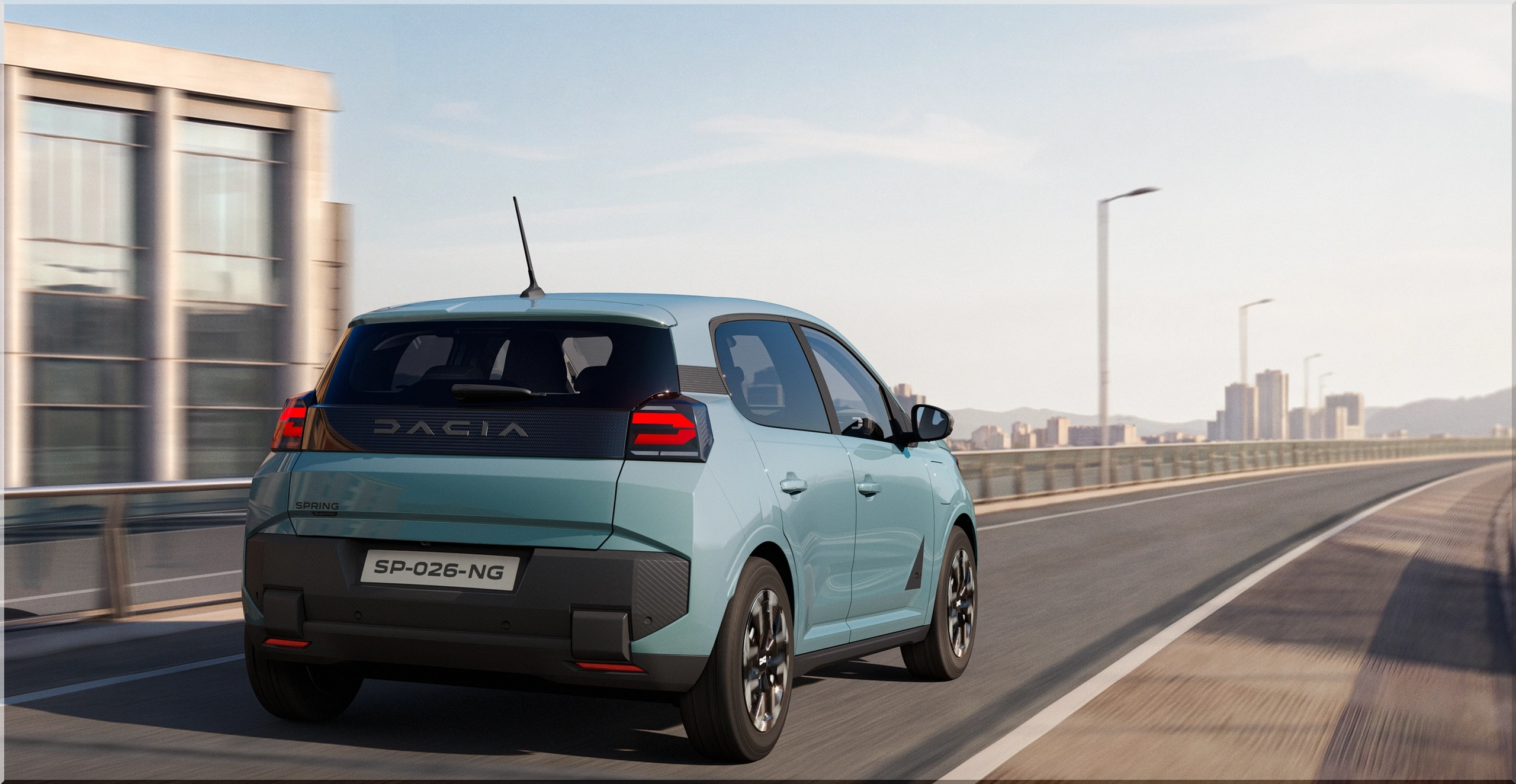
The 2027 Dacia Spring marks a clean-sheet reset for Europe's low-cost electric city car. Dacia retained the name but replaced the structure, proportions and powertrain. The second-generation model now rides on Renault Group's RG-EV small platform and comes from Novo Mesto, Slovenia.
That shift carries commercial weight. Dacia has sold more than 210,000 Spring units across over 40 countries since 2021, and the new model opens a four-EV product plan through 2030. Every version will cost less than EUR 20,000 before national incentives, keeping the Spring focused on buyers who value purchase price and running costs over oversized batteries.
Image

A Wider Platform Fixes the Original Spring's Main Limitation
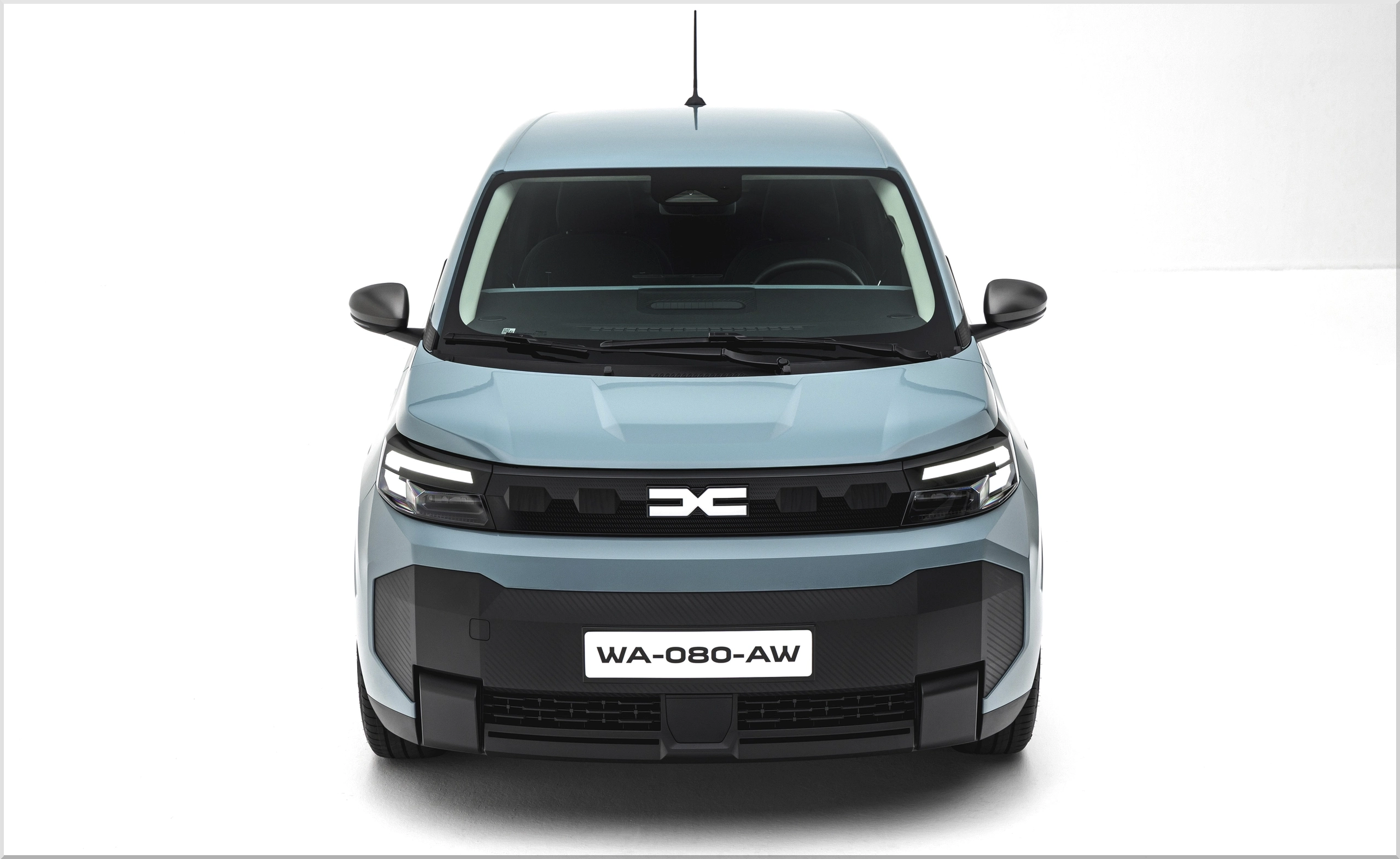
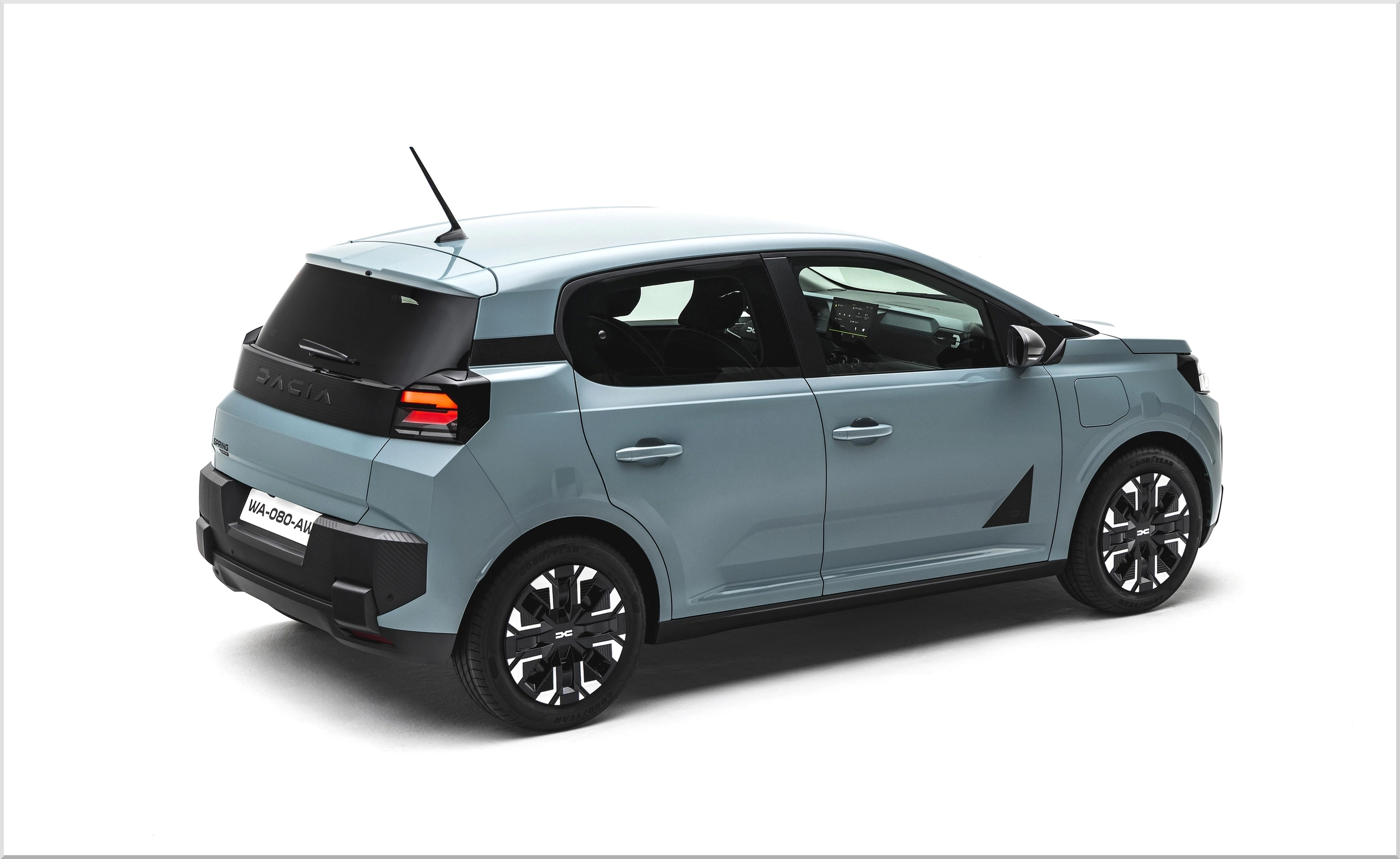
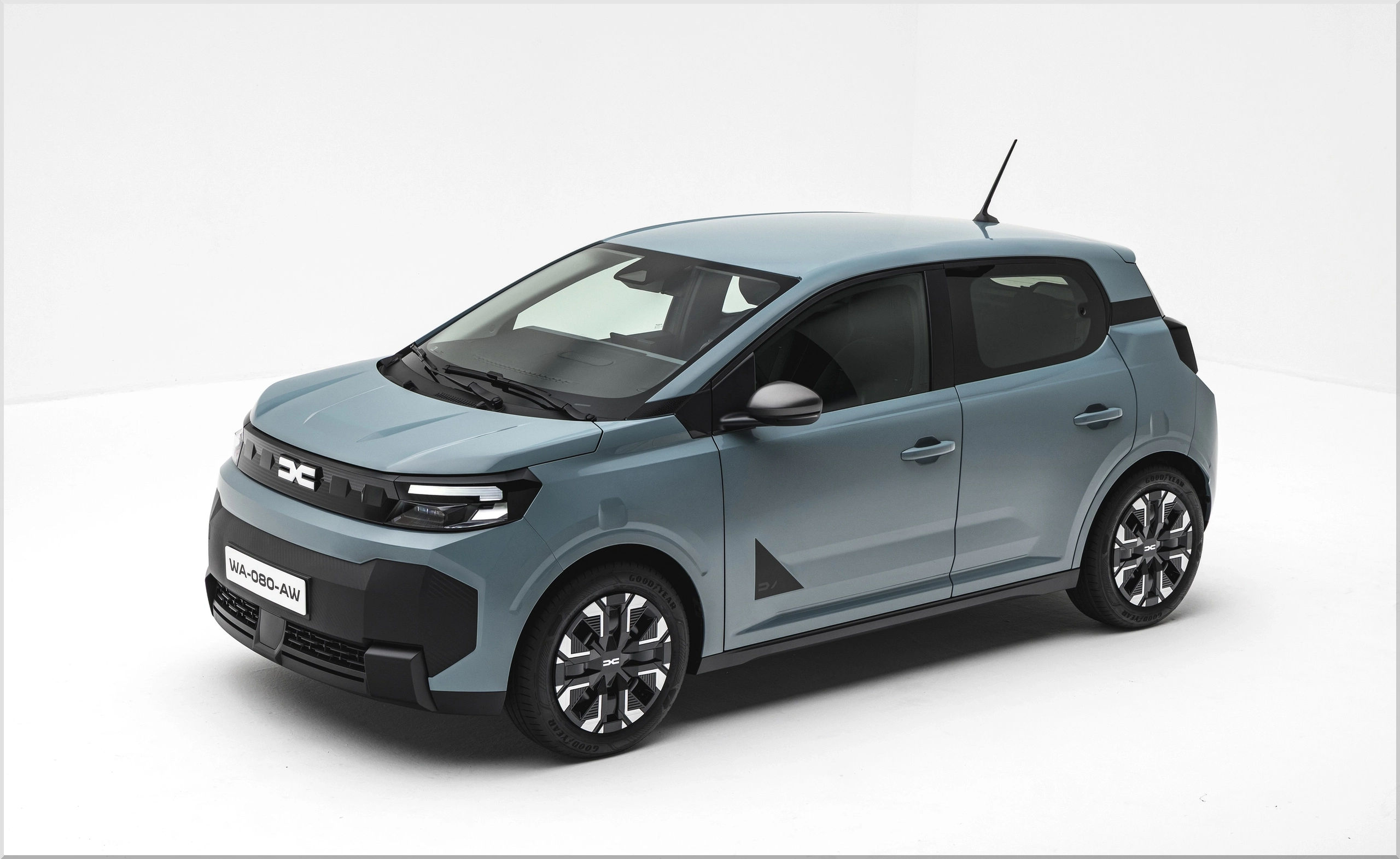
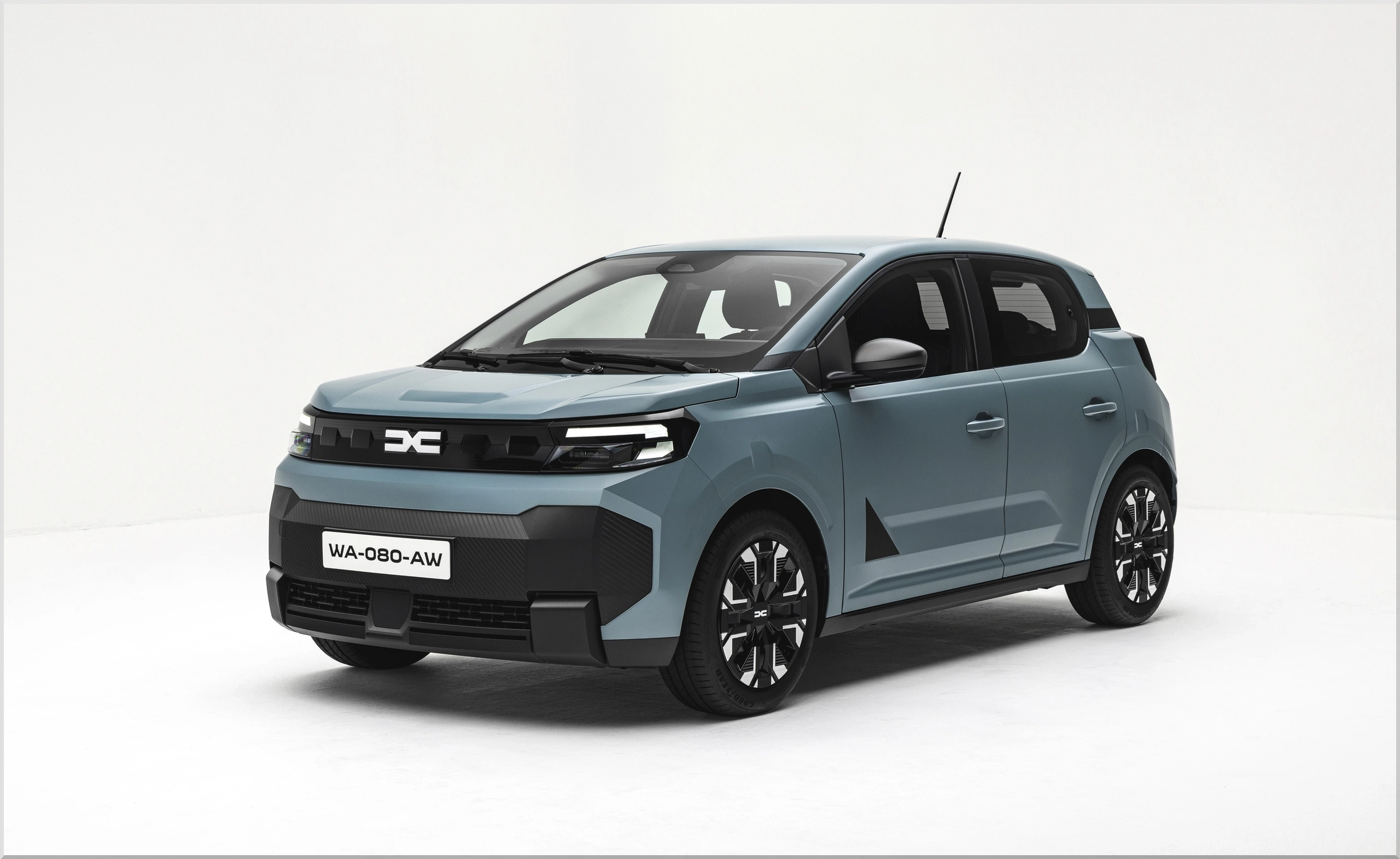
Dacia stretched the body by 150 mm, or 5.9 inches, and added 180 mm, or 7.1 inches, of width. The new Dacia Spring dimensions measure 3,850 mm long and 1,740 mm wide, equal to 151.6 and 68.5 inches. The growth frees useful cabin and cargo space.
Looking at the data, Dacia kept mass under firm control. The 2027 Dacia Spring starts at 1,212 kg, or 2,672 pounds. Low kerb weight cuts acceleration energy, supports a modest battery and limits tyre loads.
| Core specification | 2027 Dacia Spring figure | Imperial equivalent |
|---|---|---|
| Length | 3,850 mm | 151.6 in |
| Width, mirrors excluded | 1,740 mm | 68.5 in |
| Starting weight | 1,212 kg | 2,672 lb |
| Boot, seats raised | 337 litres | 11.9 cu ft |
| Cargo volume, seats folded | 1,283 litres | 45.3 cu ft |
| Optional front storage | 18 litres | 0.64 cu ft |
| Turning radius | 4.95 metres | 16.2 ft |
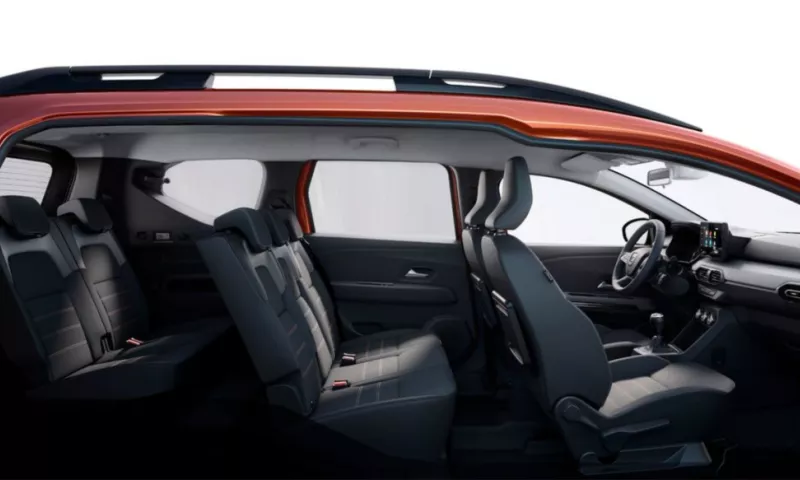
The 337-litre boot gives this A-segment EV more luggage room than many larger hatchbacks. A two-piece removable floor divides the load area, while the 50/50 split rear bench expands capacity to 1,283 litres. In addition, an optional 18-litre front compartment stores a charging cable outside the main boot.
Image
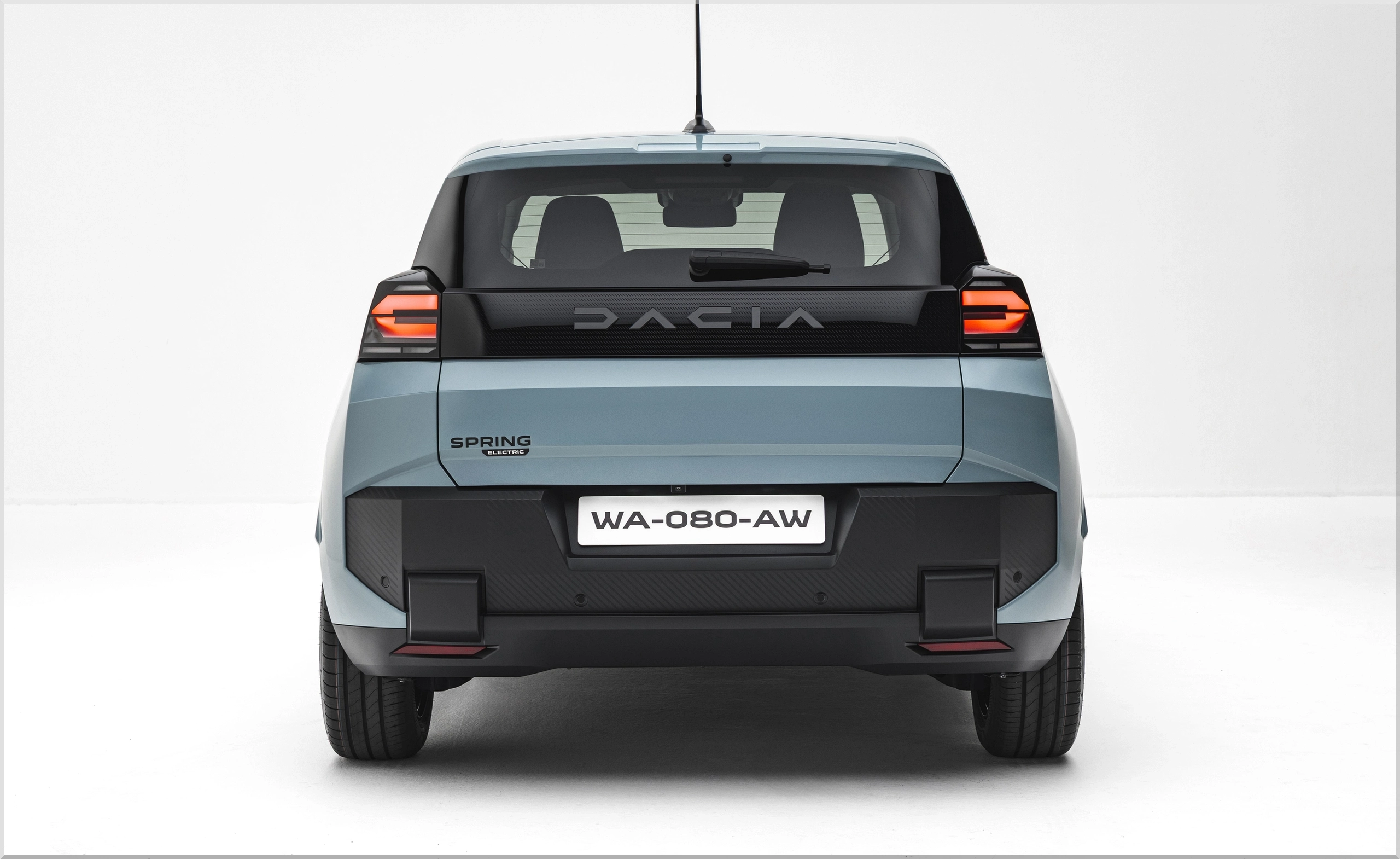
One 80 HP Motor Covers the Entire Range
Dacia fits both trim levels with the same electric motor. It produces 60 kW, or 80 hp, and 175 Nm, or 129 lb-ft, of torque. The Spring reaches 100 km/h in 12.1 seconds and tops out at 130 km/h, equal to 62 mph and 81 mph.
Those numbers position the car for urban roads, ring roads and occasional motorway work, not repeated high-speed travel. Specifically, instant low-speed torque should give the Spring the response needed to leave junctions and join traffic without requiring a higher-output motor, larger inverter or heavier cooling system. Dacia saves cost and energy by sizing the hardware around actual owner use.
- Motor output: 60 kW or 80 hp
- Peak torque: 175 Nm or 129 lb-ft
- Acceleration: 0-100 km/h in 12.1 seconds
- Top speed: 130 km/h or 81 mph
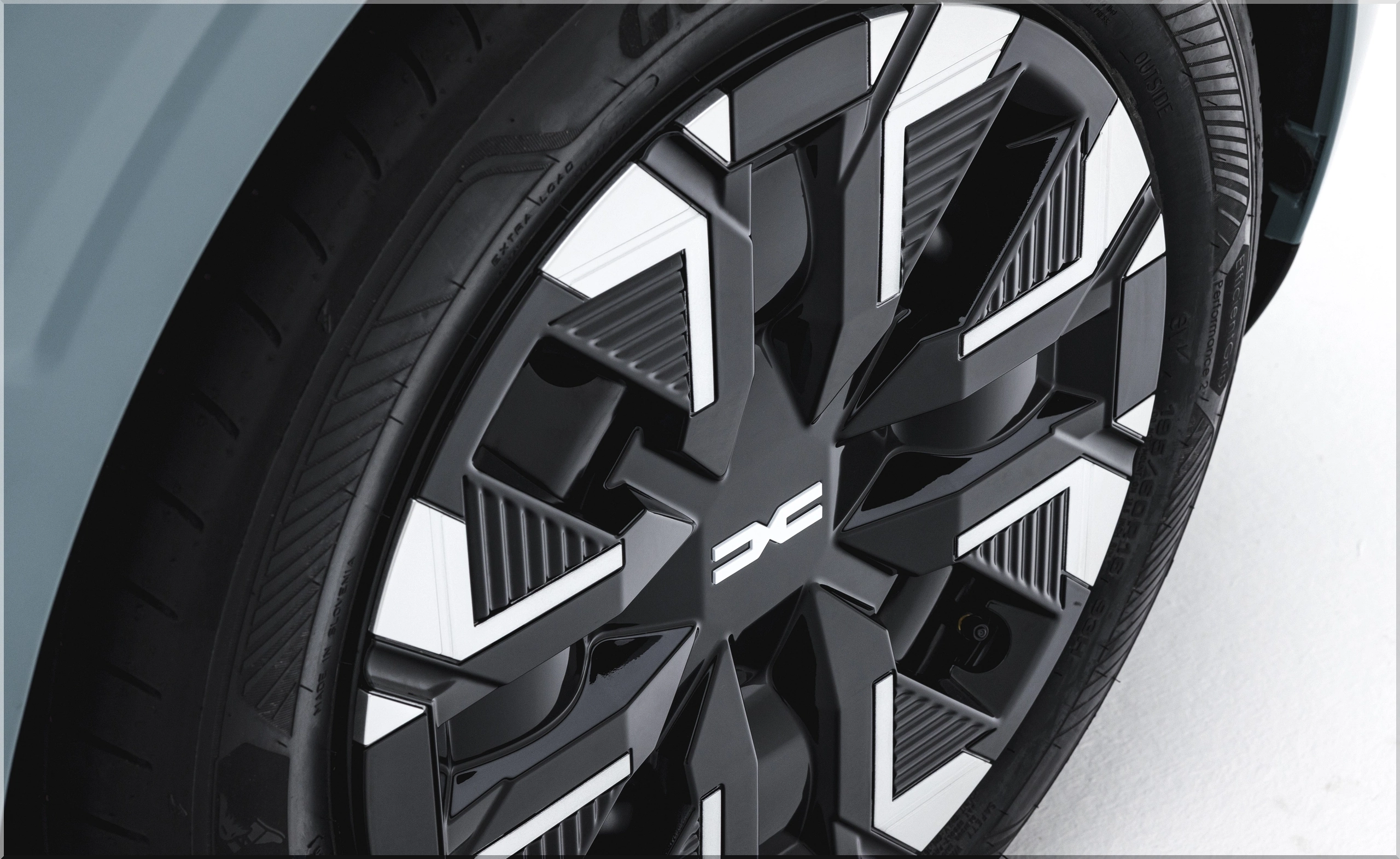
- Wheel sizes: 15 inches on the base grade and 16 inches on the range-topper
The 27.5-KWh LFP Battery Targets Weekly Charging
The usable 27.5-kWh LFP battery delivers up to 250 km, or 155 miles, on the WLTP combined cycle. Official consumption stands at 12.7 kWh per 100 km, which converts to about 4.9 miles per kWh. That efficiency extracts practical urban range from a small, lower-cost pack.
Image
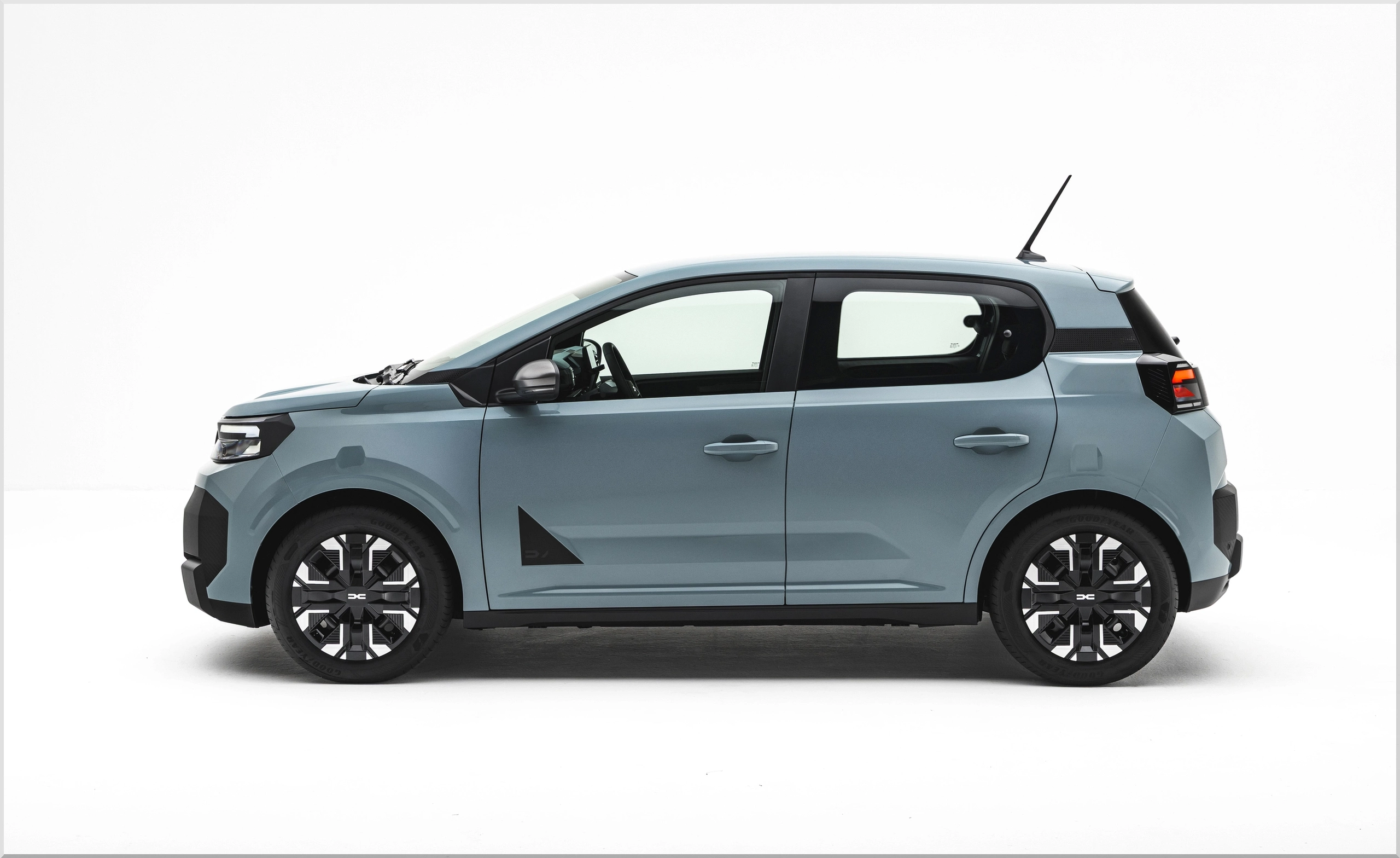
Dacia's connected fleet data explains the engineering decision. Existing Spring owners drive 34 km, or 21 miles, per day on average, at an average speed of 34 km/h. Seventy-five percent charge at home. Consequently, five typical driving days total 170 km, leaving an 80-km WLTP buffer before the driver reaches the claimed maximum range.
From an expert perspective, LFP chemistry suits this brief. It avoids nickel and cobalt in the cathode, offers good cycle durability and supports a lower material-cost strategy. Dacia also claims about a 60 percent lower full-life carbon footprint than comparable non-hybrid petrol cars in the A and B segments, based on Renault Group's projected 2027 European sales mix.
Image gallery
Charging Options Put Home Use First
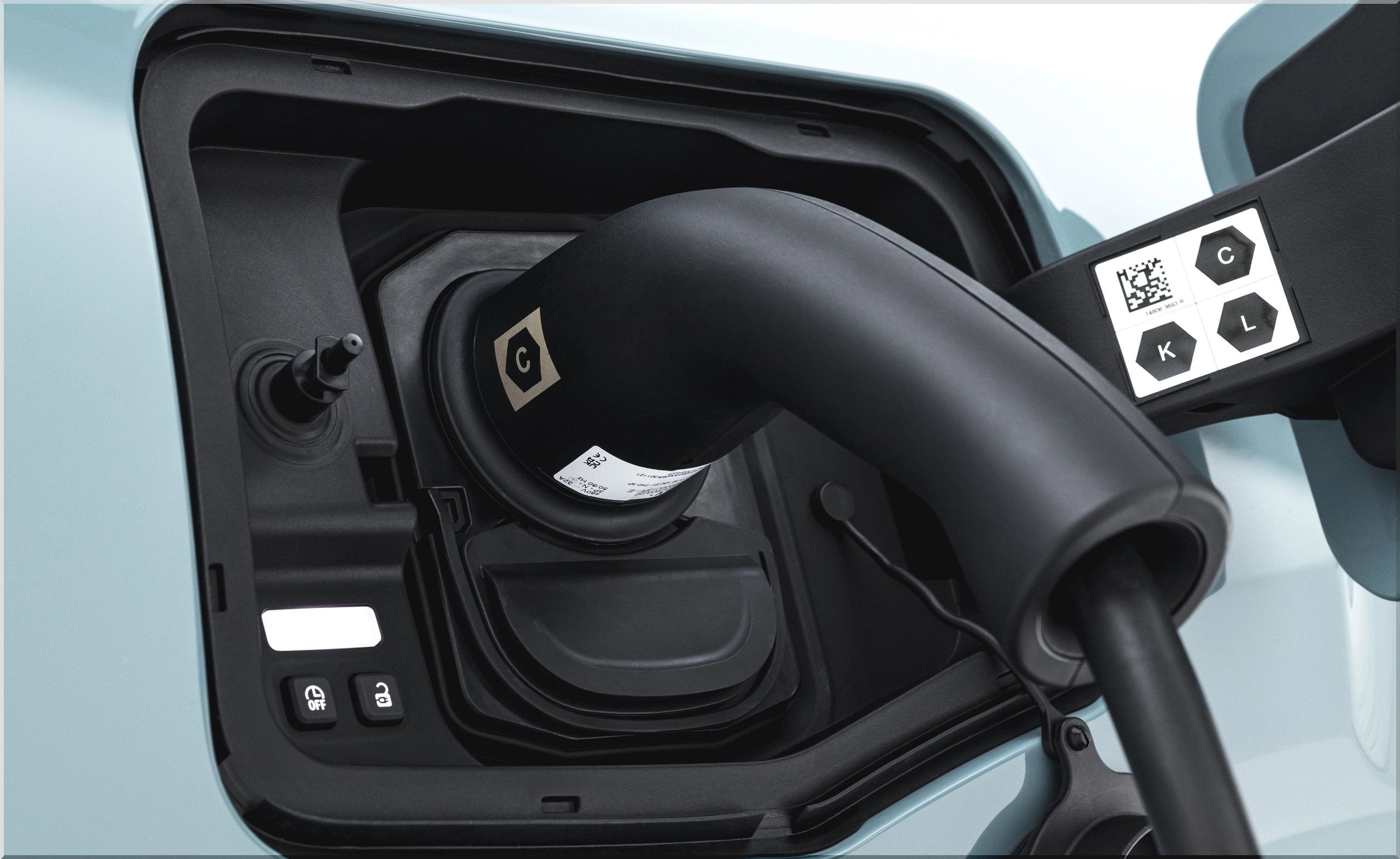
The global specification includes a 6.6-kW AC onboard charger as standard. Buyers can add a Charge Pack with 11-kW AC charging, 50-kW DC charging and vehicle-to-load power. The Swedish release lists 11-kW AC and 50-kW DC charging, with the range-topping grade due in spring 2027.
| Charging source | Battery window | Claimed time | Hardware required |
|---|---|---|---|
| Domestic socket | 15-80% | 9 hours | Standard 6.6-kW charger |
| Heavy-duty socket | 15-80% | 5 hours 40 minutes | Standard 6.6-kW charger |
| 7-kW wallbox | 15-80% | 2 hours 55 minutes | Standard 6.6-kW charger |
| 11-kW three-phase point | 15-80% | 1 hour 55 minutes | Charge Pack |
| 50-kW DC station | 15-80% | 28 minutes | Charge Pack |
The modest DC peak matches the battery's capacity. A 15-to-80 percent session adds roughly 17.9 kWh, so a 28-minute claim implies a sensible average charging rate below the 50-kW peak. By comparison, paying for 100-kW hardware would add cost while saving limited time on such a small pack.
Image

Pro-Tip: Should You Pay for the Charge Pack?
Choose the standard AC setup if you park near a home charger, drive under 100 km most days and rarely make long trips. Choose the Charge Pack if you depend on public infrastructure, cross regional routes or want vehicle-to-load capability for an e-bike battery, lamp or coffee maker. The pack's value comes from flexibility rather than daily charging speed.
Two Trim Levels Keep the Choice Simple
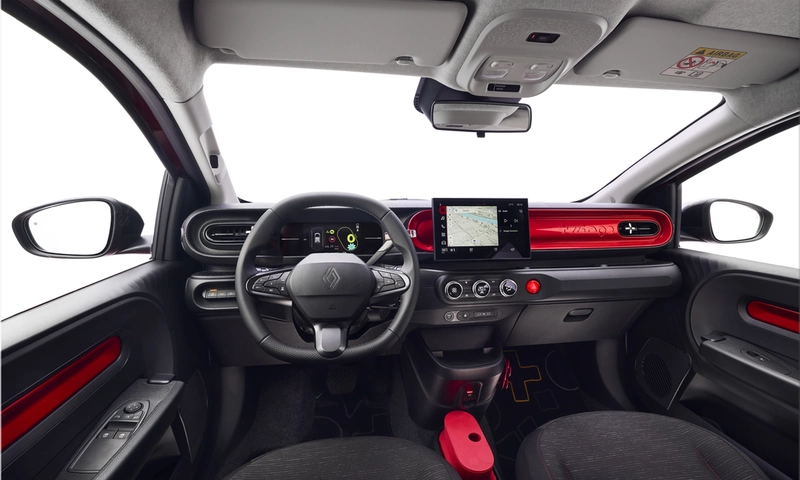
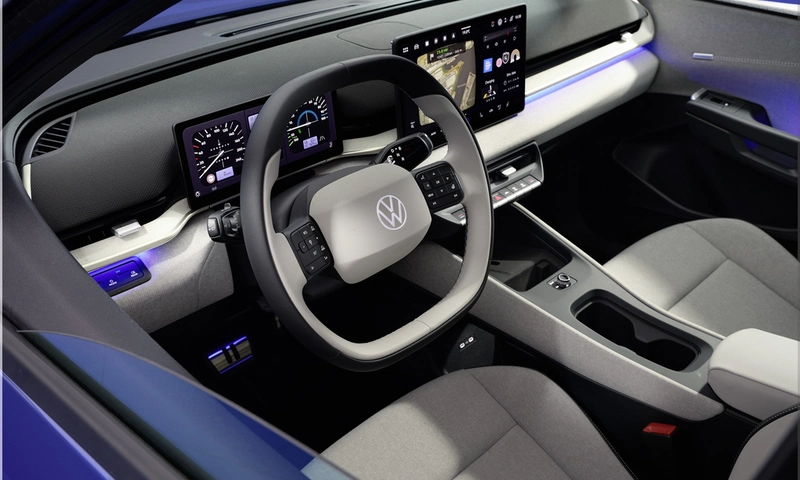
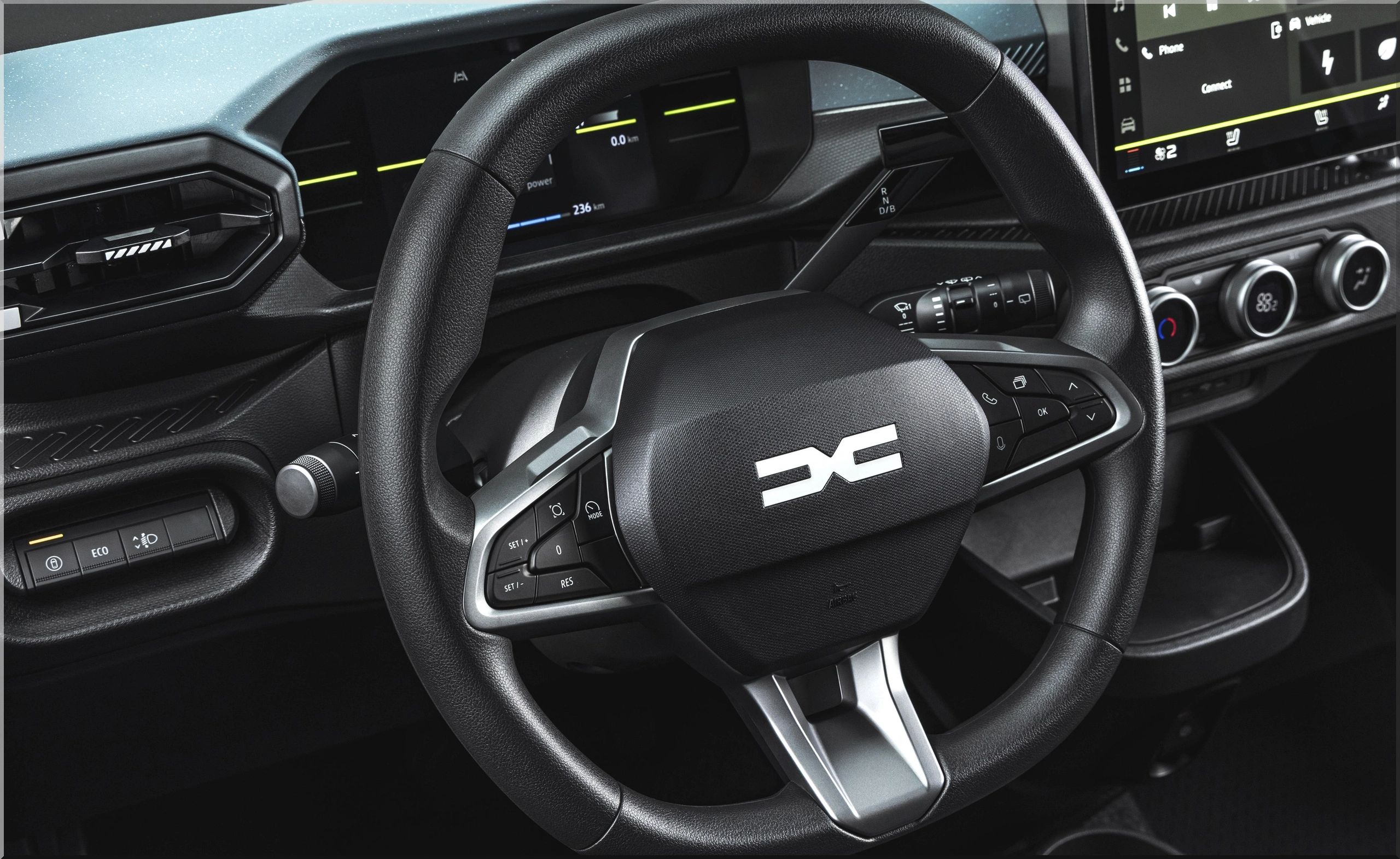
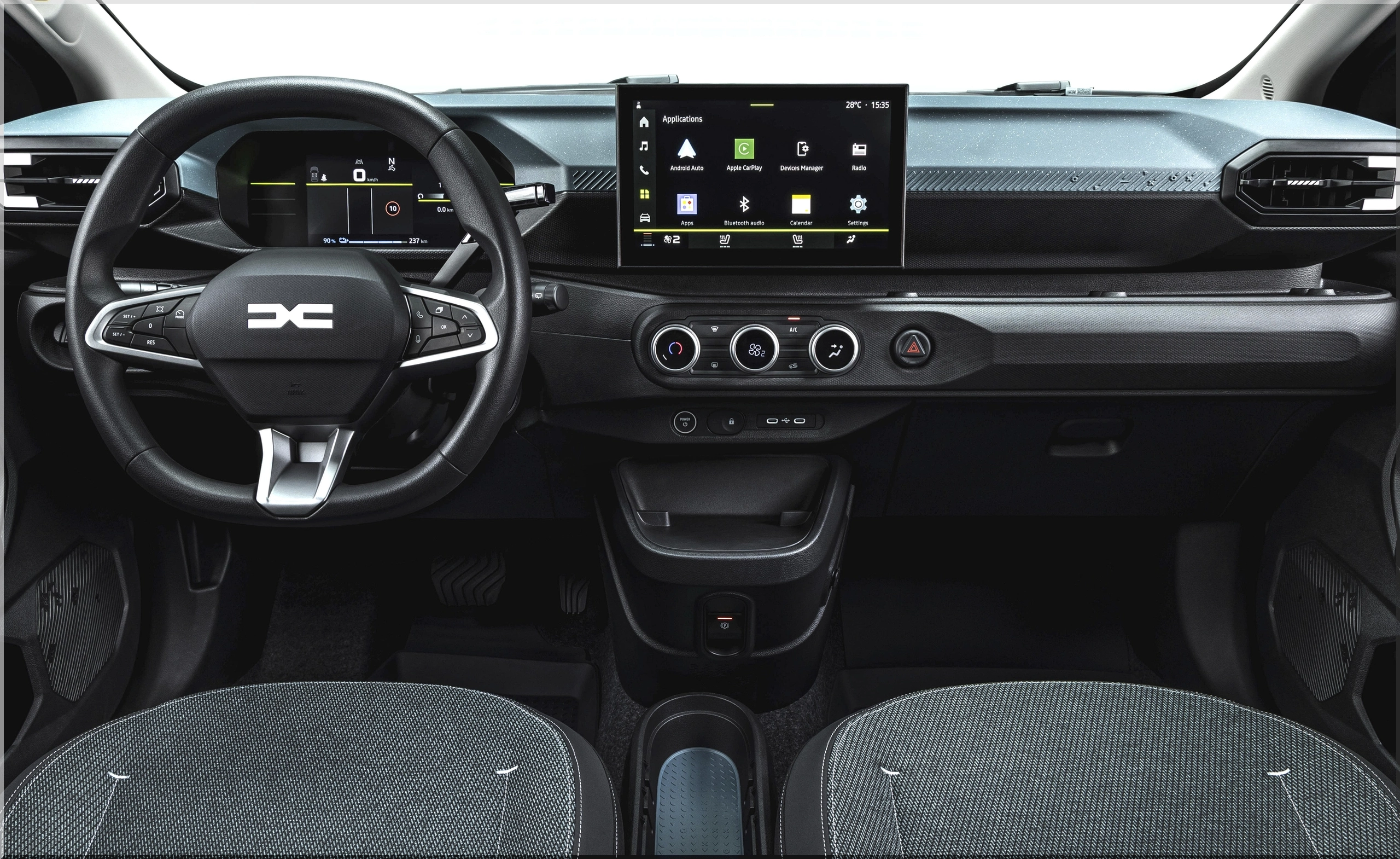
Expression includes 15-inch steel wheels, manual air conditioning, electric front windows and mirrors, automatic headlights, rear parking sensors and an electric parking brake. It also brings a 7-inch digital display, smartphone-based Media Control, one USB-C port, three YouClip points and a split-folding rear seat.
The range-topper adds 16-inch wheels, hands-free entry, a reversing camera and a 10.1-inch Media Nav Live touchscreen. Wireless Apple CarPlay and Android Auto, two USB-C ports and upgraded fabric upholstery round out the cabin. Dacia includes eight years of connected navigation with live traffic and European map updates.
Both grades also receive a height-adjustable driver's seat, a steering wheel adjustable for height and reach, rear parking sensors and the My Safety shortcut for selected driver-assistance settings. Four exterior colours will appear at launch: Agave, Schist Grey, Diamond Black and Glacier White.
Image gallery


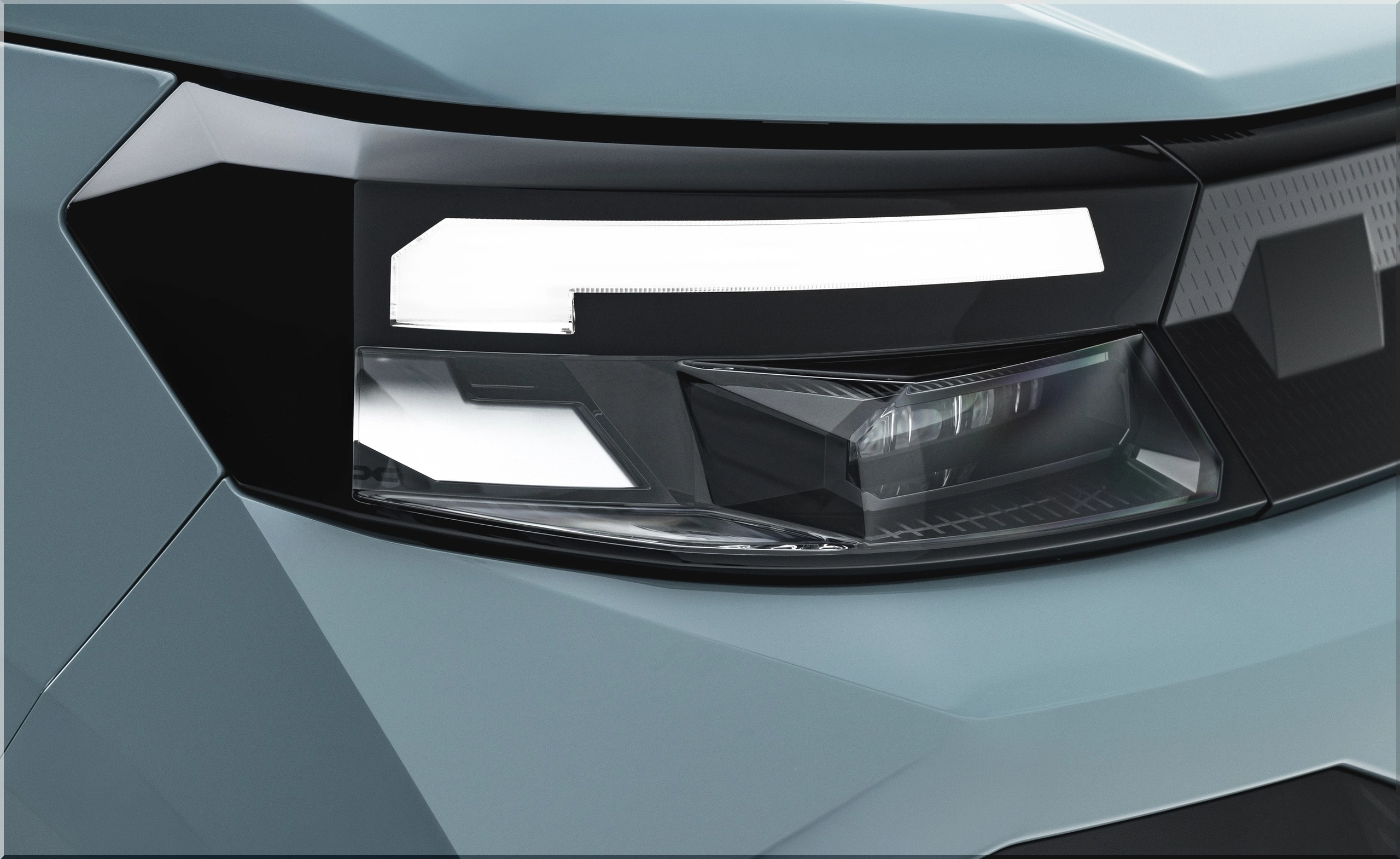

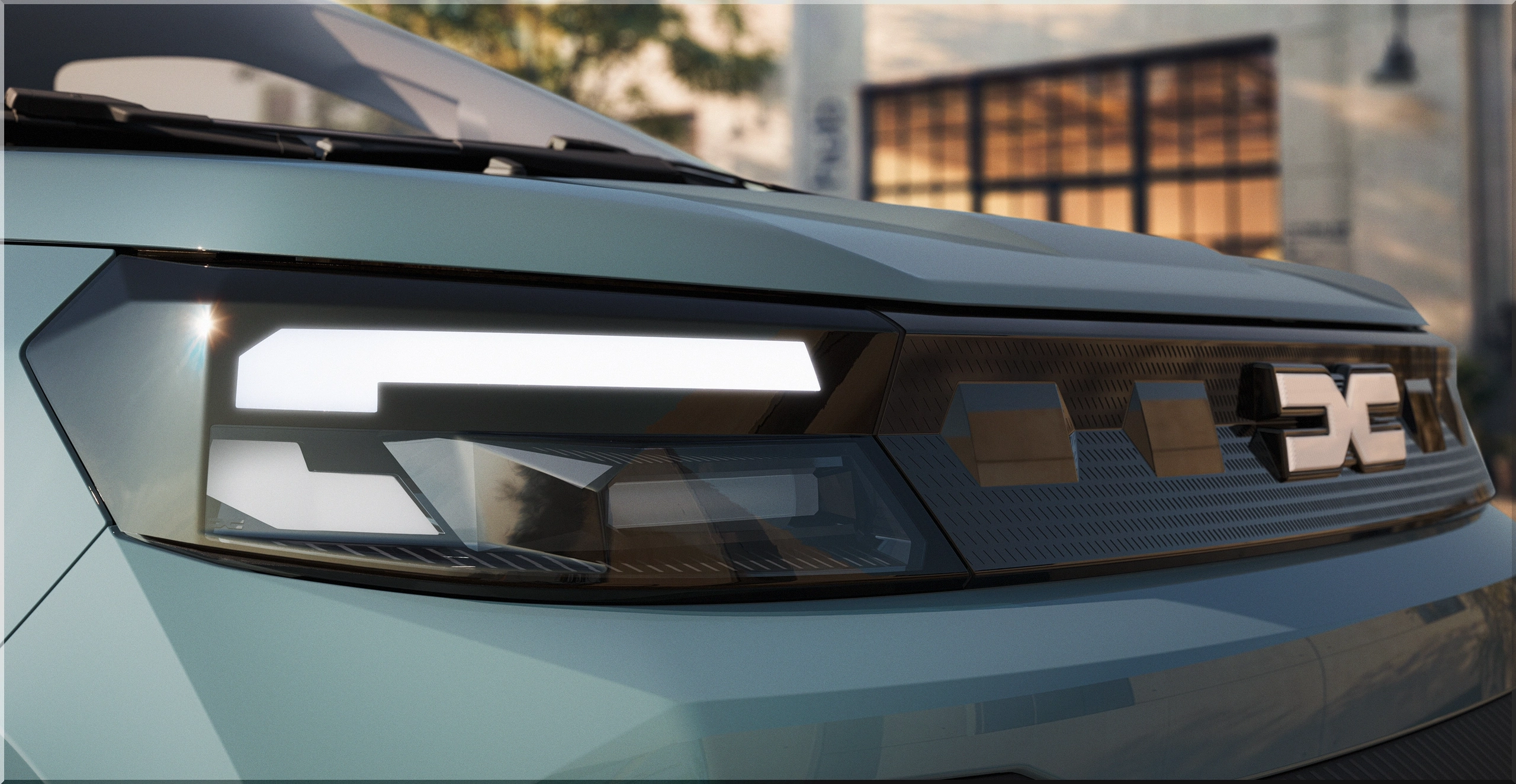
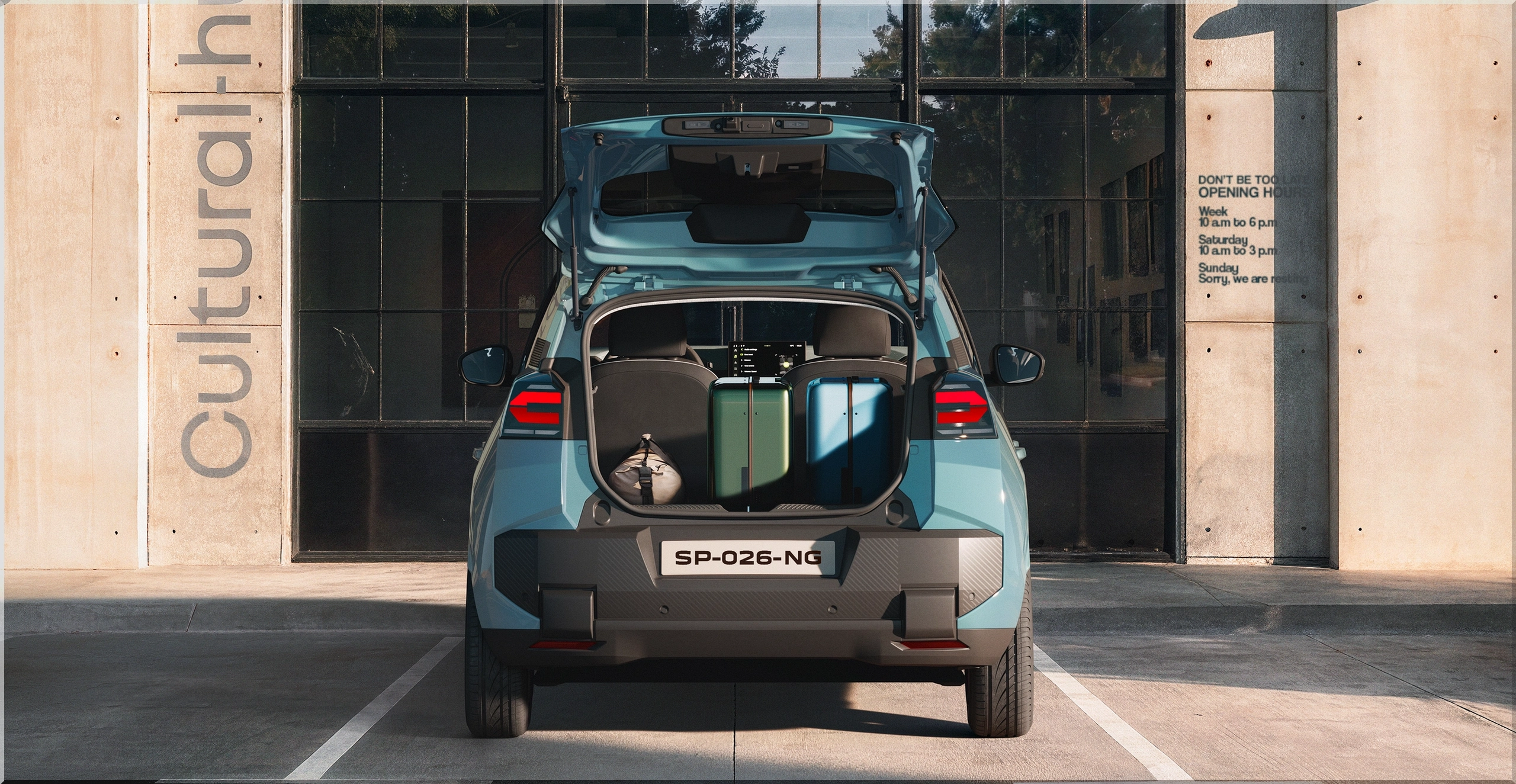


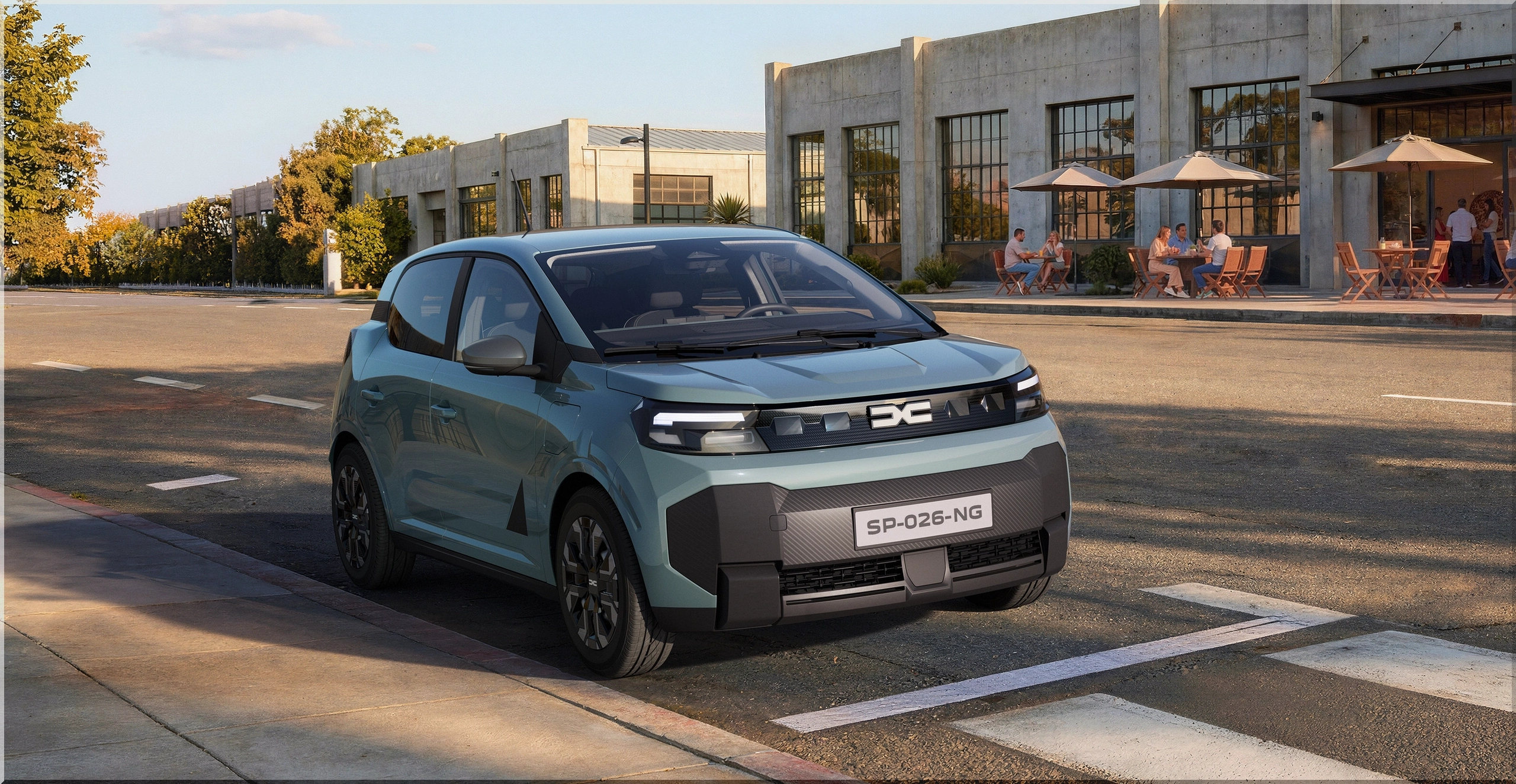


The Numbers Support Dacia's Low-Cost EV Strategy
The second-generation Dacia Spring addresses the old car's narrow body and limited cabin space without chasing a 400-km battery. Its 155-mile range covers the usage pattern Dacia recorded from owners.
Pricing supplies the decisive figure. Dacia says every version will sit below EUR 20,000 before subsidies, although individual market prices remain pending. Sweden will receive the range-topping grade in spring 2027, and its importer has not announced a local price.
The result follows a disciplined equation: low mass, low consumption, a right-sized battery and useful space. Buyers who need frequent long-distance speed should choose a larger EV. Drivers seeking a compact European-built electric car with predictable home-charging costs now have a much stronger Spring to consider.
- Add new comment
- 3 views