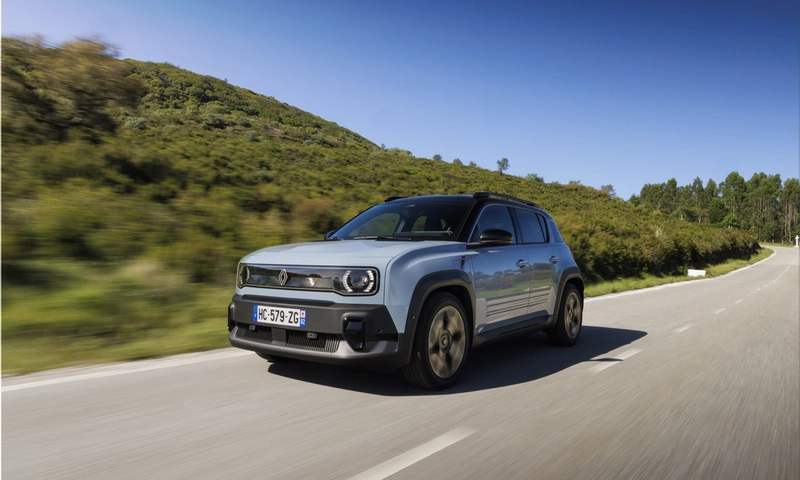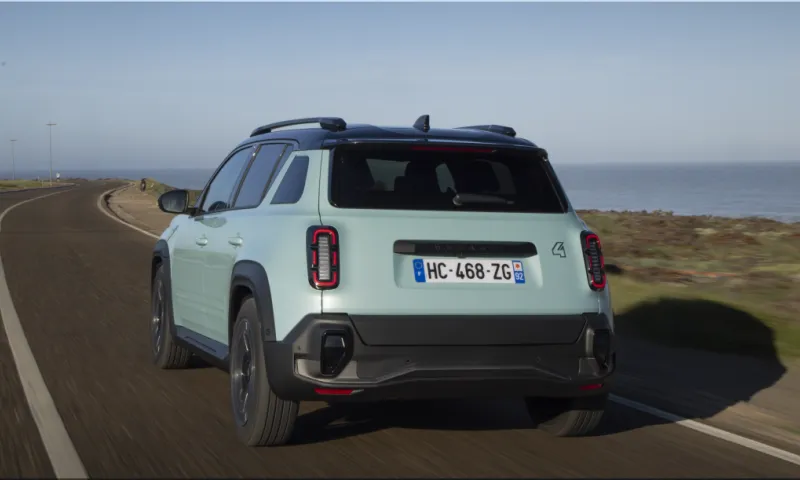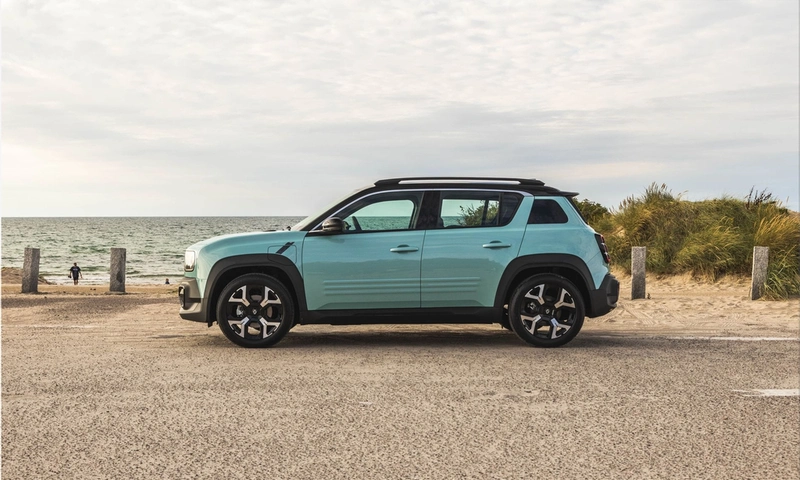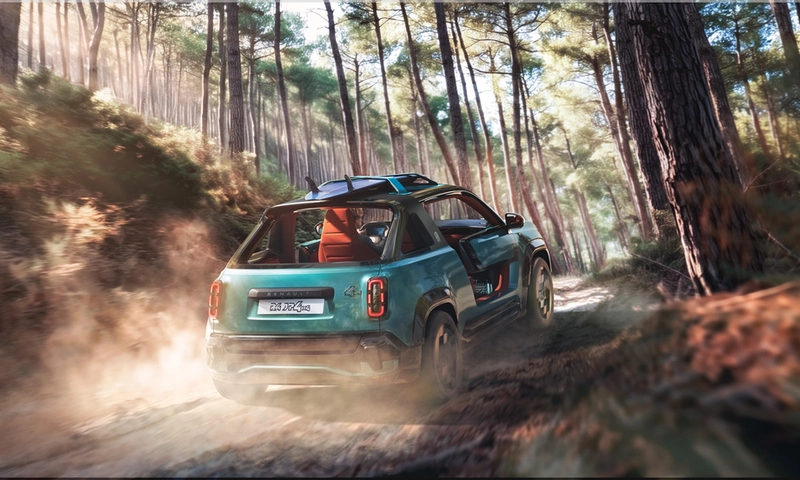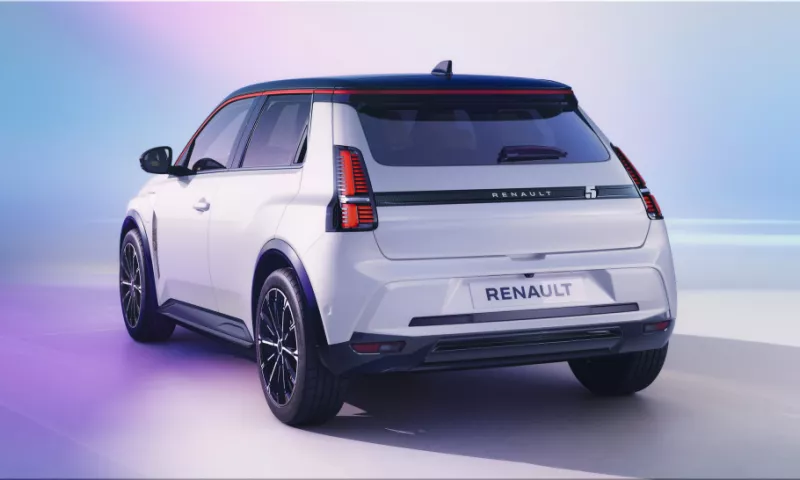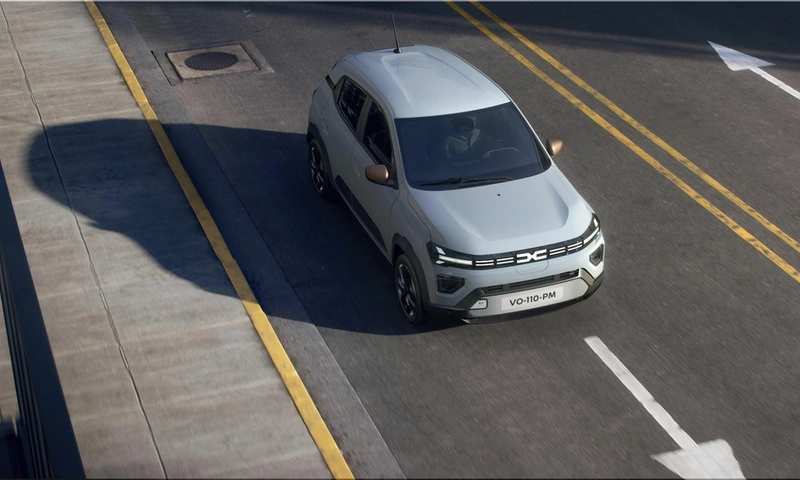
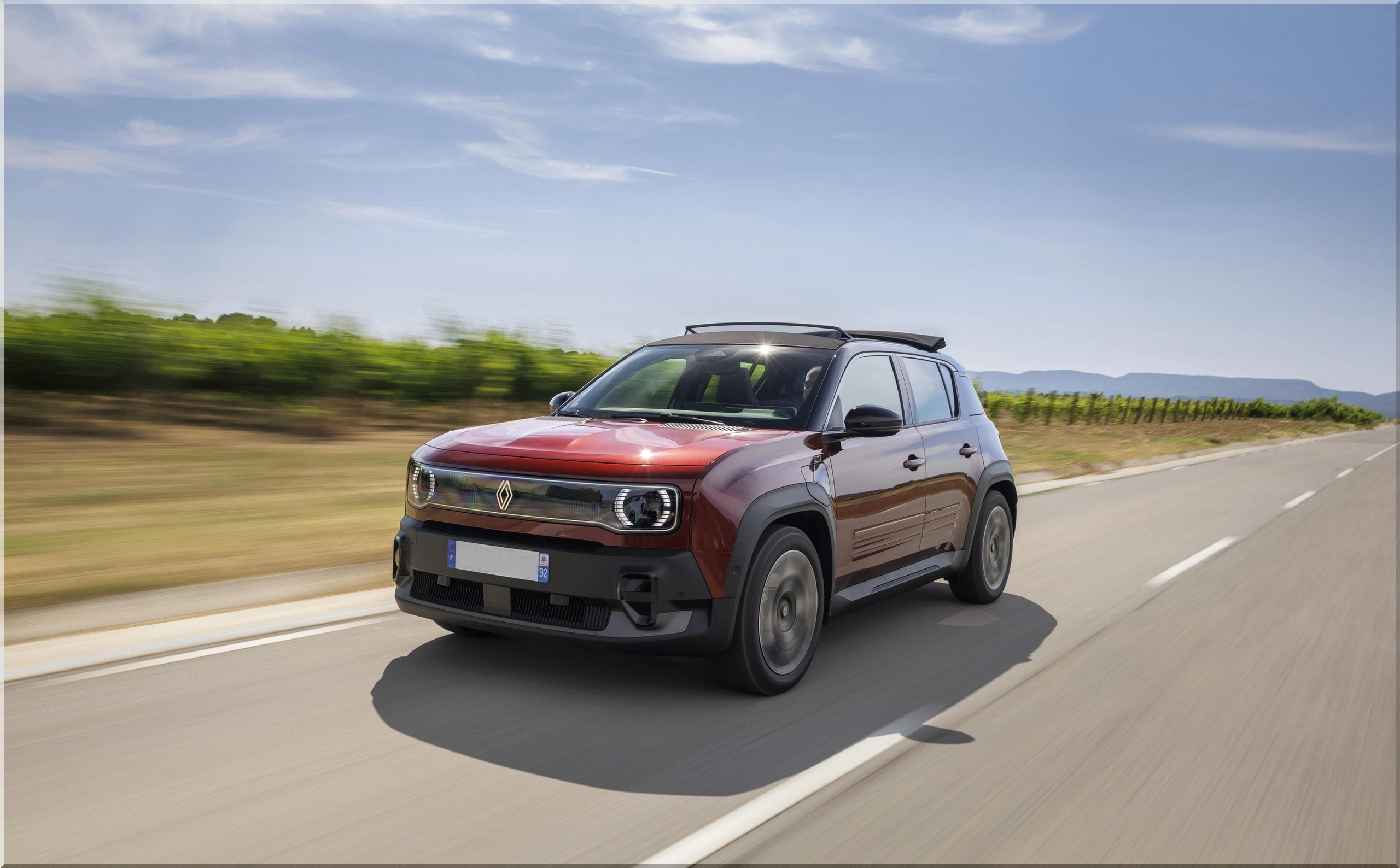
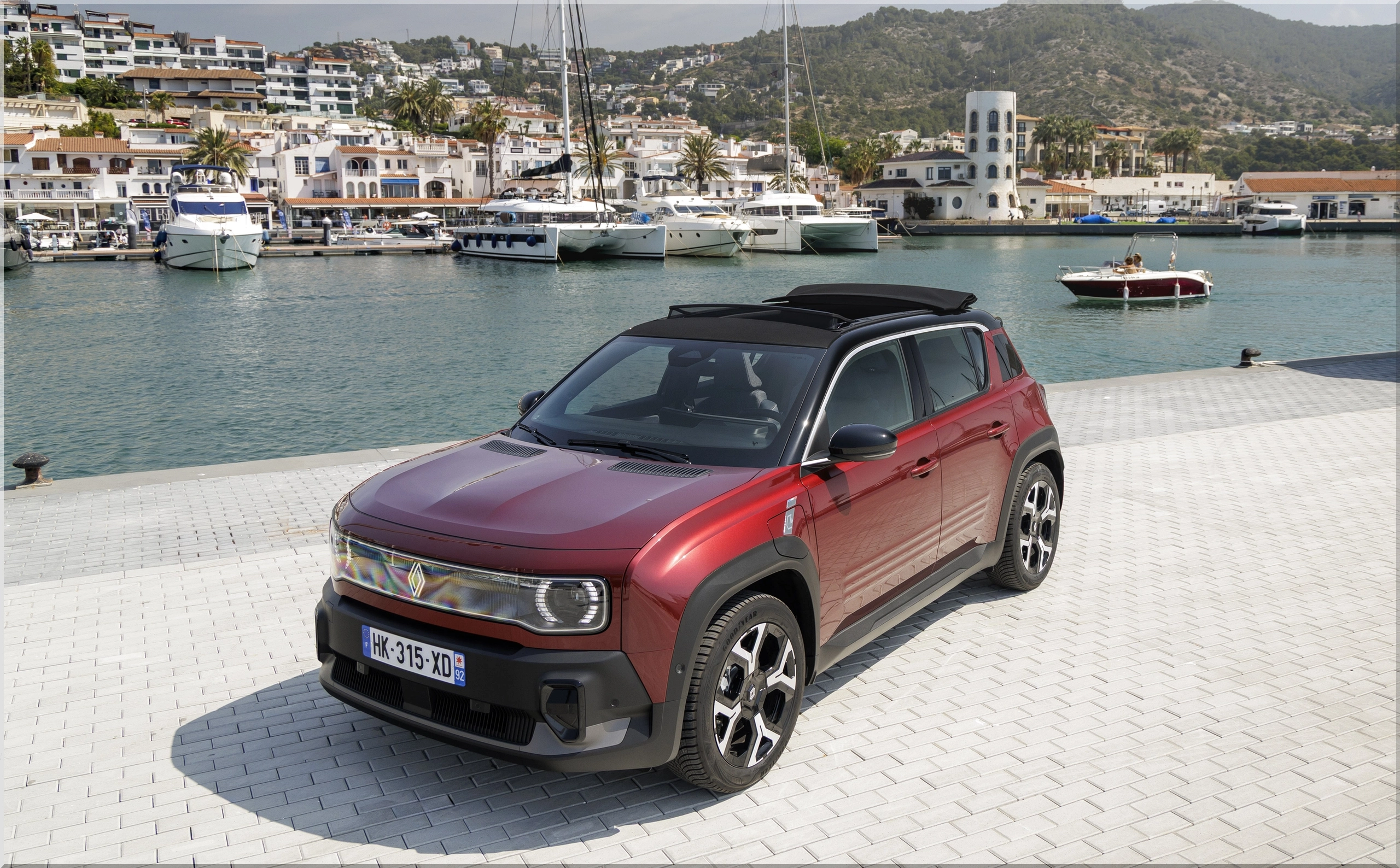
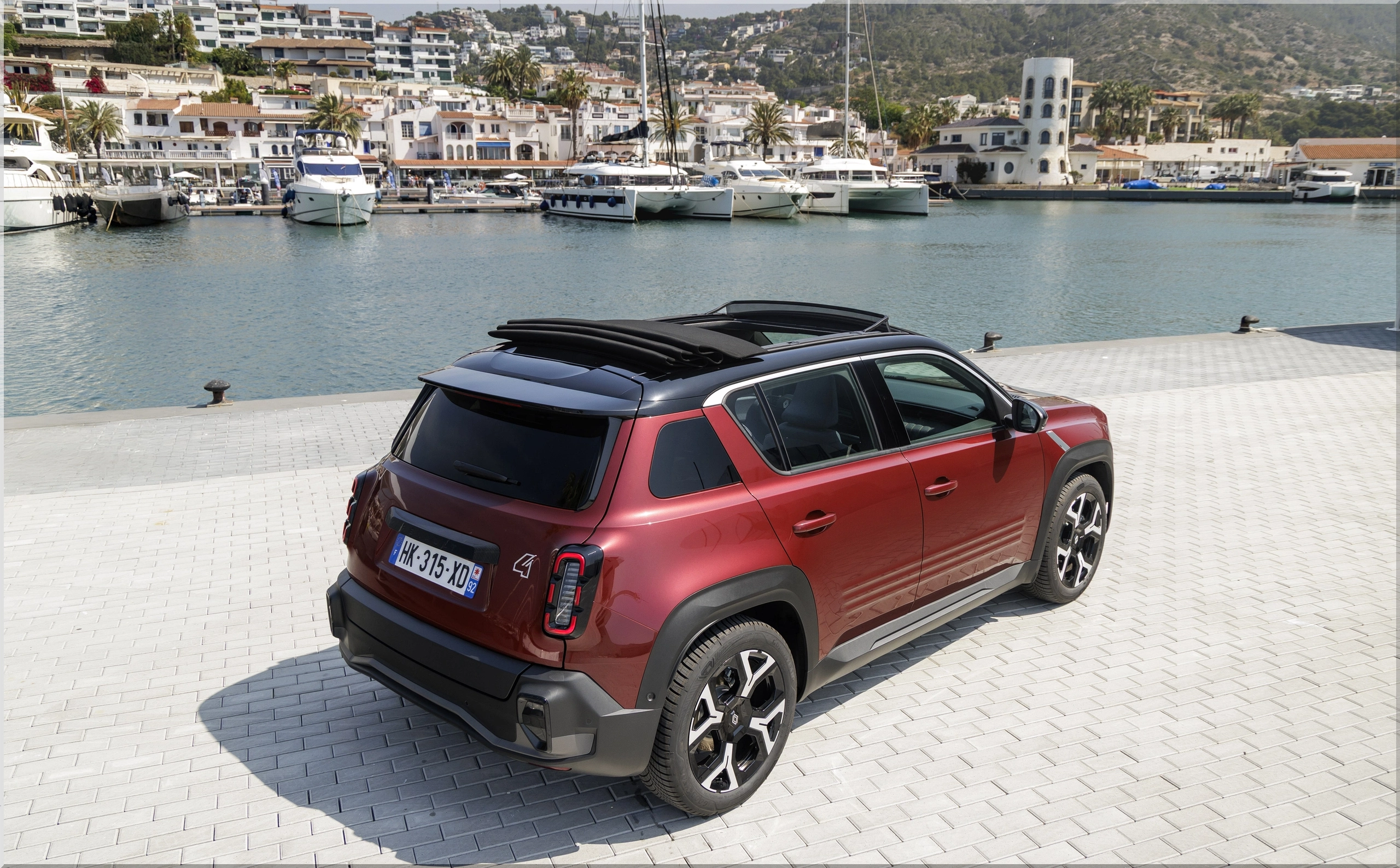
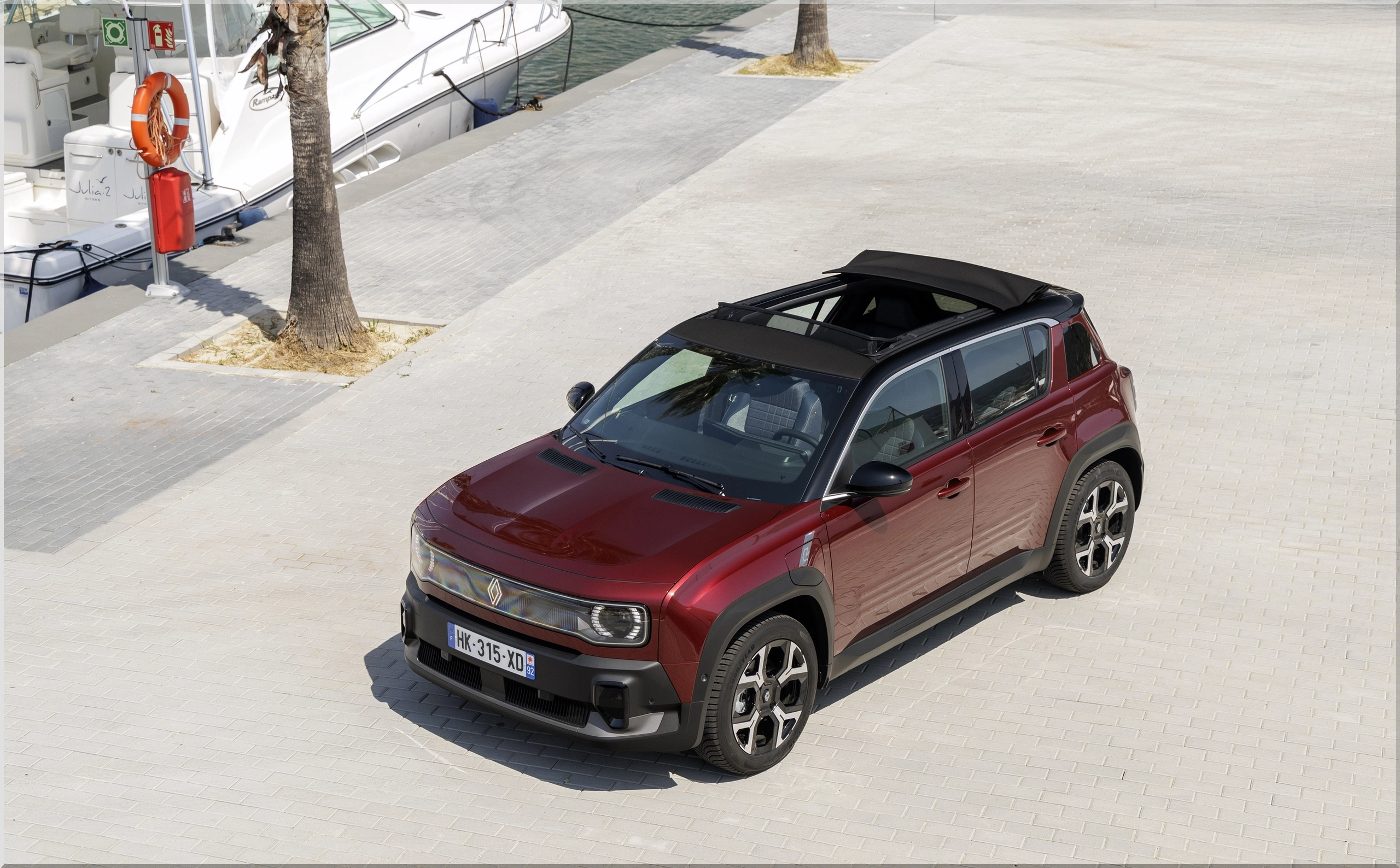
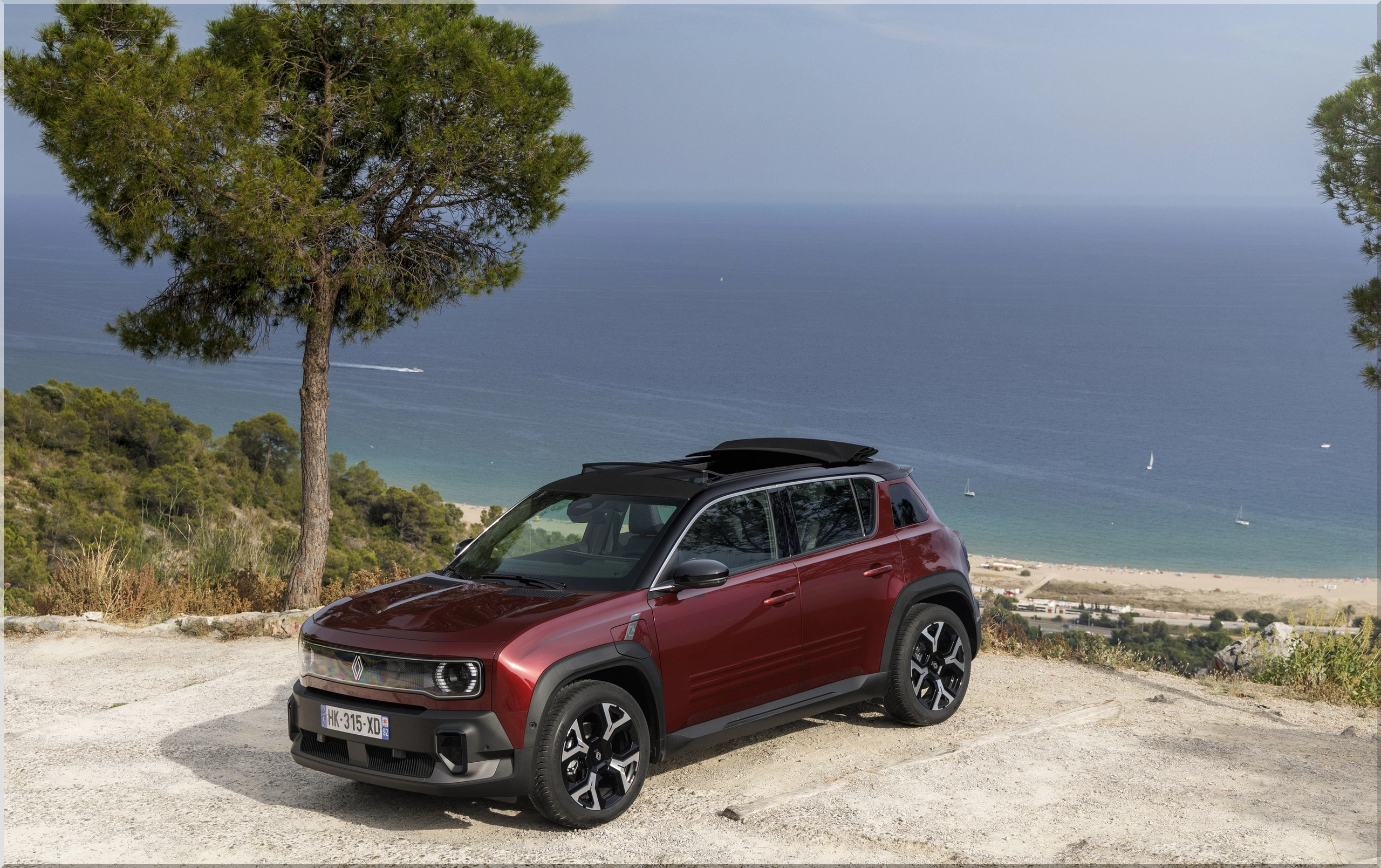
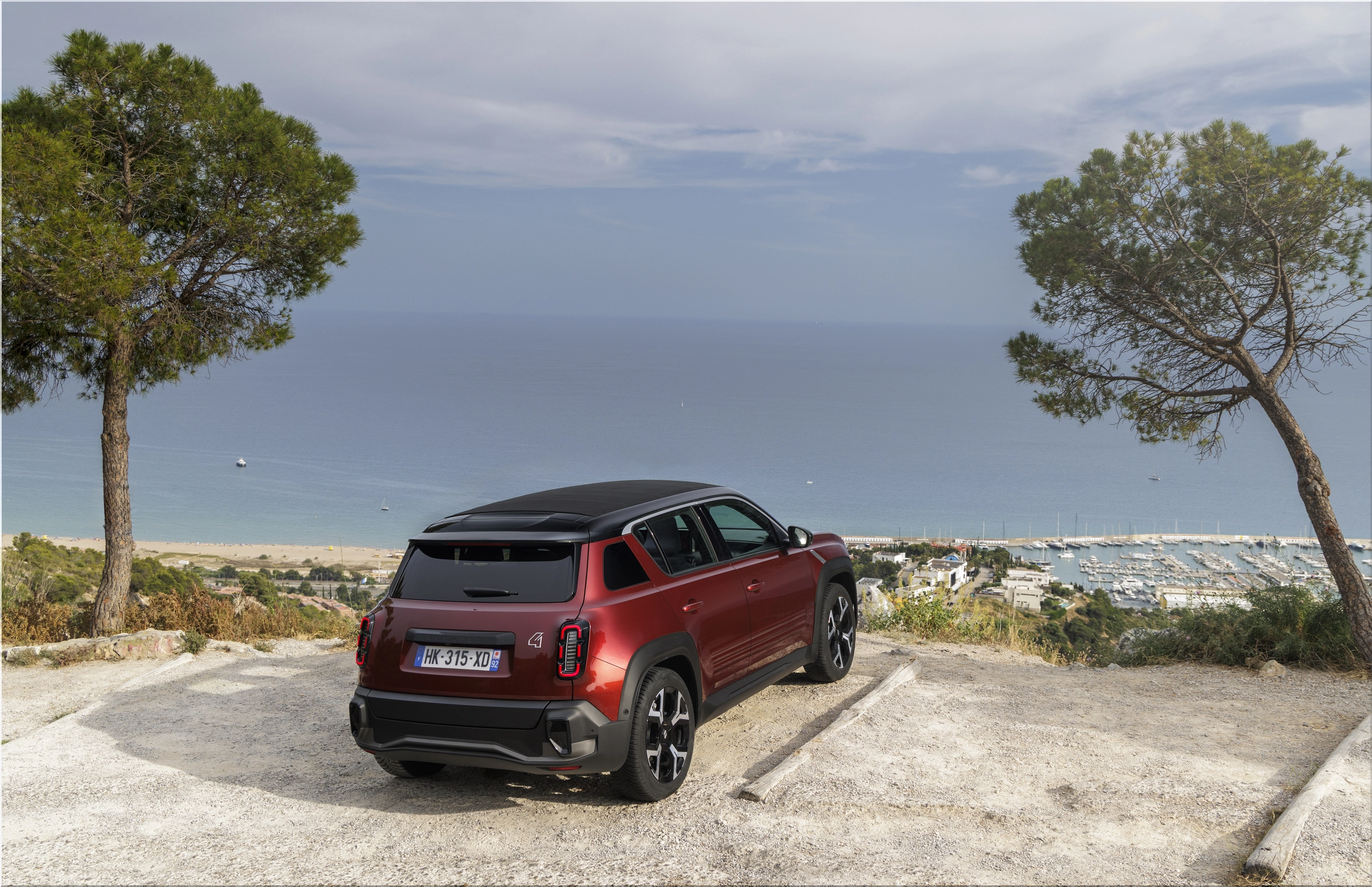
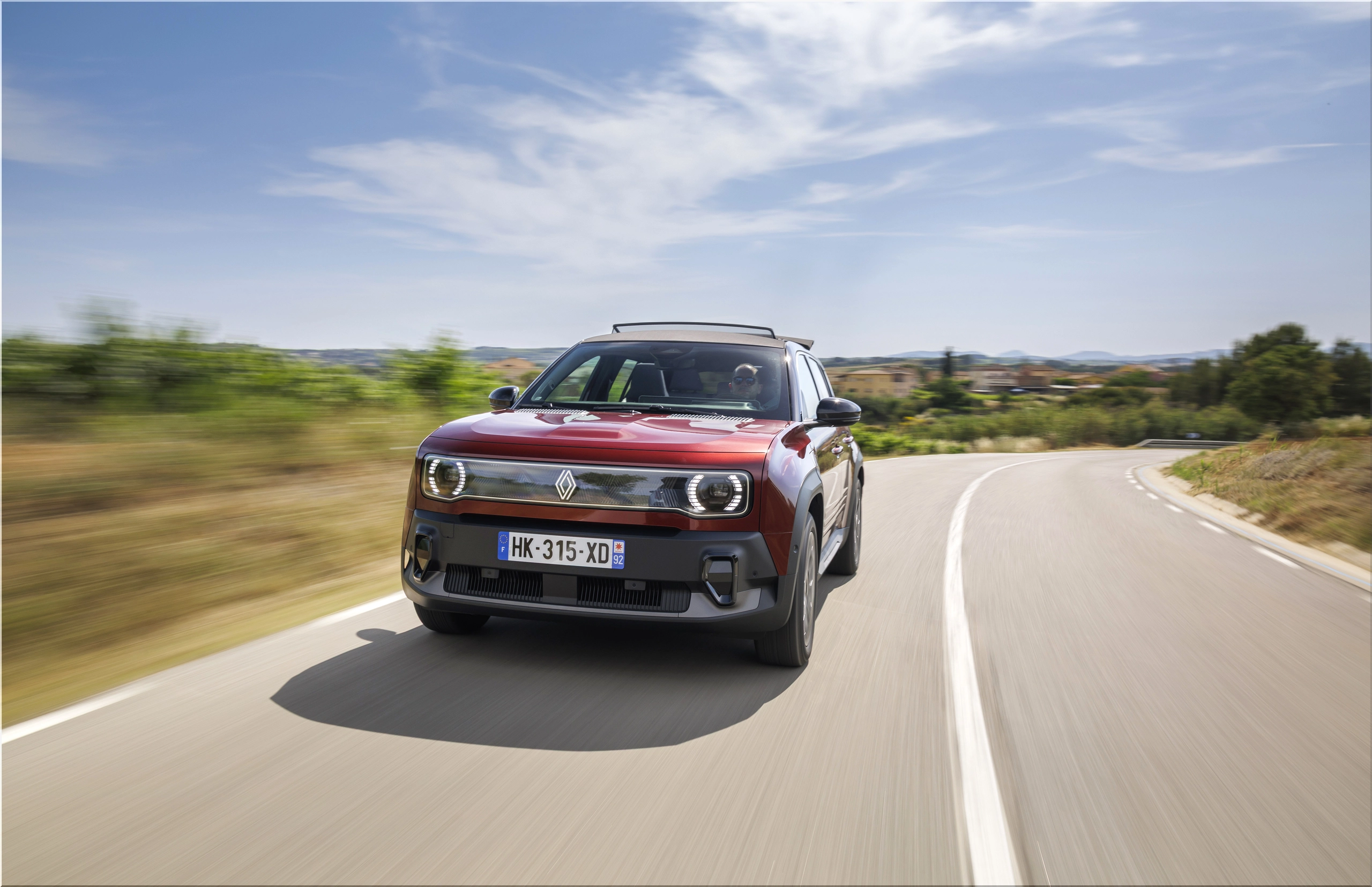
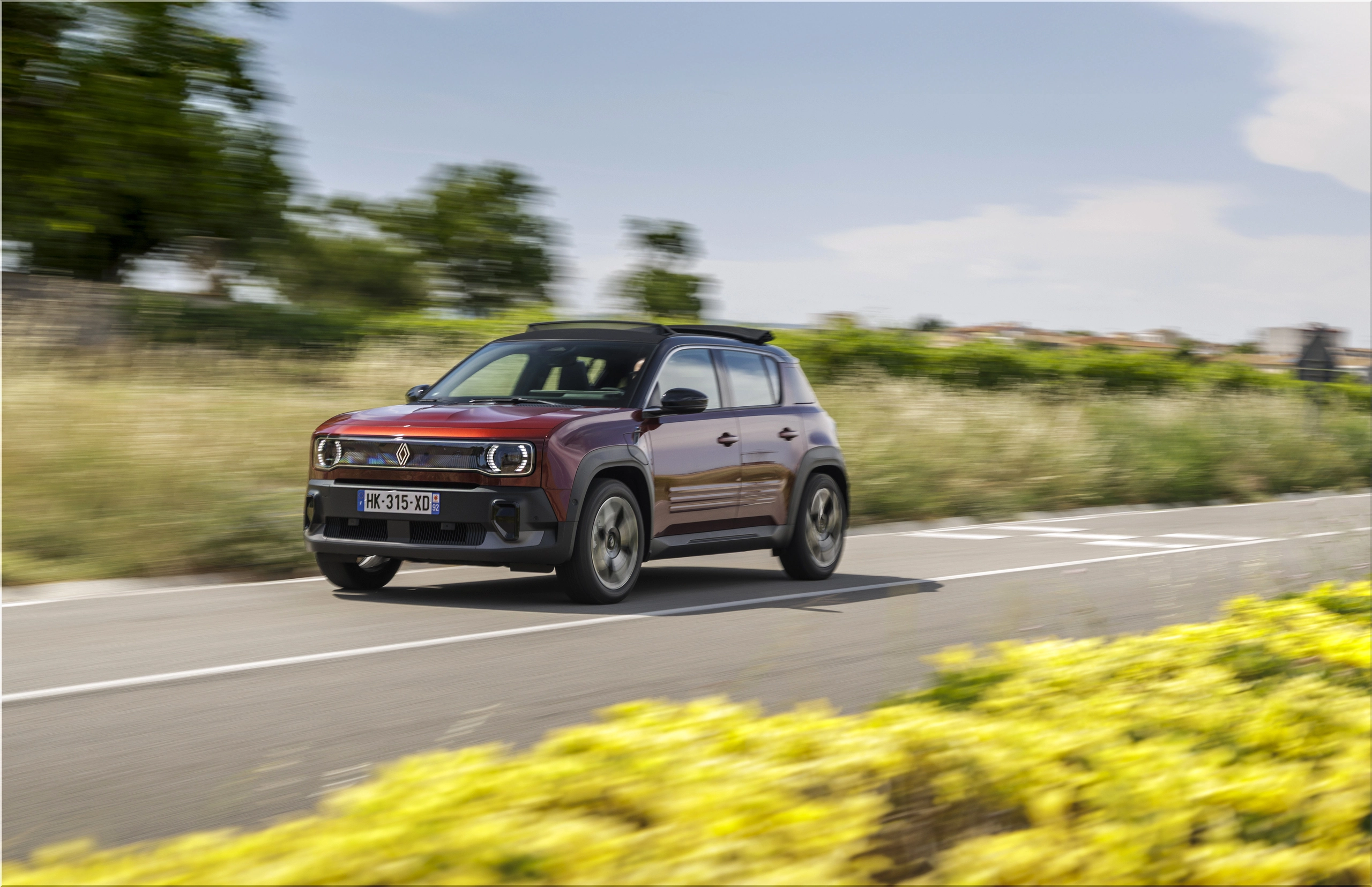
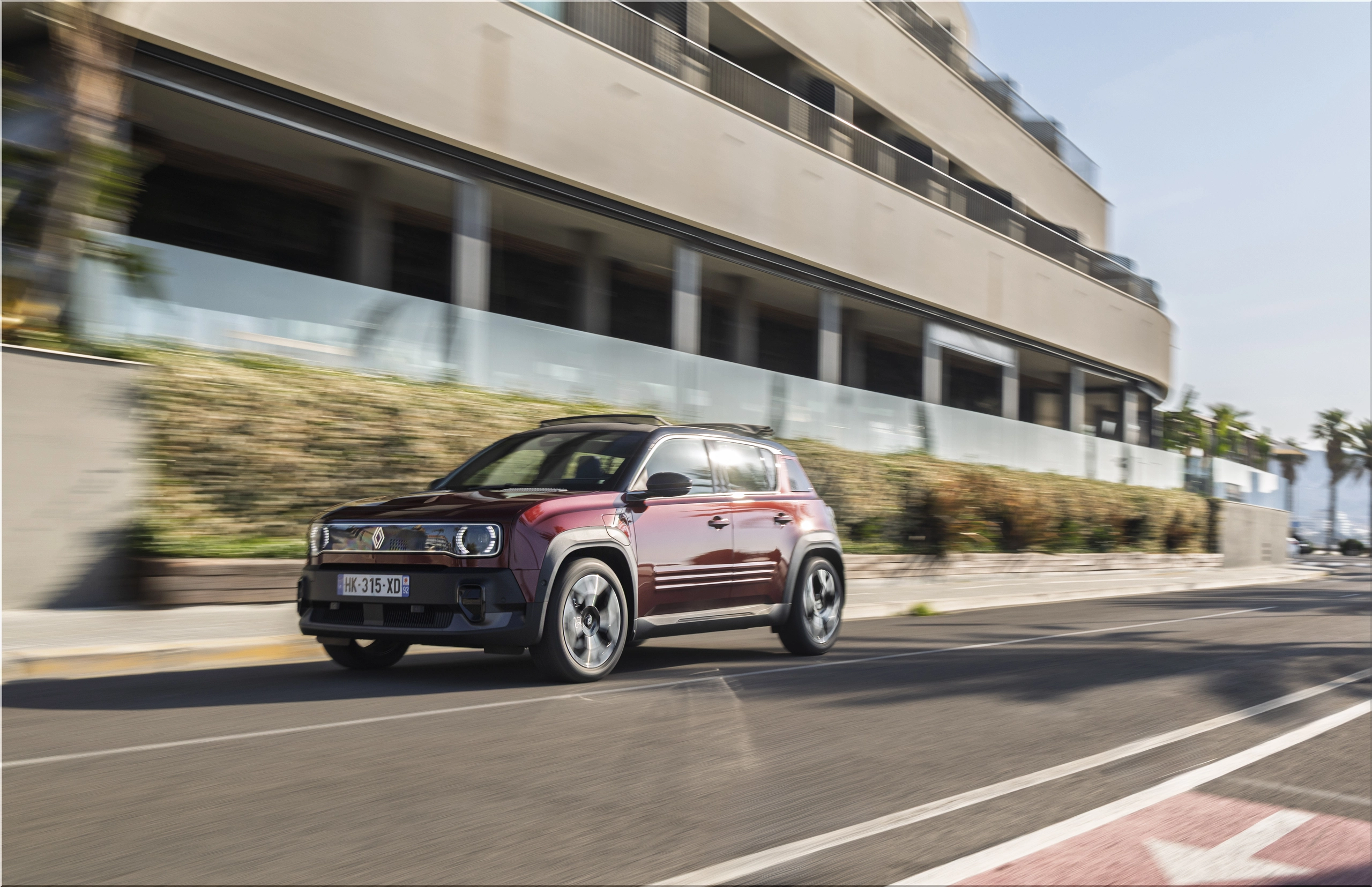
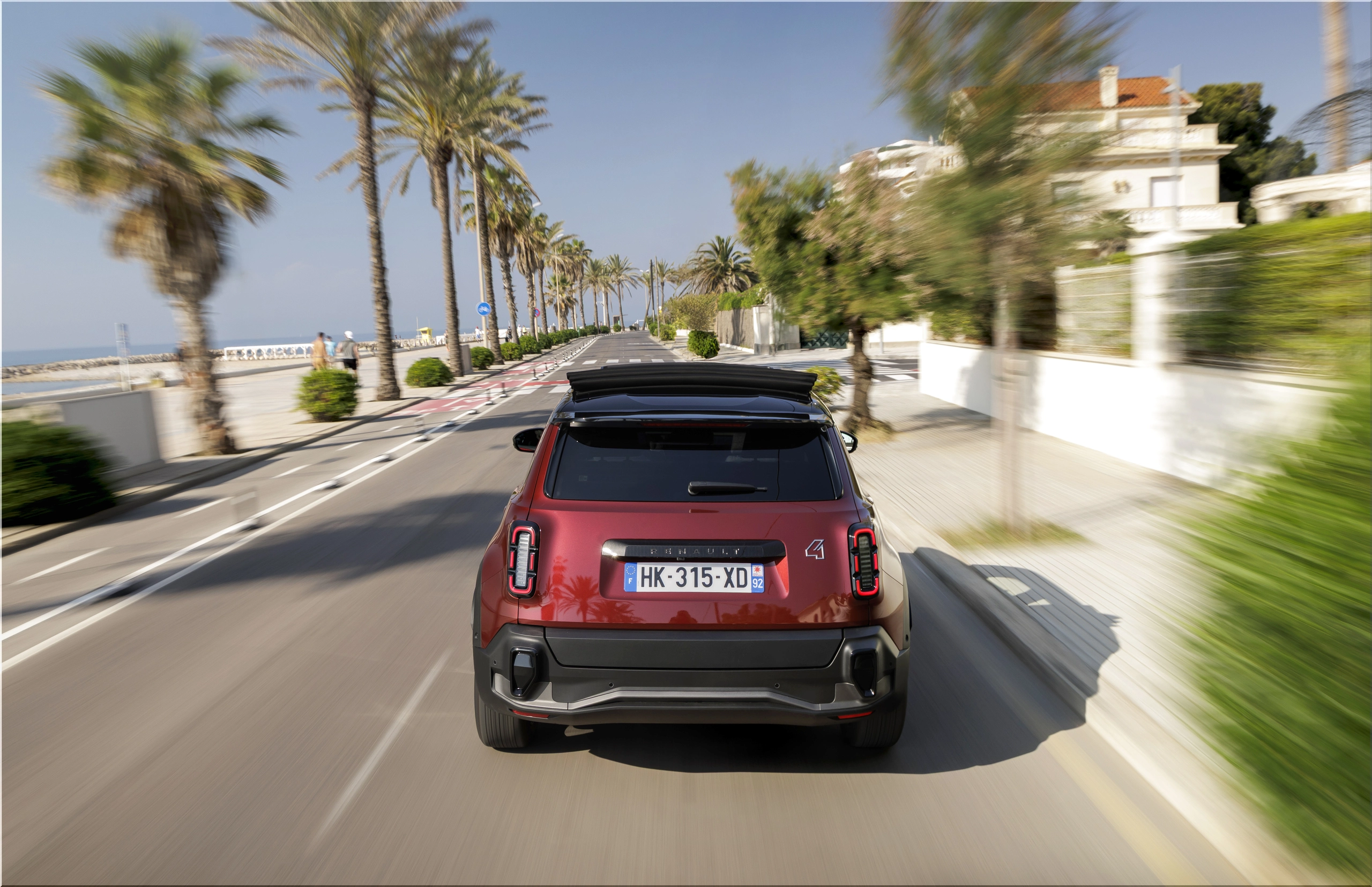
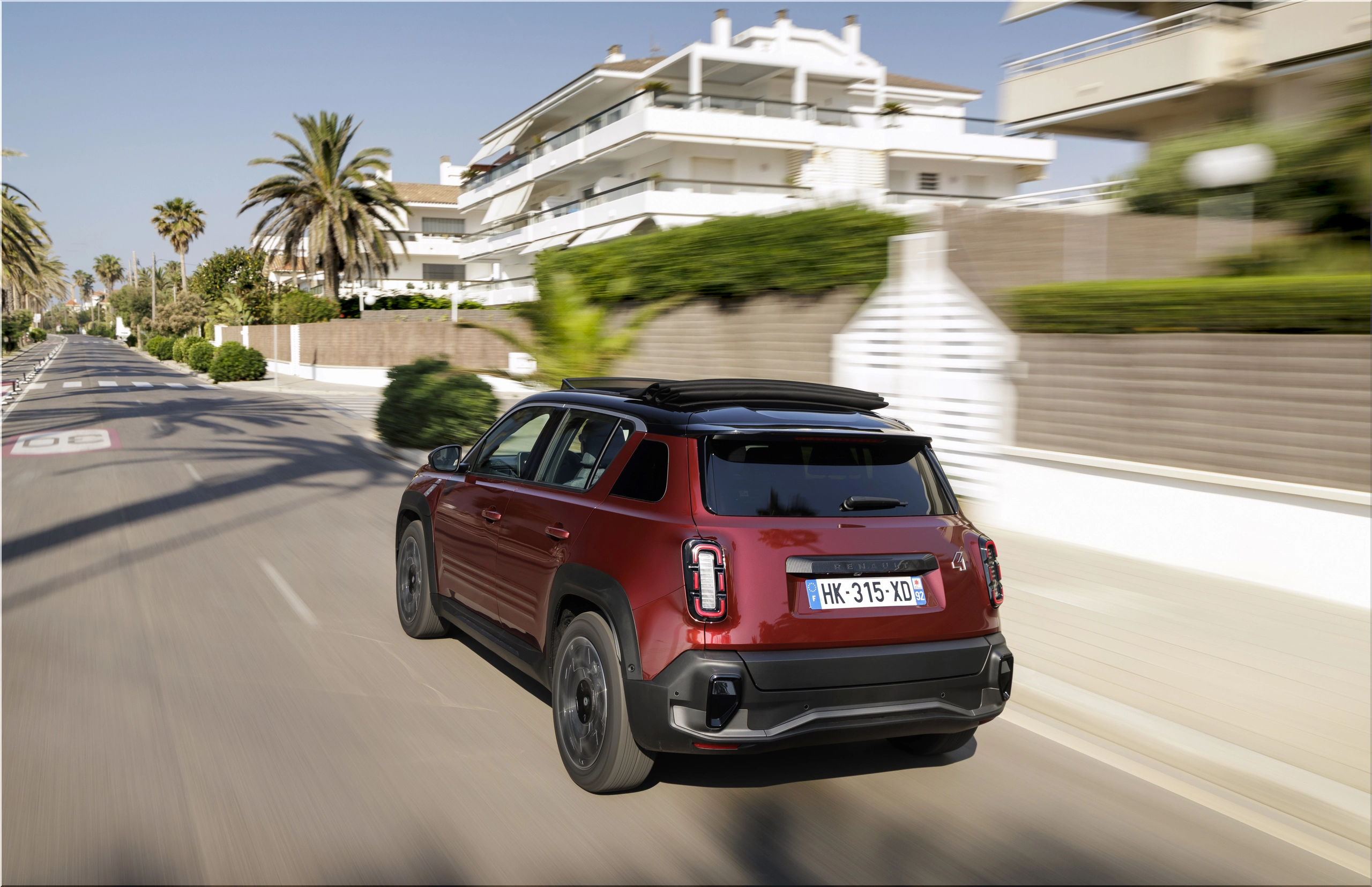
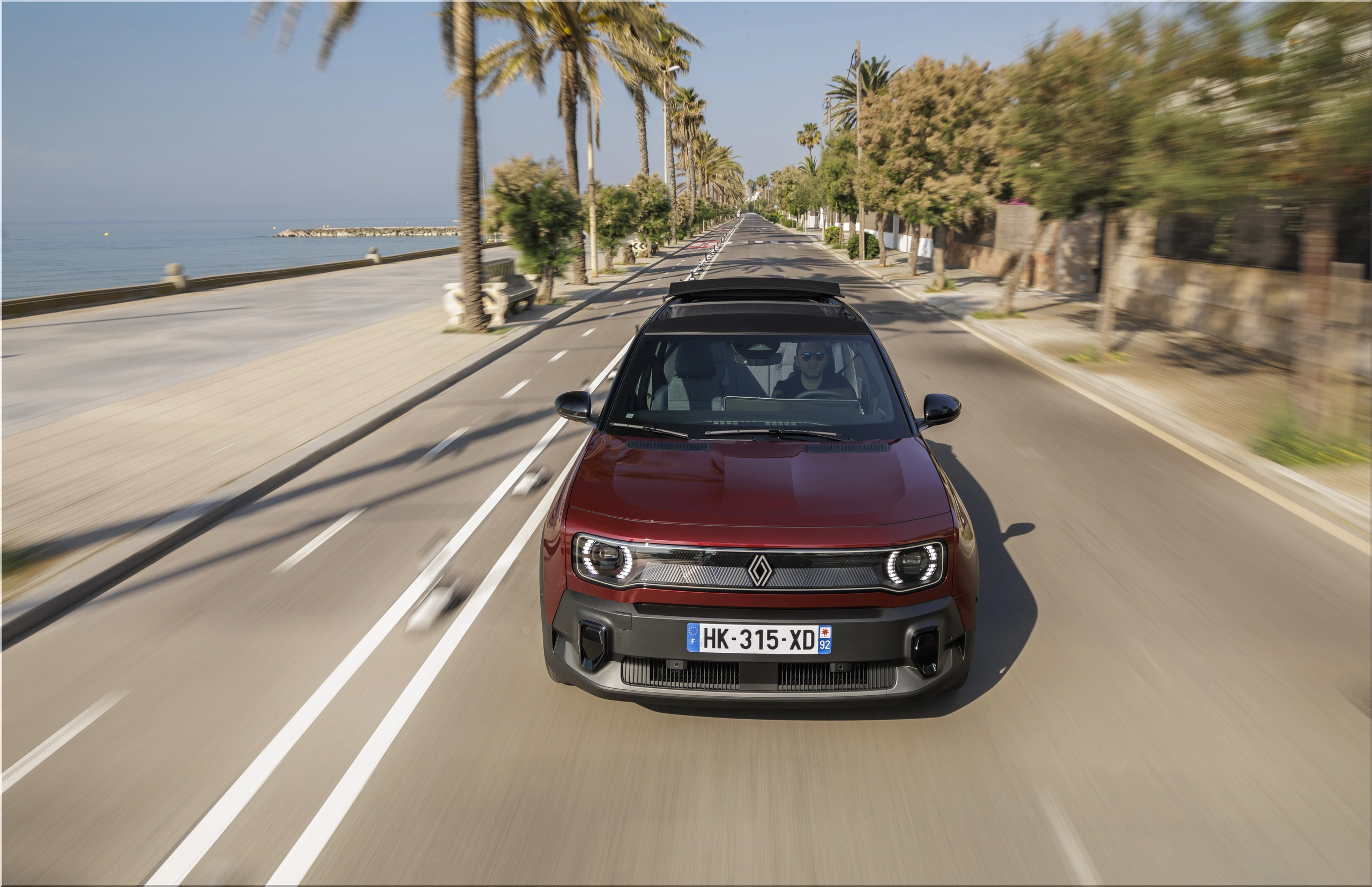
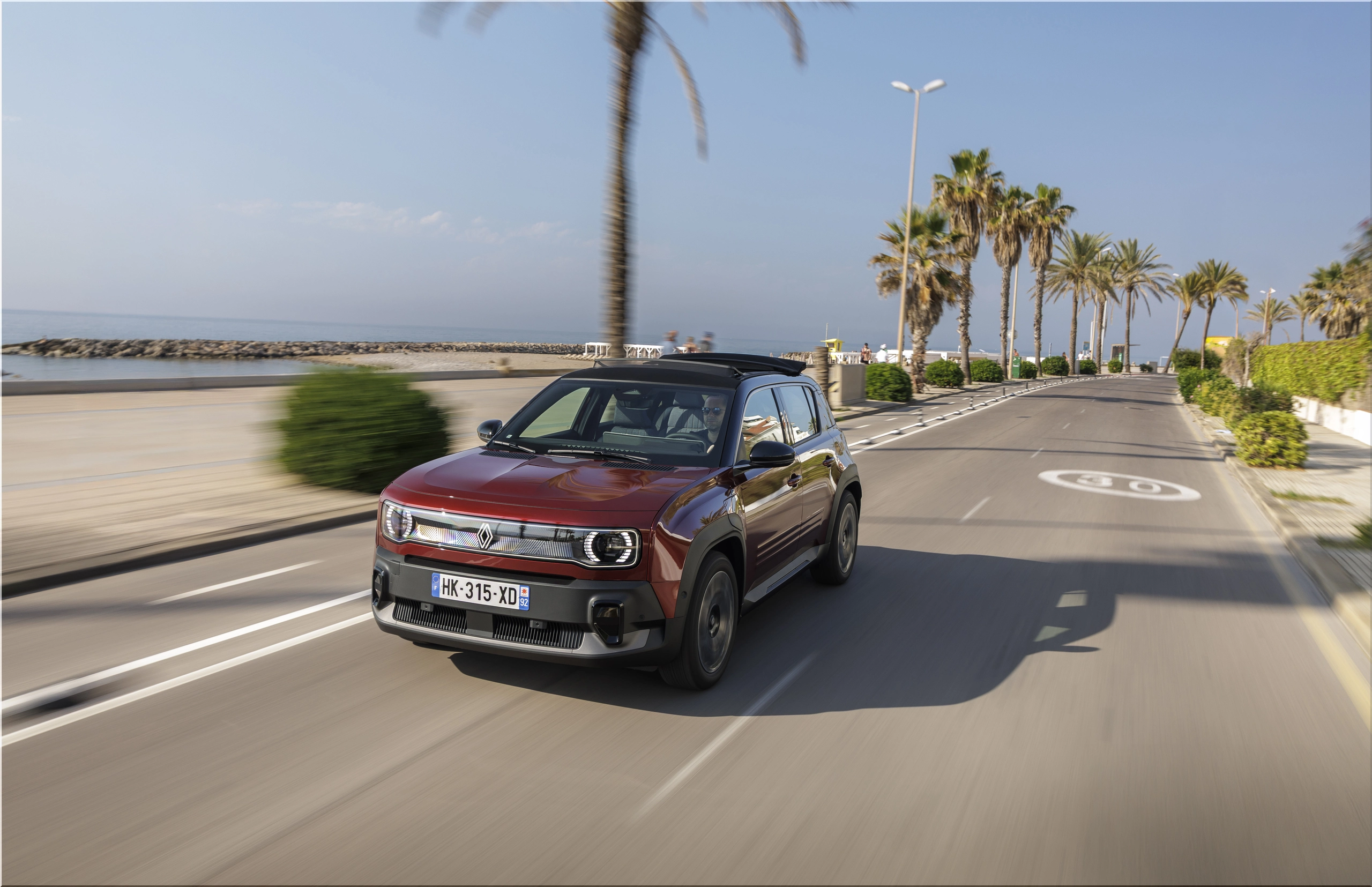
Renault has taken the Renault 4 E-Tech electric and given it the one feature small electric SUVs almost never get: a massive powered canvas roof. The result, the Renault 4 E-Tech electric Plein Sud, targets drivers who want open-air driving without giving up daily usability, boot space, towing ability, or sane EV range.
Image
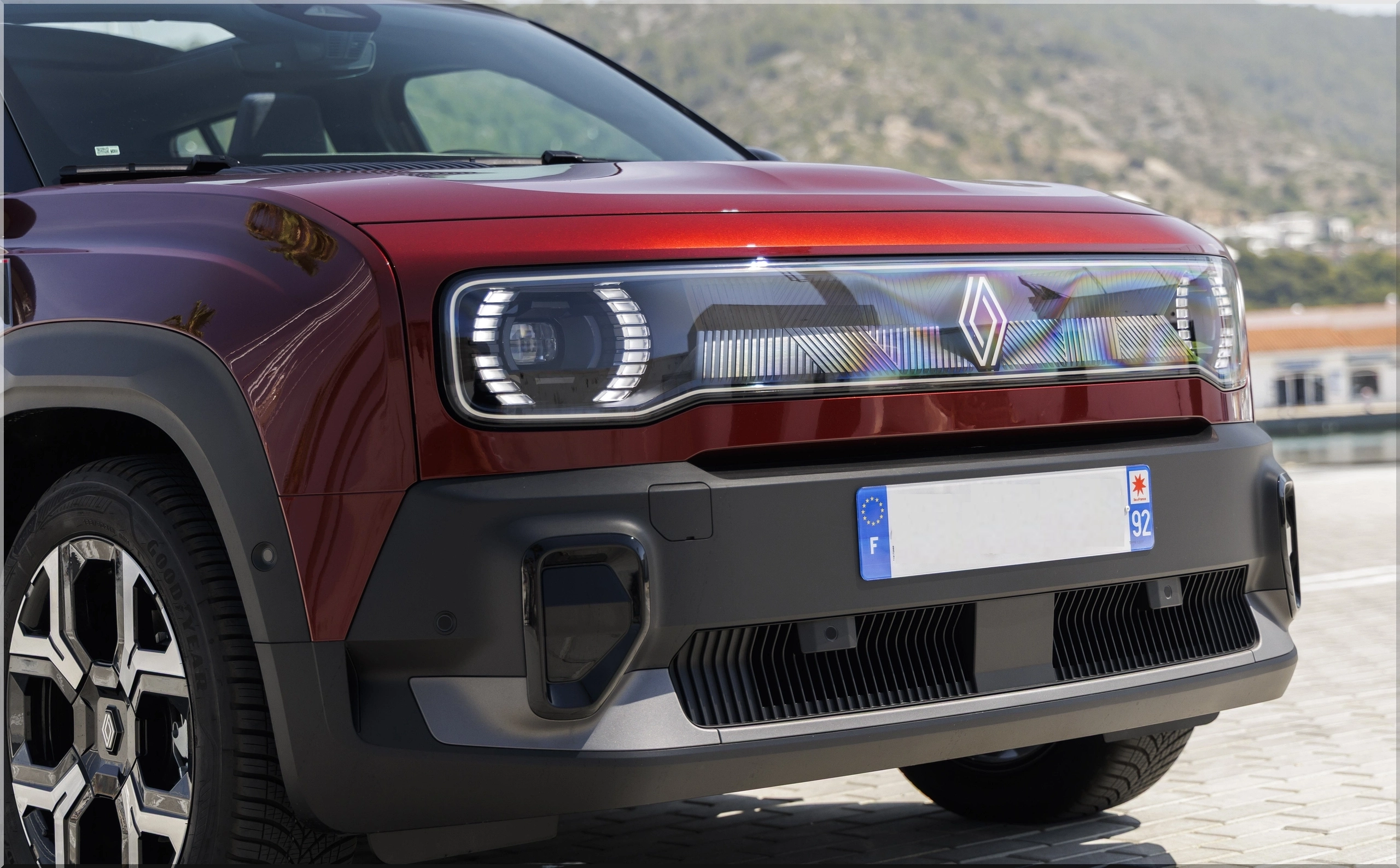
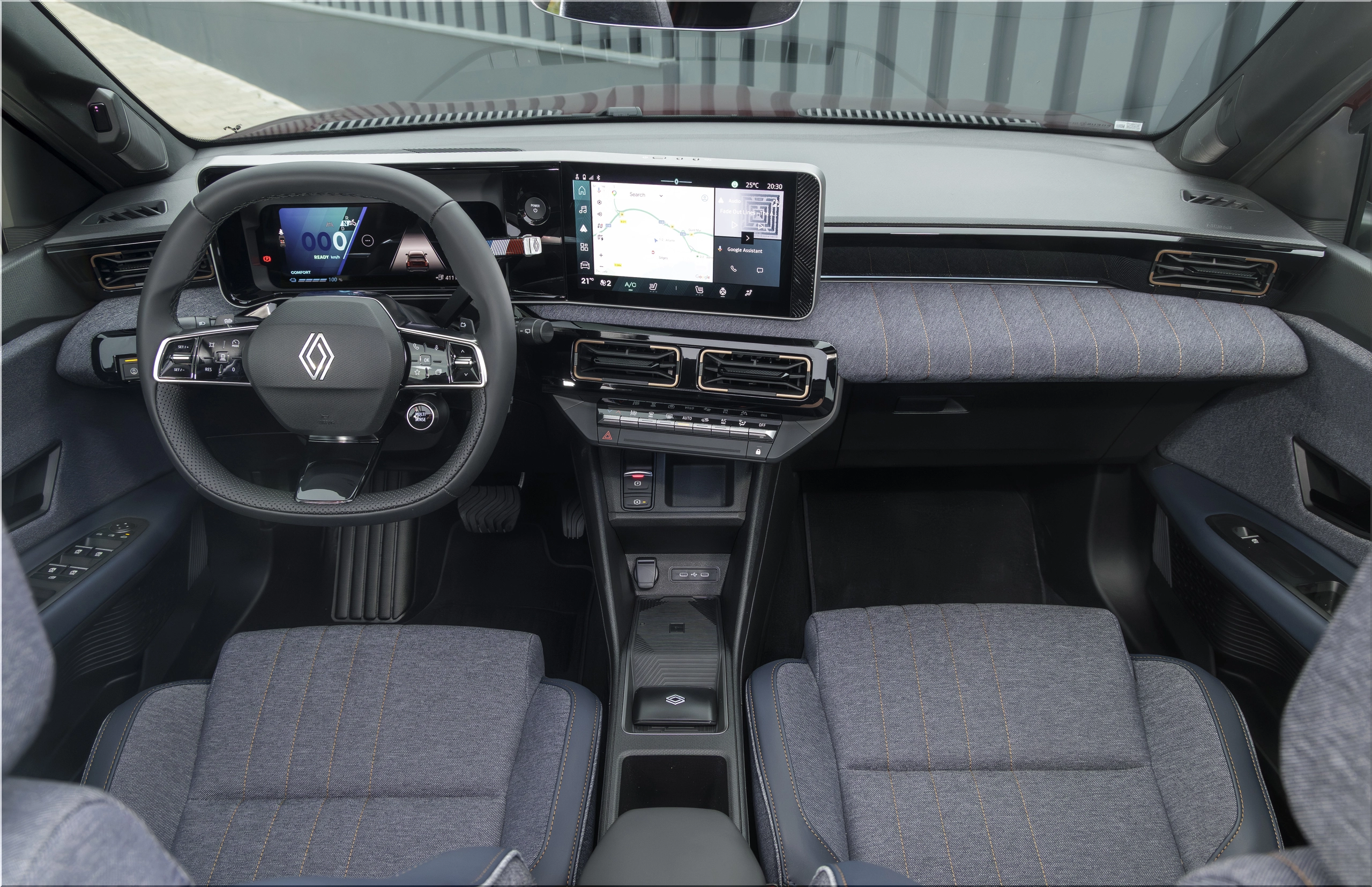
The engineering story matters. Renault did not cut the roof and hope for the best. It built the car around the Plein Sud concept from the start, then used a three-fold canvas mechanism, polymer roof structure, body reinforcements, and careful acoustic work to keep weight, wind noise, and range loss under control.
Renault 4 E-Tech Electric Plein Sud Specs
The Plein Sud sits on Renault's AmpR Small platform and keeps the regular Renault 4's five-seat crossover layout. In addition, it uses the stronger 150 hp Comfort Range setup with the 52 kWh battery, which gives the roofed version enough punch for motorway use and enough range for weekly commuting.
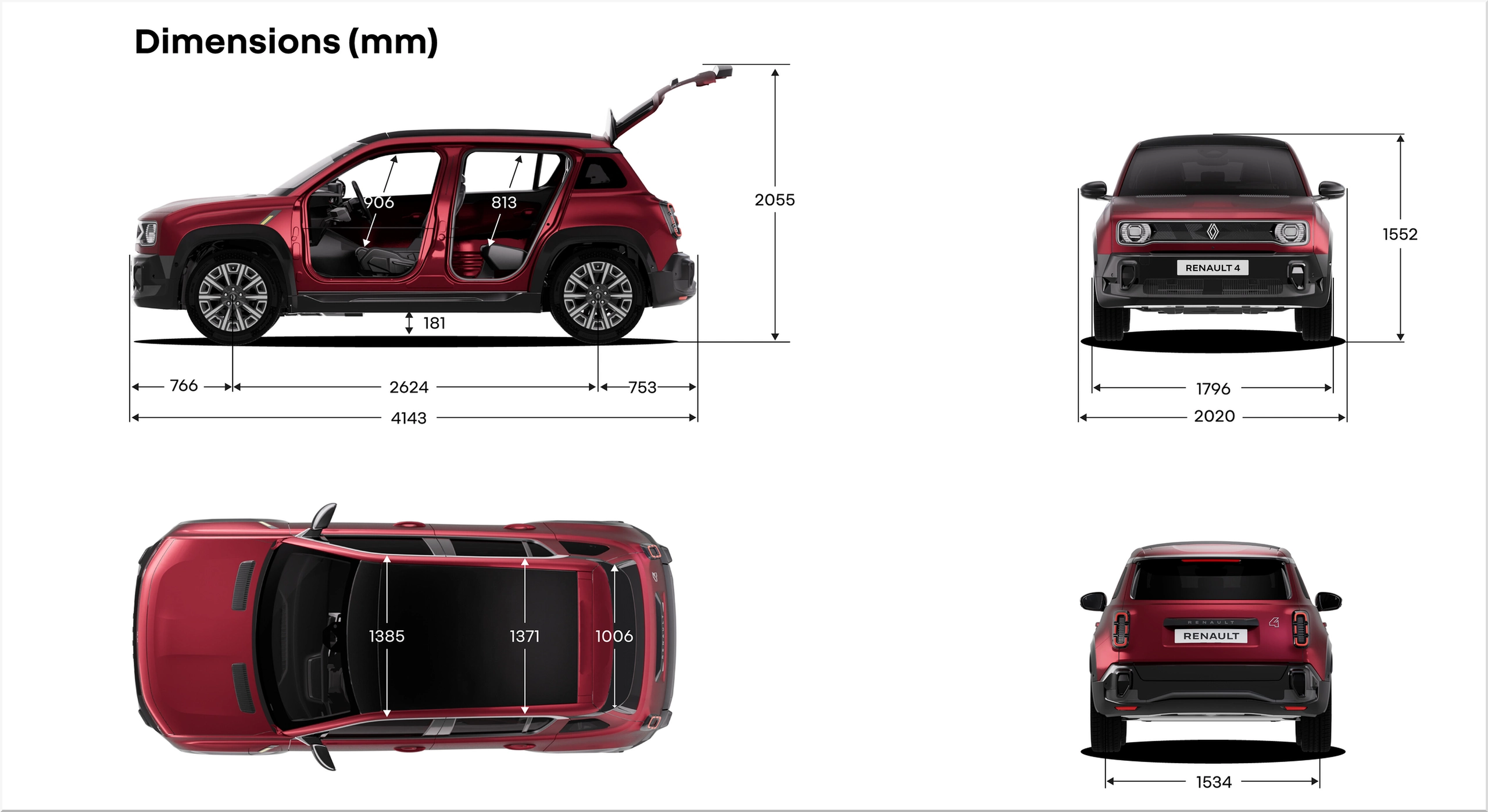
| Data point | Renault 4 Plein Sud | Inch/lb conversion |
|---|---|---|
| Length | 4,140 mm | 163.0 in |
| Wheelbase | 2,624 mm | 103.3 in |
| Canvas roof opening | 920 x 800 mm | 36.2 x 31.5 in |
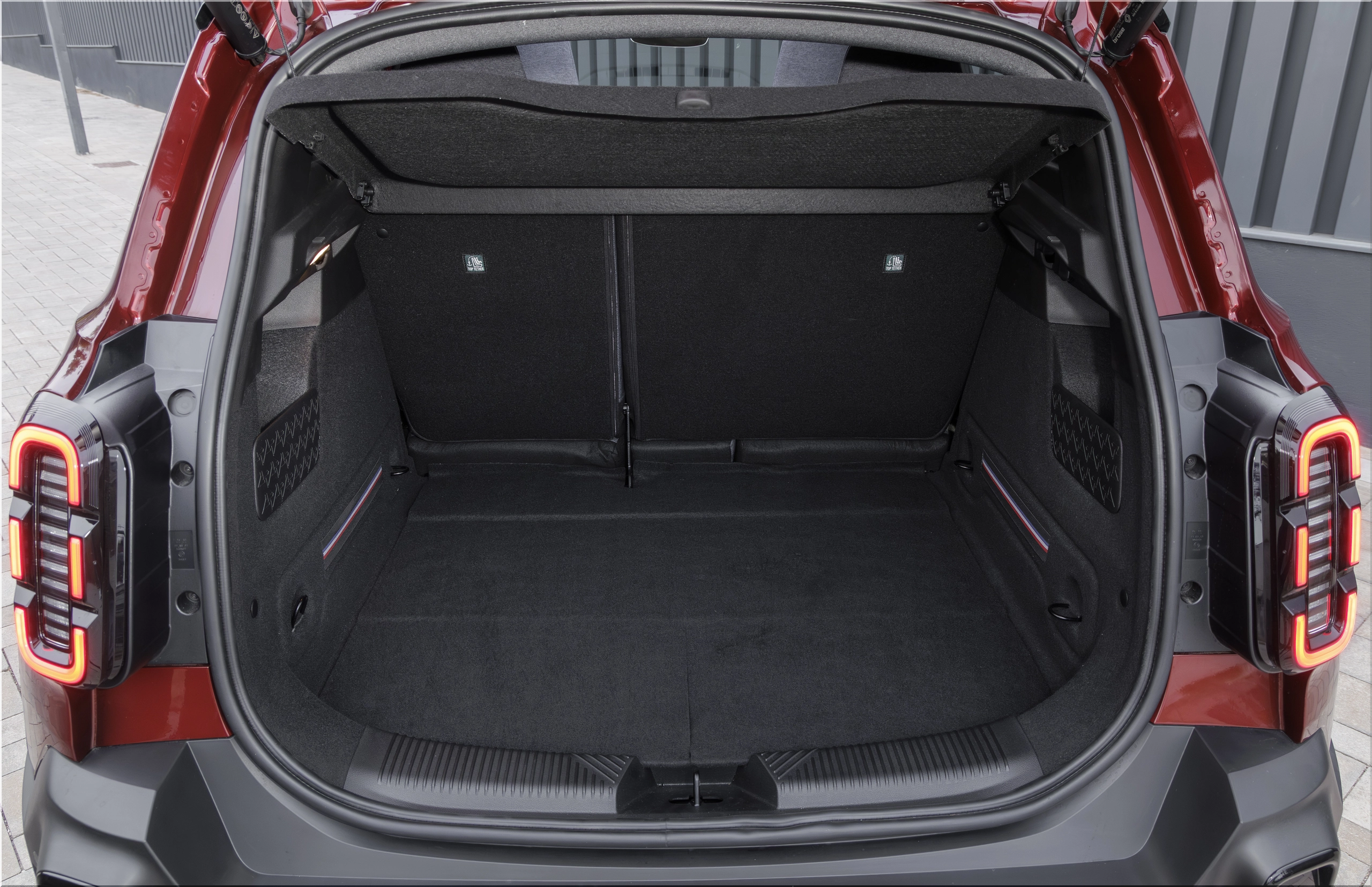
| Boot capacity | 420 litres | 14.8 cu ft |
| Load length with folded seats | 2,200 mm | 86.6 in |
| Loading sill | 610 mm | 24.0 in |
| Towing capacity | 750 kg | 1,653 lb |
| Extra weight versus fixed roof | 19 kg | 42 lb |
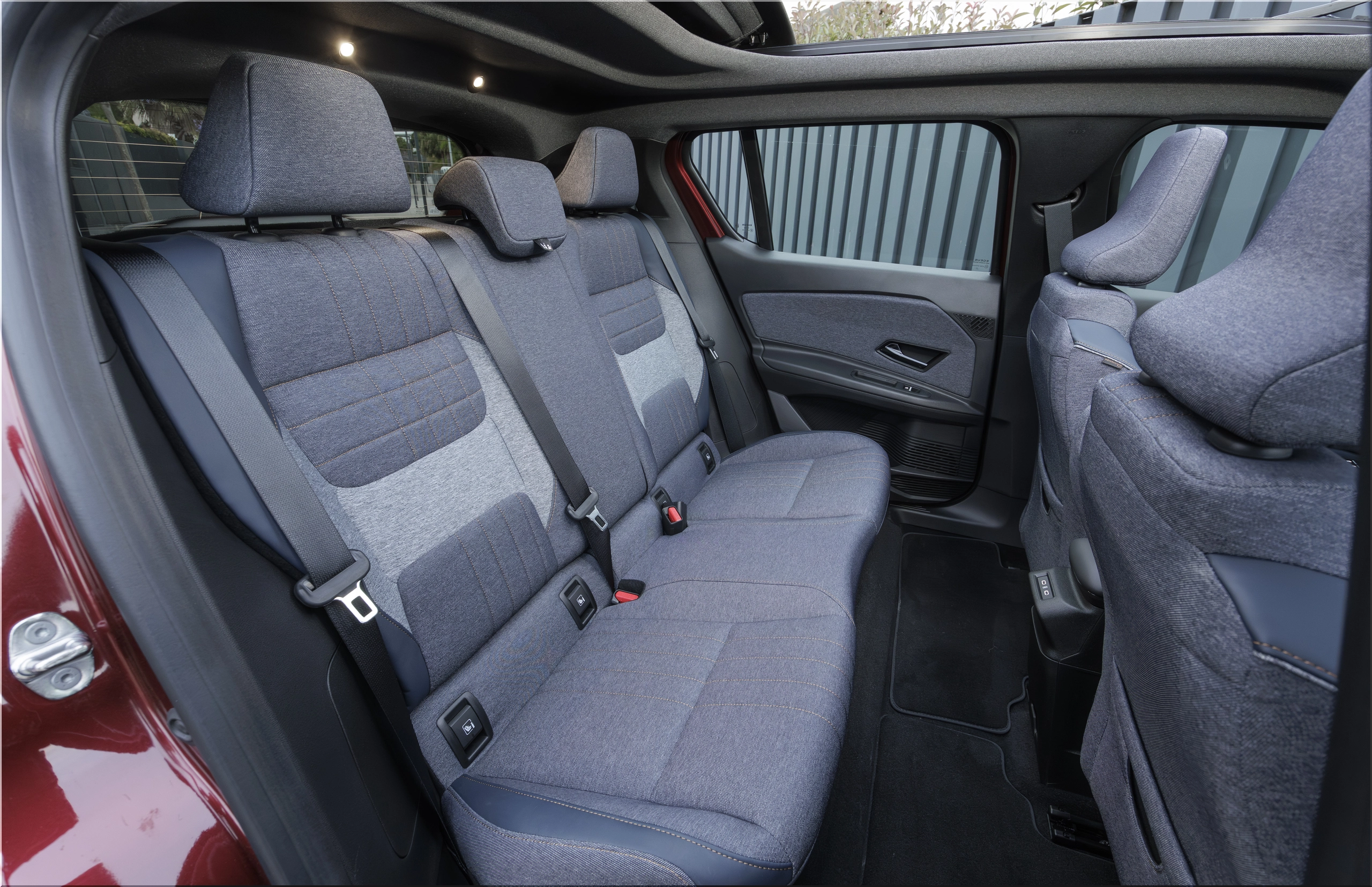
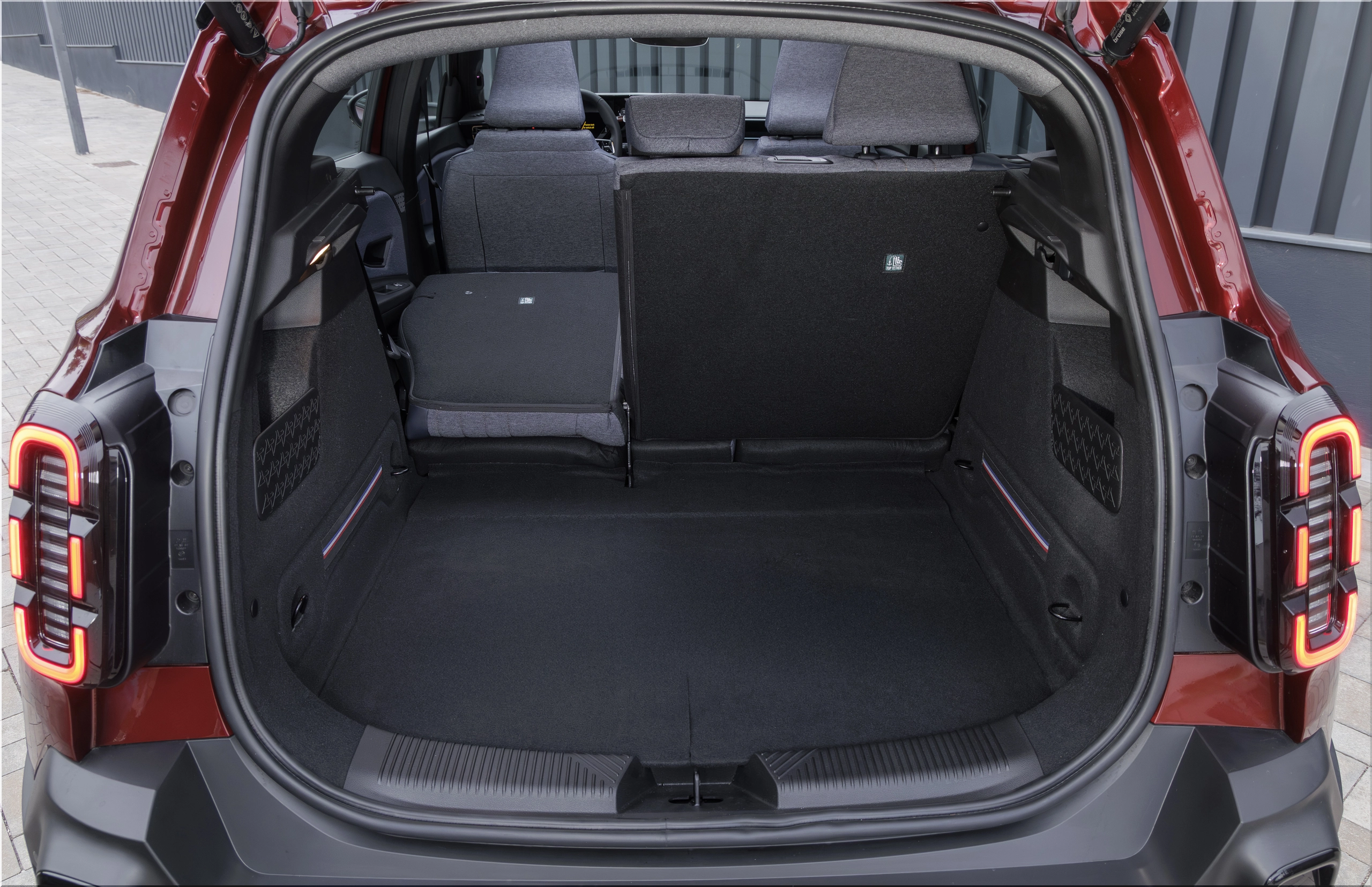
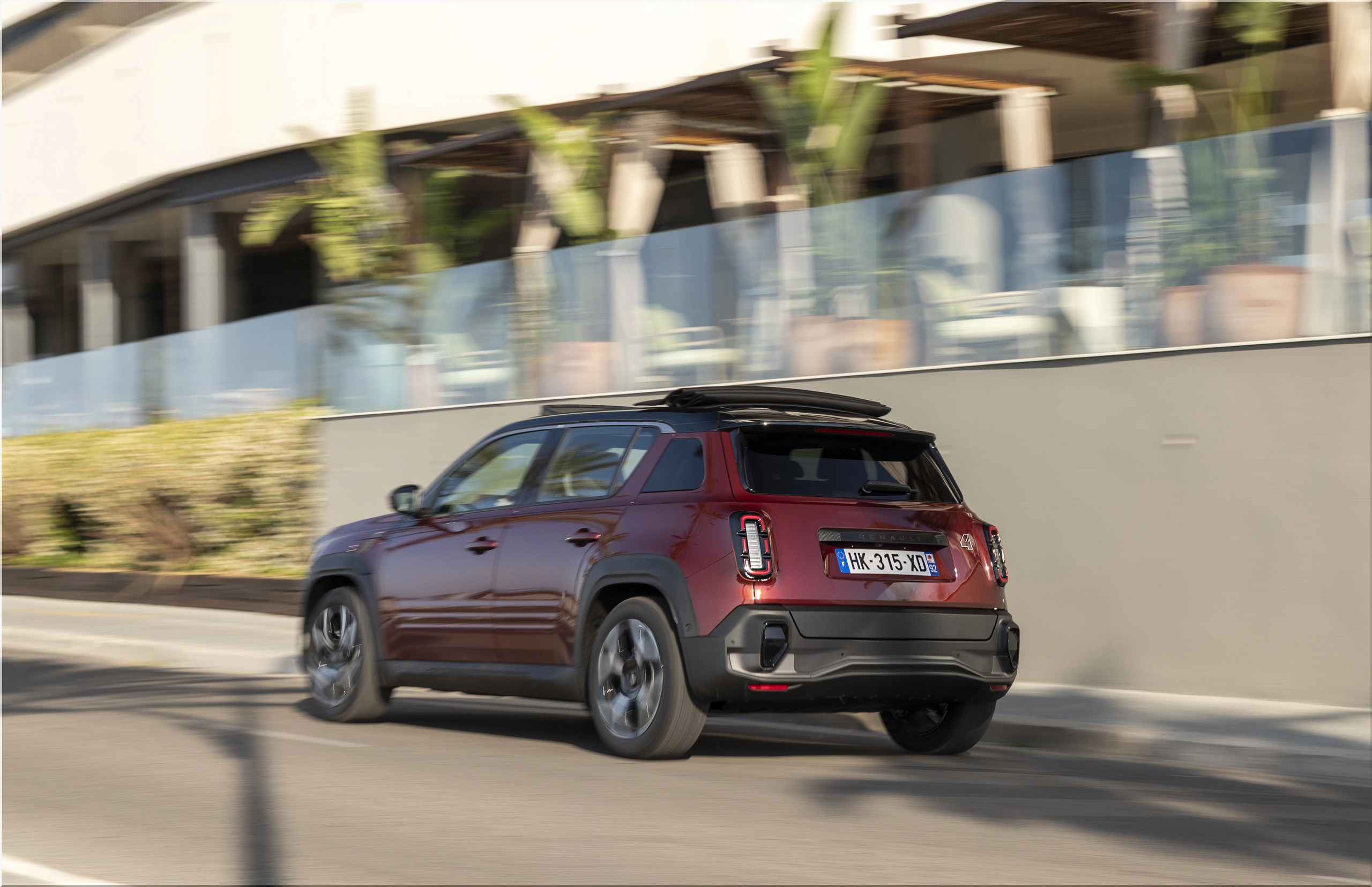
Looking at the data, Renault chose practicality over theatre. The 420-litre boot, low loading sill, folding rear bench, and flat-folding front passenger seat all remain in play. Consequently, this open-roof EV still works for airport runs, garden-centre trips, folding furniture, skis, or a small trailer.
Image
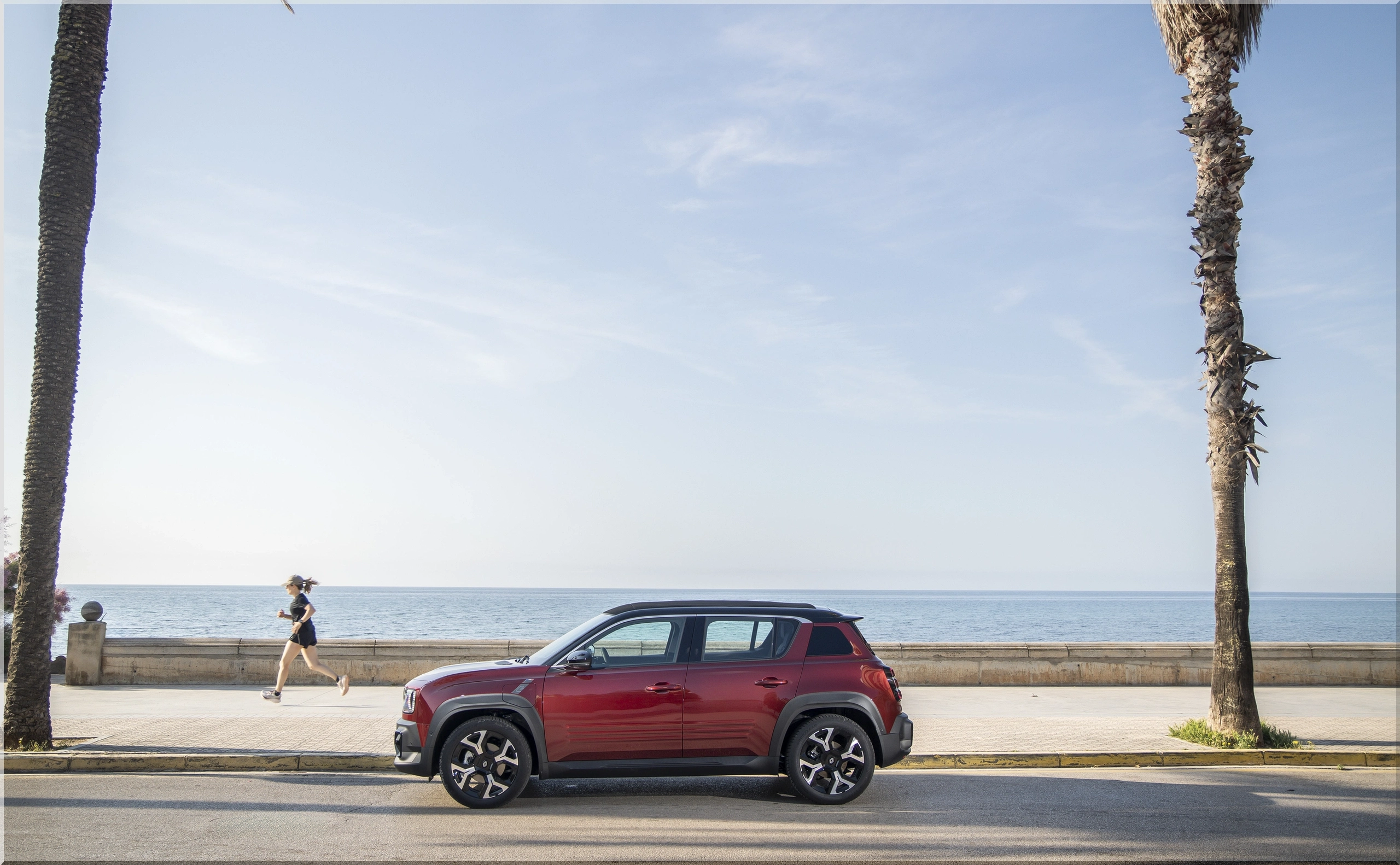
Big Canvas Roof, Small Engineering Penalty
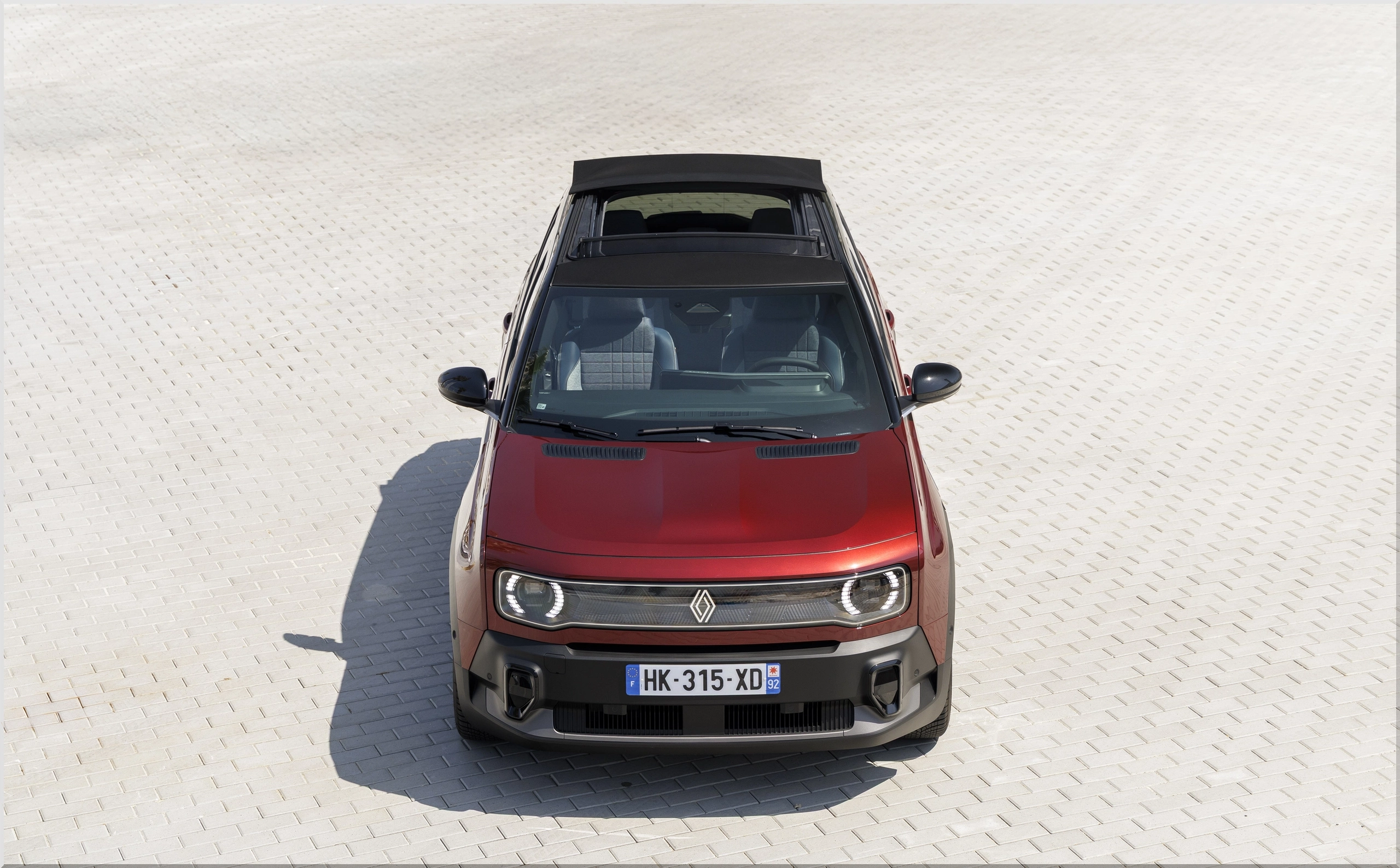
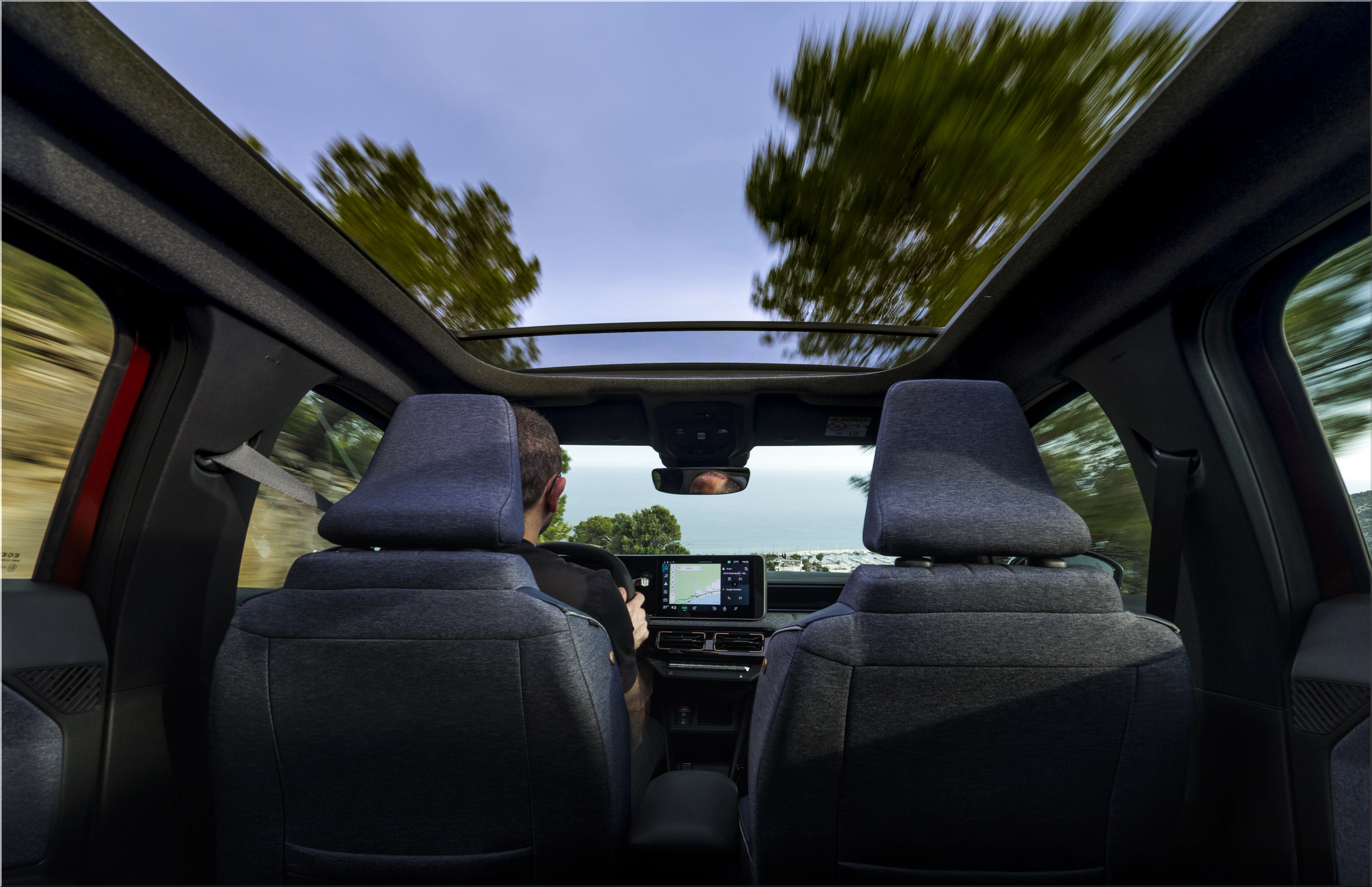
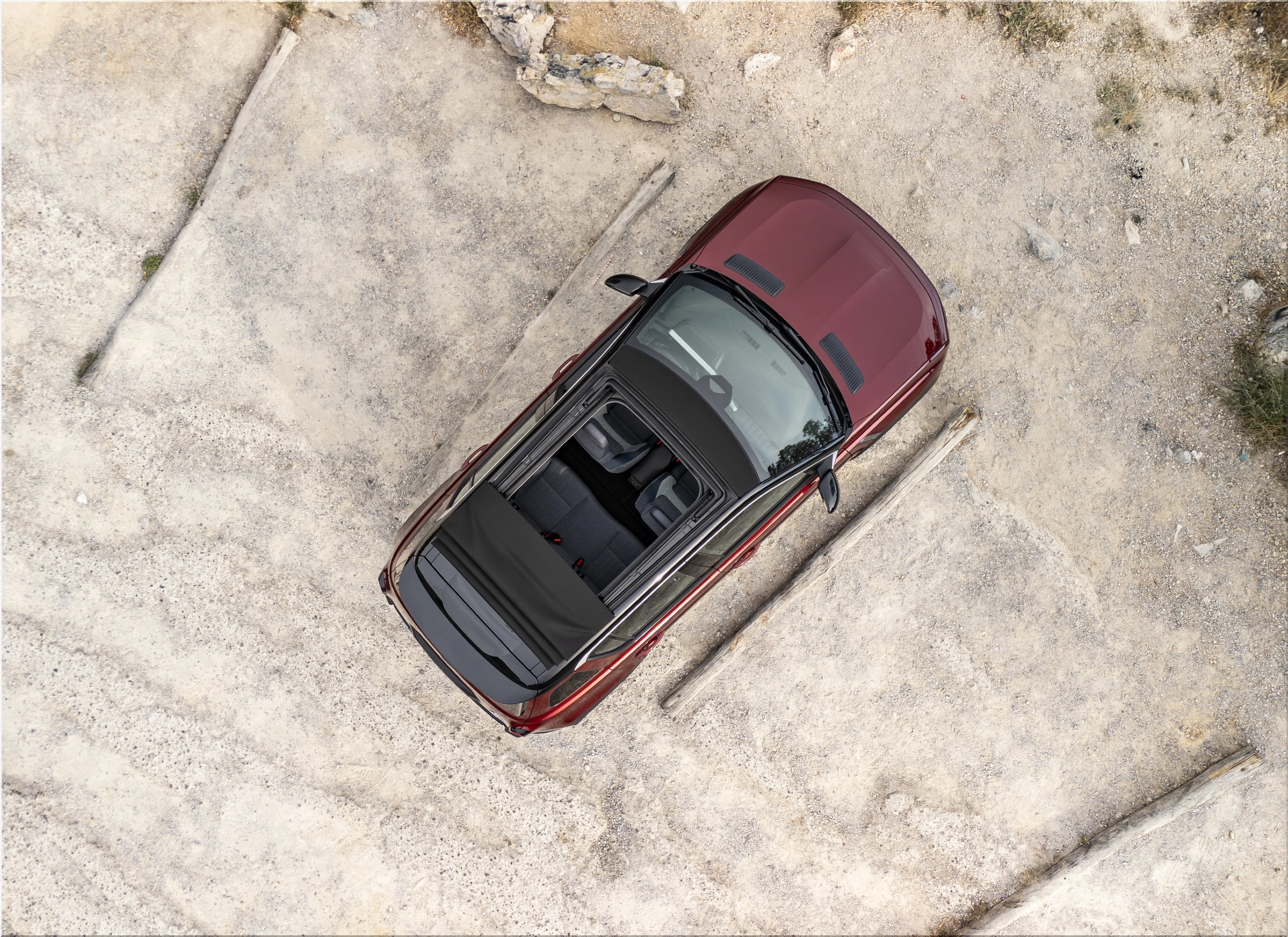
The roof opening measures 92 cm long and 80 cm wide, so passengers in the front and rear get open-air access. Specifically, the system opens or closes in about 10 seconds through an overhead button, the key, or Renault's Reno voice assistant when the motor runs.
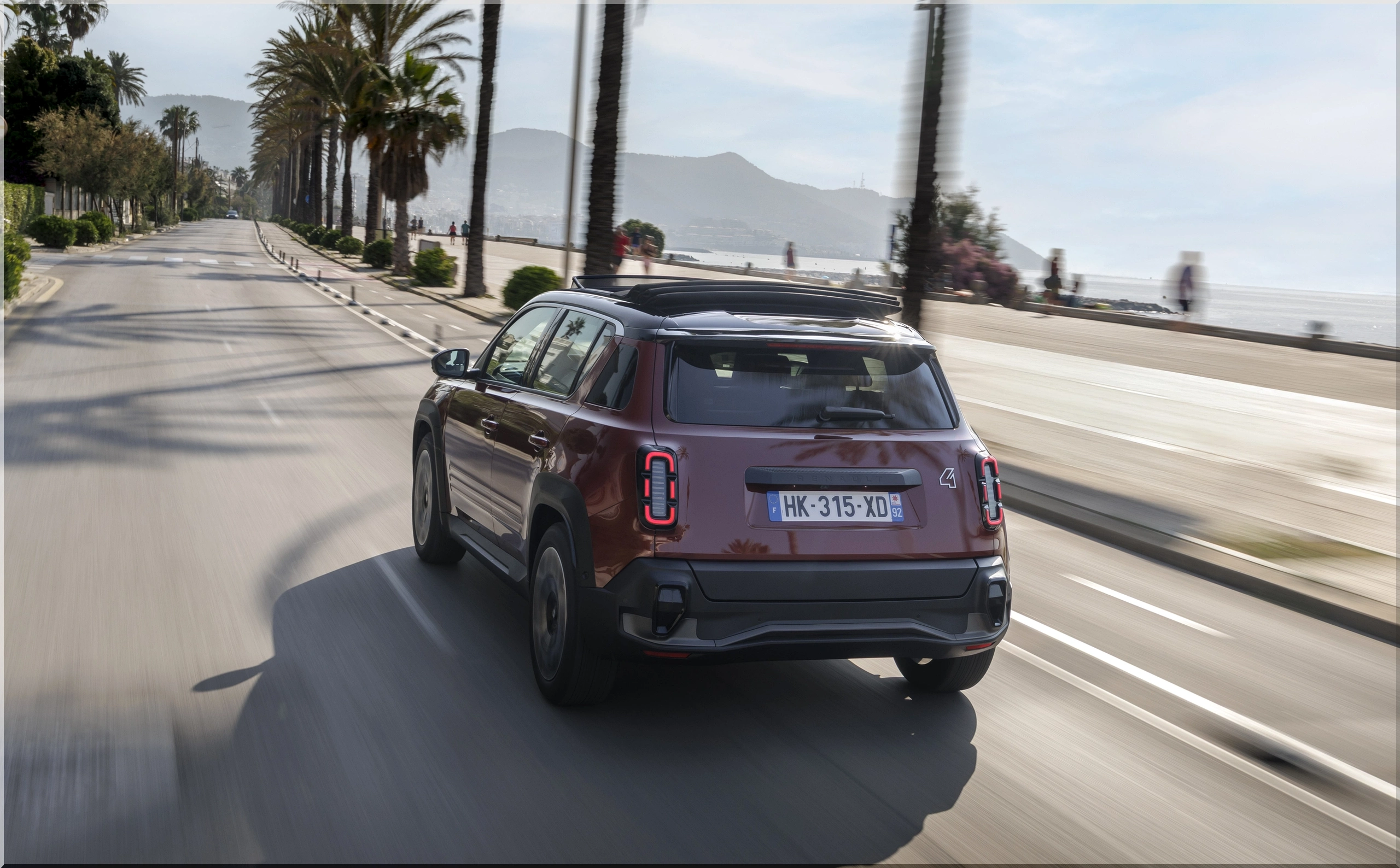
Renault allows roof operation at speeds up to 90 km/h, or 56 mph. That matters in daily use because a driver can close it during a sudden shower without stopping. A wind deflector also controls airflow when the roof sits open, so the cabin should avoid the worst buffetting that often ruins cheaper sunroof systems.
| Engineering area | Fixed-roof Renault 4 | Plein Sud result |
|---|---|---|
| CdA aerodynamic value | 0.762 | 0.778 |
| Range change in same Techno trim | Baseline | Minus 7 km |
| Range impact | Baseline | Minus 1.8 percent |
| Techno WLTP range | About 399 km | 392 km |
| Front headroom | 886 mm | 906 mm |
| Rear headroom | 853 mm | 813 mm |
From an expert perspective, the small range loss deserves attention. The CdA rise from 0.762 to 0.778 signals a modest aero penalty, but the 7 km WLTP drop looks controlled because Renault kept the mechanism light and avoided heavy metal roof parts. That choice also protects handling, since less mass high in the body helps the car retain a lower centre of gravity.
Video title
Renault 4 Plein Sud
Powertrain, Charging, And Cold-Weather Logic
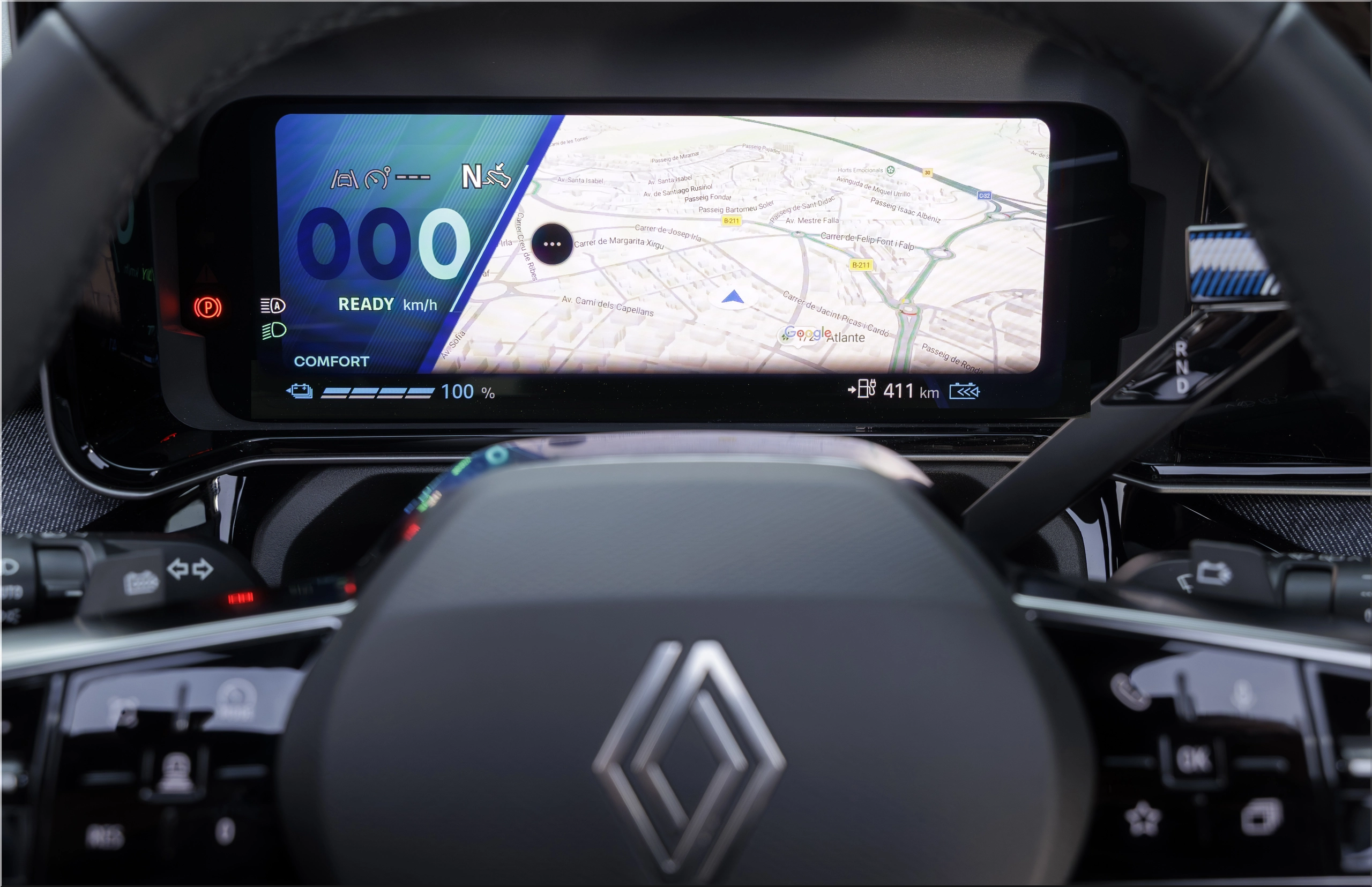
The Renault 4 E-Tech electric Plein Sud uses the 110 kW motor, equal to 150 hp, paired with the 52 kWh Comfort Range battery. Torque reaches 245 Nm, or 181 lb-ft, and that front-mounted electric motor gives the car instant low-speed response without a multi-speed gearbox.
By comparison, the regular Renault 4 range also offers a 40 kWh Urban Range model with 120 hp. Plein Sud buyers get the stronger setup, which suits the higher price and lifestyle positioning. Renault also fits 11 kW AC charging and up to 100 kW DC charging on the 52 kWh versions.
The cold-weather charging update adds real value. Renault now uses a water-to-water heat exchanger in the battery heating circuit, so preconditioning works faster in low temperatures. At around 0 degrees Celsius, the 15 to 80 percent charge time drops from one hour to 50 minutes after a short drive, and it can fall to 40 minutes after a longer drive.
Image gallery
Why Plein Sud Makes Sense In Europe
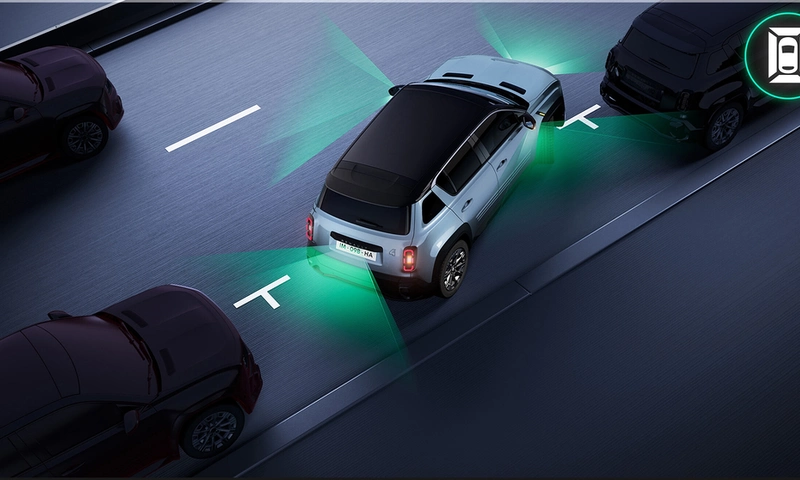
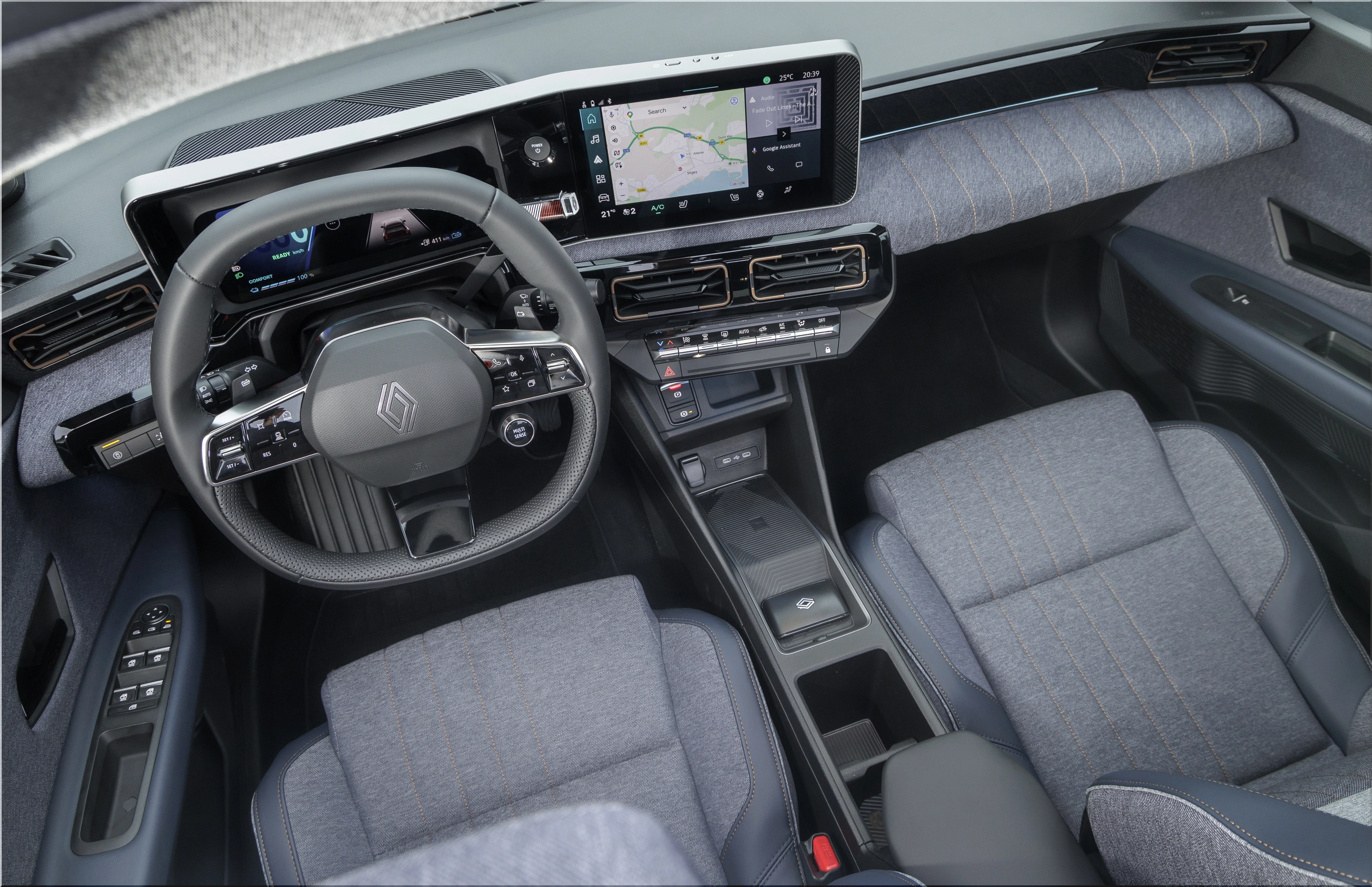
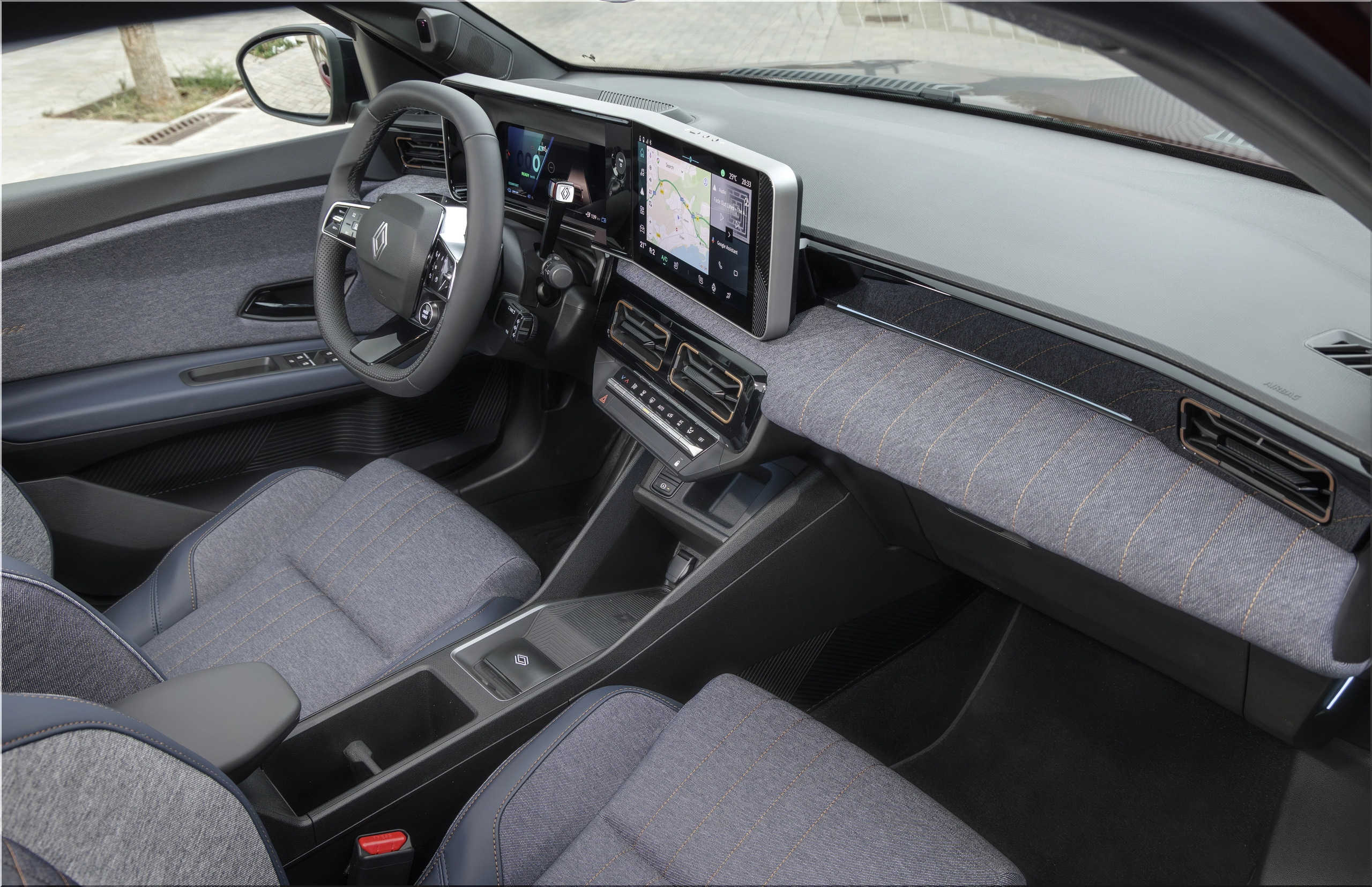
Small electric SUVs often chase range, screens, or price. Renault chose emotion, but it kept the numbers sensible. The Renault 4 electric car still offers 28 driver-assistance functions on newer versions, including advanced driver monitoring, emergency stop assist, predictive eco-driving support, Safety Score, and Safety Coach.
In the Netherlands, Renault lists the standard Renault 4 from 29,990 euros, while the Iconic Plein Sud configuration appears at 38,590 euros with the 150 hp Comfort Range motor. Renault's wider European announcement placed Plein Sud from 37,290 euros for Techno trim and 39,290 euros for Iconic trim, depending on country and incentives.
Image
Pro-Tips For Buyers
- Choose Plein Sud if you want open-air driving but still need a usable boot, rear seats, and towing capacity.
- Pick the 52 kWh Comfort Range battery if motorway driving or weekly longer trips matter.
- Check local incentives before comparing list prices, because national EV support can change the real deal fast.
- Test the roof at speed during a drive; wind comfort matters as much as roof size.
Image gallery
Should You Buy The Renault 4 E-Tech Electric Plein Sud?
Buy the Renault 4 E-Tech electric Plein Sud if you want a small electric crossover with character, a huge powered roof, and proper daily packaging. The numbers back up the idea: only 19 kg of added weight, only 7 km of WLTP range loss, and no loss in boot volume or towing rating.
Skip it if you want the cheapest Renault 4 or the longest possible WLTP figure. The fixed-roof model gives better value on paper. The Plein Sud earns its price by turning the Renault 4 into a brighter, breezier EV without wrecking the practical formula.
- Add new comment
- 242 views