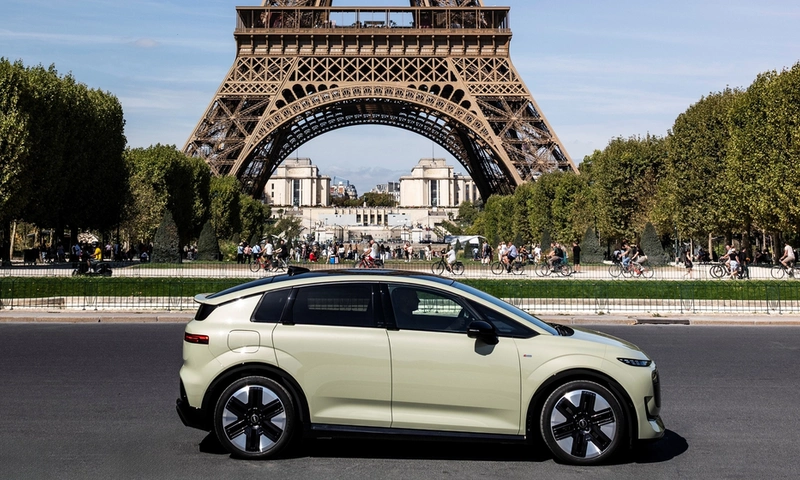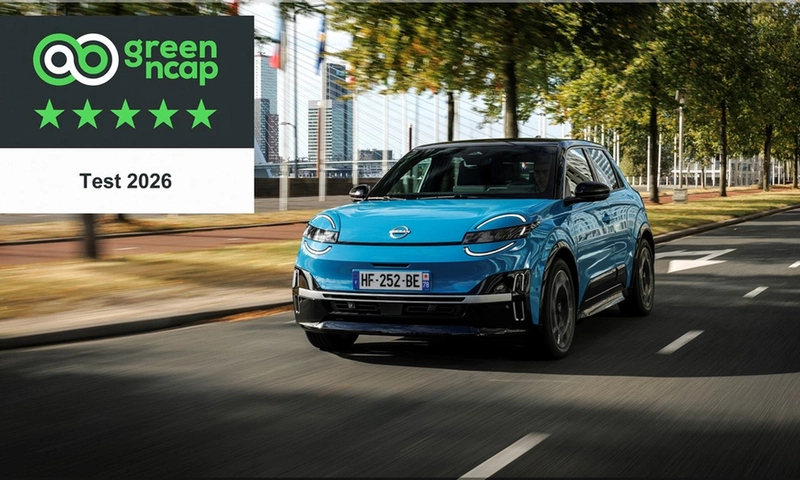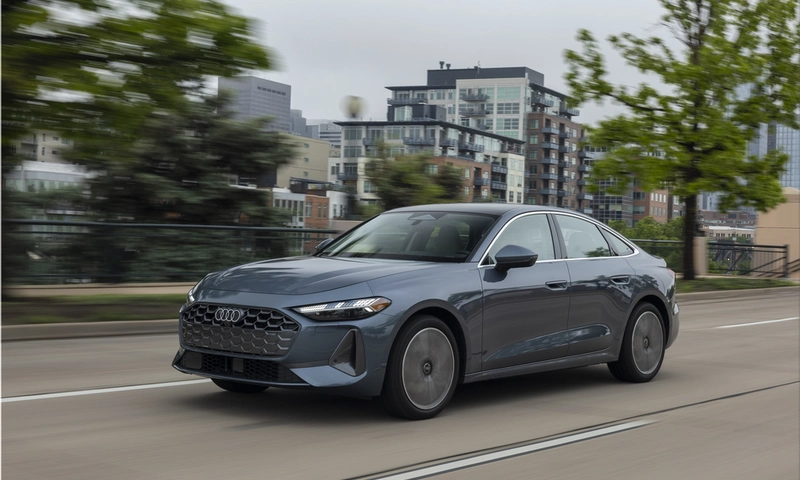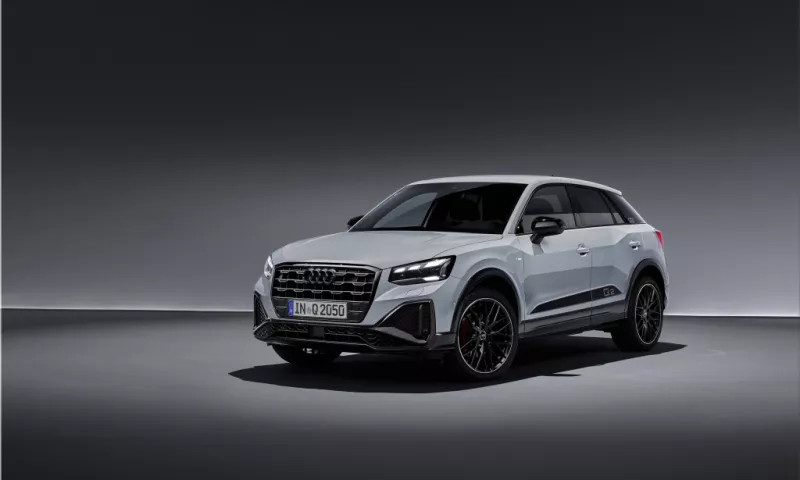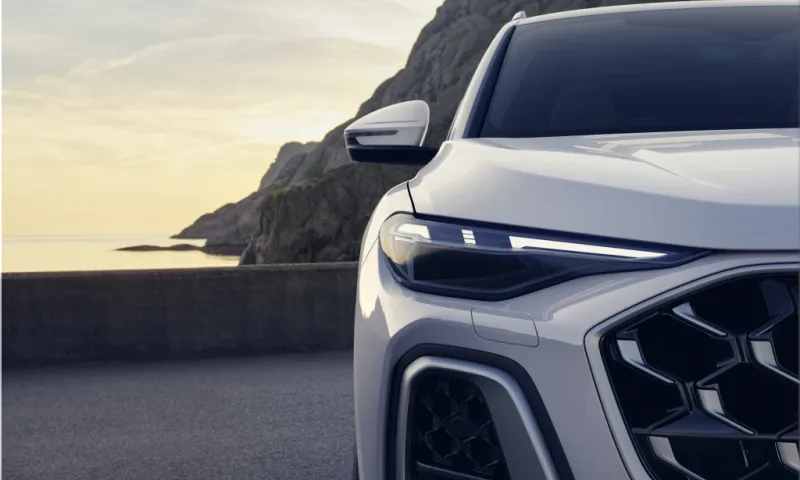
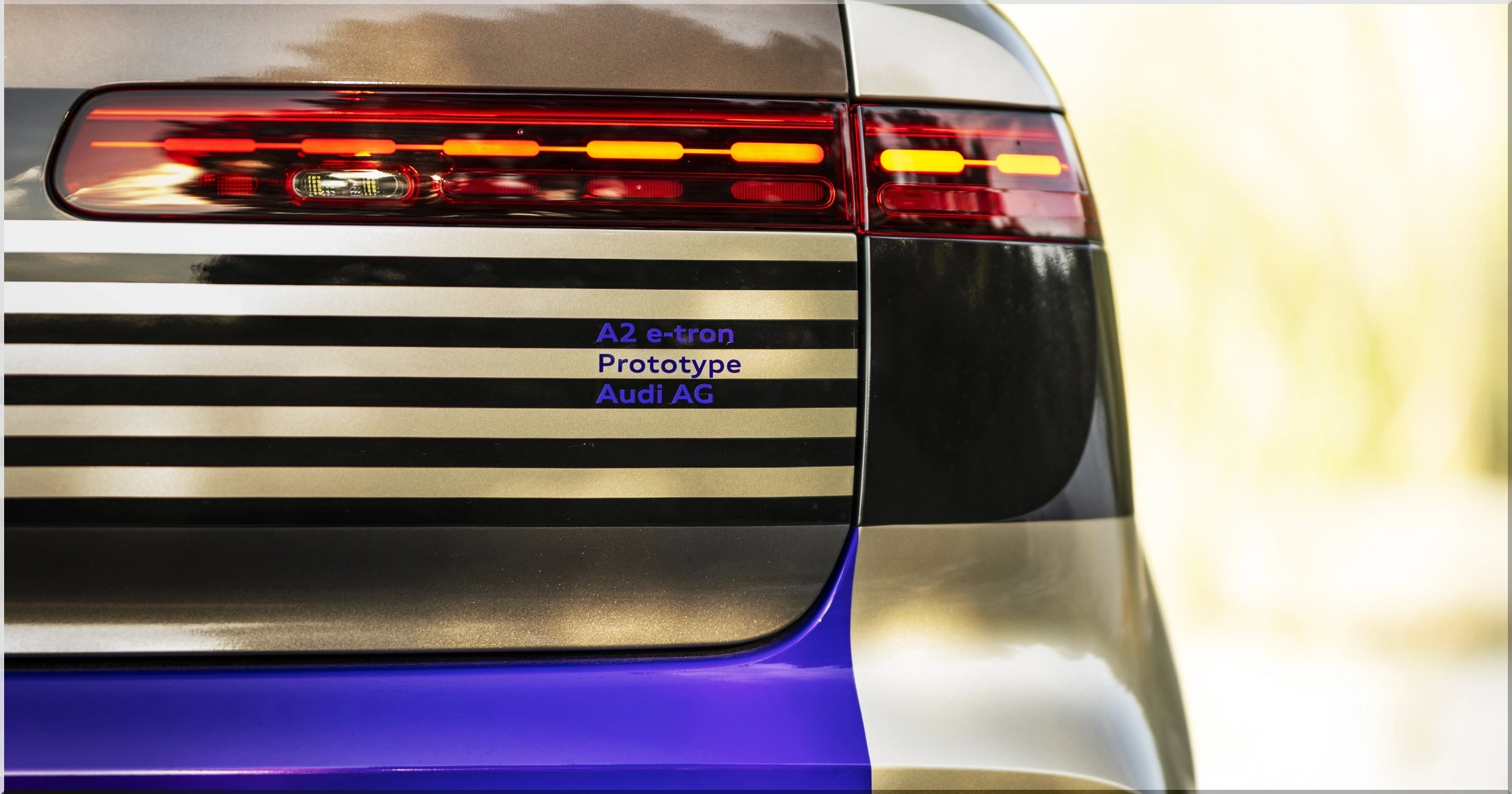
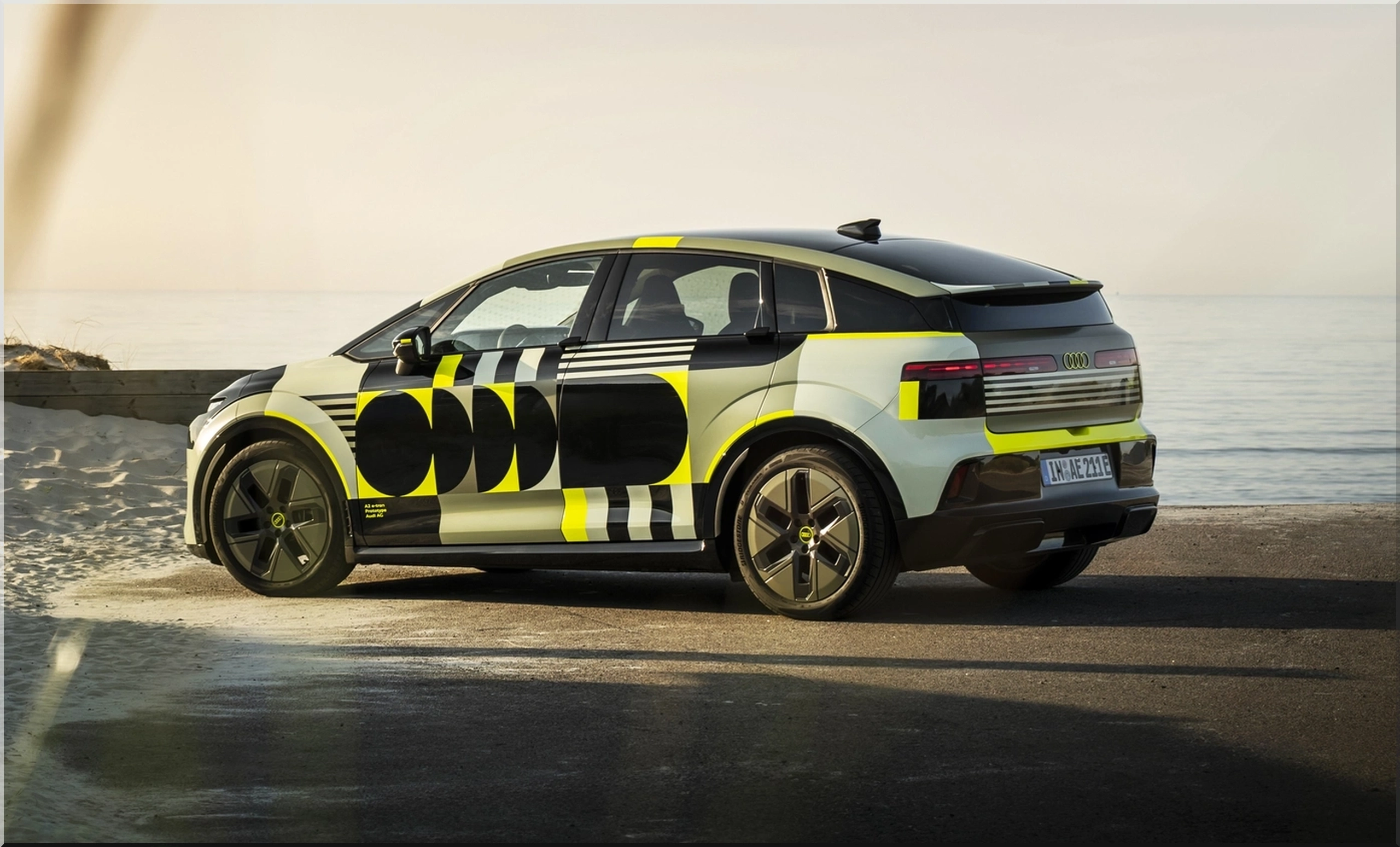
The Audi A2 e-tron will become Audi's most energy-efficient production car when it debuts in autumn 2026. Its preliminary WLTP consumption drops as low as 12.8 kWh/100 km, giving Audi a credible compact electric car built around low energy use rather than oversized batteries.
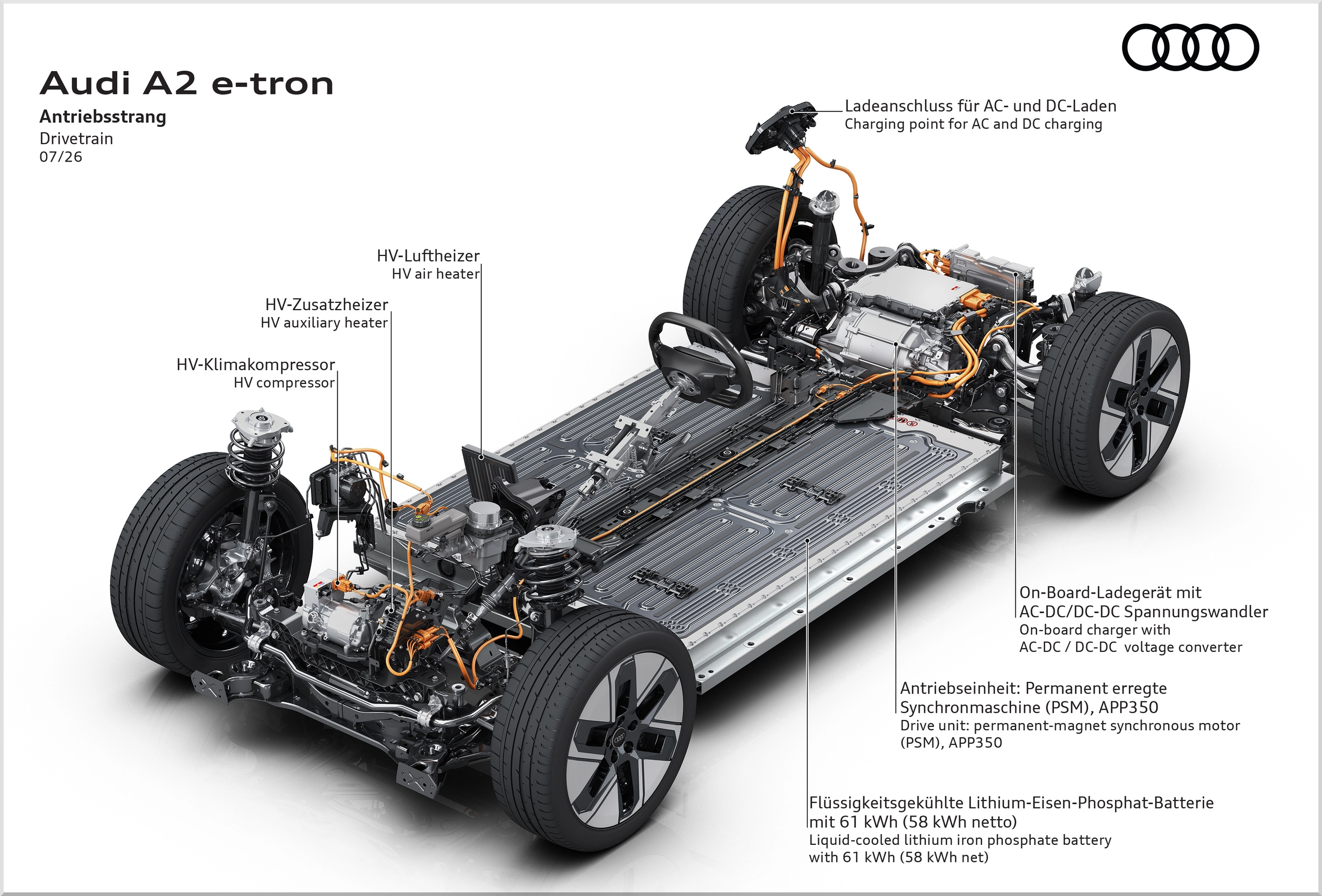
A 140 kW permanent-magnet synchronous motor, a 58 kWh usable LFP battery and a 0.24 drag coefficient drive that result. Looking at the data, the A2 e-tron could theoretically cover about 453 km or 282 miles under ideal WLTP conditions, based on usable battery capacity divided by its lowest stated consumption figure. Audi has yet to confirm an official range.
Image
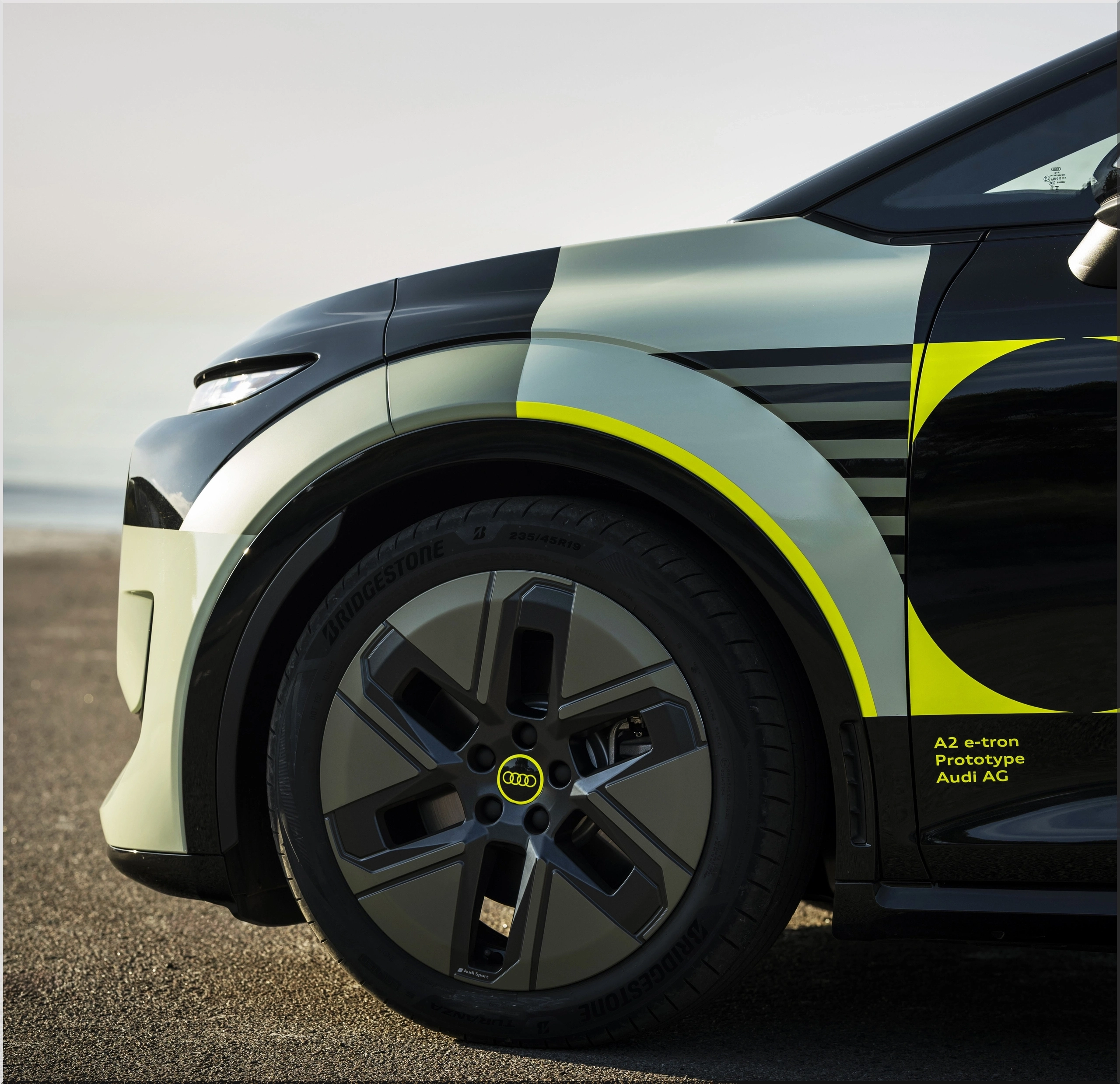
Audi A2 e-tron Technical Specifications
| Specification | Audi A2 e-tron 140 kW |
|---|---|
| Motor output | 140 kW or 190 hp |
| Battery chemistry | Lithium iron phosphate |
| Gross battery capacity | 61 kWh |
| Usable battery capacity | 58 kWh |
| Preliminary WLTP consumption | 12.8-15.6 kWh/100 km |
| Drag coefficient | 0.24 Cd |
| Wallbox charging efficiency | Up to 89.6% |
| Premiere | Autumn 2026 |
Audi has not released the vehicle's length, width, height, wheelbase, torque, charging speed or price. Those omissions prevent a complete comparison with current compact EVs, but the confirmed efficiency data already establishes the model's technical direction.
Image
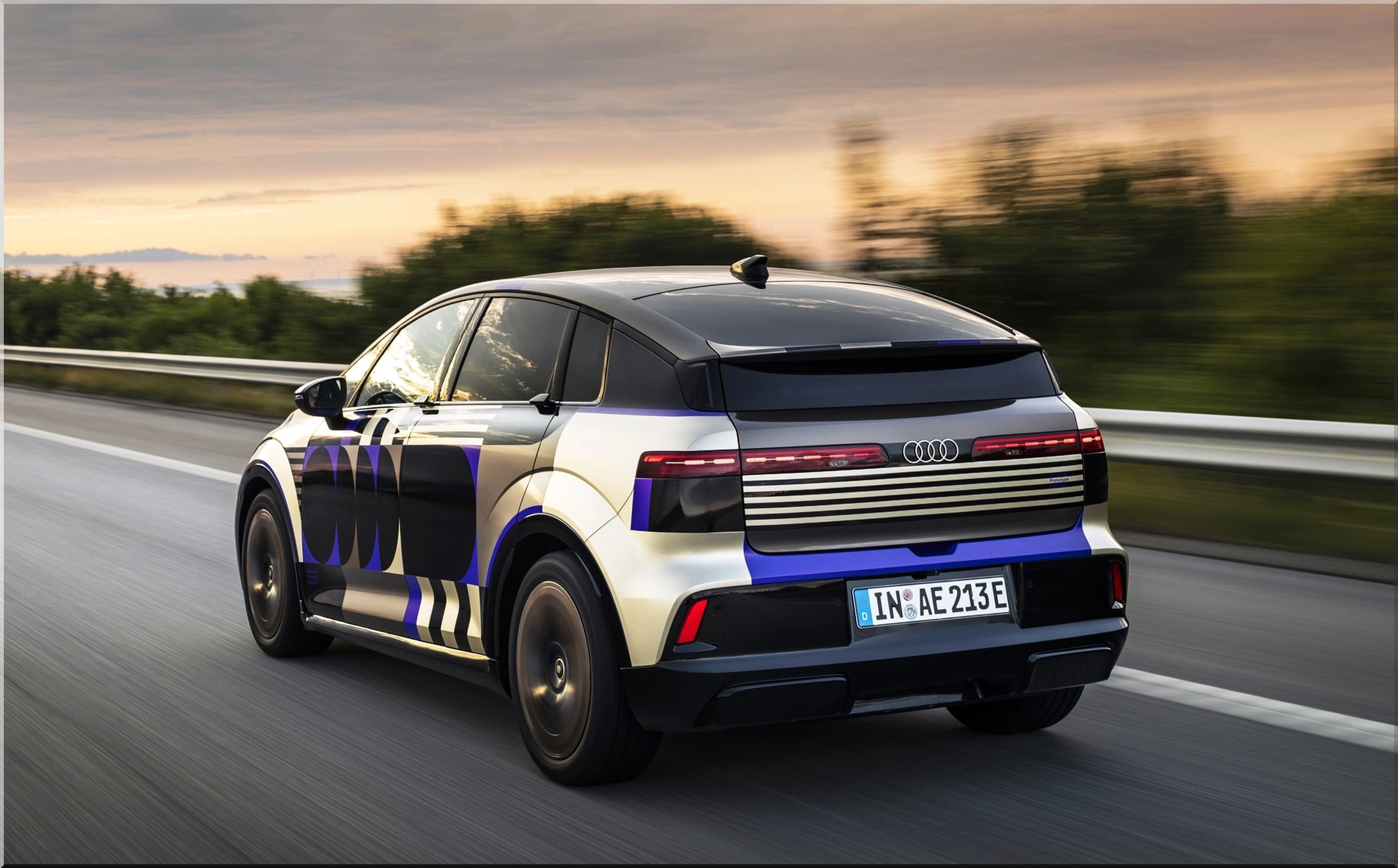
Aerodynamics Carry Much of the Load
At approximately 100 km/h, aerodynamic drag accounts for over half of an EV's total energy demand. Consequently, the A2 e-tron's 0.24 Cd figure directly supports lower motorway consumption and longer driving range.
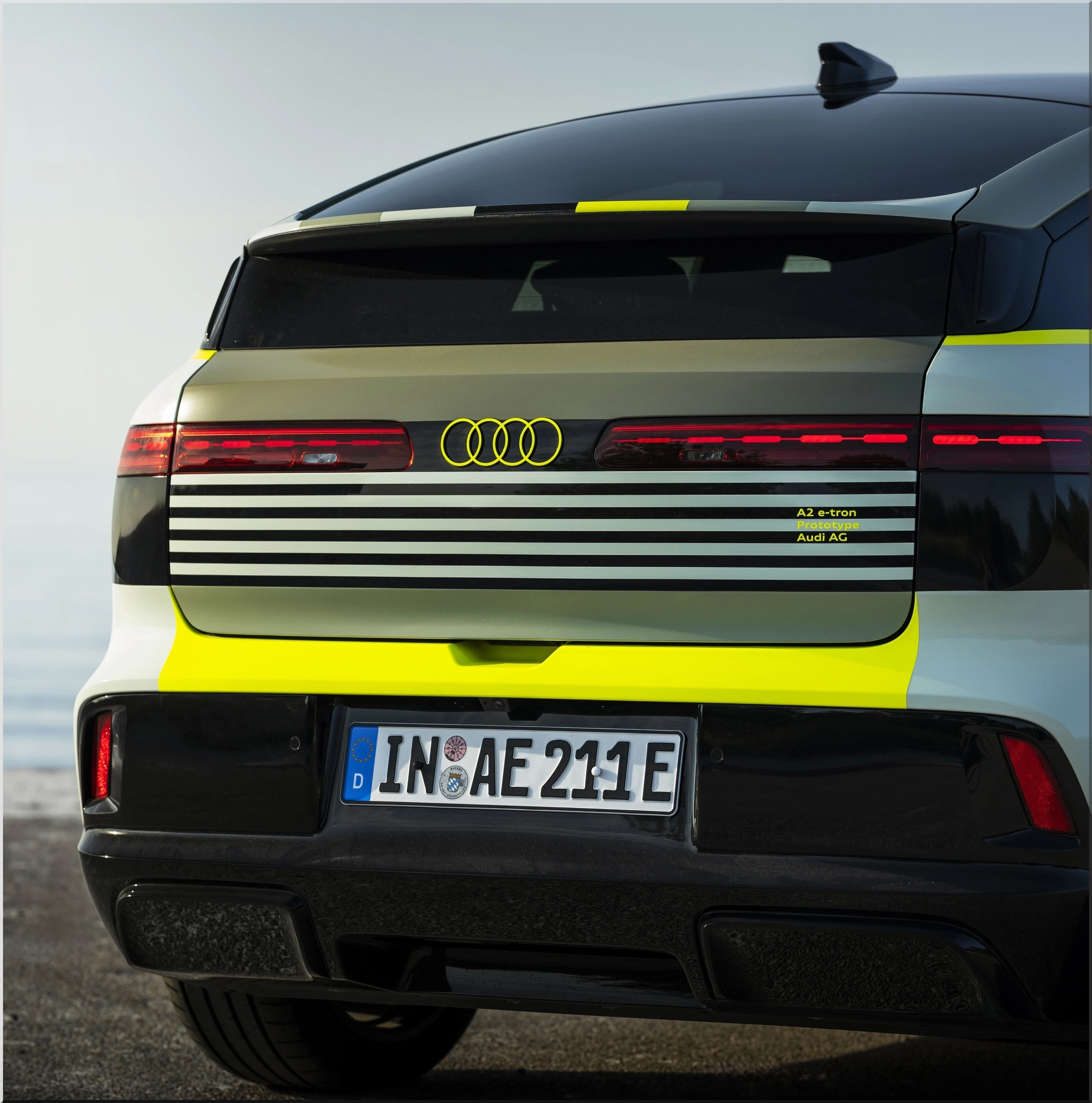
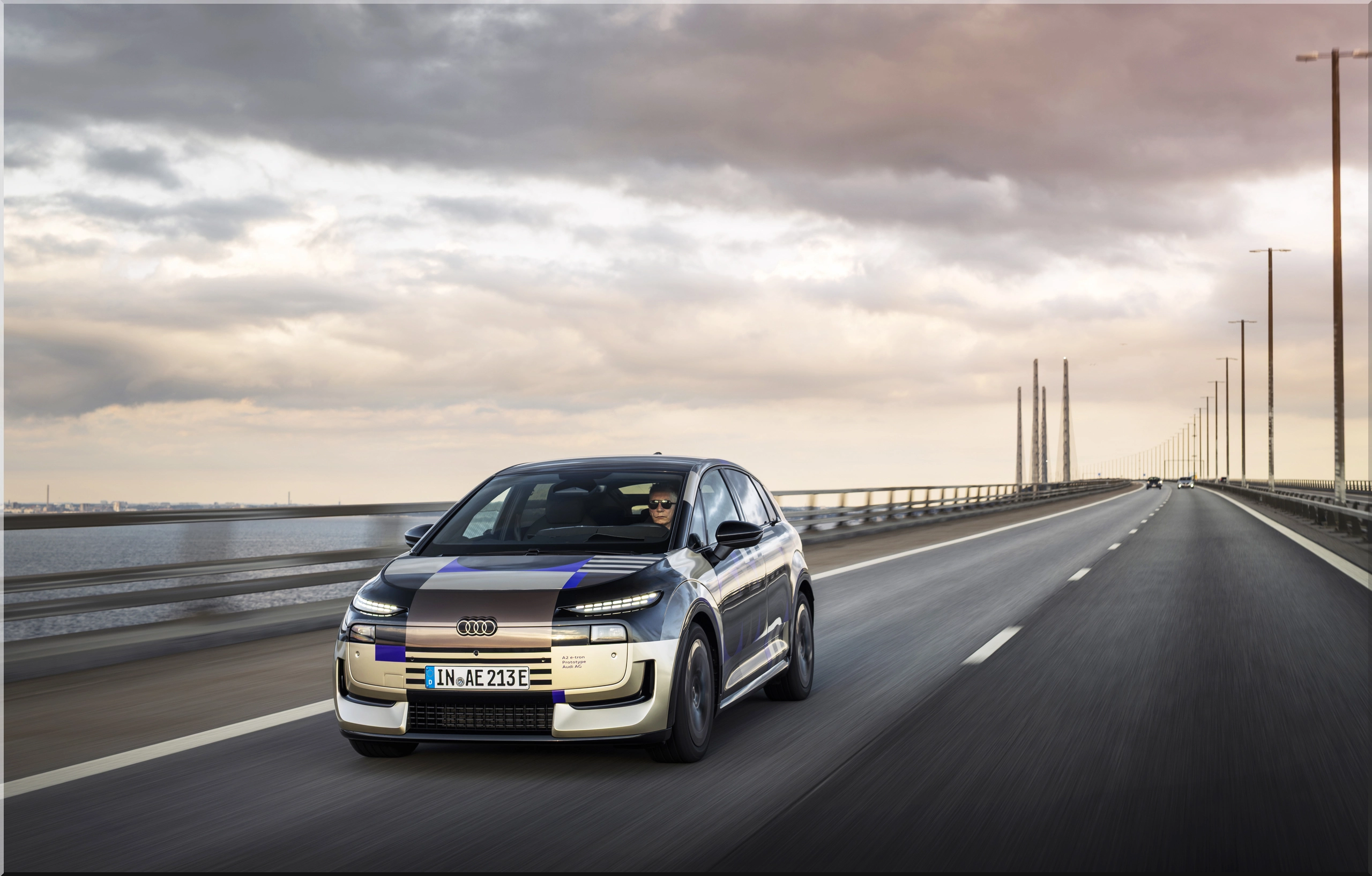
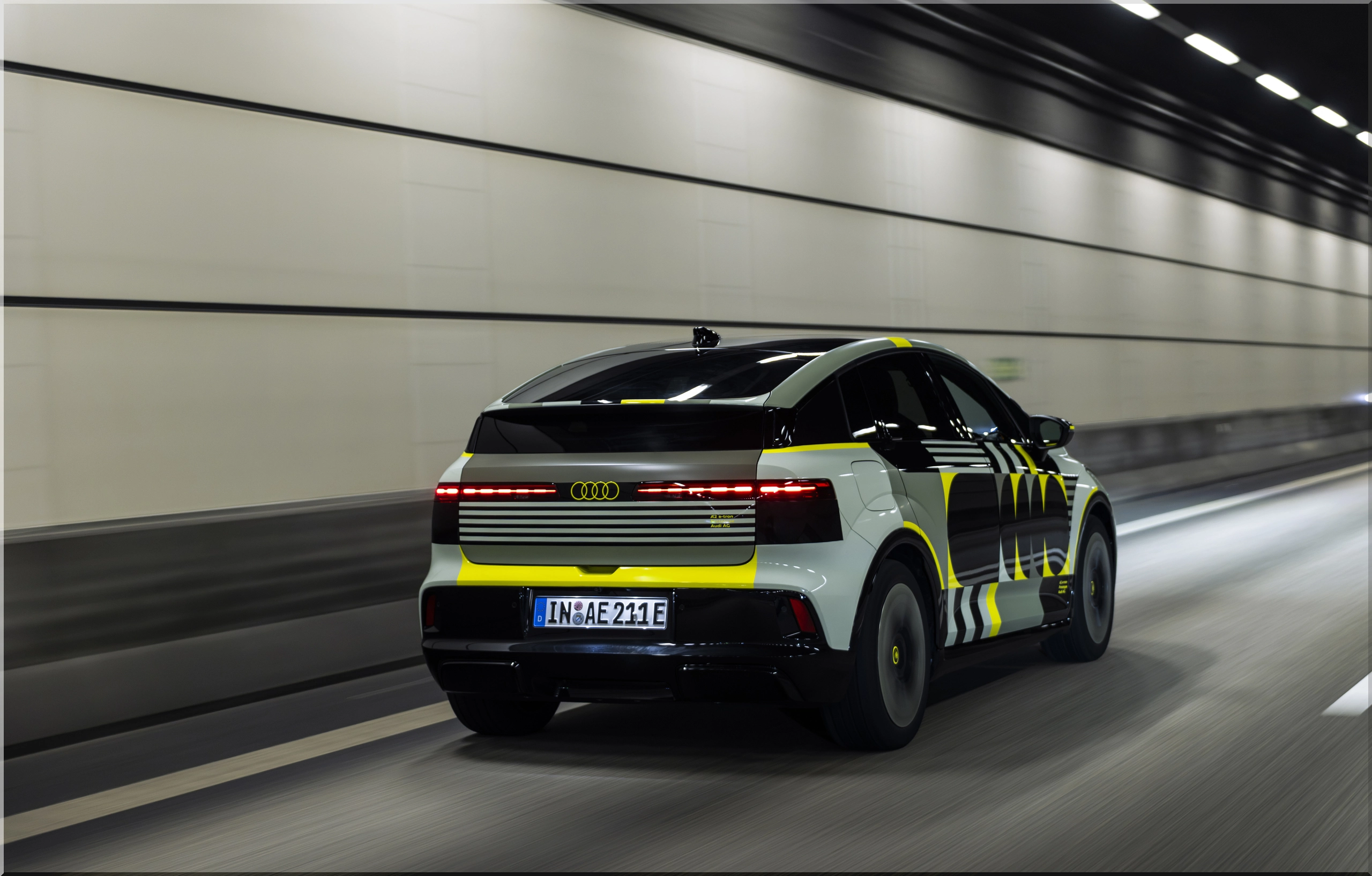
Audi uses a rounded nose, flowing roofline and sharply finished rear section to control airflow. In addition, air curtains manage turbulence around the front wheels, while wheel-arch gap reducers limit disruptive airflow between the tyres and body.
An active cooling-air inlet stays closed during normal driving. It opens only when the battery or power electronics need additional cooling, cutting drag during low-load operation.
| Efficiency feature | Engineering benefit |
|---|---|
| 0.24 Cd body | Reduces high-speed air resistance |
| Air curtains | Controls front-wheel turbulence |
| Gap reducers | Cleans airflow around the wheel arches |
| Active cooling inlet | Balances cooling demand against drag |
| Low-friction transmission | Cuts mechanical energy losses |
New Motor and Inverter Cut Electrical Losses
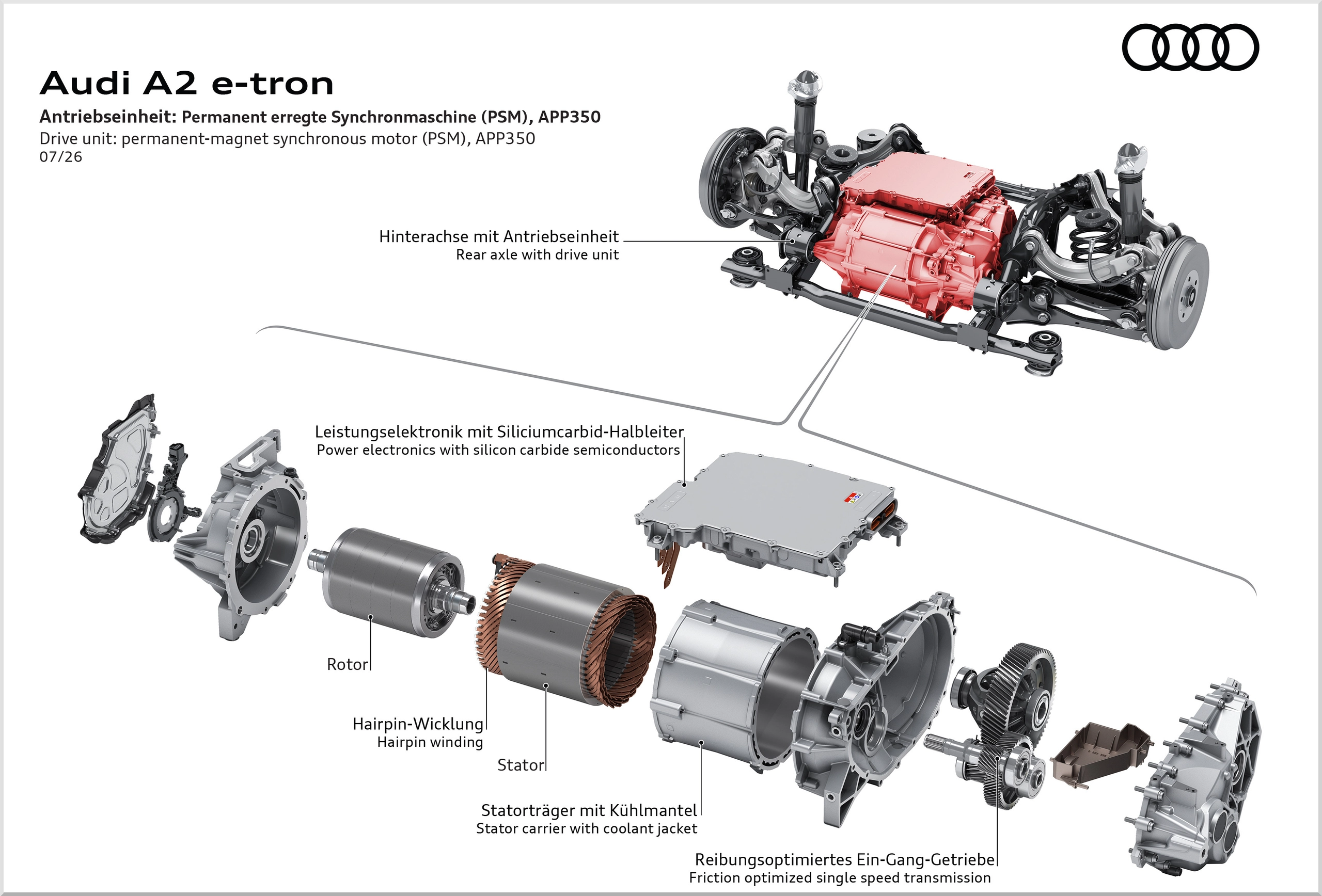
The electric powertrain delivers up to 10% higher efficiency than Audi's previous systems. Specifically, its silicon-carbide inverter reduces losses as direct current moves from the battery into the motor.
Audi also reduces the motor's lamination thickness from 0.3 mm to 0.2 mm. Thinner laminations limit eddy-current losses inside the magnetic core, allowing more stored energy to reach the wheels. A revised transmission adds lower internal friction and gearing optimised for higher speeds.
Video title
Audi A2 e-tron
Key efficiency measures include:
- Silicon-carbide power semiconductors
- A permanent-magnet synchronous motor
- Thinner 0.2 mm motor laminations
- Lower-friction transmission components
- Speed-focused reduction gearing
Why Audi Chose an LFP Battery
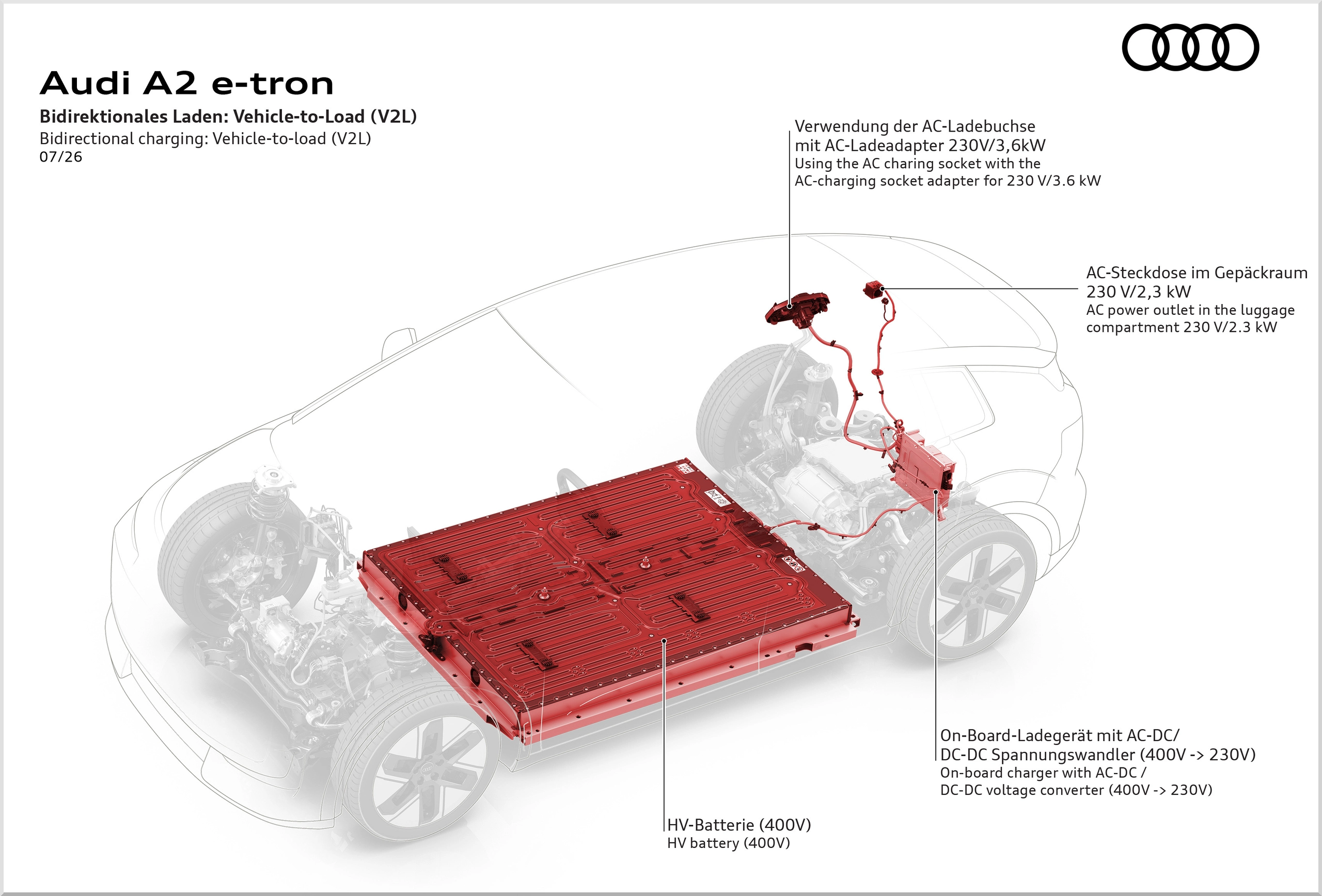
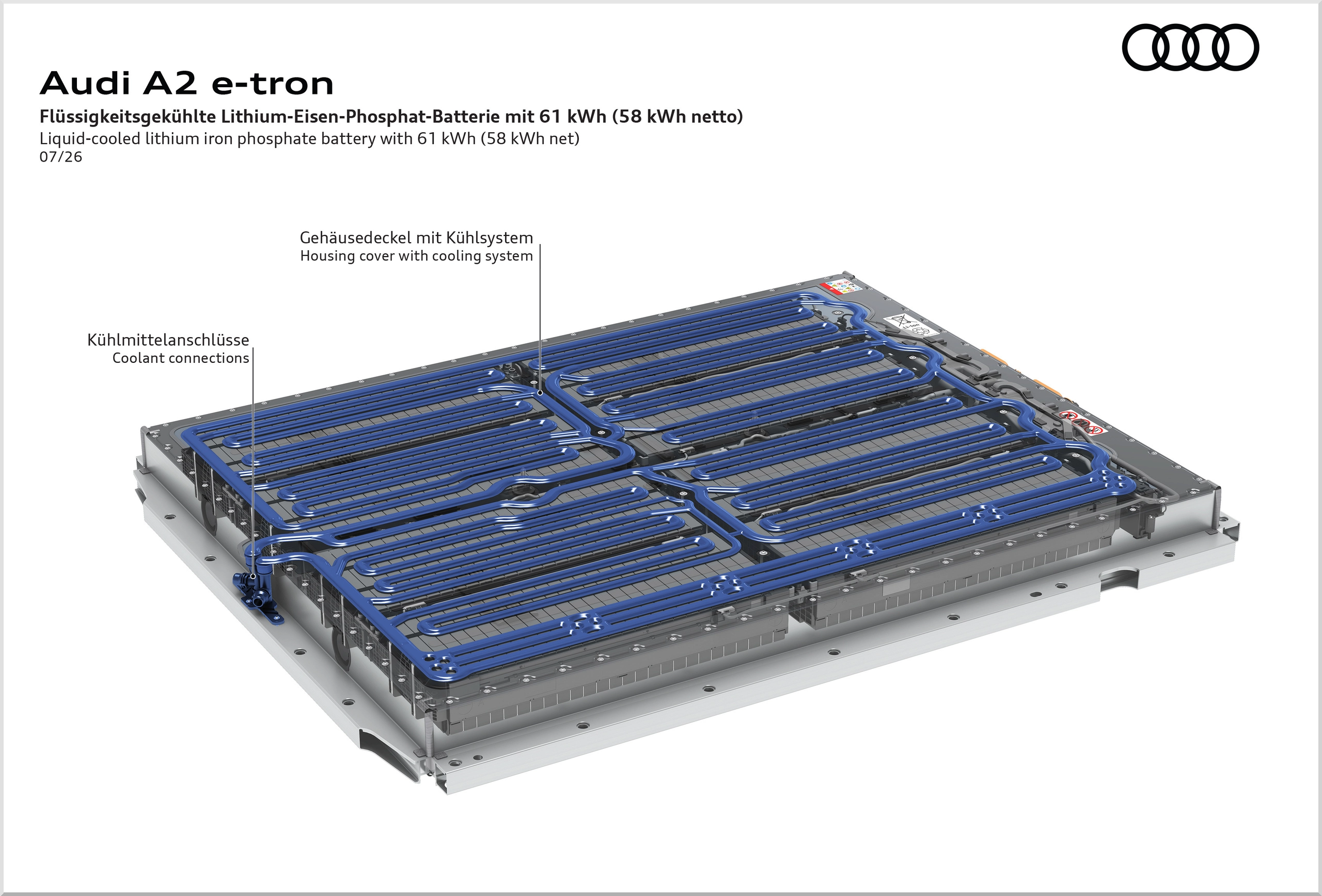
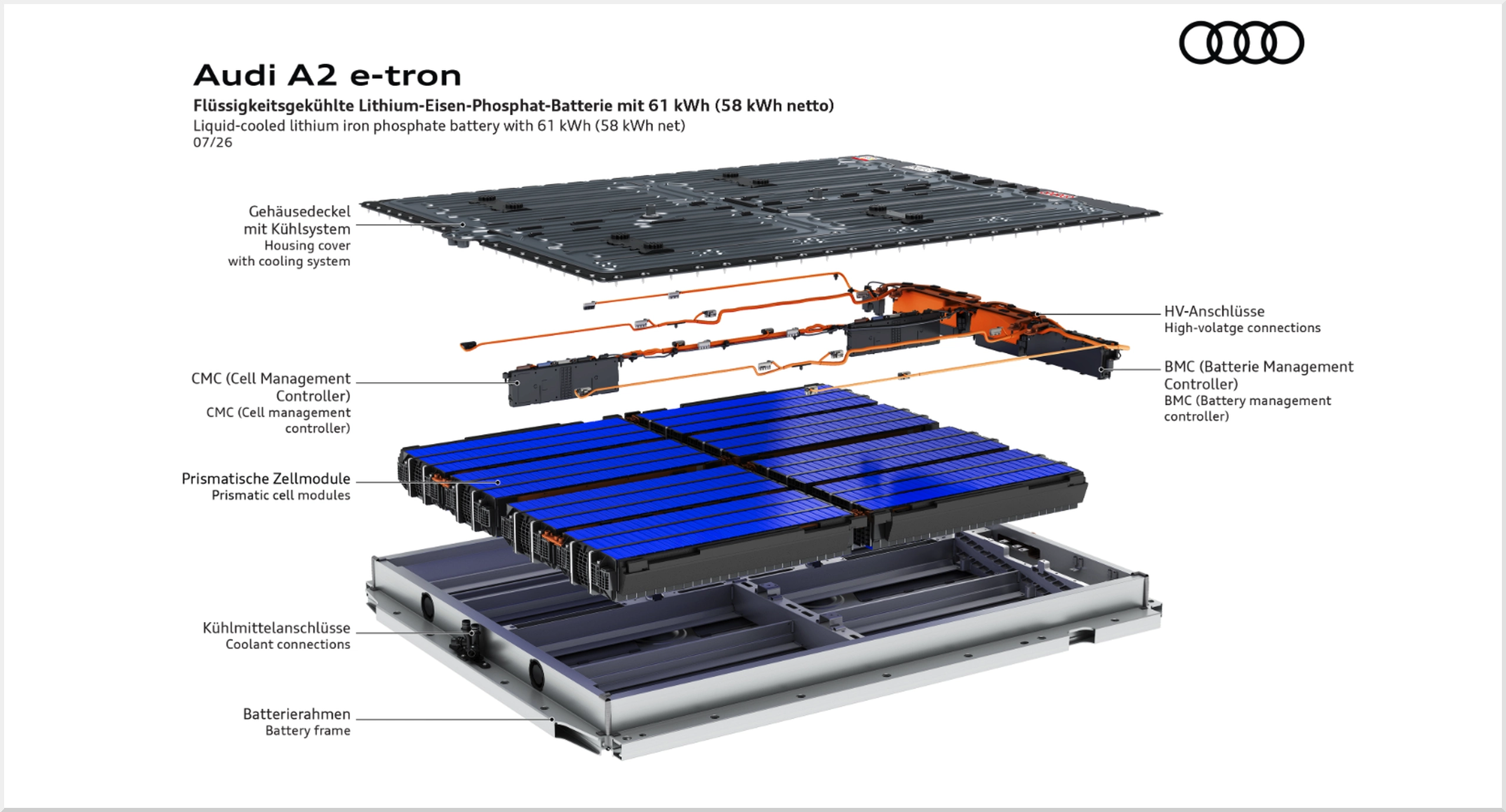
The 61 kWh LFP battery provides 58 kWh of usable capacity through a cell-to-pack design. Removing conventional module structures creates more room for active battery material while limiting pack complexity.
Image
LFP cells provide long service life, strong thermal stability and regular 100% charging capability. From an expert perspective, that last advantage makes the chemistry practical for drivers who charge overnight and want maximum daily range without carefully managing an 80% limit.
Pro-Tip: Track Energy Drawn From the Wall
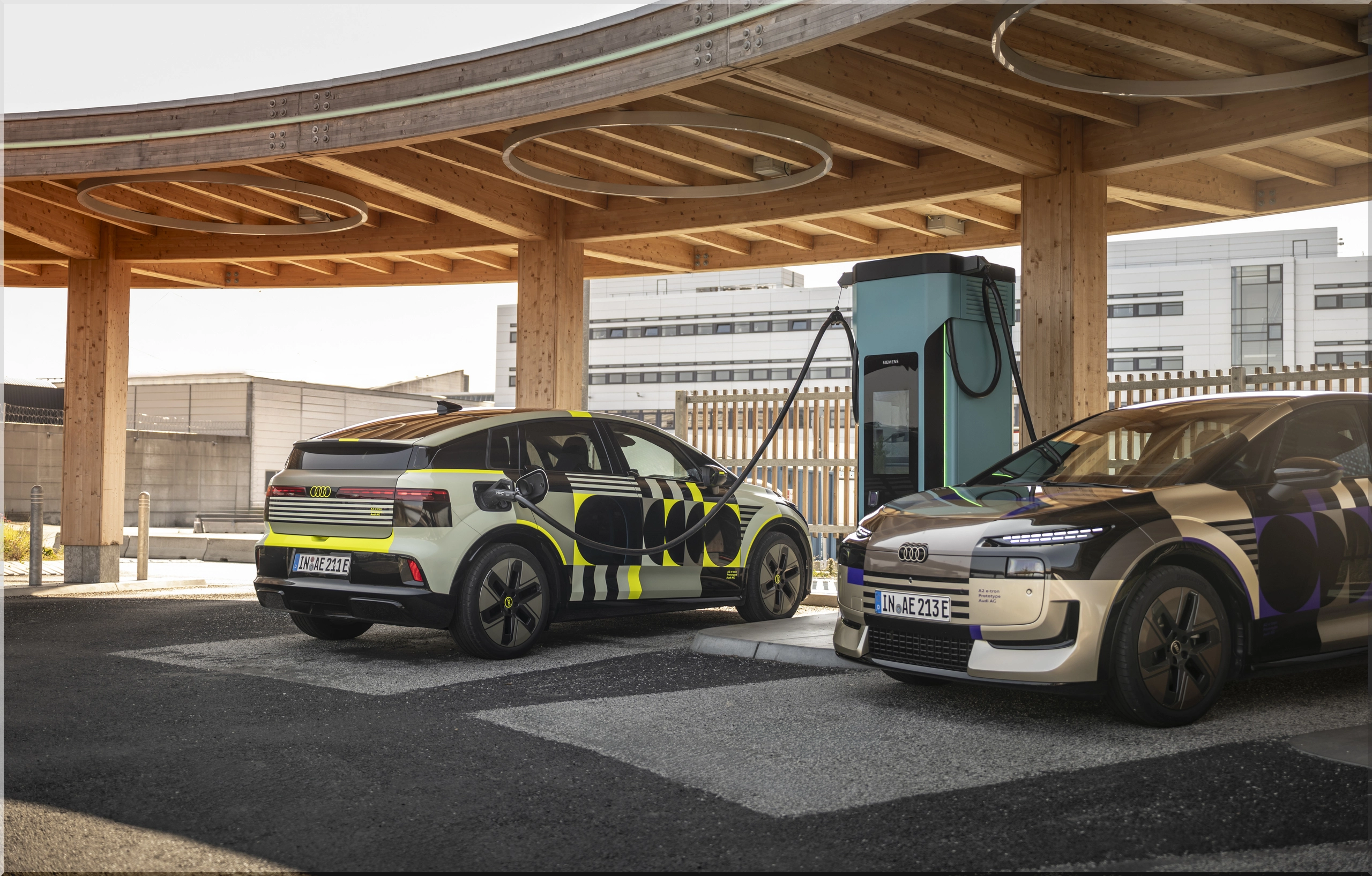
Do not judge efficiency only by the dashboard figure. The A2 e-tron reaches up to 89.6% wallbox charging efficiency, so storing 58 kWh could require roughly 64.7 kWh from the grid under favourable conditions. Electricity bills reflect grid consumption, not energy delivered to the battery.
Image gallery

Bidirectional Charging Adds Household Value
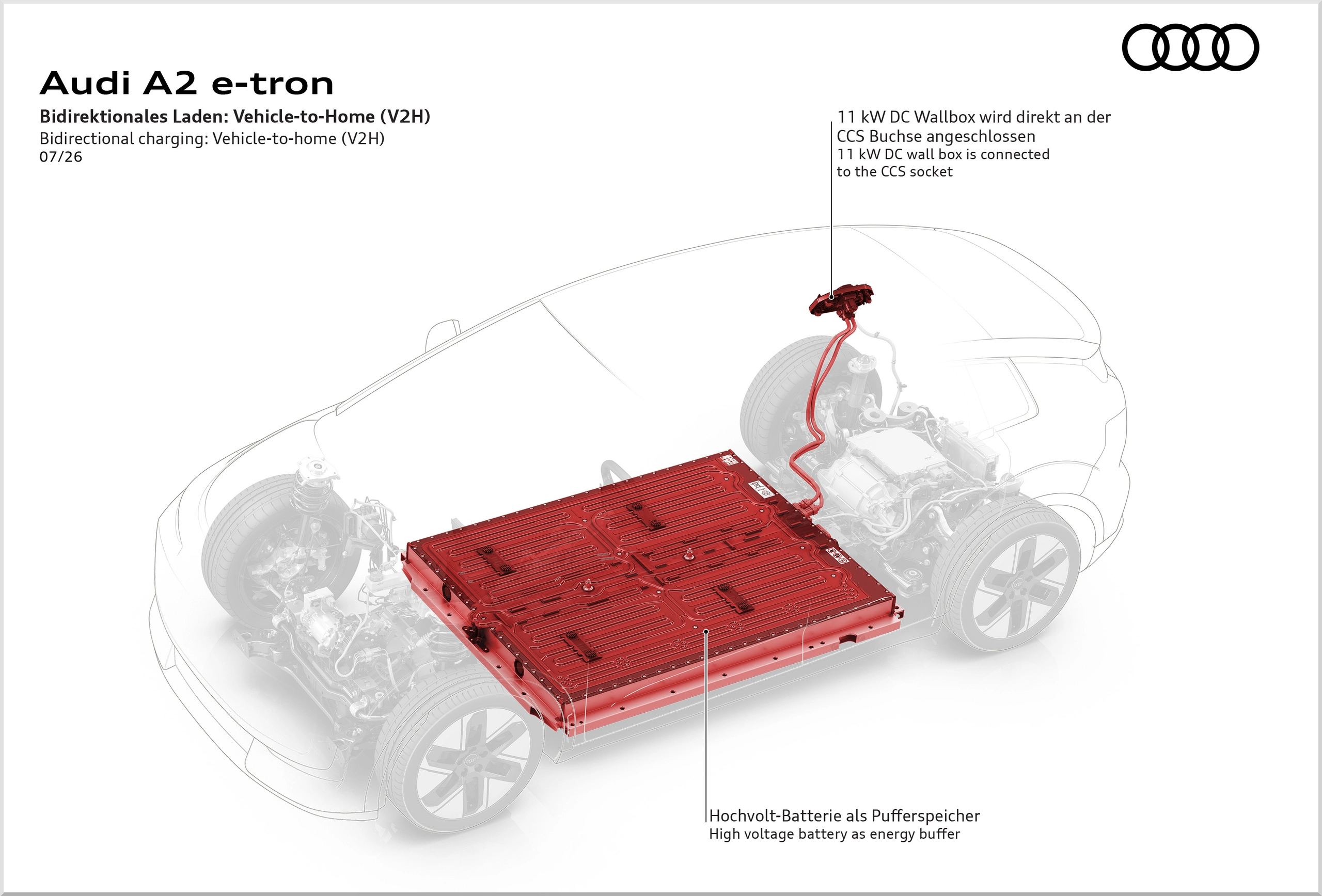
Vehicle-to-Load can power tools, computers and leisure equipment when battery charge remains above 20%. Vehicle-to-Home can supply electricity to a compatible property between 20% and 80% state of charge through an approved wallbox.
By comparison, this capability turns the A2 e-tron into a mobile energy reserve as well as efficient transport. Market availability, final range, charging rates and pricing should arrive around its autumn 2026 premiere.
- Add new comment
- 227 views