Entry-Level EV Strategy from Volkswagen
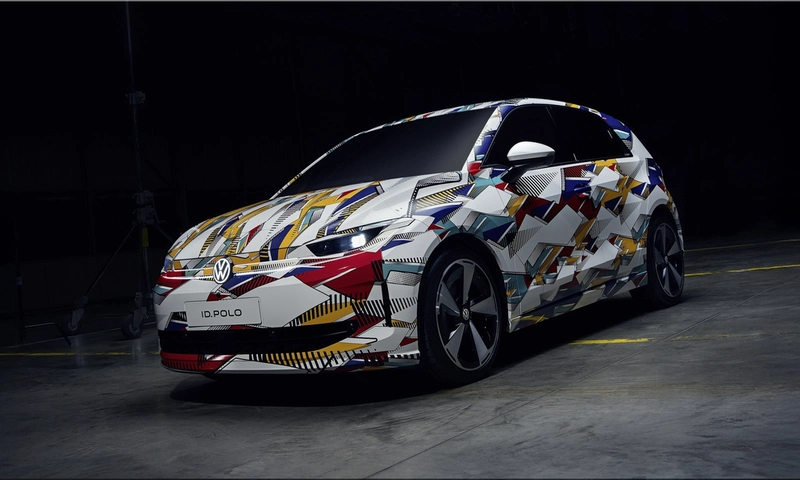
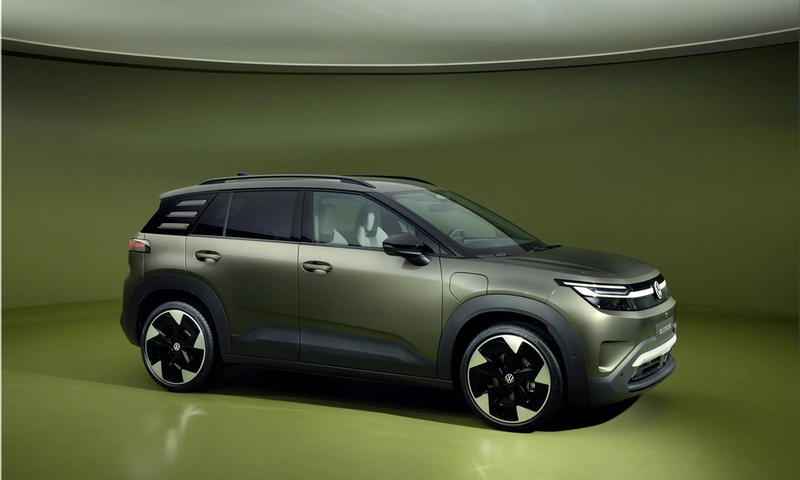
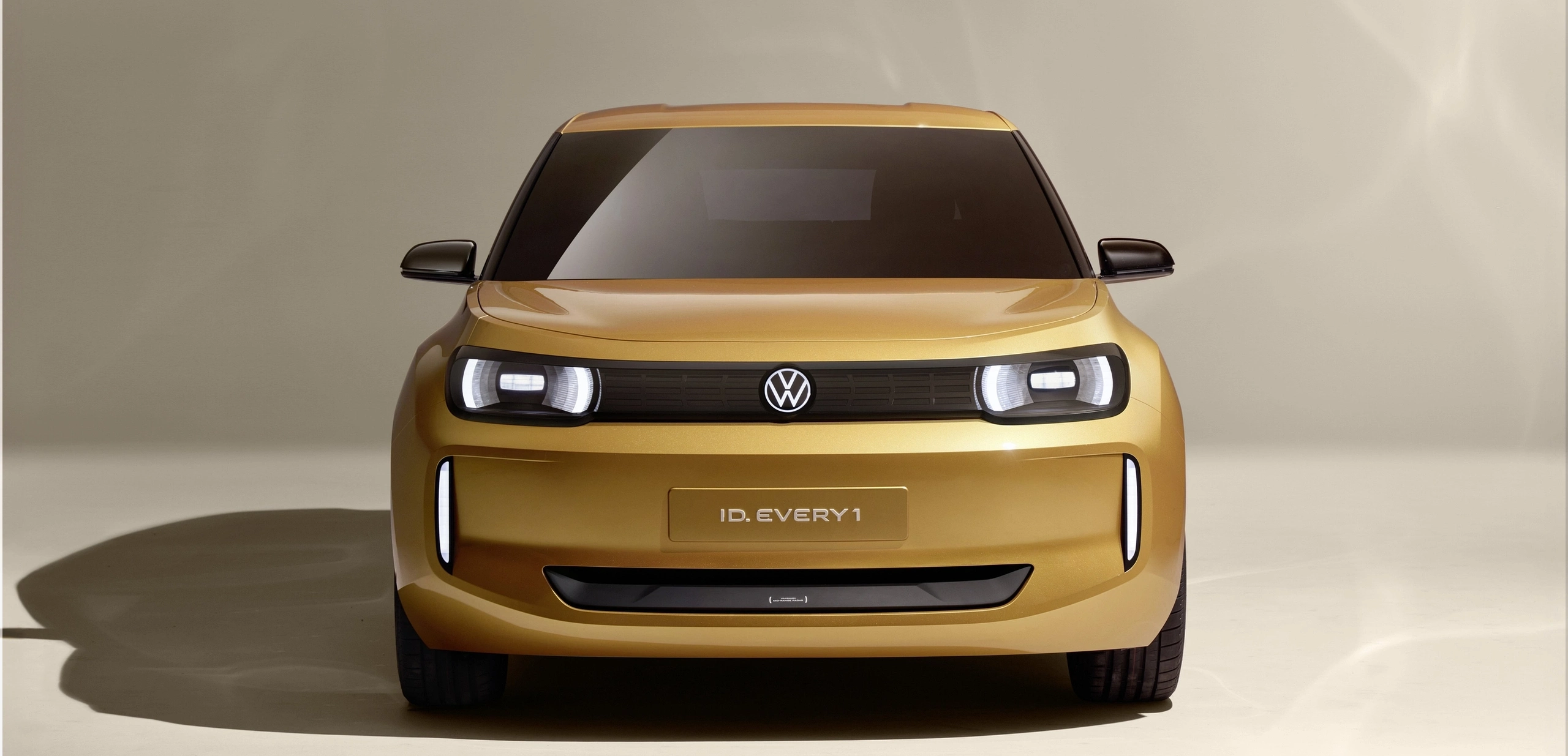
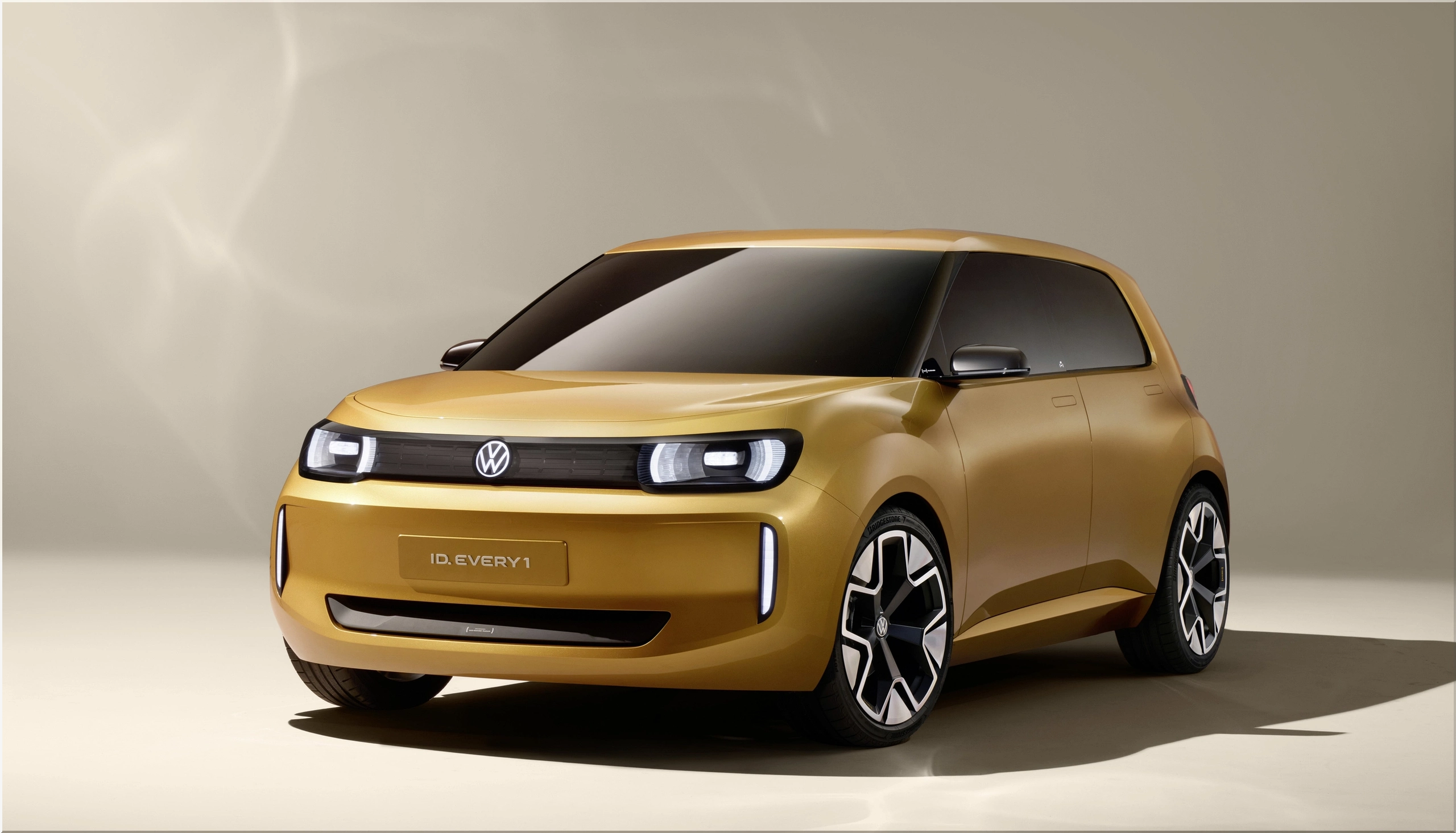
Volkswagen used the 2025 Geneva stage to preview the ID. EVERY1, its smallest electric car to date. Priced at about €20,000 (≈$21,500 USD), the production model arrives in 2027. Positioned under the upcoming ID. 2all (≈$26,800 USD), the EVERY1 is designed as a Europe-for-Europe product.
Volkswagen calls this car the final piece in its Urban Car Family, a lineup of compact EVs built on a revised MEB front-wheel-drive platform. By 2027, the company plans to release nine new models, including four small EVs.
The ID. EVERY1 targets customers priced out of current EVs. The goal is scale: Volkswagen wants to defend its status as the top global volume manufacturer by 2030.
Key Specifications
| Specification | Volkswagen ID. EVERY1 (Concept) |
|---|---|
| Starting Price | €20,000 (≈$21,500 USD) |
| Length | 3,880 mm (152.7 in) |
| Width | 1,816 mm (71.5 in) |
| Height | 1,490 mm (58.6 in) |
| Top Speed | 130 km/h (81 mph) |
| Power Output | 70 kW (95 hp) |
| Estimated Range | 250 km (155 miles) |
| Seating | 4 passengers |
| Cargo Volume | 305 liters |
The EVERY1 sits between the discontinued Volkswagen up! (3,600 mm) and the Polo (4,074 mm). Range and output figures reflect an urban focus rather than long-distance performance.
Design Language: Stability, Likeability, and "Secret Sauce"
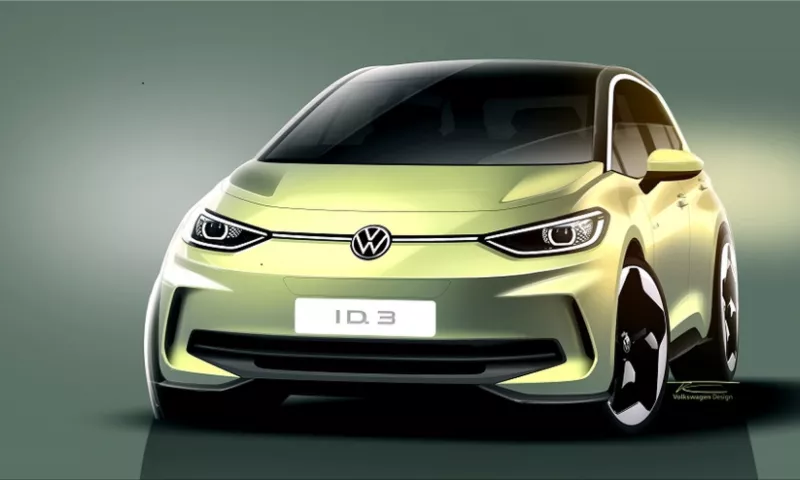
Volkswagen's design team structured the ID. EVERY1 around three values: stability, likeability, and secret sauce.
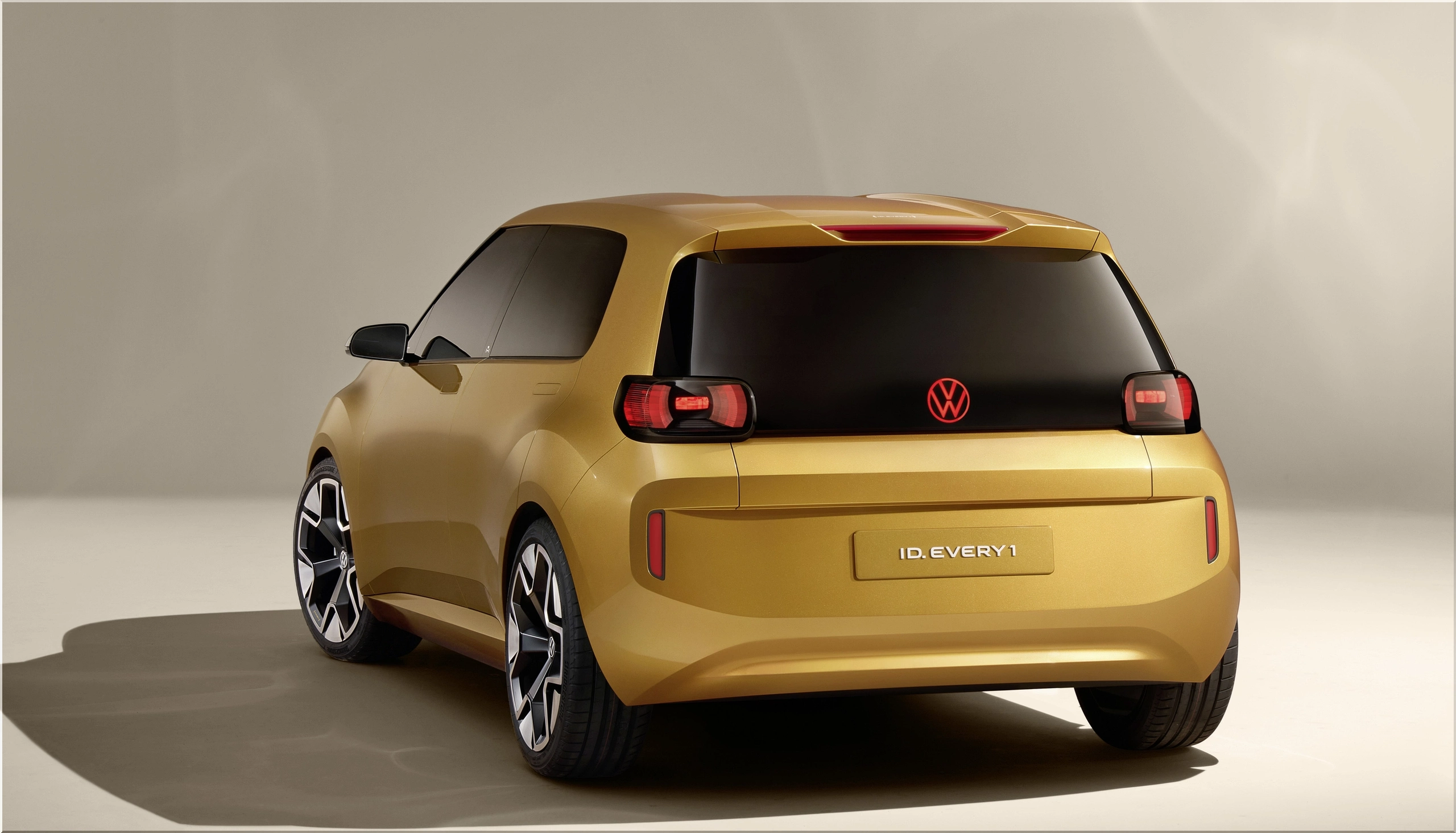
- Stability: The wide stance, 19-inch wheels, and strong C-pillar create a planted look. Clean surfaces avoid excess decoration.
- Likeability: The car's "cheeky smile" front end and golden-ratio proportions give it a friendly face. Animated LED lights greet drivers.
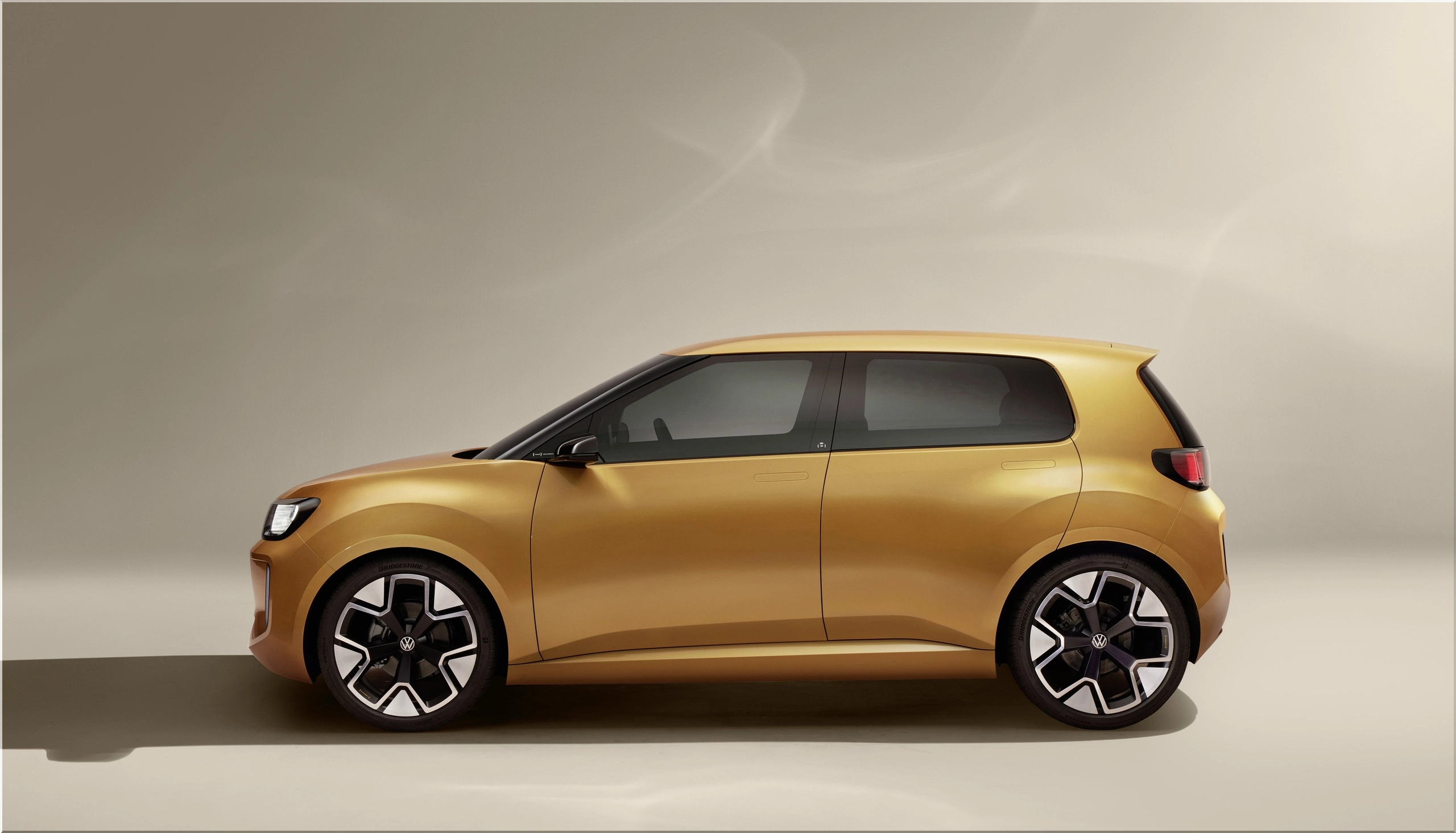
- Secret Sauce: The "flying roof concept" lowers the center roof section for a distinct profile. The design hides aerodynamic tricks that reduce drag and extend range.
The result is a compact EV with visual links to past Volkswagens, such as the Golf's straight window line, while introducing new aerodynamic elements.
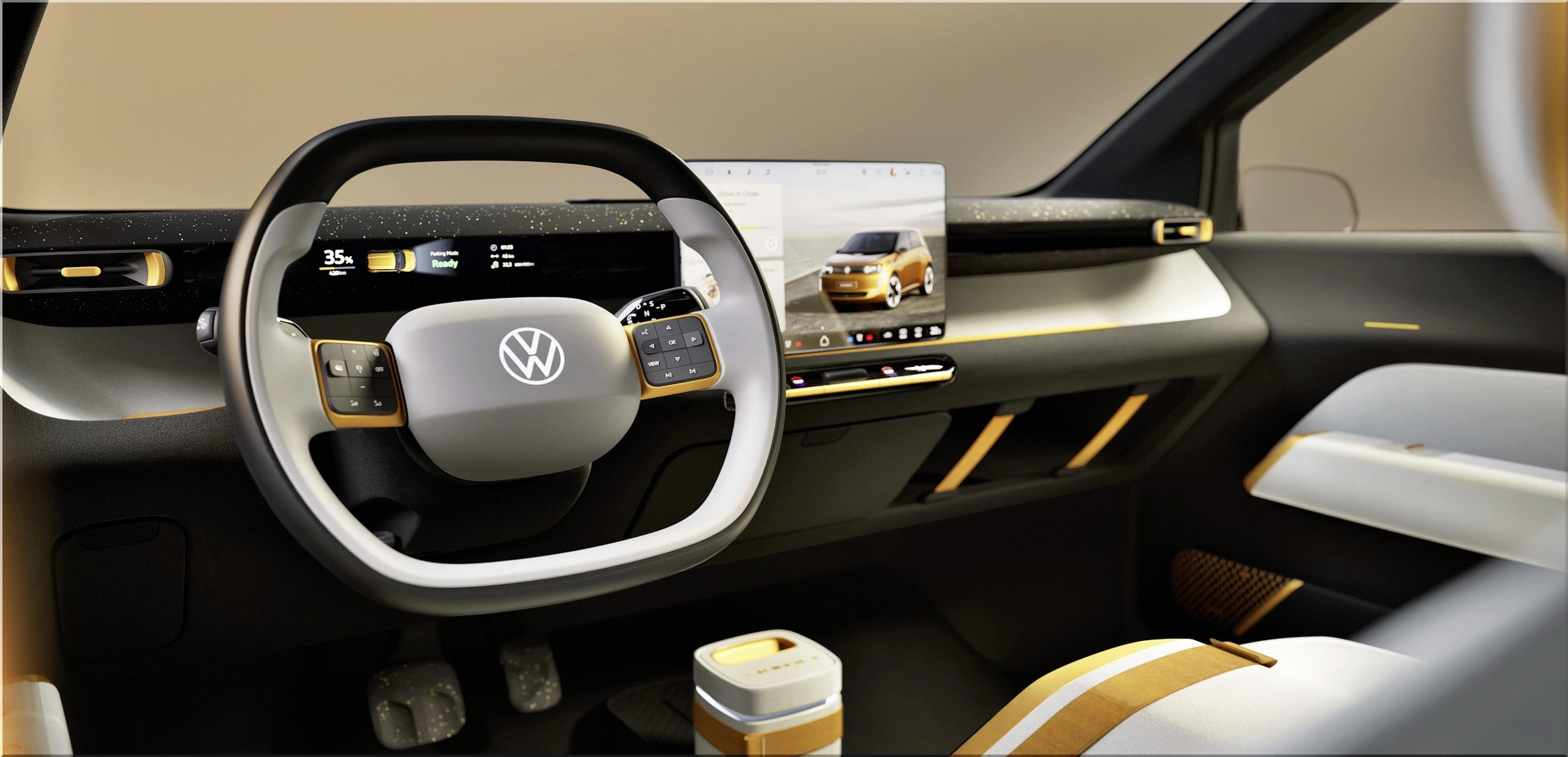
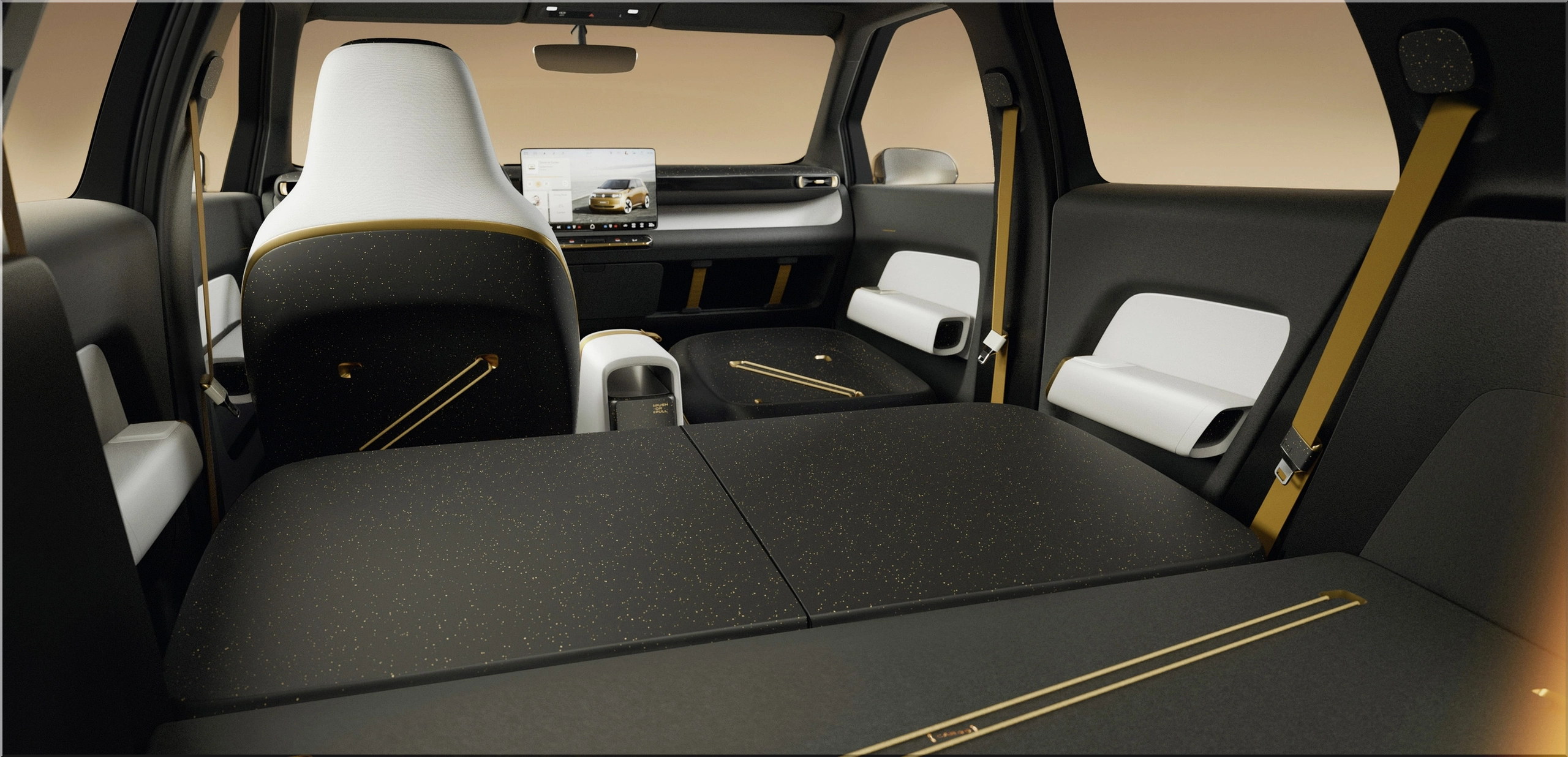
Interior Concept: Function First
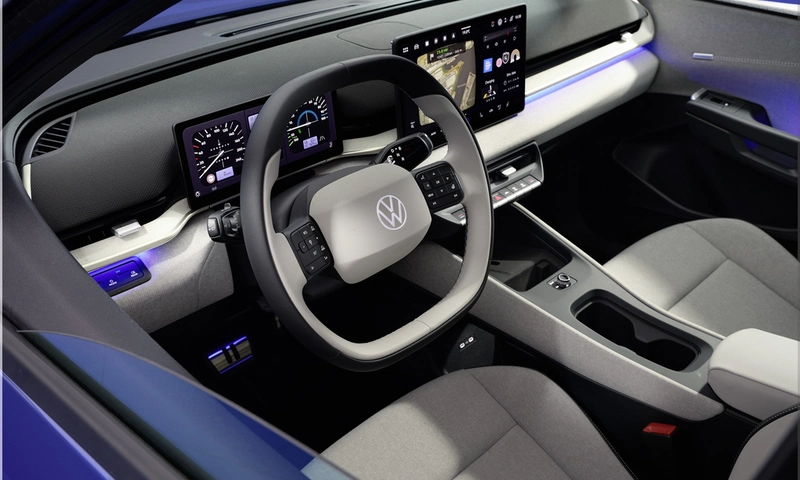
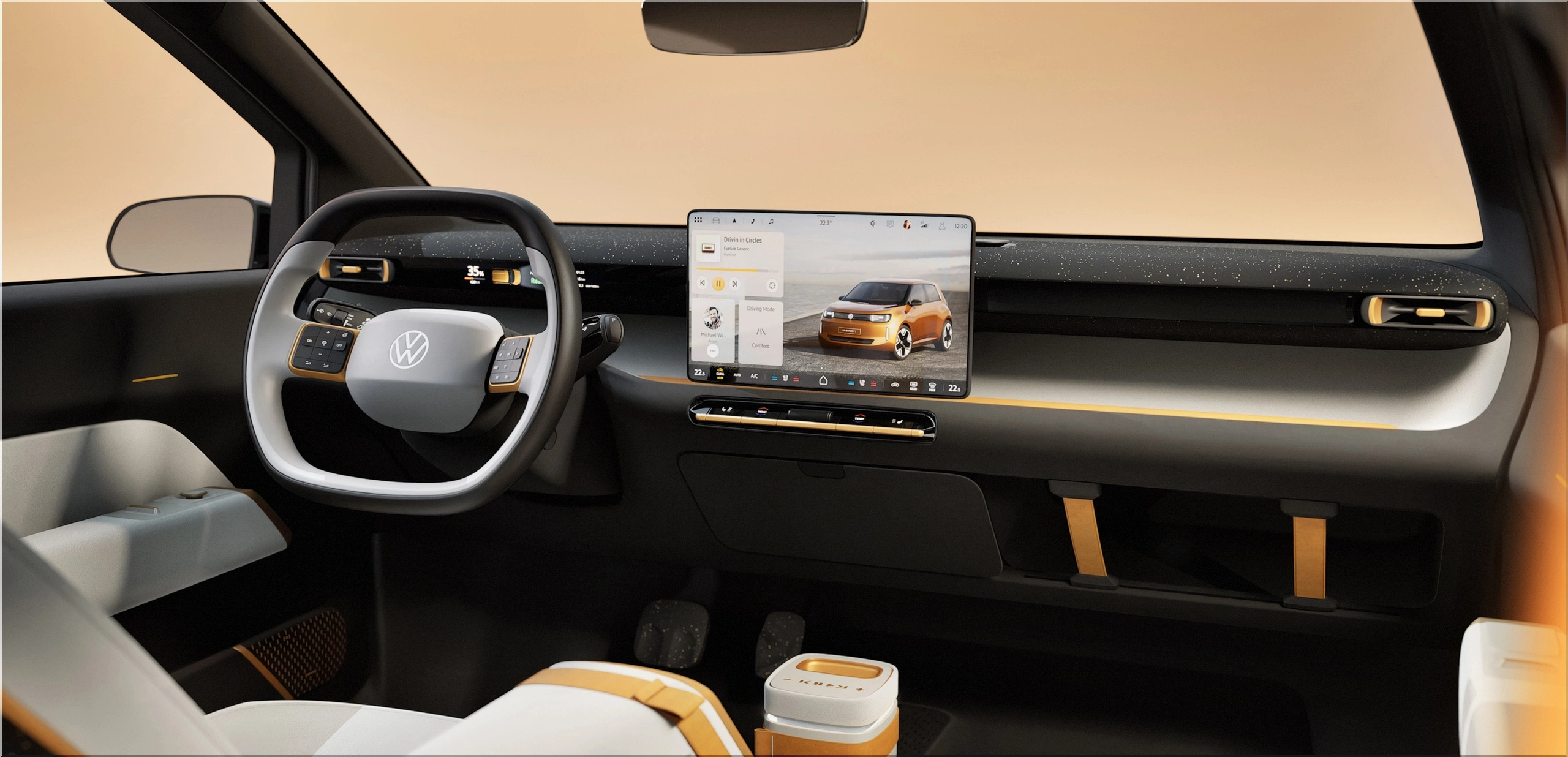
Inside, the ID. EVERY1 offers Polo-like interior space in a smaller footprint, thanks to the MEB front-wheel-drive layout.
Key features:
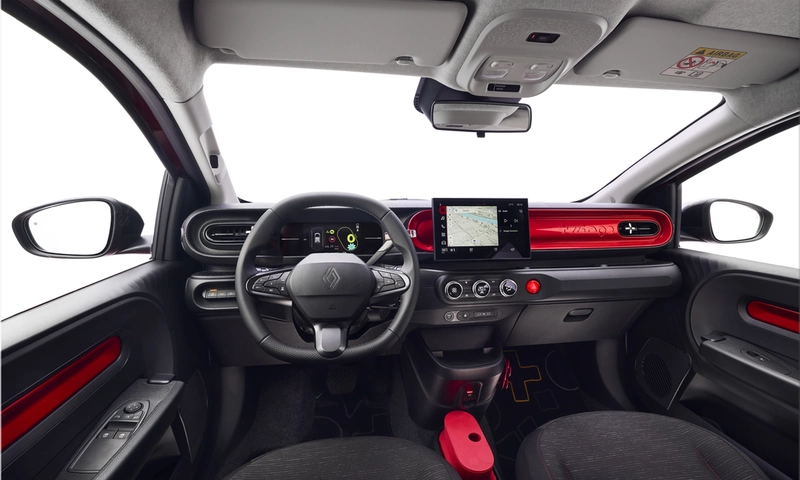
- Recycled fabrics, terrazzo-style trim, and warm color tones.
- A modular center console that slides along rails, offering storage and flexibility.
- Fold-flat passenger and rear seats for cargo versatility.
- Integration options for tablets and removable Bluetooth speakers.
- A clean dash layout with physical controls for temperature and volume.
This interior design emphasizes adaptability. Volkswagen sees the EVERY1 as a practical daily EV for both families and commercial operators.
Technology and Software
Volkswagen introduces a new software architecture with the ID. EVERY1. Unlike earlier models, this platform supports lifetime updates and feature upgrades. Customers can add functions years after purchase.
This flexibility lowers barriers for entry-level buyers who want an affordable EV but also expect digital updates. It also helps Volkswagen cut costs by standardizing software across future models.
Competitive Context
The ID. EVERY1 enters one of the most contested EV segments: sub-$25,000 compact EVs. Competitors will include:
- Renault 5 EV (≈$26,000 USD, 2025 launch)
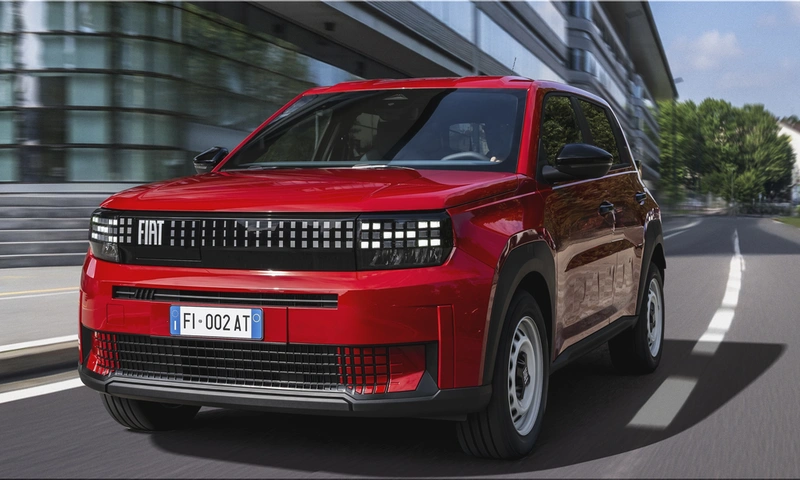
- Fiat Panda EV successor (≈$22,000 USD, 2026 launch)
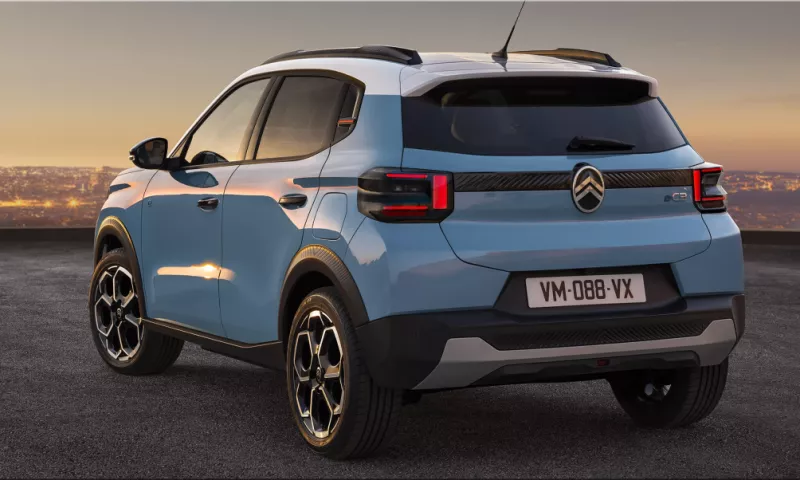
- Citroën ë-C3 (≈$23,000 USD, early 2025 launch)
Volkswagen's edge is scale. With 4.8 million cars sold in 2024, VW can pressure suppliers and optimize production costs. A $21,500 EV from Volkswagen carries more credibility than smaller brands attempting similar pricing.
Why This Matters for Volkswagen
Volkswagen faces pressure in Europe from Chinese EV imports and new Euro 7 regulations. Offering a small, affordable EV directly addresses two challenges:
- Market Access: Keeps middle-class buyers in the Volkswagen ecosystem.
- Regulatory Compliance: Helps lower fleet emissions at scale.
By 2030, Volkswagen wants to be the global leader in volume EV production. Entry-level cars like the EVERY1 are essential for that target.
Image gallery
Actionable Insights
- Affordability is Key: At $21,500, the EVERY1 is one of the cheapest EVs from a major brand.
- Urban-Centric: With 250 km of range and a 130 km/h top speed, this EV is tailored for city driving, not highways.
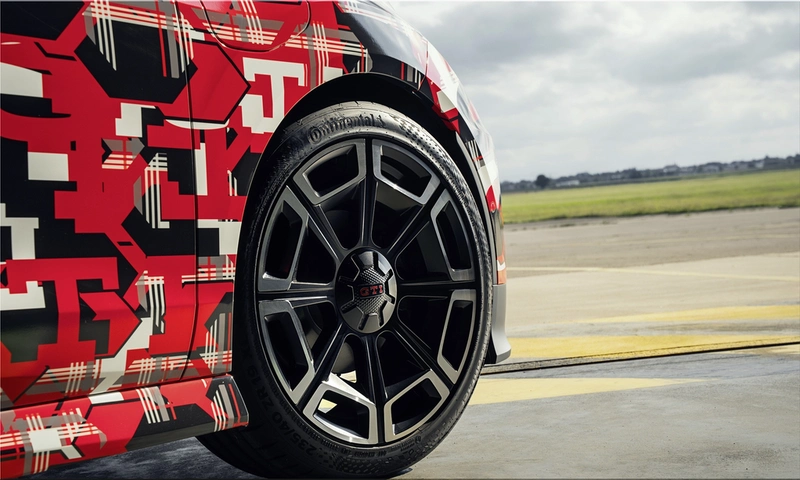
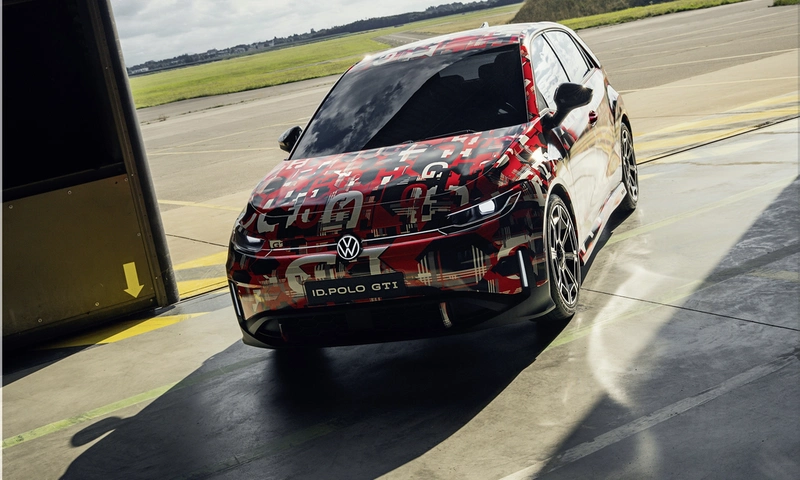
- Scalability: The shared platform strategy keeps costs down and opens the door for GTI-style performance versions.
- Software as a Selling Point: Lifetime upgrades will help Volkswagen differentiate against budget rivals offering limited digital ecosystems.
Image gallery
Final Take
The Volkswagen ID. EVERY1 represents a strategic shift. Instead of chasing luxury margins, Volkswagen is betting on scale and affordability. By anchoring the EV lineup below $22,000, the company positions itself for mass adoption in Europe.
If Volkswagen delivers on pricing, range, and software, the EVERY1 could repeat what the Beetle and Golf achieved decades ago: making modern mobility accessible to the masses.
- Add new comment
- 229 views